
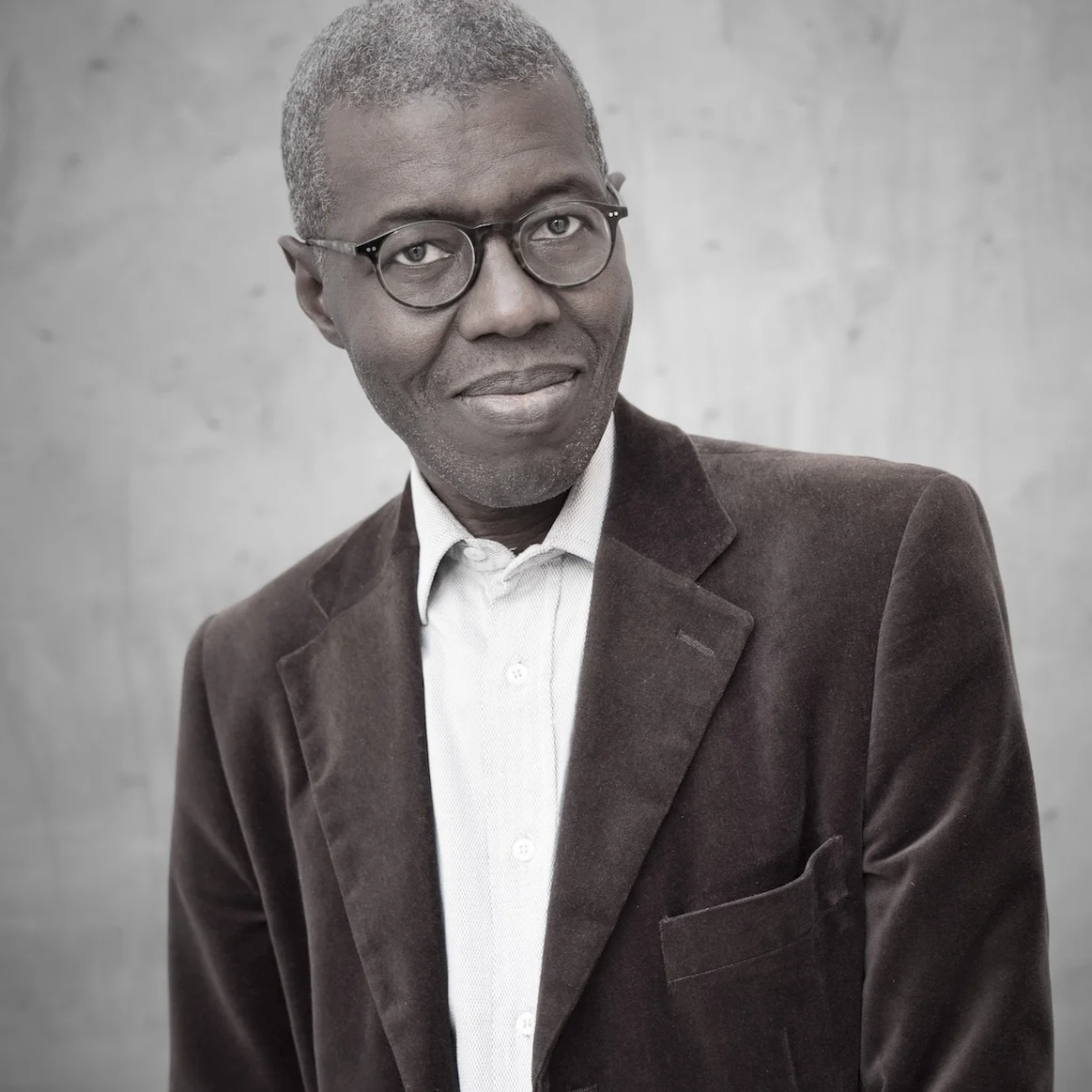
Souleymane Bachir Diagne
Professor of French and Philosophy, Columbia University
Souleymane Bachir Diagne specializes in history of philosophy, Islamic philosophy, African philosophy and literature, and received his academic training in France. An alumnus of the École Normale Supérieure, he holds an agrégation in Philosophy (1978) and he took his Doctorat d’État in philosophy at the Sorbonne (1988) where he also took his BA (1977). Before joining Columbia University in 2008 he taught philosophy for many years at Cheikh Anta Diop University, Dakar (Senegal) and at Northwestern University.
Souleymane Bachir Diagne
Professor of French and Philosophy, Columbia University
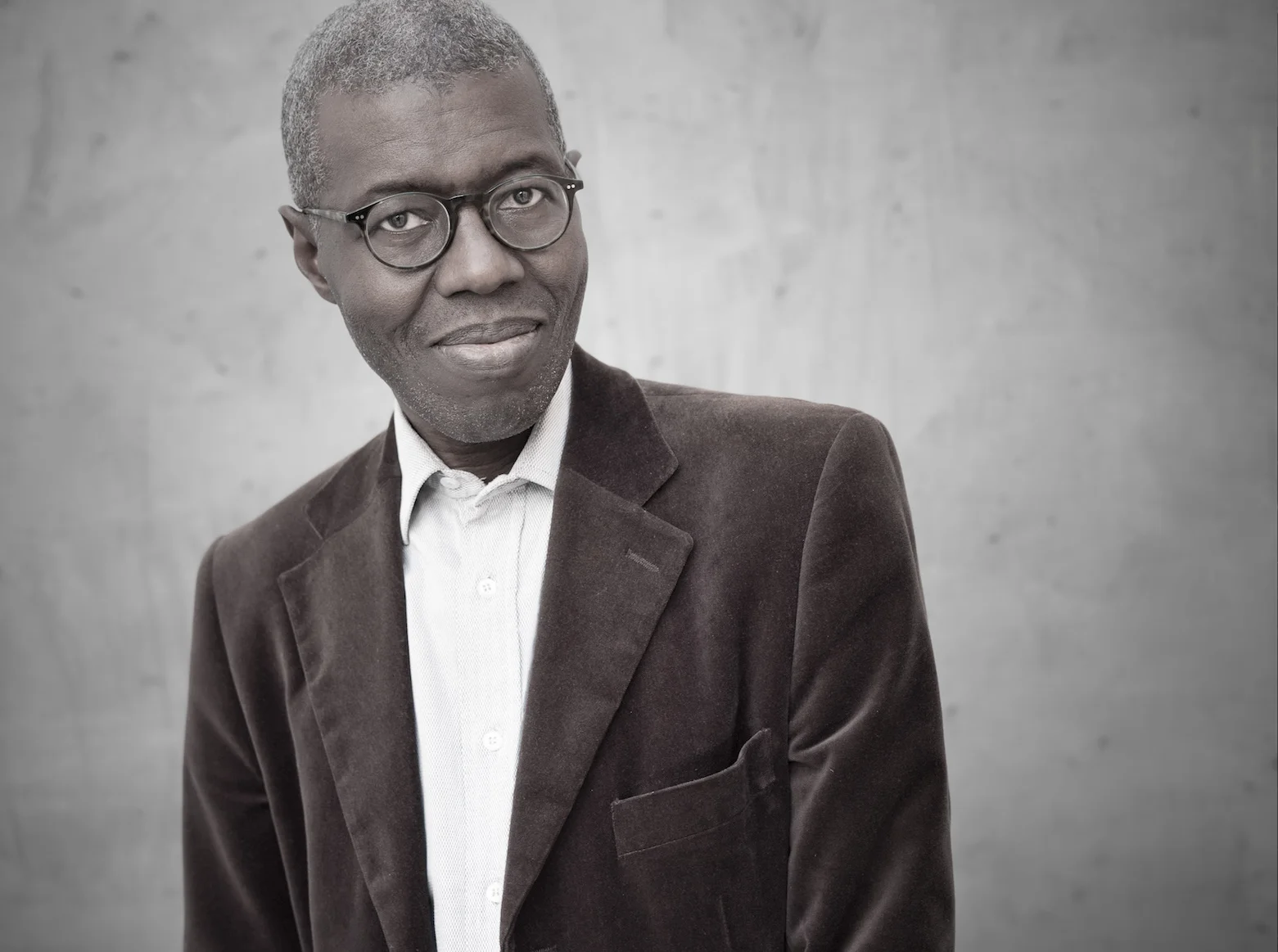
Souleymane Bachir Diagne specializes in history of philosophy, Islamic philosophy, African philosophy and literature, and received his academic training in France. An alumnus of the École Normale Supérieure, he holds an agrégation in Philosophy (1978) and he took his Doctorat d’État in philosophy at the Sorbonne (1988) where he also took his BA (1977). Before joining Columbia University in 2008 he taught philosophy for many years at Cheikh Anta Diop University, Dakar (Senegal) and at Northwestern University. His field of research includes history of logic, history of philosophy, Islamic philosophy, African philosophy and literature. His book Bergson postcolonial. L’élan vital dans la pensée de Senghor et de Mohamed Iqbal, Paris, Editions du CNRS, 2011) was awarded the Dagnan-Bouveret prize by the French Academy of Moral and Political Sciences for 2011 and on that same year he received the Edouard Glissant Prize for his work. Souleymane Bachir Diagne’s current teaching interests include history of early modern philosophy, philosophy and Sufism in the Islamic world, African philosophy and literature, twentieth century French philosophy.
Working Group Affiliation

Mamadou Diouf
Director, Institute for African Studies, Columbia University
Mamadou Diouf is the Leitner Family Professor of African Studies and the Director of Columbia University's Institute for African Studies. He holds a Ph.D. from the University of Paris-Sorbonne. His research interests include urban, political, social and intellectual history in colonial and postcolonial Africa. Recent publications include: Tolerance, Democracy, and Sufis in Senegal (ed. 2013), New Perspectives on Islam in Senegal: Conversion, Migration, Wealth, and Power (with Mara A. Leichtman, 2009); Histoires et Identités dans la Caraïbe: Trajectoires Plurielles (with Ulbe Bosma, 2004); and La Construction de l’Etat au Sénégal (with M. C. Diop & D. Cruise O’Brien, 2002).
Mamadou Diouf
Director, Institute for African Studies, Columbia University
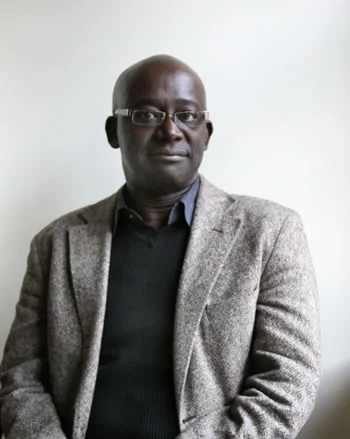
Mamadou Diouf is the Leitner Family Professor of African Studies and the Director of Columbia University's Institute for African Studies. He holds a Ph.D. from the University of Paris-Sorbonne. He was Head of the Research, Information, and Documentation Department of the Council for the Development of Social Science Research in Africa (CODESRIA) and faculty member of the History Department of Cheikh Anta Diop University in Dakar, Senegal. His research interests include urban, political, social and intellectual history in colonial and postcolonial Africa. Publications include: Tolerance, Democracy, and Sufis in Senegal (ed. 2013); New Perspectives on Islam in Senegal: Conversion, Migration, Wealth, and Power (with Mara A. Leichtman, 2009); La Construction de l’Etat au Sénégal (with M. C. Diop & D. Cruise O’Brien, 2002); Histoire du Sénégal: Le Modèle Islamo-Wolof et ses Périphéries (2001); Histoires et Identités dans la Caraïbe: Trajectoires Plurielles (with Ulbe Bosma, 2004); Les Jeunes, Hantise de l’espace public dans les sociétés du sud? (with R. Collignon, 2001); Les figures du politique : Des pouvoirs hérités aux pouvoirs élus (with M. C. Diop, 1999); L'Historiographie indienne en débat. Sur le nationalisme, le colonialisme et les sociétés postcoloniales (ed., 1999); Academic Freedom and Social Responsibility of the Intellectuals in Africa (with Mahmood Mamdani, 1994); Le Sénégal sous Abdou Diouf (with M.C. Diop, 1990); and La Kajoor au XIXe siècle : Pouvoir Ceddo et Conquête Coloniale (1990).
Working Group Affiliations
The Rural-Urban Interface: Gender and Poverty in Ghana and Kenya, Statistics and Stories

Stathis Gourgouris
Professor, Department of Classics, English, and Comparative Literature, Columbia University
Stathis Gourgouris is a Professor of Classics, English, and Comparative Literature, Columbia University and former Director of the Comparative Institute for Literature and Society. Professor Gourgouris writes and teaches on a variety of subjects that ultimately come together around questions of the poetics and politics of modernity and democracy. He is the author of Dream Nation: Enlightenment, Colonization, and the Institution of Modern Greece (Stanford, 1996); Does Literature Think?
Stathis Gourgouris
Professor of Classics, English, and Comparative Literature, Columbia University

Stathis Gourgouris is a Professor of Classics, English, and Comparative Literature, Columbia University and former Director of the Comparative Institute for Literature and Society. Professor Gourgouris writes and teaches on a variety of subjects that ultimately come together around questions of the poetics and politics of modernity and democracy. He is the author of Dream Nation: Enlightenment, Colonization, and the Institution of Modern Greece (Stanford, 1996); Does Literature Think? Literature as Theory for an Antimythical Era (Stanford, 2003); and Lessons in Secular Criticism (Fordham 2013). Outside these projects he has also published numerous articles on Ancient Greek philosophy, political theory, modern poetics, film, contemporary music, and psychoanalysis. He is currently completing work on two other book projects of secular criticism: The Perils of the One and Nothing Sacred. He writes regularly in internet media (such as The Huffington Post, Los Angeles Review of Books, Al Jazeera, Open Democracy, The Immanent Frame), as well as major Greek newspapers and journals on political and literary matters.
Professor Gourgouris has a Ph.D. in Comparative Literature, UCLA 1990. He has taught Comparative Literature at Princeton, Yale, UCLA, and the National Technical University in Athens and spent time as Research Fellow at the American School of Classical Studies in Athens (National Endowment for the Humanities), the International Institute at the University of Michigan, and the Center for Cultural Analysis at Rutgers. He has also served as Director of the Institute for Comparative Literature and Society at Columbia (2009-2015); President of the Modern Greek Studies Association (2006-2012); and at the Board of Supervisors of the English Institute, Harvard University (2006-2009). In 2015 he was honored with the Lenfest Distinguished Columbia Faculty Award.
Working Group Affiliation
Bandung Humanisms, Project Director
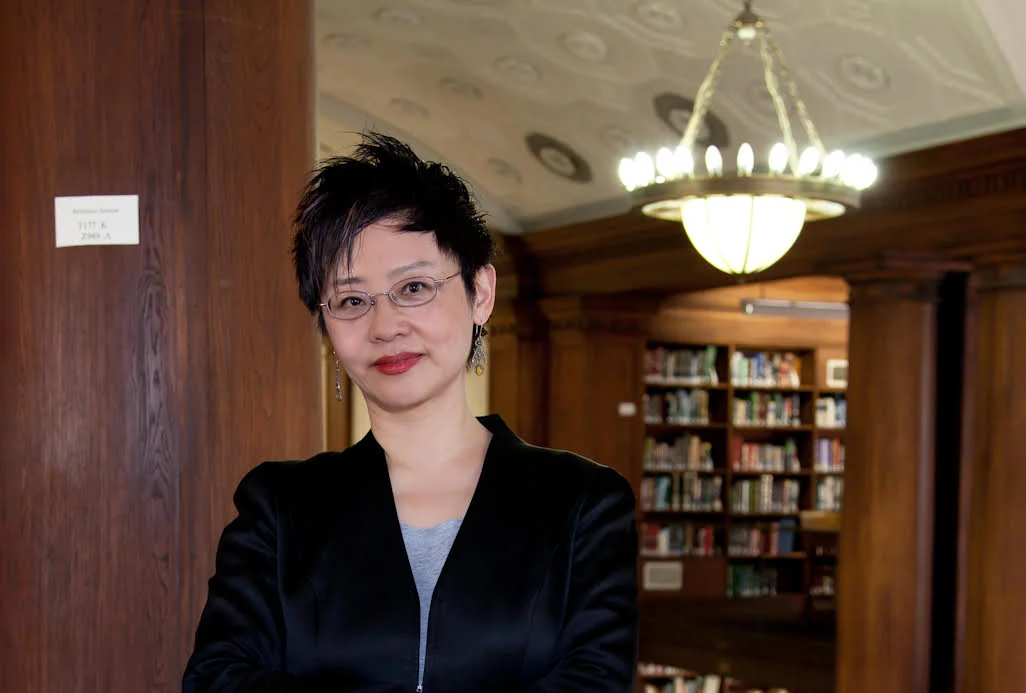
Lydia H. Liu
Professor, Department in the Humanities, Columbia University
Lydia H. Liu is a theorist of media and translation, a scholar of comparative literature, and a bilingual writer in Chinese and English. She is the Wun Tsun Tam Professor in the Humanities and the Director of the Institute for Comparative Literature and Society at Columbia University.
Lydia H. Liu
Wun Tsun Tam Professor in the Humanities, Columbia University
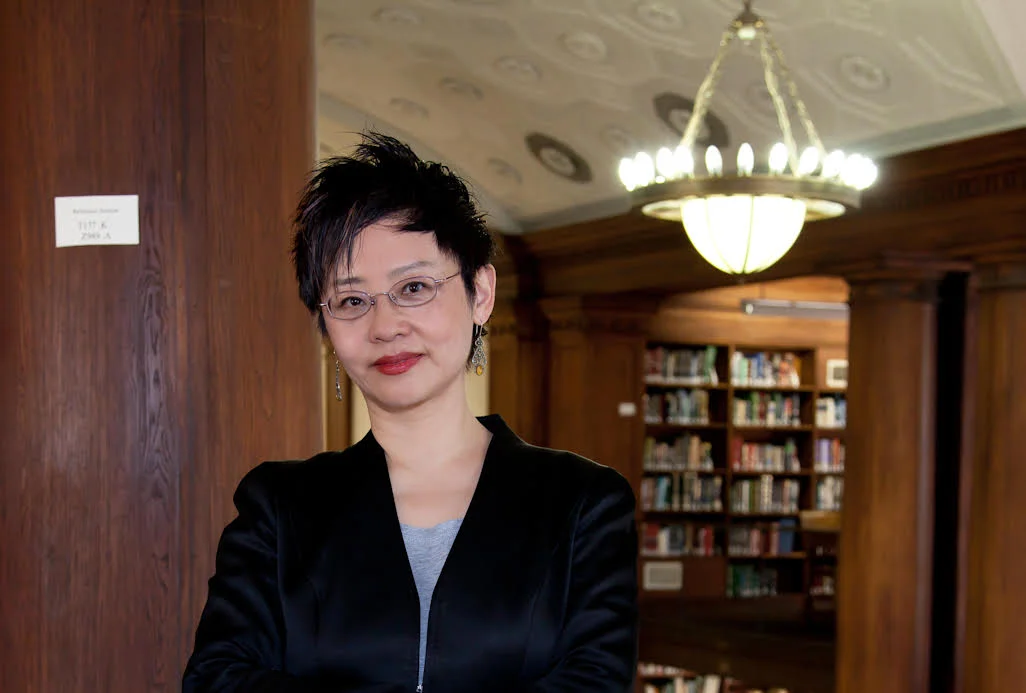
Lydia H. Liu is a theorist of media and translation, a scholar of comparative literature, and a bilingual writer in Chinese and English. She is the Wun Tsun Tam Professor in the Humanities and the Director of the Institute for Comparative Literature and Society at Columbia University. Her publications include The Freudian Robot: Digital Media and the Future of the Unconscious (2010), The Clash of Empires: The Invention of China in Modern World Making (2004), Translingual Practice: Literature, National Culture, and Translated Modernity (1995) and more recently, The Birth of Chinese Feminism: Essential Texts in Transnational Theory (2013), a book she coedited and co-translated with Rebecca Karl and Dorothy Ko.
Working Group Affiliation
Bandung Humanisms, Project Director
Mahmood Mamdani
Professor, Department of Government MESAAS, International Affairs, and Anthropology, Columbia University
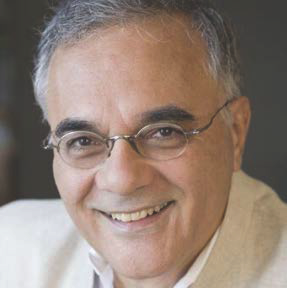
Mahmood Mamdani specializes in the study of African history and politics. His works explore the intersection between politics and culture, a comparative study of colonialism since 1452, the history of civil war and genocide in Africa, the Cold War and the War on Terror, and the history and theory of human rights. He has received numerous awards and recognitions, including being listed as one of the 'Top 20 Public Intellectuals' by Foreign Policy (US) and Prospect (UK) magazine in 2008. His most recent books include Saviors and Survivors: Darfur, Politics, and the War on Terror (2009); Good Muslim, Bad Muslim: America, the Cold War and the Roots of Terror (2004).
Mahmood Mamdani
Herbert Lehman Professor of Government MESAAS, International Affairs, and Anthropology, Columbia University
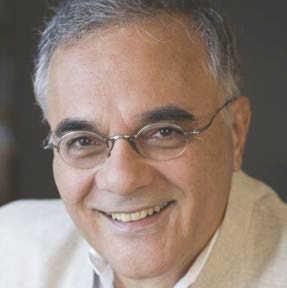
Mahmood Mamdani received his Ph.D. from Harvard University in 1974 and specializes in the study of African history and politics. His works explore the intersection between politics and culture, a comparative study of colonialism since 1452, the history of civil war and genocide in Africa, the Cold War and the War on Terror, and the history and theory of human rights. Prior to joining the Columbia faculty, Mamdani was a professor at the University of Dar-es-Salaam in Tanzania (1973-79), Makerere University in Uganda (1980-1993), and the University of Cape Town (1996-1999). He has received numerous awards and recognitions, including being listed as one of the 'Top 20 Public Intellectuals' by Foreign Policy (US) and Prospect (UK) magazine in 2008. From 1998 to 2002 he served as President of CODESRIA (Council for the Development of Social Research in Africa). His essays have appeared in the New Left Review and the London Review of Books, among other journals. Mamdani teaches courses on: major debates in the study of Africa; the modern state and the colonial subject; the Cold War and the Third World; the theory, history, and practice of human rights; and civil wars and the state in Africa. His books include Saviors and Survivors: Darfur, Politics, and the War on Terror (2009); Good Muslim, Bad Muslim: America, the Cold War and the Roots of Terror (2004); When Victims Become Killers: Colonialism, Nativism and Genocide in Rwanda (2001); Citizen and Subject: Contemporary Africa and the Legacy of Late Colonialism (1996), which was awarded the Herskovitz Prize of the African Studies Association; Politics and Class Formation in Uganda (1976); From Citizen to Refugee (1973); and The Myth of Population Control: Family, Class and Caste in an Indian Village (1972).
Working Group Affiliation
Aamir Mufti
Fellow, Comparative Literature, UCLA
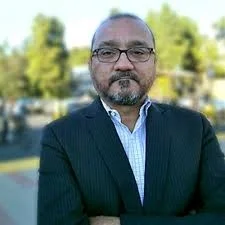
Aamir Mufti is interested in understanding a range of forms of inequality in the contemporary world and how they impede the possibilities for historically autonomous action by social collectivities in the South. His work also explores the possibilities of critical knowledge of these societies within the dominant practices of the modern humanistic disciplines. Mufti has a Ph.D. in literature from Columbia University and was trained in Anthropology at Columbia, the London School of Economics, and Hamilton College.
Aamir Mufti
Professor of Comparative Literature, UCLA

Aamir Mufti is interested in understanding a range of forms of inequality in the contemporary world and how they impede the possibilities for historically autonomous action by social collectivities in the South. His work also explores the possibilities of critical knowledge of these societies within the dominant practices of the modern humanistic disciplines. Mufti has a Ph.D. in literature from Columbia University and was trained in Anthropology at Columbia, the London School of Economics, and Hamilton College. His publications include the books Forget English! Orientalisms and World Literatures (2016, Harvard University Press) and Enlightenment in the Colony: The Jewish Question and the Crisis of Postcolonial Culture (2007, Princeton University Press).
Working Group Affiliation
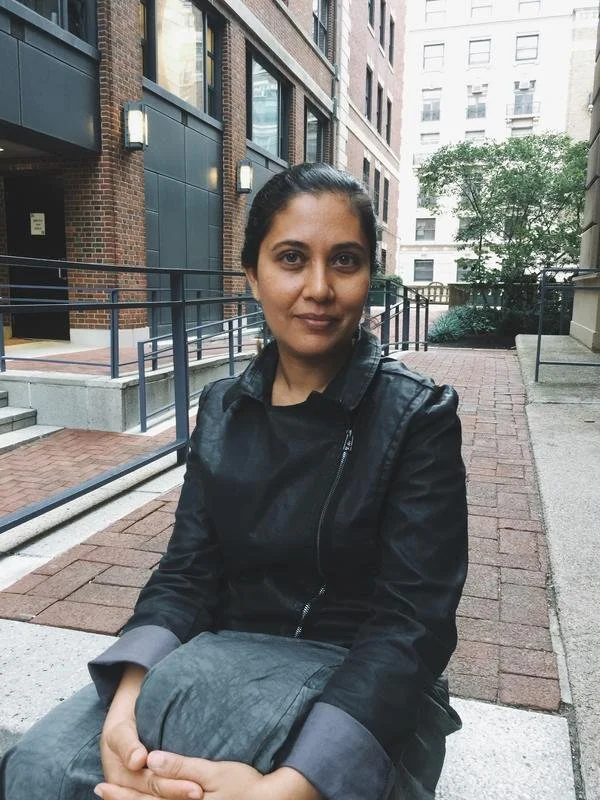
Anupama Rao
Associate Professor, Department of History, Columbia University
Anupama Rao has research and teaching interests in the history of anti-colonialism; caste and race; historical anthropology, social theory and intellectual history, and comparative urbanism. She is Senior Editor, Comparative Studies in South Asia, Africa and the Middle East. She has served as President, Society for the Advancement of South Asian History (American Historical Association), and on the South Asia Council of the Association for Asian Studies. Her work has been supported by fellowships at the Center for Advanced Study in the Behavioral Sciences (Stanford) and the National Humanities Center (North Carolina), and by grants for the American Institute for Indian Studies, and the National Endowment for the Humanities.
Anupama Rao
Associate Professor, History and Associate Director, Institute for Comparative Literature and Society
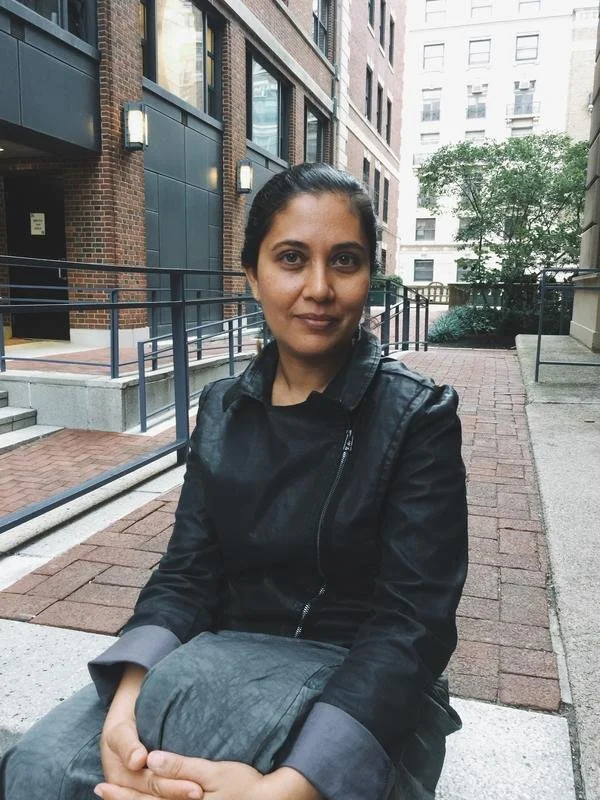
Anupama Rao, Associate Professor, History, Barnard College, is the author of The Caste Question: Dalits and the Politics of Modern India (U California Press, 2009), and numerous essays on colonialism and humanitarianism, and on non-Western histories of gender and sexuality. She has been a Fellow-in-Residence at the National Humanities Center; at the Center for Advanced Study in the Behavioral Sciences (Stanford); and at REWORK (Humboldt University, Berlin). Rao is co-convenor of “Subaltern Urbanism,” which is supported by Columbia’s Center for the Study of Social Difference, and was supported by a faculty grant from the Heyman Center for the Humanities. From 2014 to 2015, she was co-convenor of the project Asian Spatialities, supported by the Mellon Foundation and the International Institute of Asian Studies (Leiden). Rao is currently working on a book on the political thought of B. R. Ambedkar; and on a project titled Dalit Bombay, which explores the relationship between caste, political culture, and everyday life in colonial and postcolonial Bombay. Rao is currently Senior Editor, Comparative Studies in South Asia, Africa, and the Middle East, and Associate Director, Institute for Comparative Literature and Society.
Working Group Affiliations
Gender and the Global Slum, Project Director
Geographies of Injustice: Gender and the City, Project Director
Liberalism’s Others, Project Director
Reframing Gendered Violence, Project Director
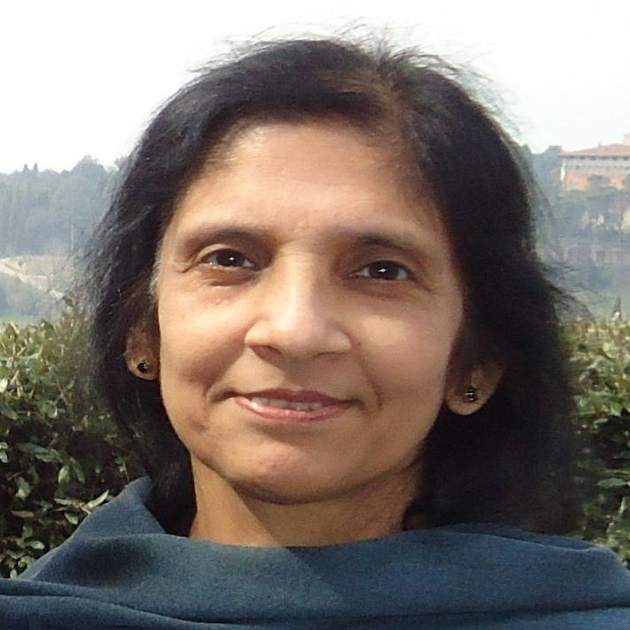
Gauri Viswanathan
Class of 1933 Professor in the Humanities, Department of English & Comparative Literature
Gauri Viswanathan has published widely on education, religion, and culture; nineteenth-century British and colonial cultural studies; and the history of modern disciplines. She has held numerous visiting chairs, among them the Beckman Professorship at Berkeley, and was recently an Affiliated Fellow at the American Academy in Rome and a Visiting Mellon Scholar at the University of Cape Town. She has received Guggenheim, NEH, and Mellon fellowships, and was a fellow at various international research institutes. Viswanathan’s current work is on genealogies of secularism and the writing of alternative religious histories. She has published extensively on the cultural influence of Theosophy, with two recent articles appearing in PMLA.
Gauri Viswanathan
Class of 1933 Professor in the Humanities, Department of English & Comparative Literature

Gauri Viswanathan has published widely on education, religion, and culture; nineteenth-century British and colonial cultural studies; and the history of modern disciplines. She has held numerous visiting chairs, among them the Beckman Professorship at Berkeley, and was recently an Affiliated Fellow at the American Academy in Rome and a Visiting Mellon Scholar at the University of Cape Town. She has received Guggenheim, NEH, and Mellon fellowships, and was a fellow at various international research institutes.
Viswanathan’s current work is on genealogies of secularism and the writing of alternative religious histories. She has published extensively on the cultural influence of Theosophy, with two recent articles appearing in PMLA. She is a network partner in the international research project "Enchanted Modernities: Theosophy, Modernism, and the Arts," funded by the Leverhulme Trust in the U.K. As part of the three-year grant a major conference on Theosophy, literature, and history will be held at Columbia in 2015.
Her areas of interest include: intellectual history; education, religion, and culture; 19th-century British and colonial cultural studies; and history of disciplines. Viswanathan is the author of Masks of Conquest: Literary Study and British Rule in India (Columbia, 1989; Oxford, 1998) and Outside the Fold: Conversion, Modernity, and Belief (Princeton, 1998), which won the Harry Levin Prize awarded by the American Comparative Literature Association, the James Russell Lowell Prize awarded by the Modern Language Association of America, and the Ananda K. Coomaraswamy Prize awarded by the Association for Asian Studies. She also edited Power, Politics, and Culture: Interviews with Edward W. Said (Vintage, 2001). Viswanathan coedits the book series South Asia Across the Disciplines, published jointly by the university presses of Columbia, Chicago, and California under a Mellon grant.
Working Group Affiliation