
Past Working Groups
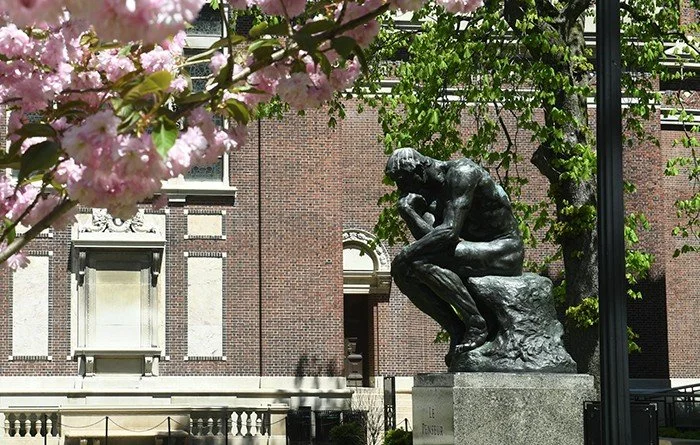
We explore and go beyond the current crisis faced by universities today. Rather than approaching this moment as an aberration, the group aims to contextualize it within longer histories of the university and its entanglement with wider socioeconomic and political structures and inequalities.

We are scholars across disciplines focusing on Asia and Africa who seek to bring premodern knowledge traditions, epistemologically decolonized, into dialogue with social and natural scientists focused on the interlocking crises of capitalism, colonialism, and climate chaos. We hope, ultimately, to be able to think towards alternatives to models of analysis and practice that have rendered scholarship and art irrelevant to our times, and to modes of life leading to the destruction of our planet.

‘Seeds of Diaspora’ will convene an interdisciplinary group of academics and practitioners. Together, we will select a short list (5-8) of non-cultivated plants found in New York City, and consider how they each embody native and non-native landscape imaginaries.

This working group is a Black feminist research and pedagogical project that centers Afro-Nordic identity, culture, social movements, and social justice organizing. We are calling this initiative Afro/Nordic/Feminisms, as we are interested in the areas of inquiry and methodologies named by the interplay between the three terms.

We are a group of scholars from across disciplines and institutions interested in bringing together the increasingly interrelated fields of Refugee Studies and Urban Studies. While there are few scholars or institutions that explicitly and intentionally consider these fields together, the expanding number of internationally displaced people settling in cities and interacting with and in urban spaces across the globe merits sustained engagement and analysis.
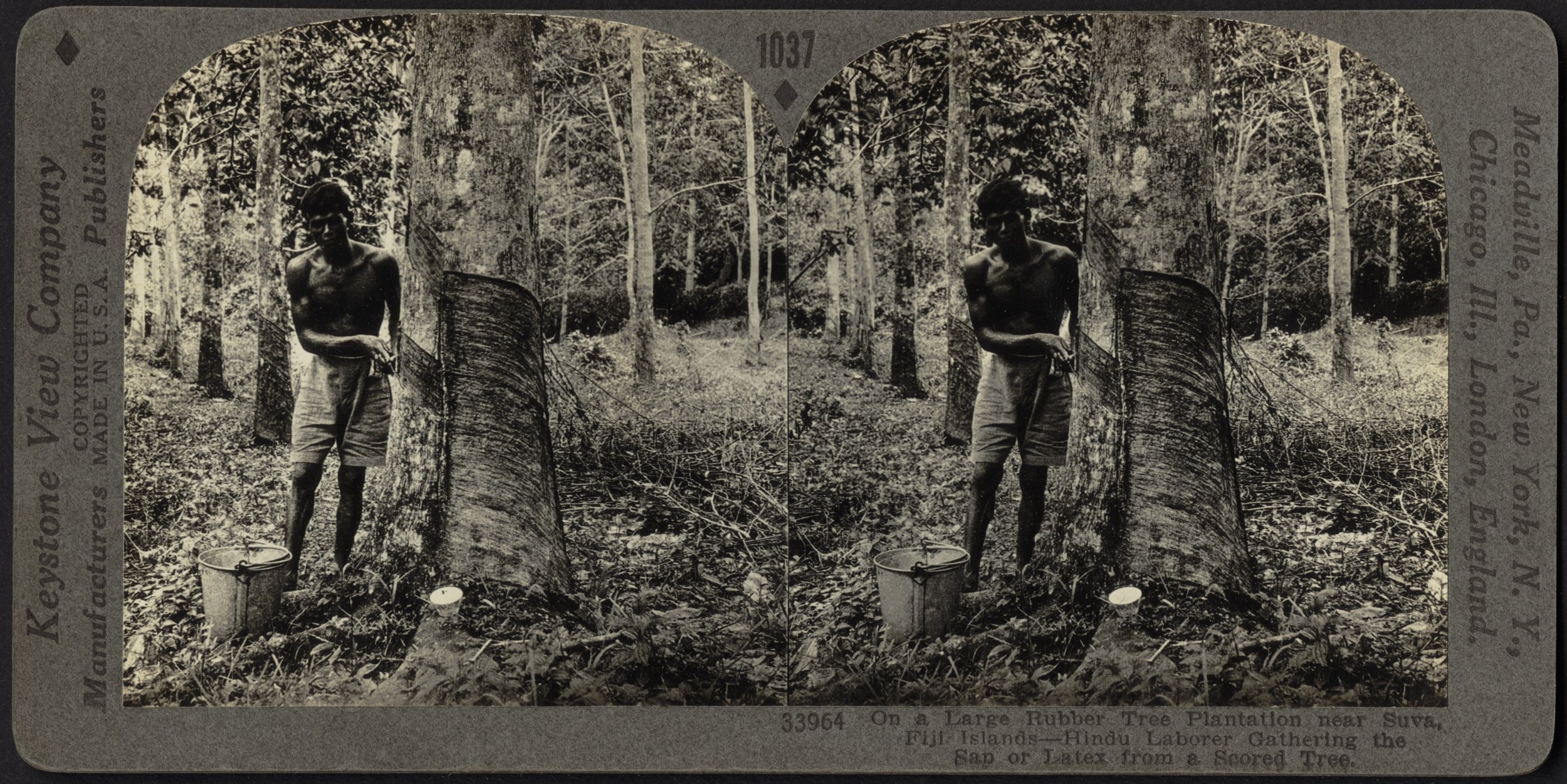
Questions of resource extraction are now front and center in almost every academic discipline across the humanities and social sciences. Propelled by the urgency of planetary climate crisis, scholars are reinventing their core research questions to ask how we came to this pass, and also where do we go from here? The Extractive Media working group seeks to take this conversation beyond fossil fuels to track the ways in which energy economies span continents and oceans, differentially affect unequal bodies and lives, and bleed across disparate sites such as the coal mine and the computer screen.

In accordance with the CSSD’s designated focus on Imagining Justice, our working group critically considers the circulations of “recovery” in arenas such as biomedicine, pandemic politics, climate change, economics, and other fields of governance. Aligned with current scholarly and activist efforts to think through the transformations in social relations required for meaningful versions of repair and recuperation, we are particularly interested in challenging presumptions of the feasibility/desirability of a return to a prior normative state. Instead, we aim to consider how a transformative justice approach might spur new imaginations of not only social justice but also embodiment, health, individual well-being and collective dis-ease.

This project brings together faculty and graduate students with alums of Columbia’s prison education programs to think together about how to strengthen the courses and other educational opportunities Columbia presently offers to incarcerated students; to develop new courses and faculty training supports for those initiatives; and to think about and develop a more systematic set of classes to be offered to Columbia and Barnard undergraduates dealing with social justice and its relationship to carceral systems.

The Motherhood and Technology working group will explore how technological innovations have radically transformed the biological and social experience of motherhood in recent decades. Advances in genomic and reproductive care, the circulation of novel kinship structures, the entrenchment of existing global networks of power and privilege, and the politics of contested bodily sites mark this emerging constellation.
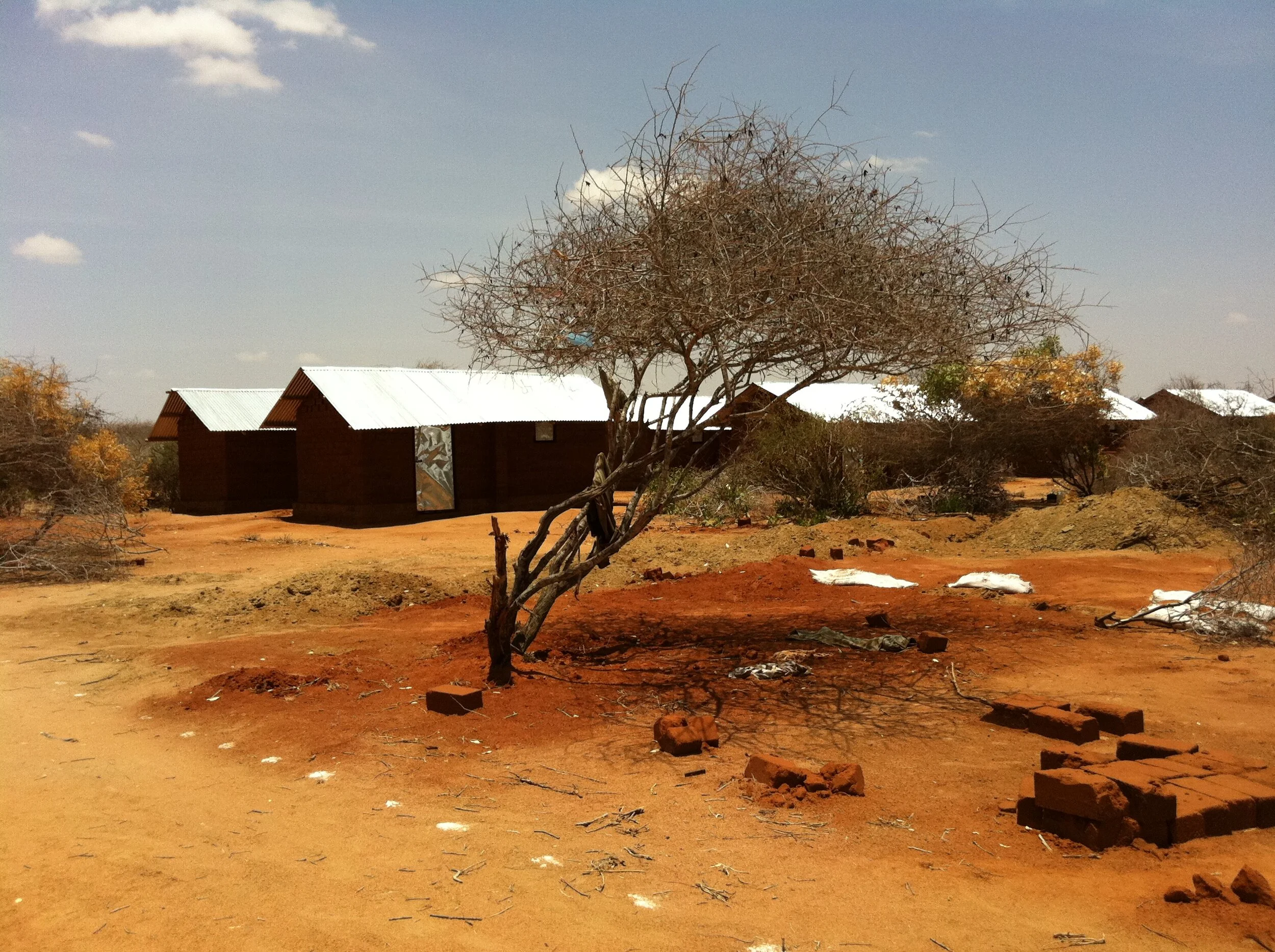
Insurgent Domesticities brings into focus the insurgent environments, objects, and practices that make up the maintenance, creation, labor, and intimacies of home. Our collective investigates the more processual aspects of domesticity, to interrogate the politics of ‘home,’ through histories of solidarity, disobedience, stealth, and militancy, from the scale of the clothesline to that of the state.

The Black Atlantic Ecologies group supports and elaborates scholarship that centers the enduring effects of coloniality and the dynamic power of protest in African diasporic confrontations with environmental crisis. This group poses a single central question: How might Black Atlantic experience with peril, with perishment and with premature death offer a rubric for thinking futurity, including reproductive futurity, in a moment of environmental collapse?

This working group will explore the long-standing global crisis of recognition at the heart of anti-immigrant ideas and policies. It will focus on the discourses, practices, and institutions that actively deny immigrants recognition, as well as those discourses, practices, and institutions that recognize, support, and affirm migrants and their rights. They will engage with these issues in the areas of civics and education, immigration law and policy, and the characterization and treatment of migrants and refugees.

In response to the increasing power of the evangelical right in Latin America and the Caribbean, this project traces renewed interest in traditional and indigenous belief systems that have fueled struggles for environmental justice. These struggles rely on expressive and aesthetic forms such as ritual, song, and performance. These forms, in turn, give shape to new modes of imagining environmental justice. This comparative project is undertaken by a working group of scholars, artists and activists from Columbia University in collaboration with colleagues from Argentina, Brazil, Colombia, Cuba and Puerto Rico.

Cardiovascular disease (CVD) is the leading cause of mortality for women in the United States, accounting for more deaths than breast cancer, cervical cancer, and Alzheimer’s disease combined, yet awareness of risk factors for CVD in women is extremely low and underprioritized. This group looks at big questions about what motivates women to make tangible changes to their health behaviors, and how to get people in health care policy, research funding, and the media more invested in women’s health issues.

The “Data, Algorithms, and Social Justice” working group catalyzes interdisciplinary dialogues and research into urgent contemporary issues around artificial intelligence, automated decision-making, power, and social change. In the twenty-first century, conceptions of social difference are shifting rapidly in response to the increasing influence of algorithms and automated decision-making processes, with profound impacts on employment, medical care, criminal justice, government services, and more. To effectively intervene in the injustices posed by our data-driven world will require new approaches and analytical tools, combining the critical lenses of the humanities with the skills of data scientists, programmers, statisticians, and more.
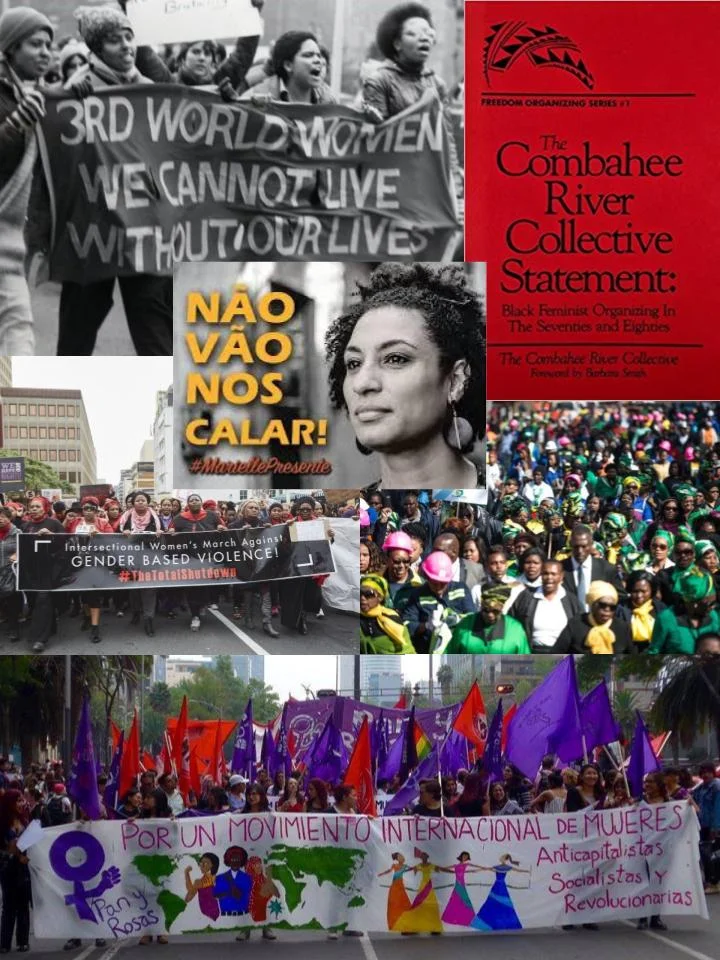
The Transnational Black Feminisms working group aims to think about how transnational Black feminisms can move us beyond survivability and demands for recognition, and instead generate alternative frames and understandings around belonging, community, justice, and equity. Black feminism has, by necessity, emerged in tandem with political mobilizations: the struggle against slavery anti-colonialism; demands for government assistance or social services; and opposition to sexual or state violence, including Black Lives Matter.

Pedagogies of Dignity (2018-19) was an interdisciplinary initiative that brought together formerly incarcerated people, activists, faculty, graduate students, and undergraduates from the Humanities and Social Sciences.

The Menstrual Health and Gender Justice working group seeks to further the nascent field of menstrual studies. This group puts particular emphasis on critically evaluating the current state of research, with interest in examining whose voices are being represented in the field, which actors shape the dominant narrative, whose voices are marginalized, what the gaps are, and how interdisciplinary collaboration might help remedy some of these gaps.

Geographies of Injustice is a working group of interdisciplinary scholars who are interested in asking how spatial politics intersects with inequality and social difference (race, caste, and ethnicity).

The working group On the Frontlines: Nursing Leadership in Pandemics seeks to understand the role of nurses as change agents in the prevention, detection and response to pandemic infectious disease outbreaks.

Since its first usage by antiapartheid activists in South Africa to its elaboration by political theorist, Cedric J. Robinson, racial capitalism is a concept that delineates the interlinked relationships of race and class constitute of global capitalism. The racial capitalism working group is a site of sustained collaborative research and study. Our collective work is rooted in a commitment to Black radicalism, historical materialism, feminism, and anti-imperialism.

Queer Aqui is a CSSD working group to discuss, debate and investigate the politics of sexuality and gender in a global frame. This group builds upon a vast network of queer scholars worldwide to consider how best to resituate queer studies to respond to shifts in the meanings of family, sexual health, gendered embodiment, religion, sexual practices, gender variance, activism and sexual communities.

Who pays the price and who benefits from the ways that religion is used to frame global understandings of Violence Against Women and gender violence? Religion and the Global Framing of Gender Violence (2016-19) aimed to reframe the conversation.
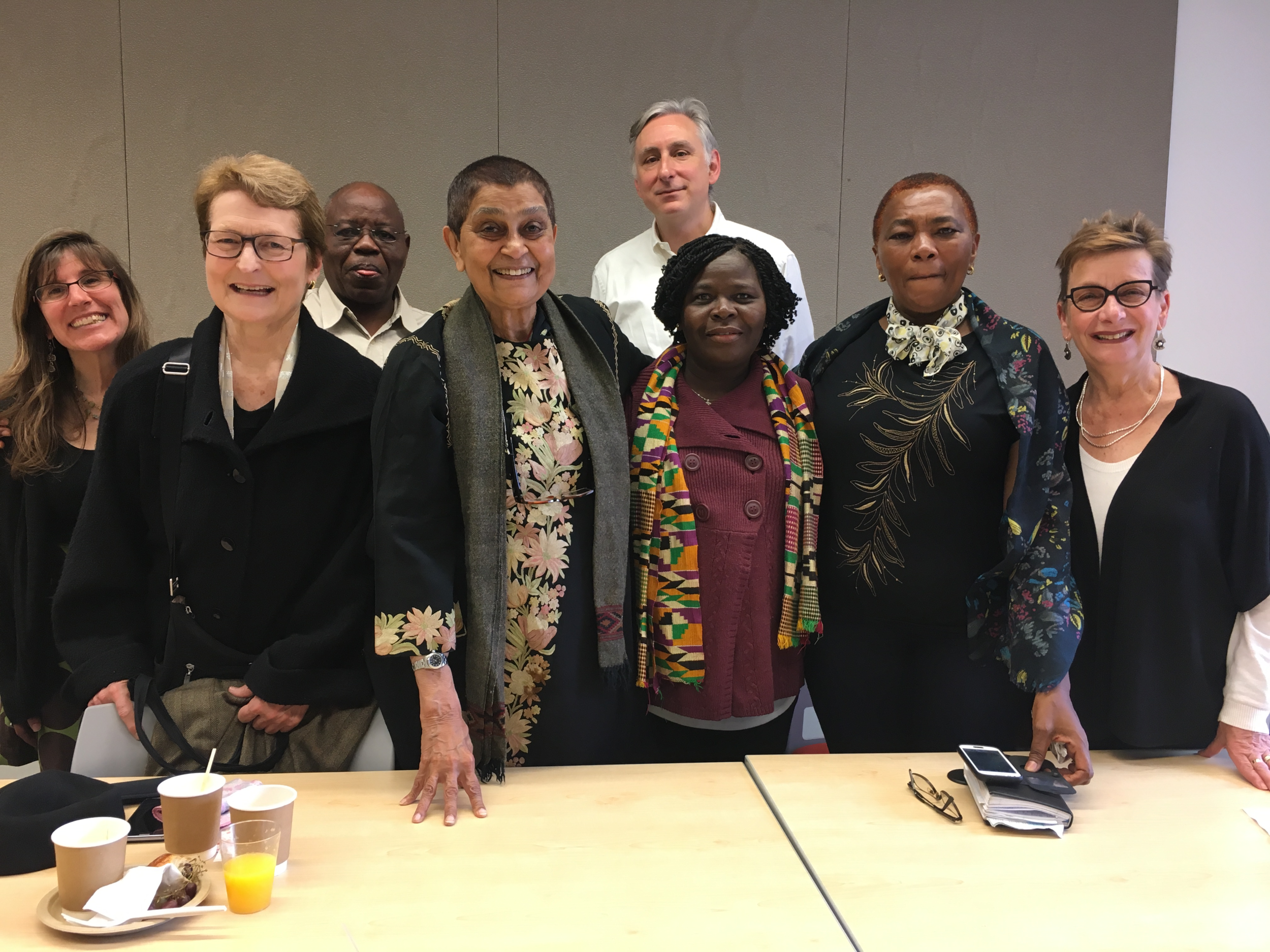
The Rural-Urban Interface (2015-18) studied migrant populations of women, youth and men in Ghana and in Kenya by combining oral histories with statistical analysis.
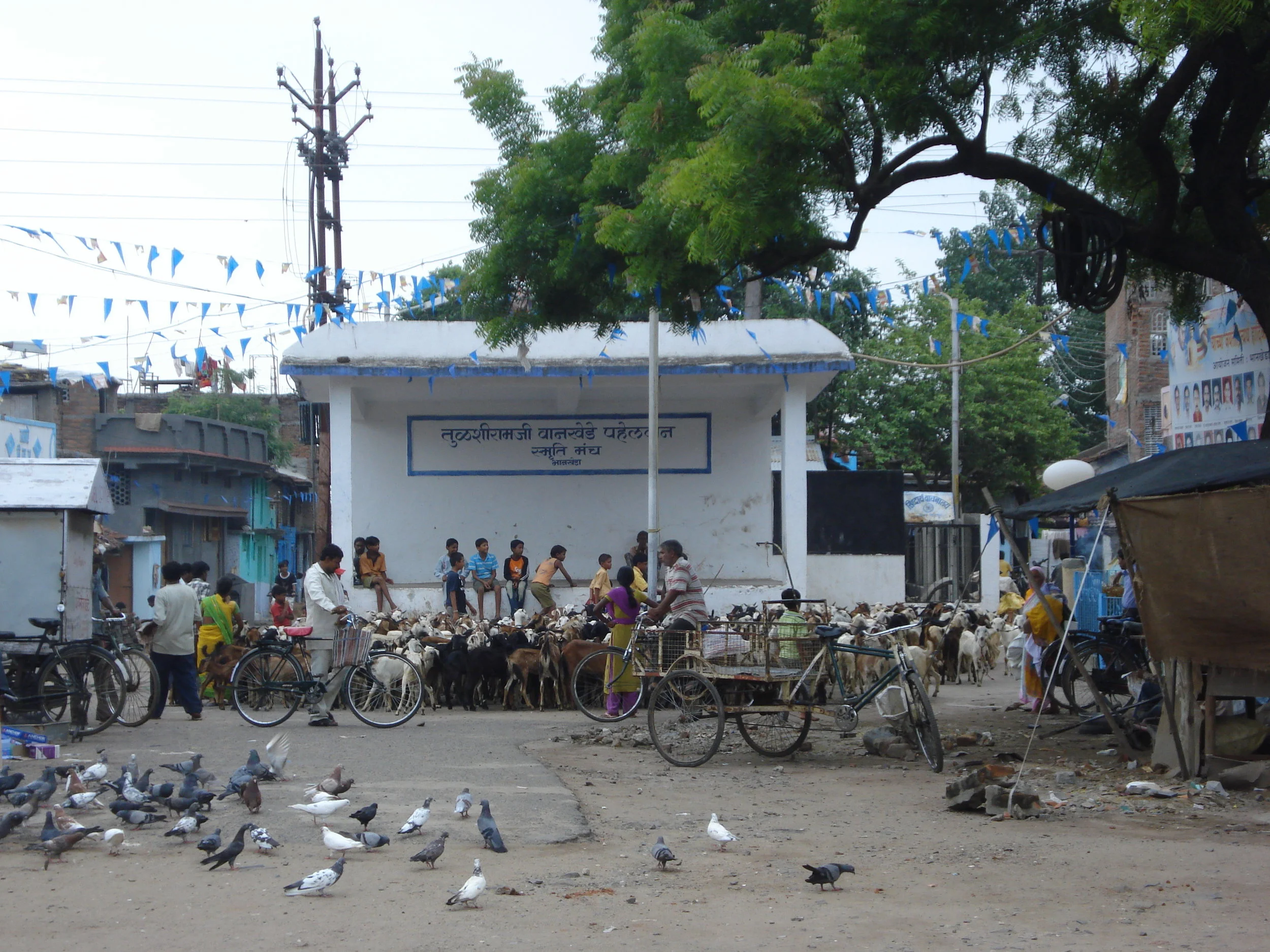
How are gender relations impacted by material impoverishment and social segregation? Gender & the Global Slum (2013-17) looked at the social hazards of urban informality and its disproportionate effects on women.
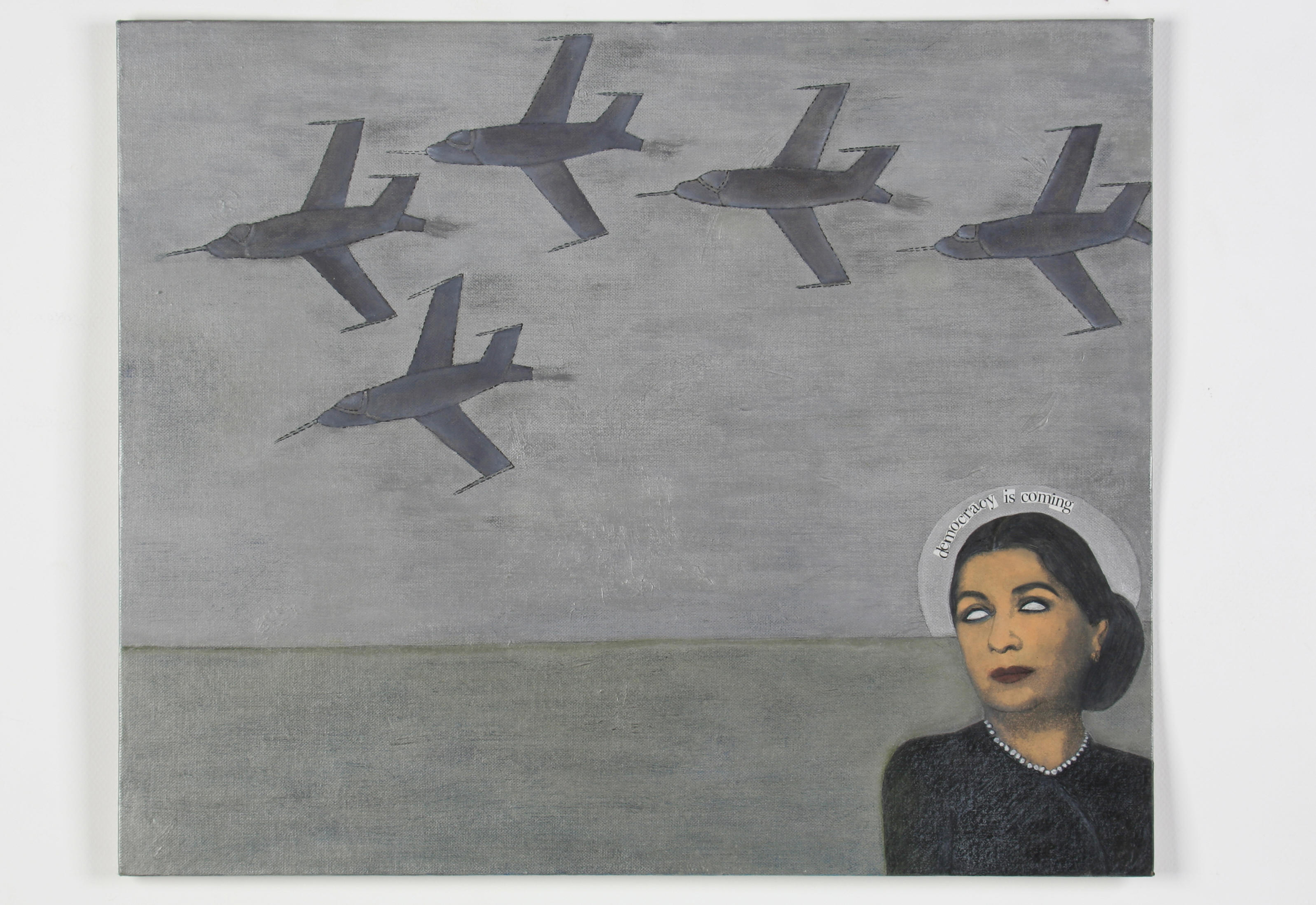
Reframing Gendered Violence (2016-19) aimed to open up a critical global dialogue among scholars and practitioners that recasts and broadens our understanding of what constitutes violence against women.

Applying lenses of race, class, gender, sexuality, and inequality to the current analyses of climate change in the Pacific Region, Pacific Climate Circuits (2015-18) sought to reframe the conversation about climate change and Pacific Islanders.

This interdisciplinary research project, Bandung Humanisms (2015-18), examined the workings of the progressive political, social, and cultural movement among nations of the Global South that refused to ally with either major power bloc during the cold war.

Unpayable Debt (2016-19) was a comparative research and public engagement project about the emergence and impact of massive debt on vulnerable polities and populations.

Precision Medicine is an emerging approach for disease treatment and prevention that takes into account individual variability in genes, environment, and lifestyle for each person. Precision Medicine: Ethics, Politics and Culture (2016-19) examines the ethical, legal, and political implications of precision medicine research.