
Prison Education and Social Justice
Project Director: Jean Howard
Graduate Assistant: Patrick Anson
The aim of this project is to bring together Barnard and Columbia faculty and graduate students with alums of Columbia’s prison education programs to think together about how to strengthen the courses and other educational opportunities Columbia presently offers to incarcerated students; to develop new courses and faculty training supports for those initiatives; and to think about and develop a more systematic set of classes to be offered to Columbia and Barnard undergraduates dealing with social justice and its relationship to carceral systems.
News
Past Events


Fellows

Professor, Department of Astronomy, Columbia University
Marcel Agüeros is an associate professor of astronomy at Columbia University. A native New Yorker and a Columbia College alumnus, Marcel received his Ph.D. from the University of Washington in 2006, returned to
Columbia as a National Science Foundation Astronomy & Astrophysics Post-doctoral Fellow that year, and joined the faculty in 2010. Marcel is an observational astrophysicist who uses new approaches to address classic questions in stellar evolution.
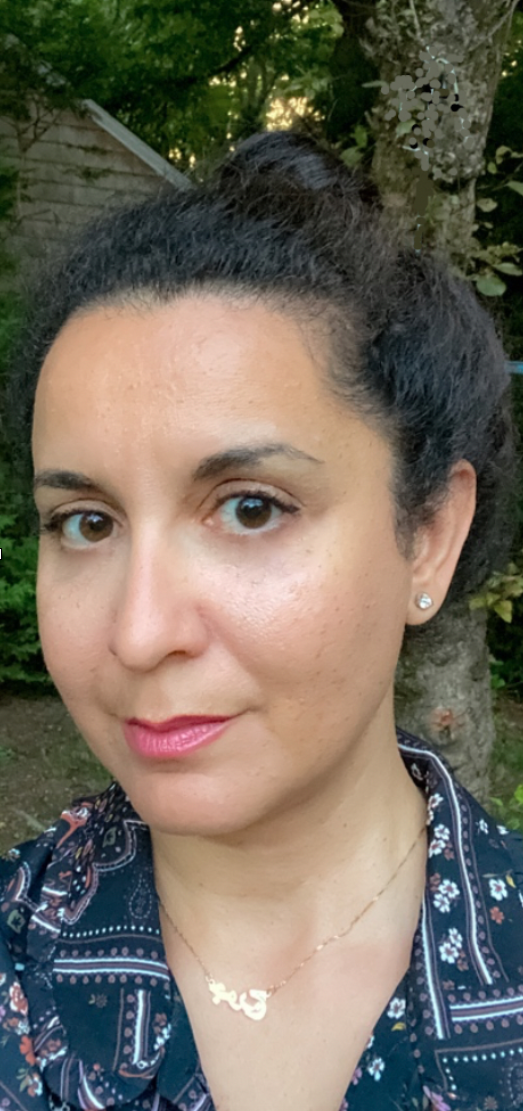
Professor, Department of Psychology, Columbia University
Dima Amso is a Professor of Psychology in the Department of Psychology at Columbia University. She has a BS in psychology from Tufts University, was trained at Cornell University and received a PhD in psychology from New York University in 2005. She served on the faculty at the Weil Medical College of Cornell University before joining the faculty at Brown University in 2010 and Columbia University in 2020. Her research examines the development of attention, executive functions, and memory, with an emphasis on how environmental variables shape these trajectories.

PhD Candidate, English and Comparative Literature, Columbia University
Patrick Anson is a PhD Candidate in English and Comparative Literature. He is writing a part-ethnographic, part-literary-critical dissertation about programs that propose reading groups focused on 20th and 21st century narrative literature as a means to address a range of social problems, from mass incarceration, where a reading group functions as an alternative sentence for people convicted of an offense, to military trauma, where a reading group helps to establish social connections among veterans.

Professor, Department of English and Comparative Literature, Columbia University
Julie Crawford is Mark van Doren Professor of Humanities in the Department of English and Comparative Literature at Columbia University. She has published widely on authors ranging from William Shakespeare and Philip Sidney to Anne Clifford and Mary Wroth, and on topics ranging from the history of reading to the history of sexuality. She is the author of a book about cheap print and the English reformation entitled Marvelous Protestantism (Johns Hopkins UP, 2005), and Mediatrix: Women, Politics and Literary Production in Early Modern England (Oxford UP, 2014).
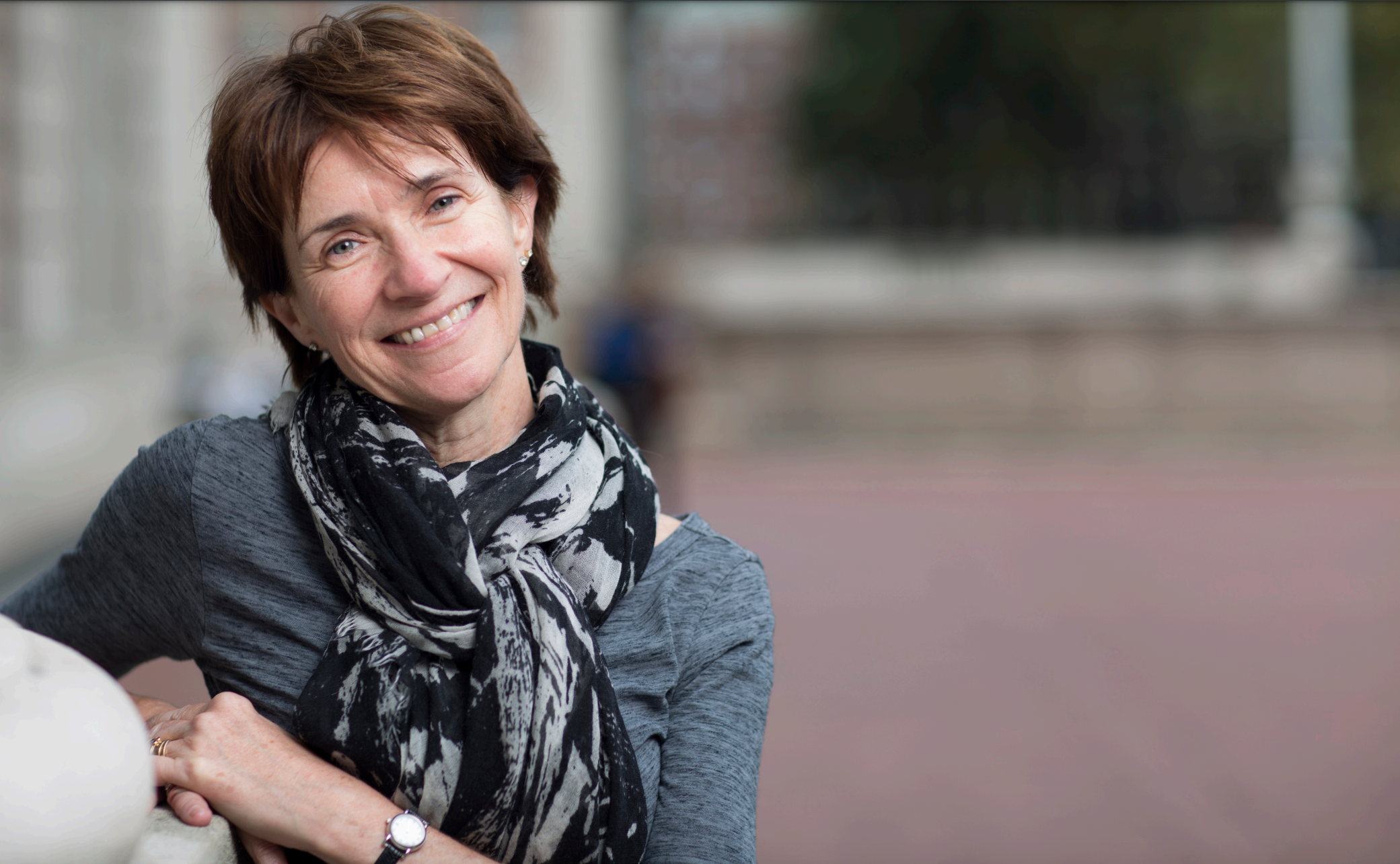
Eileen Gillooly directs the Society of Fellows and Heyman Center for the Humanities at Columbia University, where she holds an appointment in English and Comparative Literature, the Institute for Comparative Literature and Society, and the Institute for Gender and Sexuality Studies. Her work as a center director has led to partnerships with other centers and institutions on projects that promote public engagement and scholarship, including the Justice-in-Education Initiative, for which she serves as Principal Investigator and which has been supported by grants from the Andrew W. Mellon Foundation since 2015.
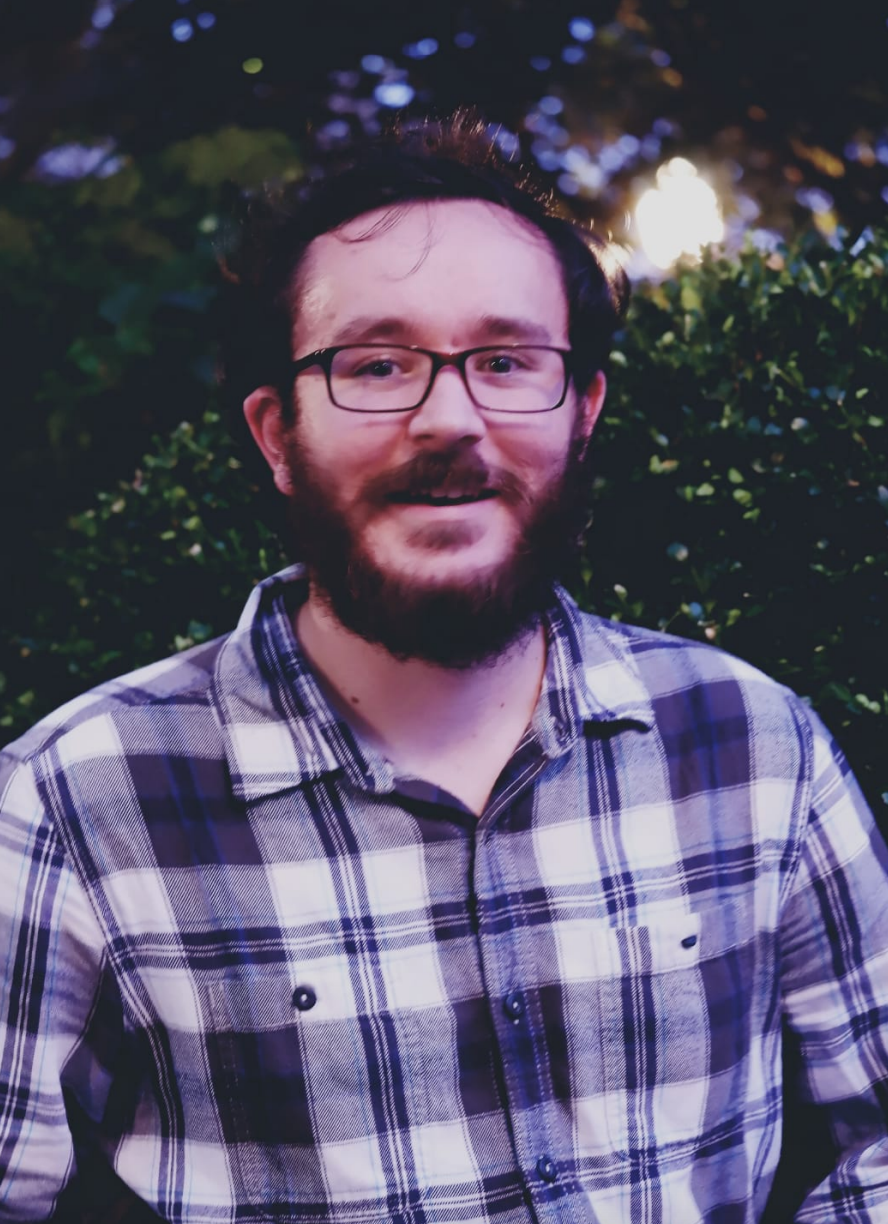
PhD, Biological Science, Columbia University
Nick Ide is a third-year PhD candidate in the Department of Biological Sciences at Columbia University. His main areas of research are in the fields of biochemistry and biophysics, with a broader interest in making STEM more accessible. His current research focuses on the molecular mechanisms used by cells to synthesize protein molecules.
Professor, Department of Psychology, Columbia University
Caroline Marvin is a Lecturer and the Director of Instruction and Academic Affairs in the Department of Psychology at Columbia University, where she oversees curriculum- and teaching-related needs of the department. Dr. Marvin also serves as Director of Undergraduate Studies for the Neuroscience & Behavior major, advising and mentoring undergraduate students pursuing study in neuroscience. Dr. Marvin’s research focuses on curiosity -- what motivates people to seek and learn new information, how curiosity takes shape in response to various types of information and differing contingencies, how the motivation to learn ultimately influences memory, and how curiosity may change throughout the lifespan.

Jennifer Middleton is a Lamont Assistant Research Professor in the geochemistry division of the Lamont-Doherty Earth Observatory at Columbia University. Her research seeks to better understand the inner workings of Earth’s climate system using the chemical fingerprints of present-day phenomena and geologic records of Earth’s climate history. This work helps guide predictions for the way the oceans, atmosphere, ice sheets, and land surface will continue to respond to human-driven emissions of greenhouse gases. Middleton is committed to the promotion of justice, diversity, equity, and inclusion in STEM (Science, Technology, Engineering and Math) and in considerations of society’s best paths forward in the face of modern climate change.
Professor, Department of English and Comparative Literature, Columbia University
Frances Negrón-Muntaner is a filmmaker, writer, curator, scholar and professor at Columbia University, where she is also the founding curator of the Latino Arts and Activism Archive. Among her books and publications are: Boricua Pop: Puerto Ricans and the Latinization of American Culture (CHOICE Award, 2004), The Latino Media Gap (2014), and Sovereign Acts: Contesting Colonialism in Native Nations and Latinx America (2017). Her most recent films include Small City, Big Change (2013), War for Guam (2015) and Life Outside (2016).

Fellow, Human Rights, Columbia University
Julie Stone Peters teaches and writes primarily on law and humanities and the history and theory of audiovisual media (cinema, theatre, and other performance and media cultures). Her books include Law as Performance: Theatricality, Spectatorship, and the Making of Law in Ancient, Medieval, and Early Modern Europe (2022), Theatre of the Book: Print, Text, and Performance in Europe 1480-1880 (2000), and Women's Rights, Human Rights: International Feminist Perspectives (co-edited, 1995). She has taught at Harvard, Stanford, and the Metropolitan Detention Center (Brooklyn), and was Founding Director of the Columbia College Human Rights Program.

Professor, Department of History, Columbia University
Jason Resnikoff is a Core Lecturer in the History Department at Columbia University, and formerly an organizer for the United Auto Workers. He specializes in labor history, the history of global capitalism, intellectual history, and the history of technology. His book, Labor’s End: How the Promise of Automation Degraded Work, explores the ideological origins of automation in the US in the middle of the twentieth century.