
Motherhood and Technology
Project Co-Directors: Rishi Goyal, Arden Hegele
Graduate Coordinator: Niyati Shenoy
The Motherhood and Technology working group will explore how technological innovations have radically transformed the biological and social experience of motherhood in recent decades. Advances in genomic and reproductive care, the circulation of novel kinship structures, the entrenchment of existing global networks of power and privilege, and the politics of contested bodily sites mark this emerging constellation. Technological progress and development is often seen as the driver of these changes, but the revolution in motherhood is as much a product of changes in other domains: ethics, social structures, aesthetics, and lived experiences. Our group is motivated to understand how medical technologies have changed—and have been changed by—the experience of motherhood in a global context.
The field is rich with paradoxes. Cryogenic technologies, such as egg freezing and embryo storage, have afforded women new freedoms in choosing when to become mothers, yet the changing demographics of motherhood also raise troubling questions about the pressures of capitalism and the extension of worklife. Surrogacy has become a mainstream technology that affords biological parenthood to couples who might not otherwise have a child, yet the technology operates in a financial market that creates sharp global inequalities, with the burden of surrogacy often taken on by women of color in the developing world. Laboratory and biotechnical developments have produced unprecedented means to edit genetic material, but the unexamined use of new technologies (such as CRISPR) has led to ethical violations around the world. Meanwhile, advanced reproductive technologies have created new social forms that effectively evolve cultural norms, including new social and legal categories of parent and family – yet such technologies also reproduce market pressures and heteronormative family structures, perhaps vitiating counter-cultural practices. These and other dilemmas inform our group’s work in exploring and informing scholarship around motherhood and technology.
Foremost to our exploration is our strong conviction that technology is not neutral. Rather, we believe (following Heidegger) that technology operates as a form of “un-concealment” that reveals the “forcing into being” of culture. Thus, we are particularly interested in how the production of and access to such first-world biomedical technologies of motherhood both index and create broader cultural trends across what Arlie Hochschild has called “global care chains,” in which the burden of care is borne disproportionately by women of color and women in the developing world. We are motivated, then, to consider how technologies of motherhood operate among poor and working class women, both internationally and within the first world. While India has emerged as a global nexus of commercial surrogacy, in New York City and at the US southern border alike, technologies controlling motherhood, including monitoring technology, are used to regulate incarcerated and paroled women. Fundamental to our exploration is our conviction that these very different forms of technological intervention are working together to produce a global reimagination of motherhood.
As we explore these questions, we are guided by the interdisciplinary approach of the medical humanities. Medical humanities offers both a set of methodological approaches to address such challenges, and a broad umbrella under which to study the mutual influences of medico- scientific ideas and cultural/aesthetic practices. Medicine, from intimate care to public health policymaking, has much to contribute to a humanistic understanding of the social role of motherhood; meanwhile, approaches that emerge from a humanistic framework can enrich those coming from the physician’s black bag. The expansive view of the medical humanities will allow the group to develop a scholarly intervention into debates around technology and motherhood, while also producing a cultural artefact that narrativizes these dilemmas, and their solutions, for the public.
Bibliography
This bibliography gathers sources relevant to the topic of motherhood and technology as each sphere has come to impact the other in dimensions personal, social, political and financial. The bibliography represents mostly recent publications, and the sources range in discipline from the social and hard sciences, to journalism and literary nonfiction, to fiction, poetry, and film. Finally, the document concludes with a list of keywords that might simultaneously guide readers as they choose where to begin reading and as they start to connect readings from across the list.
Review the working group bibliography here.
News
Motherhood and Technology Working Group Co-Directors, Arden Hegele and Rishi Goyal, to guest-edit a special issue of The Journal of Medical Humanities in the summer of 2024.

© Loie Hollowell, courtesy Pace Gallery.
Past Events


Two Day-Conference: Conception and Its Discontents: Public Humanities, Explorations in the Medical Humanities organized by the Motherhood and Technology Working Group


The coronavirus pandemic inaugurated a global shift to online learning, working, and socializing. This event considers the immediate and longterm effects such a move has on parents and on forms of mothering in particular.

Join the new Motherhood and Technology working group for the Unexpected: Parenting, Prenatal Testing, and Down Syndrome virtual book launch.

Fellows

Professor, Department of English and Comparative Literature, Columbia University
Rachel Adams is the director of the “Precision Medicine: Ethics, Politics and Culture.” She is Professor of English and American Studies at Columbia University, where she specializes in 19th- and 20th-century literatures of the United States and the Americas, media studies, theories of race, gender, and sexuality, medical humanities and disability studies.

Katherine Bergevin is a PhD Candidate in English and Comparative Literature, specializing in anglophone literatures of the Atlantic world. She holds a graduate certificate in feminist scholarship from Columbia's Institute for Research on Women, Gender, and Sexuality.
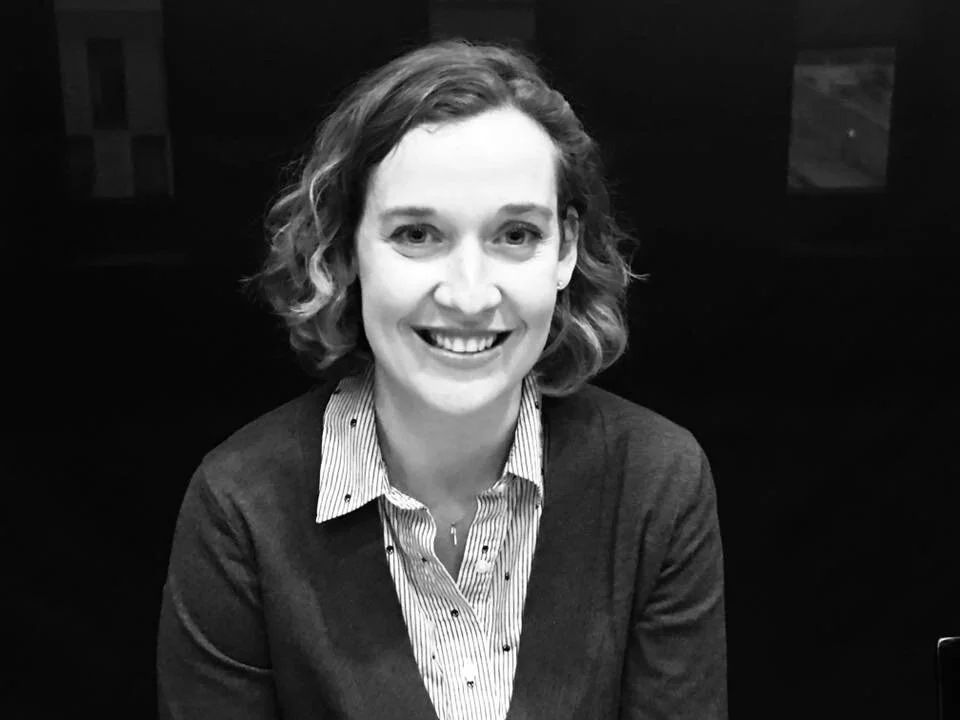
Mellon Public Humanities Fellow, Sarah Lawrence College
Emily Bloom is a Mellon Public Humanities Fellow at Sarah Lawrence College. She is the author of The Wireless Past: Anglo-Irish Writers and the BBC, 1931-1968 (Oxford University Press, 2016), which was awarded the First Book Prize by the Modernist Studies Association.
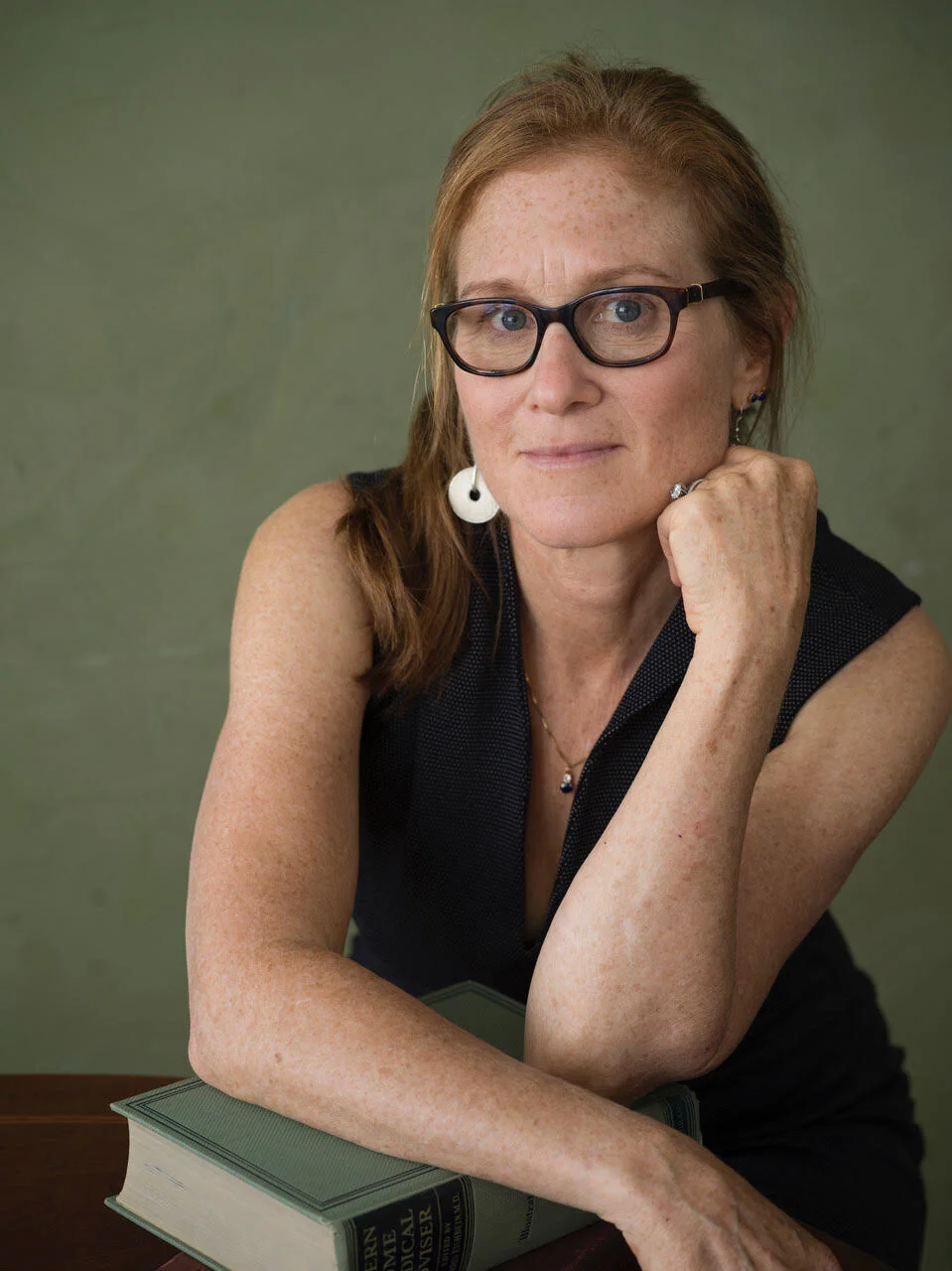
Lecturer, English Department, Yale College, Writer in Residence, Yale University School of Medicine, and Adjunct Professor, Columbia University Graduate School of Journalism
Randi is a medical writer and a reporter for the London Bureau of the Associated Press and was the London bureau chief of Physicians’ Weekly. Randi’s writing focuses on the interplay between medicine and society. In other words, how cultural attitudes influence medical treatment, public health and research, and vice versa.
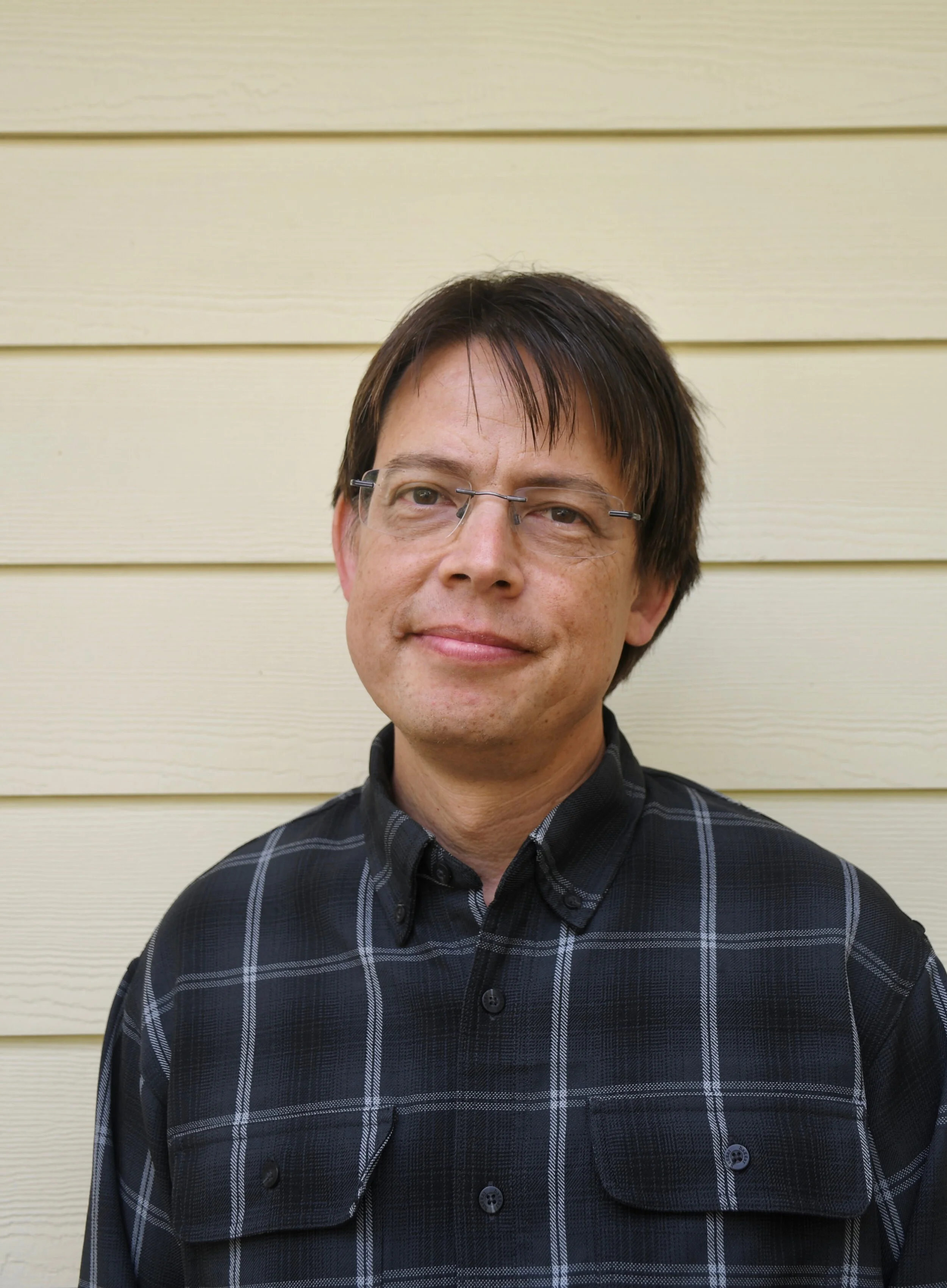
Fellow, Creative Nonfiction, Oregon State University
George Estreich's publications include a book of poems, Textbook Illustrations of the Human Body, which won the Gorsline Prize from Cloudbank Books; the Oregon Book Award-winning memoir The Shape of the Eye; and Fables and Futures: Biotechnology, Disability, and the Stories we Tell Ourselves, which NPR's Science Friday named a Best Science Book of 2019. Estreich has also published prose in The New York Times, Salon, The American Medical Association Journal of Ethics, Tin House, and McSweeney’s Internet Tendency.
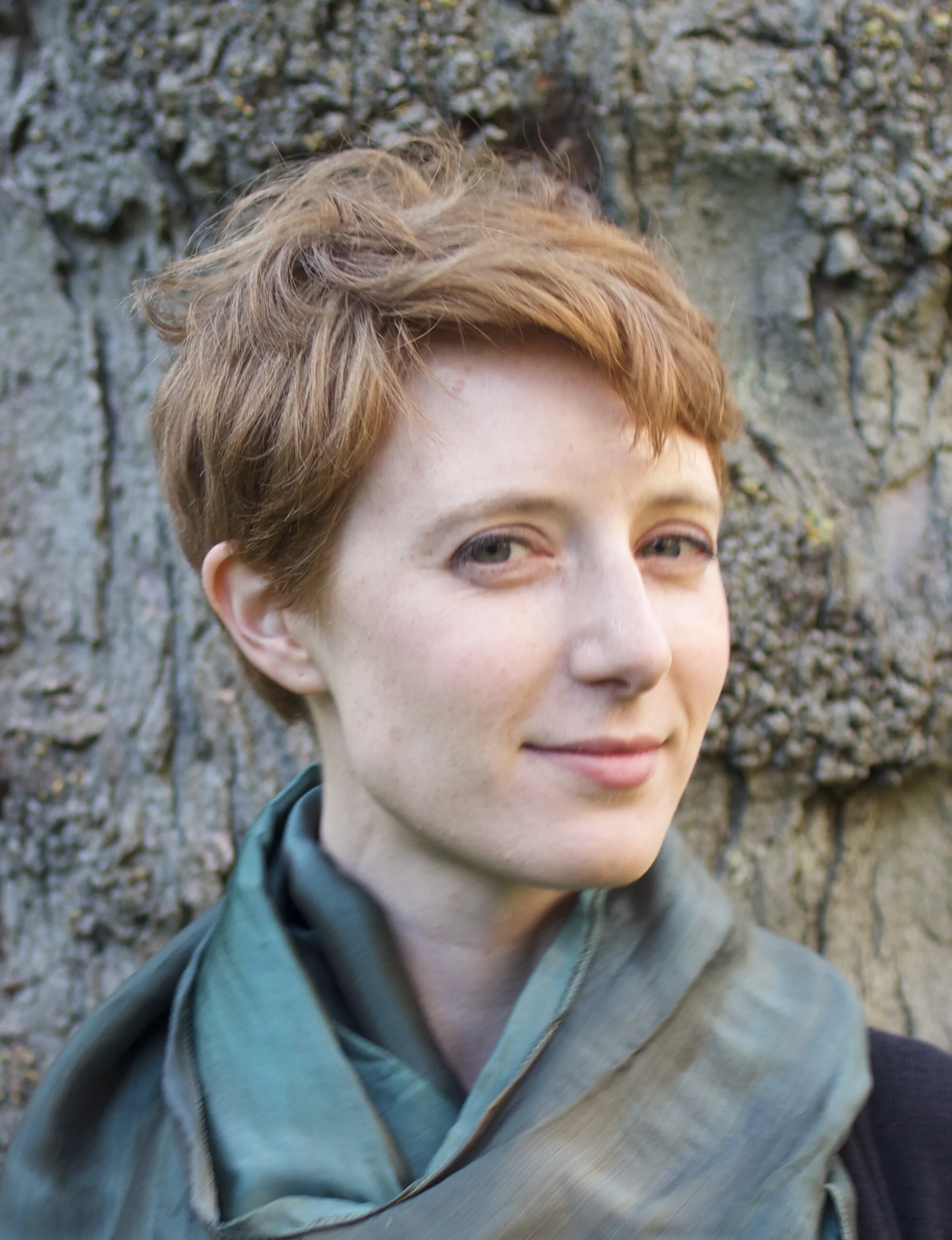
Fellow, Heyman Center for the Humanities, Columbia University
Meredith Gamer specializes in the visual and material culture of eighteenth- and nineteenth-century Europe, with a focus on Britain and the British Empire. Her research and teaching interests include the relationship between art and violence, print culture, medical illustration, and representations of race and slavery. Professor Gamer’s current book project, The Sheriff’s Picture Frame: Art and Execution in Eighteenth-Century Britain, centers on the spectacle of punishment in Britain’s long eighteenth century.
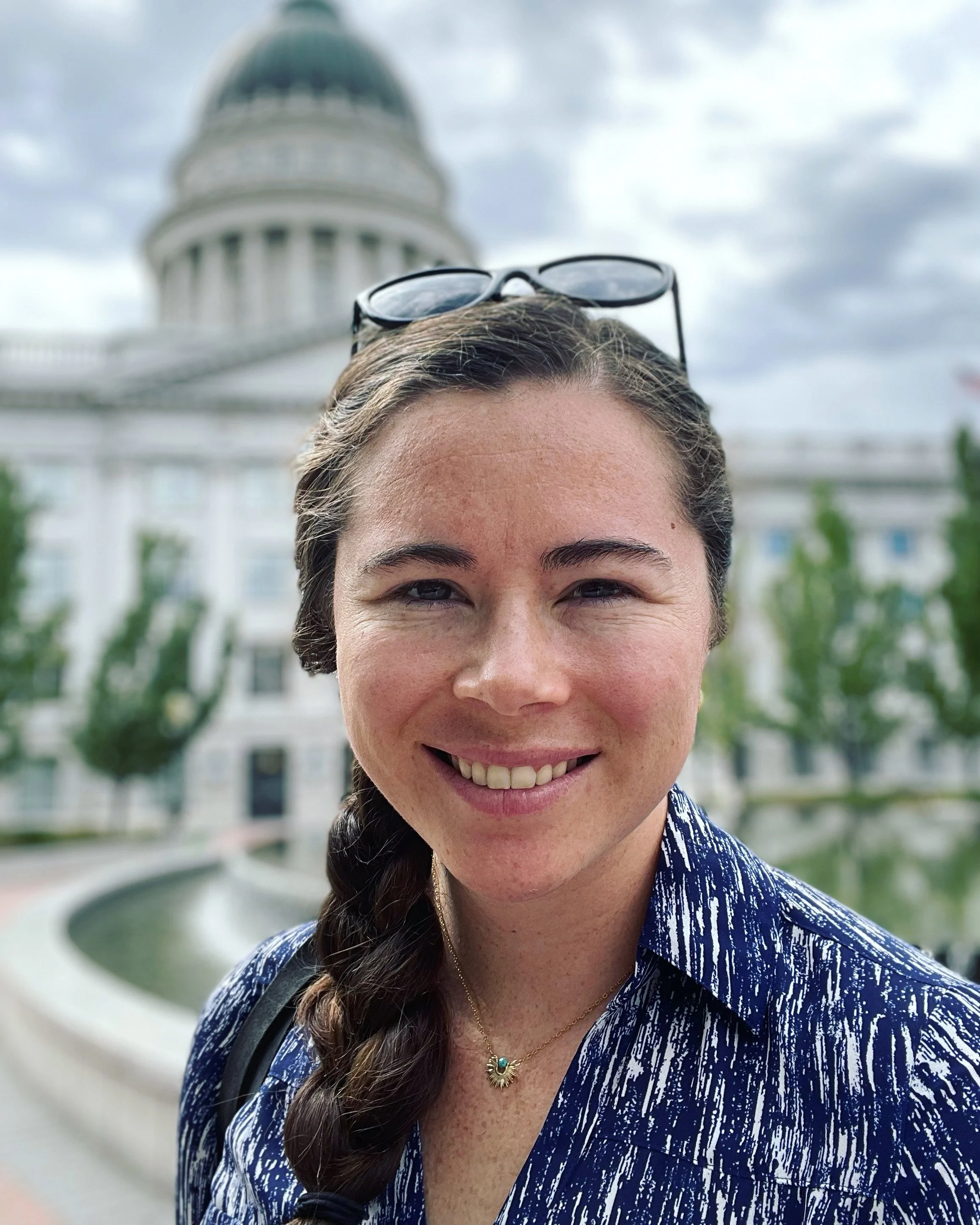
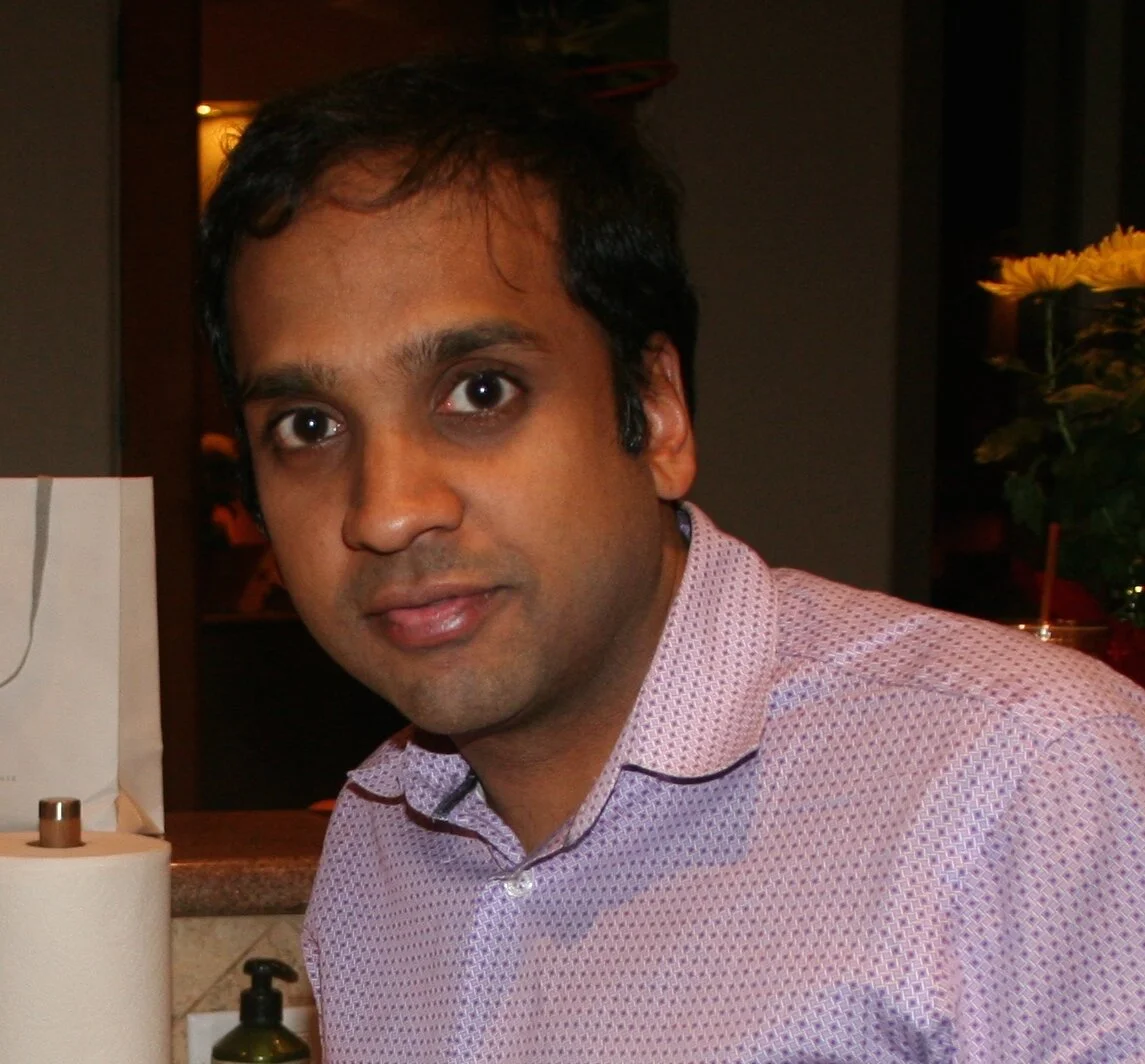
Assistant Professor, Department of Emergency Medicine and the Institute of Comparative Literature, Columbia University
Rishi Goyal, MD, PhD is an Assistant Professor in the Department of Emergency Medicine and the Institute of Comparative Literature at Columbia University where he is the Director of the Medicine, Literature and Society Major. Dr. Goyal is also an Adjunct Associate Professor of Humanities at the University of Southern Denmark. Dr. Goyal received his MD (2001) and his PhD in English and Comparative Literature (2010) from Columbia University. He was Chief Resident in Emergency Medicine at New York-Presbyterian Hospital (2009-10). Dr. Goyal’s research, writing and teaching focuses on the reciprocal transformations that result when new ideas about health, disease and the body find forms of expression in fiction and memoirs.

Lecturer in the Discipline of English and Comparative Literature, Medical Humanities Fellow English and Comparative Literature, Columbia University
Arden Hegele, PhD, specializes in nineteenth-century British literature and the medical and health humanities. She is interested in the intersection of medical knowledge with formalist and historicist literary approaches.
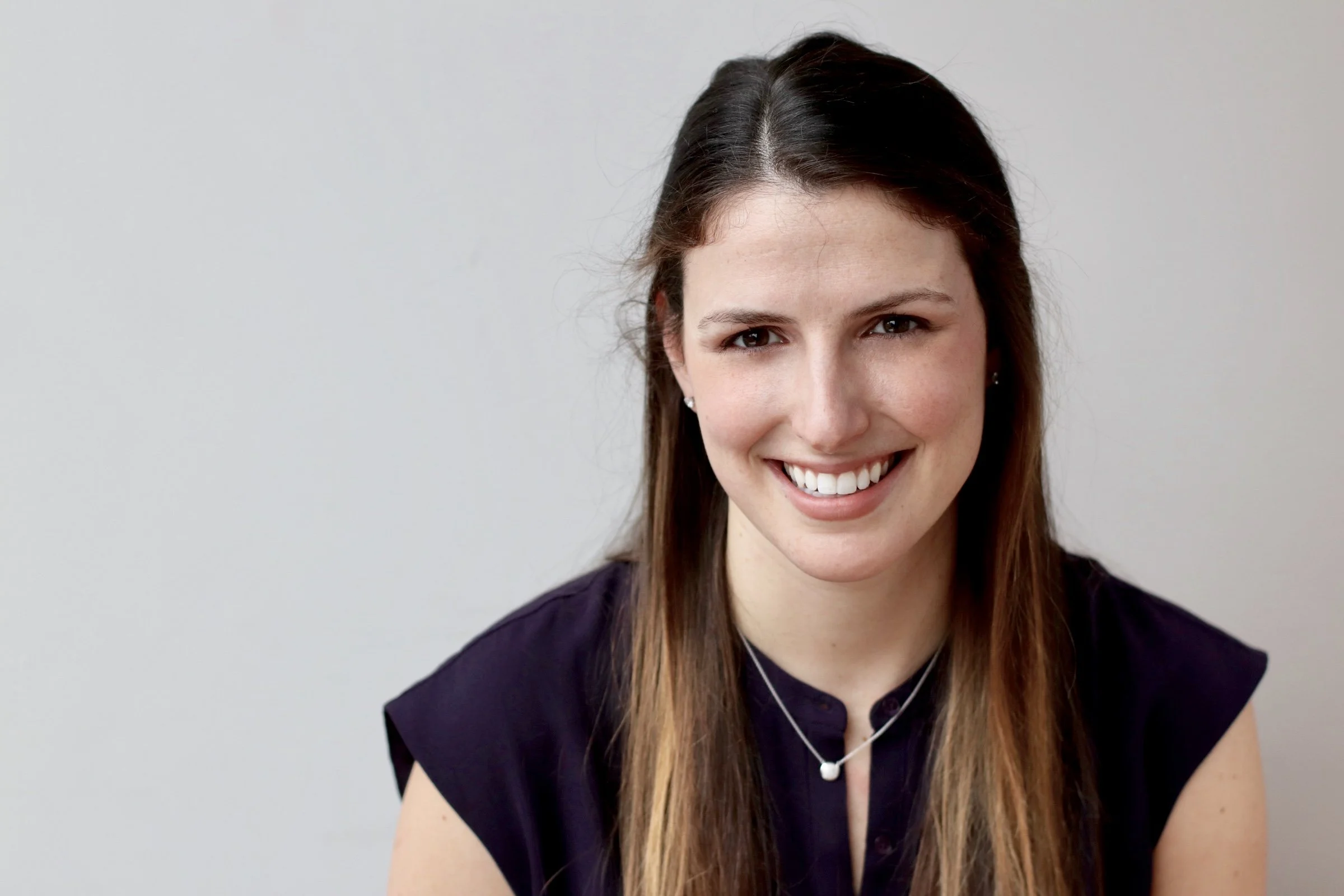

Ph.D. Candidate, English & Comparative Literature, Columbia University
Anna Krauthamer is a Ph.D. candidate in Columbia's English & Comparative Literature department, where she studies and writes about contemporary novels, theories of literary character, and disability. She is currently beginning a dissertation project focused on character typologies in contemporary fiction.

Ph.D. Candidate, English and Comparative Literature, Columbia University
Aya Labanieh is a Ph.D. candidate in the English and Comparative Literature Department, where she works on imperial conspiracies and their conspiracy-theory afterlives in 20th and 21st century Middle Eastern literature and politics. Her broader interests include conspiratorial thinking within a global digital context, and how conspiracy theories function as alternate histories, heretical discourses, popular critiques, epistemic injuries, and modern enchantments.
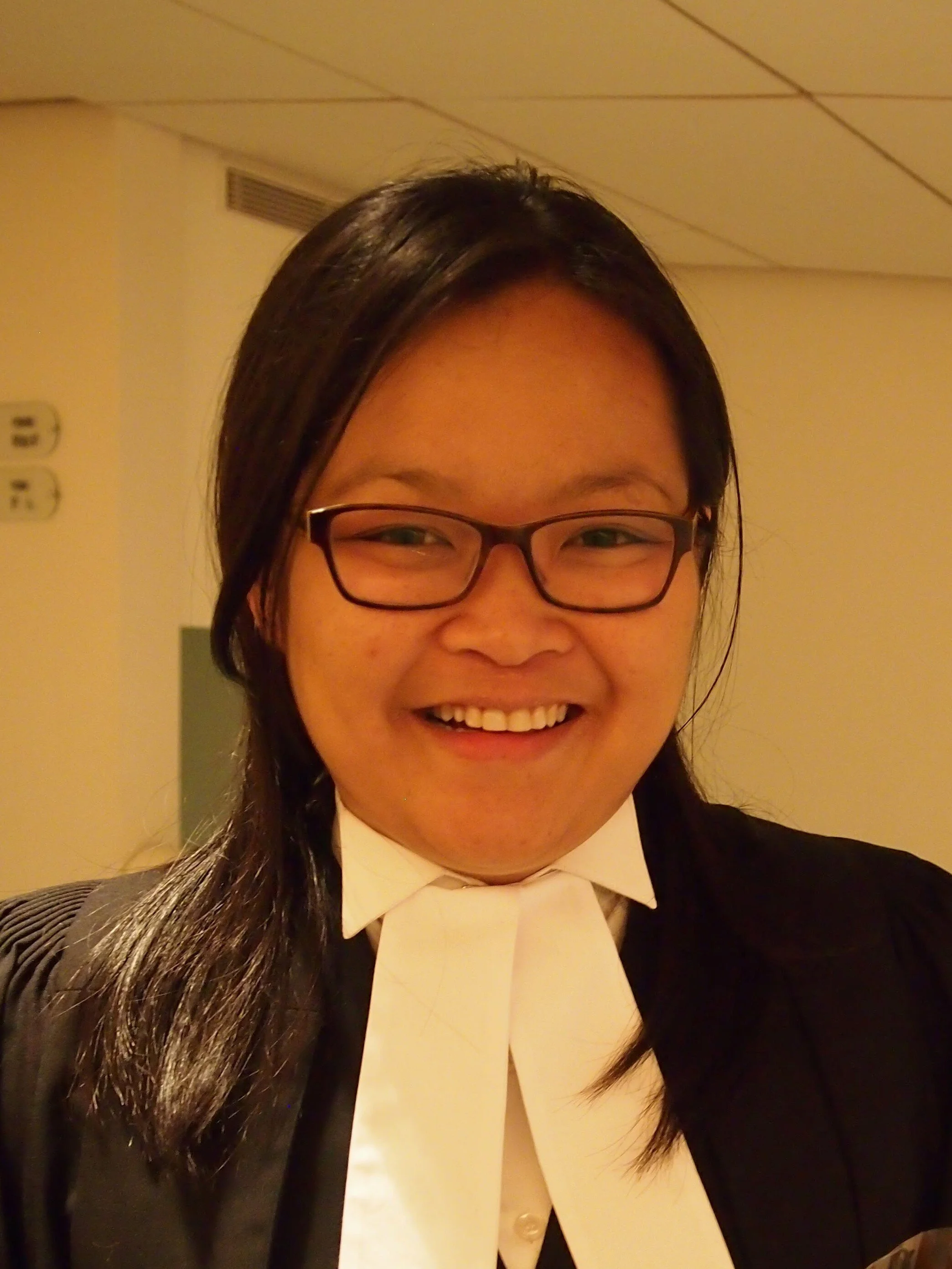
Fellow, Constitutional and Human Rights Lawyer, JD University of Toronto
Jennifer Luong is a Canadian constitutional and human rights lawyer whose practice focuses on equality challenges to parentage laws and the constitutional right to collective bargaining. She represented the Attorney General of Ontario in Grand et al. v. Ontario, the settlement of which led to the passage of Ontario's All Families are Equal Act, 2016 and in Re S.M., in which the Ontario Superior Court struck down the spousal requirement for joint adoption applications as unjustifiably discriminating on the basis of marital status.
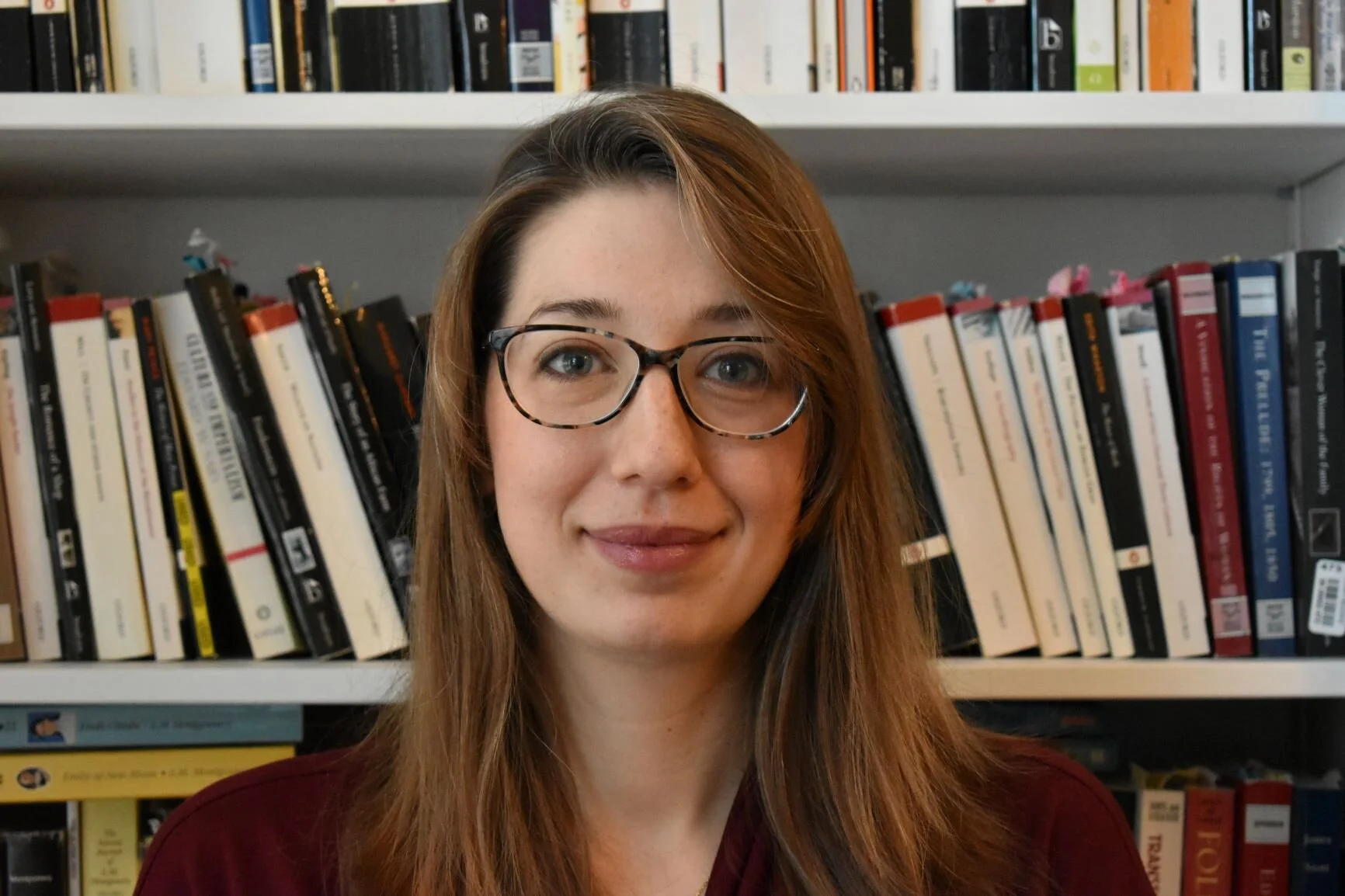
Fellow, English, PhD University of Toronto
Katherine Magyarody is an author of young adult fiction and an academic researcher. She is the recipient of a 2017 Robert J. Dau PEN Award for Emerging Writers and her debut novel, The Changeling of Fenlen Forest, was longlisted for the 2020 Sunburst Award for Excellence in Canadian Literature of the Fantastic. Her academic research centers on the representation of peer groups as a method of imperial cultural consolidation nineteenth-century children’s literature.
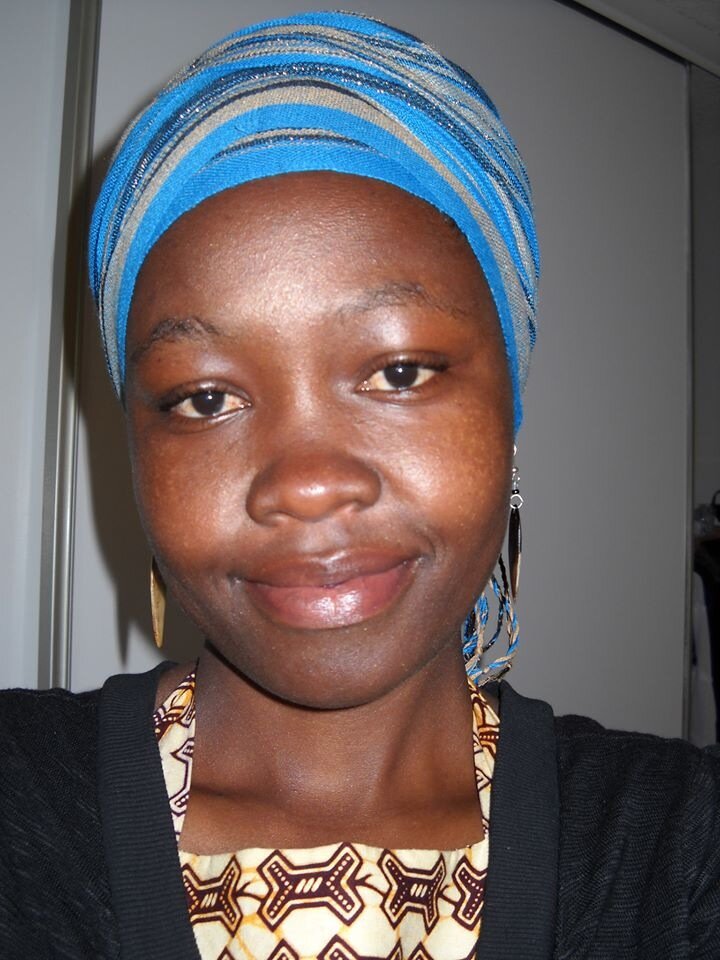
Fellow, African History, University of Memphis
Selina Makana is an Assistant Professor of African history at the University of Memphis. Her research and teaching focus on African women’s social history, gender and militarism, transnational feminisms, and African diaspora studies. Her current monograph uses oral interviews with former women combatants and archival records to probe the relationship between gender and militarism in contemporary Angola.
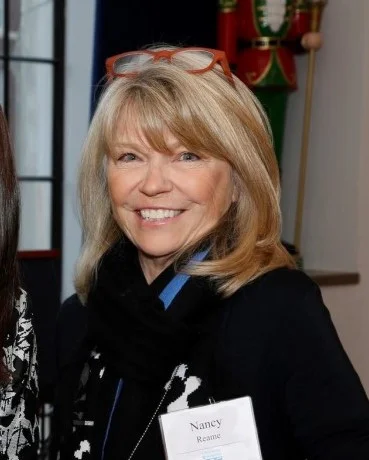
Professor, Department of Emerita of Disease Prevention and Health Promotion, School of Nursing, Columbia University
Nancy King Reame, MSN, PhD, FAAN authored the chapter "Toxic Shock Syndrome and Tampons: The Birth of a Movement and a Research Vagenda" in The Palgrave Handbook of Critical Menstruation Studies (Bobel et al) 2020. The handbook, which is free and down-loadable can be found here: https://link-springer-com.ezproxy.cul.columbia.edu/book/10.1007%2F978-981-15-0614-7.
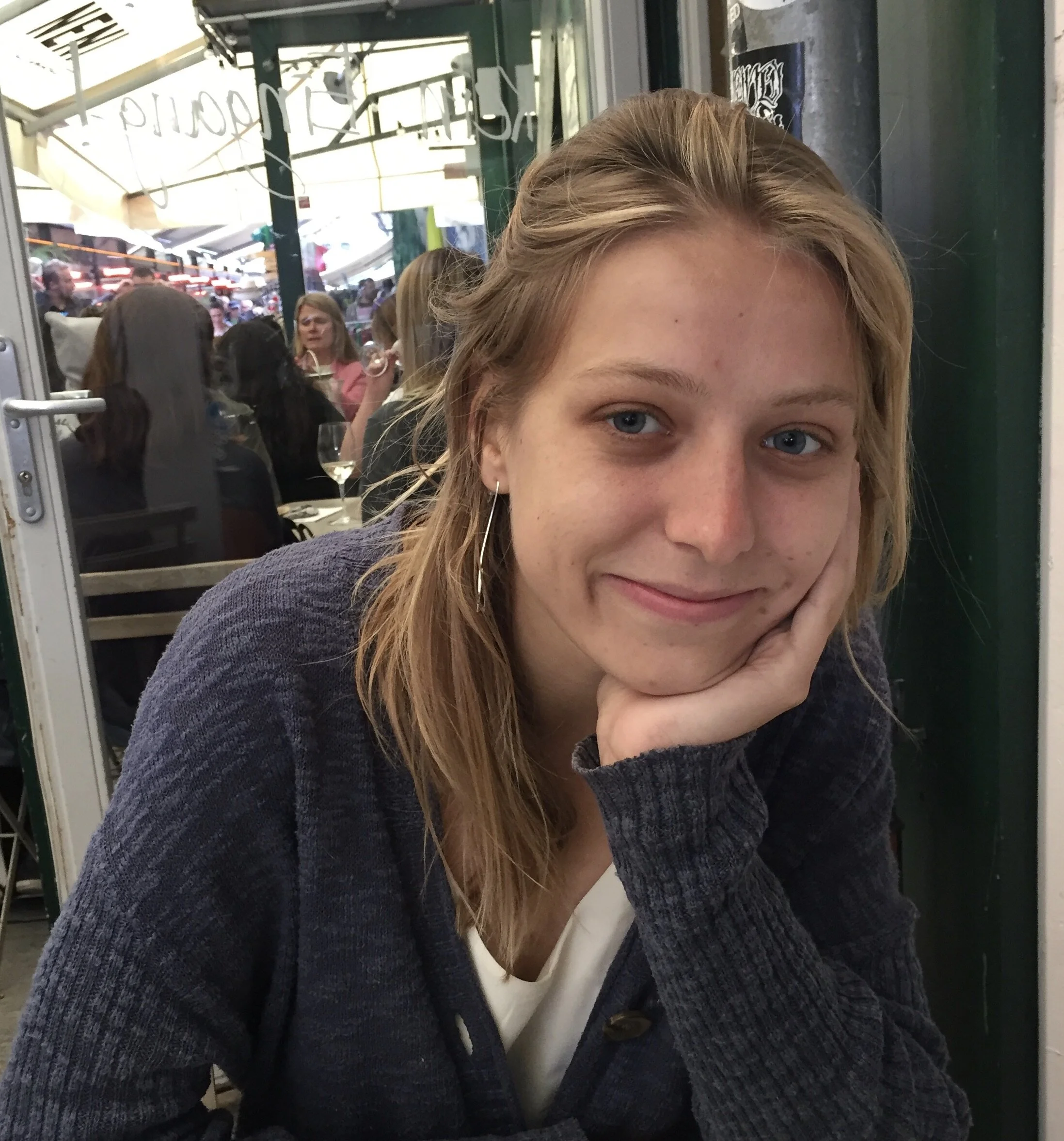
Lilith Todd is a Ph.D. candidate in Columbia's Department of English and Comparative Literature, where she is studying 17th- and 18th-century British and Transatlantic literature. Broadly, her research interests include representations of domesticity, maternity, and bodily sensations, the histories of nursing, sex work, and surrogacy, and the various flows of water, bodily fluids, products, and poetic beats.
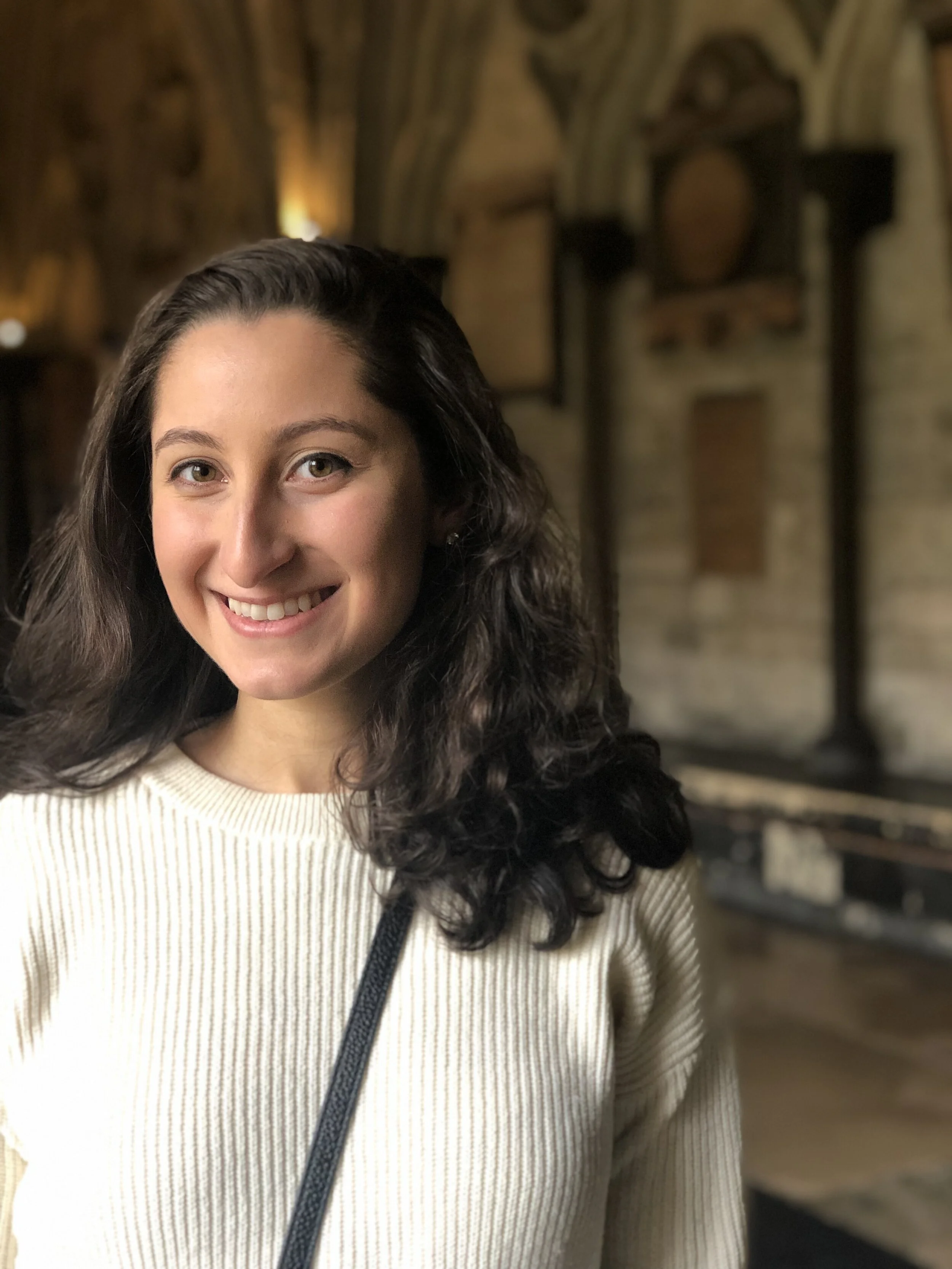
Doctoral Student, Health, Medicine and Society, University of Cambridge
Naazanene Vatan is a medical student at Washington University School of Medicine in St. Louis. Her interests include the intersections of literature and medicine; pregnancy and childbirth; and philosophies of scientific progress. Naazanene graduated with a B.A. from Columbia College in Biology and Medicine, Literature, and Society.

Fellow, Science and Technology, UC Berkeley
Hannah Zeavin is a Lecturer of Science and Technology in the Department of History at UC Berkeley, and is on the Executive Committee's of the Berkeley Center for New Media and the UC Berkeley Center for Science, Technology, Medicine, and Society. Her research focuses on the coordinated histories of information, media, technology, medicine and the mind. Zeavin's first book, The Distance Cure: A History of Teletherapy is out from the MIT Press and she is at work on her second book, Mother's Little Helpers: Technology in the American Family (under contract MIT Press), which investigates the ways in which technologized parenting interacts with moral, medical, and psychiatric concepts of parental fitness, presence, and absence across the 20th century and into our present.
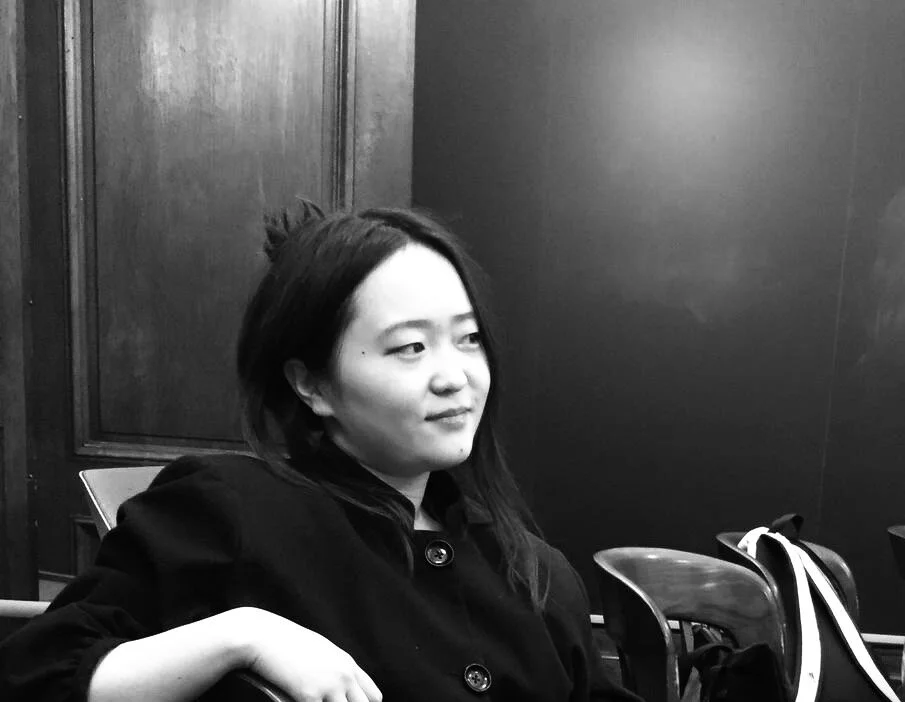
PhD Candidate, Philosophy, Columbia University
Helen Zhao is a PhD candidate in Philosophy at Columbia University, specializing in the philosophy of science and medicine. As the inaugural Graduate Fellow in Medical Humanities, she is the Network Administrator for the CHCI Health and Medical Humanities Network.