
Insurgent Domesticities
Project Co-Directors:Anooradha Iyer Siddiqi and Neferti X. M. Tadiar
Managing Editor: Aastha D
‘Home’ has been used as a boundary-forming device to identify, homogenize, normalize and exclude. Composed of family and nation, and attendant notions of their sanctity, ‘home’ is no longer open to reinterpretation and reconfiguration; it is pressured as a lived space. Insurgent Domesticities brings into focus the insurgent environments, objects, and practices that make up the maintenance, creation, labor, and intimacies of home. Our collective investigates the more processual aspects of domesticity, to interrogate the politics of ‘home,’ through histories of solidarity, disobedience, stealth, and militancy, from the scale of the clothesline to that of the state.
The Insurgent Domesticities working group is committed to liberatory historiographical approaches and scholarly caregiving, orientations that transcend ideological frames deploying ‘domesticity’ to organize, limit, or subjugate life, time, people, and places, from the non-male figure to the non-capitalistic landscape. It draws on practices that emerge from and constitute interiority, which transform the figurations, materiality, and narrations of ‘home’ and ‘domesticity’ within the present worldwide protectionist climate, in which ‘home’ is still a fiercely pursued, maintained, and guarded space. Dissident domesticities, bound up in questions of governance, global economies, (geo)political borders, war, labor, and ecological crisis, call for emancipating, subversive, and collaborative research approaches that straddle or sit between territories, institutions, states, and national space. Through insurgent domesticities of laundry, gardens, cats, kitchens, the home office, the migrant camp, the kindergarten, the settlement, the housing block, the border wall, the reserve, or the reservation, we center histories of the active construction of home through occupancy, the making of new territories by transgressing boundaries, and the transcending or transforming of oppressive domestic structures.
Insurgent Domesticities indexes and reveals inequalities and injustices cohering social, cultural and political aspects of domesticity. Because domesticity is involved in the production of identity, security, comfort, and belonging, as well as strategies necessary to maintain the status quo, it serves as a double-edged tool that can be confining or emancipatory in its different guises. To combat the pliancy of its shapeshifting between safeguarding and critiquing notions of family and nation, migration and home, our collective proposes the fundamental understanding that domesticity is a politicized field of many interdependencies, from the sociospatial to the material and aesthetic, which demand regular negotiation and theorization.
Insurgent Domesticities is a past working group under the CSSD theme, Women Creating Change, which engages distinguished feminist scholars from diverse fields who focus on contemporary global problems affecting women and on the roles women play in addressing these problems. The working group has written an edited volume, Insurgent Domesticities, forthcoming from Columbia University Press / Columbia Books on Architecture and the City.
Resources
Publications
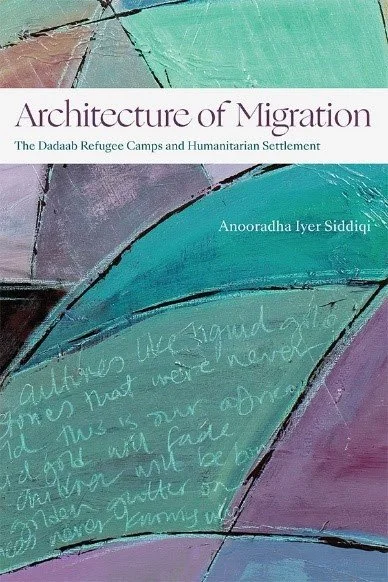
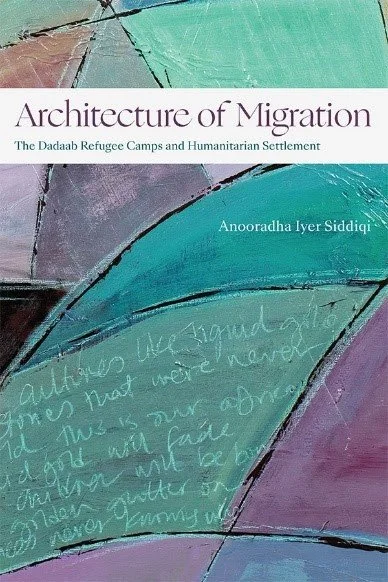
Anooradha Iyer Siddiqi, Architecture of Migration: The Dadaab Refugee Camps and Humanitarian Settlement (Duke University Press, 2023).
Neferti X.M. Tadiar, Remaindered Life (Duke University Press, 2022).
Gil Z. Hochberg, Becoming Palestine: Toward an Archival Imagination of the Future (Duke University Press, 2021).
News

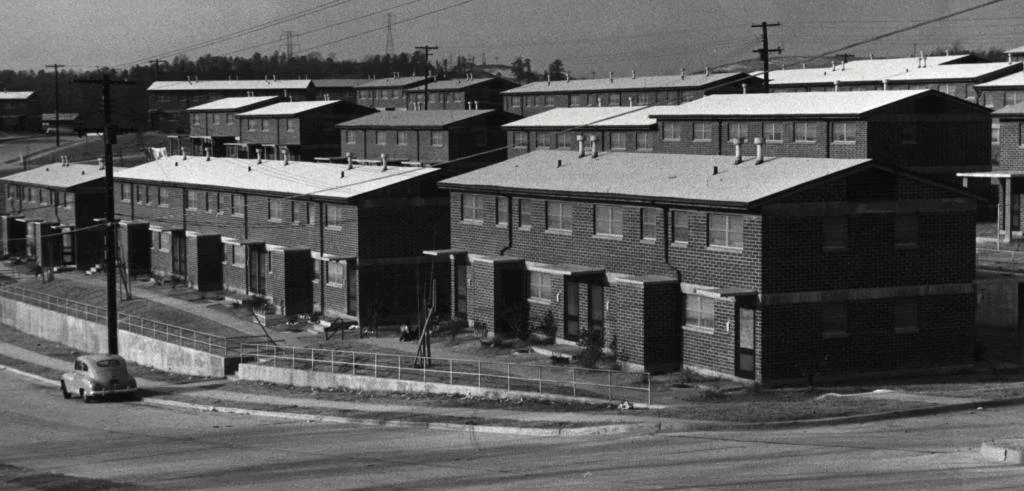
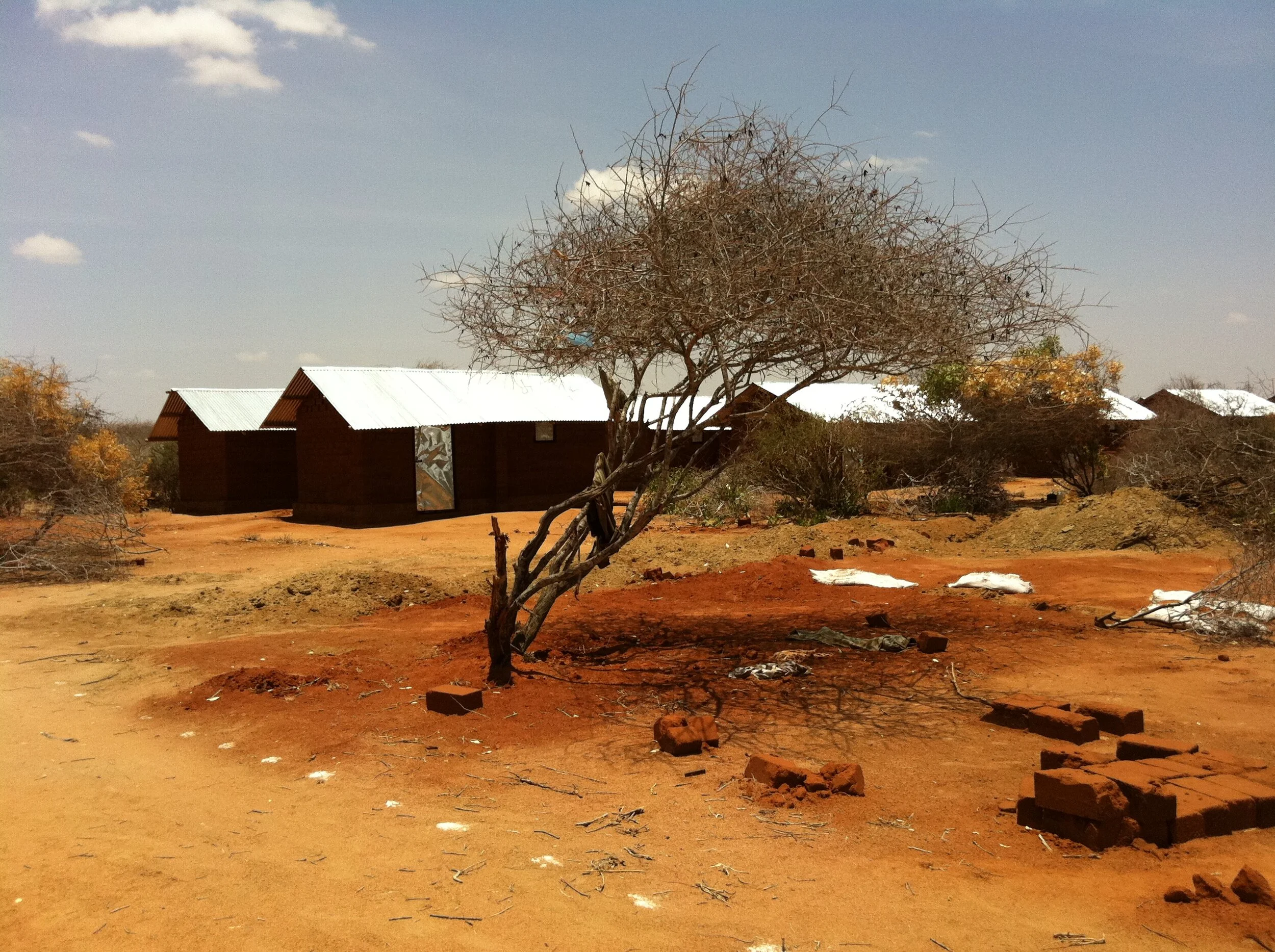
Ifo 2 camp, Dadaab, Kenya. These shelter prototypes were designed and built as part of an international humanitarian initiative to expand a refugee settlement. Before the camp was officially populated, they were among the structures the police used to enable clandestine dwelling and sex work. How do we understand a homemaking of coercion and collaboration? How do we think with the paradoxes of insurgent domesticities?
Photo by Anooradha Iyer Siddiqi.
Fellows
Past Events
Nov. 17, 2023 General Editorial Meeting
Sep. 23, 2023 General Editorial Meeting
Jun. 9, 2023 General Editorial Meeting
Apr. 14, 2023 General Editorial Meeting
Mar. 24, 2023 General Editorial Meeting
Mar. 20, 2023 General Editorial Meeting
Feb. 10, 2023 General Editorial Meeting
Jan. 13, 2023 General Editorial Meeting
Dec. 2, 2022 General Editorial Meeting
Nov. 11, 2022 General Editorial Meeting
Sept. 29, 2022 Writing Retreat
Mar. 25, 2022 Session VIII. Guest: Zahra Malkani and Shahana Rajani
Postponed Session VII. Guest: Christina Sharpe
Feb. 11, 2022 Session VI. Guest: Anurupa Roy
(rescheduled from Nov. 05, 2021)
Oct. 15, 2021 Session V. Guest: Huda Tayob
May 14, 2021 Session IV. Queer and Feminist Care
Apri. 23, 2021 Session III. Material Intimacy
Mar. 19, 2021 Session II. Establishing the Interior
Feb. 5, 2021 Session I. Concepts, Epistemologies, Feminisms
Oct. 13-25, 2020 Intake Meetings