Afro-Nordic Feminisms
This working group is a Black feminist research and pedagogical project that centers Afro-Nordic identity, culture, social movements, and social justice organizing. We are calling this initiative Afro/Nordic/Feminisms, as we are interested in the areas of inquiry and methodologies named by the interplay between the three terms.
Project Co-Directors: Monica L. Miller and Nana Osei-Kofi
Graduate Coordinator: Ayesha Verma
This working group is a Black feminist research and pedagogical project that centers Afro-Nordic identity, culture, social movements, and social justice organizing. We are calling this initiative Afro/Nordic/Feminisms, as we are interested in the areas of inquiry and methodologies named by the interplay between the three terms.
Afro-Nordic Studies is, at best, a nascent field and largely unsupported by Nordic universities and academic institutions. “Race” as a category of identity is contested in the region; governments do not collect statistics on racial identity and do not recognize “race” as a category from which to make legal claims for equity and against discrimination. “Ethnicity” often stands in for race and racial difference is cathected to immigration; this results in the impossibility of Afro-Nordic identity. Vocabularies for talking about race and racialization have had to be borrowed from other languages and geographies and Nordic-specific terms are only just now emerging. This structural context has the effect of invisibilizing Afro-Nordic people, who are hypervisible minorities due to the overwhelming homogeny and whiteness of the Nordics. Their very presence questions national identity, reveals repressed colonial histories and eugenicist projects, and more contemporary global realities of migration and war. And yet, people of African descent in the Nordics, both native born and immigrants, are living Black lives that are deeply emplaced in Nordic geographies and histories, as well as connected to other Black communities in Europe, Africa, the Americas, and around the world. Afro-Nordic people and communities are actively creating and assembling archives of their presence and possibility as Nordic citizens and Black people in the diaspora.
Members of the group work on scholarship from across the Nordic countries, are of different generations, have worked inside and outside of the academy, and have different disciplinary orientations to the work. As mentioned above, the lack of recognition of race and insufficient vocabulary to talk about race has meant that many of our Nordic colleagues working in this area have faced difficulties securing material and intellectual support and mentoring. Many live, study, and work in the US. One aim of this group is to create a community of practice and a set of resources for each other and the next generation interested in Afro/Nordic/Feminist studies.
Image credit: Pexels, Stein Egil Liland, “Dramatic Sky over Mountains”
Fellows


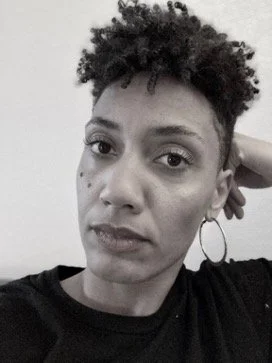
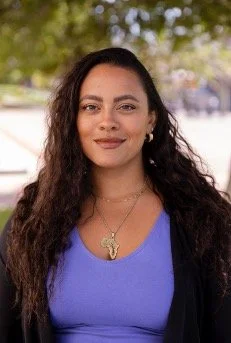
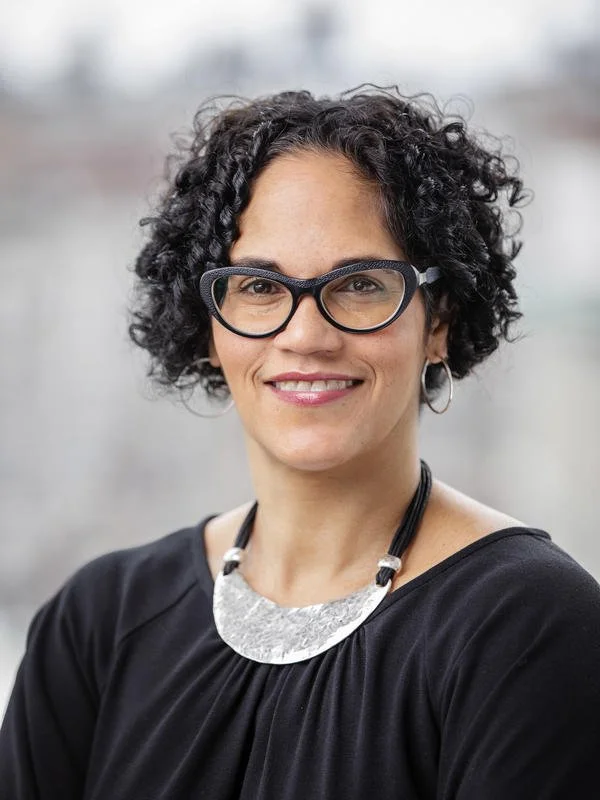
Monica L. Miller, Professor of English and Africana Studies, joined the faculty of Barnard in 2001. Professor Miller specializes in African-American and American literature and cultural studies. Her research interests include twentieth- and twenty-first-century African-American literature, film, and contemporary art; contemporary literature and cultural studies of the black diaspora; performance studies; and intersectional studies of race, gender, and sexuality.

News


Motherhood and Technology
The Motherhood and Technology working group will explore how technological innovations have radically transformed the biological and social experience of motherhood in recent decades. Advances in genomic and reproductive care, the circulation of novel kinship structures, the entrenchment of existing global networks of power and privilege, and the politics of contested bodily sites mark this emerging constellation.
Project Co-Directors: Rishi Goyal, Arden Hegele
Graduate Coordinator: Niyati Shenoy
The Motherhood and Technology working group will explore how technological innovations have radically transformed the biological and social experience of motherhood in recent decades. Advances in genomic and reproductive care, the circulation of novel kinship structures, the entrenchment of existing global networks of power and privilege, and the politics of contested bodily sites mark this emerging constellation. Technological progress and development is often seen as the driver of these changes, but the revolution in motherhood is as much a product of changes in other domains: ethics, social structures, aesthetics, and lived experiences. Our group is motivated to understand how medical technologies have changed—and have been changed by—the experience of motherhood in a global context.
The field is rich with paradoxes. Cryogenic technologies, such as egg freezing and embryo storage, have afforded women new freedoms in choosing when to become mothers, yet the changing demographics of motherhood also raise troubling questions about the pressures of capitalism and the extension of worklife. Surrogacy has become a mainstream technology that affords biological parenthood to couples who might not otherwise have a child, yet the technology operates in a financial market that creates sharp global inequalities, with the burden of surrogacy often taken on by women of color in the developing world. Laboratory and biotechnical developments have produced unprecedented means to edit genetic material, but the unexamined use of new technologies (such as CRISPR) has led to ethical violations around the world. Meanwhile, advanced reproductive technologies have created new social forms that effectively evolve cultural norms, including new social and legal categories of parent and family – yet such technologies also reproduce market pressures and heteronormative family structures, perhaps vitiating counter-cultural practices. These and other dilemmas inform our group’s work in exploring and informing scholarship around motherhood and technology.
Foremost to our exploration is our strong conviction that technology is not neutral. Rather, we believe (following Heidegger) that technology operates as a form of “un-concealment” that reveals the “forcing into being” of culture. Thus, we are particularly interested in how the production of and access to such first-world biomedical technologies of motherhood both index and create broader cultural trends across what Arlie Hochschild has called “global care chains,” in which the burden of care is borne disproportionately by women of color and women in the developing world. We are motivated, then, to consider how technologies of motherhood operate among poor and working class women, both internationally and within the first world. While India has emerged as a global nexus of commercial surrogacy, in New York City and at the US southern border alike, technologies controlling motherhood, including monitoring technology, are used to regulate incarcerated and paroled women. Fundamental to our exploration is our conviction that these very different forms of technological intervention are working together to produce a global reimagination of motherhood.
As we explore these questions, we are guided by the interdisciplinary approach of the medical humanities. Medical humanities offers both a set of methodological approaches to address such challenges, and a broad umbrella under which to study the mutual influences of medico- scientific ideas and cultural/aesthetic practices. Medicine, from intimate care to public health policymaking, has much to contribute to a humanistic understanding of the social role of motherhood; meanwhile, approaches that emerge from a humanistic framework can enrich those coming from the physician’s black bag. The expansive view of the medical humanities will allow the group to develop a scholarly intervention into debates around technology and motherhood, while also producing a cultural artefact that narrativizes these dilemmas, and their solutions, for the public.
Bibliography
This bibliography gathers sources relevant to the topic of motherhood and technology as each sphere has come to impact the other in dimensions personal, social, political and financial. The bibliography represents mostly recent publications, and the sources range in discipline from the social and hard sciences, to journalism and literary nonfiction, to fiction, poetry, and film. Finally, the document concludes with a list of keywords that might simultaneously guide readers as they choose where to begin reading and as they start to connect readings from across the list.
Review the working group bibliography here.
News
Motherhood and Technology Working Group Co-Directors, Arden Hegele and Rishi Goyal, to guest-edit a special issue of The Journal of Medical Humanities in the summer of 2024.

© Loie Hollowell, courtesy Pace Gallery.
Past Events


Two Day-Conference: Conception and Its Discontents: Public Humanities, Explorations in the Medical Humanities organized by the Motherhood and Technology Working Group


The coronavirus pandemic inaugurated a global shift to online learning, working, and socializing. This event considers the immediate and longterm effects such a move has on parents and on forms of mothering in particular.

Join the new Motherhood and Technology working group for the Unexpected: Parenting, Prenatal Testing, and Down Syndrome virtual book launch.

Fellows

Professor, Department of English and Comparative Literature, Columbia University
Rachel Adams is the director of the “Precision Medicine: Ethics, Politics and Culture.” She is Professor of English and American Studies at Columbia University, where she specializes in 19th- and 20th-century literatures of the United States and the Americas, media studies, theories of race, gender, and sexuality, medical humanities and disability studies.

Katherine Bergevin is a PhD Candidate in English and Comparative Literature, specializing in anglophone literatures of the Atlantic world. She holds a graduate certificate in feminist scholarship from Columbia's Institute for Research on Women, Gender, and Sexuality.
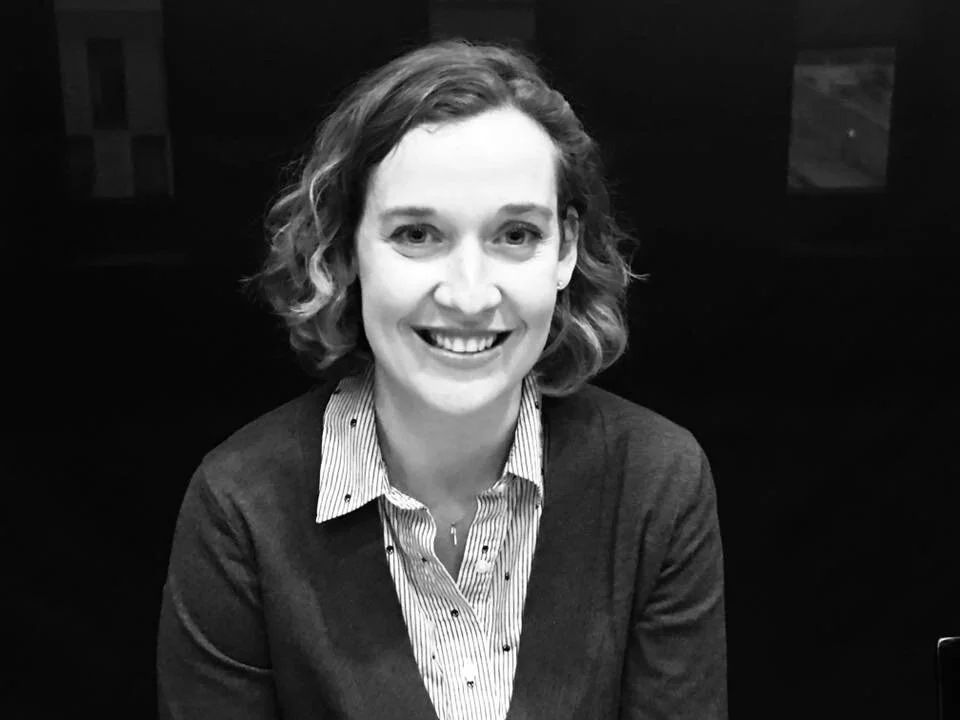
Mellon Public Humanities Fellow, Sarah Lawrence College
Emily Bloom is a Mellon Public Humanities Fellow at Sarah Lawrence College. She is the author of The Wireless Past: Anglo-Irish Writers and the BBC, 1931-1968 (Oxford University Press, 2016), which was awarded the First Book Prize by the Modernist Studies Association.
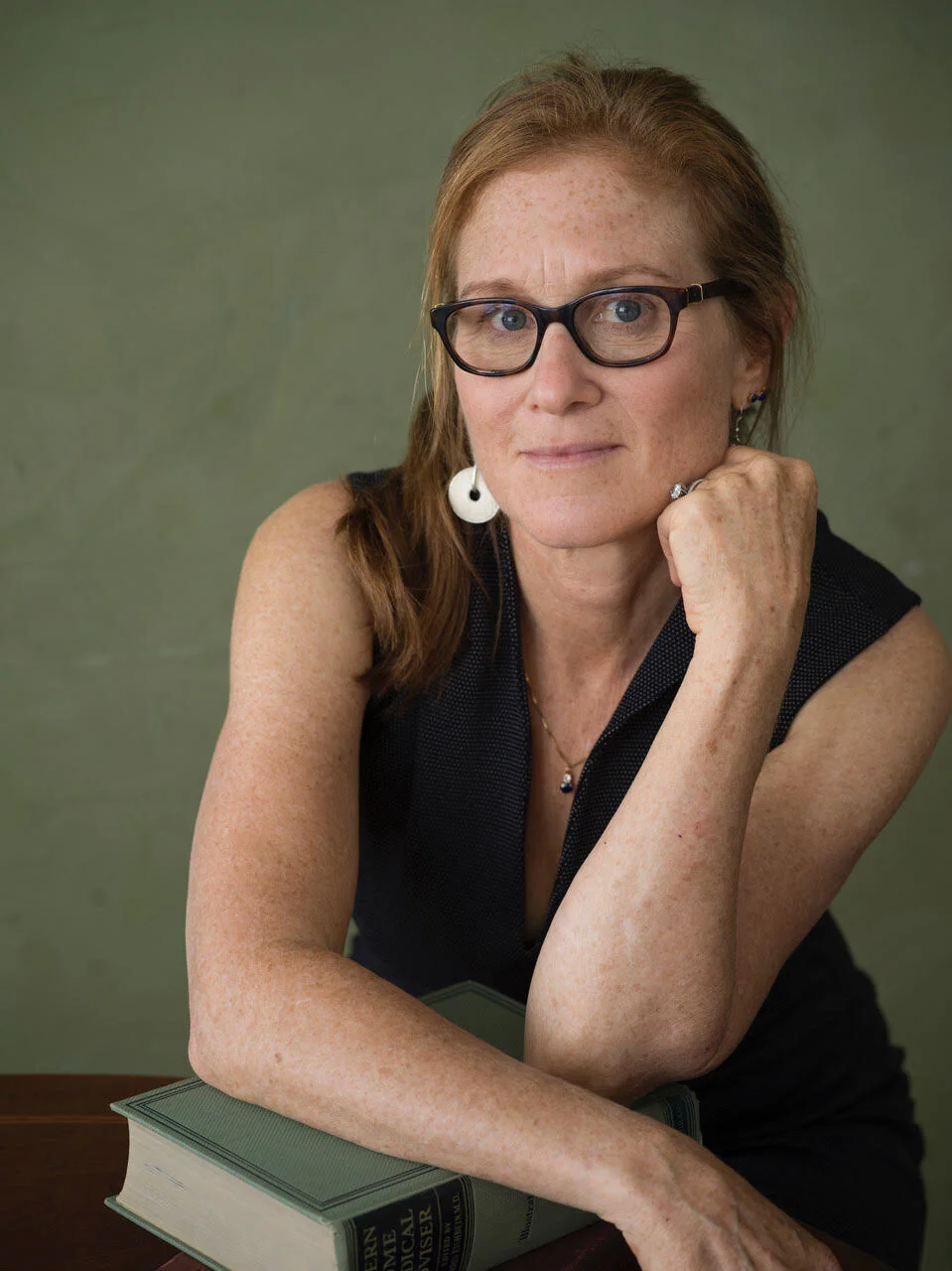
Lecturer, English Department, Yale College, Writer in Residence, Yale University School of Medicine, and Adjunct Professor, Columbia University Graduate School of Journalism
Randi is a medical writer and a reporter for the London Bureau of the Associated Press and was the London bureau chief of Physicians’ Weekly. Randi’s writing focuses on the interplay between medicine and society. In other words, how cultural attitudes influence medical treatment, public health and research, and vice versa.
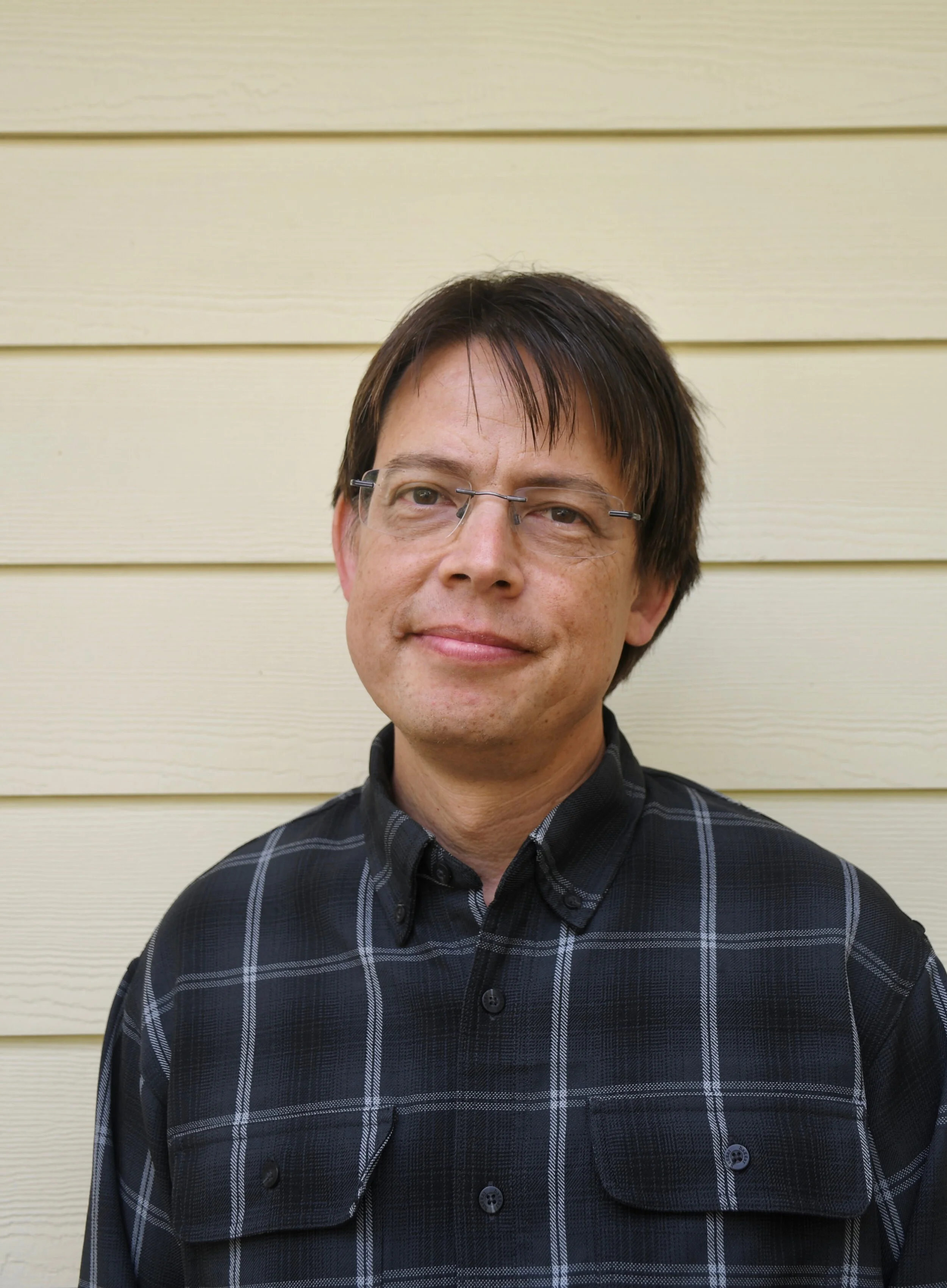
Fellow, Creative Nonfiction, Oregon State University
George Estreich's publications include a book of poems, Textbook Illustrations of the Human Body, which won the Gorsline Prize from Cloudbank Books; the Oregon Book Award-winning memoir The Shape of the Eye; and Fables and Futures: Biotechnology, Disability, and the Stories we Tell Ourselves, which NPR's Science Friday named a Best Science Book of 2019. Estreich has also published prose in The New York Times, Salon, The American Medical Association Journal of Ethics, Tin House, and McSweeney’s Internet Tendency.
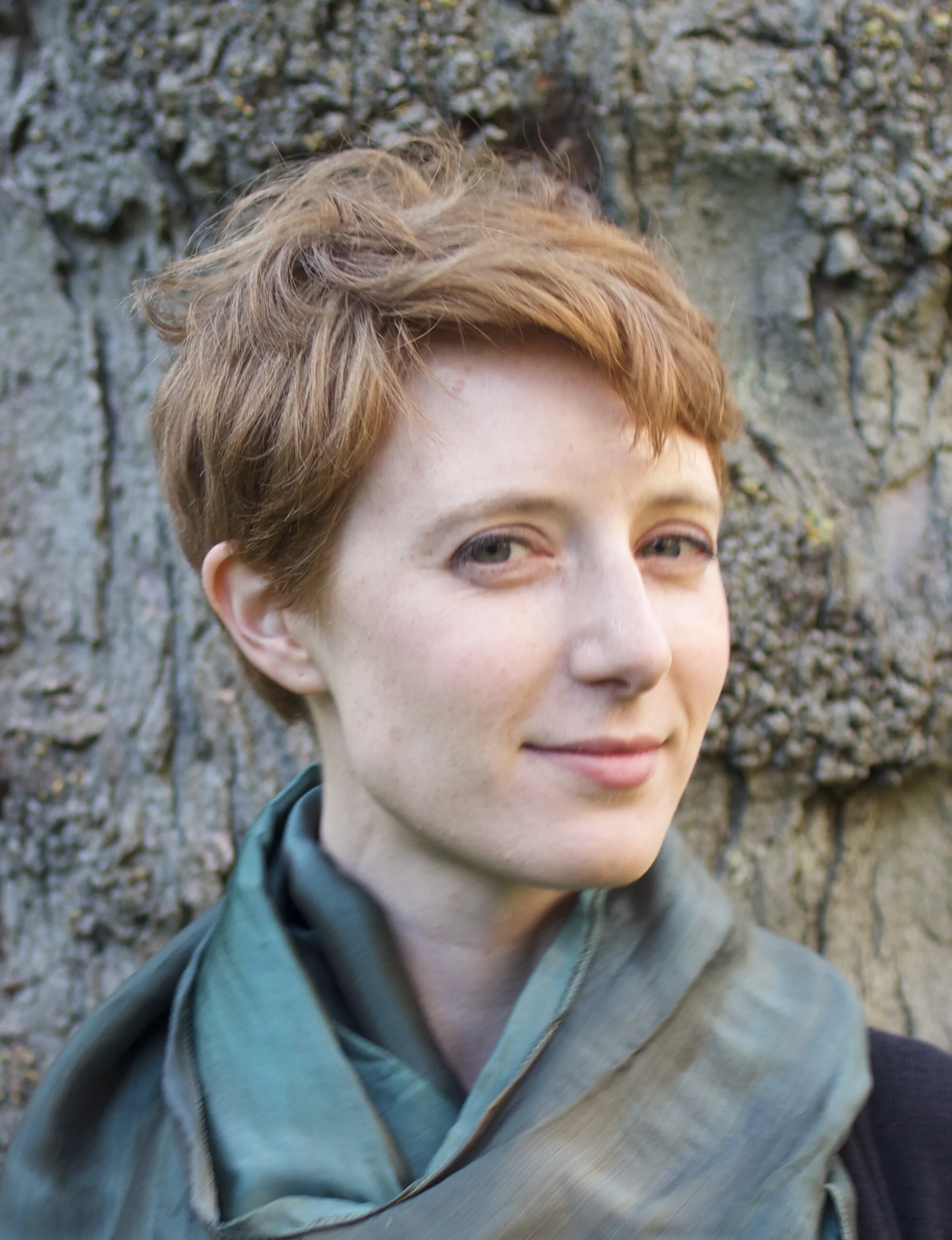
Fellow, Heyman Center for the Humanities, Columbia University
Meredith Gamer specializes in the visual and material culture of eighteenth- and nineteenth-century Europe, with a focus on Britain and the British Empire. Her research and teaching interests include the relationship between art and violence, print culture, medical illustration, and representations of race and slavery. Professor Gamer’s current book project, The Sheriff’s Picture Frame: Art and Execution in Eighteenth-Century Britain, centers on the spectacle of punishment in Britain’s long eighteenth century.
Assistant Professor, Department of Emergency Medicine and the Institute of Comparative Literature, Columbia University
Rishi Goyal, MD, PhD is an Assistant Professor in the Department of Emergency Medicine and the Institute of Comparative Literature at Columbia University where he is the Director of the Medicine, Literature and Society Major. Dr. Goyal is also an Adjunct Associate Professor of Humanities at the University of Southern Denmark. Dr. Goyal received his MD (2001) and his PhD in English and Comparative Literature (2010) from Columbia University. He was Chief Resident in Emergency Medicine at New York-Presbyterian Hospital (2009-10). Dr. Goyal’s research, writing and teaching focuses on the reciprocal transformations that result when new ideas about health, disease and the body find forms of expression in fiction and memoirs.

Lecturer in the Discipline of English and Comparative Literature, Medical Humanities Fellow English and Comparative Literature, Columbia University
Arden Hegele, PhD, specializes in nineteenth-century British literature and the medical and health humanities. She is interested in the intersection of medical knowledge with formalist and historicist literary approaches.

Ph.D. Candidate, English & Comparative Literature, Columbia University
Anna Krauthamer is a Ph.D. candidate in Columbia's English & Comparative Literature department, where she studies and writes about contemporary novels, theories of literary character, and disability. She is currently beginning a dissertation project focused on character typologies in contemporary fiction.

Ph.D. Candidate, English and Comparative Literature, Columbia University
Aya Labanieh is a Ph.D. candidate in the English and Comparative Literature Department, where she works on imperial conspiracies and their conspiracy-theory afterlives in 20th and 21st century Middle Eastern literature and politics. Her broader interests include conspiratorial thinking within a global digital context, and how conspiracy theories function as alternate histories, heretical discourses, popular critiques, epistemic injuries, and modern enchantments.
Fellow, Constitutional and Human Rights Lawyer, JD University of Toronto
Jennifer Luong is a Canadian constitutional and human rights lawyer whose practice focuses on equality challenges to parentage laws and the constitutional right to collective bargaining. She represented the Attorney General of Ontario in Grand et al. v. Ontario, the settlement of which led to the passage of Ontario's All Families are Equal Act, 2016 and in Re S.M., in which the Ontario Superior Court struck down the spousal requirement for joint adoption applications as unjustifiably discriminating on the basis of marital status.
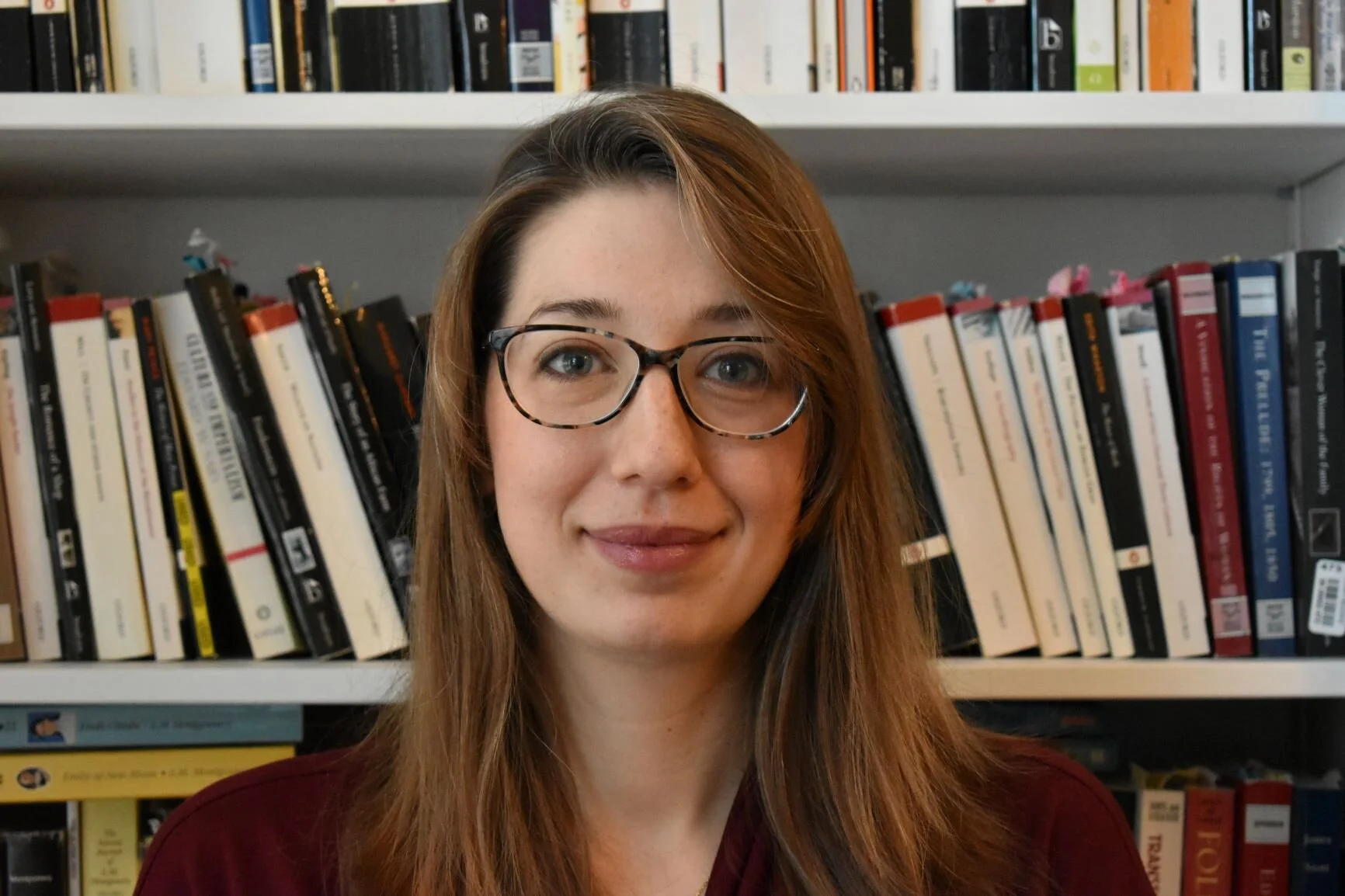
Fellow, English, PhD University of Toronto
Katherine Magyarody is an author of young adult fiction and an academic researcher. She is the recipient of a 2017 Robert J. Dau PEN Award for Emerging Writers and her debut novel, The Changeling of Fenlen Forest, was longlisted for the 2020 Sunburst Award for Excellence in Canadian Literature of the Fantastic. Her academic research centers on the representation of peer groups as a method of imperial cultural consolidation nineteenth-century children’s literature.
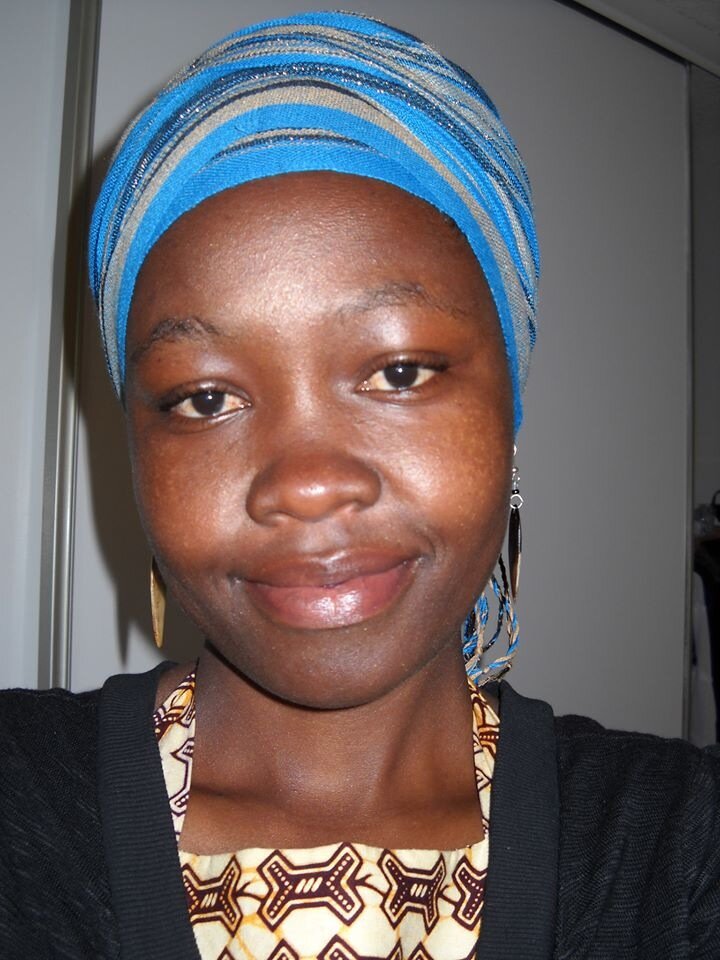
Fellow, African History, University of Memphis
Selina Makana is an Assistant Professor of African history at the University of Memphis. Her research and teaching focus on African women’s social history, gender and militarism, transnational feminisms, and African diaspora studies. Her current monograph uses oral interviews with former women combatants and archival records to probe the relationship between gender and militarism in contemporary Angola.
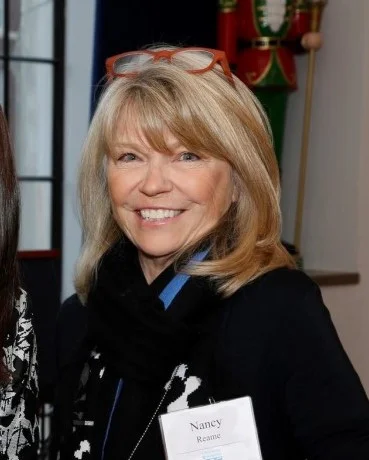
Professor, Department of Emerita of Disease Prevention and Health Promotion, School of Nursing, Columbia University
Nancy King Reame, MSN, PhD, FAAN authored the chapter "Toxic Shock Syndrome and Tampons: The Birth of a Movement and a Research Vagenda" in The Palgrave Handbook of Critical Menstruation Studies (Bobel et al) 2020. The handbook, which is free and down-loadable can be found here: https://link-springer-com.ezproxy.cul.columbia.edu/book/10.1007%2F978-981-15-0614-7.
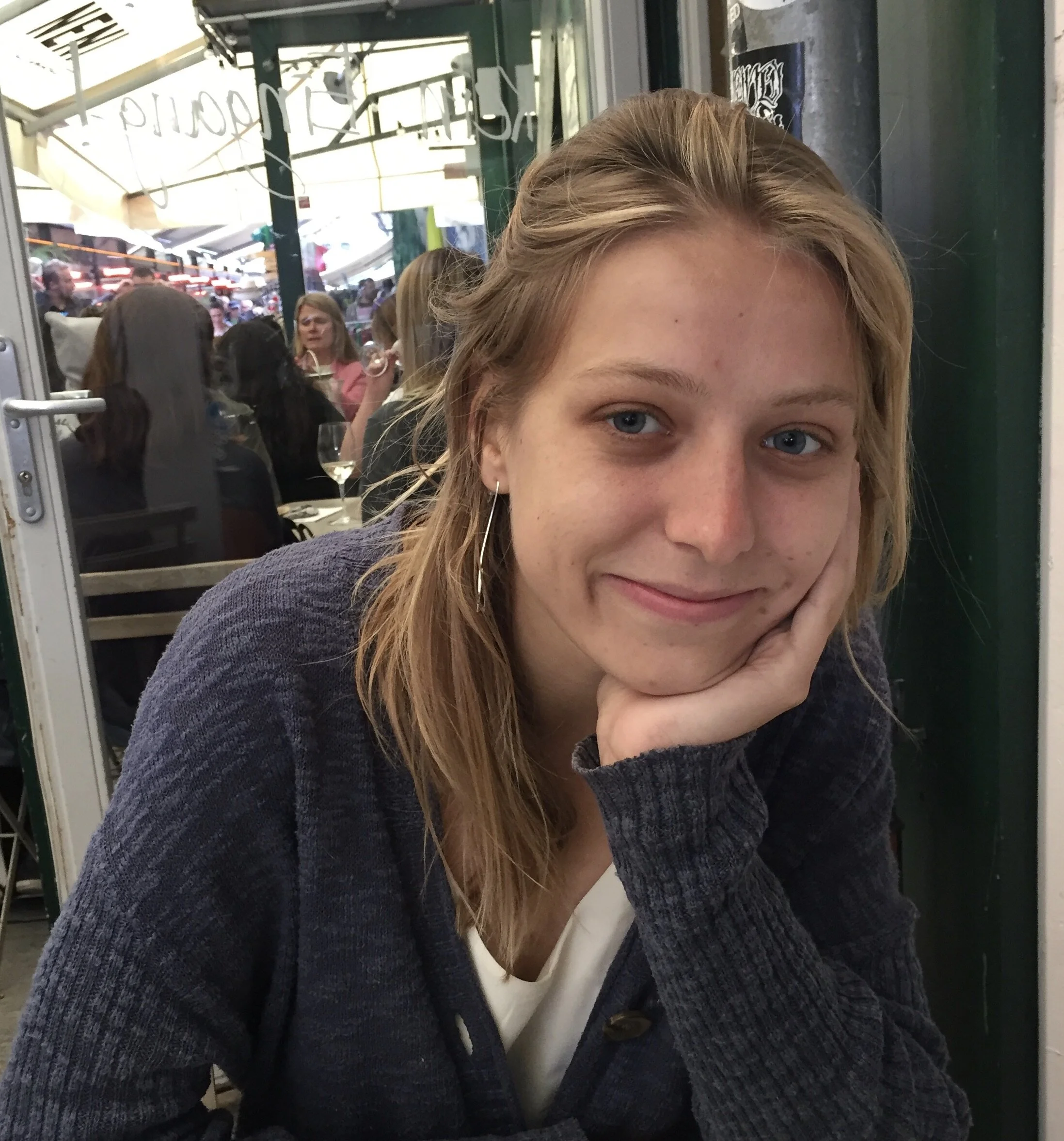
Lilith Todd is a Ph.D. candidate in Columbia's Department of English and Comparative Literature, where she is studying 17th- and 18th-century British and Transatlantic literature. Broadly, her research interests include representations of domesticity, maternity, and bodily sensations, the histories of nursing, sex work, and surrogacy, and the various flows of water, bodily fluids, products, and poetic beats.
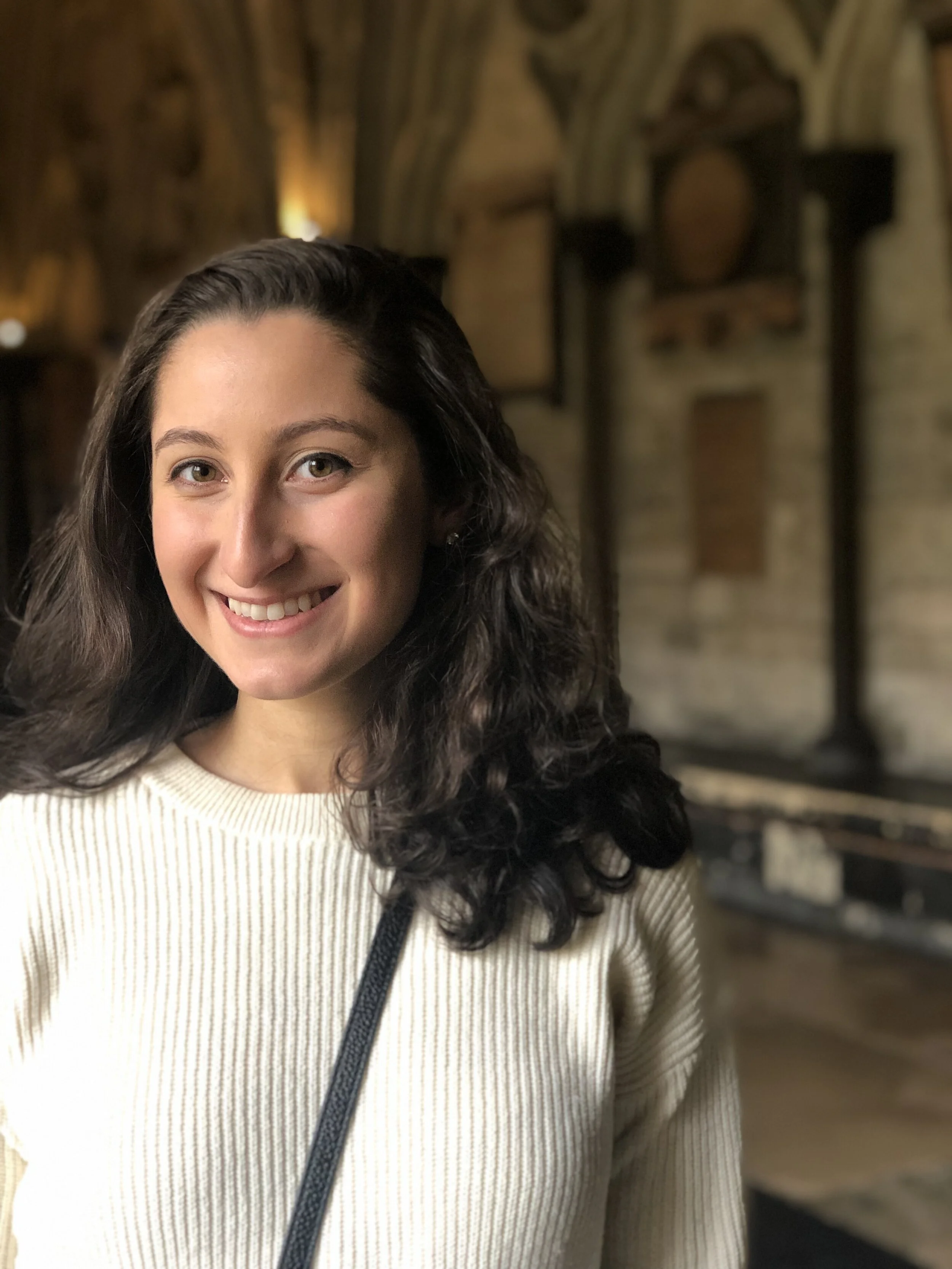
Doctoral Student, Health, Medicine and Society, University of Cambridge
Naazanene Vatan is a medical student at Washington University School of Medicine in St. Louis. Her interests include the intersections of literature and medicine; pregnancy and childbirth; and philosophies of scientific progress. Naazanene graduated with a B.A. from Columbia College in Biology and Medicine, Literature, and Society.
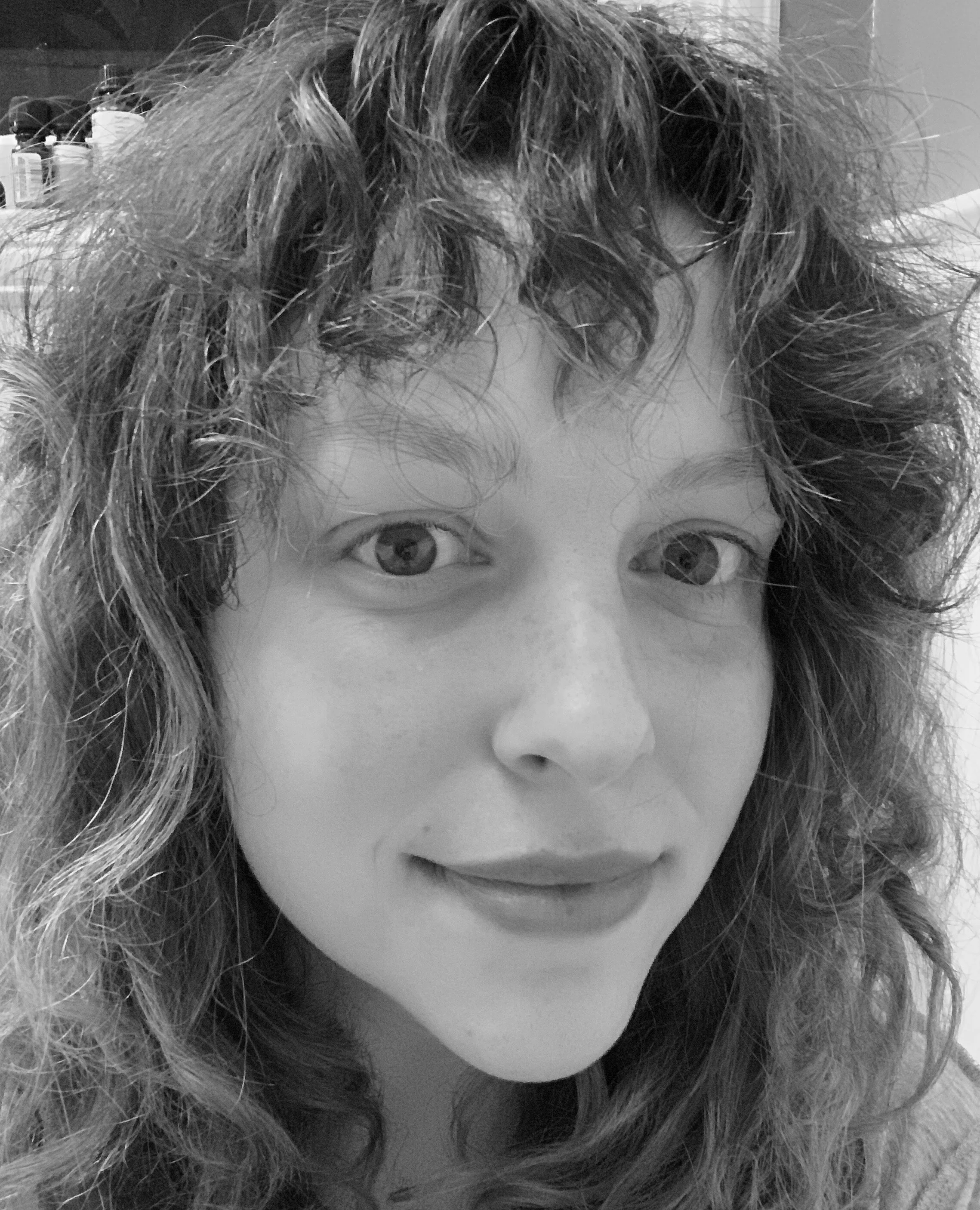
Fellow, Science and Technology, UC Berkeley
Hannah Zeavin is a Lecturer of Science and Technology in the Department of History at UC Berkeley, and is on the Executive Committee's of the Berkeley Center for New Media and the UC Berkeley Center for Science, Technology, Medicine, and Society. Her research focuses on the coordinated histories of information, media, technology, medicine and the mind. Zeavin's first book, The Distance Cure: A History of Teletherapy is out from the MIT Press and she is at work on her second book, Mother's Little Helpers: Technology in the American Family (under contract MIT Press), which investigates the ways in which technologized parenting interacts with moral, medical, and psychiatric concepts of parental fitness, presence, and absence across the 20th century and into our present.
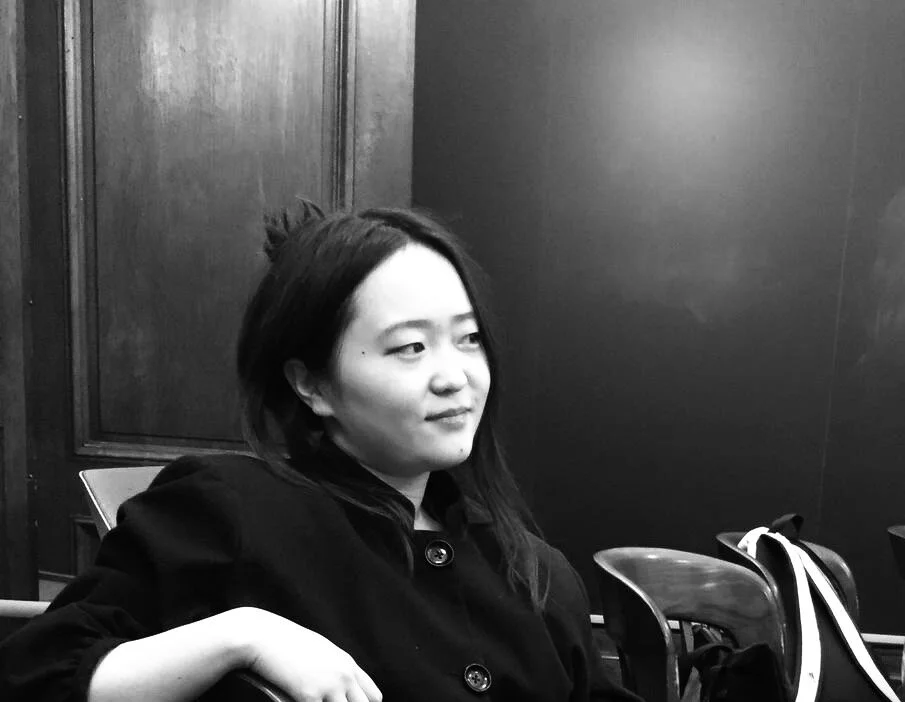
PhD Candidate, Philosophy, Columbia University
Helen Zhao is a PhD candidate in Philosophy at Columbia University, specializing in the philosophy of science and medicine. As the inaugural Graduate Fellow in Medical Humanities, she is the Network Administrator for the CHCI Health and Medical Humanities Network.
Insurgent Domesticities
Insurgent Domesticities brings into focus the insurgent environments, objects, and practices that make up the maintenance, creation, labor, and intimacies of home. Our collective investigates the more processual aspects of domesticity, to interrogate the politics of ‘home,’ through histories of solidarity, disobedience, stealth, and militancy, from the scale of the clothesline to that of the state.
Project Co-Directors:Anooradha Iyer Siddiqi and Neferti X. M. Tadiar
Managing Editor: Aastha D
‘Home’ has been used as a boundary-forming device to identify, homogenize, normalize and exclude. Composed of family and nation, and attendant notions of their sanctity, ‘home’ is no longer open to reinterpretation and reconfiguration; it is pressured as a lived space. Insurgent Domesticities brings into focus the insurgent environments, objects, and practices that make up the maintenance, creation, labor, and intimacies of home. Our collective investigates the more processual aspects of domesticity, to interrogate the politics of ‘home,’ through histories of solidarity, disobedience, stealth, and militancy, from the scale of the clothesline to that of the state.
The Insurgent Domesticities working group is committed to liberatory historiographical approaches and scholarly caregiving, orientations that transcend ideological frames deploying ‘domesticity’ to organize, limit, or subjugate life, time, people, and places, from the non-male figure to the non-capitalistic landscape. It draws on practices that emerge from and constitute interiority, which transform the figurations, materiality, and narrations of ‘home’ and ‘domesticity’ within the present worldwide protectionist climate, in which ‘home’ is still a fiercely pursued, maintained, and guarded space. Dissident domesticities, bound up in questions of governance, global economies, (geo)political borders, war, labor, and ecological crisis, call for emancipating, subversive, and collaborative research approaches that straddle or sit between territories, institutions, states, and national space. Through insurgent domesticities of laundry, gardens, cats, kitchens, the home office, the migrant camp, the kindergarten, the settlement, the housing block, the border wall, the reserve, or the reservation, we center histories of the active construction of home through occupancy, the making of new territories by transgressing boundaries, and the transcending or transforming of oppressive domestic structures.
Insurgent Domesticities indexes and reveals inequalities and injustices cohering social, cultural and political aspects of domesticity. Because domesticity is involved in the production of identity, security, comfort, and belonging, as well as strategies necessary to maintain the status quo, it serves as a double-edged tool that can be confining or emancipatory in its different guises. To combat the pliancy of its shapeshifting between safeguarding and critiquing notions of family and nation, migration and home, our collective proposes the fundamental understanding that domesticity is a politicized field of many interdependencies, from the sociospatial to the material and aesthetic, which demand regular negotiation and theorization.
Insurgent Domesticities is a past working group under the CSSD theme, Women Creating Change, which engages distinguished feminist scholars from diverse fields who focus on contemporary global problems affecting women and on the roles women play in addressing these problems. The working group has written an edited volume, Insurgent Domesticities, forthcoming from Columbia University Press / Columbia Books on Architecture and the City.
Resources
Publications
Anooradha Iyer Siddiqi, Architecture of Migration: The Dadaab Refugee Camps and Humanitarian Settlement (Duke University Press, 2023).
Neferti X.M. Tadiar, Remaindered Life (Duke University Press, 2022).
Gil Z. Hochberg, Becoming Palestine: Toward an Archival Imagination of the Future (Duke University Press, 2021).
News
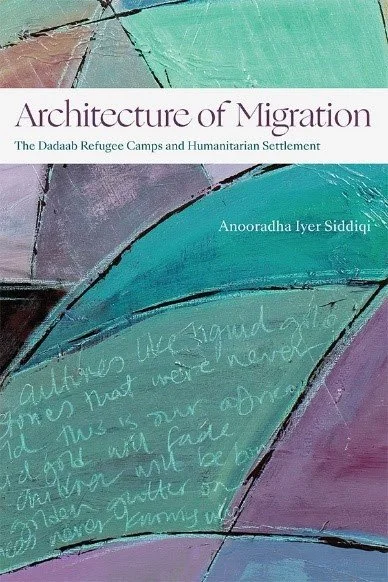
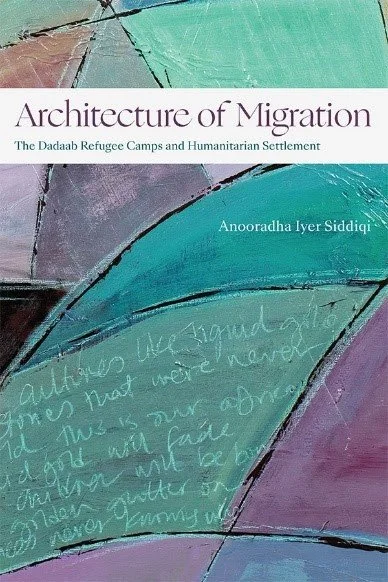
Forthcoming from Duke University Press, Architecture of Migration: The Dadaab Refugee Camps and Humanitarian Settlement (2023) is the latest publication from Professor Anooradha Iyer Siddiqi.
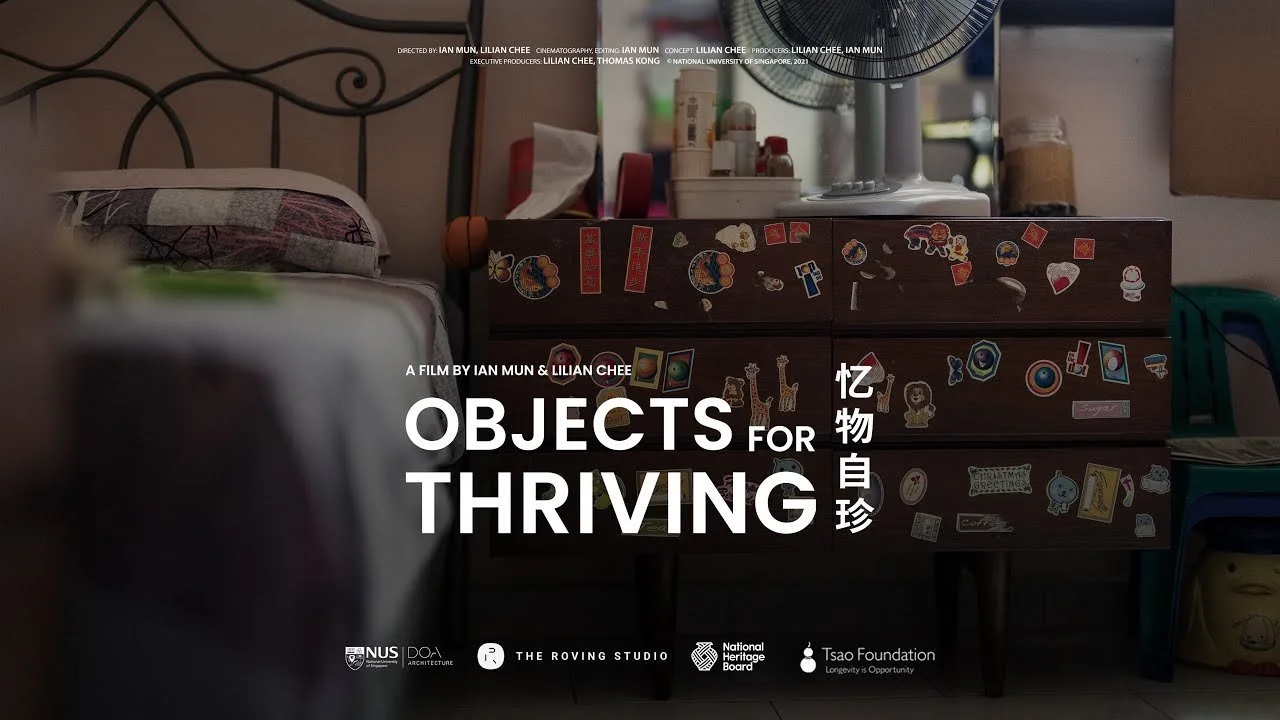
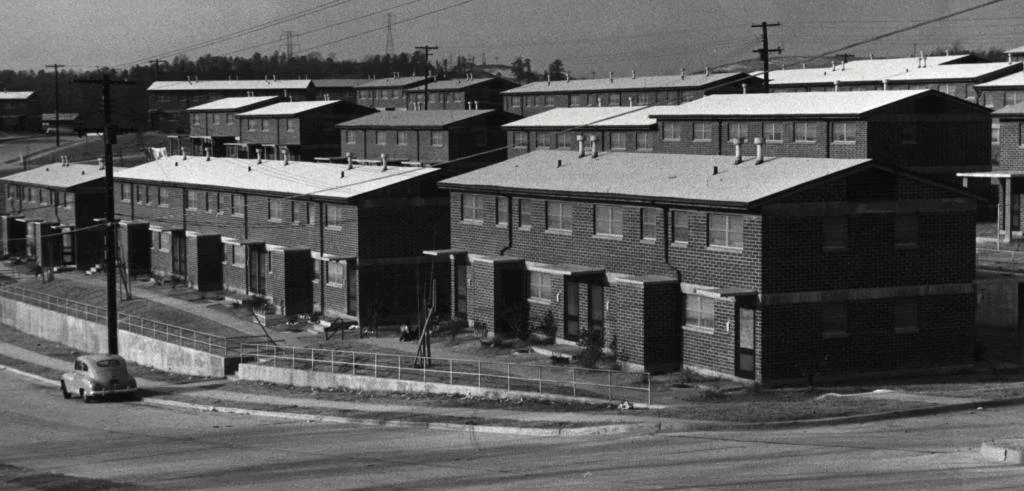
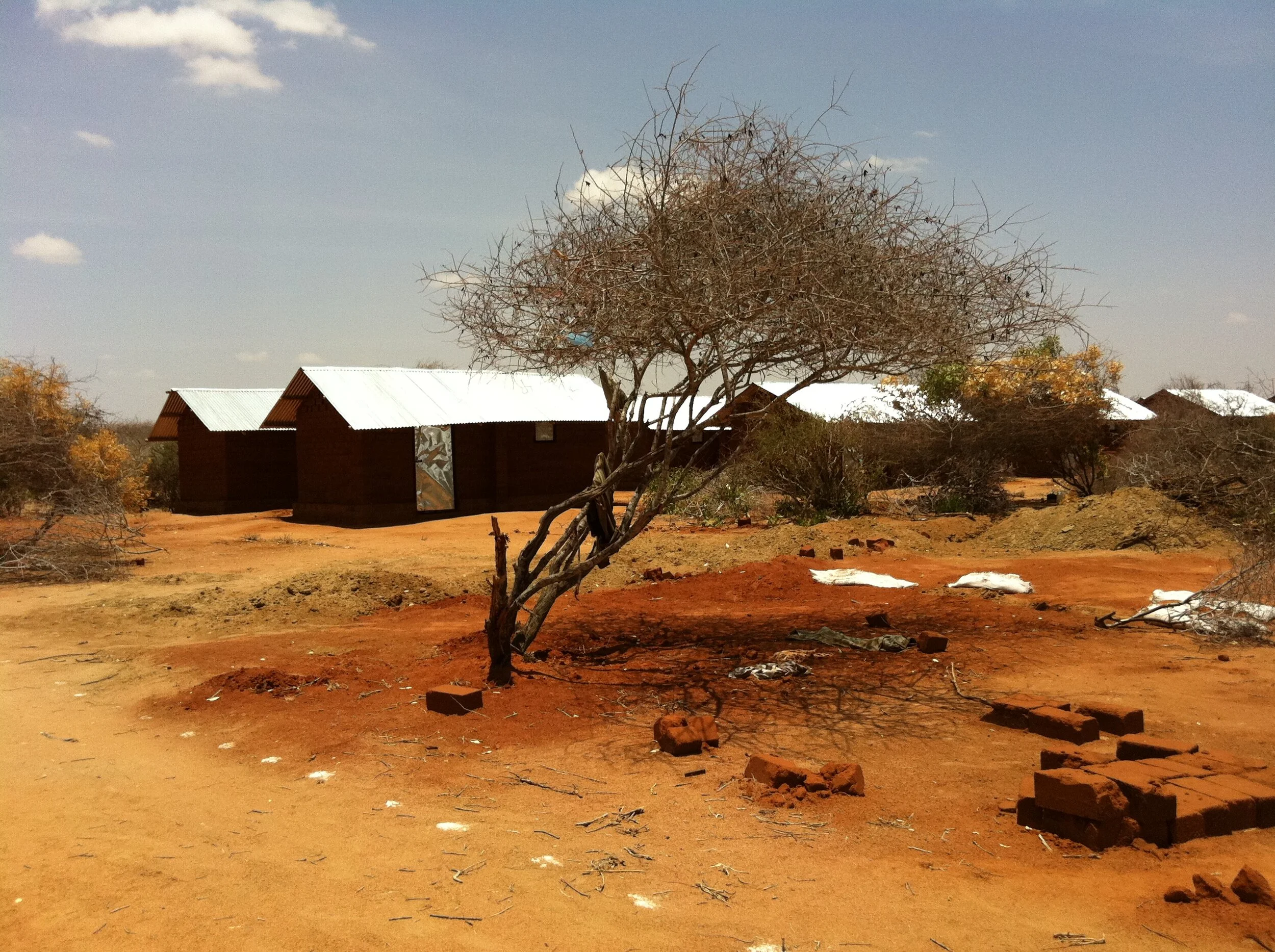
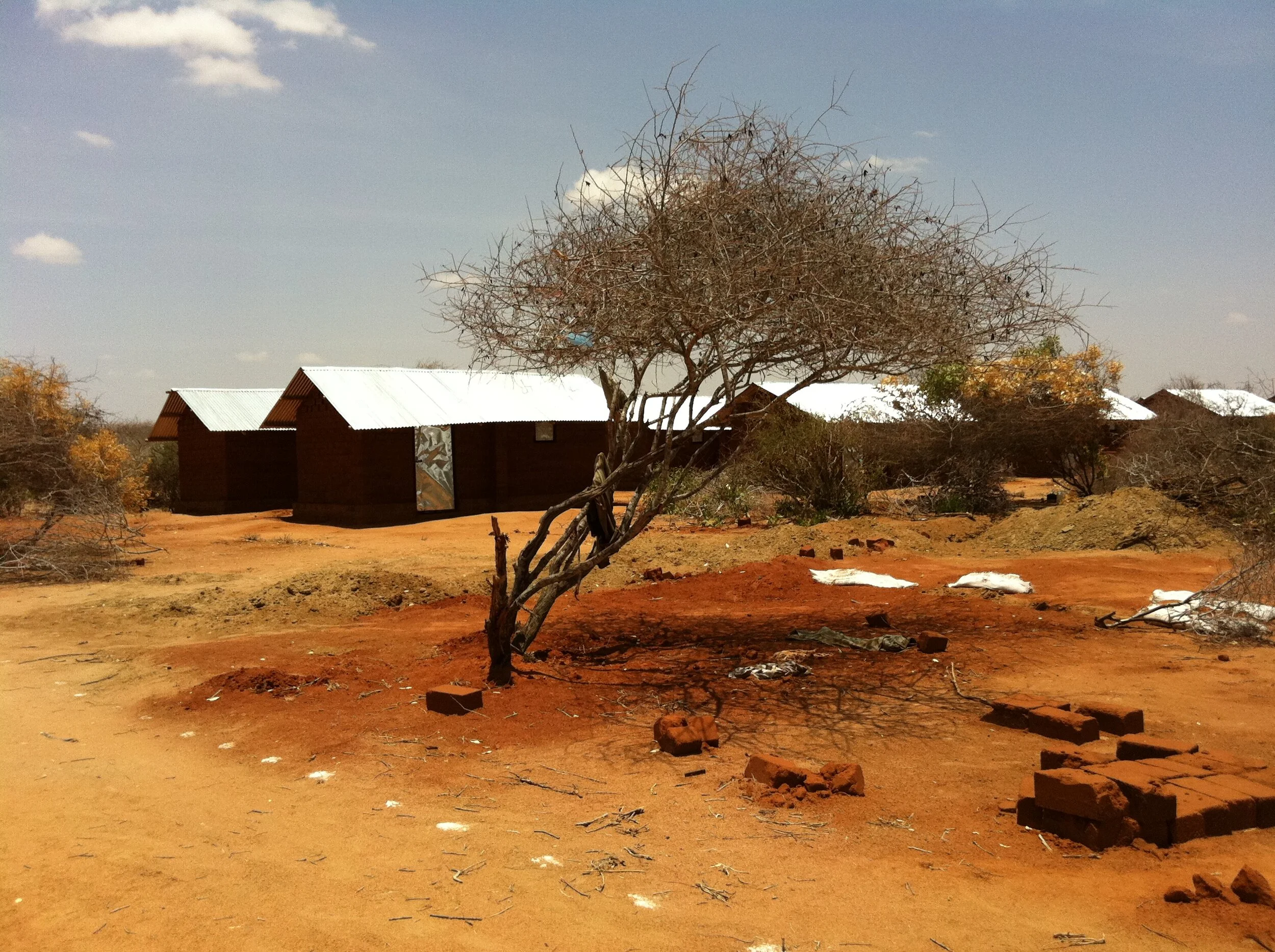
Ifo 2 camp, Dadaab, Kenya. These shelter prototypes were designed and built as part of an international humanitarian initiative to expand a refugee settlement. Before the camp was officially populated, they were among the structures the police used to enable clandestine dwelling and sex work. How do we understand a homemaking of coercion and collaboration? How do we think with the paradoxes of insurgent domesticities?
Photo by Anooradha Iyer Siddiqi.
Fellows
Past Events
Nov. 17, 2023 General Editorial Meeting
Sep. 23, 2023 General Editorial Meeting
Jun. 9, 2023 General Editorial Meeting
Apr. 14, 2023 General Editorial Meeting
Mar. 24, 2023 General Editorial Meeting
Mar. 20, 2023 General Editorial Meeting
Feb. 10, 2023 General Editorial Meeting
Jan. 13, 2023 General Editorial Meeting
Dec. 2, 2022 General Editorial Meeting
Nov. 11, 2022 General Editorial Meeting
Sept. 29, 2022 Writing Retreat
Mar. 25, 2022 Session VIII. Guest: Zahra Malkani and Shahana Rajani
Postponed Session VII. Guest: Christina Sharpe
Feb. 11, 2022 Session VI. Guest: Anurupa Roy
(rescheduled from Nov. 05, 2021)
Oct. 15, 2021 Session V. Guest: Huda Tayob
May 14, 2021 Session IV. Queer and Feminist Care
Apri. 23, 2021 Session III. Material Intimacy
Mar. 19, 2021 Session II. Establishing the Interior
Feb. 5, 2021 Session I. Concepts, Epistemologies, Feminisms
Oct. 13-25, 2020 Intake Meetings

Women’s Heart Disease Awareness: Digital Intervention, Creating Change
Cardiovascular disease (CVD) is the leading cause of mortality for women in the United States, accounting for more deaths than breast cancer, cervical cancer, and Alzheimer’s disease combined, yet awareness of risk factors for CVD in women is extremely low and underprioritized. This group looks at big questions about what motivates women to make tangible changes to their health behaviors, and how to get people in health care policy, research funding, and the media more invested in women’s health issues.
Project Co-Directors: Sonia Tolani, Andrea Flynn
The Women’s Heart Disease Awareness: Digital Intervention, Creating Change group seeks to identify barriers to heart disease awareness and explore pathways to change on a personal individual level as well as a community and population level that lead to improved women’s heart health.
Cardiovascular disease (CVD) is the leading cause of mortality for women in the United States; accounting for more deaths than breast cancer, cervical cancer, and Alzheimer’s disease combined. In fact, more than double the number of women than men die of heart disease each year. CVD affects women of all ages, and more troublingly, the rate of death in young women on the rise. Despite this, while the majority of women age 40-60 have at least one risk factor for CVD, very few have had this risk assessed by their doctor. Women are also less likely to get lifestyle advice or be given medications to prevent heart disease compared to men with a similar risk profile. Further, nearly half of women are still not aware that CVD kills more women than cancer and only about a third of Hispanic and African American women identify it as the number one cause of death.
In order to effect real change, we must not only find ways to increase awareness of heart disease in women, but also identify ways to get women to make lasting changes in their lifestyle. This group proposes to study whether one specific tool, a mobile health App called Love My Heart, is better able achieve these goals compared with usual care. In addition, we hope as a multidisciplinary group that has united faculty from different departments, to explore more broadly ways digital tools and social media can improve health education and identify what factors, i.e. fear, empowerment, etc. promote women to exercise more and eat healthier, lifestyle changes that historically have been hard to achieve with a more traditional approach.There are currently more than 165,000 mHealth apps available and 3 billion were downloaded by consumers in 2015, but so many questions about the role of technology in health care remain unanswered. For example, can self assessment of risk compensate for inadequate health system screenings? Can gameification of heart healthy goals promote better adherence and outcomes? Can social media mediate the stigma of heart disease in women? We hope by providing a forum for this discussion we will encourage further research in this developing field.
News
Co-director of working group Women’s Heart Disease Awareness addresses the lack of awareness surrounding women’s risk of heart disease in an interview with Steve Adubato.
New CSSD co-directors Dr. Natalie Bello and Dr. Sonia Tolani have launched the “Love My Heart” app to raise awareness of heart disease in women.


In celebration of American Heart Month, the Columbia Global Centers | Beijing and the Women Creating Change initiative of the Center for the Study of Social Difference at Columbia University invite you to join us on February 23rd for a webinar

Cardiovascular disease is the leading cause of death in women in the United States and India, and yet women are less likely to seek healthcare for themselves for a variety of social and economic reasons. Join our panel of experts as they discuss the challenges and approaches in providing care for women's heart disease during the current COVID-19 crisis.

Join us for a discussion on ways to improve women’s health on an individual and societal/structural level. Registration is required.
Fellows
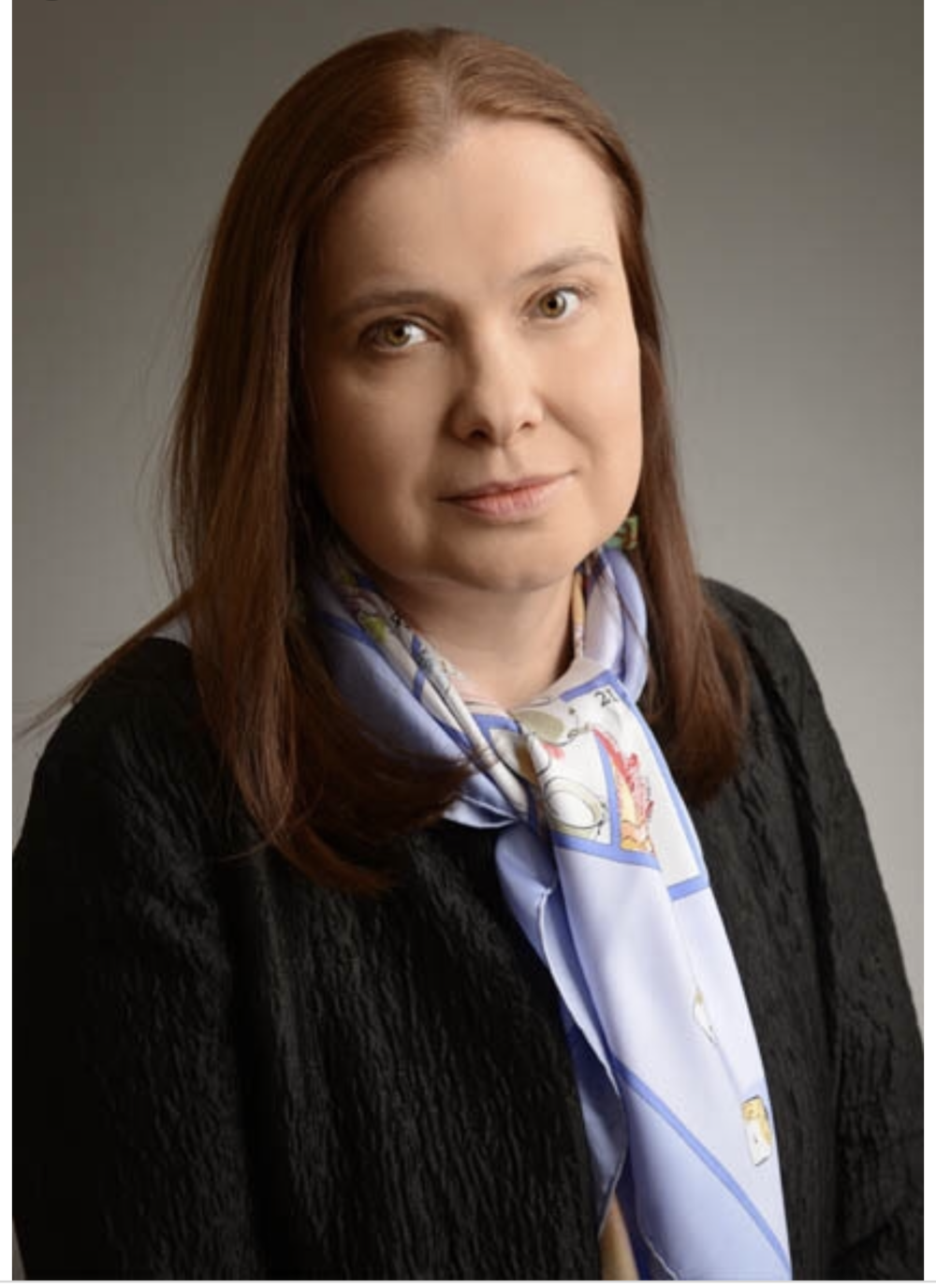
Associate Professor, Department of Medicine, Columbia University Irving Medical Center
Dr. Askanase completed her fellowship in Rheumatology at New York University School of Medicine/NYU Hospital for Joint Disease and continued there as an investigator where she participated in multiple NIH and industry sponsored clinical trials, and gained extensive experience with SLE patients. She is currently the Director of the Lupus Center and Director of Rheumatology Clinical Trials at Columbia University Medical Center.
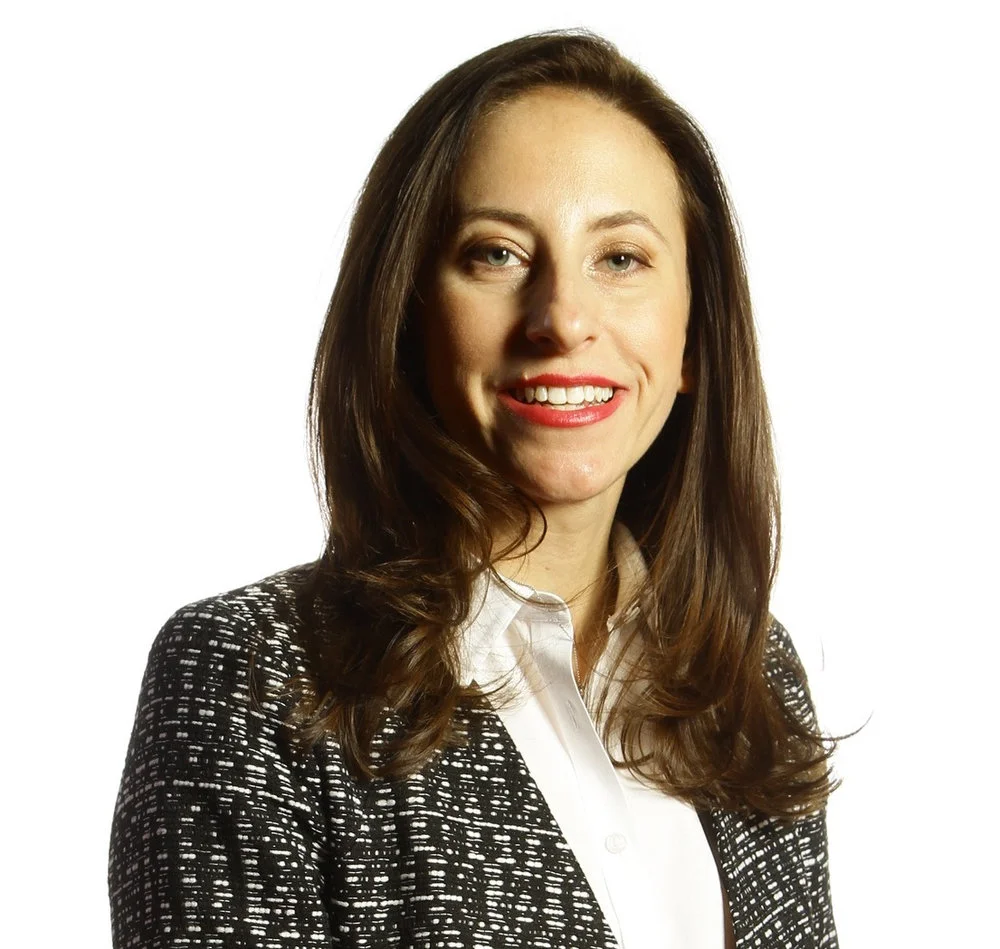
Assistant Professor, Department of Medicine, Columbia University Medical Center
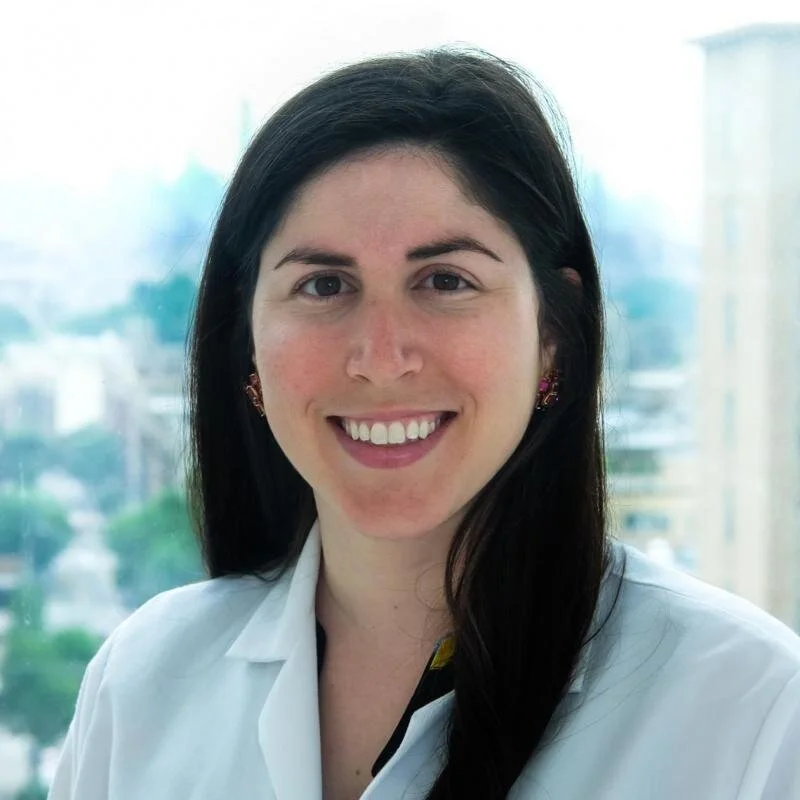
Natalie Bello is a clinician scientist at the Columbia University Irving Medical Center where she practices cardiology with a specialty in multimodality imaging. She received her BS from Cornell University, her MD from University of Rochester, and a MPH degree from Harvard University. Dr. Bello is the director of research for the Columbia Women’s Heart Center and her broad scholarly interest is elucidating gender differences in cardiovascular health and disease.
Doctoral Student, Medicine & Cardiology, Columbia University
Ersilia DeFilippis is a second year Postdoctoral Clinical Fellow in the Seymour, Paul and Gloria Milstein Division of Cardiology in the Columbia University Department of Medicine. She completed her undergraduate degree at Yale University and attended Weill Cornell Medicine for medical school. Ersilia’s residency was done at Brigham and Women’s Hospital.
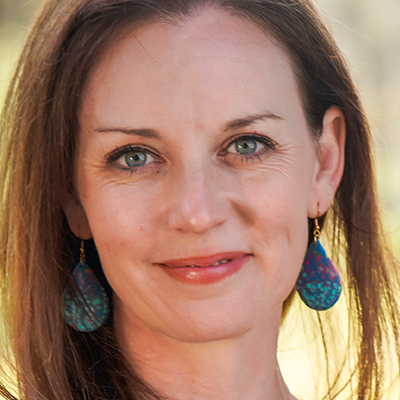
Andrea teaches courses on reproductive and sexual health, public policy, and economic inequality at the Mailman School for Public Health at Columbia University. She received her MPA and MPH from Columbia University, and her BA in journalism and women’s studies from Syracuse University. You can follow Andrea on Twitter @dreaflynn.
Assistant Professor of Medicine, Columbia University Irving Medical Center
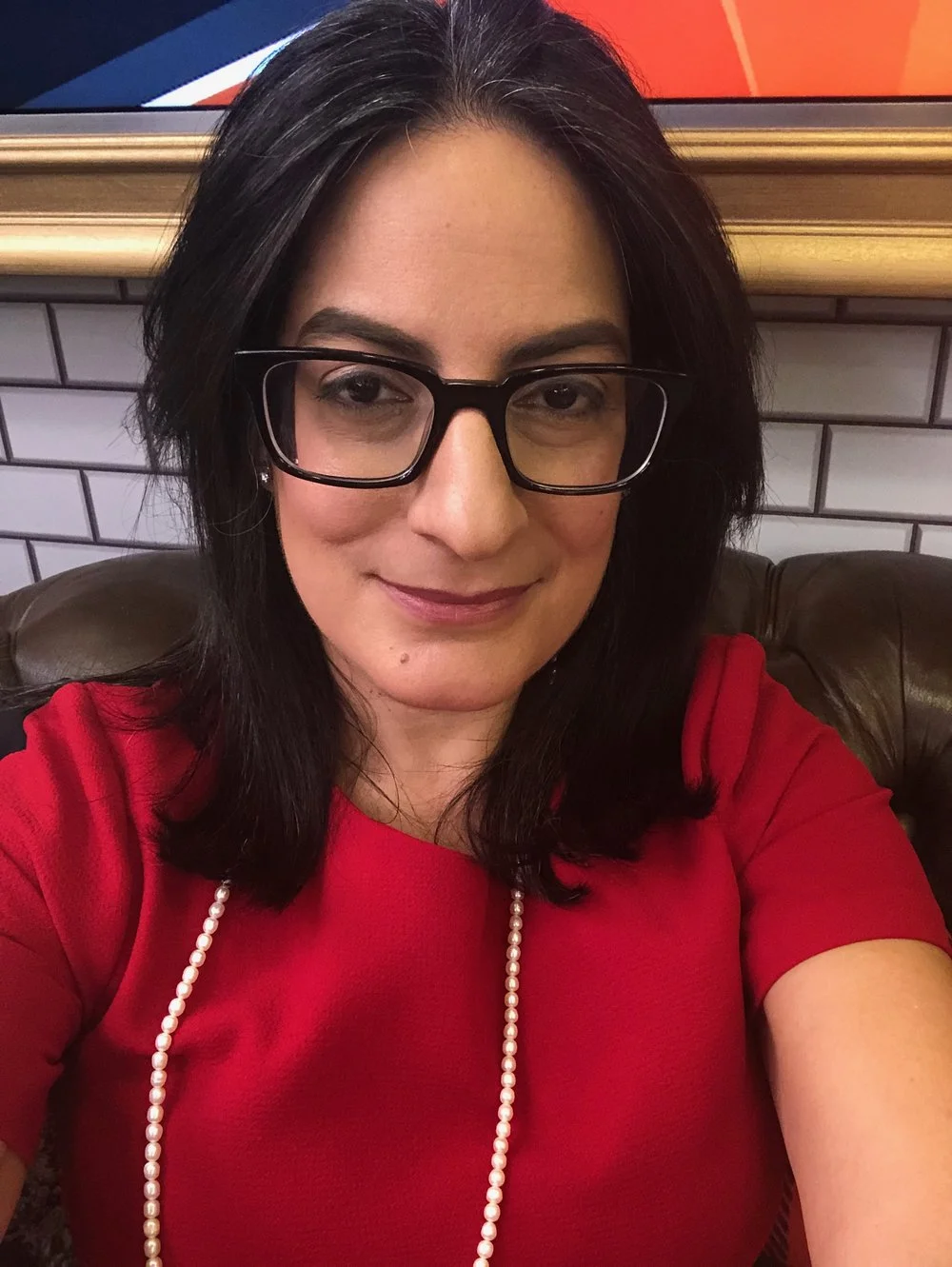
Dr. Tolani received her medical degree with honors from New York University School of Medicine. She completed her internship, medical residency and her fellowship in cardiovascular medicine at Columbia University Irving Medical Center in New York City. Dr. Tolani the co-Director of the Women’s Heart Center At Columbia University and a part of the Hypertension Center. As part of her cardiology fellowship, Dr. Tolani spent several years studying the interplay of cholesterol and inflammation and how this interaction impacts atherosclerosis.
Transnational Black Feminisms
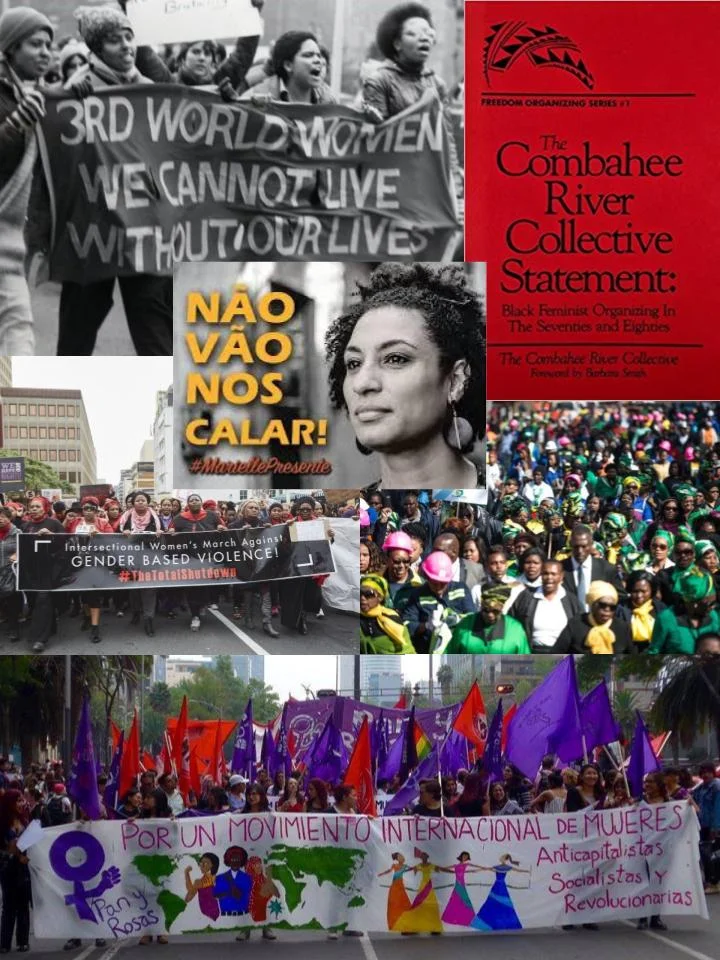
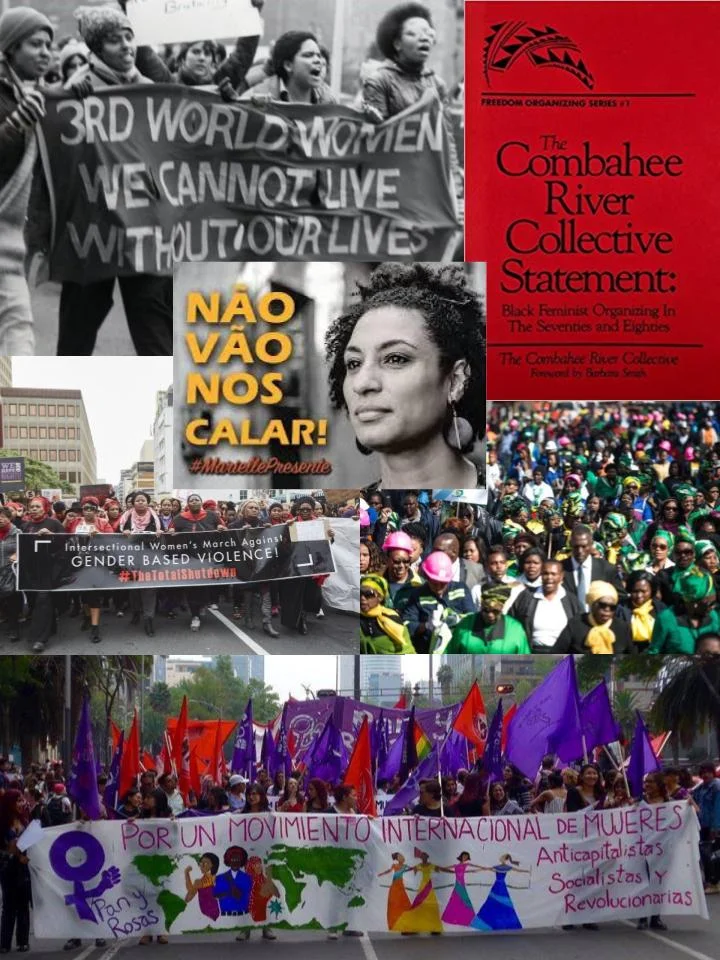
The Transnational Black Feminisms working group aims to think about how transnational Black feminisms can move us beyond survivability and demands for recognition, and instead generate alternative frames and understandings around belonging, community, justice, and equity. Black feminism has, by necessity, emerged in tandem with political mobilizations: the struggle against slavery anti-colonialism; demands for government assistance or social services; and opposition to sexual or state violence, including Black Lives Matter.
Project Co-Directors: Tami Navarro, Premilla Nadasen
The Transnational Black Feminisms working group aims to think about how transnational Black feminisms can move us beyond survivability and demands for recognition, and instead generate alternative frames and understandings around belonging, community, justice, and equity. Black feminism has, by necessity, emerged in tandem with political mobilizations: the struggle against slavery and colonialism; demands for government assistance or social services; and opposition to sexual or state violence, including Black Lives Matter. Such struggles have created the conditions of possibility for nurturing a politics of radical social transformation. They have also raised broader, foundational questions about the relationship between theory and praxis, lived experiences and the articulation of expansive visions of social change.
We have named this initiative transnational Black feminisms—with transnationalism as a modifier—because it foregrounds the long history of Black feminist praxis and theorization, dating back to the 19th century. “Black feminisms” also reflects our understanding of the importance of racial politics in the development of capitalism and global politics—what Cedric Robinson called “racial capitalism”—as well as our goal of integrating a gendered analysis into the concept of racial capitalism. In an era of heightened anti-Black racism—which manifests as systematic police violence, webs of carcerality, discourses of cultural depravity, ghettoization, gentrification, and disposability—it is essential to center a politics of blackness through a feminist, queer, anti-capitalist and anti-imperial lens, as an important vector for the political and social possibilities of imagining and working towards the realization of justice.
In addition, problematic historical and contemporary stagings of the history of feminism in the U.S. position Black women as marginal to a more significant, mainstream white feminist movement, circumscribe them to a limited time frame, and continue the erasure of a long history of a Black feminist politic that was diasporic, imaginative, and radical in both theory and praxis. We hope to explore the historic and ongoing intellectual engagements between Black feminism, transnational feminism, queer politics, anti-imperialism, and anti-capitalism—all of which Black feminisms speak to through Black women’s analyses of intersecting oppressions, the simultaneity of oppression, and strategies for reimagining freedom.
We are particularly interested in charting, exploring, and interrogating the nuances and intricacies of transnational Black feminisms across time and space. Black feminist theoretical lenses have evolved out of internationalist and oppositional engagements throughout the Caribbean, Africa, South America, and Europe. This expansive global view will enable us to assess the coherence and/or visibility of a transnational Black feminist politic, as well as the convergences and divergences, overlaps and contradictions, and synergistic associations among Black feminism, Indigenous feminism, Latinx feminism, and Asian feminism.
News
The Transnational Black Feminisms co-director is the inaugural recipient of this award recognizing a feminist of outstanding vision, originality, generosity, and effectiveness, whose work combines intellectual and/or artistic pursuits with feminist and social justice activism.
Premilla Nadasen was interviewed along with the late Supreme Court Justice Ruth Bader Ginsburg about the history of women’s rights and suffrage in the United States of America.
Past Events


Celia E. Naylor (Professor of Africana Studies and History, Barnard College) will be joined by Natasha Lightfoot (Associate Professor of History, Columbia University) to discuss Naylor’s new book,
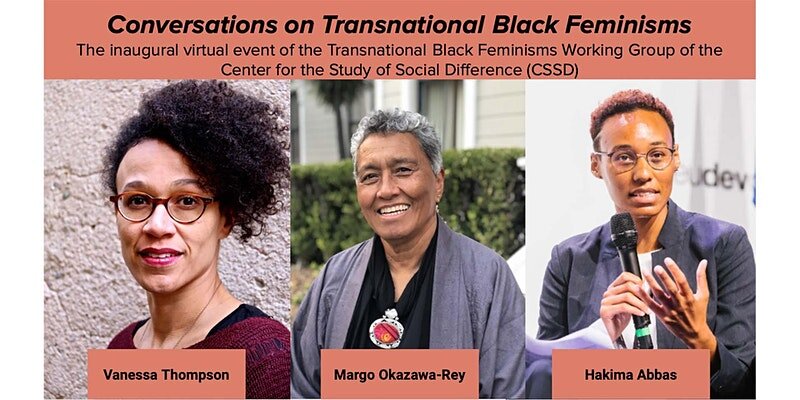
The inaugural public event of the Transnational Black Feminisms Working Group of the Center for the Study of Social Difference (CSSD)
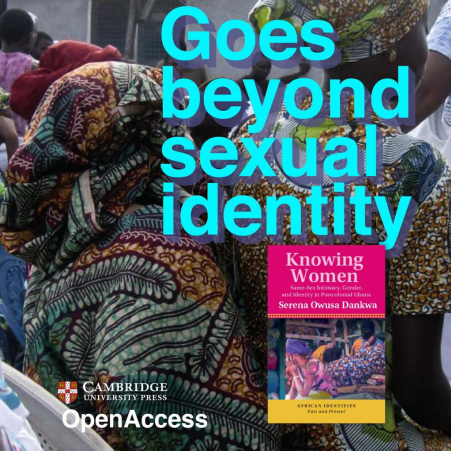
Join the Transnational Black Feminisms working group for the U.S. virtual book launch of Knowing Women: Same Sex Intimacy, Gender, and Identity in Post Colonial Ghana by serena o. dankwa. serena o. dankwa is an Associate Researcher in the Institute of Social Anthropology and the Interdisciplinary Center for Gender Studies at the University of Bern and is affiliated with the Institute of African Studies, University of Ghana, Legon. Knowing Women is an ethnography on friendship, desire, and same-sex intimacy among urban, working-class women in southern Ghana.
Fellows
PhD Candidate, French and Romance Philology, Columbia University
Noni Carter is a historical and speculative fiction author. She has published work in RSA Journal, Kweli Journal (forthcoming August 2019), and is the author of the YA historical fiction novel, Good Fortune (Simon & Schuster, 2010), winner of the Parent’s Choice Gold award. She is a 2016 graduate of Voices of Our Nation and the recipient of the 2019 PEN/Phyllis Naylor Working Writer Fellowship for her work-in-progress novel Womb Talk.

Professor, Department of History, Barnard College
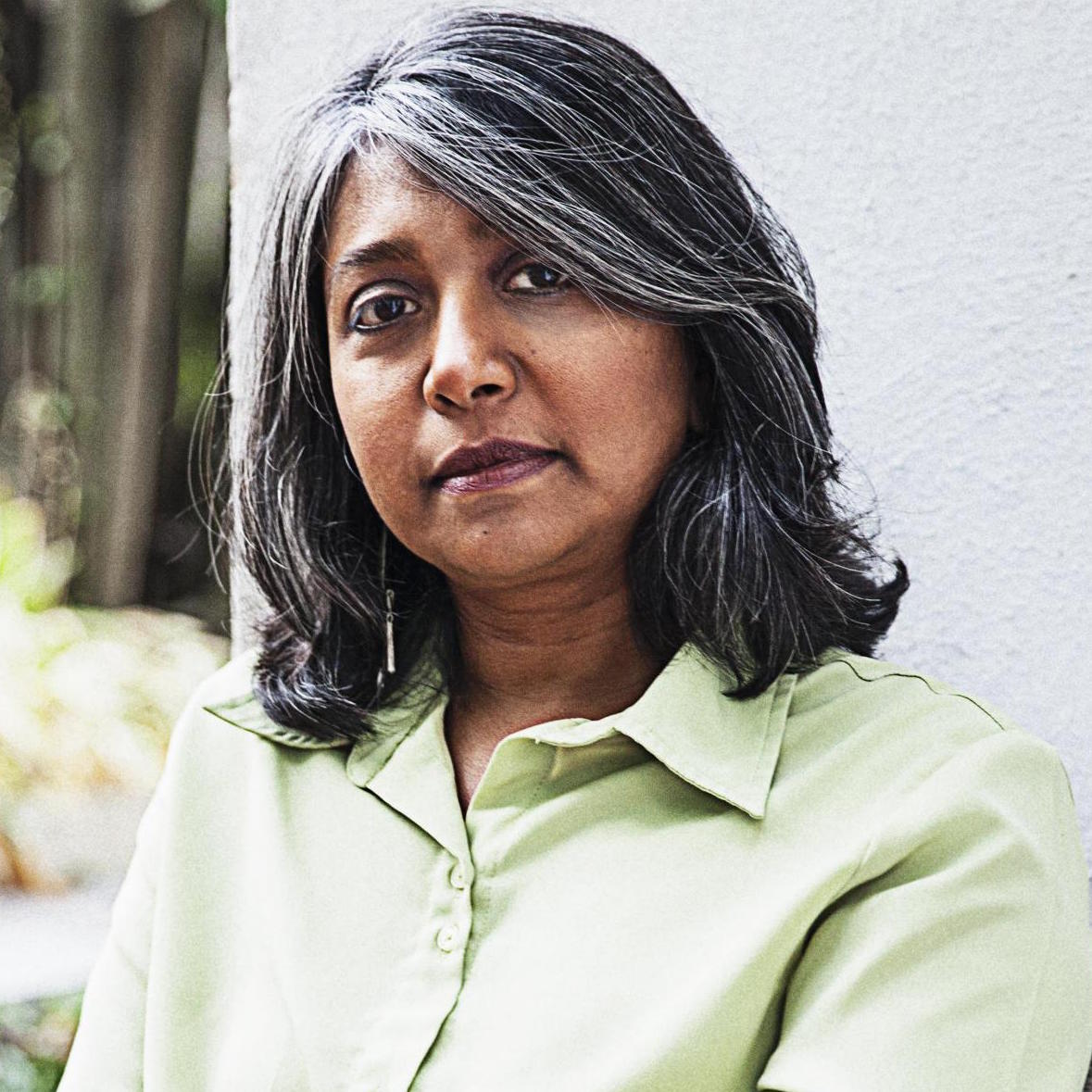
Premilla Nadasen is professor of history at Barnard College, a 2018-2019 Fulbright Scholar, and president of the National Women’s Studies Association. She has published extensively on the multiple meanings of feminism, alternative labor movements, and grassroots community organizing and is most interested in visions of social change, and the ways in which poor and working-class women of color have fought for social justice.
Associate Professor, Department of Africana Studies and History, Barnard College
Celia E. Naylor explores the multifaceted connections between African-Americans, Black Indians and Native Americans in the U.S. Her book, African Cherokees in Indian Territory: From Chattel to Citizens, was published by the University of North Carolina Press in May 2008 (John Hope Franklin Series in African American History and Culture). This work charts the experiences of enslaved and free Blacks in the Cherokee Nation from the Trail of Tears to Oklahoma’s entry into the Union in 1907. Her interests include African-American and Caribbean history; Native American history; women's history and literature in the African Diaspora; and colonialism and neocolonialism in the Americas.


Graduate Research Assistant, Saltzman Institute of War and Peace Studies, Columbia University

Ph.D. Candidate, Anthropology, Columbia University
Brendane Tynes is a queer Black feminist scholar and storyteller from Columbia, South Carolina. She received her Bachelor of Arts with Distinction in Cultural Anthropology with a minor in Education from Duke University. She is a Ph.D. candidate in Anthropology at Columbia University, where she studies the affective responses of Black people to multiple forms of violence within the Movement for Black Lives. Her scholarship receives generous support from the Ford Foundation and Wenner-Gren Foundation.

Menstrual Health and Gender Justice
The Menstrual Health and Gender Justice working group seeks to further the nascent field of menstrual studies. This group puts particular emphasis on critically evaluating the current state of research, with interest in examining whose voices are being represented in the field, which actors shape the dominant narrative, whose voices are marginalized, what the gaps are, and how interdisciplinary collaboration might help remedy some of these gaps.
Project Co-Directors: Inga Winkler and Lauren C. Houghton
Project Coordinator: Susanne Prochazka (2023), Michelle Chouinard (2021)
Media Fellow: Amitoj Singh (2020)
The Menstrual Health and Gender Justice working group seeks to further the nascent field of menstrual studies. This group puts particular emphasis on critically evaluating the current state of research, with interest in examining whose voices are being represented in the field, which actors shape the dominant narrative, whose voices are marginalized, what the gaps are, and how interdisciplinary collaboration might help remedy some of these gaps.
The field is rich with questions: How do women and girls decide which menstrual care practices to adopt? How do girls experience menarche, how do women experience menopause, and what shapes these experiences? How do social media, magazines and social enterprises influence the discourse on menstruation? What are the implications of the recent case supported by the ACLU in which a woman claims to have been fired for leaking menstrual blood at work? Do recent policy developments address the needs of all menstruators, including the most marginalized? What is the role of development agencies and philanthropists in supporting menstrual hygiene management? What kind of interventions do they support and with which results? To what extent does language – menstrual health or menstrual hygiene management – matter? What cultural and religious practices exist around menstruation and how do they relate to gender equality?
Attention to menstrual issues across the lifespan surfaces broader societal issues and tensions, including gender inequality, practices and discourses of embodiment, processes of radicalization and commodification, and emergent technologies. From the perspective of gender equality, menstruation is a fascinating subject of study as it combines various facets including biological processes, deeply rooted stereotypes and social norms, and associated cultural and religious practices. Menstruation has become a category of analysis as a multi-dimensional transdisciplinary subject of inquiry and advocacy. Against this background, this working group capitalizes on the presence of faculty across different departments interested in menstruation and provides a forum for encouraging individual and collaborative research that crosses disciplinary boundaries.
News
This piece is the launch of new menstrual health definition and urges action on menstrual health for all.
Inga Winkler discussed combating period stigma and created a zine with the author of the article
Trisha Maharaj has published a blog that explores the relationship between women’s agency, menstrual practices, and religion within Hindu communities in Trinidad.
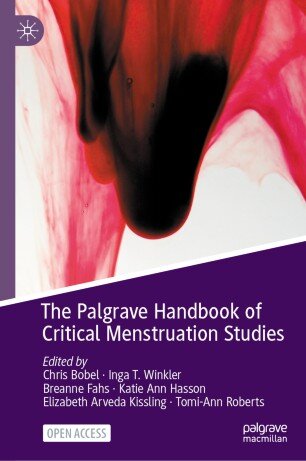
Lead handbook editor Chris Bobel and co-editors Breanne Fahs, Tomi-Ann Roberts, Katie-Ann Hasson, Elizabeth Arveda Kissling, and Inga Winkler unveiled the Palgrave Handbook of Critical Menstruation Studies during a virtual event on October 8th, 2020
Inga T. Winkler, Chris Bobel, Lauren C. Houghton, Noémie Elhadad, Caitlin Gruer & Vanessa Paranjothy wrote a piece titled, The Politics, Promises, and Perils of Data: Evidence-Driven Policy and Practice for Menstrual Health.
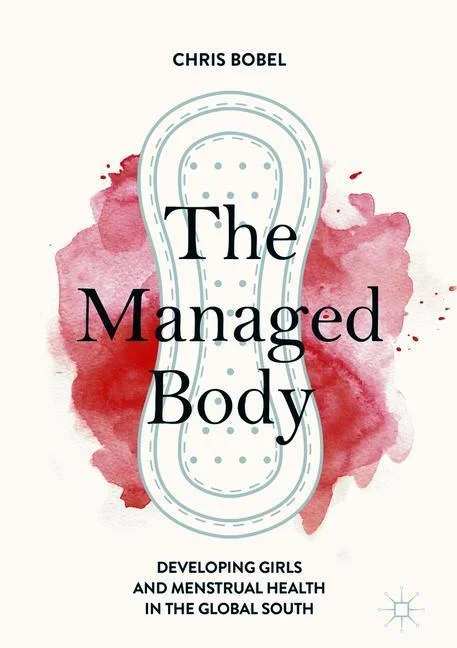
Chris Bobel has won the Sociology of Development Outstanding Book Award for The Managed Body: Developing Girls & Menstrual Health.
The opinion piece is titled “Creating a more equal post Covid-19 world for people who menstruate.”
Working groups fellows and students of this semester’s course taught by working group fellows have authored a series of articles and reflections on the topic of menstrual health. .
Publications
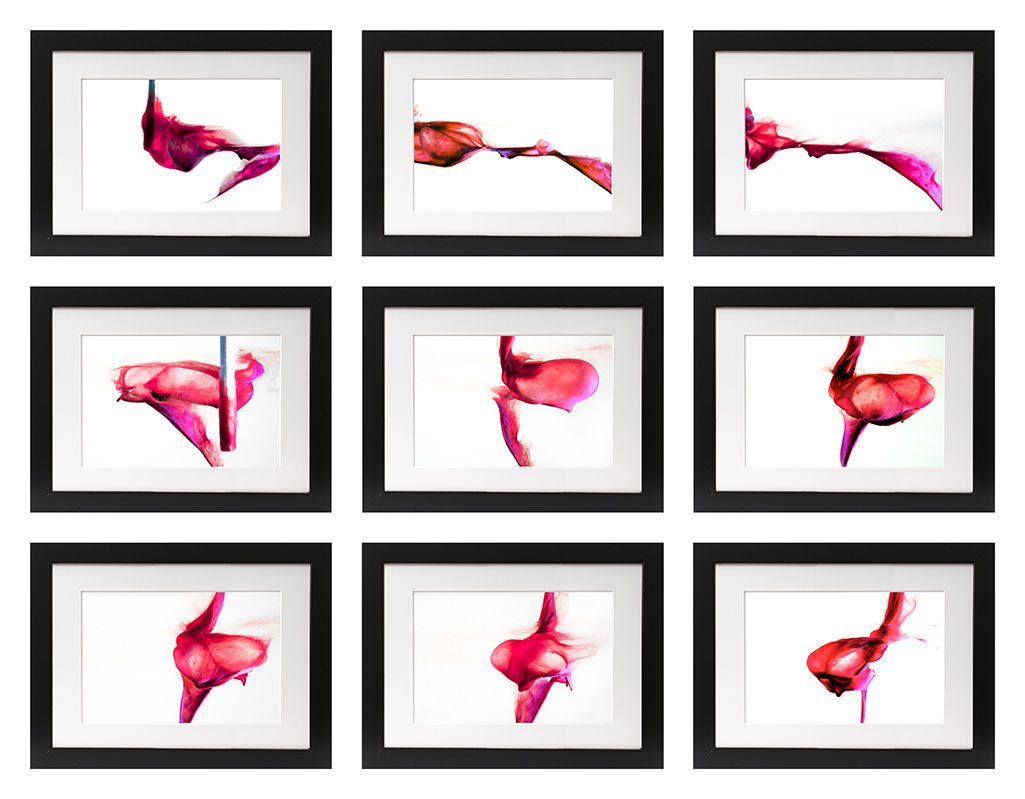
"Making Bubbles"
Photo credit: Jen Lewis, menstrual designer, Rob Lewis, photographer. Copyright 2018 Beauty in Blood
For more from the Menstrual Health
working group find them online:
Periods at Columbia Blog
Facebook
Twitter
Past Events



As part of its Period of Life: Improving Menstrual Health and Knowledge in India project, Columbia Global Centers | Mumbai is organizing a virtual workshop

CSSD working group members to will participate in LSA in Lisbon in July 2022 in a panel on Menstruation, Health, and the Law
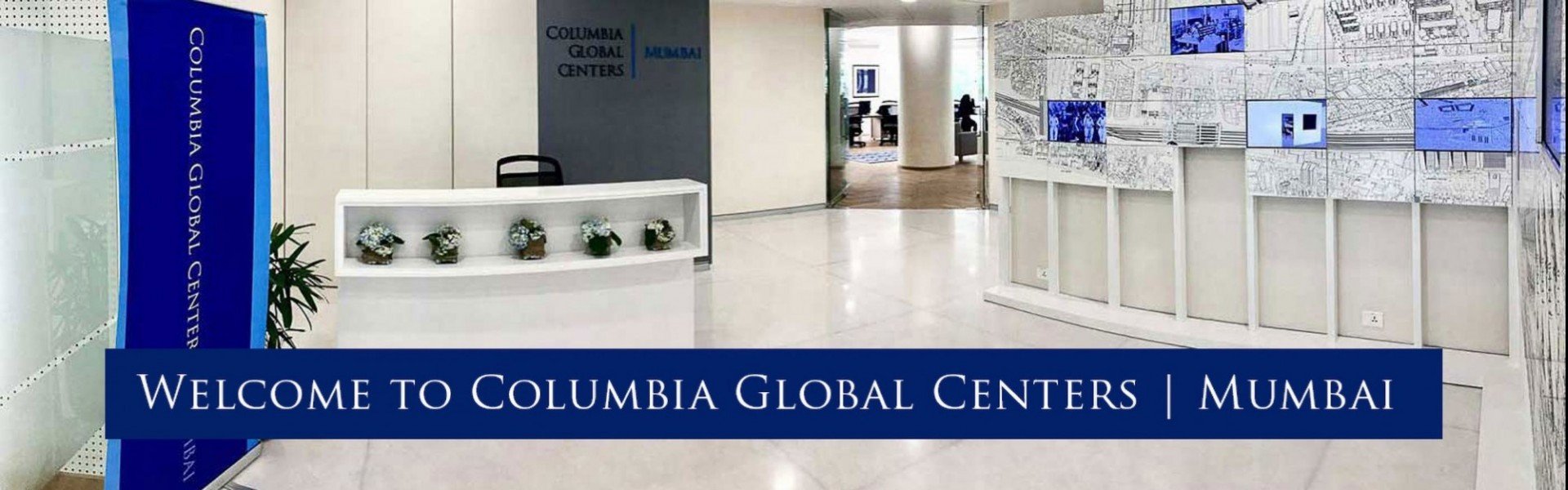
CGC | Mumbai organized a workshop on “Critical Menstruation Studies: Strengthening Interdisciplinary Research” in Mumbai, India

Periods are having their moment – in this Society for Menstrual Cycle Research (SMCR) webinar we hear from people who are turning it into a movement.


Please join the Menstrual Health and Gender Justice Working Group, the Center for the Study of Social Difference, and the Institute for the Study of Human Rights for an interdisciplinary workshop on November 22, 2019 entitled "Multifaceted Menstruation".

Fellows

Doctoral Student, Human Rights, Columbia University
Sydney Amoakoh is a Human Rights Studies MA candidate at Columbia University whose research takes a look at the considerations and constraints behind the drafting of human rights into humanitarian guidelines, with specific focus on the recent inclusion of a section on menstrual health management (MHM) in the 2018 edition of the Sphere Humanitarian Charter and Minimum Standards in Humanitarian Response.

PhD Student, Sustainability Management, Columbia University
Naomi Batzer graduated from Barnard College with a degree in economics in 2017. She is particularly interested in the roles of health and gender in development economics and wrote her final paper on the effect of Ebola on maternal mortality in Sierra Leone. She is in her first semester of the Sustainability Management program at Columbia University.
Associate Professor of Women’s, Gender & Sexuality Studies, University of Massachusetts Boston
Chris Bobel is Associate Professor of Women’s, Gender & Sexuality Studies at the University of Massachusetts Boston where she teaches courses on Gender & the Body, Feminist Theory, Feminist Research Methods, Women in US Social Movements and Feminist Activism.
Human Rights and Humanitarian Policy Concentration Coordinator, School of International and Public Affairs, Columbia University
Michelle Chouinard is the New York Regional Representative for the coalition organization Human Rights Educators (HRE) USA. Prior to joining SIPA, she served as the Education Program Coordinator for the Institute for the Study of Human Rights.
Assistant Professor of Clinical Pediatrics and Faculty, Program in Narrative Medicine, Columbia University; Faculty, Health Advocacy Graduate Program and Fiction Writing Program, Sarah Lawrence College
Sayantani DasGupta, MD MPH is the Co-Author of "The Demon Slayers and Other Stories: Bengali Folktales," author of "Her Own Medicine: A Woman's Journey from Student to Doctor," and co-editor of an award winning collection of women's illness narratives, "Stories of Illness and Healing: Women Write their Bodies." She teaches courses on illness and disability narratives and narrative, health and social justice and is co-chair of the Columbia University Seminar on Narrative, Health and Social Justice.
Adjunct Assistant Professor of Political Science, Columbia University
Sheila Dauer, former Director of AIUSA’s Women’s Human Rights Program during the program’s existence from October 1997 to end December, 2008. Since 1988, as a charter member of an AIUSA Taskforce on Women’s Human Rights, she worked with both AI international research office and other national sections to develop AI’s policy, action and publications on women’s human rights.
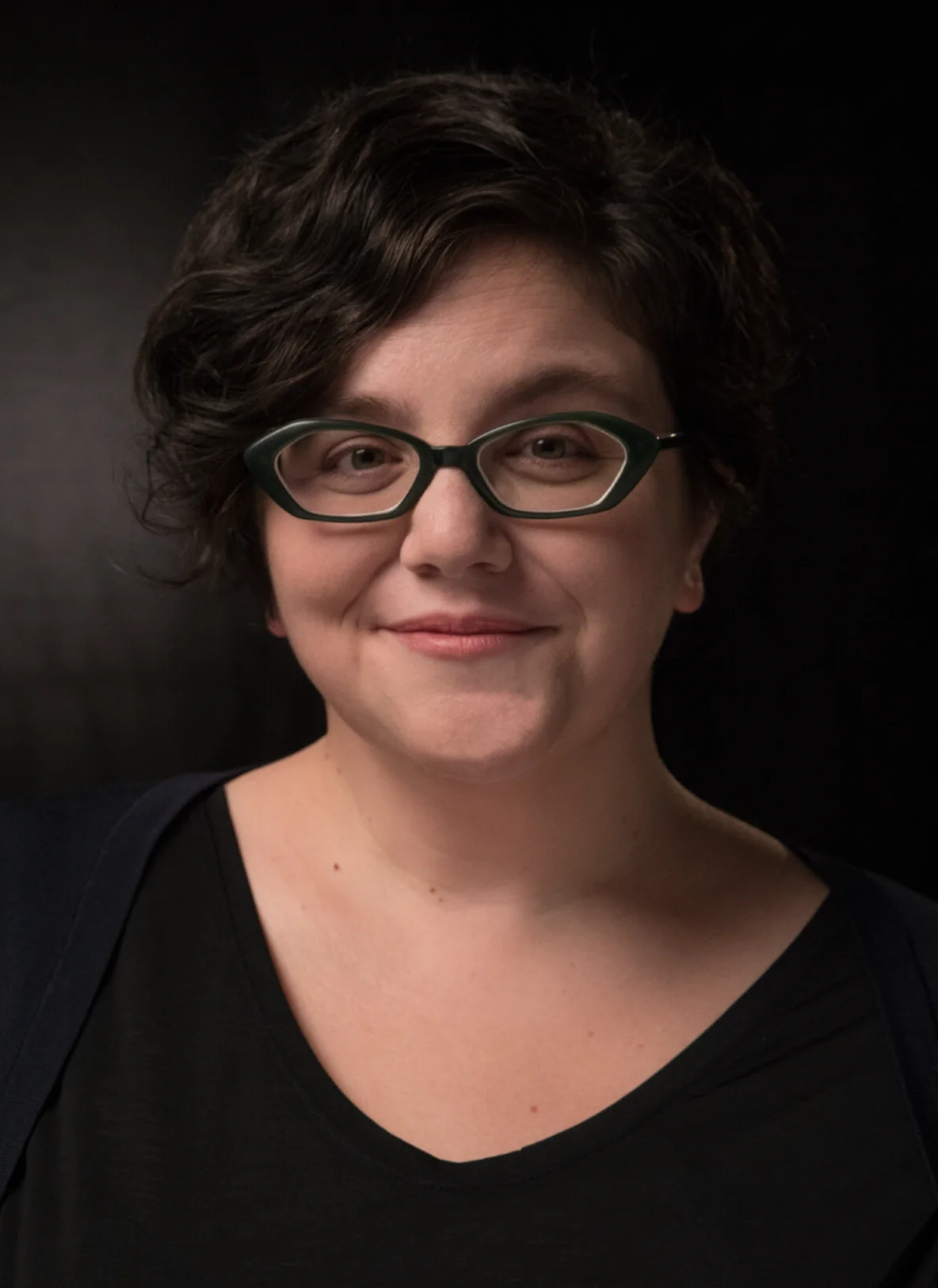
Associate Professor, Department of Biomedical Informatics, Columbia University
Noémie Elhadad is an Associate Professor of Biomedical Informatics, affiliated with Computer Science Department and Data Science Institute at Columbia University. Her research is at the intersection of machine learning, technology, and medicine. She leads Even, the Data-Powered Women's Health Research Initiative at Columbia University as well as the Citizen Endo project.
Professor, School of International and Public Affairs, Columbia University
Yasmine Ergas is Director of the Specialization on Gender and Public Policy, Lecturer in International and Public Affairs, and Associate Director of the Institute for the Study of Human Rights. A lawyer and sociologist, she has worked on issues regarding gender and women’s rights as a policy analyst and advisor, scholar and advocate. She has served as a consultant to international and domestic policy organizations, including the OECD, UNESCO, the Millennium Villages Project, the New York City Commission on Human Rights, and CENSIS, a major applied social research institute in Italy, and been on the staff of the Social Science Research Council.
Professor, Department of Population and Family Health, Columbia University Medical Center
Lynn P. Freedman, JD, MPH, currently directs the Mailman School of Public Health Averting Maternal Death and Disability (AMDD) Program, a global program of research, policy analysis, and technical support that, since 1999, has worked with UN agencies, NGOs, and governments in more than 50 countries in Asia, Africa, and Latin America to reduce maternal mortality. Before joining the faculty at Columbia University in 1990, Professor Freedman worked as a practicing attorney in New York City.
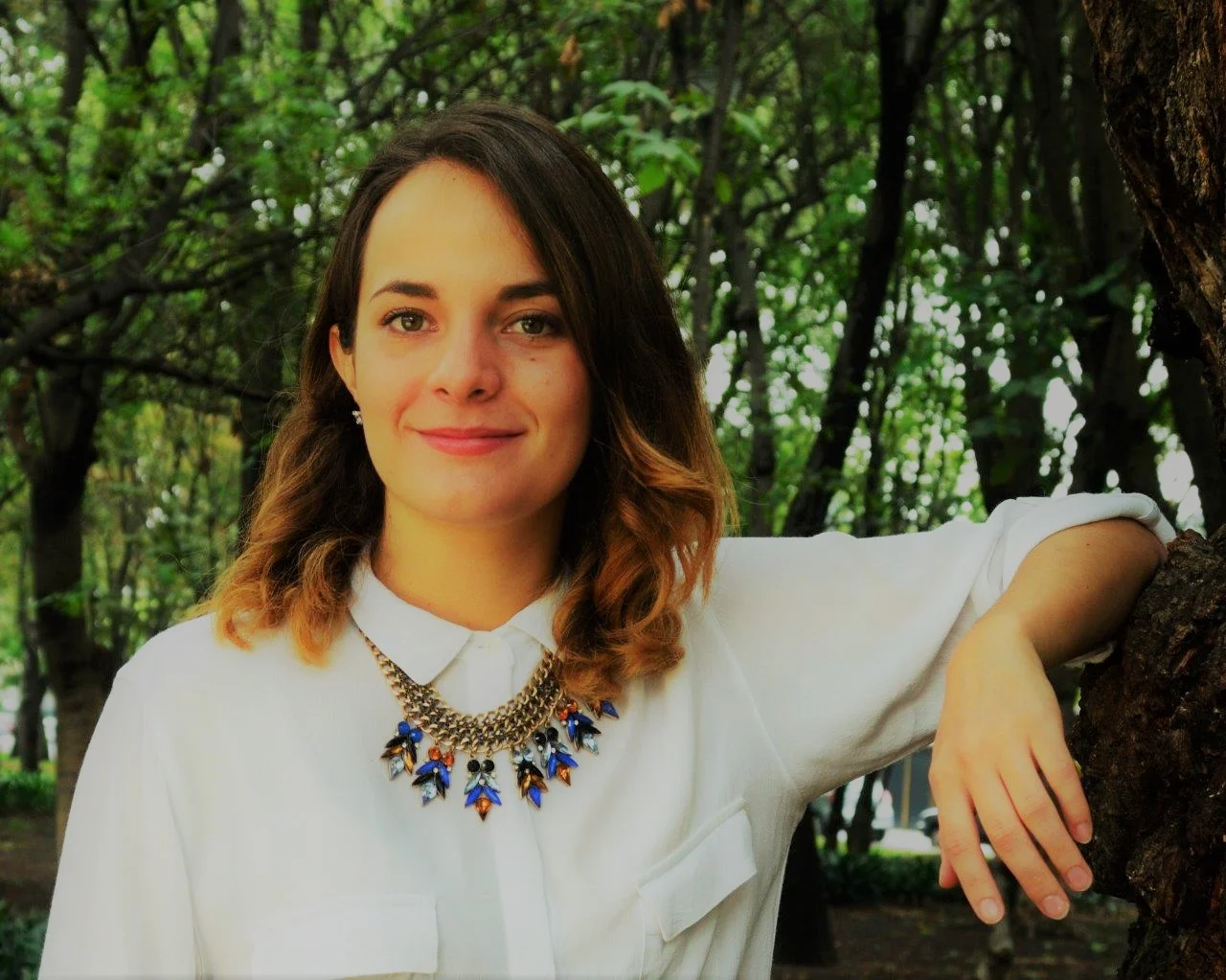
PhD Student, School of International and Public Affairs, Columbia University
Sandra Aguilar Gomez is a third year student in the Sustainable Development PhD program in Columbia University, where she was awarded the Wu Fellowship for her research in health, wellbeing and public policy. Her main research interests lie in the fields of health, climate change, and development economics. She holds a Master in Applied Economics from Instituto Tecnológico Autónomo de México (ITAM), as well as a degree in Economics from the same university.
Doctoral Student, Adolescent Transitions and Environment, Columbia University
Caitlin Gruer, MPH, is a Senior Project Coordinator at Columbia University’s Mailman School of Public Health, where she supports the Gender, Adolescent Transitions and Environment (GATE) Program, based in the Department of Sociomedical Sciences. Prior to joining Columbia, she worked at Plan International USA leading initiatives related to menstrual hygiene management (MHM), water, sanitation and hygiene (WASH), and integrated WASH and nutrition.

Biomedical Informatics Research Coordinator, Columbia University
Attended Lafayette College, majoring in Neuroscience and minoring in Bioengineering. Research coordinator at Columbia Medical Center Department of Biomedical Informatics. Team member of Citizen Endo, a research project that is aimed to better understand endometriosis.

Assistant Professor of Epidemiology, Columbia University
Lauren C. Houghton, PhD, takes a biosocial and life course approach to breast cancer prevention. Using tools from biological anthropology and molecular epidemiology, she focuses on hormones as the mechanism that links what happens above the skin with that beneath the skin.
Henrik H. Bendixin Professor of International Nursing, Director of Global Health Research, School of Nursing at Columbia University
Tonda Hughes, RN, PhD, FAAN is the Henrik H. Bendixin Professor of International Nursing, and Director of Global Health Research, in the School of Nursing at Columbia University; she has an interdisciplinary appointment as Professor in the Department of Psychiatry.

Doctoral Student, Human Rights, Columbia University
Anna Jiang is a currently a Human Rights M.A. student here at Columbia. Her thesis concerns how traditions and cultural heritage informs reproductive/menstrual health and gender in the space of contemporary China.

Fellow, Human Rights, Columbia University
Purvaja Kavattur is a staff associate at the Institute for the Study of Human Rights at Columbia University. She currently is working on a review of menstrual health policies in Senegal, Kenya, India, and the United States.

Doctoral Student, Graduate School of Arts and Sciences, Columbia University
Trisha Maharaj is a MA candidate in the Human Rights Studies program at Columbia University. Her research focuses on cultural and religious practices related to menstruation and women’s experiences and attitudes in the Hindu diaspora of Trinidad.

MA Candidate, Human Rights Studies, Columbia University
Tori Miller is a MA candidate in the Human Rights Studies program at Columbia University. Her research focuses on the medicalization and sanitization of menstruation within development organizations.

Post Doctoral Research Scientist, Heilbrunn Department of Population & Family Health at Columbia’s Mailman School of Public Health
Erin V. Moore is a postdoctoral research scientist in the Heilbrunn Department of Population & Family Health at Columbia’s Mailman School of Public Health. A, sociocultural and medical anthropologist, Moore’s research focuses on the role of gender and sexuality in international development and global health at multiple scales – from global intervention campaigns to national policy and program implementation to the lives of girls and women.
Associate Director, the Lerner Center for Public Health Promotion, Mailman School of Public Health
Azure Nowara, MPH, is the Associate Director at the Lerner Center for Public Health Promotion, Mailman School of Public Health. Azure manages Center initiatives, programming, finance and communications. She coordinates the Certificate in Health Communication and organizes the Turning the Tide conference series.

Doctoral Student, Biomedical Informatics, Columbia University
Adrienne Pichon is a Research Coordinator under Dr. Noemie Elhadad in Columbia University’s Department of Biomedical Informatics. Her research interests center around leveraging emerging health technologies coupled with user-centered design to improve access to health-related information, access to care, and meaningful and actionable personal insights, particularly for vulnerable and marginalized populations.
Professor, Department of Emerita of Disease Prevention and Health Promotion, School of Nursing, Columbia University
Nancy King Reame, MSN, PhD, FAAN authored the chapter "Toxic Shock Syndrome and Tampons: The Birth of a Movement and a Research Vagenda" in The Palgrave Handbook of Critical Menstruation Studies (Bobel et al) 2020. The handbook, which is free and down-loadable can be found here: https://link-springer-com.ezproxy.cul.columbia.edu/book/10.1007%2F978-981-15-0614-7.
Doctoral Student, Gender, Adolescent Transitions and Environment(GATE), Columbia University
Maggie Schmitt, MPH, is a Project Director for the Gender, Adolescent Transitions and Environment (GATE) Program, housed in the Department of Sociomedical Sciences at Columbia University’s Mailman School of Public Health. Ms. Schmitt has been at CU MSPH for over 8 years, working on a range of health systems, reproductive health and humanitarian response research initiatives.
Graduate Student, School of Journalism, Columbia University
Amitoj Singh is currently an M.A Candidate in the Political Concentration at the Columbia School of Journalism. Amitoj has recently returned from Iraq where he was working towards reporting a multimedia project highlighting the colossal social devastation that ISIS has caused the Yazidi women.
Associate Professor, Department of Sociomedical Sciences, Mailman School of Public Health, Columbia University
Marni Sommer, DrPH, MSN, RN, has worked in global health and development on issues ranging from improving access to essential medicines to humanitarian relief in conflict settings. Dr. Sommer's particular areas of expertise include conducting participatory research with adolescents, understanding and promoting healthy transitions to adulthood, the intersection of public health and education, gender and sexual health, and the implementation and evaluation of adolescent-focused interventions.
Assistant Professor of Economics, Barnard College
Anja Tolonen is an Assistant Professor of Economics at Barnard College, Columbia University. She works on economic development and gender. One strand focuses on health and gender, including menstruation and school absenteeism, stigma around menstruation, and household health investment and knowledge.

Lecturer in the Discipline of Human Rights in the Department of Political Science, Columbia University
Inga Winkler is a lecturer in the Institute for the Study of Human Rights and the Director of Undergraduate Studies for the Human Rights Program. Her research agenda is held together by her interest in socio-economic rights, development, gender, social justice and substantive equality. Her policy experience over the last years has enabled her to follow discussions at various levels from global processes to local challenges which is reflected in her research approaches. Current research projects focus on the Sustainable Development Goals and human rights, the UN Special Procedures, menstrual health and wellbeing, and the human right to sanitation.

Geographies of Injustice: Gender and the City
Geographies of Injustice is a working group of interdisciplinary scholars who are interested in asking how spatial politics intersects with inequality and social difference (race, caste, and ethnicity).
Project Co-Directors: Anupama Rao, Ana Paulina Lee
Project Coordinators: Ana Luiza de Abreu Claudio (2023), Iuri Bauler (2022), Sohini Chattopadhyay (2021)
Media Fellow: Jessica Jacolbe (2020)
Geographies of Injustice is a working group committed to exploring the question of subaltern urbanism and aesthetics from an explicitly South-South perspective by bringing urban studies into conversation with studies of social difference, inequality, and cultural production. We have a specific focus on representation and decolonization as they relate to subaltern urban architectural and infrastructural forms. We are particularly keen to bring studies of planning and built form into conversation with concerns about the particular vulnerabilities that minority communities face in navigating situations of urban marginalization.
Our project, “Reconstructing Memory in Rio de Janeiro’s Favelas and Mumbai’s Zhopdis” seeks to develop a template for addressing spatial politics through engagements with historical memory, music, performance, and creative survival strategies of subaltern communities. Our working group draws on the convergent yet distinct urban trajectories of Bombay/Mumbai and Rio de Janeiro, cities associated with the slum and the favela, respectively, as connected sites from which to better apprehend today’s global housing crisis. We work with community museums and grassroots organizations to develop solutions that will influence policy and sustainable urban planning. We approach self-housing settlements in Rio de Janeiro and Mumbai through connected histories of the Global South where cheap labor, urban conflict and precarious living conditions define the social life of peripheral capitalism.
News
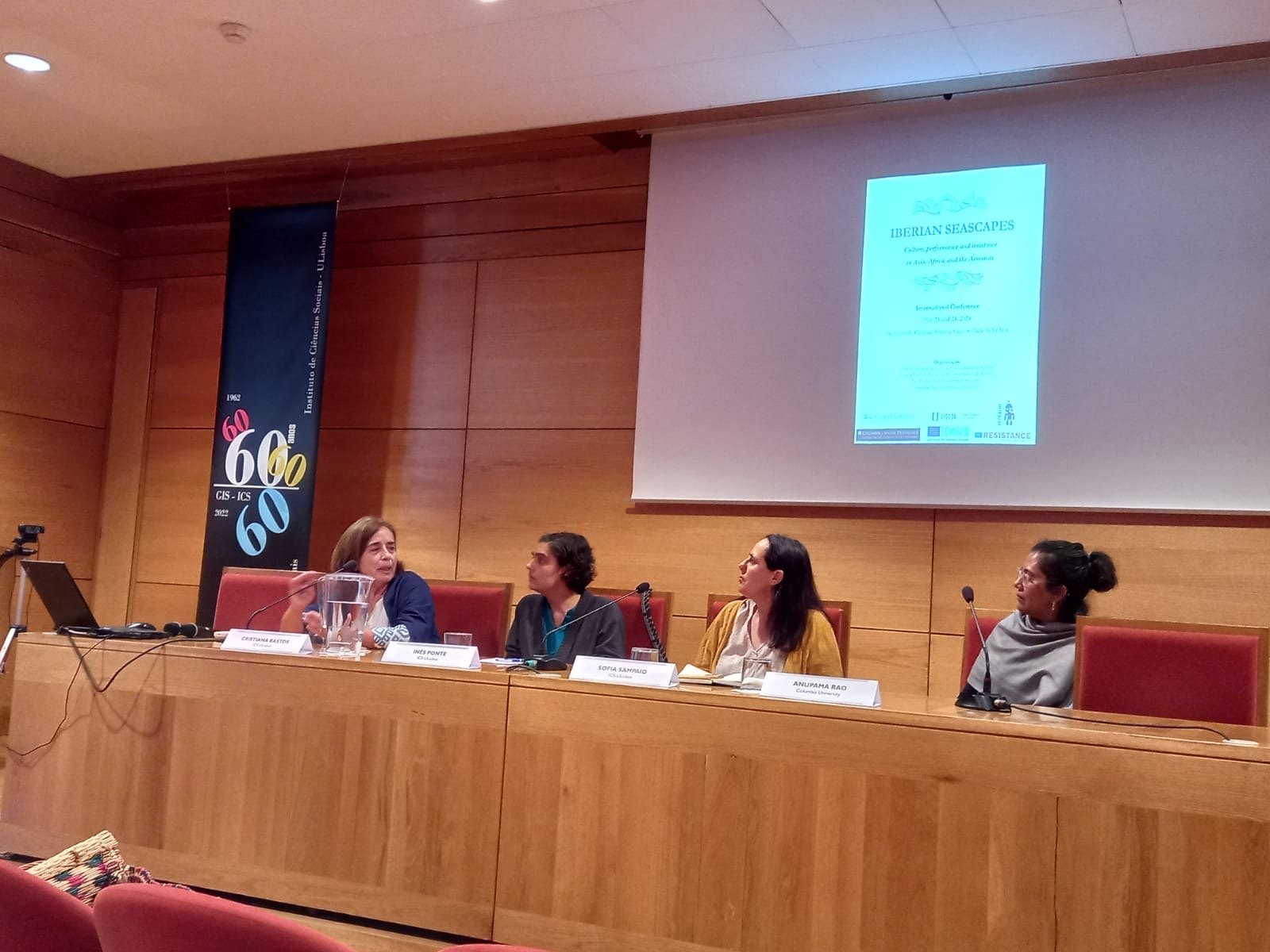
The co-director of the Geographies of Injustice working group spoke about the book History and Collective Memory in South Asia, 1200–2000.
This talk is a part of the Understanding Systemic Racism: Art and Politics series hosted by the Institute for Comparative Literature and Society at Columbia University.
As an AAWW fellow Jessica Jacolbe will report on Asian diasporic and Muslim communities in New York City.
Ana Paulina Lee is moderating “Liberating the Sacred: Afro-Brazilian Religions, Cultural Heritage, and the Law” on November 5th.
Ana Paulina Lee writes about an upcoming Dread Scott documentary on the 1811 German Coast Uprising.
The workshop was hosted by the Decolonial Collective on Migration of Objects and People at Brown University.
Publications

Image by Michael Alvarez from the series, "We're Out Here"
Past Events


The second piece of a two-part event, the Beyond Dystopia Roundtable follows the Dry Ground Burning film screening on Friday, April 28.

This film screening is the first piece of a two-part event, and will be followed by the Beyond Dystopia Roundtable on Saturday, April 29.

WORKSHOP: Love in the Time of Hypercapitalism
Artist Talk with Paromita Vohra: Gardens of Pleasure Feminism, Desire and Doing Documentary Work in (for) South Asia

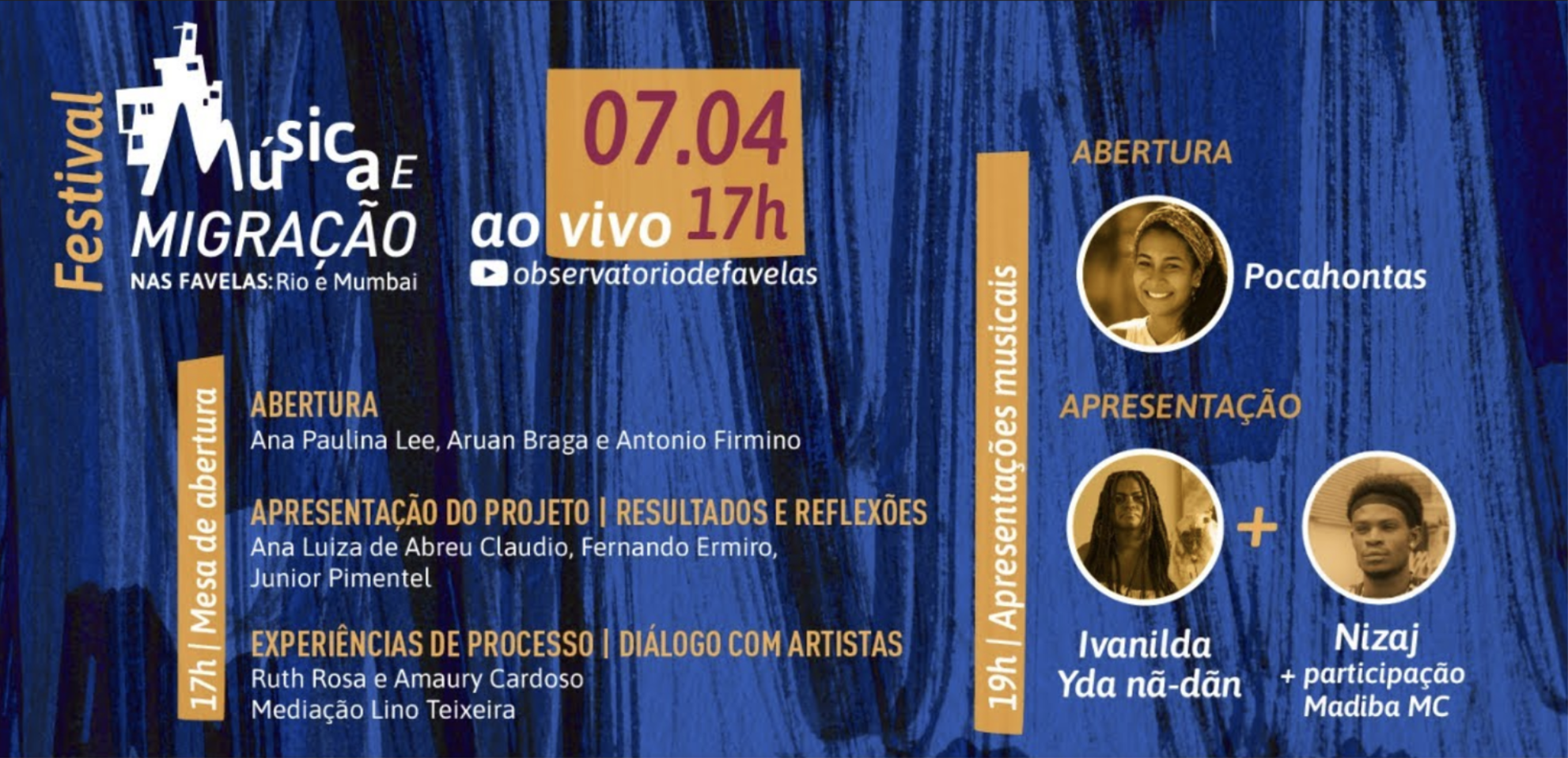
A music festival, live streamed.

A Música - Repertório de Viagens | An event with Silvio Luiz de Almeida + MC Carol.
Fellows
Doctoral Student, International Affairs and Journalism, Columbia University
Teresa holds a BA in International Relations from Brown University and is currently pursuing a Master of International Affairs and an MS in Journalism at Columbia University. She previously worked at the Food and Agriculture Organization of the UN (Rome), where she was responsible for the coordination and editing of high-profile publications. Among others, she edited the joint FAO-EL PAÍS publications series “The State of our Planet”. She is interested in how documentary video, photography and journalism at large can drive social action and improve public policy across geographical boundaries.
Doctoral Student, History, Columbia University
Iuri Bauler Pereira holds a B.A. in History from the Federal University of Rio Grande do Sul (UFRGS), and an M.A. and Ph.D. in History from the Federal University of Rio de Janeiro (UFRJ). His research focus on the transnational connections and geopolitical imagination of Latin American Countercultures (underground press, literature and film), Brazilian Critical Geography, and the Intellectual History of the Americas.
Sohini Chattopadhyay is a PhD Candidate in the History Department at Columbia University. Her dissertation focuses on the science of managing mass death in colonial cities, with a particular interest in Bombay and Calcutta among other cities in the early twentieth century.

Fellow, Social Sciences, Rural University of Rio de Janeiro
Professor at the Três Rios Institute at the Federal Rural University of Rio de Janeiro. PhD in Social Sciences (PUC / Rio). Master in Social Sciences (PPCIS / UERJ). Post-doctorate by the Department of World Language and International Studies (Morgan State University / USA).

Fellow, Sustainability, Columbia University
Over 16 years of experience as project coordinator in Information and Communication Technologies (ICTs), Sustainability, Social Responsibility, Sociocultural and Socioenvironmental Education and research. Coordination of +50 long, medium and short term projects in the areas of human rights, social memory, community media, environment, preservation of material and immaterial cultural heritage, with wide experience in complex environments such as conflict zones, isolated communities and extreme poverty.
Fellow, Government and Economics, London School of Economics
Matias Echanove is co-founder of the urbz collective along with Rahul Srivastava and Geeta Mehta, which has offices in Mumbai, Geneva and Bogota. He has studied government and economics at the London School of Economics, urban planning at Columbia University, and urban information systems at the University of Tokyo.

Doctoral Student, History, Fundação Getúlio Vargas
Fernando Ermiro is a resident of Rocinha. He is currently completing a Master's degree at Fundação Getúlio Vargas.
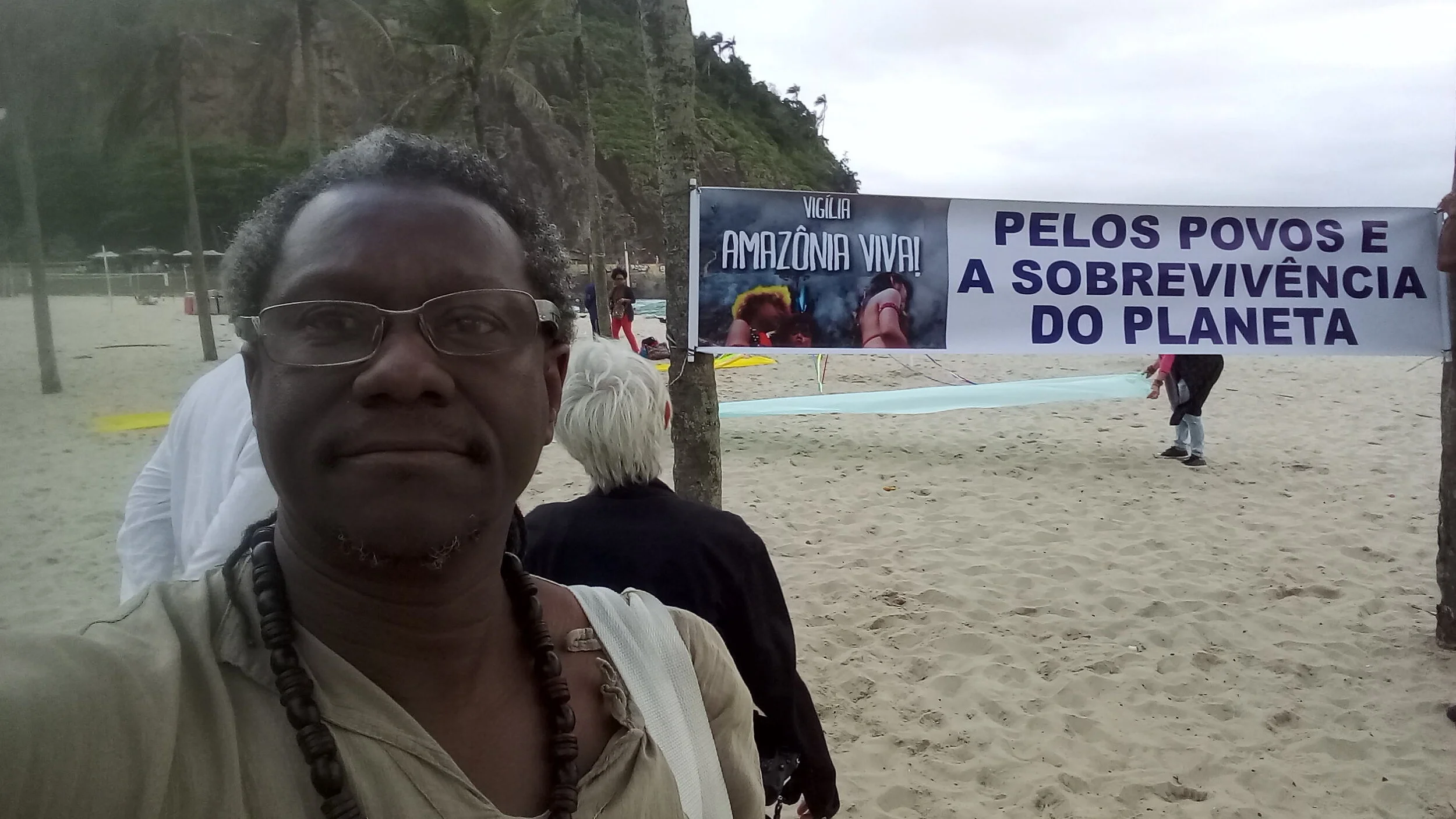
Fellow, Geographer, Social Action Padre Anchieta (ASPA)
Antonio Carlos Firmino is a founding member of the Sankofa Museum of Memory and History of Rocinha. He is a geographer, and coordinator of one of the oldest institutions of the Favela da Rocinha, the Social Action Padre Anchieta (ASPA).
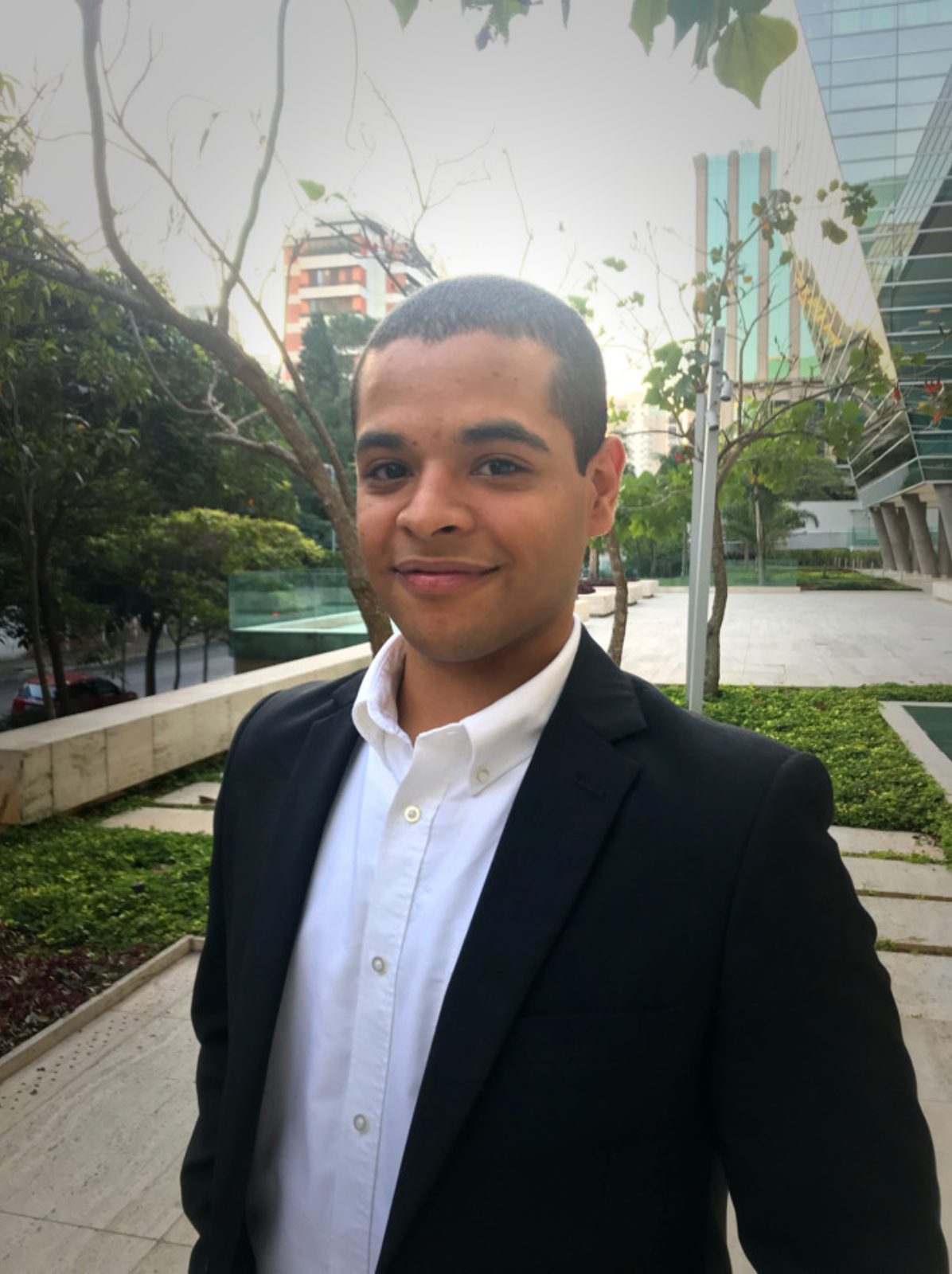
Undergraduate Student, Latin American and Caribbean Studies & Political Science, Columbia College, Columbia University
Gabriel Franco is an undergraduate student at Columbia University in the fields of Latin American & Caribbean studies and political science. His areas of focus are Brazilian slavery and race studies and public security in Brazil, especially regarding drug policy and dynamics of urban violence as part of the "war on drugs" mentality.

Jessica Jacolbe is a writer from Brooklyn whose work has been featured in Catapult, Garage Magazine, JSTOR Daily, and others.
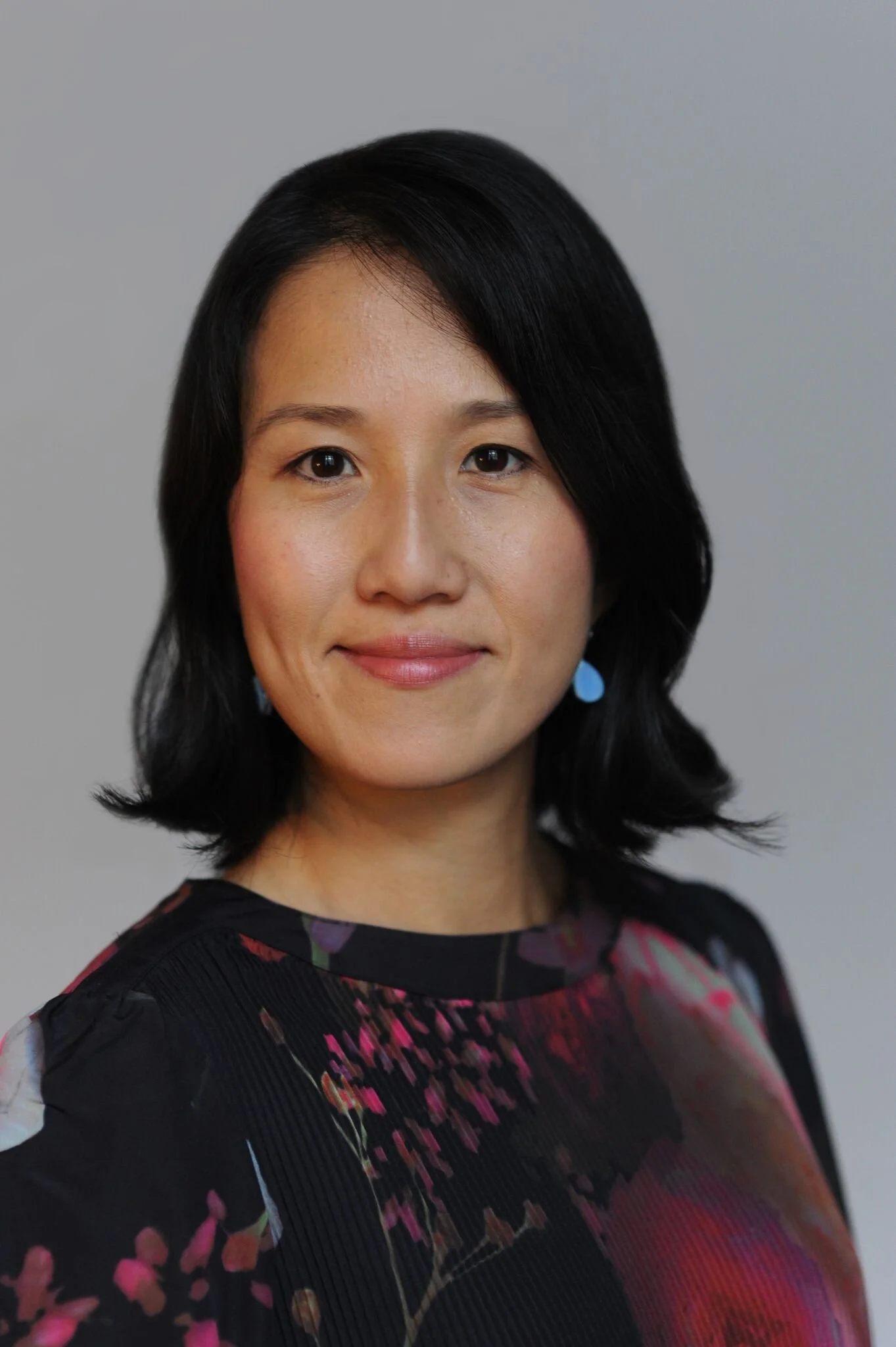
Associate Professor, Department of Latin American and Iberian Cultures, Columbia University
Ana Paulina Lee is Associate Professor of Latin American and Iberian Cultures at Columbia University. She is the author of Mandarin Brazil: Race, Representation, and Memory (Stanford University Press).
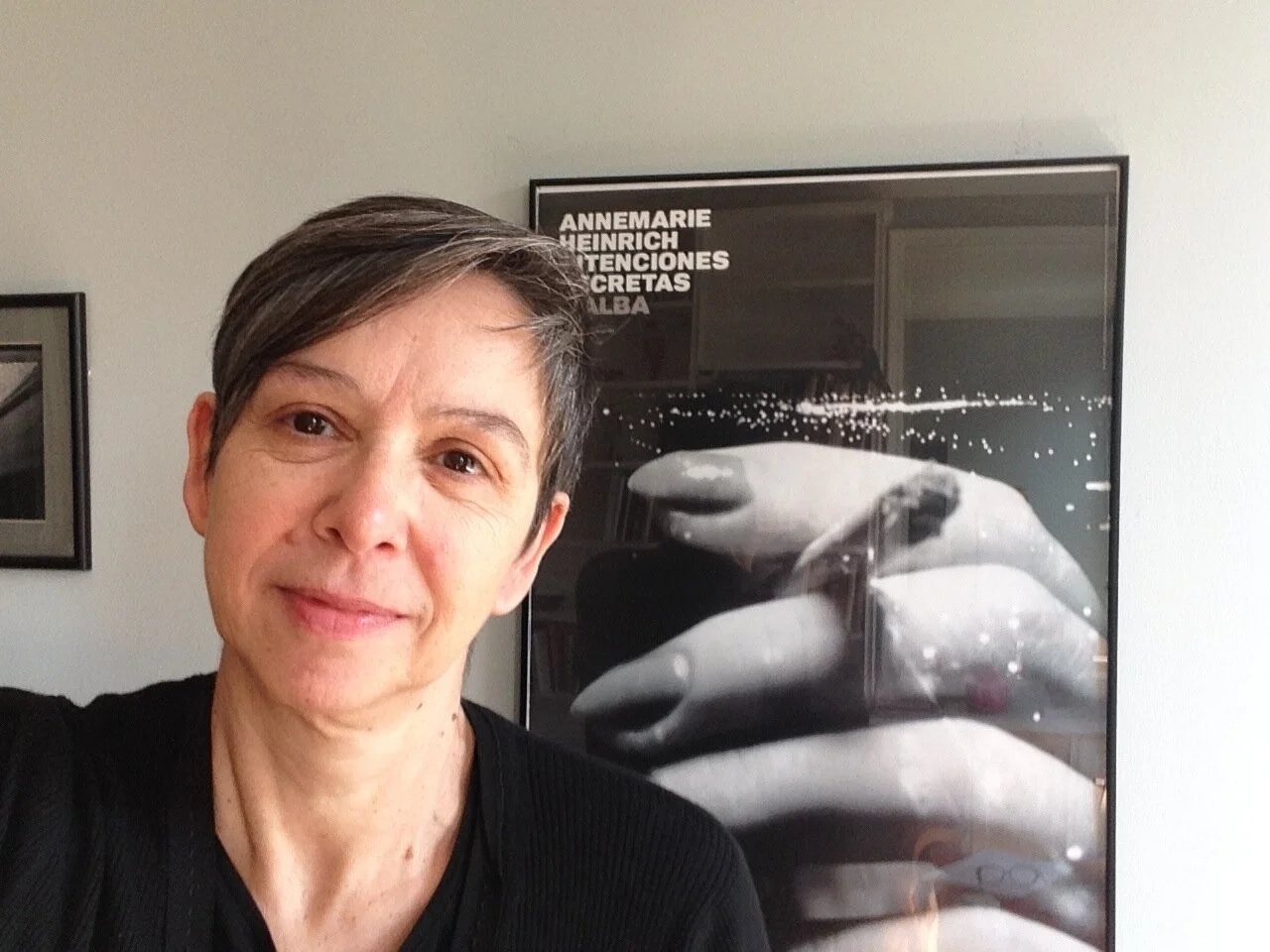
Professor, Department of Latin America and Iberian Cultures, Columbia University
Professor at the Department of Latin America and Iberian Cultures, Columbia University. She specializes in modern Latin American Culture with a focus on contemporary cultural practices. She is co-editor of The Argentina Reader: History, Culture, and Politics (2002).
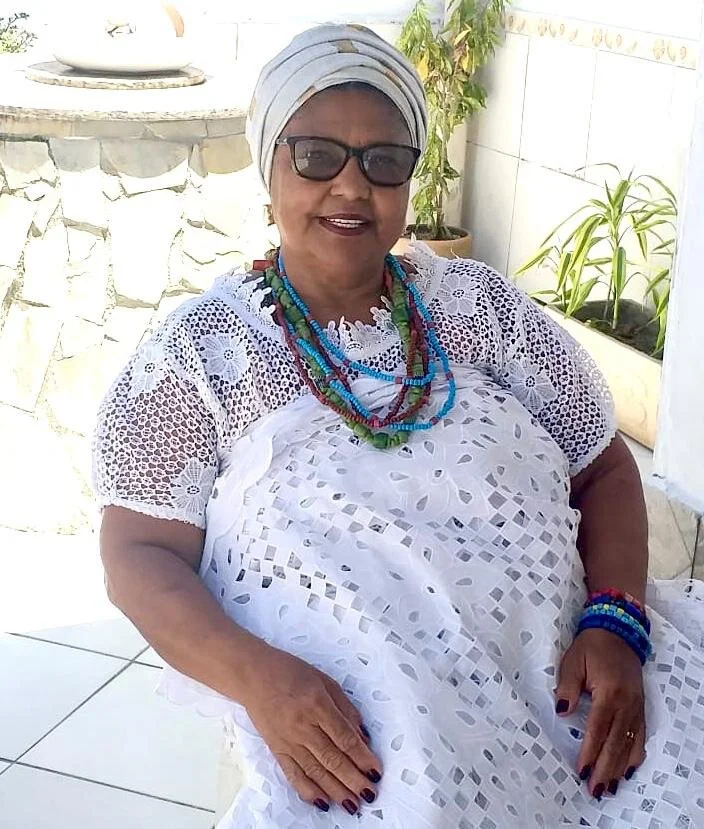
Fellow, Afro-Brazilian Women and Health, 1st World Summit of Afro-descendants in Honduras
Mãe Nilce de Iansã; Project Coordinator at Ilê Omolú e Oxum- Rio de Janeiro; Coordinator of the National Network of Afro-Brazilian Women and Health; Member of the International Committee of the Organization of the 1st World Summit of Afro-descendants in Honduras, 2011; Member of the Technical Committee of Health of the Black Population.
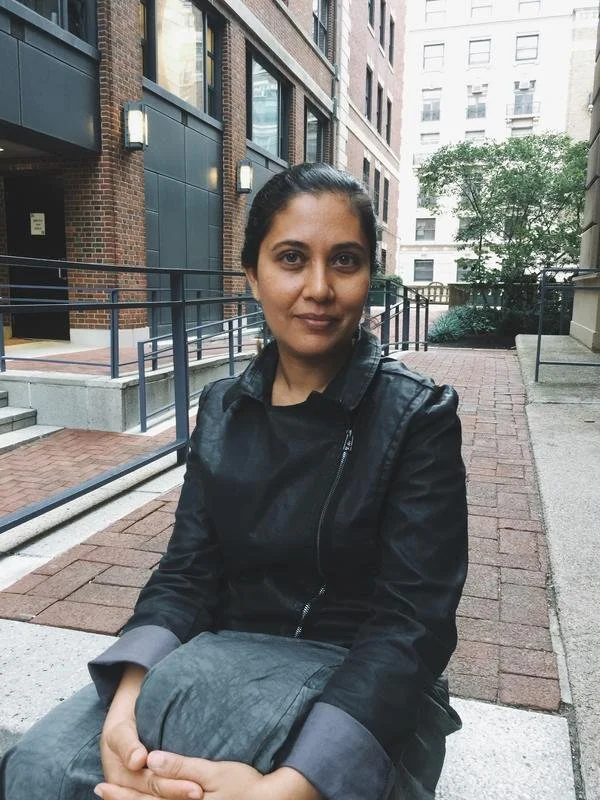
Associate Professor, Department of History, Columbia University
Anupama Rao has research and teaching interests in the history of anti-colonialism; caste and race; historical anthropology, social theory and intellectual history, and comparative urbanism. She is Senior Editor, Comparative Studies in South Asia, Africa and the Middle East. She has served as President, Society for the Advancement of South Asian History (American Historical Association), and on the South Asia Council of the Association for Asian Studies. Her work has been supported by fellowships at the Center for Advanced Study in the Behavioral Sciences (Stanford) and the National Humanities Center (North Carolina), and by grants for the American Institute for Indian Studies, and the National Endowment for the Humanities.

Isabela Souza is a PhD student in Geography at the Fluminense Federal University (UFF), and holds a Masters in Urban and Regional Planning from the Federal University of Rio de Janeiro (UFRJ), a MBA in Project Management from Brazilian Institute of Capital Market (IBMEC - RJ) and a bachelor degree in Tourism from the Federal University of Rio de Janeiro (UNIRIO).
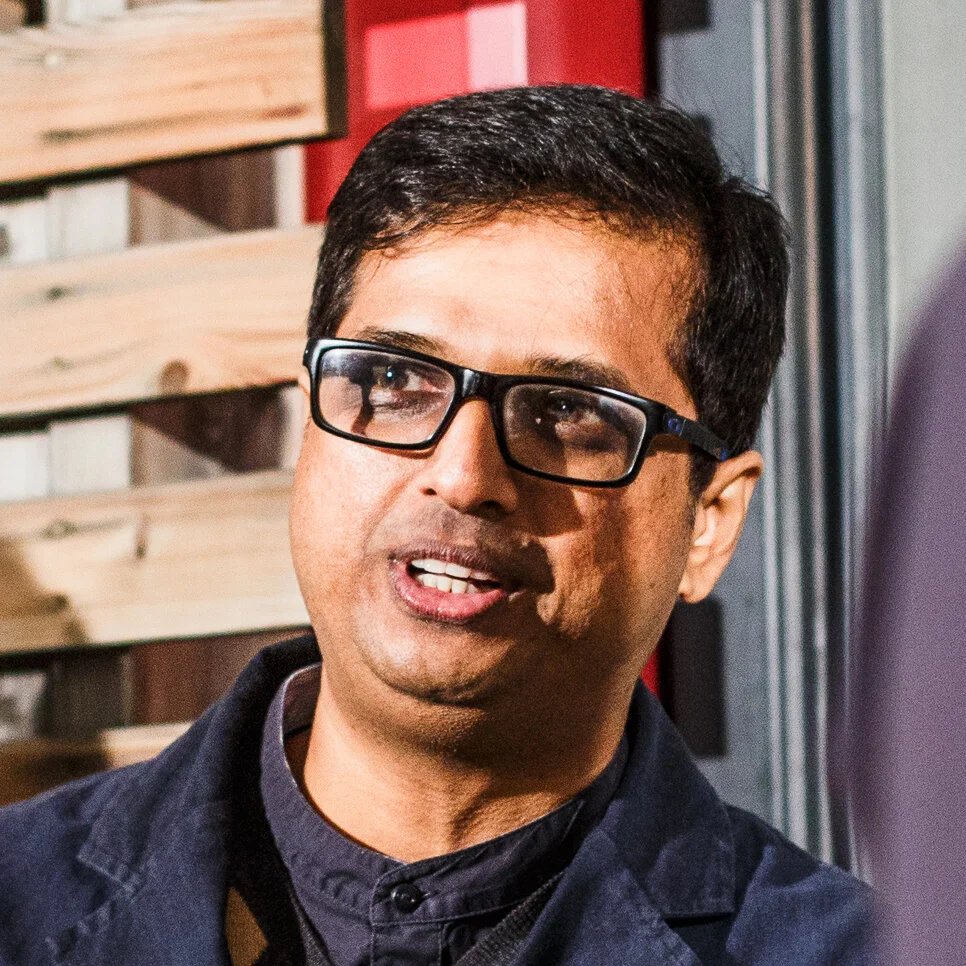
Rahul Srivastava is co-founder of the urbz collective along with Matias Echanove and Geeta Mehta, which has offices in Mumbai, Geneva and Bogota. He has studied Sociology and Social Anthropology at St. Xavier's College - Mumbai, Jawaharlal Nehru University - New Delhi, and Cambridge University - U.K.
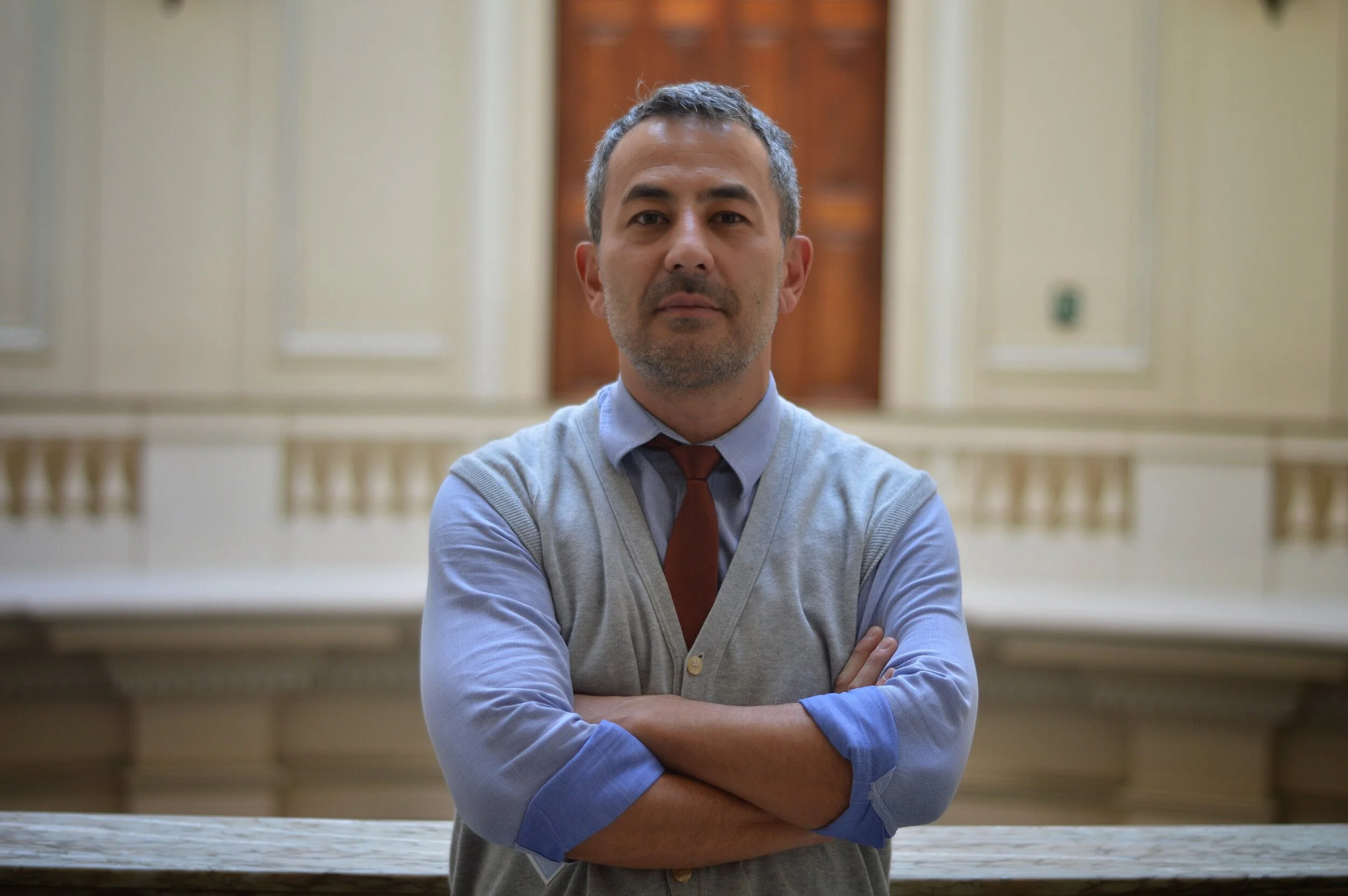
Public Prosecutor, Office of Cultural Heritage in Rio de Janeiro, Brazil
Sergio Suiama is a Federal Prosecutor in Brazil and a Columbia Law LL.M. alumnus (class of 2009-2010). Also, he holds a master in World Heritage and Cultural Projects for the Development from University of Turin. Graduated from University of Sao Paulo Law School, he has worked in the Brazilian prosecution service since 2002, and at the Office of Cultural Heritage and Environment in Rio de Janeiro since 2014. Currently, he serves as well as the Ombudsperson for Human Rights in the State and coordinates the Working Group on LGBTQ’s rights at the Office of the Federal Ombudsman.
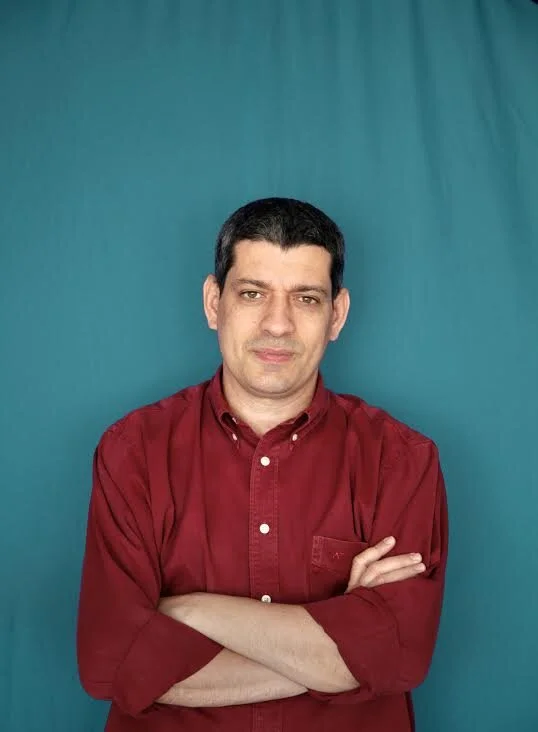
Fellow, Web Radio, Instituto Moreira Salles
Luiz Fernando Vianna is a journalist. He has written for O Globo, Folha de S. Paulo and other venues. He is the author of books on popular music, and coordinates the Batuta Radio since 2013.

On The Frontlines: Nursing Leadership in Pandemics
The working group On the Frontlines: Nursing Leadership in Pandemics seeks to understand the role of nurses as change agents in the prevention, detection and response to pandemic infectious disease outbreaks.
Project Directors: Jennifer Dohrn, Wilmot James, Victoria Rosner
Coordinators: Kurt Holuba, Mina Shah
Graduate Assistant: Lauren J. DeVaughn
The working group On the Frontlines: Nursing Leadership in Pandemics seeks to understand the role of nurses as change agents in the prevention, detection and response to pandemic infectious disease outbreaks. Although nurses are crucial to combatting pandemics, their work is often not considered when international leaders gather to discuss global health issues. This is a consequence of both the MD-centered hierarchy of medical practice and the fact that nursing remains a profession in which women – whose work is systemically undervalued -- predominate (in the US, over 90% of registered nurses are women). This is a dangerous omission, since although nurses are on the front lines of care, little is known about the range of activities they undertake beyond what may be obvious in patient care. Even key clinical innovations are often overlooked when they should be universally implemented. And there is little record of the painful choices nurses and other health professionals often make between taking care of patients and protecting themselves and their families.
This working group is necessarily inter-sectoral and inter-disciplinary. On the Frontlines draws on the work of the health science community – nursing, medicine, public health, evolutionary biology and immunology, as well as demography – to understand the changing nature of infectious diseases and how to manage and contain them. We engage the scholarship – international health regulations, international law and the doctrine of the duty to protect – that deals with the ethical character of leadership in the global health and biodefense communities and the barriers nursing leaders face in pursuing the public good. Further, to document the role of nurses, we draw on historical methods, anthropology and journalism to capture nurses’ experience in the field.
This group formed around an interest in understanding the work of nurses and midwives in the 2014 Ebola outbreak in West Africa. In response to recent events, we have expanded our scope to include a comparative study of the work of nurses and midwives in the 2020 COVID-19 outbreak. In collaboration with the Columbia Center for Oral History Research, we are conducting oral histories of COVID-19 nurses, and this effort is being jointly directed by Mary Marshall Clark and Jennifer Dohrn.
News
Due to COVID-19 restrictions, Dohrn’s award will be honored at the International Nurses Day celebration in May 2021.
Jeremy Orloff won the Change Agent Award at the first-ever Academic Prizes and Student Leadership Awards Virtual Ceremony.
Professor Dohrn’s 208 person class held signs in support of the Black Lives Matter movement.
Wilmot James will co-lead Executive Education in the Social Sciences, a new course on pandemics.
The recent On the Frontlines: Nursing Leadership in Pandemics working group webinar can now be found on the CSSD YouTube channel.
The profile on Jeremy Orloff discusses the group’s trip to West Africa, centered around their efforts to retrieve oral histories from local nurses and midwives active during the Ebola crisis.
On the Frontlines Coordinator, Jeremy Orloff, reflects on recent experiences in Sierra Leone and Liberia.
CSSD launches six new projects for the 2018-19 academic year. The projects will address gender, race, sexuality, and other forms of inequality to foster ethical and progressive social change.

Jennifer Dohrn, Eastern Cape Province, South Africa, 2006
FrontlineNurses.org
Past Events

Join us for the release of the report on the proceedings of the third colloquium of the History and Future of Planetary Threats series held on March 31, 2021. Special guest speaker Tom Frieden, report contributor Chinwe Lucia Ochu, and panelist Youssef Charif will reflect on the report’s critical lessons for crisis communications and vaccine uptake.

As the COVID-19 vaccine campaign moves worldwide, innovative approaches to vaccine campaigns are badly needed. How to build trust in vaccines among a weary, anxious and often skeptical public? Join us for a conversation among African and US policymakers, activists, nursing leaders and academics to dissect the elements of effective risk communications campaigns, with an emphasis on empowering individuals and communities to lead the charge.

You are invited to meet, listen to, and engage with frontline nurses and midwives at our launch event on Wednesday, March 10th, 2021 at 12:00 pm EST. We’ll share the website and hear from project contributors and interviewees.

Visit the On the Frontlines: Nursing Leadership in Pandemics working group page to learn more about their work and individual members. Their website FrontlineNurses.org is currently under construction and coming soon!

Presented by the Center for the Study of Social Difference working group, On the Frontlines: Nursing Leadership in Pandemics.
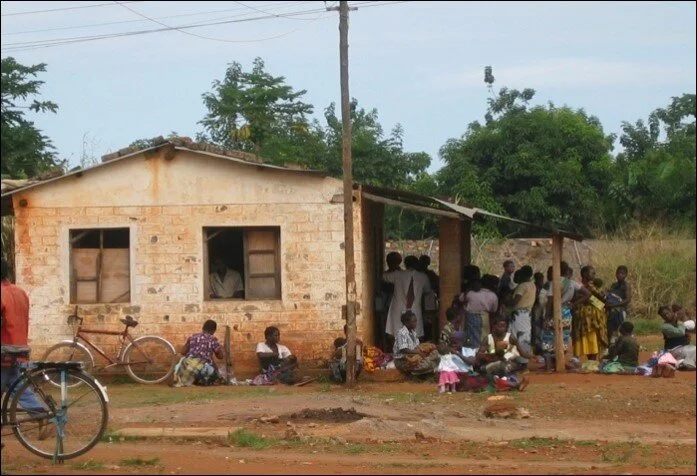
Mary Marshall Clark, director of the Center for Oral History Research at Columbia University, will lead a workshop on how to plan and conduct oral histories in communities affected by disasters and pandemics.

Fellows

Senior Research Scientist, INCITE (Interdisciplinary Center for Innovative Theory and Empirics), Director, Columbia Center for Oral History Research
In addition to being the Director of the Columbia University Center for Oral History Research in INCITE, Mary Marshall is the co-founding director of Columbia’s Oral History Master of Arts (OHMA) degree program (with Peter Bearman) created in 2008-09, the first oral history master’s program in the United States. Mary Marshall has been involved in the oral history movement since 1991, and was president of the United States Oral History Association from 2001-2002.

Associate Professor of Nursing and Assistant Dean of Global Initiatives, Nursing at Columbia University Irving Medical Center
Jennifer Dohrn is the director of the Office of Global Initiatives and an assistant professor at Columbia Nursing where she teaches community health. She oversees collaboration with Columbia Global Centers and leads the Columbia Nursing WHO Collaborative Health Center for Advanced Practice Nursing. Dohrn has worked as a nurse educator and nurse midwife for more than two decades.

Senior Research Scholar at the Institute for Social and Economic Research and Policy (ISERP), College of Arts and Sciences, Columbia University
Wilmot James is a Senior Research Scholar at the Institute for Social and Economic Research and Policy (ISERP), College of Arts and Sciences, Columbia University. An academic by background with a Ph.D. from the University of Wisconsin at Madison, he was previously a Member of Parliament (South Africa) and opposition spokesperson on health. Wilmot is the author and/or editor of 17 books that include the policy-oriented Vital Signs: Health Security in South Africa (2020), a set of essays on the public understanding of science titled Nature’s Gifts: Why we are the way we are (2010), a coedited book Biotechnology and Health: South Africa’s aspirations in health-related biotechnology (2007) and a co-edited collection of Nelson Mandela’s presidential speeches Nelson Mandela In His Own Words (2003), the latter having the distinction of containing forwards by Bill Clinton and Kofi Annan and given to the late Nelson Mandela on his 85th birthday.
Assistant Professor, Department of Epidemiology, Columbia University
Dr. Strasser is a public health professional with 30 years of experience in nursing and public health. She is the senior director for human resources for health (HRH), providing leadership, guidance and direction for the development, implementation, and assessment of programs to develop human resources for health across ICAP's portfolio of programs.

Former Technical Officer of Nursing and Midwifery, World Health Organization (WHO) Headquarters, Geneva, Switzerland
Annette Mwansa Nkowane is a nurse and a midwife from Zambia. During the Ebola outbreak, Mwansa served as the Technical Officer of Nursing and Midwifery in the World Health Organization's Health Workforce Department in Geneva.
Doctoral Student, General Studies, Columbia University
Jeremy Orloff is a premed postbac student in the School of General Studies. Prior to his interest in medicine, he studied political science and history at Johns Hopkins University. He later worked in local New York City government relations. As a postbac, Jeremy has been involved in clinical research around obesity and related diseases.

Nursing and Midwifery Advisor, Seed Global Health/ Malawi
Margaret Loma Phiri is a nurse and midwife with a Masters in Nursing Education and Leadership from Teachers College, Columbia Universityx. She also holds a post – graduate diploma in Community Health from Medical University of Southern Africa (MEDUNSA) South Africa. She has held a number of leadership positions including: Regional Advisor for Nursing &Midwifery for WHO- African Region; HRH Advisor, WHO- Swaziland Country Office; Regional Capacity Building Coordinator for East- Central & Southern Africa Health Community (ECSA- Health Community) & ECSACON for SADC Region; Quality Assurance Director and Senior Lecturer in Education and Leadership for University of Malawi, Kamuzu College of Nursing – Malawi; and Maternal and Child Health Advisor WHO/ Sierra Leone during the Ebola Recovery and Transition period;
Student Associates
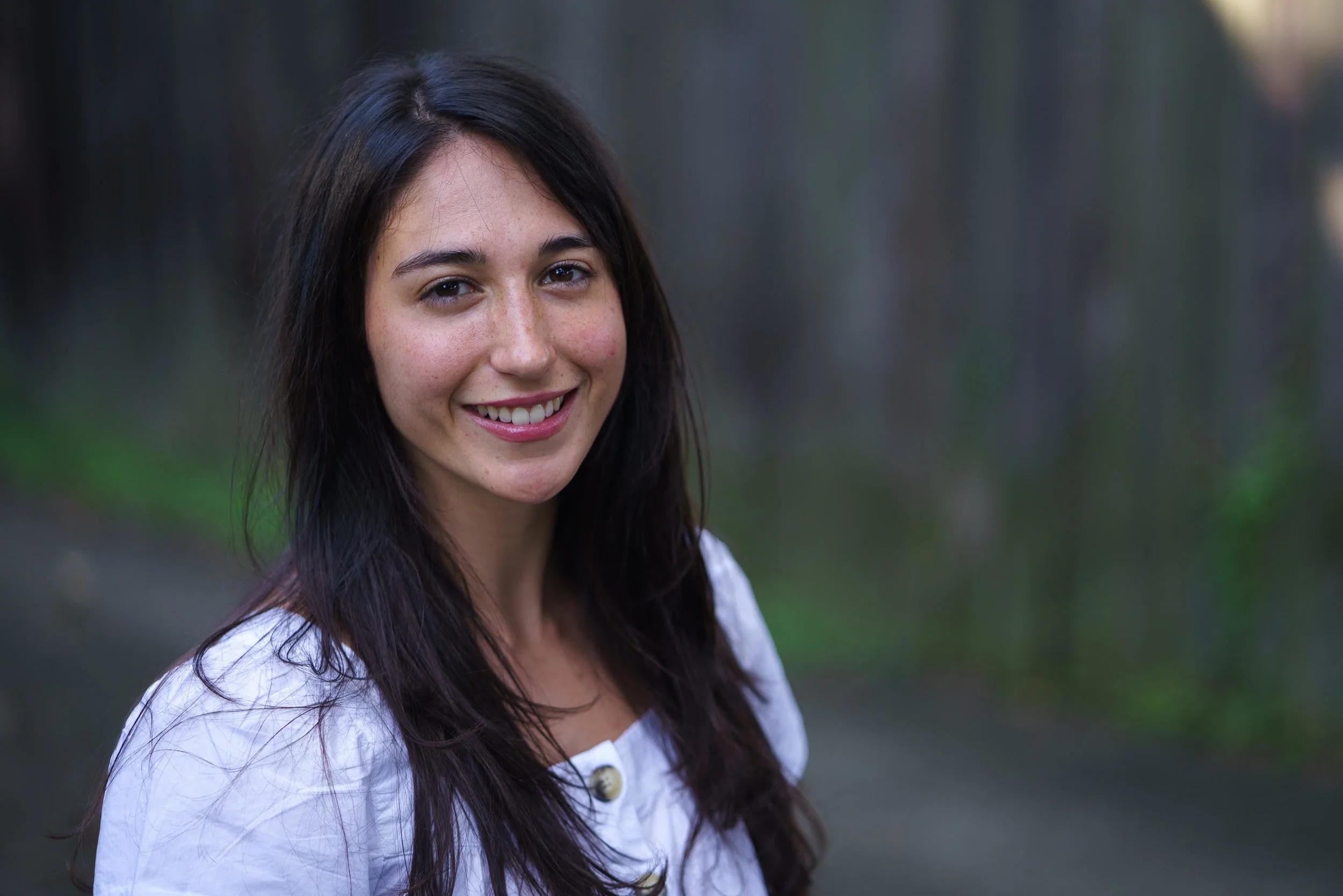
Doctoral Student, Psychology, University of Pittsburgh
Lia attended the University of Pittsburgh and graduated with a degree in psychology.

Premedical Post Baccalaureate Student, General Studies, Columbia University
Kurt Holuba is currently a premed postbac student in the School of General Studies. Previously, he attended Princeton University, earning a B.A. in Psychology. After graduation, Kurt immediately enrolled in the postbac program. He is interested in the intersection between psychology and physiology as it relates to response to stress.
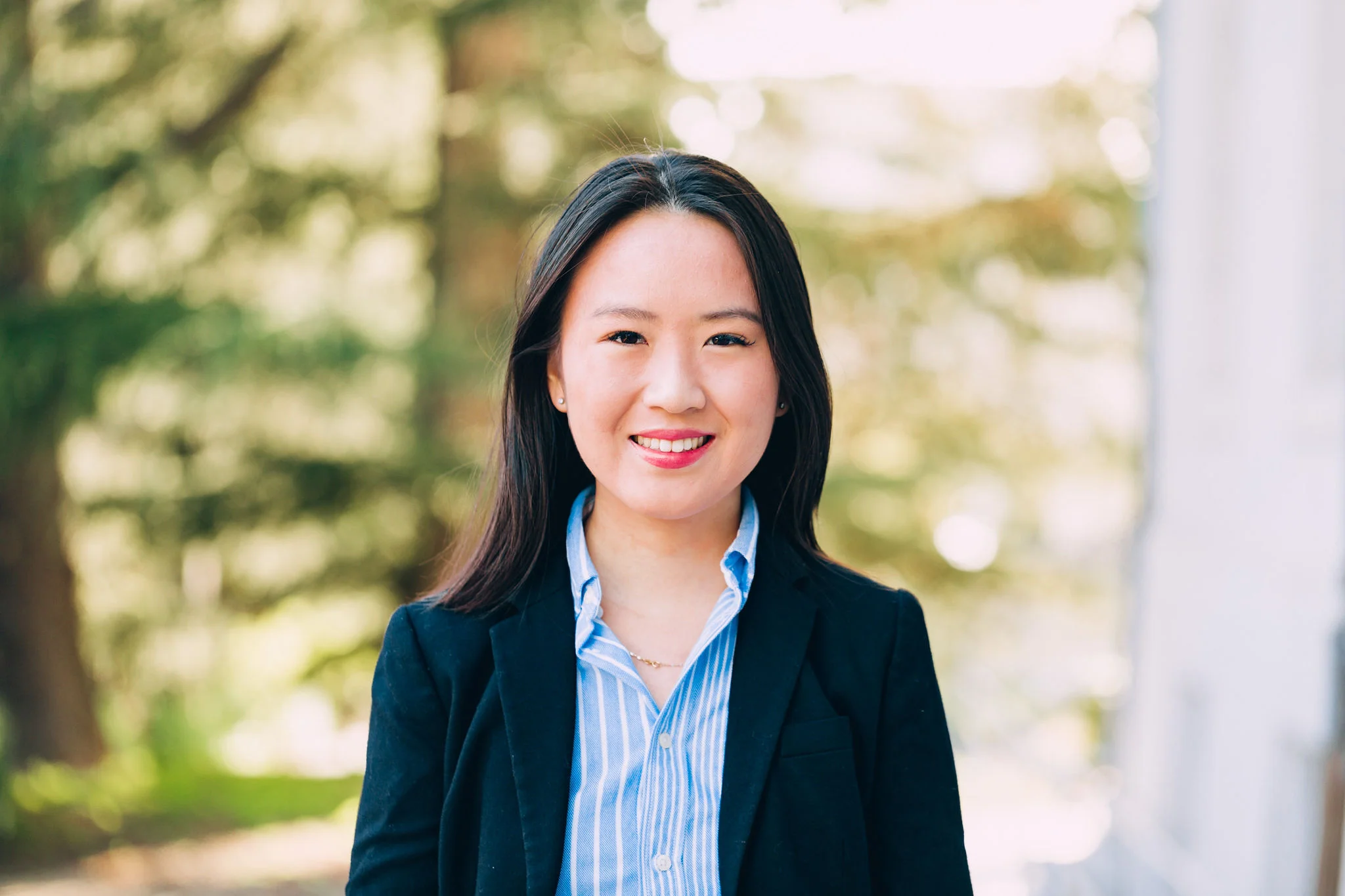
Doctoral Student, Medicine, Columbia University
Ming Pei is currently a pre-health student in the Pre-Medical Post Baccalaureate Program at Columbia University. Previously, she attended University of California, Berkeley earning a B.A. in Statistics and B.A. in Economics. She is interested in public health research and aims to make an impact on healthcare policy making.
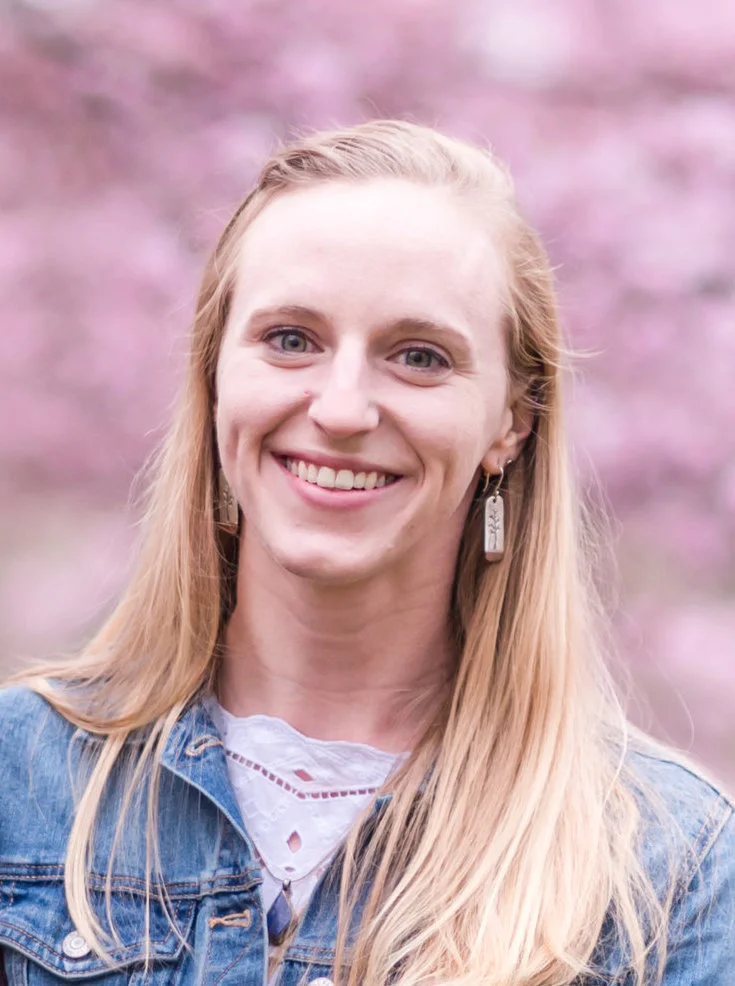
Doctoral Student, Nursing, Columbia University
Maureen Saylor is currently a student in the Master's Direct Entry program at Columbia University School of Nursing. She also graduated in May 2019 from Mailman School of Public Health with her MPH in Population and Family Health. Previously, she served as a Peace Corps Volunteer in Botswana where she primarily worked on projects related to HIV/AIDS and issues surrounding gender-based violence. She is passionate about participatory qualitative research and hopes to pursue a career in community health upon graduating from the MDE program in summer 2020.
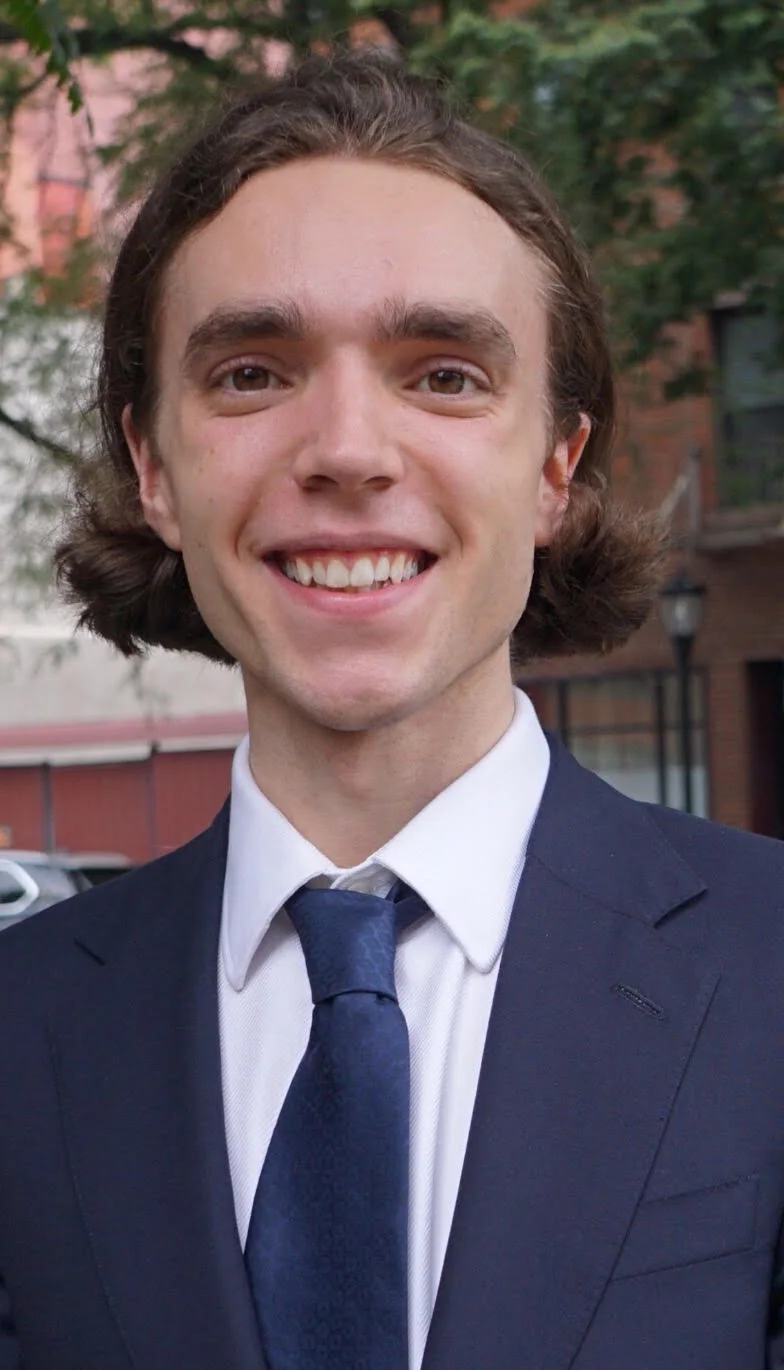
Doctoral Student, Medicine, Columbia University
Lewis is a student associate of On the Frontlines: Nursing Leadership in Pandemics. He completed Columbia University’s post-baccalaureate pre-medical program in May 2019, and is currently in the process of applying to medical school.

Religion and the Global Framing of Gender Violence
Who pays the price and who benefits from the ways that religion is used to frame global understandings of Violence Against Women and gender violence? Religion and the Global Framing of Gender Violence (2016-19) aimed to reframe the conversation.
Project Directors: Lila Abu-Lughod, Rema Hammami, Janet Jakobsen, Nadera Shalhoub-Kevorkian
Over the past couple of decades, violence against women (VAW)––and more recently, the expansive term “gender-based violence” (GBV)––has come to prominence as a highly visible and powerful agenda across a range of local, national, and global domains. By embedding gender violence in a complex matrix of international norms, legal sanctions, and humanitarian aid, the anti-VAW movement has been able to achieve a powerful international “common sense” for defining, measuring, and attending to violence against women in developing countries, particularly during conflict and post-conflict situations. Here, religion is regularly linked to gendered violence. We have seen this script play out countless times. Entire religious traditions are said to promote “cultures of violence.” Women in war are then abstracted out of their local contexts. The definition of VAW is narrowed to attacks on their bodily integrity (e.g. rape), and economic, political and structural forms of violence are excluded. Ending VAW becomes casus belli; local women’s calls for safe homes, safe public spaces, and stable governments are rendered unrecognizable as anti-violence interventions.
However, despite this powerful conflation of religion and VAW for geo-political ends, the crucial question of how religion intersects with VAW/GBV has hardly begun to be considered. Why and when is “religion” invoked in global responses to VAW/GBV? What roles are attributed to religion in these dynamic processes? How are new understandings of “religion” engineered through regimes of governance? What categories of the religious become seen as credible and acceptable, and are empowered as anti-GBV actors? What falls out? Who pays a price and who benefits from the ways religion is used to frame global understandings of VAW/GBV?
Given growing concerns about the conflation of religion and VAW for geo-political ends, the time is ripe for a project that mobilizes the collective experience, expertise, and creativity of an international group of critical feminist scholars, practitioners, activists, and journalists. “Religion and the Global Framing of Gender Violence” examined the role of religion in naming, framing, and governing gendered violence. This three-year initiative was supported by a grant from the Henry Luce Foundation and was co-directed by Professor Lila Abu-Lughod (Anthropology/Institute for Research on Women, Gender, and Sexuality). Through a focus on the Middle East and South Asia, the project opened a critical global conversation with the conviction that more nuanced analyses lead both to more effective strategies for decreasing gender violence, and to more robust understandings of how certain framings of religion and violence can cloud the very diagnoses that are so essential to treating human suffering.
Project co-directors with Abu-Lughod included Professors Rema Hammami, Institute of Women’s Studies, Birzeit University; Janet Jakobsen, Department of Women’s, Gender and Sexuality Studies, Barnard College; and Nadera Shalhoub-Kevorkian, Director of the Gender Studies Program, Mada Al-Carmel, Arab Center for Applied Research.
The project is supported by a generous grant from the Henry Luce Foundation from its initiative on Religion and International Affairs.
News
Our core mission at CSSD is to create the conditions for understanding and being able to challenge inequality and oppression in all its forms. We understand all forms of oppression are interconnected and so our commitment to solidarity with Palestinians is rooted in our commitment to imagining racial, gender, economic, and environmental justice globally.
Working group fellows have been busy writing critical work on the politics of gendered violence in fields ranging from Anthropology to Law and Public Policy.
The former Reframing Gendered Violence co-director’s Do Muslim Women Need Saving? was referenced in a review of a new book on 21 Women Across the History of Islam.
CSSD working group RGFGV hosts twenty-five scholars, journalists, lawyers and activists for a two day intensive workshop of collaborative research sharing and brainstorming at Columbia University in New York City
Professor Lila Abu-Lughod delivers lecture for distinguished series on human rights at the University of Alberta
Maryam Saleh writes about the ways in which Syrian women in Turkey are redefining their independence.
Lila Abu-Lughod, co-director of CSSD working group Religion and the Global Framing of Gender Violence, shares her thoughts on two new books in the publication Public Books.
CSSD Project Religion and the Global Framing of Gender Violence announces its second Media Fellowship Competition.

Fellows
Fellow, Strategic Studies, University of Jordan
Sara Ababneh is Assistant Professor at the University of Jordan’s Center for Strategic Studies. She is the Refugee Studies Diploma and CSS Internship program coordinator, and she wrote her dissertation on female Islamists in Hamas in occupied Palestine and the Islamic Action Front in Jordan.

Fellow, Gender Studies, SOAS University of London
Nadje Al-Ali is Professor of Gender Studies at the Centre for Gender Studies (CGS), SOAS University of London. She is currently chair of CGS and head of the Doctoral School at SOAS. Her main research interests revolve around feminist activism; transnational migration and diaspora moblization; war, conflict and peace; as well as art & cultural studies; mainly with reference to Iraq, Egypt, Turkey and the Kurdish political movement.

Fellow, Language and Communication, American University of Madaba
Wafa Al-Khadra is a university professor and experienced university administrator, currently serving as Dean of Faculty of Languages and Communication at the American University of Madaba.
Fellow, Economics, Mount Holyoke College
Nissreen Haram holds a B.A. in economics from Mount Holyoke College in Massachusetts and an M.A. in Islamic Studies from McGill University in Montreal. She has had a diverse career as a Trade Policy Advisor, Law Firm Director, Children’s Museum Director, and Artisan Cheese maker. She has also been member of the Yale Law School Middle East Seminar, and its organizing committee for more than 15 years. She is actively interested in Islamic legal and intellectual history, and contemporary approaches to religious reform.
Fellow, Sociology, Rutgers
Zahra Ali is an Assistant Professor of Sociology at Rutgers, Newark. Her research explores women and gender issues in relation to Islam and the Middle East, as well as contemporary Muslim communities and Islamisms.
Fellow, Human Rights, International Youth Health and Rights at Advocates for Youth
Urooj Arshad is the Associate director of International Youth Health and Rights at Advocates for Youth. She manages a project of the International Division that builds the capacity of youth-driven organizations in Africa, Asia, Latin America, and the Caribbean to empower young people.
Fellow, Executive Director, Justice Center for Legal Aid in Jordan
Hadeel Aziz is the Executive Director of the Justice Center for Legal Aid in Jordan. In 2008, Hadeel pioneered free legal assistance in Jordan when she left a multi-million dollar USAID project on the rule of law to co-found the Justice Center for Legal Aid (JCLA).

Fellow, Inclusive Policies, Tata Institute of Social Sciences Centre
Qudsiya Contractor is an Assistant Professor at the Tata Institute of Social Sciences Centre for Study of Social Exclusion and Inclusive Policies, School of Research Methodology.
Professor, Department of Religion, Columbia University
Katherine Pratt Ewing is Professor of Religion and Director of the Institute for Religion, Culture and Public Life at Columbia University. She has carried out ethnographic fieldwork in Pakistan, Turkey, and India, and among Muslims in Europe and the United States. Her research has focused on debates among Muslims about the proper practice of Islam in the modern world, the place of Muslims within the German national imaginary, and sexualities, gender, and the body in South Asia.
Fellow, International Policy, Stanford University
Amal Ghandour is Strategy Adviser to Ruwwad al Tanmeyah, a regional community development initiative, and Special Adviser to Columbia University Global Centers, Middle East. Ghandour’s career spans two decades in the fields of research and communication. An author (About This Man Called Ali) and a blogger (Thinking Fits), Ghandour holds an MS in International Policy from Stanford University and a BSFS from Georgetown University.
Fellow, Gender Social Fund, Jordon
Hala Ghosheh is a gender expert and development consultant, who was the Director of the five year Gender Social Fund in Jordan. She specializes in sustainable development work with focus on women and youth. Her experience includes working on policy, institutional and local community levels in several countries in the region. She has worked on program management, design, development and monitoring and evaluation, organizational gender reviews and conducting qualitative research to assess the status of women and youth in different contexts.
Fellow, Women's, Gender, and Sexuality Studies and American Studies, Yale University
Inderpal Grewal is Professor and Chair in the Program in Women’s, Gender, and Sexuality Studies at Yale University. She is also Professor in the Ethnicity, Race and Migration Studies Program, the South Asian Studies Council, and affiliate faculty in the American Studies Program. She is the author of Home and Harem: Nation, Gender, Empire and the Cultures of Travel(Duke University Press, 1996), Transnational America: Feminisms, Diasporas, Neoliberalisms (Duke University Press, 2005), and Saving the Security State: Exceptional Citizens in Twenty-First century America (Duke University Press, 2017).
Fellow, Sociology, University of Paris 8 Vincennes-Saint-Denis
Nacira Guénif-Souilamas is Professor, University of Paris 8 Vincennes-Saint-Denis, Education Sciences Department.
She was formerly Associate Professor at the University of Paris Nord/13 and Co-Director of EXPERICE Research Center.
Guénif-Souilamas holds a Phd in Sociology from l’École des Hautes Études en Sciences Sociales in Paris and a HDR of Sciences Po Paris.
Fellow, South Asian Studies, Columbia University
Joymala Hajra divides her time between the Religion and the Global Framing of Gender Violence Project, where she is the Program Coordinator and The Institute for Religion, Culture, and Public Life, where she is the Manager of Design and Communication.
Fellow, Royall Professor of Law, Harvard Law School
Janet Halley is the Royall Professor of Law at Harvard Law School. She has a Ph.D. in English Literature from UCLA and a J.D. from Yale Law School. She has taught at Tel Aviv Buckmann School of Law and in the Law Department of the American University in Cairo. She is the author of Split Decisions: How and Why to Take a Break from Feminism (Princeton 2006), and Don’t: A Reader’s Guide to the Military’s Anti-Gay Policy (Duke 1999). With Wendy Brown, she coedited Left Legalism/Left Critique (Duke 2002), and with Andrew Parker she coedited After Sex?
Fellow, Anthropology, Birzeit University
Rema Hammami is Associate Professor of Anthropology at the Institute of Women’s Studies, Birzeit University where she founded the graduate program in Gender and Development in 1998, the first graduate program in gender studies in the region.
Chair and Assistant Professor, Rhetoric Studies, Whitman College
Heather Ashley Hayes is Chair and Assistant Professor of Rhetoric Studies at Whitman College. She works across the intersections of rhetorical materialism, race, violence, the global war on terror, and argument studies. Since 2013, she has delivered a number of talks and presentations including work on the revolutionary events in Egypt's Tahrir Square that ousted Hosni Mubarak in January of 2011.
Professor, Department of Women's Gender and Sexuality Studies, Barnard College
Janet R. Jakobsen is Claire Tow Professor and Chair of Women's Gender and Sexuality Studies at Barnard College, Columbia University. She served fifteen years as Director of the Barnard Center for Research on Women (BCRW), and she has also served as Dean for Faculty Diversity and Development.
Doctoral Student, Gender, Sexuality, and Women’s Studies, University of Pennsylvania
Shenila Khoji-Moolji received her doctorate in Education and additional certification in Feminist Theory from Columbia University in 2016. Her research interests include examining discourses on gender and education, and their entanglement with practices of power. Dr. Khoja-Moolji’s work problematizes the centering of girls’ education and empowerment as a solution to societal problems, especially in relation to Muslim-majority nations.
PhD Student, English and Comparative Literature, Columbia University
Liza McIntosh is a PhD student in the department of English and Comparative Literature at Columbia. She is broadly interested in the culture and texts of the Early Modern period, with a focus on questions of gender, sexuality, and nature. She received her BA from Johns Hopkins University in English and Art History.
Graduate Student, Religion, Columbia University
Laura McTighe is a Ph.D. candidate in the Department of Religion at Columbia University. She comes to her doctoral studies through nearly twenty years of grassroots activism to end state violence and advance community healing. Her research examines the co-constitution of race and religion, of gender and governance, in the American and Global South today by ethnographically centering women’s geographies and archives of struggle.
Fellow, Anthropology, New York University
Sally Engle Merry's recent books include Colonizing Hawai‘i (Princeton, 2000), Human Rights and Gender Violence (Chicago, 2006), Gender Violence: A Cultural Perspective (Blackwell, 2009) and The Practice of Human Rights, (co-edited with Mark Goodale; Cambridge, 2007). Her most recent book, The Seductions of Quantification: Measuring Human Rights, Gender Violence, and Sex Trafficking (Chicago: University of Chicago Press, 2016) examines indicators as a technology of knowledge used for human rights monitoring and global governance. She received the Hurst Prize for Colonizing Hawai‘i in 2002, the Kalven Prize for scholarly contributions to sociolegal scholarship in 2007, and theJ.I. Staley Prize for Human Rights and Gender Violence in 2010.
Fellow, Legal Scholar, NYU Gallatin School of Law
Vasuki Nesiah is a legal scholar with a focus on public international law at NYU Gallatin School of Law. Her main areas of research include the law and politics of international human rights and humanitarianism, with a particular focus on transitional justice.
Fellow, Women and Gender Studies, Hunter College, CUNY.
Rupal Oza is an Associate Professor in the Department of Women and Gender Studies at Hunter College, CUNY. Her work focuses on political economic transformations in the global south, the geography of the right-wing politics, and the conjuncture between development and security. Her first book, The Making of Neoliberal India: Nationalism, Gender, and the Paradoxes of Globalization was published in 2006 by Routledge, New York and by Women Unlimited, India. She has several articles in peer-reviewed journals. She has written on special economic zones, the discourse of security, and Hindutva politics India. Her current project examines the relationship between sexual assault, caste, and land in Haryana, India. She is also working on a collaborative project that examines foreclosures and gentrification in New York City.
Associate Professor, Department of Islamic Studies, Columbia University
Kathryn Spellman Poots is a Visiting Associate Professor at Columbia University and Academic Program Director for the MA in Islamic Studies. She is also Associate Professor at the Aga Khan
Fellow, International Relations, Northwestern University
Maryam Saleh is an editor and reporter at The Intercept’s Washington, D.C. bureau, where she covers immigration, politics, and foreign policy. She is a graduate of Northwestern University’s Medill School of Journalism.

Fellow, Law, Sindh Muslim Law College
Shagufta Shah is an anti-violence violence advocate and counselor at the Arab-American Family Support Center (AAFSC) of New York. She joined AAFSC in 2013 as a Disaster Case Manager then promoted as Program Manager for the same project, when AAFSC operated a program to help families recover in the wake of Hurricane Sandy.

Fellow, Public Welfare, Hebrew University of Jerusalem
Nadera Shalhoub-Kevorkian is a longtime anti-violence, native Palestinian feminist activist and scholar. She is the Lawrence D. Biele Chair in Law at the Faculty of Law-Institute of Criminology and the School of Social Work and Public Welfare at the Hebrew University of Jerusalem.
Fellow, Anthropology, BRAC University
Dina M. Siddiqi divides her time between New York and Dhaka, where she is Professor of Anthropology, BRAC University. Her publications, grounded in the study of Bangladesh, cover a broad spectrum: the global garment industry; gender justice and non-state dispute resolution systems, and the intersections of Islam, nationalism and feminist cultural politics. She is currently working on a book entitled Elusive Solidarities: “Muslim” Women and Transnational Feminism at Work. Siddiqi is on the editorial board of Routledge’s Women in Asia Publication Series, a member of the South Asia Council of the Association of Asian Studies (AAS), and on the Gender Advisory Council of the Lahore School of Management Sciences (LUMS). She is also part of the Advisory Council of the South Asian Network of Gender Activists and Trainers (SANGAT). She has extensive research experience with Bangladeshi human rights organizations, including Ain o Salish Kendra (ASK) and Bangladesh Legal and Services Trust (BLAST).
Lecturer in Anthropology and Development Studies
Mayssoun Sukarieh is co-convener of the MA degree in Political Economy of the Middle East. She received her PhD from the University of California, Berkeley, and a MA and BA from the American University of Beirut. Since then she has lectured in anthropology and development studies in universities around the Arab region (American University of Beirut; American University of Cairo) and the United States (Columbia & Brown Universities). Her research interests focus on youth, education, development and social movements in the Arab region, with a particular interest in studying the political, economic, cultural and social structures and processes that tie the region in complex and contradictory ways to the larger global political economy. Her first book, Youth Rising? The Politics of Youth in the Global Economy (co-authored with Stuart Tannock) was published earlier this year by Routledge's Critical Youth Studies series. In 2015, she was also appointed as a Fellow of the Wissenschaftszentrum Berlin für Sozialforschung.
Fellow, Anthropology, BRAC University
Dina M. Siddiqi divides her time between New York and Dhaka, where she is Professor of Anthropology, BRAC University. Her publications, grounded in the study of Bangladesh, cover a broad spectrum: the global garment industry; gender justice and non-state dispute resolution systems, and the intersections of Islam, nationalism and feminist cultural politics. She is currently working on a book entitled Elusive Solidarities: “Muslim” Women and Transnational Feminism at Work. Siddiqi is on the editorial board of Routledge’s Women in Asia Publication Series, a member of the South Asia Council of the Association of Asian Studies (AAS), and on the Gender Advisory Council of the Lahore School of Management Sciences (LUMS). She is also part of the Advisory Council of the South Asian Network of Gender Activists and Trainers (SANGAT). She has extensive research experience with Bangladeshi human rights organizations, including Ain o Salish Kendra (ASK) and Bangladesh Legal and Services Trust (BLAST).

Fellow, Sociocultural Anthropology, UC Berkeley
Shahla Talebi is a scholar of religions, 2006 Newcombe Fellow, and Associate Professor at Arizona State University. A native of Iran, she lived in Tehran during the Iranian Revolution and the Iran-Iraq War.
Fellow, Law in Access to Justice, University of California, Berkeley Law
Robert D. and Leslie Kay Raven Professor of Law in Access to Justice, University of California, Berkeley Law
Junior Research Fellow, Churchill College
Aditi Surie Von Czechowski is Junior Research Fellow at Churchill College, Cambridge. She recently received her PhD from the Department of Middle East, South Asian, and African Studies at Columbia University. Her work focuses on the intersection of humanitarianism and human rights and theories of the human.

Fellow, Social Studies, The Hague
Dubravka Žarkov is Associate Professor of Gender, Conflict and Development at the International Institute of Social Studies, The Hague. Her fields of expertise are gender and its intersections with sexuality, ethnicity and religion; violent conflict, war and militarism, including gender based sexual violence and communalism, and visual and textual representations of war, violence, and soldiering. She also works on masculinity and sexual violence in wars against men. Among her publications are: Conflict, Peace, Security and Development: Theories and Methodologies (with Helen Hintjens, 2015); Narratives of Justice in and out of the Courtroom: Former Yugoslavia and Beyond (with Marlies Glasius, 2014); Gender, Violent Conflict, and Development (2008); The Body of War: Media, Ethnicity and Gender in the Break-up of Yugoslavia (2007); and The Postwar Moment: Militaries, Masculinities and International Peacekeeping, (with Cynthia Cockburn, 2002). One of her most recent articles is on faith and feminism.
Media Fellows
Fellow, Political Science, The American University, Cairo
Yasmin El-Rifae is a writer, researcher and cultural producer. She lives in New York and Cairo. Yasmin is a Middle East and North Africa research associate at the Committee to Protect Journalists. Previously, she worked in journalism and human rights in Egypt, focusing on the struggle against sexual harassment. She holds a B.A. in Political Science from The American University of Cairo and a graduate diploma in Law from the City University in London.
Fellow, Religion and the Global Framing of Gender Violence, Columbia University
Samira Shackle is a freelance British journalist, writing mainly on politics, terrorism, and gender. Samira writes for The New Statesman, The Guardian, The Times, Vice, and many others. She has won multiple awards for her reporting and often sits on panels, generally discussing issues relating to international development, Islam, feminism, and terrorism. Samira has a B.A. in English Language and Literature from the University of Oxford.

Media Fellow, Religion and the Global Framing of Gender Violence
Nafeesa Syeed is an award-winning multimedia journalist with a decade of full-time experience on four continents in spot news and enterprise reporting, editing and producing. She works as a National Security Reporter for Bloomberg News based in Washington, D.C. Nafeesa has held positions at the Dubai Bureau and Al Jazeera America. She holds an M.A. in Comparative Literature from The School of Oriental and African Studies, University of London and a B.A. in Arabic and Government from Georgetown University.

Fellow, Writer, Columbia University
Rafia Zakaria is an author, editor and attorney. She has been a weekly columnist for DAWN, Pakistan’s largest and oldest English language daily since 2009. Her column is syndicated in newspapers all over the world through the Inter Press Service and is regularly republished in the Deccan Chronicle, The Wire India, Kathmandu Post, Sri Lanka Guardian, Korea Herald, New Straits Times and The Internazionale among others. She writes the “Alienated” column for The Baffler and has previously been a regular columnist for Al Jazeera America. She also writes regularly for Guardian Books and is a CNN Opinion contributor. Her recent New York Times Op-Ed “The Myth of Women’s Empowerment” was shared over 30K times on Facebook.
Past Events

This seminar is based on the findings of a three-year collaborative research project between feminist scholars of the Middle East and South Asia that explored these questions across a range of intersecting local, national, and global contexts, in the process uncovering the ways in which religion and racialized ethnicity, particularly “the Muslim question,” run deeply through the international governance structures of GBVAW, even when insistently disavowed.

Lila Abu-Lughod discusses how agendas to combat violence against women and gender-based violence have been taken up as tools of state sovereignty and global security.

Please join us in celebrating the recent publication of Gender, Governance and Islam, with an introduction by Lila Abu-Lughod.


A panel with Sherene Razack (Department of Gender Studies, UCLA), Nadera Shalhoub-Kevorkian (Law School, Hebrew University; International Visitor, Columbia Law School), and Miriam Ticktin (Department of Anthropology, New School University), moderated by Lila Abu-Lughod (Columbia University)

Thursday, November 3, 2016, 4:15 p.m.
203 Butler Library
“Child Marriage in the Feminist Imagination”
Dina Siddiqi, Professor of Anthropology at BRAC University, Dhaka
“Race, Religion, and Masculinity: Europe’s Obsessions”

October 13, 4:15 p.m., 203 Butler Library
"Feminist Politics, War Rapes, and Global Governance"
Dubravka Zarkov, Associate Professor of Gender, Conflict and Development at the International Institute of Social Studies, The Hague
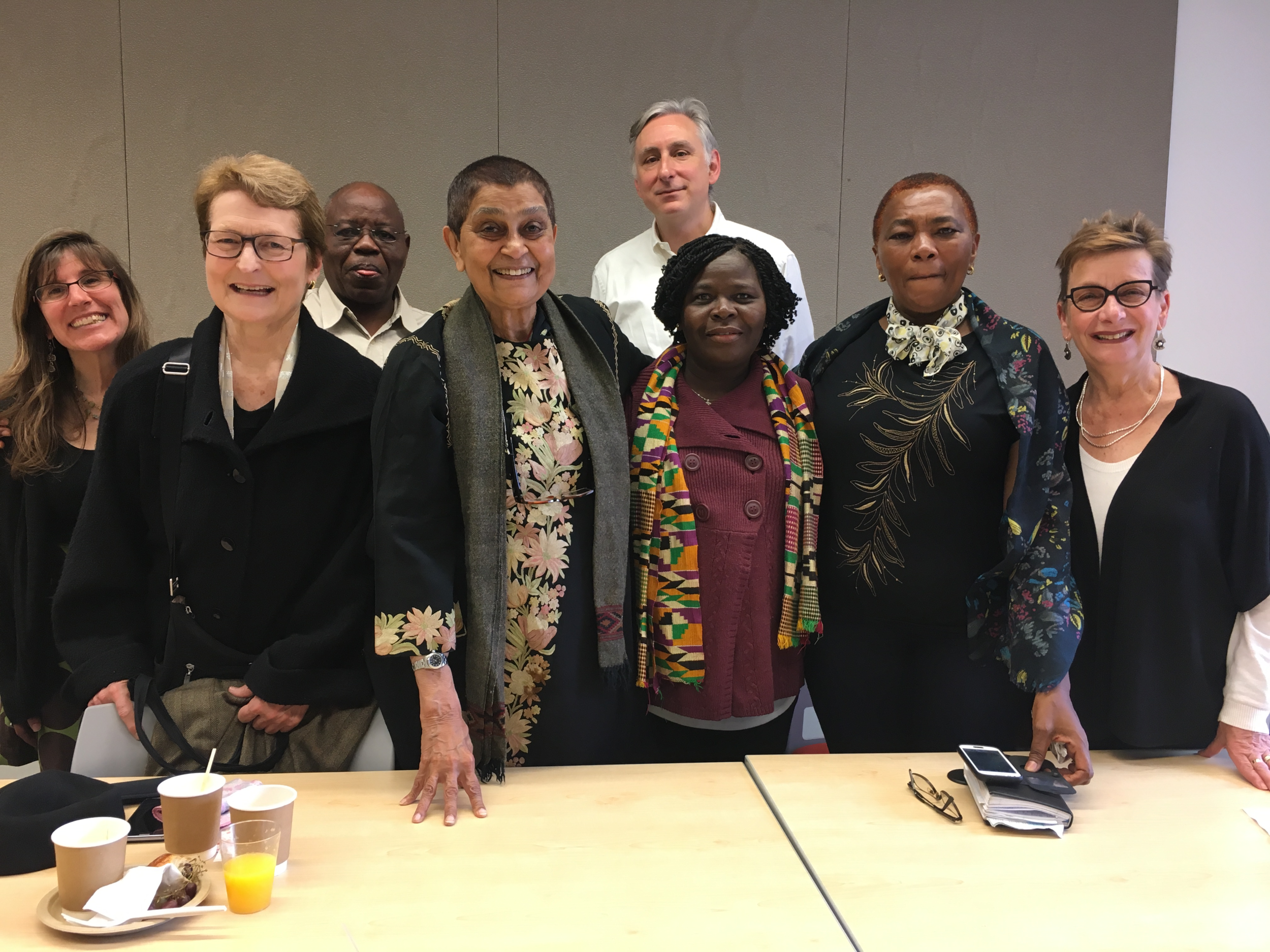
The Rural-Urban Interface: Gender and Poverty in Ghana and Kenya, Statistics and Stories
The Rural-Urban Interface (2015-18) studied migrant populations of women, youth and men in Ghana and in Kenya by combining oral histories with statistical analysis.
Project Directors: Gayatri Chakravorty Spivak, Reinhold Martin
This project, which represented the workshop phase of an interdisciplinary, regional, consortial, Africa-led research endeavor, studied the rural-urban interface in Ghana and in Kenya, concentrating on the experience of women, youth, and men who inhabit this social and physical space. The research group included colleagues at the Universities of Ghana-Legon and Nairobi as well as at Columbia and other New York-area institutions.
The rural-urban interface or continuum extends from the rural to the towns and cities of the African continent. It is quite variegated and is characterized by a complex nexus of sites, including primary and secondary sites in relationships of gain and loss, dominance and subordination, associated in different ways with rural-to-urban migration. This first phase of the project therefore attempted to situate key questions in the African context, and especially, in the rural-urban dynamics of the specific region being studied. Such questions included the interaction of space, gender, and political economy; the role of translation in interpretative social-scientific work; and the interplay of stories and statistics in knowledge making.
Workshops based on a pilot study initiated by colleagues on Ghana and/or Nairobi piad particular attention to gender relations in this space and to the feminization of poverty in migrant populations. The mix of approaches drawn from the humanities and social sciences was intended to help create productive collaborations among disciplines and among many actors, to get behind the statistics and move towards changing minds and building human capacity. As a working group, we looked at ways to combine qualitative knowledge with quantitative knowledge in a manner that highlights the real, impactful capacity of situated stories, narratives, and oral histories articulated by actual participants in these large-scale transformations, to illuminate and inflect the interpretation of other types of data that tend to dominate accounts and disproportionately inform policies. The humanities are a crucial source of knowledge of this sort, and, of language-sensitive learning techniques that are attentive to nuance and open to unexpected information or interpretations. Working with narratives, as well as statistics, yielded nuanced insights that are unavailable to more conventional approaches.
News
Congratulations to Professors Gayatri Chakravorty Spivak and Mabel O. Wilson on joining the Academy.
The New York Times art critic listed Professor Edwards’s Instagram as one of five art accounts to follow.
The discussion will revolve around American democracy, race, performance, and US-China relations.
Gayatri Spivak, co-director of the working group The Rural-Urban Interface, published an article entitled “Who Is Afraid of Shahidul Alam?” in which she speaks about the photojournalist’s imprisonment.
Gayatri Chakravorty Spivak, co-director of the CSSD project The Rural-Urban Interface: Gender and Poverty in Ghana and Kenya, recently delivered the keynote lecture at the 2018 Dhaka Art Summit.
CSSD project co-director Gayatri Chakravorty Spivak delivered the inaugural lecture at the International Colloquium on Creative Teaching and Learning in Higher Education, at Sullamussalam Science College, December 12, 2017.
The Modern Language Association (MLA) has awarded Gayatri Chakravorty Spivak, co-director of CSSD project The Rural-Urban Interface, the eighth MLA Award for Lifetime Scholarly Achievement.
Director of the CSSD project The Rural-Urban Interface, Gayatri Chakravorty Spivak was interviewed about the Rohengy refugee disaster for TBS eFM's "This Morning" English radio program in Seoul, Korea.

Past Events

The Center for the Study of Social Difference invites you to a conference discussing a work in progress on “The Rural-Urban Interface: Gender and Poverty in Ghana and Kenya, Statistics and Stories.”
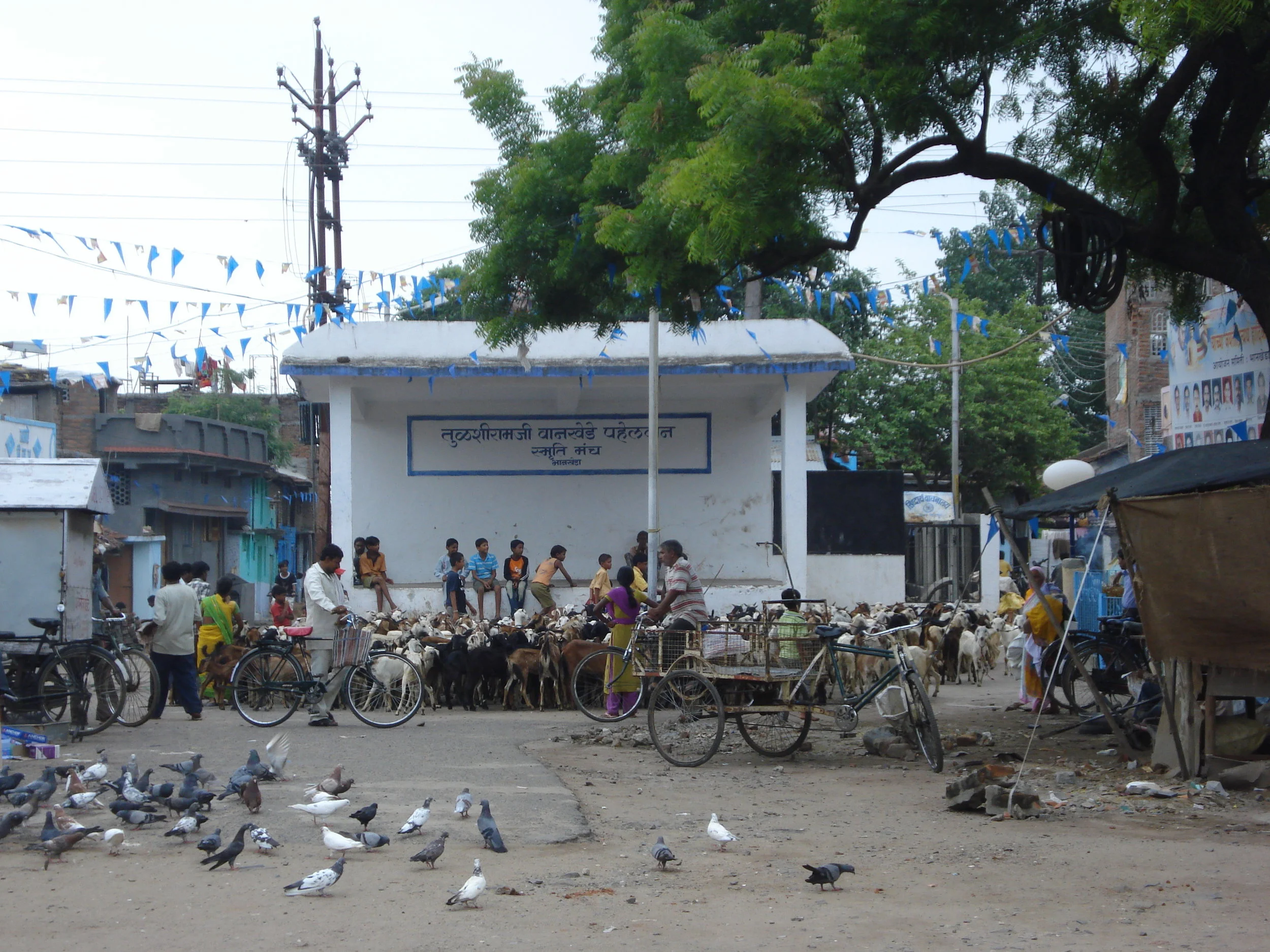
Gender and the Global Slum
How are gender relations impacted by material impoverishment and social segregation? Gender & the Global Slum (2013-17) looked at the social hazards of urban informality and its disproportionate effects on women.
Project Directors: Saidiya Hartman, Anupama Rao, Neferti Tadiar
Urbanization is a defining feature of contemporary globalization. The “megacities” of the twenty-first century are distinguished by two things: their location in the global South, and the ubiquity of informal, or “slum” housing as the primary mode of inhabitation for the majority of their urban dwellers (UNHCS Report, Challenge of Slums 2003; Mike Davis, Planet of Slums 2006). Contemporary urbanization thus presents us with a paradox: it is characterized by spectacular levels of economic growth, together with the informalization of existence.
How have informal housing and the contemporary slum become sites of global intervention, simultaneously conceived as (social) problem, and the site of social experimentation and creative, or resistant life? How are urban social relations, especially of gender, being transformed in the wake of neoliberalism, and the re-territorialization of urban space? Why do women suffer disproportionately from the social hazards of urban informality?
It is typical to attribute the persistence of slums in the global South to the culture of poverty, or as signs of corrupt or insufficient planning. Instead this project addressed the global slum as the product of a complex interplay between the political economy of urban space, and the spatialization of social difference, especially gender/sexuality. Our project addressed the contemporary “slum” as a social-spatial ensemble produced by overlapping and intersecting forces. These included: changing ideas about housing as a right vs. marketized commodity; infrapolitics, i.e., practices from electricity and water theft, to acts of defacement and violent conflict that are a response to social precarity and informalized existence; and the impact of international NGOs and the World Bank in shaping contemporary debates about slum redevelopment and rehabilitation. We located women’s growing vulnerability to new forms of intimate and extimate violence, and their reliance on illicit economies of survival and subsistence (including sex work) within broader infrastructural and policy shifts, to explore how gender is made and unmade in the context of global power.
News

Professor Hartman was announced as one of the 2021 Award Winners for her recent book, Wayward Lives, Beautiful Experiments: Intimate Histories of Riotous Black Girls, Troublesome Women, and Queer Radicals.


Gender & the Global Slum project director Anupama Rao spoke with NPR Podcast Code Switch about Caste discrimination in the United States.

CSSD executive committee members Anupama Rao and Ana Paulina Lee presented research from the CSSD working group Gender and the Global Slum at the inaugural She Opened the Door: Columbia University Women's Conference.
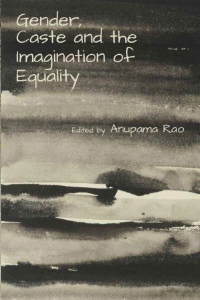
CSSD project co-director Anupama Rao has published the edited volume Gender, Caste, and the Imagination of Equality.

Anupama Rao, Associate Professor of History, Barnard College, and director of the recently completed CSSD project on Gender and the Global Slum, published an opinion piece in the New York Times on an Indian Supreme Court
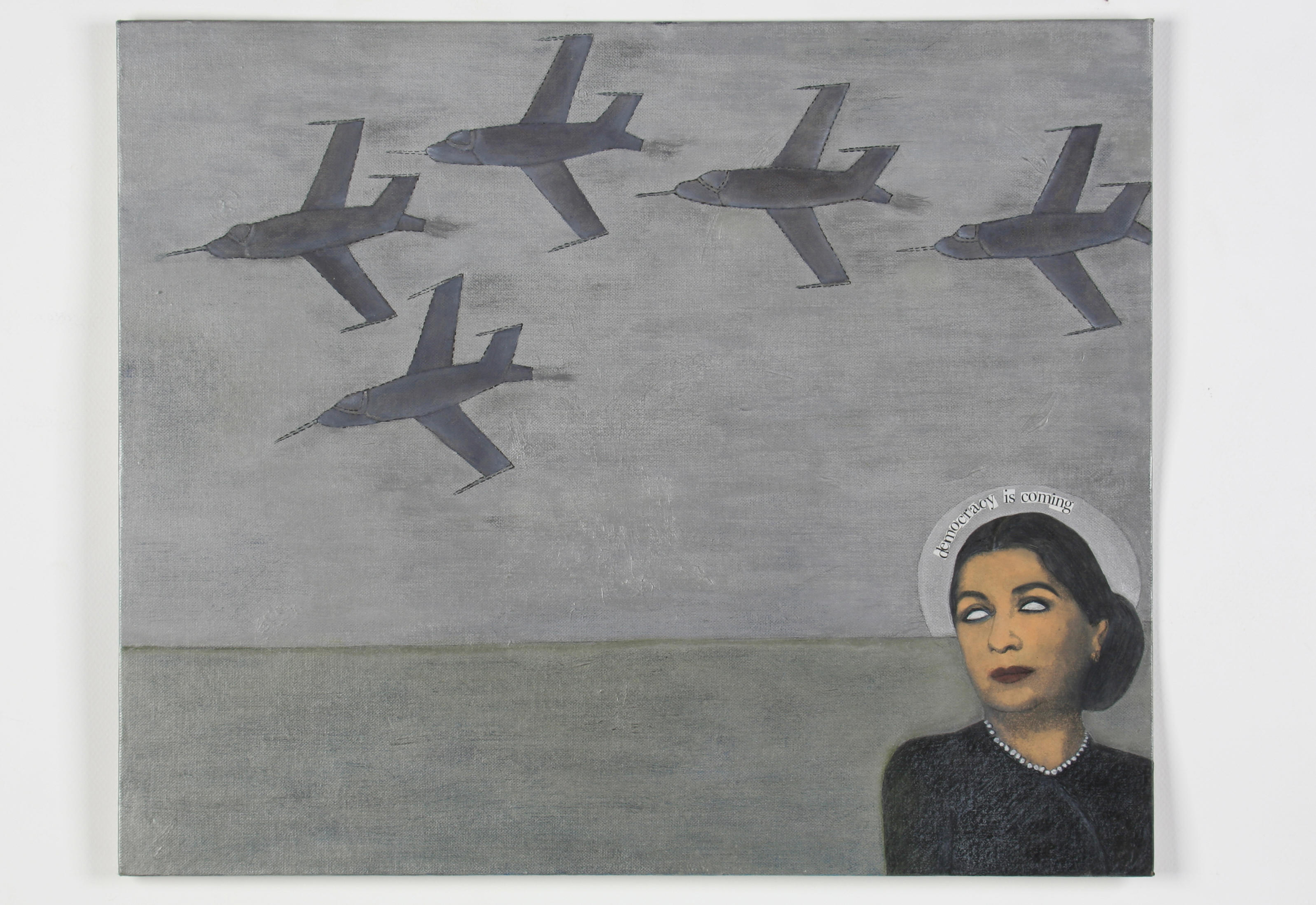
Reframing Gendered Violence
Reframing Gendered Violence (2016-19) aimed to open up a critical global dialogue among scholars and practitioners that recasts and broadens our understanding of what constitutes violence against women.
Project Directors: Lila Abu-Lughod, Kaiama Glover, Jennifer Hirsch, Marianne Hirsch, Jean Howard, Anupama Rao, Kendall Thomas, Paige West
Reframing Gendered Violence opened up a critical global conversation among scholars and practitioners that recasts the problem of violence against women as it is currently discussed in a wide range of fields, both academic and policy-oriented, including human rights, public health, journalism, law, feminist studies, literature, sociology, religious studies, anthropology, and history.
Over the past couple of decades, violence against women (VAW) and gender-based violence (GBV) have come to prominence as loci for activism throughout the world. Both VAW and GBV regularly garner international media attention and occupy a growing place in international law and global governance. Since 2000 alone there have been more than 25 UN protocols, instruments and conventions directed at its eradication or mitigation.
The working group engaged critically with the terms, the assumptions, and the policies that have underwritten this unprecedented outpouring of attention. What do different parties mean when they talk of violence against women or of gender-based violence? Is the main form of violence against women sexual in nature? Does it occur primarily in domestic settings? What is left out when the problem is framed in this way, and whose interests are served by such a framing? When invoked in the halls of the United Nations and used to shape international policy, the terms violence against women (VAW) and gender-based violence (GBV) are often assumed to have stable meanings, yet they do not.
CSSD, in collaboration with scholars, artists and activists located in the regions where Columbia has established Global Centers, examined in the most capacious way what constitutes gendered violence. The goal was to move the conversation on this crucial topic in new directions, pointing to elisions and exclusions in many common-sense understandings of these terms; deepening the ways in which we engage with the manifestations and causes of such violence; unpacking the politics through which accusations of GBV can sometimes be used to pathologize entire communities, societies or religious traditions, or to divert attention from more systemic forms of abuse such as economic, discursive, and political violence.
News
The article, “Why it’s still so hard not to drink,” discusses alcohol, power dynamics, and privilege.
Columbia Law Professor Franke commented on new US legislation to combat anti-Asian hate crimes.
In “Empirical Ephemera,” Professor Agard-Jones used the concept-metaphor of sand to consider how coloniality is made material.
Congratulations to Professors Gayatri Chakravorty Spivak and Mabel O. Wilson on joining the Academy.
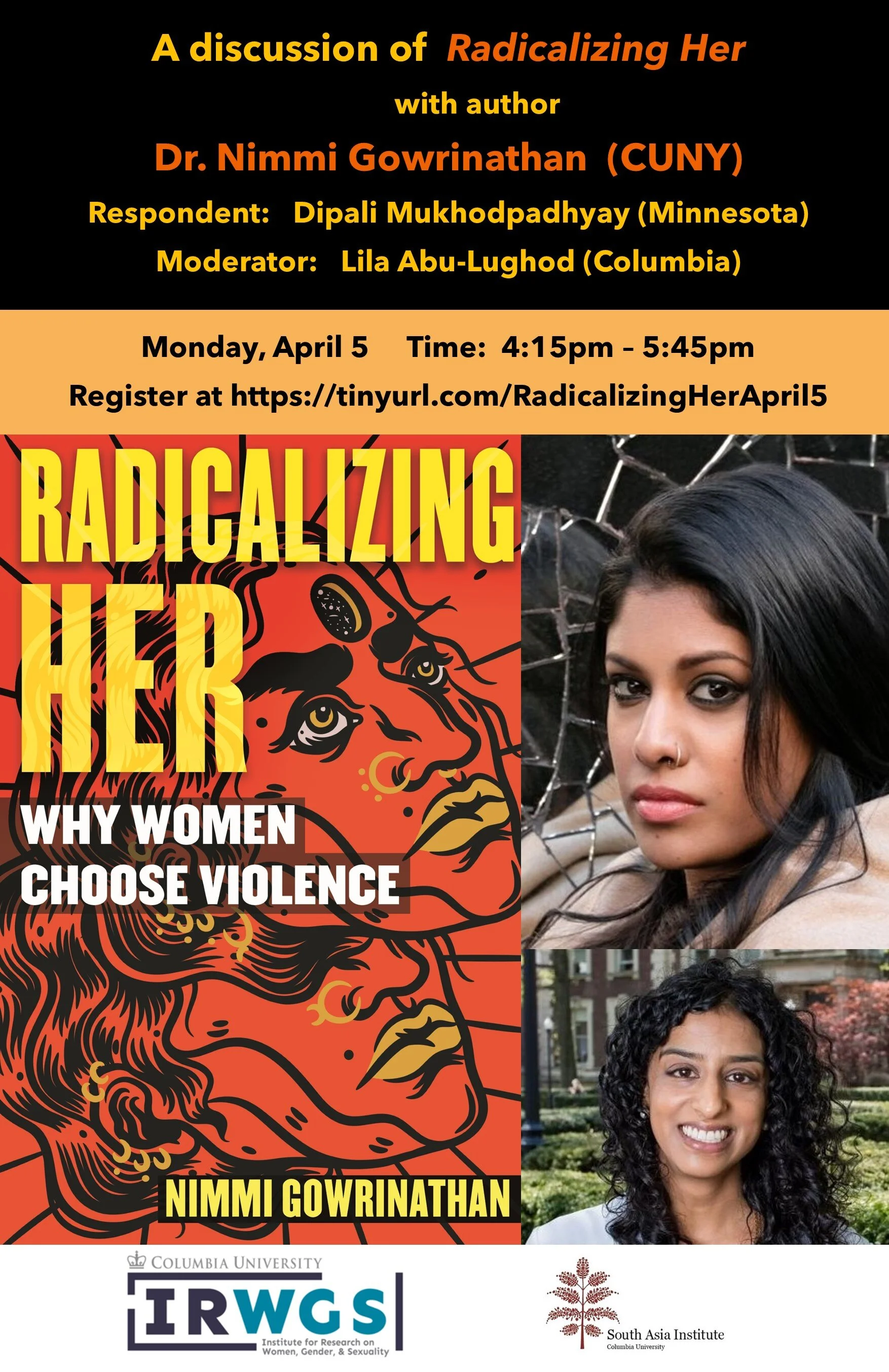
Join us Monday, April 5th for a talk moderated by Professor Lila Abu-Lughod with Dr. Nimmi Gowrinathan, author of Radicalizing Her: Why Women Choose Violence.
Professor Lila Abu-Lughod will be featured in a virtual project discussing her new book for the Religion and the Global Framing of Gender Violence working group.
Engendering the Archive Working Group Fellow spoke to the Post about the Capitol riots and racial injustice in the police responses to protesting.
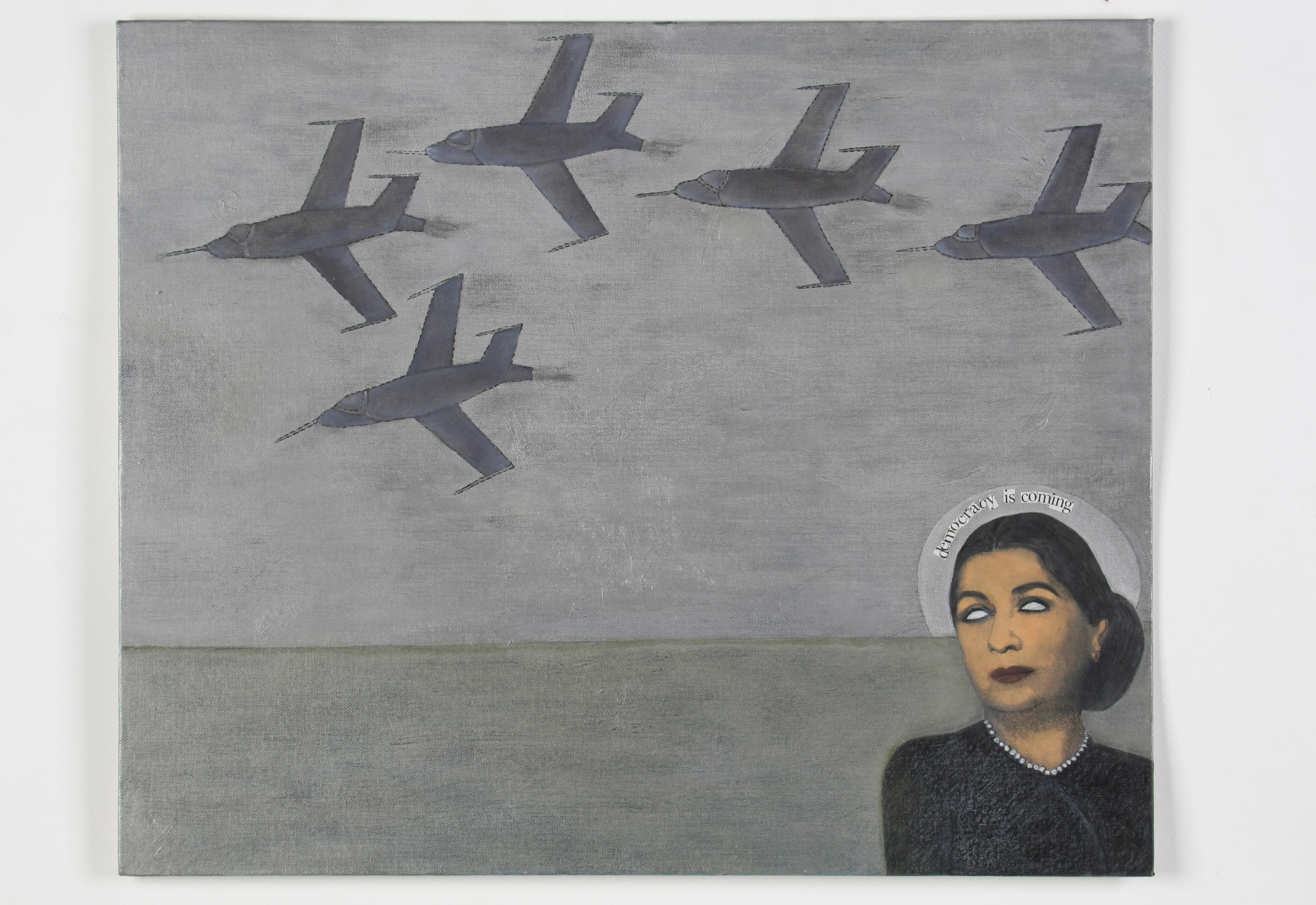
Past Events
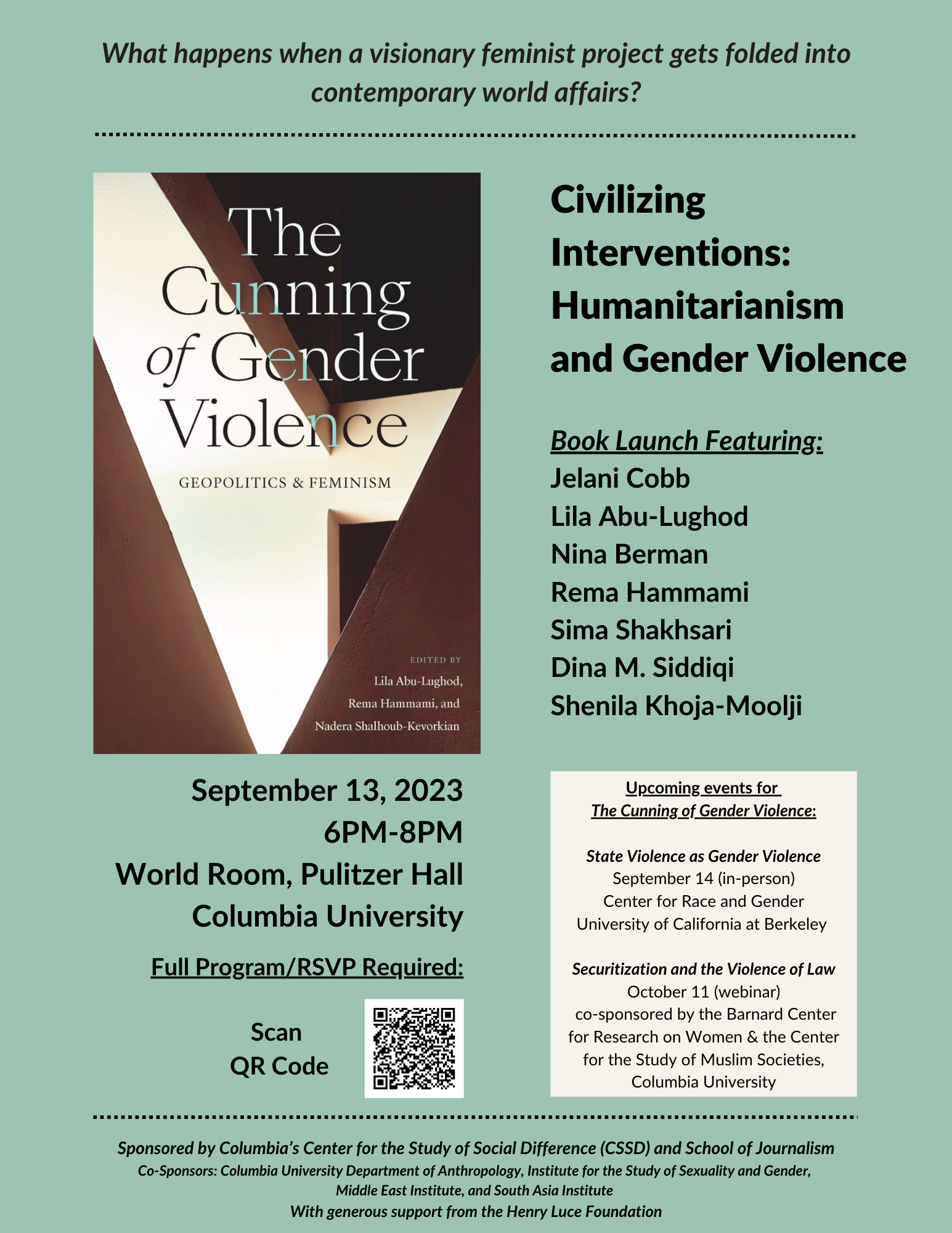

Please join us in celebrating the recent publication of Gender, Governance and Islam, with an introduction by Lila Abu-Lughod.

The pop-up exhibition “Arts of Intervention” brings together an international group of artists connected to the working group on “Women Mobilizing Memory” of Columbia University’s Center for the Study of Social Difference in the context of the Third Annual Memory Studies Association Conference in Madrid, June, 2019.
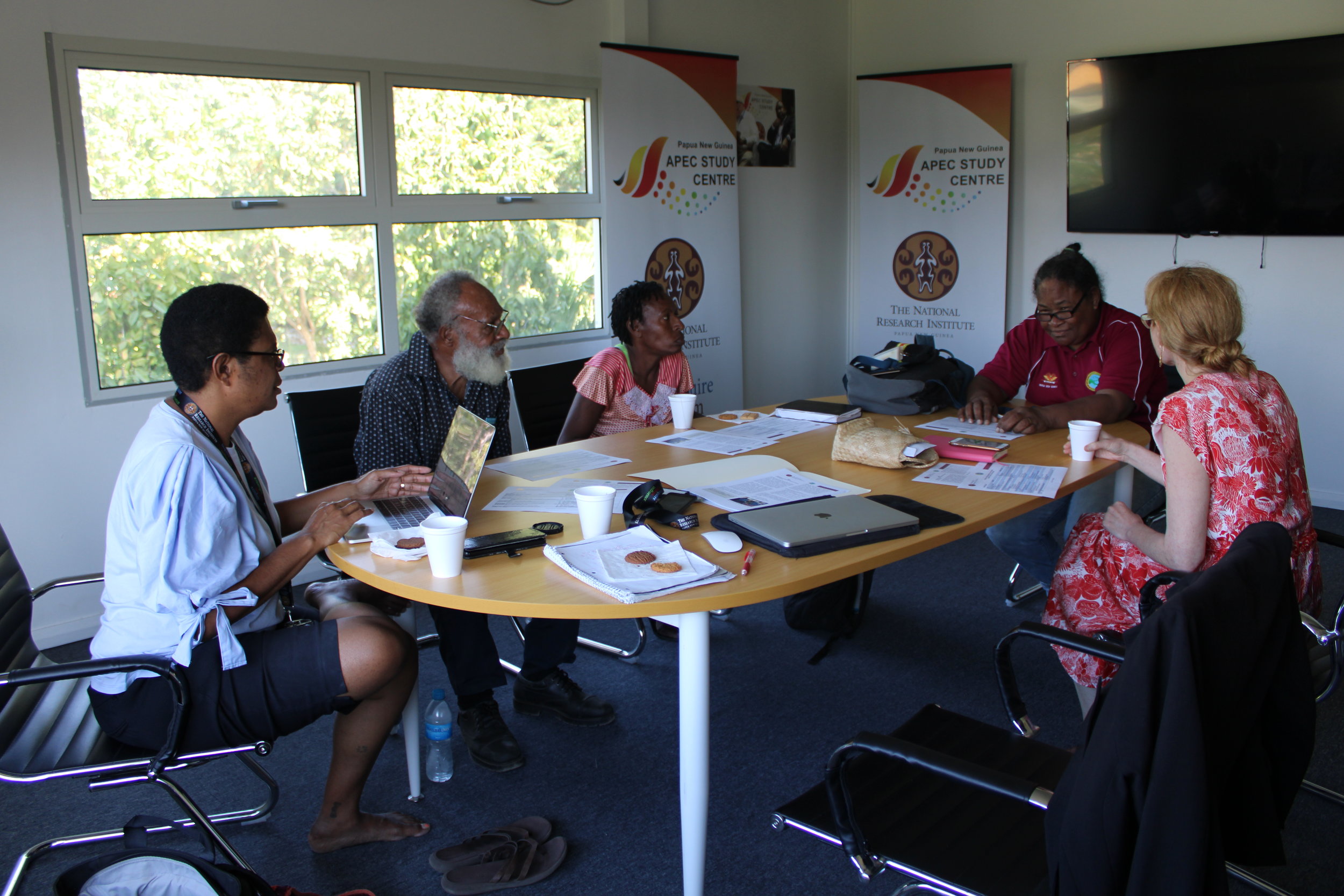


In recognition of Sexual Assault Awareness Month, CSSD working group Reframing Gendered Violence co-sponsors an interactive panel exploring lessons learned from the past 40 years in the field of sexual violence, examine the current landscape, and identify key strategies for the future.

CSSD working group Reframing Gendered Violence co-sponsors DOCUMENTARY STORYTELLING AND COLLABORATIVE PRACTICES: A conversation with photographers Nina Berman, An Autobiography of Miss Wish, and Susan Meiselas, A Room of Their Own.

The Reframing Gendered Violence project at CSSD presents a panel discussion with Fiona Hukula (PNG National Research Institute), Mary Fairio (PNG National Research Institute), and Melissa Demian (University of St. Andrews).
Publications

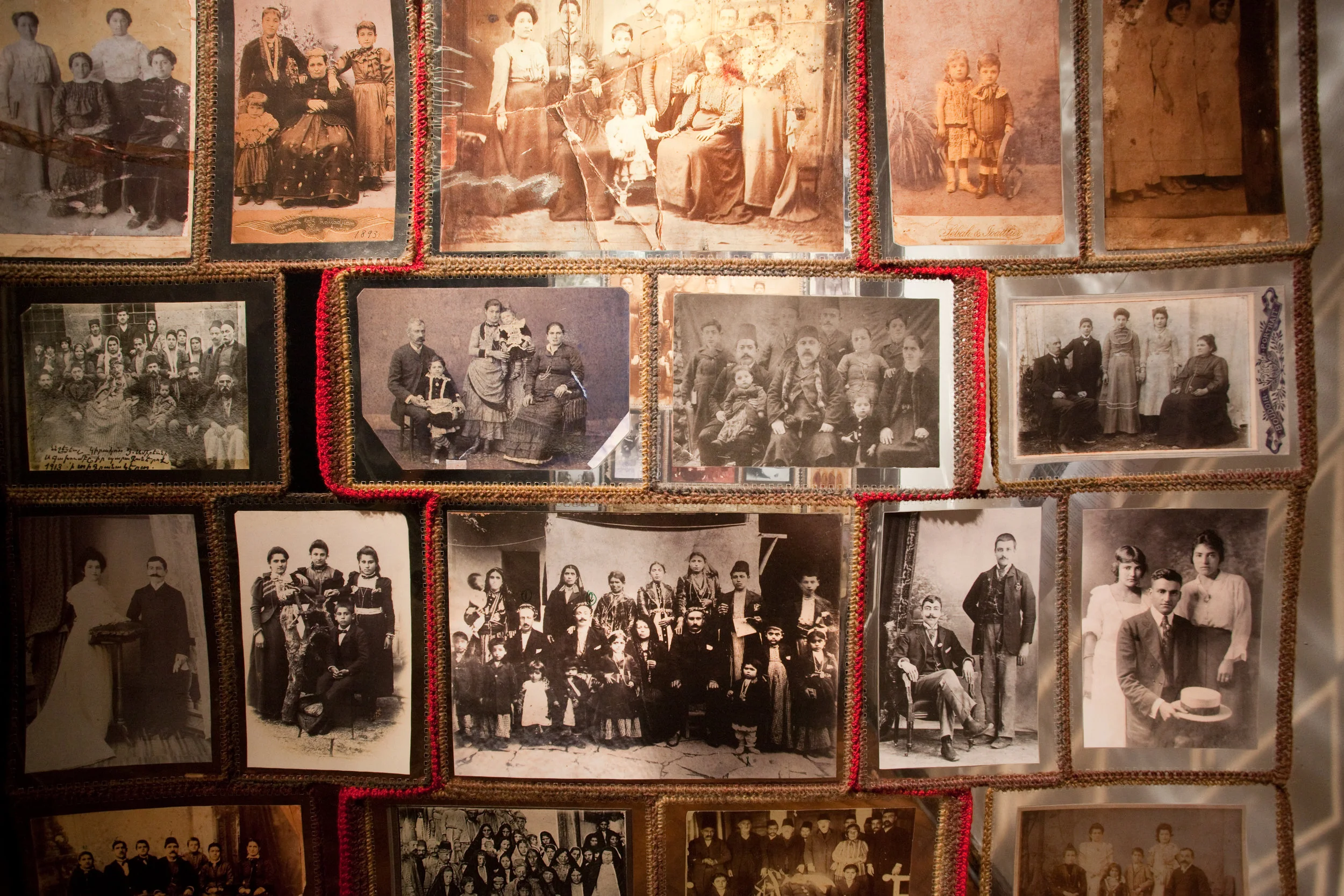
Women Mobilizing Memory
Women Mobilizing Memory (2013-20) explored the politics of memory in the aftermath of the atrocities of the twentieth and twenty-first centuries in comparative global perspective. The international working group analyzed the strategies by which women artists, scholars and activists have succeeded in mobilizing the memory of gender-based violence to promote redress, social justice, and a democratic future.
Women Mobilizing Memory, a transnational exploration of the intersection of feminism, history, and memory, shows how the recollection of violent histories can generate possibilities for progressive futures. Questioning the politics of memory-making in relation to experiences of vulnerability and violence, this wide-ranging collection asks: How can memories of violence and its afterlives be mobilized for change? What strategies can disrupt and counter public forgetting? What role do the arts play in addressing the erasure of past violence from current memory and in creating new visions for future generations?
Women Mobilizing Memory emerges from a multiyear feminist collaboration bringing together an interdisciplinary group of scholars, artists, and activists from Chile, Turkey, and the United States. The essays in this book assemble and discuss a deep archive of works that activate memory across a variety of protest cultures, ranging from seemingly minor acts of defiance to broader resistance movements. The memory practices it highlights constitute acts of repair that demand justice but do not aim at restitution. They invite the creation of alternative histories that can reconfigure painful pasts and presents. Giving voice to silenced memories and reclaiming collective memories that have been misrepresented in official narratives, Women Mobilizing Memory offers an alternative to more monumental commemorative practices. It models a new direction for memory studies and testifies to a continuing hope for an alternative future.
Women Mobilizing Memory Book Events

The Women Mobilizing Memory working group presents Reclaiming Collective Memories in Contemporary Turkey, a panel discussion and book presentation.

CSSD working group Women Mobilizing Memory will be celebrating the recent publication of their eponymous book Women Mobilizing Memory with a reception and brief presentations from some of the book’s contributors.

Editors
Ayşe Gül Altınay is professor of cultural anthropology and director of the Gender and Women’s Studies Center of Excellence at Sabancı University.
María José Contreras is a performance artist and associate professor at the Faculty of the Arts of the Universidad Católica de Chile.
Marianne Hirsch is professor of English, comparative literature, and gender studies at Columbia University.
Jean Howard is professor in the Department of English and Comparative Literature at Columbia University.
Banu Karaca is assistant professor of anthropology and a Mercator-IPC Fellow at the Istanbul Policy Center.
Alisa Solomon is professor at Columbia University’s Graduate School of Journalism, where she directs the MA Arts and Culture concentration.
Project Directors: Marianne Hirsch, Jean Howard, Diana Taylor
Bringing together artists, writers, theater practitioners, museologists, legal scholars, social activists, and scholars of memory and memorialization, “Women Mobilizing Memory” focused on the political stakes and consequences of witnessing and testimony as responses to socially imposed vulnerability and historical trauma. It probed how individual and collective testimony and performance can establish new forms of cultural memory and facilitate social repair. Using gender as an analytic lens, this project explicitly explored women's acts of witness and the gendered forms and consequences of political repression and persecution. It asked what strategies of memorialization and re-imagining are most effective in calling attention to past and present wrongs and in creating possibilities of redress.
The group studied literary texts, visual images, memorials, archives of oral history and performances in the broadest sense, including acts of protest and the work of activist groups.
Hosted by the Columbia Global Centers in Latin America: Santiago and Istanbul, Turkey, it brought together feminist artists, scholars and activists from Columbia and the New York area with colleagues from Chile and Turkey.
News
As scholars, artists and activists who are part of the transnational feminist Women Mobilizing Memory Collective sponsored by Columbia University’s Center for the Study of Social Difference, we have studied the memories of violent histories in the interests of promoting peace, social justice, and a democratic future across the globe.
Today, we call for an immediate and lasting ceasefire between Azerbaijan and Nagorno- Karabagh.
The former CSSD director and current CSSD Executive Committee member is honored for outstanding teaching by faculty.
Women Mobilizing Memory book editor, Ayşe Gül Altınay, penned the recent post Feminist Curious Steps Through History: Illumination in Dark Times for Social Difference Online.
Past Events
The Women Mobilizing Memory working group presents Reclaiming Collective Memories in Contemporary Turkey, a panel discussion and book presentation.
CSSD working group Women Mobilizing Memory will be celebrating the recent publication of their eponymous book Women Mobilizing Memory with a reception and brief presentations from some of the book’s contributors.
The pop-up exhibition “Arts of Intervention” brings together an international group of artists connected to the working group on “Women Mobilizing Memory” of Columbia University’s Center for the Study of Social Difference in the context of the Third Annual Memory Studies Association Conference in Madrid, June, 2019.
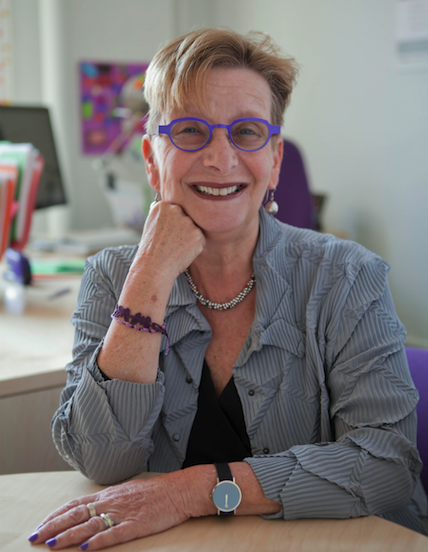
"Collaborative Archives: Connective Histories," part of the CSSD working group Women Mobilizing Memory's Collaboration and Co-Resistance project, runs at Neiman Gallery until September 18th, 2015.
The exhibition was curated by Katherine Cohn and Isin Onol and is the manifestation of multi-year collaboration of a transnational group of artists, scholars and activists from the U.S., Chile and Turkey who study the politics of memory from the unique perspective of gender and social difference.
The gallery is open Monday through Friday, 9 a.m. - 5 p.m. View the exhibit page here.
In the context of its fourth international working group meeting, Women Mobilizing Memory presents an art exhibition
"Women Mobilizing Memory," a three-year working group of Columbia’s Center for the Study of Social Difference, explores the politics of memory in the aftermath of the atrocities of the twentieth and twenty-first centuries in comparative global perspective with unique attention to the effects of social difference. Focusing on the shaping role of gender in the structures of political violence, the working group analyzes the strategies by which women artists, scholars and activists have succeeded in mobilizing the memory of gender-based violence to promote redress, social justice, and a democratic future. Looking at gendered memory politics in several sites around the world, the group has analyzed these in a broader connective context. From the fortieth anniversary of the Chilean coup, the 100th anniversary of the Armenian genocide, and cycles of violence against indigenous and minority peoples in Chile, Turkey and the United States, it has featured activist and future-oriented modes of representation and commemoration. At the same time, it probes the limits of comparative and connective approaches to memory politics. Based in the Humanities and the Arts, the group looks closely at the political efficacy of various media of memory, ranging from visual art, literature, journalism and performance to museums, memorials, and street actions. What role do these various media play in combatting the erasure of past violence from current memory and in creating new visions and new histories for future generations? The collaborations among the participants in the working group, their face-to-face as well as virtual meetings and their constructive conversations and disagreements, aim to create a space of solidarity and co-resistance that can lay the groundwork for a more hopeful future.
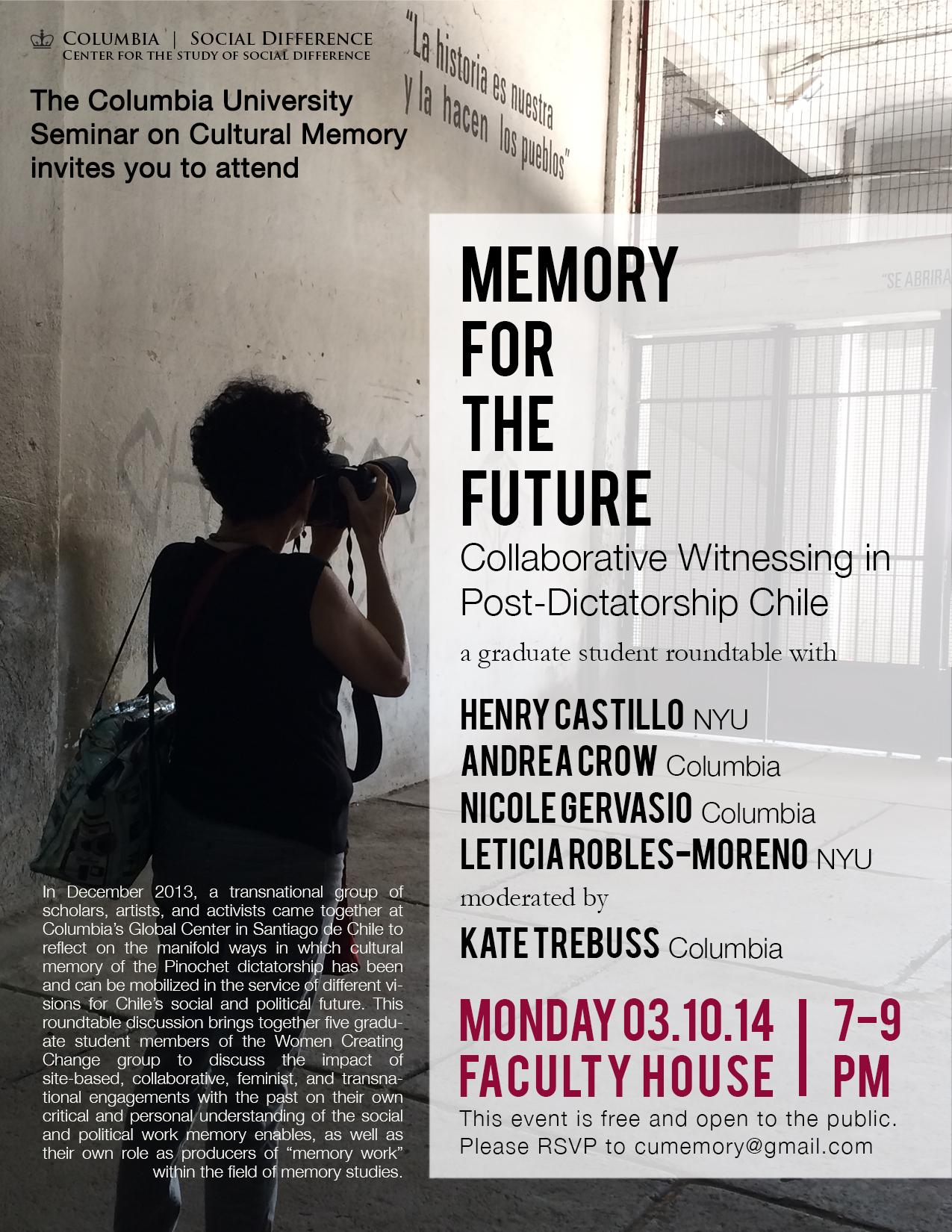
A graduate student roundtable discussion with Henry Castillo (NYU), Andrea Crow (Columbia), Nicole Gervasio (Columbia), and Leticia Robles (NYC) and moderated by Kate Trebuss (Columbia)
Publications
People

Doctoral Student, Cultural Studies, Sabanci University
Bürge Abiral is a PhD candidate in Anthropology at Johns Hopkins University. She received her BA from Williams College and her MA in Cultural Studies from Sabancı University, Turkey. Her research interests include human- environment relations, climate change, agriculture, political violence, and gender and sexuality. Her translation of Toward an Anthropology of Women (ed.

Fellow, Comparative Literature, Sabanci University
Hülya Adak is an Assistant Professor of Comparative Literature at Sabancı University. She has published essays on Ottoman-Turkish memoirs and biographies, national myths, gender and sexuality, and the Armenian deportations during World War I.
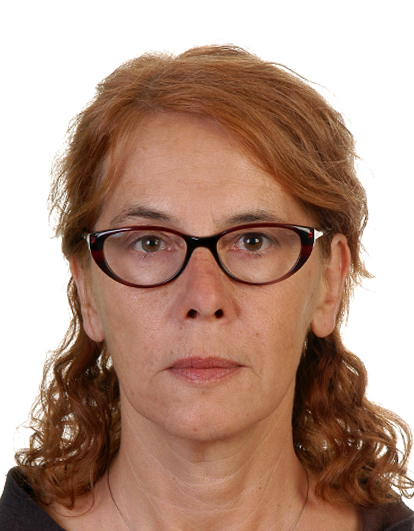
Fellow, Sociology, Boğaziçi University
Meltem Ahiska is Associate Professor in Sociology at Bogazici University, Istanbul. She has a PhD from the University of London.
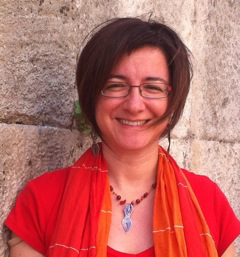
Fellow, Anthropology, Sabancı University
Ayşe Gül Altınay is the Director of SU Gender and Associate Professor of Anthropology teaching in the Gender Studies and Cultural Studies Programs at Sabancı University. Among the programs she coordinates at SU Gender are “Curious Steps: Gender and Memory Walks of Istanbul” and “Transformative Activism: Rethinking Gender and Politics.”
Fellow, Cultural Studies, Sabancı University
Dilara Çalışkan is currently working at Sabancı University’s Gender and Women’s Studies Forum. In 2014, she graduated from Sabancı University’s Cultural Studies Master Program with a thesis titled “Queer Mothers and Daughters: The Role of Queer Kinship in the Everyday Lives of Trans Sex Worker Women in Istanbul.” Since 2010, she has been involved with Istanbul’s LGBTI Solidarity Association, which particularly focuses on human rights violations based on sexual orientation and gender identity, opposes the criminalization of sex work, and supports its recognition as work.
Doctoral Student, Cultural Studies, New York University
Henry Castillo is a doctoral student in the Department of Performance Studies at New York University. He holds a B.A. in Applied Linguistics (Honors) from the University of California--Los Angeles and an M.A. in Performance Studies form New York University. His research interests include race and ethnicity; women, gender, and sexuality; memory and "Intangible Cultural Heritage" in the Americas; Blackness in Latin America; and Afro-Colombian "heritage" practices and performance.
PhD Student
Andrea Crow is a PhD student at Columbia in the department of English and Comparative literature. Her research focuses on seventeenth-century literature and food politics as well as on academic labor and the future of the university. Her work has been published in Early Modern Women and Shakespeare Quarterly, and she has been the recipient of a grant-in-aid from the Folger Shakespeare Library to pursue her research. Andrea received a B.A. in English with a minor in Latin from Gonzaga University and an M.A.
Fellow, Art Studies, Kulturakademie Tarabya
The artist is the granddaughter of Armenian immigrants to Argentina and was born in Buenos Aires in 1967. Since 1988 she has lived in Berlin. Her artistic work deals with issues related to the burden of national identity, memory, the role of minorities in the society and the potential of a space "in between". Her work uses a very heterogeneous language (installation, video, sound installation, rugs).

Fellow. Philosophy and Political Science, Boğaziçi University
Pınar Ensari did her undergraduate study at Boğaziçi University and graduated from departments of Philosophy and Political Science and International Relations (double major program) in 2010. She finished her graduate study in the Cultural Studies MA program at Sabancı University in 2012 with a thesis titled “At the Crossroads of Eduation and Politics: Kurdish Women Studens in İstanbul”. Currently, she is working as a teaching assistant at Sabancı University, while also pursuing my studies in research areas such as ethnicity, gender, urban studies and anthropology of youth.
Fellow, Género y Cultura, Universidad de Chile.
Professor Soledad Falabella Luco is the director of ESE:O, a non-profit organization which promotes performative writing projects, and the teaching and practice of writing to empower learning communities with effective skills for local and global participation in knowledge production and circulation. She teaches feminist critical theory, performance and poetry at the Magíster en Género y Cultura, Universidad de Chile.
Fellow, Political Science & International Relations, Boğaziçi University
Zeynep Gambetti is Associate Professor of political theory at Boğazici University. She obtained her Ph. D. at the University of Paris VII in 1999. Her work focuses on collective agency, ethics, and public space. She has carried out extensive research on the transformation of the conflict between the Turkish state and the Kurdish movement, with particular emphasis on space as a vector of relationality.

PhD Candidate, English and Comparative Literature, Columbia University
Nicole Gervasio is a Ph.D. candidate in the Department of English and Comparative Literature at Columbia University. Her dissertation is on the ethics of representing mass political violence in contemporary postcolonial literature. Her work focuses on intersections between queer, postcolonial, and feminist theory in relation to themes of survival, embodiment, and trauma in literatures of the Global South. She also has a B.A. in English and Growth & Structure of Cities from Bryn Mawr College and has been the recipient of Mellon Mays, Beinecke, and Javits Fellowships.
Fellow, Performance and Politics, New York University
Marcial Godoy-Anativia is a sociocultural anthropologist and the Associate Director of the Hemispheric Institute of Performance and Politics at New York University. He is co-editor, with Zeynep Gambetti, of Rhetorics of Insecurity: Belonging and Violence in the Neoliberal Era (NYU Press, forthcoming 2013). He is also Editor, with Jill Lane, of e-misférica, the Institute's trilingual online journal. From 2000-2007, he worked in the Program on Latin America and the Caribbean and the Program on International Collaboration at the Social Science Research Council.
Fellow, History and English, Universidad de Las Américas (UDLA)
Ximena Vanessa Goecke S. is a chilean-jewish historian and a teacher of History and English, candidate to the degree of Magister in Gender and Culture in the Faculty of Humanities at Universidad de Chile. She teaches some courses in the Faculty of Education at Universidad de las Américas (UDLA) and in the English as Foreign Language area at Universidad Católica.
She participates in the research nucleus in “Body and Emotion” of the Faculty of Social Sciences at Universidad de Chile, as a member of the research section in “Body, memory and violence”.
Fellow. Theater Scholar, Pontificia Universidad Católica de Chile
Milena Grass Kleiner, translator and theater scholar, is a professor at Pontificia Universidad Católica de Chile. She holds a master's degree in Latin American Studies from Universidad de Chile and a PhD in Literature from Pontificia Universidad Católica de Chile. She has published Spanish translations of English, American, and French plays, as well as books on Chilean history and theater studies. Her main fields of research have been theater and ritual, history, and memory in post-conflict contexts.
PhD Student, Germanic Languages, Columbia University
Alyssa Greene is a Ph.D. student in the Department of Germanic Languages and the Institute for Comparative Literature and Society at Columbia University. She studies twentieth-century German and Austrian literature, with a particular emphasis on the post-Second World War era. Her research interests include memory discourses in the postwar period; migration (especially in the German-Turkish context); feminist and postcolonial criticism; the figure of the child and depictions of childhood in Cold War and post-Cold War narratives of authoritarian states.
Fellow, Sociology, Middle East Technical University
Asena Günal is an expert on history, feminism and culture and the program coordinator of Depo, a culture and arts center in Tophane, Istanbul. Depo is a space for critical debate and cultural exchange in the city center of Istanbul and the first initiative in Turkey to focus on regional collaborations among Turkey and countries in the Caucasus, the Middle East and the Balkans
Günal obtained her undergraduate degree in International Relations and her M.A. in Sociology from the Middle East Technical University, and her PhD in the History of Modern Turkey program in the Atatürk Institute, Boğaziçi University. She previously worked as an editor in İletişim Publishing House between 1998 and 2005. She is editorial secretary of the journal Toplum ve Bilim.
Actress, Historian, Teacher, Postgraduate Student PhD in Latin American Studies, Universidad de Chile
Mariana Hausdorf Andrade holds a Licenciate in Acting, Pontificia Universidad Católica de Chile 2011; Licenciate in History, Pontificia Universidad Católica de Chile, 2012; and a qualification in secondary education teaching specializing in History, Pontificia Universidad Católica de Chile, 2012.
William Peterfield Trent Professor of English and Comparative Literature and Professor of Women's, Gender, and Sexuality Studies, Columbia University
Marianne Hirsch, former Director of Columbia University's Center for the study of Social Difference is a fellow of the American Academy of Arts and Sciences and a former President of the Modern Language Association of America. She was born in Romania, and educated at Brown University where she received her BA/MA and Ph.D. degrees. Hirsch’s work combines feminist theory with memory studies, particularly the transmission of memories of violence across generations.
Villard Professor of German and Comparative Literature, Columbia University
Andreas Huyssen served as founding director of the Center for Comparative Literature and Society (1998-2003) and chaired the Department of Germanic Languages from 1986-1992 and again from 2005-2008. His research and teaching focus on 18th-20th-century German literature and culture, international modernism, Frankfurt School critical theory, postmodernism, cultural memory of historical trauma in transnational contexts, and, most recently, urban culture and globalization. He is one of the founding editors of New German Critique (1974-).

Fellow, Theater Art, Escuela De Teatro de la Universidad de Chile
Nació en Santiago, en 1980. Actriz, dramaturga y directora, es egresada de la Escuela de Teatro de la Universidad de Chile. Se suman a estos, sus estudios de Puesta en Escena y Analisis de Texto cursados en el HB Studio en Nueva York, Estados Unidos. Como actriz ha participado en el elenco de Las Troyanas de Rodrigo Pérez, Fuera de foco, dirigida por Cristián Marambio, Esa, escrita por Alejandro Moreno y Ciudadanos dirigida por Alexis Moreno.

Fellow, Comparative Literature, Sabanci University
Sibel Irzık is currently teaching comparative literature in Sabancı University. She is the author of Deconstruction and the Politics of Criticism (Garland, 1990) and the co-editor of Relocating the Fault Lines: Turkey Beyond the East-West Divide (South Atlantic Quarterly, 2003). Among her other publications are “Istanbul: The Black Book,” in The Novel, ed. Franco Moretti, Princeton U. P., 2006; “Orhan Pamuk's Snow: Re-imagining the Boundaries between East and West, Art and Politics,” in Europe and Its Boundaries, eds.
Fellow, Theatre, Universidad Católica de Chile
María Jose Contreras Lorenzini is a Chilean performance artist and scholar. She holds a Ph.D from Università di Bologna and is Associate Professor at the Theater School at Universidad Católica de Chile. She is currently a Visiting Scholar at the Hemispheric Institute of Performance and Politics at New York University. Using a wide range of formats, from massive public interventions to intimate actions of resistance, Contreras creatively explores the relation between the body and memory.

Fellow, Anthropology, Sabanci University
Banu Karaca (Ph.D. Cultural Anthropology, Graduate Center-CUNY) is a Visiting Scholar at Sabanci University's Faculty of Arts and Sciences. She is currently completing a manuscript, which examines how divergent claims regarding the civic, political and economic impact of art are mediated in the art worlds of Berlin and Istanbul.

Fellow, English Literature, Barnard College
Nancy Kricorian is the author of the novels Zabelle, Dreams of Bread and Fire, and All The Light There Was, which is set in the Armenian community of Paris during World War II. She is a widely published poet and essayist, whose work has appeared in The Antioch Review, Parnassus, In These Times, The Minnesota Review, Women’s Studies Quarterly, and other journals.

Fellow, Modern Languages and Literatures, Loyola University Chicago
Bernardita Llanos M. is Professor of Spanish Language and Literature at Loyola University Chicago. She received her PhD in Hispanic and Luso-Brasilian Literatures and Linguistics from the University of Minnesota. In 1994 she published (Re)descubrimiento y (re)conquista de América en la ilustración española, which received a publication grant from the Program of Cultural Cooperation between Spain's Ministry of Culture and U.S. universities.
Fellow, Psychology, Academy of Christian Humanism University
María Eugenia Lorenzini nació en Talca. Sicóloga de profesión, desarrolló un importante trabajo como fotógrafa, formando parte de una generación que buscó retratar el rostro gris de Chile durante la dictadura militar. En esos años trabajó como reportera gráfica en el semanario Hoy y la revista Análisis, labor gracias a la cual reunió un importante archivo fotográfico que concentró en su libro Fragmento fotográfico, arte, narración y memoria. Chile 1980-1990.
Fellow, International Relations and Women and Gender Studies, University of California
Amanda Lotspike graduated Phi Beta Kappa at the University of California, Davis with a B.A. in International Relations and Women and Gender Studies. With support from the U.S. State Department’s Gilman International Scholarship and the UC Davis President’s Fellowship, she carried out ethnographic research in Santiago, Chile in 2011, working to understand how community health promoters in popular sectors of Santiago push the ontological notions of the body within a neoliberal political economy. She is currently working as a Project Collaborator and Researcher for ESE:O.
Fellow, Visual Education, Harvard University
Susan Meiselas received her B.A. from Sarah Lawrence College and her M.A. in visual education from Harvard University. She joined Magnum Photos in 1976. She is the author of three books: Carnival Strippers, Nicaragua, and Pandora's Box and editor of five collections: Learn to See, El Salvador: The Work of 30 Photographers, Chile from Within., Kurdistan: In the Shadow of History and Encounters with the Dani. She has co-directed two films: "Living at Risk" and "Pictures from a Revolution" with Richard P.
Artist & Professor of Photography & Imaging, NYU
Lorie Novak’s photographs, installations, and Internet projects explore issues of memory and transmission, the relationship between the intimate and the public, the shifting cultural meanings of photographs, and how we can use archives to reframe the past and suggest new narratives. Her work has been in numerous exhibitions both nationally and internationally.
Curator, Oral History and Art, Elgiz Museum of Contemporary Art Istanbul
Işın Önol is a curator and writer based in New York. She has been working as an independent curator (predominantly in the USA, Austria and Turkey) since 2009. Before that, she led the Elgiz Museum of Contemporary Art Istanbul as its director and curator. (2006-2009). Her curatorial research focuses on interconnecting archival information with oral histories to create platforms for collective memory through collaborative art practices

Doctoral Student, Performance Studies, New York University
Leticia Robles-Moreno is a PhD student at New York University’s Department of Performance Studies. She received her Bachelor’s degree in Humanities with emphasis in Linguistics and Literature from the Pontificia Universidad Católica del Perú. She also holds a Master’s degree in Latin American Literature from the University of Colorado at Boulder, and has taught Spanish, Latin American culture, and Writing classes in several college levels.

Doctoral Candidate, English and Comparative Literature, Columbia University
Carina del Valle Schorske is a poet, translator, and PhD candidate in Comparative Literature. She is broadly interested in the history of psychoanalysis and other forms of psychic inquiry among artists and intellectuals of color in the Americas (Harlem, Mexico City, the Caribbean). She is currently at work on a project about Pamela Colman Smith, a turn-of-the-century Jamaican folklorist and the illustrator of the world's most widely used tarot deck.

Psychologist, Gender and Culture Studies, Universidad de Chile
Iván Smirnow received his Bachelors of Science in Psychology at the Universidad Diego Portales, and is currently pursuing a Master’s degree in Personal Coaching and Leadership from the University of Barcelona. He plans to apply to the Masters Program in Gender and Culture Studies in Latin America, Department of Philosophy and Humanities a the Universidad de Chile with a proposed thesis: “Cuerpos-hechos-por/para-el-trabajo: cuerpo, memoria y trabajo precario.”
Associate Professor, Department of Journalism, Columbia Journalism School
Alisa Solomon directs the Arts & Culture concentration in the M.A. program at the Journalism School. She came to Columbia in 2005 after nearly 20 years as a professor of English/Journalism at Baruch College-CUNY and as a professor in the Ph.D. programs in Theater and in English at the CUNY Graduate Center. In addition to contributing occasionally to The Nation, The Forward, The New York Times, and other publications, she was on staff at The Village Voice for 21 years, where she was a regular theater critic and cultural and political reporter, winning awards for stories on reproductive rights, electoral politics, women's sports, and immigration policy. Solomon's book, Re-Dressing the Canon: Essays on Theater and Gender, won the George Jean Nathan Award for Dramatic Criticism.
Visiting Professor of Oral History, Columbia
Leo Spitzer is the Vernon Professor of History Emeritus at Dartmouth College.
Professor and Chair, Department of Media, Culture, and Communication and Co-Director of the Visual Culture Program, NYU
Marita Sturken is Professor in the Department of Media, Culture, and Communication at New York University, where she teaches courses in visual culture, cultural memory, and consumerism.

Fellow, Performance and Politics, New York University
Diana Taylor is University Professor and Professor of Performance Studies and Spanish at NYU. She is the author of Theatre of Crisis: Drama and Politics in Latin America (1991), which won the Best Book Award given by New England Council on Latin American Studies and Honorable Mention in the Joe E. Callaway Prize for the Best Book on Drama; of Disappearing Acts: Spectacles of Gender and Nationalism in Argentina’s ‘Dirty War’, Duke U.P., 1997; and The Archive and the Repertoire: Performing Cultural Memory in the Americas (Duke U.P., 2003), which won the ATHE Research Award in Theatre Practice and Pedagogy and the Modern Language Association Katherine Singer Kovacs Prize for the best book in Latin American and Spanish Literatures and Culture (2004).
Fellow, Sculpture Studies, Hacettepe University Fine Arts
Aylin Tekiner (b. 1978, Nevsehir, Turkey) is a New York/Istanbul based artist and activist. She undertook her B.A. and M.A. at Hacettepe University Fine Arts, Sculpture Department in Ankara, Turkey. In 2008 she received her PhD at Ankara University, Institute of Educational Sciences, Cultural Fundamentals of Education Department. Her book "Ataturk Statues: Cult, Esthetics, and Politics" evolved from her PhD thesis and was published by Iletisim Yayinlari (Turkey) in 2010. Aylin has had solo shows and participated in the group exhibitions in Turkey and New York.

Doctoral Student, English and Comparative Literature, Columbia University
Kate Trebuss is a fourth-year doctoral student in the Department of English and Comparative Literature at Columbia University. Her dissertation, entitled "Critical Care: Medical Life Writing, Memory, and the Politics of Health," investigates how contemporary autobiographical stoies of illness and medical care facilitate the remembering and forgetting of certain histories and current conditions of violence, oppression, invisibility and inequality, as well as the connections between them.
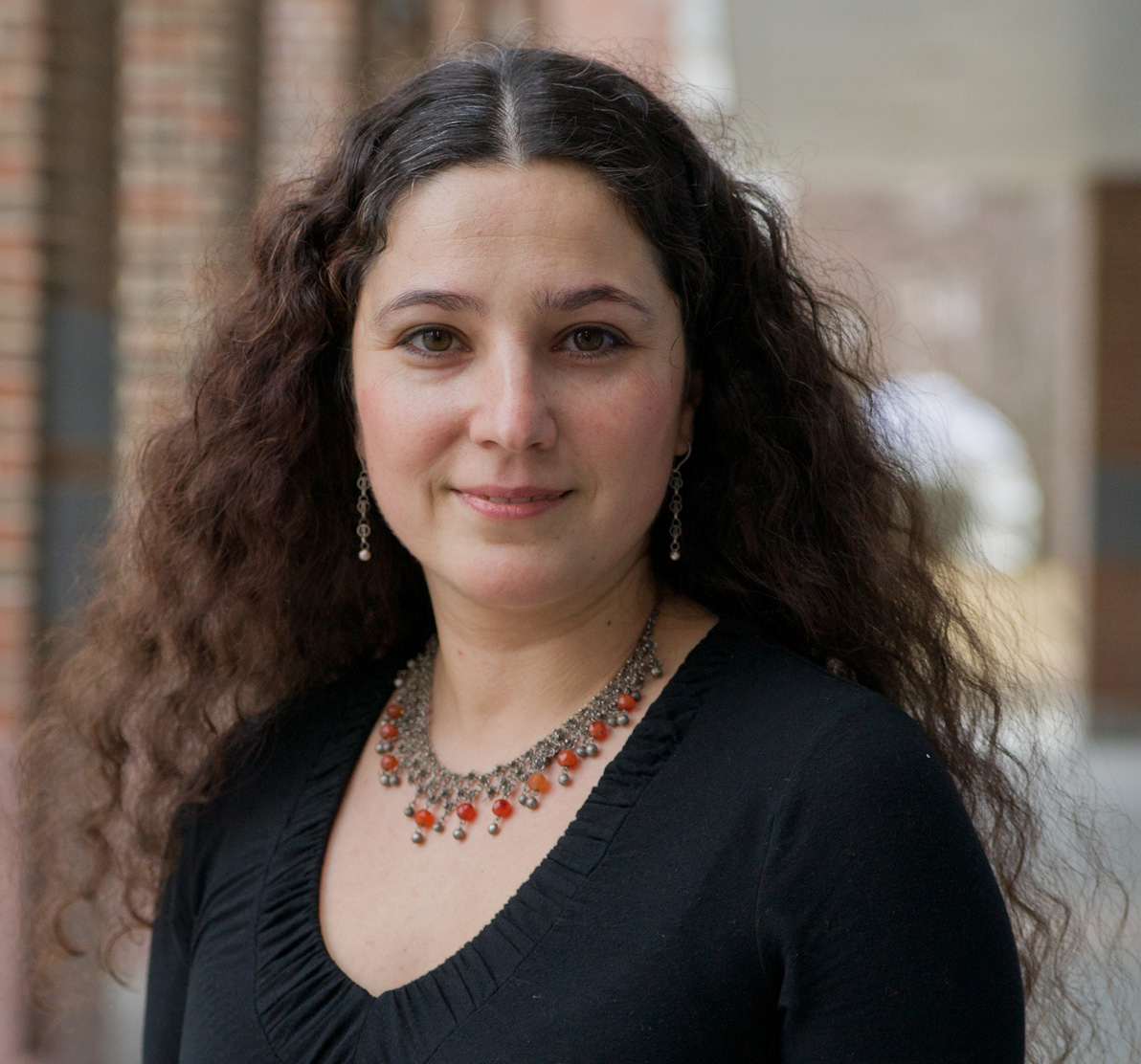
Fellow, History, Dartmouth College
Zeynep Türkyılmaz received her Ph.D. from the Department of History at the University of California at Los Angeles (UCLA) in 2009. Her dissertation, "Anxieties of Conversion: Missionaries, State and Heterodox Communities in the Late Ottoman Empire," is based on intensive research conducted in Ottoman, British, and several American missionary archives. She was an Andrew W. Mellon Foundation Sawyer Seminar Postdoctoral at UNC-Chapel Hill between 2009-2010 and Europe in the Middle East/ The Middle East in Europe Seminar Postdoctoral Fellow at Wissenschaftskolleg zu Berlin between 2010-2011.

PhD Student, Anthropology, Harvard University
Armanc Yildiz is a PhD student in the Department of Anthropology at Harvard University. His current research interests are sexuality, race, labor, political economy, colonialism, migration, Germany, and the anthropology of Europe. He received his master’s degree (with Distinction) in International Performance Research at the University of Warwick. He has a bachelor’s degree (with Honors) in Cultural Studies with a minor on Art Theory and Criticism at Sabanci University.
Gender, Religion, and Law in Muslim Societies
Gender, Religion and Law in Muslim Societies studied the unique forms of women’s activism across the Muslim world, looking at how efforts by women to work within an explicitly religious framework in order to transform society and participate more fully in public debates have influenced state. The group explored the divergences and points of contact between the flourishing work of those termed “Islamic feminists” and those who might best be called “Islamist women,” and evaluated the academic research used to promote the social inclusion and wider political transformation of women in the Islamic world.
Project Directors: Lila Abu-Lughod, Katherine Ewing
Gender, Religion and Law in Muslim Societies was a project that studied the unique forms of women’s activism across the Muslim world, looking at how efforts by women to work within an explicitly religious framework in order to transform society and participate more fully in public debates have influenced state. The group explored the divergences and points of contact between the flourishing work of those termed “Islamic feminists” and those who might best be called “Islamist women,” and evaluated the academic research used to promote the social inclusion and wider political transformation of women in the Islamic world.
In addition to the Center for the Study of Social Difference, this project received support from the Luce Foundation through the Center for the Study of Democracy, Toleration and Religion’s project “Who’s Afraid of Sharia?”
The project presented three workshops:
Workshop I: Islamic Feminists, Islamist Women, and the Women Between
Organized by Lila Abu-Lughod, Katherine Ewing, and Anupama Rao
Over the past two decades, women’s activism has taken creative new forms across the Muslim world. Working within the frame of Islamic piety and engaging fully with the Muslim tradition, many women have been distancing themselves from the largely secular feminist projects of social reform, legal rights, or empowerment-through-development that had dominated the social field of women’s activism in most post-independence nations across the Muslim world.
Yet these efforts by women to work within an explicitly religious framework in order to transform society, refashion their roles as women, redefine their authority, and participate more fully in public debates and political fields have taken radically different paths, and influenced state policy in a number of ways. The first workshop brought together experts on gender, Islam, and various Muslim communities to explore the divergences and points of contact between the flourishing work of those who could be termed “Islamic feminists” and the locally but widely appealing work of those who might best be called “Islamist women.”
Islamic feminists are cosmopolitan educated women, often based in the West, who seek to enhance women’s rights and promote gender egalitarianism through reforms of Islamic family law and through re-interpretations of the key religious texts. They are concerned to counter “conservative” ideologies. This distinguishes them from “Islamist women,” among whom would be counted the significant numbers of women affiliated with the range of Islamist political parties operating in various countries, whether oppositional or government-affiliated.
Bringing together international scholars who work on different regions--from Europe, the Middle East, South Asia, Southeast Asia and Africa--this project examined these activist projects in light of the everyday lives of the women in between to whom they seek to appeal, paying close attention to diverse political and social contexts.
Workshop II: The Power of Women’s Islamic Education
November 8-9, 2013
Columbia University
Across the Muslim world, women are attending not just mosque study groups but new institutes for Islamic studies, Islamic universities, and seminaries. In the Western media “madrasas” are presented as incubators for fundamentalism. Islamic education is associated more with indoctrination and conservatism than enlightenment. As part of poverty alleviation and the empowerment of girls and women, the UN’s Global Education First Initiative seeks to “spur a global movement to put quality, relevant and transformative education right at the heart of the social, political and development agendas.” While this initiative recognizes “a broad spectrum of actors,” does Islamic schooling fit?
This workshop brought together scholars who have done ethnographic and historical research on women’s Islamic education in various countries to think more seriously about the types and content of these forms of schooling, the reasons why women are pursuing religious education when (secular) state education is widely available alongside it, and the social and personal impacts of these forms of education. From daily life to social relations and hierarchies; from forms of authority to the paths opened up; from intellectual skills to social capital: careful assessment is needed to appreciate the popularity of Islamic education, its political and social uses, and the ways it both empowers and limits women.
Workshop III: Debating the “Woman Question” in the New Middle East Women’s Rights, Citizenship, and Social Justice
May 3-4, 2014
Columbia Global Center \ Middle East
Organizing Committee: Lila Abu-Lughod, Hoda El Sadda, Amal Ghandour, and Safwan Masri
In light of the recent events across the Arab region, the time is opportune for a careful examination of the new opportunities and challenges facing Arab women. The Arab uprisings sought to challenge the status quo, demanding significant political and social transformation. Many women in the region hope that the “Arab Spring” will also mark a new dawn for women’s rights as well. Yet despite socio-political gains to be made by citizens in the Middle East and North Africa (MENA), women’s full citizenship rights and privileges may still fall short. Debates about women’s rights and the place of women’s rights in political and economic struggles have become contentious.
What is distinctive about all these debates about women in the Arab world, as well as women’s activism on the ground in various countries in the region, is that they have occurred from the start in a context in which the international community have insistently made women’s citizenship and rights a key symbol of the success or failure of the revolutions and the value of new political orders. How does this international interest, which itself is linked to longstanding political and economic interests in the region (including alliances with the old regimes), affect the work of Arab women activists, the political projects they seek to undertake, and even the definitions of social justice with which they can work?
This workshop brought together scholars, academics, and practitioners for a collective critical evaluation of the situation, to consider how academic research on gender and rights relates to the work of practitioners in women’s organizations, and to assess conventional arguments about what is impeding women from full entitlements of citizenship. The goal was to develop the knowledge necessary for creative and effective strategies for promoting social inclusion and wider political transformation.
The workshop was organized around three broad themes:
Bread and Dignity: Political Economies and Women’s Lives
What’s in a Constitution? Political and Legal Strategies for Citizenship and Social Justice
Who’s Afraid of Shari’a? Islamic Feminism and Islamist Governance
Past Events
This exploratory workshop, preparatory for an international conference in 2011, will examine the relationship between Islamic law and gender violence in the Muslim world from two perspectives.
A discussion amongProfessors Saba Mahmood (Anthropology, University of California at Berkeley), Lila Abu-Lughod (Anthropology and IRWAG,
Columbia) and Wael Hallaq (MEALAC Columbia) based on two precirculated papers: Mahmood's "'Secularism, Hermeneutics, and Empire" and
Abu-Lughod's "Anthropology in the Territory of Rights--Human, Islamic, and Women's."

"Gender, Rights, and the Practices of Law," Friday, October 3rd, 9:30am-3pm. Workshop (by invitation only) organized by Lila Abu-Lughod and co-sponsored by IRCPL (Institute for Religion, Culture, and Public Life) and CSSD (Center for the Study of Social Difference) to launch the CSSD working group on "Liberalism's Others."

Who's Afraid of Shari'a?: A Conversation about “War, Law and Humanitarian Intervention"October 2, 2008
Who's Afraid of Shari'a?: A Conversation about "War, Law and Humanitarian Intervention" with Naz Modirzadeh (Program on Humanitarian Policy and Conflict Research, Harvard School of Public Health) and Mahmood Mamdani (Columbia University). Moderated by Katherine Franke (Columbia Law School). Thursday, October 2nd, 4:10-6pm, 754 Schermerhorn Extension. Reception to follow.
Image: Humanitarian intervention in Afghanistan as spectacle. Carnivale in Rio de Janeiros, BBC News in Pictures 2007.
Publications
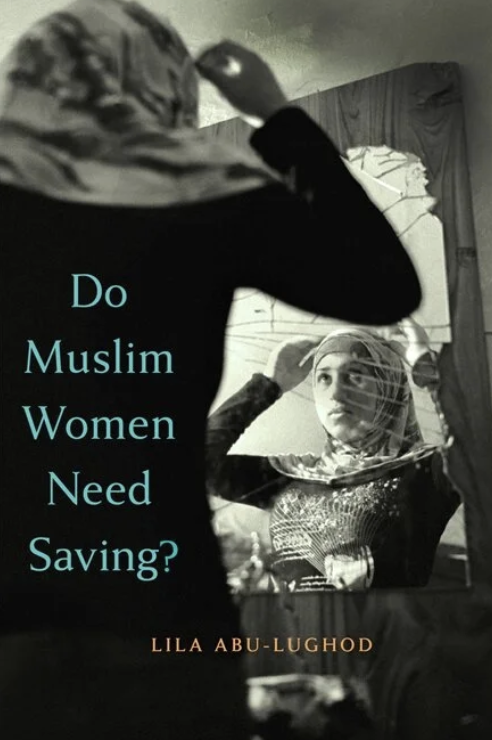
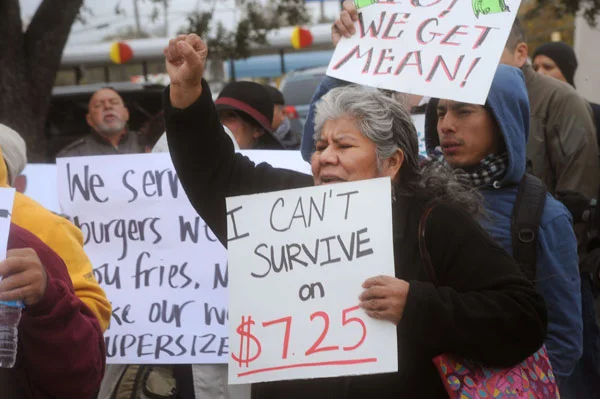
Social Justice After the Welfare State
Social Justice After the Welfare State (2013-16) explored the implications of the declining welfare state for global politics, gender and race relations, and the future of democracy, imagining alternative models of life and new ways of thinking about the politics of the present.
Project Directors: Alice Kessler-Harris, Premilla Nadasen
Social Justice After the Welfare State explored the implications of the rise of neoliberalism and declining welfare state in the US and elsewhere for American politics, gender and race relations. Some of the questions the working group set out to explore included: Is the idea of government social responsibility at a dead end? How has the role of the state shifted between the New Deal and the current era of neoliberalism? Are democratic values threatened by limits on social rights? Will we see increased emphasis on marriage, family, and individual responsibility as the source of economic support? These initial questions broke down into a variety of disturbing issues that the working group also grappled with: How have the struggles for women’s equality and racial diversity contributed to progressive social change but also masked other forms of inequality? How do we think about citizenship and rights in relation to labor migration, incarceration, education, and new reproductive technologies such as surrogacy? Will expanded benefits such as “family-friendly” policies exacerbate divisions among workers and simply create a larger pool of poorly paid labor? Or will such strategies contribute to a rethinking of the meaning of workplace justice? What about labor unions? What alternative labor organizing strategies have enhanced the political power of workers? What is the current state of social protest? Are Americans turning inward and finding individual coping mechanisms? Or are incipient movements a sign of emerging collective organization? Approaching its topic from a range of angles, the workshop cast its exploratory net on the impact of inequality on the future of American democracy.
Workshop: Shifting Notions of Social Citizenship: The “Two Wests”
June 11-13, 2014
Columbia Global Center | Paris
The workshop examined the impact of the widespread decline of the welfare state on long-standing claims to social citizenship, and consider consequences for democratic participation in Europe, and in the United States. Over the course of the twentieth century, expanding welfare states, most effectively (though differently) modeled in Western Europe, helped to guarantee economic security. In the quest for a more inclusive social citizenship, nation-states variously subsidized education, housing and family maintenance, as well as unemployment insurance, old age pensions, minimum wages, labor standards, the dole, and health care. These benefits or rights, helped to empower working people to participate in democratic governance. But the “welfare state” is now at risk, under the onslaught of a persuasive 'free market' ideology and the spread of global economies that reduce the regulatory capacities of nation-states. And so the question: Can we imagine the perpetuation of democracy in the face of a transformed welfare state? Social scientists and historians from the United States and different European countries met to explore how the decline of the welfare state will affect present and future conceptions of citizenship and political participation.
With the support of:
Interuniversity Center for European-American History and Politics (CISPEA); Department of Human Studies, University of Eastern Piedmont; Department of History, Columbia University; and the Alliance Program, Columbia University
Beyond Neoliberalism: Social Justice After the Welfare State
Saturday, April 2, 2016
Columbia University
Social Justice After the Welfare State, a workshop led by Alice Kessler-Harris and Premilla Nadasen in the Center for the Study of Social Difference (CSSD) at Columbia, hosted a daylong symposium to explore the transformation of the welfare state and social movements in the face of neoliberal challenges. The group gathered considered the implications of this transformation for the political economy of class, gender, racism, and migration. Putting scholars in conversation with activists who address the fallout of neoliberalism on the ground, the symposium assessed the past, present, and future of government social responsibility and pays special attention to social rights and social justice.
With the support of:
Women Creating Change (Center for the Study of Social Difference); Heyman Center for the Humanities, Columbia University; Department of History, Columbia University
News
CSSD co-director of Social Justice After the Welfare State and Faculty Fellow of Geographies of Injustice, Premilla Nadasen, was elected next President of the National Women's Studies Association (NWSA).
Ph.D. students from several CSSD working groups have completed their programs this year.
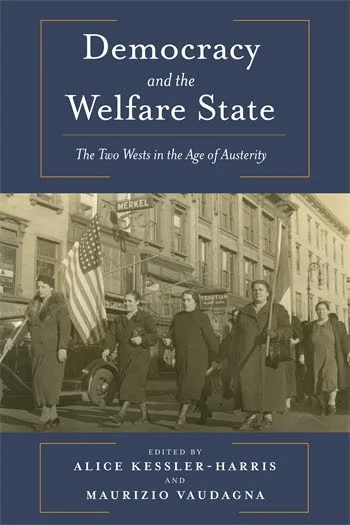
Columbia Global Centers - Paris, in partnership with Columbia University Press and Centre d'histoire de Sciences Po will host a book presentation for Democracy and the Welfare State: The Two Wests in the Age of Austerity, edited by CSSD project director Alice Kessler-Harris and Maurizio Vaudagna.
Alice Kessler-Harris is featured in a NYTimes article on workplace power dynamics and the slow progress for women in traditionally 'masculine' fields. CSSD will host a book event with Kessler-Harris on April 4, 2018.
CSSD Project Co-Director Alice Kessler-Harris has been named to the Board of Governors of the Edward M. Kennedy Prize for Drama Inspired by American History.

Past Events

Columbia University Press in partnership with the Centre d'histoire de Sciences Po presents:
“Democracy and the Welfare State: The Two Wests in the Age of Austerity,” a book presentation at the Columbia Global Centers-Paris.

The CSSD working group Social Justice After the Welfare State presents:
"Democracy after the Welfare State: a Conversation," a book launch event for Democracy and the Welfare State: The Two Wests in the Age of Austerity, edited by Alice Kessler-Harris and Maurizio Vaudagna.
REGISTRATION REQUIRED; BY INVITATION ONLY
Social Justice after the Welfare State, a workshop led by Alice Kessler-Harris and Premilla Nadasen in the Center for the Study of Social Difference (CSSD) at Columbia, hosts a daylong symposium to explore the transformation of the welfare state and social movements in the face of neoliberal challenges. We consider the implications of this transformation for the political economy of class, gender, racism, and migration.
Over the course of the twentieth century in the United States and Europe, the social bargaining process we call welfare integrated capital and labor in ways that had a profound impact on political participation and legitimacy. Examining social policy and citizenship in a comparative framework, Christian Lammert, professor for North American Politics at the John F. Kennedy Institute of the Free University of Berlin, will speak to the relationship between welfare and democracy—a question central to contemporary transatlantic debates surrounding capitalism, austerity, and inequality.
Publications
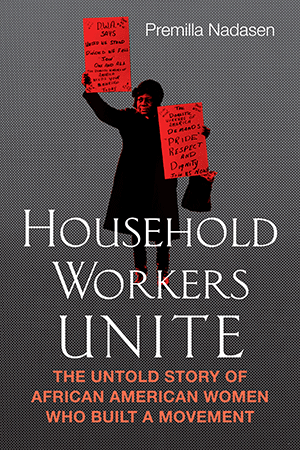


Engendering the Archive
Power determines what is conserved and what is lost, which stories have been committed to collective memory and which ones have been erased. Engendering the Archive (2008-15) brought this fundamental feminist insight to bear on the examination of archival practices in the arts, literature, history, social science and everyday life.
Project Directors: Tina Campt, Saidiya Hartman, Marianne Hirsch, Jean Howard, Laura Wexler
Power determines what is conserved and what is lost, which stories have been committed to collective memory and which ones have been erased. Engendering the Archive brought this fundamental feminist insight to bear on the examination of archival practices in the arts, literature, history, social science and in the practice of everyday life. An interdisciplinary research project that consisted of working artists, documentarians, archivists, scholars, social analysts, and museum curators, Engendering the Archive explored the making of archives, specifically, the knowledge they afford and the question of what exceeds their grasp. This project stood out from other work on the archive because of its rigorous focus on the role of power in producing the archive and in positioning social groups unevenly in relation to the production of knowledge and the authority to speak.
Engendering the Archive was an interdisciplinary research project focusing on gender, sexuality, race, and archival practices. The working group looked at categories of social difference as inescapable aspects of differential power relations that determine what societies remember and what they forget. Focusing on key questions such as--What is an archive? Who or what authorizes its construction? How do archives contribute to the production of social and cultural difference? How does the development of new media radically change the way knowledge is classified, stored, and retrieved?—the project sought answers by taking advantage of theories and methods developed by contemporary artists, activists, and scholars of race, gender, and sexuality.
Engendering the Archive investigated some of these fundamental questions from a global perspective, taking into account of the role of racism and colonialism in the production of archives and of categories that make legible or erase particular events and experiences. Gender, along with race, sexuality, and class, are inescapable aspects of differential power relations that determine what societies remember and what they forget.
Participants included approximately 30 scholars, activists and cultural practitioners drawn from Columbia, from other colleges and universities in the greater New York area, and from abroad, as well as several Columbia graduate students.
News
Congratulations to Professors Gayatri Chakravorty Spivak and Mabel O. Wilson on joining the Academy.
Professor Hartman was announced as one of the 2021 Award Winners for her recent book, Wayward Lives, Beautiful Experiments: Intimate Histories of Riotous Black Girls, Troublesome Women, and Queer Radicals.
Engendering the Archive Working Group Fellow spoke to the Post about the Capitol riots and racial injustice in the police responses to protesting.
The former CSSD director and current CSSD Executive Committee member is honored for outstanding teaching by faculty.
Jack Halberstam and Saidiya Hartman have contributed essays to the Feminist Art Coalition project.

Past Events
What are the effects of catastrophe on cities, their inhabitants, and the larger world? How can we address the politics of terror with which states react to their vulnerability? In a series of presentations and conversations, an international group of artists, writers, activists and individuals directly affected by urban inquiry will imagine creative modes of reinvention in response to urban disasters.
Clive van den Berg has designed and curated many of South Africa's most significant heritage installations: the Women's Gaol & Prison #4 at Constitution Hill, the Worker's Museum, the Kimberley Legislature, and Freedom Park. His studio art practice has similarly explored issues of memory and memorialization in the face of silence and forgetfulness. In this lecture, he presents his own work, and meditates on the possibility of giving form to what escapes the order and the authority of the page in a nation whose diverse histories have rarely been given voice.
This paper examines the affective circuits that animate images of disturbing events, looking in particular at the politics of pity and compassion. Focussing mainly on an image of famine in the Sudan, incorporated into a video installation by Alfredo Jaar, it analyses the complex of positive and negative affects aroused by the documentary image, and the way in which these are exposed and
From Gogol's short story of a body divided against itself, and the archive of Stalin's purges, comes William Kentridge's magical restaging of Shostakovich's opera, 'The Nose.' Kentridge, one of the world's foremost artists, is joined by opera scholar and dramaturgue David Levin to discuss his visual investigation of anarchism and anomie, power and its excesses.
Tina Campt
CCASD Visiting Fellow and Associate Professor of History and Women's Studies (Duke)
on
"Family Touches: Black Germans and the Sight and Sense of Race"
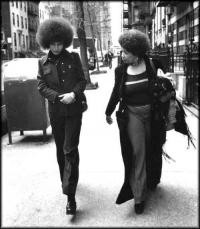
A one-day conference that brought together scholars, artists and cultural institutions to explore the practical and conceptual challenges posed by 'live' practices and embodied repertoires to conventional understandings of the archive and archival practice. Invited participants included George Lewis, Tavia Nyong’o, Jean Howard, Elin Diamond, Diamela Eltit, Anna Deveare Smith, Lois Weaver (Split Britches), Reverend Billy, Ozzie Rodriguez (La MaMa E.T.C.), Mary Marshall Clark, Marvin Taylor
Publications

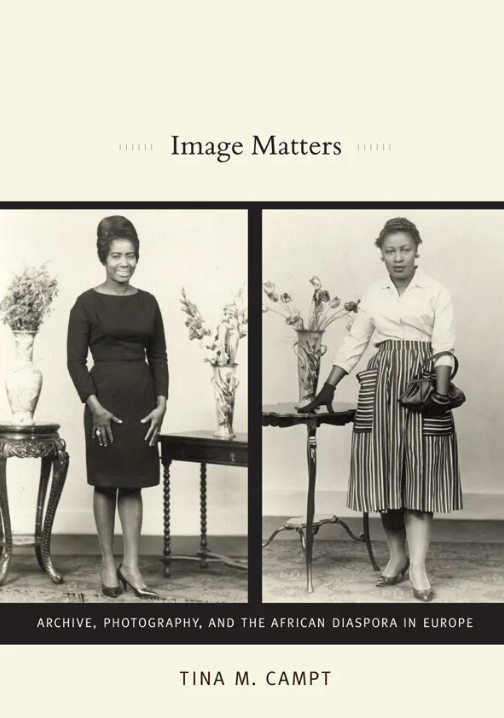
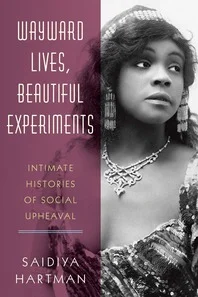



Toward an Intellectual History of Black Women
This research project was dedicated to recovering the history of black women as active intellectual subjects and to moving the study of black thought, culture, and leadership beyond the "Great Men" paradigm that characterizes most accounts of black intellectual activity, thus challenging the traditionally male dominated accounts of intellectual work.
Project Directors: Mia Bay, Farah J. Griffin, Martha S. Jones, Barbara D. Savage
Toward an Intellectual History of Black Women was a research project dedicated to recovering the history of black women as active intellectual subjects and to moving the study of black thought, culture, and leadership beyond the "Great Men" paradigm that characterizes most accounts of black intellectual activity. This project sought to define and promote black women's intellectual history as a legitimate field of academic inquiry, and in so doing to generate compelling scholarship that challenges the traditionally male dominated accounts of intellectual work. A collaborative effort designed to support the development of the next generation of scholars in this field, Toward an Intellectual History of Black Women examined the perception and construction of black intellectual leadership as male and African-American women's contributions to black thought, political mobilization, creative work and gender theory. This project also sought to create and sustain a community of scholars, nurture and mentor junior professors and graduate students, and help develop the leadership skills of young women.
In an effort to move the study of black thought, culture, and leadership beyond the “Great Men” paradigm that characterizes most accounts of black intellectual activity, we have initiated this three year research project. The goal of this project is to address the lack of attention given to the work of black women intellectuals historically and in the contemporary moment. In doing so we hope to challenge the perception and construction of black intellectual leadership as male and to explore African-American women’s contributions to black thought, political mobilization, creative work, gender theory and identity politics. In the course of the three-year project, we aim to generate a body of innovative scholarship on black women intellectuals that maps the distinctive ways in which black women have engaged and challenged the ideas of both white American intellectual traditions and the racial and political ideas of black male thinkers. Designed to support the development of the next generation of scholars in this field, our project brings together scholars at different stages in their careers. With this end in mind, we hosted a preliminary brainstorming meeting in the spring of 2006. Twenty-two scholars attended this first meeting. Participants assessed the state of the field today, shared descriptions of their individual research projects and set goals for the outcome of the project. We plan to convene more times over a period of three years to address this tremendous void in the field of African American Studies, African Diaspora Studies, African Studies, American Studies and American History. In the first year of the project we will hold a day long symposium for participants of the April meeting to share their works in progress. The following summer we plan to host a week long workshop that will focus on finalizing drafts for a volume on Black Women’s Intellectual History. In the third year of the project we plan to host an international public conference. Participants, members of the working group as well as those who have responded to a call for papers, will present their work to the larger public. Following the conference we plan to gather some of the essays for publication. We will also include sample syllabi and reading lists in the appendices. During the course of this working group we hope to encourage and generate scholarship on black women as intellectuals. Working as a collective, we hope to piece together a history of black women’s thought and culture, that examines the distinctive concerns and historical forces that have shaped black women’s ideas and intellectual activities. To this end, we are interested in subjects such as the genealogy of black feminism, the patterns of women’s leadership and theological commitments in the black church, the politics of black women’s literature, and the history of black women’s racial thought. In addition to assembling the collection of essays that will appear in our volume, we want to provide intellectual support for individual projects, to help the development and creation of courses and syllabi and most importantly, encourage the work of younger scholars in this area. Our project aims to define and promote black women’s intellectual history as a field, and in so doing to generate compelling scholarship that challenges the traditionally male dominated accounts of intellectual work. We also believe that in taking on this important and much neglected subject we will help to create and sustain a community of scholars, nurture and mentor junior professors and graduate students and help to develop the leadership skills of young women.
Past Events
This conference features emerging work on black women's contributions to black thought, political mobilization, creative work and gender theory. Scholarly Panels, Roundtables, and Keynotes delivered by Professors Evelyn Brooks Higginbotham and Elizabeth Alexander will focus on black women as intellectuals across a broad geography including Africa, the Caribbean, North and South America, and Europe. Over a period of three days we aim to piece together a history of black women's thought and culture that maps the distinctive concerns and historical
News
Farah Jasmine Griffin spoke about the meaning of Black History Month in our current moment
The co-director of the Toward an Intellectual History of Black Women working group will discuss the singer and activist Billie Holiday
Professor Griffin’s forum response is titled “Teaching African American Literature During Covid-19.”
The Department of African American and African Diaspora Studies chair discusses the new department and Black feminism in the article.
Co-director of CSSD working group Toward an Intellectual History of Black Women takes the stage at the “Two Wings: The Music of Black America in Migration” concert at the Kennedy Center
Professor Farrah Jasmine Griffin chats with Fredrick Harris, Dean of Social Sciences at Columbia University, on his podcast.
Co-director of CSSD working group Toward an Intellectual History of Black Women is one of four Columbia faculty credited for the creation Columbia’s first African American and African Diaspora Studies department.
Co-director of CSSD working group Toward an Intellectual History of Black Women chairs Columbia’s newly created department.
Farah Jasmine Griffin, co-director of the working group Toward an Intellectual History of Black Women, spoke with DemocracyNow! and The Nation about Aretha Franklin’s legacy.

CSSD project director Farah Griffin was interviewed for NPR's The Record about Kendrick Lamar's unprecedented Pulitzer Prize win for "DAMN." and her experience on the judging committee.
Rethinking Vulnerability and Resistance: Feminism and Social Change
This project brought together a wide range of feminist scholars who work on the problem of women, vulnerability, and social change with an eye to understanding both the risks of establishing women as a vulnerable population, the tactical deployment of the status of vulnerability, and the promise of developing new modes of collective agency that do not deny vulnerability as a resource.
Director: Judith Butler
This project brought together a wide range of feminist scholars who work on the problem of women, vulnerability, and social change with an eye to understanding both the risks of establishing women as a vulnerable population (especially when, according to nationalist norms, some women are regarded as vulnerable, and minority women are not), the tactical deployment of the status of vulnerability, and the promise of developing new modes of collective agency that do not deny vulnerability as a resource. It considered both the power differential and modes of agency among women that mobilize vulnerability within tactics of resistance. In other words, this group sought to understand global practices of social change that emerge from conditions of social and economic vulnerability, and that demonstrate the relation between vulnerability and political agency. Topics included a gendered analysis of war, literacy and education, and economic precarity and inequality, with the hope of identifying sites of social vulnerability and modes of social change. A goal of the project was to bring together artists, critics, and philosophers who offer theoretical perspectives on the sources of social change, focusing on modes of alliance that are characterized by interdependency and public action. The group also asked about the gendering of perceived or marked vulnerabilities and how they function to expand or justify those structures of power that seek to achieve ethnic, economic or cultural-religious dominance in specific social contexts.
News

Former Rethinking Vulnerability and Resistance director takes on professor role in theater production.
Judith Butler and and Başak Ertür, fellows in the CSSD project Rethinking Vulnerability and Resistance, have written an opinion in support of those who signed the Academics for Peace position in Turkey in January 2016.