
Menstrual Health and Gender Justice
Project Co-Directors: Inga Winkler and Lauren C. Houghton
Project Coordinator: Susanne Prochazka (2023), Michelle Chouinard (2021)
Media Fellow: Amitoj Singh (2020)
The Menstrual Health and Gender Justice working group seeks to further the nascent field of menstrual studies. This group puts particular emphasis on critically evaluating the current state of research, with interest in examining whose voices are being represented in the field, which actors shape the dominant narrative, whose voices are marginalized, what the gaps are, and how interdisciplinary collaboration might help remedy some of these gaps.
The field is rich with questions: How do women and girls decide which menstrual care practices to adopt? How do girls experience menarche, how do women experience menopause, and what shapes these experiences? How do social media, magazines and social enterprises influence the discourse on menstruation? What are the implications of the recent case supported by the ACLU in which a woman claims to have been fired for leaking menstrual blood at work? Do recent policy developments address the needs of all menstruators, including the most marginalized? What is the role of development agencies and philanthropists in supporting menstrual hygiene management? What kind of interventions do they support and with which results? To what extent does language – menstrual health or menstrual hygiene management – matter? What cultural and religious practices exist around menstruation and how do they relate to gender equality?
Attention to menstrual issues across the lifespan surfaces broader societal issues and tensions, including gender inequality, practices and discourses of embodiment, processes of radicalization and commodification, and emergent technologies. From the perspective of gender equality, menstruation is a fascinating subject of study as it combines various facets including biological processes, deeply rooted stereotypes and social norms, and associated cultural and religious practices. Menstruation has become a category of analysis as a multi-dimensional transdisciplinary subject of inquiry and advocacy. Against this background, this working group capitalizes on the presence of faculty across different departments interested in menstruation and provides a forum for encouraging individual and collaborative research that crosses disciplinary boundaries.
News
This piece is the launch of new menstrual health definition and urges action on menstrual health for all.
Inga Winkler discussed combating period stigma and created a zine with the author of the article
Trisha Maharaj has published a blog that explores the relationship between women’s agency, menstrual practices, and religion within Hindu communities in Trinidad.
Lead handbook editor Chris Bobel and co-editors Breanne Fahs, Tomi-Ann Roberts, Katie-Ann Hasson, Elizabeth Arveda Kissling, and Inga Winkler unveiled the Palgrave Handbook of Critical Menstruation Studies during a virtual event on October 8th, 2020
Inga T. Winkler, Chris Bobel, Lauren C. Houghton, Noémie Elhadad, Caitlin Gruer & Vanessa Paranjothy wrote a piece titled, The Politics, Promises, and Perils of Data: Evidence-Driven Policy and Practice for Menstrual Health.
Chris Bobel has won the Sociology of Development Outstanding Book Award for The Managed Body: Developing Girls & Menstrual Health.
The opinion piece is titled “Creating a more equal post Covid-19 world for people who menstruate.”
Working groups fellows and students of this semester’s course taught by working group fellows have authored a series of articles and reflections on the topic of menstrual health. .
Publications
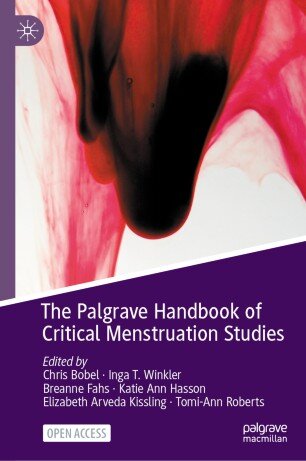
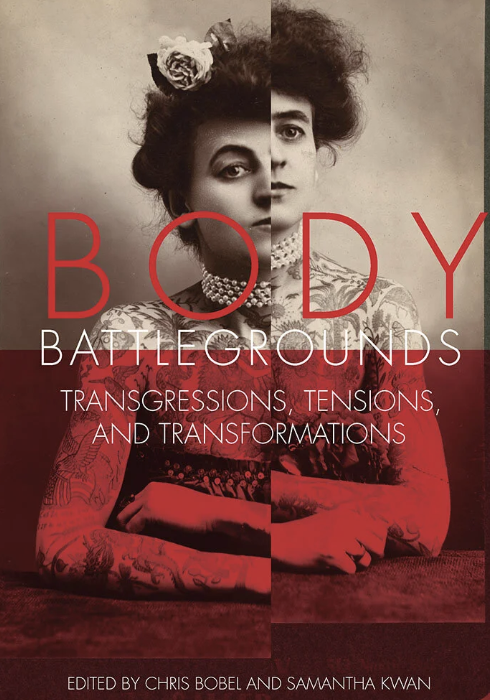
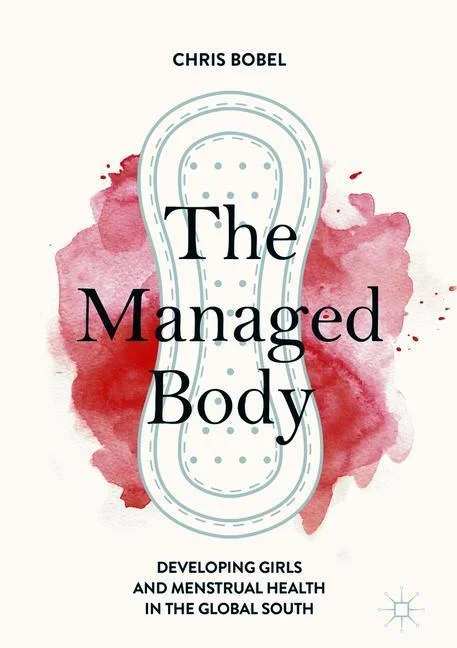

"Making Bubbles"
Photo credit: Jen Lewis, menstrual designer, Rob Lewis, photographer. Copyright 2018 Beauty in Blood
For more from the Menstrual Health
working group find them online:
Periods at Columbia Blog
Facebook
Twitter
Past Events

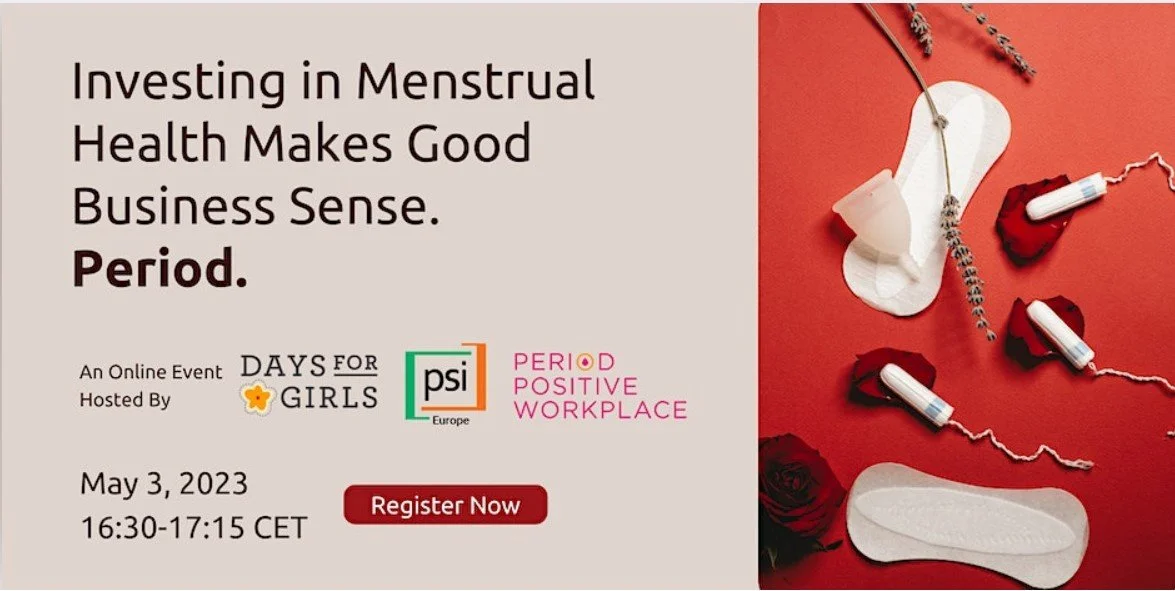

As part of its Period of Life: Improving Menstrual Health and Knowledge in India project, Columbia Global Centers | Mumbai is organizing a virtual workshop

CSSD working group members to will participate in LSA in Lisbon in July 2022 in a panel on Menstruation, Health, and the Law
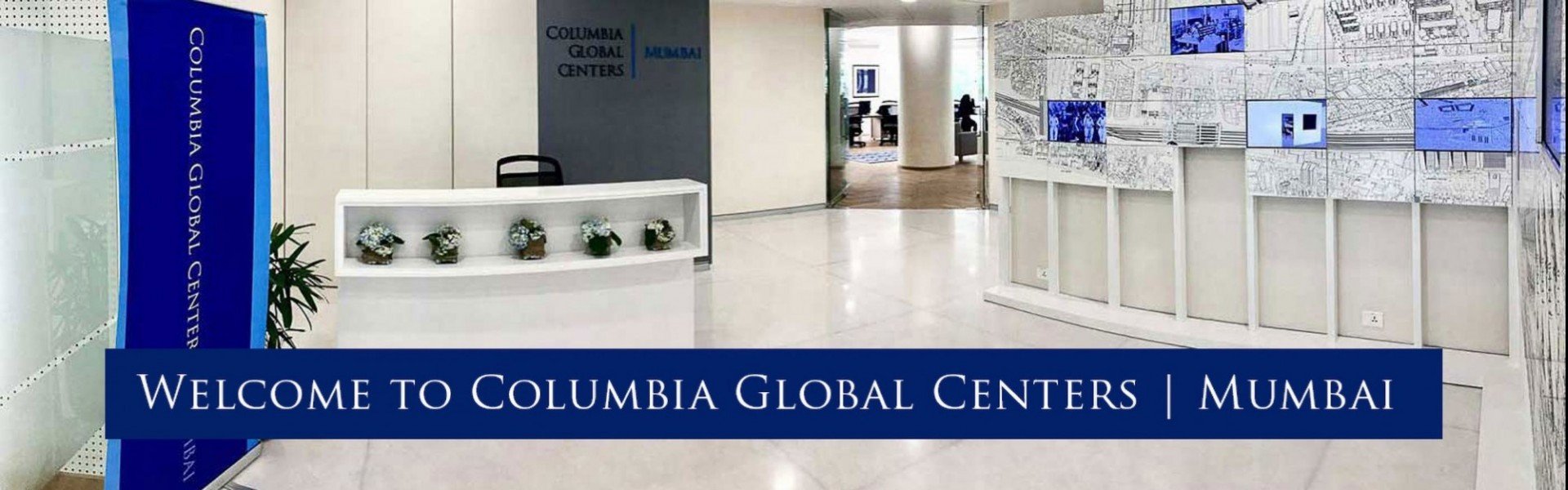
CGC | Mumbai organized a workshop on “Critical Menstruation Studies: Strengthening Interdisciplinary Research” in Mumbai, India

Periods are having their moment – in this Society for Menstrual Cycle Research (SMCR) webinar we hear from people who are turning it into a movement.


Please join the Menstrual Health and Gender Justice Working Group, the Center for the Study of Social Difference, and the Institute for the Study of Human Rights for an interdisciplinary workshop on November 22, 2019 entitled "Multifaceted Menstruation".

Fellows

Doctoral Student, Human Rights, Columbia University
Sydney Amoakoh is a Human Rights Studies MA candidate at Columbia University whose research takes a look at the considerations and constraints behind the drafting of human rights into humanitarian guidelines, with specific focus on the recent inclusion of a section on menstrual health management (MHM) in the 2018 edition of the Sphere Humanitarian Charter and Minimum Standards in Humanitarian Response.

PhD Student, Sustainability Management, Columbia University
Naomi Batzer graduated from Barnard College with a degree in economics in 2017. She is particularly interested in the roles of health and gender in development economics and wrote her final paper on the effect of Ebola on maternal mortality in Sierra Leone. She is in her first semester of the Sustainability Management program at Columbia University.

Associate Professor of Women’s, Gender & Sexuality Studies, University of Massachusetts Boston
Chris Bobel is Associate Professor of Women’s, Gender & Sexuality Studies at the University of Massachusetts Boston where she teaches courses on Gender & the Body, Feminist Theory, Feminist Research Methods, Women in US Social Movements and Feminist Activism.

Human Rights and Humanitarian Policy Concentration Coordinator, School of International and Public Affairs, Columbia University
Michelle Chouinard is the New York Regional Representative for the coalition organization Human Rights Educators (HRE) USA. Prior to joining SIPA, she served as the Education Program Coordinator for the Institute for the Study of Human Rights.
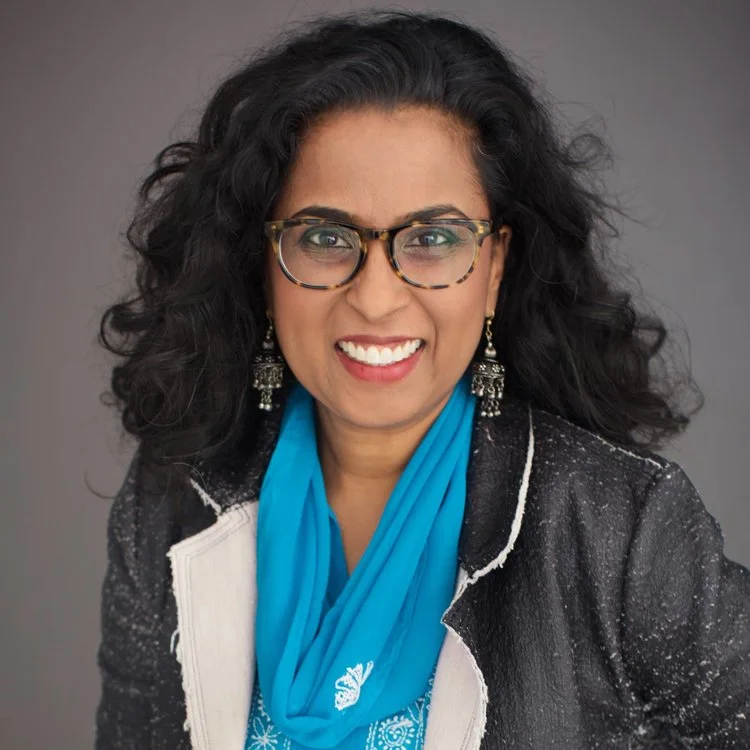
Assistant Professor of Clinical Pediatrics and Faculty, Program in Narrative Medicine, Columbia University; Faculty, Health Advocacy Graduate Program and Fiction Writing Program, Sarah Lawrence College
Sayantani DasGupta, MD MPH is the Co-Author of "The Demon Slayers and Other Stories: Bengali Folktales," author of "Her Own Medicine: A Woman's Journey from Student to Doctor," and co-editor of an award winning collection of women's illness narratives, "Stories of Illness and Healing: Women Write their Bodies." She teaches courses on illness and disability narratives and narrative, health and social justice and is co-chair of the Columbia University Seminar on Narrative, Health and Social Justice.
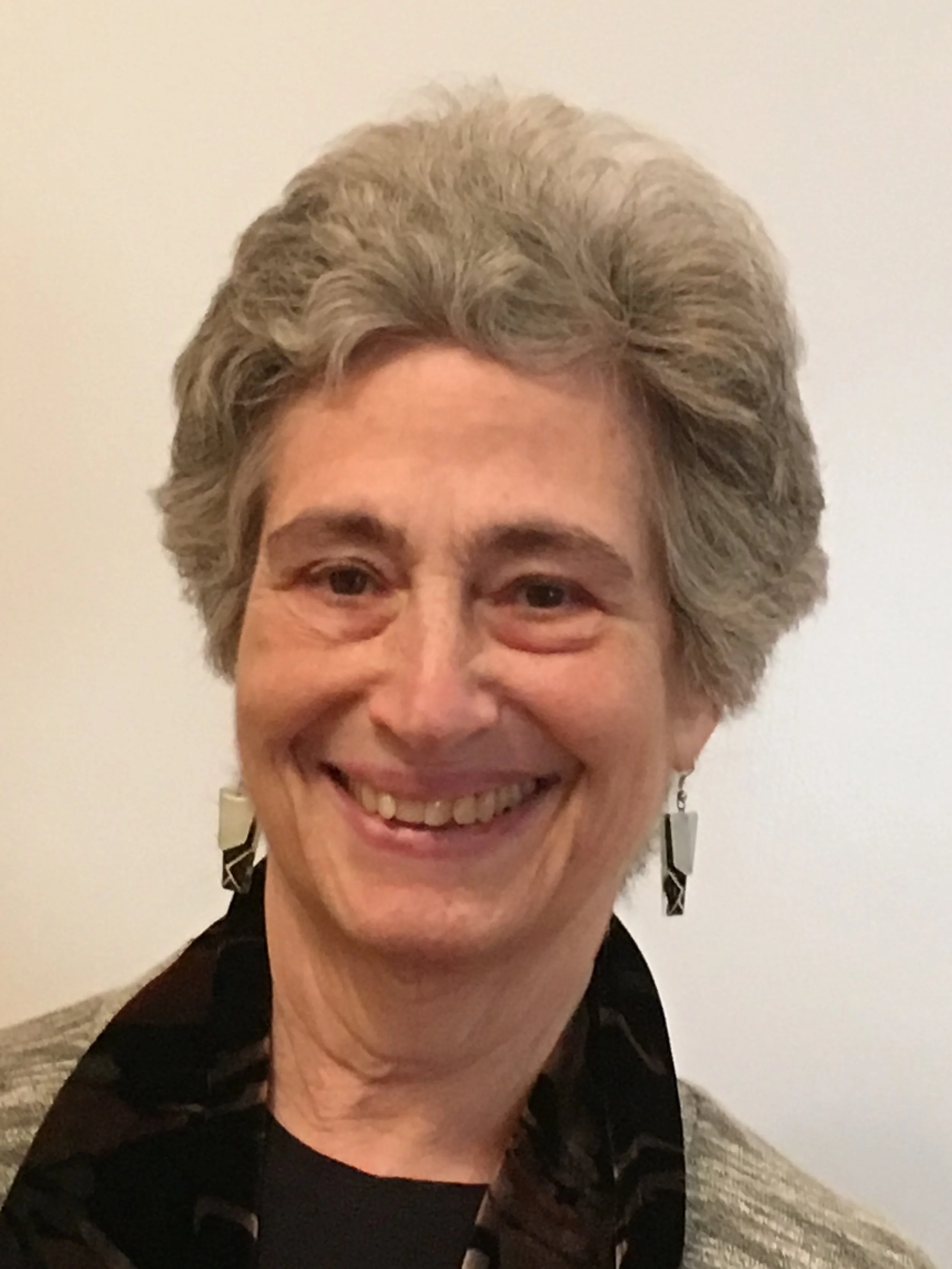
Adjunct Assistant Professor of Political Science, Columbia University
Sheila Dauer, former Director of AIUSA’s Women’s Human Rights Program during the program’s existence from October 1997 to end December, 2008. Since 1988, as a charter member of an AIUSA Taskforce on Women’s Human Rights, she worked with both AI international research office and other national sections to develop AI’s policy, action and publications on women’s human rights.
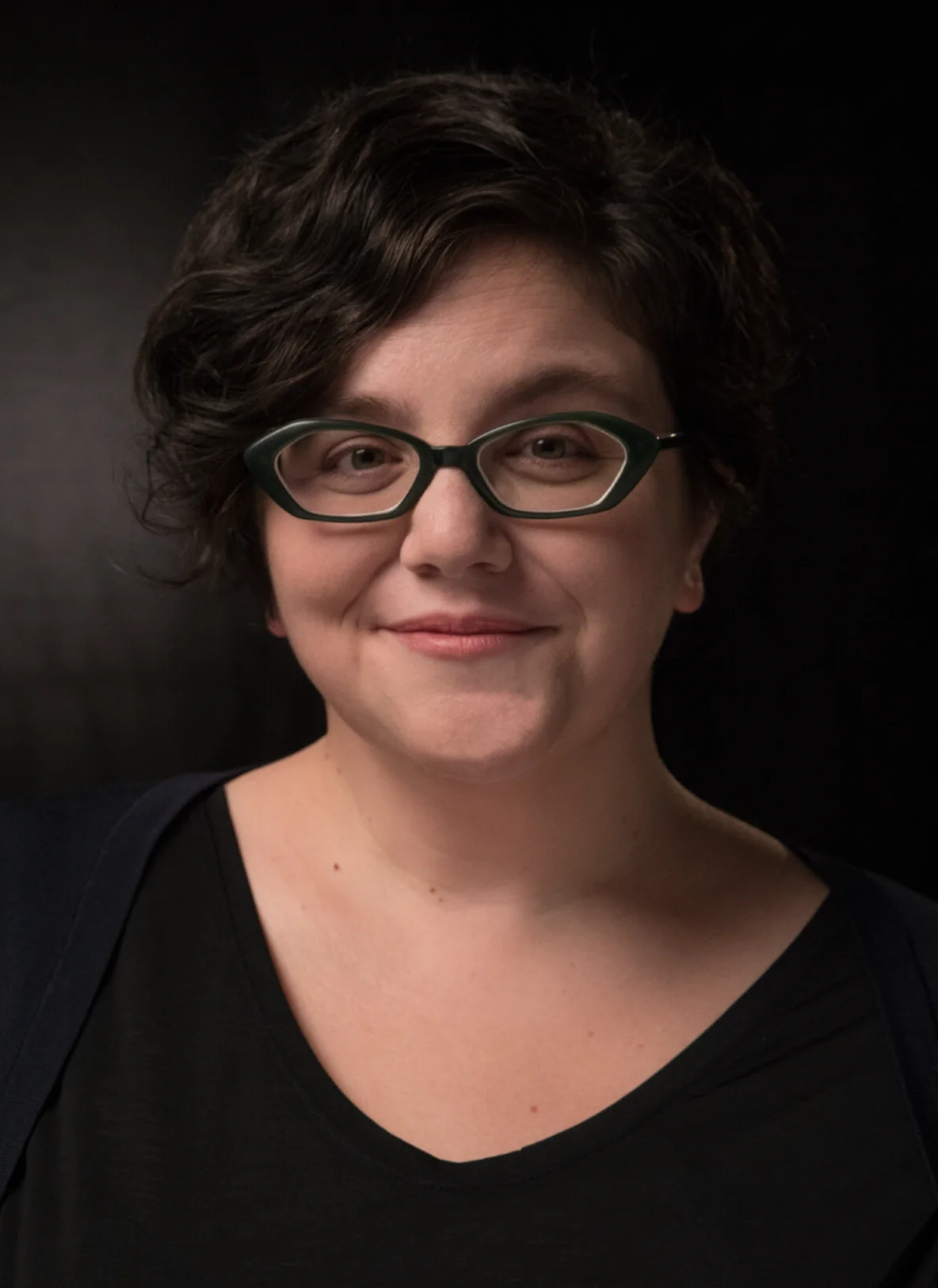
Associate Professor, Department of Biomedical Informatics, Columbia University
Noémie Elhadad is an Associate Professor of Biomedical Informatics, affiliated with Computer Science Department and Data Science Institute at Columbia University. Her research is at the intersection of machine learning, technology, and medicine. She leads Even, the Data-Powered Women's Health Research Initiative at Columbia University as well as the Citizen Endo project.
Professor, School of International and Public Affairs, Columbia University
Yasmine Ergas is Director of the Specialization on Gender and Public Policy, Lecturer in International and Public Affairs, and Associate Director of the Institute for the Study of Human Rights. A lawyer and sociologist, she has worked on issues regarding gender and women’s rights as a policy analyst and advisor, scholar and advocate. She has served as a consultant to international and domestic policy organizations, including the OECD, UNESCO, the Millennium Villages Project, the New York City Commission on Human Rights, and CENSIS, a major applied social research institute in Italy, and been on the staff of the Social Science Research Council.
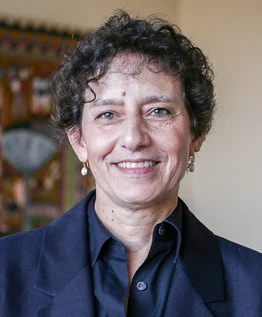
Professor, Department of Population and Family Health, Columbia University Medical Center
Lynn P. Freedman, JD, MPH, currently directs the Mailman School of Public Health Averting Maternal Death and Disability (AMDD) Program, a global program of research, policy analysis, and technical support that, since 1999, has worked with UN agencies, NGOs, and governments in more than 50 countries in Asia, Africa, and Latin America to reduce maternal mortality. Before joining the faculty at Columbia University in 1990, Professor Freedman worked as a practicing attorney in New York City.
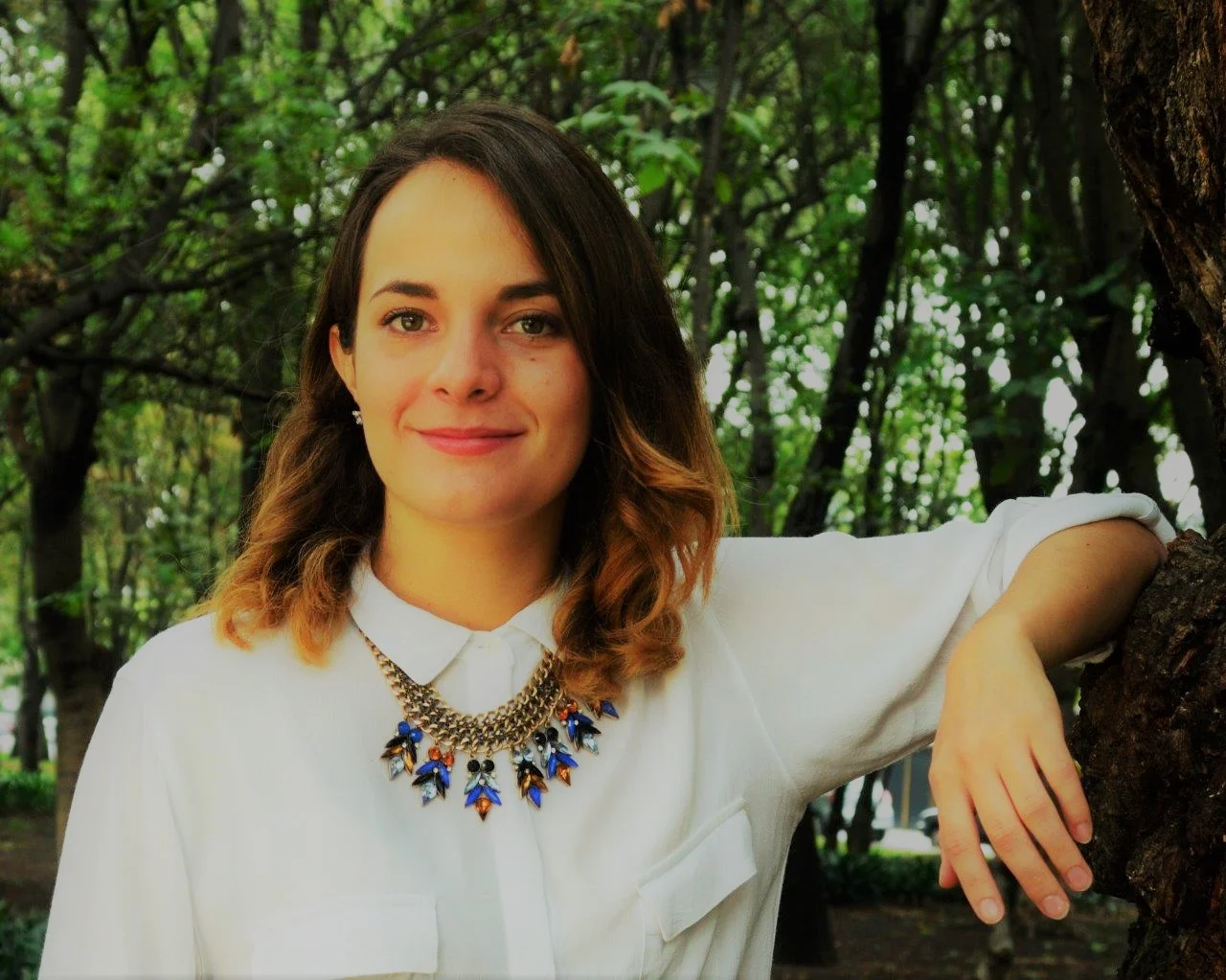
PhD Student, School of International and Public Affairs, Columbia University
Sandra Aguilar Gomez is a third year student in the Sustainable Development PhD program in Columbia University, where she was awarded the Wu Fellowship for her research in health, wellbeing and public policy. Her main research interests lie in the fields of health, climate change, and development economics. She holds a Master in Applied Economics from Instituto Tecnológico Autónomo de México (ITAM), as well as a degree in Economics from the same university.

Doctoral Student, Adolescent Transitions and Environment, Columbia University
Caitlin Gruer, MPH, is a Senior Project Coordinator at Columbia University’s Mailman School of Public Health, where she supports the Gender, Adolescent Transitions and Environment (GATE) Program, based in the Department of Sociomedical Sciences. Prior to joining Columbia, she worked at Plan International USA leading initiatives related to menstrual hygiene management (MHM), water, sanitation and hygiene (WASH), and integrated WASH and nutrition.

Biomedical Informatics Research Coordinator, Columbia University
Attended Lafayette College, majoring in Neuroscience and minoring in Bioengineering. Research coordinator at Columbia Medical Center Department of Biomedical Informatics. Team member of Citizen Endo, a research project that is aimed to better understand endometriosis.

Assistant Professor of Epidemiology, Columbia University
Lauren C. Houghton, PhD, takes a biosocial and life course approach to breast cancer prevention. Using tools from biological anthropology and molecular epidemiology, she focuses on hormones as the mechanism that links what happens above the skin with that beneath the skin.
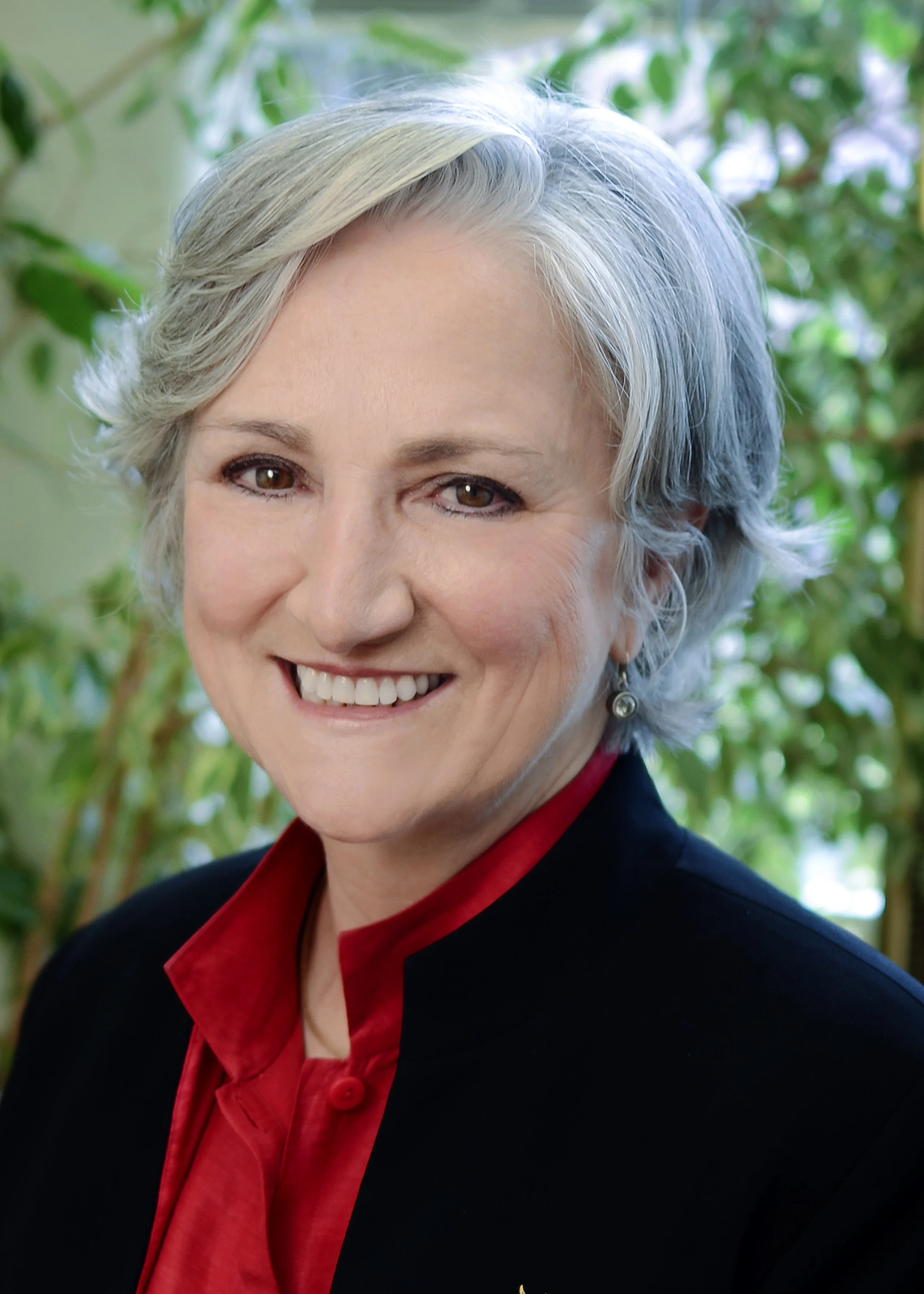
Henrik H. Bendixin Professor of International Nursing, Director of Global Health Research, School of Nursing at Columbia University
Tonda Hughes, RN, PhD, FAAN is the Henrik H. Bendixin Professor of International Nursing, and Director of Global Health Research, in the School of Nursing at Columbia University; she has an interdisciplinary appointment as Professor in the Department of Psychiatry.

Doctoral Student, Human Rights, Columbia University
Anna Jiang is a currently a Human Rights M.A. student here at Columbia. Her thesis concerns how traditions and cultural heritage informs reproductive/menstrual health and gender in the space of contemporary China.

Fellow, Human Rights, Columbia University
Purvaja Kavattur is a staff associate at the Institute for the Study of Human Rights at Columbia University. She currently is working on a review of menstrual health policies in Senegal, Kenya, India, and the United States.

Doctoral Student, Graduate School of Arts and Sciences, Columbia University
Trisha Maharaj is a MA candidate in the Human Rights Studies program at Columbia University. Her research focuses on cultural and religious practices related to menstruation and women’s experiences and attitudes in the Hindu diaspora of Trinidad.

MA Candidate, Human Rights Studies, Columbia University
Tori Miller is a MA candidate in the Human Rights Studies program at Columbia University. Her research focuses on the medicalization and sanitization of menstruation within development organizations.

Post Doctoral Research Scientist, Heilbrunn Department of Population & Family Health at Columbia’s Mailman School of Public Health
Erin V. Moore is a postdoctoral research scientist in the Heilbrunn Department of Population & Family Health at Columbia’s Mailman School of Public Health. A, sociocultural and medical anthropologist, Moore’s research focuses on the role of gender and sexuality in international development and global health at multiple scales – from global intervention campaigns to national policy and program implementation to the lives of girls and women.

Associate Director, the Lerner Center for Public Health Promotion, Mailman School of Public Health
Azure Nowara, MPH, is the Associate Director at the Lerner Center for Public Health Promotion, Mailman School of Public Health. Azure manages Center initiatives, programming, finance and communications. She coordinates the Certificate in Health Communication and organizes the Turning the Tide conference series.

Doctoral Student, Biomedical Informatics, Columbia University
Adrienne Pichon is a Research Coordinator under Dr. Noemie Elhadad in Columbia University’s Department of Biomedical Informatics. Her research interests center around leveraging emerging health technologies coupled with user-centered design to improve access to health-related information, access to care, and meaningful and actionable personal insights, particularly for vulnerable and marginalized populations.

Professor, Department of Emerita of Disease Prevention and Health Promotion, School of Nursing, Columbia University
Nancy King Reame, MSN, PhD, FAAN authored the chapter "Toxic Shock Syndrome and Tampons: The Birth of a Movement and a Research Vagenda" in The Palgrave Handbook of Critical Menstruation Studies (Bobel et al) 2020. The handbook, which is free and down-loadable can be found here: https://link-springer-com.ezproxy.cul.columbia.edu/book/10.1007%2F978-981-15-0614-7.

Doctoral Student, Gender, Adolescent Transitions and Environment(GATE), Columbia University
Maggie Schmitt, MPH, is a Project Director for the Gender, Adolescent Transitions and Environment (GATE) Program, housed in the Department of Sociomedical Sciences at Columbia University’s Mailman School of Public Health. Ms. Schmitt has been at CU MSPH for over 8 years, working on a range of health systems, reproductive health and humanitarian response research initiatives.

Graduate Student, School of Journalism, Columbia University
Amitoj Singh is currently an M.A Candidate in the Political Concentration at the Columbia School of Journalism. Amitoj has recently returned from Iraq where he was working towards reporting a multimedia project highlighting the colossal social devastation that ISIS has caused the Yazidi women.
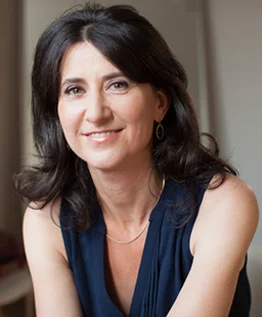
Associate Professor, Department of Sociomedical Sciences, Mailman School of Public Health, Columbia University
Marni Sommer, DrPH, MSN, RN, has worked in global health and development on issues ranging from improving access to essential medicines to humanitarian relief in conflict settings. Dr. Sommer's particular areas of expertise include conducting participatory research with adolescents, understanding and promoting healthy transitions to adulthood, the intersection of public health and education, gender and sexual health, and the implementation and evaluation of adolescent-focused interventions.

Assistant Professor of Economics, Barnard College
Anja Tolonen is an Assistant Professor of Economics at Barnard College, Columbia University. She works on economic development and gender. One strand focuses on health and gender, including menstruation and school absenteeism, stigma around menstruation, and household health investment and knowledge.

Lecturer in the Discipline of Human Rights in the Department of Political Science, Columbia University
Inga Winkler is a lecturer in the Institute for the Study of Human Rights and the Director of Undergraduate Studies for the Human Rights Program. Her research agenda is held together by her interest in socio-economic rights, development, gender, social justice and substantive equality. Her policy experience over the last years has enabled her to follow discussions at various levels from global processes to local challenges which is reflected in her research approaches. Current research projects focus on the Sustainable Development Goals and human rights, the UN Special Procedures, menstrual health and wellbeing, and the human right to sanitation.