
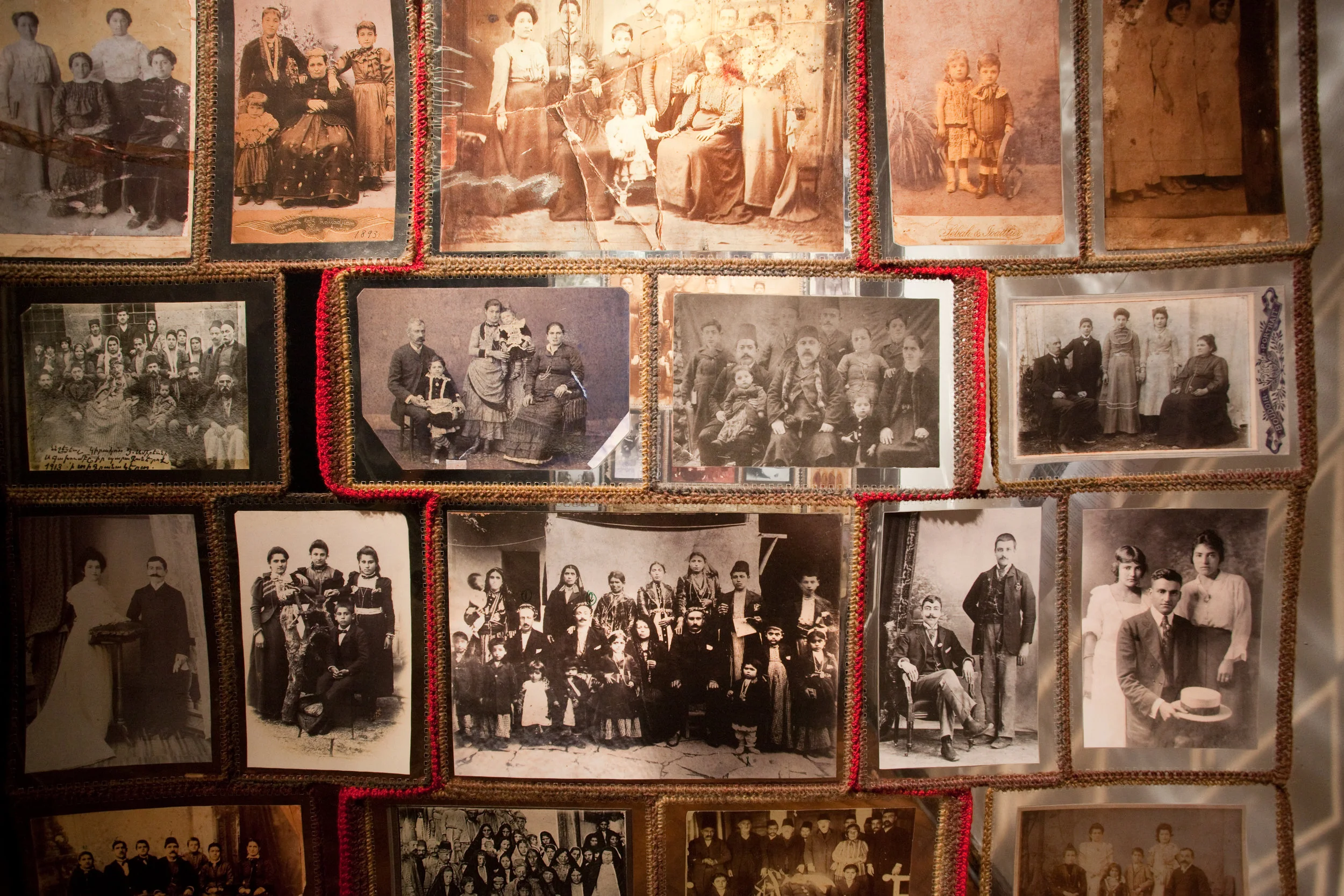
Women Mobilizing Memory
Women Mobilizing Memory (2013-20) explored the politics of memory in the aftermath of the atrocities of the twentieth and twenty-first centuries in comparative global perspective. The international working group analyzed the strategies by which women artists, scholars and activists have succeeded in mobilizing the memory of gender-based violence to promote redress, social justice, and a democratic future.
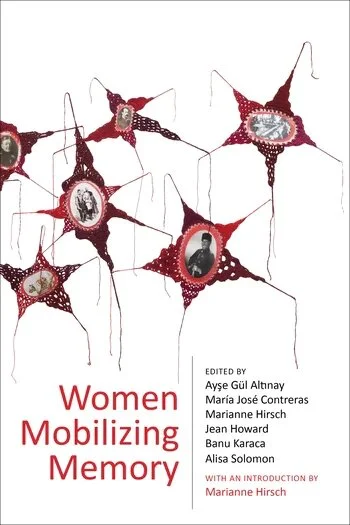
Women Mobilizing Memory, a transnational exploration of the intersection of feminism, history, and memory, shows how the recollection of violent histories can generate possibilities for progressive futures. Questioning the politics of memory-making in relation to experiences of vulnerability and violence, this wide-ranging collection asks: How can memories of violence and its afterlives be mobilized for change? What strategies can disrupt and counter public forgetting? What role do the arts play in addressing the erasure of past violence from current memory and in creating new visions for future generations?
Women Mobilizing Memory emerges from a multiyear feminist collaboration bringing together an interdisciplinary group of scholars, artists, and activists from Chile, Turkey, and the United States. The essays in this book assemble and discuss a deep archive of works that activate memory across a variety of protest cultures, ranging from seemingly minor acts of defiance to broader resistance movements. The memory practices it highlights constitute acts of repair that demand justice but do not aim at restitution. They invite the creation of alternative histories that can reconfigure painful pasts and presents. Giving voice to silenced memories and reclaiming collective memories that have been misrepresented in official narratives, Women Mobilizing Memory offers an alternative to more monumental commemorative practices. It models a new direction for memory studies and testifies to a continuing hope for an alternative future.
Women Mobilizing Memory Book Events

The Women Mobilizing Memory working group presents Reclaiming Collective Memories in Contemporary Turkey, a panel discussion and book presentation.

CSSD working group Women Mobilizing Memory will be celebrating the recent publication of their eponymous book Women Mobilizing Memory with a reception and brief presentations from some of the book’s contributors.

Editors
Ayşe Gül Altınay is professor of cultural anthropology and director of the Gender and Women’s Studies Center of Excellence at Sabancı University.
María José Contreras is a performance artist and associate professor at the Faculty of the Arts of the Universidad Católica de Chile.
Marianne Hirsch is professor of English, comparative literature, and gender studies at Columbia University.
Jean Howard is professor in the Department of English and Comparative Literature at Columbia University.
Banu Karaca is assistant professor of anthropology and a Mercator-IPC Fellow at the Istanbul Policy Center.
Alisa Solomon is professor at Columbia University’s Graduate School of Journalism, where she directs the MA Arts and Culture concentration.
Project Directors: Marianne Hirsch, Jean Howard, Diana Taylor
Bringing together artists, writers, theater practitioners, museologists, legal scholars, social activists, and scholars of memory and memorialization, “Women Mobilizing Memory” focused on the political stakes and consequences of witnessing and testimony as responses to socially imposed vulnerability and historical trauma. It probed how individual and collective testimony and performance can establish new forms of cultural memory and facilitate social repair. Using gender as an analytic lens, this project explicitly explored women's acts of witness and the gendered forms and consequences of political repression and persecution. It asked what strategies of memorialization and re-imagining are most effective in calling attention to past and present wrongs and in creating possibilities of redress.
The group studied literary texts, visual images, memorials, archives of oral history and performances in the broadest sense, including acts of protest and the work of activist groups.
Hosted by the Columbia Global Centers in Latin America: Santiago and Istanbul, Turkey, it brought together feminist artists, scholars and activists from Columbia and the New York area with colleagues from Chile and Turkey.
News
As scholars, artists and activists who are part of the transnational feminist Women Mobilizing Memory Collective sponsored by Columbia University’s Center for the Study of Social Difference, we have studied the memories of violent histories in the interests of promoting peace, social justice, and a democratic future across the globe.
Today, we call for an immediate and lasting ceasefire between Azerbaijan and Nagorno- Karabagh.
The former CSSD director and current CSSD Executive Committee member is honored for outstanding teaching by faculty.
Women Mobilizing Memory book editor, Ayşe Gül Altınay, penned the recent post Feminist Curious Steps Through History: Illumination in Dark Times for Social Difference Online.
Past Events
The Women Mobilizing Memory working group presents Reclaiming Collective Memories in Contemporary Turkey, a panel discussion and book presentation.
CSSD working group Women Mobilizing Memory will be celebrating the recent publication of their eponymous book Women Mobilizing Memory with a reception and brief presentations from some of the book’s contributors.

The pop-up exhibition “Arts of Intervention” brings together an international group of artists connected to the working group on “Women Mobilizing Memory” of Columbia University’s Center for the Study of Social Difference in the context of the Third Annual Memory Studies Association Conference in Madrid, June, 2019.
"Collaborative Archives: Connective Histories," part of the CSSD working group Women Mobilizing Memory's Collaboration and Co-Resistance project, runs at Neiman Gallery until September 18th, 2015.
The exhibition was curated by Katherine Cohn and Isin Onol and is the manifestation of multi-year collaboration of a transnational group of artists, scholars and activists from the U.S., Chile and Turkey who study the politics of memory from the unique perspective of gender and social difference.
The gallery is open Monday through Friday, 9 a.m. - 5 p.m. View the exhibit page here.
In the context of its fourth international working group meeting, Women Mobilizing Memory presents an art exhibition
"Women Mobilizing Memory," a three-year working group of Columbia’s Center for the Study of Social Difference, explores the politics of memory in the aftermath of the atrocities of the twentieth and twenty-first centuries in comparative global perspective with unique attention to the effects of social difference. Focusing on the shaping role of gender in the structures of political violence, the working group analyzes the strategies by which women artists, scholars and activists have succeeded in mobilizing the memory of gender-based violence to promote redress, social justice, and a democratic future. Looking at gendered memory politics in several sites around the world, the group has analyzed these in a broader connective context. From the fortieth anniversary of the Chilean coup, the 100th anniversary of the Armenian genocide, and cycles of violence against indigenous and minority peoples in Chile, Turkey and the United States, it has featured activist and future-oriented modes of representation and commemoration. At the same time, it probes the limits of comparative and connective approaches to memory politics. Based in the Humanities and the Arts, the group looks closely at the political efficacy of various media of memory, ranging from visual art, literature, journalism and performance to museums, memorials, and street actions. What role do these various media play in combatting the erasure of past violence from current memory and in creating new visions and new histories for future generations? The collaborations among the participants in the working group, their face-to-face as well as virtual meetings and their constructive conversations and disagreements, aim to create a space of solidarity and co-resistance that can lay the groundwork for a more hopeful future.
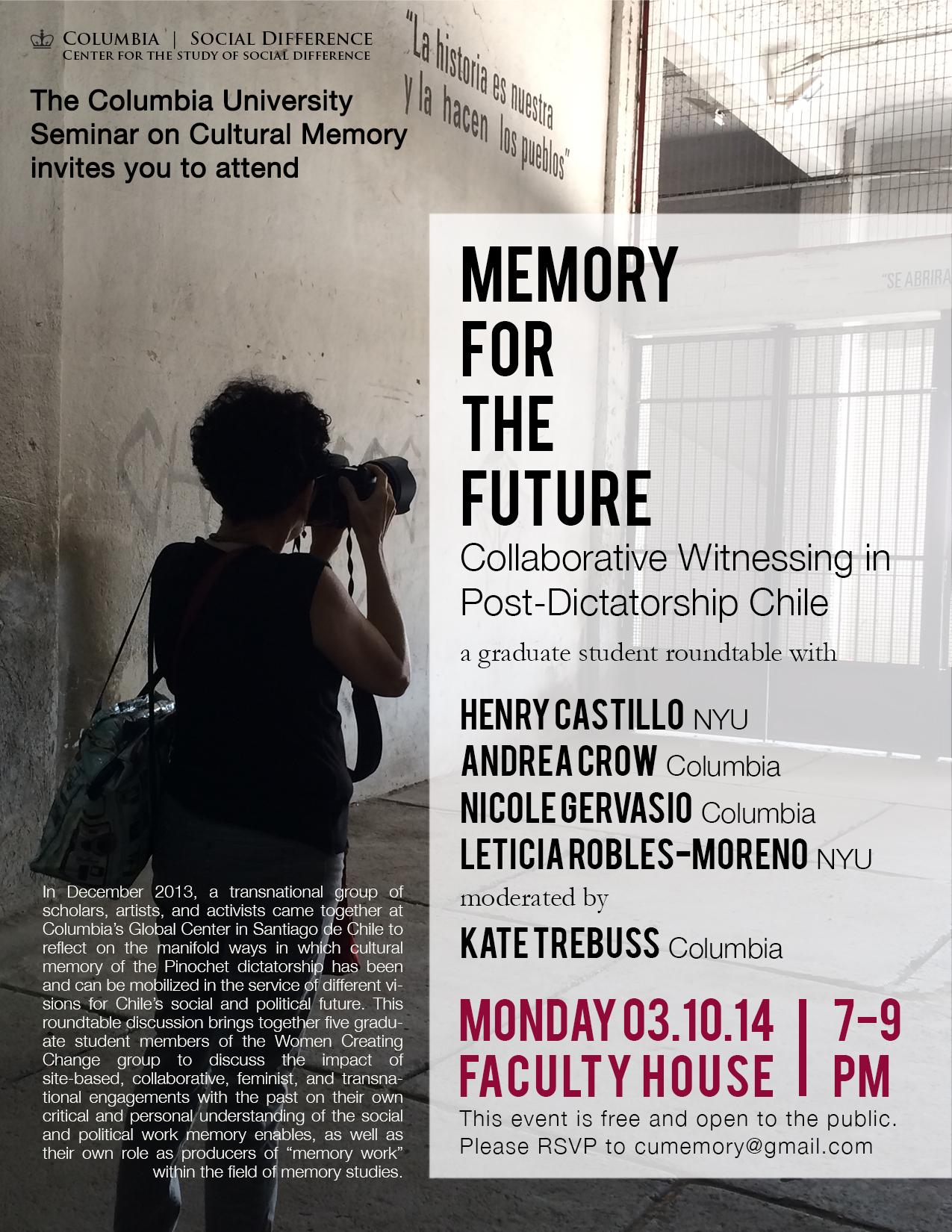
A graduate student roundtable discussion with Henry Castillo (NYU), Andrea Crow (Columbia), Nicole Gervasio (Columbia), and Leticia Robles (NYC) and moderated by Kate Trebuss (Columbia)
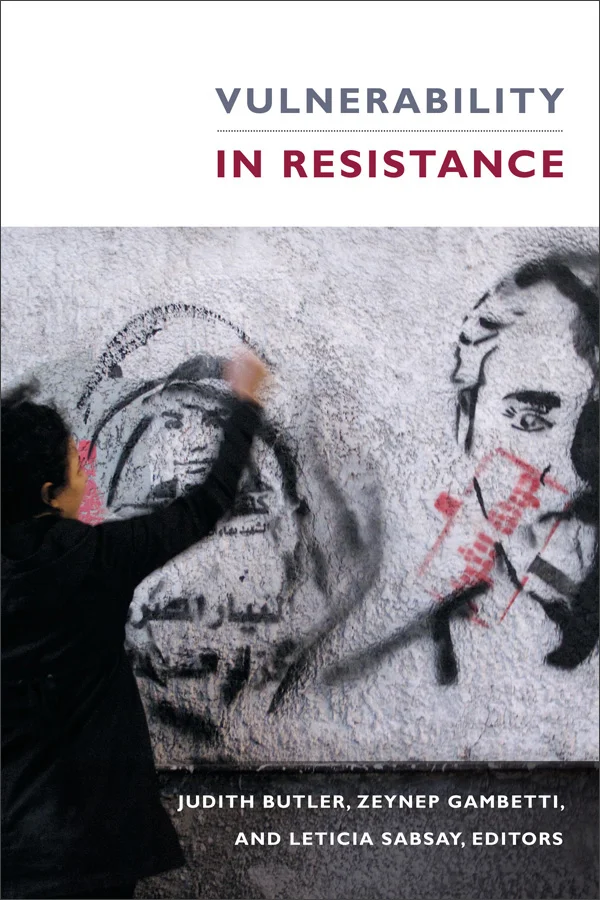
Publications
People

Doctoral Student, Cultural Studies, Sabanci University
Bürge Abiral is a PhD candidate in Anthropology at Johns Hopkins University. She received her BA from Williams College and her MA in Cultural Studies from Sabancı University, Turkey. Her research interests include human- environment relations, climate change, agriculture, political violence, and gender and sexuality. Her translation of Toward an Anthropology of Women (ed.
Fellow, Comparative Literature, Sabanci University
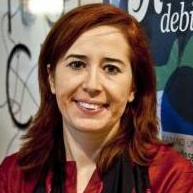
Hülya Adak is an Assistant Professor of Comparative Literature at Sabancı University. She has published essays on Ottoman-Turkish memoirs and biographies, national myths, gender and sexuality, and the Armenian deportations during World War I.
Fellow, Sociology, Boğaziçi University
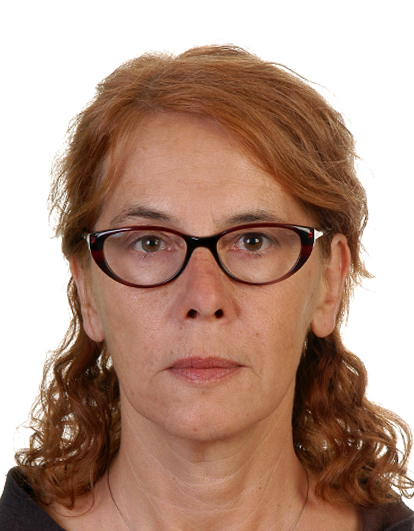
Meltem Ahiska is Associate Professor in Sociology at Bogazici University, Istanbul. She has a PhD from the University of London.
Fellow, Anthropology, Sabancı University
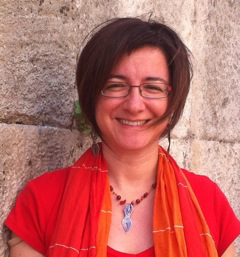
Ayşe Gül Altınay is the Director of SU Gender and Associate Professor of Anthropology teaching in the Gender Studies and Cultural Studies Programs at Sabancı University. Among the programs she coordinates at SU Gender are “Curious Steps: Gender and Memory Walks of Istanbul” and “Transformative Activism: Rethinking Gender and Politics.”
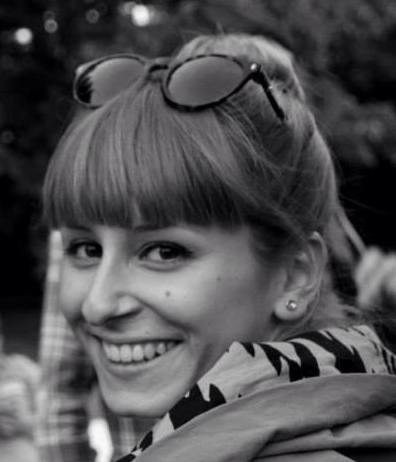
Fellow, Cultural Studies, Sabancı University
Dilara Çalışkan is currently working at Sabancı University’s Gender and Women’s Studies Forum. In 2014, she graduated from Sabancı University’s Cultural Studies Master Program with a thesis titled “Queer Mothers and Daughters: The Role of Queer Kinship in the Everyday Lives of Trans Sex Worker Women in Istanbul.” Since 2010, she has been involved with Istanbul’s LGBTI Solidarity Association, which particularly focuses on human rights violations based on sexual orientation and gender identity, opposes the criminalization of sex work, and supports its recognition as work.
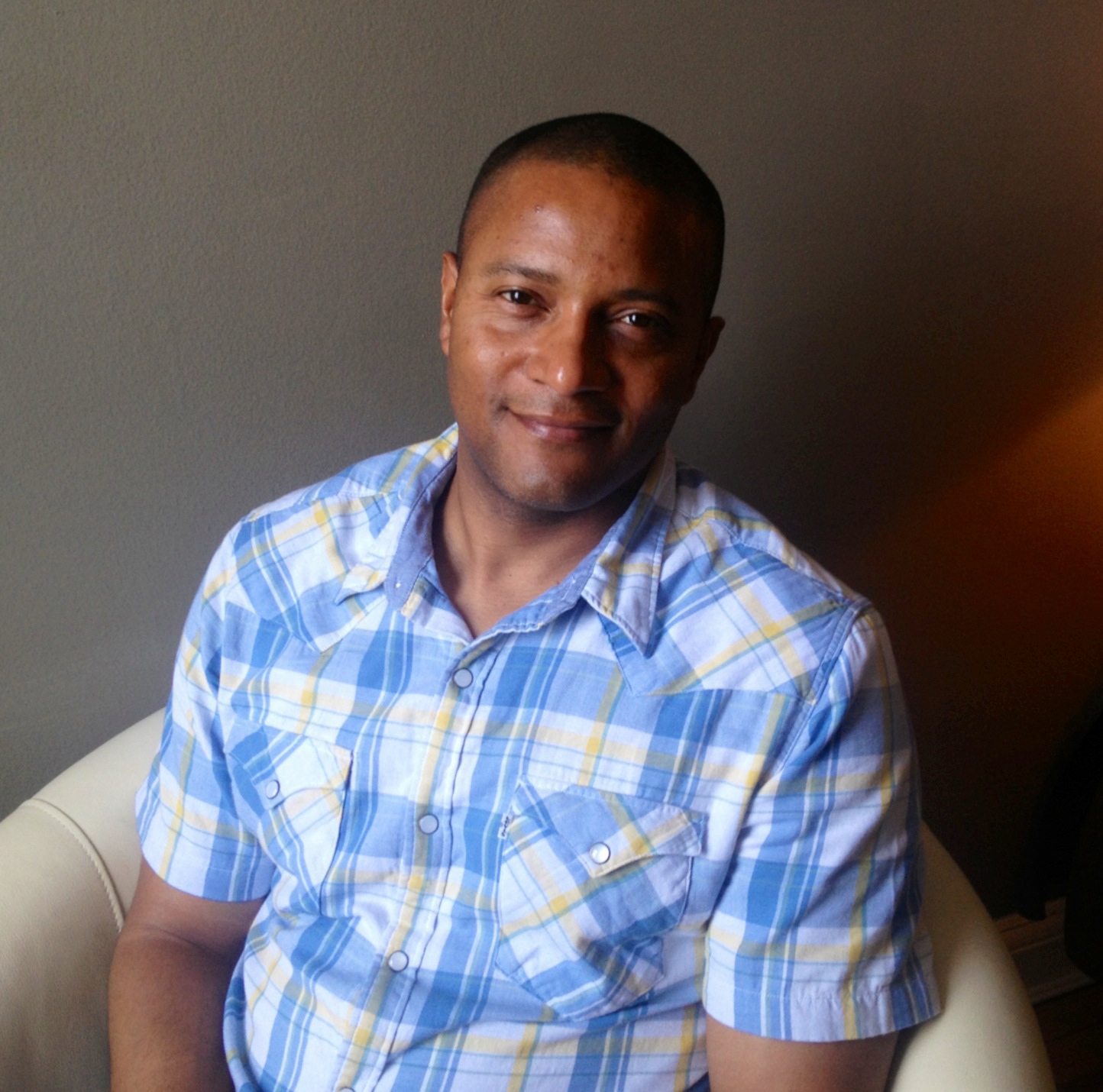
Doctoral Student, Cultural Studies, New York University
Henry Castillo is a doctoral student in the Department of Performance Studies at New York University. He holds a B.A. in Applied Linguistics (Honors) from the University of California--Los Angeles and an M.A. in Performance Studies form New York University. His research interests include race and ethnicity; women, gender, and sexuality; memory and "Intangible Cultural Heritage" in the Americas; Blackness in Latin America; and Afro-Colombian "heritage" practices and performance.
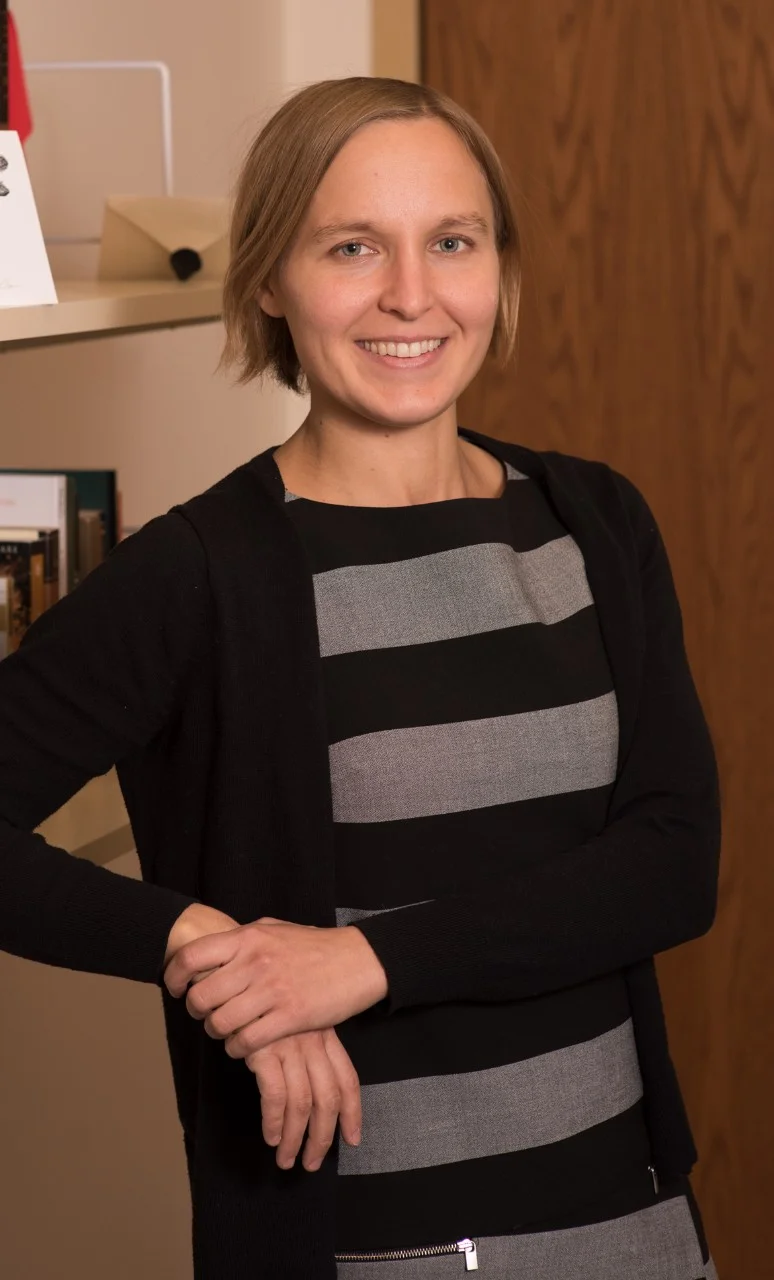
PhD Student
Andrea Crow is a PhD student at Columbia in the department of English and Comparative literature. Her research focuses on seventeenth-century literature and food politics as well as on academic labor and the future of the university. Her work has been published in Early Modern Women and Shakespeare Quarterly, and she has been the recipient of a grant-in-aid from the Folger Shakespeare Library to pursue her research. Andrea received a B.A. in English with a minor in Latin from Gonzaga University and an M.A.
Fellow, Art Studies, Kulturakademie Tarabya
The artist is the granddaughter of Armenian immigrants to Argentina and was born in Buenos Aires in 1967. Since 1988 she has lived in Berlin. Her artistic work deals with issues related to the burden of national identity, memory, the role of minorities in the society and the potential of a space "in between". Her work uses a very heterogeneous language (installation, video, sound installation, rugs).

Fellow. Philosophy and Political Science, Boğaziçi University
Pınar Ensari did her undergraduate study at Boğaziçi University and graduated from departments of Philosophy and Political Science and International Relations (double major program) in 2010. She finished her graduate study in the Cultural Studies MA program at Sabancı University in 2012 with a thesis titled “At the Crossroads of Eduation and Politics: Kurdish Women Studens in İstanbul”. Currently, she is working as a teaching assistant at Sabancı University, while also pursuing my studies in research areas such as ethnicity, gender, urban studies and anthropology of youth.
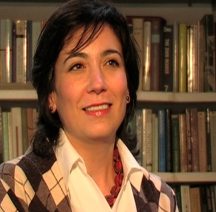
Fellow, Género y Cultura, Universidad de Chile.
Professor Soledad Falabella Luco is the director of ESE:O, a non-profit organization which promotes performative writing projects, and the teaching and practice of writing to empower learning communities with effective skills for local and global participation in knowledge production and circulation. She teaches feminist critical theory, performance and poetry at the Magíster en Género y Cultura, Universidad de Chile.
Fellow, Political Science & International Relations, Boğaziçi University
Zeynep Gambetti is Associate Professor of political theory at Boğazici University. She obtained her Ph. D. at the University of Paris VII in 1999. Her work focuses on collective agency, ethics, and public space. She has carried out extensive research on the transformation of the conflict between the Turkish state and the Kurdish movement, with particular emphasis on space as a vector of relationality.
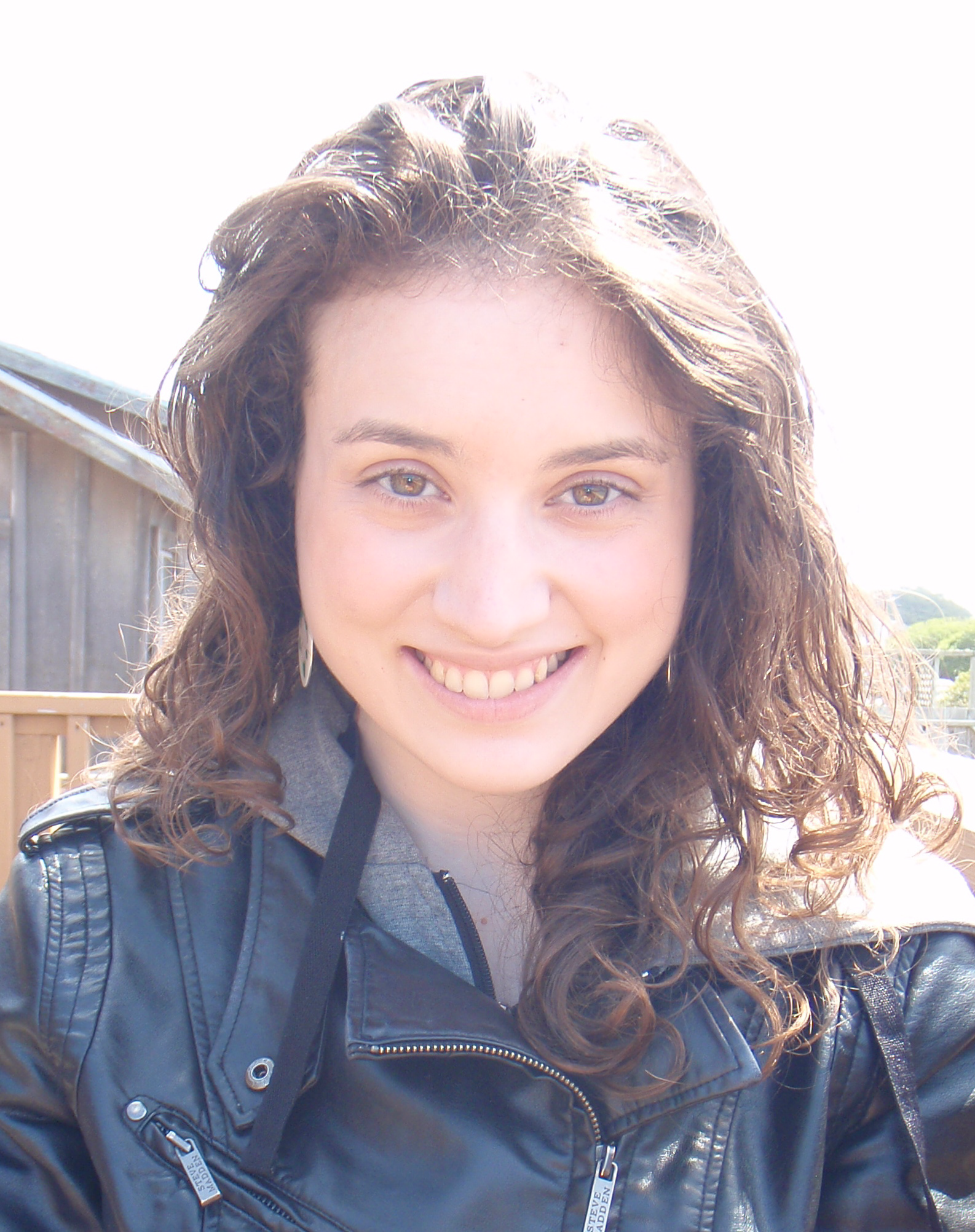
PhD Candidate, English and Comparative Literature, Columbia University
Nicole Gervasio is a Ph.D. candidate in the Department of English and Comparative Literature at Columbia University. Her dissertation is on the ethics of representing mass political violence in contemporary postcolonial literature. Her work focuses on intersections between queer, postcolonial, and feminist theory in relation to themes of survival, embodiment, and trauma in literatures of the Global South. She also has a B.A. in English and Growth & Structure of Cities from Bryn Mawr College and has been the recipient of Mellon Mays, Beinecke, and Javits Fellowships.
Fellow, Performance and Politics, New York University
Marcial Godoy-Anativia is a sociocultural anthropologist and the Associate Director of the Hemispheric Institute of Performance and Politics at New York University. He is co-editor, with Zeynep Gambetti, of Rhetorics of Insecurity: Belonging and Violence in the Neoliberal Era (NYU Press, forthcoming 2013). He is also Editor, with Jill Lane, of e-misférica, the Institute's trilingual online journal. From 2000-2007, he worked in the Program on Latin America and the Caribbean and the Program on International Collaboration at the Social Science Research Council.
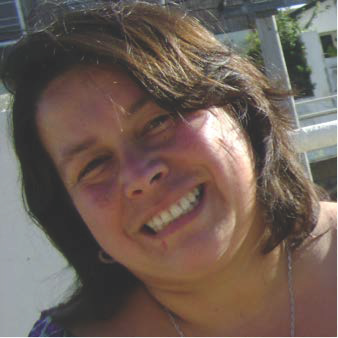
Fellow, History and English, Universidad de Las Américas (UDLA)
Ximena Vanessa Goecke S. is a chilean-jewish historian and a teacher of History and English, candidate to the degree of Magister in Gender and Culture in the Faculty of Humanities at Universidad de Chile. She teaches some courses in the Faculty of Education at Universidad de las Américas (UDLA) and in the English as Foreign Language area at Universidad Católica.
She participates in the research nucleus in “Body and Emotion” of the Faculty of Social Sciences at Universidad de Chile, as a member of the research section in “Body, memory and violence”.
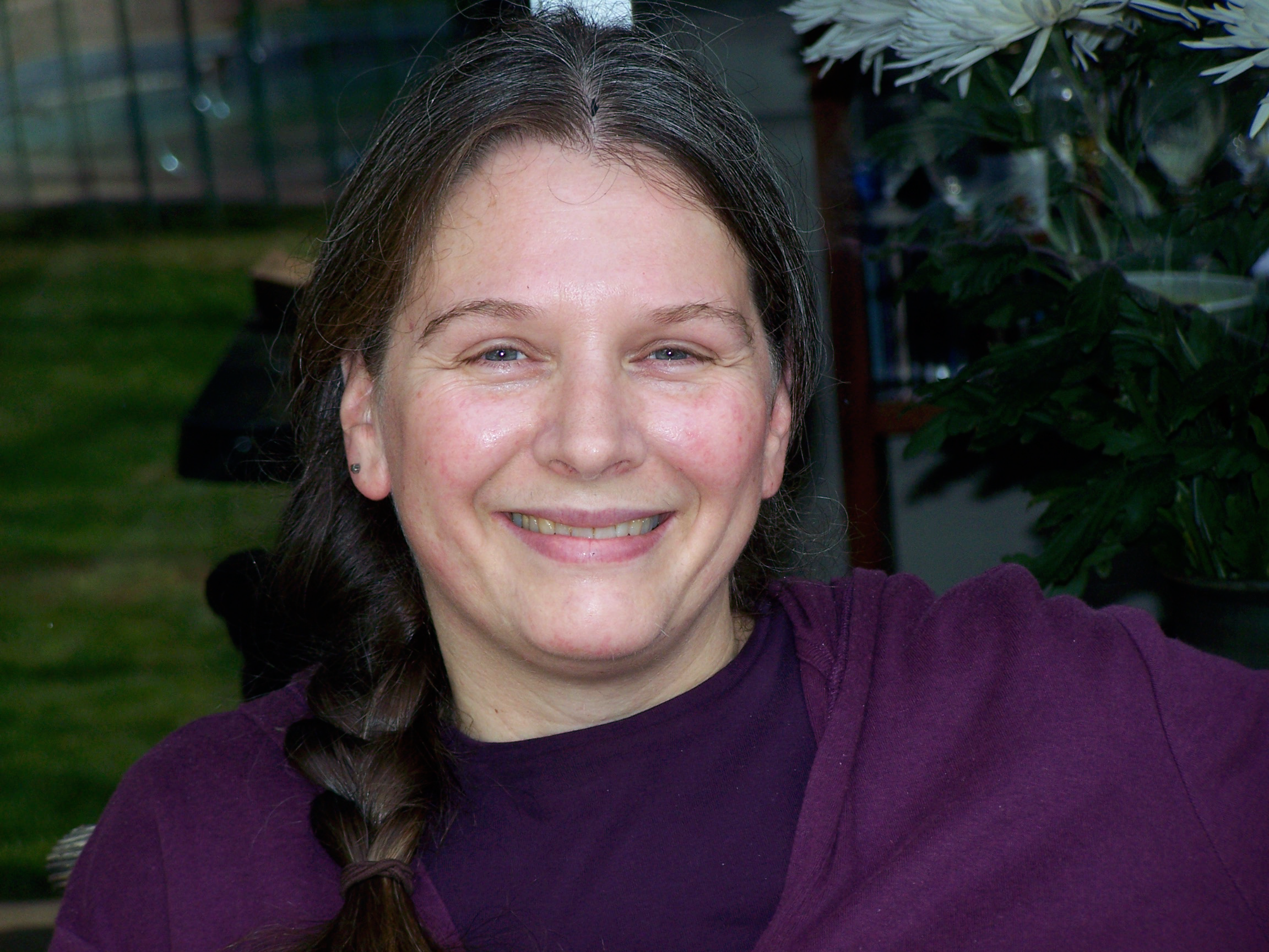
Fellow. Theater Scholar, Pontificia Universidad Católica de Chile
Milena Grass Kleiner, translator and theater scholar, is a professor at Pontificia Universidad Católica de Chile. She holds a master's degree in Latin American Studies from Universidad de Chile and a PhD in Literature from Pontificia Universidad Católica de Chile. She has published Spanish translations of English, American, and French plays, as well as books on Chilean history and theater studies. Her main fields of research have been theater and ritual, history, and memory in post-conflict contexts.
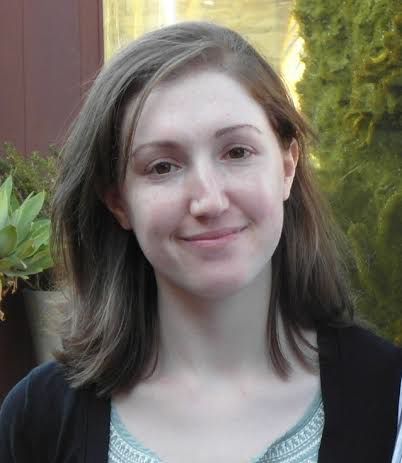
PhD Student, Germanic Languages, Columbia University
Alyssa Greene is a Ph.D. student in the Department of Germanic Languages and the Institute for Comparative Literature and Society at Columbia University. She studies twentieth-century German and Austrian literature, with a particular emphasis on the post-Second World War era. Her research interests include memory discourses in the postwar period; migration (especially in the German-Turkish context); feminist and postcolonial criticism; the figure of the child and depictions of childhood in Cold War and post-Cold War narratives of authoritarian states.
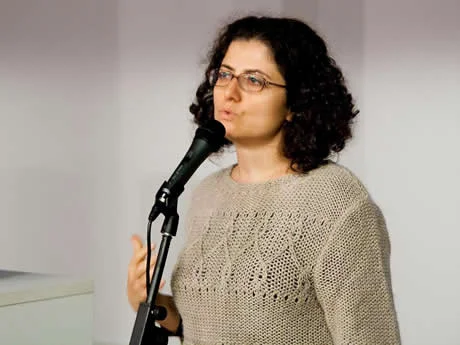
Fellow, Sociology, Middle East Technical University
Asena Günal is an expert on history, feminism and culture and the program coordinator of Depo, a culture and arts center in Tophane, Istanbul. Depo is a space for critical debate and cultural exchange in the city center of Istanbul and the first initiative in Turkey to focus on regional collaborations among Turkey and countries in the Caucasus, the Middle East and the Balkans
Günal obtained her undergraduate degree in International Relations and her M.A. in Sociology from the Middle East Technical University, and her PhD in the History of Modern Turkey program in the Atatürk Institute, Boğaziçi University. She previously worked as an editor in İletişim Publishing House between 1998 and 2005. She is editorial secretary of the journal Toplum ve Bilim.
Actress, Historian, Teacher, Postgraduate Student PhD in Latin American Studies, Universidad de Chile
Mariana Hausdorf Andrade holds a Licenciate in Acting, Pontificia Universidad Católica de Chile 2011; Licenciate in History, Pontificia Universidad Católica de Chile, 2012; and a qualification in secondary education teaching specializing in History, Pontificia Universidad Católica de Chile, 2012.
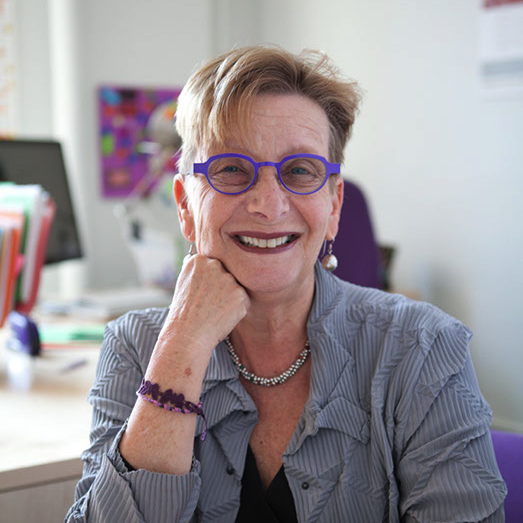
William Peterfield Trent Professor of English and Comparative Literature and Professor of Women's, Gender, and Sexuality Studies, Columbia University
Marianne Hirsch, former Director of Columbia University's Center for the study of Social Difference is a fellow of the American Academy of Arts and Sciences and a former President of the Modern Language Association of America. She was born in Romania, and educated at Brown University where she received her BA/MA and Ph.D. degrees. Hirsch’s work combines feminist theory with memory studies, particularly the transmission of memories of violence across generations.
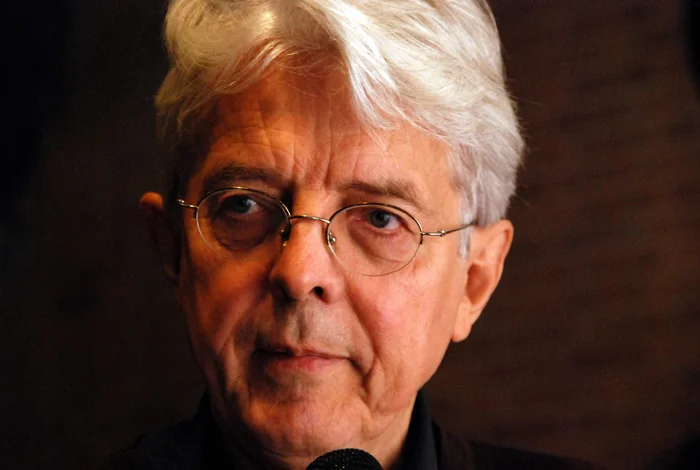
Villard Professor of German and Comparative Literature, Columbia University
Andreas Huyssen served as founding director of the Center for Comparative Literature and Society (1998-2003) and chaired the Department of Germanic Languages from 1986-1992 and again from 2005-2008. His research and teaching focus on 18th-20th-century German literature and culture, international modernism, Frankfurt School critical theory, postmodernism, cultural memory of historical trauma in transnational contexts, and, most recently, urban culture and globalization. He is one of the founding editors of New German Critique (1974-).

Fellow, Theater Art, Escuela De Teatro de la Universidad de Chile
Nació en Santiago, en 1980. Actriz, dramaturga y directora, es egresada de la Escuela de Teatro de la Universidad de Chile. Se suman a estos, sus estudios de Puesta en Escena y Analisis de Texto cursados en el HB Studio en Nueva York, Estados Unidos. Como actriz ha participado en el elenco de Las Troyanas de Rodrigo Pérez, Fuera de foco, dirigida por Cristián Marambio, Esa, escrita por Alejandro Moreno y Ciudadanos dirigida por Alexis Moreno.

Fellow, Comparative Literature, Sabanci University
Sibel Irzık is currently teaching comparative literature in Sabancı University. She is the author of Deconstruction and the Politics of Criticism (Garland, 1990) and the co-editor of Relocating the Fault Lines: Turkey Beyond the East-West Divide (South Atlantic Quarterly, 2003). Among her other publications are “Istanbul: The Black Book,” in The Novel, ed. Franco Moretti, Princeton U. P., 2006; “Orhan Pamuk's Snow: Re-imagining the Boundaries between East and West, Art and Politics,” in Europe and Its Boundaries, eds.
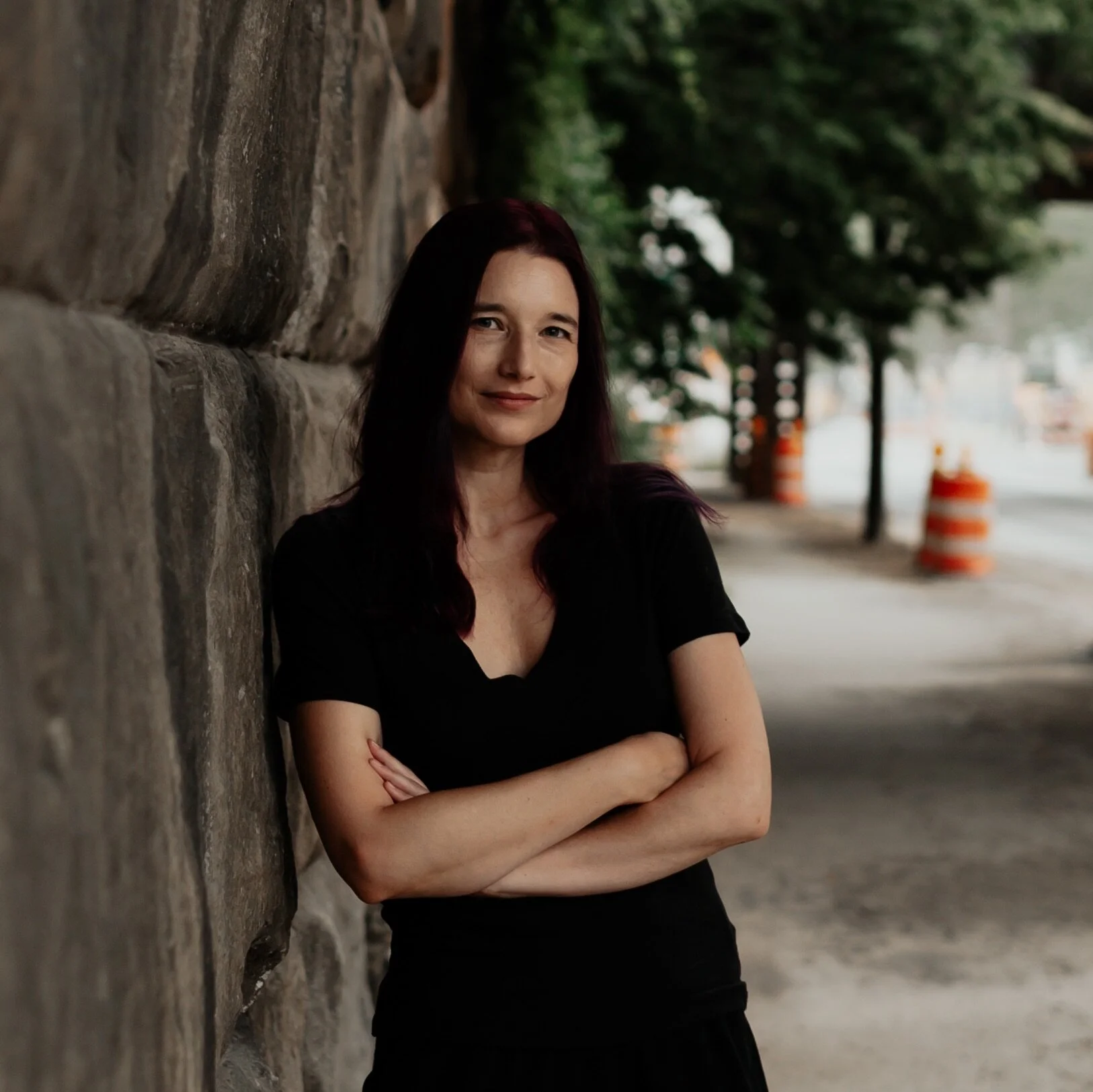
Fellow, Theatre, Universidad Católica de Chile
María Jose Contreras Lorenzini is a Chilean performance artist and scholar. She holds a Ph.D from Università di Bologna and is Associate Professor at the Theater School at Universidad Católica de Chile. She is currently a Visiting Scholar at the Hemispheric Institute of Performance and Politics at New York University. Using a wide range of formats, from massive public interventions to intimate actions of resistance, Contreras creatively explores the relation between the body and memory.

Fellow, Anthropology, Sabanci University
Banu Karaca (Ph.D. Cultural Anthropology, Graduate Center-CUNY) is a Visiting Scholar at Sabanci University's Faculty of Arts and Sciences. She is currently completing a manuscript, which examines how divergent claims regarding the civic, political and economic impact of art are mediated in the art worlds of Berlin and Istanbul.

Fellow, English Literature, Barnard College
Nancy Kricorian is the author of the novels Zabelle, Dreams of Bread and Fire, and All The Light There Was, which is set in the Armenian community of Paris during World War II. She is a widely published poet and essayist, whose work has appeared in The Antioch Review, Parnassus, In These Times, The Minnesota Review, Women’s Studies Quarterly, and other journals.

Fellow, Modern Languages and Literatures, Loyola University Chicago
Bernardita Llanos M. is Professor of Spanish Language and Literature at Loyola University Chicago. She received her PhD in Hispanic and Luso-Brasilian Literatures and Linguistics from the University of Minnesota. In 1994 she published (Re)descubrimiento y (re)conquista de América en la ilustración española, which received a publication grant from the Program of Cultural Cooperation between Spain's Ministry of Culture and U.S. universities.
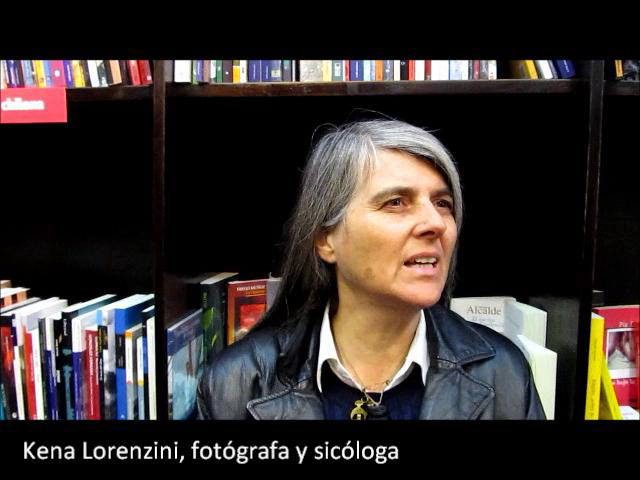
Fellow, Psychology, Academy of Christian Humanism University
María Eugenia Lorenzini nació en Talca. Sicóloga de profesión, desarrolló un importante trabajo como fotógrafa, formando parte de una generación que buscó retratar el rostro gris de Chile durante la dictadura militar. En esos años trabajó como reportera gráfica en el semanario Hoy y la revista Análisis, labor gracias a la cual reunió un importante archivo fotográfico que concentró en su libro Fragmento fotográfico, arte, narración y memoria. Chile 1980-1990.
Fellow, International Relations and Women and Gender Studies, University of California
Amanda Lotspike graduated Phi Beta Kappa at the University of California, Davis with a B.A. in International Relations and Women and Gender Studies. With support from the U.S. State Department’s Gilman International Scholarship and the UC Davis President’s Fellowship, she carried out ethnographic research in Santiago, Chile in 2011, working to understand how community health promoters in popular sectors of Santiago push the ontological notions of the body within a neoliberal political economy. She is currently working as a Project Collaborator and Researcher for ESE:O.
Fellow, Visual Education, Harvard University
Susan Meiselas received her B.A. from Sarah Lawrence College and her M.A. in visual education from Harvard University. She joined Magnum Photos in 1976. She is the author of three books: Carnival Strippers, Nicaragua, and Pandora's Box and editor of five collections: Learn to See, El Salvador: The Work of 30 Photographers, Chile from Within., Kurdistan: In the Shadow of History and Encounters with the Dani. She has co-directed two films: "Living at Risk" and "Pictures from a Revolution" with Richard P.
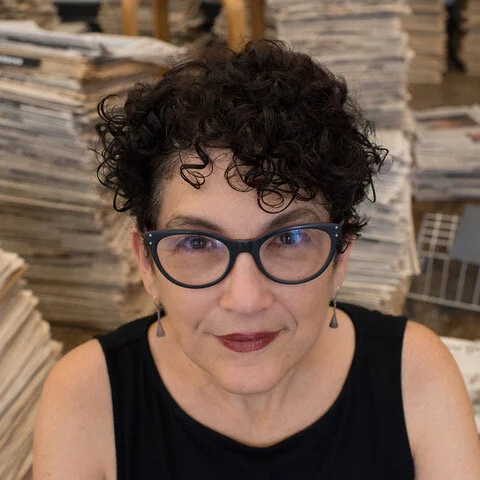
Artist & Professor of Photography & Imaging, NYU
Lorie Novak’s photographs, installations, and Internet projects explore issues of memory and transmission, the relationship between the intimate and the public, the shifting cultural meanings of photographs, and how we can use archives to reframe the past and suggest new narratives. Her work has been in numerous exhibitions both nationally and internationally.
Curator, Oral History and Art, Elgiz Museum of Contemporary Art Istanbul
Işın Önol is a curator and writer based in New York. She has been working as an independent curator (predominantly in the USA, Austria and Turkey) since 2009. Before that, she led the Elgiz Museum of Contemporary Art Istanbul as its director and curator. (2006-2009). Her curatorial research focuses on interconnecting archival information with oral histories to create platforms for collective memory through collaborative art practices

Doctoral Student, Performance Studies, New York University
Leticia Robles-Moreno is a PhD student at New York University’s Department of Performance Studies. She received her Bachelor’s degree in Humanities with emphasis in Linguistics and Literature from the Pontificia Universidad Católica del Perú. She also holds a Master’s degree in Latin American Literature from the University of Colorado at Boulder, and has taught Spanish, Latin American culture, and Writing classes in several college levels.

Doctoral Candidate, English and Comparative Literature, Columbia University
Carina del Valle Schorske is a poet, translator, and PhD candidate in Comparative Literature. She is broadly interested in the history of psychoanalysis and other forms of psychic inquiry among artists and intellectuals of color in the Americas (Harlem, Mexico City, the Caribbean). She is currently at work on a project about Pamela Colman Smith, a turn-of-the-century Jamaican folklorist and the illustrator of the world's most widely used tarot deck.

Psychologist, Gender and Culture Studies, Universidad de Chile
Iván Smirnow received his Bachelors of Science in Psychology at the Universidad Diego Portales, and is currently pursuing a Master’s degree in Personal Coaching and Leadership from the University of Barcelona. He plans to apply to the Masters Program in Gender and Culture Studies in Latin America, Department of Philosophy and Humanities a the Universidad de Chile with a proposed thesis: “Cuerpos-hechos-por/para-el-trabajo: cuerpo, memoria y trabajo precario.”
Associate Professor, Department of Journalism, Columbia Journalism School
Alisa Solomon directs the Arts & Culture concentration in the M.A. program at the Journalism School. She came to Columbia in 2005 after nearly 20 years as a professor of English/Journalism at Baruch College-CUNY and as a professor in the Ph.D. programs in Theater and in English at the CUNY Graduate Center. In addition to contributing occasionally to The Nation, The Forward, The New York Times, and other publications, she was on staff at The Village Voice for 21 years, where she was a regular theater critic and cultural and political reporter, winning awards for stories on reproductive rights, electoral politics, women's sports, and immigration policy. Solomon's book, Re-Dressing the Canon: Essays on Theater and Gender, won the George Jean Nathan Award for Dramatic Criticism.
Visiting Professor of Oral History, Columbia
Leo Spitzer is the Vernon Professor of History Emeritus at Dartmouth College.
Professor and Chair, Department of Media, Culture, and Communication and Co-Director of the Visual Culture Program, NYU
Marita Sturken is Professor in the Department of Media, Culture, and Communication at New York University, where she teaches courses in visual culture, cultural memory, and consumerism.

Fellow, Performance and Politics, New York University
Diana Taylor is University Professor and Professor of Performance Studies and Spanish at NYU. She is the author of Theatre of Crisis: Drama and Politics in Latin America (1991), which won the Best Book Award given by New England Council on Latin American Studies and Honorable Mention in the Joe E. Callaway Prize for the Best Book on Drama; of Disappearing Acts: Spectacles of Gender and Nationalism in Argentina’s ‘Dirty War’, Duke U.P., 1997; and The Archive and the Repertoire: Performing Cultural Memory in the Americas (Duke U.P., 2003), which won the ATHE Research Award in Theatre Practice and Pedagogy and the Modern Language Association Katherine Singer Kovacs Prize for the best book in Latin American and Spanish Literatures and Culture (2004).
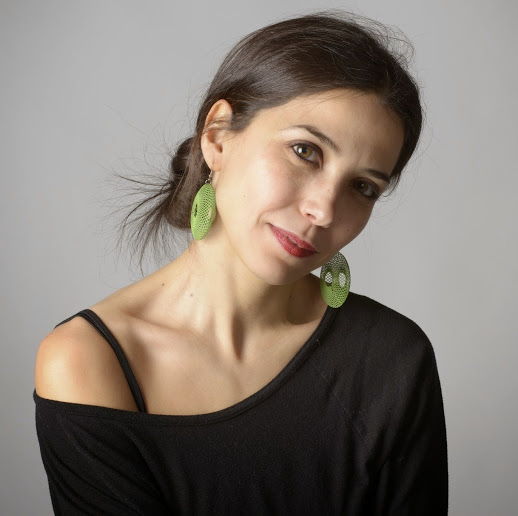
Fellow, Sculpture Studies, Hacettepe University Fine Arts
Aylin Tekiner (b. 1978, Nevsehir, Turkey) is a New York/Istanbul based artist and activist. She undertook her B.A. and M.A. at Hacettepe University Fine Arts, Sculpture Department in Ankara, Turkey. In 2008 she received her PhD at Ankara University, Institute of Educational Sciences, Cultural Fundamentals of Education Department. Her book "Ataturk Statues: Cult, Esthetics, and Politics" evolved from her PhD thesis and was published by Iletisim Yayinlari (Turkey) in 2010. Aylin has had solo shows and participated in the group exhibitions in Turkey and New York.

Doctoral Student, English and Comparative Literature, Columbia University
Kate Trebuss is a fourth-year doctoral student in the Department of English and Comparative Literature at Columbia University. Her dissertation, entitled "Critical Care: Medical Life Writing, Memory, and the Politics of Health," investigates how contemporary autobiographical stoies of illness and medical care facilitate the remembering and forgetting of certain histories and current conditions of violence, oppression, invisibility and inequality, as well as the connections between them.
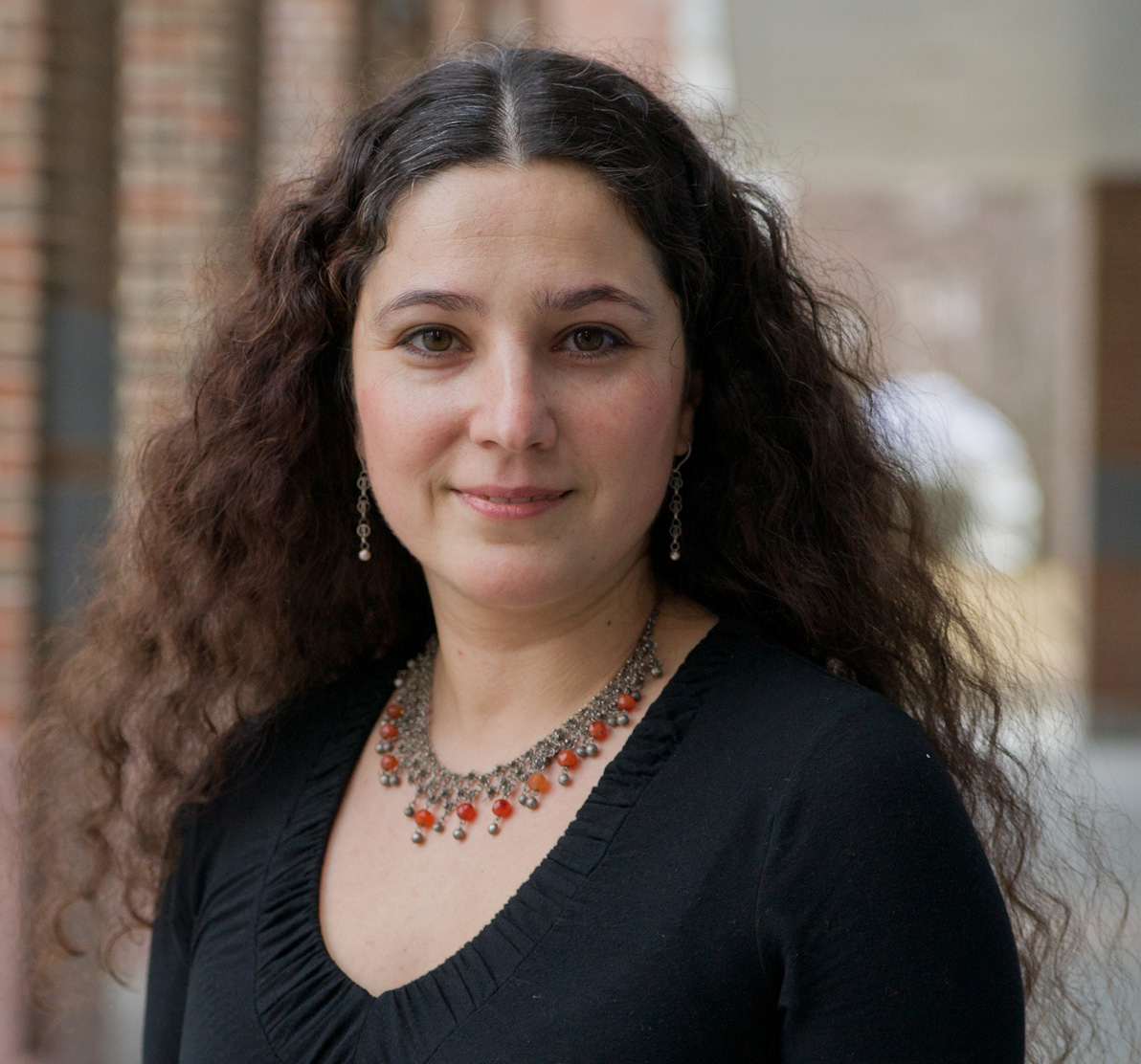
Fellow, History, Dartmouth College
Zeynep Türkyılmaz received her Ph.D. from the Department of History at the University of California at Los Angeles (UCLA) in 2009. Her dissertation, "Anxieties of Conversion: Missionaries, State and Heterodox Communities in the Late Ottoman Empire," is based on intensive research conducted in Ottoman, British, and several American missionary archives. She was an Andrew W. Mellon Foundation Sawyer Seminar Postdoctoral at UNC-Chapel Hill between 2009-2010 and Europe in the Middle East/ The Middle East in Europe Seminar Postdoctoral Fellow at Wissenschaftskolleg zu Berlin between 2010-2011.

PhD Student, Anthropology, Harvard University
Armanc Yildiz is a PhD student in the Department of Anthropology at Harvard University. His current research interests are sexuality, race, labor, political economy, colonialism, migration, Germany, and the anthropology of Europe. He received his master’s degree (with Distinction) in International Performance Research at the University of Warwick. He has a bachelor’s degree (with Honors) in Cultural Studies with a minor on Art Theory and Criticism at Sabanci University.