Engendering the Archive
Project Directors: Tina Campt, Saidiya Hartman, Marianne Hirsch, Jean Howard, Laura Wexler
Power determines what is conserved and what is lost, which stories have been committed to collective memory and which ones have been erased. Engendering the Archive brought this fundamental feminist insight to bear on the examination of archival practices in the arts, literature, history, social science and in the practice of everyday life. An interdisciplinary research project that consisted of working artists, documentarians, archivists, scholars, social analysts, and museum curators, Engendering the Archive explored the making of archives, specifically, the knowledge they afford and the question of what exceeds their grasp. This project stood out from other work on the archive because of its rigorous focus on the role of power in producing the archive and in positioning social groups unevenly in relation to the production of knowledge and the authority to speak.
Engendering the Archive was an interdisciplinary research project focusing on gender, sexuality, race, and archival practices. The working group looked at categories of social difference as inescapable aspects of differential power relations that determine what societies remember and what they forget. Focusing on key questions such as--What is an archive? Who or what authorizes its construction? How do archives contribute to the production of social and cultural difference? How does the development of new media radically change the way knowledge is classified, stored, and retrieved?—the project sought answers by taking advantage of theories and methods developed by contemporary artists, activists, and scholars of race, gender, and sexuality.
Engendering the Archive investigated some of these fundamental questions from a global perspective, taking into account of the role of racism and colonialism in the production of archives and of categories that make legible or erase particular events and experiences. Gender, along with race, sexuality, and class, are inescapable aspects of differential power relations that determine what societies remember and what they forget.
Participants included approximately 30 scholars, activists and cultural practitioners drawn from Columbia, from other colleges and universities in the greater New York area, and from abroad, as well as several Columbia graduate students.
News
Congratulations to Professors Gayatri Chakravorty Spivak and Mabel O. Wilson on joining the Academy.

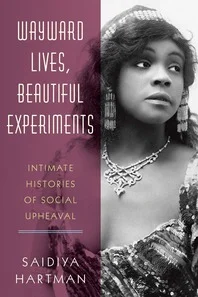
Professor Hartman was announced as one of the 2021 Award Winners for her recent book, Wayward Lives, Beautiful Experiments: Intimate Histories of Riotous Black Girls, Troublesome Women, and Queer Radicals.
Engendering the Archive Working Group Fellow spoke to the Post about the Capitol riots and racial injustice in the police responses to protesting.
The former CSSD director and current CSSD Executive Committee member is honored for outstanding teaching by faculty.
Jack Halberstam and Saidiya Hartman have contributed essays to the Feminist Art Coalition project.
Past Events
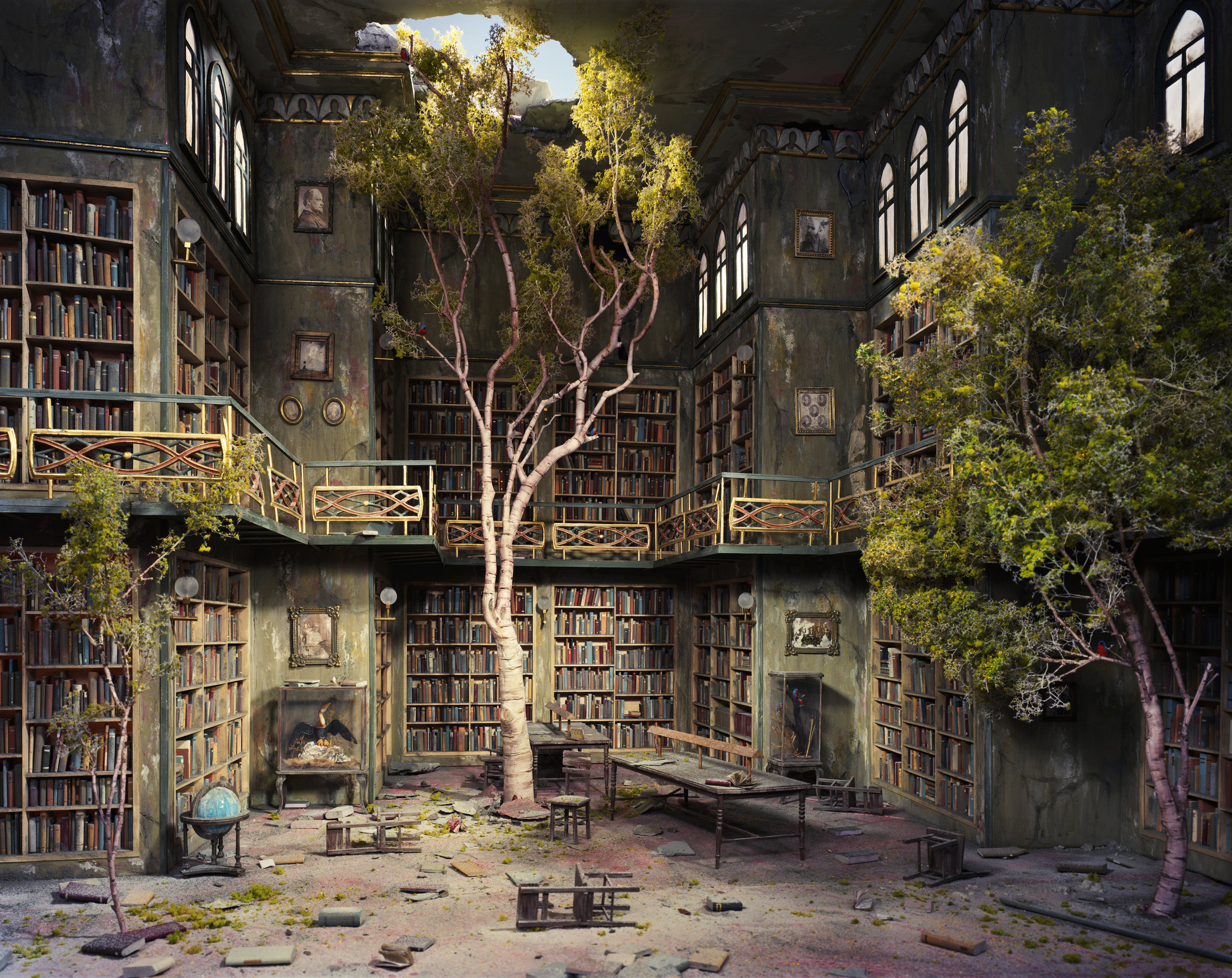
What are the effects of catastrophe on cities, their inhabitants, and the larger world? How can we address the politics of terror with which states react to their vulnerability? In a series of presentations and conversations, an international group of artists, writers, activists and individuals directly affected by urban inquiry will imagine creative modes of reinvention in response to urban disasters.
Clive van den Berg has designed and curated many of South Africa's most significant heritage installations: the Women's Gaol & Prison #4 at Constitution Hill, the Worker's Museum, the Kimberley Legislature, and Freedom Park. His studio art practice has similarly explored issues of memory and memorialization in the face of silence and forgetfulness. In this lecture, he presents his own work, and meditates on the possibility of giving form to what escapes the order and the authority of the page in a nation whose diverse histories have rarely been given voice.
This paper examines the affective circuits that animate images of disturbing events, looking in particular at the politics of pity and compassion. Focussing mainly on an image of famine in the Sudan, incorporated into a video installation by Alfredo Jaar, it analyses the complex of positive and negative affects aroused by the documentary image, and the way in which these are exposed and
From Gogol's short story of a body divided against itself, and the archive of Stalin's purges, comes William Kentridge's magical restaging of Shostakovich's opera, 'The Nose.' Kentridge, one of the world's foremost artists, is joined by opera scholar and dramaturgue David Levin to discuss his visual investigation of anarchism and anomie, power and its excesses.
Tina Campt
CCASD Visiting Fellow and Associate Professor of History and Women's Studies (Duke)
on
"Family Touches: Black Germans and the Sight and Sense of Race"
A one-day conference that brought together scholars, artists and cultural institutions to explore the practical and conceptual challenges posed by 'live' practices and embodied repertoires to conventional understandings of the archive and archival practice. Invited participants included George Lewis, Tavia Nyong’o, Jean Howard, Elin Diamond, Diamela Eltit, Anna Deveare Smith, Lois Weaver (Split Britches), Reverend Billy, Ozzie Rodriguez (La MaMa E.T.C.), Mary Marshall Clark, Marvin Taylor
Publications