

Alexander Alberro
Professor, Department of Contemporary Art History, Barnard College and Columbia University
Alexander Alberro, Virginia B. Wright Professor of Modern and Contemporary Art History at Barnard College and Columbia University, is the author and editor of numerous books, including Abstraction in Reverse: The Reconfigured Spectator in Mid-Twentieth Century Latin American Art (2017); Luis Camnitzer In Conversation with Alexander Alberro (2014) and What is Contemporary Art Today? (2012).
Alexander Alberro
Virginia B. Wright Professor of Modern and Contemporary Art History at Barnard College and Columbia University
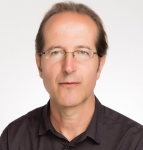
Alexander Alberro, Virginia B. Wright Professor of Modern and Contemporary Art History at Barnard College and Columbia University, is the author and editor of numerous books, including Abstraction in Reverse: The Reconfigured Spectator in Mid-Twentieth Century Latin American Art (2017), Luis Camnitzer In Conversation with Alexander Alberro (2014); What is Contemporary Art Today? (2012); John Miller: The Ruin of Exchange (2012); Institutional Critique: An Anthology of Artists Writings (2009); Art After Conceptual Art (2006); Museum Highlights (2005); Conceptual Art and the Politics of Publicity (2003); Recording Conceptual Art (2001); Two-Way Mirror Power (1999); and Conceptual Art: A Critical Anthology (1999). He has also published in a broad array of journals and exhibition catalogues, and delivered many lectures internationally. Alberro is presently completing a book-length study, "Spaces of Contemporary Art," that focuses on the relationship between current art and the geography of globalization.
Working Group Affiliation
Environmental Justice, Belief Systems, and Aesthetic Experiences in Latin America and the Caribbean
Carlos Gutierrez Aza
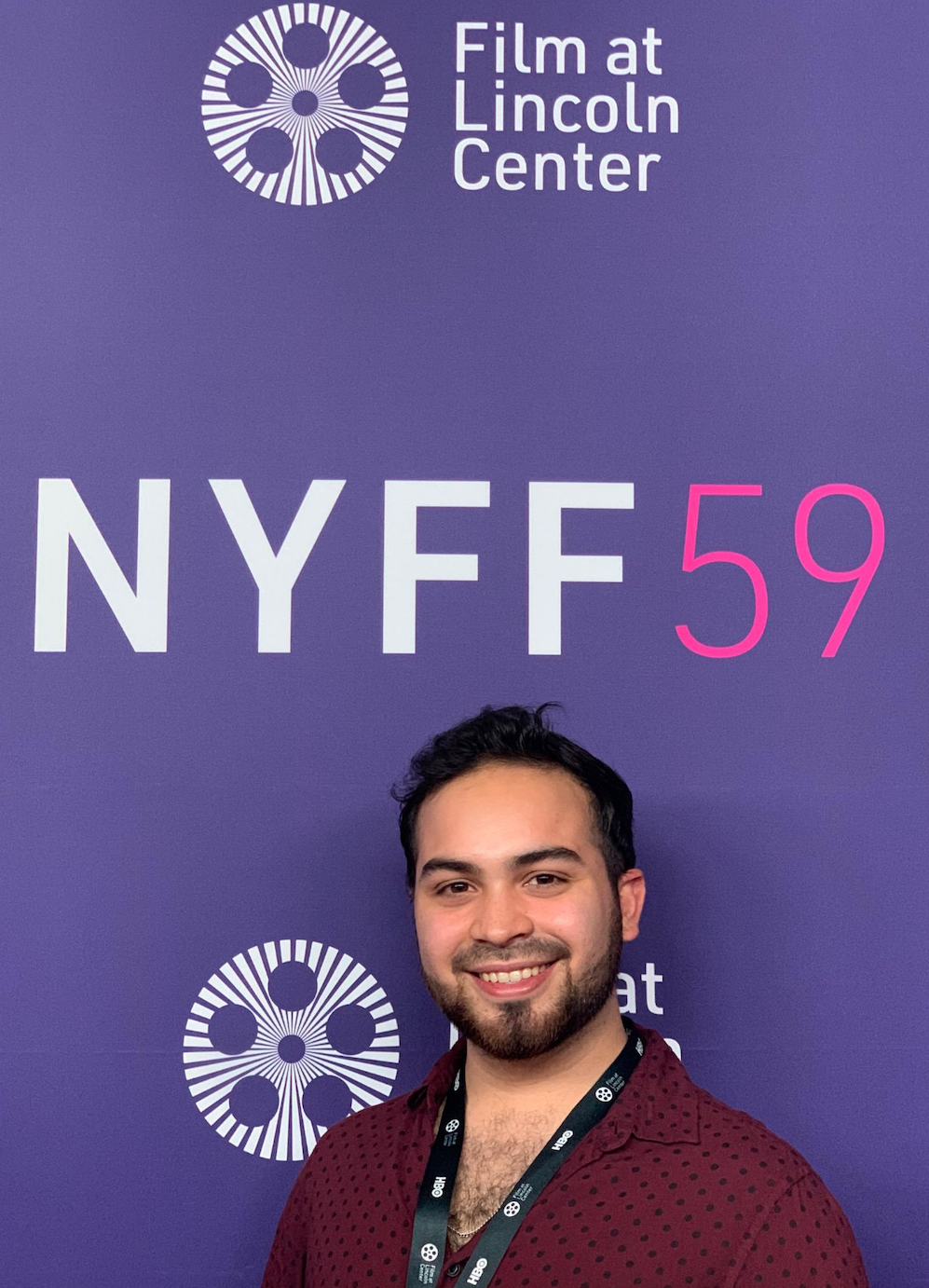
Carlos Gutierrez Aza is a second-year Film and Media Studies MA international student at Columbia, originally from Venezuela but having lived all around Latin America. His research and thesis focuses on the hypervisibility of identity in the new digital era of the 21st century, exploring the feedback loops that social and new media create to understand and scrutinize questions of identity, representation, and diversity towards a commodified formation of culture. This focus further marries his undergraduate studies in Business Administration and Film Studies at Emory University.
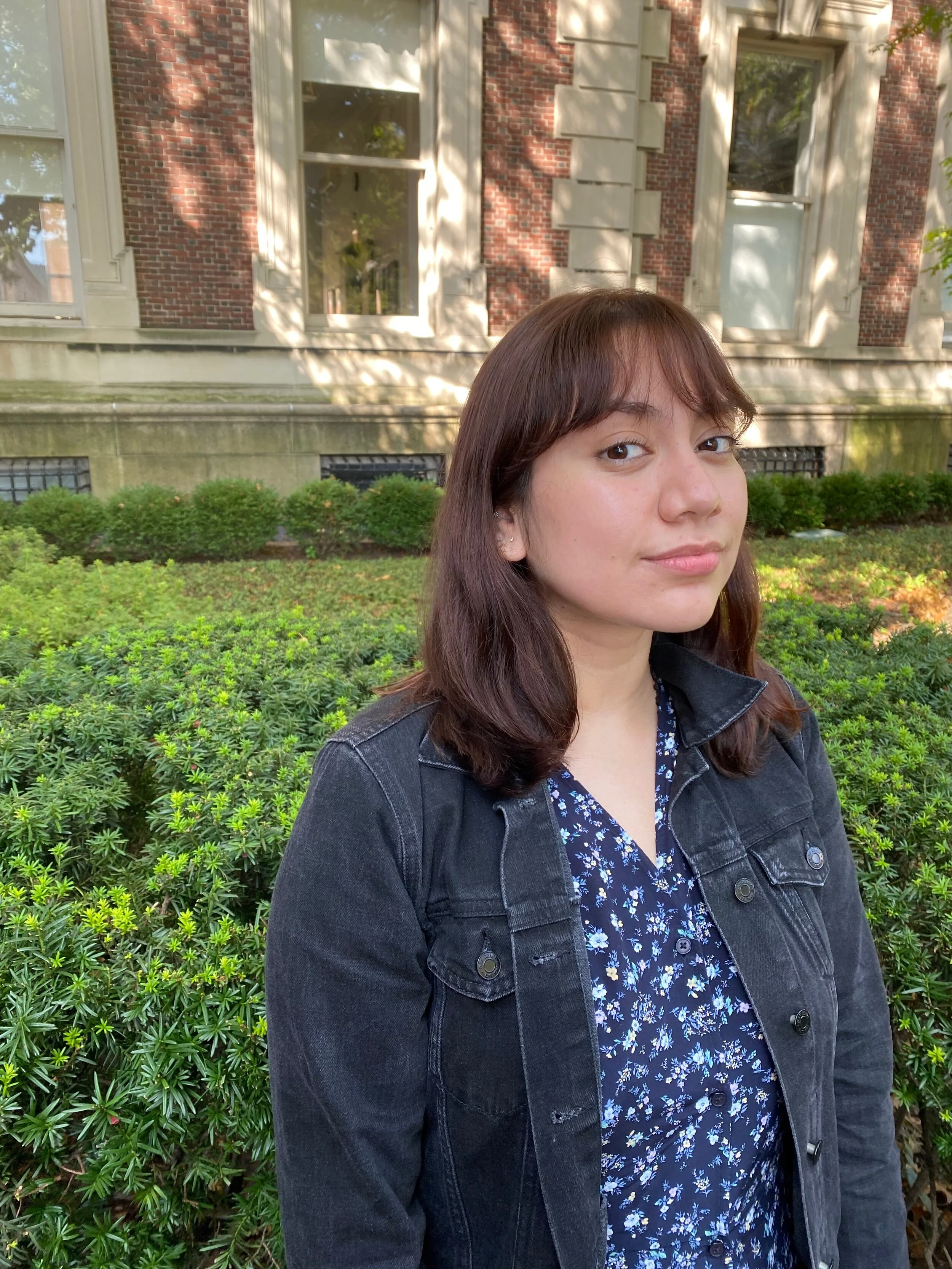
Julia Delgadillo
Doctoral Student, Film Studies, Columbia University
Julia Delgadillo is a second-year Film Studies MA student at Columbia University, focusing her thesis on Mexican horror films of the 1950s to 1970s, and their relationship to Mexican folklore and culture. This work is expanded upon from her undergraduate studies at the University of California, Berkeley, where her focus was manifestations of mental illnesses in horror films.
Julia Delgadillo
Film Studies MA Student, Columbia University
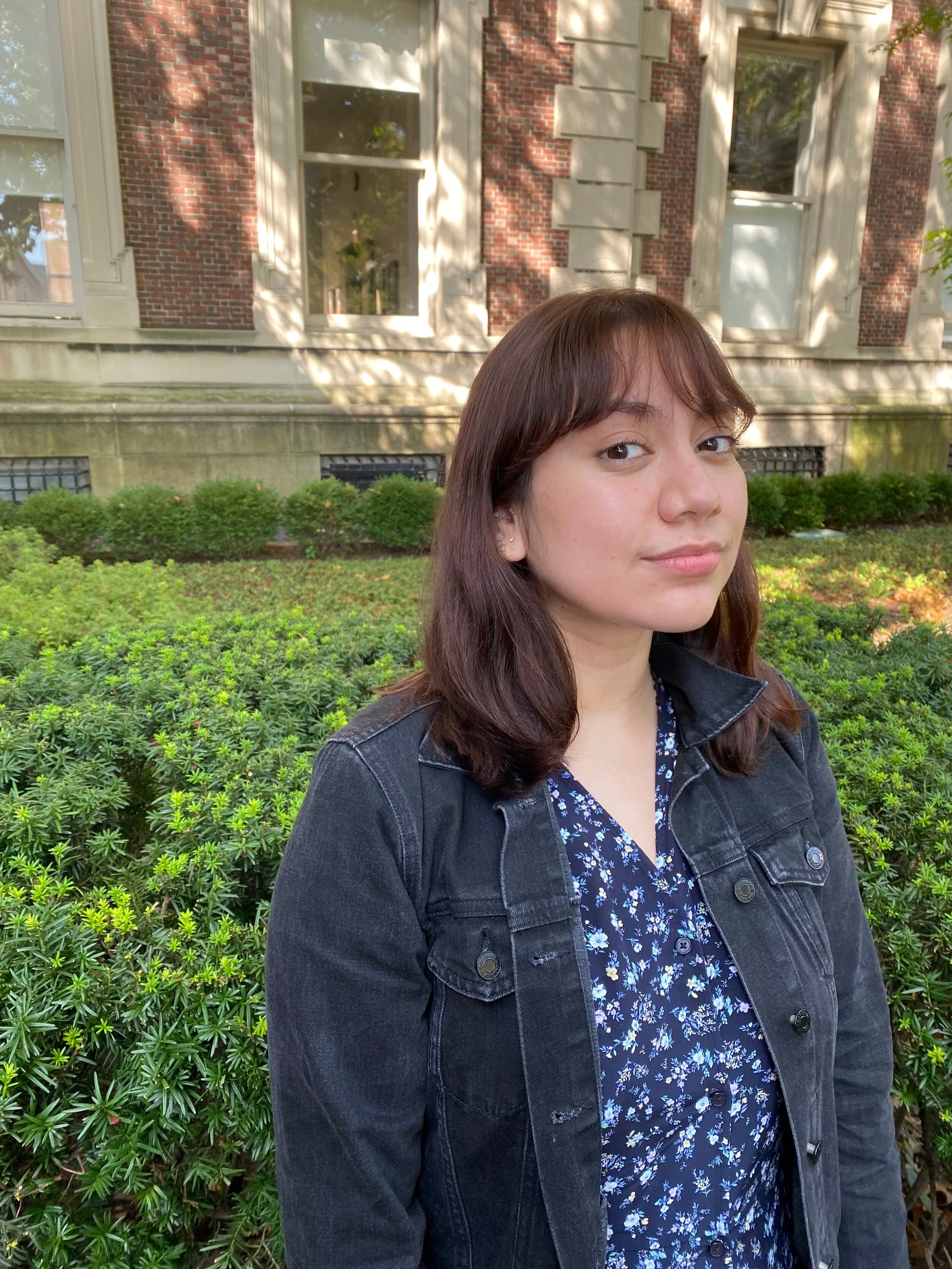
Julia Delgadillo is a second-year Film Studies MA student at Columbia University, focusing her thesis on Mexican horror films of the 1950s to 1970s, and their relationship to Mexican folklore and culture. This work is expanded upon from her undergraduate studies at the University of California, Berkeley, where her focus was manifestations of mental illnesses in horror films.
Working Group Affiliation
Environmental Justice, Belief Systems, and Aesthetic Experiences in Latin America and the Caribbean, Graduate Assistant
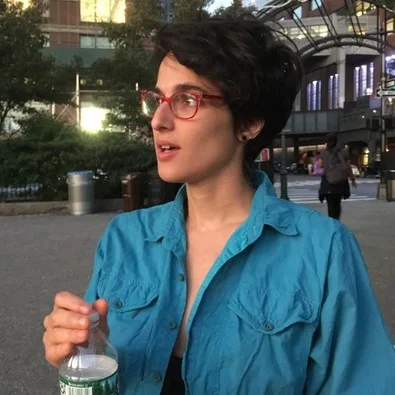
Maria Fantinato
PhD Candidate, Anthropology and Ethnomusicology, Columbia University
Maria Fantinato received her MA in Communication and Culture from the Federal University of Rio de Janeiro, with a thesis on the relationship between music, communication and aesthetics among local experimental musicians. As a PhD candidate at Columbia University she works at the intersection of sound studies, anthropology of the senses, Brazilian ethnomusicology and queer theories of the sensorial, focusing on the sonic as formative of the political.
Maria Fantinato
PhD Candidate in Anthropology and Ethnomusicology, Columbia University
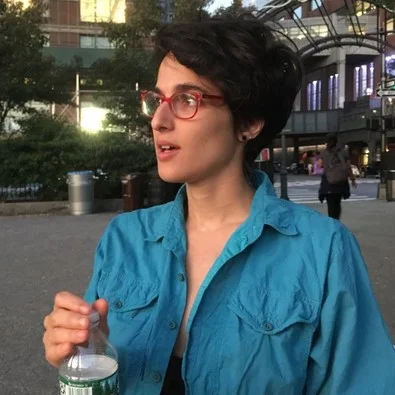
Maria Fantinato received her MA in Communication and Culture from the Federal University of Rio de Janeiro, with a thesis on the relationship between music, communication and aesthetics among local experimental musicians. As a PhD candidate at Columbia University she works at the intersection of sound studies, anthropology of the senses, Brazilian ethnomusicology and queer theories of the sensorial, focusing on the sonic as formative of the political. In her work, listening is a conceptual-political entry point to understand violent and transforming processes that take place in Amazonian territories in the name of “development”.
Working Group Affiliation
Environmental Justice, Belief Systems, and Aesthetic Experiences in Latin America and the Caribbean, Graduate Assistant
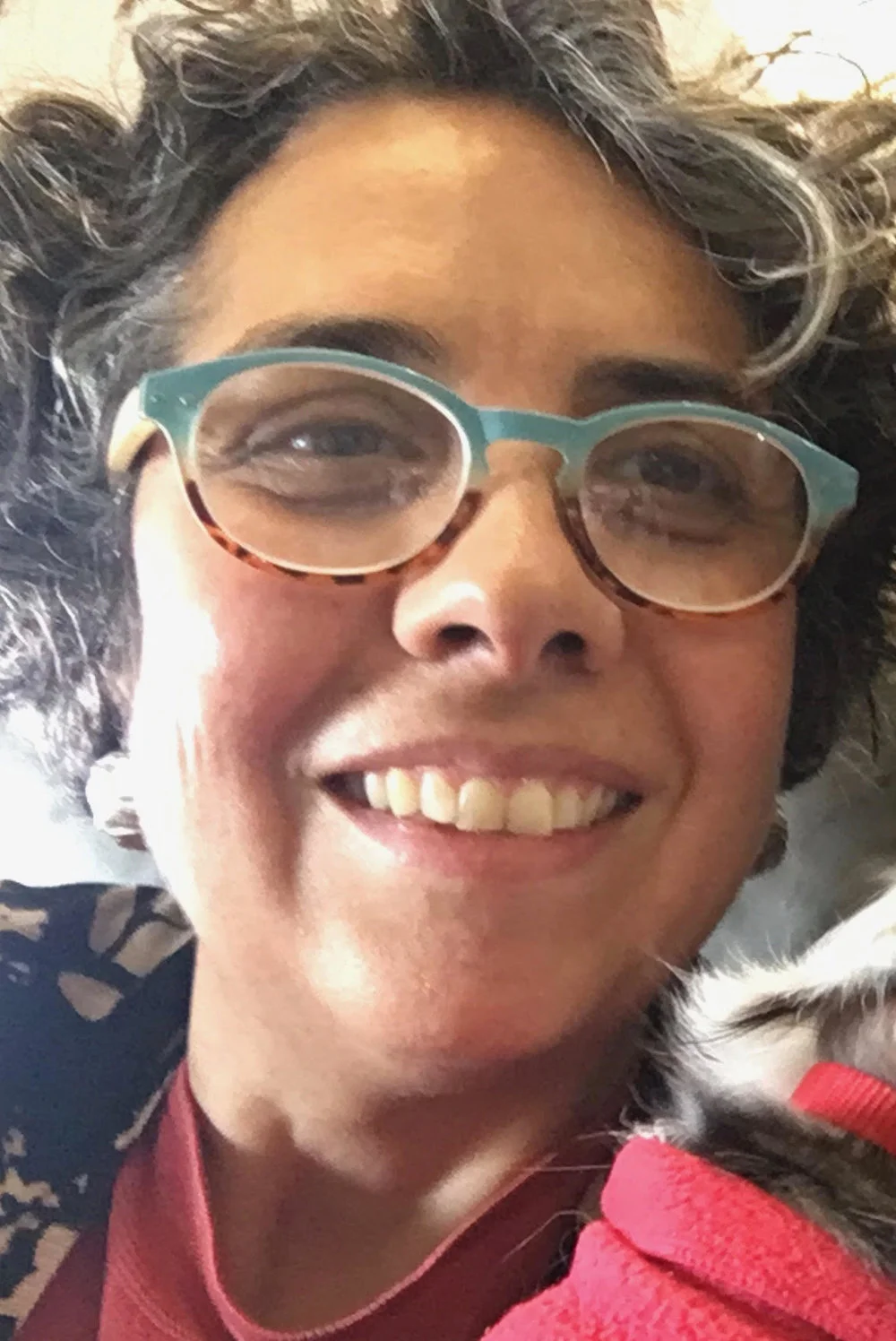
Ana M. Ochoa Gautier
Professor, Department of Ethnicity and Race, Columbia University
Ana M. Ochoa Gautier is Professor and Chair of the Department of Music, and faculty member at the Center for the Study of Ethnicity and Race at Columbia University. Her recent book, Aurality, Listening and Knowledge in Nineteenth-Century Colombia (Duke University Press, 2014) was awarded the Alan Merriam Prize by the Society for Ethnomusicology. She is also the author of Músicas locales en tiempos de globalización (Buenos Aires: Norma 2003) and Entre los Deseos y los Derechos: Un Ensayo Crítico sobre Políticas Culturales (Bogotá: Ministerio de cultura, 2003).
Ana M. Ochoa Gautier
Professor and Chair of the Department of Music; Faculty Member at the Center for the Study of Ethnicity and Race, Columbia University

Ana M. Ochoa Gautier is Professor and Chair of the Department of Music, and faculty member at the Center for the Study of Ethnicity and Race at Columbia University. Her recent book, Aurality, Listening and Knowledge in Nineteenth-Century Colombia (Duke University Press, 2014) was awarded the Alan Merriam Prize by the Society for Ethnomusicology. She is also the author of Músicas locales en tiempos de globalización (Buenos Aires: Norma 2003) and Entre los Deseos y los Derechos: Un Ensayo Crítico sobre Políticas Culturales (Bogotá: Ministerio de cultura, 2003). She writes on music and cultural policy, forced silence and armed conflict, and genealogies of listening and sound in Latin America and the Caribbean. Her current projects explore the bioacoustics of life and death in colonial histories of the Americas. She has been a Distinguished Greenleaf Scholar in Residence at Tulane University (2016) and a Guggenheim Fellow (2007-2008). She has served on the advisory boards of the Society for Cultural Anthropology, the Démos project at the Cité de la Musique - Philharmonie de Paris, and the Smithsonian Center for Folklife and Cultural Heritage.
Working Group Affiliation
Environmental Justice, Belief Systems, and Aesthetic Experiences in Latin America and the Caribbean, Project Director
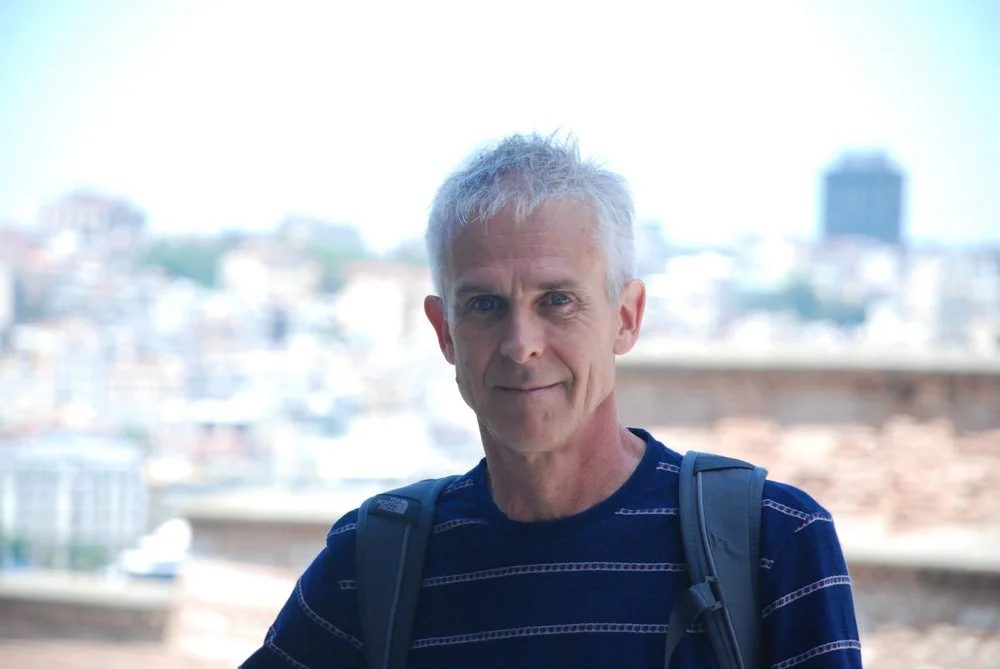
Ron Gregg
Professor, Film and Media Studies, Columbia University
Ron Gregg is Senior Lecturer in the Discipline in Film and Media Studies at the School of the Arts at Columbia University. He writes and teaches courses on queer, experimental, Hollywood, and global cinema. He co-chaired the Yale conferences on “Postwar Queer Underground Cinema, 1950-1968” and “Secrets of the Orient: Costume, Movement, and Duration in the Cinematic Experience of the East” and organized the film series “Six Lesbian Filmmakers/Six Queer Films” bringing six leading filmmakers to Yale University. His most recent writings include “Fashion, Thrift Stores, and the Space of Pleasure in 1960s Queer Underground Film” and “Sanitizing the Beatles for Revolution: Music, Film, and Fashion in 1960s A Hard Day’s Night.”
Ron Gregg
Senior Lecturer, Film and Media Studies, Columbia University
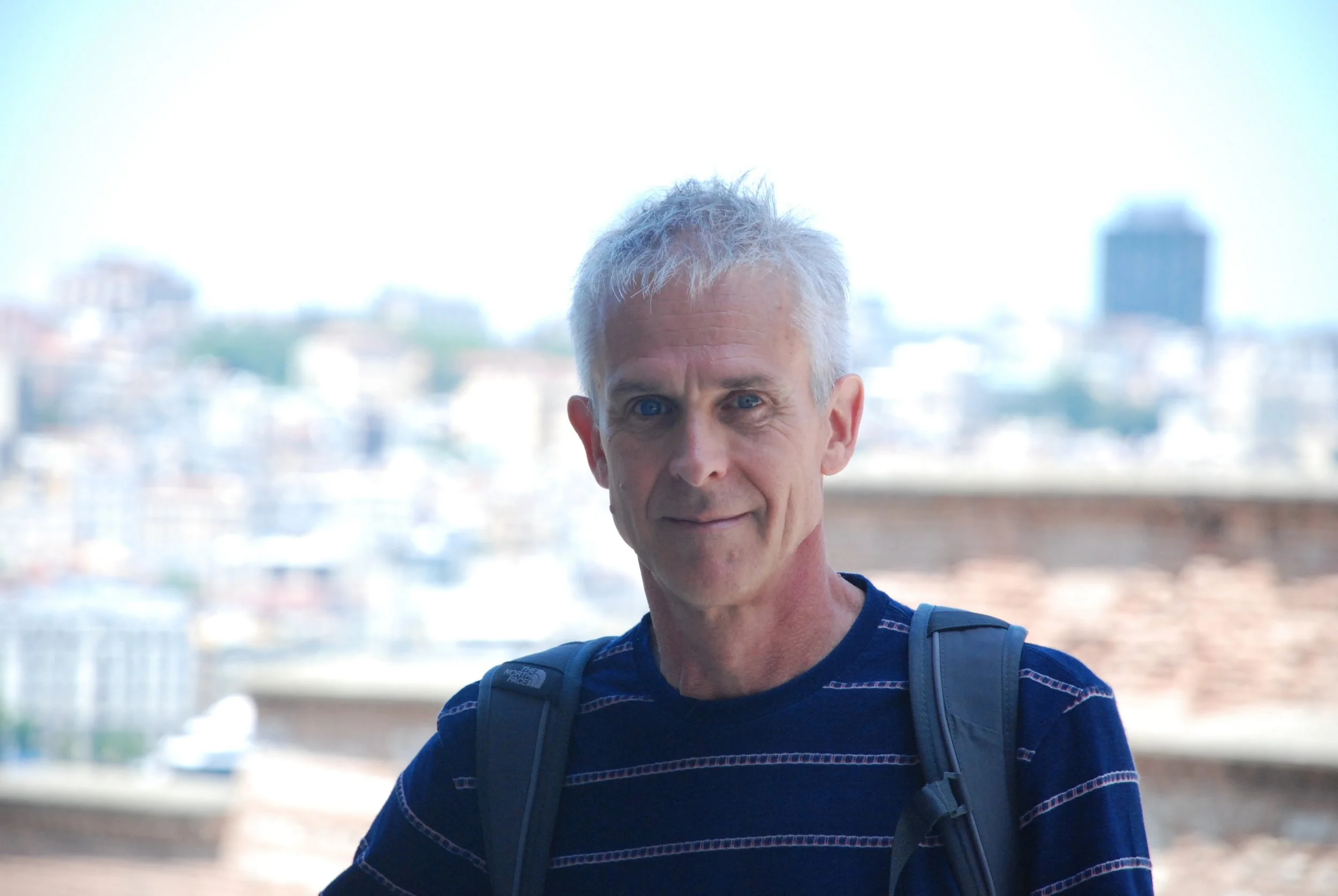
Ron Gregg is Senior Lecturer in the Discipline in Film and Media Studies at the School of the Arts at Columbia University. He writes and teaches courses on queer, experimental, Hollywood, and global cinema. He co-chaired the Yale conferences on “Postwar Queer Underground Cinema, 1950-1968” and “Secrets of the Orient: Costume, Movement, and Duration in the Cinematic Experience of the East” and organized the film series “Six Lesbian Filmmakers/Six Queer Films” bringing six leading filmmakers to Yale University. His most recent writings include “Fashion, Thrift Stores, and the Space of Pleasure in 1960s Queer Underground Film” and “Sanitizing the Beatles for Revolution: Music, Film, and Fashion in 1960s A Hard Day’s Night.” He is presently co-editing a book on “Queer Cinema” for Oxford University Press. Gregg previously served as Director of Film Programming at Yale’s Whitney Humanities Center from 2009-2017 and has curated film and video programming for the Chicago Gay and Lesbian Film Festival, the San Francisco International LGBT Film Festival, the South African Gay and Lesbian Film Festival, the University of Chicago Lesbian and Gay Studies Project and Lenfest Center for the Arts in New York City.
Working Group Affiliation
Environmental Justice, Belief Systems, and Aesthetic Experiences in Latin America and the Caribbean, Project Director
Els Lagrou
Fellow, Anthropology, Federal University of Rio de Janeiro
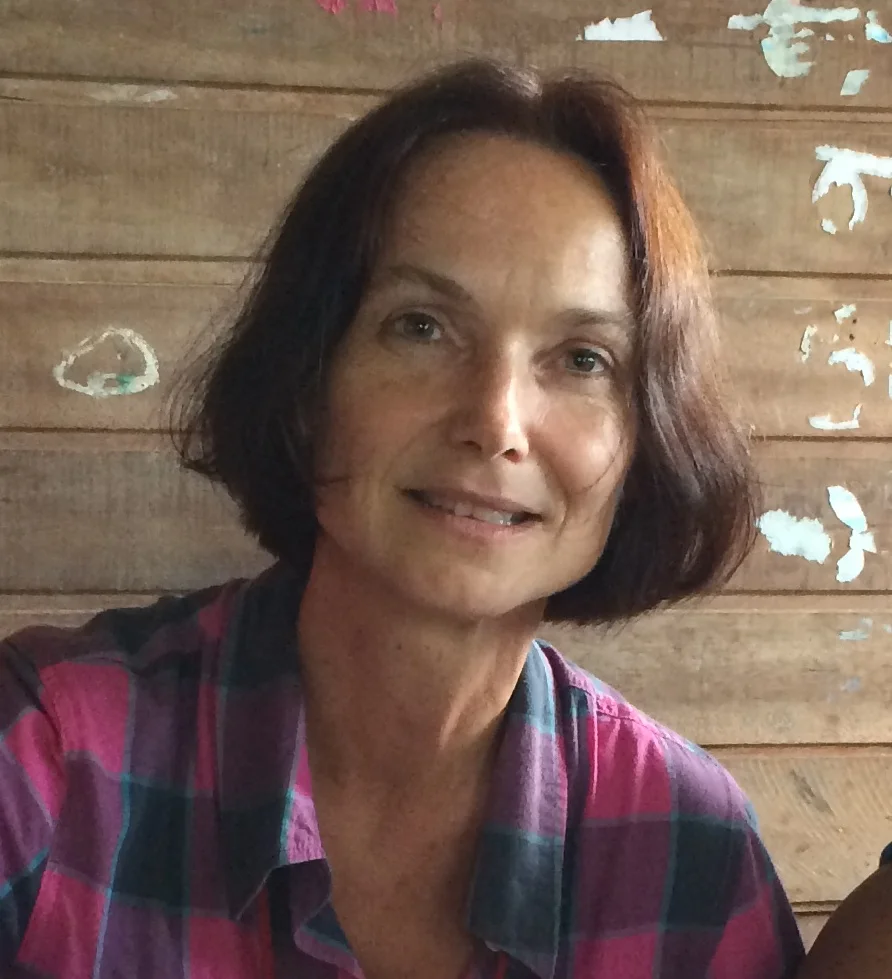
Els Lagrou is a Professor of social and cultural anthropology at the Federal University of Rio de Janeiro (Graduate Program of Sociology and Anthropology) and Researcher of the National Center of Research (CNPq). Her research interests include Amerindian Ethnology, its ontological, social and aesthetic regimes, as well as the Anthropology of expressive and agentive forms. She is the author of A fluidez da forma: arte, alteridade e agência em uma sociedade amazônica (The fluidity of form: art, alterity and agency in an Amazonian society) (Topbooks, 2007), Artes indígenas no Brasil (Indigenous arts in Brazil) (ComArte, 2009) and of the Catalogue, a show she curated at the National Museum of the Brazilian Indian No caminho da miçanga, um mundo que se faz de contas (On the bath of glass beads, o world made of beads (UNESCO/FUNAI, 2016).
Els Lagrou
Professor of Anthropology, Federal University of Rio de Janeiro; Researcher, the National Center of Research
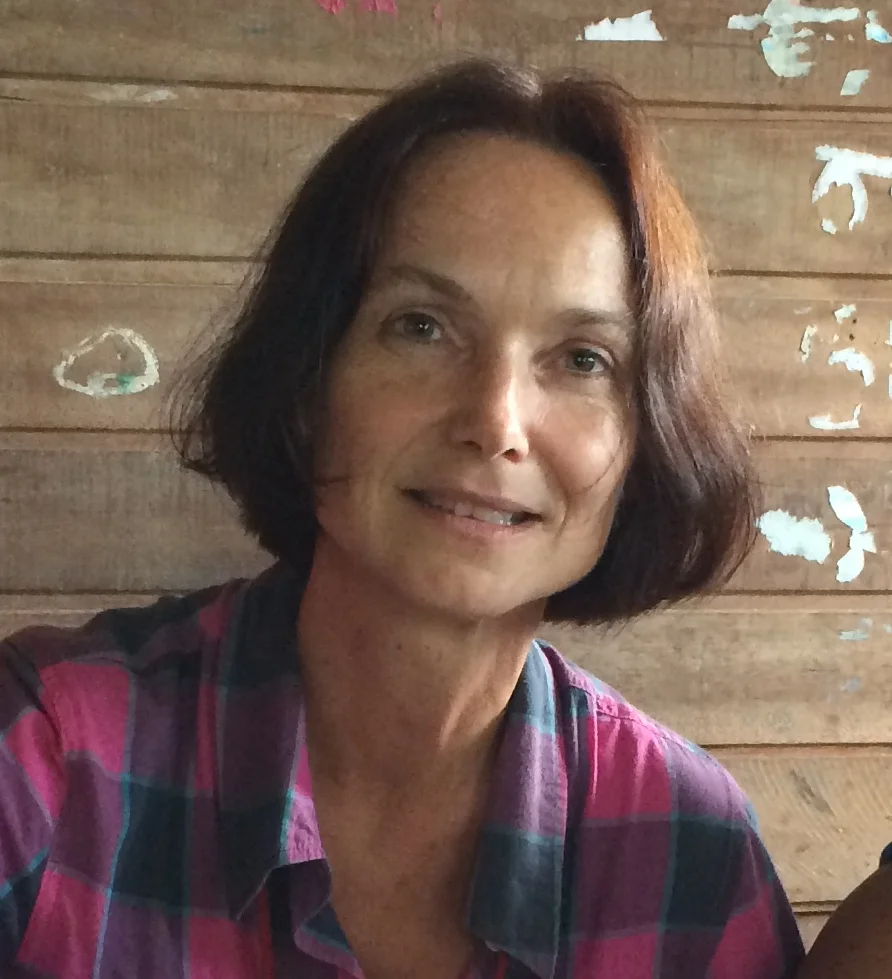
Els Lagrou is a Professor of social and cultural anthropology at the Federal University of Rio de Janeiro (Graduate Program of Sociology and Anthropology) and Researcher of the National Center of Research (CNPq). Her research interests include Amerindian Ethnology, its ontological, social and aesthetic regimes, as well as the Anthropology of expressive and agentive forms. She is the author of A fluidez da forma: arte, alteridade e agência em uma sociedade amazônica (The fluidity of form: art, alterity and agency in an Amazonian society) (Topbooks, 2007), Artes indígenas no Brasil (Indigenous arts in Brazil) (ComArte, 2009) and of the Catalogue of a show she curated at the National Museum of the Brazilian Indian No caminho da miçanga, um mundo que se faz de contas (On the bath of glass beads, o world made of beads (UNESCO/FUNAI, 2016); with Carlo Severi she edited Quimeras em diálogo, grafismo e figuração nas artes ameríndias (chimeras in dialogue: grafism and figuration in Amerindian arts) (7Letras, 2014). Lagrou obtained her BA and Master in History from the Catholic University of Leuven, her MA in Social Anthropology from the Federal University of Santa Catarina and her PhD from the University of St. Andrews and the University of São Paulo. Lagrou thought at the Federal University of Santa Catarina, and offered courses as invited professor at The Complutense of Madrid, University of Córdoba, University of México, École Pratique des Hautes Études. She was a Sutusoma Fund, CNPq, Capes and Faperj scholar, and a visiting fellow at the University of Leuven, École des Hautes Études, Musée du quai Branly and the University of Columbia.
She is member of the Editorial Board of the Journal Sociologia e Antropologia (PPGSA, UFRJ), international correspondent of Gradhiva, Revue d’Anthropologie et d’Histoire des arts (Musée du quai Branly). She was member of the ‘Comité de Gestion Scientifique du GDRI (Groupement de Recherche International), ‘Anthropologie et Histoire des arts’, du Musée Quai Branly/CNRS/Laboratoire d’Anthropologie Sociale – Collège de France (2006-2013); Has cooordinated the Project “Constructing Cultures, Documenting traditions”, (PRODOCULT) in collaboration with the National Museum of the (Brazilian) Indian (Museo do Índio, FUNAI/UNESCO, 2006-2015), as well as the Project “On the path of beads”, a documentation Project of uses and meanings of beads among Brazilian Indigenous people in collaboration with the National Museum of the (Brazilian) Indian (RJ)/UNESCO/UFRJ (2009-2015); Coordinates the “Research group on arts, images and ethnological research” (NAIPE, UFRJ, since 2002); Coordinates the “Amerindian Seminars” at the PPGSA, IFCS (2002-2017) and the SMARTIE seminar on expressive and agentive forms (PPGSA, UFRJ).
Working Group Affiliation
Environmental Justice, Belief Systems, and Aesthetic Experiences in Latin America and the Caribbean
Andrés García Molina
PhD Candidate in Ethnomusicology, Columbia University
Andrés García Molina is a PhD candidate in Ethnomusicology at Columbia University, researching street-vendor songs in Cuba and their relationship to labor, precarity, and food justice. He obtained an MA in Latin American Studies from UC Berkeley, researching shamanic rituals in the Colombian Amazon. He is part of the editorial board of Current Musicology and a contributing editor for Cultural Anthropology. His research has been funded by the Social Science Research Council and the Mellon Foundation.
Andrés García Molina
PhD Candidate in Ethnomusicology, Columbia University
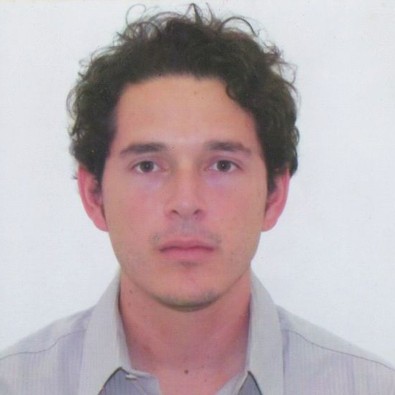
Andrés García Molina is a PhD candidate in Ethnomusicology at Columbia University, researching street-vendor songs in Cuba and their relationship to labor, precarity, and food justice. He obtained an MA in Latin American Studies from UC Berkeley, researching shamanic rituals in the Colombian Amazon. He is part of the editorial board of Current Musicology and a contributing editor for Cultural Anthropology. His research has been funded by the Social Science Research Council and the Mellon Foundation.
Working Group Affiliation
Environmental Justice, Belief Systems, and Aesthetic Experiences in Latin America and the Caribbean
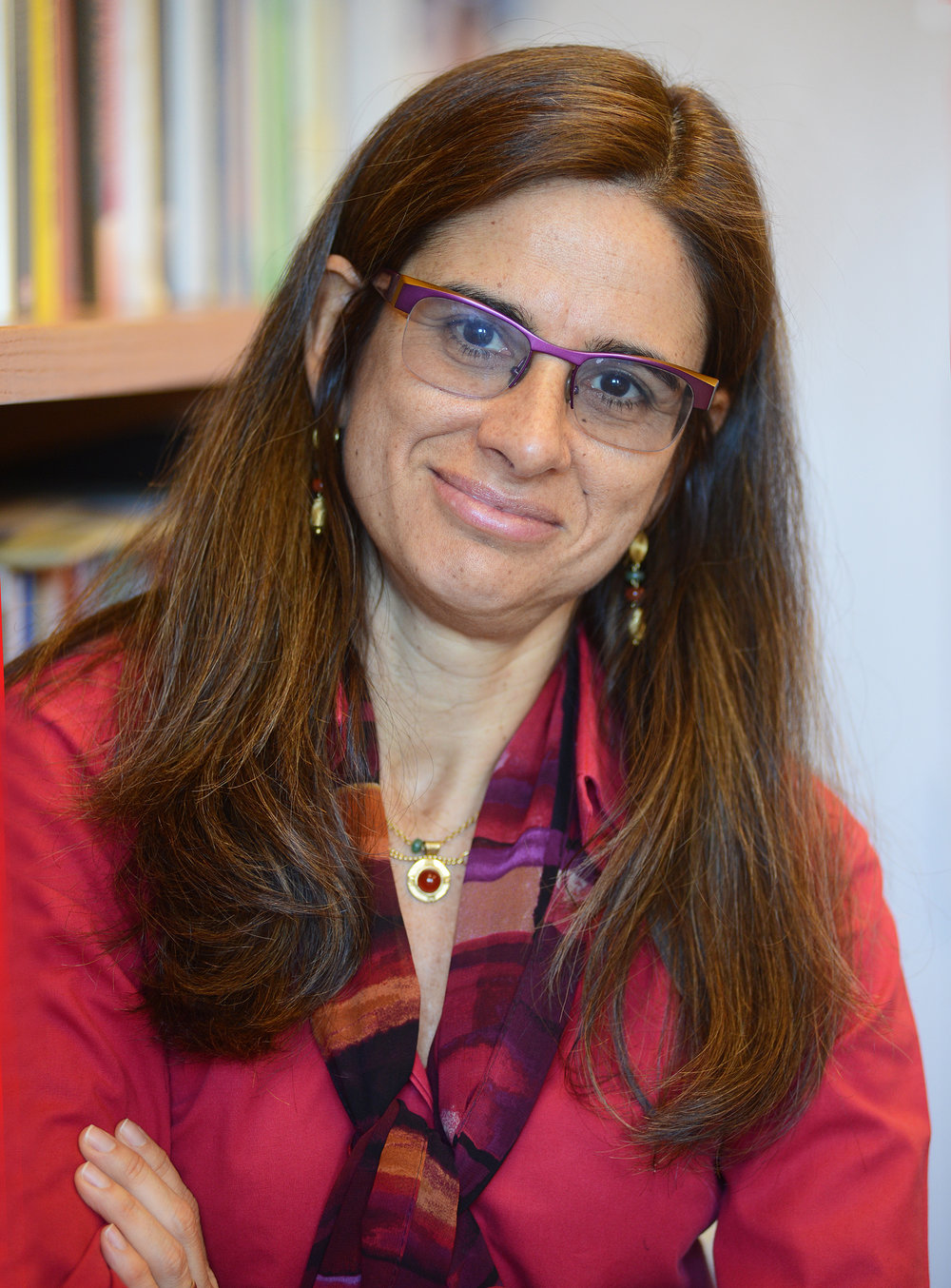
María Victoria Murillo
Professor, Department of Political Science and International Affairs, Columbia University
María Victoria Murillo is Professor of Political Science and International Affairs at Columbia University. Her work focuses on distributive politics, electoral behavior, institutional weakness, Latin American politics, agricultural and conservation policies. She is the author of Labor Unions, Partisan Coalitions, and Market Reforms in Latin America (Cambridge University Press 2001), Political Competition, Partisanship, and Policymaking in the Reform of Latin American Public Utilities (Cambridge University Press, 2009), and with Ernesto Calvo of Non-Policy Politics: Richer Voter, Poorer Voter and the Diversification of Parties Electoral Strategies (Cambridge University Press, 2019).
María Victoria Murillo
Professor of Political Science and International Affairs, Columbia University

María Victoria Murillo is Professor of Political Science and International Affairs at Columbia University. Her work focuses on distributive politics, electoral behavior, institutional weakness, Latin American politics, agricultural and conservation policies. She is the author of Labor Unions, Partisan Coalitions, and Market Reforms in Latin America (Cambridge University Press 2001), Political Competition, Partisanship, and Policymaking in the Reform of Latin American Public Utilities (Cambridge University Press, 2009), and with Ernesto Calvo of Non-Policy Politics: Richer Voter, Poorer Voter and the Diversification of Parties Electoral Strategies (Cambridge University Press, 2019), and with Daniel Brinks and Steven Levitsky of Understanding Institutional Weakness: Power and Design in Latin American Institutions (Cambridge University Press, Elements in Latin American Politics and Society, 2019). Murillo received her BA from the Universidad de Buenos Aires and her MA and PhD from Harvard University. Murillo has taught at Yale University, was a postdoctoral fellow at Harvard University, a Fulbright scholar and a Russell Sage Visiting Fellow.
Working Group Affiliation
Environmental Justice, Belief Systems, and Aesthetic Experiences in Latin America and the Caribbean