

Kevin Fellezs
Assistant Professor of Music, Columbia University
Kevin Fellezs is an Assistant Professor of Music at Columbia University, where he shares a joint appointment in the Institute for Research in African-American Studies. His book titled Birds of Fire: Jazz, Rock, Funk and the Creation of Fusion (Duke University Press) is a study of fusion (jazz-rock-funk) music of the 1970s, which won the 2012 Woody Guthrie Book Award.
Kevin Fellezs
Assistant Professor of Music, Columbia University
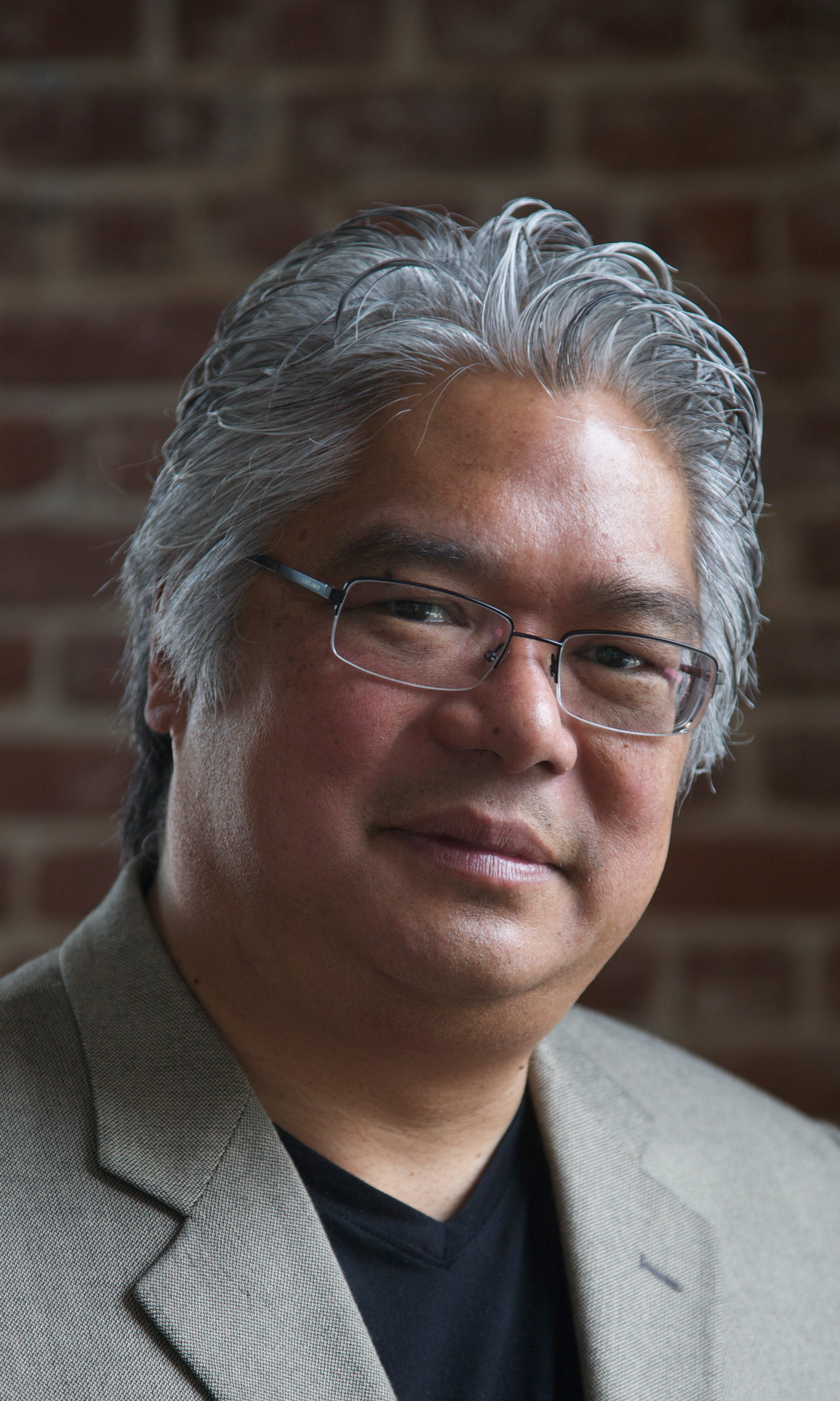
Kevin Fellezs is an Assistant Professor of Music at Columbia University, where he shares a joint appointment in the Institute for Research in African-American Studies. His book titled Birds of Fire: Jazz, Rock, Funk and the Creation of Fusion (Duke University Press) is a study of fusion (jazz-rock-funk) music of the 1970s, which won the 2012 Woody Guthrie Book Award. Fellezs has published articles in Jazz Perspectives, Journal of Popular Music Studies, Popular Music History, and the Institute for Studies in American Music Newsletter, as well as essays in a number of edited anthologies. In addition to the Pacific Climate Circuits grant, Fellezs has been awarded the Lenfest Junior Faculty Development Grant, the Provost’s Program for Junior Faculty Who Contribute to the Diversity Goals of the University Grant, and the Tsunoda Senior Fellowship at Waseda University, Tokyo, Japan. Fellezs received his PhD from the University of California, Santa Cruz (History of Consciousness (American Studies), 2004). In 2004-6, he received a University of California President's Postdoctoral Fellowship at the University of California, Berkeley. He is currently writing a book on a transnational study of ki ho'alu (Hawaiian slack key guitar) performers, both native Hawaiian and non-Hawaiian, in Hawai'i, California and Japan.
Working Group Affiliation
Pacific Climate Circuits: Moving Beyond Science, Technology, Engineering, and Economics, Project Director

J.C. Salyer
Assistant Professor of Practice in Human Rights and Anthropology, Barnard College
J.C. Salyer is an anthropologist and a lawyer whose work focuses on law and society, immigration law, and social justice. He is also the staff attorney for the Arab-American Family Support Center, a community-based organization in Brooklyn, and runs the organization’s immigration clinic. His current research focuses on migration, disruption, and displacement related to climate change in the southwestern Pacific.
J.C. Salyer
Associate Professor of Practice in Human Rights and Anthropology, Barnard College

J.C. Salyer is an anthropologist and a lawyer whose work focuses on law and society, immigration law, and social justice. He is also the staff attorney for the Arab-American Family Support Center, a community-based organization in Brooklyn, and runs the organization’s immigration clinic. His current research focuses on migration, disruption, and displacement related to climate change in the southwestern Pacific.
Working Group Affiliation
Migrant Personhood and Rights: Crises of Recognition, Project Director
Pacific Climate Circuits: Moving Beyond Science, Technology, Engineering, and Economics, Project Director
Audra Simpson
Associate Professor, Department of Anthropology, Columbia University
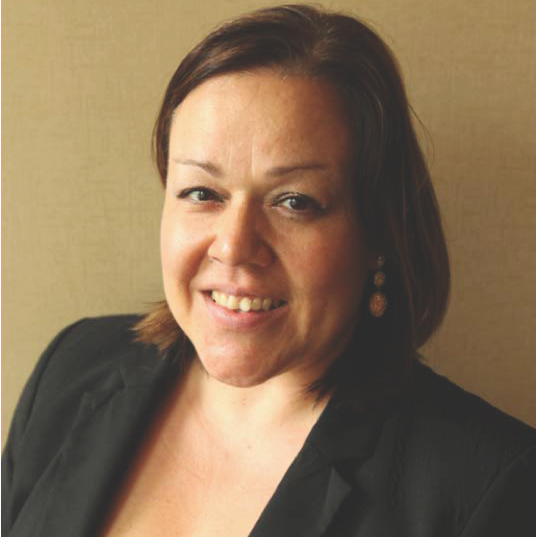
Audra Simpson is Associate Professor of Anthropology at Columbia University. She is the author of Mohawk Interruptus: Political Life Across the Borders of Settler States (Duke University Press, 2014), winner of the Native American and Indigenous Studies Association’s Best First Book in Native American and Indigenous Studies Prize, the Laura Romero Prize from the American Studies Association as well as the Sharon Stephens Prize from the American Ethnological Society (2015). She is co-editor of Theorizing Native Studies (Duke University Press, 2014). She has articles in Cultural Anthropology, American Quarterly, Junctures, Law and Contemporary Problems and Wicazo Sa Review. In 2010 she won Columbia University’s School for General Studies “Excellence in Teaching Award.” She is a Kahnawake Mohawk.
Associate Professor, Anthropology, Columbia University
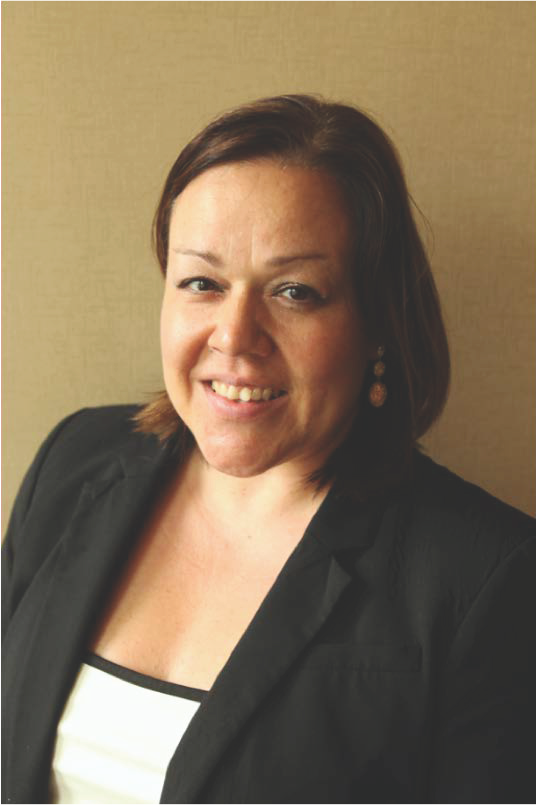
Audra Simpson is Associate Professor of Anthropology at Columbia University. She is the author of Mohawk Interruptus: Political Life Across the Borders of Settler States (Duke University Press, 2014), winner of the Native American and Indigenous Studies Association’s Best First Book in Native American and Indigenous Studies Prize, the Laura Romero Prize from the American Studies Association as well as the Sharon Stephens Prize from the American Ethnological Society (2015). She is co-editor of Theorizing Native Studies (Duke University Press, 2014). She has articles in Cultural Anthropology, American Quarterly, Junctures, Law and Contemporary Problems and Wicazo Sa Review. In 2010 she won Columbia University’s School for General Studies “Excellence in Teaching Award.” She is a Kahnawake Mohawk.
Working Group Affiliations
Pacific Climate Circuits: Moving Beyond Science, Technology, Engineering, and Economics
Didier M. Sylvain
Doctoral Candidate, Ethnomusicology, Columbia University
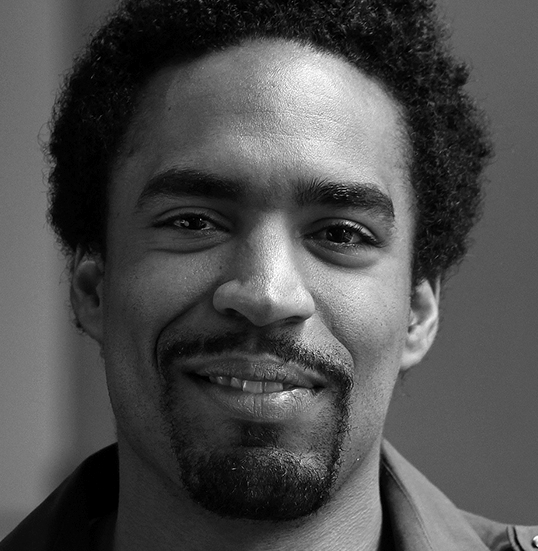
Didier Michel is a sound artist and PhD student in Ethnomusicology. His work focuses on the spiritual or phenomenological dimensions of “black” engagement with sound technology among Afrofuturist-identified music-makers and listeners in Haiti and the United States.Doctoral Candidate, Ethnomusicology, Columbia University
Didier Michel is a sound artist and PhD student in Ethnomusicology. His work focuses on the spiritual or phenomenological dimensions of “black” engagement with sound technology among Afrofuturist-identified music-makers and listeners in Haiti and the United States.
Didier M. Sylvain
Doctoral Candidate, Ethnomusicology, Columbia University
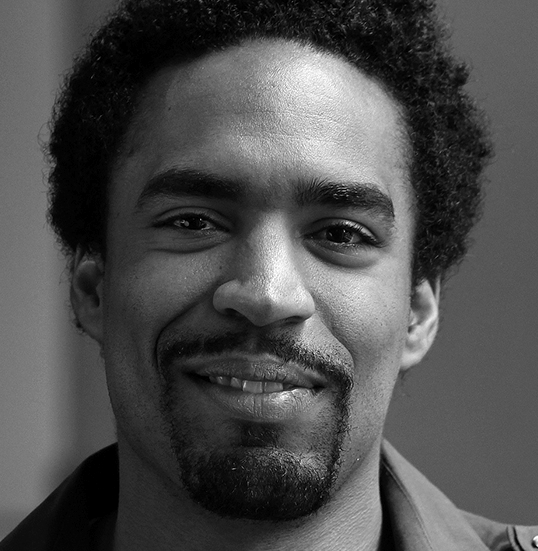
Didier Michel is a sound artist and PhD student in Ethnomusicology. His work focuses on the spiritual or phenomenological dimensions of “black” engagement with sound technology among Afrofuturist-identified music-makers and listeners in Haiti and the United States. He engages with dialogs on Afrofuturism and the speculative arts; ritual healing, self-transformation and embodiment; human-machine interaction and improvisation; histories and aesthetics of sound and media; and the relation between the virtual and the everyday.
In addition to his graduate pursuits, Didier serves as Editor-in-Chief of the peer-reviewed music journal, Current Musicology, where he is publishing a special issue on Race, Sound, and Technology (Spring 2017), featuring an interdisciplinary group of scholars writing on the mediations of racial formation in society. In Spring 2015 he collaborated with the Institute of Religion, Culture, and Public Life to organize “Tomorrow is the Question: Afrofuturism, Sound and Spirit”—a symposium of artists and scholars exploring what an “Afro-future” might sound like and mean today. Beyond Columbia, Didier’s professional career has centered on facilitation and the art of listening to elicit creative leadership in organizations and people across creative, entrepreneurial, philanthropic, and business communities.
Working Group Affiliation

Neferti X. M. Tadiar
Professor of Women's, Gender, and Sexuality Studies
Neferti X. M. Tadiar is Professor of Women's, Gender & Sexuality Studies at Barnard College and Director of the Center for the Study of Race and Ethnicity at Columbia University. She is the author of Things Fall Away: Philippine Historical Experience and the Makings of Globalization (2009) and Fantasy-Production: Sexual Economies and Other Philippine Consequences for the New World Order (2004), and co-editor with Angela Y. Davis of Beyond the Frame: Women of Color and Visual Representation (2005).
Neferti X. M. Tadiar
Professor, Women's, Gender, and Sexuality Studies, Barnard College

Neferti X. M. Tadiar is Professor of Women's, Gender & Sexuality Studies at Barnard College and Director of the Center for the Study of Race and Ethnicity at Columbia University. She is the author of Things Fall Away: Philippine Historical Experience and the Makings of Globalization (2009) and Fantasy-Production: Sexual Economies and Other Philippine Consequences for the New World Order (2004), and co-editor with Angela Y. Davis of Beyond the Frame: Women of Color and Visual Representation (2005). Her work examines the role of cultural practice and social imagination in the production of wealth, power, marginality, and liberatory movements in the context of global relations. She was co-director of the CSSD working group, “Gender & the Global Slum.”
Working Group Affiliations
Gender and the Global Slum, Project Director
Insurgent Domesticites, Co-Director
Pacific Climate Circuits: Moving Beyond Science, Technology, Engineering, and Economics
Edited Books
Things Fall Away: Philippine Historical Experience and the Makings of Globalization Duke University Press, 2009
Fantasy-Production: Sexual Economies and Other Philippine Consequences for the New World Order
John Hopkins University Press, 2004
Beyond the Frame: Women of Color and Visual Representation James Madison University Press, 2005

Paige West
Claire Tow Professor of Anthropology, Barnard College and Columbia University
Paige West, former Director of Columbia University's Center for the Study of Social Difference, joined the faculty at Barnard College and Columbia University in 2001, the year after earning her Ph.D. in cultural and environmental anthropology at Rutgers University. She is currently The Claire Tow Professor, an endowed chair in Anthropology. Dr. West has worked in Papua New Guinea since 1996 and has conducted over 90 months of field-based research in the country.
Paige West
Claire Tow Professor of Anthropology, Barnard College and Columbia University
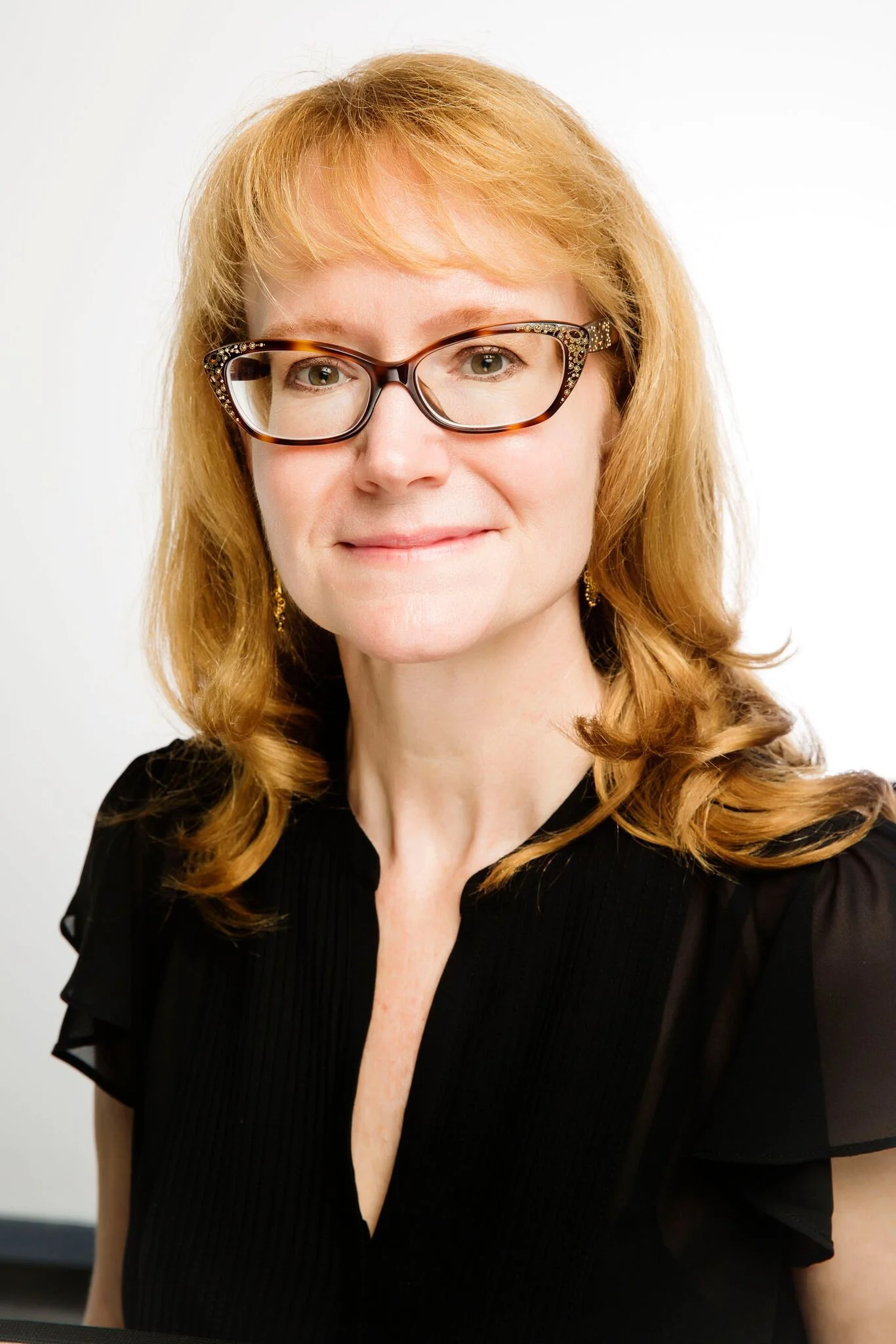
Paige West, former Director of Columbia University's Center for the Study of Social Difference, joined the faculty at Barnard College and Columbia University in 2001, the year after earning her Ph.D. in cultural and environmental anthropology at Rutgers University. She is currently The Claire Tow Professor, an endowed chair in Anthropology. Dr. West has worked in Papua New Guinea since 1996 and has conducted over 90 months of field-based research in the country.
Dr. West’s broad scholarly interest is the relationship between societies and their environments. More specifically, she has written about the linkages between environmental conservation and international development, the material and symbolic ways in which the natural world is understood and produced, the aesthetics and poetics of human social relations with nature, and the creation of commodities and practices of consumption.
Dr. West is the author of three books and the editor of five more. She has also published many scholarly papers. In 2008 Dr. West founded the journal Environment and Society: Advances in Research. She currently serves as the journal’s editor. Dr. West’s most recent book, Dispossession and the Environment, is the winner of the 2017 Columbia University Press Distinguished Book Award.
In 2002 Dr. West received the American Anthropological Association’s Anthropology and Environment Junior Scholar award for her work, in 2004 she received the American Association of University Women Junior Faculty Fellowship and the American Council of Learned Societies Faculty Fellowship, in 2006 she received the Rockefeller Foundation's Bellagio Fellowship, and in 2007 she was named a Fellow by the Association of Social Anthropology in Oceania. In 2012 she became the Chair of the Ecology and Culture University Seminar at Columbia. Recently, she has served as the chair of the Association of Social Anthropology in Oceania and is the past president of the Anthropology and Environment Society of the American Anthropological Association. In 2013 she delivered the Leonard Hastings Schoff Memorial Lectures at Columbia University. In 2015 she became the co-director of the Pacific Climate Circuits project at the Center for the Study of Social Difference at Columbia University. In 2016 she was named a Distinguished Scholar by the National Social Environmental Synthesis Center and an advisor to the National Center for Ecological Analysis and Synthesis (NCEAS) Science for Nature and People Initiative (SNaP). Finally, in 2017 and 2018 Dr. West served as a Phi Beta Kappa distinguished national lecturer.
In addition to her academic work, Dr. West is the co-founder, and a board member, of the PNG Institute of Biological Research, a small NGO dedicated to building academic opportunities for research in Papua New Guinea by Papua New Guineans. Dr. West is also the co-founder of the Roviana Solwara Skul, a school in Papua New Guinea dedicated to teaching at the nexus of indigenous knowledge and western scientific knowledge.
Working Group Affiliations
Pacific Climate Circuits: Moving Beyond Science, Technology, Engineering, and Economics, Project Director
Reframing Gendered Violence, Project Director
Book Publications
Dispossession and the Environment: Rhetoric and Inequality in Papua New Guinea, Columbia University Press, 2016. Winner of the 2017 Columbia University Press Distinguished Book Award.
From Modern Production to Imagined Primitive: The Social Life of Coffee from Papua New Guinea, Duke University Press, 2012. Runner up for the 2013 Julian Steward Award from the American Anthropological Association.
Conservation is our Government Now: The Politics of Ecology in Papua New Guinea, Duke University Press, 2012.