
Marcel Agüeros
Professor, Department of Astronomy, Columbia University
Marcel Agüeros is an associate professor of astronomy at Columbia University. A native New Yorker and a Columbia College alumnus, Marcel received his Ph.D. from the University of Washington in 2006, returned to
Columbia as a National Science Foundation Astronomy & Astrophysics Post-doctoral Fellow that year, and joined the faculty in 2010. Marcel is an observational astrophysicist who uses new approaches to address classic questions in stellar evolution.

Marcel Agüeros is an associate professor of astronomy at Columbia University. A native New Yorker and a Columbia College alumnus, Marcel received his Ph.D. from the University of Washington in 2006, returned to
Columbia as a National Science Foundation Astronomy & Astrophysics Post-doctoral Fellow that year, and joined the faculty in 2010. Marcel is an observational astrophysicist who uses new approaches to address classic questions in stellar evolution. He is the author of more than 70 peer-reviewed publications and has received more than $4 million in grants for his work. He is also committed to increasing the numbers of women and underrepresented minorities in the sciences. In 2016, Marcel received the Presidential Early Career Award for Scientists and Engineers from President Obama for "his groundbreaking research in stellar astrophysics, and for his restless desire to ensure that minority students in sciences become tomorrow's leaders."
Dima Amso
Professor, Department of Psychology, Columbia University
Dima Amso is a Professor of Psychology in the Department of Psychology at Columbia University. She has a BS in psychology from Tufts University, was trained at Cornell University and received a PhD in psychology from New York University in 2005. She served on the faculty at the Weil Medical College of Cornell University before joining the faculty at Brown University in 2010 and Columbia University in 2020. Her research examines the development of attention, executive functions, and memory, with an emphasis on how environmental variables shape these trajectories.
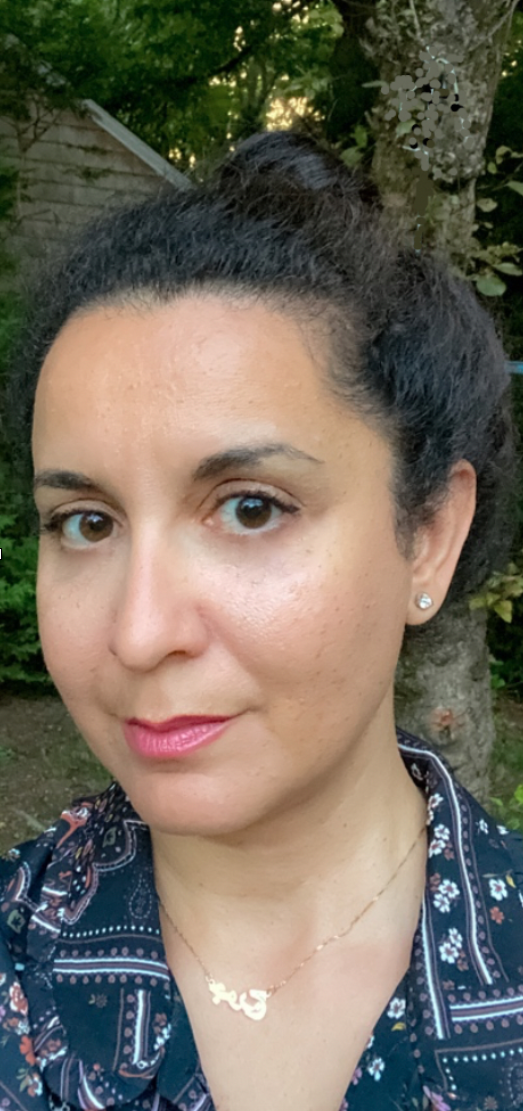
Dima Amso is a Professor of Psychology in the Department of Psychology at Columbia University. She has a BS in psychology from Tufts University, was trained at Cornell University and received a PhD in psychology from New York University in 2005. She served on the faculty at the Weil Medical College of Cornell University before joining the faculty at Brown University in 2010 and Columbia University in 2020. Her research examines the development of attention, executive functions, and memory, with an emphasis on how environmental variables shape these trajectories. She has authored over 80 papers on the topic. Dr. Amso’s research has been funded by National Institute of Mental Health, the National Science Foundation, the National Institute of General Medical Sciences, National Institute for Child Health and Human Development, the Simons Foundation, Norman Prince Neuroscience Institute, the Hassenfeld Child Health Institute, and Wellcome Trust. She is a recipient of the James S. McDonnell Scholar Award and is an elected Fellow of the American Psychological Society.

Patrick Anson
PhD Candidate, English and Comparative Literature, Columbia University
Patrick Anson is a PhD Candidate in English and Comparative Literature. He is writing a part-ethnographic, part-literary-critical dissertation about programs that propose reading groups focused on 20th and 21st century narrative literature as a means to address a range of social problems, from mass incarceration, where a reading group functions as an alternative sentence for people convicted of an offense, to military trauma, where a reading group helps to establish social connections among veterans.
Patrick Anson
PhD Student and Prison Education Workshop Rapporteur, Department of English and Comparative Literature, Columbia University

Patrick Anson is a PhD Candidate in English and Comparative Literature. He is writing a part-ethnographic, part-literary-critical dissertation about programs that propose reading groups focused on 20th and 21st century narrative literature as a means to address a range of social problems, from mass incarceration, where a reading group functions as an alternative sentence for people convicted of an offense, to military trauma, where a reading group helps to establish social connections among veterans.
Julie Crawford
Professor, Department of English and Comparative Literature, Columbia University
Julie Crawford is Mark van Doren Professor of Humanities in the Department of English and Comparative Literature at Columbia University. She has published widely on authors ranging from William Shakespeare and Philip Sidney to Anne Clifford and Mary Wroth, and on topics ranging from the history of reading to the history of sexuality. She is the author of a book about cheap print and the English reformation entitled Marvelous Protestantism (Johns Hopkins UP, 2005), and Mediatrix: Women, Politics and Literary Production in Early Modern England (Oxford UP, 2014).

Julie Crawford is Mark van Doren Professor of Humanities in the Department of English and Comparative Literature at Columbia University. She has published widely on authors ranging from William Shakespeare and Philip Sidney to Anne Clifford and Mary Wroth, and on topics ranging from the history of reading to the history of sexuality. She is the author of a book about cheap print and the English reformation entitled Marvelous Protestantism (Johns Hopkins UP, 2005), and Mediatrix: Women, Politics and Literary Production in Early Modern England (Oxford UP, 2014). She is currently writing a book entitled “Margaret Cavendish’s Political Career.”
Eileen Gillooly
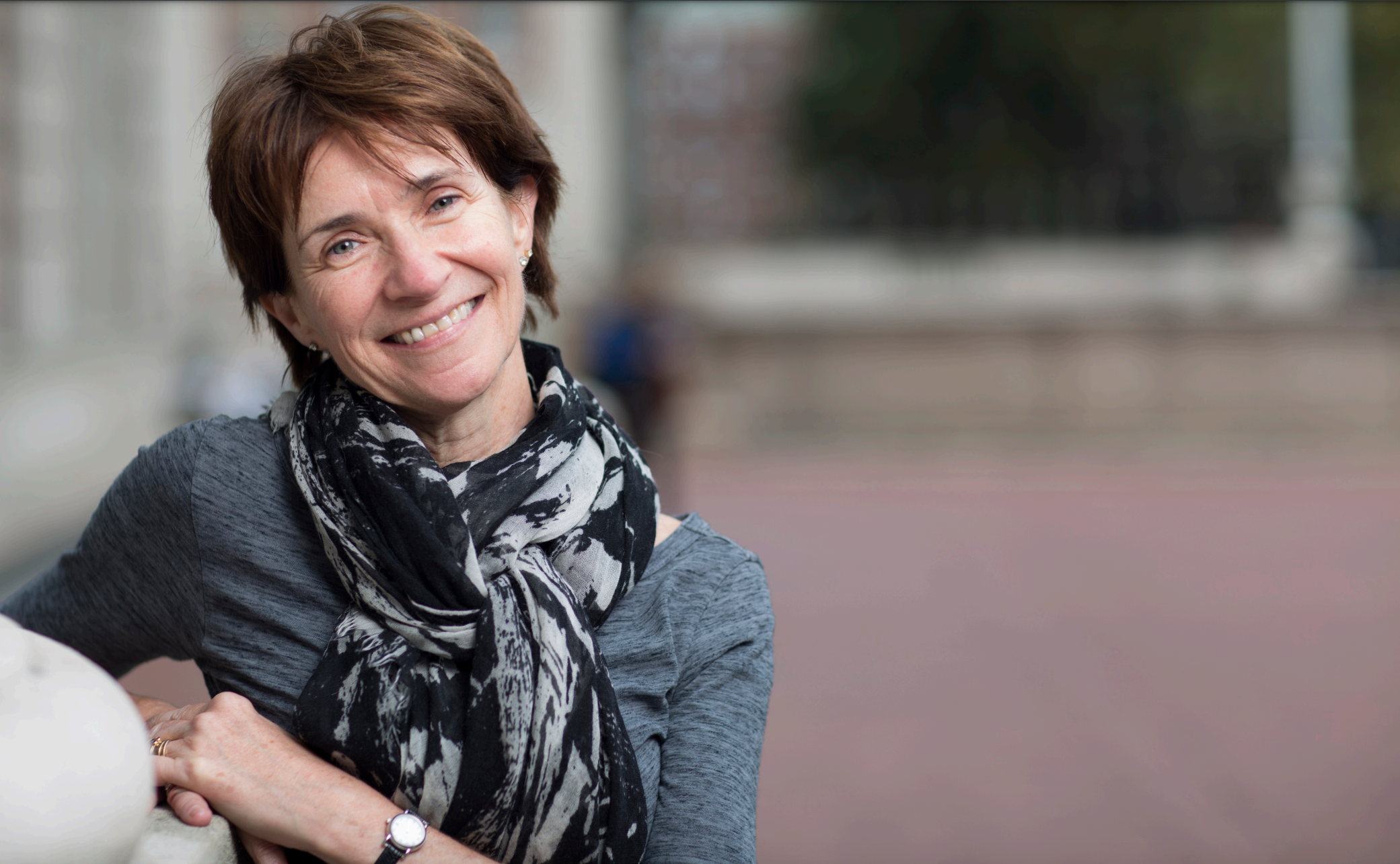
Eileen Gillooly directs the Society of Fellows and Heyman Center for the Humanities at Columbia University, where she holds an appointment in English and Comparative Literature, the Institute for Comparative Literature and Society, and the Institute for Gender and Sexuality Studies. Her work as a center director has led to partnerships with other centers and institutions on projects that promote public engagement and scholarship, including the Justice-in-Education Initiative, for which she serves as Principal Investigator and which has been supported by grants from the Andrew W. Mellon Foundation since 2015.
EILEEN GILLOOLY
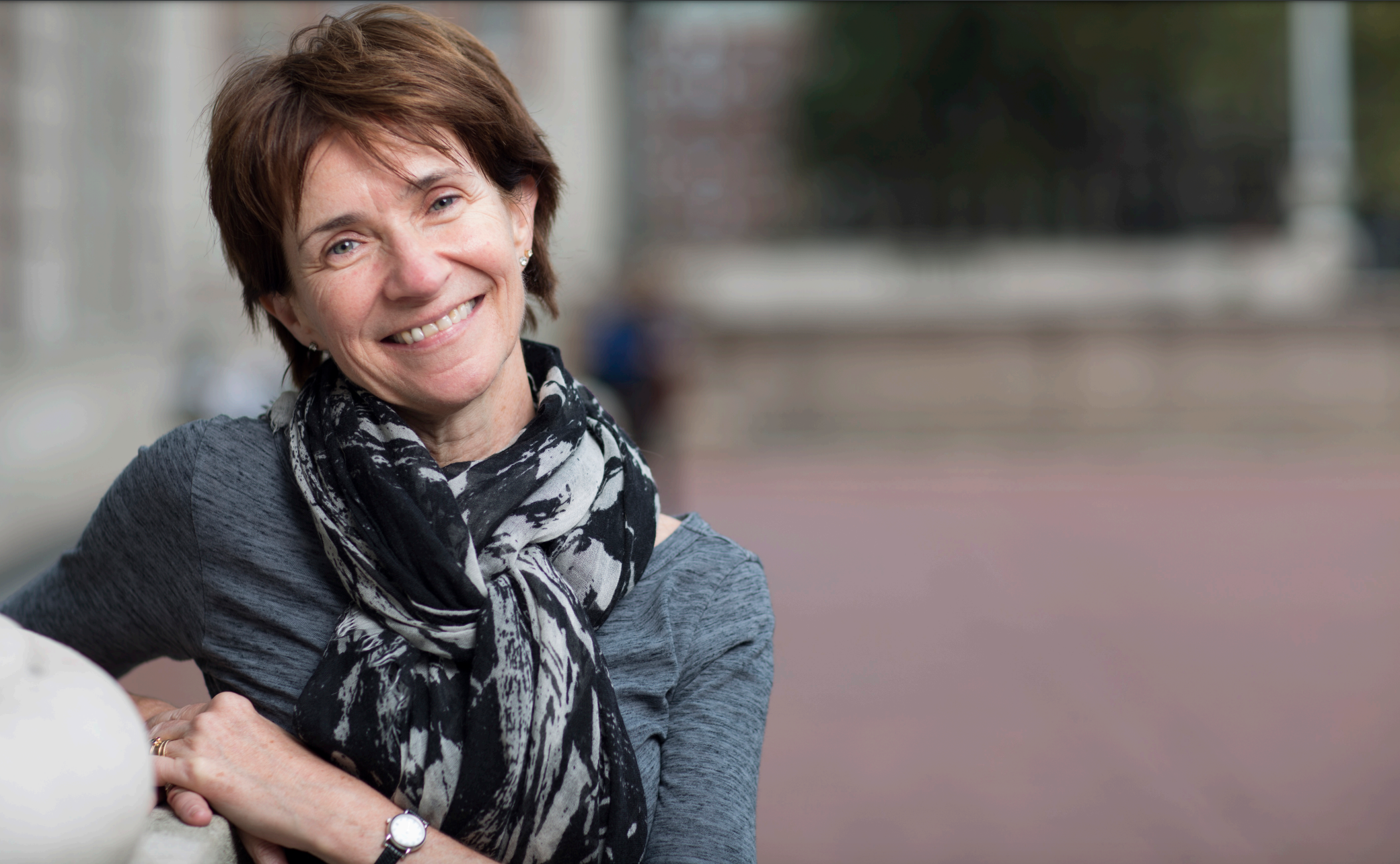
Eileen Gillooly directs the Society of Fellows and Heyman Center for the Humanities at Columbia University, where she holds an appointment in English and Comparative Literature, the Institute for Comparative Literature and Society, and the Institute for Gender and Sexuality Studies. Her work as a center director has led to partnerships with other centers and institutions on projects that promote public engagement and scholarship, including the Justice-in-Education Initiative, for which she serves as Principal Investigator and which has been supported by grants from the Andrew W. Mellon Foundation since 2015.
Gillooly is the author of Smile of Discontent: Humor, Gender, and Nineteenth-Century British Fiction (1999), which was awarded the Perkins Prize, presented annually to the book that makes the most significant contribution to the study of narrative by the International Society for the Study of Narrative (2001). Her essays, articles, and reviews have appeared in such publications as Victorian Studies, ELH, Feminist Studies, and The NYT Book Review, as well as in edited collections. She is the editor or co-editor of four volumes, including Victorian Prism: Refractions of the Crystal Palace (2007), with James Buzard and Joseph Childers, and Contemporary Dickens (2009; paperback, 2015; audiobook, 2019), with Deirdre David. She has been awarded research fellowships by the American Council of Learned Societies, the National Endowment for the Humanities, the National Humanities Center, the Institute for Citizens and Scholars, the Whiting Foundation, St. Deiniol’s Library (UK), and the Moore Institute at the National University of Ireland, Galway. A former member of the Executive Board of the International Society for the Study of Narrative (2005-2008) and the Executive Committee of the MLA Division for the Victorian Period (2009-2014), Gillooly currently serves on the advisory boards of the Sydney Policy Lab, the Council for European Studies, and Nineteenth-Century Gender Studies. Ongoing projects include a book about parental feeling in nineteenth-century middle-class Britain and a digital, open-access critical edition of David Copperfield.
Edited Books
Contemporary Dickens Co- Edited with Deirdre David. The Ohio State University Press, 2008
Victorian Prism: Refractions of the Crystal Palace Co-Edited with James Buzard and Joseph Childers University of Virginia Press, 2007
Smile of Discontent: Humor, Gender, and Nineteenth-Century British Fiction University of Chicago Press, 1999
Nick Ide
PhD, Biological Science, Columbia University
Nick Ide is a third-year PhD candidate in the Department of Biological Sciences at Columbia University. His main areas of research are in the fields of biochemistry and biophysics, with a broader interest in making STEM more accessible. His current research focuses on the molecular mechanisms used by cells to synthesize protein molecules.
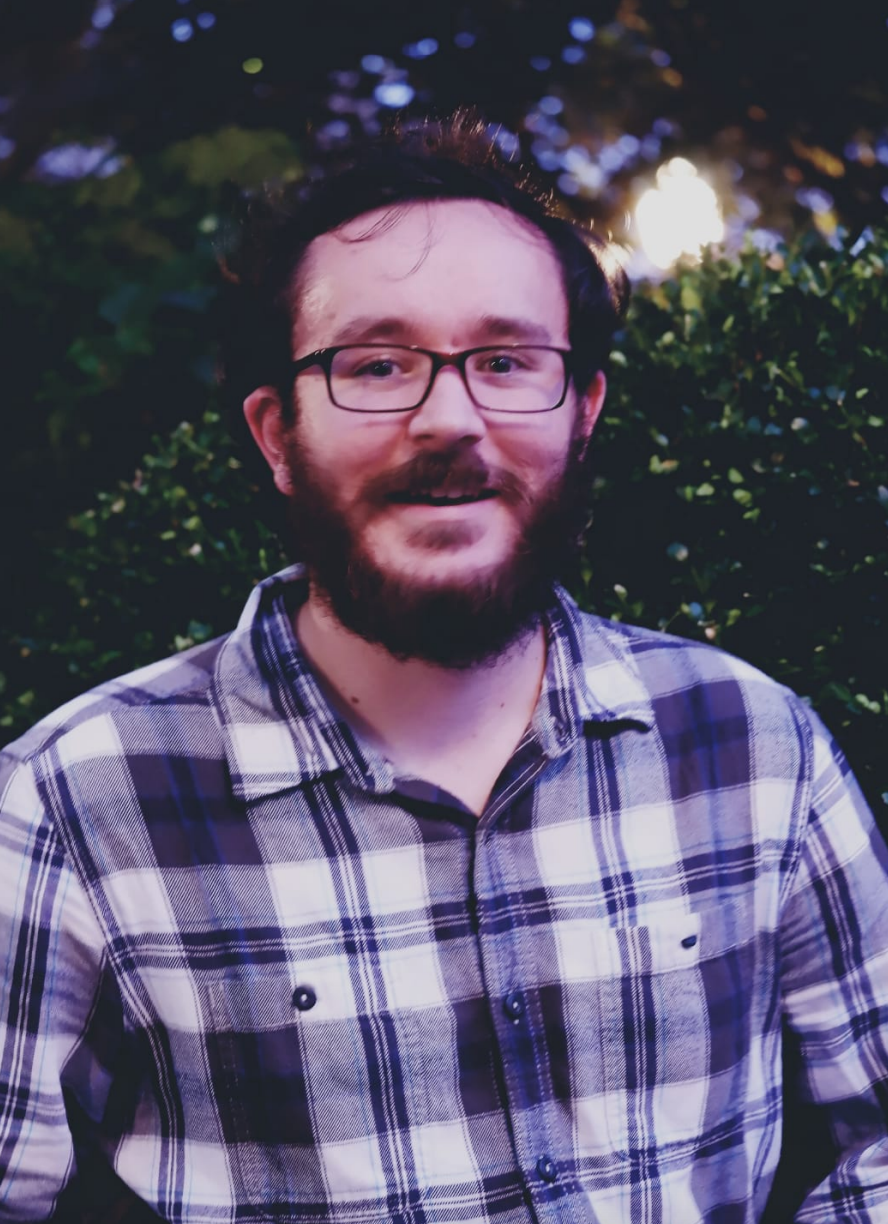
Nick Ide is a third-year PhD candidate in the Department of Biological Sciences at Columbia University. His main areas of research are in the fields of biochemistry and biophysics, with a broader interest in making STEM more accessible. His current research focuses on the molecular mechanisms used by cells to synthesize protein molecules.
Caroline Marvin
Professor, Department of Psychology, Columbia University
Caroline Marvin is a Lecturer and the Director of Instruction and Academic Affairs in the Department of Psychology at Columbia University, where she oversees curriculum- and teaching-related needs of the department. Dr. Marvin also serves as Director of Undergraduate Studies for the Neuroscience & Behavior major, advising and mentoring undergraduate students pursuing study in neuroscience. Dr. Marvin’s research focuses on curiosity -- what motivates people to seek and learn new information, how curiosity takes shape in response to various types of information and differing contingencies, how the motivation to learn ultimately influences memory, and how curiosity may change throughout the lifespan.
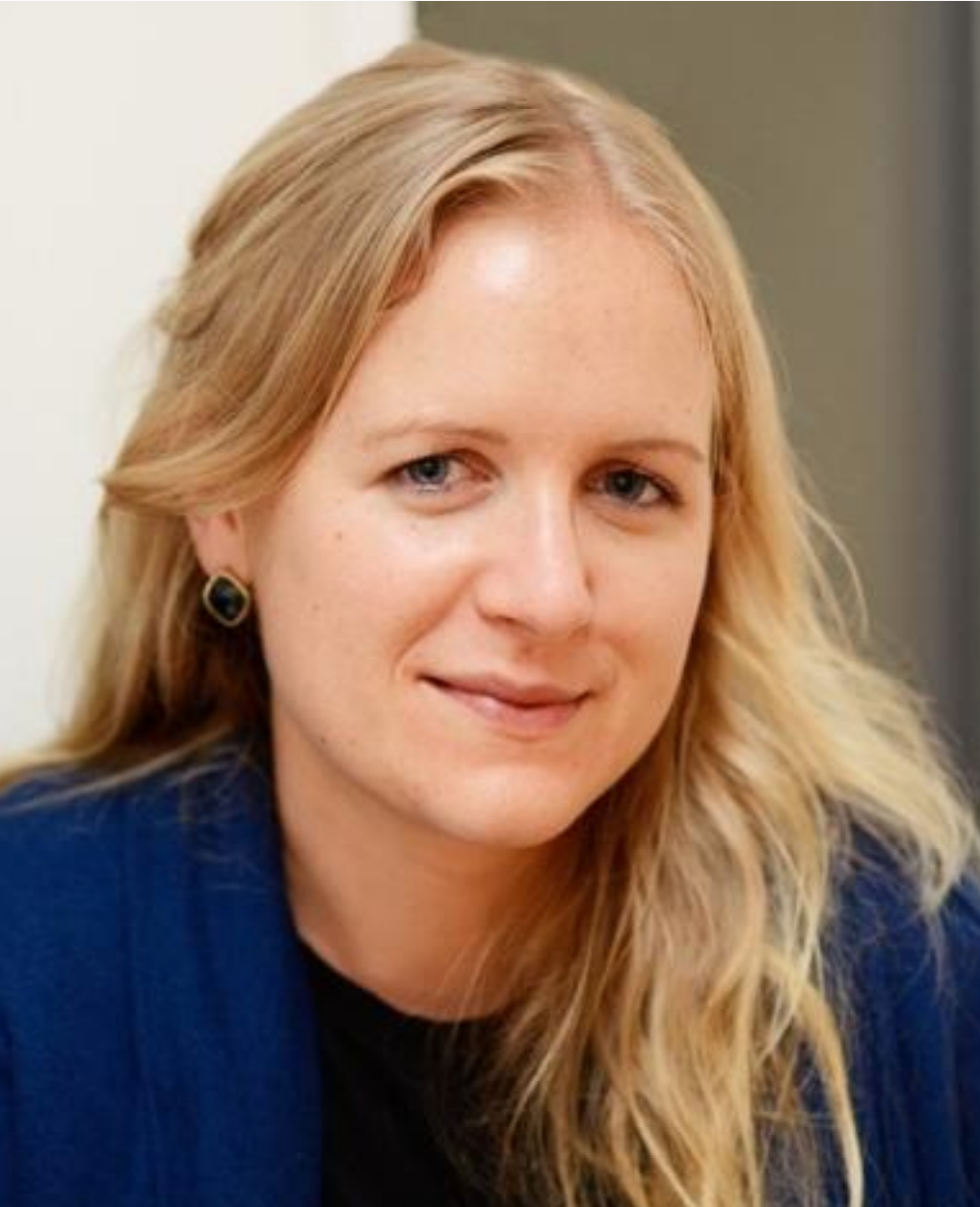
Caroline Marvin is a Lecturer and the Director of Instruction and Academic Affairs in the Department of Psychology at Columbia University, where she oversees curriculum- and teaching-related needs of the department. Dr. Marvin also serves as Director of Undergraduate Studies for the Neuroscience & Behavior major, advising and mentoring undergraduate students pursuing study in neuroscience. Dr. Marvin’s research focuses on curiosity -- what motivates people to seek and learn new information, how curiosity takes shape in response to various types of information and differing contingencies, how the motivation to learn ultimately influences memory, and how curiosity may change throughout the lifespan. New lines of research delve into more applied educational settings, aiming to explore how we can leverage our understanding of curiosity and learning to enhance pedagogical practice and classroom learning. Before earning her PhD, Dr. Marvin worked as a journalist and speechwriter, and she remains dedicated to communicating scientific findings to a broader audience and engages in a variety of science outreach projects with young people and adults.
Jennifer Middleton
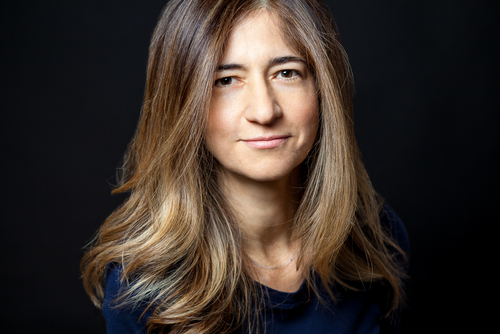
Jennifer Middleton is a Lamont Assistant Research Professor in the geochemistry division of the Lamont-Doherty Earth Observatory at Columbia University. Her research seeks to better understand the inner workings of Earth’s climate system using the chemical fingerprints of present-day phenomena and geologic records of Earth’s climate history. This work helps guide predictions for the way the oceans, atmosphere, ice sheets, and land surface will continue to respond to human-driven emissions of greenhouse gases. Middleton is committed to the promotion of justice, diversity, equity, and inclusion in STEM (Science, Technology, Engineering and Math) and in considerations of society’s best paths forward in the face of modern climate change.

Jennifer Middleton is a Lamont Assistant Research Professor in the geochemistry division of the Lamont-Doherty Earth Observatory at Columbia University. Her research seeks to better understand the inner workings of Earth’s climate system using the chemical fingerprints of present-day phenomena and geologic records of Earth’s climate history. This work helps guide predictions for the way the oceans, atmosphere, ice sheets, and land surface will continue to respond to human-driven emissions of greenhouse gases. Middleton is committed to the promotion of justice, diversity, equity, and inclusion in STEM (Science, Technology, Engineering and Math) and in considerations of society’s best paths forward in the face of modern climate change.
Website: https://wings.ldeo.columbia.edu/people/jennifer-middleton
Frances Negrón-Muntaner
Professor, Department of English and Comparative Literature, Columbia University
Frances Negrón-Muntaner is a filmmaker, writer, curator, scholar and professor at Columbia University, where she is also the founding curator of the Latino Arts and Activism Archive. Among her books and publications are: Boricua Pop: Puerto Ricans and the Latinization of American Culture (CHOICE Award, 2004), The Latino Media Gap (2014), and Sovereign Acts: Contesting Colonialism in Native Nations and Latinx America (2017). Her most recent films include Small City, Big Change (2013), War for Guam (2015) and Life Outside (2016).
Frances Negrón-Muntaner
Professor of English and Comparative Literature, Former Director of the Center for the Study of Ethnicity and Race

Frances Negrón-Muntaner is a filmmaker, writer, scholar and professor at Columbia University, where she is also the founding curator of the Latino Arts and Activism Archive. Among her books and publications are: Boricua Pop: Puerto Ricans and the Latinization of American Culture (CHOICE Award, 2004), The Latino Media Gap (2014), and Sovereign Acts: Contesting Colonialism in Native Nations and Latinx America (2017). She has received various recognitions, including the United Nations' Rapid Response Media Mechanism designation as a global expert in the areas of mass media and Latin/o American studies (2008); the Lenfest Award, one of Columbia University's most prestigious recognitions for excellence in teaching and scholarship (2012), and the Latin American Studies Association’s Frank Bonilla Public Intellectual Award (2019). Negrón-Muntaner served as director of Columbia’s Center for the Study of Ethnicity and Race from 2009-2016 and co-director of Unpayable Debt, a working group that studied debt regimes in the world. Her most recent project is the award-winning Valor y Cambio (Value and Change), an art, digital storytelling and just economy project in Puerto Rico and New York (valorymcambio.org).
Social media: @imfrancesnegron, FB - Frances Negron Muntaner.
Working Group Affiliation
Unpayable Debt: Capital, Violence, and the New Global Economy, Project Director
Julie Stone Peters
Fellow, Human Rights, Columbia University
Julie Stone Peters teaches and writes primarily on law and humanities and the history and theory of audiovisual media (cinema, theatre, and other performance and media cultures). Her books include Law as Performance: Theatricality, Spectatorship, and the Making of Law in Ancient, Medieval, and Early Modern Europe (2022), Theatre of the Book: Print, Text, and Performance in Europe 1480-1880 (2000), and Women's Rights, Human Rights: International Feminist Perspectives (co-edited, 1995). She has taught at Harvard, Stanford, and the Metropolitan Detention Center (Brooklyn), and was Founding Director of the Columbia College Human Rights Program.

Julie Stone Peters teaches and writes primarily on law and humanities and the history and theory of audiovisual media (cinema, theatre, and other performance and media cultures).
Her books include Law as Performance: Theatricality, Spectatorship, and the Making of Law in Ancient, Medieval, and Early Modern Europe (Oxford Univ. Press 2022), Theatre of the Book: Print, Text, and Performance in Europe 1480-1880 (Oxford Univ. Press 2000), and Women's Rights, Human Rights: International Feminist Perspectives (co-edited, 1995).
She has taught at Harvard, Stanford, and the Metropolitan Detention Center (Brooklyn), and was Founding Director of the Columbia College Human Rights Program. She is currently working on a book on the ethics and politics of law as media spectacle (policing, trials, and punishment).
Jason Resnikoff
Professor, Department of History, Columbia University
Jason Resnikoff is a Core Lecturer in the History Department at Columbia University, and formerly an organizer for the United Auto Workers. He specializes in labor history, the history of global capitalism, intellectual history, and the history of technology. His book, Labor’s End: How the Promise of Automation Degraded Work, explores the ideological origins of automation in the US in the middle of the twentieth century.

Jason Resnikoff is a Core Lecturer in the History Department at Columbia University, and formerly an organizer for the United Auto Workers. He specializes in labor history, the history of global capitalism, intellectual history, and the history of technology. His book, Labor’s End: How the Promise of Automation Degraded Work, explores the ideological origins of automation in the US in the middle of the twentieth century.