
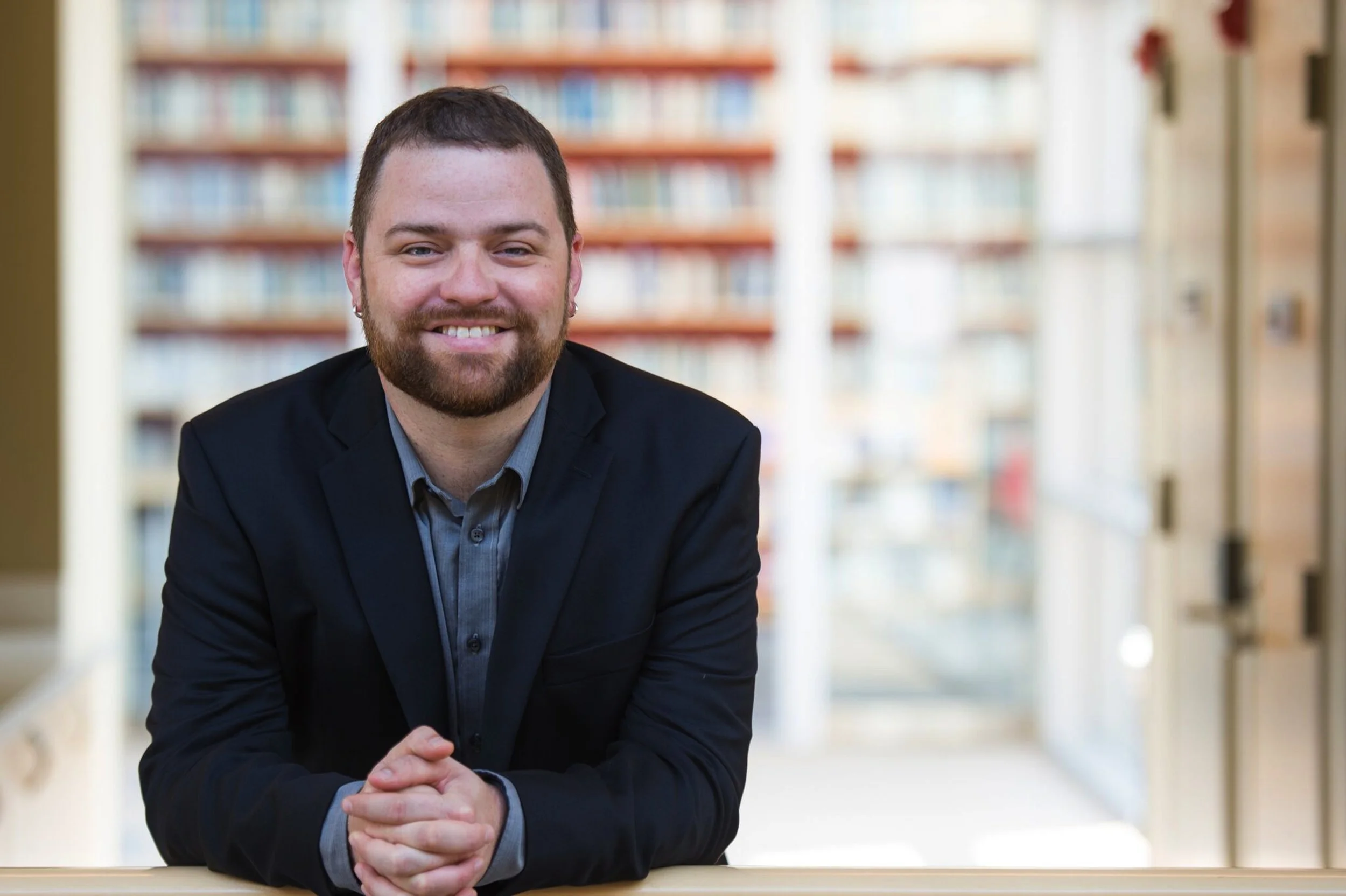
Jordan T. Camp
Visiting Scholar in the Charles Warren Center for Studies in American History at Harvard University
Jordan T. Camp is the author of Incarcerating the Crisis: Freedom Struggles and the Rise of the Neoliberal State (University of California Press, 2016), co-editor (with Christina Heatherton) of Policing the Planet: Why the Policing Crisis Led to Black Lives Matter (Verso, 2016), and co-editor (with Laura Pulido) of the late Clyde Woods’ Development Drowned and Reborn: The Blues and Bourbon Restorations in Post-Katrina New Orleans (University of Georgia Press, 2017).
Jordan T. Camp
Visiting Scholar in the Charles Warren Center for Studies in American History at Harvard University
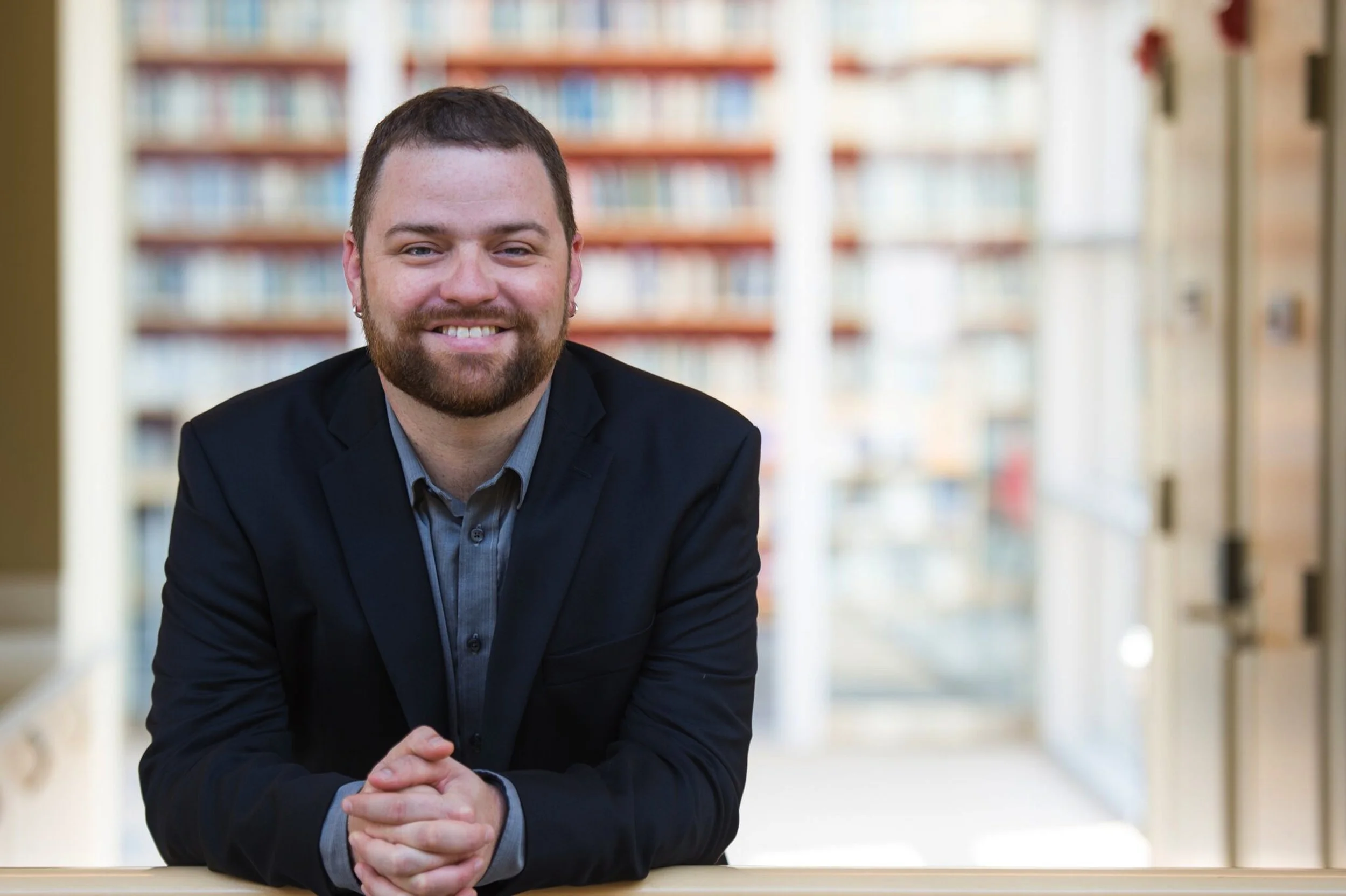
Jordan T. Camp is the author of Incarcerating the Crisis: Freedom Struggles and the Rise of the Neoliberal State (University of California Press, 2016), co-editor (with Christina Heatherton) of Policing the Planet: Why the Policing Crisis Led to Black Lives Matter (Verso, 2016), and co-editor (with Laura Pulido) of the late Clyde Woods’ Development Drowned and Reborn: The Blues and Bourbon Restorations in Post-Katrina New Orleans (University of Georgia Press, 2017). His work also appears or is forthcoming in American Quarterly, Eurozine, Jacobin, Kalfou: A Journal of Comparative and Relational Ethnic Studies, Ord & Bild, Race & Class, and Social Justice, as well as edited volumes including: In the Wake of Hurricane Katrina (Johns Hopkins University Press, 2010), Race, Empire, and the Crisis of the Subprime (Johns Hopkins University Press, 2013), and Futures of Black Radicalism (Verso, 2017).
Working Group Affiliation
Racial Capitalism, Project Director

Christina Heatherton
Assistant Professor, Department of American Studies, Barnard College
Christina Heatherton is an American Studies scholar and historian of anti-racist social movements. She is an Assistant Professor of American Studies at Barnard College, Columbia University completing her first book, Making Internationalism: The Color Line, the Class Struggle, and the Mexican Revolution (University of California Press, forthcoming). With Jordan T. Camp she edited Policing the Planet: Why the Policing Crisis Led to Black Lives Matter (Verso Books, 2016).
Christina Heatherton
Assistant Professor of American Studies, Barnard College

Christina Heatherton is an American Studies scholar and historian of anti-racist social movements. She is an Assistant Professor of American Studies at Barnard College, Columbia University completing her first book, Making Internationalism: The Color Line, the Class Struggle, and the Mexican Revolution (University of California Press, forthcoming). With Jordan T. Camp she edited Policing the Planet: Why the Policing Crisis Led to Black Lives Matter (Verso Books, 2016). Her work will appear in the Cambridge History of America in the World, edited by Kristin Lee Hoganson and Jay Sexton (Cambridge: Cambridge University Press, 2020). It also appears in places such as American Quarterly, Interface, Feminists Rethink the Neoliberal State: Inequality, Exclusion and Change, edited by Leela Fernandes (New York University Press, 2018), Futures of Black Radicalism, edited by Gaye Theresa Johnson and Alex Lubin (Verso Books, 2017), and The Rising Tides of Color: Race, State Violence, and Radical Movements Across the Pacific, edited by Moon-Ho Jung (University of Washington Press, 2014). Her writing also appears in popular venues such as Funambulist Magazine, The Washington Spectator, and 032 Magazine. With Jordan T. Camp she previously co-edited Freedom Now! Struggles for the Human Right to Housing in LA and Beyond (Freedom Now Books, 2012). She is the editor of Downtown Blues: A Skid Row Reader (Freedom Now Books, 2011). She is the current co-director of several initiatives including: New Directions in American Studies (NDAS); the Oral History and Activism Project; the Working Group on Racial Capitalism, a project of the Center for the Study of Social Difference (CSSD), Columbia University.
Working Group Affiliation
Racial Capitalism, Project Director

Manu Karuka
Assistant Professor, Department of American Studies, Barnard College
Manu Karuka is the author of Empire's Tracks: Indigenous Nations, Chinese Workers, and the Transcontinental Railroad (University of California Press, 2019). He is a co-editor, with Juliana Hu Pegues and Alyosha Goldstein, of “On Colonial Unknowing,” a special issue of Theory & Event, and with Vivek Bald, Miabi Chatterji, and Sujani Reddy, he is a co-editor of The Sun Never Sets: South Asian Migrants in an Age of U.S. Power (NYU Press, 2013).
Manu Karuka
Assistant Professor of American Studies, Barnard College
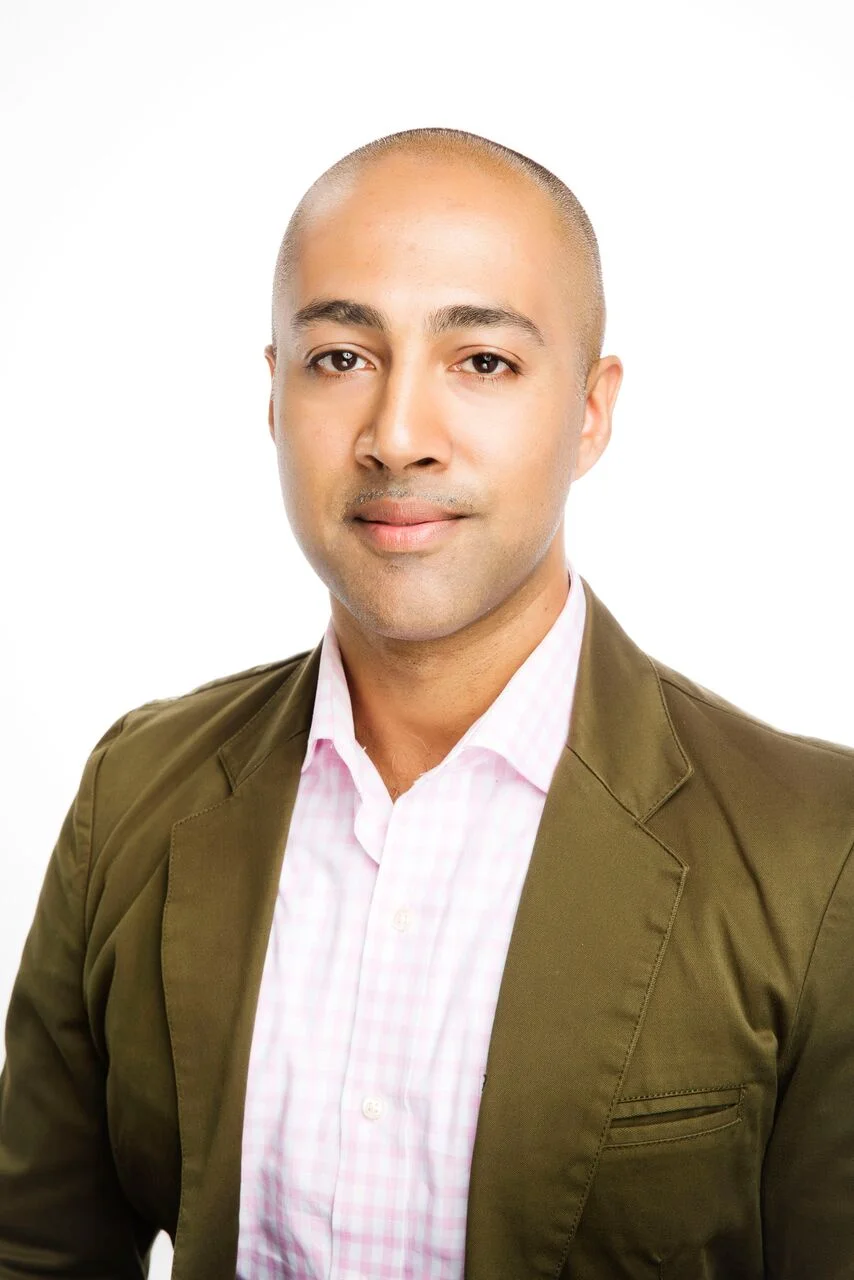
Manu Karuka is the author of Empire's Tracks: Indigenous Nations, Chinese Workers, and the Transcontinental Railroad (University of California Press, 2019). He is a co-editor, with Juliana Hu Pegues and Alyosha Goldstein, of “On Colonial Unknowing,” a special issue of Theory & Event, and with Vivek Bald, Miabi Chatterji, and Sujani Reddy, he is a co-editor of The Sun Never Sets: South Asian Migrants in an Age of U.S. Power (NYU Press, 2013). His work appears in Critical Ethnic Studies, J19, Settler Colonial Studies, The Settler Complex: Recuperating Binarism in Colonial Studies (UCLA American Indians Studies Center, 2016, edited by Patrick Wolfe), and Formations of United States Colonialism (Duke University Press, 2014, edited by Alyosha Goldstein). He is an assistant professor of American Studies at Barnard College.
Working Group Affiliation
Racial Capitalism, Project Director

Larry Madowo
Doctoral Student, Journalism, Columbia University
Larry Madowo is a Knight-Bagehot Fellow in Economics and Business Journalism at Columbia University. He is also a candidate for an M.A. in Business and Economics at Columbia Journalism School. Before taking up the fellowship in New York City, he was the BBC Africa Business Editor. Larry launched 6 syndicated BBC TV shows in English, Swahili and French and led the broadcaster’s coverage of business in Africa.
Larry Madowo
Graduate Student, School of Journalism, Columbia University

Larry Madowo is a Knight-Bagehot Fellow in Economics and Business Journalism at Columbia University. He is also a candidate for an M.A. in Business and Economics at Columbia Journalism School. Before taking up the fellowship in New York City, he was the BBC Africa Business Editor. Larry launched 6 syndicated BBC TV shows in English, Swahili and French and led the broadcaster’s coverage of business in Africa. He was named among the 100 Most Influential Africans by NewAfrican magazine. He has reported from more than 40 countries and interviewed some of the world’s most prominent business, political and cultural leaders. He is an international correspondent, speaker and writer who has previously worked in Nairobi, London and Johannesburg. His work has been featured on numerous global outlets including CNN International, the Washington Post, Al Jazeera English, France 24, ABC News Australia and RTÉ Ireland. Larry has presented his own radio and television shows and spoken at conferences around the world. He is also a pioneering digital journalist with an audience of nearly 4 million followers on social media.
Working Group Affiliation
Racial Capitalism, Media Fellow (2020)
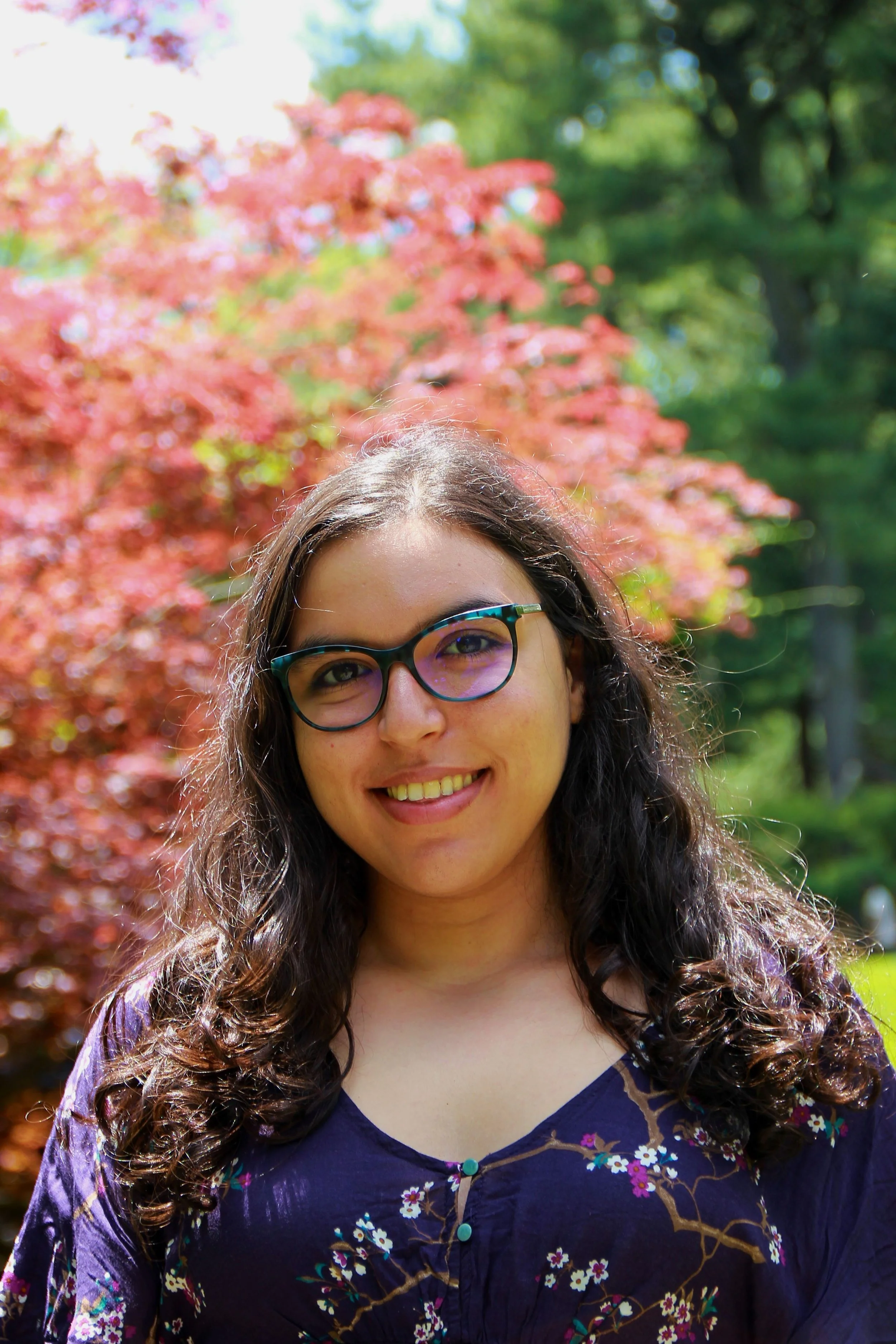
Aya Ouais
Aya Ouais is an abolitionist organizer and recent graduate of Columbia University with a B.A. in History, born and raised in Casablanca, Morocco. As a student, she specialized in the histories of anti-racist social movements in the United States.
Aya Ouais
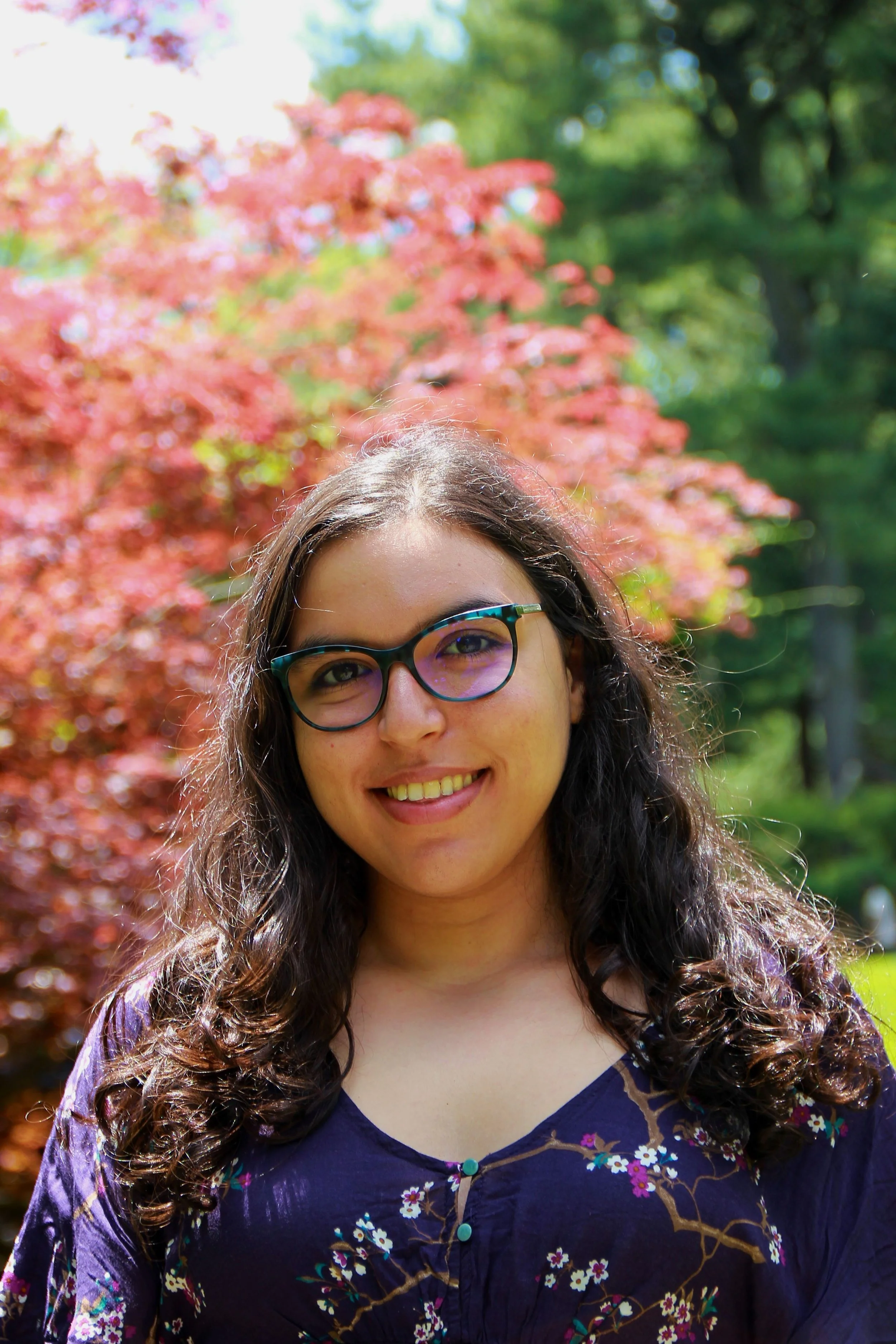
Aya Ouais is an abolitionist organizer and recent graduate of Columbia University with a B.A. in History, born and raised in Casablanca, Morocco. As a student, she specialized in the histories of anti-racist social movements in the United States. Her experience in New York City organizing has allowed her to learn the possibilities of using research to collaborate with and uplift the voices of working class organizers. Currently, Aya is a Research Assistant at the Racial Capitalism Working Group.
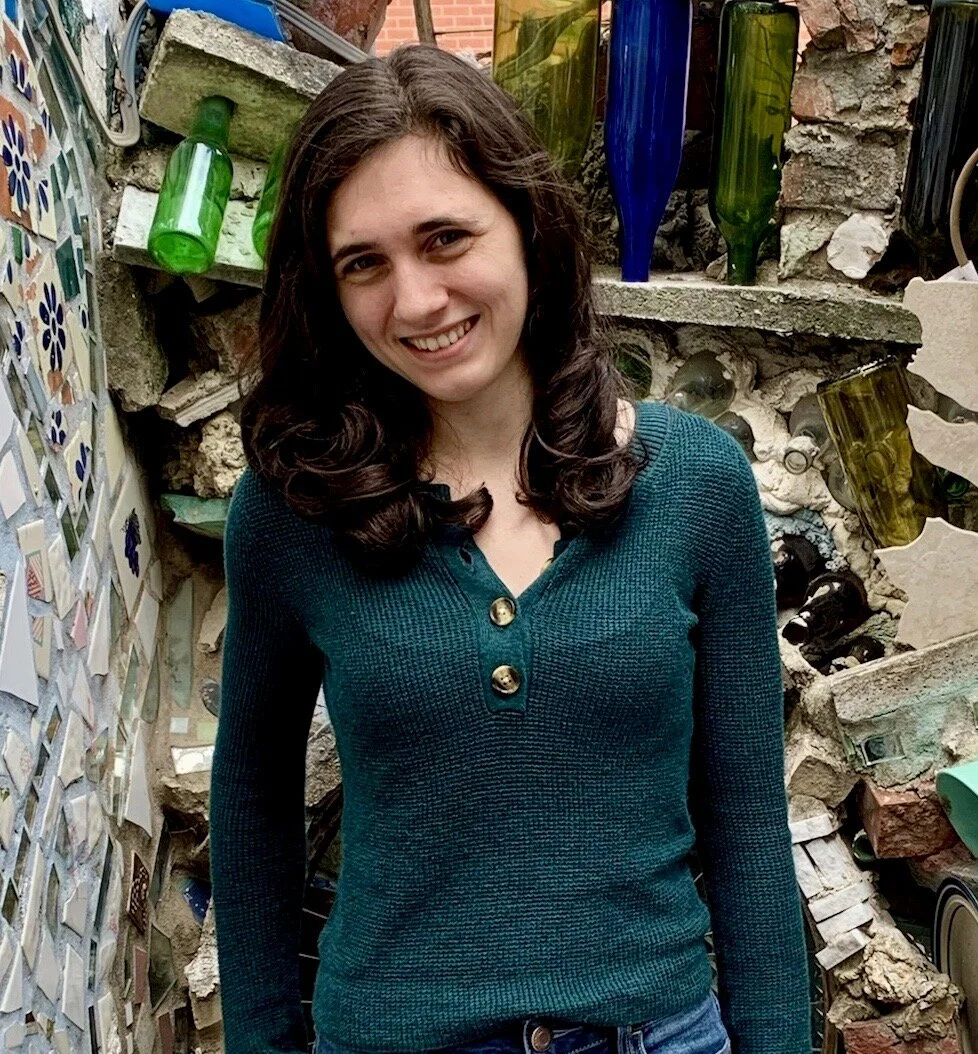
Hannah Pullen-Blasnik
Ph.D. Candidate, Sociology, Columbia University
Hannah Pullen-Blasnik is a Ph.D. student and Paul F. Lazarsfeld Fellow in the Department of Sociology at Columbia University. She is also a Graduate Research Fellow at the Columbia Justice Lab on the Pennsylvania Solitary Study and the Rikers Island Longitudinal Study. Her primary research interests include social movements, political economy, and algorithms and technology.
Hannah Pullen-Blasnik
Ph.D. candidate and Paul F. Lazarsfeld Fellow in the Department of Sociology, Columbia University
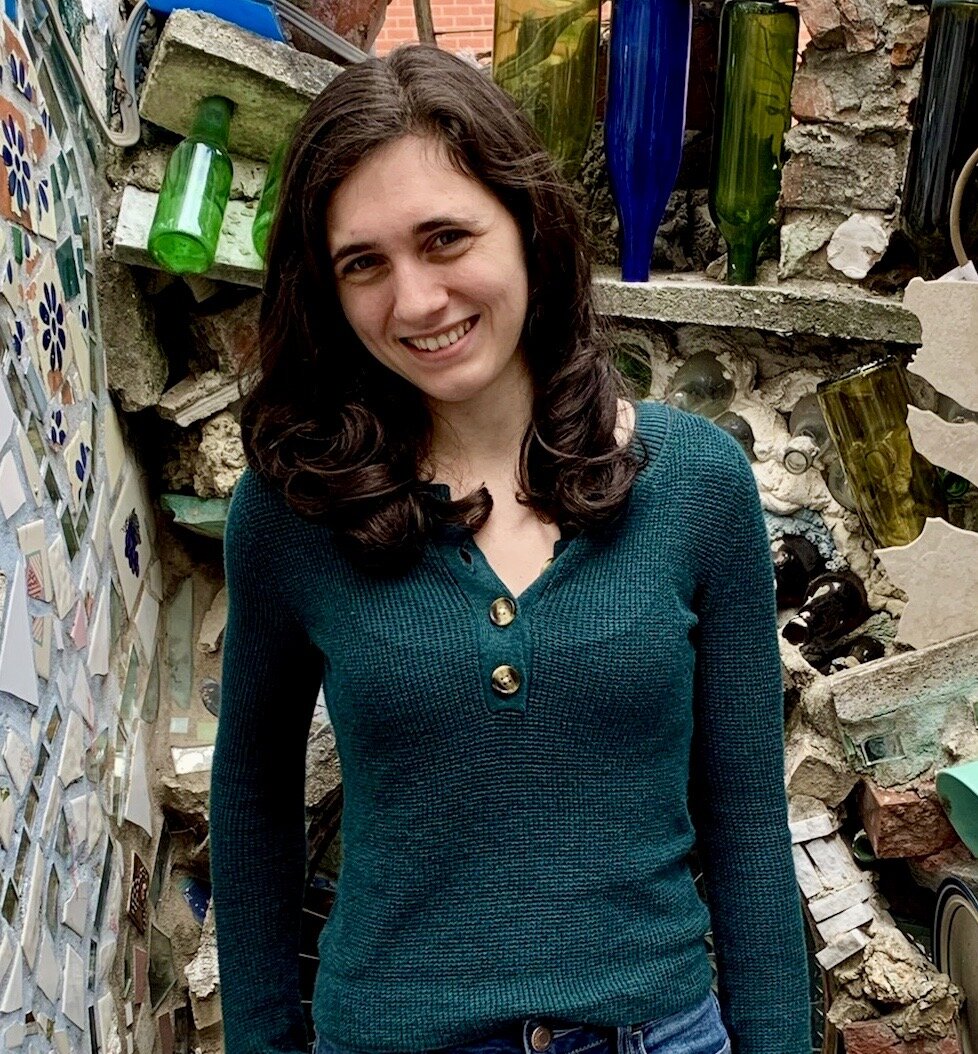
Hannah Pullen-Blasnik is a Ph.D. student and Paul F. Lazarsfeld Fellow in the Department of Sociology at Columbia University. She is also a Graduate Research Fellow at the Columbia Justice Lab on the Pennsylvania Solitary Study and the Rikers Island Longitudinal Study. Her primary research interests include social movements, political economy, and algorithms and technology.
Hannah is the coordinator for the Racial Capitalism Working Group at the Center for the Study of Social Difference, in charge of organizing workshops, roundtables, and events for interdisciplinary collaboration rooted in a commitment to Black radicalism, historical materialism, feminism, and anti-imperialism. She is also co-coordinator for the Sociology of Algorithms Workshop at the Institute for Social and Economic Research and Policy and volunteers with Data for Black Lives as project manager for a research team on algorithmic and technological surveillance.
Hannah is currently developing projects on the appropriation of Black Lives Matter by nonprofits and corporations during Covid-19, and transformations in the ideological state space of Black liberation organizing over the past 50 years. She is also working on research projects that aim to make algorithmic tools more transparent and build community control over their consequences. One such project investigates the biases and impact of prison intake risk assessment scores on incarceration, solitary confinement, and parole decisions. Another examines human decision-making and interpretation of algorithmic results in probabilistic DNA profiling.
Working Group Affiliation
Racial Capitalism, Graduate Assistant