
Anthony Acciavatti
Anthony Acciavatti (Yale University) is the Diana Balmori Assistant Professor at Yale School of Architecture. He works at the intersection of architecture, landscape, and the history of science and technology. He is interested in experimental forms of scholarship, pedagogy, and design afforded by humanistic inquiry. His most recent book, Ganges Water Machine: Designing New India’s Ancient River (Applied Research); Design, 2015), is the first comprehensive mapping and environmental history of the Ganges River Basin in over half a century. He spent a decade hiking, driving, and boating across the Ganges to map it and to understand the historical conflicts over water for drinking, agriculture, and industry. Combining fieldwork with archival research, the book is an atlas of the enterprise to transform the Ganges into the most hyper-engineered landscape in the world. In 2016, the book was awarded the John Brinckerhoff Jackson Book Prize by the Foundation for Landscape Studies.
Michael J. Balick
Michael J. Balick (New York Botanical Garden and Columbia University) Vice President for Botanical Science, Director and Philecology Senior Curator Institute of Economic Botany, The New York Botanical Garden. For more than four decades, Dr. Balick has studied the relationship between plants and people, working with traditional cultures in tropical, subtropical, and desert environments. He is a specialist in the field known as ethnobotany, working with indigenous cultures in many parts of the world to document their plant knowledge, understand the environmental effects of their traditional management systems, and develop sustainable utilization systems-while ensuring that the benefits of such work are always shared with local communities. Dr. Balick has also conducted research in New York City, studying traditional healing practices in ethnic communities of the urban environment. He is the author or editor of 30 books and monographs.
Anelise Chen

Anelise Chen (Assistant Professor of Fiction in the School of Arts) recently served as Director of Undergraduate Studies in Creative Writing. Her books include the experimental novel So Many Olympic Exertions, a VCU Cabell Award Finalist, and her forthcoming hybrid memoir is an investigation into metaphors of shell-making. She is a “5 under 35” National Book Foundation honoree, and has received a Junior Faculty Provost Grant, a Hettleman Grant, and fellowships from Akademie Schloss Solitude in Stuttgart, Blue Mountain Center, and the Asian American Writers’ Workshop.
Working Group
Anette Freytag
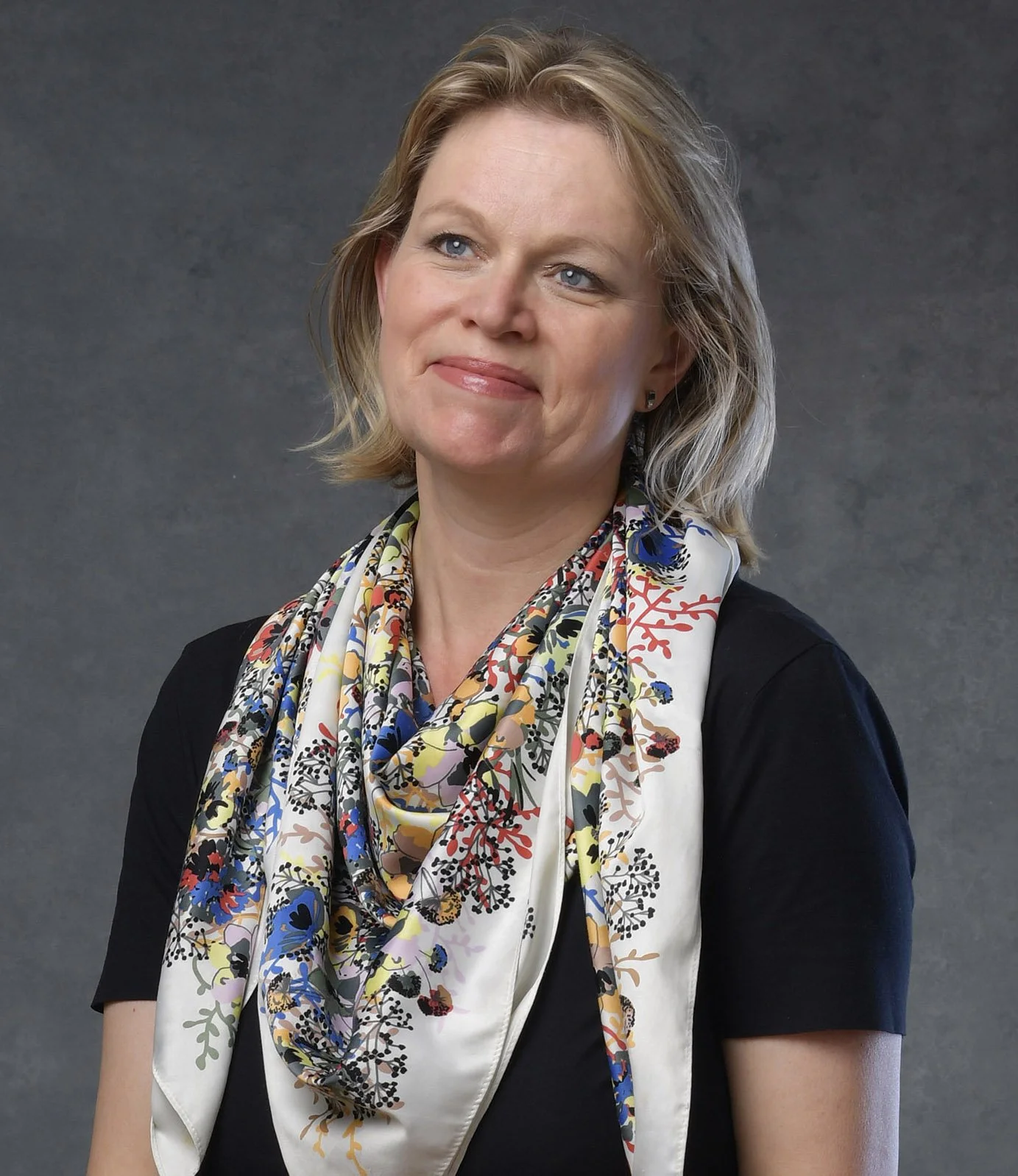
Anette Freytag is a Professor of Landscape Architecture (History, Theory and Design) at Rutgers University and an award-winning scholar, educator, and critic. Her research focuses on designed landscapes from the 19th century to the contemporary practice with a particular emphasis on topology, phenomenology and walking. In her latest book The Landscapes of Dieter Kienast (Zurich: gta Verlag 2021) she shows how this Swiss landscape architect renewed the aesthetics for designing with nature in the city through his love for spontaneous vegetation and his doctorate in phytosociology. After the environmental movement of the 1970s and 1980s, Kienast reoriented the profession of landscape architecture with form driven designs while reinforcing plant knowledge. Anette Freytag’s books have been honored with a J. B. Jackson Book Prize, a European Garden Book Award, a DAM Architectural Book Award and many more. Before joining Rutgers University, Anette has taught at ETH Zurich, the University of Basel and the University of Innsbruck. In 2019, co-founded the AIR Collaborative (Arts Integration Research Collaborative) which prioritizes creative placemaking to foster spatial justice through projects that seek safe access to nature for all.
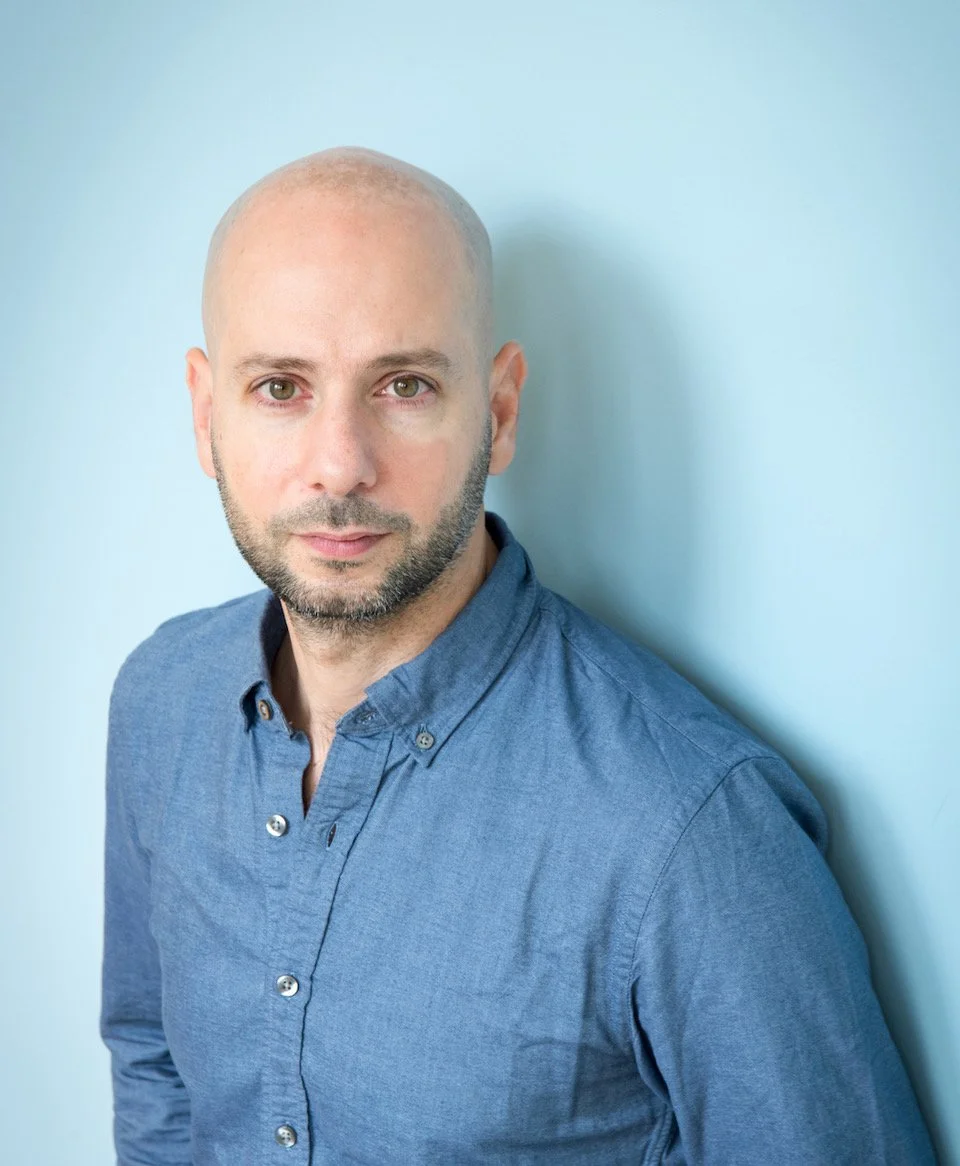
Ralph Ghoche
Ralph Ghoche is a nineteenth-century architecture and urbanism historian and Assistant Professor in the Department of Architecture at Barnard College, Columbia University.
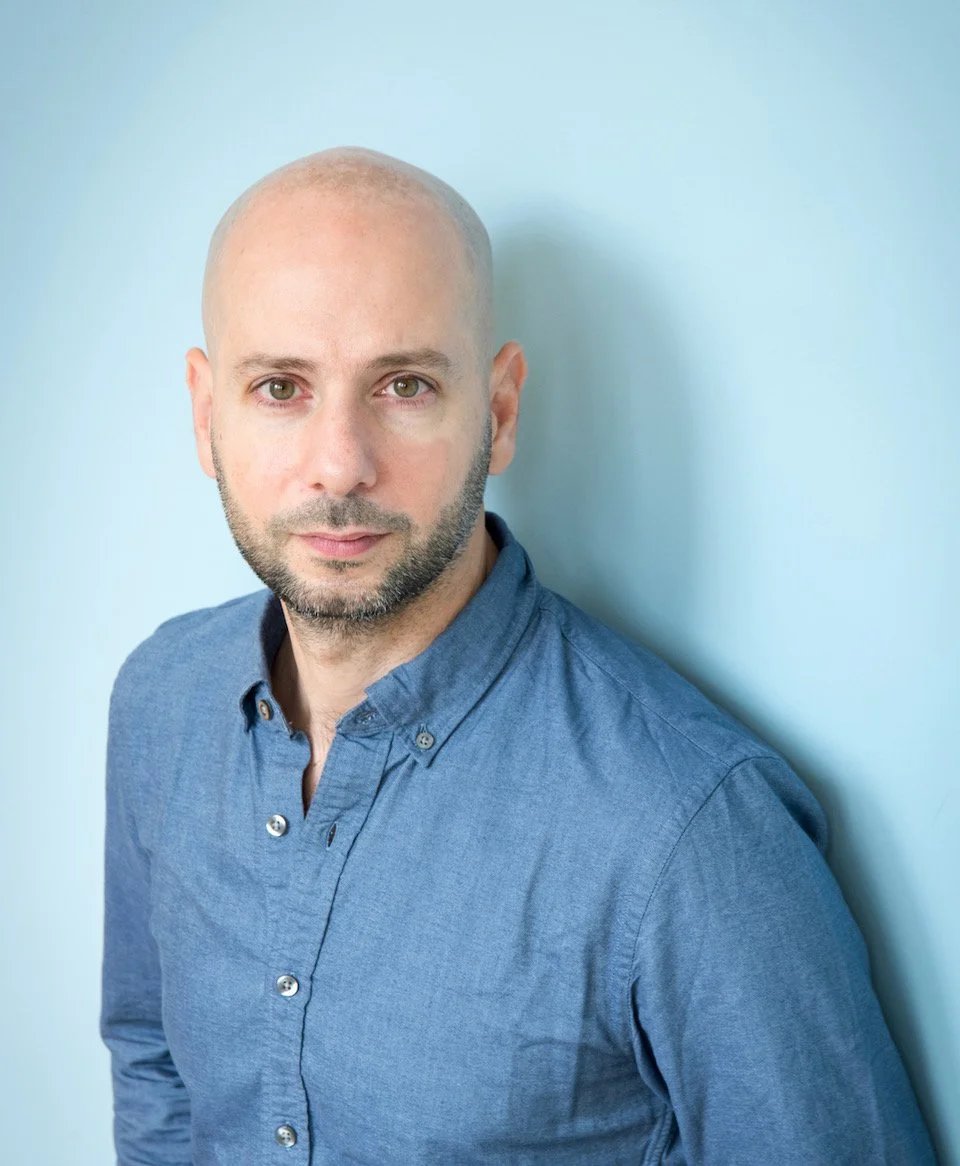
Ralph Ghoche
Ralph Ghoche is an Assistant Professor in the Department of Architecture at Barnard College, specializing in nineteenth-century architectural, urban, and environmental history.
His research and teaching are dedicated to clarifying two major subject areas: colonialism and environmentalism. His work on the interventions of the Catholic Church in Algiers during the French colonial period examines how the Church reshaped urban space through the construction, conversion, and erasure of buildings to advance its aim of resurrecting Augustinian Christendom in North Africa. Simultaneously, Ghoche is involved in a research project examining stone quarries and mineral extraction across Algeria. The broader objective of this project is to clarify how Western architecture's material reality is inscribed within global networks of extraction and exchange.
For the last decade, Ghoche has taught a lecture class in environmental history titled “City, Landscape & Ecology.” The course looks at changing attitudes to the natural world from the eighteenth century to the present, tracing significant historical shifts in considering nature across multiple fields and disciplines. His recent publications on environmentalism include “A Commons for Whom? Racism and the Environmental Movement,” co-authored with Udoh Unyimeabasi and published in Transforming Education for Sustainability (Springer, 2023) and a co-edited special issue (v. 17) of the French peer-reviewed journal, Les Cahiers de la recherche architecturale urbaine et paysagère, titled “How Environmentalist Mobilizations Shape Buildings, Cities and Landscapes.”
Ghoche holds a professional degree in architecture from McGill University and a Ph.D. in architectural history and theory from the Graduate School of Architecture, Planning, and Preservation at Columbia. He is co-chair of the Columbia University Seminar, Beyond France, and is a member of the editorial board of Les Cahiers de la recherche architecturale, urbaine et paysagère.
Working Group: Seeds of Diaspora
Naeem Mohaiemen
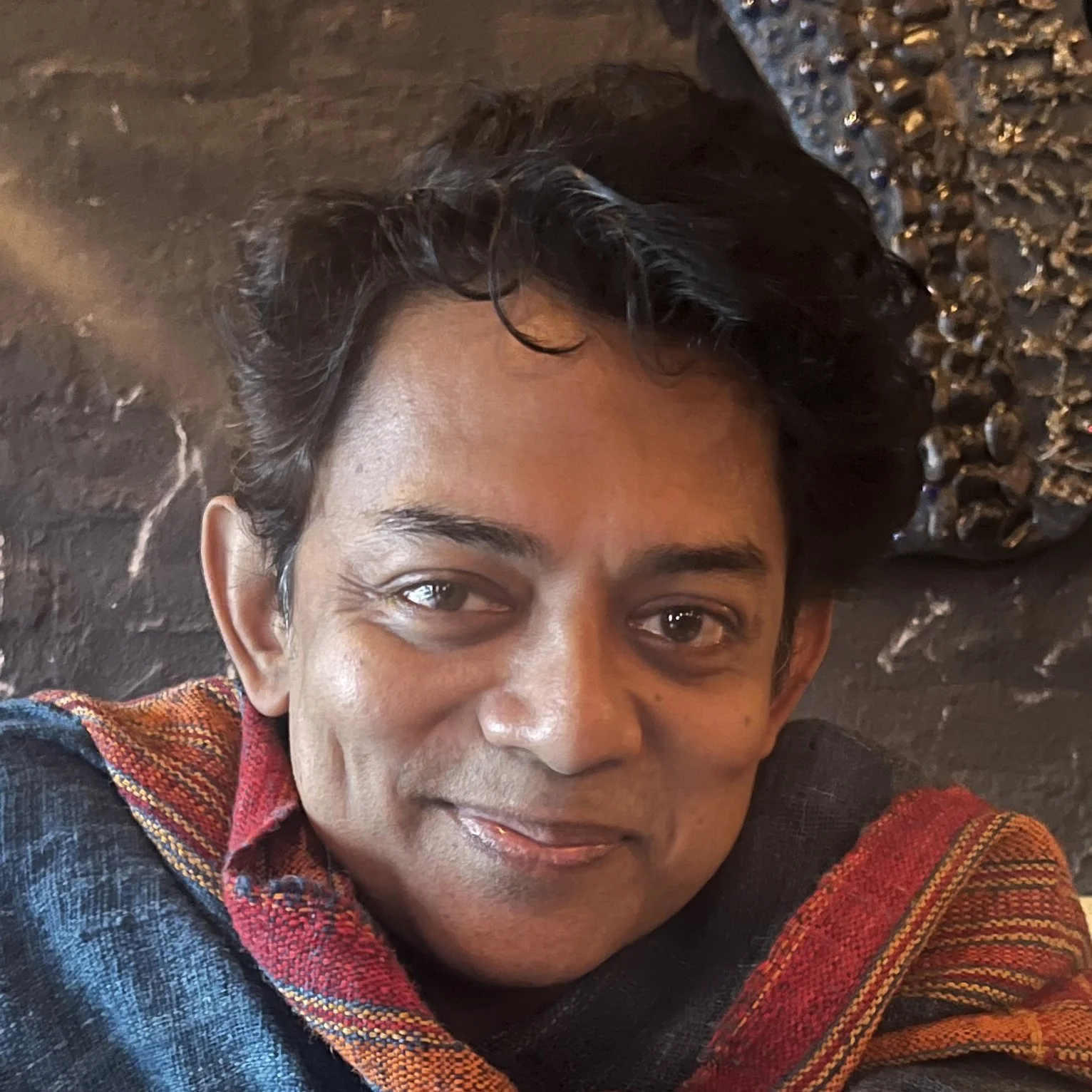
Credit: Rola Khayyat
Naeem Mohaiemen (Associate Professor of Visual Arts and Head of Photography Concentration at Columbia University) is a visual artist and academic who combines photography, films, and essays to research the many forms of utopia-dystopia (families, borders, architecture, and uprisings) in the Muslim World after 1945. Several conversations in contemporary art museums around the historic Non Aligned Movement pivoted around the premiere of his three-channel film, Two Meetings and a Funeral (2017), at documenta 14, which featured Vijay Prashad (The Darker Nations, 2007), Samia Zennadi (L’Afrique parle livres), and Zonayed Saki (Gana Samhati Party). He is author of Midnight’s Third Child (Dhaka: Nokta / University of Liberal Arts, 2023) and Prisoners of Shothik Itihash (Basel: Kunsthalle Basel, 2014); editor of Chittagong Hill Tracts in the Blind Spot of Bangladesh Nationalism (Dhaka: Drishtipat,2010); and co-editor with Eszter Szakacs of Solidarity Must be Defended (Budapest: Tranzit / University of Budapest, 2023) and with Lorenzo Fusi of System Error: War is a Force that Gives us Meaning (Sienna: Sylvana, 2007). Monographs on his art practice include What We Found After You Left (Toronto: Power Plant, 2021). Mohaiemen has a Ph.D. in Anthropology and was a Senior Research Fellow at Lunder Institute of American Art at Colby College prior to joining the Columbia faculty. He is a Guggenheim Fellow (film-video 2014) and was a finalist for Britain’s Turner Prize (2018).
Working Group: Seeds of Diaspora
Shahid Naeem
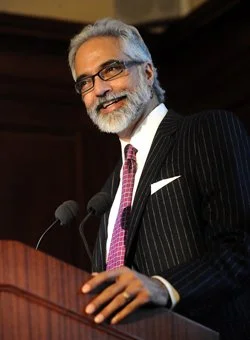
Shahid Naeem (Professor and Department Chair, Ecology, Evolution and Environmental Biology) studies the ecological and environmental consequences of biodiversity loss. He is interested in how changes in the distribution and abundance of plants, animals, and microbes, affect how ecosystems function and, by extension, how ecosystems services are affected. His work combines theoretical, observational, and experimental studies under field and laboratory conditions, to uncover the mechanistic bases for the impacts of biodiversity loss on ecosystems. His work has demonstrated how the loss of species from ecosystems affect their ability to resist invasion by other species, affect production and nutrient cycling, and affect the reliability and stability of ecosystems. He is actively involved in bringing the science of biodiversity and ecosystem functioning to conservation, restoration, and policy development.
Darby Minow Smith
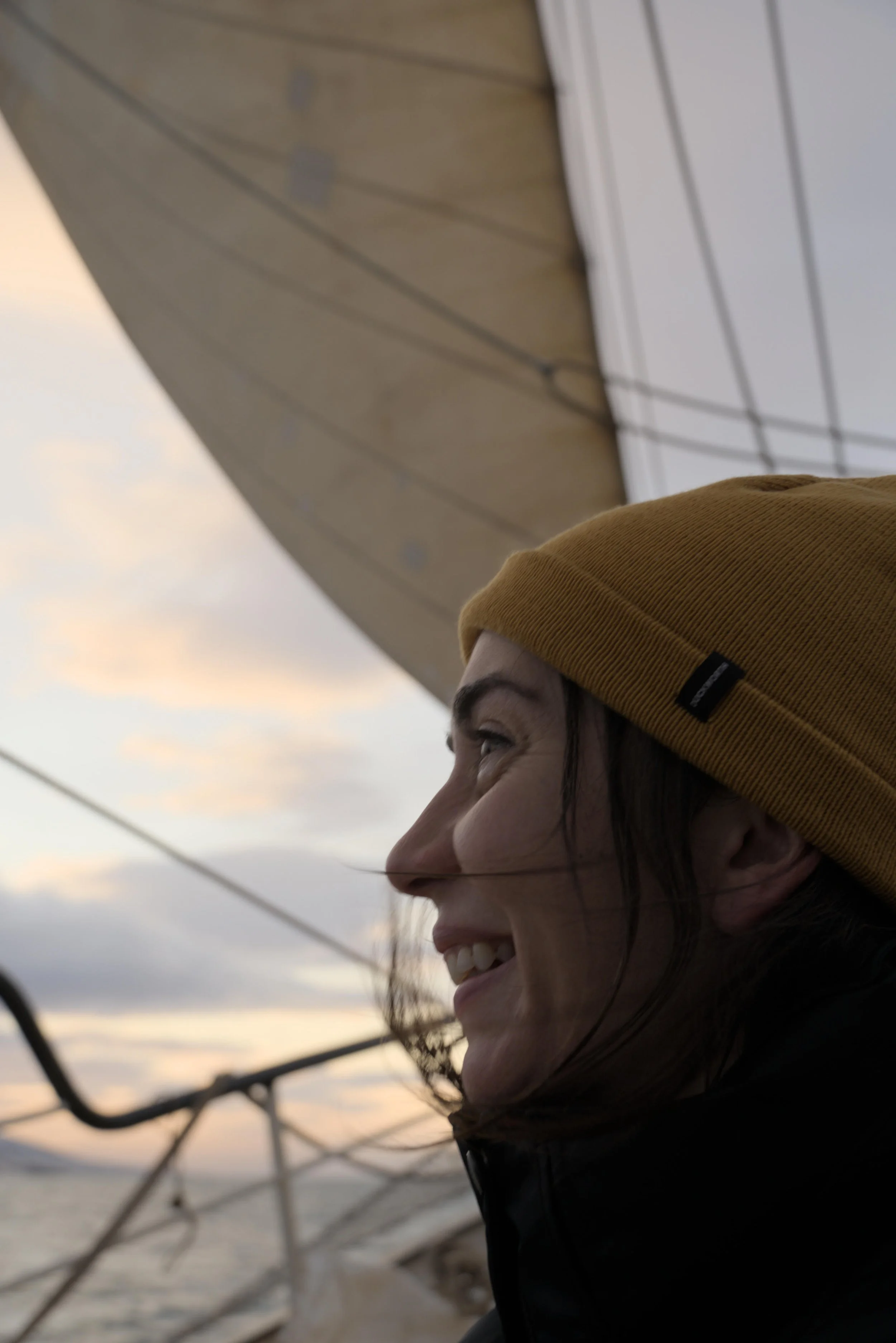
Darby Minow Smith (Adjunct Assistant Professor in Undergraduate Studies in Creative Writing) teaches nonfiction writing, writes for science magazines, and mentors young journalists on climate stories. Together with Lynnette Widder, she tested a 6-week seminar and workshop on Writing Cultural Landscapes. Prior to Columbia, she was the long-time senior editor of the environmental magazine Grist, where she managed a National Magazine Award-nominated project on civic engagement.
Working Group: Seeds of Diaspora
Alexei "Lex" Taylor
Alexei “Lex” Taylor (Independent) is an award-winning chef, cookbook author, TV personality, and explorer. Through BBQ, bushcraft, leather craft, knife making, and foraging, Lex explores traditional knowledge, skills, and how the understanding of these principles forges a strong bond and appreciation for the natural world. As a chef, he hosts private, forest-table tasting menus in alternative spaces such as in the forest, barns, and even abandoned castles. He is the author of Grill Fire (Sterling Epicure 2016) and The Unofficial Bridgerton Cookbook (Simon & Shuster, 2021). He has made several appearances on Food Network, Esquire, and Sponsored Media Tours. As an explorer, Lex has travelled extensively throughout the world, learning and working with cultures who still rely on ancestral knowledge for survival. From the Sahara and Atacama deserts, to the jungles of Central America, West Africa, Europe, the Middle East, Asia, and as far north as Inuit hunting villages on Baffin Island, his quest is not just to learn but to share that knowledge back home through field guides, workshops, and lectures with the outdoor company, Fjällräven (Field guide and spokesman since 2016).
Fern Thompsett
Fern Thompsett is a PhD candidate in the Department of Anthropology at Columbia University. Her dissertation research explores the Anti-Civilization Movement, an anarchist environmental movement that coheres around an anti-colonial, anti-capitalist critique of mass agriculture.
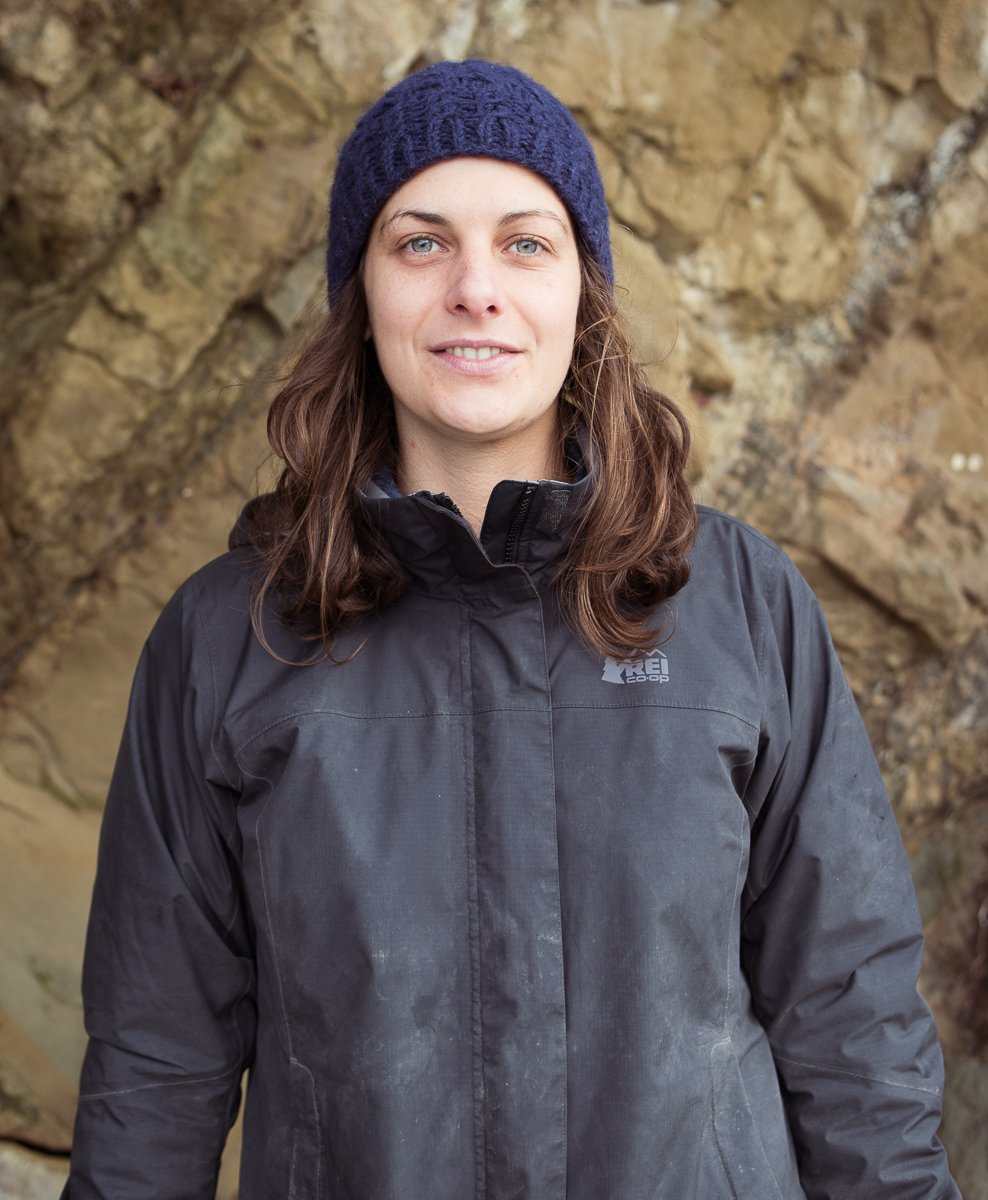
Photo Credit: Hudson Gardner
Fern Thompsett is a PhD candidate in the Department of Anthropology at Columbia University. Her dissertation research explores the Anti-Civilization Movement, an anarchist environmental movement that coheres around an anti-colonial, anti-capitalist critique of mass agriculture. Fern conducts ethnographic fieldwork in the US Pacific Northwest, where the movement originated, to investigate how those inspired by anti-civilization ethics put these ideas into practice. Much of this work is oriented around people's relationships with plant species, whether in terms of foraging wild edibles, exploring animist and Pagan modes of relationality, or reckoning with the effects of climate change. Fern has previously published work on anarchist and egalitarian pedagogies, in the context of the free university movement.
Working Group: Seeds of Diaspora
Wendy S. Walters
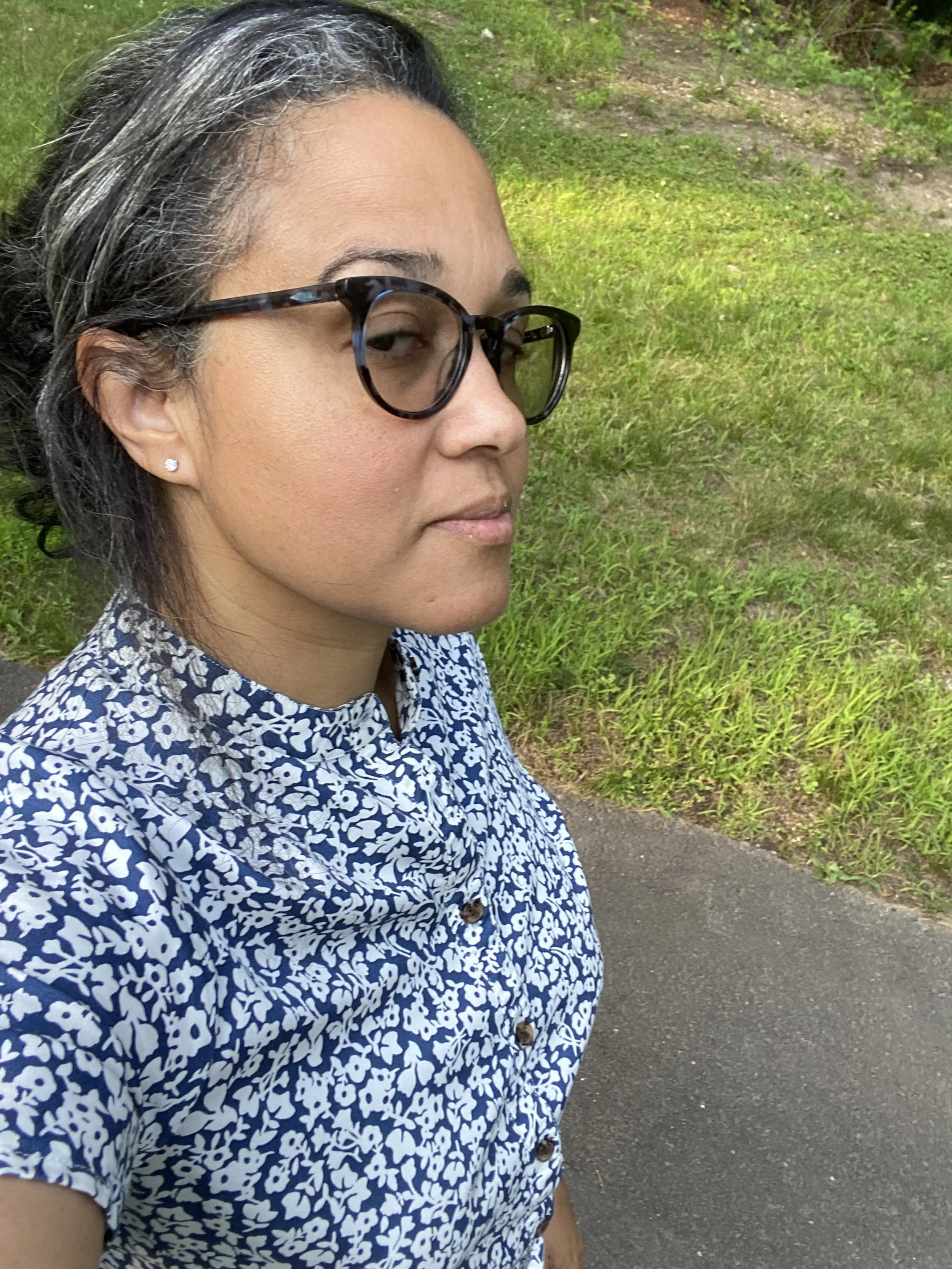
Wendy S. Walters (Associate Professor of Writing and Director of Non-Fiction) is a Creative Capital Awardee in literary nonfiction and the author of three books. Her current projects address intersections between writing and design. climate change and its reverberations, class and racial disquietude in the industrial Midwest, and organic forms in the essay. A recipient of fellowships from NYFA, the Ford Foundation, and the Smithsonian Institute, she has a broad history of engagements with writing in and about performative contexts. In a sustained collaboration with Elyse Nelson, Walters co-curated the exhibition, Fictions of Emancipation: Carpeaux Recast, at The Met, on view from March 10, 2022 to March 5, 2023. It was the first exhibition at The Met to examine Western sculpture in relation to the histories of transatlantic slavery, colonialism, and empire. They have edited a collection of essays as a companion to the show, titled Fictions of Emancipation: Reconsidering Carpeaux’s Why Born Enslaved! (The Met/Yale University Press).
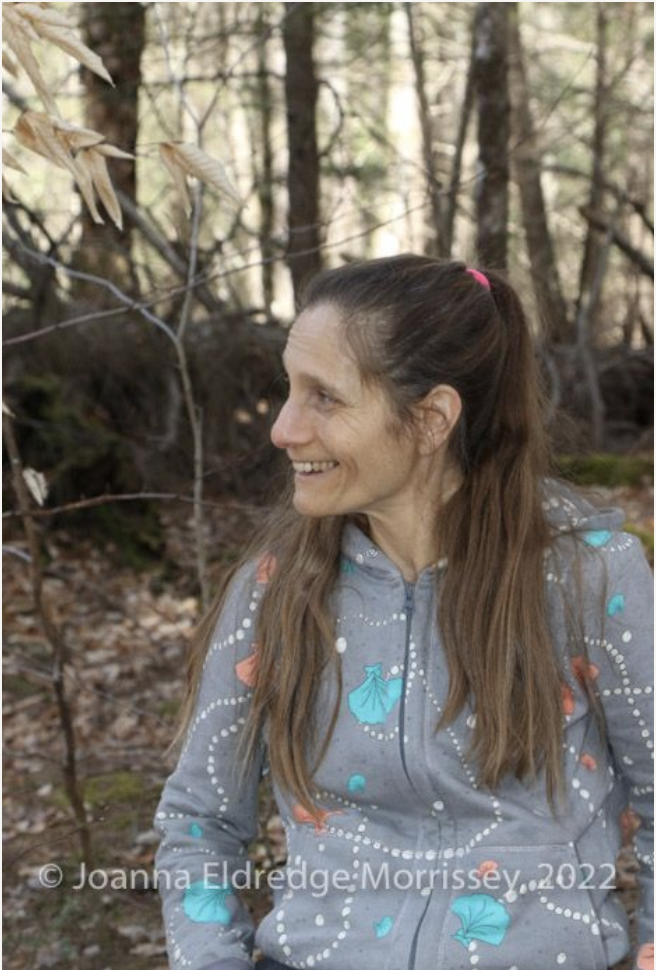
Lynnette Widder
Lynnette Widder works on sustainable, resilient and equitable built environment practice. Her architectural work has been featured in the New York Times, on HGTV and in other US, European, Asian and Australian publications; and currently focuses on low-embodied energy, low-carbon renovation of Modernist buildings, including an award-winning renovation of Kaneji Domoto's 1949-50 Lurie House.
Lynnette Widder
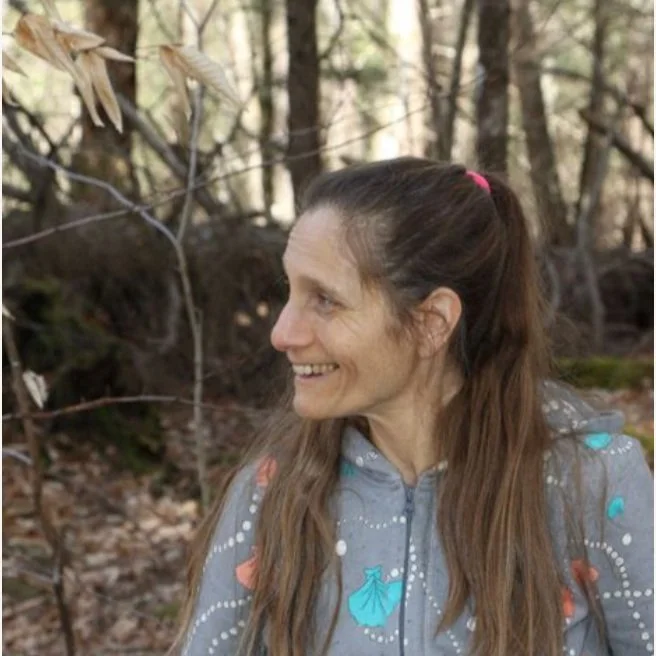
Image credit: Joanna Eldredge Morrissey 2022
Lynnette Widder works on sustainable, resilient and equitable built environment practice. Her architectural work has been featured in the New York Times, on HGTV and in other US, European, Asian and Australian publications; and currently focuses on low-embodied energy, low-carbon renovation of Modernist buildings, including an award-winning renovation of Kaneji Domoto's 1949-50 Lurie House. As curator, she has mounted exhibitions at the AIA Center for Architecture, SUNY Purchase, Georgia Institute of Technology and Washington University in St. Louis. Her research has been funded by the Mellon Foundation, the AIA New York Center for Architecture, the Graham Foundation, the German Academic Exchange (DAAD), Fulbright, the UN Development Programme in Guinea, Columbia World Projects and the Climate School at Columbia; and she has held fellowships from the Institute for Ideas and Imagination in Paris and MacDowell. She is the author of Year Zero to Economic Miracle: Hans Schwippert and Sep Ruf in Postwar West German Building Culture (gta, 2022) and co-authored Architecture Live Projects: Pedagogy into Practice (Routledge, 2014) and Ira Rakatansky: As Modern as Tomorrow (William Stout, 2010). Her non-fiction writing has appeared in the Oxonian Review, Daidalos, Bauwelt, Architecture, Manifest, Kritische Berichte, the Journal of Industrial Ecology, and The Social Science Journal; and her fiction, in Northwest Review and Camera Obscura. She has also taught at Rhode Island School of Design, ETH Zurich, University of British Columbia, Cornell University, Cranbrook Academy of Art and City College of New York.
Working Group: Seeds of Diaspora