

Sydney Amoakah
Doctoral Student, Human Rights, Columbia University
Sydney Amoakoh is a Human Rights Studies MA candidate at Columbia University whose research takes a look at the considerations and constraints behind the drafting of human rights into humanitarian guidelines, with specific focus on the recent inclusion of a section on menstrual health management (MHM) in the 2018 edition of the Sphere Humanitarian Charter and Minimum Standards in Humanitarian Response.
Sydney Amoakah
Graduate Student, Graduate School of Arts and Sciences, Columbia University

Sydney Amoakoh is a Human Rights Studies MA candidate at Columbia University whose research takes a look at the considerations and constraints behind the drafting of human rights into humanitarian guidelines, with specific focus on the recent inclusion of a section on menstrual health management (MHM) in the 2018 edition of the Sphere Humanitarian Charter and Minimum Standards in Humanitarian Response. In her role as a menstrual health advocacy fellow, Sydney contributes to the joint efforts of Columbia’s Institute for the Study of Human Rights and the Water Supply and Sanitation Collaborative Council in elevating and expanding the inclusion of menstrual health in high-level UN forums. Sydney’s concentration on the right to health of displaced persons, particularly women and children, are informed by her past work focusing on the rights of children and survivors of GBV. She has held internships at London-based organizations, AfriKids and World Child Cancer, and a volunteer position at the Boston Area Rape Crisis Center. Sydney received her BA in International Affairs with a minor in Business Management from Northeastern University.
Working Group Affiliation

Naomi Heller Batzer
PhD Student, Sustainability Management, Columbia University
Naomi Batzer graduated from Barnard College with a degree in economics in 2017. She is particularly interested in the roles of health and gender in development economics and wrote her final paper on the effect of Ebola on maternal mortality in Sierra Leone. She is in her first semester of the Sustainability Management program at Columbia University.
Naomi Heller Batzer
PhD Student, School of International and Public Affairs, Columbia University

Naomi Batzer graduated from Barnard College with a degree in economics in 2017. She is particularly interested in the roles of health and gender in development economics and wrote her final paper on the effect of Ebola on maternal mortality in Sierra Leone. After graduation, Naomi moved to Madrid to teach English and play rugby for a year. She is in her first semester of the Sustainability Management program at Columbia University. Naomi is currently working with Anja Tolonen and Sandra Aguilar Gomez on menstrual stigma and schooling in Tanzania.
Working Group Affiliation

Chris Bobel
Associate Professor of Women’s, Gender & Sexuality Studies, University of Massachusetts Boston
Chris Bobel is Associate Professor of Women’s, Gender & Sexuality Studies at the University of Massachusetts Boston where she teaches courses on Gender & the Body, Feminist Theory, Feminist Research Methods, Women in US Social Movements and Feminist Activism.
Chris Bobel
Associate Professor of Women’s, Gender & Sexuality Studies, University of Massachusetts Boston

Chris Bobel is Associate Professor of Women’s, Gender & Sexuality Studies at the University of Massachusetts Boston where she teaches courses on Gender & the Body, Feminist Theory, Feminist Research Methods, Women in US Social Movements and Feminist Activism. Her scholarship lies at the intersection of social movements, gender, health and embodiment, sites where feminist thinking becomes feminist doing.
Since 2003, Chris has been engaged in the study of efforts to advance menstrual health as a matter of human rights and reproductive justice. Her publications include New Blood: Third Wave Feminism and the Politics of Menstruation and The Managed Body: Developing Girls and Menstrual Health in the Global South (forthcoming in late 2018). She is also co-editor (with Samantha Kwan) of Body Battlegrounds: Transgressions, Tensions, Transformations (forthcoming in 2019) and Embodied Resistance: Challenging the Norms, Breaking the Rules. She is also at work co-editing the first ever Handbook of Critical Menstruation Studies.
To see a more complete listing of Chris’s work and media mentions, go to https://works.bepress.com/chris_bobel/
Working Group Affiliation

Michelle Chouinard
Human Rights and Humanitarian Policy Concentration Coordinator, School of International and Public Affairs, Columbia University
Michelle Chouinard is the New York Regional Representative for the coalition organization Human Rights Educators (HRE) USA. Prior to joining SIPA, she served as the Education Program Coordinator for the Institute for the Study of Human Rights.
Michelle Chouinard
Human Rights and Humanitarian Policy Concentration Coordinator, School of International and Public Affairs, Columbia University

Michelle Chouinard is the Human Rights and Humanitarian Policy Concentration Coordinator at Columbia University’s School of International and Public Affairs (SIPA). She is also the New York Regional Representative for the coalition organization Human Rights Educators (HRE) USA. Prior to joining SIPA, Michelle served as the Education Program Coordinator for the Institute for the Study of Human Rights. Michelle received her MA degree in Human Rights Studies at Columbia University with a specialization in localization efforts of international human rights law in the United States. She holds a BA in anthropology and gender studies from the University of Massachusetts Boston.
Working Group Affiliation
Menstrual Health and Gender Justice, Coordinator
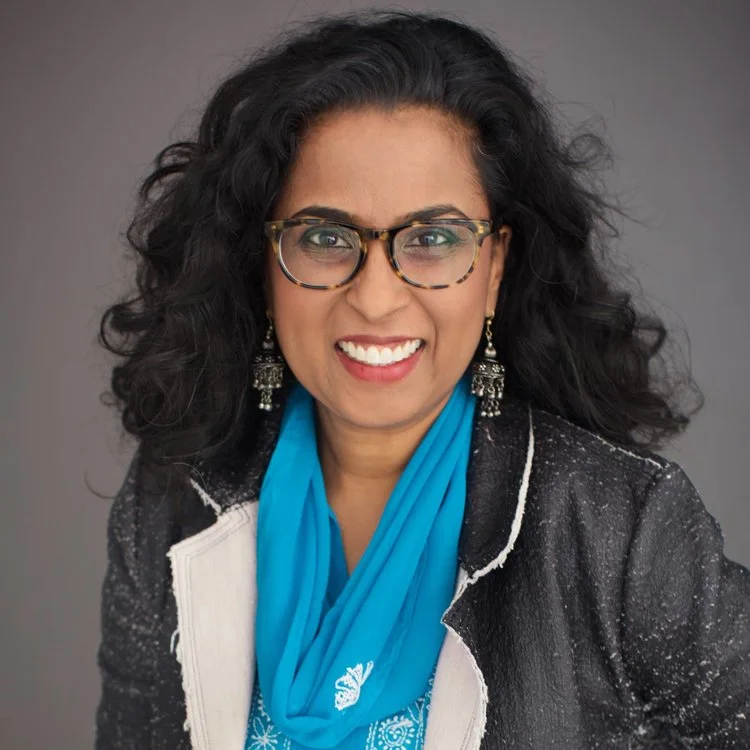
Sayantani Dasgupta
Assistant Professor of Clinical Pediatrics and Faculty, Program in Narrative Medicine, Columbia University; Faculty, Health Advocacy Graduate Program and Fiction Writing Program, Sarah Lawrence College
Sayantani DasGupta, MD MPH is the Co-Author of "The Demon Slayers and Other Stories: Bengali Folktales," author of "Her Own Medicine: A Woman's Journey from Student to Doctor," and co-editor of an award winning collection of women's illness narratives, "Stories of Illness and Healing: Women Write their Bodies." She teaches courses on illness and disability narratives and narrative, health and social justice and is co-chair of the Columbia University Seminar on Narrative, Health and Social Justice.
Sayantani Dasgupta
Assistant Professor of Clinical Pediatrics and Faculty, Program in Narrative Medicine, Columbia University; Faculty, Health Advocacy Graduate Program and Fiction Writing Program, Sarah Lawrence College

Sayantani DasGupta, MD MPH is the Co-Author of "The Demon Slayers and Other Stories: Bengali Folktales," author of "Her Own Medicine: A Woman's Journey from Student to Doctor," and co-editor of an award winning collection of women's illness narratives, "Stories of Illness and Healing: Women Write their Bodies." She teaches courses on illness and disability narratives and narrative, health and social justice and is co-chair of the Columbia University Seminar on Narrative, Health and Social Justice.
Working Group Affiliations
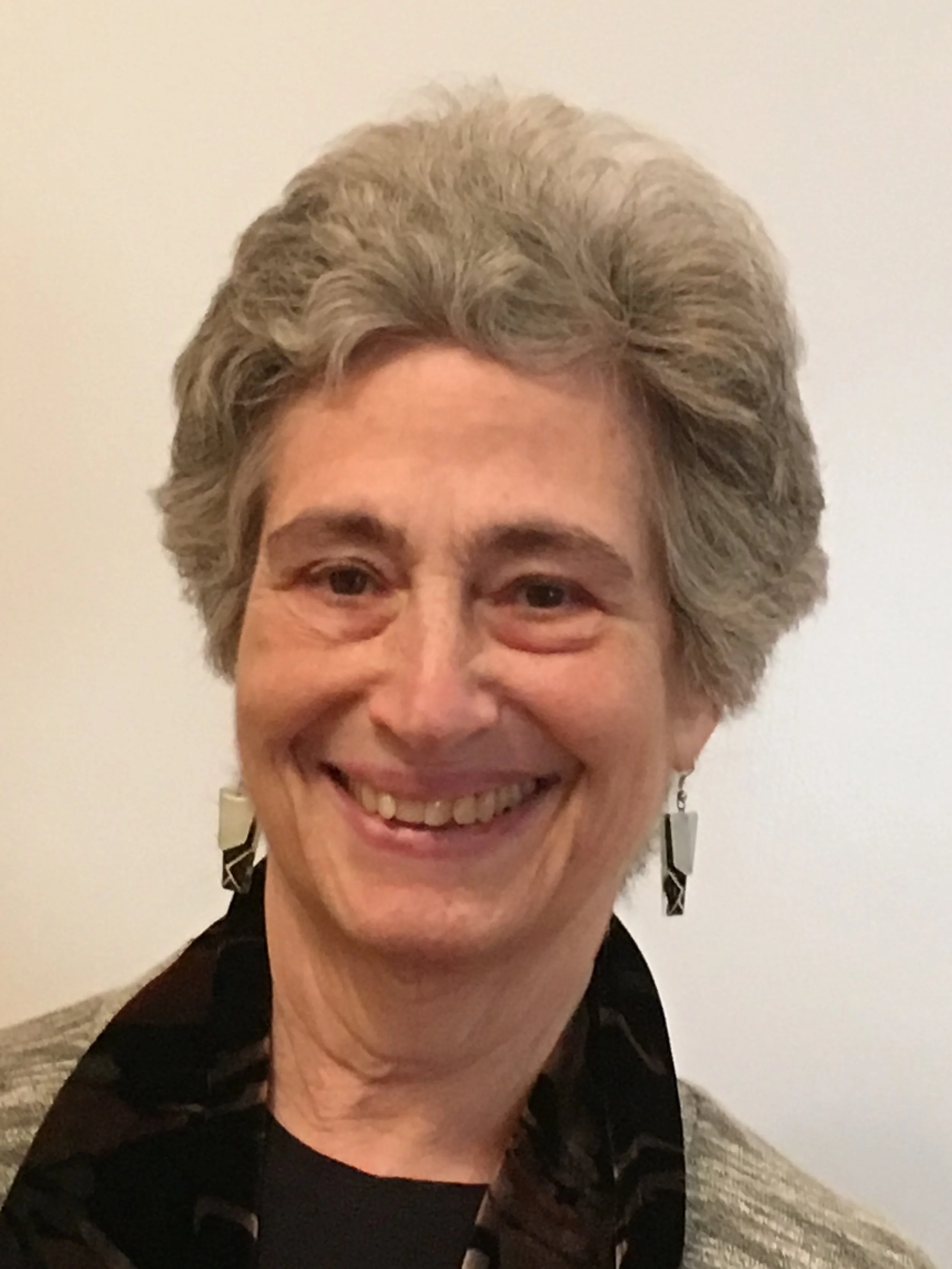
Sheila Dauer
Adjunct Assistant Professor of Political Science, Columbia University
Sheila Dauer, former Director of AIUSA’s Women’s Human Rights Program during the program’s existence from October 1997 to end December, 2008. Since 1988, as a charter member of an AIUSA Taskforce on Women’s Human Rights, she worked with both AI international research office and other national sections to develop AI’s policy, action and publications on women’s human rights.
Sheila Dauer
Adjunct Assistant Professor of Political Science, Columbia University
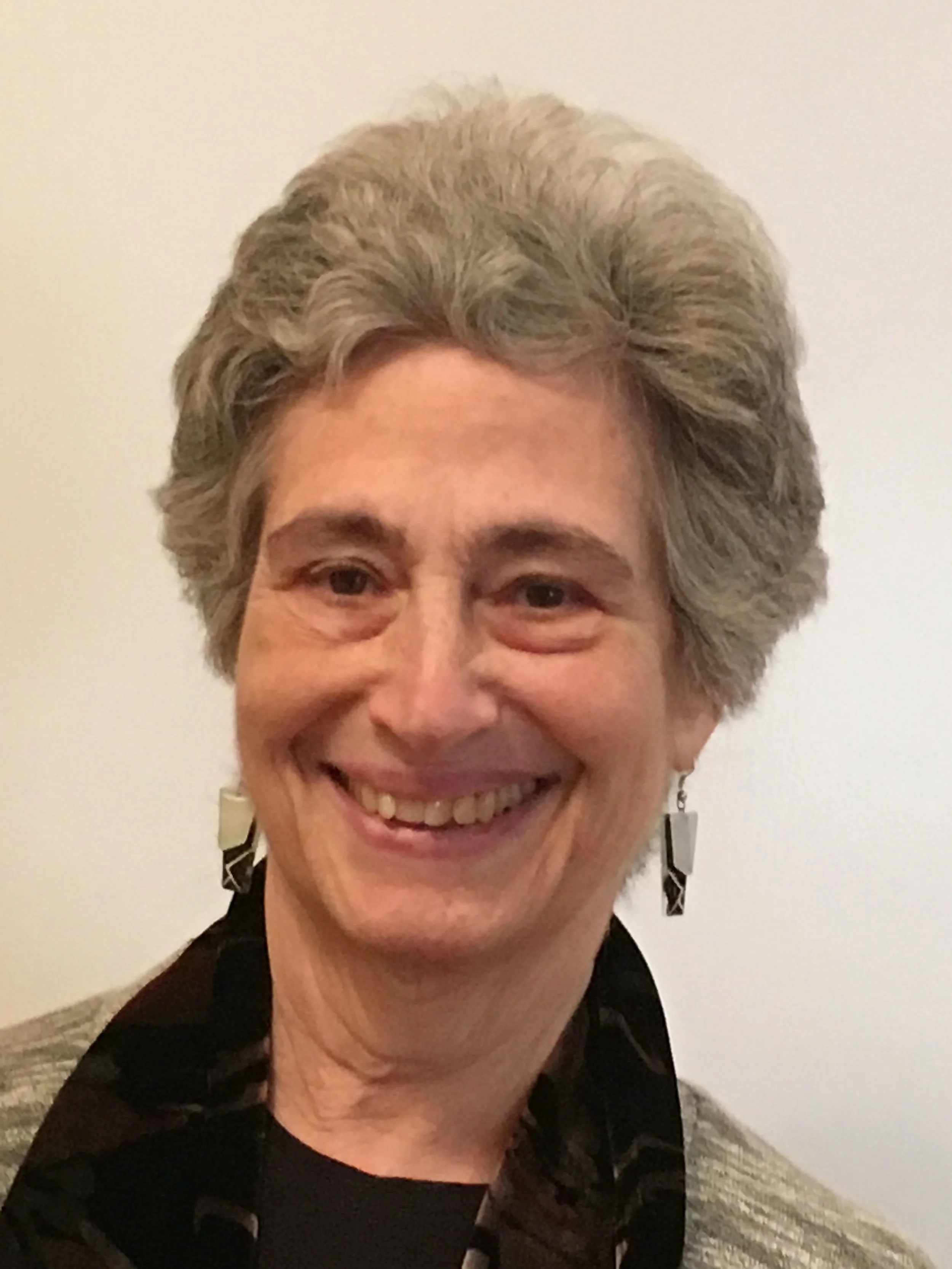
Sheila Dauer, former Director of AIUSA’s Women’s Human Rights Program during the program’s existence from October 1997 to end December, 2008. Since 1988, as a charter member of an AIUSA Taskforce on Women’s Human Rights, she worked with both AI international research office and other national sections to develop AI’s policy, action and publications on women’s human rights. In 1991, she prepared AI's first international report on women's human rights, Women in the Front Line. She served as Theme Advisor to AIUSA’s Stop Violence Against Women Campaign (2004-2008), developing strategies and actions on multiple countries and issues around violence against women. Dr. Dauer, who holds a Ph.D. in Anthropology, carried out fieldwork for two years in Tanzania. She is a Fellow of the American Anthropological Association and served on the Committee for Human Rights and a Fellow of the Society for Applied Anthropology. She has taught at The New School for Public Engagement’s Graduate Program in International Affairs. She is on the Board of Directors of Action for Health in the Americas, a support NGO for EPES, Educacion Popular en Salud, Chile.
Working Group Affiliation
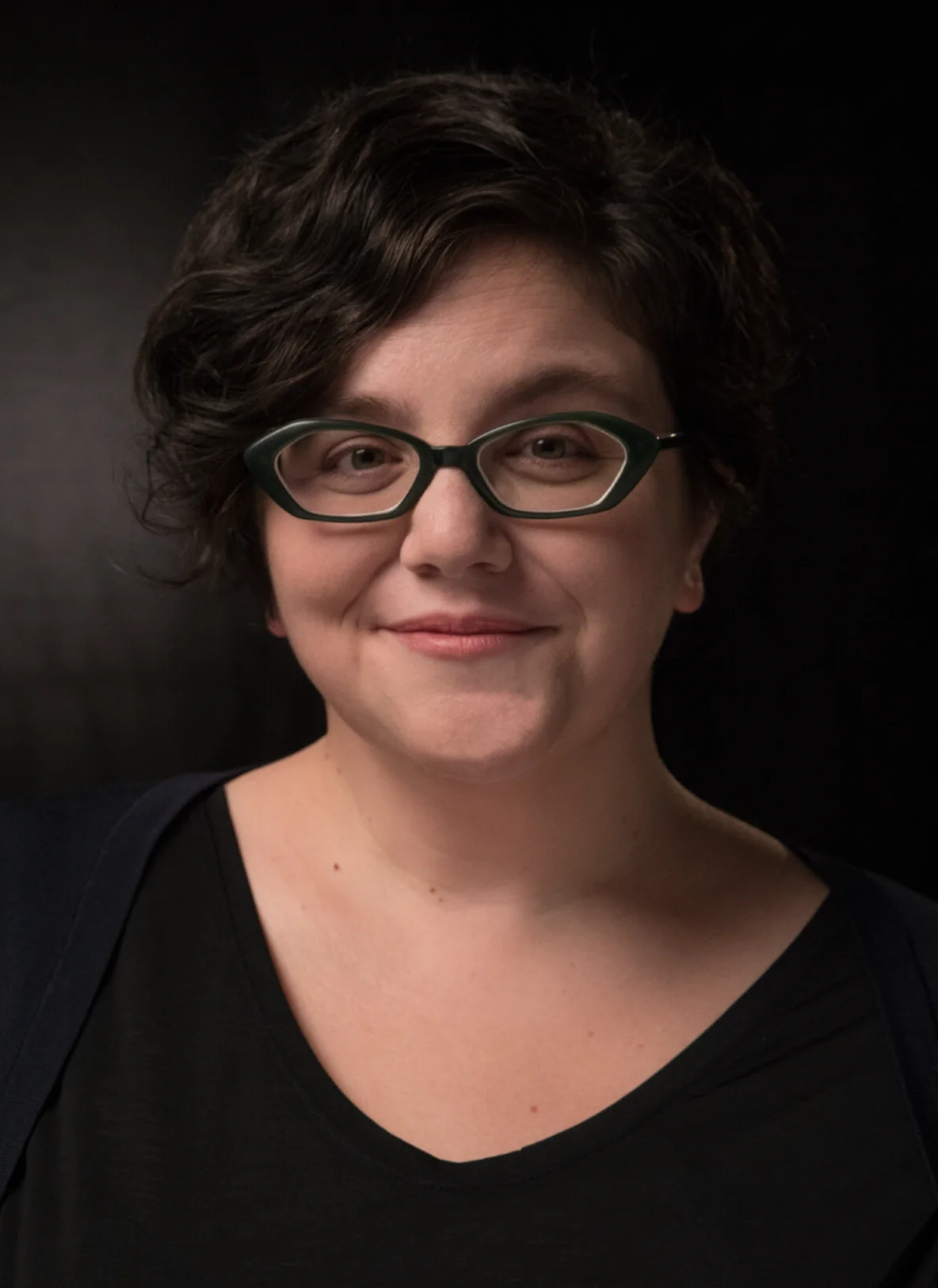
Noémie Elhadad
Associate Professor, Department of Biomedical Informatics, Columbia University
Noémie Elhadad is an Associate Professor of Biomedical Informatics, affiliated with Computer Science Department and Data Science Institute at Columbia University. Her research is at the intersection of machine learning, technology, and medicine. She leads Even, the Data-Powered Women's Health Research Initiative at Columbia University as well as the Citizen Endo project.
Noémie Elhadad
Associate Professor of Biomedical Informatics, Columbia University
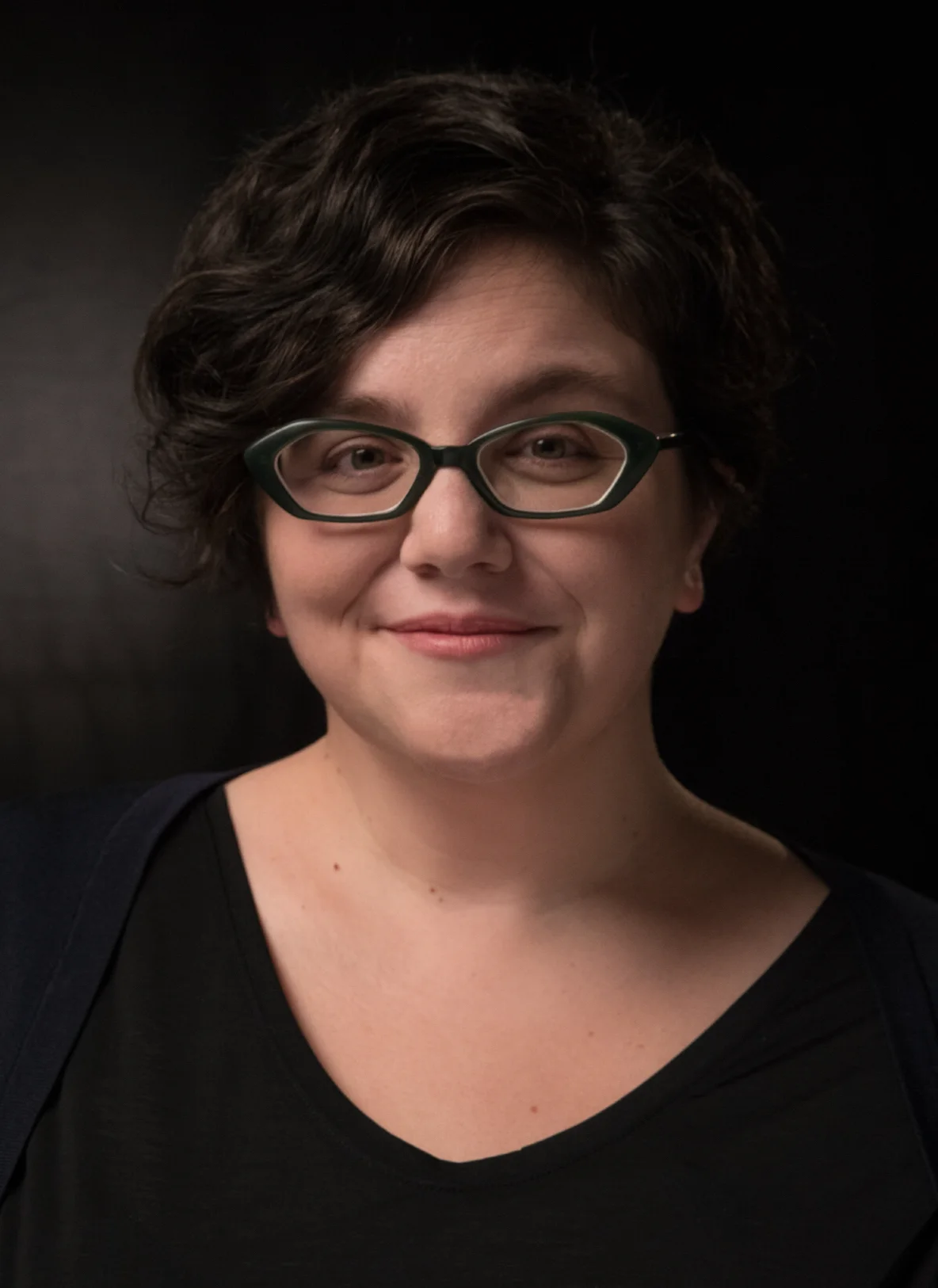
Noémie Elhadad is an Associate Professor of Biomedical Informatics, affiliated with Computer Science Department and Data Science Institute at Columbia University. Her research is at the intersection of machine learning, technology, and medicine. She leads Even, the Data-Powered Women's Health Research Initiative at Columbia University as well as the Citizen Endo project. Both are research initiatives with the goal of designing novel data science approaches to advance the field of women's health.
Working Group Affiliation
Yasmine Ergas
Professor, School of International and Public Affairs, Columbia University
Yasmine Ergas is Director of the Specialization on Gender and Public Policy, Lecturer in International and Public Affairs, and Associate Director of the Institute for the Study of Human Rights. A lawyer and sociologist, she has worked on issues regarding gender and women’s rights as a policy analyst and advisor, scholar and advocate. She has served as a consultant to international and domestic policy organizations, including the OECD, UNESCO, the Millennium Villages Project, the New York City Commission on Human Rights, and CENSIS, a major applied social research institute in Italy, and been on the staff of the Social Science Research Council.
Yasmine Ergas
Professor, School of International and Public Affairs, Columbia University

Yasmine Ergas is Director of the Specialization on Gender and Public Policy, Lecturer in International and Public Affairs, and Associate Director of the Institute for the Study of Human Rights. A lawyer and sociologist, she has worked on issues regarding gender and women’s rights as a policy analyst and advisor, scholar and advocate. She has served as a consultant to international and domestic policy organizations, including the OECD, UNESCO, the Millennium Villages Project, the New York City Commission on Human Rights, and CENSIS, a major applied social research institute in Italy, and been on the staff of the Social Science Research Council. Her recent work has focused on the emergence of an international market in reproductive services, the transformations of ‘motherhood’ and the impacts of human rights programs and policies. Previous relevant work centered on feminist movements and their interactions with public policies; the implications of the concept of ‘gender’ for feminist politics; child care policies in international and comparative perspective; educational policies and the social implications of HIV/AIDS.
Working Group Affiliations
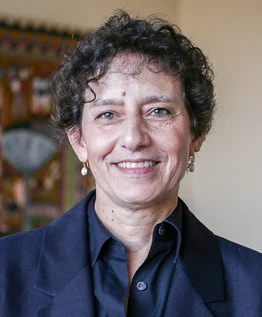
Lynn Freedman
Professor, Department of Population and Family Health, Columbia University Medical Center
Lynn P. Freedman, JD, MPH, currently directs the Mailman School of Public Health Averting Maternal Death and Disability (AMDD) Program, a global program of research, policy analysis, and technical support that, since 1999, has worked with UN agencies, NGOs, and governments in more than 50 countries in Asia, Africa, and Latin America to reduce maternal mortality. Before joining the faculty at Columbia University in 1990, Professor Freedman worked as a practicing attorney in New York City.
Lynn Freedman
Professor Population and Family Health, Columbia University Medical Center

Lynn P. Freedman, JD, MPH, currently directs the Mailman School of Public Health Averting Maternal Death and Disability (AMDD) Program, a global program of research, policy analysis, and technical support that, since 1999, has worked with UN agencies, NGOs, and governments in more than 50 countries in Asia, Africa, and Latin America to reduce maternal mortality. Before joining the faculty at Columbia University in 1990, Professor Freedman worked as a practicing attorney in New York City. Professor Freedman has published widely on issues of maternal mortality and on health and human rights, with a particular focus on gender and women's health. She also serves on the advisory boards of maternal health projects and human rights projects with programs in Asia, Sub-Saharan Africa and Latin America.
Working Group Affiliation
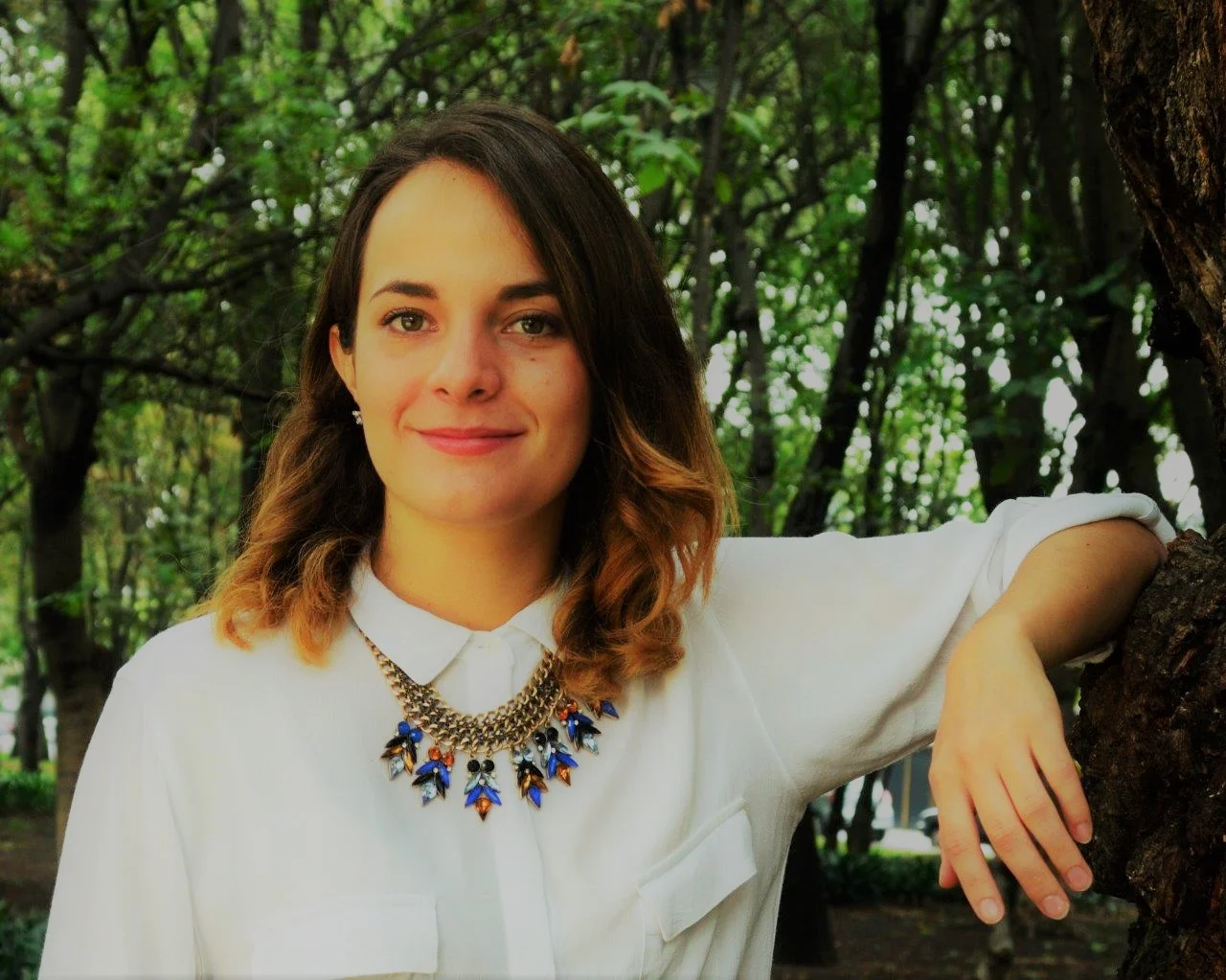
Sandra Aguilar Gomez
PhD Student, School of International and Public Affairs, Columbia University
Sandra Aguilar Gomez is a third year student in the Sustainable Development PhD program in Columbia University, where she was awarded the Wu Fellowship for her research in health, wellbeing and public policy. Her main research interests lie in the fields of health, climate change, and development economics. She holds a Master in Applied Economics from Instituto Tecnológico Autónomo de México (ITAM), as well as a degree in Economics from the same university.
Sandra Aguilar Gomez
PhD Student, School of International and Public Affairs, Columbia University
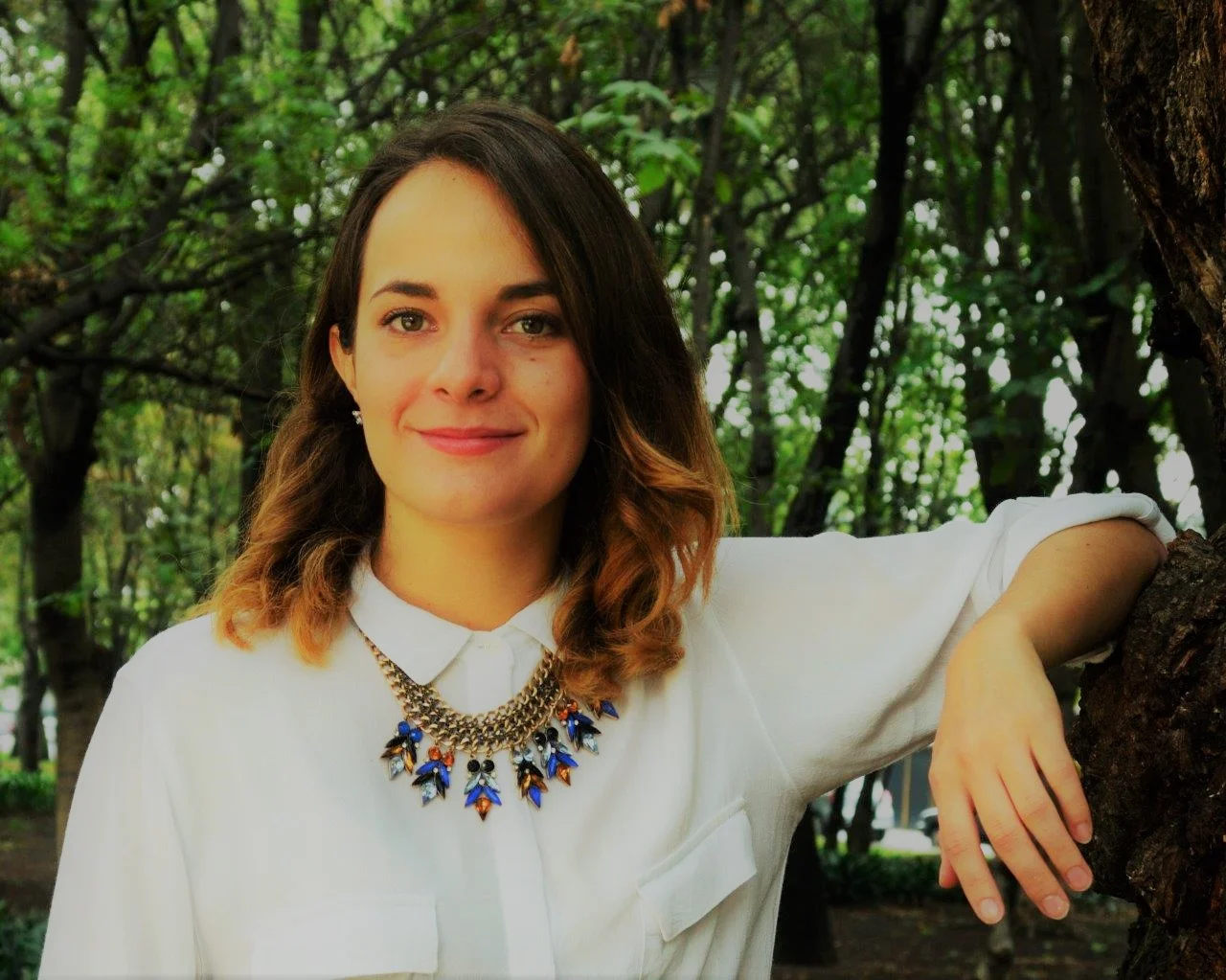
Sandra Aguilar Gomez is a third year student in the Sustainable Development PhD program in Columbia University, where she was awarded the Wu Fellowship for her research in health, wellbeing and public policy. Her main research interests lie in the fields of health, climate change, and development economics. She holds a Master in Applied Economics from Instituto Tecnológico Autónomo de México (ITAM), as well as a degree in Economics from the same university. Sandra currently studies gender disparities in the context of natural resource shocks (particularly, the California Gold Rush), as well as women’s reproductive health in developing countries (Mexico and Tanzania). She is interested in behavioral responses to environmental change and their impact on gender and socioeconomic inequality. She teaches Gender Economics in Mexico, where she has participated in several panels on women’s rights, economic history and politics. She also contributes to the Economics and Society section in Nexos, a cultural and political magazine based in Mexico City, and to Foco Economico, a Latin American academic economics blog.
Working Group Affiliation
Caitlin Gruer
Doctoral Student, Adolescent Transitions and Environment, Columbia University
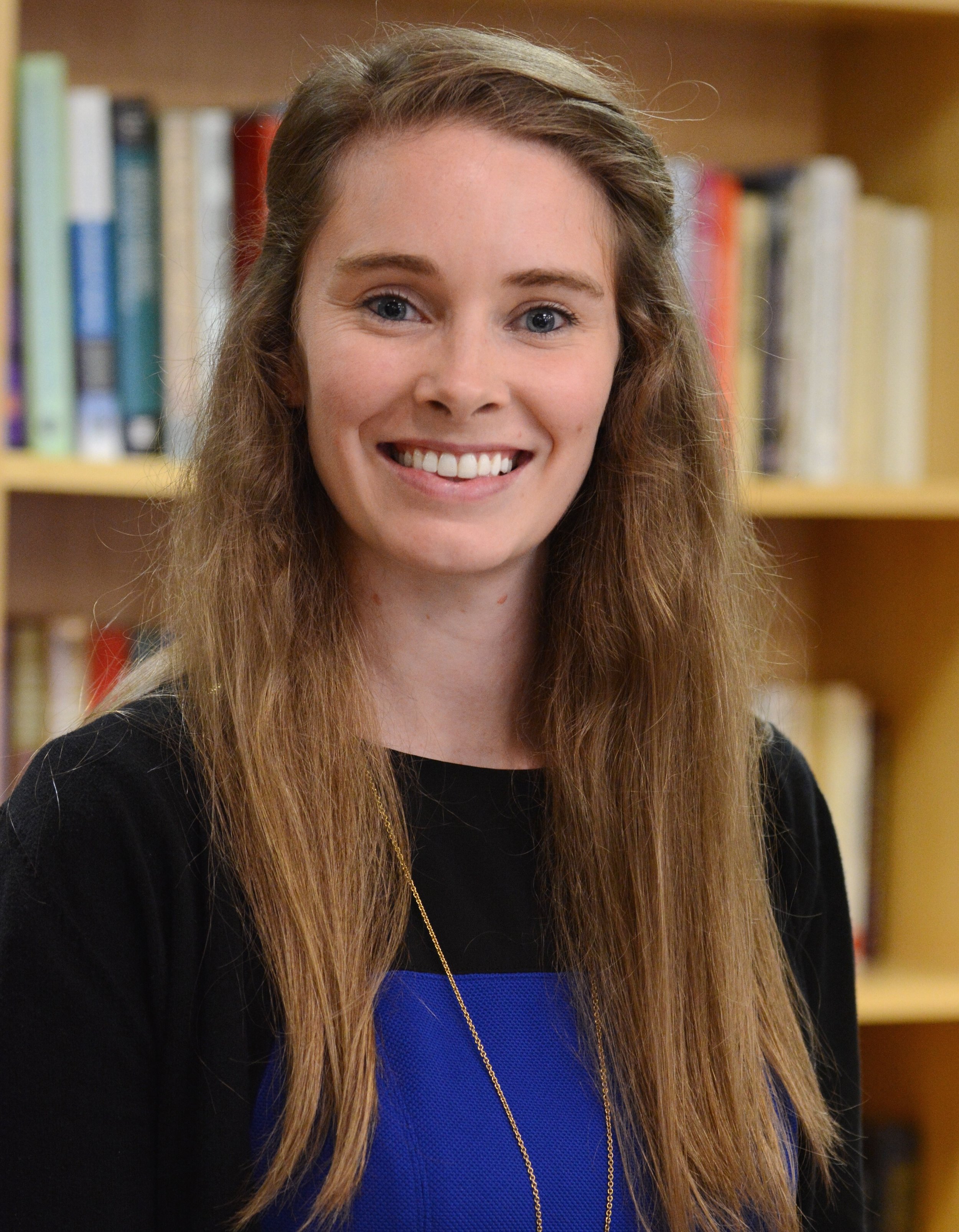
Caitlin Gruer, MPH, is a Senior Project Coordinator at Columbia University’s Mailman School of Public Health, where she supports the Gender, Adolescent Transitions and Environment (GATE) Program, based in the Department of Sociomedical Sciences. Prior to joining Columbia, she worked at Plan International USA leading initiatives related to menstrual hygiene management (MHM), water, sanitation and hygiene (WASH), and integrated WASH and nutrition.
Caitlin Gruer
Gender, Adolescent Transitions and Environment (GATE) Program Senior Project Coordinator, Mailman School of Public Health, Columbia University
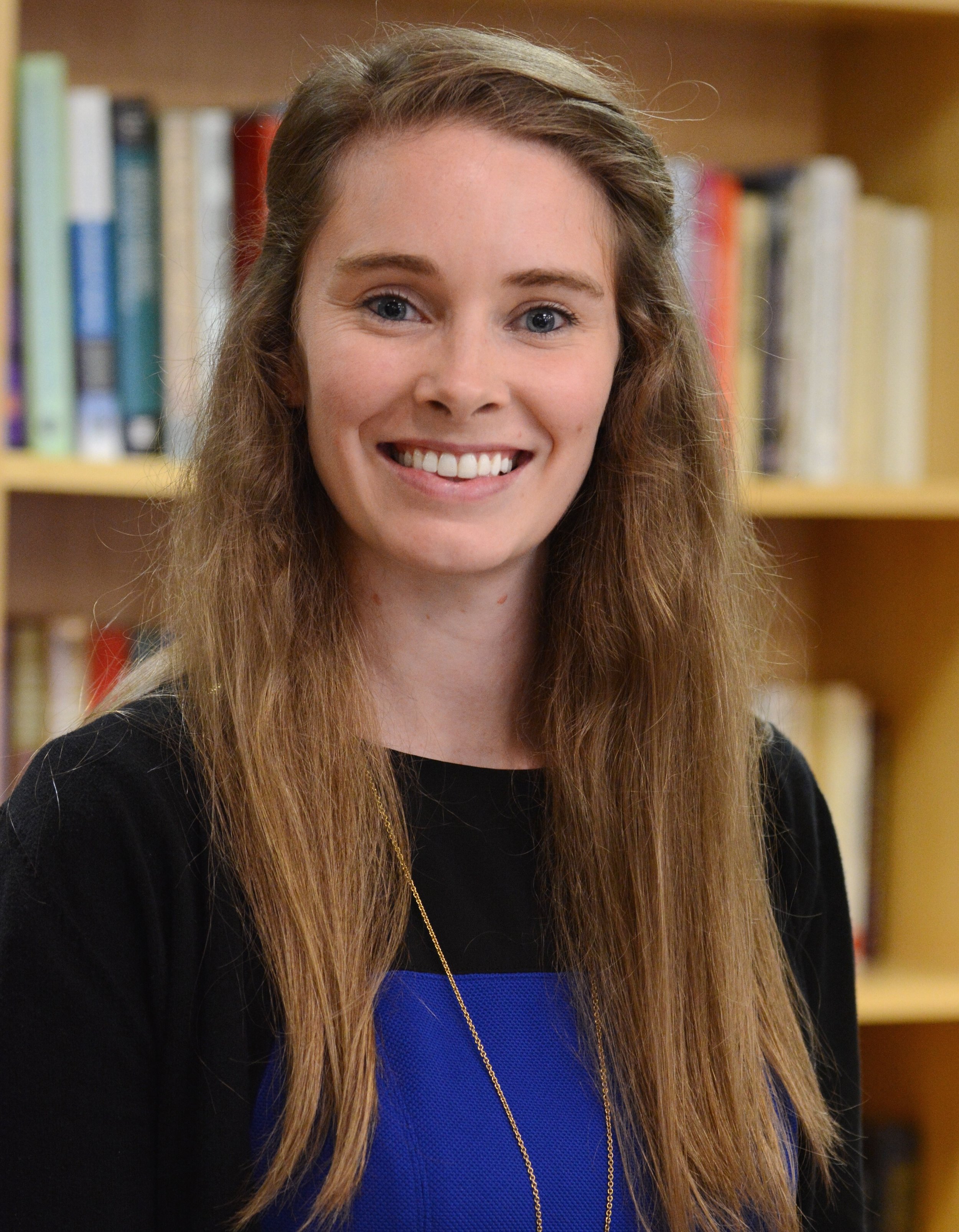
Caitlin Gruer, MPH, is a Senior Project Coordinator at Columbia University’s Mailman School of Public Health, where she supports the Gender, Adolescent Transitions and Environment (GATE) Program, based in the Department of Sociomedical Sciences. Prior to joining Columbia, she worked at Plan International USA leading initiatives related to menstrual hygiene management (MHM), water, sanitation and hygiene (WASH), and integrated WASH and nutrition. Her particular areas of focus are MHM, sustainable WASH programming, and equitable access to sanitation, particularly for women and girls.
Working Group Affiliation

Emma Horan
Biomedical Informatics Research Coordinator, Columbia University
Attended Lafayette College, majoring in Neuroscience and minoring in Bioengineering. Research coordinator at Columbia Medical Center Department of Biomedical Informatics. Team member of Citizen Endo, a research project that is aimed to better understand endometriosis.
Emma Horan
Biomedical Informatics Research Coordinator, Columbia University

Attended Lafayette College, majoring in Neuroscience and minoring in Bioengineering. Research coordinator at Columbia Medical Center Department of Biomedical Informatics. Team member of Citizen Endo, a research project that is aimed to better understand endometriosis.
Working Group Affiliation

Lauren C. Houghton
Assistant Professor of Epidemiology, Columbia University
Lauren C. Houghton, PhD, takes a biosocial and life course approach to breast cancer prevention. Using tools from biological anthropology and molecular epidemiology, she focuses on hormones as the mechanism that links what happens above the skin with that beneath the skin.
Lauren C. Houghton
Assistant Professor of Epidemiology, Columbia University
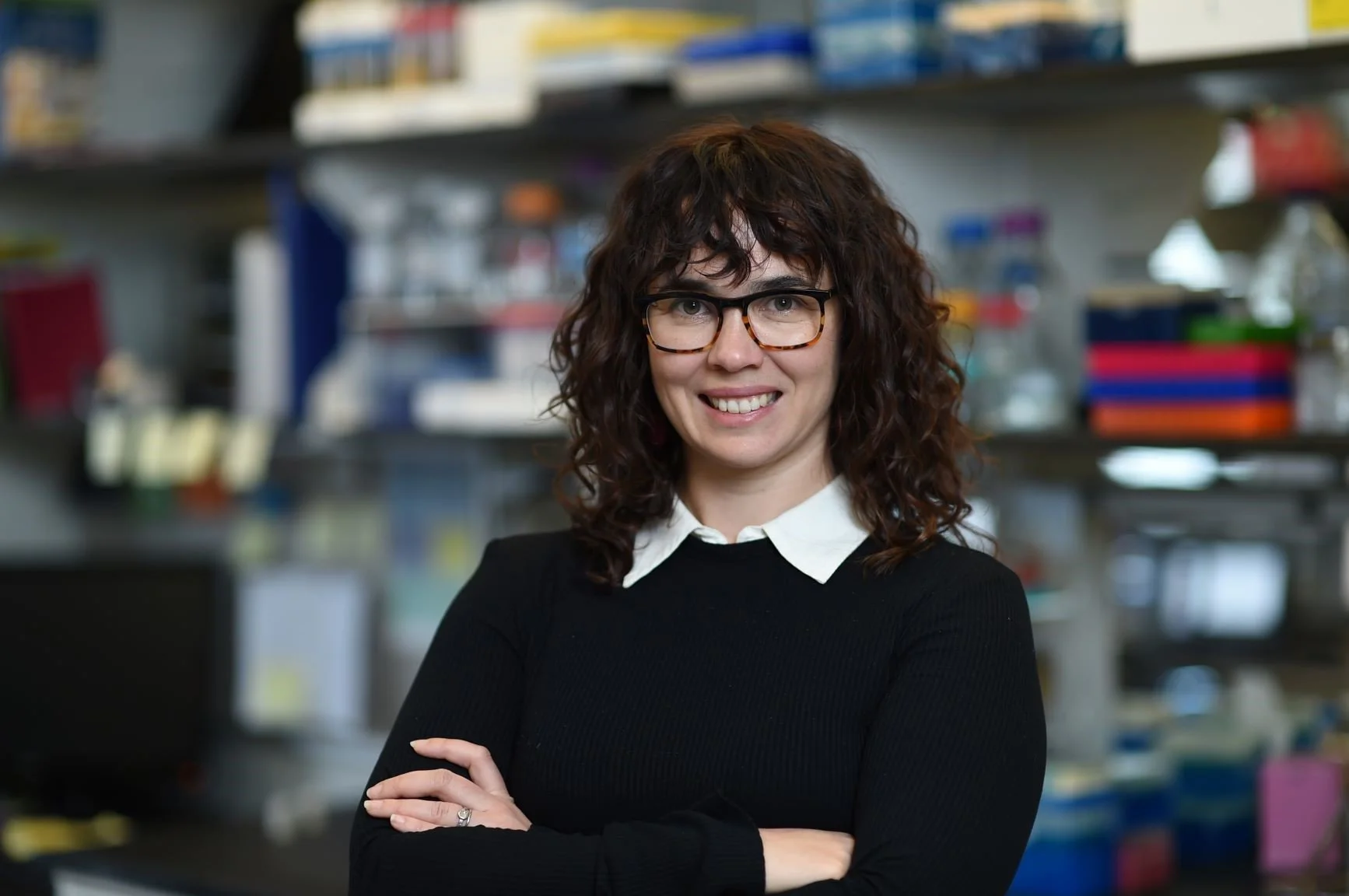
Lauren C. Houghton, PhD, takes a biosocial and life course approach to breast cancer prevention. Using tools from biological anthropology and molecular epidemiology, she focuses on hormones as the mechanism that links what happens above the skin with that beneath the skin. Specifically, she examines the steroid metabolome in relation to intermediate outcomes, including pubertal development and the menstrual cycle, and breast cancer risk. She has extensively worked with migrant studies in Bangladesh, the UK and Mongolia to better understand reproductive factors among females moving from low to high risk geographic areas. She has conducted fieldwork with Native Americans in the Southwest US, menopausal women in the UK and school girls in Bangladesh and is currently a co-investigator of The LEGACY Girls Study in New York City. Having a background in anthropology, Dr. Houghton is also interested in developing mixed-methods to be implemented in epidemiological studies to better capture biological and cultural mediators of health disparities. She is currently exploring how digital menstrual health can be used in the dissemination and implementation of the latest breast cancer science. Ultimately, by understanding how culture is embedded in our biology and designing culturally compelling interventions she aims to improve the translation of preventative medicine to the public.
Working Group Affiliation
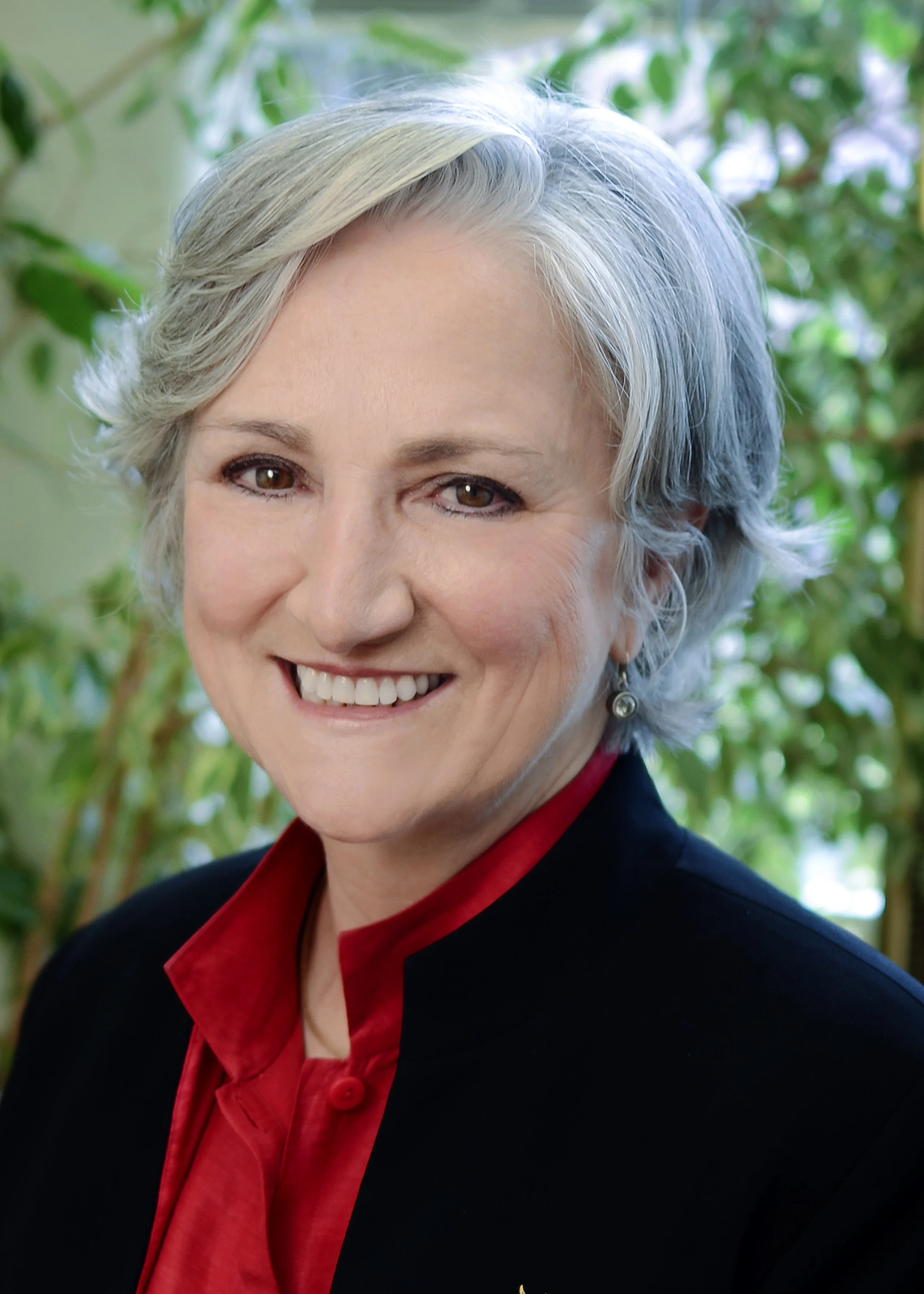
Tonda Hughes
Henrik H. Bendixin Professor of International Nursing, Director of Global Health Research, School of Nursing at Columbia University
Tonda Hughes, RN, PhD, FAAN is the Henrik H. Bendixin Professor of International Nursing, and Director of Global Health Research, in the School of Nursing at Columbia University; she has an interdisciplinary appointment as Professor in the Department of Psychiatry.
Tonda Hughes
Henrik H. Bendixin Professor of International Nursing, Director of Global Health Research, School of Nursing at Columbia University
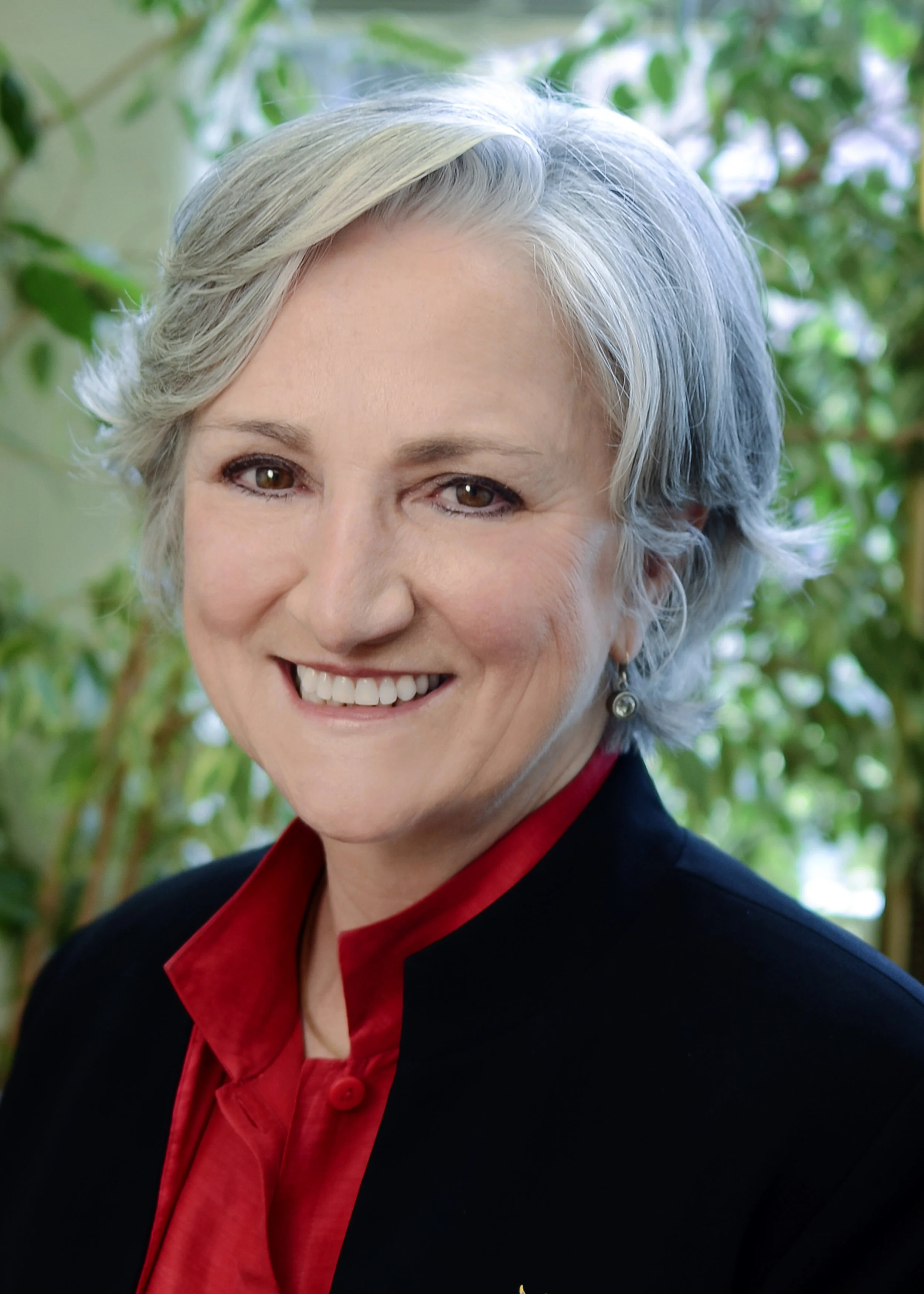
Tonda Hughes, RN, PhD, FAAN is the Henrik H. Bendixin Professor of International Nursing, and Director of Global Health Research, in the School of Nursing at Columbia University; she has an interdisciplinary appointment as Professor in the Department of Psychiatry. Dr. Hughes holds the title of Professor Emerita at the University of Illinois at Chicago (UIC) where she was Collegiate Professor and Associate Dean for Global Health in the College of Nursing, and adjunct Professor in the School of Public Health. She holds/has held honorary or visiting professorships in England (Oxford Brookes University), Australia (University of Melbourne, Deakin University, University of Technology-Sydney) and the U.S. (University of Pennsylvania). Professor Hughes has a distinguished career in substance use research. She is well known for her ground breaking work focusing on sexual minority women’s health and she is an internationally recognized expert in the area of substance use and mental health among lesbian and bisexual women.
Working Group Affiliation

Anna Jiang
Doctoral Student, Human Rights, Columbia University
Anna Jiang is a currently a Human Rights M.A. student here at Columbia. Her thesis concerns how traditions and cultural heritage informs reproductive/menstrual health and gender in the space of contemporary China.
Anna Jiang
Graduate Student, Institute for the Study of Human Rights, Columbia University

Anna Jiang is a currently a Human Rights M.A. student here at Columbia. Her thesis concerns how traditions and cultural heritage informs reproductive/menstrual health and gender in the space of contemporary China. Broadly, her research interests include post-colonial theory, public health, medical anthropology, and the politicization of gender and sex in modern China, as well as East Asia.
Working Group Affiliation

Purvaja Kavattur
Fellow, Human Rights, Columbia University
Purvaja Kavattur is a staff associate at the Institute for the Study of Human Rights at Columbia University. She currently is working on a review of menstrual health policies in Senegal, Kenya, India, and the United States.
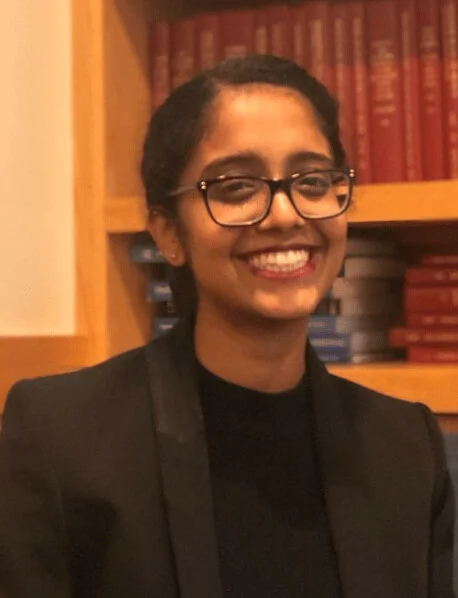
Purvaja Kavattur
Associate, Institute for the Study of Human Rights, Columbia University
Purvaja Kavattur is a staff associate at the Institute for the Study of Human Rights at Columbia University. She currently is working on a review of menstrual health policies in Senegal, Kenya, India, and the United States.
Her past work has been in evaluating Title X funded programs in Boston, sexuality education policies in Massachusetts, and maternal and child health interventions in Ethiopia and Tanzania. She is interested in exploring anti-colonial approaches to global health, as well as the intersections between population control, gender and sexuality. Her research has looked at the abortion experiences of transmasculine youth in the United States, as well as the influence that scientific literature plays in U.S. abortion jurisprudence.
She has a MSc in Global Health and Population from the Harvard T.H. Chan School of Public Health, and a BSc (Hons) in Social Policy and Economics from the London School of Economics and Political Science. Outside of academia, she works as a visual artist and has 5 years of grassroots feminist organizing experience spanning the UK and US.
Working Group Affiliation

Trisha Maharaj
Doctoral Student, Graduate School of Arts and Sciences, Columbia University
Trisha Maharaj is a MA candidate in the Human Rights Studies program at Columbia University. Her research focuses on cultural and religious practices related to menstruation and women’s experiences and attitudes in the Hindu diaspora of Trinidad.
Trisha Maharaj
Graduate Student, Graduate School of Arts and Sciences, Columbia University

Trisha Maharaj is a MA candidate in the Human Rights Studies program at Columbia University. Her research focuses on cultural and religious practices related to menstruation and women’s experiences and attitudes in the Hindu diaspora of Trinidad. She holds a B.A. from American University in International Studies with a focus on International Politics and a regional focus in Africa.
Working Group Affiliation

Tori Miller
MA Candidate, Human Rights Studies, Columbia University
Tori Miller is a MA candidate in the Human Rights Studies program at Columbia University. Her research focuses on the medicalization and sanitization of menstruation within development organizations.
Tori Miller
MA Candidate, Human Rights Studies, Columbia University
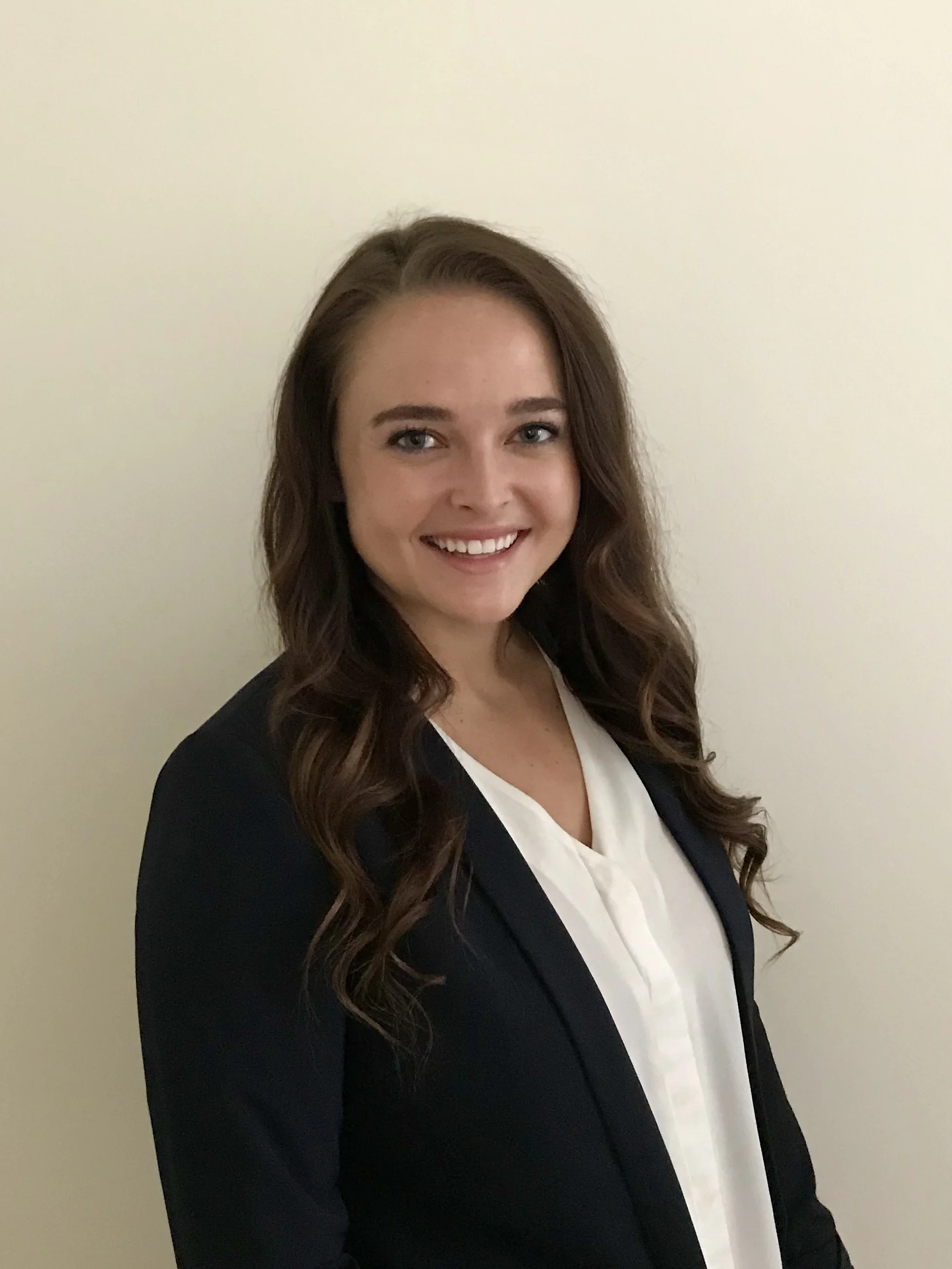
Tori Miller is a MA candidate in the Human Rights Studies program at Columbia University. Her research focuses on the medicalization and sanitization of menstruation within development organizations. She holds a B.A. from New York University where she double majored in English and American Literature and Journalism with a focus on documentary film making.
Working Group Affiliation

Erin V. Moore
Post Doctoral Research Scientist, Heilbrunn Department of Population & Family Health at Columbia’s Mailman School of Public Health
Erin V. Moore is a postdoctoral research scientist in the Heilbrunn Department of Population & Family Health at Columbia’s Mailman School of Public Health. A, sociocultural and medical anthropologist, Moore’s research focuses on the role of gender and sexuality in international development and global health at multiple scales – from global intervention campaigns to national policy and program implementation to the lives of girls and women.
Erin V. Moore
Post Doctoral Research Scientist, Heilbrunn Department of Population & Family Health at Columbia’s Mailman School of Public Health

Erin V. Moore is a postdoctoral research scientist in the Heilbrunn Department of Population & Family Health at Columbia’s Mailman School of Public Health. A, sociocultural and medical anthropologist, Moore’s research focuses on the role of gender and sexuality in international development and global health at multiple scales – from global intervention campaigns to national policy and program implementation to the lives of girls and women. Her multi-sited research has taken her from United Nations to NGO offices around the world to the slums of Kampala, Uganda’s capital city, where she has been working intensively with a cohort of young women and their families since 2012. At Mailman, Moore joins an interdisciplinary team of researchers investigating how social transitions to adulthood shape HIV/AIDS risk in Rakai, a rural district in Uganda. Moore’s research has been supported by the National Science Foundation, the Wenner-Gren Foundation for Anthropological Research, the Society for Psychological Anthropology, the Society for Research on Adolescence, the Buffett Institute for Global Studies at Northwestern, and the American Association for University Women, among others. She received her PhD from the University of Chicago in 2016.
Working Group Affiliation

Azure Nowara
Associate Director, the Lerner Center for Public Health Promotion, Mailman School of Public Health
Azure Nowara, MPH, is the Associate Director at the Lerner Center for Public Health Promotion, Mailman School of Public Health. Azure manages Center initiatives, programming, finance and communications. She coordinates the Certificate in Health Communication and organizes the Turning the Tide conference series.
Azure Nowara
Associate Director, the Lerner Center for Public Health Promotion, Mailman School of Public Health

Azure Nowara, MPH, is the Associate Director at the Lerner Center for Public Health Promotion, Mailman School of Public Health. Azure manages Center initiatives, programming, finance and communications. She coordinates the Certificate in Health Communication and organizes the Turning the Tide conference series. Azure has a background in education, nutrition and community health. She has experience working with policy-makers, community organizations and community members to advocate for healthier and more sustainable food environments in NYC. Azure received her MPH from the Department of Sociomedical Sciences at Columbia University Mailman School of Public Health with a certificate in Health Promotion Research and Practice and a focus in urban health and chronic disease prevention. Before pursuing her Master’s degree at Mailman, Azure spent a year in Malaysia completing a Fulbright scholarship. There, she studied race relations within the public school system and taught English and health education in a low-income, public school high school.
Working Group Affiliation