
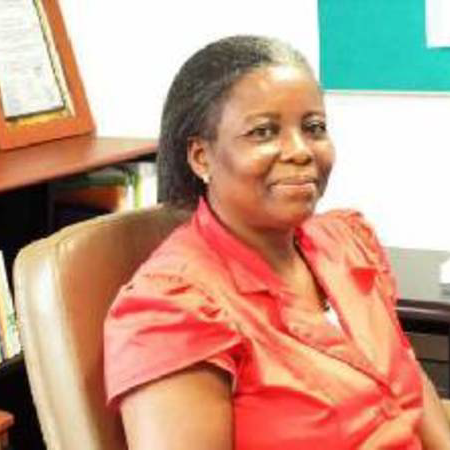
Delali Margaret Badasu
Fellow, Geography, University of Ghana
Delali Margaret Badasu is a Senior Research Fellow at the Regional Institute for Population Studies, University of Ghana. She specializes in demography, geography, and medical geography.
Delali Margaret Badasu
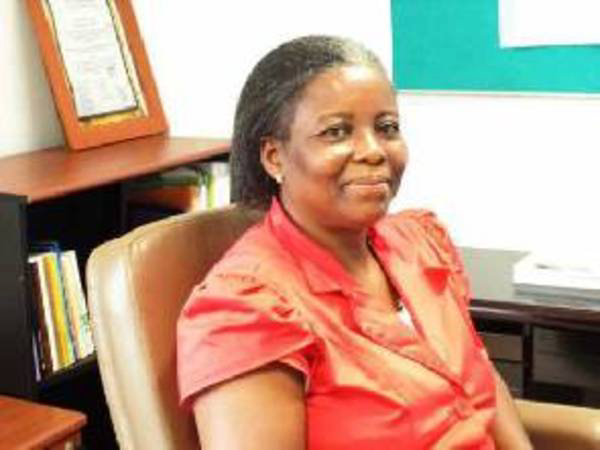
Delali Margaret Badasu is Senior Research Fellow, Regional Institute for Population Studies, University of Ghana. She holds a Ph.D in Geography and Resource Development, an M.A in Population Studies and a B.A. in Economics/Geography from the University of Ghana. She also holds an M.A. in Geography from the University of Alberta, Canada. She specializes in demography, geography, and medical geography. She has researched and published a number of works on population and development and health-related issues. Her current research focuses on socio-cultural dimensions of health, using mainly qualitative research methods. Her major works in this regard are on Ghana’s health policy and tertiary health care for children. She has just completed a study on care for children with chronic diseases at the Korle Bu Teaching Hospital. She has published on population and health related issues in the African Studies Research Review, Bulletin of the Ghana Geographical Association, Health Transition Review, and African Population Studies. She is a member of the Union for African Population Studies and the International Union for the Scientific Study of Population (IUSSP).
Working Group Affiliation
The Rural-Urban Interface: Gender and Poverty in Ghana and Kenya, Statistics and Stories

Benjamin Conisbee Baer
Fellow, Comparative Literature, Princeton University
Benjamin Conisbee Baer is an Associate Professor of Comparative Literature, Princeton University. His research interests include: Marxism, deconstruction, postcolonial literature and theory, translation problems, and subaltern predicaments.
Benjamin Conisbee Baer
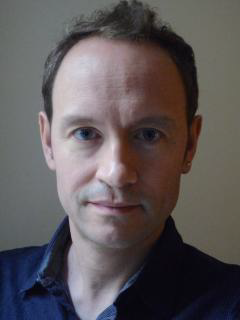
Benjamin Conisbee Baer's research interests include: Marxism, deconstruction, postcolonial literature and theory, translation problems, subaltern predicaments. His teaching, research, and writing focus on problems of representation, language, idiom, and translation; the politics of culture and cultural politics; historical and contemporary modes and situations of subalternity; differentiated patterns of modern imperialism and colonialism; Marxism in an international framework. The parts of the world he works on are generally pockets of South Asia, Europe, the Caribbean and Africa; mainly focusing on modern and contemporary conjunctures. He also teaches Marxist theory, deconstruction, and postcolonial theory. Baer's current book is a series of overlapping case studies that takes on board the complex cultural politics of indigeneity and vanguardism in the interwar period. It examines literary and political problems in instances as diverse as the Harlem Renaissance, the Mexican Revolution, the Gandhian uprisings in India, the fringes of fascism in Europe, and the colonial French Caribbean. New research is on the history of the working class Internationals and efforts toward epistemic change outside Europe. Ongoing group interdisciplinary projects include: Radiating Globality (prehistories of so-called globalization in Senegambia and French India); Rethinking South Asian Studies/Himalayan Regionalism (Kolkata-Kathmandu-Kunming); academic consultancy on Documenting the Mother Tongues of Africa (large consortial multimedia/digital project).
Working Group Affiliation
The Rural-Urban Interface: Gender and Poverty in Ghana and Kenya, Statistics and Stories

Mary Marshall Clark
Senior Research Scientist, INCITE (Interdisciplinary Center for Innovative Theory and Empirics), Director, Columbia Center for Oral History Research
In addition to being the Director of the Columbia University Center for Oral History Research in INCITE, Mary Marshall is the co-founding director of Columbia’s Oral History Master of Arts (OHMA) degree program (with Peter Bearman) created in 2008-09, the first oral history master’s program in the United States. Mary Marshall has been involved in the oral history movement since 1991, and was president of the United States Oral History Association from 2001-2002.
Mary Marshall Clark
Senior Research Scientist, INCITE (Interdisciplinary Center for Innovative Theory and Empirics), Director, Columbia Center for Oral History Research.
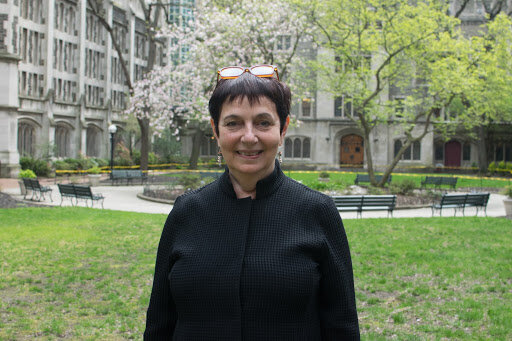
In addition to being the Director of the Columbia University Center for Oral History Research in INCITE, Mary Marshall is the co-founding director of Columbia’s Oral History Master of Arts (OHMA) degree program (with Peter Bearman) created in 2008-09, the first oral history master’s program in the United States. Mary Marshall has been involved in the oral history movement since 1991, and was president of the United States Oral History Association from 2001-2002. She was the co-principal investigator (with Peter Bearman) of The September 11, 2001 Oral History Narrative and Memory Project, a longitudinal oral history project through which over 1,000 hours of interviews were taken with eye-witnesses, immigrants and others who suffered in the aftermath of the events. She also directed related projects on the aftermath of September 11th in New York City. Mary Marshall has directed projects on the Carnegie Corporation, the Atlantic Philanthropies, the Council on Foreign Relations, and the Japanese Internment on the East Coast. She founded the Guantanamo Rule of Law Oral History Project in 2009, through which over 350 hours of oral history was collected with advocacy and constitutional lawyers, lawmakers, judges, representatives from the department of state, former prisoners and psychologists who protested the American Psychological Association’s involvement in torture. Mary Marshall was president of the national Oral History Association in 2001-2002, and participated in the founding of the International Oral History Association. Mary Marshall has conducted life history interviews with lead figures in the media, human rights, African American history, South Africa history and recorded women’s achievements in journalism, politics and the arts. Mary Marshall directs Columbia University’s biannual Summer Institute in Oral History, which in 2013 focused on indigenous oral history. She writes on issues of memory, the mass media, trauma, and ethics in oral history. Mary Marshall is an editor of After the Fall: New Yorkers Remember September 11, 2001 and the Years that Followed, published by The New Press in September, 2011. She is a co-author of the human rights publication Documenting and Interpreting Conflict through Oral History: A Working Guide, co-produced by Columbia University and TAARII, the American Institute for Research in Iraq. She is editor of the Columbia University Press Oral History Series, announced in 2019. Currently, Mary Marshall is a co-principal investigator and interviewer on the Obama Presidency Oral History Project and is the director of the Human Rights Campaign Oral History Project, tracing the history of the Human Rights Campaign in advocating for the rights of LGBTQ people in the United States.
Working Group Affiliations
On the Frontlines: Nursing Leadership in Pandemics
The Rural-Urban Interface: Gender and Poverty in Ghana and Kenya, Statistics and Stories

Mamadou Diouf
Director, Institute for African Studies, Columbia University
Mamadou Diouf is the Leitner Family Professor of African Studies and the Director of Columbia University's Institute for African Studies. He holds a Ph.D. from the University of Paris-Sorbonne. His research interests include urban, political, social and intellectual history in colonial and postcolonial Africa. Recent publications include: Tolerance, Democracy, and Sufis in Senegal (ed. 2013), New Perspectives on Islam in Senegal: Conversion, Migration, Wealth, and Power (with Mara A. Leichtman, 2009); Histoires et Identités dans la Caraïbe: Trajectoires Plurielles (with Ulbe Bosma, 2004); and La Construction de l’Etat au Sénégal (with M. C. Diop & D. Cruise O’Brien, 2002).
Mamadou Diouf
Director, Institute for African Studies, Columbia University
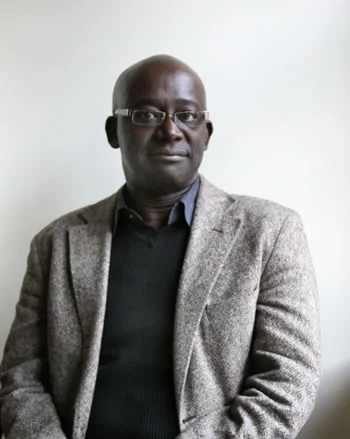
Mamadou Diouf is the Leitner Family Professor of African Studies and the Director of Columbia University's Institute for African Studies. He holds a Ph.D. from the University of Paris-Sorbonne. He was Head of the Research, Information, and Documentation Department of the Council for the Development of Social Science Research in Africa (CODESRIA) and faculty member of the History Department of Cheikh Anta Diop University in Dakar, Senegal. His research interests include urban, political, social and intellectual history in colonial and postcolonial Africa. Publications include: Tolerance, Democracy, and Sufis in Senegal (ed. 2013); New Perspectives on Islam in Senegal: Conversion, Migration, Wealth, and Power (with Mara A. Leichtman, 2009); La Construction de l’Etat au Sénégal (with M. C. Diop & D. Cruise O’Brien, 2002); Histoire du Sénégal: Le Modèle Islamo-Wolof et ses Périphéries (2001); Histoires et Identités dans la Caraïbe: Trajectoires Plurielles (with Ulbe Bosma, 2004); Les Jeunes, Hantise de l’espace public dans les sociétés du sud? (with R. Collignon, 2001); Les figures du politique : Des pouvoirs hérités aux pouvoirs élus (with M. C. Diop, 1999); L'Historiographie indienne en débat. Sur le nationalisme, le colonialisme et les sociétés postcoloniales (ed., 1999); Academic Freedom and Social Responsibility of the Intellectuals in Africa (with Mahmood Mamdani, 1994); Le Sénégal sous Abdou Diouf (with M.C. Diop, 1990); and La Kajoor au XIXe siècle : Pouvoir Ceddo et Conquête Coloniale (1990).
Working Group Affiliations
The Rural-Urban Interface: Gender and Poverty in Ghana and Kenya, Statistics and Stories

Brent Edwards
Professor, Department of English and Comparative Literature, Columbia University
Brent Hayes Edwards is a Professor in the Department of English and Comparative Literature at Columbia University. He is the author of The Practice of Diaspora: Literature, Translation, and the Rise of Black Internationalism (Harvard, 2003), which was awarded the John Hope Franklin Prize of the American Studies Association, the Gilbert Chinard Prize of the Society for French Historical Studies, and was runner-up for the James Russell Lowell Prize of the Modern Language Association.
Brent Edwards
Professor of English and Comparative Literature, Columbia University

Brent Hayes Edwards is a Professor in the Department of English and Comparative Literature at Columbia University. He is the author of The Practice of Diaspora: Literature, Translation, and the Rise of Black Internationalism (Harvard, 2003), which was awarded the John Hope Franklin Prize of the American Studies Association, the Gilbert Chinard Prize of the Society for French Historical Studies, and was runner-up for the James Russell Lowell Prize of the Modern Language Association. With Robert G. O’Meally and Farah Jasmine Griffin, he co-edited the collection Uptown Conversation: The New Jazz Studies (Columbia UP 2004). Edwards has three books forthcoming in early 2017: his monograph Epistrophies: Jazz and the Literary Imagination, which will be published by Harvard University Press; the scholarly edition of Claude McKay’s recently discovered last novel, Amiable with Big Teeth, co-edited with Jean-Christophe Cloutier and to be published by Penguin Classics; and Edwards’s translation of Michel Leiris’s monumental 1934 Phantom Africa (Seagull Books), for which Edwards was awarded a 2012 PEN/Heim Translation Fund Grant. Edwards’s current projects include a monograph titled “Art of the Lecture,” for which he was awarded a 2015 Guggenheim Fellowship.
Working Group Affiliations
The Rural-Urban Interface: Gender and Poverty in Ghana and Kenya, Statistics and Stories

Wanjiru Gichuhi
Fellow, Population and Research Institute, University of Nairobi
Wanjiru Gichuhi is a Senior Lecturer at the Population Studies and Research Institute of the University of Nairobi. A social demographer, her research focuses on population, health, rural/community and gender issues that have development and social policy implications. Specific interests include family dynamics, maternal/child survival, reproductive health, FP/HIV/AIDS, livelihood and food security issues.
Wanjiru Gichuhi
Senior Lecturer, Population and Research Institute, University of Nairobi

Wanjiru Gichuhi is a Senior Lecturer at the Population Studies and Research Institute of the University of Nairobi. A social demographer, her research focuses on population, health, rural/community and gender issues that have development and social policy implications. Specific interests include family dynamics, maternal/child survival, reproductive health, FP/HIV/AIDS, livelihood and food security issues. She has served as a consultant, project coordinator,and research fellow on a variety of development project appointments within Kenya and beyond. She has keen interest in research and monitoring and evaluation. Gichuhi received her Ph.D. from Pennsylvania State University.
Working Group Affiliation
The Rural-Urban Interface: Gender and Poverty in Ghana and Kenya, Statistics and Stories

Brian Larkin
Professor, Department of Anthropology, Barnard College and Columbia University
Brian Larkin is Professor of Anthropology at Barnard College and Columbia University and the author of Signal and Noise: Media Infrastructure and Urban Culture in Nigeria (Duke University Press, 2008). With Lila Abu-Lughod and Faye Ginsburg he co-edited Media Worlds: Anthropology on New Terrain (University of California Press, 2000). His research examines the introduction of media technologies in Nigeria – cinema, radio, digital media - and the religious, political, and cultural changes they bring about.
Brian Larkin
Professor of Anthropology, Barnard College and Columbia University

Brian Larkin is Professor of Anthropology at Barnard College and Columbia University and the author of Signal and Noise: Media Infrastructure and Urban Culture in Nigeria (Duke University Press, 2008). With Lila Abu-Lughod and Faye Ginsburg he co-edited Media Worlds: Anthropology on New Terrain (University of California Press, 2000). His research examines the introduction of media technologies in Nigeria – cinema, radio, digital media - and the religious, political, and cultural changes they bring about. He has published widely on issues of technology and breakdown, piracy and intellectual property, the global circulation of cultural forms, infrastructure and urban space, sound studies, and Nigerian film (Nollywood). Larkin is completing the manuscript "Secular Machines: Media and the Materiality of Islamic Revival," which analyzes the role media plays in the rise of new Islamic movements in Nigeria and explores theoretical questions about technology and religion. With Stefan Andriopoulos he co-directs the Center for Comparative Media at Columbia University. He is a board member of the Institute for African Studies and the Buell Center for American Architecture at Columbia University and a member of the Committee in Global Thought.
Working Group Affiliation
The Rural-Urban Interface: Gender and Poverty in Ghana and Kenya, Statistics and Stories
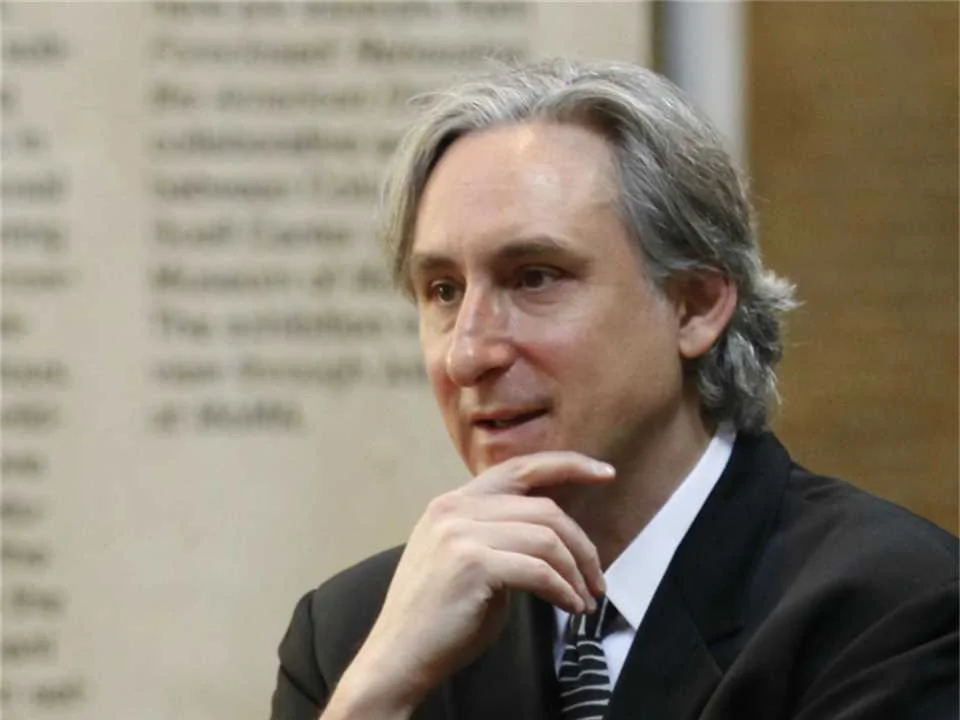
Reinhold Martin
Professor, Department of Architecture, Graduate School of Architecture, Planning, and Preservation, Columbia University
Reinhold Martin is a founding co-editor of the journal Grey Room and has published widely on the history and theory of modern and contemporary architecture. He is the author of The Organizational Complex: Architecture, Media, and Corporate Space (MIT Press, 2003), and Utopia’s Ghost: Architecture and Postmodernism, Again (Minnesota, 2010), as well as the co-author, with Kadambari Baxi, of Multi-National City: Architectural Itineraries (Actar, 2007). His most recent book, The Urban Apparatus: Mediapolitics and the City was published in 2016 from the University of Minnesota Press. Currently, Martin is working on a history of the nineteenth century American university as a media complex.
Reinhold Martin
Professor of Architecture, Graduate School of Architecture, Planning, and Preservation, Columbia University
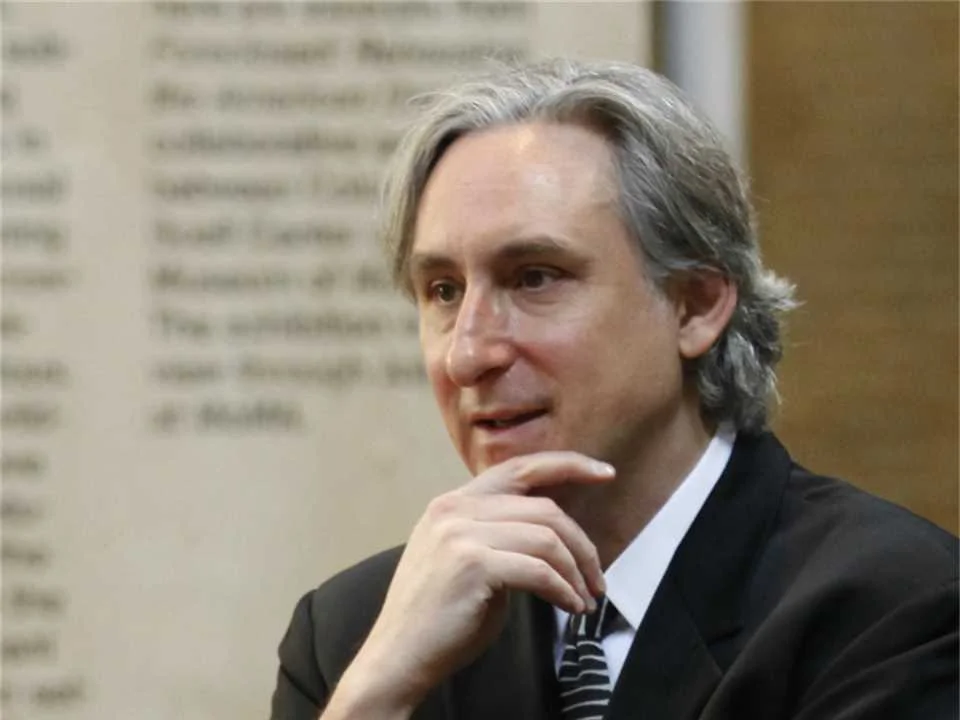
Reinhold Martin directs the PhD program in architecture at Columbia's Columbia Graduate School of Architecture, Planning, and Preservation and the Temple Hoyne Buell Center for the Study of American Architecture. He is a member of Columbia’s Institute for Comparative Literature and Society as well as the Committee on Global Thought. Martin is a founding co-editor of the journal Grey Room and has published widely on the history and theory of modern and contemporary architecture. He is the author of The Organizational Complex: Architecture, Media, and Corporate Space (MIT Press, 2003), and Utopia’s Ghost: Architecture and Postmodernism, Again (Minnesota, 2010), as well as the co-author, with Kadambari Baxi, of Multi-National City: Architectural Itineraries (Actar, 2007). In 2012, Martin co-curated with Barry Bergdoll “Foreclosed: Rehousing the American Dream,” at the Museum of Modern Art in New York, for which he and Bergdoll also co-edited the exhibition catalogue. His work centers on histories of space, power, and the aesthetic imagination, particularly as mediated by technical infrastructures. Related areas of research include architecture and epistemology, globalization and cities, and media history. His most recent book, The Urban Apparatus: Mediapolitics and the City was published in 2016 from the University of Minnesota Press. Currently, Martin is working on a history of the nineteenth century American university as a media complex.
Working Group Affiliation
The Rural-Urban Interface: Gender and Poverty in Ghana and Kenya, Statistics and Stories, Project Director

Gayatri Chakravorty Spivak
Professor, Department of Comparative Literature, Columbia University
Gayatri Chakravorty Spivak is University Professor and Founder of the Institute for Comparative Literature and Society at Columbia University. She was educated at the University of Calcutta, and came to Cornell University in 1961 to finish doctoral work.
Gayatri Chakravorty Spivak
University Professor, Columbia Unversity
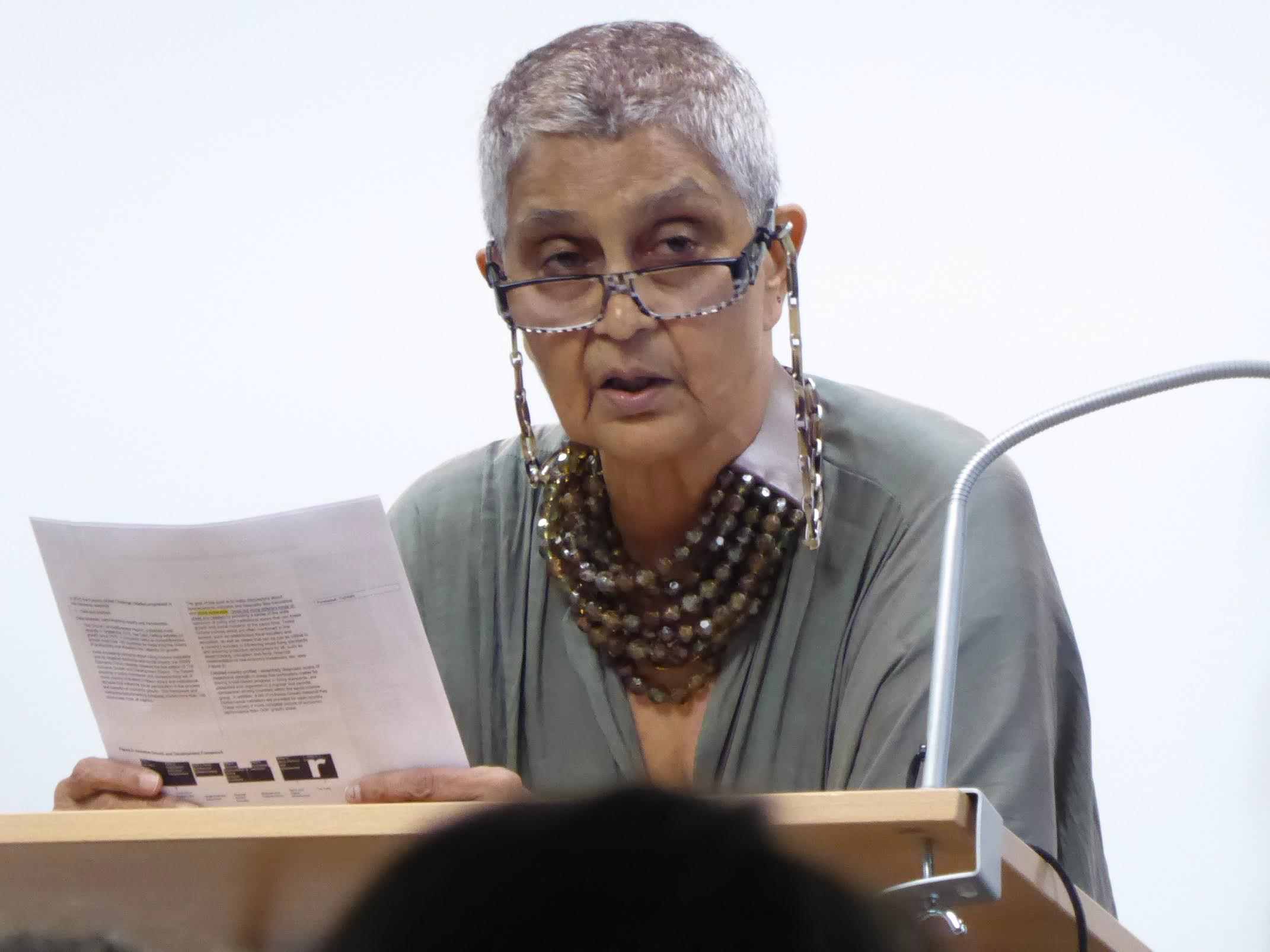
Gayatri Chakravorty Spivak is University Professor and Founder of the Institute for Comparative Literature and Society at Columbia University. She was educated at the University of Calcutta, and came to Cornell University in 1961 to finish doctoral work. Her books are Myself Must I Remake (1974), In Other Worlds (1987), The Post-Colonial Critic (1988), Outside in the Teaching Machine (1993), A Critique of Postcolonial Reason (1999), Death of a Discipline (2003), Other Asias (2008), An Aesthetic Education in the Era of Globalization (2012), and Readings (2014). She has translated Jacques Derrida's Of Grammatology (1976) and Mahasweta Devi's Imaginary Maps (1994), Breast Stories (1997), Old Women (1999), and Chotti Munda and his Arrow (2002). She has received honorary doctorates from the Universities of Toronto, London, Rovira I Virgili, Rabindra Bharati, San Martín, St. Andrews, Vincennes à Saint-Denis, Yale, Ghana-Legon, Presidency University, and Oberlin College. She won the Kyoto Prize (2012), and the Padma Bhushan (2013). She is active in the International Women's Movement, the struggle for ecological justice, and rural education. Her influence has been felt in art and architecture, law and political science, in curatorial practices. She works for humanities education as the best lasting weapon to combat contemporary disaster.
Working Group Affiliation
The Rural-Urban Interface: Gender and Poverty in Ghana and Kenya, Statistics and Stories, Project Director
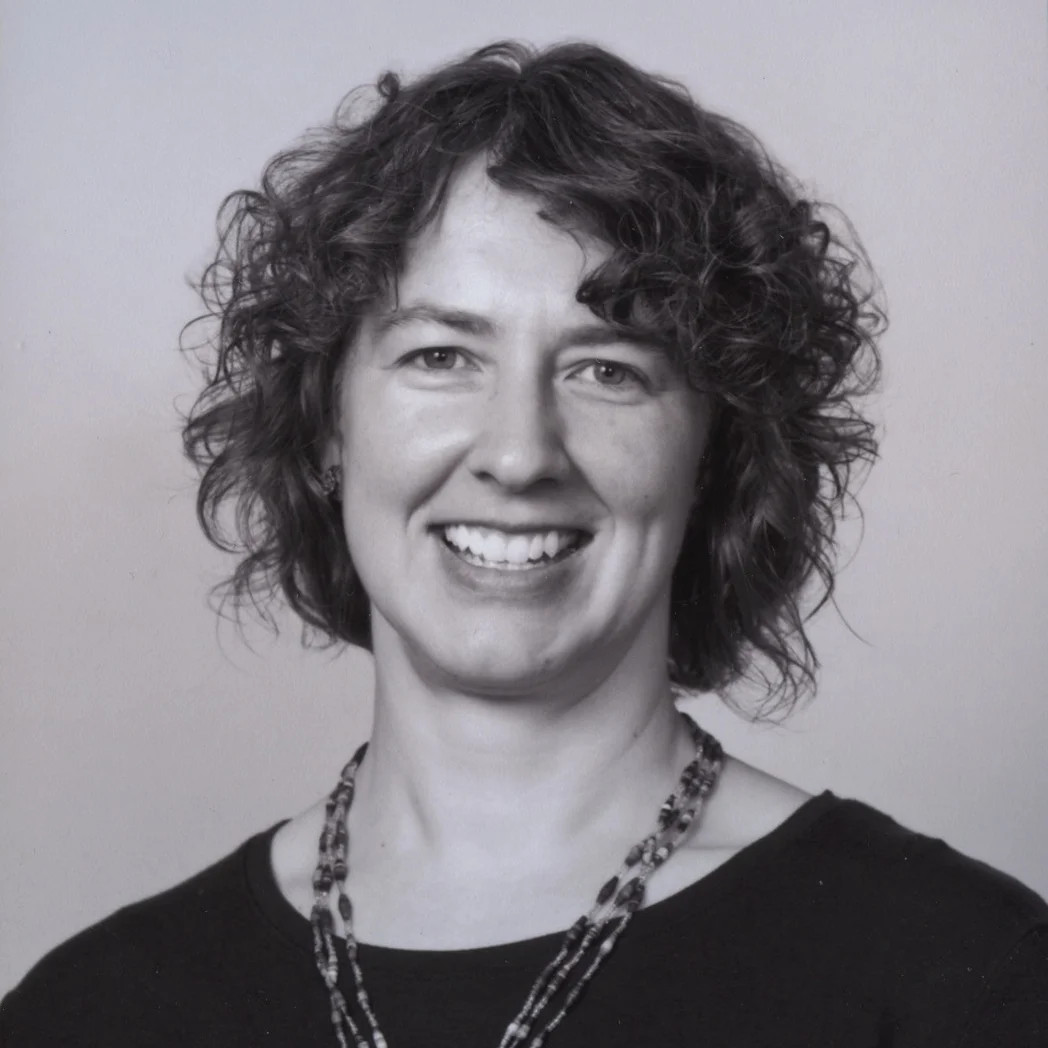
Jennifer Wenzel
Associate Professor, English and Comparative Literature and MESAAS, Columbia University
Jennifer Wenzel's areas of interest include: postcolonial theory and decolonization; African and South Asian literatures; environmental humanities; energy studies. Her book, Bulletproof: Afterlives of Anticolonial Prophecy in South Africa and Beyond, published by Chicago and KwaZulu-Natal in 2009, was awarded Honorable Mention for the Perkins Prize by the International Society for the Study of Narrative. She is currently at work on two book manuscripts: "Reading for the Planet: World Literature and Environmental Crisis," and "Contrapuntal Environmentalisms: Nature, North and South." She has co-edited with Imre Szeman and Patricia Yaeger an anthology of keywords on energy.
Jennifer Wenzel
Associate Professor, English, Comparative Literature, MESAAS, Columbia University
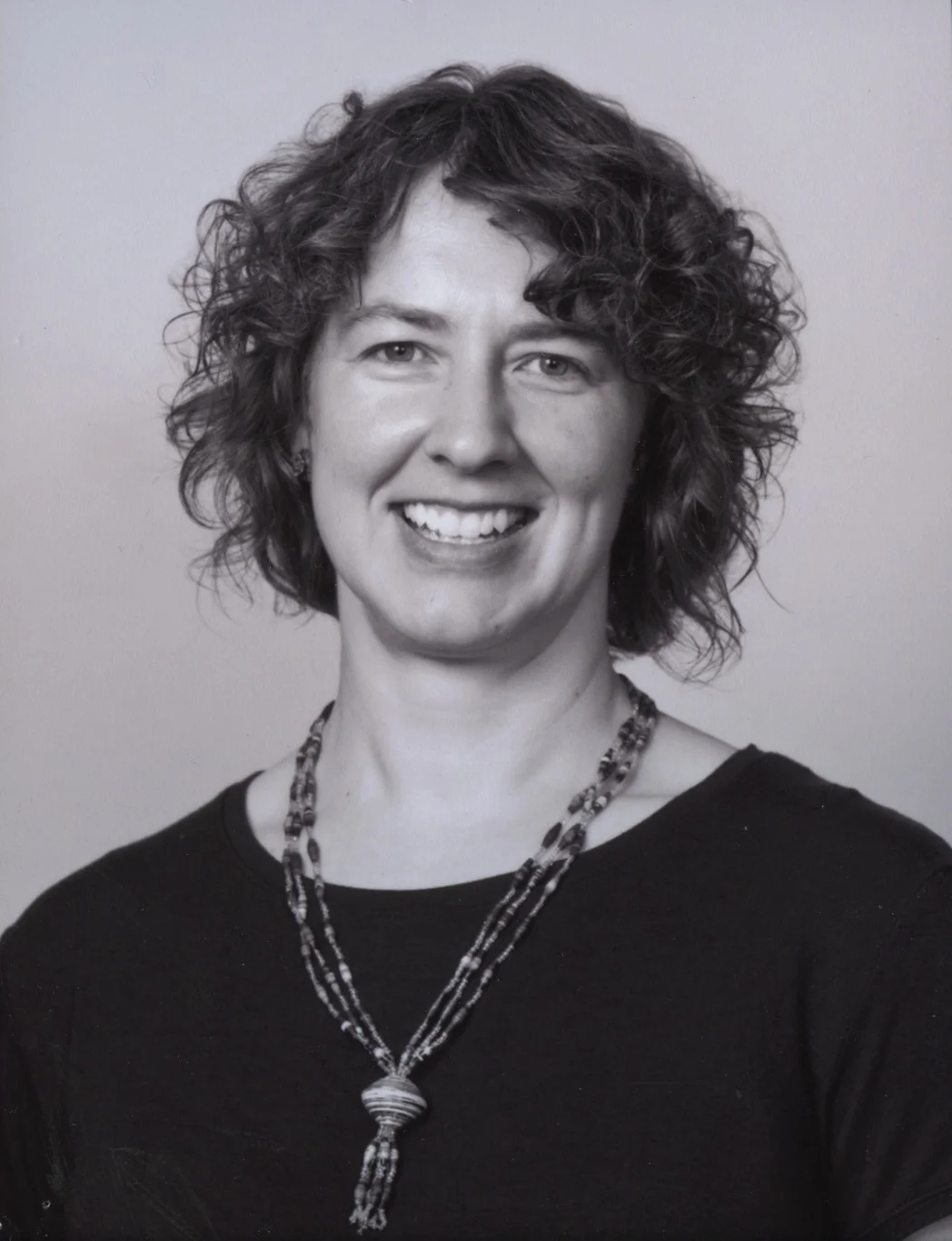
Jennifer Wenzel's areas of interest include: postcolonial theory and decolonization; African and South Asian literatures; environmental humanities; energy studies. Wenzel received her B.A. in English and History from Austin College in 1990; her M.A. in English from Indiana University in 1992; and her Ph.D. in English/Ethnic and Third World Literatures from the University of Texas at Austin in 1998. Her book, Bulletproof: Afterlives of Anticolonial Prophecy in South Africa and Beyond, published by Chicago and KwaZulu-Natal in 2009, was awarded Honorable Mention for the Perkins Prize by the International Society for the Study of Narrative. Her essays on postcolonial theory, ecocriticism and environmental humanities, memory studies, postconsumerism, petrocultures, and African and South Asian literatures, have appeared in journals including Alif, Cultural Critique, Modern Fiction Studies, PMLA, Postcolonial Studies, Public Culture, Research in African Literatures, and Resilience. She has held fellowships from the Mellon Foundation, ACLS, NEH, and Princeton University's Davis Center for Historical Studies. She is currently at work on two book manuscripts: "Reading for the Planet: World Literature and Environmental Crisis," and "Contrapuntal Environmentalisms: Nature, North and South." She has co-edited with Imre Szeman and Patricia Yaeger an anthology of keywords on energy, Fueling Culture: 101 Words for Energy and Environment, forthcoming from Fordham University Press.
Working Group Affiliations
The Rural-Urban Interface: Gender and Poverty in Ghana and Kenya, Statistics and Stories

Helen Yitah
Fellow, English, University of Ghana
Helen Yitah is Associate Professor and Head of the Department of English, University of Ghana. She is also founding Director of the University of Ghana-Carnegie Writing Centre, established through her initiative. She holds a BA and MPhil from the University of Ghana and a PhD from the University of South Carolina, Columbia. She has taught various courses on literature and writing at both universities.
Helen Yitah
Associate Professor & Head, Department of English, University of Ghana

Helen Yitah is Associate Professor and Head of the Department of English, University of Ghana. She is also founding Director of the University of Ghana-Carnegie Writing Centre, established through her initiative. She holds a BA and MPhil from the University of Ghana and a PhD from the University of South Carolina, Columbia. She has taught various courses on literature and writing at both universities. A literary scholar and cultural critic, she has published on gender identity in literature, particularly oral and written African literature, American literature and children’s literature in Ghana; and women’s cultural production in colonial and contemporary Africa. Her current work includes two edited books, Philosophical Foundations of the Humanities through Postcolonial Perspectives (Brill/Rodopi, 2016) and After the Ceremonies, a collection of poems by Ama Ata Aidoo (African Poetry Book Fund). She has supported literary and cultural activity in various ways, including serving on judging panels for the Millennium Excellence Awards (literature category) and the “Love on the Road” short fiction contest; as facilitator for the African Poetry Library project; editor of the MBAASEM/Daily Graphic Writers Page; and presenter for “Read a Book a Week,” a book review program on Radio Universe, University of Ghana.
Working Group Affiliation
The Rural-Urban Interface: Gender and Poverty in Ghana and Kenya, Statistics and Stories