

Nadia Latif
Nadia Latif
Nadia Latif is a Visiting Assistant Professor of Anthropology at Mount Holyoke College. Her scholarship focuses on forced migration and human rights. She has published in the fields of urban anthropology, refugee studies, gender and conflict, law and development, and the history of anthropology. Her current research examines the emergence of local political economies in long-term refugee camps and the ways in which these are shaped by war and the provision of humanitarian aid, as well as by labor migration and migrant remittances. She conducts long-term fieldwork in Burj al-Barajneh camp in Lebanon. She is a coordinator for the ELHN Working Group on Labour Migration History.

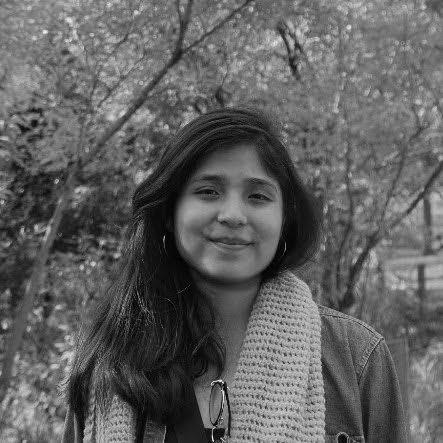
Daniela Perleche Ugás
Daniela Perleche Ugás
Daniela Perleche Ugás is a first-year PhD student in Urban Planning at Columbia University. She is interested in the intersection of forced displacement, housing, and the care infrastructures of immigrant communities, particularly those from Latinx communities. She holds a Master of Science in Urban Planning from Columbia University and is also a Researcher at URBES-LAB, a research center that analyzes and debates the challenges of urban space production in Peru and Latin America.
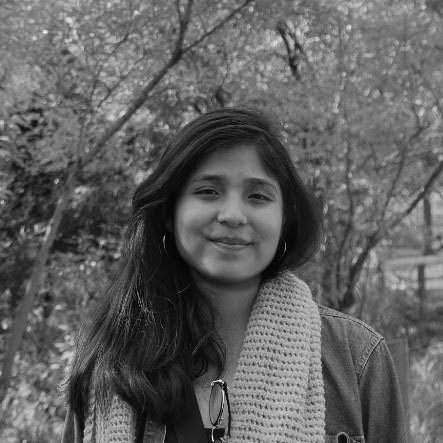

Alex Aleinikoff
Prof. Aleinikoff is University Professor and has served as Director of the Zolberg Institute since January 2017. He has written widely in the areas of immigration and refugee law and policy, transnational law, citizenship, race, and constitutional law.
Alex Aleinikoff
Prof. Aleinikoff is University Professor and has served as Director of the Zolberg Institute since January 2017. He has written widely in the areas of immigration and refugee law and policy, transnational law, citizenship, race, and constitutional law. His most recent book (co-authored with Leah Zamore) is The Arc of Protection: Reforming the International Refugee Regime. Previously, he held the position of United Nations Deputy High Commissioner for Refugees (2010-15) and was a professor at Georgetown University Law Center, where he also served as dean and Executive Vice President of Georgetown University. He received a J.D. from the Yale Law School and a B.A. from Swarthmore College and was inducted into the American Academy of Arts of Sciences in 2014.
Working Group: Refugee Cities
Amin Younes Aoussar
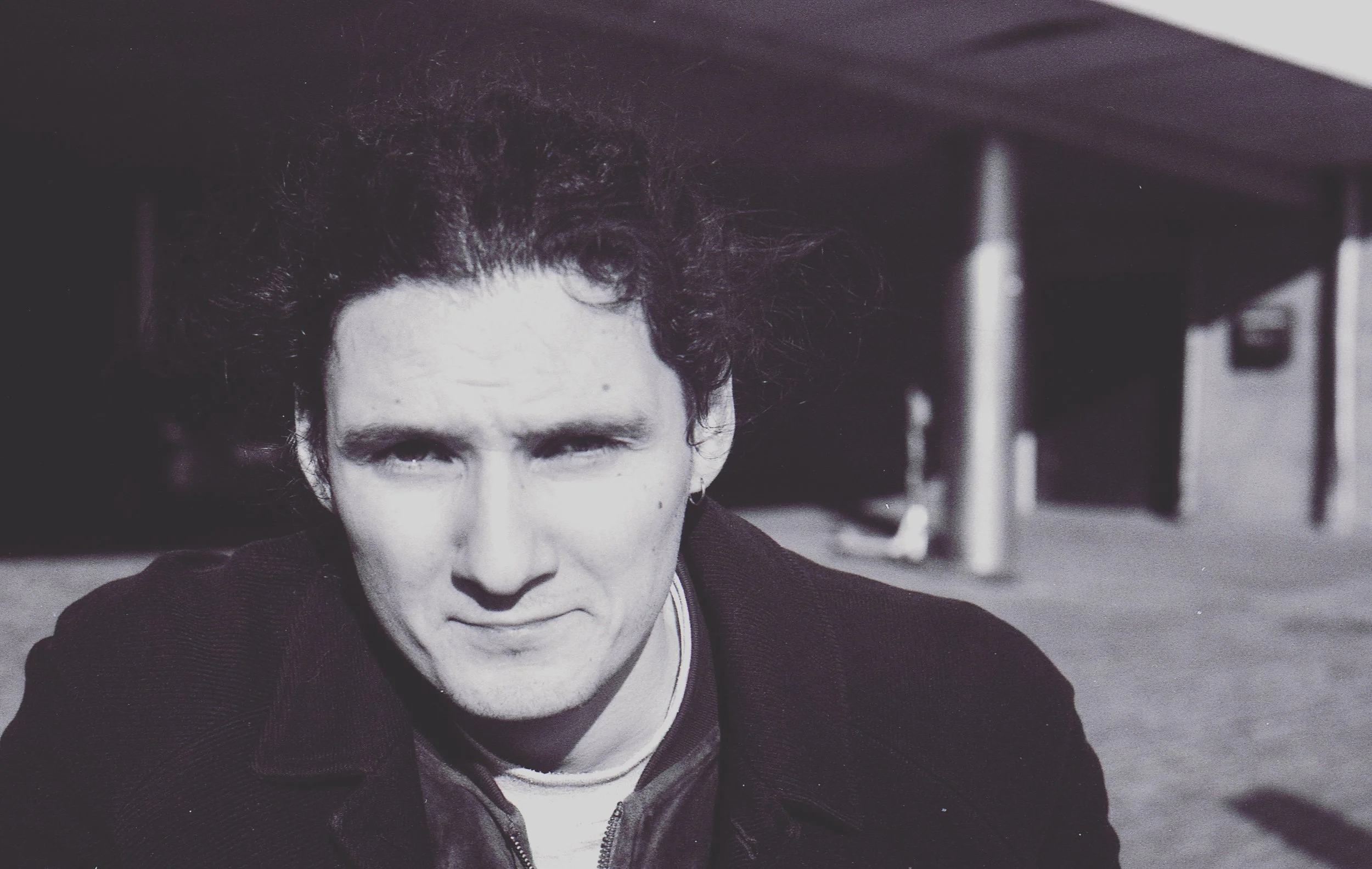
Amin Younes Aoussar is a social and political anthropologist and with a special interest in migration and North African and West Asian studies. He finished his BA and MA in anthropology at the University of Copenhagen and has since worked on trafficking in persons issues at the United Nations Office on Drugs and Crime and as a research assistant at the Centre for Global Criminology at the University of Copenhagen before starting his PhD project at the Centre for Advanced Migration Studies at the University of Copenhagen.
His PhD project, titled ‘Peripatetic Precarity,’ investigates how unaccompanied migrant children in Morocco move from rural households to urban centres and into the EU, and how they survive. The project delivers a novel ethnographic analysis of the relation between possibility and exploitation for vulnerable migrant children and sheds light on the social and political dynamics and implications of irregular migration.
Working Group:
Faime Alpagu
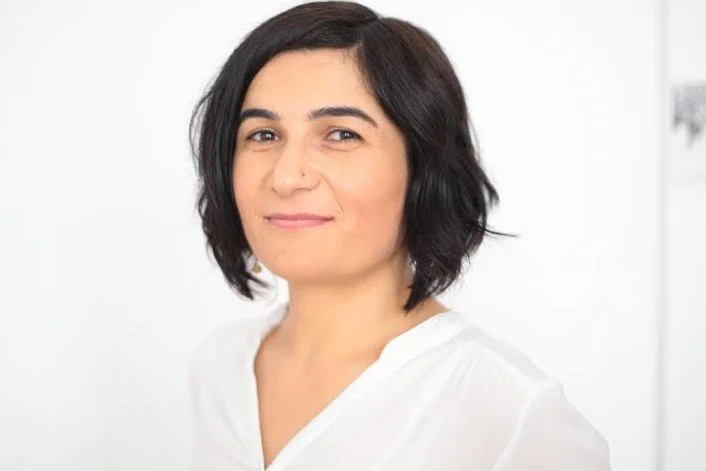
Faime Alpagu is a postdoctoral researcher funded by the MAX KADE Foundation in New York City. She holds a Ph.D. in sociology from the University of Vienna. Her dissertation project entitled Migration Narratives Juxtaposed: A Sociological Analysis of Biographies, Photos and (Audio) Letters of “Guest Workers” from Turkey living in Austria was funded by a doctoral scholarship from the Austrian Academy of Sciences. Faime Alpagu received several awards such as the Research Award for Research on Migration and Integration 2021 by the Austrian Integration Fund (ÖIF) and the Dissertation Award for Research on Migration from the Austrian Academy of Sciences. Her research has been further supported by the Institute for Human Sciences Vienna (IWM), the IFK Internationales Forschungszentrum Kulturwissenschaften Wien and vorarlberg museum.
Her current research focuses on the intersections between migration/refugee studies, audio-visual studies, biographical research, and memory, applying an interpretative social research approach. Her current research focuses on the intersections between migration/refugee studies, audio-visual studies, archive studies, biographical research, and memory, applying an interpretative social research approach.
A. George Bajalia
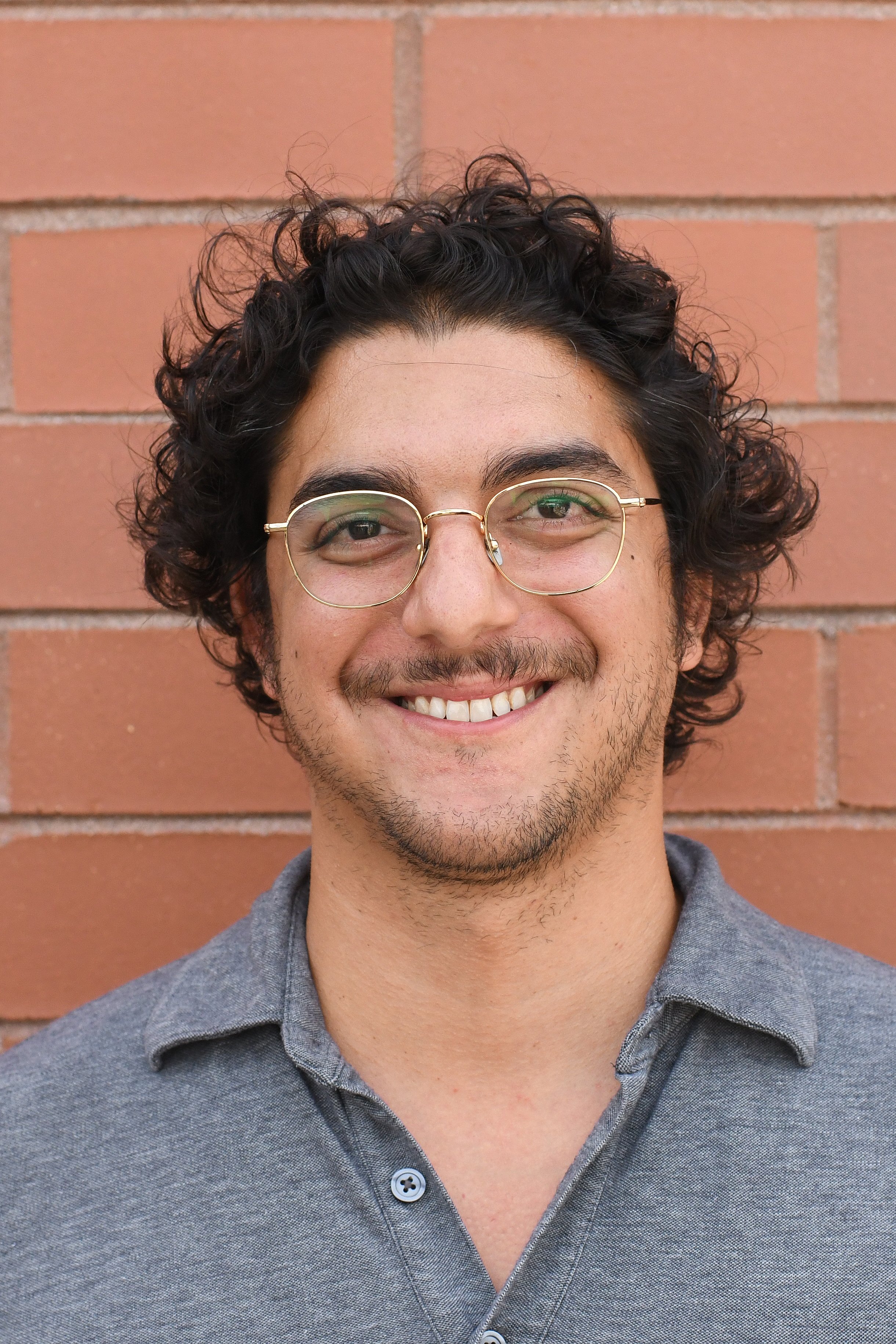
A. George Bajalia is Assistant Professor of Anthropology at Wesleyan University. His work is concerned with borderlands, primarily in the Western Mediterranean region.
A. George Bajalia
A. George Bajalia is Assistant Professor of Anthropology at Wesleyan University. His work is concerned with borderlands, primarily in the Western Mediterranean region. His current book project, Waiting at the Border: Language, Labor, and Infrastructure in the Strait of Gibraltar, dwells on the political, social, and cultural forms that emerge during time spent waiting among cross-border workers and West and Central African immigrants living and working around the Moroccan-Spanish borderlands.
His work argues that lives lived while waiting, whether in the city of Tangier among im/migrants or in the commodity warehouses that abut the land border between the Spanish enclave of Ceuta and the Moroccan coast, form consequential habits that sediment into social life and become fields for potential political claims grounded in communal sentiments. As both an intellectual and political project, he is interested in exploring the consequences of these communal sentiments across the many borders of the Strait of Gibraltar and how these sentiments cannot be solely contained within the categories typically associated with border-crossing, categories such as “migrant,” “refugee,” and “asylum-seeker.”
Bajalia has held research fellowships from the Mellon Foundation-CAORC, Fulbright-Hays, Fulbright-IIE, and the American Institute for Maghrib Studies. He is the co-founder and co-director of the Youmein Festival, an annual 48-hour contemporary art and performance festival and residency in Tangier, Morocco. Bajalia received his Ph.D. from the Department of Anthropology at Columbia University.
Working Group: Refugee Cities
Hiba Bou Akar
Assistant Professor, Department of Urban Planning, Columbia University
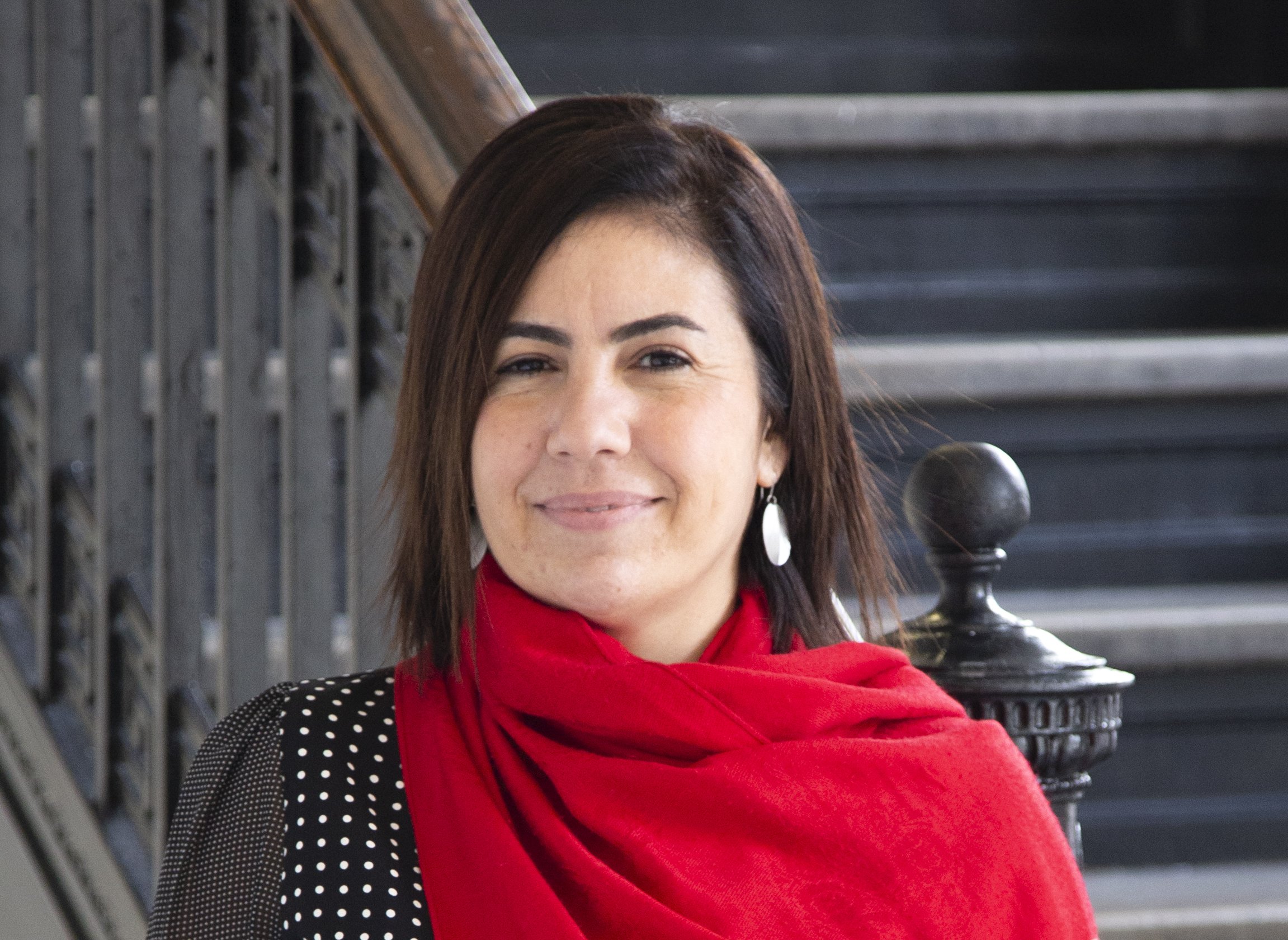
Hiba Bou Akar is an Assistant Professor in the Urban Planning program at Columbia GSAPP. Her research focuses on planning in conflict and post-conflict cities, the question of urban violence, and the role of religious political organizations in the making of cities.
Hiba Bou Akar
Assistant Professor, Urban Planning, GSAPP Columbia University
Hiba Bou Akar is an Assistant Professor in the Urban Planning program at Columbia GSAPP. Her research focuses on planning in conflict and post-conflict cities, the question of urban violence, and the role of religious political organizations in the making of cities. Bou Akar’s award-winning book, For the War Yet to Come: Planning Beirut’s Frontiers (2018), examines how Beirut’s post-civil war peripheries have been transformed through multiple planning exercises into contested frontiers that are mired in new forms of conflict. Her first co-edited book, Narrating Beirut from its Borderlines (2011), incorporated ethnographic and archival research with art installations, architectural research, graphic design, and photography to explore Beirut’s segregated geographies. Currently, Bou Akar is working on a new project entitled “Sedimentary Urbanization” examining the temporalities of displacement and refugee-ness. Bou Akar is also the founder and director of the Post-Conflict Cities Lab at Columbia University. The lab focuses on the studies of post-conflict urban planning and aims to develop methodological, empirical, and theoretical approaches to planning in contested spaces.
Working Group Affiliation
Insurgent Domesticities
Refugee Cities
Amy Chazkel
Professor, Department of History, Columbia University
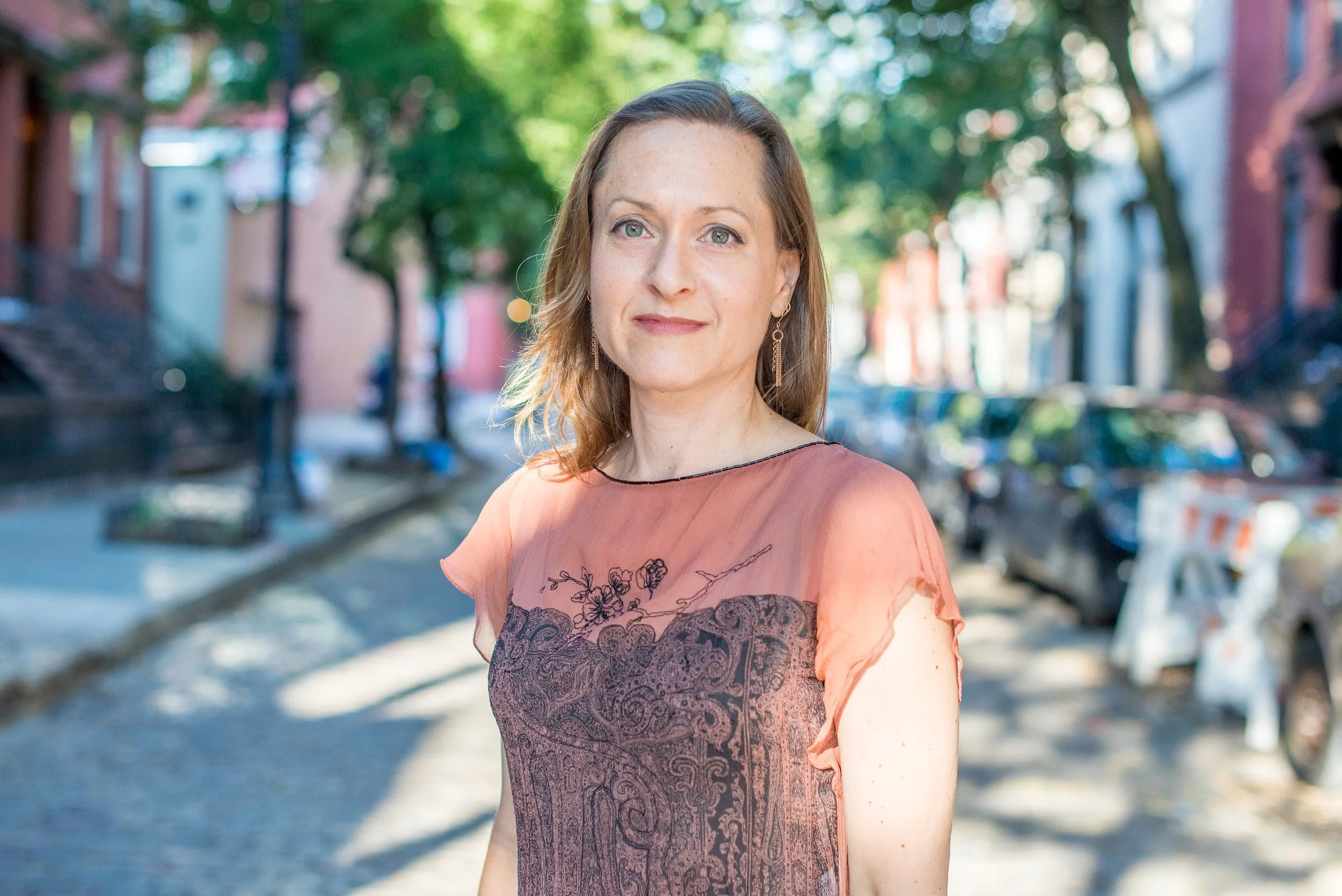
Amy Chazkel, Bernard Hirschhorn Associate Professor of Urban Studies, is a historian of Brazil with broad interests in the urban humanities, law and society, crime and justice, policing, slavery, abolition, and post-abolition societies in the Atlantic world. In her own research and writing, she has principally explored the urban and legal history of post-colonial Brazil.
Amy Chazkel
Amy Chazkel, Bernard Hirschhorn Associate Professor of Urban Studies, is a historian of Brazil with broad interests in the urban humanities, law and society, crime and justice, policing, slavery, abolition, and post-abolition societies in the Atlantic world. In her own research and writing, she has principally explored the urban and legal history of post-colonial Brazil.
She is the author of Laws of Chance: Brazil’s Clandestine Lottery and the Making of Modern Public Life in Brazil (Duke University Press, 2011), a study of petty crime, urban culture, and the historical roots of the informal sector in nineteenth- and twentieth-century Brazil, and a translated and adapted version of that book, Leis da sorte: A construção da vida pública urbana(Editora da Unicamp, 2015) and is co-editor of The Rio Reader: History, Culture, Politics (Duke University Press, 2016), an anthology of primary sources on the history of Rio de Janeiro.
Over the past eighteen years, she has pursued her interest in the cultural and social context of the law both in her scholarship and as a volunteer researcher and Portuguese-English interpreter with US-based law clinics and human rights organizations. Her work in progress includes a book project, supported by the American Council of Learned Societies, the National Endowment of the Humanities, and the American Philosophical Society, that explores the social, cultural, and legal history of the urban nighttime, focusing on Rio de Janeiro during the long nineteenth century.
Working Group: Refugee Cities
Edited Books
Laws of Chance: Brazil’s Clandestine Lottery and the Making of Modern Public Life in Brazil Duke University Press, 2011.
Leis da sorte: A construção da vida pública urbana Editora da Unicamp, 2015.
The Rio Reader: History, Culture, Politics Co-Edited with Knauss, Paulo, and Daryle Williams. Duke University Press, 2016
Emma Shaw Crane
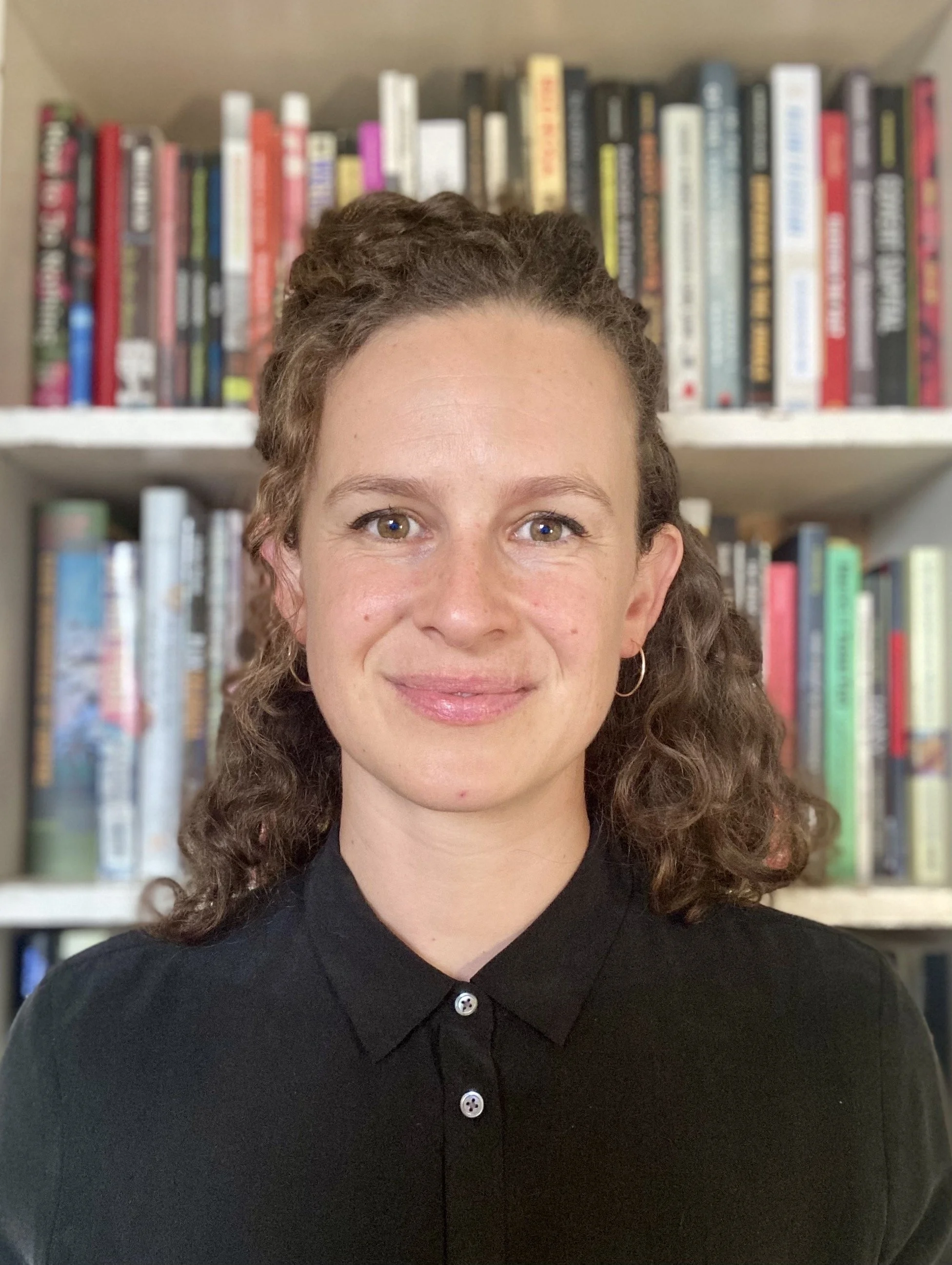
Emma Shaw Crane is a Postdoctoral Fellow in the Society of Fellows at Columbia University, where she is affiliated with the Center for the Study of Race and Ethnicity and the Department of Anthropology. She received her PhD in American Studies from New York University in 2021.
Emma Shaw Crane
Emma Shaw Crane is a Postdoctoral Fellow in the Society of Fellows at Columbia University, where she is affiliated with the Center for the Study of Race and Ethnicity and the Department of Anthropology. She received her PhD in American Studies from New York University in 2021. Emma is a scholar of race, urban space, and U.S. empire in the Americas. Her in-progress book manuscript explores the routinization of counterinsurgent war in a peripheral suburb of Miami, Florida, and possibilities for refuge, remediation, and repair in the wake of war. She researches and writes with a coalition of community organizers fighting the intersection of carceral and environmental violence in South Florida.
Working Group: Refugee Cities

Matthew DeMaio
Graduate Administrative Fellow
Media Production and Marketing
Matthew DeMaio

Matthew DeMaio is a PhD candidate in Anthropology at the George Washington University in Washington, DC. His work mixes ethnographic, digital and archival methods to explore experiences of urban displacement and encampment across the Palestinian refugee diaspora. His ongoing dissertation project focuses specifically on the lives and experiences of the former residents of the Yarmouk Palestinian Refugee Camp in southern Damascus who have faced multiple rounds of movement as a result of the Syrian Civil War. In doing so, the project analyzes how attachments to, and conceptions of, place are fashioned and carried across iterations of displacement and how these accumulated attachments shape encounters with new places of refuge and manifestations of belonging.
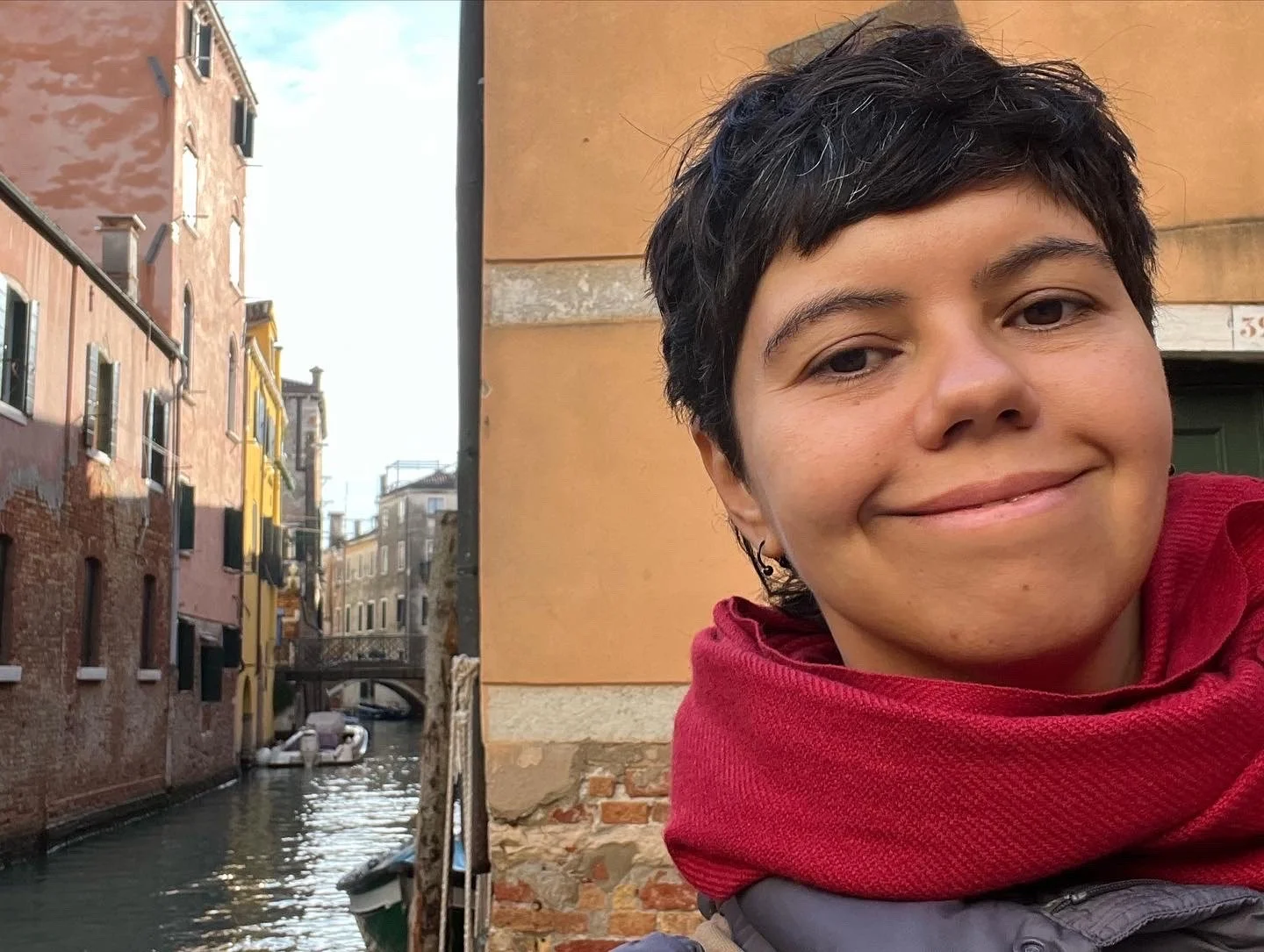
Isadora Lins França
Isadora Lins França is Assistant Professor in the Department of Anthropology and researcher of the Pagu Center for Gender Studies, both at the University of Campinas, Unicamp (Brazil).
Isadora Lins França
Isadora Lins França is Assistant Professor in the Department of Anthropology and researcher of the Pagu Center for Gender Studies, both at the University of Campinas, Unicamp (Brazil). She is currently a fellow of the Summer Program in Social Sciences from the Institute for Advanced Studies (IAS), at Princeton, and visiting scholar in the Department of Latin American and Iberian Studies (LAIC) at Columbia University in the City of New York.
Isadora França has been working with gender and sexuality in the last decades, dedicating herself tothe articulation between differences and inequalities in the production of categories and subjects. In the last ten years, she has been working with mobilities, gender and sexuality, conducting fieldwork in Brazil, Spain and United States with queer migrants and refugees.
Working Group: Refugee Cities
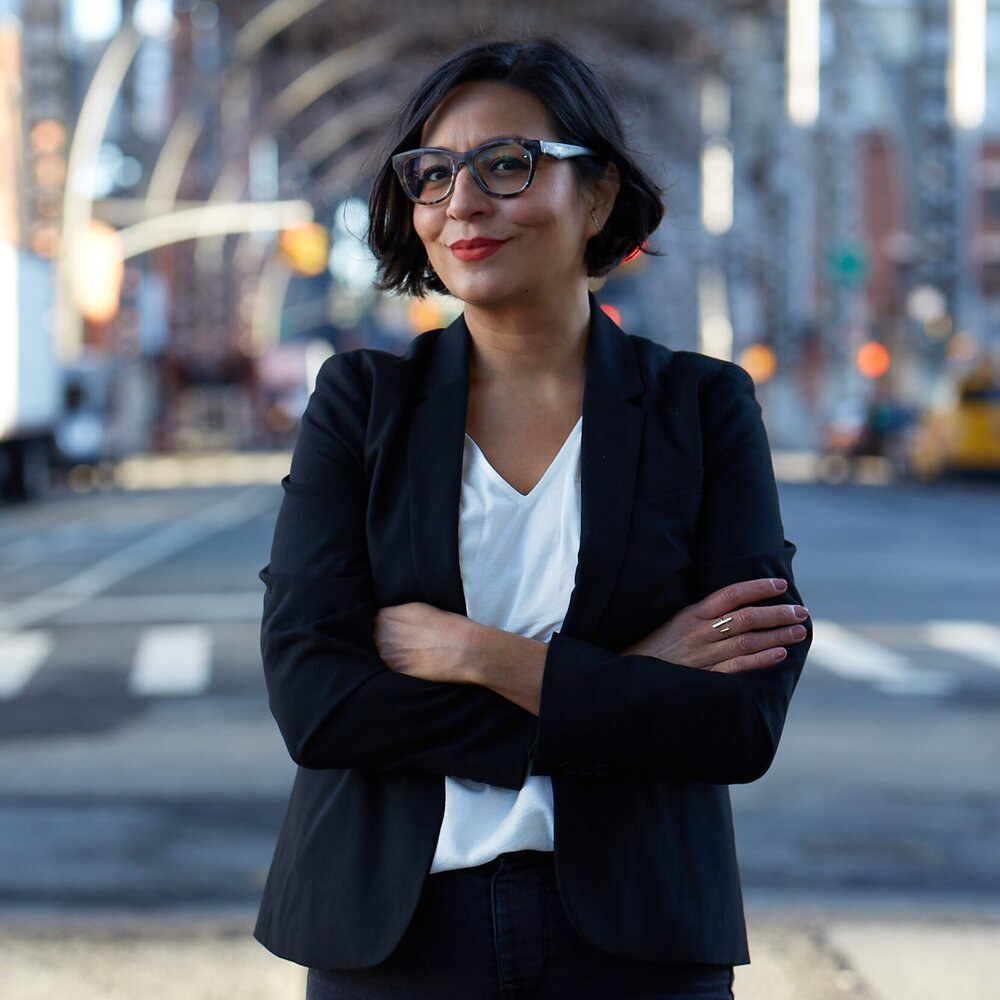
Fanny Julissa Garcia
Graduate Administrative Fellow
Media Production and Marketing
Fanny Julissa García
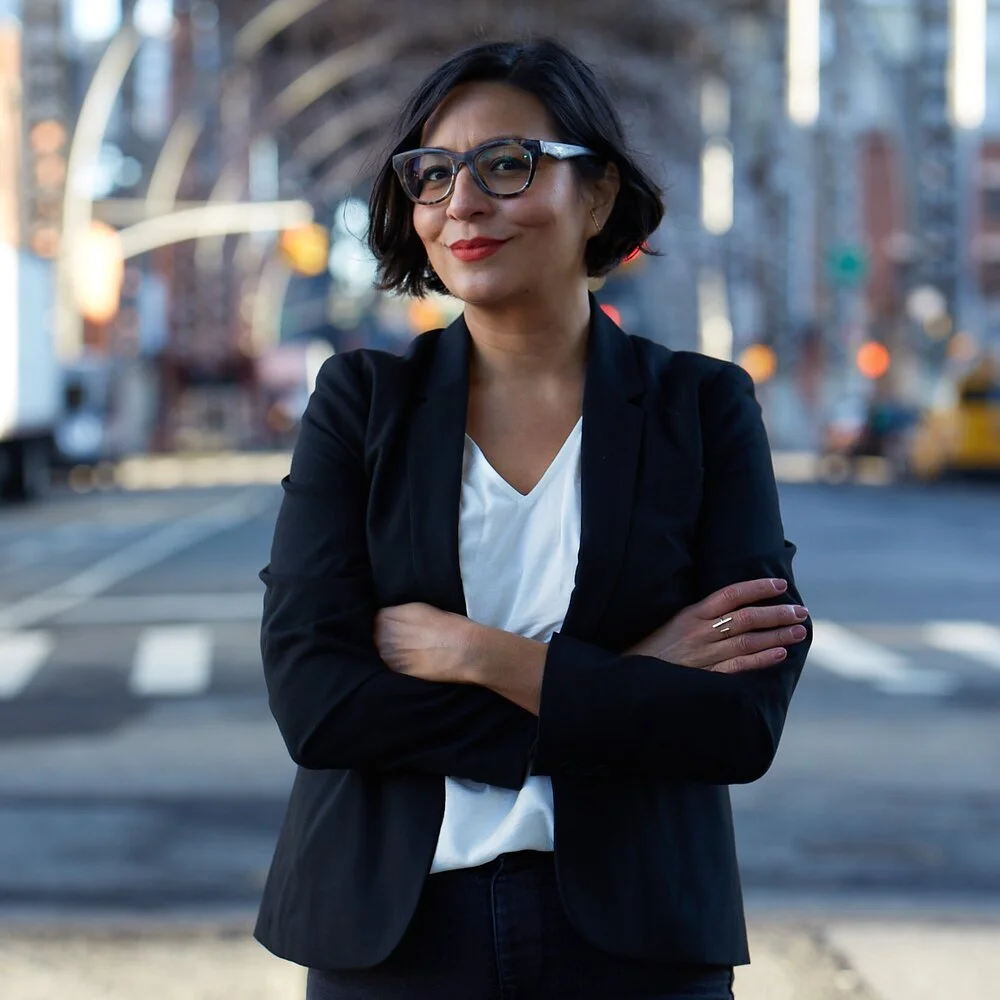
Fanny Julissa García is a Honduran American oral historian contributing work to Central American Studies with a focus on applied oral history, a term she coined to describe the use of oral histories to educate, inform policy change, and support communities endangered by state-inflicted violence. Her work focuses on immigration justice, detention and incarceration, family separation, and the transnational impact of failed border policies.
She has won multiple awards for her work as an oral historian, and recently received a National Endowment for the Humanities funded fellowship from the Oral History Association to work on Separated: Stories of Injustice and Solidarity which documents the life histories of families forcibly separated parents from their children at the U.S./Mexico border. She has worked with Groundswell: Oral History for Social Change, and as an oral historian for The Path Home: Immigrants Making America project, which collects the oral histories of individuals who gained a path to citizenship after the passage of the 1986 Immigration Control and Reform Act. She currently serves on the editorial board of the Oral History Review. She is a graduate of the Oral History Master of Arts program at Columbia University.
Working Group Affiliation:
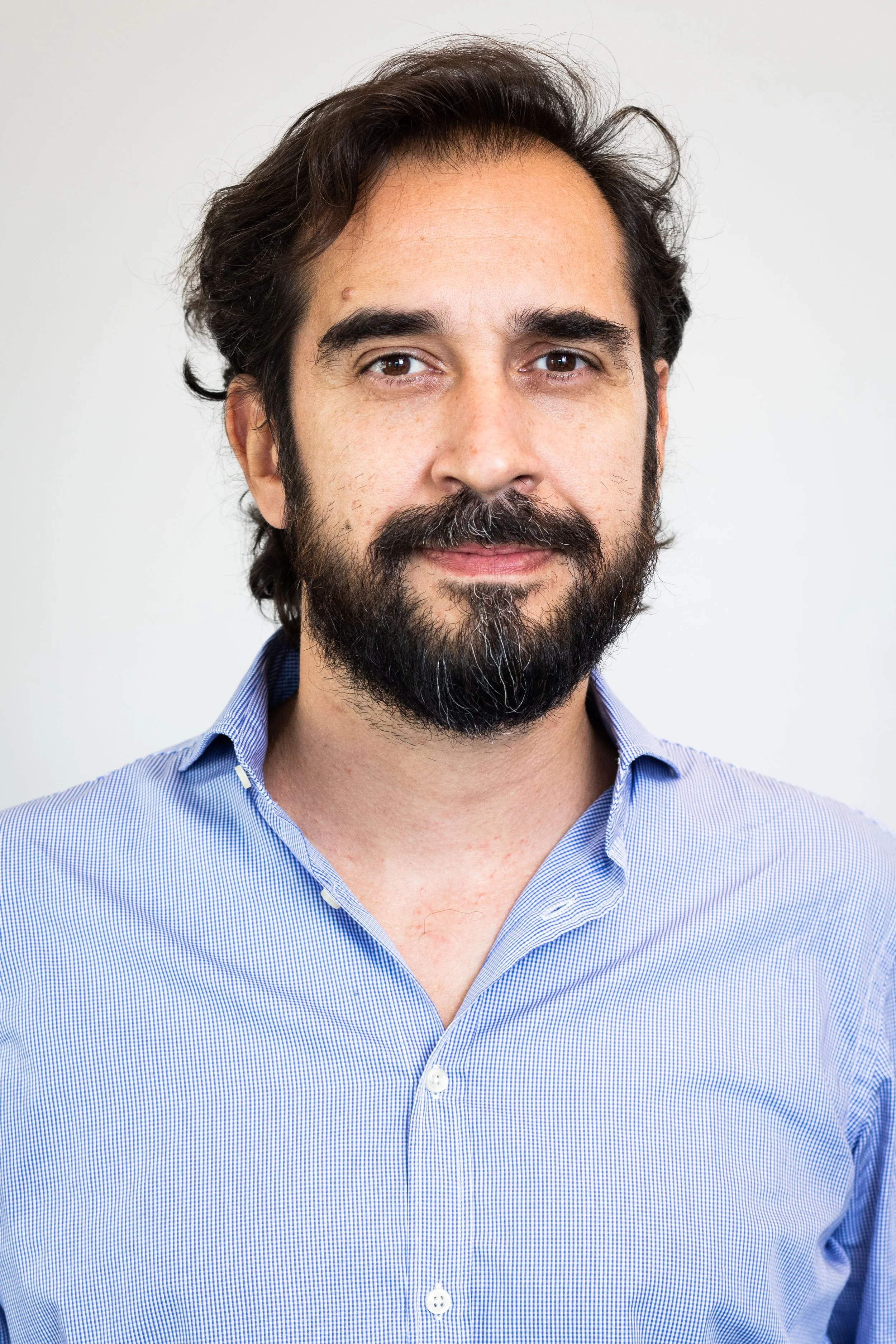
Achilles Kallergis
Assistant Professor, Department of Social Research, New School
Achilles Kallergis is an Assistant Professor at the New School for Social Research and the Director of the Cities and Migration Project at the Zolberg Institute on Migration and Mobility. His research focuses on urbanization, migration, and mobility in rapidly growing cities.
Achilles Kallergis
Achilles Kallergis is an Assistant Professor at the New School for Social Research and the Director of the Cities and Migration Project at the Zolberg Institute on Migration and Mobility. His research focuses on urbanization, migration, and mobility in rapidly growing cities. Specifically, it explores environmental mobility and how locally-generated data can provide new evidence on mobility patterns and contribute to improving living conditions in low-income destination areas through better provision of housing and services. In his research, he has collaborated with transnational community networks Slum/Shack Dwellers International and the Asian Coalition for Housing Rights. At Zolberg, he directs the research program on cities and migration and coordinates the Research Platform on Cities and Human Mobility.
Previously he was a Research Scholar at the Marron Institute of Urban Management at New York University. He has taught at New York University at the New School. His work has been published in academic journals and edited books. He holds a PhD in Urban Policy and an M.A. in International Affairs from the New School University, and an M.A. in Political Science from the University of Lausanne.
Working Group: Refugee Cities
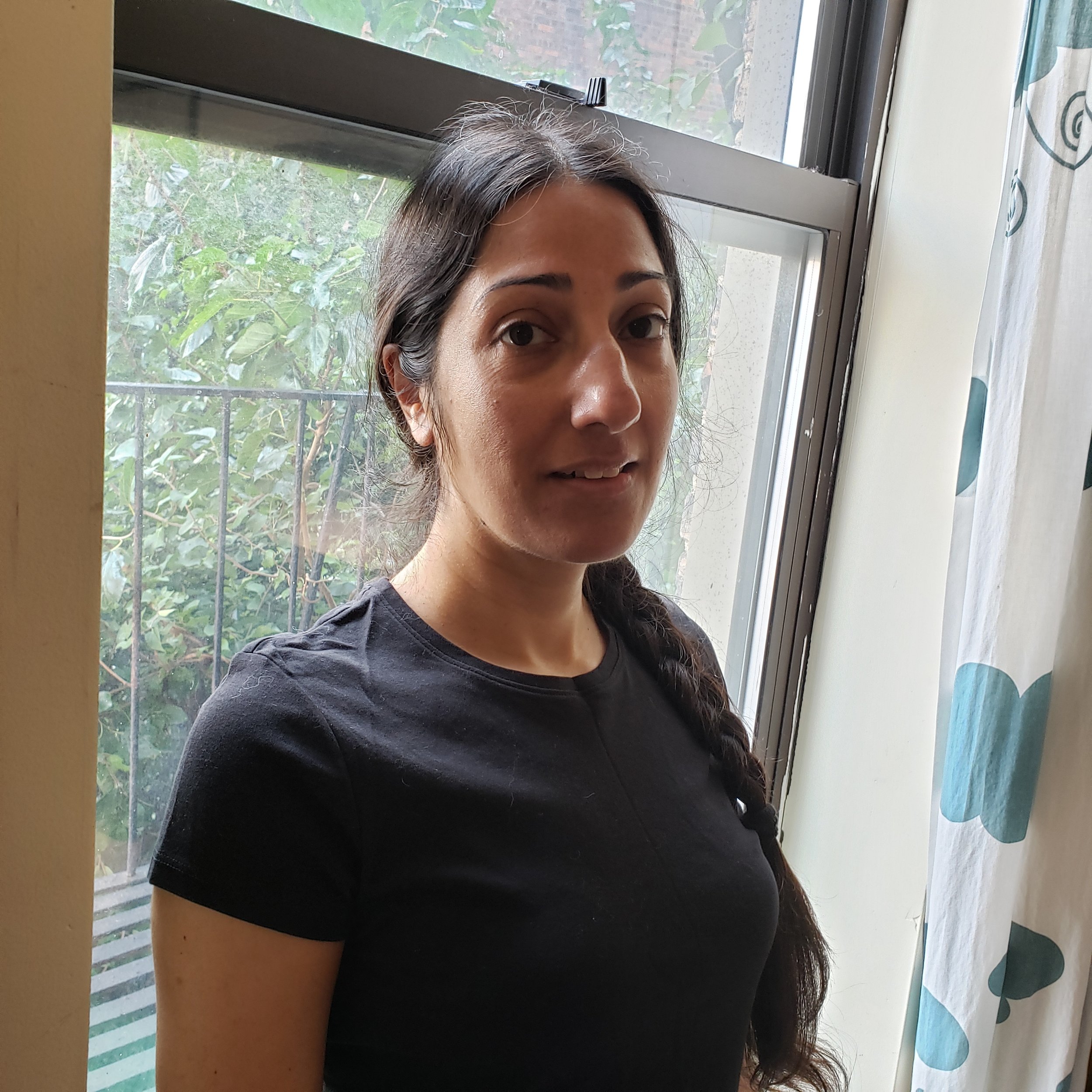
Nadia Latif
Nadia Latif
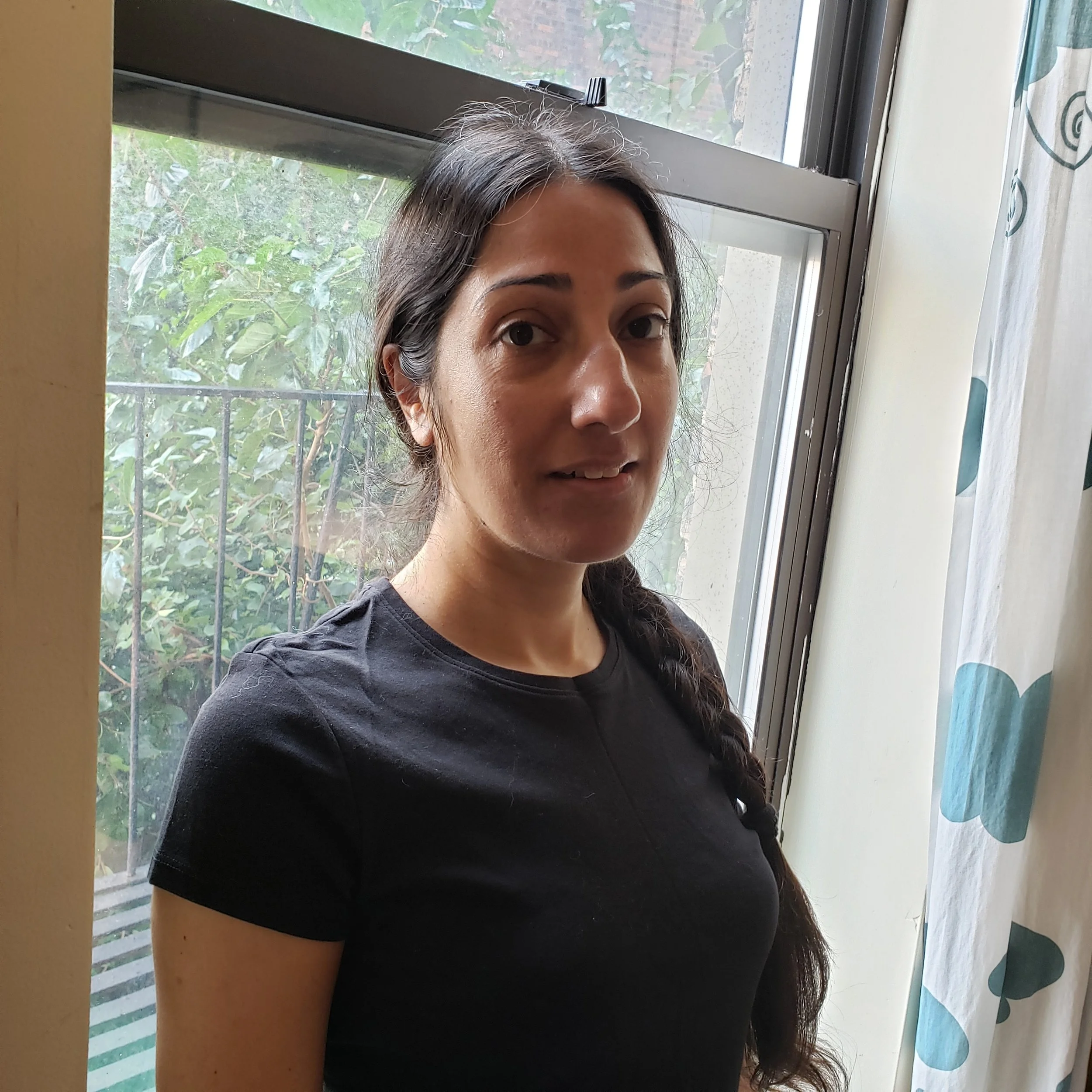
Nadia Latif is a Lecturer in Anthropology at Columbia University. Her research and teaching focuses on questions around forced migration and human rights. She has published in the fields of urban anthropology, forced migration, gender and conflict, law and development, and the history of anthropology. Her current research focuses on the emergence of local political economies in long-term refugee camps and the ways in which these are shaped by war and the provision of humanitarian aid, as well as by labour migration and migrant remittances. She conducts long-term fieldwork in Burj al-Barajneh camp in Lebanon.

Giorgia Mirto
Giorgia Mirto is a researcher and anti-racist militant from Sicily, Italy.
Giorgia Mirto
Giorgia Mirto is a researcher and anti-racist militant from Sicily, Italy. She has spent the past 11 years researching Italian procedures related to the management of the bodies of migrants who died in the Mediterranean. She pursued this political and intellectual endeavor contributing to the creation of the official-based Border Death Database at VU University in Amsterdam. With the Mediterranean Missing Project at the University of York, Giorgia investigated both the impact on families of having a relative missing, and the law, policy and practice around the identification of bodies of dead migrants in Italy. Accompanying the ICRC as a consultant, Giorgia participated in a pilot study to identify the victims of the largest shipwreck known, April 18, 2015. Giorgia then supported family members of the missing and their collectives in the process of seeking truth by accompanying them in the search and standing by their side in the struggles. This led her to question what it means to memorialize the death of migrants. In 2018, she won a research grant at the University of Bologna to study Italians' beliefs, attitudes and behaviors regarding death and dying. To analyze how Italian funerary practices are translated toward the subsumption of those who die in the Mediterranean and the political role of the dead migrants’ bodies., Giorgia is currently a Ph.D. student at the Department of Anthropology at Columbia University in New York.
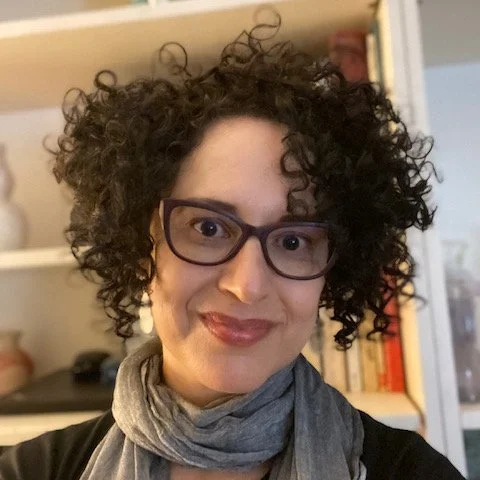
Bahia M. Munem
Dr. Bahia Munem holds a PhD in Women’s and Gender Studies from Rutgers University. Her work has appeared in Genero: Journal of Feminist Theory and Cultural Studies, Território & Fronteiras, Liquid Borders (Routledge), and in Critical Diálogos in Latina & Latino Studies (NYU Press). She has held fellowships at Rutgers University and Washington University in St. Louis.
Bahia M. Munem
Bahia M. Munem’s teaching and research interests examine race and ethnicity as they intersect with gender, sexuality, class, nation, religion, and diasporas. Her scholarship bridges the fields of Latinx, Latin American, and Middle East Studies by examining forced transnational migration and gendered and racialized modes of belonging in the Americas. Munem’s current book manuscript, (Un)Settling Muslim Refugees: Gender, Class, and the Racialization of War Migrants in Brazil, is an ethnography of Muslim, Palestinian, Iraq War refugees resettled in Latin America’s largest democracy.
Dr. Munem holds a PhD in Women’s and Gender Studies from Rutgers University. Her work has appeared in Genero: Journal of Feminist Theory and Cultural Studies, Território & Fronteiras, Liquid Borders (Routledge), and in Critical Diálogos in Latina & Latino Studies (NYU Press). She has held fellowships at Rutgers University and Washington University in St. Louis.
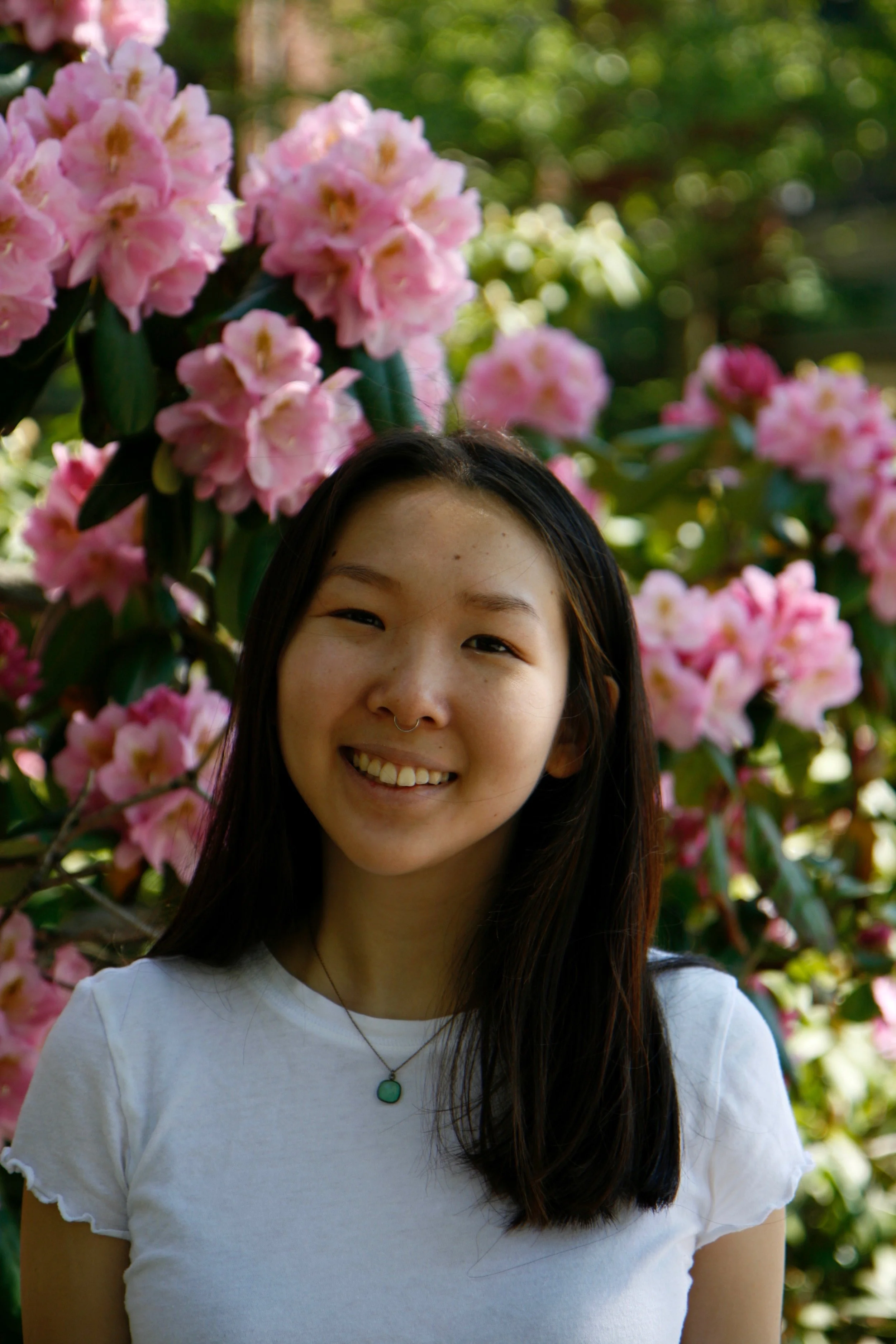
May Niiya
Graduate Administrative Fellow
Media Production and Marketing
May Niiya
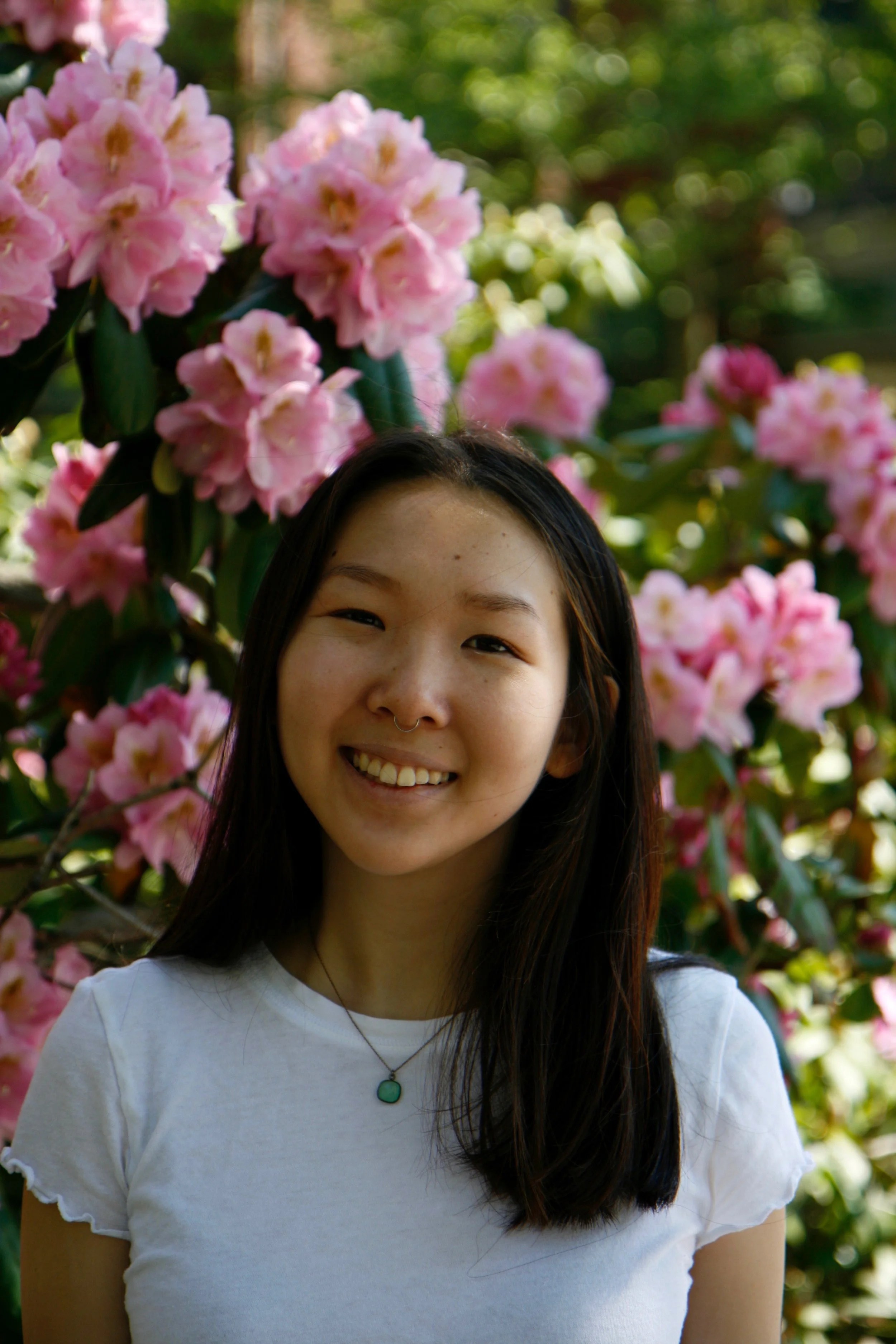
May Niiya is a second-year MA student in American Studies at Columbia University. She is interested in the history of U.S. empire and Asian settler colonialism in her home state of Hawaiʻi. In addition to serving as the Graduate Coordinator for the “Refugee Cities: Urban Dimensions of Forced Displacement” Working Group, sponsored by the Columbia Center for the Study of Social Difference, she is also the Rapporteur for the Columbia University Seminar in American Studies.
Neni Panourgiá
Neni Panourgiá
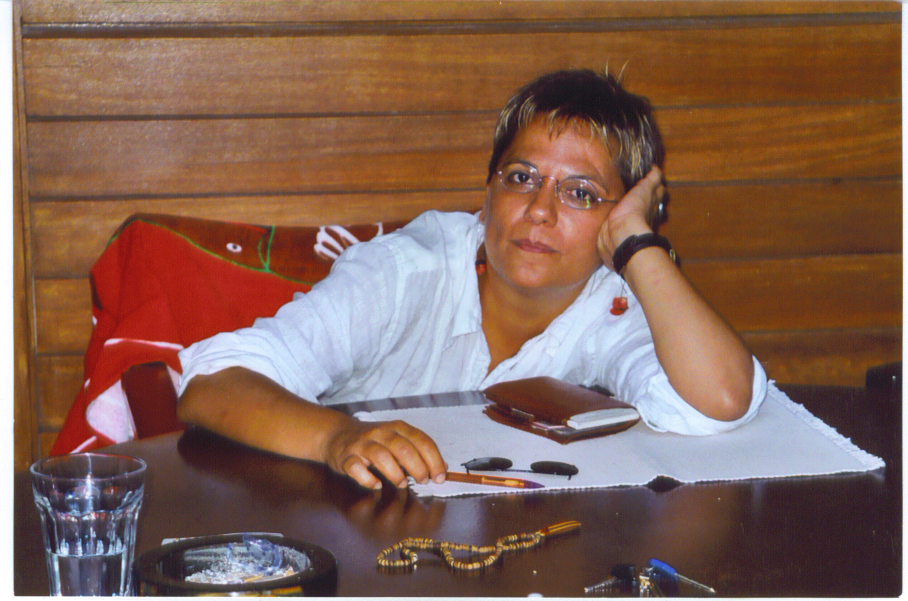
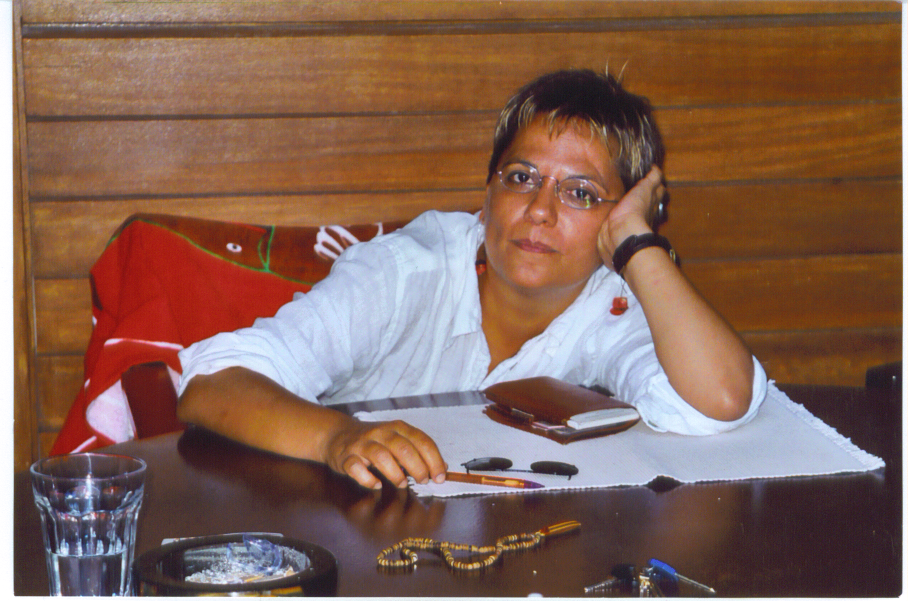
Neni Panourgiá is an anthropologist, the Academic Adviser at the Justice-in-Education Initiative, and Adjunct Associate Professor at the Prison Education Program at Columbia University through which she teaches in the New York State and the Federal prison system. She has previously held positions at Princeton, Rutgers, NYU, Bard College, The New School for Social Research, and Université de Paris VIII, St Denis. She was co-editor of Anthropology and Humanism (2020-2021), and the Journal of Modern Greek Studies (2013-2016), and co-Chair of the Anthropology Section of the New York Academy of Sciences (2009-2011). Her ethnographic work is located at the nexus of history, politics, and the apparatus of discipline with specific focus on the multi-valence of confinement. Her monographs Fragments of Death, Fables of Identity. An Athenian Anthropography (1995) and Dangerous Citizens: The Greek Left and the Terror of the State (2009) have received many awards among which The Victor Turner Prize for Ethnographic Writing, the Edmund Keeley Book Prize in Modern Greek Studies, the PROSE Award, The Chicago Folklore Prize, the International Society for Ethnohistory. She has co-edited, with George Marcus, the volume Ethnographica Moralia. Experiments in Interpretive Anthropology (2008), and has edited the photographic volume East of Attica, 1930-1997, and the Special Issue “COVID-19: Auto-ethnographies of Incarceration” in Synapsis: A Journal of Medical Humanities (2020). Her essays can be found in Mousse, Documenta, American Ethnologist, angelaki, Public Culture, Anthropology and Humanism, and elsewhere. Her book Λέρος: Η γραμματική του εγκλεισμού, published in July 2020 in Greek (Nefeli Publishers), is in its second edition and it is forthcoming shortly in English under the title Foucault’s Node: Leros and the Grammar of Confinement.
https://justiceineducation.columbia.edu/people/profiles/neni-panourgia/. Since 2022 she has been running the Leros Humanism Seminars, https://leros-humanism-seminars.com, co-organized with Stathis Gourgouris and in collaboration with Columbia Global Centers Athens, thee Johns Hopkins Initiative in Global South Humanities, and the Wright-Ingraham Institute.

Anna Simone Reumert
Anna Simone Reumert
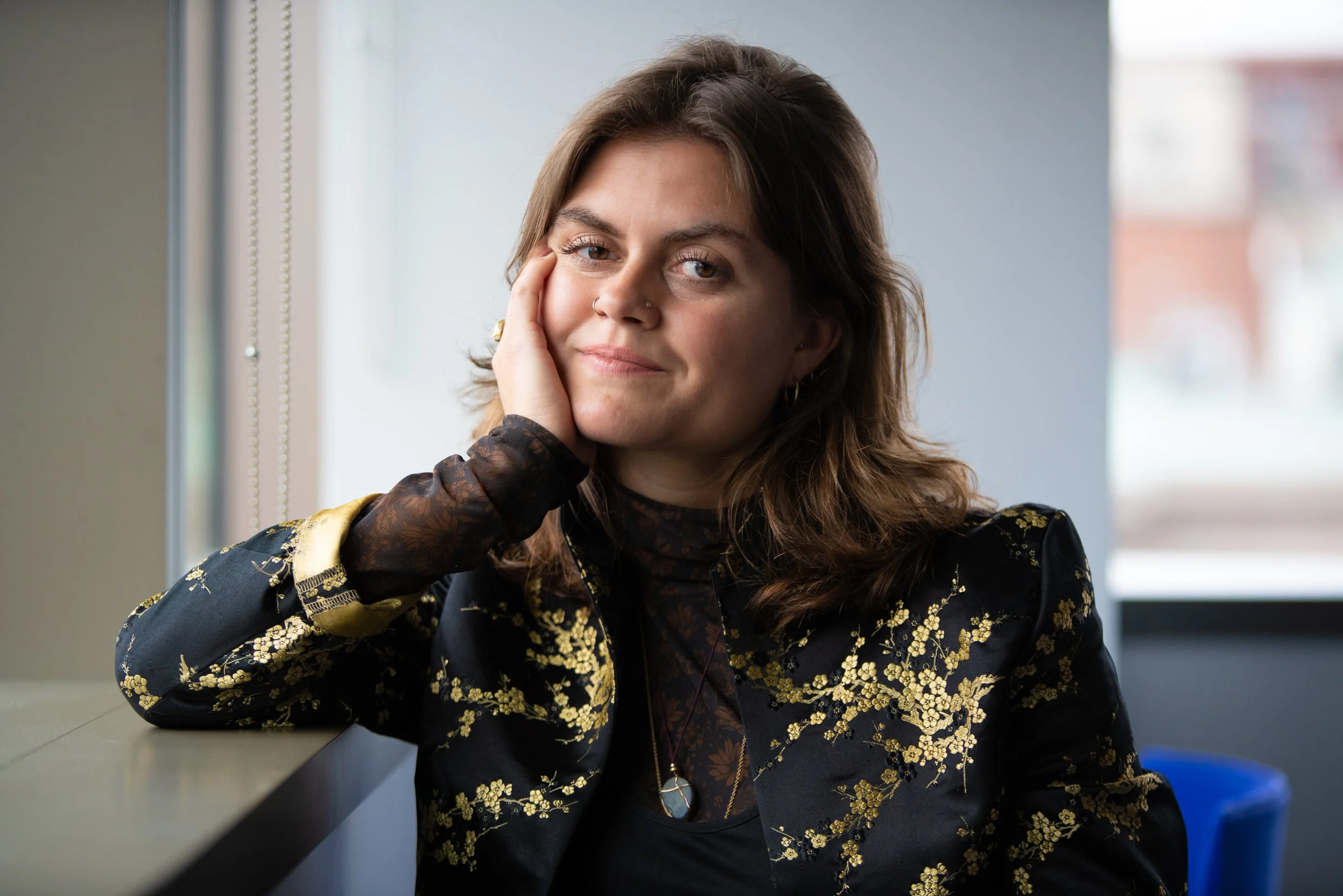
Anna Simone Reumert is a political anthropologist and a gender studies scholar. She is currently a postdoctoral fellow at The New School's Zolberg Institute on Migration and Mobility, and holds a PhD in Anthropology from Columbia University. Her work has appeared in Cultural Anthropology, Mashriq&Mahjar, Merip, Rusted Radishes, Kohl journal for Body and Gender Research, Jadaliyya, among other journals. She is currently working on two research projects. Her book manuscript Future Returns: Labor, Revolution and Sudan in the Middle East follows Sudanese migrant workers in Lebanon and migrant returnees in subsistence farming communities in Sudan during a time of economic and political upheaval in both countries. Her second project, “Sex and the Civil War”, examines the political economy of sex in the Lebanese civil war (1975-1990).
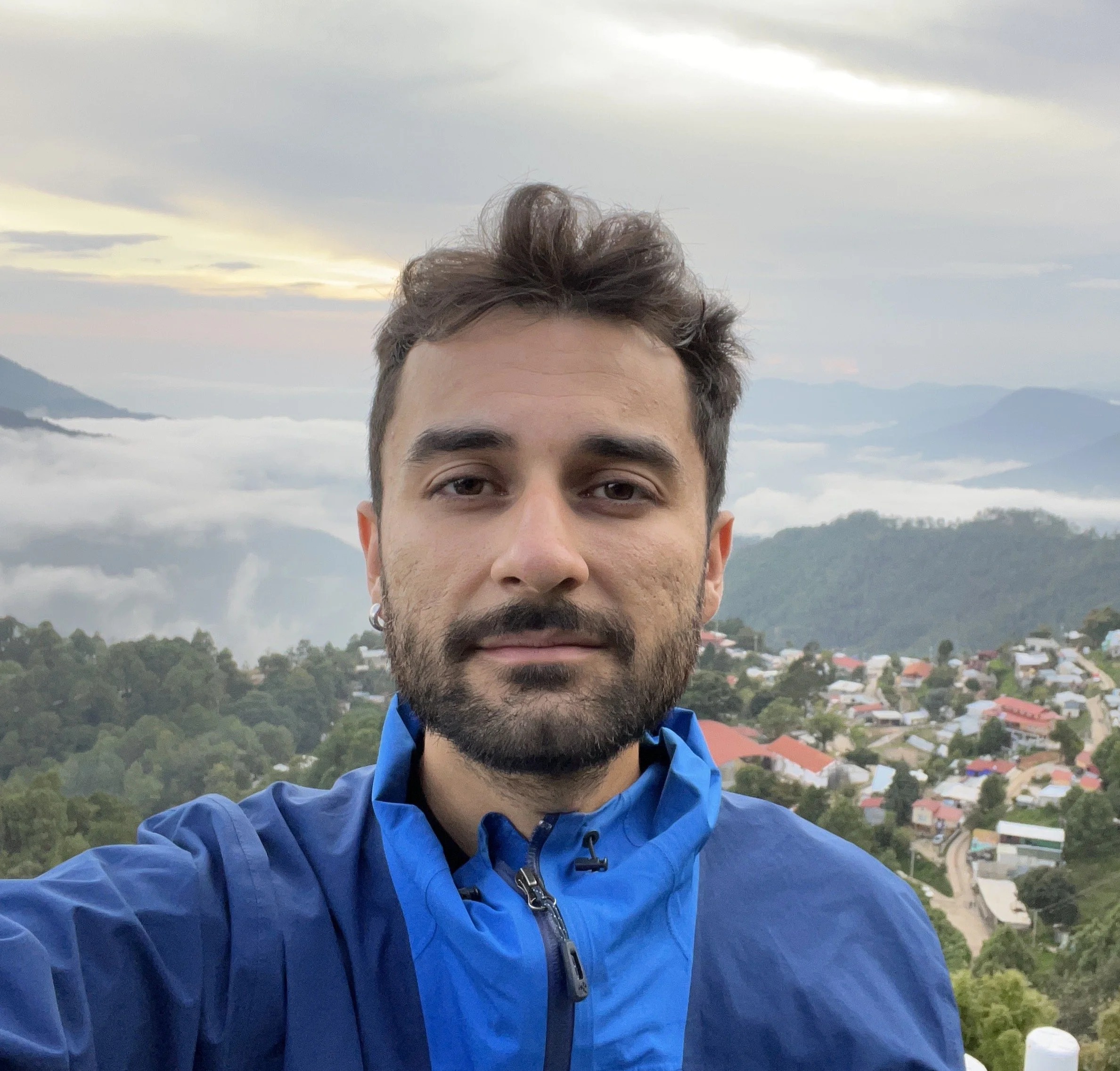
Jorge A. Rodríguez Solórzano
Doctoral Student, Sociocultural Anthropology, Columbia University
Jorge Rodríguez Solórzano is a writer, translator, and doctoral candidate in Sociocultural Anthropology at Columbia University. His current research examines how Indigenous Mixtec and Tlapanec communities in the state of Guerrero, Mexico, create alternative practices of jurisdiction to mitigate resource extraction and insecurity in their territories. His research has been supported by the Institute of Latin American Studies (ILAS) and the Department of Anthropology at Columbia University. He is the Graduate Coordinator for the “Refugee Cities: Urban Dimensions of Forced Displacement” Working Group, sponsored by the Columbia Center for the Study of Social Difference.
Jorge A. Rodríguez Solórzano
Jorge Rodríguez Solórzano is a writer, translator, and doctoral candidate in Sociocultural Anthropology at Columbia University. His current research examines how Indigenous Mixtec and Tlapanec communities in the state of Guerrero, Mexico, create alternative practices of jurisdiction to mitigate resource extraction and insecurity in their territories. His research has been supported by the Institute of Latin American Studies (ILAS) and the Department of Anthropology at Columbia University. He is the Graduate Coordinator for the “Refugee Cities: Urban Dimensions of Forced Displacement” Working Group, sponsored by the Columbia Center for the Study of Social Difference.
Jorge’s published translations have appeared on Angelaki: Journal of the Theoretical Humanities, LIFTA Volumes: Futures of Palestine, and Khabar Keslan. Jorge’s creative work has been published in oral.pub and rivulet.net. His work has shown at the London-in-Motion Film Festival and appeared in curated web volumes with artist Jumairy.
He received an MA with Distinction in Migration and Diaspora Studies from SOAS, University of London, and holds a BA in French Literature from Reed College. In 2020, Jorge was named a Columbia University Provost Diversity Fellow.
Working Group: Refugee Cities