

Yarimar Bonilla
Associate Professor of Anthropology and Caribbean Studies, Rutgers University
Yarimar Bonilla is an Assistant Professor of Anthropology and Caribbean Studies at Rutgers University.
Yarimar Bonilla
Associate Professor of Anthropology and Caribbean Studies, Rutgers University

PhD, U Chicago, 2008; Assistant Professor, SAS) Political and Historical Anthropology, Postcolonialism, Social Movements, Sovereignty, Citizenship; Caribbean, France
yarimar.bonilla@rutgers.edu
EDUCATION
2008 Ph.D. Socio-Cultural Anthropology, University of Chicago
2003 M.A. Socio-Cultural Anthropology, University of Chicago
1998 M.A. Latin American Studies, University of New Mexico
1996 B.A. University of Puerto Rico - Rio Piedras
ACADEMIC POSITIONS
2011+ Assistant Professor of Anthropology and Caribbean Studies, Rutgers University
2008-11 Assistant Professor, Department of Anthropology, University of Virginia
2006-08 Research Fellow, Carter G. Woodson Institute, University of Virginia
PRIZES
2010 Crystal Award for Best Dissertation, awarded by the Caribbean Studies Association
2009 Daniel F. Nugent Dissertation Prize for Distinguished Work in the field of Historical
Anthropology, awarded by the University of Chicago Department of Anthropology
RESEARCH STATEMENT
I teach and write about social movements, political imaginaries, colonial legacies and historical memory in the non-sovereign Caribbean and the French Outremer. I focus particularly on the non-sovereign Caribbean: societies with lingering colonial relationships and ambiguous political identities that disrupt traditional understandings of citizenship, nationality, sovereignty, and autonomy. I am particularly attentive to the political possibilities that exist outside of the traditional rubrics of state and nation building, and to the formation of political identities that disrupt the assumed relationships between a land, a people, and a state. These concerns have combined with an interest in the role of history in the Caribbean political imagination, and the ways in which Caribbean populations understand and negotiate their past – particularly their experiences with colonialism and slavery.
My first book grounds these questions in an ethnographic study of labor activism in the French Caribbean island of Guadeloupe. I argue that in the wake of what some describe as “failed” nationalist movements, a new kind of labor politics has emerged throughout the Former French colonies that combines the ideological and tactical repertoires of anti-colonial struggles with the political strength of the French labor tradition. The result is a form of “postcolonial syndicalism” that infuses traditional labor struggles with battles over collective memory, creole language politics, cultural revalorization, and nontraditional claims to self-determination. However, unlike the iconic forms of post-war anti-colonialism from which these labor movements emerged, these new political actors do not seek “national liberation” or political independence. Instead they are attempting to carve out alternative forms of political and economic autonomy within the context of French and European integration.
In addition to my work in Guadeloupe, I am also in the process of developing a larger program of comparative research in the non-sovereign Caribbean in order to re-theorize the colonial legacies and contemporary politics of the region. I contend that we need to examine non-sovereignty as a model, not just for non-independent territories, but also for the nominally sovereign territories within and beyond the Caribbean that are mired in postcolonial crises of structural adjustment, international trade regulations, NGO shadow states, post disaster recovery, and the (often inadvertent) effects of international aid. By approaching the region through the frame of the “non-sovereign” I seek to break with the linguistic divides that have plagued the field of Caribbean studies in order to bring together research on the French, English, Spanish, and Dutch speaking Caribbean and to highlight points of commonality in both the historical trajectories and contemporary political forms and processes of the region.
PUBLICATIONS
2011 The Past Is Made by Walking: Labor Activism and Historical Production in
Postcolonial Guadeloupe. Cultural Anthropology 26(3):313–339
2010 Guadeloupe Is Ours. The Prefigurative Politics of the Mass Strike in the French
Antilles. Interventions: International Journal of Postcolonial Studies 12(1):125-137
2010 Puerto Rico in Crisis: Government Workers Battle Against Neoliberal Reform (written
with Rafael Boglio) NACLA Report on the Americasforthcoming January 43(1):6-8
2009 Guadeloupe on Strike: A New Political Chapter in the French Antilles. NACLA Report on
the Americas 42(3):6-10
2009 Labor and Protest in Guadeloupe. International Encyclopedia of Revolution and
Protest. Immanuel Ness, Ed. Blackwell pp 1468-1471
Working Group Affiliations
Unpayable Debt: Capital, Violence, and the New Global Economy

Laura Charney
Master’s student, Human Rights, Columbia University
Laura Charney is a Master’s student in Human Rights at Columbia University’s Institute for the Study of Human Rights. She completed her undergraduate degree in Archaeology, Anthropology, and Creative Writing at the University of Toronto.
Laura Charney
Master’s student, Human Rights, Columbia University

Laura Charney is a Master’s student in Human Rights at Columbia University’s Institute for the Study of Human Rights. She completed her undergraduate degree in Archaeology, Anthropology, and Creative Writing at the University of Toronto, where she wrote her thesis on Imperial Feminism and Islamophobia in Post-Communist Europe and the United States. Laura has previously conducted archaeological fieldwork in northern Peru and worked in the Yukon Territory in museum programming. She is thrilled to join the Unpayable Debt working group as Graduate Assistant.
Working Group Affiliation
Unpayable Debt: Capital, Violence, and the New Global Economy, Graduate Assistant
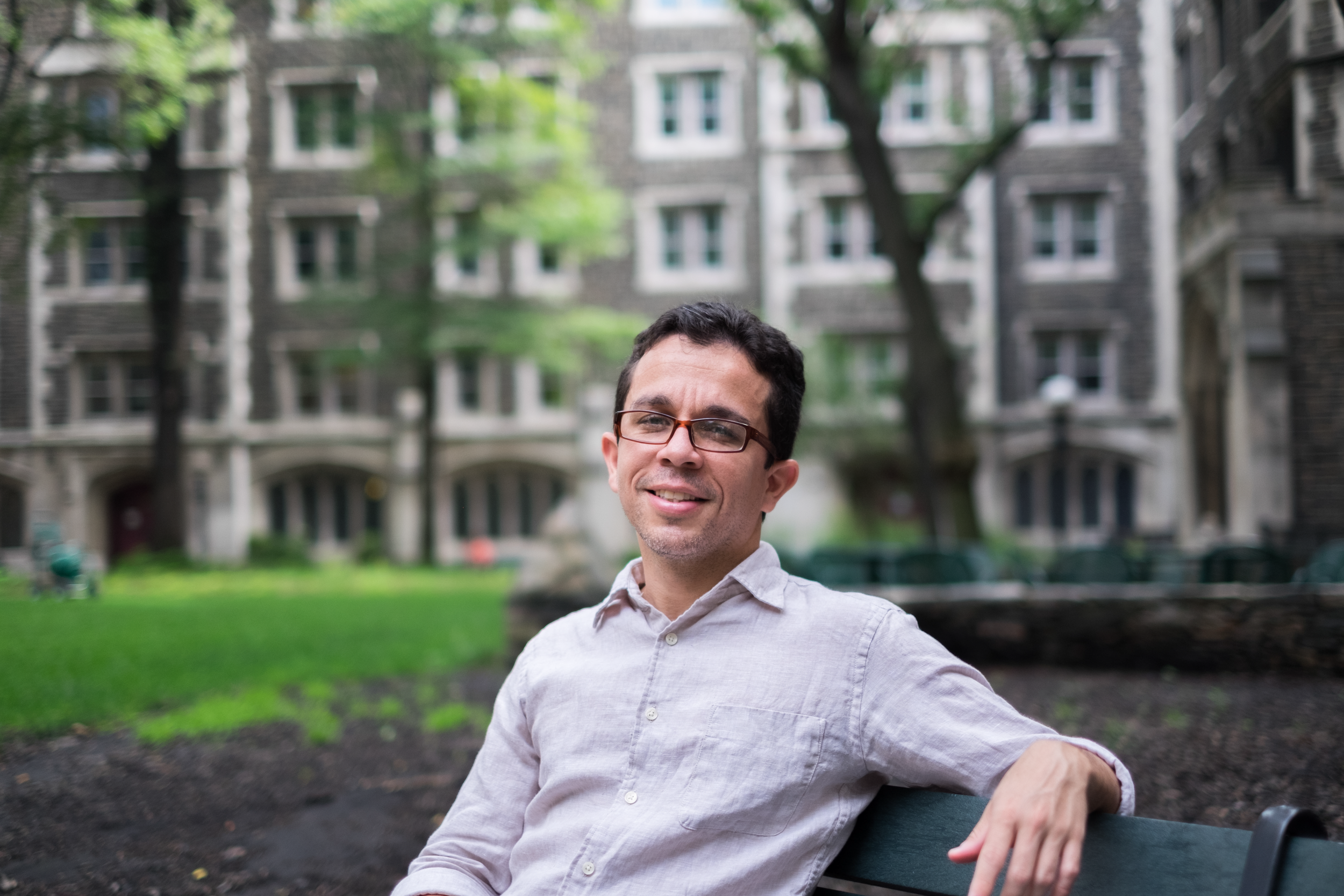
César Colón-Montijo
Graduate Student, Music, Columbia University
César Colón-Montijo is a journalist and doctoral candidate in ethnomusicology at Columbia University. He obtained a Master's in anthropology and audiovisual communication from the University of Barcelona, Spain in 2005, and previously completed a B. A. in communications at the University of Puerto Rico, Río Piedras Campus in 2003. César is the editor of the Cocinando Suave: Ensayos de Salsa en Puerto Rico (2015), a landmark collection of scholarly, historical, and journalistic essays, poems, and photo-essays about the histories of salsa.
César Colón-Montijo
Graduate Student, Music, Columbia University
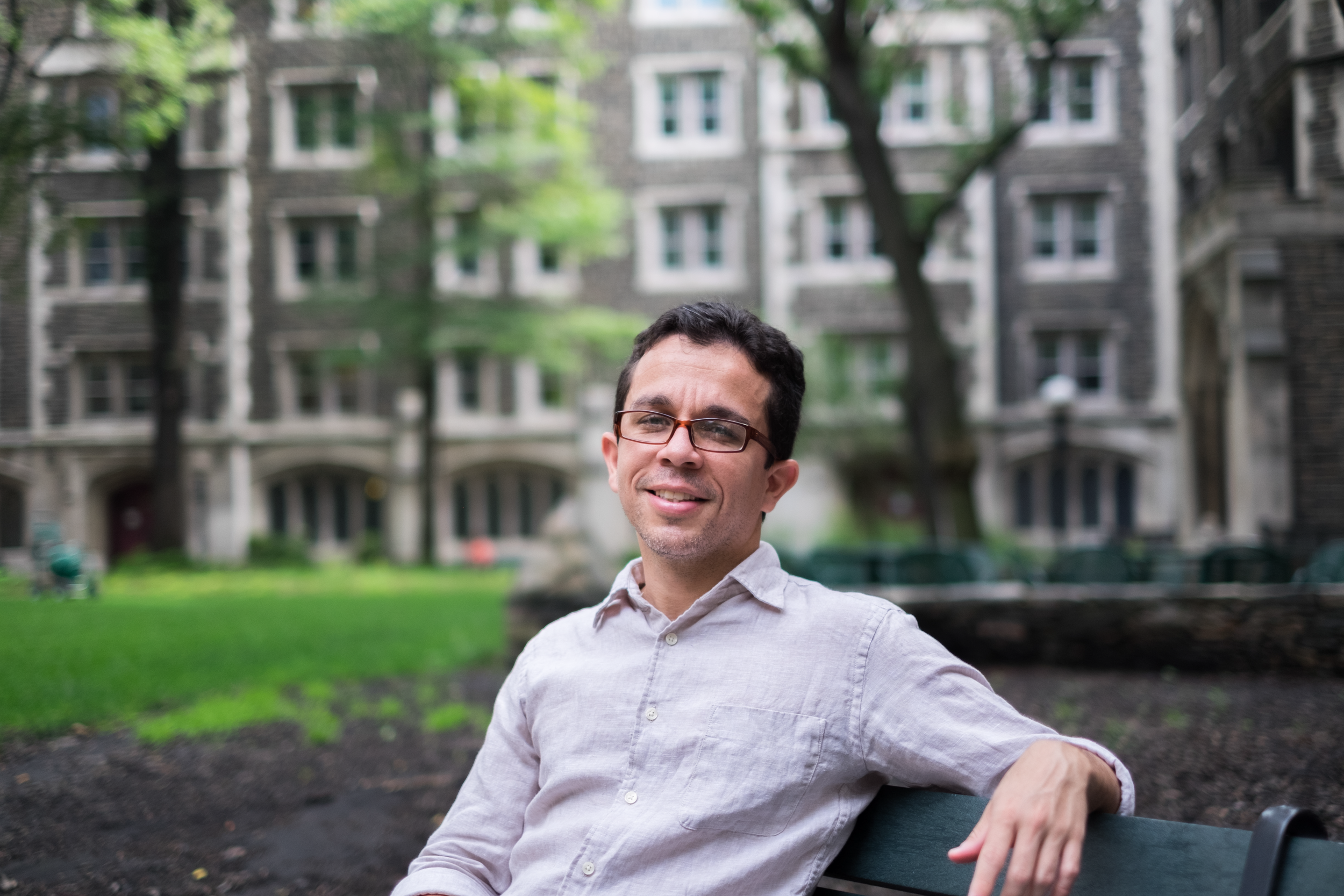
César Colón-Montijo is a journalist and doctoral candidate in ethnomusicology at Columbia University. He obtained a Master's in anthropology and audiovisual communication from the University of Barcelona, Spain in 2005, and previously completed a B. A. in communications at the University of Puerto Rico, Río Piedras Campus in 2003. César is the editor of the Cocinando Suave: Ensayos de Salsa en Puerto Rico (2015), a landmark collection of scholarly, historical, and journalistic essays, poems, and photo-essays about the histories of salsa. He recently published Viaje a La Casita: Notas de Plena en el Rincón Criollo (2016), an ethnographic chronicle based on his research about Puerto Rican music and culture in the South Bronx. His doctoral dissertation studies the music and legacy of Afro-Puerto Rican salsa singer Ismael ‘Maelo’ Rivera (1931-1987). Through ethnographic research conducted in Venezuela, Panamá, Puerto Rico, and New York since 2006, César studies the politico theological specters haunting Maelo’s oeuvre and the ways in which his music serves as a medium for the articulation of affective relations amongst his fans, peers, friends, and family in these geographies.
Working Group Affiliation
Unpayable Debt: Capital, Violence, and the New Global Economy
Hector Cordero-Guzmán
Fellow, Department of Sociology, Baruch College
Hector Cordero-Guzmán
Professor, Department of Sociology, Baruch College

Dr. Héctor R. Cordero-Guzmán received his M.A. and Ph.D. degrees in Sociology from The University of Chicago is a Professor at the Austin W. Marxe School of Public and International Affairs at Baruch College of the City University of New York. He is also a Professor in the Ph.D. Programs in Sociology and in Urban Education at the City University of New York (CUNY) Graduate School and University Center. Prior to joining the Marxe School at CUNY, Dr. Cordero-Guzman was a Program Officer in the Economic Development and the Quality Employment Units of the Asset Building and Community Development Program at The Ford Foundation.
Between 2002 and 2007, Dr. Cordero-Guzman was a Professor and the Chair of the Black and Hispanic Studies Department at Baruch College of the City University of New York where he was responsible for managing and overseeing the work in Black and Hispanic Studies. Before joining the faculty at Baruch College of the City University of New York, Dr. Cordero-Guzman spent six years as an Assistant Professor at the Robert J. Milano Graduate School of Management and Urban Policy at the New School for Social Research where he taught a range of graduate courses in statistics, research methods, and social welfare policy. He also worked as the Research Director for Political Economy at the Center for Puerto Rican Studies at Hunter College of the City University of New York, the largest Latino focused research center in the eastern United States and was an adjunct instructor in Latin American Studies at Rutgers University in New Jersey.
Dr. Cordero-Guzman has published his academic research on issues related to education, employment, poverty, race and inequality, non-profit organizations, international migration, transnational processes, economic development, and social welfare policy in American Behavioral Scientist, The Journal of Small Business Management, The Annals of the American Academy of Political and Social Science, Racial and Ethnic Studies, International Migration, Journal of Ethnic and Migration Studies, Social Forces, Diaspora, The Review of Black Political Economy, Migration World and in a number of other volumes. Dr. Cordero-Guzman is also the editor of Migration, Transnationalization and Race in a Changing New York (with Dr. Ramon Grosfoguel and Dr. Robert Smith) and was involved in drafting a report for The White House Initiative on Educational Excellence for Hispanic Americans on community based services and programs that focus on Latino youth entitled What Works for Latino Youth.
Dr. Cordero-Guzman has served on the Board of Directors of a number of non-profit organizations including ACCION-New York, the largest micro-lending organization in the United States; the Community Service Society of New York (CSS), the oldest and largest anti-poverty group in New York City; the Upper Manhattan Empowerment Zone (UMEZ), a federally chartered multi-million dollar economic development initiative; St. Ann's Corner of Harm Reduction, one of the largest and oldest needle exchange programs in New York City; El Barrio Popular Education Program, an adult education program; and is on the advisory board of New York City's Young Men Initiative (YMI). Currently, Dr. Cordero-Guzman serves on the Board of Director of the Association for Research of Non Profit Organizations and Voluntary Action (ARNOVA), a professional association; The Economic Policy Institute in Washington, DC; The Afro-Latin Jazz Alliance; and El Museo Del Barrio, the largest Puerto Rican\Latino Museum in the United States.
Working Group Affiliation
Unpayable Debt: Capital, Violence, and the New Global Economy
Arnaldo Cruz-Malavé
Fellow, Modern Languages and Literatures, Fordham University
Arnaldo Cruz-Malavé
Professor, Department of Modern Languages and Literatures, Fordham University


Lena Burgos Lafuente
Fellow, Hispanic Languages and Literature, Stony Brook University
Lena Burgos Lafuente (PhD NYU, 2011) is Assistant Professor of Latin American Literature in the Department of Hispanic Languages and Literature, Stony Brook University. She specializes in poetry, Latin American essay writing, sound studies, and transatlantic literary crossings in the first half of the twentieth century.
Lena Burgos Lafuente
Assistant Professor, Latin American Literature, Department of Hispanic Languages and Literature, Stony Brook University

Lena Burgos Lafuente (PhD NYU, 2011) is Assistant Professor of Latin American Literature in the Department of Hispanic Languages and Literature, Stony Brook University. She specializes in poetry, Latin American essay writing, sound studies, and transatlantic literary crossings in the first half of the twentieth century. She has published articles on the Spanish Republican exile in the Caribbean, Caribbean literature, and the essays of Jorge Luis Borges, and edited special issues on poet Julia de Burgos (CENTRO Journal, 2014) and philosopher María Zambrano (Journal of Spanish Cultural Studies, 2015).
Burgos-Lafuente is working on two book manuscripts. In Poéticas del destiempo: literatura y política en el Caribe de mediados de siglo XX, (forthcoming 2017), she discusses the critical juncture at which prevailing ideological positions induced by the Second World War in the Caribbean met a new political poetics of postwar literature in the encounter between Caribbean writers and Spanish exiles in the late 1940s and 1950s. In Pedagogies of Progress: Listening to the Long 1950s in Puerto Rico, she examines the dissonances between sonic and visual cultures in the artistic production of 1940s-1960s Puerto Rico. Burgos-Lafuente was the recipient of a Ford Foundation Postdoctoral Fellowship in 2014-2015.
Working Group Affiliation
Unpayable Debt: Capital, Violence, and the New Global Economy
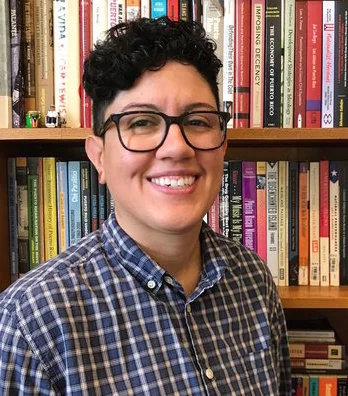
Marisol LeBrón
Fellow, Mexican American and Latina/o Studies, University of Texas at Austin
Marisol LeBrón is an Assistant Professor in the Department of Mexican American and Latina/o Studies at the University of Texas at Austin. An interdisciplinary scholar working across American Studies and Latinx Studies, her research focuses on social inequality, policing, violence, and protest movements in Puerto Rico and its diaspora.
Marisol LeBrón
Assistant Professor, Department of Mexican American and Latina/o Studies, University of Texas at Austin
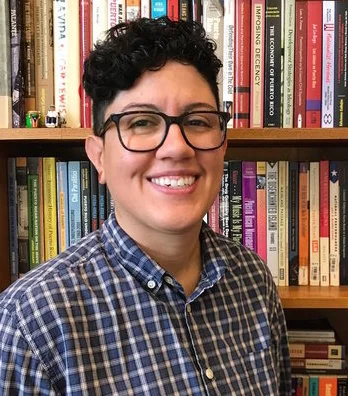
Marisol LeBrón is an Assistant Professor in the Department of Mexican American and Latina/o Studies at the University of Texas at Austin. An interdisciplinary scholar working across American Studies and Latinx Studies, her research focuses on social inequality, policing, violence, and protest movements in Puerto Rico and its diaspora. Her forthcoming book, Policing Life and Death: Race, Violence, and Resistance in Puerto Rico (University of California Press), examines the growth of punitive governance in contemporary Puerto Rico. She is also one of the creators of the Puerto Rico Syllabus, a digital project about the Puerto Rican debt crisis.
Working Group Affiliation
Unpayable Debt: Capital, Violence, and the New Global Economy

Ed Morales
Professor, Center for the Study of Ethnicity and Race, Columbia University
Ed Morales is an author and journalist who has written for The Nation, The New York Times, The Los Angeles Times, Rolling Stone, the Guardian, and City Limits, among many others. He is a former Village Voice staff writer and Newsday columnist and the author of Living in Spanglish (St. Martins) and The Latin Beat (Da Capo Press), as well as the upcoming Raza Matters (Verso Press). He is currently a lecturer at Columbia University’s Center for the Study of Ethnicity and Race, and hosts a show on WBAI-FM, 99.5 Pacifica Radio.
Ed Morales
Lecturer, Center for the Study of Ethnicity and Race, Columbia University

Ed Morales is an author and journalist who has written for The Nation, The New York Times, The Los Angeles Times, Rolling Stone, the Guardian, and City Limits, among many others. He is a former Village Voice staff writer and Newsday columnist and the author of Living in Spanglish (St. Martins) and The Latin Beat (Da Capo Press), as well as the upcoming Raza Matters (Verso Press). He is currently a lecturer at Columbia University’s Center for the Study of Ethnicity and Race, and hosts a show on WBAI-FM, 99.5 Pacifica Radio.
Morales was a touring member of Nuyorican Poets Café Live in the 1990s, appearing in several cities in the US and Europe and his poetry and short fiction has been published in anthologies on WW Norton and Harper Collins. He produced and co-directed Whose Barrio? (2009) a documentary about the gentrification of East Harlem, which showed at several film festivals. The film was inspired by “Spanish Harlem on His Mind,” an essay published in 2003 in The New York Times and in the anthology New York Stories: The Best of the City Section of the New York Times (NYU Press).
Working Group Affiliation
Unpayable Debt: Capital, Violence, and the New Global Economy
Sarah Muir
Fellow, Linguistic Anthropology, CUNY Graduate Center
Sarah Muir's research is situated at the intersection of linguistic, political-economic, and historical anthropology and grounded in ethnographic fieldwork and archival research in Argentina. Thematically, her work examines the practical logics of economic investment, ethical evaluation, and political critique, with a particular focus on financial crisis and social class.
Sarah Muir
Assistant Professor and Deputy Chair, Department of Anthropology, Gender Studies, and International Studies, City College, CUNY
Affiliated Faculty, Linguistic Anthropology, CUNY Graduate Center
Sarah Muir (Ph.D., University of Chicago 2011) is Assistant Professor at The City of University of New York. At The City College of New York, she teaches in the Department of Anthropology, Gender Studies, and International Studies and directs the International Studies Program. She also teaches linguistic anthropology in the Anthropology Program at The Graduate Center. Her research is situated at the intersection of linguistic, political-economic, and historical anthropology and examines the practical logics of economic investment, ethical evaluation, and political critique. Her first book, Routine Crisis: An Ethnography of Disillusion (University of Chicago Press, 2021), traces the lived consequences of Argentina's history of repeated financial crises. She is currently researching a new book project, Accounting for Kith and Kin: Financial Ethics and the Space-Time of Obligation, which interrogates the social life of economic numbers in Argentina. Her work has appeared in journals such as Annual Review of Anthropology, Cultural Anthropology, Comparative Studies in Society and History, Current Anthropology, Dialogues in Human Geography, City and Society, Journal of Cultural Economy, Journal of the Royal Anthropological Institute, and Review of the Italian Academic Association of Cultural Anthropologists. Formerly a Distinguished Scholar at the Advanced Research Collaborative (CUNY Graduate Center) and the Co-Director of the Unpayable Debt Working Group (Center for the Study of Social Difference, Columbia University), she has also helped curate and author works of public scholarship such as the "Global Debt Syllabus" and the "Caribbean Debt Syllabus."
Working Group Affiliation
Unpayable Debt: Capital, Violence, and the New Global Economy, Project Director
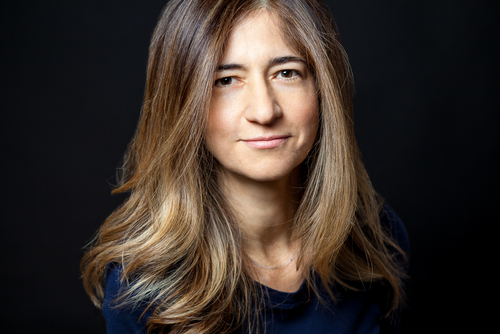
Frances Negrón-Muntaner
Professor, Department of English and Comparative Literature, Columbia University
Frances Negrón-Muntaner is a filmmaker, writer, curator, scholar and professor at Columbia University, where she is also the founding curator of the Latino Arts and Activism Archive. Among her books and publications are: Boricua Pop: Puerto Ricans and the Latinization of American Culture (CHOICE Award, 2004), The Latino Media Gap (2014), and Sovereign Acts: Contesting Colonialism in Native Nations and Latinx America (2017). Her most recent films include Small City, Big Change (2013), War for Guam (2015) and Life Outside (2016).
Frances Negrón-Muntaner
Professor of English and Comparative Literature, Former Director of the Center for the Study of Ethnicity and Race

Frances Negrón-Muntaner is a filmmaker, writer, scholar and professor at Columbia University, where she is also the founding curator of the Latino Arts and Activism Archive. Among her books and publications are: Boricua Pop: Puerto Ricans and the Latinization of American Culture (CHOICE Award, 2004), The Latino Media Gap (2014), and Sovereign Acts: Contesting Colonialism in Native Nations and Latinx America (2017). She has received various recognitions, including the United Nations' Rapid Response Media Mechanism designation as a global expert in the areas of mass media and Latin/o American studies (2008); the Lenfest Award, one of Columbia University's most prestigious recognitions for excellence in teaching and scholarship (2012), and the Latin American Studies Association’s Frank Bonilla Public Intellectual Award (2019). Negrón-Muntaner served as director of Columbia’s Center for the Study of Ethnicity and Race from 2009-2016 and co-director of Unpayable Debt, a working group that studied debt regimes in the world. Her most recent project is the award-winning Valor y Cambio (Value and Change), an art, digital storytelling and just economy project in Puerto Rico and New York (valorymcambio.org).
Social media: @imfrancesnegron, FB - Frances Negron Muntaner.
Working Group Affiliation
Unpayable Debt: Capital, Violence, and the New Global Economy, Project Director
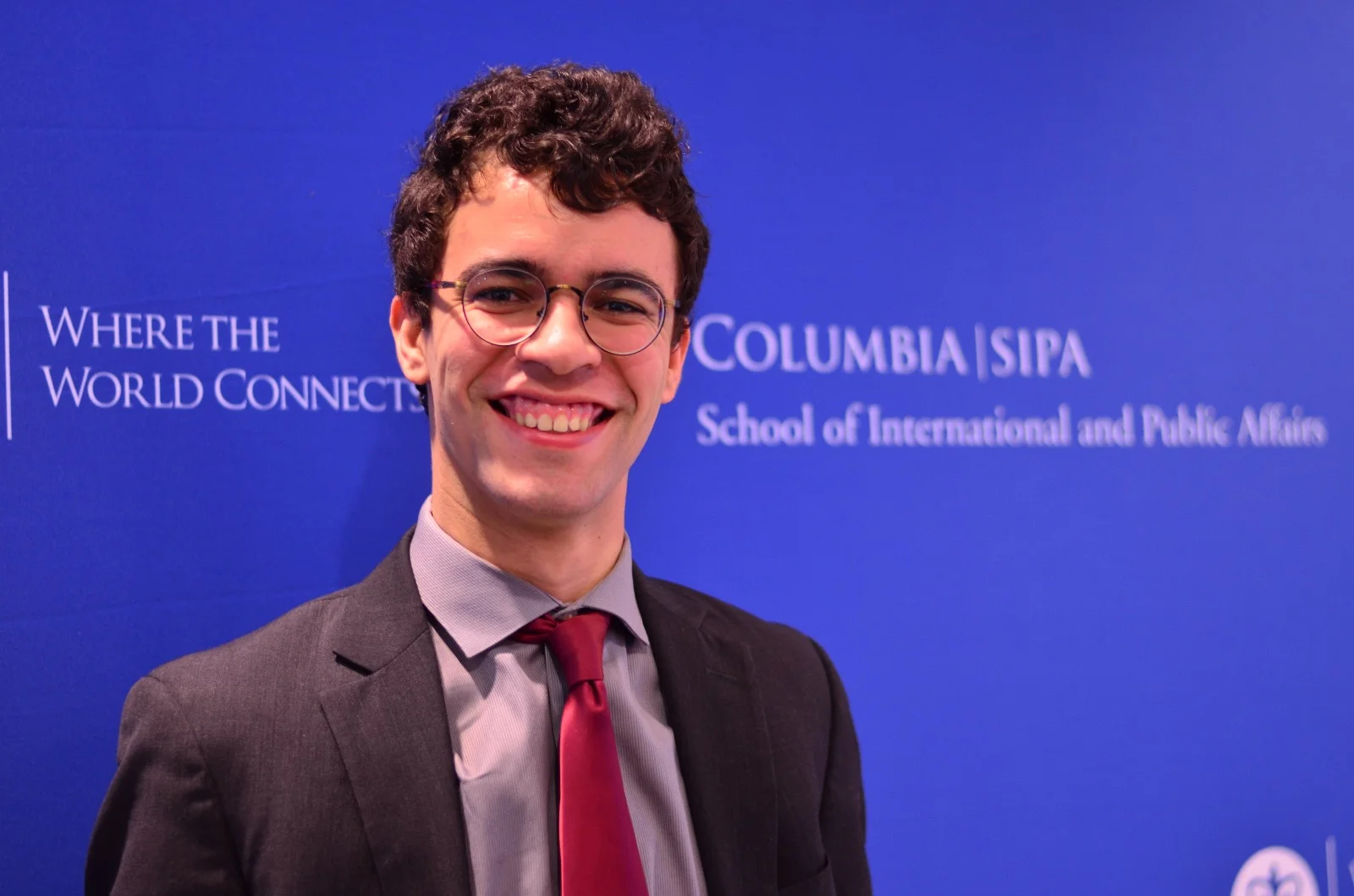
Giovanni Pagán Vélez
Doctoral Student, International Finance and Economic Policy, Columbia University
Giovanni Pagán Vélez is a student from San Juan, Puerto Rico. He is an MPA candidate at Columbia SIPA, concentrating in International Finance and Economic Policy.
Giovanni Pagán Vélez
MPA Candidate, Columbia University
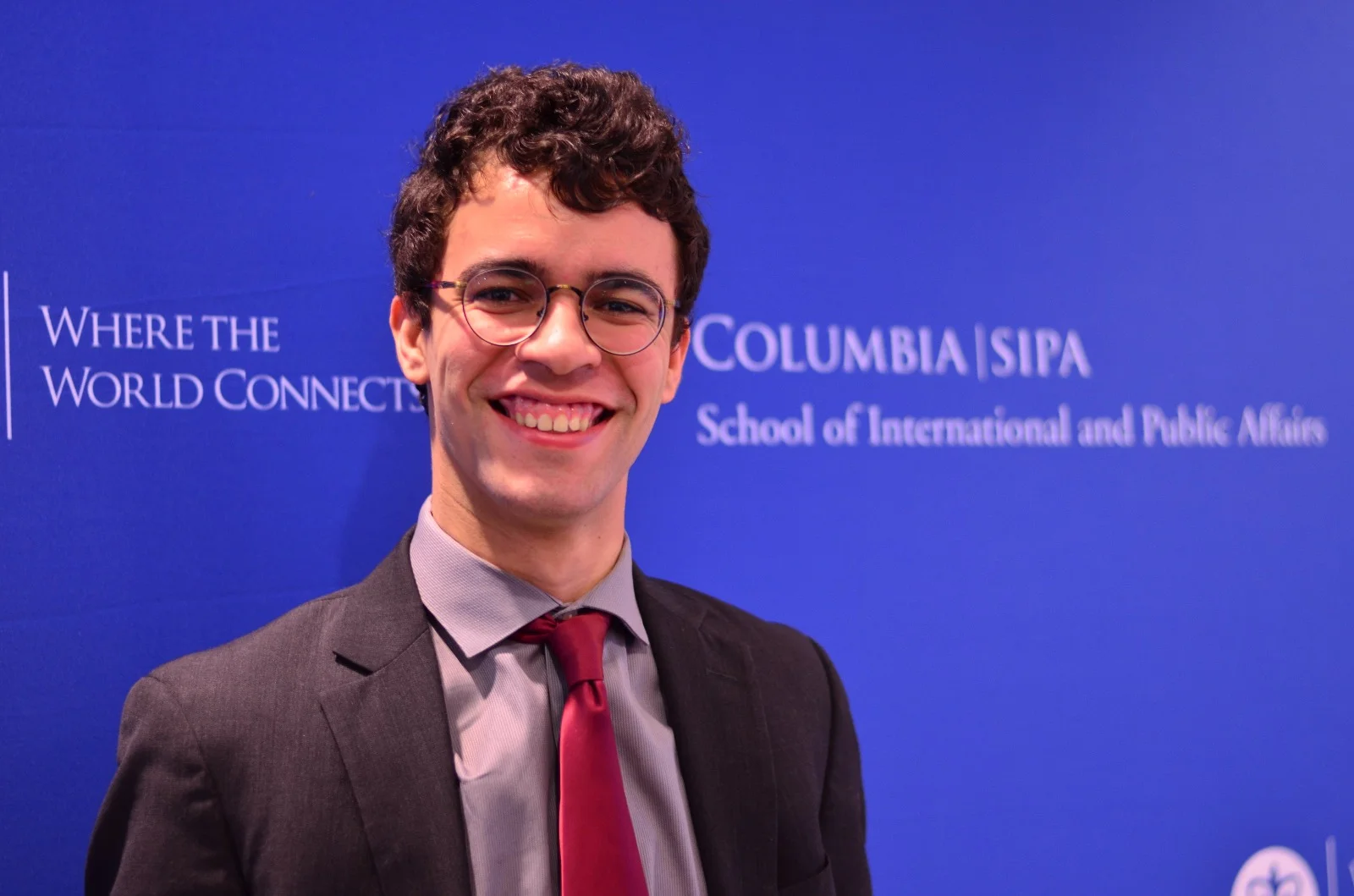
Giovanni Pagán Vélez is a student from San Juan, Puerto Rico. He is an MPA candidate at Columbia SIPA, concentrating in International Finance and Economic Policy. Giovanni also completed a Bachelor's Degree in Political Science at Columbia College in 2018.
Working Group Affiliation
Unpayable Debt: Capital, Violence, and the New Global Economy
Christina Duffy Ponsa
Professor, Department of Legal History, Columbia Law School
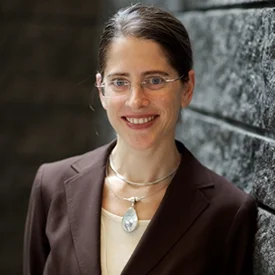
Christina Duffy Ponsa is the George Welwood Murray Professor of Legal History at Columbia Law School, where she teaches constitutional law and American legal history. Professor Ponsa is the author of several articles on the constitutional law and history of American territorial expansion and empire, and co-editor of Foreign in a Domestic Sense: Puerto Rico, American Expansion, and the Constitution (Duke U. Press, 2001). Before joining the Columbia faculty in 2007, she served as a law clerk to Judge José A. Cabranes on the Second Circuit Court of Appeals and to Justice Stephen G. Breyer on the United States Supreme Court.
Christina Duffy Ponsa
George Welwood Murray Professor of Legal History, Columbia Law School
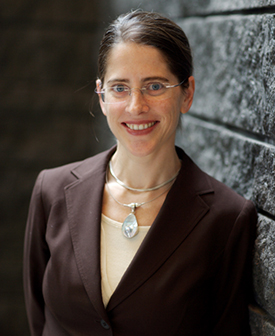
Christina Duffy Ponsa is the George Welwood Murray Professor of Legal History at Columbia Law School, where she teaches constitutional law and American legal history. Professor Ponsa is the author of several articles on the constitutional law and history of American territorial expansion and empire, and co-editor of Foreign in a Domestic Sense: Puerto Rico, American Expansion, and the Constitution (Duke U. Press, 2001). She holds degrees from Princeton (A.B. 1990, Ph.D. 2010), Cambridge (M.Phil. 1995), and Yale (J.D. 1998). Before joining the Columbia faculty in 2007, she served as a law clerk to Judge José A. Cabranes on the Second Circuit Court of Appeals and to Justice Stephen G. Breyer on the United States Supreme Court.
Working Group Affiliation
Unpayable Debt: Capital, Violence, and the New Global Economy
Huáscar Robles
Fellow, Photographer, Columbia University
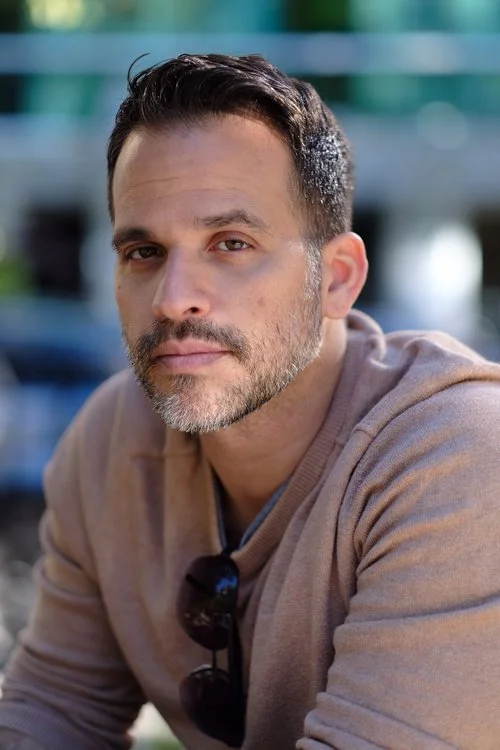
Huáscar Robles is an author and photographer from Caguas, Puerto Rico. He has written about the revitalization of Santurce, Puerto Rico through tax incentives and the impact of the economic crisis on the Island’s middle class.
Huáscar Robles
Author and Photographer
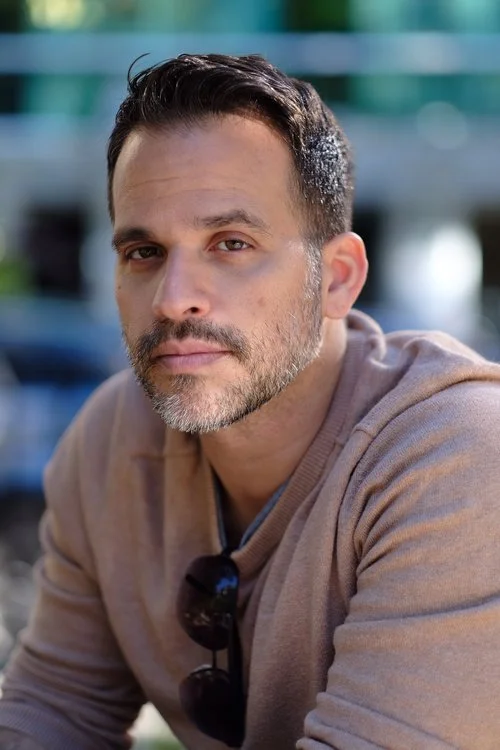
Huáscar Robles is an author and photographer from Caguas, Puerto Rico. He has written about the revitalization of Santurce, Puerto Rico through tax incentives and the impact of the economic crisis on the Island’s middle class. His current research details the the impact of the municipal bond debt of Puerto Rico’s culture.
Huáscar's photo and miltimedia exhibits in the US and Puerto Rico include The Country Under My Skin, Los silencios de Santurce, and Portraits of Marassa. He also directed The Invisible Coast, a documentary about Haitian merchants’ struggle in Loíza, Puerto Rico. His collection Country Under My Skin was acquired by the Rhode Island Historical Society’s Permanent Gallery in 2010.
Huáscar is author of Puertos príncipes: temblemos todos, a journal and photo book on Haiti after the earthquake. He has published in The New York Times, Chicago Tribune’s Hoy, and The San Juan Star among others.
Working Group Affiliation
Unpayable Debt: Capital, Violence, and the New Global Economy