
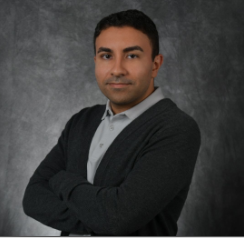
Michael Awad
PhD Student, Counseling Psychology, Columbia University
Michael Awad is a completing his Ph.D. in counseling psychology at Teachers College, Columbia University. He earned dual master’s degrees in mental health counseling and professional counseling from Seton Hall University. He has experience working with diverse populations across the lifespan at every level of behavioral health care, including inpatient psychotherapy at Greystone Park Psychiatric Hospital, neuropsychological assessment at the Cognitive and Research Center of NJ, intensive outpatient psychotherapy at Overlook Medical Center, community mental health at the Dean Hope Center, behavioral medicine at Morristown Medical Center, addictions counseling at the NJ Department of Veterans Affairs, and integrated health care through the Health Resources and Services Administration Graduate Psychology Education Program.
Michael Awad
PhD Student, Teacher's College, Columbia University
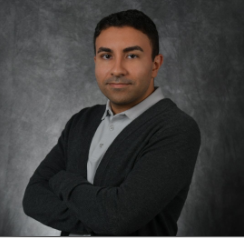
Michael Awad is a completing his Ph.D. in counseling psychology at Teachers College, Columbia University. He earned dual master’s degrees in mental health counseling and professional counseling from Seton Hall University. He has experience working with diverse populations across the lifespan at every level of behavioral health care, including inpatient psychotherapy at Greystone Park Psychiatric Hospital, neuropsychological assessment at the Cognitive and Research Center of NJ, intensive outpatient psychotherapy at Overlook Medical Center, community mental health at the Dean Hope Center, behavioral medicine at Morristown Medical Center, addictions counseling at the NJ Department of Veterans Affairs, and integrated health care through the Health Resources and Services Administration Graduate Psychology Education Program. He currently works as a school counselor at Prep for Prep, New York City’s oldest leadership and academic development program for students of color. Michael has done extensive advocacy work at the national level related to behavioral health equity as a two-time public policy fellow of the Substance Abuse and Mental Health Services Administration. His doctoral research focuses on cultural issues in psychology. Specific projects include validating culturally-sensitive assessment tools for understanding masculinity in multicultural populations, developing a strategic framework for disarming microaggressions as lab leader to Dr. Derald Wing Sue’s research team, and conducting participatory action evaluations with under-resourced community agencies employing effective behavioral health interventions not specified in the literature. He is currently developing and piloting a peer health program through the Raising Educational Achievement Coalition of Harlem at two secondary schools.
Working Group Affiliation

Neha Dagaonkar
Research Operations Manager, Institute for Genomic Medicine, Columbia University College of Physicians and Surgeons
After completing her MS in Biotechnology from the Indian Institute of Technology, Neha Dagaonkar worked as Scientist in pharmaceutical sector for several years before transitioning to Molecular Diagnostics. She has a penchant for global health policy with respect to Economics and Race and Ethnicity. She works as Volunteer for several organizations with focus on Health Policy and Genomics. She is an active blogger and policy advocate for Global health, International relations and Health Economics.
Neha Dagaonkar
Research Operations Manager, Genomics Analysis Facility, Institute for Genomic Medicine, Columbia University

After completing her MS in Biotechnology from the Indian Institute of Technology, Neha Dagaonkar worked as Scientist in pharmaceutical sector for several years before transitioning to Molecular Diagnostics. She has a penchant for global health policy with respect to Economics and Race and Ethnicity. She works as Volunteer for several organizations with focus on Health Policy and Genomics. She is an active blogger and policy advocate for Global health, International relations and Health Economics.
Working Group Affiliation

Danielle Goldman
Doctoral Student, Neuroscience and Behavior, Columbia University
Danielle Goldman is a current graduate student studying Bioethics at Columbia University with a focus on the intersection between neuroscience, genetics, and pediatric protections. She graduated with an undergraduate degree in Neuroscience and Behavior from Columbia University in 2016. Her interest in translational research was ignited when she was named an Intel (now: Regeneron) Science Talent Search finalist in 2012. Since then, she has only augmented and diversified her scientific curiosities.
Danielle Goldman
Graduate Student, Columbia University

Danielle Goldman is a current graduate student studying Bioethics at Columbia University with a focus on the intersection between neuroscience, genetics, and pediatric protections. She graduated with an undergraduate degree in Neuroscience and Behavior from Columbia University in 2016. Her interest in translational research was ignited when she was named an Intel (now: Regeneron) Science Talent Search finalist in 2012. Since then, she has only augmented and diversified her scientific curiosities. In addition to her graduate studies, she currently is a research associate in two laboratories at Columbia studying developmental trajectories of emotion regulation in youth, and prenatal biomarkers of neurodevelopmental risk. Danielle is ardently passionate about continuing her graduate studies in a PhD program that will allow her to integrate her interdisciplinary interests in neuroscience, genetics, bioethics, and developmental science.
Working Group Affiliation

Emily Groopman
Doctoral Student, Human Evolutionary Biology, Columbia University College of Physicians and Surgeons
Emily Groopman is a third year MD/PhD student at Columbia University College of Physicians and Surgeons. She was born and raised in Brookline, MA, and graduated magna cum laude with Highest Honors in Human Evolutionary Biology from Harvard College. Her PhD research, in the lab of Dr. Ali Gharavi, applies genomic methods to discover variants predisposing individuals to different forms of chronic kidney disease, in order to deliver personalized diagnoses and treatment. Her interests include bioethics, medical humanism, and integrating cultural differences into the delivery of care.
Emily Groopman
Graduate Student, Columbia University College of Physicians and Surgeons

Emily Groopman is a fourth year MD/PhD student at Columbia University College of Physicians and Surgeons. She was born and raised in Brookline, MA, and graduated magna cum laude with Highest Honors in Human Evolutionary Biology from Harvard College. Her PhD research, in the lab of Dr. Ali Gharavi, applies genomic sequencing technologies for genetic diagnosis and discovery for individuals with chronic kidney disease. Her interests include personalized medicine, bioethics, medical humanism, and integrating cultural differences into the delivery of care.
Working Group Affiliation
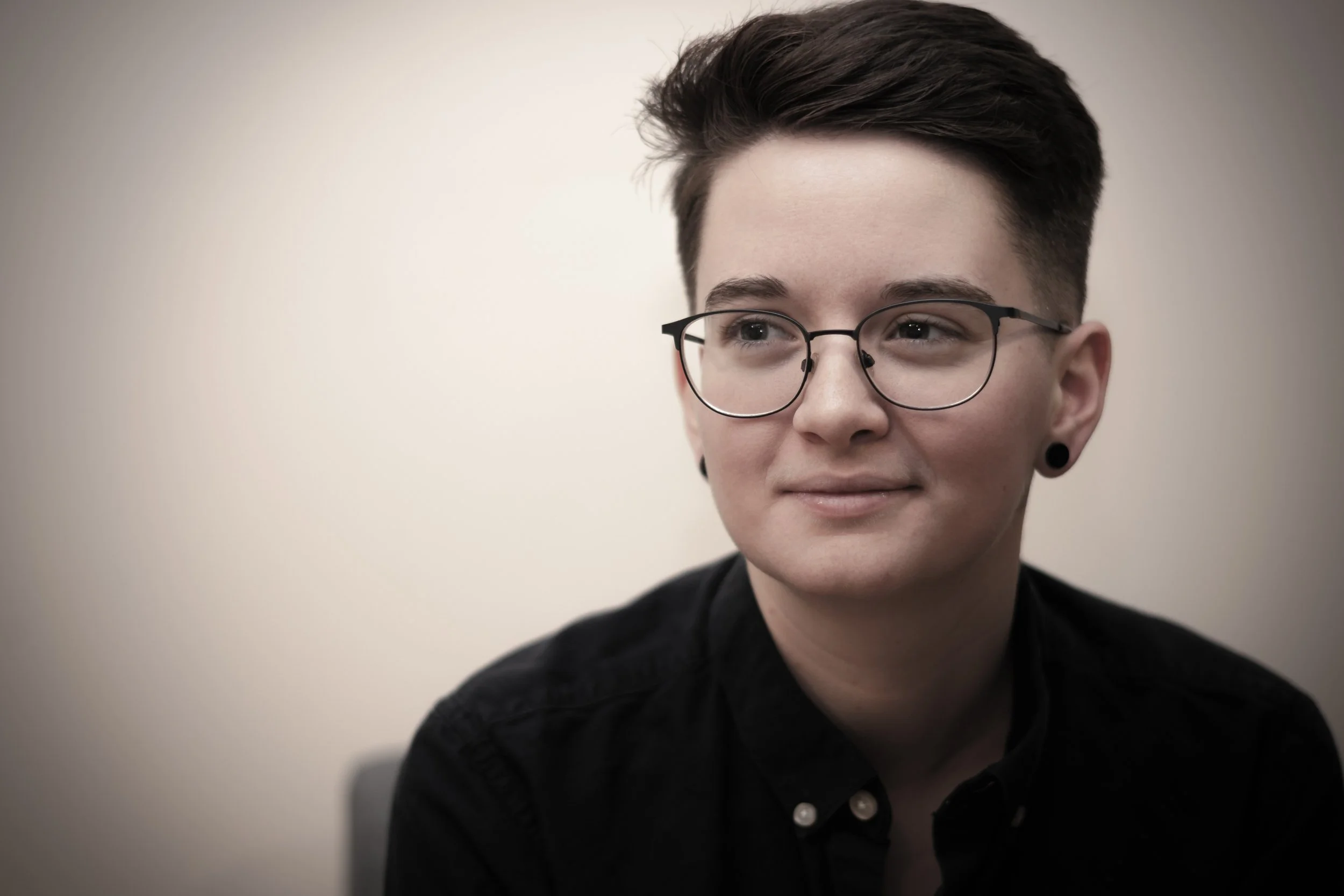
Levi C. R. Hord
PhD Candidate, English & Comparative Literature, Columbia University
Levi C. R. Hord is a writer, scholar, and public speaker based in Lenapehoking (New York City). They are currently a Ph.D. student in the department of English & Comparative Literature at Columbia University, where they hold a Doctoral Fellowship from the Social Sciences and Humanities Research Council of Canada.
Levi C. R. Hord
PhD Student, Department of English & Comparative Literature, Columbia University
Levi C. R. Hord is a writer, scholar, and public speaker based in Lenapehoking (New York City). They are currently a Ph.D. student in the department of English & Comparative Literature at Columbia University, where they hold a Doctoral Fellowship from the Social Sciences and Humanities Research Council of Canada. Under the supervision of Professor Jack Halberstam, Levi’s research focuses on post-2010 shifts in gender identity claims, especially the flourishing uptake of “nonbinary”. Through their academic work, Levi aims to demystify cultural and legal anxieties surrounding this significant shift in mainstream gender politics, and turn this site of theorization into an opportunity for more effective political conversations.
Outside of the university, Levi devotes their time to community-facing research roles and public speaking. Between 2019 and 2021, they designed and ran nation-wide community consultations on transgender healthcare and criminal justice through Stonewall UK. Levi has been an invited speaker at venues including the Professional Institute of the Public Service Canada, TEDx, the Fierté Canada Pride National Conference, the Women of the World Festival, and the University of Oxford.
At Columbia, Levi is also affiliated with the Institute for the Study of Sexuality and Gender, and runs the Trans & Queer Theory Graduate Colloquium through the English department. They are the 2022-2023 Graduate Assistant for Queer Theory: Here, Now, and Everywhere.

Kristina Hosi
Graduate Student, Columbia University
Kristina Hosi is second year MS in Bioethics student at Columbia University, where she serves on the SPS Student Government. She has a B.A. from the University of Virginia in Biology. Her current academic interests lie in reproductive ethics, specifically the intersection of medical and scientific reproductive technology advancements and their social implications for women. She hopes to expand the conversation of health, healthcare, and ethics into the present news and global dialogue. Outside of academia, she is a co-founder and copy-writer for FEME, a female-centric information site on women, womanhood, and sex. She also enjoys cooking with friends and exploring to find the city's hidden gems.
Kristina Hosi
Graduate Student, Columbia University

Kristina Hosi is second year MS in Bioethics student at Columbia University, where she serves on the SPS Student Government. She has a B.A. from the University of Virginia in Biology. Her current academic interests lie in reproductive ethics, specifically the intersection of medical and scientific reproductive technology advancements and their social implications for women. She hopes to expand the conversation of health, healthcare, and ethics into the present news and global dialogue. Outside of academia, she is a co-founder and copy-writer for FEME, a female-centric information site on women, womanhood, and sex. She also enjoys cooking with friends and exploring to find the city's hidden gems.
Working Group Affiliation
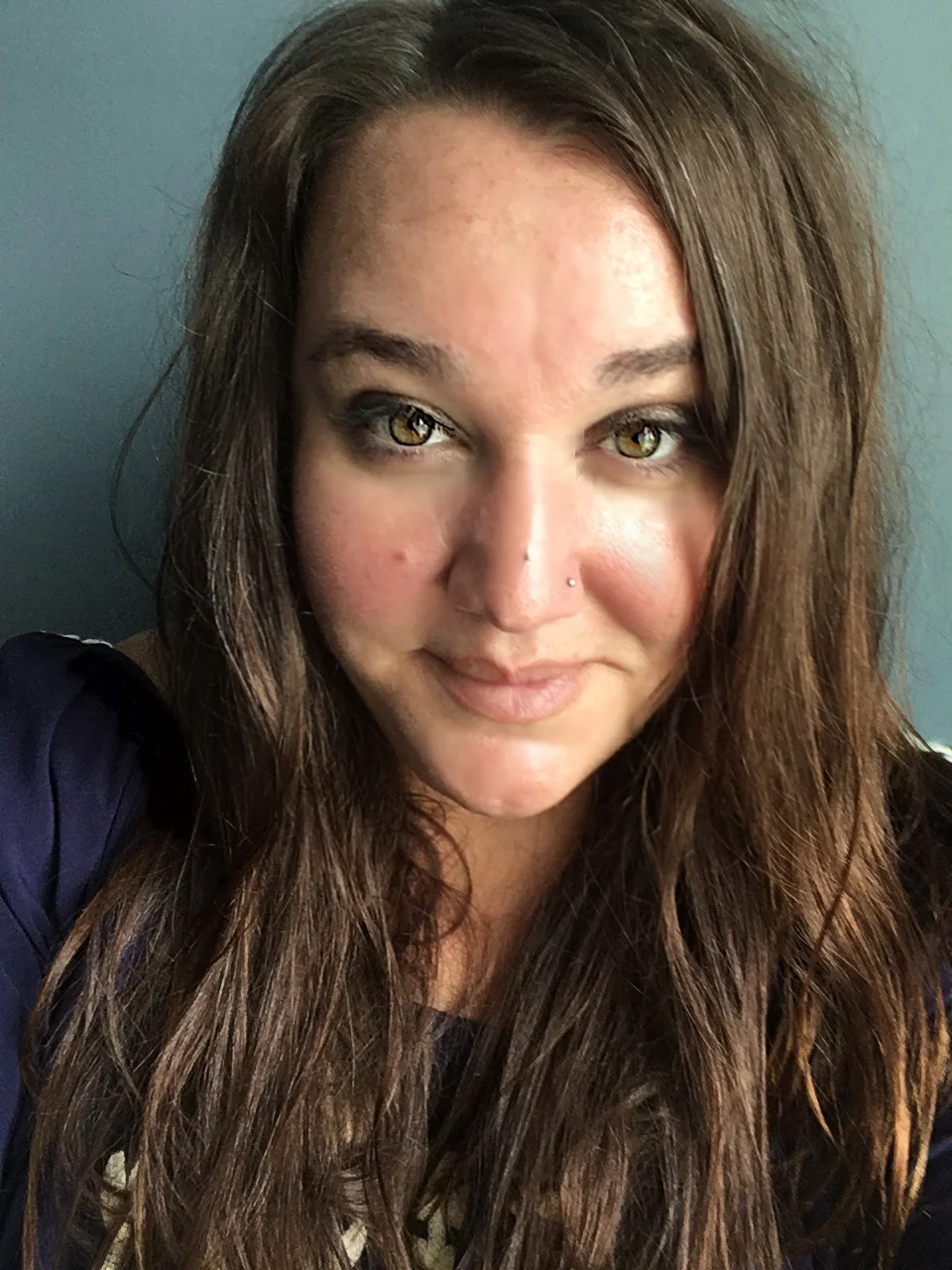
Courtni Jeffers
Doctoral Student, Narrative Medicine, Columbia University
Courtni Jeffers is currently a graduate student in the Narrative Medicine Program at Columbia University. Prior to her time at Columbia she earned a bachelor’s degree in Medical Humanities and a bachelor’s degree in Biology at IUPUI in Indianapolis, Indiana. After completing her M.S. in Narrative Medicine, Courtni hopes to pursue osteopathic medicine with a specialty in hospice care. She is passionate about writing and hopes to use the art of storytelling to facilitate honest and healing conversations about the end of life, with her hospice patients and their families.
Courtni Jeffers
Graduate Student, Columbia University

Courtni Jeffers is currently a graduate student in the Narrative Medicine Program at Columbia University. Prior to her time at Columbia she earned a bachelor’s degree in Medical Humanities and a bachelor’s degree in Biology at IUPUI in Indianapolis, Indiana. After completing her M.S. in Narrative Medicine, Courtni hopes to pursue osteopathic medicine with a specialty in hospice care. She is passionate about writing and hopes to use the art of storytelling to facilitate honest and healing conversations about the end of life, with her hospice patients and their families.
Working Group Affiliation
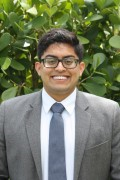
Dhaval Khamar
Doctoral Student, Bioethics, Columbia University
Dhaval Khamar is a graduate student in Columbia’s bioethics program and previously attended the University of Central Florida, earning a B.S. in Biology and a B.A. in Religion and Cultural Studies both with honors. His areas of interest in bioethics are end of life ethics, access to medical innovation, and health policy ethics. Dhaval has also contributed to health policy efforts in New York as an intern at the New York State Task Force on Life and the Law.
Dhaval Khamar
Graduate Student, Columbia University
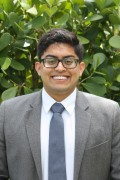
Dhaval Khamar is a graduate student in Columbia’s bioethics program and previously attended the University of Central Florida, earning a B.S. in Biology and a B.A. in Religion and Cultural Studies both with honors. His areas of interest in bioethics are end of life ethics, access to medical innovation, and health policy ethics. Dhaval has also contributed to health policy efforts in New York as an intern at the New York State Task Force on Life and the Law.
Working Group Affiliation
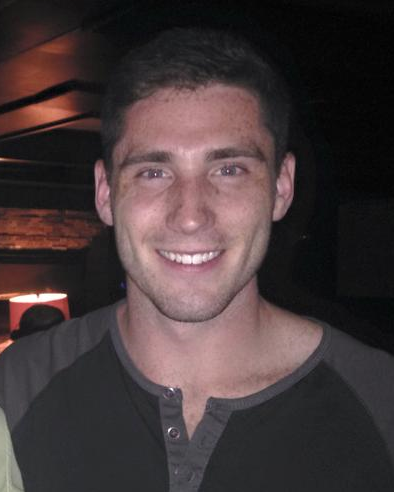
Daniel Krizay
PhD Student, Genetics & Development, Columbia University
Daniel Krizay is a PhD student in the department of Genetics & Development, who is currently a researcher in the lab of Dr. David Goldstein in the Institute for Genomic Medicine. Daniel is originally from Centreville, Virginia and attended Northeastern University where he received his B.S. degree in Biochemistry. Before moving to New York City for graduate school, Daniel worked full-time for nearly two years in Boston as a researcher in fields ranging from antibiotic characterization to Spinal Muscular Atrophy research.
Daniel Krizay
PhD Student, Columbia University

Daniel Krizay is a PhD student in the department of Genetics & Development, who is currently a researcher in the lab of Dr. David Goldstein in the Institute for Genomic Medicine. Daniel is originally from Centreville, Virginia and attended Northeastern University where he received his B.S. degree in Biochemistry. Before moving to New York City for graduate school, Daniel worked full-time for nearly two years in Boston as a researcher in fields ranging from antibiotic characterization to Spinal Muscular Atrophy research. As a graduate student, Daniel’s research focuses on the modelling and characterization of genetic causes of neurological conditions. In particular, he is researching Dravet Syndrome, a rare genetic epileptic encephalopathy, with the long-term goal of identifying novel therapeutic options for those suffering from this disease.
Working Group Affiliation
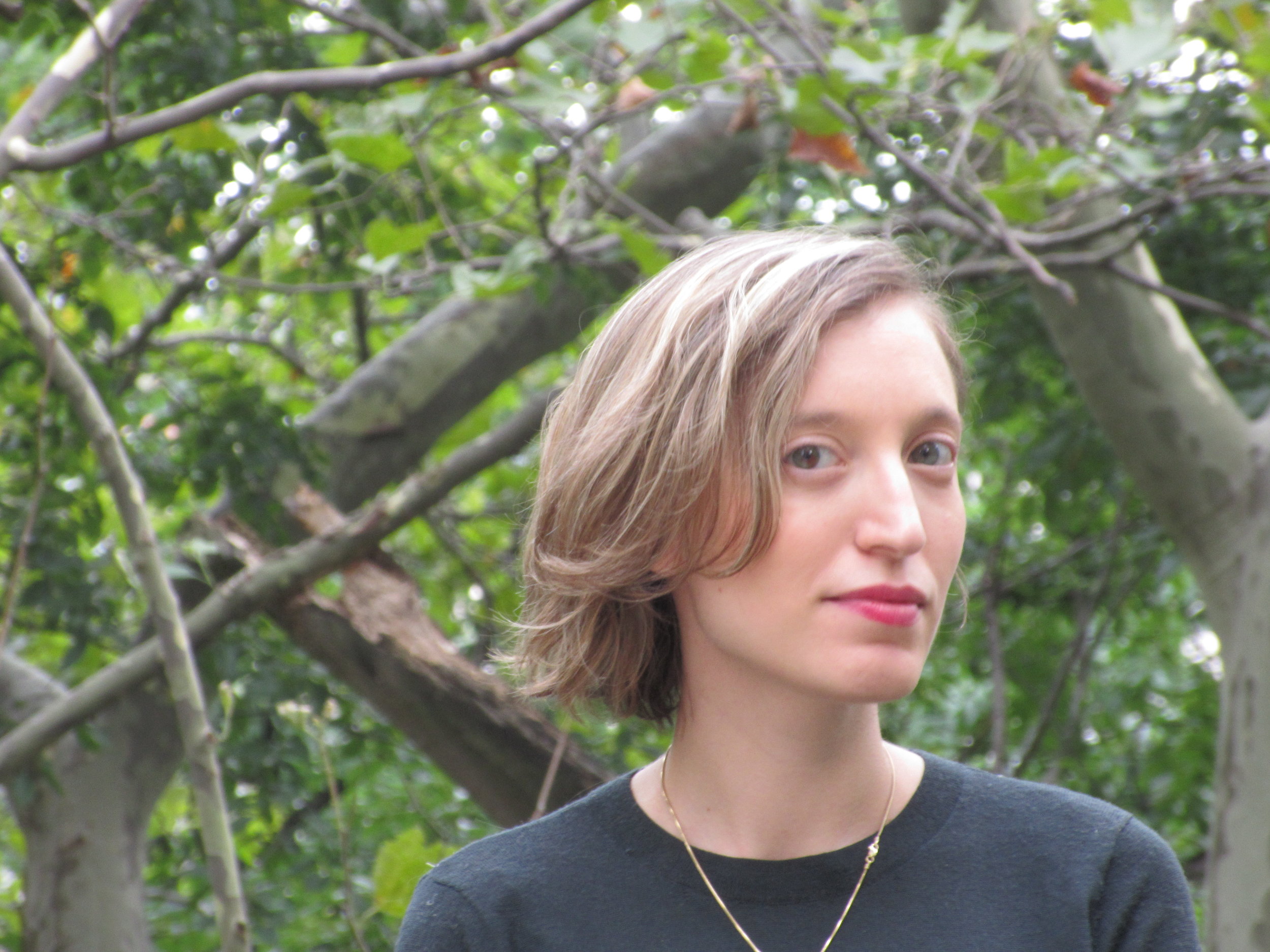
Moran Levy
PhD Student, Sociology, Columbia University
Moran Levy is a Doctoral Candidate at the Department of Sociology at Columbia University and a fellow with the working group on Precision Medicine: Ethics, Politics and Culture. Moran’s research focuses on classification of patients and diseases. She examines the role of social institutions in shaping biomedical classification as well the social consequences of diagnostic practices.
Moran Levy
PhD Student, Columbia University
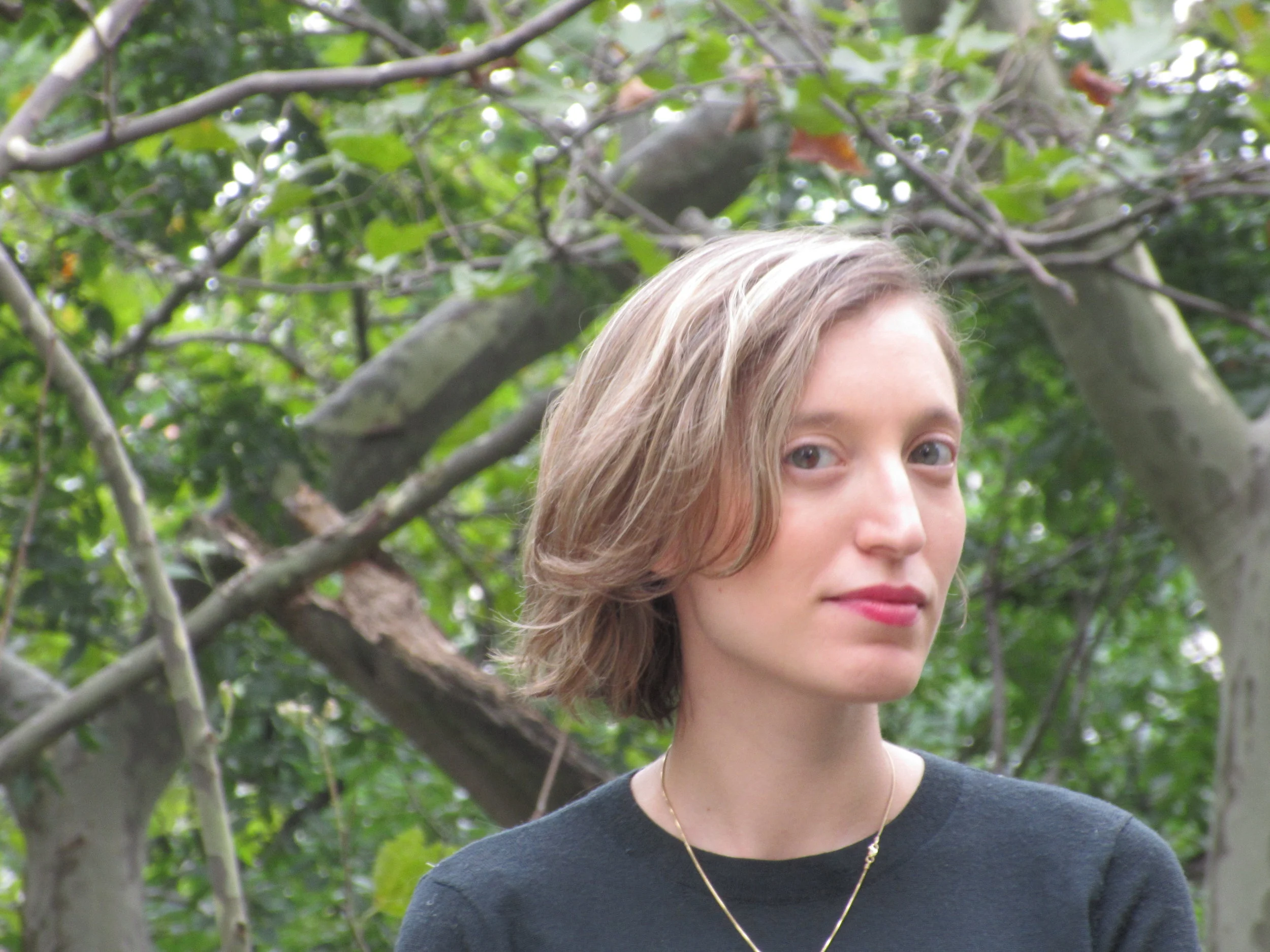
Moran Levy is a Doctoral Candidate at the Department of Sociology at Columbia University and a fellow with the working group on Precision Medicine: Ethics, Politics and Culture.
Moran’s research focuses on classification of patients and diseases. She examines the role of social institutions in shaping biomedical classification as well the social consequences of diagnostic practices. Her dissertation focuses on cancer clinical trials conducted between 1950-1990 and explores how cancer diagnoses changed as different groups of experts brought into research and into healthcare new, and often conflicting approaches to classifications. She then investigates the implication of such transformation for patients and their effect on health inequalities. As part of the Precision Medicine group, Moran examines these questions in the context of cancer genetics. The introduction of genetics into cancer medicine creates new, increasingly narrow, cancer diagnoses. Moran’s research aims to explore the social consequences of the splitting up of diagnoses; how do new genetic classification map onto and interact with existing social and clinical categories? How might the specification of diagnoses affect patient mobilization and the inclusion/exclusion of patients from diverse social groups in cancer research?
Working Group Affiliation
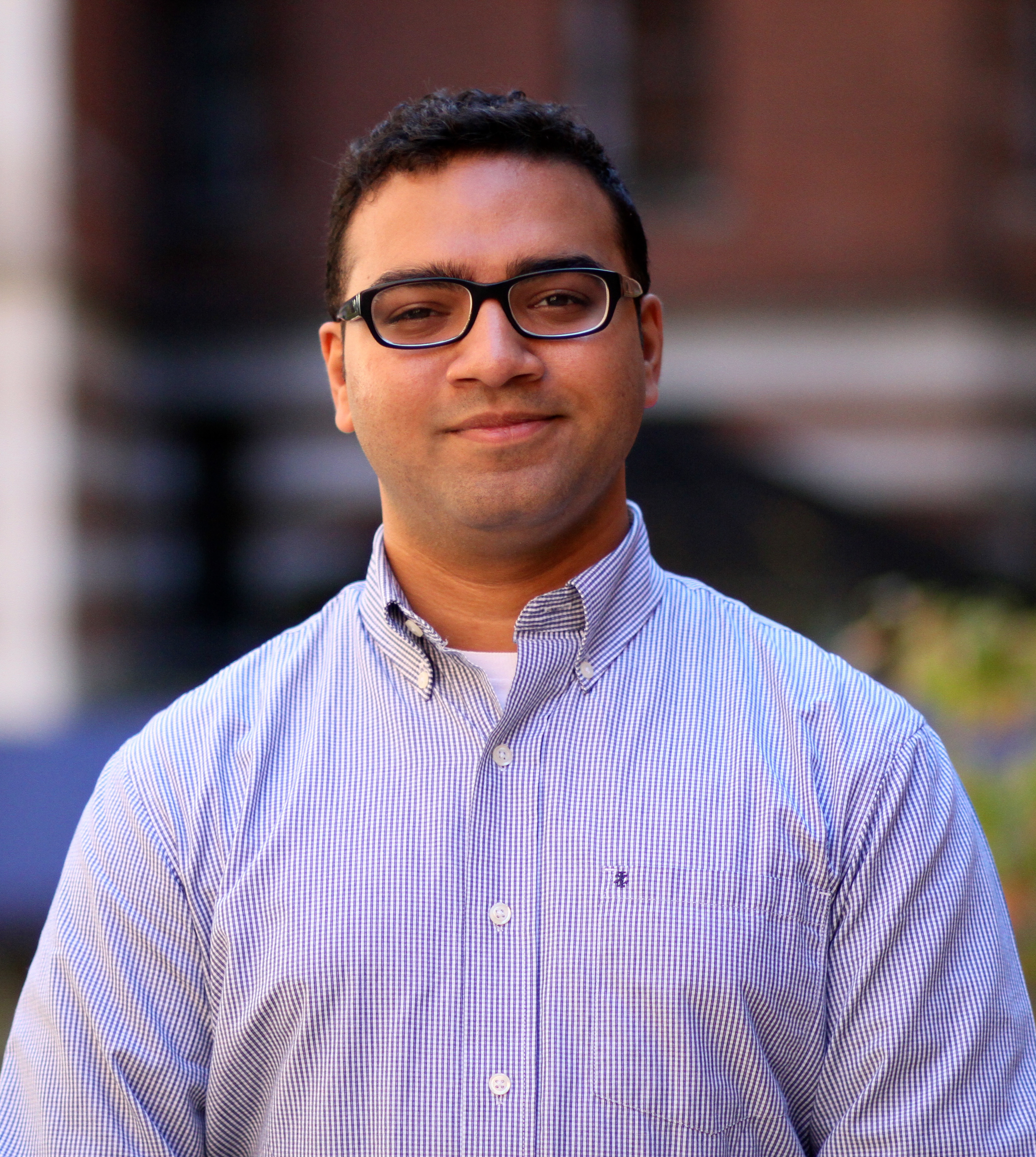
Amar Mandavia
Doctoral Student, Clinical Psychology, Columbia University
Amar Mandavia is currently a second-year doctoral student pursuing clinical psychology at Teachers College, Columbia University from where he also holds a master’s degree in clinical psychology. In his current involvement with ELSI, Amar is assisting in a systematic review to identify genetic markers and subsequent variations among different racial and ethnicity groups to inform PMI research efforts. His master’s thesis focused on analyzing longitudinal epidemiological data to identify prospective psychosocial factors that impact transition to and recovery from homelessness among adults in the US.
Amar Mandavia
Graduate Student, Teachers College, Columbia University

Amar Mandavia is currently a second-year doctoral student pursuing clinical psychology at Teachers College, Columbia University from where he also holds a master’s degree in clinical psychology. In his current involvement with ELSI, Amar is assisting in a systematic review to identify genetic markers and subsequent variations among different racial and ethnicity groups to inform PMI research efforts. His master’s thesis focused on analyzing longitudinal epidemiological data to identify prospective psychosocial factors that impact transition to and recovery from homelessness among adults in the US. His current research examines the impact of the social environment and community participation among couples who were previously homeless and its impact upon their risk recurrent homelessness.
Working Group Affiliation

Christie Oliver
Doctoral Student, Biomedical Science, Columbia University
Christie Oliver will be starting at Columbia University, School of Professional Studies, as a graduate student in the Bioethics program in Fall 2017. She is from Edinburgh, Scotland and has a Bachelor’s degree with honors in Biomedical Science (Anatomy) from University of Aberdeen. Her thesis focused on fetal testosterone and the role it plays in the development of autism spectrum disorders. She is fascinated by the differences in health care systems globally and is passionate about the development of emerging medical fields. She is an active runner and loves to do yoga.
Christie Oliver
Graduate Student, School of Professional Studies, Columbia University

Christie Oliver will be starting at Columbia University, School of Professional Studies, as a graduate student in the Bioethics program in Fall 2017. She is from Edinburgh, Scotland and has a Bachelor’s degree with honors in Biomedical Science (Anatomy) from University of Aberdeen. Her thesis focused on fetal testosterone and the role it plays in the development of autism spectrum disorders. She is fascinated by the differences in health care systems globally and is passionate about the development of emerging medical fields. She is an active runner and loves to do yoga.
Working Group Affiliation
Andrew Ressler
PhD Student, Systems Biology, Columbia University
Andrew Ressler is a PhD Candidate in the department of Systems Biology. Andrew is currently a researcher in the Institute for Genomic Medicine in Dr. David Goldstein’s lab. He received his Bachelors of Science in Applied Math and Biology from Brown University in 2013. After graduating, Andrew worked as an associate in finance at Amgen for two years before beginning his PhD at Columbia University in 2015. As a graduate student, Andrew’s research focuses on developing methods to model and characterize neuropsychiatric disease using human stem cell derived cultured neuronal networks.
Andrew Ressler
PhD Student, Columbia University
Andrew Ressler is a PhD Candidate in the department of Systems Biology. Andrew is currently a researcher in the Institute for Genomic Medicine in Dr. David Goldstein’s lab. He received his Bachelors of Science in Applied Math and Biology from Brown University in 2013. After graduating, Andrew worked as an associate in finance at Amgen for two years before beginning his PhD at Columbia University in 2015. As a graduate student, Andrew’s research focuses on developing methods to model and characterize neuropsychiatric disease using human stem cell derived cultured neuronal networks.
Working Group Affiliation

Taylor Santoro
Doctoral Student, Bioethics, Columbia University
Taylor Santoro is a graduate student in the Bioethics program at Columbia University School of Professional Studies. In May 2017 she graduated with honors from Wake Forest University with a double B.A. in Economics and Studio Art. After graduate school she plans to attend medical school and continue to pursue her research interests in the biomedical field. In her free time she focuses the majority of her time between her passion for cooking and completing her current painting projects!
Taylor Santoro
Graduate Student, School of Professional Studies, Columbia University

Taylor Santoro is a graduate student in the Bioethics program at Columbia University School of Professional Studies. In May 2017 she graduated with honors from Wake Forest University with a double B.A. in Economics and Studio Art. After graduate school she plans to attend medical school and continue to pursue her research interests in the biomedical field. In her free time she focuses the majority of her time between her passion for cooking and completing her current painting projects!
Working Group Affiliation

Srishti Sardana
Doctoral Student, Counseling and Clinical Psychology, Columbia University
Srishti Sardana is a graduate student in the Department of Counseling and Clinical Psychology, in the Global Mental Health Lab, Teachers College, Columbia University. She is also a Research Assistant at the New York State Psychiatric Institute and Columbia University Medical Center. She has assisted on various projects with the aim to build skills needed to conduct high-impact mental health research in low-resource settings.
Srishti Sardana
Graduate Student (Doctoral Scholar), Teachers College, Columbia University.

Srishti Sardana is a graduate student in the Department of Counseling and Clinical Psychology, in the Global Mental Health Lab, Teachers College, Columbia University. She is also a Research Assistant at the New York State Psychiatric Institute and Columbia University Medical Center. She has assisted on various projects with the aim to build skills needed to conduct high-impact mental health research in low-resource settings. She has worked with faculty and advanced graduate students on several studies including examining the feasibility and acceptability of evidence-based psychotherapy (specifically, interpersonal psychotherapy) to address the mental health needs of adolescent girls trafficked for sex work and prostitution in India; communities impacted by the Syrian refugee crisis in Lebanon; and implemented a pilot study to assess the mental health needs of home-based female sex workers in rural India for her Master’s thesis, at Teachers College. Srishti is currently examining how the precision medicine initiative may benefit a larger population by ensuring an equitable racial representation of individuals of different ethnic groups. Before enrolling at Columbia University, Sardana was employed in the juvenile offender unit at the Institute of Juvenile Justice, Delhi Police where she initiated a narrative therapy-based intervention project for youth offenders. She also helped a local mental health NGO with the Building Bonds project, which trained 100,000 men and boys to become active stakeholders in prevention of violence against women and girls in Delhi, India. Srishti is the co-founder of Sishu Vikas, an NGO, where she assisted in clinical work focused on providing therapeutic support for child and adult clients in need for crisis and suicide assessment and intervention for individuals exposed to violence, neglect, and sexual abuse. As a doctoral student, Srishti’s research is focused on bridging the gap in clinical science research and practice, with a specific focus on socially disadvantaged communities with severe mental illnesses.
Working Group Affiliation

Jeremy Shropshire
Graduate Student, Columbia University
Jeremy Shropshire is a Louisiana native from Hammond, La. He is a recent graduate of Xavier University of Louisiana with a Bachelors of Science in Chemistry. At Xavier, Jeremy conducted research under the mentorship of Dr. Stassi DiMaggio in the Department of Organic Chemistry. His project focused on developing stimuli-responsive nanomaterials in order to be used as potential drug-delivery systems. He is also a Minority Access to Careers Scholar, Ronald E. McNair Scholar, and a member of the Alpha Phi Alpha Fraternity Inc. He is currently enrolled in the Masters of Bioethics Program at Columbia University in the City of New York via the HBCU Fellowship Initiative.
Graduate Student, Columbia University

Jeremy Shropshire is a Louisiana native from Hammond, La. He is a recent graduate of Xavier University of Louisiana with a Bachelors of Science in Chemistry. At Xavier, Jeremy conducted research under the mentorship of Dr. Stassi DiMaggio in the Department of Organic Chemistry. His project focused on developing stimuli-responsive nanomaterials in order to be used as potential drug-delivery systems. He is also a Minority Access to Careers Scholar, Ronald E. McNair Scholar, and a member of the Alpha Phi Alpha Fraternity Inc. He is currently enrolled in the Masters of Bioethics Program at Columbia University in the City of New York via the HBCU Fellowship Initiative. Jeremy has an acute interest in healthcare policy and the way that law regulates ethical practices. Jeremy looks forward to embracing his role as an Associate Fellow by contributing and learning from the Precision Medicine Program.
Working Group Affiliation
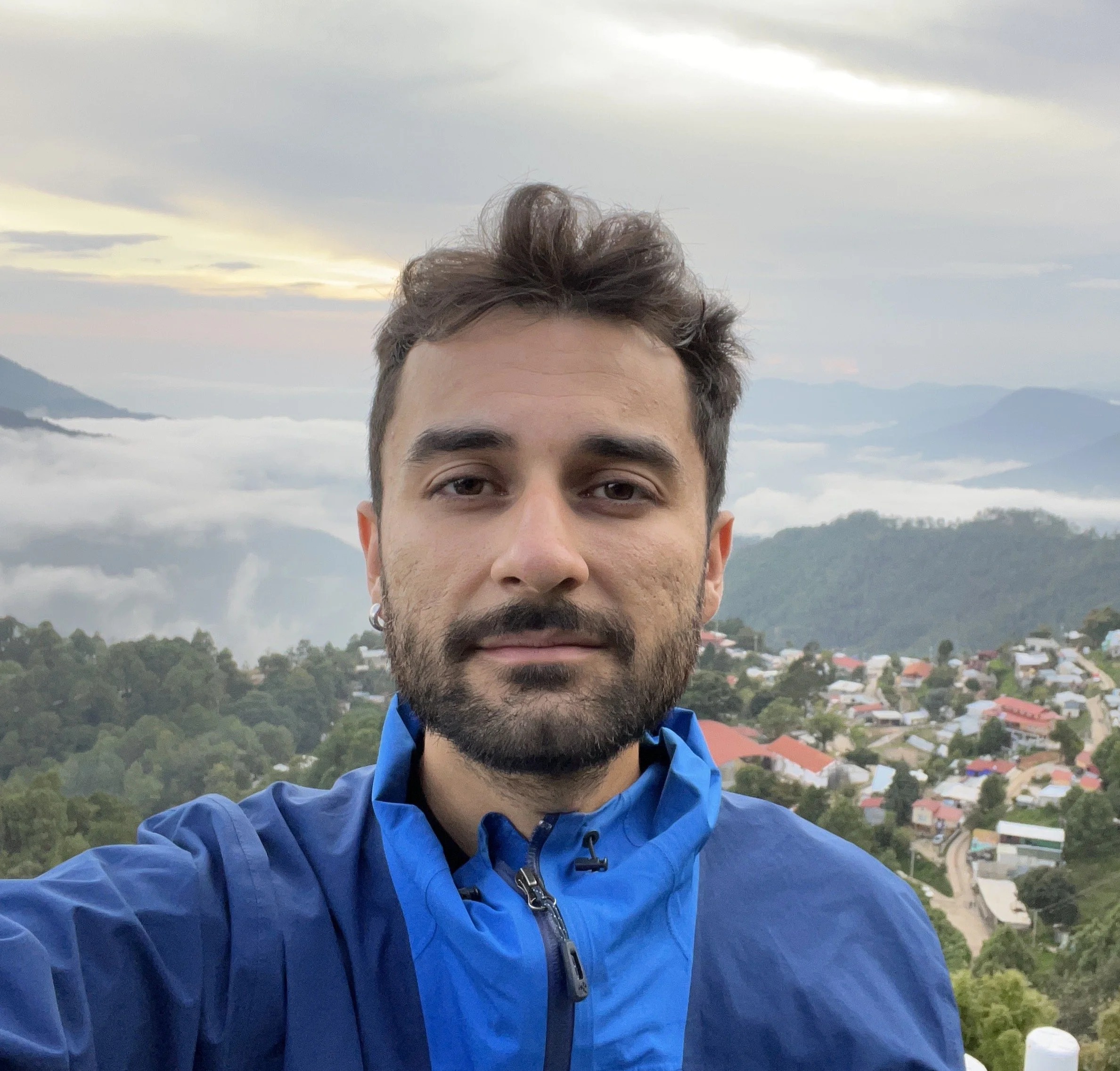
Jorge A. Rodríguez Solórzano
Doctoral Student, Sociocultural Anthropology, Columbia University
Jorge Rodríguez Solórzano is a writer, translator, and doctoral candidate in Sociocultural Anthropology at Columbia University. His current research examines how Indigenous Mixtec and Tlapanec communities in the state of Guerrero, Mexico, create alternative practices of jurisdiction to mitigate resource extraction and insecurity in their territories. His research has been supported by the Institute of Latin American Studies (ILAS) and the Department of Anthropology at Columbia University. He is the Graduate Coordinator for the “Refugee Cities: Urban Dimensions of Forced Displacement” Working Group, sponsored by the Columbia Center for the Study of Social Difference.
Jorge A. Rodríguez Solórzano
Jorge Rodríguez Solórzano is a writer, translator, and doctoral candidate in Sociocultural Anthropology at Columbia University. His current research examines how Indigenous Mixtec and Tlapanec communities in the state of Guerrero, Mexico, create alternative practices of jurisdiction to mitigate resource extraction and insecurity in their territories. His research has been supported by the Institute of Latin American Studies (ILAS) and the Department of Anthropology at Columbia University. He is the Graduate Coordinator for the “Refugee Cities: Urban Dimensions of Forced Displacement” Working Group, sponsored by the Columbia Center for the Study of Social Difference.
Jorge’s published translations have appeared on Angelaki: Journal of the Theoretical Humanities, LIFTA Volumes: Futures of Palestine, and Khabar Keslan. Jorge’s creative work has been published in oral.pub and rivulet.net. His work has shown at the London-in-Motion Film Festival and appeared in curated web volumes with artist Jumairy.
He received an MA with Distinction in Migration and Diaspora Studies from SOAS, University of London, and holds a BA in French Literature from Reed College. In 2020, Jorge was named a Columbia University Provost Diversity Fellow.
Working Group: Refugee Cities
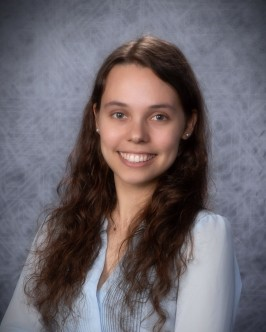
Natalia Romano Spica
Graduate Student, Columbia University
Natalia Romano Spica is a graduate student in the Narrative Medicine Program at Columbia University, where she also earned her B.A., double majoring in Biology and Medicine, Literature and Society. Born in the US and raised between Europe and the US, she has had the opportunity to explore life sciences and clinical research alongside her studies in the Classics, the Arts and the Humanities. She plans to continue her lifelong journey of bridging the sciences and the humanities as a physician.
Natalia Romano Spica
Graduate Student, Columbia University
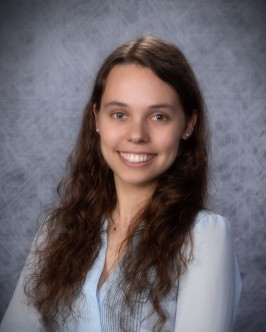
Natalia Romano Spica is a graduate student in the Narrative Medicine Program at Columbia University, where she also earned her B.A., double majoring in Biology and Medicine, Literature and Society. Born in the US and raised between Europe and the US, she has had the opportunity to explore life sciences and clinical research alongside her studies in the Classics, the Arts and the Humanities. She plans to continue her lifelong journey of bridging the sciences and the humanities as a physician.
Working Group Affiliation

Jade Tan
Doctoral Student, Health Policy Management and Infectious Disease Epidemiology, Columbia University
Jade Tan is a graduate student in Public Health at Columbia University, concentrating in Health Policy Management and Infectious Disease Epidemiology. She has a B.A. from the University of Virginia in Political Philosophy, Policy, and Law (PPL), as well as Biomedical Ethics. Her work and interests focus on human genetic engineering ethics, precision medicine technology, neuroscience, synthetic biology, philosophy of mind, jurisprudence and constitutional law, and the ethical, philosophical, sociopolitical, legal, and deeply human dimensions of future technologies.
Jade Tan
Health Policy Management and Infectious Disease Epidemiology

Jade Tan is a graduate student in Public Health at Columbia University, concentrating in Health Policy Management and Infectious Disease Epidemiology. She has a B.A. from the University of Virginia in Political Philosophy, Policy, and Law (PPL), as well as Biomedical Ethics. Her work and interests focus on human genetic engineering ethics, precision medicine technology, neuroscience, synthetic biology, philosophy of mind, jurisprudence and constitutional law, and the ethical, philosophical, sociopolitical, legal, and deeply human dimensions of future technologies. She has been a research analyst consultant for multiple institutions, edited for several print and online publications, and the strategic director of a successful biotech startup. Jade enjoys grappling with complex intellectual puzzles and engaging in rousing cross-disciplinary debate. She takes pleasure in subverting the humanities versus STEM binary and includes coffee as a main food group. She spends time thinking about the big questions in the morning like: if we had teleportation, would she have been able to sleep in for another 30 minutes?
Working Group Affiliation
Stephanie Valentinetti
Doctoral Student, Behavioral Cardiovascular Health, Columbia University
Stephanie Valentinetti is a Project Coordinator at the Center for Behavioral Cardiovascular Health at Columbia University Medical Center and a graduate student in Columbia's Master's in Bioethics program. She studies ethical issues related to mHealth technology, wearable devices, and data ownership. Stephanie's thesis will focus on the ethics of professional athletes' use of wearable and biometric technologies. Prior to CUMC, she spent four years at Major League Baseball working in anti-doping for the Department of Investigations.
Stephanie Valentinetti
Graduate Student, Columbia University
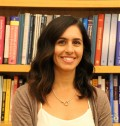
Stephanie Valentinetti is a Project Coordinator at the Center for Behavioral Cardiovascular Health at Columbia University Medical Center and a graduate student in Columbia's Master's in Bioethics program. She studies ethical issues related to mHealth technology, wearable devices, and data ownership. Stephanie's thesis will focus on the ethics of professional athletes' use of wearable and biometric technologies. Prior to CUMC, she spent four years at Major League Baseball working in anti-doping for the Department of Investigations. Stephanie received her BA in Biology from Southampton College, Long Island University.
Working Group Affiliation