

Lilian Chee
Fellow, Architecture, National University of Singapore.
Lilian Chee is an Associate Professor at the National University of Singapore. She is the author of Architecture and Affect: Precarious Spaces (2019) and co-editor of Asian Cinema and The Use of Space (2015). She conceptualized, researched and collaborated on the award-winning architectural essay film about single women occupants in Singapore’s public housing 03-FLATS (2014). Her work is situated at the intersections of architectural representation, gender, and affect in a contemporary interdisciplinary context.
Lilian Chee
Associate Professor, Architecture, the National University of Singapore

Lilian Chee is an Associate Professor at the National University of Singapore. She is the author of Architecture and Affect: Precarious Spaces (2019) and co-editor of Asian Cinema and The Use of Space (2015). She conceptualized, researched, and collaborated on the award-winning architectural essay film about single women occupants in Singapore’s public housing 03-FLATS (2014). Her work is situated at the intersections of architectural representation, gender and affect in a contemporary interdisciplinary context. A writer, academic, designer, curator, and award-winning educator, her research explores the emergence of architecture through everyday encounter, often in domestic spaces.
Publications:
Chee, Lilian. Architecture and Affect: Precarious Spaces. Oxon and New York: Routledge, 2023. https://doi.org/10.4324/9781315604565.
Chee, Lilian. ‘Domesticity, Gender, and Architecture’. In The Routledge Companion to Contemporary Architectural History, edited by Duanfang Lu, 185–201. Routledge, 2023. https://doi.org/10.4324/9781315674469.
Jane Simon, Sophia Maalsen, Lilian Chee & Cathy Smith (2023). Reflections on, and from, Feminist Practice: Introduction to the ‘Home’ Special Issue, Australian Feminist Studies, DOI: 10.1080/08164649.2023.2267178
Audrey Yue, Lilian Chee, Jane M. Jacobs & Natalie Pang (2023). Making do: young people and mobilities at home, Journal of Youth Studies, DOI: 10.1080/13676261.2023.2261859
Lilian Chee (2022). ‘Housing and Domesticity’, Architecture and Culture, 10:3, 554-558, DOI: 10.1080/20507828.2022.2121898
Lilian Chee, Silvia Federici and Daniela Ortiz dos Santos. “Domestic Work and the Architecture of Emancipation.” Contemporary Feminist Spatial Practice, Arch+ v.246, (February 2022), 66-75.
Chee, Lilian, Jane M. Jacobs, Audrey Yue, and Natalie Pang. ‘Foundations for Home-Based Work: A Singapore Study (A Project Funded by the Social Science Research Council)’. Singapore: Foundations for Home-based Work (NUS), 2022. https://foundationsforhomebasedwork.com.
Mun, Ian and Lilian Chee. Objects for Thriving. Documentary. Singapore: NUS and Roving Productions, 2022. https://www.youtube.com/watch?v=ZYtBmE4_Qrk.
Chee, Lilian. ‘Keeping Cats, Hoarding Things: Domestic Situations in the Public Spaces of the Singaporean Housing Block’. The Journal of Architecture 22, no. 6 (18 August 2017): 1041–65. https://doi.org/10.1080/13602365.2017.1362024.
Lei, Yuan Bin and Lilian Chee. 03-FLATS. Architectural Essay Film. Singapore: National University of Singapore and 13 Little Pictures, 2014, http://www.03-flats.com/

M Constantine
Ph.D. candidate, Anthropology, Columbia University.
M. Constantine is a Ph.D. candidate in Anthropology at Columbia University. She is a writer and editor and has produced publications and projects with a number of art and architecture organizations including Slavs and Tatars, the Whitney Museum of American Art, and Cornell University Department of Architecture. Her dissertation focuses on collectivity and the politics of knowledge in contemporary art, analyzing the interface where the political imaginaries and pragmatic concerns of critical collectives meet the institutional and discursive structures of the art world in which they circulate.
M Constantine
Ph.D. Candidate, Anthropology, Columbia University.

M Constantine is a Ph.D. candidate in Anthropology at Columbia University. She is a writer and editor and has produced publications and projects with a number of art and architecture organizations including Slavs and Tatars, the Whitney Museum of American Art, and Cornell University Department of Architecture. Her dissertation focuses on collectivity and the politics of knowledge in contemporary art, analyzing the interface where the political imaginaries and pragmatic concerns of critical collectives meet the institutional and discursive structures of the art world in which they circulate. Her research explores how aesthetic concepts and practices shape the transformation of lives, intimacies, and social power.
Working Group Affiliation

S.E Eisterer
Fellow, Architectural History and Theory, University of Pennsylvania.
S. E Eisterer is an Assistant Professor of Architectural History and Theory at the University of Pennsylvania. Currently, she is working on two forthcoming book projects.
S.E Eisterer
Assistant Professor, Architectural History and Theory, University of Pennsylvania.

S.E Eisterer is an Assistant Professor of Architectural History and Theory at the University of Pennsylvania. Currently, she is working on two forthcoming book projects. Her book manuscript Housing Cooperative: Politics and Architecture in Vienna, 1904-1954 elucidates the role of cooperatives in shaping architectural debates in the first half of the twentieth century. The history and translation project Memories from Resistance: Women, War, and the Forgotten Work of Margarete Schütte-Lihotzky, 1938-1989 illuminates the Austrian architect’s participation in the Communist resistance against the Nazi regime. Her scholarly work centers on modern architecture and urban culture in Austria, Germany, and the United States, with a focus on the history of social movements, environmental history, women’s and gender studies, and queer theory.
Working Group Affiliation
Insurgent Domesticites, Co-Director
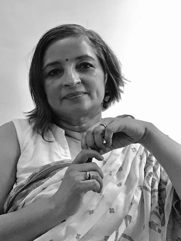
Annapurna Garimella
Fellow, Art Historian, California State University
Dr. Annapurna Garimella is a designer and an art historian. Her research focuses on late medieval Indic architecture and the history and practices of vernacular visual and built cultures in India after Independence.
Annapurna Garimella
Independent Scholar, Art Historian, Designer
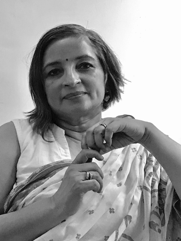
Dr. Annapurna Garimella is a designer and an art historian. Her research focuses on late medieval Indic architecture and the history and practices of vernacular visual and built cultures in India after Independence. She is co-editor of The Contemporary Hindu Temple: Fragments for a History (2019) and editor of The Long Arc of South Asian Art: A Reader in Honor of Vidya Dehejia (New Delhi: Women Unlimited, 2021). Digesting the Past: The Discourse of Sacralized Architectural Renovation in Southern India (14th-17th Centuries) is her book manuscript under preparation. Garimella is the Managing Trustee of Art, Resources and Teaching Trust. She also heads Jackfruit Research and Design, an organization with a specialized portfolio of design, research and curation. Jackfruit’s recent curatorial projects include Vernacular, in the Contemporary (Devi Art Foundation, New Delhi 2010-11), Mutable: Ceramic and Clay Art in India Since 1947 (Piramal Museum of Art, 2017), and Barefoot College of Craft in Goa (Serendipity Arts Festival, 2017-18).
Working Group Affiliation
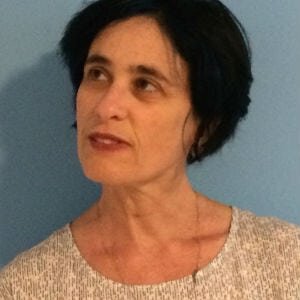
Gil Hochberg
Ransford Professor of Hebrew and Visual Studies, Comparative Literature, and Middle East Studies, Chair MESAAS, Columbia University
Gil Hochberg is Ransford Professor of Hebrew and Comparative Literature, and Middle East Studies at Columbia University. She is the author of In Spite of Partition: Jews, Arabs, and the Limits of Separatist Imagination (2007), on the complex relationship between the signifiers “Arab” and “Jew” in contemporary Jewish and Arab literatures, and Visual Occupations: Vision and Visibility in a Conflict Zone (2015), on the visual politics of the Israeli-Palestinian conflict.
Gil Hochberg
Ransford Professor of Hebrew and Visual Studies, Comparative Literature, and Middle East Studies, Chair MESAAS, Columbia University

Gil Hochberg is Ransford Professor of Hebrew and Comparative Literature, and Middle East Studies at Columbia University. She is the author of In Spite of Partition: Jews, Arabs, and the Limits of Separatist Imagination (2007), on the complex relationship between the signifiers “Arab” and “Jew” in contemporary Jewish and Arab literatures, and Visual Occupations: Vision and Visibility in a Conflict Zone (2015), on the visual politics of the Israeli-Palestinian conflict. Her research focuses on the intersections among psychoanalysis, postcolonial theory, nationalism, gender and sexuality, with articles on Francophone North African, Palestinian, and Hebrew literature, the modern Levant, gender and nationalism, cultural memory and immigration, memory and gender, Israeli and Palestinian cinema, Mediterraneanism, and trauma and narrative. She is currently writing a book on art, archives and the production of historical knowledge.
Working Group Affiliation

Hollyamber Kennedy
Fellow, History and Theory of Architecture, ETH Zurich
Hollyamber Kennedy is a Postdoctoral Fellow at the Institute for the History and Theory of Architecture (gta) at the ETH in Zurich, Switzerland. Her book manuscript, The World Island, explores colonial-era land policy and its influence on the sciences of settlement at the intersection of modern architecture, demographic reform, and rural modernization.
Hollyamber Kennedy
Postdoctoral Fellow, Institute for the History and Theory of Architecture, ETH Zurich

Hollyamber Kennedy is a Postdoctoral Fellow at the Institute for the History and Theory of Architecture (gta) at the ETH in Zurich, Switzerland. Her book manuscript, The World Island, explores colonial-era land policy and its influence on the sciences of settlement at the intersection of modern architecture, demographic reform, and rural modernization. This project centers the role of anti-colonial and anti-partition resistance in the shaping of the colonial built environment. She previously held a Postdoctoral Research Fellowship at Harvard University, at the Mahindra Humanities Center, where she began work on her second long-term project, Wastelands of Empire. Her research has been supported by the Graham Foundation for Advanced Studies in the Fine Arts, the Social Science Research Council, the DAAD, SAH, and CAA, among others. Her writing has been published in Grey Room, Avery Review, Journal of Architecture (forthcoming), and by The University of Chicago Press, Whitechapel Gallery, and MIT Press. She has a chapter in a forthcoming book edited by Itohan Osayimwese on The Architectural Legacies of German Colonialism in Africa. She received her PhD in Architectural History and Theory from Columbia University, Graduate School of Architecture, Planning and Preservation.
Working Group Affiliation

Mignon Moore
Professor, Department of Sociology, Barnard College
Mignon Moore is Chair and Professor of Sociology at Barnard College, Columbia University. She is the author of Invisible Families: Gay Identities, Relationships and Motherhood among Black Women (2011), which examines the intersection of race with sexual orientation for family-building and lesbian identity among African-American women.
Mignon Moore
Professor, Sociology, Barnard College

Mignon Moore is Chair and Professor of Sociology at Barnard College, Columbia University. She is the author of Invisible Families: Gay Identities, Relationships and Motherhood among Black Women (2011), which examines the intersection of race with sexual orientation for family-building and lesbian identity among African-American women. She has research and teaching interests in the sociology of family, race, gender, sexuality, qualitative methods, aging, and adolescence. She is conducting research for a book project on the social histories of LGBT seniors in New York and Los Angeles, the negotiation of religious and community life for lesbians and gay men of faith, and the promotion of healthy aging for racial and ethnic minority elders.
Working Group Affiliation

Corinna Mullin
Fellow, International Relations, University of Tunis
Corinna Mullin is a Part-Time Faculty member at the New School and John Jay College, and was a Visiting Assistant Professor at the University of Tunis for five years. Her book manuscript, Tunisia and imperial security architectures: Race, class, empire and the (re)making of a global south security state, illuminates intersections between security, imperialism, and racial capitalism through insights from international relations and political economy, American Studies, and critical race, law, and decolonial theory.
Corinna Mullin
Part-Time Faculty Member, The New School and John Jay College. Assistant Professor, University of Tunis

Corinna Mullin is a Part-Time Faculty member at the New School and John Jay College, and was a Visiting Assistant Professor at the University of Tunis for five years. Her book manuscript, Tunisia and imperial security architectures: Race, class, empire and the (re)making of a global south security state, illuminates intersections between security, imperialism, and racial capitalism through insights from international relations and political economy, American Studies, and critical race, law, and decolonial theory. Her research examines imperialism and militarization in Africa through analysis of securitization, labor economies, value extraction, and wealth drain, as well as decolonizing struggles of the Tunisian university, raising questions of power, knowledge production, and epistemic de-linking.
Working Group Affiliation
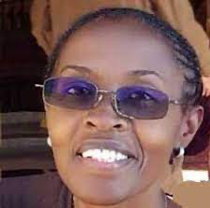
Lydia Waithira Muthuma
Fellow, Visual Arts, Technical University of Kenya
Lydia Waithira Muthuma is a Lecturer in Visual Arts at the Technical University of Kenya and the current chair of UNESCO’s national committee for memory of the world. Muthuma’s current research interests are the historiography of contemporary art in Eastern Africa and the conservation of public monuments as a tool for building collective identity in Nairobi. Through aesthetic critique, art history, and analysis of spatial politics and visual culture, her work examines the built environment in Kenya in order to ascertain who it belongs to and how this identity has been manifested.
Lydia Waithira Muthuma
Lecturer, Visual Arts, The Technical University of Kenya
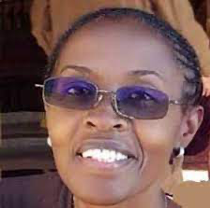
Lydia Waithira Muthuma is a Lecturer in Visual Arts at the Technical University of Kenya and the current chair of UNESCO’s national committee for memory of the world. She is the author of Changing Perspectives: Nairobi past and present, a photographic story and exhibition hosted by Bristol Archives and National Museums of Kenya in June-September 2019. Through aesthetic critique, art history, and analysis of spatial politics and visual culture, her work examines the built environment in Kenya in order to ascertain who it belongs to and how this identity has been manifested. Dr. Muthuma’s current research interests are the historiography of contemporary art in Eastern Africa and the conservation of public monuments as a tool for building collective identity in Nairobi.
Working Group Affiliation
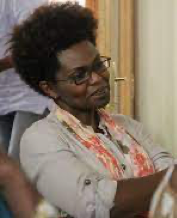
Garnette Oluoch-Olunya
Fellow, Literature, St. Paul’s University, Kenya,
Garnette Oluoch-Olunya is an adjunct Lecturer in Literature at St. Paul’s University, Kenya, a Strategic Consultant with the Godown Arts Centre in Nairobi, and holds a Ph.D. in English from the University of Glasgow, Scotland. She was Senior Lecturer and founding Director of the Center for Creative and Cultural Industries at the Technical University of Kenya, building on the GoDown’s collaborative work with Natverkstan Institute of Sweden, the British Council, and Goldsmiths, University of London, in partnerships that sought to link academic research with arts practice. She sits on the editorial board of Jahazi, a Journal of Culture, Arts & Performance, and is a Fellow of the Centre for Advanced Scholarship (Ubuntu Project), University of Pretoria, South Africa.
Garnette Oluoch-Olunya
Adjunct Lecturer, Literature, St. Paul’s University, Kenya,
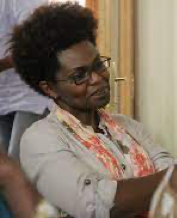
Garnette Oluoch-Olunya is an adjunct Lecturer in Literature at St. Paul’s University, Kenya, a Strategic Consultant with the Godown Arts Centre in Nairobi, and holds a PhD in English from the University of Glasgow, Scotland. She was Senior Lecturer and founding Director of the Center for Creative and Cultural Industries at the Technical University of Kenya, building on the GoDown’s collaborative work with Natverkstan Institute of Sweden, the British Council, and Goldsmiths, University of London, in partnerships that sought to link academic research with arts practice. She sits on the editorial board of Jahazi, a Journal of Culture, Arts & Performance, and is a Fellow of the Centre for Advanced Scholarship (Ubuntu Project), University of Pretoria, South Africa.
Working Group Affiliation
Insurgent Domesticities, Co-Director

Ana Gisele Ozaki
Fellow, History of Architecture and Urban Development, Cornell University
Ana Gisele Ozaki is a Ph.D. Candidate in History of Architecture and Urban Development at Cornell University, with specializations in Africana and Latin American studies. Her dissertation investigates the complex ways colonial ideologies of race have interfered with modern architectural understandings of climate in Brazil and its connections with Nigeria, Angola, and Mozambique
Ana Gisele Ozaki
Ph.D. Candidate, Architecture and Urban Development, Cornell University

Ana G. Ozaki is a Ph.D. Candidate in History of Architecture and Urban Development at Cornell University, with specializations in Africana and Latin American studies. Her dissertation investigates the complex ways colonial ideologies of race have interfered with modern architectural understandings of climate in Brazil and its connections with Nigeria, Angola, and Mozambique. Through feminist and postcolonial theory, her research investigates how domestic architecture has worked to accommodate white settlers and tame local "climates" in its environmental and socio-political conceptions while elucidating the cross-cultural and South-to-South exchanges between tropicalized sites, subjects, and practices. She has worked as a writer, researcher, architect, and public educator.
Working Group Affiliation
Insurgent Domesticities, Co-Director

Barbara Penner
Fellow, Architecture, University College, London
Barbara Penner is a Professor at the University College, London. She is author of Bathroom (2013) and Newlyweds on Tour: Honeymooning in Nineteenth-Century America (2009), and co-editor of Sexuality and Gender at Home: Experience, Politics, Transgression (2017), Forty Ways to Think about Architecture (2014), Ladies and Gents: Public Toilets and Gender (2009), and Gender Space Architecture (2000).
Barbara Penner
Professor, Architecture, University College London

Barbara Penner is a Professor at the University College, London. She is author of Bathroom (2013) and Newlyweds on Tour: Honeymooning in Nineteenth-Century America (2009), and co-editor of Sexuality and Gender at Home: Experience, Politics, Transgression (2017), Forty Ways to Think about Architecture (2014), Ladies and Gents: Public Toilets and Gender (2009), and Gender Space Architecture (2000). Her work explores commercial architecture (hotels/department stores), tourist destinations (honeymoon resorts), and domestic spaces, technologies, and infrastructure (bathrooms/kitchens). Informed by interdisciplinary feminist theory, she investigates how everyday spaces enable the formation of social and cultural identities and promote social inclusion or its opposite.
Working Group Affiliation
Insurgent Domesticities, Co-Director

Akira Drake Rodriguez
Fellow, Social Policy and Practice, University of Pennsylvania
Akira Drake Rodriguez is an Assistant Professor at the University of Pennsylvania’s Weitzman School in the Department of City & Regional Planning. Her research examines the politics of urban planning, or the ways that disenfranchised groups re-appropriate their marginalized spaces in the city to gain access to and sustain urban political power.
Akira Drake Rodriguez
Assistant Professor, Stuart Weitzman School of Design and School of Social Policy and Practice, University of Pennsylvania

Akira Drake Rodriguez is an Assistant Professor at the University of Pennsylvania’s Weitzman School in the Department of City & Regional Planning. Her research examines the politics of urban planning, or the ways that disenfranchised groups re-appropriate their marginalized spaces in the city to gain access to and sustain urban political power. Dr. Rodriguez’s forthcoming manuscript, Diverging Space for Deviants: The Politics of Atlanta’s Public Housing (University of Georgia Press 2021), explores how the politics of public housing planning and race in Atlanta created a politics of resistance within its public housing developments. This research offers the alternative benefits of public housing, outside of shelter provision, to challenge the overwhelming narrative of public housing as a dysfunctional relic of the welfare state. Dr. Rodriguez was recently awarded a Spencer Foundation grant to study how parent and educational advocates mobilize around school facility planning processes in Philadelphia.
Working Group Affiliation
Insurgent Domesticities, Co-Director
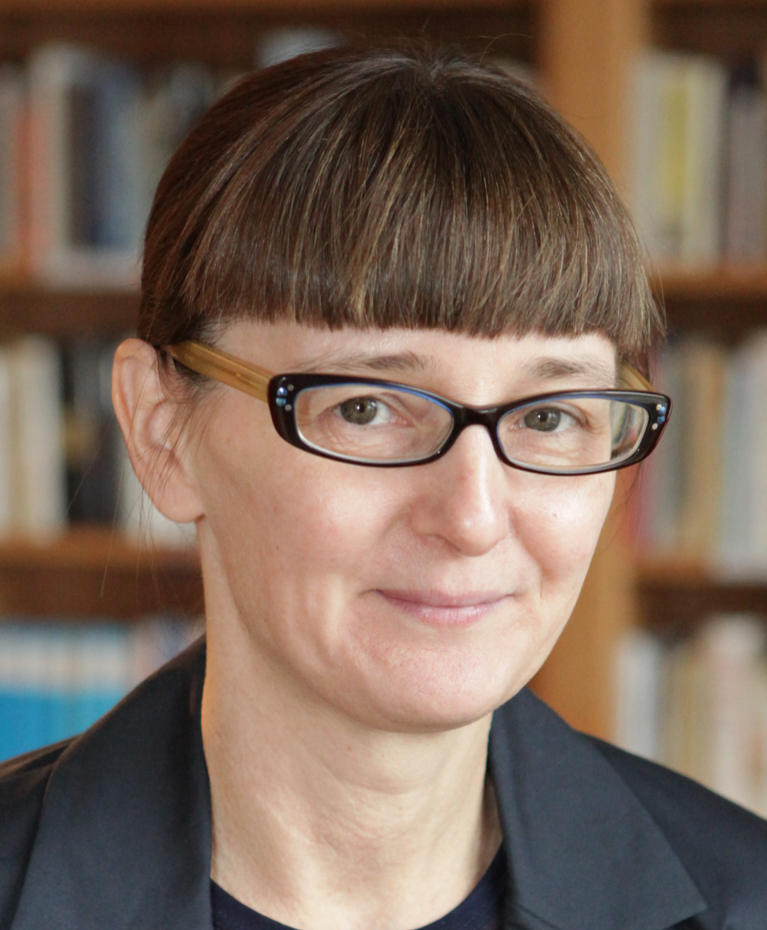
Felicity D. Scott
Professor, Department of Architecture, Planning, and Preservation, Columbia University
Felicity D. Scott is a Professor of Architecture in the Graduate School of Architecture, Planning, and Preservation at Columbia University. She is the author of Outlaw Territories: Environments of Insecurity/Architectures of Counter-Insurgency (2016), Disorientations: Bernard Rudofsky in the Empire of Signs (2016), and Architecture or Techno-Utopia (2007).
Professor, Architecture, Columbia University

Felicity D. Scott is a Professor of Architecture in the Graduate School of Architecture, Planning, and Preservation at Columbia University. She is the author of Outlaw Territories: Environments of Insecurity/Architectures of Counter-Insurgency (2016), Disorientations: Bernard Rudofsky in the Empire of Signs (2016), and Architecture or Techno-Utopia (2007). Her work as a historian and theorist focuses on articulating genealogies of political and theoretical engagement with questions of techno-scientific, environmental, and geopolitical transformation within modern and contemporary architecture, art, and media, as well as upon the discourses, institutions and social movements that have shaped and defined these disciplines, sometimes evidently, sometimes less so.
Working Group Affiliation
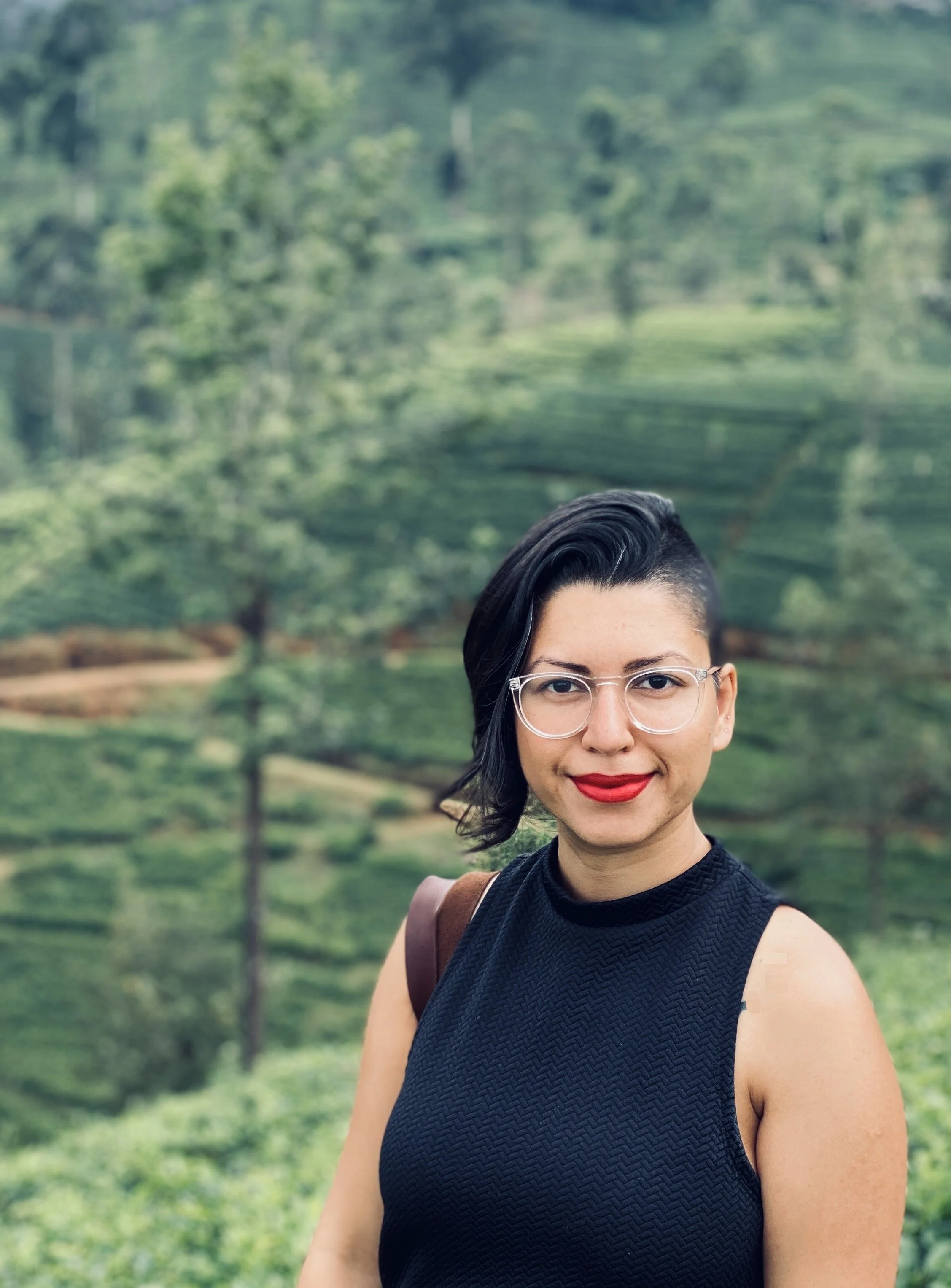
Javairia Shahid
Ph.D. student, Graduate School of Architecture, Planning and Preservation (GSAPP), Columbia University
Javairia Shahid is a Ph.D. student in Columbia University's Graduate School of Architecture, Planning and Preservation (GSAPP), with a joint affiliation at the Institute of Comparative Literature and Society (ICLS). She holds a graduate degree in architectural history and theory from GSAPP.
Ph.D. student, Graduate School of Architecture, Planning and Preservation (GSAPP), Columbia University
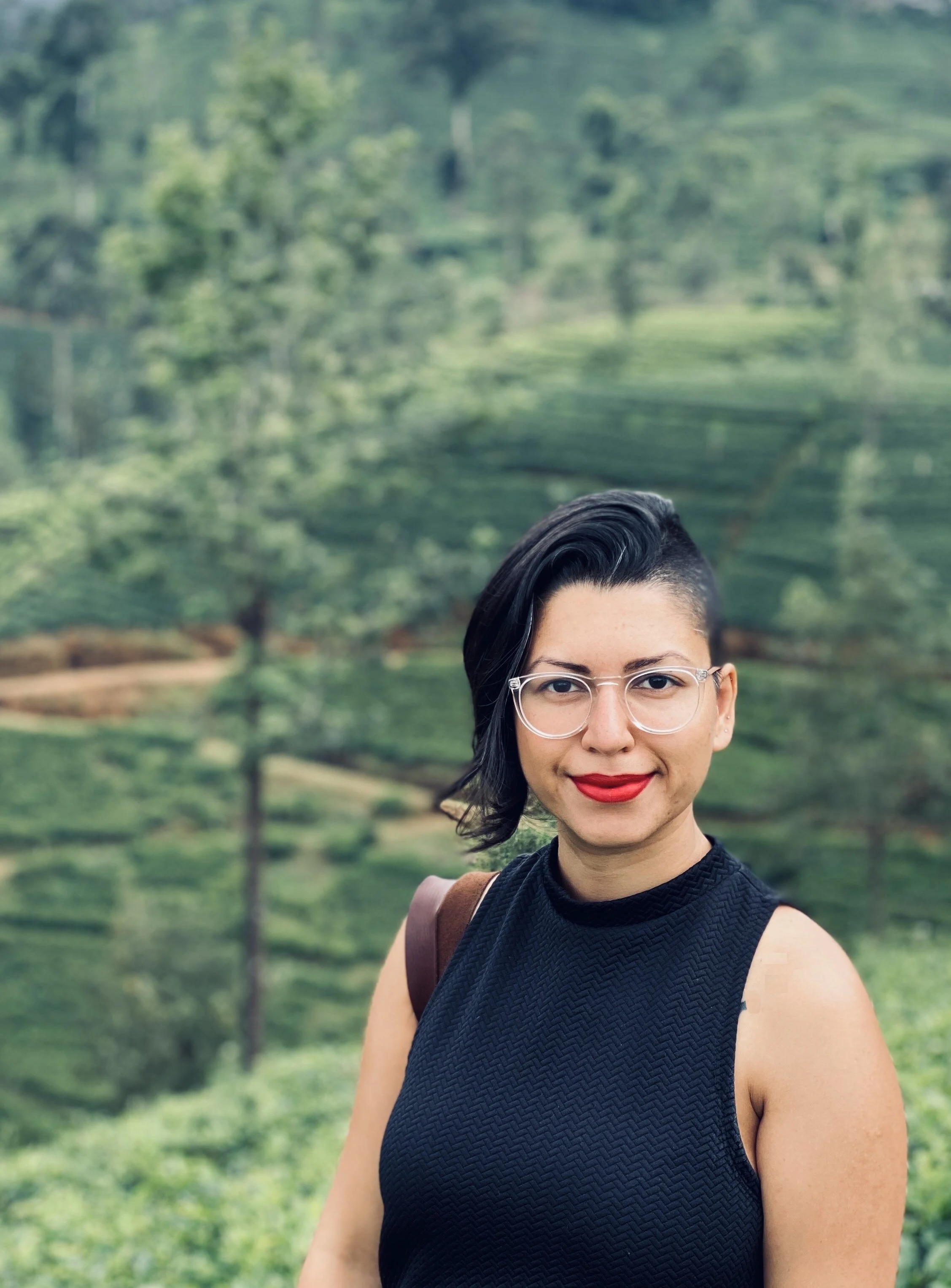
Javairia Shahid is a Ph.D. student in Columbia University's Graduate School of Architecture, Planning and Preservation (GSAPP), with a joint affiliation at the Institute of Comparative Literature and Society (ICLS). She holds a graduate degree in architectural history and theory from GSAPP. Her research focuses on the history of knowledge production and epistemic labor under colonialism in South Asia and the Indian Ocean world. This work highlights the disjunctions and entanglements between the aestheticization of landscapes, the pecuniary production of land as resource, and the formation of human and nonhuman subjectivities.
Working Group Affiliations

Anooradha Iyer Siddiqi
Assistant Professor, Department of Architecture, Columbia University
Anooradha Iyer Siddiqi is an Assistant Professor of Architecture at Barnard College, Columbia University, and co-editor of “Feminist Architectural Histories of Migration” (2020) and Spatial Violence (2016). Her book manuscript Architecture of Migration: The Dadaab Refugee Camps and Humanitarian Settlement analyzes the history, visual rhetoric, and spatial politics of the Dadaab refugee camps in Northeastern Kenya.
Assistant Professor, Architecture, Barnard College

Anooradha Iyer Siddiqi is an art and architectural historian specializing in histories of modernity, migration, and settlement. She is an Associate Professor at Barnard College, Columbia University, and her writing and teaching builds on yearslong research in Africa, Asia, and Europe for two scholarly monographs, Architecture of Migration (Duke University Press) and Ecologies of the Past. These two projects inform her research on histories of architecture, craft, settlement, and land, experiences of migration and territorial partition, and knowledge of the past through architectural practice, pedagogy, and discourse on the African continent and South Asian subcontinent. For more, please see https://www.anooradhaiyersiddiqi.net/.
Insurgent Domesticities, Co-Director
Black Archipelago, Working Group Member
Geographies of Injustice, Working Group Member
Edited Books
Architecture of Migration: The Dadaab Refugee Camps and Humanitarian Settlement (Duke University Press, Theory in Forms) available open access
Minnette De Silva: Intersections (Mack Books)

Kavita Sivaramakrishnan
Associate Professor, Department of Sociomedical Sciences, Columbia University.
Kavita Sivaramakrishnan is an Associate Professor of Sociomedical Sciences at Columbia University. She is the author of As the World Ages: Rethinking a Demographic Crisis (2018), on the global politics of aging. She is a public health historian of South Asia with a focus on the politics of health, medicine, and science in the global South. Her research has focused on the politics of ‘indigenous’ Ayurvedic medicine and its reconfiguring in a late colonial context in North India and social histories of epidemics and the role played by experts and scientific evidence.
Associate Professor, Sociomedical Sciences, Columbia University

Kavita Sivaramakrishnan is an Associate Professor of Sociomedical Sciences at Columbia University. She is the author of As the World Ages: Rethinking a Demographic Crisis (2018), on the global politics of aging. She is a public health historian of South Asia with a focus on the politics of health, medicine and science in the global South. Her research has focused on the politics of ‘indigenous’ Ayurvedic medicine and its reconfiguring in a late colonial context in North India (through claims and representations based on language and religion), and social histories of epidemics and the role played by experts and scientific evidence (including the plague and its national and regional politics). She is developing a book project on the history of consumption and disease risks.
Working Group Affiliation
Iulia Statica
Lecturer in Urban Design at the School of Architecture, University of Sheffield, UK
Iulia Statica is a Lecturer in Urban Design at the School of Architecture at the University of Sheffield, UK. Between 2019-21 she was the Marie Curie Research Fellow at The Bartlett School of Architecture, University College London.
Iulia Statica
Lecturer in Urban Design at the School of Architecture, University of Sheffield, UK

Iulia Statica is a Lecturer in Urban Design at the School of Architecture at the University of Sheffield, UK. Between 2019-21 she was the Marie Curie Research Fellow at The Bartlett School of Architecture, University College London. Her research interests focus on the relationship between gender and domesticity in the development and transformation of housing infrastructures and urban landscapes in Eastern Europe and Latin America. She employs documentary film as an integral aspect of both research and practice; her documentary — My Socialist Home — will be premiered in her forthcoming exhibition Archiving the Home: Gender and Domesticity in Postsocialist Bucharest in London. Statica completed her PhD at the Department of Architecture at the University of Rome La Sapienza in 2016, and was awarded the Fellowship in Architecture at the Romanian Academy in Rome (2012-14). Between 2018 and 2019 she was a Visiting Scholar at the Mario Einaudi Center for International Studies, Latin American Studies Program, at Cornell University. She is the author of Urban Phantasmagorias: Domesticity, Production and the Politics of Modernity in Communist Bucharest (Routledge, forthcoming 2022).
Working Group Affiliation

Naomi Stead
Professor, Art, Design and Architecture, Monash University
Naomi Stead is a Professor at Monash University. She was a co-founder of Parlour, an activist group advocating for greater gender equity in architecture, co-author of Parlour Guides to Equitable Practice, and co-curator of the exhibition Portraits of Practice: At Work in Architecture.
Naomi Stead
Professor, Art, Design and Architecture, Monash University

Naomi Stead is a Professor at Monash University. She was a co-founder of Parlour, an activist group advocating for greater gender equity in architecture, co-author of Parlour Guides to Equitable Practice, and co-curator of the exhibition Portraits of Practice: At Work in Architecture. She is co-editor of Speaking of Buildings: Oral History in Architectural Research (2019) and editor of Semi-Detached: Writing, Representation and Criticism in Architecture (2012). She has served as editor of Architectural Theory Review and Culture Unbound: Journal of Current Cultural Research. She writes in architectural humanities and cultural studies of architecture, considering its production, reproduction, mediation and reception, gender equity in architecture, and oral history as a disruptive method in its research.
Working Group Affiliation

Rhiannon Stephens
Associate Professor, Department of History, Columbia University
Rhiannon Stephens is an Associate Professor of History at Columbia University. She is the author of A History of African Motherhood: The Case of Uganda, 700-1900 (2013), which traces the social institution and ideology of motherhood across over a millennium of Ugandan political, economic and social change, and co-editor of Doing Conceptual History in Africa (2018), which critically examines what it means to write conceptual history on the continent.
Rhiannon Stephens
Associate Professor, History, Columbia University

Rhiannon Stephens is an Associate Professor of History at Columbia University. She is the author of A History of African Motherhood: The Case of Uganda, 700-1900 (2013), which traces the social institution and ideology of motherhood across over a millennium of Ugandan political, economic and social change, and co-editor of Doing Conceptual History in Africa (2018), which critically examines what it means to write conceptual history on the continent. She specializes in the history of precolonial and early colonial East Africa from the late first millennium CE through the twentieth century. She is currently working a history of poverty and wealth as economic and social concepts in eastern Uganda over the past two thousand years.
Working Group Affiliation