

Laura McTighe
Graduate Student, Religion, Columbia University
Laura McTighe is a Ph.D. candidate in the Department of Religion at Columbia University. She comes to her doctoral studies through nearly twenty years of grassroots activism to end state violence and advance community healing. Her research examines the co-constitution of race and religion, of gender and governance, in the American and Global South today by ethnographically centering women’s geographies and archives of struggle.
Laura McTighe
Graduate Student, Religion, Columbia University

Laura McTighe is a Ph.D. candidate in the Department of Religion at Columbia University. She comes to her doctoral studies through nearly twenty years of grassroots activism to end state violence and advance community healing. Her research examines the co-constitution of race and religion, of gender and governance, in the American and Global South today by ethnographically centering women’s geographies and archives of struggle. Her dissertation project, “This Day, We Use Our Energy for Revolution”– Black Feminist Ethics of Survival, Struggle, and Renewal in the new New Orleans, has been supported by the Woodrow Wilson National Fellowship Foundation, the Wenner-Gren Foundation for Anthropological Research, and the Institute for Religion, Culture, & Public Life. She is also completing a book-length project on HIV, gender, and Islam with South African scholar/activist Farid Esack. To date, her writings have been published in Beyond Walls and Cages: Bridging Immigrant Justice and Anti-Prison Organizing in the United States (2012), the International Journal for Law and Psychiatry (2011), Islam and AIDS: Between Scorn, Pity and Justice (2009), and a variety of community publications. McTighe is the Co-Founder of the Front Porch Research Strategy in New Orleans, and serves as a Board Member to Men & Women In Prison Ministries in Chicago and Reconstruction, Inc. in Philadelphia.
Working Group Affiliation
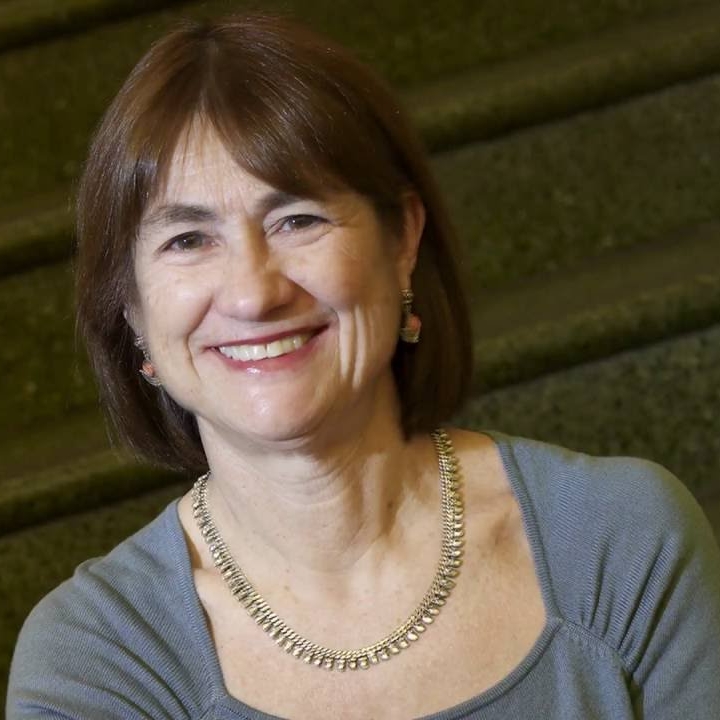
Sally Engle Merry
Fellow, Anthropology, New York University
Sally Engle Merry's recent books include Colonizing Hawai‘i (Princeton, 2000), Human Rights and Gender Violence (Chicago, 2006), Gender Violence: A Cultural Perspective (Blackwell, 2009) and The Practice of Human Rights, (co-edited with Mark Goodale; Cambridge, 2007). Her most recent book, The Seductions of Quantification: Measuring Human Rights, Gender Violence, and Sex Trafficking (Chicago: University of Chicago Press, 2016) examines indicators as a technology of knowledge used for human rights monitoring and global governance. She received the Hurst Prize for Colonizing Hawai‘i in 2002, the Kalven Prize for scholarly contributions to sociolegal scholarship in 2007, and theJ.I. Staley Prize for Human Rights and Gender Violence in 2010.
Sally Engle Merry
Silver Professor of Anthropology, New York University

Sally Engle Merry is Silver Professor of Anthropology at New York University. She is also a Faculty Director of the Center for Human Rights and Global Justice at the New York University School of Law, and past president of the American Ethnological Society. Her recent books include Colonizing Hawai‘i (Princeton, 2000), Human Rights and Gender Violence (Chicago, 2006), Gender Violence: A Cultural Perspective (Blackwell, 2009) and The Practice of Human Rights, (co-edited with Mark Goodale; Cambridge, 2007). Her most recent book, The Seductions of Quantification: Measuring Human Rights, Gender Violence, and Sex Trafficking (Chicago: University of Chicago Press, 2016) examines indicators as a technology of knowledge used for human rights monitoring and global governance. She has co-edited two books on quantification, The Quiet Power of Indicators, with Kevin Davis and Benedict Kingsbury (Cambridge University Press, 2015) and A World of Indicators, with Richard Rottenburg, Song-Joon Park, and Johanna Mugler (Cambridge University Press 2015), 2015. She is the author or editor of fifteen books and special journal issues. She received the Hurst Prize for Colonizing Hawai‘i in 2002, the Kalven Prize for scholarly contributions to sociolegal scholarship in 2007, and theJ.I. Staley Prize for Human Rights and Gender Violence in 2010. In 2013 she received an honorary degree from McGill School of Law and was the focus of an Author Colloquium at the Center for Interdisciplinary Research (ZIF) at the University of Bielefeld, Germany. She is an Honorary Professor at Australian National University.
Working Group Affiliations
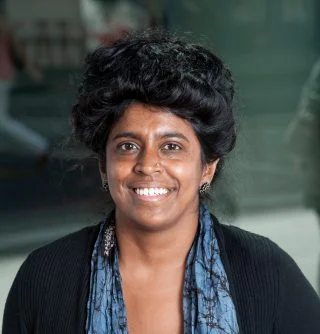
Vasuki Nesiah
Fellow, Legal Scholar, NYU Gallatin School of Law
Vasuki Nesiah is a legal scholar with a focus on public international law at NYU Gallatin School of Law. Her main areas of research include the law and politics of international human rights and humanitarianism, with a particular focus on transitional justice.
Vasuki Nesiah
Legal Scholar, NYU Gallatin School of Law
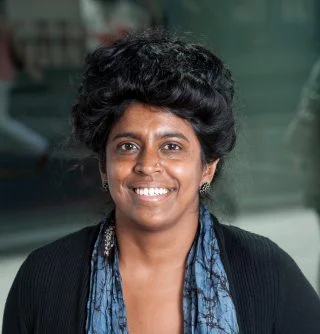
Vasuki Nesiah is a legal scholar with a focus on public international law at NYU Gallatin School of Law. Her main areas of research include the law and politics of international human rights and humanitarianism, with a particular focus on transitional justice. She has published widely on the history and politics of human rights, humanitarianism, international criminal law, international feminisms and colonial legal history. These continue to be areas of research and writing but the primary focus of her current research is reparations. A volume which she co-edited with Luis Eslava and Michael Fakhri, A Global History of Bandung and Critical Traditions in International Law will be published by Cambridge University Press later this year. This work reflects her continued interest in critical approaches to international law that find their intellectual and political home in the global south and in the grappling with decolonization. She is one of the founding members of the Third World Approaches to International Law (TWAIL) and has continued as an active participant in this global network of scholars for over two decades. Nesiah teaches human rights, law and social theory, and the politics of war and memory at NYU. She also continues as core faculty in Harvard Law School’s Institute for Global Law and Policy (IGLP); In this capacity, she has taught for six years in the IGLP summer and winter workshops in Cambridge, Doha, Capetown, Madrid and Bangkok. Currently, she is also a Senior Fellow at Melbourne Law School where she taught a course on human rights, gender and development in a visiting capacity. Prior to joining Gallatin, Professor Nesiah taught in the International Relations and Gender Studies concentrations at Brown University where she also served as Director of International Affairs. Formerly, she taught at the School of International and Public Affairs at Columbia University. She serves on the international editorial committees of the journals Feminist Legal Studies and the London Review of International Law and on the International Advisory Board of the Institute of International Law and the Humanities at the University of Melbourne; she is also an Associate Fellow with the Asia Society in New York. Before entering the academy full time, Professor Nesiah spent over seven years in practice at the International Center for Transitional Justice (ICTJ), where she worked on law and policy issues in the field of post-conflict human rights. Originally from Sri Lanka, she earned her BA in Philosophy and Government at Cornell University, was a visiting student in the Philosophy, Politics, and Economics Program at Oxford University, and earned her JD and SJD, an interdisciplinary doctorate in public international law, at Harvard Law School. She was awarded a fellowship for a post-doctoral program in human rights at Columbia Law School.
Working Group Affiliation
Rupal Oza
Fellow, Women and Gender Studies, Hunter College, CUNY.
Rupal Oza is an Associate Professor in the Department of Women and Gender Studies at Hunter College, CUNY. Her work focuses on political economic transformations in the global south, the geography of the right-wing politics, and the conjuncture between development and security. Her first book, The Making of Neoliberal India: Nationalism, Gender, and the Paradoxes of Globalization was published in 2006 by Routledge, New York and by Women Unlimited, India. She has several articles in peer-reviewed journals. She has written on special economic zones, the discourse of security, and Hindutva politics India. Her current project examines the relationship between sexual assault, caste, and land in Haryana, India. She is also working on a collaborative project that examines foreclosures and gentrification in New York City.
Rupal Oza
Associate Professor, Department of Women and Gender Studies, Hunter College, CUNY.
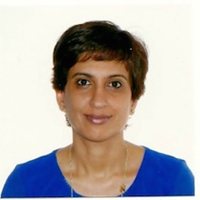
Rupal Oza is an Associate Professor in the Department of Women and Gender Studies at Hunter College, CUNY. Her work focuses on political economic transformations in the global south, the geography of the right-wing politics, and the conjuncture between development and security. Her first book, The Making of Neoliberal India: Nationalism, Gender, and the Paradoxes of Globalization was published in 2006 by Routledge, New York and by Women Unlimited, India. She has several articles in peer-reviewed journals. She has written on special economic zones, the discourse of security, and Hindutva politics India. Her current project examines the relationship between sexual assault, caste, and land in Haryana, India. She is also working on a collaborative project that examines foreclosures and gentrification in New York City.
Working Group Affiliation
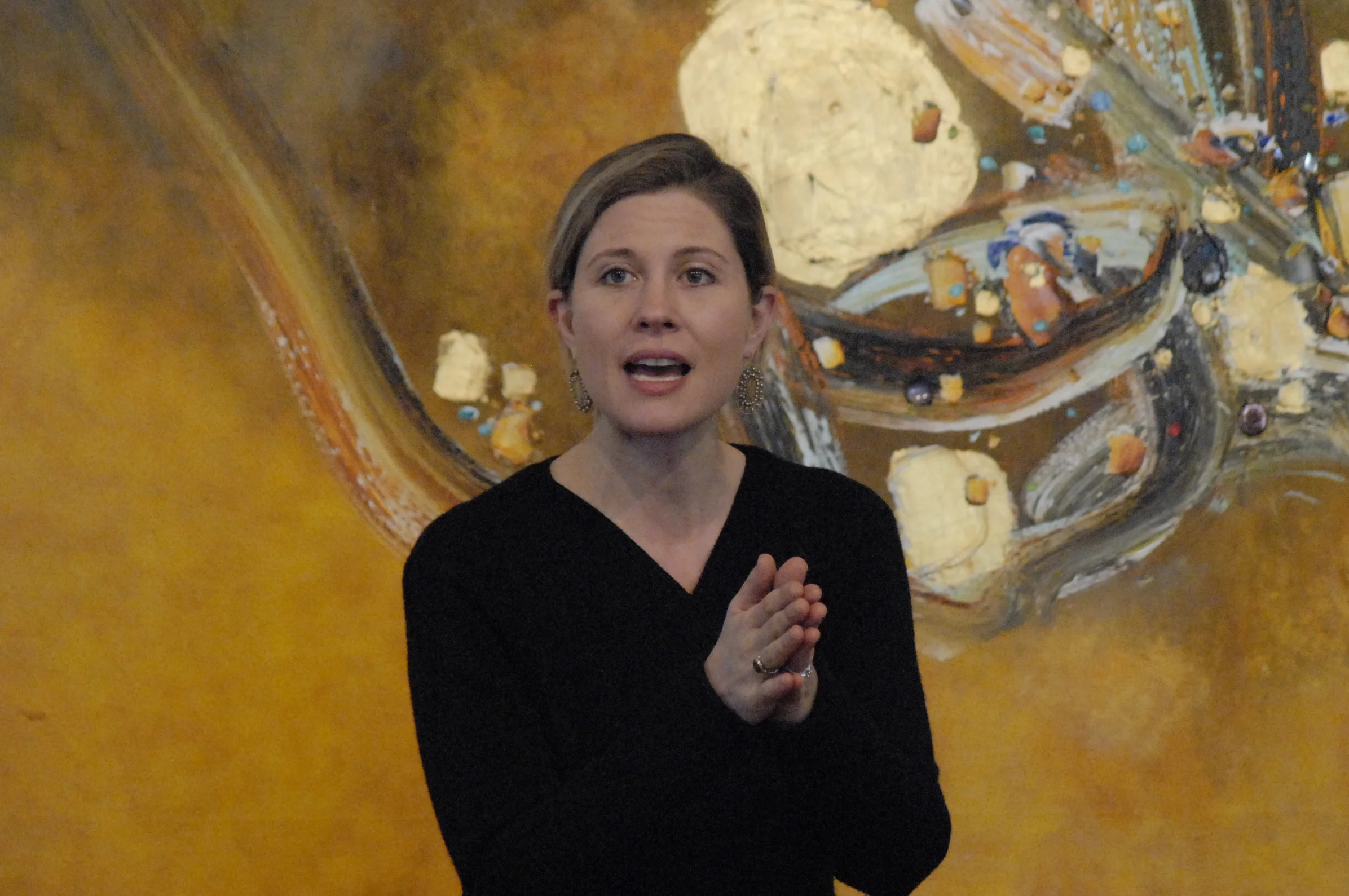
Kathryn Spellman Poots
Associate Professor, Department of Islamic Studies, Columbia University
Kathryn Spellman Poots is a Visiting Associate Professor at Columbia University and Academic Program Director for the MA in Islamic Studies. She is also Associate Professor at the Aga Khan
Kathryn Spellman Poots
Visiting Research Scholar, Middle East Institute, Columbia University

Kathryn Spellman Poots is a Visiting Associate Professor at Columbia University and Academic Program Director for the MA in Islamic Studies. She is also Associate Professor at the Aga Khan
University’s Institute for the Study of Muslim Civilizations in the United Kingdom. She earned her MSc and PhD in Politics and Sociology from Birkbeck College, University of London. Her research interests include Muslims in Europe and North America; the Iranian diaspora; transnational migration networks; and gender and religion in the Middle East and North Africa. Her publications include The monograph: Religion and Nation: Iranian Local and Transnational Networks in Britain (Berghahn, Oxford and New York) as well as the edited volumes: The Political Aesthetics of Global Protest: The Arab Spring and Beyond(Edinburgh University Press); and Ethnographies of Islam: Ritual Performances and Everyday Practices (Edinburgh University Press). She consults for organizations focusing on the rights and experiences of refugees and minority groupings, including the UNHRC (Geneva), UNESCO (Paris), UK Foreign Office, US State Department, German Foreign Office, and the London Detainee Support Group.
Working Group Affiliation
Maryam Saleh
Fellow, International Relations, Northwestern University
Maryam Saleh is an editor and reporter at The Intercept’s Washington, D.C. bureau, where she covers immigration, politics, and foreign policy. She is a graduate of Northwestern University’s Medill School of Journalism.
Maryam Saleh
Editor and Reporter, The Intercept
Maryam Saleh is an editor and reporter at The Intercept’s Washington, D.C. bureau, where she covers immigration, politics, and foreign policy. She is a graduate of Northwestern University’s Medill School of Journalism. She is also a lawyer with experience working on immigration and civil rights issues. Maryam has most recently been published by U.S. News & World Report, PRI, UPI and McClatchy DC. She has written about the Syrian conflict for Syria Deeply and The Majalla, and has written op-eds for The Tampa Bay Times and The National. She has reported for radio as well, including co-producing an episode of Florida Matters for WUSF, Tampa Bay’s NPR affiliate.
Working Group Affiliation

Shagufta Shah
Fellow, Law, Sindh Muslim Law College
Shagufta Shah is an anti-violence violence advocate and counselor at the Arab-American Family Support Center (AAFSC) of New York. She joined AAFSC in 2013 as a Disaster Case Manager then promoted as Program Manager for the same project, when AAFSC operated a program to help families recover in the wake of Hurricane Sandy.
Shagufta Shah
Advocate and Counselor, Arab-American Family Support Center (AAFSC) of New York
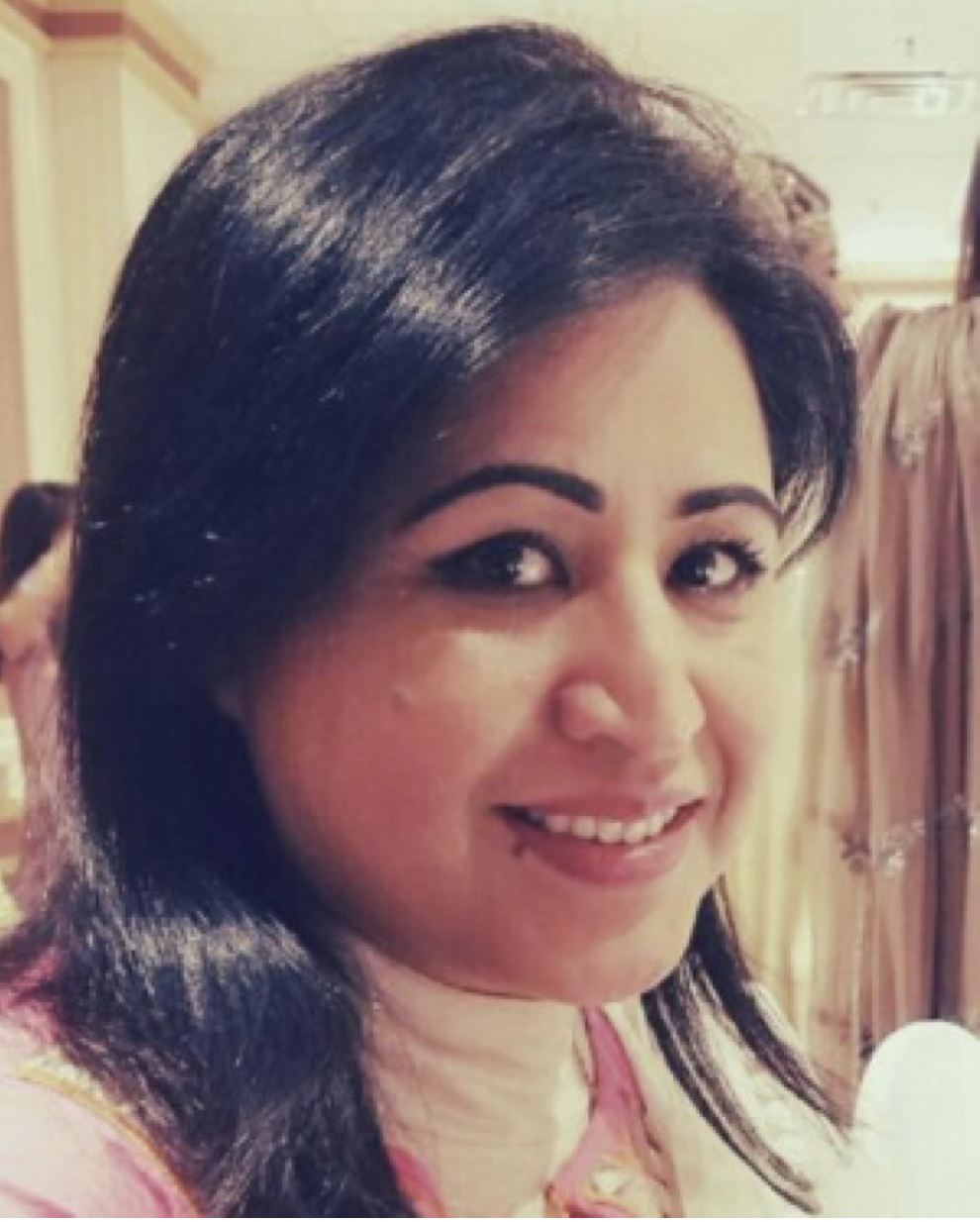
Shagufta Shah is an anti-violence violence advocate and counselor at the Arab-American Family Support Center (AAFSC) of New York. She joined AAFSC in 2013 as a Disaster Case Manager then promoted as Program Manager for the same project, when AAFSC operated a program to help families recover in the wake of Hurricane Sandy. She then took on the role of Advocate and Cultural Counselor in August 2015, providing culturally and linguistically competent services for victims of domestic violence in the form of crisis intervention, counseling, leading empowerment support groups, and community outreach and education. Prior to this, she served as a Manager in charge of Community Mobilization component for the International Rescue Committee health program and Deputy Director for Administration and Coordination for ERRA (Earthquake Reconstruction & Rehabilitation Authority) where she contributed at different levels in addition to working directly with the community. Ms. Shah has a Master of Laws (LLM) degree with a concentration in Human Rights, Criminology, and Islamic Law and her Bachelor of Laws degree from Sindh Muslim Law College, and MA "Coexistence and Conflict Management" from Brandies University. She also holds a Master of Arts degree in Education and a BA degree in social work from Karachi University.
Working Group Affiliation

Nadera Shalhoub-Kevorkian
Fellow, Public Welfare, Hebrew University of Jerusalem
Nadera Shalhoub-Kevorkian is a longtime anti-violence, native Palestinian feminist activist and scholar. She is the Lawrence D. Biele Chair in Law at the Faculty of Law-Institute of Criminology and the School of Social Work and Public Welfare at the Hebrew University of Jerusalem.
Lawrence D. Biele Chair in Law, Faculty of Law-Institute of Criminology and the School of Social Work and Public Welfare, Hebrew University of Jerusalem
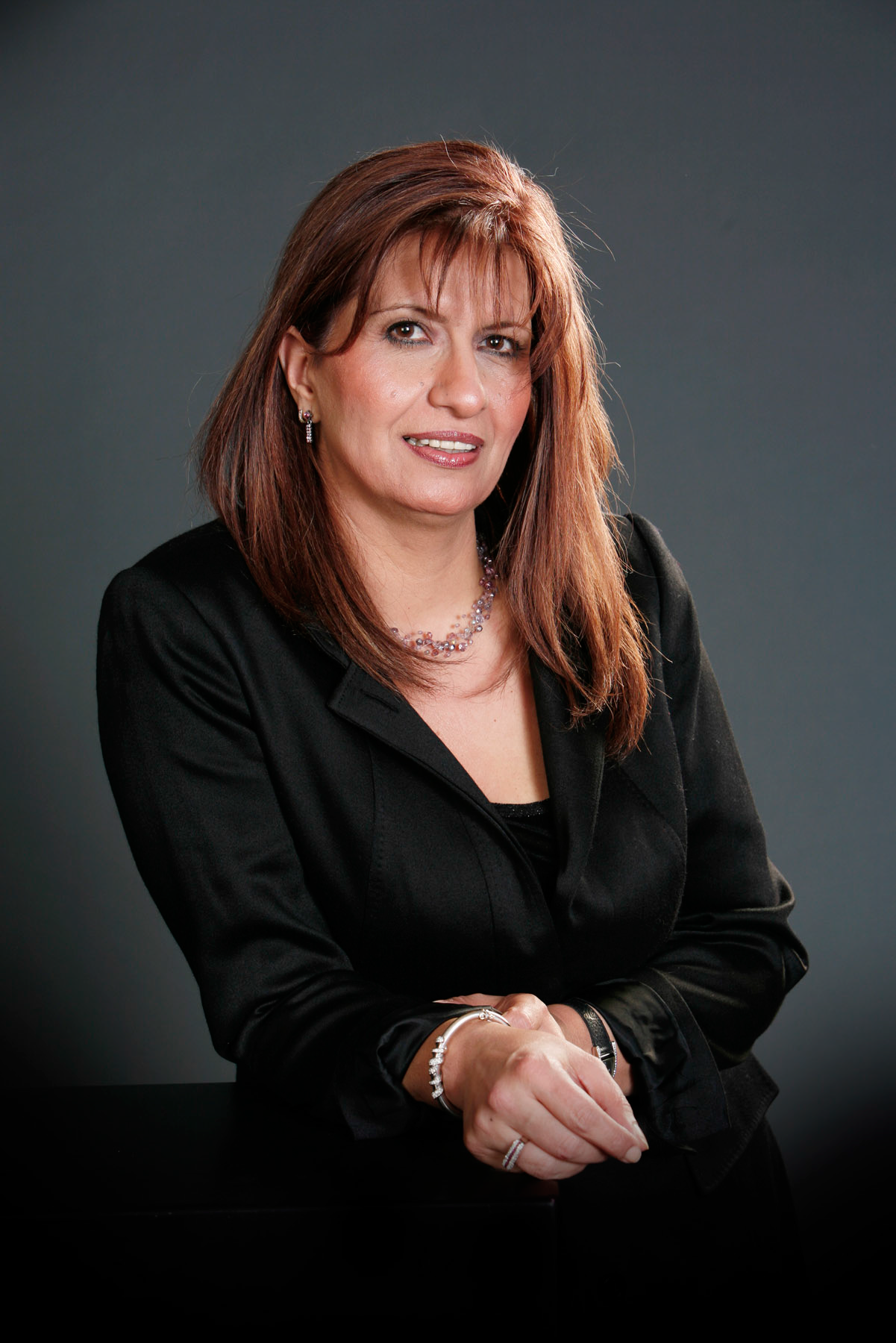
Nadera Shalhoub-Kevorkian is a longtime anti-violence, Palestinian feminist activist and scholar. She is the Lawrence D. Biele Chair in Law at the Faculty of Law-Institute of Criminology and the School of Social Work and Public Welfare at the Hebrew University of Jerusalem. Shalhoub-Kevorkian is also the director of the Gender Studies Program at Mada al-Carmel, the Arab Center for Applied Social Research in Haifa. Her research focuses on femicide and other forms of gendered violence, crimes of abuse of power in settler colonial contexts, surveillance, securitization, and trauma in militarized and colonized zones. Her most recent book, Security Theology, Surveillance and the Politics of Fear was published by Cambridge University Press in 2015. As a resident of the old city of Jerusalem, Shalhoub-Kevorkian engages in direct actions and critical dialogue to end the inscription of power over Palestinian children’s lives, spaces of death, and women’s birthing bodies and lives.
Working Group Affiliation
Religion and the Global Reframing of Gender Violence, Project Director
Dina M. Siddiqi
Fellow, Anthropology, BRAC University
Dina M. Siddiqi divides her time between New York and Dhaka, where she is Professor of Anthropology, BRAC University. Her publications, grounded in the study of Bangladesh, cover a broad spectrum: the global garment industry; gender justice and non-state dispute resolution systems, and the intersections of Islam, nationalism and feminist cultural politics. She is currently working on a book entitled Elusive Solidarities: “Muslim” Women and Transnational Feminism at Work. Siddiqi is on the editorial board of Routledge’s Women in Asia Publication Series, a member of the South Asia Council of the Association of Asian Studies (AAS), and on the Gender Advisory Council of the Lahore School of Management Sciences (LUMS). She is also part of the Advisory Council of the South Asian Network of Gender Activists and Trainers (SANGAT). She has extensive research experience with Bangladeshi human rights organizations, including Ain o Salish Kendra (ASK) and Bangladesh Legal and Services Trust (BLAST).
Professor of Anthropology, BRAC University

Dina M. Siddiqi is Associate Professor in Liberal Studies at New York University. She has also been a Visiting Professor of Anthropology at BRAC University since 2013. She serves on the editorial board of Routledge’s Women in Asia Publication Series; and is Chair of the South Asia Council (SAC), the Association of Asian Studies (AAS). She is on the Advisory Committees of the Saida Waheed Gender Initiative, Lahore University of Management Sciences (LUMS); the Political Conflict, Gender and Peoples' Rights Project (Berkeley and Columbia University) and the South Asian Feminist Network (SANGAT). Siddiqi’s research and publications cover a range of issues grounded in the study of the politics of gender, sexuality and Islam in Bangladesh. She is the author of “Secularism Quests, National Others: Revisiting Bangladesh’s Constituent Assembly Debates” in Asian Affairs: Journal of the Royal Society for Asian Affairs (2015), "Scandals of Seduction and the Seductions of Scandal" in Comparative Studies of South Asia, Africa and the Middle East (2015), “Starving for Justice: Bangladeshi Garment Workers in a ‘Post-Rana Plaza’ World” in International Labor and Working Class History (2015), and “Solidarity, Sexuality and Saving Muslim Women in Neoliberal Times”in Women’s Studies Quarterly (2014).
Working Group Affiliation
Mayssoun Sukarieh
Lecturer in Anthropology and Development Studies
Mayssoun Sukarieh is co-convener of the MA degree in Political Economy of the Middle East. She received her PhD from the University of California, Berkeley, and a MA and BA from the American University of Beirut. Since then she has lectured in anthropology and development studies in universities around the Arab region (American University of Beirut; American University of Cairo) and the United States (Columbia & Brown Universities). Her research interests focus on youth, education, development and social movements in the Arab region, with a particular interest in studying the political, economic, cultural and social structures and processes that tie the region in complex and contradictory ways to the larger global political economy. Her first book, Youth Rising? The Politics of Youth in the Global Economy (co-authored with Stuart Tannock) was published earlier this year by Routledge's Critical Youth Studies series. In 2015, she was also appointed as a Fellow of the Wissenschaftszentrum Berlin für Sozialforschung.
Mayssoun Sukarieh
Lecturer in Anthropology and Development Studies

Mayssoun Sukarieh is co-convener of the MA degree in Political Economy of the Middle East. She received her PhD from the University of California, Berkeley, and a MA and BA from the American University of Beirut. Since then she has lectured in anthropology and development studies in universities around the Arab region (American University of Beirut; American University of Cairo) and the United States (Columbia & Brown Universities). Her research interests focus on youth, education, development and social movements in the Arab region, with a particular interest in studying the political, economic, cultural and social structures and processes that tie the region in complex and contradictory ways to the larger global political economy. Her first book, Youth Rising? The Politics of Youth in the Global Economy (co-authored with Stuart Tannock) was published earlier this year by Routledge's Critical Youth Studies series. In 2015, she was also appointed as a Fellow of the Wissenschaftszentrum Berlin für Sozialforschung.
Working Group Affiliation

Shahla Talebi
Fellow, Sociocultural Anthropology, UC Berkeley
Shahla Talebi is a scholar of religions, 2006 Newcombe Fellow, and Associate Professor at Arizona State University. A native of Iran, she lived in Tehran during the Iranian Revolution and the Iran-Iraq War.
Shahla Talebi
Associate Professor, Arizona State University
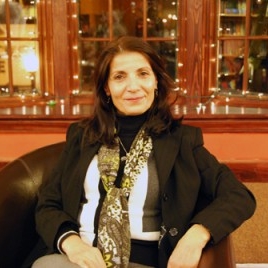
Shahla Talebi is an Associate Professor at Arizona State University. She earned her bachelor’s degree from UC Berkeley in sociocultural anthropology and her master’s and doctoral degrees also in anthropology from Columbia University. Currently, she is on the faculty of religious studies and the anthropology of religion of the School of Historical, Philosophical and Religious Studies at Arizona State University. Her book,Ghosts of Revolution: Rekindled Memories of Imprisonment in Iran (2011, Stanford University Press), won the 2011 Outstanding Academic Title Award given by Choice Magazine, and was the co-winner (Gold Medal) of the 2012 Independent Publisher Book Awards, among other awards.. Dr. Talebi’s work has also appeared in various academic journals, including Comparative Studies of South Asia, Africa, and the Middle East and Journal of Middle East Women’s Studies, and edited books. Her article on revolutions in recent Iranian history was published in the Oxford Handbook series in July 2018. She was the 2017-2018 Anthony E. Kaye fellow at National Humanities Center fellow where she worked on her book about contested memories of martyrdom in post-revolutionary Iran
Working Group Affiliation
Leti Volpp
Fellow, Law in Access to Justice, University of California, Berkeley Law
Robert D. and Leslie Kay Raven Professor of Law in Access to Justice, University of California, Berkeley Law
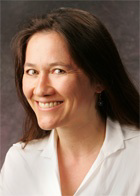
Leti Volpp
Robert D. and Leslie Kay Raven Professor of Law in Access to Justice, University of California, Berkeley Law

Leti Volpp is Leslie Kay Raven Professor of Law and the Faculty Director of the Center for Race and Gender at University of California Berkeley Boalt School of Law. Volpp, is scholar of both law and the humanities, writes about citizenship, migration, culture and identity. Her most recent publications include “Immigrants Outside the Law: President Obama, Discretionary Executive Power, and Regime Change” in Critical Analysis of Law(2016), “The Indigenous As Alien” in the UC Irvine Law Review (2015), “Saving Muslim Women” in Public Books (2015), “Civility and the Undocumented Alien” in Civility, Legality, and Justice in America (Austin Sarat, ed., Cambridge University Press, 2014), “The Boston Bombers” in Fordham Law Review (2014), “Imaginings of Space in Immigration Law” in Law, Culture and the Humanities (2012), the edited symposium issue “Denaturalizing Citizenship: A Symposium on Linda Bosniak’s The Citizen and the Alien and Ayelet Shachar’s The Birthright Lottery” in Issues in Legal Scholarship (2011), and “Framing Cultural Difference: Immigrant Women and Discourses of Tradition” in differences: A Journal of Feminist Cultural Studies (2011). She is the editor of Legal Borderlands: Law and the Construction of American Borders (with Mary Dudziak) (Johns Hopkins University Press, 2006). She is also the author of “The Culture of Citizenship” in Theoretical Inquiries in Law (2007), “The Citizen and the Terrorist” in UCLA Law Review (2002),“Feminism versus Multiculturalism” in the Columbia Law Review(2001), and many other articles.
Working Group Affiliation
Aditi Surie von Czechowski
Junior Research Fellow, Churchill College
Aditi Surie Von Czechowski is Junior Research Fellow at Churchill College, Cambridge. She recently received her PhD from the Department of Middle East, South Asian, and African Studies at Columbia University. Her work focuses on the intersection of humanitarianism and human rights and theories of the human.
Aditi Surie von Czechowski
Junior Research Fellow, Churchill College
Aditi Surie Von Czechowski is Junior Research Fellow at Churchill College, Cambridge. She received her PhD from the Department of Middle East, South Asian, and African Studies at Columbia University. Her work focuses on the intersection of the anthropology of development and humanitarianism, human rights, and black feminist theory. From 2013-15, she conducted research on humanitarian aid and gender-based violence in Tanzania. Her article “Humanitarianism: Histories, Erasures, Repetitions” was published in the Journal of Comparative Studies of South Asia, Africa, and the Middle East and her article “Together in the Flesh” (2019) appeared in Cultural Anthropology’s forum “Theorizing the Contemporary Fieldsights.” She is the author of “Commoditising Architecture” in Johannesburg Workshop in Theory and Criticism (2013), among other earlier articles and she is currently working on a book entitled “Being Human”: Humanitarian Confinement, Refugee Bodies, and Human Rights.
Working Group Affiliation

Dubravka Žarkov
Fellow, Social Studies, The Hague
Dubravka Žarkov is Associate Professor of Gender, Conflict and Development at the International Institute of Social Studies, The Hague. Her fields of expertise are gender and its intersections with sexuality, ethnicity and religion; violent conflict, war and militarism, including gender based sexual violence and communalism, and visual and textual representations of war, violence, and soldiering. She also works on masculinity and sexual violence in wars against men. Among her publications are: Conflict, Peace, Security and Development: Theories and Methodologies (with Helen Hintjens, 2015); Narratives of Justice in and out of the Courtroom: Former Yugoslavia and Beyond (with Marlies Glasius, 2014); Gender, Violent Conflict, and Development (2008); The Body of War: Media, Ethnicity and Gender in the Break-up of Yugoslavia (2007); and The Postwar Moment: Militaries, Masculinities and International Peacekeeping, (with Cynthia Cockburn, 2002). One of her most recent articles is on faith and feminism.
Dubravka Žarkov
Associate Professor of Gender, Conflict and Development, International Institute of Social Studies, The Hague

Dubravka Žarkov is Associate Professor Emerita of Gender, Conflict and Development at the International Institute of Social Studies, The Hague. Her fields of expertise are gender and its intersections with sexuality, ethnicity and religion; violent conflict, war and militarism, including gender based sexual violence and communalism; and visual and textual representations of war, violence, and soldiering. She also works on masculinity and sexual violence in wars against men. Among her publications are: Conflict, Peace, Security and Development: Theories and Methodologies (with Helen Hintjens, 2015); Narratives of Justice in and out of the Courtroom: Former Yugoslavia and Beyond (with Marlies Glasius, 2014); Gender, Violent Conflict, and Development (2008); The Body of War: Media, Ethnicity and Gender in the Break-up of Yugoslavia (2007); and The Postwar Moment: Militaries, Masculinities and International Peacekeeping (with Cynthia Cockburn, 2002). One of her most recent articles is on faith and feminism.
Working Group Affiliation