

Sara Ababneh
Fellow, Strategic Studies, University of Jordan
Sara Ababneh is Assistant Professor at the University of Jordan’s Center for Strategic Studies. She is the Refugee Studies Diploma and CSS Internship program coordinator, and she wrote her dissertation on female Islamists in Hamas in occupied Palestine and the Islamic Action Front in Jordan.
Sara Ababneh

Sara Ababneh is Assistant Professor at the University of Jordan’s Center for Strategic Studies. She is the Refugee Studies Diploma and CSS Internship program coordinator. Ababneh earned her DPhil in Politics and International Relations from the St. Antony’s College, University of Oxford in 2010. She wrote her dissertation on female Islamists in Hamas in occupied Palestine and the Islamic Action Front in Jordan. Ababneh has conducted research on Mandate Palestine, gender and Islamism, Muslim family laws, and labor movements. Her research interests include class, gender and struggles for liberation and change. Currently, Ababneh studies the popular Jordanian protest movement (al-Hirak al-Sha‘bi al-Urduni). She has recently published a piece on women in the Jordanian Day Wage Labor program in the International Journal of Middle East Studies. Ababneh was selected as the Carnegie Centennial Fellow at the Middle East Institute at the University of Columbia in the fall semester 2016.
Working Group Affiliation

Nadje Al-Ali
Fellow, Gender Studies, SOAS University of London
Nadje Al-Ali is Professor of Gender Studies at the Centre for Gender Studies (CGS), SOAS University of London. She is currently chair of CGS and head of the Doctoral School at SOAS. Her main research interests revolve around feminist activism; transnational migration and diaspora moblization; war, conflict and peace; as well as art & cultural studies; mainly with reference to Iraq, Egypt, Turkey and the Kurdish political movement.
Nadje Al-Ali
Professor, Gender Studies, SOAS University of London

Nadje Al-Ali is Professor of Gender Studies at the Centre for Gender Studies (CGS), SOAS University of London. She is currently chair of CGS and head of the Doctoral School at SOAS. Her main research interests revolve around feminist activism; transnational migration and diaspora moblization; war, conflict and peace; as well as art & cultural studies; mainly with reference to Iraq, Egypt, Turkey and the Kurdish political movement. Her publications include What kind of Liberation? Women and the Occupation of Iraq (2009, University of California Press, co-authored with Nicola Pratt); Women and War in the Middle East: Transnational Perspectives (Zed Books, 2009, co-edited with Nicola Pratt); Iraqi Women: Untold Stories from 1948 to the Present (2007, Zed Books); New Approaches to Migration (ed., Routledge, 2002, with Khalid Koser); Secularism, Gender and the State in the Middle East (Cambridge University Press 2000) as well as numerous book chapters and journal articles. Her co-edited book with Deborah al-Najjar entitled We are Iraqis: Aesthetics & Politics in a Time of War (Syracuse University Press) won the 2014 Arab-American book prize for non-fiction. Her most recent research and publications focus on the Turkish-Kurdish conflict and the Kurdish women’s movement.
Professor Al-Ali was President of the Association of Middle East Women’s Studies (AMEWS) from 2009-2011. She is also a member of the Feminist Review Collective, and is on the editorial board of Kohl: a Journal of Body and Gender Research. She was involved in several projects with Iraqi academics and women’s rights activists which facilitated the introduction of women and gender studies and increased evidence-based research capacity in Iraq.
Working Group Affiliation
Religion and the Global Reframing of Gender Violence

Wafa Al-Khadra
Fellow, Language and Communication, American University of Madaba
Wafa Al-Khadra is a university professor and experienced university administrator, currently serving as Dean of Faculty of Languages and Communication at the American University of Madaba.
Wafa Al-Khadra

Wafa Al-Khadra is a university professor and experienced university administrator, currently serving as Dean of Faculty of Languages and Communication at the American University of Madaba. She has extensive experience in gender studies, strategic planning, quality assurance, and discourse analysis. Wafa a is a frequent speaker, seminar leader and consultant on gender studies and feminist theories at several national, regional and international organizations. She is devoted to feminist politics and gives unstinting support to women's/ human rights. Wafa has contributed to the academization of feminist thought, gender studies and to the analysis of school textbooks. Her research interest is in the two areas of politics of identity and gender studies.
Working Group Affiliation
Nissreen Haram
Fellow, Economics, Mount Holyoke College
Nissreen Haram holds a B.A. in economics from Mount Holyoke College in Massachusetts and an M.A. in Islamic Studies from McGill University in Montreal. She has had a diverse career as a Trade Policy Advisor, Law Firm Director, Children’s Museum Director, and Artisan Cheese maker. She has also been member of the Yale Law School Middle East Seminar, and its organizing committee for more than 15 years. She is actively interested in Islamic legal and intellectual history, and contemporary approaches to religious reform.
Nissreen Haram holds a B.A. in economics from Mount Holyoke College in Massachusetts and an M.A. in Islamic Studies from McGill University in Montreal. She has had a diverse career as a Trade Policy Advisor, Law Firm Director, Children’s Museum Director, and Artisan Cheese maker. She has also been member of the Yale Law School Middle East Seminar, and its organizing committee for more than 15 years. She is actively interested in Islamic legal and intellectual history, and contemporary approaches to religious reform.
Working Group Affiliation
Zahra Ali
Fellow, Sociology, Rutgers
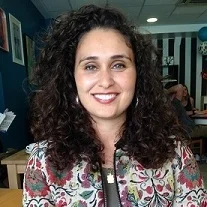
Zahra Ali is an Assistant Professor of Sociology at Rutgers, Newark. Her research explores women and gender issues in relation to Islam and the Middle East, as well as contemporary Muslim communities and Islamisms.
Zahra Ali
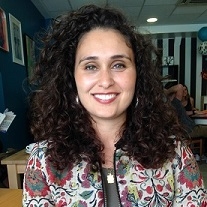
Zahra Ali is an Assistant Professor of Sociology at Rutgers, Newark. Her research explores women and gender issues in relation to Islam and the Middle East, as well as contemporary Muslim communities and Islamisms. Her recent research explores contemporary Iraqi women’s activism through an in-depth ethnography of post-2003 Iraqi women’s political groups conducted in Baghdad, Erbil and Sulaymaniyah and a study of women’s social, economic and political experiences since the formation of the Iraqi state. Her book Women and Gender in Iraq: between Nation-building and Fragmentation will be published by Cambridge University Press in Spring 2018. She also edited Féminismes Islamiques, the first collection on Muslim feminist scholarship published in France (La Fabrique editions, 2012), translated and published in German (Passagen Verlag, 2014).
Working Group Affiliation
Urooj Arshad
Fellow, Human Rights, International Youth Health and Rights at Advocates for Youth
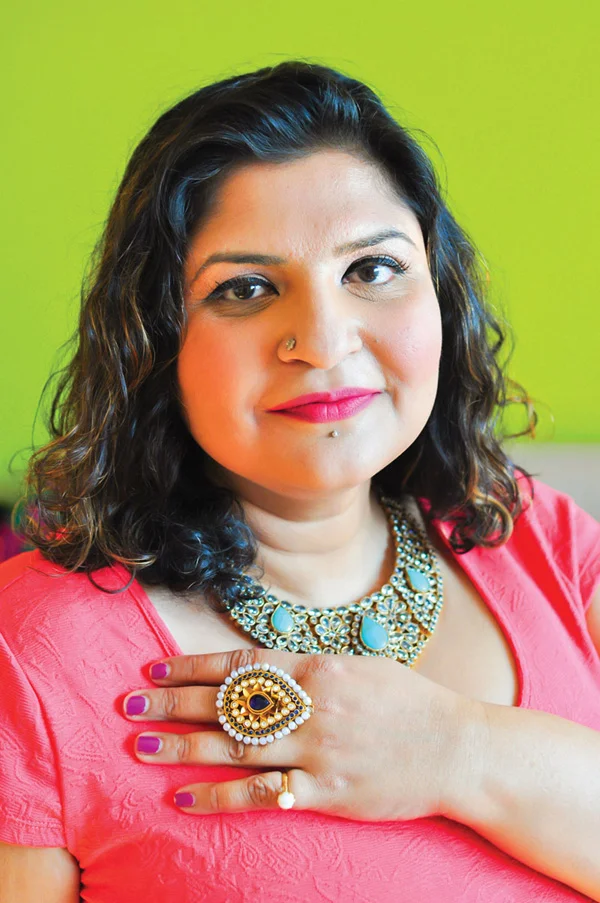
Urooj Arshad is the Associate director of International Youth Health and Rights at Advocates for Youth. She manages a project of the International Division that builds the capacity of youth-driven organizations in Africa, Asia, Latin America, and the Caribbean to empower young people.
Urooj Arshad
Associate director, International Youth Health and Rights at Advocates for Youth
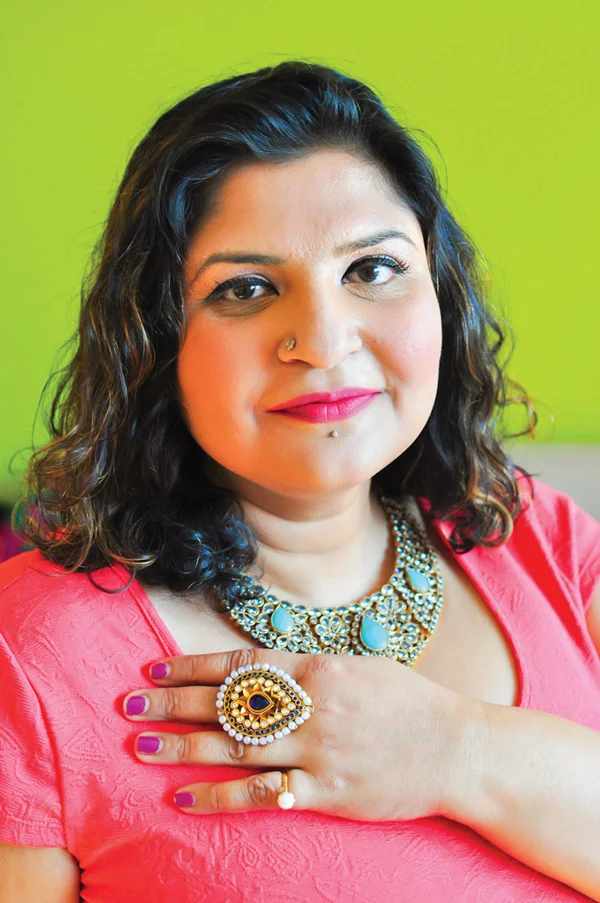
Urooj Arshad is the Associate director of International Youth Health and Rights at Advocates for Youth. She manages a project of the International Division that builds the capacity of youth-driven organizations in Africa, Asia, Latin America, and the Caribbean to empower young people as strong advocates within their own countries and at international forums on reproductive and sexual health and rights of youth, especially young women and LGBTQ youth. She has also designed a project that seeks to address the reproductive and sexual health needs of Muslim-identified youth. Previously, Urooj provided capacity-building services to community-based organizations working with youth of color around reproductive and sexual health. She has sixteen years of experience organizing within LGBTQ communities of color, especially addressing issues of Islamophobia, violence, sexism, transphobia, and ageism. Urooj is a steering committee member of the Muslim Alliance for Sexual and Gender Diversity (MASGD) which seeks to address the intersectional impact of Islamophobia, homophobia, and transphobia. She has been a member of the Center for American Progress’ Women’s Health Leadership Network and its Faith and Reproductive Justice Institute. Urooj has been a fellow with the American Muslim Civic Leadership Institute and a current member of the Kalamazoo College Arcus Center for Social Justice Leadership Global Advisory Board. She is the recipient of several awards including the National Queer Asian Pacific Islander Alliance’s 2012 NQAPIA Community Catalyst Award and the Young Women of Color HIV/AIDS Coalition’s We Speak award. Urooj was selected to serve on the U.S delegation to the 59th Session of the United Nations Commission on the Status of Women.
Working Group Affiliation
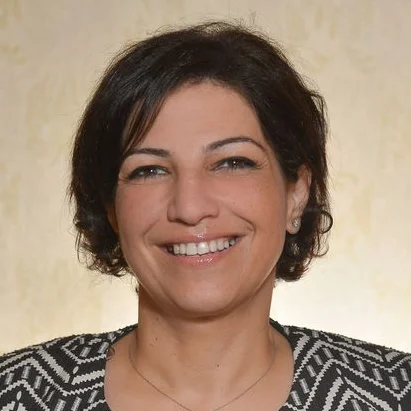
Hadeel Aziz
Fellow, Executive Director, Justice Center for Legal Aid in Jordan
Hadeel Aziz is the Executive Director of the Justice Center for Legal Aid in Jordan. In 2008, Hadeel pioneered free legal assistance in Jordan when she left a multi-million dollar USAID project on the rule of law to co-found the Justice Center for Legal Aid (JCLA).
Hadeel Aziz
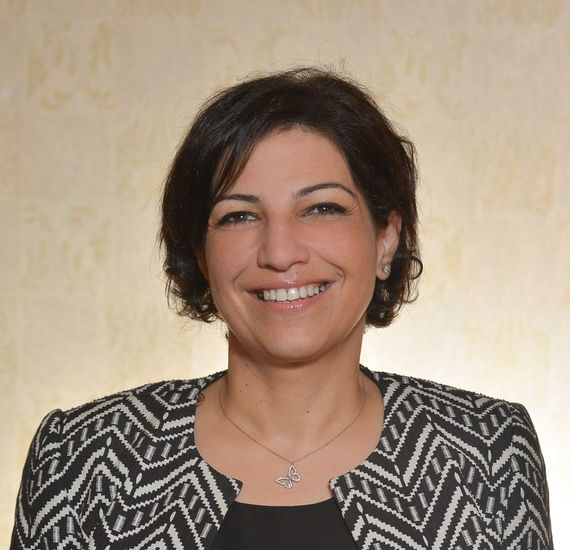
Hadeel Aziz is the Executive Director of the Justice Center for Legal Aid in Jordan. In 2008, Hadeel pioneered free legal assistance in Jordan when she left a multi-million dollar USAID project on the rule of law to co-found the Justice Center for Legal Aid (JCLA). Her organization provides legal services to the poor, underprivileged and vulnerable, a service previously available only to those who could afford it. JCLA is now the largest legal aid provider in the country. In her role, Hadeel is responsible for setting and monitoring strategy, overseeing advocacy and ensuring sustainability of the center. Hadeel is currently establishing a comprehensive country- wide pro bono attorney program and expects to partner with the Jordanian Bar association and the Ministry of Justice to spur a significant culture change. She has investigated public justice in the U.S., including advocacy, and women and children’s issues.
Working Group Affiliation

Qudsiya Contractor
Fellow, Inclusive Policies, Tata Institute of Social Sciences Centre
Qudsiya Contractor is an Assistant Professor at the Tata Institute of Social Sciences Centre for Study of Social Exclusion and Inclusive Policies, School of Research Methodology.
Qudsiya Contractor
Assistant Professor, Tata Institute of Social Sciences

Qudsiya Contractor is an Assistant Professor at the Tata Institute of Social Sciences Centre for Study of Social Exclusion and Inclusive Policies, School of Research Methodology. Qudsiya completed her PhD in 2014 as a Max Planck Institute Doctoral Fellow at the School of Development Studies, TISS. Her research interests include: Social identities; anthropology ofcities and development; communal politics; health, illness and society. She has previously worked in the development sector on issues of displacement, human rights and urbanization. She was a visiting fellow at MPI Göttingen in 2015. Her recent work has been on the politics of the “meat-ban” in Hindu-Muslim relations.
Working Group Affiliation
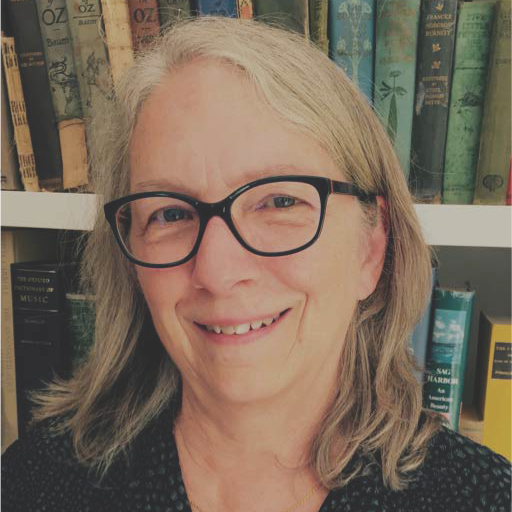
Katherine Pratt Ewing
Professor, Department of Religion, Columbia University
Katherine Pratt Ewing is Professor of Religion and Director of the Institute for Religion, Culture and Public Life at Columbia University. She has carried out ethnographic fieldwork in Pakistan, Turkey, and India, and among Muslims in Europe and the United States. Her research has focused on debates among Muslims about the proper practice of Islam in the modern world, the place of Muslims within the German national imaginary, and sexualities, gender, and the body in South Asia.
Katherine Pratt Ewing
Professor of Religion, Columbia University
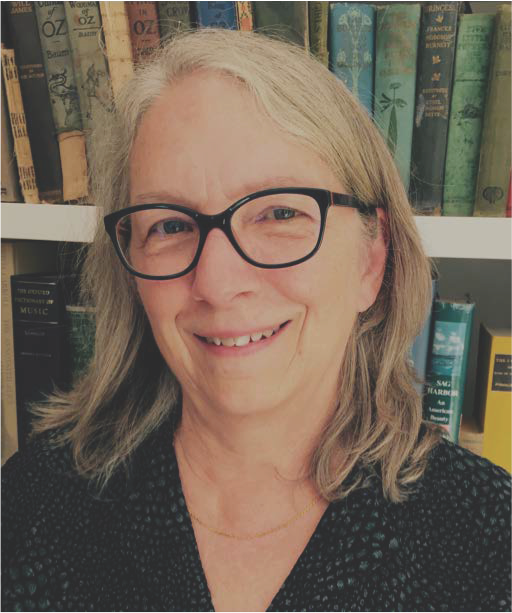
Katherine Pratt Ewing is Professor of Religion and Director of the Institute for Religion, Culture and Public Life at Columbia University. She has carried out ethnographic fieldwork in Pakistan, Turkey, and India, and among Muslims in Europe and the United States. Her research has focused on debates among Muslims about the proper practice of Islam in the modern world, the place of Muslims within the German national imaginary, and sexualities, gender, and the body in South Asia. She is currently writing a book on the politics of sex change surgery within India’s middle class with Baishakhi Taylor and is PI on an ACLS-funded project “Sufis, Salafis and the Public Square” with Alexander Stille. Recent articles and chapters include “The Ungendered Self: Sex Reassignment, The Third Gender, and Gender Fluidity in India” (forthcoming, with Baishakhi Taylor), “Murder in Chapel Hill: Muslims, the Media, and the Ambivalence of Belonging” (forthcoming), “‘Islam is Not a Culture:’ Reshaping a Muslim Public for a Secular World” (2015), “From German Bus Stop to Academy Award Nomination: The Honor Killing as Simulacrum” (2013), and “Naming our Sexualities: Secular Constraints, Muslim Freedoms” (2011). Her previous books include Arguing Sainthood: Modernity, Psychoanalysis and Islam (1997), Stolen Honor: Stigmatizing Muslim Men in Berlin (2008), and the edited volumes Shariat and Ambiguity in South Asian Islam (1988) and Being and Belonging: Muslim Communities in the US since 9/11 (2008).
Working Group Affiliations
Gender, Religion and Law in Muslim Societies, Project Director
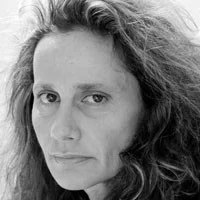
Amal Ghandour
Fellow, International Policy, Stanford University
Amal Ghandour is Strategy Adviser to Ruwwad al Tanmeyah, a regional community development initiative, and Special Adviser to Columbia University Global Centers, Middle East. Ghandour’s career spans two decades in the fields of research and communication. An author (About This Man Called Ali) and a blogger (Thinking Fits), Ghandour holds an MS in International Policy from Stanford University and a BSFS from Georgetown University.
Amal Ghandour
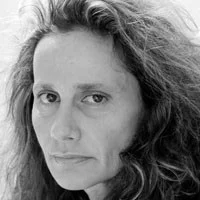
Amal Ghandour is Strategy Adviser to Ruwwad al Tanmeyah, a regional community development initiative, and Special Adviser to Columbia University Global Centers, Middle East. Ghandour’s career spans two decades in the fields of research and communication. An author (About This Man Called Ali) and a blogger (Thinking Fits), Ghandour holds an MS in International Policy from Stanford University and a BSFS from Georgetown University.
Working Group Affiliation
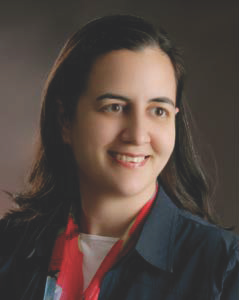
Hala Ghosheh
Fellow, Gender Social Fund, Jordon
Hala Ghosheh is a gender expert and development consultant, who was the Director of the five year Gender Social Fund in Jordan. She specializes in sustainable development work with focus on women and youth. Her experience includes working on policy, institutional and local community levels in several countries in the region. She has worked on program management, design, development and monitoring and evaluation, organizational gender reviews and conducting qualitative research to assess the status of women and youth in different contexts.
Hala Ghosheh
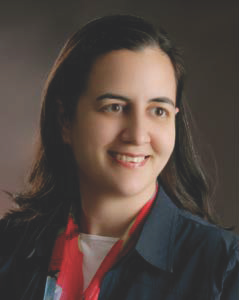
Hala Ghosheh is a gender expert and development consultant, who was the Director of the five year Gender Social Fund in Jordan. She specializes in sustainable development work with focus on women and youth. Her experience includes working on policy, institutional and local community levels in several countries in the region. She has worked on program management, design, development and monitoring and evaluation, organizational gender reviews and conducting qualitative research to assess the status of women and youth in different contexts. She has also provided policy consultation to national committees and international NGOs on issues of mainstreaming gender, women economic empowerment, youth employability, policy initiatives and program development. She was a founding and board member of the first microfinance institution for women in Jordan and currently, is a council member of the Information Research Center – King Hussein Foundation.
Working Group Affiliation
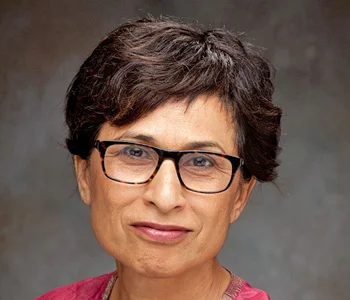
Inderpal Grewal
Fellow, Women's, Gender, and Sexuality Studies and American Studies, Yale University
Inderpal Grewal is Professor and Chair in the Program in Women’s, Gender, and Sexuality Studies at Yale University. She is also Professor in the Ethnicity, Race and Migration Studies Program, the South Asian Studies Council, and affiliate faculty in the American Studies Program. She is the author of Home and Harem: Nation, Gender, Empire and the Cultures of Travel(Duke University Press, 1996), Transnational America: Feminisms, Diasporas, Neoliberalisms (Duke University Press, 2005), and Saving the Security State: Exceptional Citizens in Twenty-First century America (Duke University Press, 2017).
Inderpal Grewal
Department of Women's, Gender, and Sexuality Studies and American Studies, Yale University
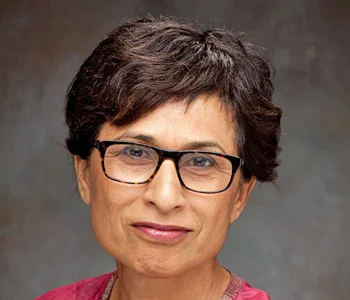
Inderpal Grewal is Professor and Chair in the Program in Women’s, Gender, and Sexuality Studies at Yale University. She is also Professor in the Ethnicity, Race and Migration Studies Program, the South Asian Studies Council, and affiliate faculty in the American Studies Program. She is the author of Home and Harem: Nation, Gender, Empire and the Cultures of Travel (Duke University Press, 1996), Transnational America: Feminisms, Diasporas, Neoliberalisms (Duke University Press, 2005), and Saving the Security State: Exceptional Citizens and Twenty-first century America (Duke University Press in 2017). With Caren Kaplan, she has written and edited Gender in a Transnational World: Introduction to Women’s Studies (Mc-Graw Hill 2001, 2005) and Scattered Hegemonies: Postmodernity and Transnational: Feminist Practices (University of Minnesota Press, 1994). With Victoria Bernal, she has edited Theorizing NGO’s: States, Feminism and Neoliberalism (Duke University Press, 2014).
Her ongoing projects include essays on violence and counterinsurgency in India, and a book project on masculinity and bureaucracy in postcolonial India.
Working Group Affiliations
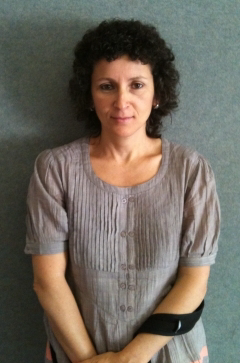
Nacira Guénif-Souilamas
Fellow, Sociology, University of Paris 8 Vincennes-Saint-Denis
Nacira Guénif-Souilamas is Professor, University of Paris 8 Vincennes-Saint-Denis, Education Sciences Department.
She was formerly Associate Professor at the University of Paris Nord/13 and Co-Director of EXPERICE Research Center.
Guénif-Souilamas holds a Phd in Sociology from l’École des Hautes Études en Sciences Sociales in Paris and a HDR of Sciences Po Paris.
Nacira Guénif-Souilamas
Professor, University of Paris 8 Vincennes-Saint-Denis, Education Sciences Department

Nacira Guénif-Souilamas is Professor, University of Paris 8 Vincennes-Saint-Denis, Education Sciences Department.
She was formerly Associate Professor at the University of Paris Nord/13 and Co-Director of EXPERICE Research Center.
Guénif-Souilamas holds a Phd in Sociology from l’École des Hautes Études en Sciences Sociales in Paris and a HDR of Sciences Po Paris.
In 2009, she was a Fulbright fellow at Wellesley College (Sociology) and Columbia University (ICLS, Department of Middle East and Asian Languages and Cultures & Department of Religion) and a Visiting Professor at the Institute of French Studies in NYU.
Her Phd dissertation was awarded « Le prix le Monde de la recherche universitaire » published as Des beurettes aux descendantes d’immigrants nord-africains (2000), paperback edition Des beurettes in 2003), translated in Arabic in 2004. She has co-authored with Éric Macé Les féministes et le garçon arabe, L’Aube (2004, paperback edition in 2006) and edited La république mise à nu par son immigration, La Fabrique (2006). Since 2004, her contributions appeared in : Le foulard islamique en questions; La fracture coloniale; Qui a peur de la télévision en couleurs ?; Les féminismes en questions, éléments pour une cartographie ; La situation postcoloniale; La reconnaissance à l’épreuve; Histoire politique des luttes de l’immigration (post)coloniale; La fracture postcoloniale; Israeli-Paslestinian Conflict in the Francophone World; Ruptures postcoloniales ; L’individu aujourd’hui ; Frenchness and the African Diaspora : Identity and Uprising in Contemporary France ; Migration und Menschenrechte in Europa ; Dictionnaire du racisme et des discriminations ; Dictionnaire de la jeunesse et de l’adolescence ; Minorités visibles en politique ; Penser à gauche ; La France une et multiculturelle. Her articles appeared in: La Revue Européenne des Migration Internationales ; French Politics, Culture and Society ; Contemporary French Civilization (ed) ; Cosmopolitiques (ed) ; Yale French Studies; Mouvements ; European Early Childhood Education Research Journal; The Salon. Chapters will appear in : Gendering the Divide : Religion, the Secular, and the Politics of Sexual Difference; What’s Queer about Europe ?
She contributes to public debates on migrations, minorities and discriminations, ethnic and racial visibility, gender, sexism and racism. She is a member of the TERRA network and the vice-president of the Islamic Cultural Center in Barbès, a longstanding Arab and Black quarter of Paris.
Working Group Affiliation
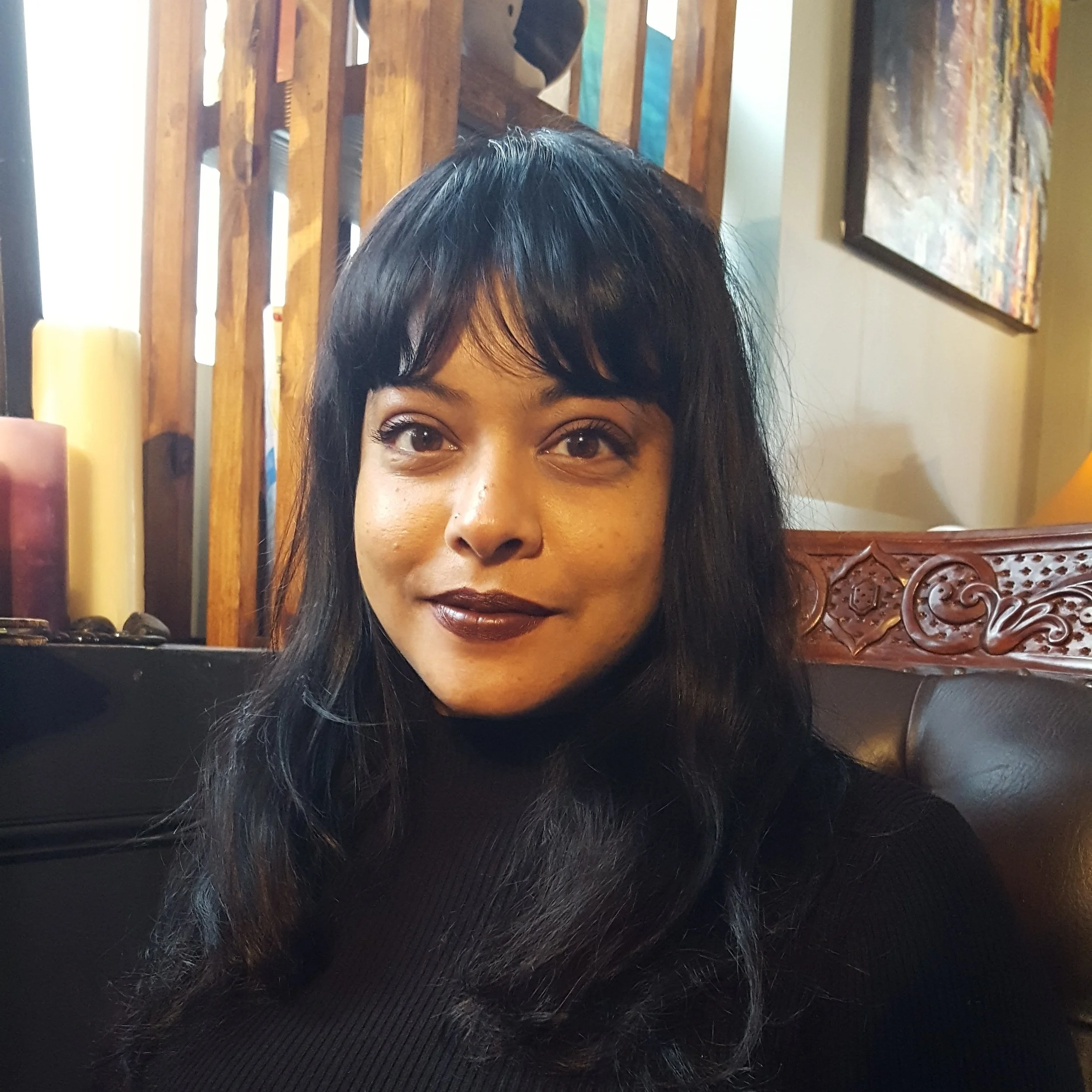
Joymala Hajra
Fellow, South Asian Studies, Columbia University
Joymala Hajra divides her time between the Religion and the Global Framing of Gender Violence Project, where she is the Program Coordinator and The Institute for Religion, Culture, and Public Life, where she is the Manager of Design and Communication.
Joymala Hajra
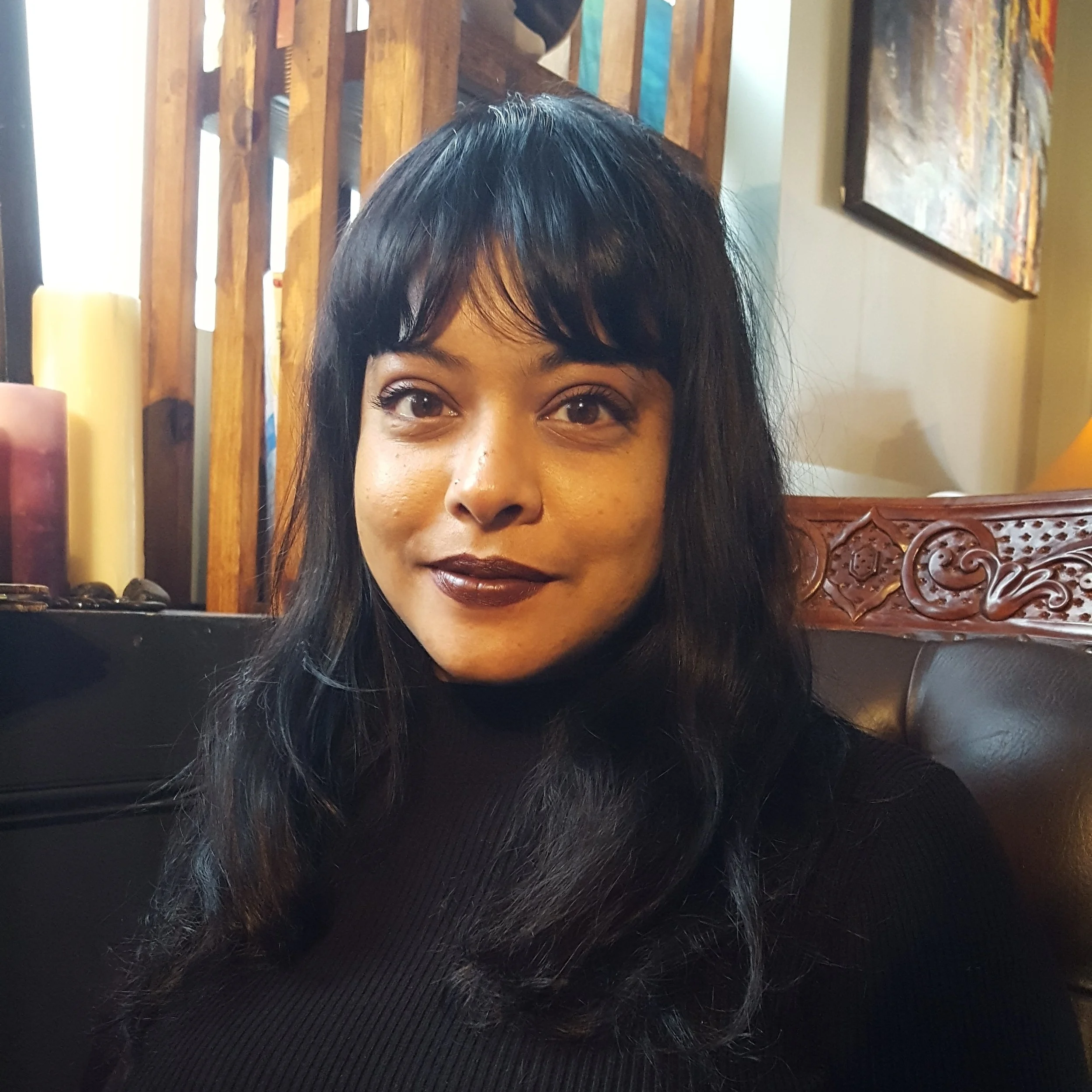
Joymala Hajra divides her time between the Religion and the Global Framing of Gender Violence Project, where she is the Program Coordinator and The Institute for Religion, Culture, and Public Life, where she is the Manager of Design and Communication. Joymala is an experienced researcher with a focus in critical gender and human rights studies. Alongside her career as a professional designer, she has been devoted to social justice through work with various arts and development organizations in the US and Bangladesh. Joymala holds a B.F.A. from The Fashion Institute of Technology and an M.A in South Asian Studies from Columbia University.
Working Group Affiliation
Janet Halley
Fellow, Royall Professor of Law, Harvard Law School
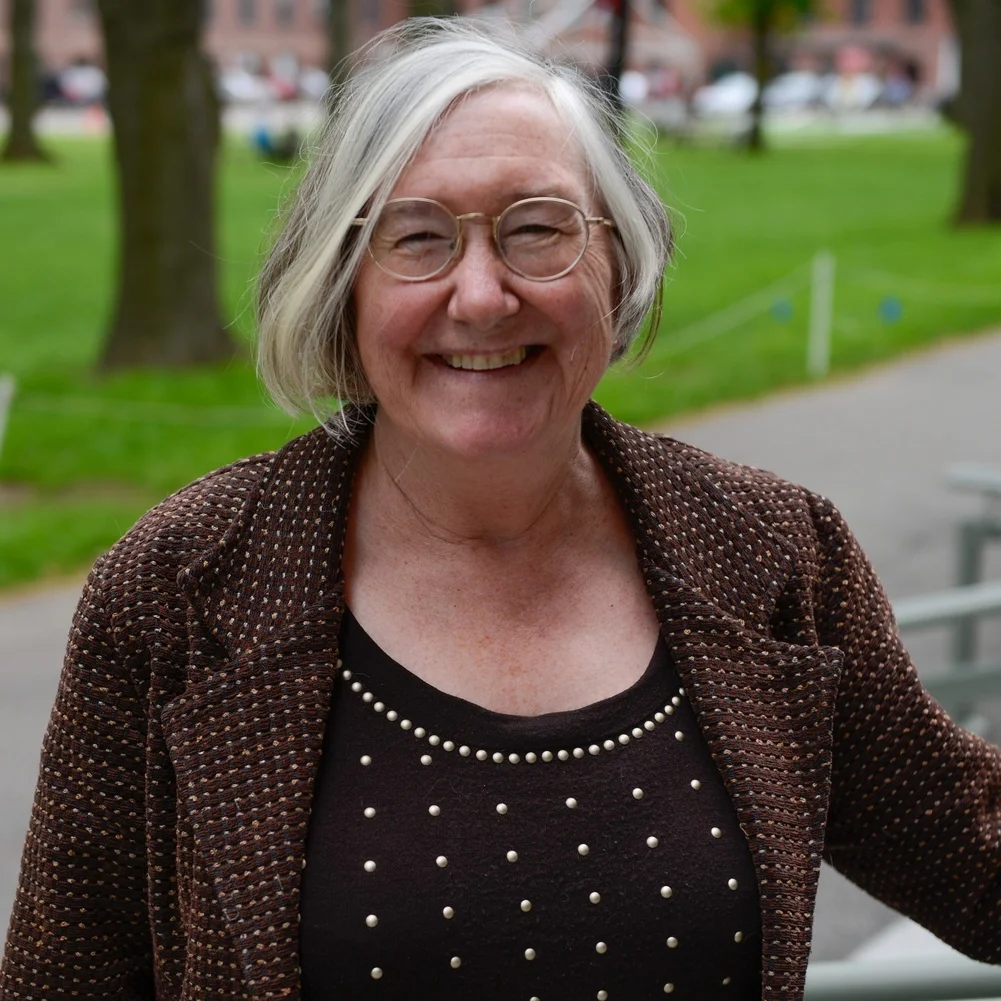
Janet Halley is the Royall Professor of Law at Harvard Law School. She has a Ph.D. in English Literature from UCLA and a J.D. from Yale Law School. She has taught at Tel Aviv Buckmann School of Law and in the Law Department of the American University in Cairo. She is the author of Split Decisions: How and Why to Take a Break from Feminism (Princeton 2006), and Don’t: A Reader’s Guide to the Military’s Anti-Gay Policy (Duke 1999). With Wendy Brown, she coedited Left Legalism/Left Critique (Duke 2002), and with Andrew Parker she coedited After Sex?
Janet Halley
Royall Professor of Law, Harvard Law School
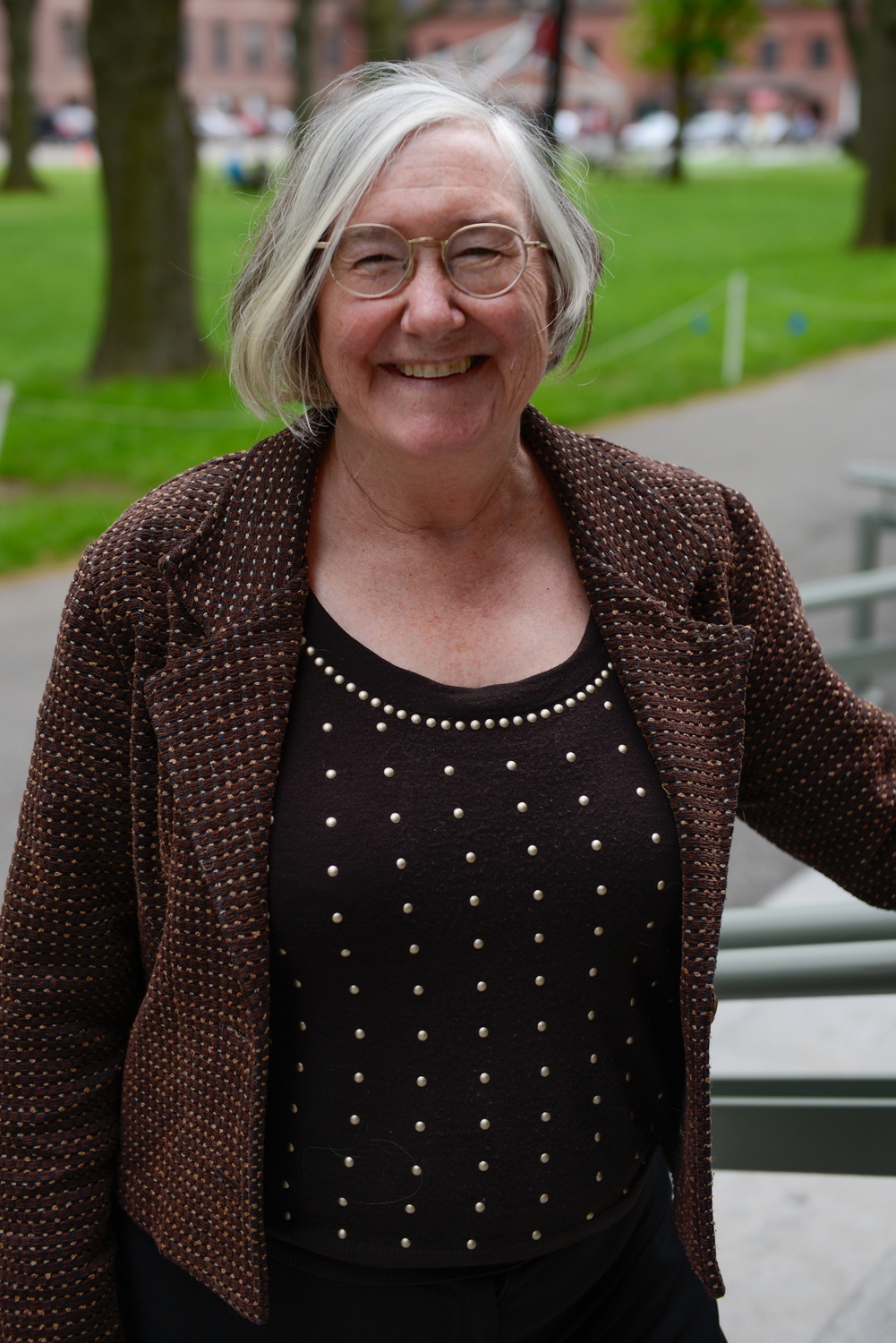
Janet Halley is the Royall Professor of Law at Harvard Law School. She has a Ph.D. in English Literature from UCLA and a J.D. from Yale Law School. She has taught at Tel Aviv Buckmann School of Law and in the Law Department of the American University in Cairo. She is the author of Split Decisions: How and Why to Take a Break from Feminism (Princeton 2006), and Don’t: A Reader’s Guide to the Military’s Anti-Gay Policy (Duke 1999). With Wendy Brown, she coedited Left Legalism/Left Critique (Duke 2002), and with Andrew Parker she coedited After Sex? New Writing Since Queer Theory (Duke 2011). She is the editor of a collection of essays entitled “Critical Directions in Comparative Family Law” in the American Journal of Comparative Law, and the author of “What is Family Law?: A Genealogy,” published last year in the Yale Journal of Law and the Humanities. Her current book projects are The Family/Market Distinction: A Genealogy and Critique and Rape in Armed Conflict: Assessing the Feminist Vision and its Law. She is co-director of the Trafficking Roundtable and of the Up Against Family Law Exceptionalism Conference, an international collaboration dedicated to studying the role of the family and family law in colonization, decolonization and contemporary globalization. She was recently awarded the Career Achievement Award for Law and the Humanities by the Association for the Study of Law, Culture and the Humanities. She teaches Family Law, Gender and the Family in Transnational Legal Orders, Gender in Postcolonial Legal Orders, Trafficking and Labor Migration, and courses on the intersections of legal theory with social theory.
Working Group Affiliation
Rema Hammami
Fellow, Anthropology, Birzeit University
Rema Hammami is Associate Professor of Anthropology at the Institute of Women’s Studies, Birzeit University where she founded the graduate program in Gender and Development in 1998, the first graduate program in gender studies in the region.
Rema Hammami
Associate Professor of Anthropology, Birzeit University
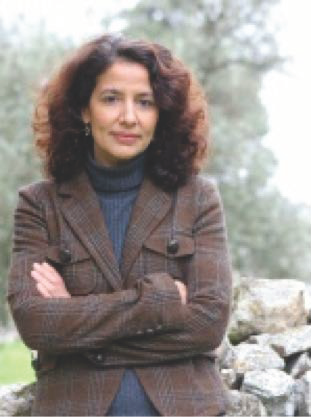
Rema Hammami is Associate Professor of Anthropology at the Institute of Women’s Studies, Birzeit University where she founded the graduate program in Gender and Development in 1998, the first graduate program in gender studies in the region. Her publications cover issues of development, politics, spatialities and gender in the context of Palestine. She serves on the editorial boards of the Arab Studies Journal, Jerusalem Quarterly File, Middle East Reports, Development and Change, and American Ethnologist. Founder and former chair of the Birzeit University Right to Education Campaign and founder and former director of the Women’s Affairs Centre in Gaza, she is active on issues of academic freedom and gender justice in and for Palestine. Recent publications include: “On (not) Suffering at the Checkpoint; Palestinian Narrative Strategies of Surviving Israel’s Carceral Geography”Borderlands Journal (14:1, 2015) and: “Precarious Politics: The Activism of ‘Bodies that Count’ (aligning with those that don’t) in Palestine’s Colonial Frontier” in. Judith Butler, Zeynep Gambetti, and Leticia Sabsay (eds), Rethinking Vulnerability: Towards a Feminist Theory of Resistance and Agency, Durham, NC. Duke University Press, (forthcoming 2016). Her current research focuses on the interface between liberal peace building/ neo-humanitarian intervention and the logics of Israeli military occupation and colonization of the West Bank and Gaza with a particular emphasis on how the aid industry deploys gender in its techniques across Palestine’s fragmented geo-political projects and spaces. Selected as a Carnegie Centennial Scholar at Columbia University in 2014, she was also previously awarded the Prince Claus Chair in Equity and Development at the ISS (the Hague) for 2005 and currently serves on the jury of their awards for culture and development.
Working Group Affiliation
Religion and the Global Reframing of Gender Violence, Project Director

Heather Ashley Hayes
Chair and Assistant Professor, Rhetoric Studies, Whitman College
Heather Ashley Hayes is Chair and Assistant Professor of Rhetoric Studies at Whitman College. She works across the intersections of rhetorical materialism, race, violence, the global war on terror, and argument studies. Since 2013, she has delivered a number of talks and presentations including work on the revolutionary events in Egypt's Tahrir Square that ousted Hosni Mubarak in January of 2011.
Heather Ashley Hayes
Chair and Assistant Professor, Rhetoric Studies, Whitman College

Heather Ashley Hayes is Chair and Assistant Professor of Rhetoric Studies at Whitman College. She works across the intersections of rhetorical materialism, race, violence, the global war on terror, and argument studies. Since 2013, she has delivered a number of talks and presentations including work on the revolutionary events in Egypt's Tahrir Square that ousted Hosni Mubarak in January of 2011 and work on the rise of unmanned aerial vehicles (also known as drones) as a new technology of the global war on terror. Her first book, Violent Subjects and Rhetorical Cartography in the Age of the Terror Wars, was published in 2016 by Palgrave Macmillan Press. She has additionally published work in Argumentation and Advocacy, Quarterly Journal of Speech, and a number of other spaces.
Working Group Affiliation
Janet R. Jakobsen
Professor, Department of Women's Gender and Sexuality Studies, Barnard College
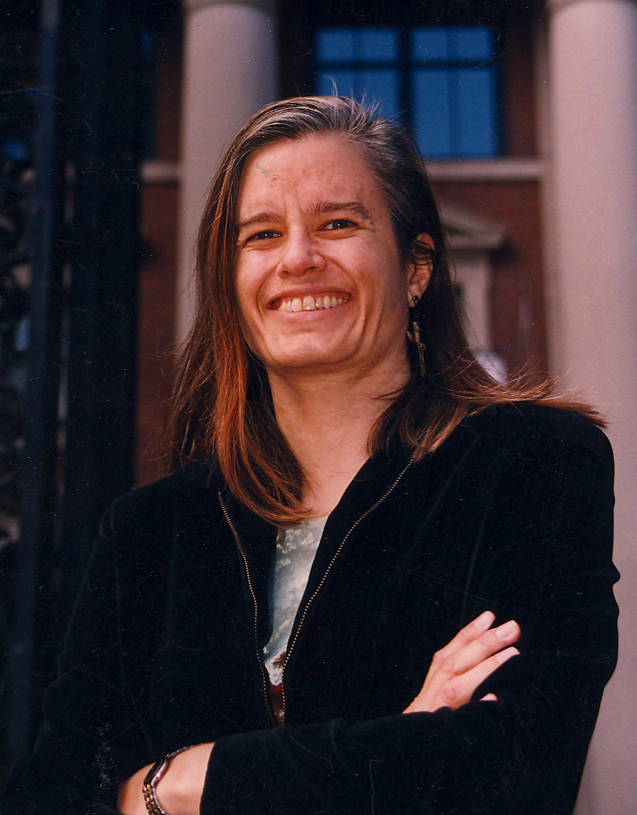
Janet R. Jakobsen is Claire Tow Professor and Chair of Women's Gender and Sexuality Studies at Barnard College, Columbia University. She served fifteen years as Director of the Barnard Center for Research on Women (BCRW), and she has also served as Dean for Faculty Diversity and Development.
Janet R. Jakobsen
Ann Whitney Olin Professor of Women's Gender and Sexuality Studies and Director, Center for Research on Women, Barnard College

Janet R. Jakobsen is Claire Tow Professor and Chair of Women's Gender and Sexuality Studies at Barnard College, Columbia University. She served fifteen years as Director of the Barnard Center for Research on Women (BCRW), and she has also served as Dean for Faculty Diversity and Development. As Director of BCRW, Professor Jakobsen founded the webjournal, Scholar & Feminist Online, along with the New Feminist Solutions series of activist research projects with community-based organizations, such as Queers for Economic Justice and the National Domestic Workers Alliance. She is the author of many books, including Working Alliances and the Politics of Difference: Diversity and Feminist Ethics and with Ann Pellegrini, Love the Sin: Sexual Regulation and the Limits of Religious Tolerance. Her current book project is: “Why Sex?: Religion, Secularism and Possibilities for Justice.” She has held fellowships from the American Association of University Women, the Center for the Humanities at Wesleyan University, and the Center for the Study of Values in Public Life at Harvard Divinity School. She has taught as a Visiting Professor at Wesleyan University and Harvard University.
Working Group Affiliations
Shenila Khoja-Moolji
Doctoral Student, Gender, Sexuality, and Women’s Studies, University of Pennsylvania
Shenila Khoji-Moolji received her doctorate in Education and additional certification in Feminist Theory from Columbia University in 2016. Her research interests include examining discourses on gender and education, and their entanglement with practices of power. Dr. Khoja-Moolji’s work problematizes the centering of girls’ education and empowerment as a solution to societal problems, especially in relation to Muslim-majority nations.
Shenila Khoja-Moolji
DCC Postdoctoral Fellow, Gender, Sexuality, and Women’s Studies, University of Pennsylvania
Shenila Khoji-Moolji received her doctorate in Education and additional certification in Feminist Theory from Columbia University in 2016. Her research interests include examining discourses on gender and education, and their entanglement with practices of power. Dr. Khoja-Moolji’s work problematizes the centering of girls’ education and empowerment as a solution to societal problems, especially in relation to Muslim-majority nations. Specifically, she interrogates universalistic notions of girlhood, empowerment, and rights embedded in past and present calls for women’s and girls’ education, and in doing so highlights the raced, gendered, and religioned configurations of citizenship that emerge in and through humanitarian discourses. Dr. Khoja-Moolji has written extensively about the convergence on the figure of the girl in transnational development regimes. She also investigates education policy discourses as they relate to immigrants in the United States and teacher development in the global South. Her work has appeared in Signs: Journal of Women in Culture and Society, International Journal of Qualitative Studies in Education, Comparative Studies of South Asia, Africa and the Middle East, Compare: A Journal of Comparative and International Education, Discourse: Studies in the Cultural Politics of Education, Feminist Teacher, Gender and Education, Girlhood Studies, and Journal of Diaspora, Indigenous, and Minority Education, and in several book chapters. She also pursues an active public scholarship agenda, with opinion pieces and essays appearing in The New York Times, The Washington Post, and The Huffington Post. At Penn, Dr. Khoja-Moolji plans to complete her book manuscript, tentatively entitled Gender, Education, and Governmentality: The Making of Educated Female Muslim Subjects in Colonial India and Postcolonial Pakistan (1857-2015).
Working Group Affiliations

Liza McIntosh
PhD Student, English and Comparative Literature, Columbia University
Liza McIntosh is a PhD student in the department of English and Comparative Literature at Columbia. She is broadly interested in the culture and texts of the Early Modern period, with a focus on questions of gender, sexuality, and nature. She received her BA from Johns Hopkins University in English and Art History.
Liza McIntosh

Liza McIntosh is a PhD student in the department of English and Comparative Literature at Columbia. She is broadly interested in the culture and texts of the Early Modern period, with a focus on questions of gender, sexuality, and nature. She received her BA from Johns Hopkins University in English and Art History.
Working Group Affiliations