

Nicole Gervasio
PhD Candidate, English and Comparative Literature, Columbia University
Nicole Gervasio is a Ph.D. candidate in the Department of English and Comparative Literature at Columbia University. Her dissertation is on the ethics of representing mass political violence in contemporary postcolonial literature. Her work focuses on intersections between queer, postcolonial, and feminist theory in relation to themes of survival, embodiment, and trauma in literatures of the Global South. She also has a B.A. in English and Growth & Structure of Cities from Bryn Mawr College and has been the recipient of Mellon Mays, Beinecke, and Javits Fellowships.
Nicole Gervasio

Nicole Gervasio is a Ph.D. candidate in the Department of English and Comparative Literature at Columbia University. Her dissertation is on the ethics of representing mass political violence in contemporary postcolonial literature. Her work focuses on intersections between queer, postcolonial, and feminist theory in relation to themes of survival, embodiment, and trauma in literatures of the Global South. She also has a B.A. in English and Growth & Structure of Cities from Bryn Mawr College and has been the recipient of Mellon Mays, Beinecke, and Javits Fellowships.
Working Group Affiliations

Marianne González Le Saux
PhD Student, History, University of Chile
Marianne González Le Saux is a second year student in the History doctoral program, and her research is centered on the cultural and social history of the law in Latin America. She is a lawyer from the University of Chile. She has been awarded the Fulbright Scholarship, and she is funded by CONICYT, Chile, and Columbia's Richard Hofstadter Fellowship.
Marianne González Le Saux
PhD Student, History
Marianne González Le Saux is a second year student in the History doctoral program, and her research is centered on the cultural and social history of the law in Latin America. She is a lawyer from the University of Chile. She has been awarded the Fulbright Scholarship, and she is funded by CONICYT, Chile, and Columbia's Richard Hofstadter Fellowship.
Before coming to Columbia, she worked for several years in the Human Rights Center at the University of Chile, teaching and researching on topics related to transitional justice, democracy and Human Rights in Latin America. She also studied the history of the Chilean middle class in the 19th century and its relationship with the public education system, and her research has been published in the book “De empresarios a empleados: clase media y Estado docente en Chile en el siglo XIX” (Santiago, Chile, LOM Ediciones, 2011). She also has several other publications in the areas of history, law, and political philosophy.
Currently, her research is focused on the history of legal aid systems and other mechanisms of access to justice in Chile in the 20th century, and how they defined the relationship of the popular classes with the state in the areas of family, labor, and criminal law.

Alyssa Greene
PhD Student, Germanic Languages, Columbia University
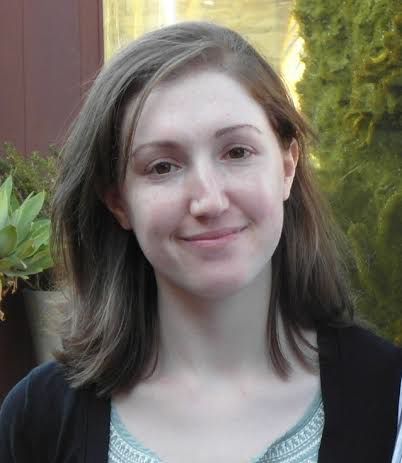
Alyssa Greene is a Ph.D. student in the Department of Germanic Languages and the Institute for Comparative Literature and Society at Columbia University. She studies twentieth-century German and Austrian literature, with a particular emphasis on the post-Second World War era. Her research interests include memory discourses in the postwar period; migration (especially in the German-Turkish context); feminist and postcolonial criticism; the figure of the child and depictions of childhood in Cold War and post-Cold War narratives of authoritarian states.
Alyssa Greene
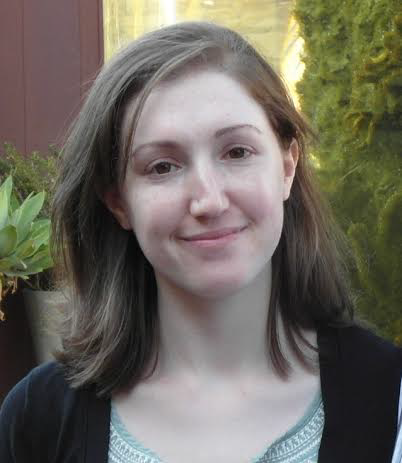
Alyssa Greene is a Ph.D. student in the Department of Germanic Languages and the Institute for Comparative Literature and Society at Columbia University. She studies twentieth-century German and Austrian literature, with a particular emphasis on the post-Second World War era. Her research interests include memory discourses in the postwar period; migration (especially in the German-Turkish context); feminist and postcolonial criticism; the figure of the child and depictions of childhood in Cold War and post-Cold War narratives of authoritarian states.
Working Group Affiliation

Jenny Gumer
Doctoral Student, Bioethics, Columbia University
Jenny Gumer is an attorney practicing in the litigation department of Gibson Dunn and Crutcher, Los Angeles. As a member of the firm's FDA, Healthcare and Life Sciences practices groups, she advises pharmaceutical and medical device companies on regulatory compliance as well as represents them in large scale litigations. Jenny is also a student in Columbia University's Masters in Bioethics program which she will complete in Spring 2017.
Jenny Gumer
Graduate Student, Bioethics, Columbia University

Jenny Gumer is an attorney practicing in the litigation department of Gibson Dunn and Crutcher, Los Angeles. As a member of the firm's FDA, Healthcare and Life Sciences practices groups, she advises pharmaceutical and medical device companies on regulatory compliance as well as represents them in large scale litigations. Jenny is also a student in Columbia University's Masters in Bioethics program which she will complete in Spring 2017. Prior to joining Gibson Dunn, Jenny received her Juris Doctorate from New York University, School of Law and her Bachelors in Science in Biology/Genetics from the University of California, San Diego where she was elected to Phi Beta Kappa.
Working Group Affiliation

Nick Juravich
Doctoral Student, Education, Columbia University
Nick Juravich is a doctoral student in United States History, studying education, labor organizing, social policy, urban history, and social movements in the twentieth century. His dissertation, provisionally titled "An Education in Democracy: Paraprofessionals in Schools, Communities, and the Labor Movement, 1965-1980," examines the changing relationships between public schools, local communities, and public sector unions in this era.
Nick Juravich

Nick Juravich is a doctoral student in United States History, studying education, labor organizing, social policy, urban history, and social movements in the twentieth century. His dissertation, provisionally titled "An Education in Democracy: Paraprofessionals in Schools, Communities, and the Labor Movement, 1965-1980," examines the changing relationships between public schools, local communities, and public sector unions in this era.
Nick received his BA in History with honors from the University of Chicago in 2006, where he wrote his senior thesis on the Rainbow Beach Wade-Ins, a series of civil rights protests in Chicago that Nick helped to commemorate for their 50th Anniversary in 2011. From 2006 to 2008, Nick attended the University of Oxford on a Rhodes Scholarship, earning an M.Phil. in Economic and Social History with distinction for his master's thesis on the transnational origins of black British equality movements. His research at Columbia is funded by Javits Fellowship.
Nick lives in Crown Heights, where he ran around schoolyards with kids as a health and fitness educator for New York Road Runners for two years before coming to Columbia, and where he still blogs about neighborhood change and local issues at http://ilovefranklinave.blogspot.com . His essays and reviews have appeared online for the New York Observer, the New York Moon, the Huffington Post, Tropics of Meta, and Dissent.
Working Group Affiliation
Suzanne Kahn
PhD Student, History, Columbia University
Suzanne Kahn is a Ph.D. candidate in the U.S. History program. She works at the intersection of legal history, women’s history, and American Political Development. Her dissertation, “Divorce and the Politics of the Social Welfare Regime, 1969-2001,” examines how rising divorce rates shaped the politics and policies around women’s access to economic resources.
Suzanne Kahn
PhD Student, History
Suzanne Kahn is a Ph.D. candidate in the U.S. History program. She works at the intersection of legal history, women’s history, and American Political Development. Her dissertation, “Divorce and the Politics of the Social Welfare Regime, 1969-2001,” examines how rising divorce rates shaped the politics and policies around women’s access to economic resources.
Suzanne’s research has been supported by fellowships from the William Nelson Cromwell Foundation and the Schlesinger Library at the Radcliffe Institute for Advanced Study. In 2013, she was fellow at the J. Willard Hurst Summer Institute in Legal History at the University of Wisconsin Law School.
Suzanne received her B.A. with honors in history from Yale University in 2007. Before returning to graduate school she worked on the Service Employees International Union’s campaign for health care reform.
Working Group Affiliation

Robin J. Kemper
Doctoral Student, Narrative Medicine, Columbia University
Robin J. Kemper is currently studying for her M.S. in Narrative Medicine at Columbia University. Hoping professionally to write and teach on disability-related matters, Robin has twice taught a Narrative Medicine seminar to Columbia University postbaccalaureate premedical students and undergraduate premedical students. She is also a Curriculum Committee Representative in the Narrative Medicine program. Robin earned her J.D. at Yale Law School and her B.A. in English at Yale University.
Robin J. Kemper
Robin J. Kemper is currently studying for her M.S. in Narrative Medicine at Columbia University. Hoping professionally to write and teach on disability-related matters, Robin has twice taught a Narrative Medicine seminar to Columbia University postbaccalaureate premedical students and undergraduate premedical students. She is also a Curriculum Committee Representative in the Narrative Medicine program. Robin earned her J.D. at Yale Law School and her B.A. in English at Yale University.


Sarah Kleinstein
Doctoral Student, Molecular Genetics and Microbiology, Duke University
Sarah Kleinstein is a Ph.D. candidate in the Department of Molecular Genetics and Microbiology at Duke University, currently studying under Dr. David Goldstein in the Institute for Genomic Medicine at Columbia University. Her primary research focus is determining the genetic underpinnings behind differential responses to infectious diseases, such as HIV-1, HSV-2, HCV, and HBV. Kleinstein also holds a BS in Biochemistry and an MS in Genetic Epidemiology (both from the University of Washington, Seattle).
Sarah Kleinstein
Graduate Student, Molecular Genetics and Microbiology, Duke University
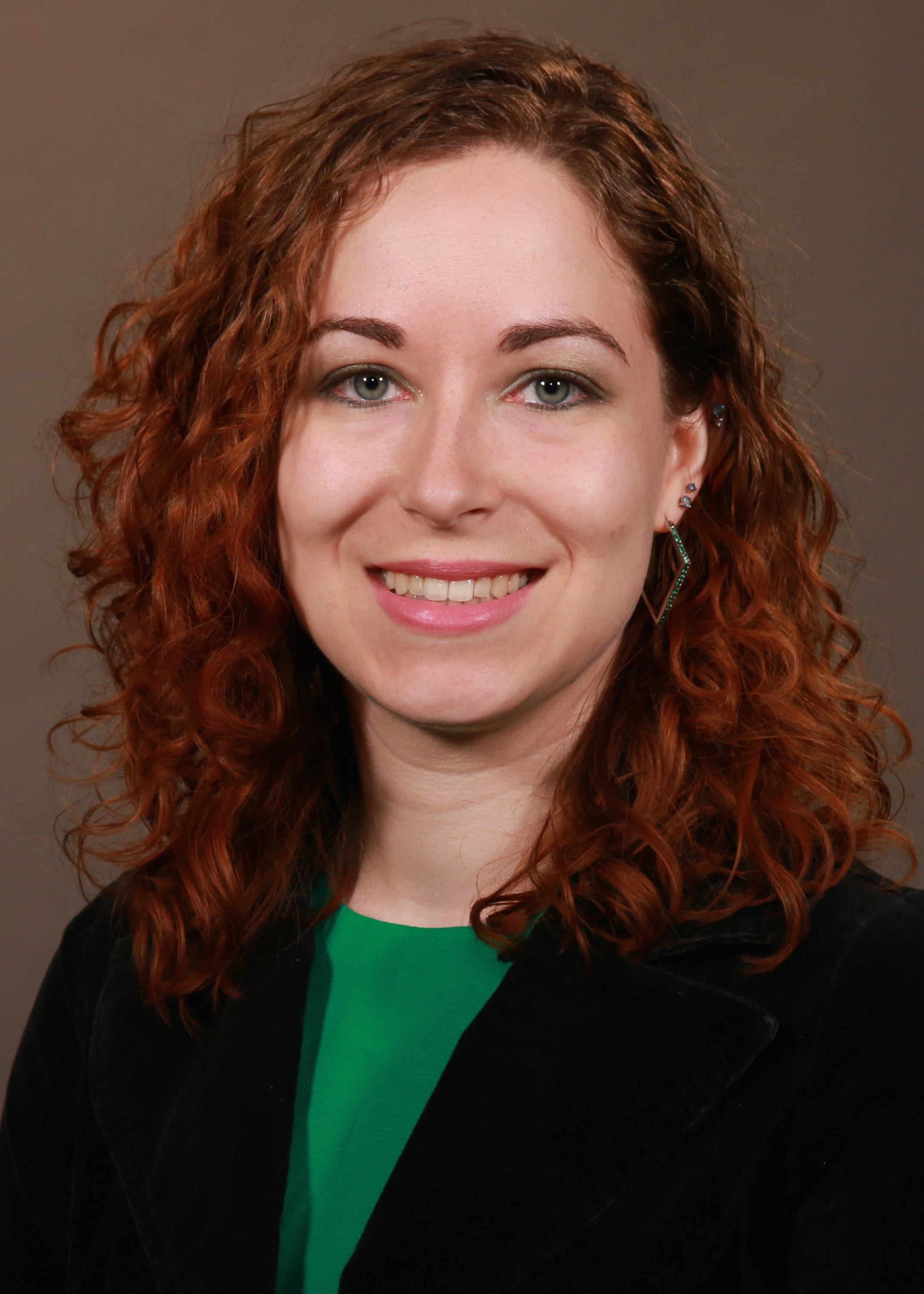
Sarah Kleinstein is a Ph.D. candidate in the Department of Molecular Genetics and Microbiology at Duke University, currently studying under Dr. David Goldstein in the Institute for Genomic Medicine at Columbia University. Her primary research focus is determining the genetic underpinnings behind differential responses to infectious diseases, such as HIV-1, HSV-2, HCV, and HBV. Kleinstein also holds a BS in Biochemistry and an MS in Genetic Epidemiology (both from the University of Washington, Seattle). Her undergraduate research involved elucidating causal mutations related to the Muscular Dystrophy phenotypes observed in mutant Drosophila melanogaster. Her MS research investigated genetic susceptibility to colorectal neoplasia and genetic interactions with nonsteroidal anti-inflammatory drug use in the lipoxygenase pathway at the Fred Hutchinson Cancer Research Center. After finishing her MS, Sarah completed a one year Centers for Disease Control and Prevention and Association of Public Health Laboratories joint fellowship in Emerging Infectious Diseases. During her fellowship, she worked at the California Department of Public Health Microbial Diseases Laboratory, characterizing emerging multi-drug resistance in a Salmonella Typhimurium outbreak and validating a new cpn60 gene target for broad range sequence-based bacterial identification.
Working Group Affiliation