
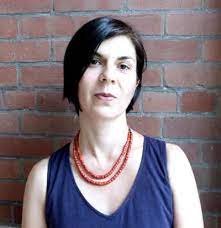
Zeynep Çelik Alexander
Zeynep Çelik Alexander is Associate Professor in the Department of Art History and Archaeology at Columbia University. Her work focuses on the history and theory of architecture since the eighteenth century. She is the author of Kinaesthetic Knowing: Aesthetics, Epistemology, Modern Design (Chicago and London: University of Chicago Press, 2017), the recipient of the 2019 Charles Rufus Morey Book Award.
Zeynep Çelik Alexander
Zeynep Çelik Alexander is Associate Professor in the Department of Art History and Archaeology at Columbia University. Her work focuses on the history and theory of architecture since the eighteenth century. She is the author of Kinaesthetic Knowing: Aesthetics, Epistemology, Modern Design (Chicago and London: University of Chicago Press, 2017), the recipient of the 2019 Charles Rufus Morey Book Award. The book is a history of an alternative mode of knowing—non-propositional, non-linguistic, and based on the movements of the body—that gained saliency in the nineteenth century and informed the epistemological logic of modernism in the German-speaking world.
She co-edited, with John May (Harvard University), Design Technics: Archaeologies of Architectural Practice (Minneapolis: University of Minnesota Press, 2020) and, with Daniel Abramson (Boston University) and Michael Osman (UCLA) for Aggregate, Writing Architectural History: Evidence and Narrative in the Twenty-First Century (Pittsburgh: University of Pittsburgh Press, 2021). She has also published in numerous venues, including Journal of the Society of Architectural Historians, New German Critique, Harvard Design Magazine, Log, e-flux, Grey Room, Journal of Design History, and Centropa as well as several edited volumes. She is currently completing a book titled Imperial Data: An Architectural History (University of Chicago, 2022), an account of nineteenth-century storehouses of information in the British Empire. The book visits several buildings constructed by the Office of Works in London at the height of the expansion of British bureaucracy in the second half of the nineteenth century.
Working Group: Extractive Media

Matthew Engelke
Professor, Department of Religion, Columbia University
Matthew Engelke is an anthropologist with research interests in Christianity, secular humanism, media, materiality, semiotics. He has conducted fieldwork in Zimbabwe and in Britain. He is currently working on a book about secularity and death, based on research among humanist funeral celebrants in London. Before joining the Columbia faculty in 2018, Engelke taught in the Department of Anthropology at the London School of Economics and Political Science for 16 years. He received his BA from the University of Chicago in 1994 and his PhD from the University of Virginia in 2002.
Matthew Engelke
Professor of Religion; Director of the Institute for Religion, Culture and Public Life, Columbia University

Matthew Engelke is an anthropologist with research interests in Christianity, secular humanism, media, materiality, semiotics. He has conducted fieldwork in Zimbabwe and in Britain. He is currently working on a book about secularity and death, based on research among humanist funeral celebrants in London.
Before joining the Columbia faculty in 2018, Engelke taught in the Department of Anthropology at the London School of Economics and Political Science for 16 years. He received his BA from the University of Chicago in 1994 and his PhD from the University of Virginia in 2002.
Engelke is the editor of Prickly Paradigm Press, a section editor at Public Books, former editor of the Journal of the Royal Anthropological Institute, and former deputy editor of the Journal of Religion in Africa. Engelke has served on the board of trustees of both the Royal Anthropological Institute and the London School of Economics, as well as vice-chair of the LSE’s Ethics Policy Committee.
The author or editor of several books, Engelke has also published articles in many journals, including American Ethnologist, Comparative Studies in Society and History, South Atlantic Quarterly, and Current Anthropology. Beyond his scholarly writing, Engelke has written for the Guardian and Tate Modern.
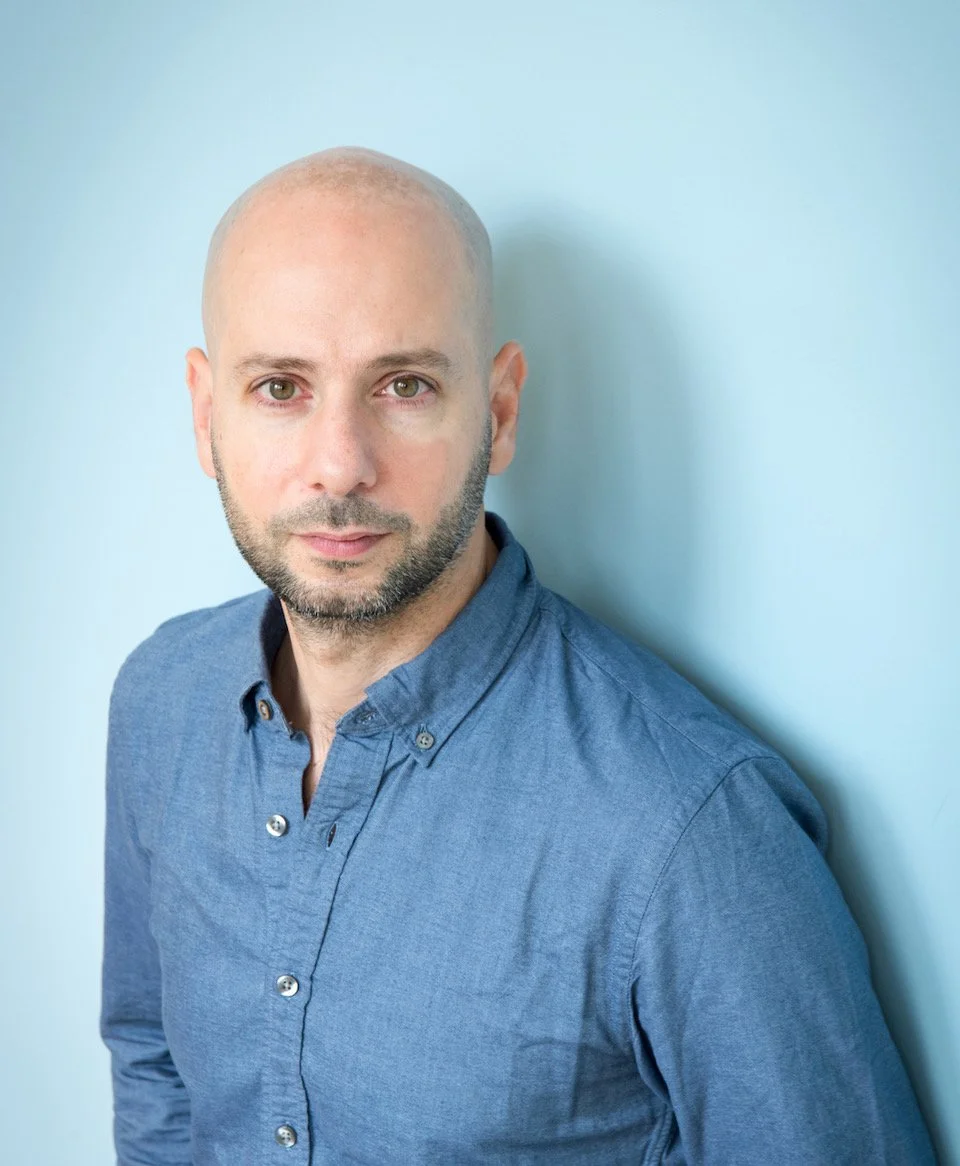
Ralph Ghoche
Ralph Ghoche is a nineteenth-century architecture and urbanism historian and Assistant Professor in the Department of Architecture at Barnard College, Columbia University.
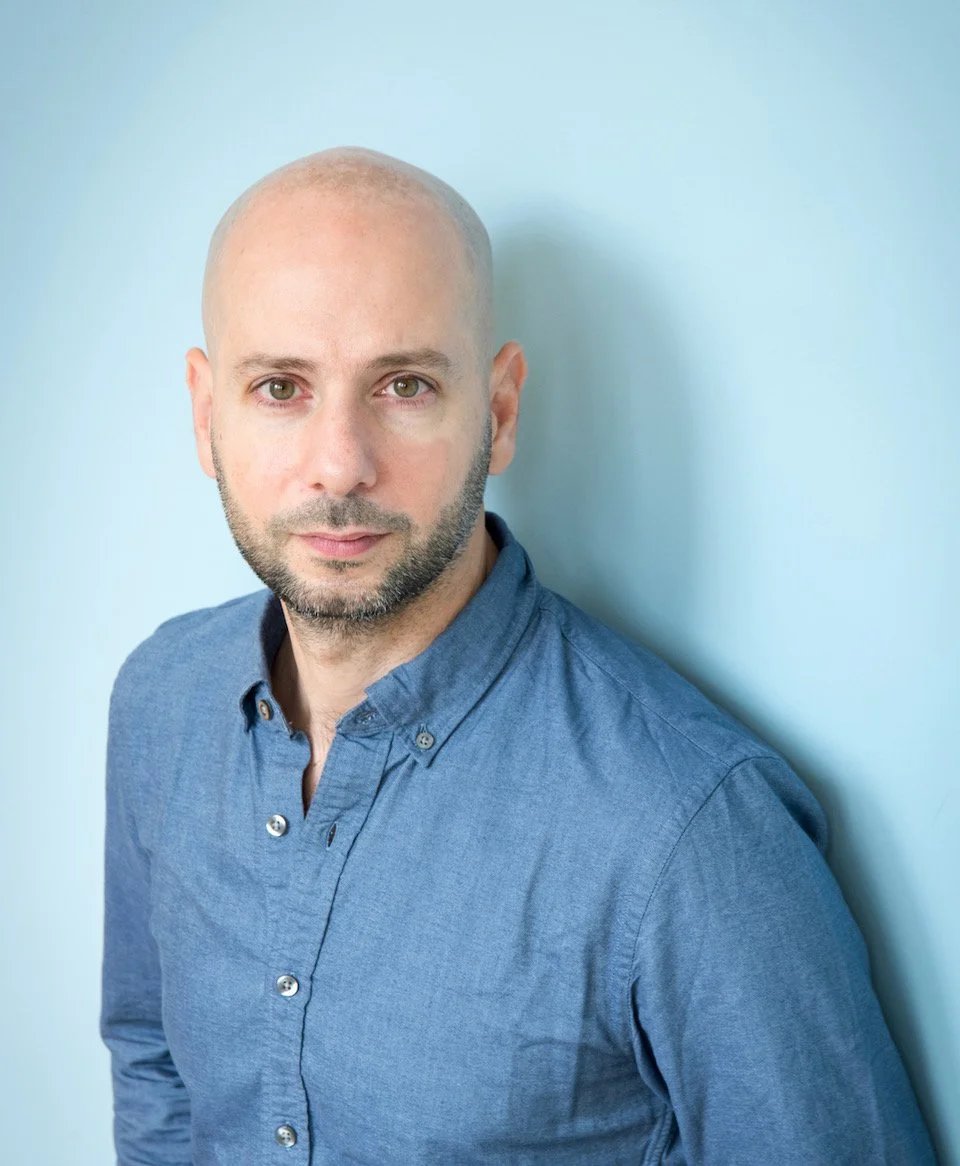
Ralph Ghoche
Ralph Ghoche is an Assistant Professor in the Department of Architecture at Barnard College, specializing in nineteenth-century architectural, urban, and environmental history.
His research and teaching are dedicated to clarifying two major subject areas: colonialism and environmentalism. His work on the interventions of the Catholic Church in Algiers during the French colonial period examines how the Church reshaped urban space through the construction, conversion, and erasure of buildings to advance its aim of resurrecting Augustinian Christendom in North Africa. Simultaneously, Ghoche is involved in a research project examining stone quarries and mineral extraction across Algeria. The broader objective of this project is to clarify how Western architecture's material reality is inscribed within global networks of extraction and exchange.
For the last decade, Ghoche has taught a lecture class in environmental history titled “City, Landscape & Ecology.” The course looks at changing attitudes to the natural world from the eighteenth century to the present, tracing significant historical shifts in considering nature across multiple fields and disciplines. His recent publications on environmentalism include “A Commons for Whom? Racism and the Environmental Movement,” co-authored with Udoh Unyimeabasi and published in Transforming Education for Sustainability (Springer, 2023) and a co-edited special issue (v. 17) of the French peer-reviewed journal, Les Cahiers de la recherche architecturale urbaine et paysagère, titled “How Environmentalist Mobilizations Shape Buildings, Cities and Landscapes.”
Ghoche holds a professional degree in architecture from McGill University and a Ph.D. in architectural history and theory from the Graduate School of Architecture, Planning, and Preservation at Columbia. He is co-chair of the Columbia University Seminar, Beyond France, and is a member of the editorial board of Les Cahiers de la recherche architecturale, urbaine et paysagère.
Working Group: Seeds of Diaspora
Brian Larkin
Professor, Department of Anthropology, Barnard College and Columbia University
Brian Larkin is Professor of Anthropology at Barnard College and Columbia University and the author of Signal and Noise: Media Infrastructure and Urban Culture in Nigeria (Duke University Press, 2008). With Lila Abu-Lughod and Faye Ginsburg he co-edited Media Worlds: Anthropology on New Terrain (University of California Press, 2000). His research examines the introduction of media technologies in Nigeria – cinema, radio, digital media - and the religious, political, and cultural changes they bring about.
Brian Larkin
Professor of Anthropology, Barnard College and Columbia University
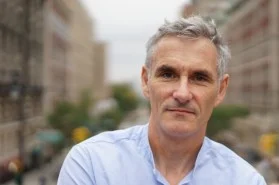
Brian Larkin is Professor of Anthropology at Barnard College and Columbia University and the author of Signal and Noise: Media Infrastructure and Urban Culture in Nigeria (Duke University Press, 2008). With Lila Abu-Lughod and Faye Ginsburg he co-edited Media Worlds: Anthropology on New Terrain (University of California Press, 2000). His research examines the introduction of media technologies in Nigeria – cinema, radio, digital media - and the religious, political, and cultural changes they bring about. He has published widely on issues of technology and breakdown, piracy and intellectual property, the global circulation of cultural forms, infrastructure and urban space, sound studies, and Nigerian film (Nollywood). Larkin is completing the manuscript "Secular Machines: Media and the Materiality of Islamic Revival," which analyzes the role media plays in the rise of new Islamic movements in Nigeria and explores theoretical questions about technology and religion. With Stefan Andriopoulos he co-directs the Center for Comparative Media at Columbia University. He is a board member of the Institute for African Studies and the Buell Center for American Architecture at Columbia University and a member of the Committee in Global Thought.
Working Group Affiliation
The Rural-Urban Interface: Gender and Poverty in Ghana and Kenya, Statistics and Stories
Reinhold Martin
Professor, Department of Architecture, Graduate School of Architecture, Planning, and Preservation, Columbia University
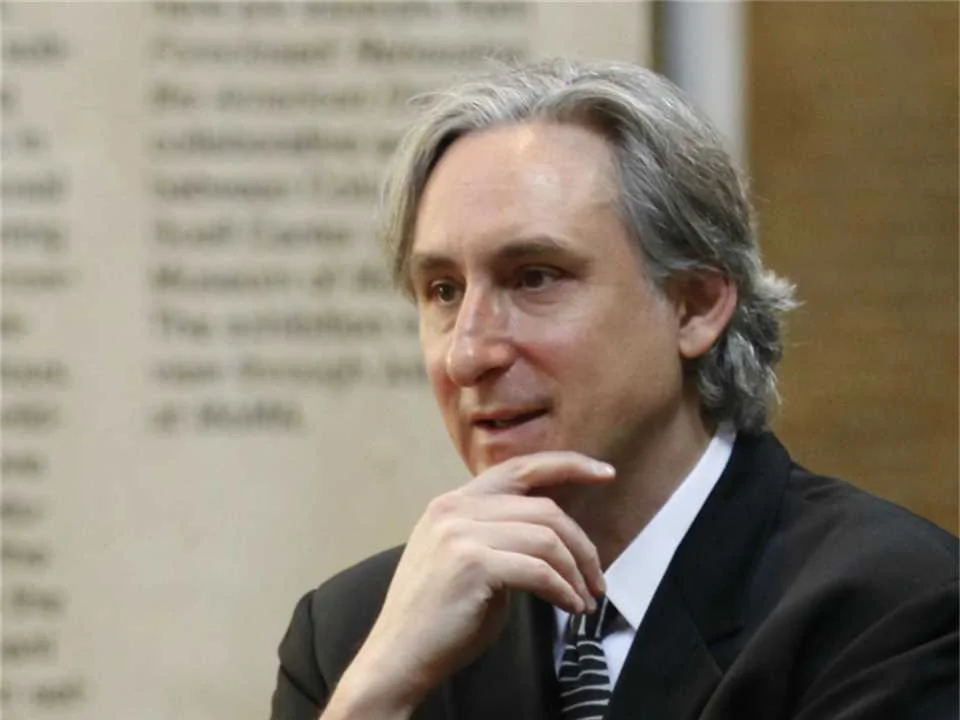
Reinhold Martin is a founding co-editor of the journal Grey Room and has published widely on the history and theory of modern and contemporary architecture. He is the author of The Organizational Complex: Architecture, Media, and Corporate Space (MIT Press, 2003), and Utopia’s Ghost: Architecture and Postmodernism, Again (Minnesota, 2010), as well as the co-author, with Kadambari Baxi, of Multi-National City: Architectural Itineraries (Actar, 2007). His most recent book, The Urban Apparatus: Mediapolitics and the City was published in 2016 from the University of Minnesota Press. Currently, Martin is working on a history of the nineteenth century American university as a media complex.
Reinhold Martin
Professor of Architecture, Graduate School of Architecture, Planning, and Preservation, Columbia University
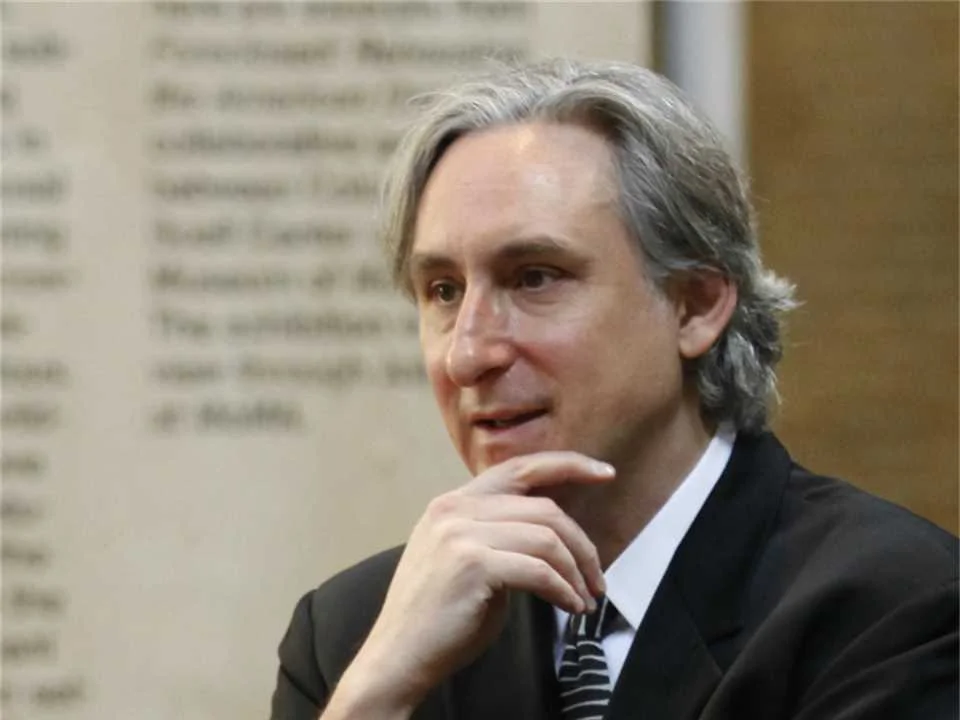
Reinhold Martin directs the PhD program in architecture at Columbia's Columbia Graduate School of Architecture, Planning, and Preservation and the Temple Hoyne Buell Center for the Study of American Architecture. He is a member of Columbia’s Institute for Comparative Literature and Society as well as the Committee on Global Thought. Martin is a founding co-editor of the journal Grey Room and has published widely on the history and theory of modern and contemporary architecture. He is the author of The Organizational Complex: Architecture, Media, and Corporate Space (MIT Press, 2003), and Utopia’s Ghost: Architecture and Postmodernism, Again (Minnesota, 2010), as well as the co-author, with Kadambari Baxi, of Multi-National City: Architectural Itineraries (Actar, 2007). In 2012, Martin co-curated with Barry Bergdoll “Foreclosed: Rehousing the American Dream,” at the Museum of Modern Art in New York, for which he and Bergdoll also co-edited the exhibition catalogue. His work centers on histories of space, power, and the aesthetic imagination, particularly as mediated by technical infrastructures. Related areas of research include architecture and epistemology, globalization and cities, and media history. His most recent book, The Urban Apparatus: Mediapolitics and the City was published in 2016 from the University of Minnesota Press. Currently, Martin is working on a history of the nineteenth century American university as a media complex.
Working Group Affiliation
The Rural-Urban Interface: Gender and Poverty in Ghana and Kenya, Statistics and Stories, Project Director
Rosalind C. Morris
Professor, Department of Anthropology, Columbia University
Rosalind Morris focuses her fieldwork in two main areas: Thailand and South Africa. Over the past decade, she has devoted her attention to thinking about a number of inter-related issues and questions concerning: the history of modernity in Southeast Asia and the place of the mass media in its development; the relationships between value and violence; the sexualization of power and desire; the theorization of gender; and the history of anthropological thought and social theory. In her writings on all of these issues, she attends to questions of representation.
Rosalind C. Morris
Professor of Anthropology, Columbia University
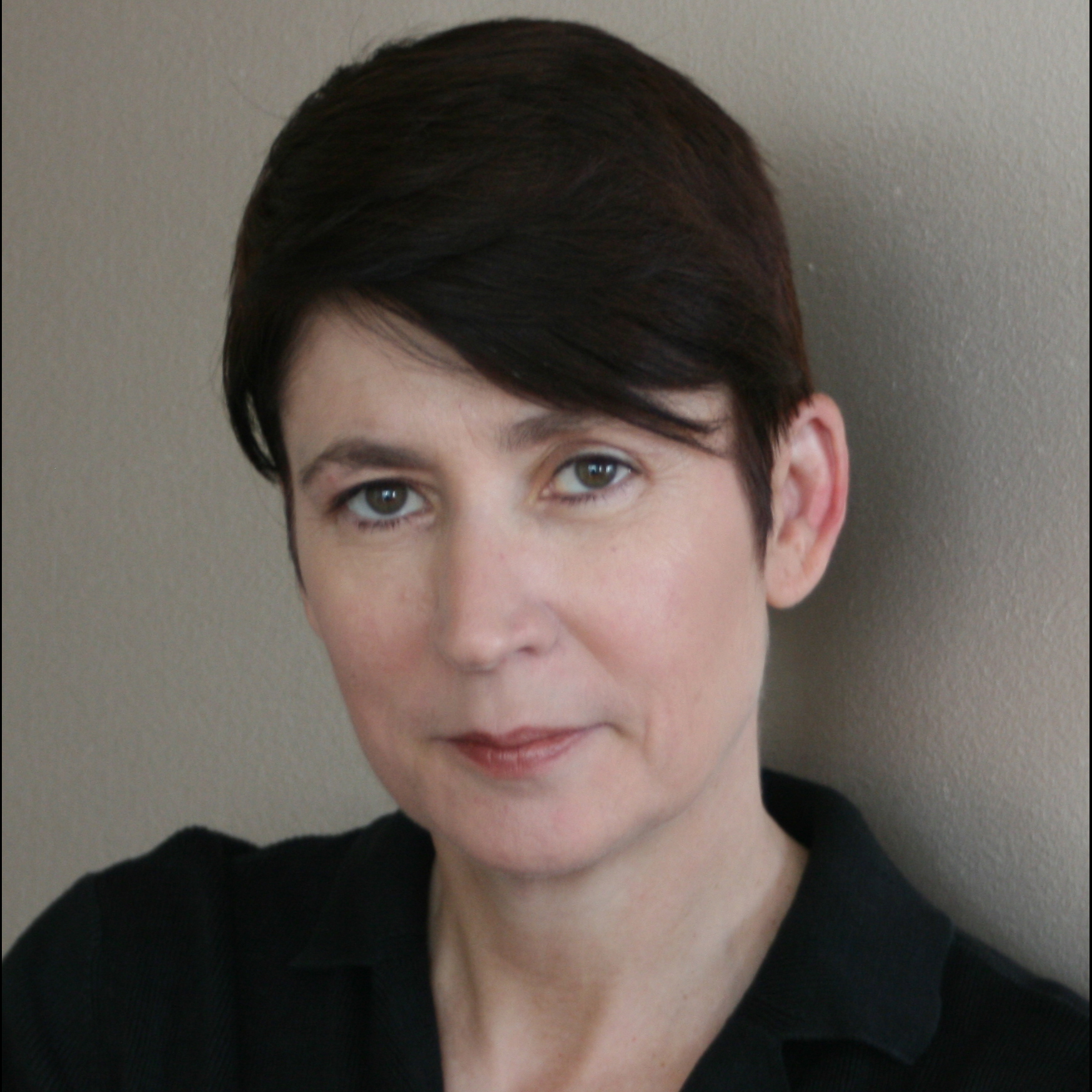
Rosalind Morris focuses her fieldwork in two main areas: Thailand and South Africa. Over the past decade, she has devoted her attention to thinking about a number of inter-related issues and questions concerning: the history of modernity in Southeast Asia and the place of the mass media in its development; the relationships between value and violence; the sexualization of power and desire; the theorization of gender; and the history of anthropological thought and social theory. In her writings on all of these issues, she attends to questions of representation. Her writings include monographs on spirit mediumship and the mass media in Northern Thailand, the archive of visual anthropology, and the afterlife of apartheid in South Africa’s mining towns. Other essays have addressed the history of fetishism, the violence of culture in anthropological theory, translation and radicalism, mediatic war, photography and its discontents, sex, gender and sexuality, and art in South Africa. She is a former Director of the Institute for Research on Women and Gender, the Associate Director of the Center for Comparative Literature and Society, and the former co-editor of CONNECT: art, politics, theory, culture.
Debashree Mukherjee
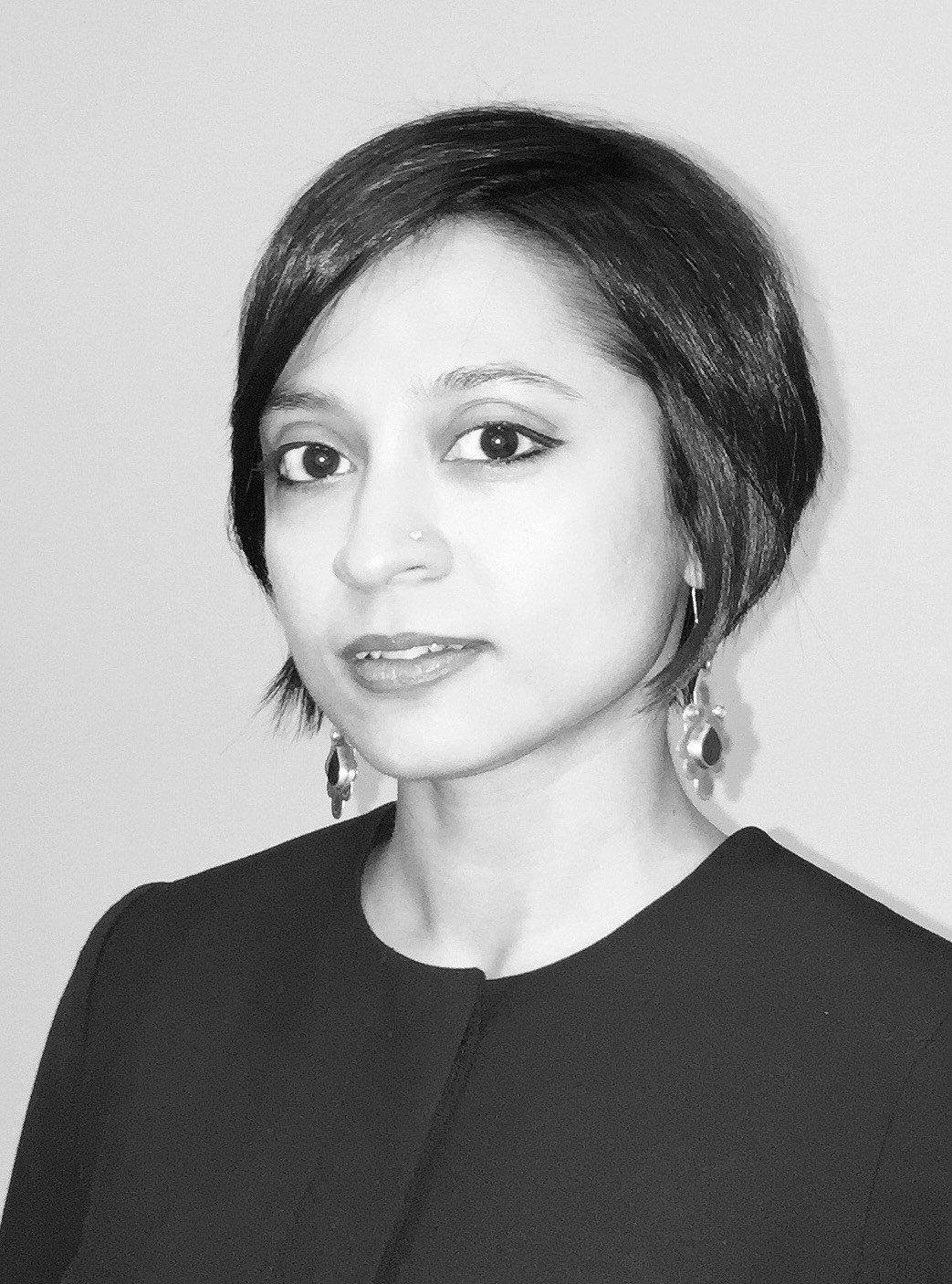
Debashree Mukherjee is Associate Professor in the Department of Middle Eastern, South Asian, and African Studies (MESAAS) at Columbia University. Her first book, Bombay Hustle: Making Movies in a Colonial City (2020), approaches film history as an ecology of material practices and practitioners, and her next book develops a media history of indentured migration and plantation capitalism in the Indian Ocean region. Debashree has published on feminist film historiography, labor, cities, and increasingly on energy and exhaustion in various film journals and anthologies.
Debashree Mukherjee
Debashree Mukherjee is Associate Professor in the Department of Middle Eastern, South Asian, and African Studies (MESAAS) at Columbia University. Her first book, Bombay Hustle: Making Movies in a Colonial City (2020), approaches film history as an ecology of material practices and practitioners, and her next book develops a media history of indentured migration and plantation capitalism in the Indian Ocean region. Debashree has published on feminist film historiography, labor, cities, and increasingly on energy and exhaustion in various film journals and anthologies. Her Feminist Media Histories article “Somewhere Between Human, Nonhuman, and Woman: Shanta Apte’s Theory of Exhaustion,” received the 2021 Katherine Singer Kovacs award from the Society of Cinema and Media Studies. Debashree edits the peer-reviewed journal BioScope: South Asian Screen Studies and has just published a photo-anthology titled Bombay Talkies: An Unseen History of Indian Cinema (Mapin, 2023).
In a previous life Debashree worked in Mumbai’s film and TV industries as an assistant director, writer, and cameraperson. She remains committed to industry-academy-public interfaces through exhibitions, curation, and digital humanities open-access projects.

Hannah Pivo
Hannah Pivo is a Ph.D. candidate specializing in 19th- and 20th-century design and architecture, with a focus on the history of graphic design and information visualization. Her work has appeared in the journals Design Issues and Public Art Dialogue and she has contributed to exhibition catalogs on various topics in modern and contemporary art and design.
Hannah Pivo
Hannah Pivo is a Ph.D. candidate specializing in 19th- and 20th-century design and architecture, with a focus on the history of graphic design and information visualization. Her work has appeared in the journals Design Issues and Public Art Dialogue and she has contributed to exhibition catalogs on various topics in modern and contemporary art and design. Her research has been supported by the Temple Hoyne Buell Center for the Study of American Architecture at Columbia University, the Center for the History of Business, Technology and Society at the Hagley Museum and Library in Wilmington, Delaware, and the Rochester Institute of Technology’s Cary Graphic Arts Collection, where she was the Summer Research Fellow for 2021. Before entering the doctoral program in 2019, Hannah was Curatorial Assistant for 20th- and 21st-Century Design at the Milwaukee Art Museum.
Working Group: Extractive Media