
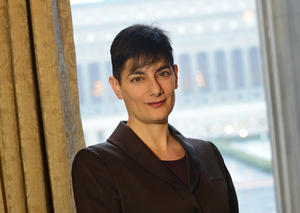
Sharon Marcus
Professor, Department of English and Comparative Literature, Columbia University
Sharon Marcus is Dean of Humanities and co-founder and co-editor in chief of Public Books, a bimonthly review of books, arts, and ideas. A literary critic, cultural historian, and feminist theorist, Sharon Marcus is the author of two books: Apartment Stories: City and Home in Nineteenth-Century Paris and London (University of California Press, 1999), and the prize-winning Between Women: Friendship, Desire, and Marriage in Victorian England (Princeton: 2007). She has guest edited several special issues of scholarly journals, including a controversial 2009 issue of Representations, "The Way We Read Now" (co-edited with Stephen Best).
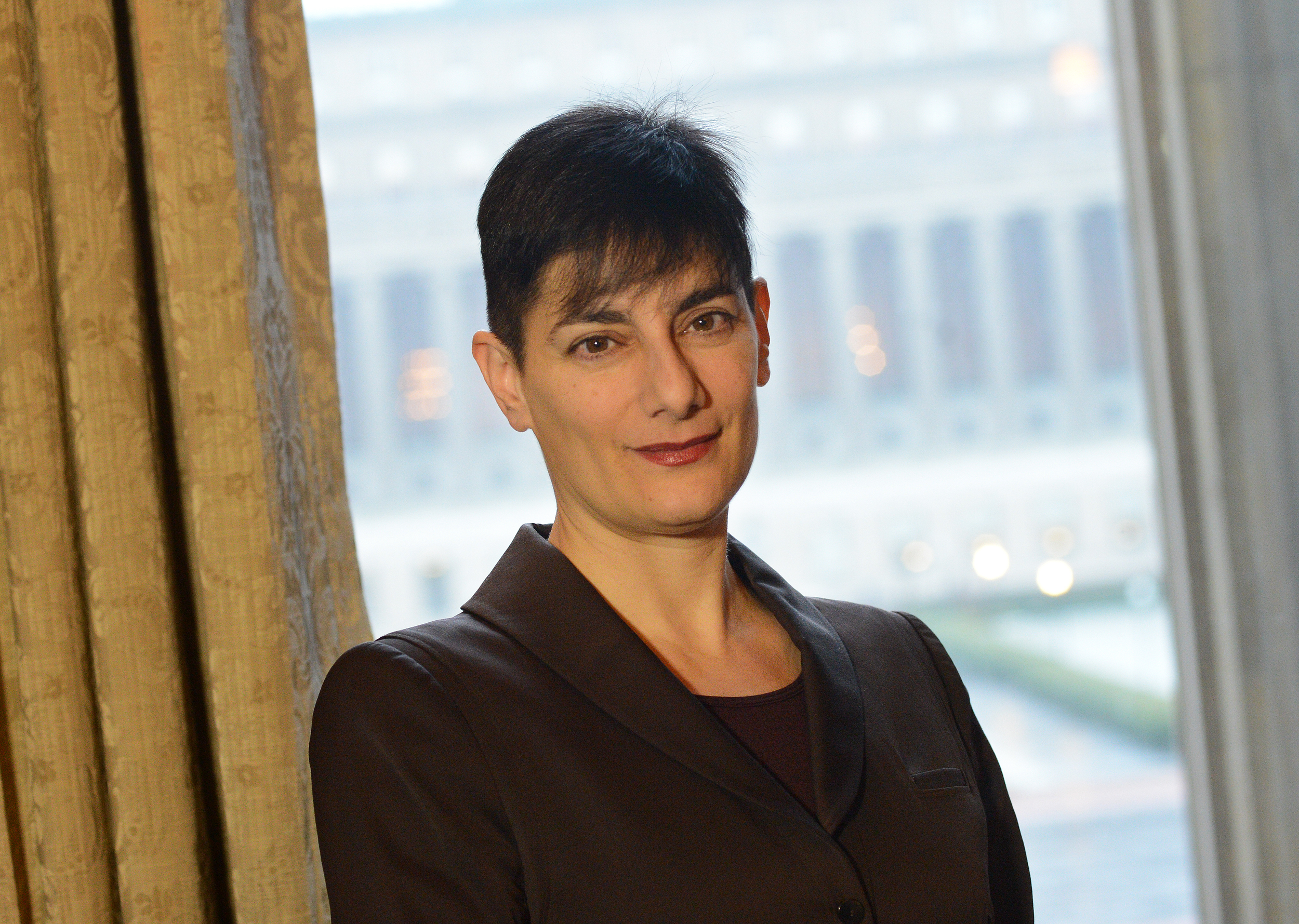
Sharon Marcus
Orlando Harriman Professor of English and Comparative Literature, Columbia University
Sharon Marcus is Dean of Humanities and co-founder and co-editor in chief of Public Books, a bimonthly review of books, arts, and ideas. A literary critic, cultural historian, and feminist theorist, Sharon Marcus is the author of two books: Apartment Stories: City and Home in Nineteenth-Century Paris and London (University of California Press, 1999), and the prize-winning Between Women: Friendship, Desire, and Marriage in Victorian England (Princeton: 2007). She has guest edited several special issues of scholarly journals, including a controversial 2009 issue of Representations, "The Way We Read Now" (co-edited with Stephen Best) and a special 2015 issue of Public Culture on "Celebrities and Publics in the Internet Era." She is currently completing a book on the history and theory of modern celebrity.
Reinhold Martin
Professor, Department of Architecture, Graduate School of Architecture, Planning, and Preservation, Columbia University
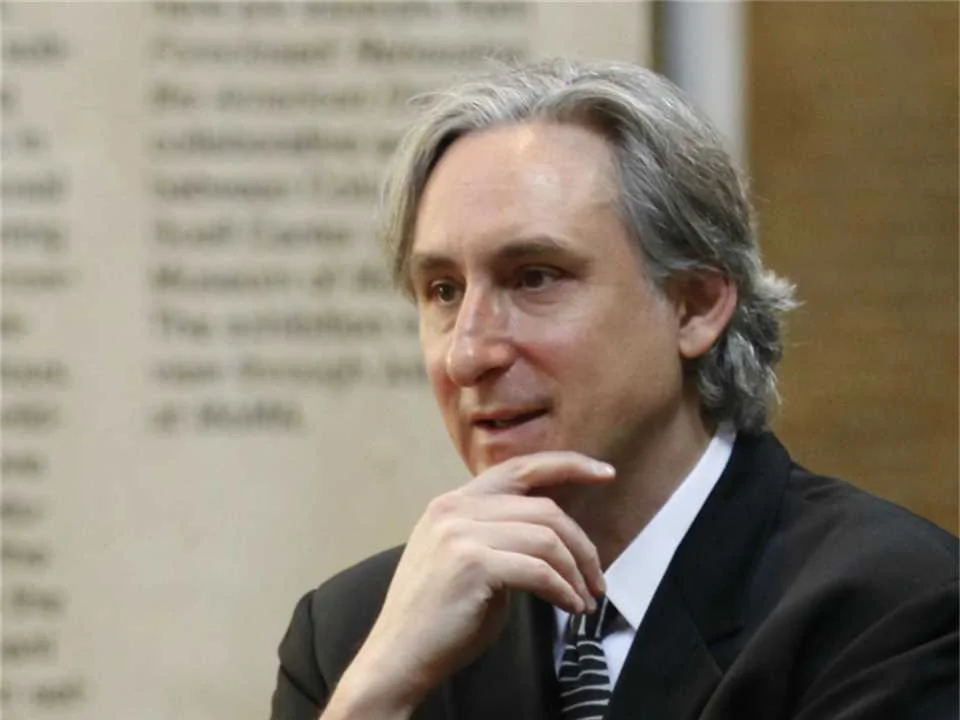
Reinhold Martin is a founding co-editor of the journal Grey Room and has published widely on the history and theory of modern and contemporary architecture. He is the author of The Organizational Complex: Architecture, Media, and Corporate Space (MIT Press, 2003), and Utopia’s Ghost: Architecture and Postmodernism, Again (Minnesota, 2010), as well as the co-author, with Kadambari Baxi, of Multi-National City: Architectural Itineraries (Actar, 2007). His most recent book, The Urban Apparatus: Mediapolitics and the City was published in 2016 from the University of Minnesota Press. Currently, Martin is working on a history of the nineteenth century American university as a media complex.
Reinhold Martin
Professor of Architecture, Graduate School of Architecture, Planning, and Preservation, Columbia University
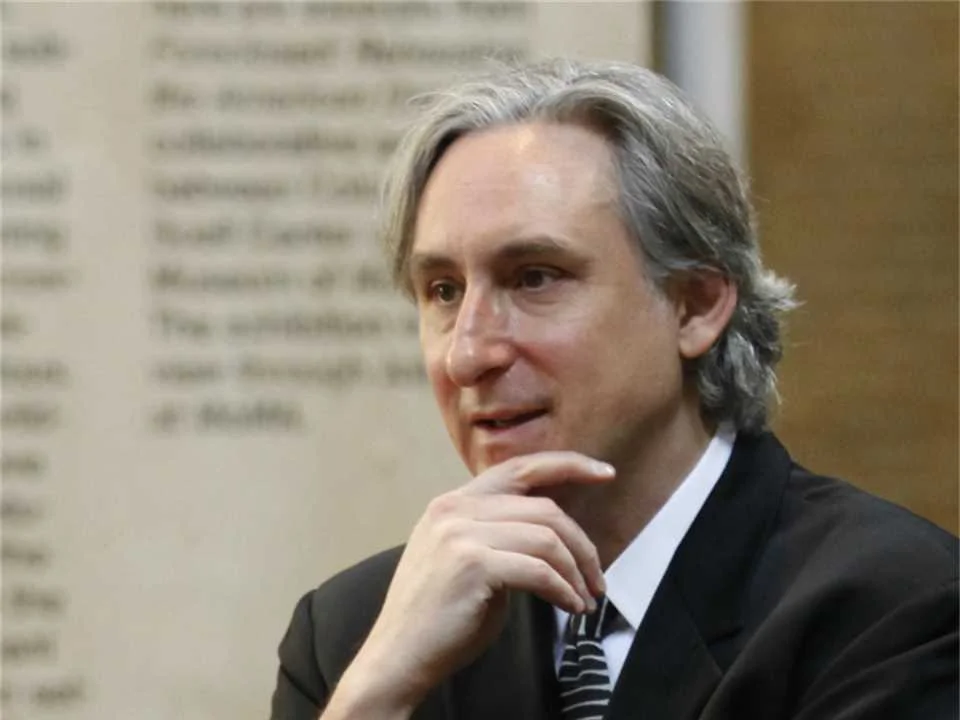
Reinhold Martin directs the PhD program in architecture at Columbia's Columbia Graduate School of Architecture, Planning, and Preservation and the Temple Hoyne Buell Center for the Study of American Architecture. He is a member of Columbia’s Institute for Comparative Literature and Society as well as the Committee on Global Thought. Martin is a founding co-editor of the journal Grey Room and has published widely on the history and theory of modern and contemporary architecture. He is the author of The Organizational Complex: Architecture, Media, and Corporate Space (MIT Press, 2003), and Utopia’s Ghost: Architecture and Postmodernism, Again (Minnesota, 2010), as well as the co-author, with Kadambari Baxi, of Multi-National City: Architectural Itineraries (Actar, 2007). In 2012, Martin co-curated with Barry Bergdoll “Foreclosed: Rehousing the American Dream,” at the Museum of Modern Art in New York, for which he and Bergdoll also co-edited the exhibition catalogue. His work centers on histories of space, power, and the aesthetic imagination, particularly as mediated by technical infrastructures. Related areas of research include architecture and epistemology, globalization and cities, and media history. His most recent book, The Urban Apparatus: Mediapolitics and the City was published in 2016 from the University of Minnesota Press. Currently, Martin is working on a history of the nineteenth century American university as a media complex.
Working Group Affiliation
The Rural-Urban Interface: Gender and Poverty in Ghana and Kenya, Statistics and Stories, Project Director
Caroline Marvin
Professor, Department of Psychology, Columbia University
Caroline Marvin is a Lecturer and the Director of Instruction and Academic Affairs in the Department of Psychology at Columbia University, where she oversees curriculum- and teaching-related needs of the department. Dr. Marvin also serves as Director of Undergraduate Studies for the Neuroscience & Behavior major, advising and mentoring undergraduate students pursuing study in neuroscience. Dr. Marvin’s research focuses on curiosity -- what motivates people to seek and learn new information, how curiosity takes shape in response to various types of information and differing contingencies, how the motivation to learn ultimately influences memory, and how curiosity may change throughout the lifespan.
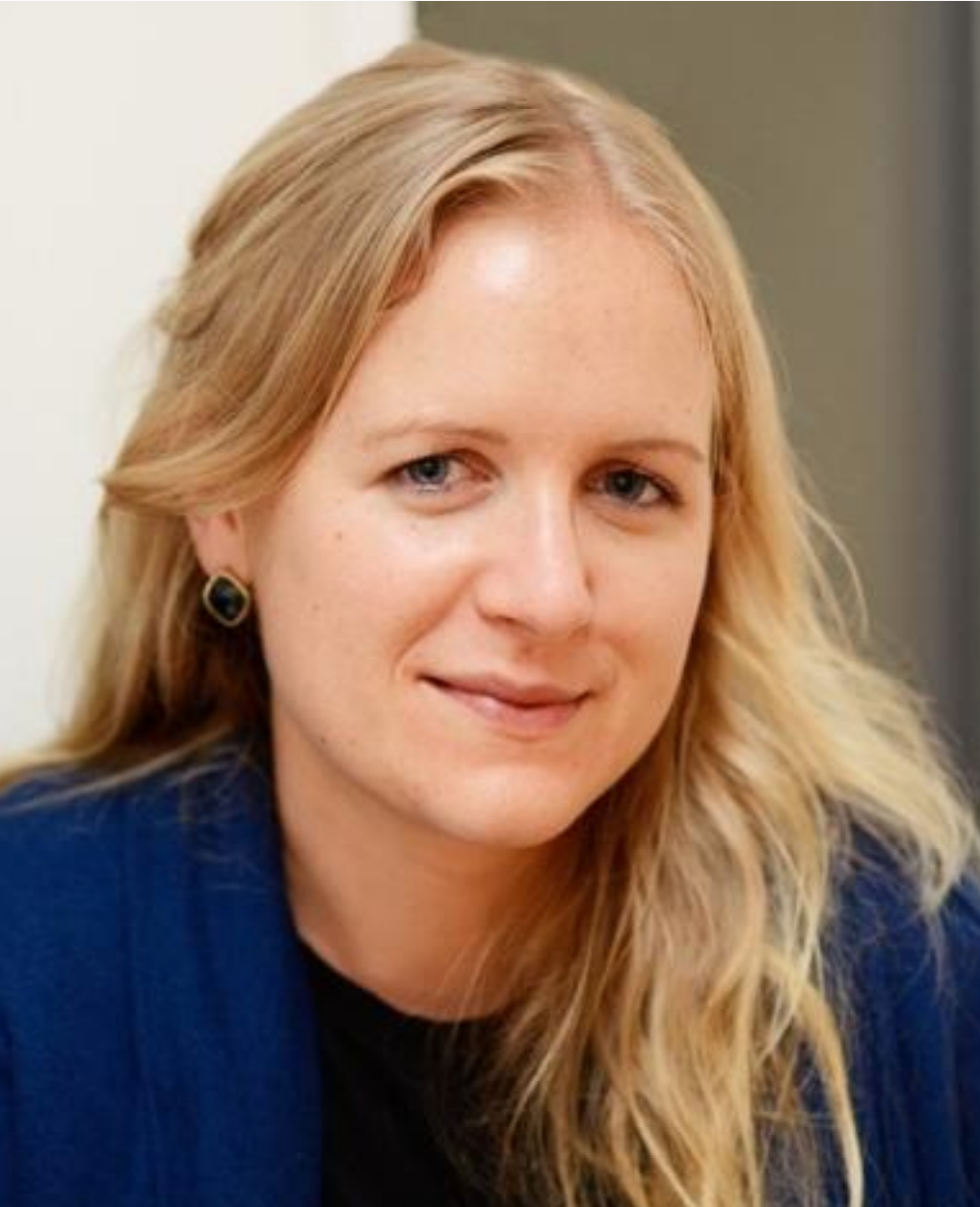
Caroline Marvin is a Lecturer and the Director of Instruction and Academic Affairs in the Department of Psychology at Columbia University, where she oversees curriculum- and teaching-related needs of the department. Dr. Marvin also serves as Director of Undergraduate Studies for the Neuroscience & Behavior major, advising and mentoring undergraduate students pursuing study in neuroscience. Dr. Marvin’s research focuses on curiosity -- what motivates people to seek and learn new information, how curiosity takes shape in response to various types of information and differing contingencies, how the motivation to learn ultimately influences memory, and how curiosity may change throughout the lifespan. New lines of research delve into more applied educational settings, aiming to explore how we can leverage our understanding of curiosity and learning to enhance pedagogical practice and classroom learning. Before earning her PhD, Dr. Marvin worked as a journalist and speechwriter, and she remains dedicated to communicating scientific findings to a broader audience and engages in a variety of science outreach projects with young people and adults.

Maria Rivera Maulucci
Associate Professor, Department of Education, Barnard College
Maria S. Rivera Maulucci, Associate Professor of Education, joined the faculty of Barnard in 2004. She is a proud member of the Class of 1988 at Barnard and serves as Co-Fund Chair. Prior to coming to Barnard, Maria served as Director of the Science Professional Development Center for Region One in the Bronx. Her expertise in science pedagogy and teacher education draws on 16 years of experience teaching at the elementary, secondary, and postsecondary levels. Her interdisciplinary scholarship focuses on how teachers learn to teach for social justice and the role of language, identity, and emotions in teacher development. Professor Rivera is the Principal Investigator for the Barnard College Robert Noyce Teacher Education Scholars Program (BNTSP) funded by the National Science Foundation.
Maria Rivera Maulucci
Associate Professor, Education Department, Barnard College
Maria S. Rivera Maulucci, Associate Professor of Education, joined the faculty of Barnard in 2004. She is a proud member of the Class of 1988 at Barnard and serves as Co-Fund Chair. Prior to coming to Barnard, Maria served as Director of the Science Professional Development Center for Region One in the Bronx. Her expertise in science pedagogy and teacher education draws on 16 years of experience teaching at the elementary, secondary, and postsecondary levels. Her interdisciplinary scholarship focuses on how teachers learn to teach for social justice and the role of language, identity, and emotions in teacher development. Professor Rivera is the Principal Investigator for the Barnard College Robert Noyce Teacher Education Scholars Program (BNTSP) funded by the National Science Foundation.
Working Group Affiliation
Mary McLeod
Professor, Department of Architecture, Graduate School of Architecture, Planning, and Preservation, Columbia University
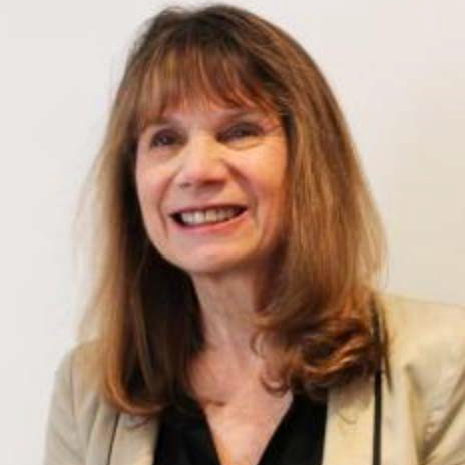
Mary McLeod teaches architecture history and theory, and occasionally studio. Her research and publications have focused on the history of the modern movement and on contemporary architecture theory, examining issues concerning the connections between architecture and ideology. She is co-editor of Architecture, Criticism, Ideology and Architecture Reproduction, and is the editor of and contributor to the book Charlotte Perriand: An Art of Living (Abrams, 2003). She also initiated and helped curate the exhibition Charlotte Perriand: Interior Equipment, held at the Urban Center in New York.
Mary McLeod
Professor of Architecture, Graduate School of Architecture, Planning, and Preservation, Columbia University

Mary McLeod teaches architecture history and theory, and occasionally studio. She has also taught at Harvard University, University of Kentucky, University of Miami and the Institute for Architecture and Urban Studies. Her research and publications have focused on the history of the modern movement and on contemporary architecture theory, examining issues concerning the connections between architecture and ideology.
McLeod is co-editor of Architecture, Criticism, Ideology and Architecture Reproduction, and is the editor of and contributor to the book Charlotte Perriand: An Art of Living (Abrams, 2003). She also initiated and helped curate the exhibition Charlotte Perriand: Interior Equipment, held at the Urban Center in New York. Her articles have appeared in Assemblage, Oppositions, Art Journal, AA Files, JSAH, Casabella, Art Journal, Harvard Design Magazine and Lotus as well as other journals and anthologies, such as The Sex of Architecture, Architecture in Fashion, Architecture of the Everyday, Architecture and Feminism, The Pragmatist Imagination, The State of Architecture, Fragments: Architecture and the Unfinished, Architecture Theory since 1968, Oppositions Reader, Le Parole dell'Architettura, and Modern Women: Women Artists at The Museum of Modern Art. She has received numerous fellowships and awards, including a Fulbright Fellowship, NEH award, and grants from New York Council of the Arts and the Graham Foundation.
Working Group Affiliation

Tey Meadow
Assistant Professor, Department of Sociology, Columbia University
Tey Meadow is assistant professor of sociology at Columbia. She is the author of Trans Kids: Being Gendered in the Twenty-First Century, and the coeditor of Other Please Specify: Queer Methods in Sociology. Her work has appeared in Gender & Society, Sexualities, Contemporary Ethnography, Race & Ethnic Studies, Politics & Society and a number of edited volumes.
Tey Meadow
Assistant Professor, Sociology Department, Columbia University

Tey Meadow is assistant professor of sociology at Columbia. She is the author of Trans Kids: Being Gendered in the Twenty-First Century, and the coeditor of Other Please Specify: Queer Methods in Sociology. Her work has appeared in Gender & Society, Sexualities, Contemporary Ethnography, Race & Ethnic Studies, Politics & Society and a number of edited volumes.
Working Group Affiliation

Christia Mercer
Professor, Department of Philosophy, Columbia University
Christia Mercer is the Gustave M. Berne Professor of Philosophy at Columbia University, general editor of Oxford Philosophical Concepts, and co-editor of Oxford New Histories of Philosophy, a book series devoted to making philosophy more inclusive. As a part-time activist, she teaches in prison as part of Columbia University’s Justice-in-Education Initiative and publishes regularly on the need to make higher education more widely available and on justice reform.
Christia Mercer
Gustave M. Berne Professor of Philosophy, Columbia University
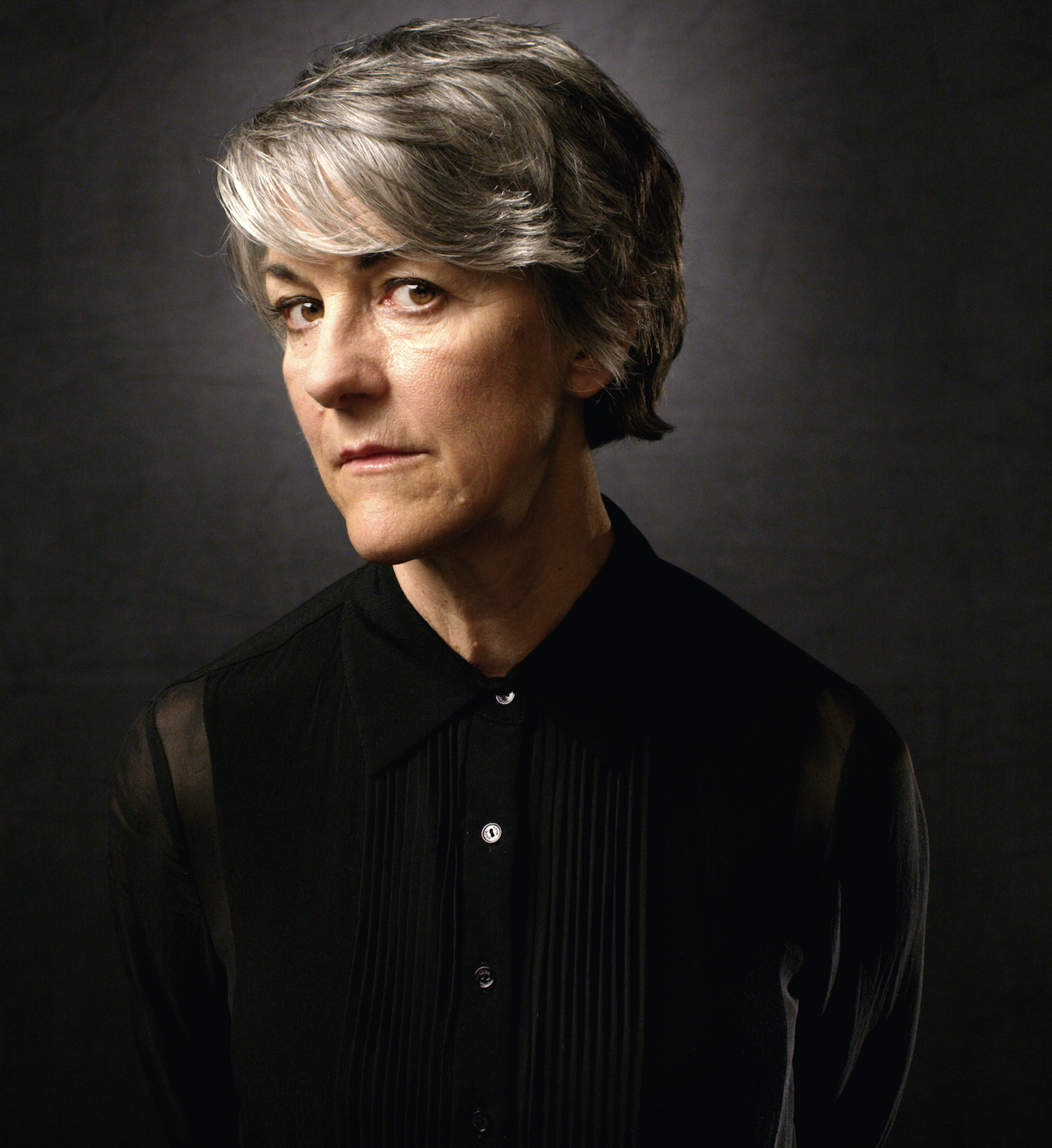
Christia Mercer is the Gustave M. Berne Professor of Philosophy at Columbia University, general editor of Oxford Philosophical Concepts, and co-editor of Oxford New Histories of Philosophy, a book series devoted to making philosophy more inclusive. As a part-time activist, she teaches in prison as part of Columbia University’s Justice-in-Education Initiative and publishes regularly on the need to make higher education more widely available and on justice reform.
Working Group Affiliation
Pedagogies of Dignity, Project Director
Jennifer Middleton
Jennifer Middleton is a Lamont Assistant Research Professor in the geochemistry division of the Lamont-Doherty Earth Observatory at Columbia University. Her research seeks to better understand the inner workings of Earth’s climate system using the chemical fingerprints of present-day phenomena and geologic records of Earth’s climate history. This work helps guide predictions for the way the oceans, atmosphere, ice sheets, and land surface will continue to respond to human-driven emissions of greenhouse gases. Middleton is committed to the promotion of justice, diversity, equity, and inclusion in STEM (Science, Technology, Engineering and Math) and in considerations of society’s best paths forward in the face of modern climate change.

Jennifer Middleton is a Lamont Assistant Research Professor in the geochemistry division of the Lamont-Doherty Earth Observatory at Columbia University. Her research seeks to better understand the inner workings of Earth’s climate system using the chemical fingerprints of present-day phenomena and geologic records of Earth’s climate history. This work helps guide predictions for the way the oceans, atmosphere, ice sheets, and land surface will continue to respond to human-driven emissions of greenhouse gases. Middleton is committed to the promotion of justice, diversity, equity, and inclusion in STEM (Science, Technology, Engineering and Math) and in considerations of society’s best paths forward in the face of modern climate change.
Website: https://wings.ldeo.columbia.edu/people/jennifer-middleton
Susan Michaels-Strasser
Assistant Professor, Department of Epidemiology, Columbia University
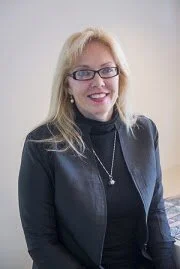
Dr. Strasser is a public health professional with 30 years of experience in nursing and public health. She is the senior director for human resources for health (HRH), providing leadership, guidance and direction for the development, implementation, and assessment of programs to develop human resources for health across ICAP's portfolio of programs.
Susan Michaels-Strasser
Assistant Professor, Epidemiology, CUMC and Senior Director, Human Resources for Health Development, ICAP
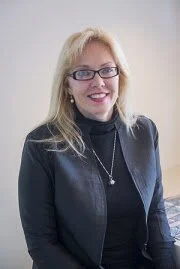
Photo courtesy of ICAP @ Columbia University
Dr. Strasser is a public health professional with 30 years of experience in nursing and public health. She is the senior director for human resources for health (HRH), providing leadership, guidance and direction for the development, implementation, and assessment of programs to develop human resources for health across ICAP's portfolio of programs. This work focuses on improving acute and chronic health care as well as management and mitigation of disease outbreaks. She is the Principal Investigator for CDC and HRSA-funded programs in the Democratic Republic of Congo, South Africa, South Sudan, Sierra Leone and Zambia. She has served at senior management and training levels at various locations throughout Southern Africa. Her areas of expertise include pediatric care and support, nurse training, and use of point of care diagnostics. She is a pediatric nurse practitioner, a member of the Sigma Theta Tau Honor Society for Nurses, a member of the Association of Nurses in AIDS Care, and a Fellow of the American Academy of Nursing. Dr. Strasser holds a MPH and MSc in nursing from Yale University and a PhD in public health from the University of Cape Town.
Working Group Affiliation

Shayoni Mitra
Assistant Professor, Department of Theater, Barnard College
Shayoni Mitra is an Assistant Professor of Theater at Barnard College. Professor Mitra works at the intersection of performance and politics. Her interest in political theatre stems from her years as an actor with Delhi based street theatre group Jana Natya Manch. She is currently revising toward publication her manuscript, “Contesting Capital: A History of Political Theatre in Postcolonial Delhi,” which interrogates the ever shifting, adapting expressions of political theatre under different configurations of power. It is a historical look at both proscenium and street theatre from the decade of Independence in the 1940s to the twenty first century. The manuscript covers a range of styles including folk and revolutionary singing troupes, large open-air performances, topical agit-prop plays, intimate and improvized activist pieces and feminist performances.
Shayoni Mitra
Assistant Professor, Theater, Barnard College

Shayoni Mitra is an Assistant Professor of Theater at Barnard College. Professor Mitra works at the intersection of performance and politics. Her interest in political theatre stems from her years as an actor with Delhi based street theatre group Jana Natya Manch. She is currently revising toward publication her manuscript, “Contesting Capital: A History of Political Theatre in Postcolonial Delhi,” which interrogates the ever shifting, adapting expressions of political theatre under different configurations of power. It is a historical look at both proscenium and street theatre from the decade of Independence in the 1940s to the twenty first century. The manuscript covers a range of styles including folk and revolutionary singing troupes, large open-air performances, topical agit-prop plays, intimate and improvized activist pieces and feminist performances. This understanding of what it means to be political in changing times, is linked fundamentally with the life and profile of a city. New Delhi, the new capital of postcolonial India offers a unique nexus of local, regional and national power from which to understand and interrogate the ways in which cultural policy functions in creating identity for a new nation and its multiple peoples. Read this way, the history of political theatre in Delhi becomes metonymic for the oppressed and marginalized populations of this ever expanding global city.
Prof. Mitra has taught courses on Indian, Asian and non-Western performances as well as modern Theatre History and Performance Studies. Her teaching bridges the gap between the global North and South, putting into dialogue the histories of Western Realism with classical, folk, stylized, avant garde and improvized forms from around the world. She actively embraces the scholar-practitioner-activist role encouraging the connections between pedagogy and praxis. Before coming to Barnard, she taught at Brown and New York University in the United States and conducted lectures and theatre workshops in Jawaharlal Nehru University, Jamia Milia University and Delhi University in India. Among her current projects is her collaboration with a group of sex workers in Sangli, Maharashtra, India examining the ways in which they use theatre for their political mobilization.
Working Group Affiliation