
CSSD Announces Two New Working Groups
CSSD has inaugurated two new working groups for fall 2013.
Social Justice After the Welfare State will be directed by Alice Kessler-Harris, R. Gordon Hoxie Professor of American History. The group will explore the implications of the declining welfare state for American politics, gender and race relations, and the future of American democracy.
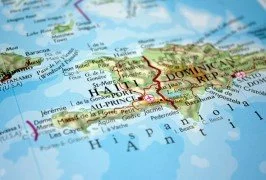
The Digital Black Atlantic Project (DBAP) will also launch in fall 2013. Co-directed by Kaiama Glover, Associate Professor of French at Barnard College, and David Scott, Professor of Anthropology at Columbia, DBAP is a multi-institutional and interdisciplinary working group that has come together to invent a scholarly resource and digital platform for multimedia explorations and documentations of literary texts, visual documents, sites, moments, rituals and ceremonies, monuments and memorials, performances, and material objects emerging out of and concerning the Black Atlantic World.
PUBLIC LECTURE: Beyond Masculinity: Testosterone, Sexual Desire, and Gender/Sex
Everyone knows that sexual desire and testosterone are linked because men have higher testosterone, and testosterone is tightly linked to masculinity and sexual desire - right? But what do empirical data actually say? Professor van Anders discussed findings that support decoupling testosterone from masculinity and provide insights into the nuanced ways testosterone and sexual desire are - and are not - linked in humans.
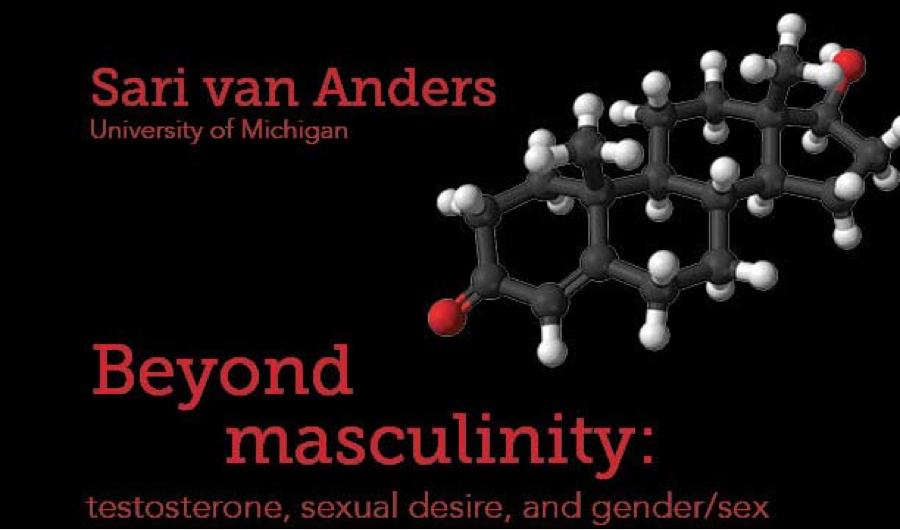
From her multi-method research program that includes experiments, correlational studies, and qualitative focus groups, she argues that social neuroendocrinology, rooted in feminist science, provides a way to ask hormonal questions that have evolution and social construction in their answers, sidesteps nature-culture debates, and separates biology from biological determinism.
This event was presented by The Science and Social Difference Working group of the Columbia University Center for the Study of Social Difference and co-sponsored by the Departments of Women’s, Gender, and Sexuality Studies and Psychology at Barnard College and the Institute for Research on Women, Gender, and Sexuality.
KEYWORDS: Interdisciplinary Roundtable Conversations
Colleagues from the Humanities, the Social Sciences and the Socio-medical Sciences discuss “Vulnerability” as a keyword in the study of social difference.
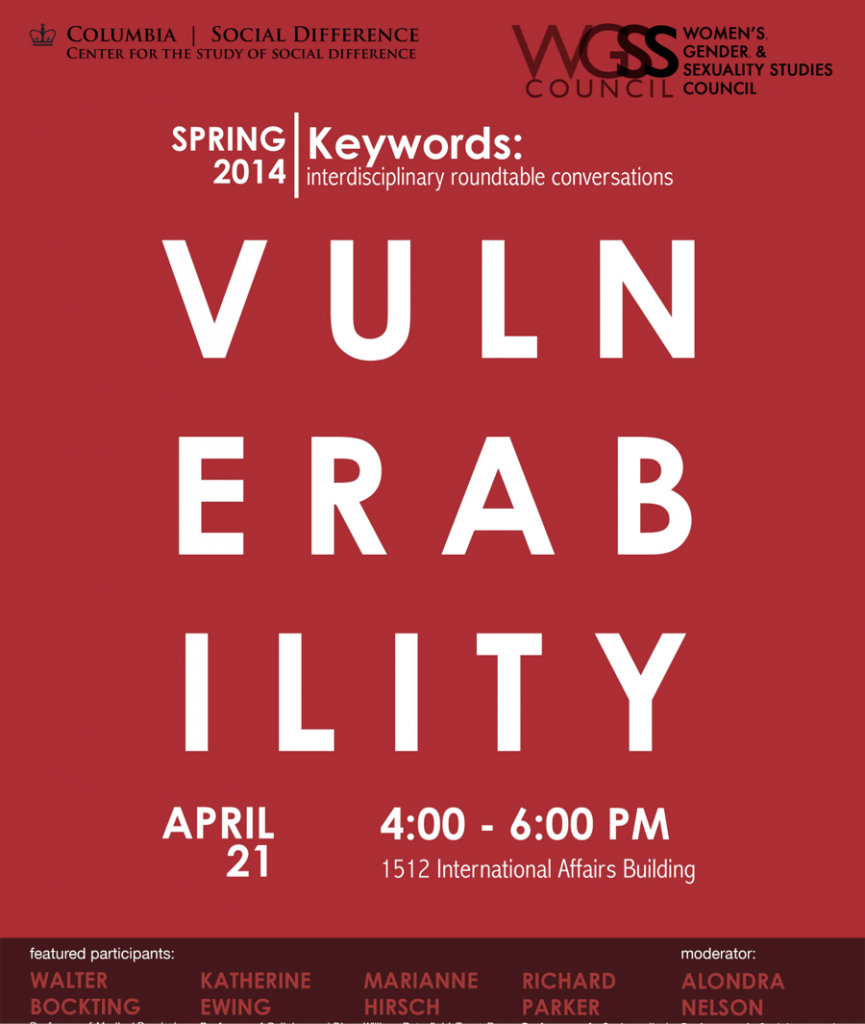
Featured participants were:
Walter Bockting
Professor of Medical Psychology (in Psychiatry and Nursing) and Co-Director, LGBT Health Initiative, Division of Gender, Sexuality, and Health, Department of Psychiatry
Columbia University
Katherine Ewing
Professor of Religion and Director of the Center for the Study of Religion and Sexuality
Columbia University
Marianne Hirsch
William Peterfield Trent Professor of English and Comparative Literature and Women's and Gender Studies and Director, Center for the Study of Social Difference
Columbia University
Richard Parker
Professor of Sociomedical Sciences and Anthropology, and Director, Center for the Study of Culture, Politics, and Health
Columbia University
Moderator:
Alondra Nelson
Professor of Sociology and Women's and Gender Studies, Director, Institute for Research on Women, Gender, and Sexuality, and Co-Chair, Women's Gender, and Sexuality Studies Council
Columbia University
Keywords: Interdisciplinary Roundtable Conversations is a series inspired by theinnovative interdisciplinary scholarship promoted by the Center for the Study of Social Difference. The series draws participants together from a wide range of disciplinary homes in order to explore the various ways we think about fundamental critical/theoretical ideas and to generate new vocabularies and new methodologies. The WGSS Council is a network of leaders from centers, institutes, and initiatives at Columbia University dedicated to women's, gender, and sexuality studies.