
Video Available from RGV Event “Beyond Prevalence: The Next Generation of Research on Campus Sexual Assault”
Video from "Beyond Prevalence: The Next Generation of Research on Campus Sexual Assault," part of the CSSD project Reframing Gendered Violence, is now available on the CSSD YouTube channel.
On October 5, 2017, leading researchers from across the country presented at the panel, “Beyond Prevalence: The Next Generation of Research on Campus Sexual Assault.” Organized and moderated by Jennifer S. Hirsch, co-Principal Investigator of Columbia’s ground-breaking Sexual Health Initiative to Foster Transformation, the panelists presented new and emerging work on environmental drivers of campus sexual assault, and discussed the institutional challenges of conducting research on campus sexual violence at universities seeking to comply with Title IX guidance.
The October 5 forum was part of the CSSD Reframing Gendered Violence series of panels and seminars applying critical perspectives from the social sciences and humanities to gender violence. Reframing Gendered Violence is a two-year-long project of Columbia’s Center for the Study of Social Difference and is supported by a grant from the University’s Dean of Humanities.
Video is available here.
Anupama Rao publishes Gender, Caste and the Imagination of Equality
CSSD project co-director Anupama Rao has published the edited volume Gender, Caste, and the Imagination of Equality.
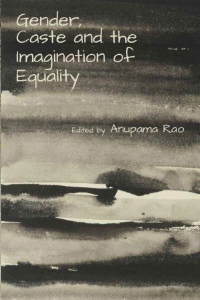
CSSD project co-director Anupama Rao has published the edited volume Gender, Caste, and the Imagination of Equality. This volume, published by Women Unlimited, features essays that examine the relationship between gender, caste, class, and political agency in the context of ongoing, rapid social transformation in contemporary India.
Anupama Rao is a current member of the Center for the Study of Social Difference Executive Committee, as well as co-director of CSSD projects Reframing Gendered Violence and Gender & the Global Slum. Rao is associate professor of History at Barnard College, and Associate Director of the Institute for Comparative Literature and Society at Columbia University.
New blog post from Precision Medicine working group about research of Dr. Kadija Ferryman
On November 20, 2017, Kadija Ferryman discussed her Fairness in Precision Medicine project with the Precision Medicine: Ethics, Politics, and Culture CSSD working group
Kadija Ferryman’s talk on November 30, 2017 for the Precision Medicine: Ethics, Politics, and Culture CSSD working group drew from her post-doctoral project, “Fairness in Precision Medicine,” a study on which she is co-PI with danah boyd at the Data and Society Institute.
You can read the full post, written by Precision Medicine graduate fellows Larry Au and Jade H. Tan, here.
Kadija Ferryman: “Fairness in Precision Medicine”
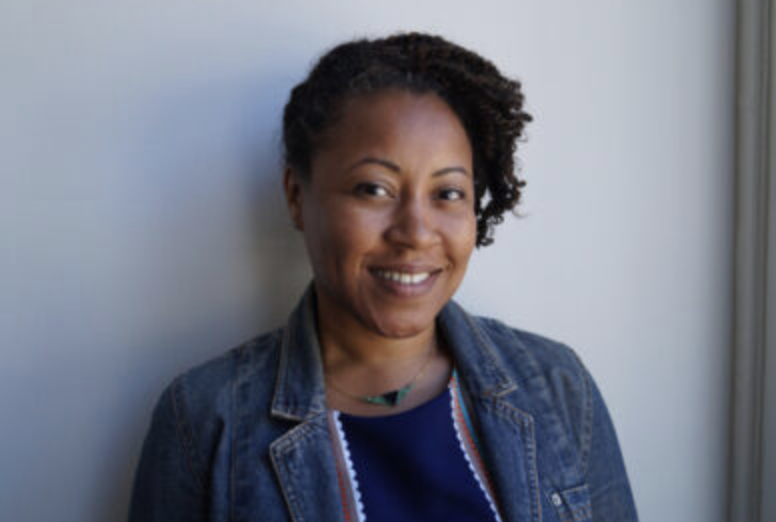
Kadija Ferryman’s talk on November 30, 2017 for the Precision Medicine: Ethics, Politics, and Culture CSSD working group drew from her post-doctoral project, “Fairness in Precision Medicine,” a study on which she is co-PI with danah boyd at the Data and Society Institute.
The question that motivates Ferryman’s work is: How do ethical and moral frames change the way we understand health data and outcome? Using content analyses of policy documents, observations of conferences, a mapping of major precision medicine projects, and interviews with 21 experts, Ferryman honed in on two sets of biases that various stakeholders recognized: embedded biases and biases in outcome. Regarding embedded biases, experts were concerned about biases in sampling of research data such as electronic health records. For biases in outcome, the stakeholders interviewed were worried about how precision medicine can exacerbate already existing inequalities.
Crucially, Ferryman emphasized that these biases should be thought about in relation to genomic data, but also the various data types that precision medicine relies on, such as electronic medical records, the “Internet of Medical Things,” and mobile and digital technologies. As such, Ferryman argued that those concerned about precision medicine should pay attention to discussions in “big data” and “algorithmic bias,” and that bioethics and “data ethics” could learn from each other.
In the meeting of the Precision Medicine working group the next day, several themes emerged from our discussion:
Correcting for Bias
A question raised during the meeting touched on how experts who recognize that bias exists can come up with strategies to correct these biases. For example, policy makers and researchers worried about diversity in precision medicine have made the recruitment of minority subjects a centerpiece of All of Us. This is also an instance of agreement on the existence of bias between different experts in precision medicine. Thus, finding more areas of agreement between different stakeholders is crucial in building the alliance of political capital, policy know-how, and technical expertise necessary to correct for biases that may arise with the introduction of precision medicine.
Different Data Types
From the standpoint of social scientists and humanists, the inclusion of different types of data in precision medicine efforts is definitely welcomed, as decades of public health research has recognized the importance of environmental and social factors in shaping health outcomes. Nonetheless, important questions here remain regarding the ability of precision medicine to reconcile the characteristics of different data types. For instance: How do biomedical researchers view these types of more qualitative data versus more quantifiable and “scientific” data types? How are different types of evidence evaluated by scientists? Relatedly, the work of linking disparate data types and recognizing patterns between them requires complex technical expertise. As such, more work should be devoted to thinking through how to integrate these various types of data to create a precise, but complete picture of an individual’s health.
Ethics in the Health Industry: “Precisely” Where Are We Headed?
Health and the data it generates are increasingly commodified. From private tech companies to healthcare providers, precision medicine ushers in greater opportunities to wield personalized health data for commercial use. This raises parallel concerns regarding the ethical use and handling of our personal information. From targeted Facebook shopping ads to Netflix recommendations, we trade our information and data privacy for access to services and convenience. Mass personalization at its current stage generally produces innocuous, if eerie, results. We retain a sense of autonomy and choice to partake in these services and disengage if we choose. As health and genomic personalization approaches arrive in the healthcare space, however, the ability to opt-out becomes much more constrained. Health is foundational in enabling meaningful engagement and participation in society. Greater integration of individual data into the healthcare system provides an opportunity for better care, but brings into question the genuine ability to opt-out of such a system in the future.
With the rise in personal health data spurred by the “Internet of Medical Things” (IoMT) and devices, we are afforded insight into not only genetic profiles, but behavioral, lifestyle, and environmental dimensions of individuals. Their implications extend beyond clinical contexts. Employers, not unreasonably, seek employee health data in pursuit of optimizing efficiency and a more productive workforce. More sinisterly, employment discrimination based on health is the next addition to contemporary concerns that include disability, race, gender, and sexual orientation.
Other ethical concerns flow more directly from technology and automated algorithms we increasingly use to analyze data. Our artificial intelligence and neural networks pick up the deeply ingrained racial and gender prejudices concealed within patterns of language, imagery, and social cues in our datasets. If we are not vigilant about policing these embedded beliefs, algorithmic bias may result in and reinforce discriminatory and exclusionary practices.
Involving the Community and Public Voice
Part of guarding against bias and discrimination involves engaging the communities directly impacted by this research. This may come in the form of Institutional Review Board (IRB) assessments or consulting local Community Board representatives drawn from the affected population. Even the selection of chosen representatives to give voice to a community, however, can be fraught with complications. How are such representatives selected -- by appointment or election, and by whom? Are those who end up on the Community Board truly representative of the community’s views? What are the power dynamics and hierarchies within that community influencing who is selected? In any structure, the intricacies of human relational and power dynamics play a tangible and meaningful presence, impacting the strength of community voice in discussion and decision-making. We need to be cognizant of such complexities when implementing structures and ensure they embody the representative democratic principles we value.
While the day-to-day responsibilities of IRB members largely involve checking off applications, on the macroscale, the arc and pattern of their decisions set precedents. As Ferryman poignantly questioned in discussing her role on the IRB board, “Are we the ethical conscience of a project?” A concern present in these circles is that passing IRB review or consulting Community Board representatives may become an ethics “check-off,” rather than a genuine partnership in understanding and appreciating the potential impact of their research on populations. We want and encourage research investigators, however, to consult ethics reviews and boards, recognizing they may not have the expertise to deal with these issues. “Seeking ethical assistance” is instinctive behavior we want to standardize in future precision medicine research.
As AI and health technology increasingly infiltrate daily life outside clinical contexts and the definition of health data is expanding, the modern role of bioethics may also need to evolve and cross traditional disciplines. Precision medicine is a collaborative effort that requires multiple perspectives. If this discussion imparted one actionable recommendation, it is that the scientific fields must call upon their ethical counterparts. Ethics is not an ancillary component of precision medicine, but a fundamental one in actualizing our communal vision for precision medicine.
Building Public Trust and Responsibility
The success of the All of Us study and other human genomic research requires the generous contribution of personal health and genomic data from individuals. This partnership between the public and science is needed to realize the network effects of a robust genetic database, and usher in a new model of precision healthcare that generations will benefit from. Building public trust is critical to these efforts, and without it, achieving a precision medicine approach will be a long and arduous process. While the U.S. culture naturally lends itself towards great suspicion of state power in these contexts, government imposes desirable safety regulations and constraints on profit-maximizing corporations. Designing ethical guidelines and a comprehensive regulatory landscape is important to enable proper oversight.
Conclusion: Ethics as a Partnership
Our unfolding discussion on the array of challenges that precision medicine poses increasingly points towards a more active and potent role of modern ethics in both industry and academic research. Precision medicine and our advancing abilities to arrange massive amounts of data herald great promises for our capacity to improve human health, behavior, and lifestyles. We must ensure ethical and regulatory safeguards keep pace with these abilities and align them with our core values on equity, fairness, privacy, autonomy, etc. Protecting these rights and evolving policy to reflect these ethical principles is key to ensuring our society does not stray onto a dystopic path.
Contributed by Larry Au and Jade H. Tan
RGFGV Media Fellow Nafeesa Syeed Publishes Article on Bloomberg.com
Nafeesa Syeed's article ‘Women Flee a Hellscape in Yemen. Here are Their Lives Now’, highlights the way refugee women are using entrepreneurship to adapt to their new realities.
CSSD Project Religion and the Global Framing of Gender Violence held an international competition and selected three Media Fellows to receive reporting grants. They joined the project, supported by the Henry Luce Foundation, and did research in the Middle East to produce innovative media stories.
Nafeesa Syeed focuses on the struggles and achievements of Yemeni women in the midst of US and Saudi-led war campaigns. Through interviews with Djibouti-based Yemeni women living in refugee camps and active young Yemeni women in Amman, Jordan, she shows how women are framing their experiences of violence and war and assessing their changing social roles. Her article ‘Women Flee a Hellscape in Yemen. Here are Their Lives Now’, highlights the way refugee women are using entrepreneurship to adapt to their new realities.
Reframing Gendered Violence presented "Gender and the Technologies of State Violence" in November
On November 16, 2017, the CSSD working group Reframing Gendered Violence presented "Gender and the Technologies of State Violence: Innocence-Disposability-Resilience" in the Case Lounge of Jerome Greene Hall at Columbia Law School, along with the Center for Gender and Sexuality Law.
“The Reframing Gendered Violence project seeks to engage critically with the terms, assumptions, and policies that have underwritten an outpouring of attention and activism over the last couple of decades on violence against women and gender-based violence,” explained project co-director Lila Abu-Lughod, Joseph L. Buttenwiser Professor of Social Science, as she introduced speakers Sherene Razack, Nadera Shalhoub-Kevorkian, and Miriam Ticktin.
In keeping with the objectives articulated by Abu-Lughod, “Gender and the Technologies of State Violence” offered several compelling approaches to the problem of gender-based violence. The sixth installment of the two-year Reframing Gendered Violence project within the Women Creating Change initiative at the Center for the Study of Social Difference, it was co-sponsored by the Dean of the Humanities and the Columbia Global Centers.
Sherene Razack, Department of Gender Studies at UCLA, opened the panel with a paper entitled “Where Is Settler Colonialism In Analyses Of Gender Violence?” “How do you analyze the violence that comes at indigenous women, remembering the fact of settler colonialism?” she asked. “And how do male colonizers come to know themselves through violent encounters with indigenous women?”
Nadera Shalhoub-Kevorkian, Law School, Hebrew University, approached similar questions in the context of Israeli settler colonialism in her paper “Should State Violence Against School Girls Be Called Gender Based Violence?” Pairing the testimony of Palestinian school girls with photographs of their harassment by Israeli soldiers, she showed how state violence can also manifest as gendered violence.
Elaborating on the insights of Razack and Kevorkian, Miriam Ticktin, Department of Anthropology, New School University, concluded the panel with a paper titled, “Would Getting Rid Of The Concept Of Innocence Enable Us To Address Gendered And Racist Violence?” “Innocence has moved to the center of political life today,” argued Ticktin. And yet, “only some people in some places get noticed when innocence is what draws our attention...Ideas and images of innocence and the moral authority they engender have a long history of actually hurting the people they intend to help.”
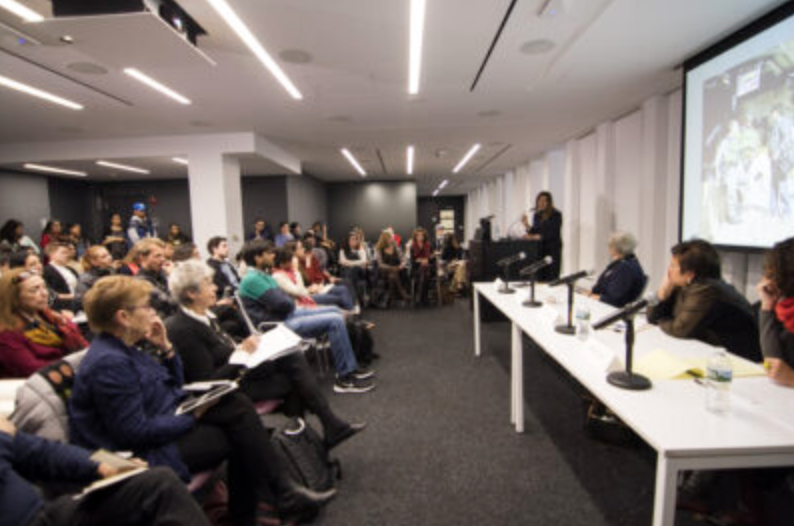
The Reframing Gendered Violence project will continue on January 25 with a panel on “Interrogating culture-based explanations for violence against women.”
Contributed by Liza McIntosh
Marianne Hirsch delivers keynote address at Memory Studies Association Conference
CSSD Director Marianne Hirsch delivered the keynote address at the second annual Memory Studies Association Conference, December 15, 2017.
CSSD Director Marianne Hirsch delivered the keynote address at the second annual Memory Studies Association Conference, December 15, 2017.
Hirsch’s address, “Stateless Memories”, further develops her pioneering work in the field of memory studies, calling into question the ethnocentrism of dominant memory cultures and looking instead for progressive ways of developing collective memories outside the bounds of national monuments.
Marianne Hirsch is Director of the Center for the Study of Social Difference, as well as William Peterfield Trent Professor of English and Comparative Literature at Columbia University and Professor in the Institute for Research on Women, Gender, and Sexuality. She is co-director of the CSSD projects Women Mobilizing Memory, Engendering the Archive, and Reframing Gendered Violence.
Gayatri Chakravorty Spivak delivers inaugural lecture for International Colloquium on Creative Teaching and Learning in Higher Education
CSSD project co-director Gayatri Chakravorty Spivak delivered the inaugural lecture at the International Colloquium on Creative Teaching and Learning in Higher Education, at Sullamussalam Science College, December 12, 2017.
CSSD project co-director Gayatri Chakravorty Spivak delivered the inaugural lecture at the International Colloquium on Creative Teaching and Learning in Higher Education, at Sullamussalam Science College, December 12, 2017.
Spivak’s address, which was followed by a panel discussion, “Spivak with Alternative Educators”, argued that “higher education means flexibility of imagination,” encouraging university students and faculty alike to pursue global research that extends beyond the university itself. The address is available to watch online, and further coverage is available at The Hindu.
Gayatri Chakravorty Spivak is co-director of the CSSD project The Rural-Urban Interface: Gender and Poverty in Kenya and Ghana, Statistics and Stories. Spivak is also University Professor of Humanities at Columbia University and a founding member of CSSD affiliate the Institute for Comparative Literature and Society.
RGFGV Media Fellow Samira Shackle Publishes Three Articles
Samira Shackle published three articles on refugee women’s active responses to gender-based violence and poverty in Iraq and Lebanon.
CSSD’s Project on Religion and the Global Framing of Gender Violence awarded reporting grants to three Media Fellows who joined the project in September. After participating in an international workshop with scholars and activists hosted at the Columbia Global Center in Amman, they traveled in the Middle East to research stories that could reframe understandings of the relationship between gender violence and religion.
Samira Shackle published three articles on refugee women’s active responses to gender-based violence and poverty in Iraq and Lebanon.
Yazidis in Iraq: 'The genocide is ongoing'
The Refugee Whose Husband Sold Her Into Sex Slavery
Hairdressing, sewing, cooking – is this really how we're going to empower women?
Frances Negrón-Muntaner Interviewed by EuropeNow
Co-director of the CSSD project Unpayable Debt, Frances Negrón-Muntaner, is interviewed by EuropeNow as part of their special feature on Diversity, Security, Mobility: Challenges for Eastern Europe.
Frances Negrón-Muntaner was interviewed by EuropeNow as part of their special feature on Diversity, Security, Mobility: Challenges for Eastern Europe.
In the interview, Negrón-Muntaner discusses her interest in creating archives, especially for marginalized groups, as sources for community building, collective memory, and the production of new knowledge and complex stories. She also details her work creating an archive in the digital space and discusses her contribution to the Roma Peoples Project, an initiative that spotlights Roma peoples and expands Roma studies.
Frances Negrón-Muntaner is co-director for the CSSD project Unpayable Debt: Capital, Violence, And The New Global Economy.
Judith Butler and Başak Ertür write for The Guardian about situation in Turkey
Judith Butler and and Başak Ertür, fellows in the CSSD project Rethinking Vulnerability and Resistance, have written an opinion in support of those who signed the Academics for Peace position in Turkey in January 2016.
Judith Butler and and Başak Ertür, fellows in the CSSD project Rethinking Vulnerability and Resistance: Feminism and Social Change, have written an opinion for The Guardian in support of those who signed the Academics for Peace position in Turkey in January 2016. Trials of these signatories began last week in Istanbul. Read the article here:
"In Turkey, academics asking for peace are accused of terrorism"
Gayatri Chakravorty Spivak Receives Lifetime Scholarly Achievement Award from MLA
The Modern Language Association (MLA) has awarded Gayatri Chakravorty Spivak, co-director of CSSD project The Rural-Urban Interface, the eighth MLA Award for Lifetime Scholarly Achievement.
The Modern Language Association (MLA) has awarded Gayatri Chakravorty Spivak, University Professor of Humanities at Columbia University and a founding member of CSSD affiliate the Institute for Comparative Literature and Society, the eighth MLA Award for Lifetime Scholarly Achievement. Professor Spivak is a member of the Executive Committee of the Center for the Study of Social Difference (CSSD) and a co-director of the CSSD project The Rural-Urban Interface: Gender and Poverty in Kenya and Ghana, Statistics and Stories.
The MLA Executive Council selected Spivak for the award on the recommendation of the Lifetime Scholarly Achievement Review Committee and the Committee on Honors and Awards. Having first attracted acclaim for her translation of and magisterial preface to Jacques Derrida’s Of Grammatology (1976) and her landmark article “Can the Subaltern Speak?” (1983), Spivak has influenced postcolonial studies, international feminism, postructuralist philosophies, critiques of globalization, as well as art and curatorial practices. She is also an activist in feminist and ecological social movements and rural education. In addition to receiving numerous honorary degrees, she has been awarded the Kyoto Prize in Arts and Philosophy and the Padma Bhushan, given by the Indian government. The Award for Lifetime Scholarly Achievement will be presented to Spivak during the MLA Awards Ceremony at the January 2018 convention.
Read the award announcement on MLA Commons here.
Columbia University faculty sign a statement to the Turkish government to free Osman Kavala
Statement is signed by Columbia faculty including CSSD Director Marianne Hirsch and published on osmankavala.org
Columbia University faculty, including CSSD Director Marianne Hirsch, urge the Turkish government to free Osman Kavala immediately and to drop all charges against him.
Read the full statement here, on osmankavala.org
Women Mobilizing Memory Fellow Alisa Solomon publishes "What Does It Mean to Remember AIDS?"
The day before World AIDS Day 2017, Women Mobilizing Memory Fellow Alisa Solomon publishes an article in The Nation reflecting on how we remember AIDS and its impact.
The day before World AIDS Day 2017, Women Mobilizing Memory Fellow Alisa Solomon published an article in The Nation reflecting on how we remember AIDS and its impact: "What Does It Mean to Remember AIDS?" Read the full article here:
"What Does It Mean to Remember AIDS?"
Alisa Solomon is co-editor of the forthcoming Women Mobilizing Memory book resulting from the research of this CSSD working group.
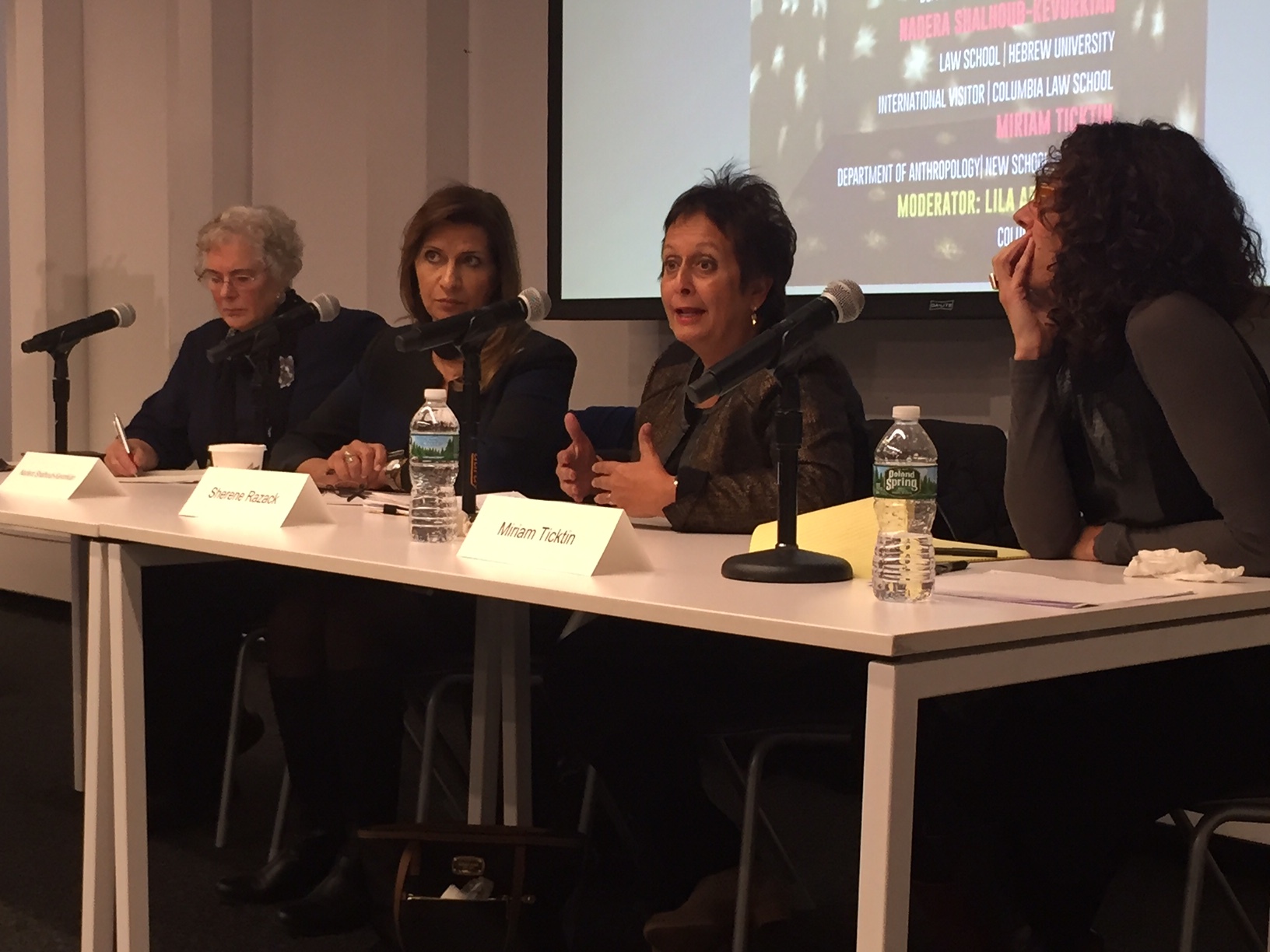
Video now available for "Gender and the Technologies of State Violence" panel
Watch presentations from Sherene Razack, Nadera Shalhoub-Kevorkian, and Miriam Ticktin. Part of the Reframing Gendered Violence project at CSSD.
On November 16, 2017, as part of its Reframing Gendered Violence working group, the Center for the Study of Social Difference presented "Gender and the Technologies of State Violence" in Case Lounge at Columbia Law School, with support from the Dean of Humanities and the Center for Gender and Sexuality Law at Columbia University.
You can now watch a video of this panel, featuring Sherene Razack (Department of Gender Studies, UCLA), Nadera Shalhoub-Kevorkian (Law School, Hebrew University; International Visitor, Columbia Law School), and Miriam Ticktin (Department of Anthropology, New School University) and moderated by Lila Abu-Lughod (Columbia University) on the CSSD YouTube channel here.

CSSD Project on Religion and the Global Framing of Gender Violence Convenes Workshop in Amman
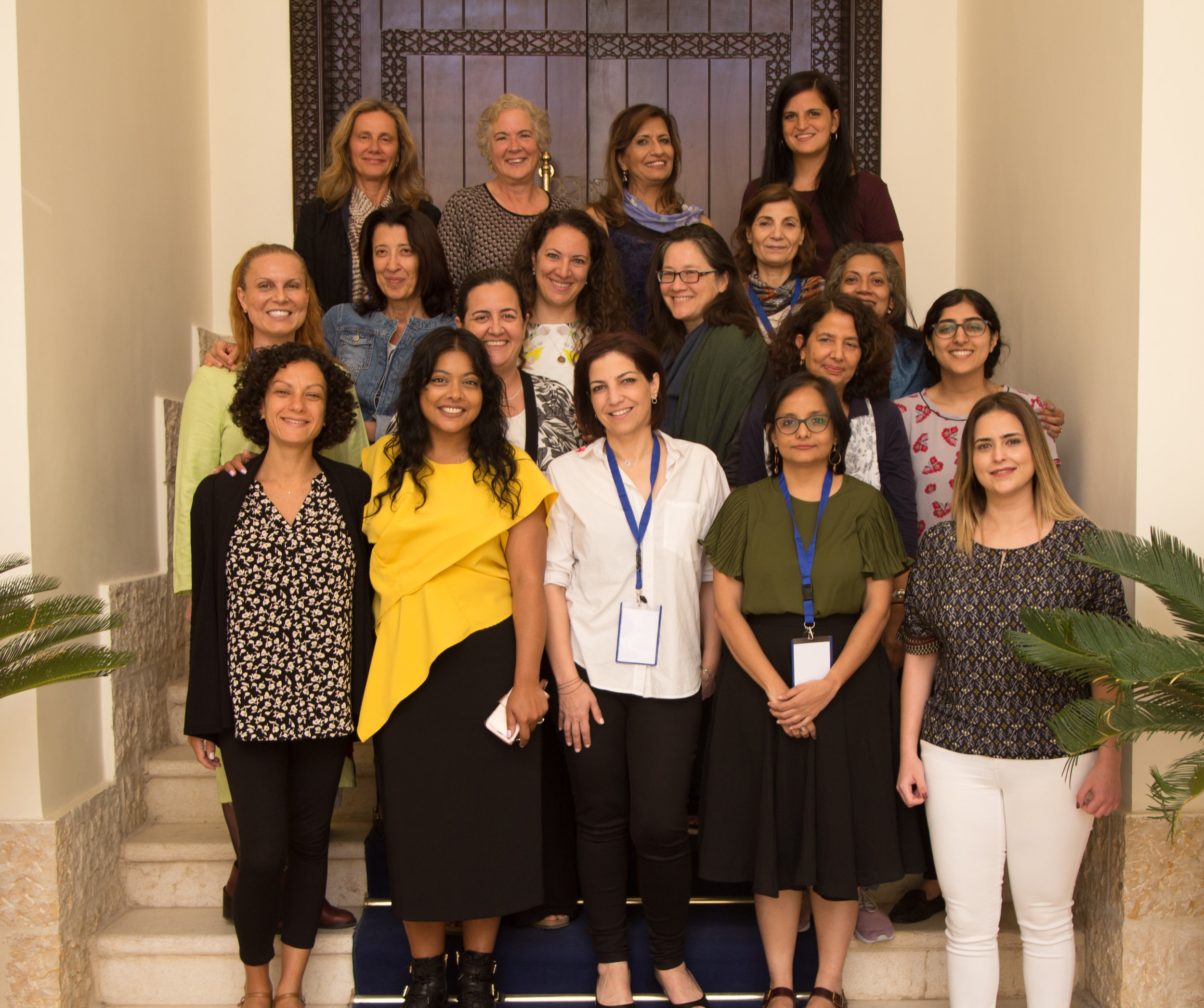
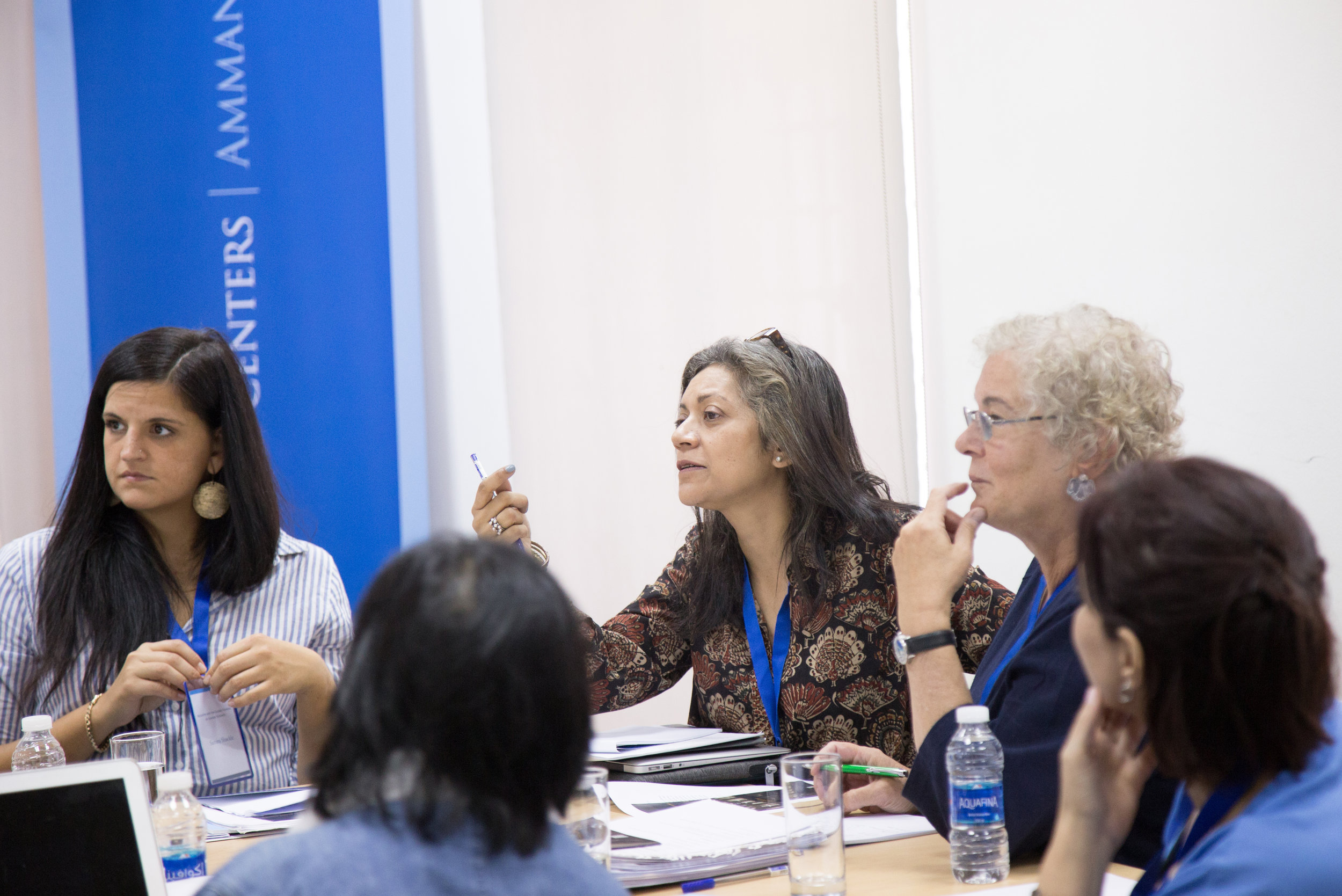
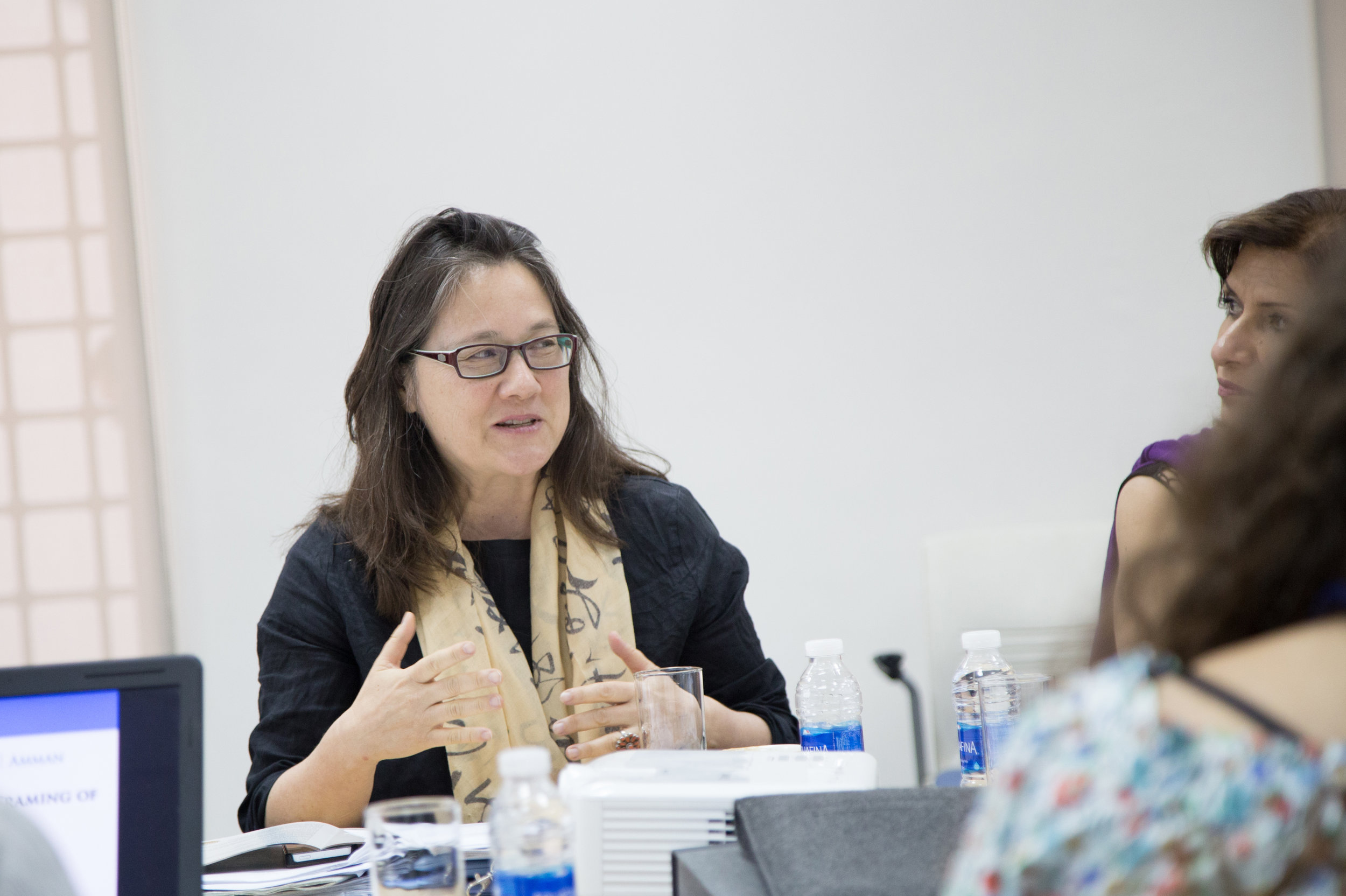
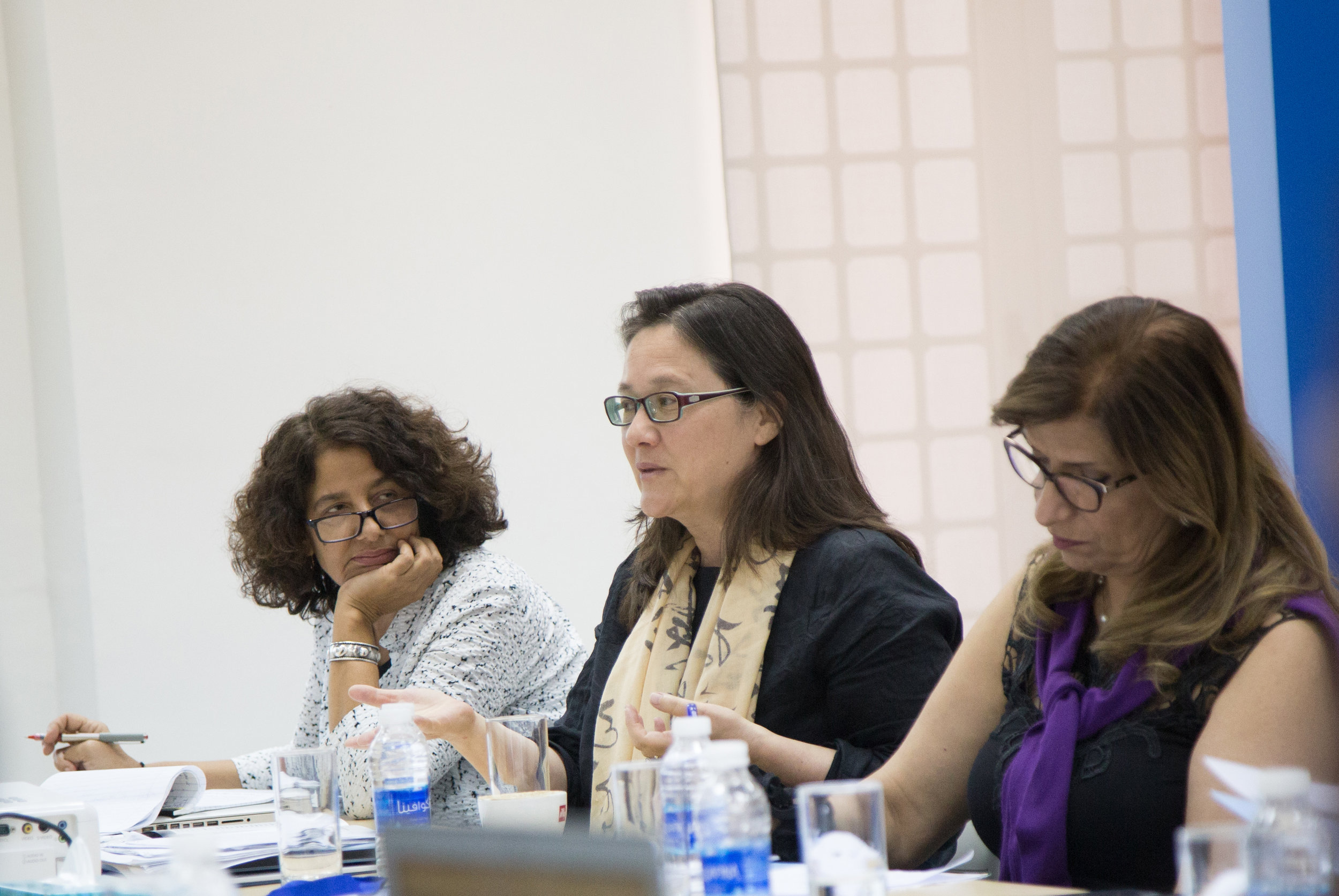
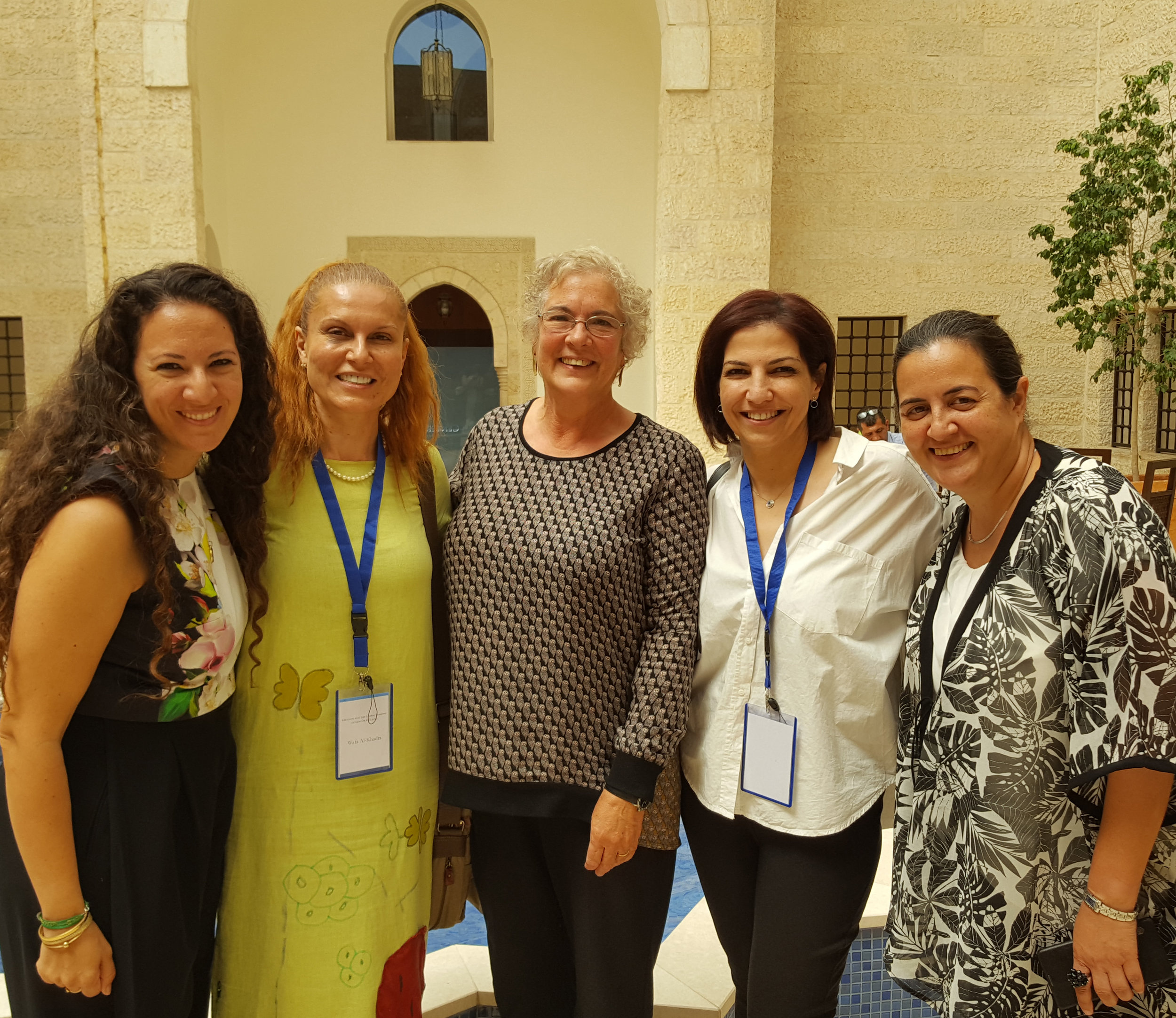
A project of Columbia University’s Center for the Study of Social Difference, “Religion and the Global Framing of Gender Violence” (RGFGV), held a two-day workshop in September to explore and debate critical developments in the global framing of gender-based violence. The participants were a mix of anthropologists, sociologists, journalists, legal scholars, development professionals, and women’s rights advocates all working on violence, feminist advocacy, and representations of Muslims and Islam. They drew on their research to address the guiding question: What role does religion—and particularly Islam—play in naming, framing, and governing violence against women (VAW) and gender-based violence (GBV)? Six themes structured the panels: Framing Islam, The Politics of Experience, Challenging Media Frames, Placing and Misplacing Blame, Pressures on Feminist Governance/ Strategies of Women’s Activism, and Reflections on Activism on the Ground.
Combating gender based violence (GBV) has emerged as a powerful agenda in international governance, national politics, and feminist and queer activism across many contexts. Dominant narratives about gender and GBV in certain regions assume that religion, often cloaked in the language of “culture” or “ethnic difference,” plays an important role. Continuing a tradition in projects at CSSD, RGFGV brought together critical thinkers and researchers working in the Middle East and South Asia, two regions where this narrative association is especially strong. They tackled issues as diverse as “child marriage” debates in Bangladesh (Siddiqi), controversies in India over women’s entry to shrines (Contractor), the politics of women’s activist organizations and influence of international agencies in now sectarian Iraq (Ali), Jordan (Ghosheh), and besieged Gaza (Hammami), reporting on gender violence in revolutionary Egypt (El-Rifae) and Occupied East Jerusalem (Shalhoub-Kevorkian), legal struggles over rape law in Jordan (Al-Khadra, Aziz), personal meanings of sexual violence for political prisoners in Iran (Talebi), the targeting of Muslim minorities in Europe (Shackle, Syeed), and even the role of GBV in U.S. Executive Orders and the counterterrorism industry (Volpp, Abu-Lughod).
Moving beyond the assumption that GBV is a universal phenomenon, the group historicized the production, applications, and implications of the term. When and how did GBV gain traction as the highly productive, powerful global concept it is today? In what ways does it bring into focus violence against certain bodies or by certain bodies while removing other violence and perpetrators from the scene? A central concern for the group was looking at what violence (and by whom) is not considered GBV. Many of the papers and discussions addressed these questions by carefully interrogating how the concept operates under specific formations of state violence that play out in the contemporary global political economy. Violence that occurs under settler colonialism or under regimes of state economic or military violence are rendered invisible by current definitions of GBV. How does blaming culture or religion for violence contribute to this invisibility?
Two of the presentations showed starkly how religion, and particularly Islam, has been implicated in staging a particular understanding of what constitutes GBV so that it can be deployed by wider geo-political projects. In January 2017, Donald Trump issued an executive order titled “Protecting the Nation from Foreign Terrorist Entry into the United States” often referred to as “the Muslim ban.” Leti Volpp analyzed the implications of its identification of “honor killings” as a problematic practice by “foreign nationals” and the mandate to collect data on cases labeled as such. Concurrently, women are being called to engage in countering violent extremism (CVE) efforts. Lila Abu-Lughod explored the way the global counterterrorism industry paints (Muslim) women as both the victims of extremism and uniquely positioned to combat it within their own communities, giving rise to demands for gender mainstreaming and inclusion in a deeply problematic enterprise.
The disciplinary and professional diversity of the working group led to intense discussion of the narratives and framing of GBV and its relationship to Islam, revealing surprising commonalities across contexts and sparking intellectual synergies. Three Media Fellows had been selected from an international pool to join the RGFGV project. Before setting off on their individual reporting research in the region--in Egypt, Djibouti, and Erbil, the journalists participated in the workshop. Discussing problems of reporting on aspects of gender or Islam in the Middle East and Europe, they gave concrete examples they had faced in terms of “framing” the issues; a central theme that emerged in the workshop. Their professional experiences showed how American and European media standards constrain and drive the narratives that get media exposure, creating dilemmas especially when reporting on GBV. For example, covering a positive story on Muslim women can end up reproducing Orientalist assumptions in the realm of public opinion.
Rema Hammami, an anthropologist who faced similar problems representing domestic violence in the Middle East offered her own “how to report on GBV” list: individualize specific men as perpetrators; treat horror stories as unique; highlight women’s agency and homegrown solutions; show cases of modernity as the problem and tradition offering solutions. Others added: show how the category and many of the practices that fall under GBV are tied to contemporary state institutions, political economic conditions, and dynamics such as war-induced migration.
The varied backgrounds of the workshop participants also led to a consensus that exploring governance and resource distribution are key to understanding the global GBV agenda. Why do issues suddenly surface as resourced research questions? How are academic studies, activism, and governmental concern shaped by geopolitical developments? Who are the players and the experts? Who is not served by these agendas? Mapping the emergence of what Abu-Lughod called securofeminists in the counterterrorism industry or exposing the shadowy forces backing the U.S. Republican obsession with “honor killing” provides evidence of how feminists and politicians are profiting, politically and financially, from conjoining Islamophobia and GBV. In contexts of wars and occupation, resources assigned to “saving Muslim women” have often led to increased militarization with harmful consequences for women and others, including the suppression of dissent, the ahistoricization and de-contextualization of GBV and the undermining of local women activists. Hammami’s analysis focused on how international humanitarianism privileges resources for anti-GBV pedagogy amid the destruction and destitution of Gaza enabling it to colonize local activisms, misrepresenting activists’ calls to the world while undermining more relevant local projects. Her account provided sobering evidence of how the global GBV agenda can place “off-limits” urgent demands for political justice and transformation by populations subjected to acute forms of state violence.
A political economy of fear that dehumanizes certain populations according to their religious, racial, or cultural backgrounds shapes many of the contexts of violence in the regions the workshop discussed. This political economy of fear justifies material resources that fund the global GBV agenda, embedding racism, sectarianism, and imperial interests in too many of the programs meant to combat gender violence. Cross-regional discussion of humanitarian GBV, the NGO-ization of gender issues, and the politics of international aid revealed how political violence gets occluded by the human rights framework in which GBV and VAW are situated. Local development practitioners, legal advocates, and activists in the group (Aziz, Haram, Ghandour, Ghosheh) gave disturbing evidence of the influence of donor culture in the work they are attempting to do. They insisted on the agency of actors on the ground and detailed the complex, and often contradictory, political, theoretical, and structural issues they must negotiate.
Sara Ababneh drew attention to the ways feminist methodology, active listening, and attentiveness to experiences of women and girls could contribute to more robust definitions of GBV. The position of the girl child was given careful attention. How do historical and present contexts of colonization dictate legal and social policies to protect her or to oppress her? In Bangladesh, Dina Siddiqi described the way donors and local feminists may, in the name of protection or productivity, be undermining girls’ sexual agency. In Occupied East Jerusalem, as Nadera Shalhoub-Kevorkian demonstrated, the sacralized theology of the Israeli state frames girls as security threats in order to justify bodily harm and suppression of their rights. In Jordan, legal advocates have been debating the merits of laws about marrying one’s rapist, given the structure of current alternatives. To what extent should the voices of girls and women be used to define and redefine GBV?
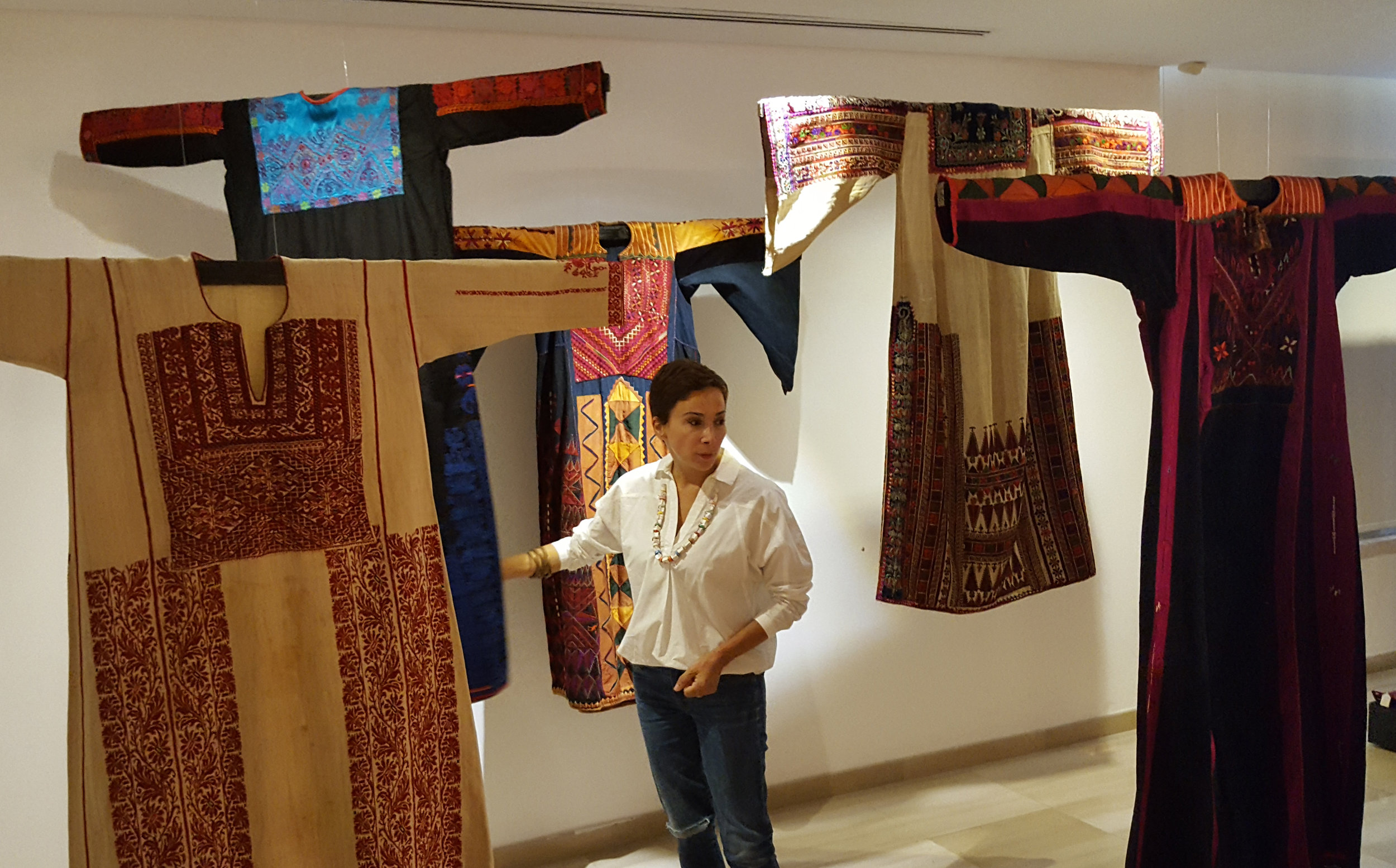
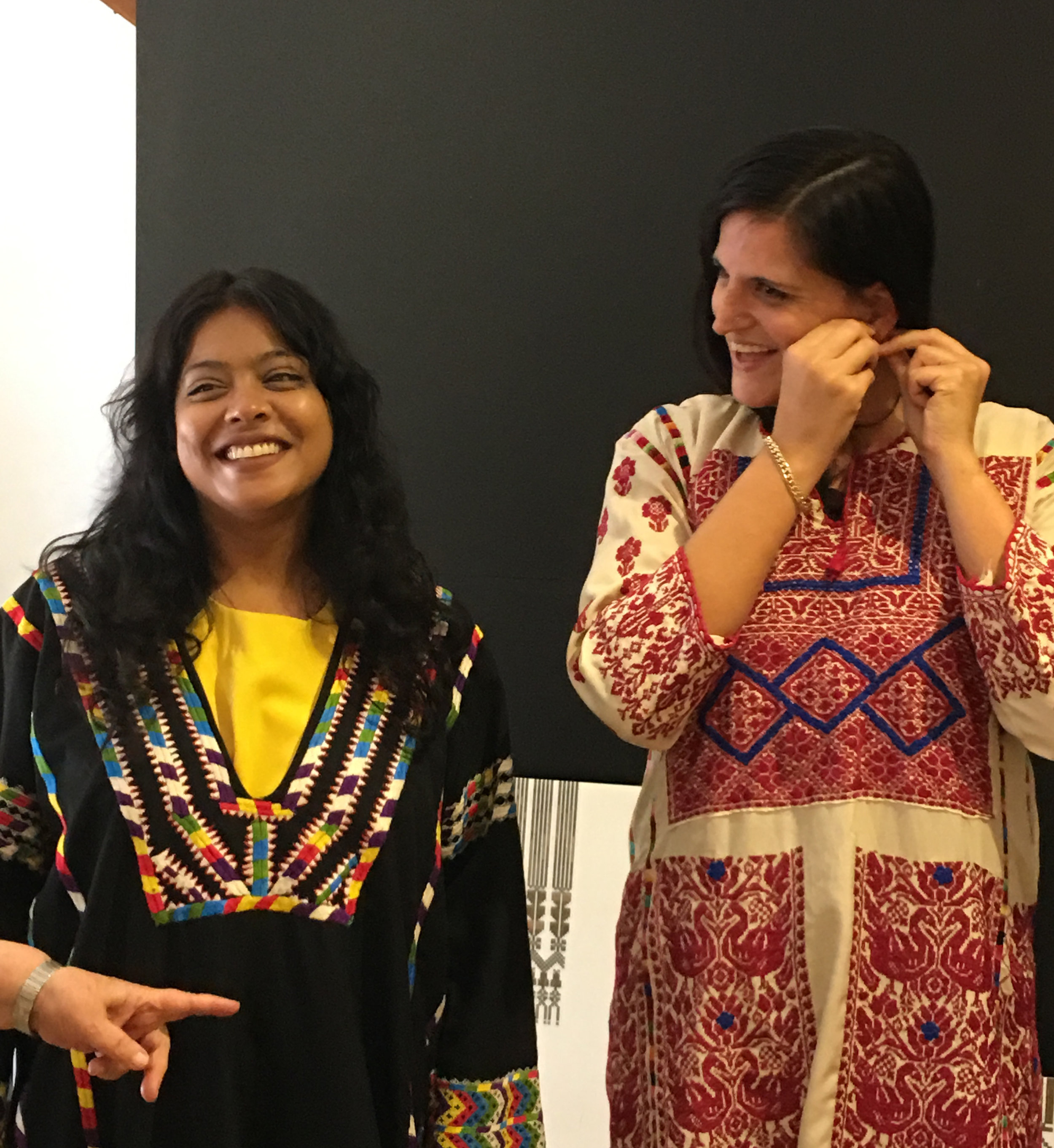
Participants were exhilarated by the honest critical exchange of experiences, ideas, and knowledge during this workshop. They shared a commitment to advancing understanding of the challenges faced by those who feel the urgency of addressing gender violence. The workshop closed with two memorable activities: invitations to a private viewing of Widad Kawar’s collection of Palestinian and Jordanian women’s dress at Tiraz and a dinner hosted by Nissreen Haram to introduce the group to the wider dynamic scene in Amman of lawyers, artists, scholars, politicians, activists, social philanthropists, and entrepreneurs.
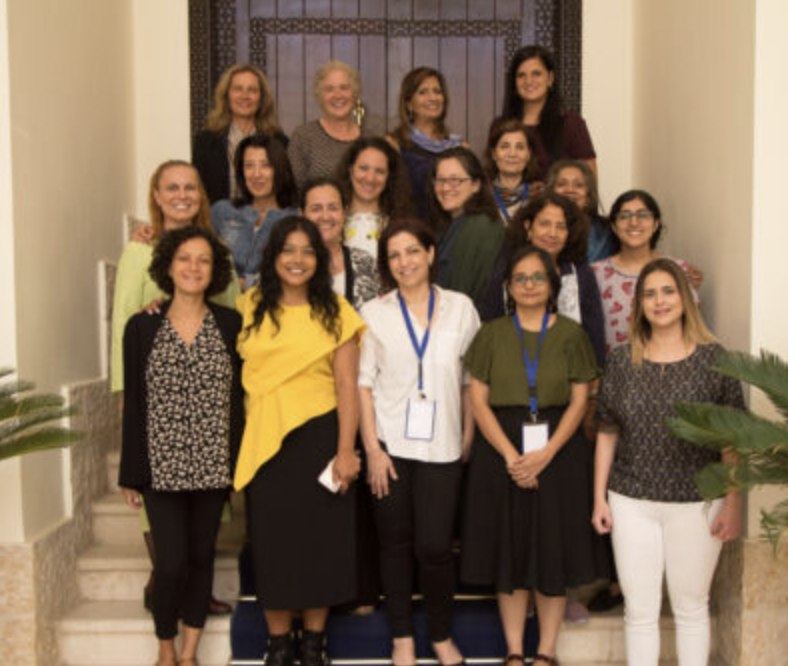
Supported by a grant from the Henry Luce Foundation, RGFGV partnered with the Columbia Global Center | Middle East, Amman for this workshop. CSSD projects on Women Creating Change are committed to internationalizing scholarship and knowledge. Previous projects such as Women Mobilizing Memory, Gender and the Global Slum, and Social Justice after the Welfare State have partnered with Columbia’s Global Centers in Istanbul, Mumbai, and Paris to further this goal. RGFGV is co-directed by Lila Abu-Lughod, Rema Hammami, Janet Jakobsen, and Nadera Shalhoub-Kevorkian. For the workshop program, click here.
Contributed by Joymala Hajra

CSSD Project on Religion and the Global Framing of Gender Violence Convenes Workshop in Amman
A project of Columbia University’s Center for the Study of Social Difference, “Religion and the Global Framing of Gender Violence” (RGFGV), held a two-day workshop in September to explore and debate critical developments in the global framing of gender-based violence.
CSSD Project on Religion and the Global Framing of Gender Violence Convenes Workshop in Amman

Columbia Global Center | Middle East, Amman
A project of Columbia University’s Center for the Study of Social Difference, “Religion and the Global Framing of Gender Violence” (RGFGV), held a two-day workshop in September to explore and debate critical developments in the global framing of gender-based violence. The participants were a mix of anthropologists, sociologists, journalists, legal scholars, development professionals, and women’s rights advocates all working on violence, feminist advocacy, and representations of Muslims and Islam. They drew on their research to address the guiding question: What role does religion—and particularly Islam—play in naming, framing, and governing violence against women (VAW) and gender-based violence (GBV)? Six themes structured the panels: Framing Islam, The Politics of Experience, Challenging Media Frames, Placing and Misplacing Blame, Pressures on Feminist Governance/ Strategies of Women’s Activism, and Reflections on Activism on the Ground.
Combating gender based violence (GBV) has emerged as a powerful agenda in international governance, national politics, and feminist and queer activism across many contexts. Dominant narratives about gender and GBV in certain regions assume that religion, often cloaked in the language of “culture” or “ethnic difference,” plays an important role. Continuing a tradition in projects at CSSD, RGFGV brought together critical thinkers and researchers working in the Middle East and South Asia, two regions where this narrative association is especially strong. They tackled issues as diverse as “child marriage” debates in Bangladesh (Siddiqi), controversies in India over women’s entry to shrines (Contractor), the politics of women’s activist organizations and influence of international agencies in now sectarian Iraq (Ali), Jordan (Ghosheh), and besieged Gaza (Hammami), reporting on gender violence in revolutionary Egypt (El-Rifae) and Occupied East Jerusalem (Shalhoub-Kevorkian), legal struggles over rape law in Jordan (Al-Khadra, Aziz), personal meanings of sexual violence for political prisoners in Iran (Talebi), the targeting of Muslim minorities in Europe (Shackle, Syeed), and even the role of GBV in U.S. Executive Orders and the counterterrorism industry (Volpp, Abu-Lughod).
Moving beyond the assumption that GBV is a universal phenomenon, the group historicized the production, applications, and implications of the term. When and how did GBV gain traction as the highly productive, powerful global concept it is today? In what ways does it bring into focus violence against certain bodies or by certain bodies while removing other violence and perpetrators from the scene? A central concern for the group was looking at what violence (and by whom) is not considered GBV. Many of the papers and discussions addressed these questions by carefully interrogating how the concept operates under specific formations of state violence that play out in the contemporary global political economy. Violence that occurs under settler colonialism or under regimes of state economic or military violence are rendered invisible by current definitions of GBV. How does blaming culture or religion for violence contribute to this invisibility?
Two of the presentations showed starkly how religion, and particularly Islam, has been implicated in staging a particular understanding of what constitutes GBV so that it can be deployed by wider geo-political projects. In January 2017, Donald Trump issued an executive order titled “Protecting the Nation from Foreign Terrorist Entry into the United States” often referred to as “the Muslim ban.” Leti Volpp analyzed the implications of its identification of “honor killings” as a problematic practice by “foreign nationals” and the mandate to collect data on cases labeled as such. Concurrently, women are being called to engage in countering violent extremism (CVE) efforts. Lila Abu-Lughod explored the way the global counterterrorism industry paints (Muslim) women as both the victims of extremism and uniquely positioned to combat it within their own communities, giving rise to demands for gender mainstreaming and inclusion in a deeply problematic enterprise.
The disciplinary and professional diversity of the working group led to intense discussion of the narratives and framing of GBV and its relationship to Islam, revealing surprising commonalities across contexts and sparking intellectual synergies. Three Media Fellows had been selected from an international pool to join the RGFGV project. Before setting off on their individual reporting research in the region–in Egypt, Djibouti, and Erbil, the journalists participated in the workshop. Discussing problems of reporting on aspects of gender or Islam in the Middle East and Europe, they gave concrete examples they had faced in terms of “framing” the issues; a central theme that emerged in the workshop. Their professional experiences showed how American and European media standards constrain and drive the narratives that get media exposure, creating dilemmas especially when reporting on GBV. For example, covering a positive story on Muslim women can end up reproducing Orientalist assumptions in the realm of public opinion.
Rema Hammami, an anthropologist who faced similar problems representing domestic violence in the Middle East offered her own “how to report on GBV” list: individualize specific men as perpetrators; treat horror stories as unique; highlight women’s agency and homegrown solutions; show cases of modernity as the problem and tradition offering solutions. Others added: show how the category and many of the practices that fall under GBV are tied to contemporary state institutions, political economic conditions, and dynamics such as war-induced migration.
The varied backgrounds of the workshop participants also led to a consensus that exploring governance and resource distribution are key to understanding the global GBV agenda. Why do issues suddenly surface as resourced research questions? How are academic studies, activism, and governmental concern shaped by geopolitical developments? Who are the players and the experts? Who is not served by these agendas? Mapping the emergence of what Abu-Lughod called securofeminists in the counterterrorism industry or exposing the shadowy forces backing the U.S. Republican obsession with “honor killing” provides evidence of how feminists and politicians are profiting, politically and financially, from conjoining Islamophobia and GBV. In contexts of wars and occupation, resources assigned to “saving Muslim women” have often led to increased militarization with harmful consequences for women and others, including the suppression of dissent, the ahistoricization and de-contextualization of GBV and the undermining of local women activists. Hammami’s analysis focused on how international humanitarianism privileges resources for anti-GBV pedagogy amid the destruction and destitution of Gaza enabling it to colonize local activisms, misrepresenting activists’ calls to the world while undermining more relevant local projects. Her account provided sobering evidence of how the global GBV agenda can place “off-limits” urgent demands for political justice and transformation by populations subjected to acute forms of state violence.
A political economy of fear that dehumanizes certain populations according to their religious, racial, or cultural backgrounds shapes many of the contexts of violence in the regions the workshop discussed. This political economy of fear justifies material resources that fund the global GBV agenda, embedding racism, sectarianism, and imperial interests in too many of the programs meant to combat gender violence. Cross-regional discussion of humanitarian GBV, the NGO-ization of gender issues, and the politics of international aid revealed how political violence gets occluded by the human rights framework in which GBV and VAW are situated. Local development practitioners, legal advocates, and activists in the group (Aziz, Haram, Ghandour, Ghosheh) gave disturbing evidence of the influence of donor culture in the work they are attempting to do. They insisted on the agency of actors on the ground and detailed the complex, and often contradictory, political, theoretical, and structural issues they must negotiate.
Sara Ababneh drew attention to the ways feminist methodology, active listening, and attentiveness to experiences of women and girls could contribute to more robust definitions of GBV. The position of the girl child was given careful attention. How do historical and present contexts of colonization dictate legal and social policies to protect her or to oppress her? In Bangladesh, Dina Siddiqi described the way donors and local feminists may, in the name of protection or productivity, be undermining girls’ sexual agency. In Occupied East Jerusalem, as Nadera Shalhoub-Kevorkian demonstrated, the sacralized theology of the Israeli state frames girls as security threats in order to justify bodily harm and suppression of their rights. In Jordan, legal advocates have been debating the merits of laws about marrying one’s rapist, given the structure of current alternatives. To what extent should the voices of girls and women be used to define and redefine GBV?
Participants were exhilarated by the honest critical exchange of experiences, ideas, and knowledge during this workshop. They shared a commitment to advancing understanding of the challenges faced by those who feel the urgency of addressing gender violence. The workshop closed with two memorable activities: invitations to a private viewing of Widad Kawar’s collection of Palestinian and Jordanian women’s dress at Tiraz and a dinner hosted by Nissreen Haram to introduce the group to the wider dynamic scene in Amman of lawyers, artists, scholars, politicians, activists, social philanthropists, and entrepreneurs.
Supported by a grant from the Henry Luce Foundation, RGFGV partnered with the Columbia Global Center | Middle East, Amman for this workshop. CSSD projects on Women Creating Change are committed to internationalizing scholarship and knowledge. Previous projects such as Women Mobilizing Memory, Gender and the Global Slum, and Social Justice after the Welfare State have partnered with Columbia’s Global Centers in Istanbul, Mumbai, and Paris to further this goal. RGFGV is co-directed by Lila Abu-Lughod, Rema Hammami, Janet Jakobsen, and Nadera Shalhoub-Kevorkian. For the workshop program, click here.
This report contributed by Joymala Hajra.

Professor Ed Morales publishes articles on The New York Times and The Nation
Professor Ed Morales, faculty fellow of CSSD project Unpayable Debt, published several articles on the humanitarian crises facing Puerto Rico in the wake of Hurricane Maria. His articles illustrate the catastrophic effects of the storm and the resilience of its battered, yet defiant, residents.
Professor Ed Morales, faculty fellow of CSSD project Unpayable Debt, published several articles on the humanitarian crises facing Puerto Rico in the wake of Hurricane Maria. His articles illustrate the catastrophic effects of the storm and the resilience of its battered, yet defiant, residents.
“With so much loss, there was a gain, though. The community organized so quickly, with brigades clearing the roads and tending to the elderly, the sick and those who’d lost the roof over their heads. Some time may pass before cell towers restore the virtual community, but now, more than ever, the actual community is resoundingly “presente.” – Ed Morales
Read Morales’ article “Puerto Rico in the Dark,” in The New York Times here.
Click here to read Morales’ article “In Puerto Rico, Disconnection and Chaos but Grace Under Pressure,” in The Nation.
Paige West wins Columbia University Press Distinguished Book Award
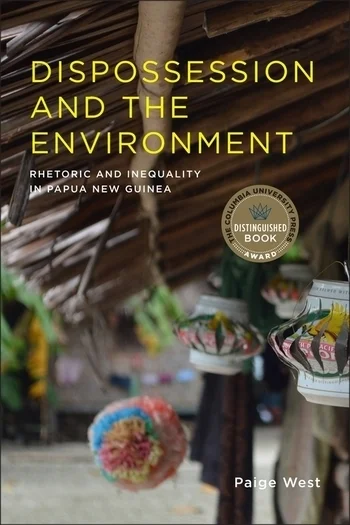
The 2017 award goes to CSSD Project Director Paige West for Dispossession and the Environment.
The Columbia University Press Distinguished Book Award is funded by the office of the Provost. It will be awarded annually by the Press to a book by a Columbia University faculty member that brings the highest distinction to Columbia University and Columbia University Press for its outstanding contribution to academic and public discourse.
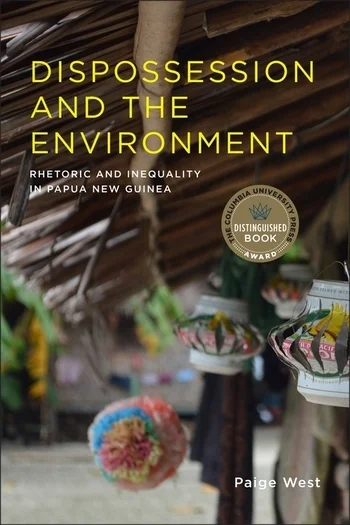
The 2017 award winner is Dispossession and the Environment: Rhetoric and Inequality in Papua New Guinea, by Paige West, Claire Tow Professor of Anthropology, Barnard College, Columbia University. Professor West is a Project Director for CSSD project Pacific Climate Circuits: Moving Beyond Science, Technology, Engineering, and Economics.
About Dispossession and the Environment:
When journalists, developers, surf tourists, and conservation NGOs cast Papua New Guineans as living in a prior nature and prior culture, they devalue their knowledge and practice, facilitating their dispossession. Paige West’s searing study reveals how a range of actors produce and reinforce inequalities in today’s globalized world. She shows how racist rhetorics of representation underlie all uneven patterns of development and seeks a more robust understanding of the ideological work that capital requires for constant regeneration.
“The Economics of Precision Medicine and Disparities in Health,” a talk by Dr. Kristopher Hult
The second Fall 2017 talk of the CSSD working group Precision Medicine: Ethics, Politics, and Culture (PMEPC) featured Dr. Kristopher Hult. In his presentation, “The Economics of Precision Medicine and Disparities in Health,” Dr. Hult shared his research and outlook on the potential of personalized medicine to increase the health impact of existing treatments, and thereby improve patient outcomes.
Balancing Treatment Efficacy and Risk
Dr. Hult used multiple sclerosis (MS), a progressive autoimmune neurological disorder, to highlight how personalized medicine may be able to improve clinical care. Existing therapies for MS differ considerably regarding their efficacy and risk of side effects between patients, making accurate assessment of patients’ individual responses highly valuable. For example, Tysabri, a leading immunosuppressive drug, can lead to progressive multifocal encephalopathy (PML), a debilitating neurodegenerative illness; however, the risk varies over 10-fold across patients. Through using genetic information and other molecular biomarkers, such effective medications can be targeted to patients who have the lowest risk, helping balance treatment efficacy and risk.
Innovations and the Market
Dr. Hult also presented a case for the potential of incremental innovations on existing FDA approved molecules or therapy. He discussed a quantitative model to assess the effects of policy interventions on innovations and how existing policy to incentivize orphan diseases can differentially affect incremental innovation with respect to novel innovation. While such policies have spearheaded the creation of new therapies, they can also lead to corporate exclusivity, increasing the market price and reducing subsequent innovation. In addition, the promise of exclusivity may further encourage corporate entities to utilize precision medicine approaches to find novel biomarkers, so that they can show that their agent is effective for a narrower segment of the population and thereby market it as an “orphan drug.” The long-term implications of such approaches on pharmaceutical innovation and patient care are unclear at present. Ultimately, evaluating the effects of novel vs. incremental innovation requires comprehensive understanding of the factors that determine health outcomes, such as the impact of a drug on the length and quality of life, cost of the drug, and accessibility of the drug and insurance. However, as Dr. Hult acknowledged, the medical actionability of a disease is ever-shifting, making it difficult to accurately estimate these values.
Precision Prevention
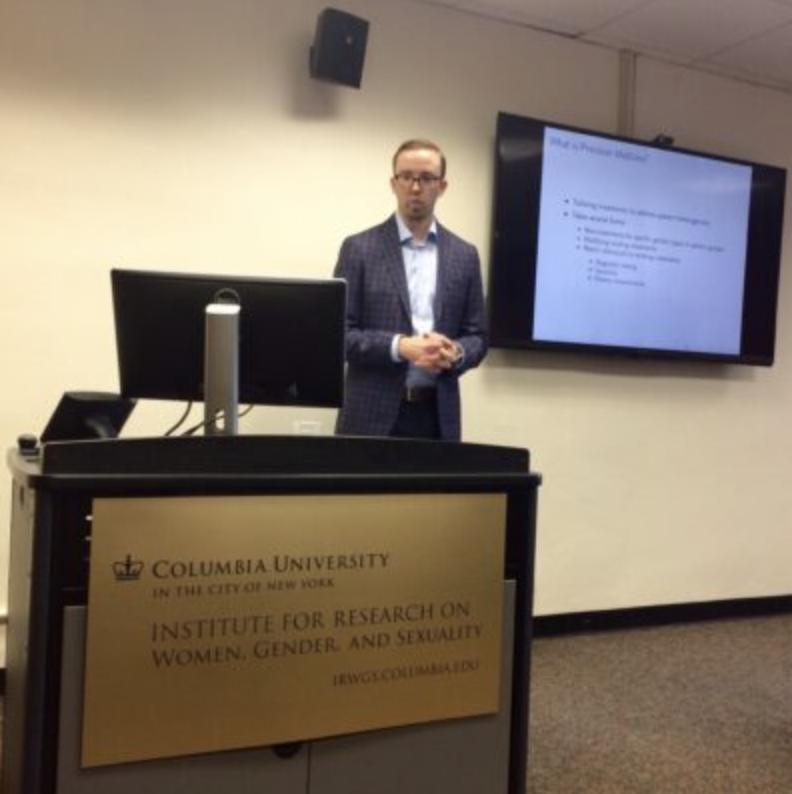
The potential of personalized and precision medicine extends beyond the population who are already sick. It also has the promise to identify healthy individuals at risk, and prevent disease through targeted therapy, with “precision prevention” practiced on a broader scale. However, doing so involves significant financial considerations, and as healthcare spending continues to rise, there is a need to accurately measure the cost efficacy of the interventions proposed. As health systems across the globe shift to policies that prioritize value as well as volume, such considerations are of prime importance. As Dr. Hult noted, personalized medicine promises to revolutionize the production and targeting of pharmacotherapy, and his talk provided a valuable economic perspective on how to evaluate its impact on healthcare innovation and outcomes.
Contributed by Neha Dagaonkar and Emily Groopman