
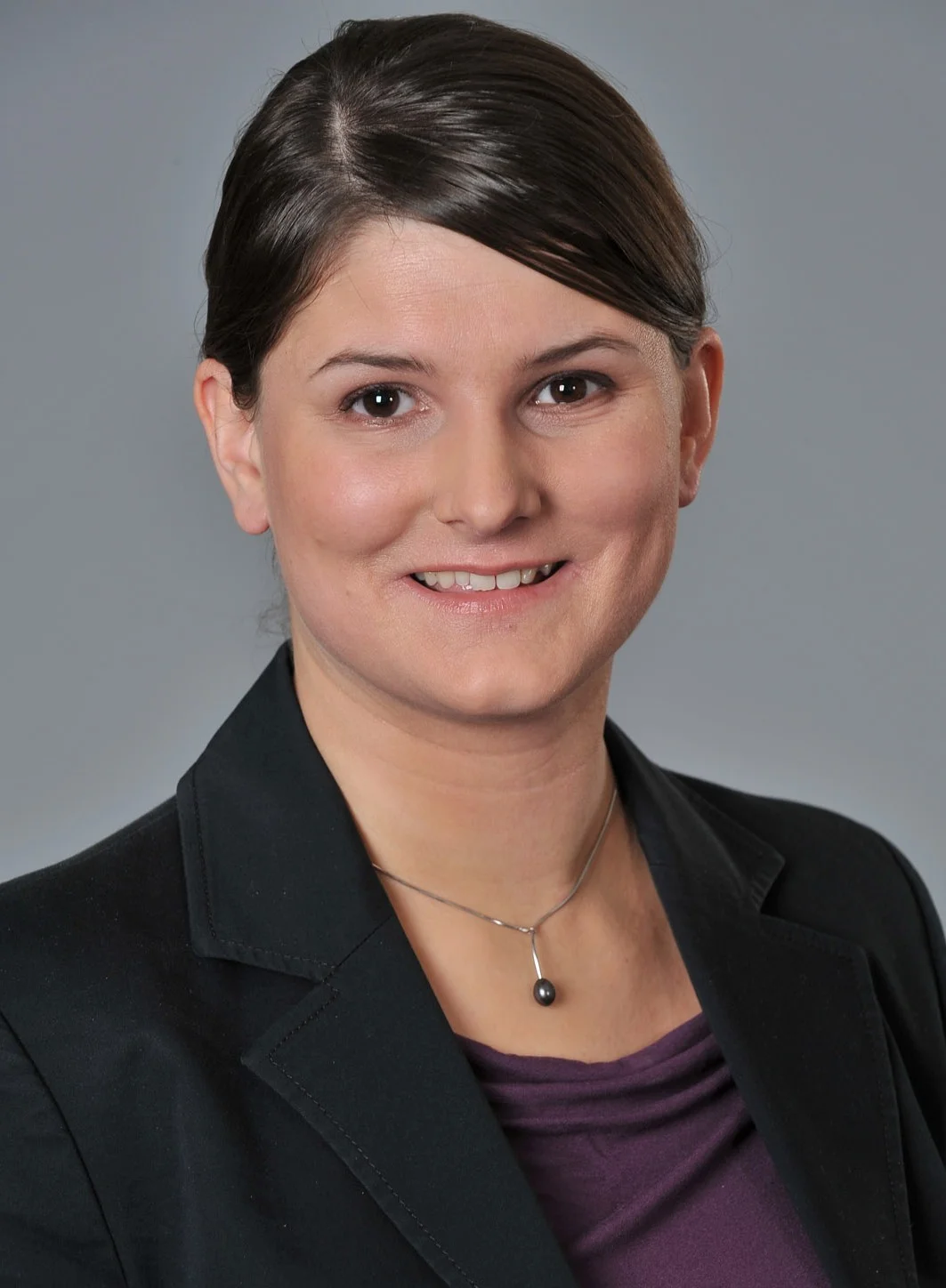
CSSD project director Inga Winkler receives grant to support her work on menstrual health
Professor Inga Winkler, co-director of the new CSSD project, Menstrual Health and Gender Justice, receives grant to support her work on menstrual health.
Professor Inga Winkler, co-director of the new CSSD project, Menstrual Health and Gender Justice, receives a grant to support her work on menstrual health.
The grant from the UN Water Supply and Sanitation Collaborative Council will support research and advocacy on menstrual health, including the development of a handbook on Critical Menstrual Studies, which Professor Winkler is co-editing. The handbook seeks to compile state of the art research in the burgeoning field of menstrual health and to inform and shape rapidly evolving developments in policy and practice, as well as elevate ongoing national policy developments in countries across the globe to the level of the UN through various advocacy initiatives.
The last several years have brought a tremendous diversity of menstrual positive expressions—from the artistic to the practical, the serious to the playful, the provocative to the educational, and the local to the global.
Speaking on the upsurge in interests on menstrual health, Professor Winkler explains: “I see a need – and indeed a responsibility – to engage and ask critical questions."

Professor Saidiya Hartman Awarded a 2018 Guggenheim Fellowship
CSSD project director Saidiya Hartman has been awarded a 2018 Guggenheim Fellowship.
CSSD project director Saidiya Hartman has been awarded a 2018 Guggenheim Fellowship.
Professor Hartman will spend the fellowship year completing Wayward Lives, Beautiful Experiments (forthcoming Norton), which examines the social upheaval and radical transformation of everyday life that took place in the emergent black ghetto in the early decades of the 20th century.
Saidiya Hartman is co-director for CSSD projects Gender and the Global Slum and Engendering the Archive.
Gender and the Global Slum looks at the social hazards of urban informality and its disproportionate effects on women.
Engendering the Archive explores how power determines what is conserved and what is lost, which stories have been committed to collective memory and which ones have been erased.

Professor Anupama Rao comments on the stereotype of South Asians as "good immigrants" on NPR
Gender & the Global Slum project director Anupama Rao spoke with NPR Podcast Code Switch about Caste discrimination in the United States.
Gender & the Global Slum project director Anupama Rao spoke with NPR Podcast Code Switch about Caste discrimination in the United States.
Professor Rao, a historian and author of The Caste Question: Dalits and the Politics of Modern India, said for years, many of the so-called "model minority" of South Asians, who have earned the status of being "good immigrants" in the U.S., came from upper-caste families.
At over three thousand years old, caste hierarchy is one of the oldest forms of social stratification in the world: the community you are born into in places like India, Pakistan and Nepal has designated where you can work, who you can marry, and what your reputation is in life.
A new survey by Equality LABS finds that caste discrimination is playing out in the United States as well.
Gender and the Global Slum project looked at the social hazards of urban informality and its disproportionate effects on women. Professor Rao is also co-director of the new CSSD working group Geographies of Injustice.
Code Switch is a race and culture outlet and a weekly podcast from American public radio network NPR. It began in 2013 with a blog as well as contributing stories to NPR radio programs. The Code Switch podcast launched in 2016.

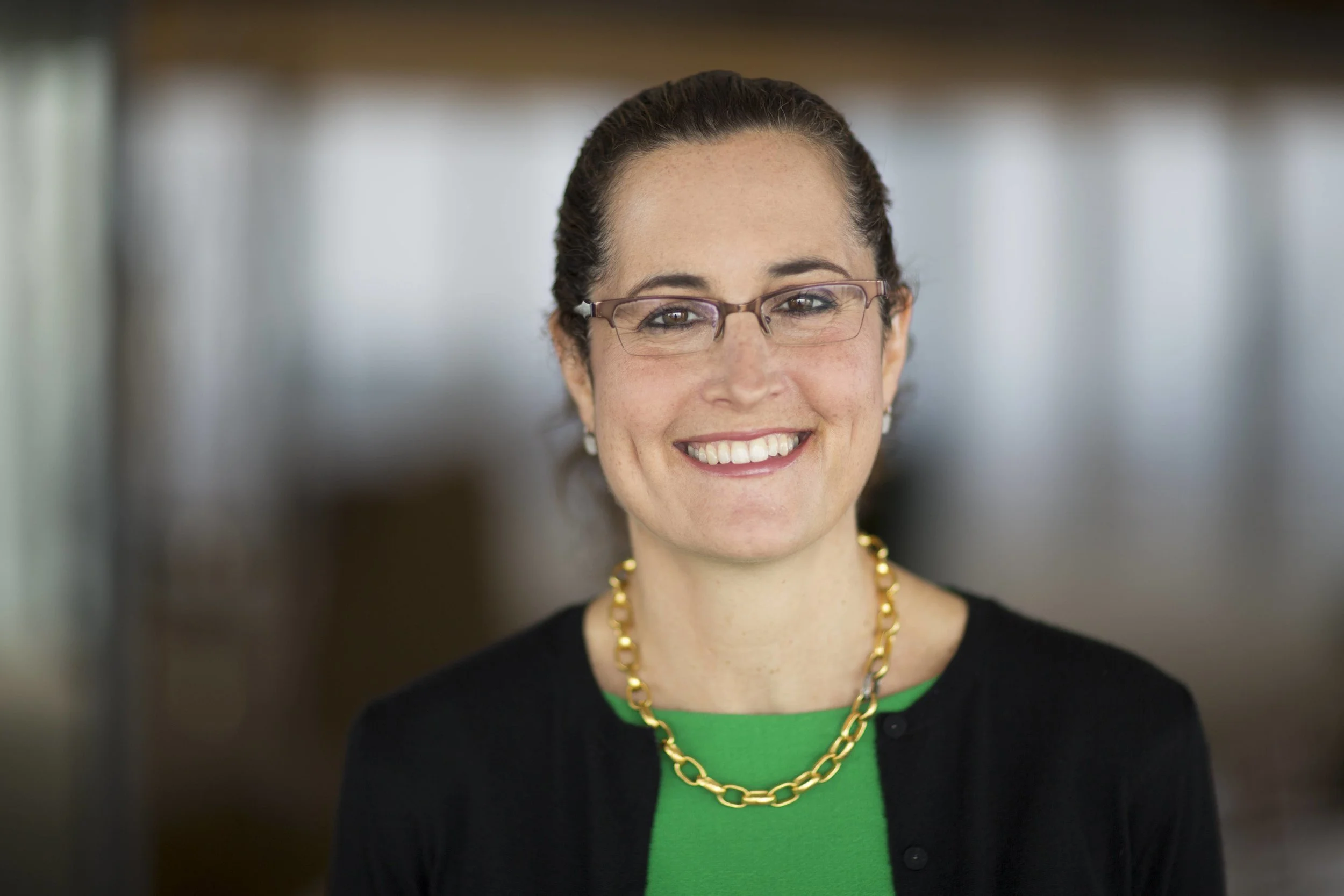
Lisa Carnoy elected to serve as co-chair of the Columbia University Board of Trustees
Women Creating Change Leadership Council member Lisa Carnoy has been elected to serve as co-chair of the Columbia University Board of Trustees.
Women Creating Change Leadership Council member Lisa Carnoy has been elected to serve as co-chair of the Columbia University Board of Trustees.
Lisa Carnoy is an accomplished leader in global finance and capital markets. She spent 23 years at Bank of America Merrill Lynch, most recently as the Division Executive for the Northeast for U.S. Trust, the private bank within Bank of America, and as NYC Market President for Bank of America. She served on the operating committees for Global Wealth & Investment Management and for Bank of America. Prior to her move to Wealth Management, Carnoy served as head of Global Capital Markets for Bank of America Merrill Lynch, and was a member of the Global Corporate and Investment Banking Operating Committee. She led the team raising the largest equity offering in U.S. history, $19 billion, that helped Merrill Lynch and Bank of America in 2009 repay the U.S. Treasury for money received from Troubled Assets Relief Program (TARP).
Carnoy has been a passionate advocate for diversity – and co-founded several organizations including the Women’s Leadership Council at Bank of America Merrill Lynch, and at Columbia, both the Women’s Leadership Council for Athletics and the Dean’s Advisory Circle. She was named among the 25 most influential women for the 25th anniversary of the Columbia-Barnard Athletic Consortium, and Women in Science at Columbia have named a leadership award in Lisa’s honor. She has been named to American Banker’s list of “Most Powerful Women in Finance,” and in 2013, she received the Merit Award from the Women’s Bond Club. She also has received Columbia’s John Jay Award for professional achievement, the College’s Alumna Achievement Award, and the University’s Alumni Medal.
Carnoy (CC’89) will be serving alongside Jonathan Lavine (CC’88) as co-chairs of the University Board of Trustees beginning in September 2018.
Columbia University’s Women Creating Change Leadership Council is comprised of individuals who are committed to the exploration of issues which affect women and the ways in which women address global gender challenges. The mission of the Council is to promote interdisciplinary collaborative research and to sponsor events that publicize this important work.
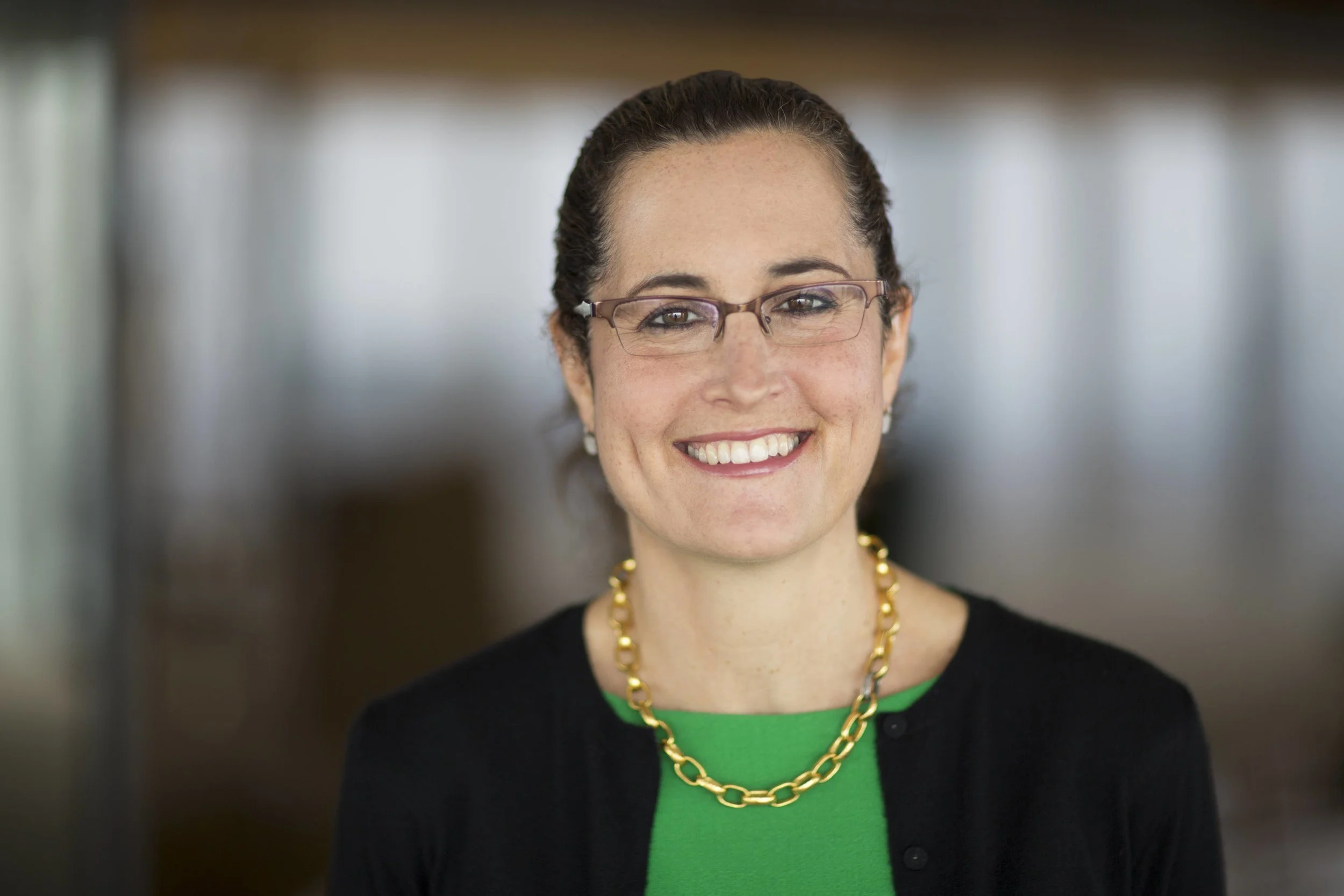
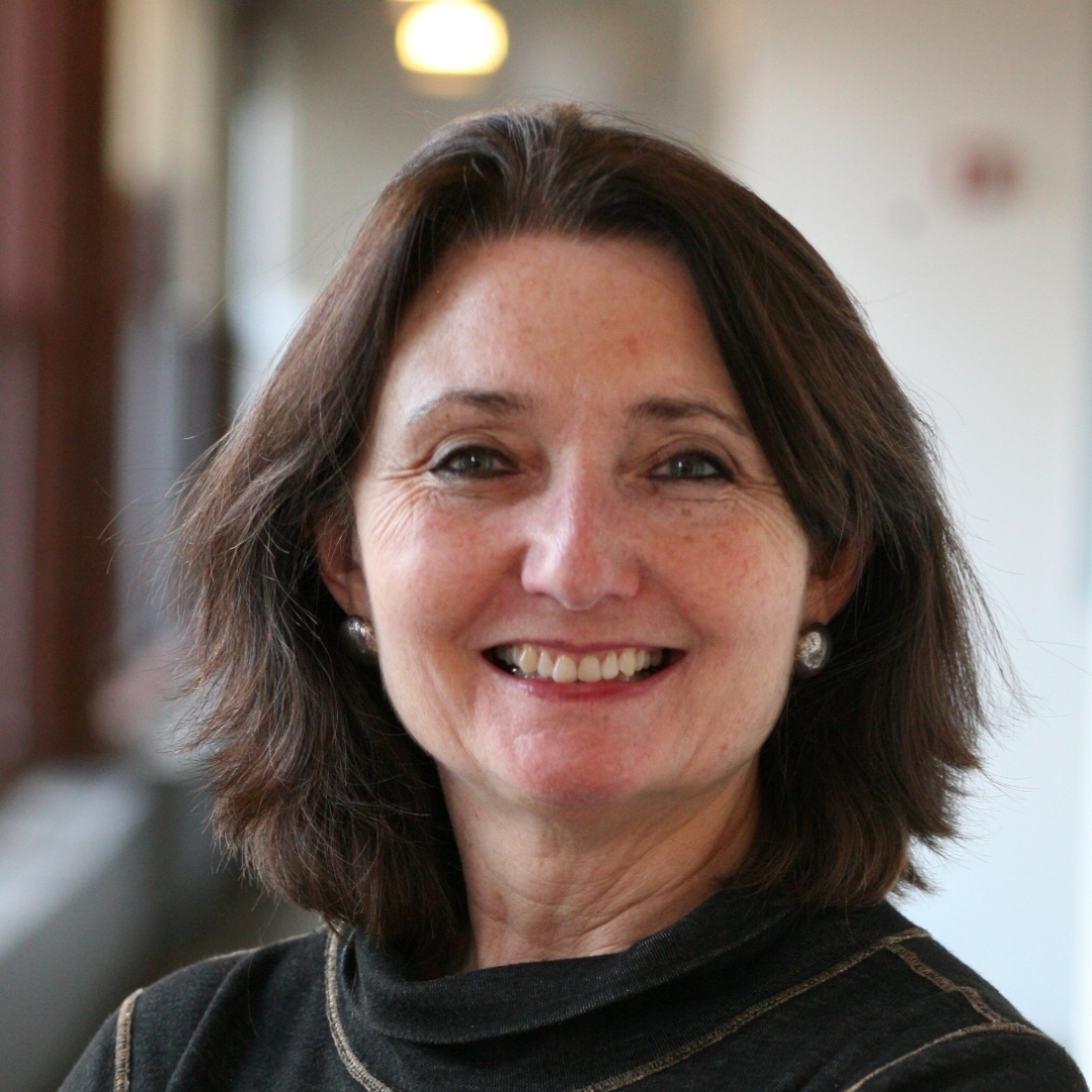
Diana Taylor elected as a fellow of the American Academy of Arts and Sciences
Diana Taylor, project director of the CSSD working group Women Mobilizing Memory, has been elected as an American Academy of Arts and Sciences fellow.
Diana Taylor, project director of the CSSD working group Women Mobilizing Memory, has been elected as an American Academy of Arts and Sciences fellow. A University Professor at NYU, Taylor is the founding director of NYU’s Hemispheric Institute and a professor in the Department of Spanish and Portuguese Languages and Literatures and in the Department of Performance Studies at the Tisch School of the Arts. Taylor, a Guggenheim Fellow, is the author of many award-winning books such as Theatre of Crisis: Drama and Politics in Latin America (University Press of Kentucky, 1991) and The Archive and the Repertoire: Performing Cultural Memory in the Americas (Duke University Press, 2003), among other publications.
Since its founding in 1780, the American Academy has served the nation as a champion of scholarship, civil dialogue, and useful knowledge. As one of the nation’s oldest learned societies and independent policy research centers, the Academy convenes leaders from the academic, business, and government sectors to address critical challenges facing our global society.
Professor Taylor joins the Academy’s membership of 4,900 Fellows and 600 Foreign Honorary Members, a list that includes many of the most accomplished scholars and practitioners worldwide.
Women Mobilizing Memory explores the politics of memory in the aftermath of the atrocities of the twentieth and twenty-first centuries in comparative global perspective. The international working group analyzes the strategies by which women artists, scholars and activists have succeeded in mobilizing the memory of gender-based violence to promote redress, social justice, and a democratic future.


Puerto Rico Underwater exhibition featured on NY1
Frances Negron-Muntaner, a project director of the CSSD working group Unpayable Debt, was on NY1 with several of the artists in the Puerto Rico Underwater exhibition that is on display now in connection with the Frontiers of Debt conference.
Frances Negron-Muntaner, a project director of the CSSD working group Unpayable Debt, was on NY1 with several of the artists in the Puerto Rico Underwater exhibition that is on display now in connection with the Frontiers of Debt conference.
Puerto Rico Under Water features the work of five Puerto Rican artists, ADÁL, Huáscar Robles, Omar Z. Robles, Sarabel Santos, and Víctor Vazquez, reflecting on the island's debt crisis and its consequences, including mass migration, vulnerable infrastructure, and increased levels of personal insecurity. At the same time, the work serves as site of memory, humor, and hope as Puerto Ricans rebuild not only homes but a collective future.
The exhibition is on display at the same time as the Frontiers of Debt in the Caribbean and Afro America conference presented by CSSD working group Unpayable Debt. This two day conference brings together scholars, journalists, activists, and artists from across these two regions in order to interrogate their contemporary re-emergence as sites of new forms of capital extraction and opposition to debt regimes.
Unpayable Debt is a comparative research and public engagement project about the emergence and impact of massive debt on vulnerable polities and populations.

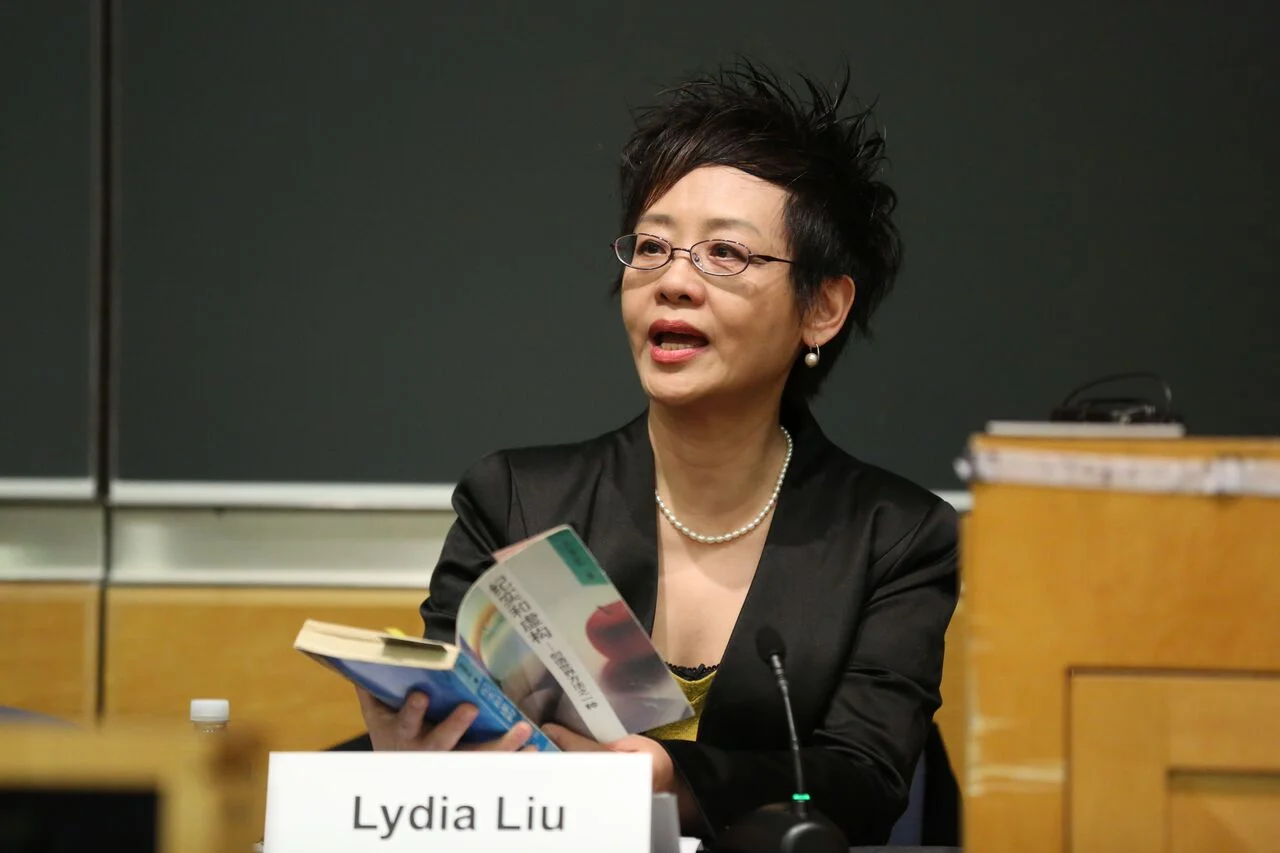
CSSD Project Co-Director Lydia Liu Collaborates on Global Justice for Indigenous Languages Symposium
Professor Lydia H. Liu, co-director of the CSSD project Bandung Humanisms, recently collaborated on the Global Justice for Indigenous Languages Symposium.
Professor Lydia H. Liu, co-director of the CSSD project Bandung Humanisms, recently collaborated on the Global Justice for Indigenous Languages Symposium, working alongside Professor Elsa Stamatopolou of the Columbia Center for the Study of Ethnicity and Race. The symposium will take place on Saturday, April 21st in the Jerome Greene Annex at Columbia University.
Presented as part of the Sawyer Seminar on Global Language Justice, a two-year seminar initiated by Columbia’s Institute for Comparative Literature and Society and funded by the Andrew W. Mellon Foundation, the Global Justice for Indigenous Languages Symposium seeks to “bring to the forefront the critical work done by researchers, educators, institutions, organizations, and communities; work that is necessary to make meaningful headway in actualizing language justice.” In addition to collaborating on the symposium, Professor Liu will moderate a panel during the event entitled “Indigenous Languages: Strengthening and Revitalization”.
Along with serving as a project co-director and member of the Executive Board for CSSD, Liu is currently Wun Tsun Tam Professor in the Humanities at Columbia University and Director of the Institute for Comparative Literature and Society.

Farah Griffin interviewed for NPR's The Record about Kendrick Lamar's Pulitzer Prize win
CSSD project director Farah Griffin was interviewed for NPR's The Record about Kendrick Lamar's unprecedented Pulitzer Prize win for "DAMN." and her experience on the judging committee.
CSSD project director Farah Griffin was interviewed for NPR's The Record about Kendrick Lamar's unprecedented Pulitzer Prize win for "DAMN." and her experience on the judging committee.
According to The Record, Lamar's Pulitzer win may constitute the first time a high-minded institution has seen fit to place an insurgent and equally popular rap artist, in the prime of his career, within America's canon of heralded music composers.
Farah Griffin was one of five jurors who whittled down the Pulitzer Prize's music nominees from about 100 to three who received recognition. She discussed the importance of this award, both for hip-hop and the Pulitzer Prizes as an institution, as well as the feeling of optimism that follows the decision to embrace a larger swathe of American music.
Click here to read the interview.
Farah Griffin is a co-director for CSSD project Toward An Intellectual History of Black Women.
This research project was dedicated to recovering the history of black women as active intellectual subjects and to moving the study of black thought, culture, and leadership beyond the "Great Men" paradigm that characterizes most accounts of black intellectual activity, thus challenging the traditionally male dominated accounts of intellectual work.
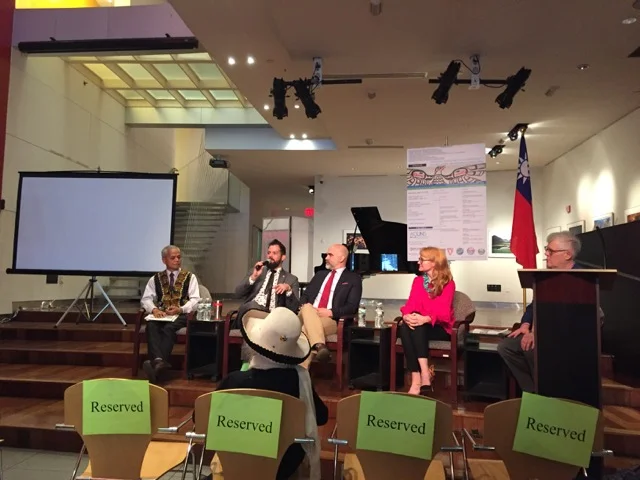
CSSD project director Paige West discussed the UN Sustainable Development goals at the Taipei Economic and Cultural Office in New York
Paige West, project director of the CSSD working group Pacific Climate Circuits: Moving Beyond Science, Technology, Engineering, and Economics discussed the UN Sustainable Development goals at the Taipei Economic and Cultural Office in New York.
Paige West, project director of the CSSD working group Pacific Climate Circuits: Moving Beyond Science, Technology, Engineering, and Economics discussed the UN Sustainable Development goals at the Taipei Economic and Cultural Office in New York.
West’s presentation was titled “Bridging the Goal Gap: How We Integrate Climate Action, Life on Land and Gender Equality.”
She was joined by Ambassador Ruben Escalante Hasbun, the permanent representative of El Salvador, Torbors Sogluman, the director of Taiwan World Vision, and Angel Munoz, a Lamont climate scientist, to discussed the UN Sustainable Development goals and the intersections between goal 15 (life on land), goal 14 (life below water) goal 13 (climate action) and goal 5 (gender equality).
The event, a seminar on “Indigenous Peoples and the Implementation of the 2030 Agenda for Sustainable Development” was presented by the Academic Council on the United Nations System and the Taipei Economic and Cultural Office in New York.
Pacific Climate Circuits: Moving Beyond Science, Technology, Engineering, and Economics applies lenses of race, class, gender, sexuality, and inequality to the current analyses of climate change in the Pacific Region, this project seeks to reframe the conversation about climate change and Pacific Islanders.
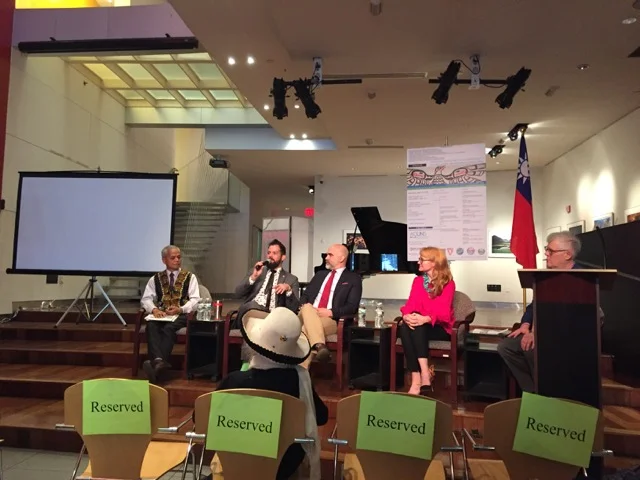
Photo caption: Paige West, pictured alongside Ambassador Ruben Escalante Hasbun, Torbors Sogluman and Angel Munoz.
CSSD Project Co-Director Farah Griffin Lectures at Marion Thompson Wright Lecture Series
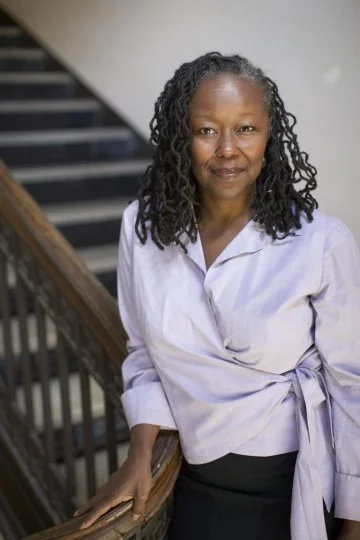
Professor Farah Griffin, co-director of the CSSD Project Toward an Intellectual History of Black Women, recently spoke as part of the Marion Thompson Wright Lecture Series at Rutgers University, Newark.
Professor Farah Griffin, co-director of the CSSD Project Toward an Intellectual History of Black Women, recently spoke as part of the Marion Thompson Wright Lecture Series at Rutgers University, Newark.
Professor Griffin’s lecture examined the role of music in African-American social life, with a particular focus on Griffin’s childhood experiences in Philadelphia. The lecture further explored the intertwined relationships between music, food, and political activism in mid-twentieth century African American life. Professor Griffin’s lecture received news coverage in the Germantown Courier.
In addition to serving as project co-director, Professor Griffin is a member of the CSSD Executive Committee. At Columbia, she is Director of the Institute for Research in African American Studies, and William B. Ransford Professor of English and Comparative Literature and African-American Studies

Professor Cinnamon Bloss Speaks with Precision Medicine Working Group
Professor Bloss of UC San Diego gave a talk on how bioethics must adapt to the rise of Precision Medicine.
Professor Cinnamon Bloss, Associate Professor of Psychiatry at UC San Diego, gave a talk to the Precision Medicine: Ethics, Politics and Culture working group on February 15, 2018. In her presentation she focused on the challenges that stem from the rise of technological innovation and the spread of the practice of Precision Medicine. In particular, she examined how the field of bioethics must adapt in terms privacy for patients and how this will affect trust and patient participation. A complete recap of her talk, written by Precision Medicine graduate fellow Moran Levy, can be found here on the blog of the Center for the Study of Social Difference.
Cinnamon Bloss: "Consumers, Citizens, and Crowds in the Age of Precision Medicine"
Professor Cinnamon Bloss (UC San Diego) gave a fascinating talk for the Precision Medicine: Ethics, Politics and Culture working group at the Center for the Study of Social Difference on February 15, 2018.
At the center of her talk was the problem of diffusion of medical innovation. This problem is not a new one. There is longstanding research on processes of adoption of innovation. Physicians as well as patients have historically hesitated to experiment with innovative technologies, and issues of privacy and trust have persisted. Inequality and distributive injustice has also traditionally been a problem as it is often wealthy individuals who enjoy innovative technologies long before they become standard therapies. A few historical examples are Serum treatment for pneumonia in the 1920s, Arsenic treatment for syphilis in the 1930s, Chemotherapy for varied cancer in the 1960s, and Experimental HIV treatment in the 1980s.
Professor Bloss engages with these complex and longstanding questions in her research in relation to Precision Medicine (PM). Her work addresses the considerable bioethical challenges that come with the rise of new technological innovation and practices of PM. And her analysis spans three analytical levels: individual, systemic, and societal.
What is remarkable and important about Professor Bloss’s work is that while many researchers take for granted that issues such as “privacy,” “trust,” and “participation” are challenges to PM, Professor Bloss adopts a critical perspective in trying to understand what those terms even mean in the arena of PM.
Instead of taking concepts from bioethics as given, she builds on previous work to empirically investigate the current bioethical dilemmas of PM. Her work is oriented to empirically understand the various norms, expectations and challenges entangled in the notion of “privacy” for patients. In what specific ways does ‘privacy’ affect trust and patient participation? And what are the current expectation of patients from PM?
Professor Bloss also attempts to understand the specific views of physicians towards PM and the specific gaps common to both clinical practice and PM. What motivates practitioners to turn to PM, and what obstacles prevent the diffusion of new technologies? On point of consideration is that transformation in the position of the FDA towards distribution of direct to consumer test results is especially important in shaping the current climate.
The significance of this research is in emphasizing that new technologies of PM transform the traditional concerns and problems for researchers, doctors, regulators and patients. We must continue to follow the evolution of notions and practices of ‘privacy’, ‘trust’, ‘regulation’ or ‘protection’ to understand current events.
In this context, Professor Bloss’s work on Direct to Consumer (DTC) strategies in PM is especially important, as it shows how the field of bioethics and its fundamental challenges are being transformed in a new healthcare economy.
In her research, Professor Bloss examines the American Gut Project to try and understand both new strategies for raising money for research (with the decrease in availability of public funding for research) and new models of patient consumerism. What drives Americans to participate in microbiome research? Which demographics are most likely to participate? What types of result do Americans expect? What if our ability to interpret the data and articulate its clinical implications is very limited? Are participants only interested in recognitions for their contribution to research or do they expect the data to help them manage their health proactively? And what will happen when we are able to interpret results and link microbiome profiles to clinical risks? Among other legal and ethical challenges, we might consider: would we have to report such results to employers and insurers?
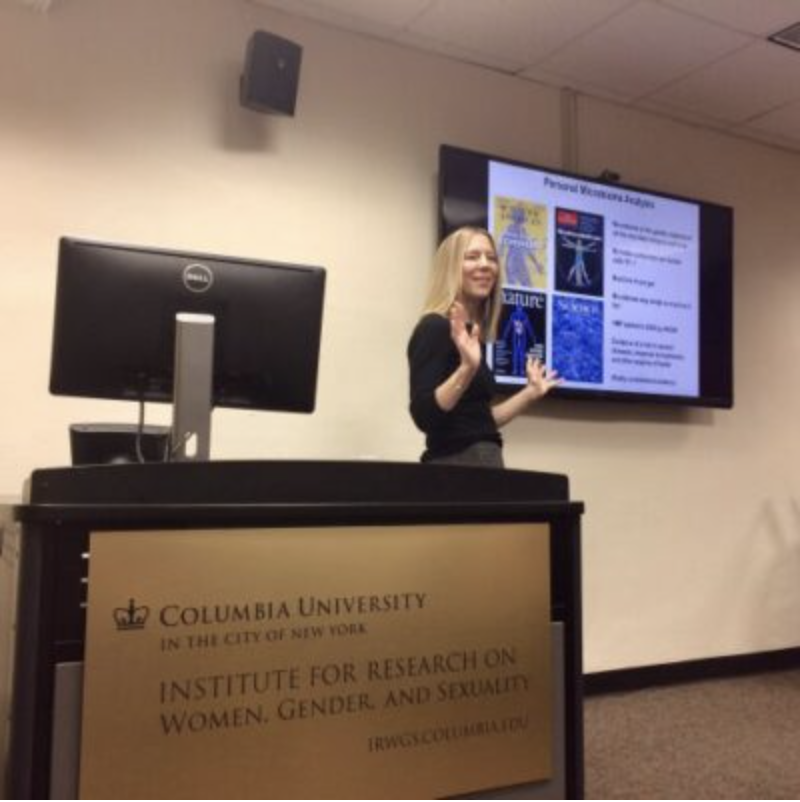
Professor Bloss’s work opens up new avenues in understanding the new healthcare economy based on DTC and PM and their unique challenges. We are grateful that she so kindly and expertly discussed these topics with our PMEPC graduate fellows and the public at large.
Contributed by Moran Levy
Los Angeles Central Library hosts exhibits inspired by the work of Marianne Hirsch
The Los Angeles Central Library is currently hosting two exhibits inspired by the work of CSSD Director Marianne Hirsch, both examining the generational trauma of the Armenian Genocide. The main exhibit, entitled “Nonlinear Histories”, is co-curated by Isin Önol, member of the Working Group for the CSSD Project Women Mobilizing Memory.
The Los Angeles Central Library is currently hosting two exhibits inspired by the work of CSSD Director Marianne Hirsch, both examining the generational trauma of the Armenian Genocide. The main exhibit, entitled “Nonlinear Histories”, is co-curated by Isin Önol, member of the Working Group for the CSSD Project Women Mobilizing Memory (for which Hirsch served as Co-Director), and features the work of fellow Working Group member Silvina Der Meguerditchian. The exhibit is inspired by Hirsch’s groundbreaking work on postmemory, and is the first exhibit to use postmemory as a framework for examining the Armenian Genocide. In addition to “Nonlinear Histories”, a second exhibit, “Prosperity, Loss, and Survival: A Photographic Journey from the Dildilian Family Archive”, is also being displayed at the library.
As part of the exhibit, Silvina Der Meguerditchian contributed “Treasures”, a work constructed from 130 pages of health remedies composed by the artist’s great-grandmother, a genocide survivor. Der Meguerditchian’s piece aims to provide “a space to reflect and see because lots of second and third generations were silenced by trauma, but our grand kids can now articulate a lot of things”.
In addition to serving as inspiration for the exhibit, Hirsch delivered its opening lecture, entitled “Forty Days and More: Connective Histories.” The exhibit, which opened on March 17, runs through May 6.
CSSD Project Director Jack Halberstam Co-Curates Conference at Stedelijk Museum
Professor Jack Halberstam, director of the CSSD project Queer Theory: Here, Now, and Everywhere, recently co-curated a conference and festival at the Stedelijk Museum in Amsterdam.
Professor Jack Halberstam, director of the CSSD project Queer Theory: Here, Now, and Everywhere, recently co-curated a conference and festival at the Stedelijk Museum in Amsterdam. The conference, titled Hold Me Now - Feel and Touch in an Unreal World, was held from March 21-24 2018, and co-curated by Karen Archey, Rizvana Bradley, and Mark Paterson.
Consisting of four single-day “discursive, and at times perforative” programs, each curated by one of the four curators, the conference aimed to examine the ways in which touch operates in contemporary “technologically mediated, dematerialized digital cultures”, further examining touch “in artistic, philosophical, and political terms to conceive how the haptic is thought and experienced in life, art and design, and theory.”
In addition to serving as a CSSD project director and member of the CSSD Executive Committee, Halberstam is also Professor of Women’s, Gender, and Sexuality Studies and English and Comparative Literature at Columbia University.

Jean Howard Delivers the Dean Family Lecture at Wake Forest University
CSSD project director Jean Howard gave the Dean Family Lecture at Wake Forest University on "Edward Bond's Bingo: Shakespeare Revisited."
CSSD project director Jean Howard gave the Dean Family Lecture at Wake Forest University on "Edward Bond's Bingo: Shakespeare Revisited."
Professor Howard also led a seminar at the Shakespeare Association of America in Los Angeles on "Shakespeare and Marx Now."
Jean Howard is a renowned Shakespeare scholar and has written many books and essays on early modern literature, Shakespeare, feminist studies, and theater history. She is a co-director for the CSSD projects Engendering the Archive, Women Mobilizing Memory, and Reframing Gendered Violence.
The Dean Family Speaker Series is hosted by The Department of English at Wake Forest University and brings nationally and internationally-recognized scholars to campus. It encourages critical conversations and dialogue related to the study of English.
Jack Halberstam Receives a Columbia-PSL Global Humanities Grant
Director of CSSD working group Queer Theory: Here, Now, and Everywhere receives grant for Paris conference on gender and sexuality studies.
Jack Halberstam, director of the CSSD working group Queer Theory: Here, Now, and Everywhere, has received a Columbia-PSL global humanities grant to organize a transnational conference on sexuality and gender theory. The conference, which will take place at Reid Hall in Paris, will address the need to overcome a singular model of gender through cross-cultural interchange and collaboration. The goal is to start a conversation about setting a new path for queer studies, in which ideas flow between cultures and a global model of sexuality studies is displaced by one characterized by diversity of thought.
Lila Abu-Lughod Delivers Geertz Commemorative Lecture at Princeton University
Lila Abu-Lughod, former director of CSSD and co-director of CSSD projects Gender, Religion and Law in Muslim Societies, Reframing Gendered Violence, and Religion and the Global Framing of Gender Violence, delivered the Clifford Geertz Commemorative Lecture at Princeton University on February 22, 2018.
Lila Abu-Lughod, former director of CSSD and co-director of CSSD projects Gender, Religion and Law in Muslim Societies, Reframing Gendered Violence, and Religion and the Global Framing of Gender Violence, delivered the Clifford Geertz Commemorative Lecture at Princeton University on February 22, 2018.
Abu-Lughod’s lecture, “Settler Colonialism Observed: Palestine's Alter-natives”, examined “Palestine’s apparent political impasses” in light of “the current ferment in critical indigenous and native studies about settler colonialism in places like Australia and North America.” Considering “questions about how to judge the efflorescence of recent Palestinian cultural projects like the new Palestinian Museum”, Abu-Lughod argues that the concept of settler colonialism, “however contested and even problematic”, remains a potent force that can “generate comparisons and solidarities that burst open exhausted political imaginations and bring together the political, material, and moral.”
In addition to serving as director, project co-director, and executive committee member at CSSD, Abu-Lughod is Joseph L. Buttenwieser Professor of Social Science in the Department of Anthropology at Columbia University, a former director and current executive committee member of the Columbia Institute for Research on Women, Gender, & Sexuality, and former director of the Columbia Middle East Institute.

CSSD Project Co-Director Frances Negrón-Muntaner Publishes “Blackout: What Darkness Illuminated in Puerto Rico”
Frances Negrón-Muntaner, Co-Director of the CSSD Project Unpayable Debt: Capital, Violence, and the New Global Economy, recently published the essay “Blackout: What Darkness Illuminated in Puerto Rico” in both English and Italian as part of the exhibit “Blackout: Allora & Calzadilla” at the Maxxi Museum in Rome.
Frances Negrón-Muntaner, Co-Director of the CSSD Project Unpayable Debt: Capital, Violence, and the New Global Economy, recently published the essay “Blackout: What Darkness Illuminated in Puerto Rico” in both English and Italian as part of the exhibit “Blackout: Allora & Calzadilla” at the Maxxi Museum in Rome. Negrón-Muntaner’s essay additionally appeared in Politics/Letters.
Negrón-Muntaner’s essay points out that the aftermath of Hurricane Maria “revealed how the United States systematically dispossesses Puerto Rico”, arguing further that “in a world where the powerful routinely enact predatory acts under the brightest of lights, [the blackout following the hurricane] can serve to illuminate the unknown, clarify what has been obscured, ignite revolt, and, like in the theater, end one scene and begin anew.”
In addition to serving as a CSSD Project Co-Director and Executive Committee member, Negrón-Muntaner is Professor of English and Comparative Literature at Columbia and Former Director of the Center for the Study of Ethnicity and Race.
CSSD Project Co-Director Kevin Fellezs to Give Two Lectures in China
Kevin Fellezs, Co-Director of the CSSD Project Pacific Climate Circuits: Moving beyond Science, Technology, Engineering, and Economics, will give two upcoming lectures in China, entitled “Fusion, Then…And Now: Thoughts on the Persistence of the Broken Middle”.
Kevin Fellezs, Co-Director of the CSSD Project Pacific Climate Circuits: Moving beyond Science, Technology, Engineering, and Economics, will give two upcoming lectures in China, entitled “Fusion, Then…And Now: Thoughts on the Persistence of the Broken Middle”. Fellezs will speak at two eminent musical conservatories in China: the Central Conservatory of Music in Beijing (widely considered the most prestigious in the country) and the Tianjin Conservatory of Music in Tianjin.
In addition to serving as a CSSD Project Co-Director and Executive Committee member, Fellezs is Assistant Professor of Music and African American Studies in the Department of Music, with a joint appointment with the Institute for Research in African-American Studies.
RGFGV announces second Media Fellowship Competition
CSSD Project Religion and the Global Framing of Gender Violence announces its second Media Fellowship Competition.
CSSD Project Religion and the Global Framing of Gender Violence announces its second Media Fellowship Competition. The second of two reporting grants hosted by the project, this cycle will focus on South Asia. Previous Media Fellows were: Yasmin el Rifae, Nafeesa Syeed, and Samira Shackle.
The full announcement is available here.