
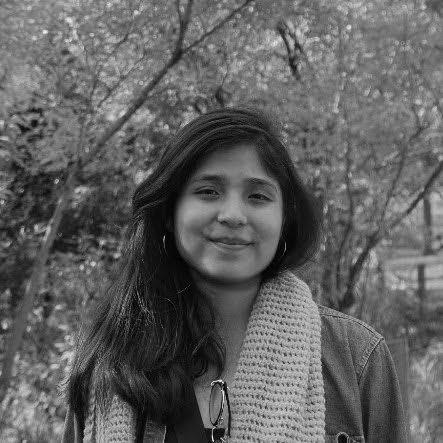
Daniela Perleche Ugás
Daniela Perleche Ugás
Daniela Perleche Ugás is a first-year PhD student in Urban Planning at Columbia University. She is interested in the intersection of forced displacement, housing, and the care infrastructures of immigrant communities, particularly those from Latinx communities. She holds a Master of Science in Urban Planning from Columbia University and is also a Researcher at URBES-LAB, a research center that analyzes and debates the challenges of urban space production in Peru and Latin America.
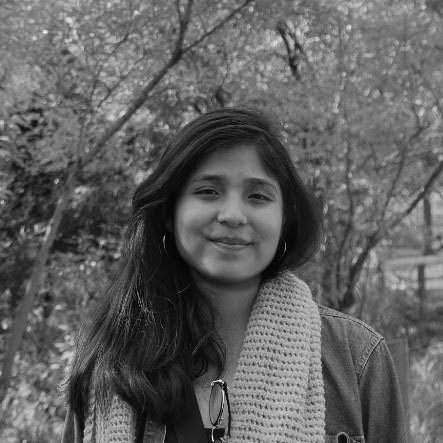
Carlos Gutierrez Aza
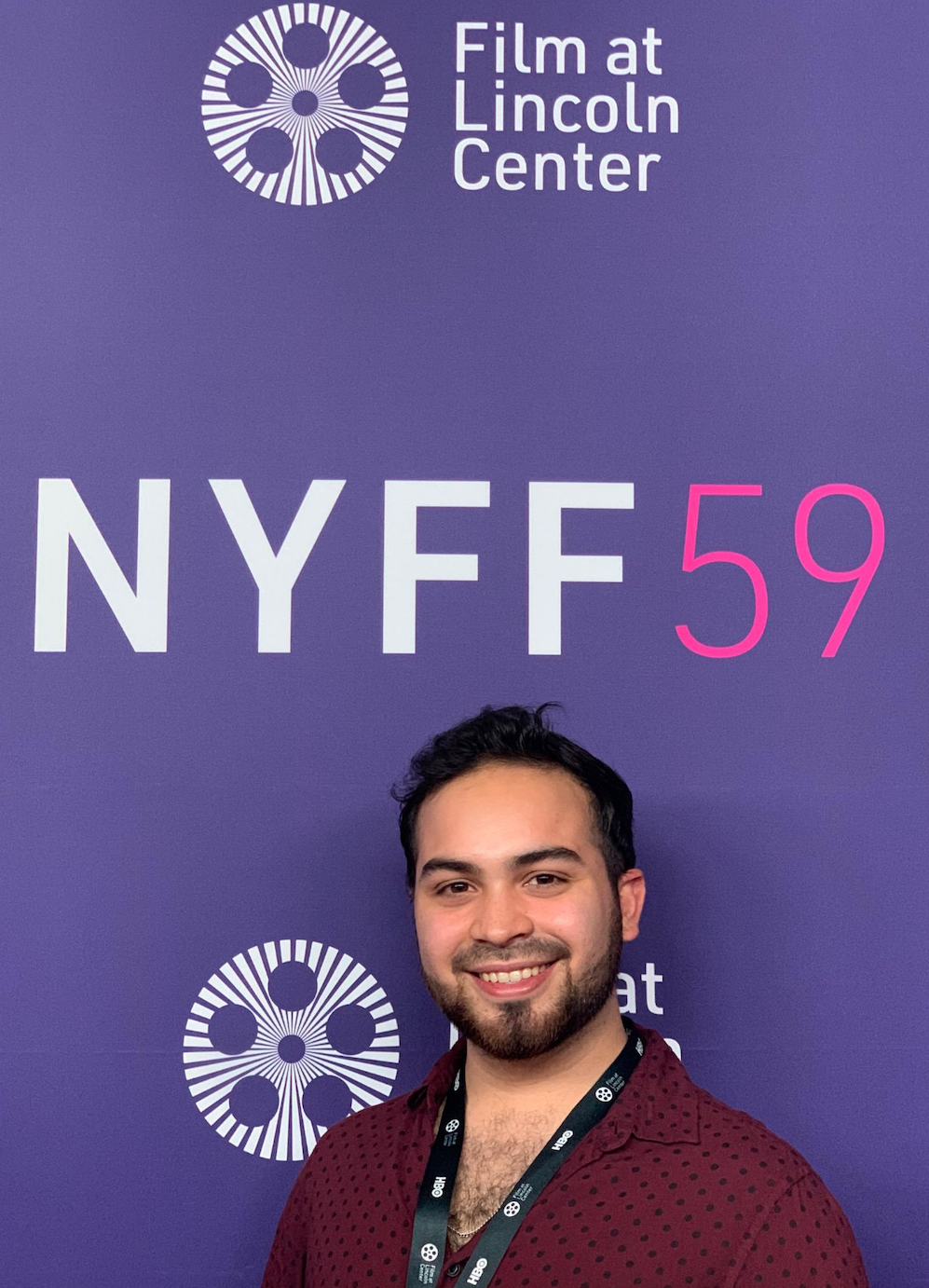
Carlos Gutierrez Aza is a second-year Film and Media Studies MA international student at Columbia, originally from Venezuela but having lived all around Latin America. His research and thesis focuses on the hypervisibility of identity in the new digital era of the 21st century, exploring the feedback loops that social and new media create to understand and scrutinize questions of identity, representation, and diversity towards a commodified formation of culture. This focus further marries his undergraduate studies in Business Administration and Film Studies at Emory University.

Lindsey Dayton
PhD Student, History, Lawrence College
Lindsey Dayton is a second-year PhD student in the field of U.S. History, focusing on African American, gender, and labor history in the 20th century. She received a BA in liberal arts and an MA in women’s history from Sarah Lawrence College in Bronxville, NY. Her MA thesis, “From Heavy Iron Blues to I Pay my Union Dues,” explored black women laundry workers’ successful efforts to organize a union in New York City during the Great Depression.
Lindsey Dayton
PhD Student, History

Lindsey Dayton is a second-year PhD student in the field of U.S. History, focusing on African American, gender, and labor history in the 20th century. She received a BA in liberal arts and an MA in women’s history from Sarah Lawrence College in Bronxville, NY. Her MA thesis, “From Heavy Iron Blues to I Pay my Union Dues,” explored black women laundry workers’ successful efforts to organize a union in New York City during the Great Depression. After completing her master’s degree she worked in the hospitality industry in Chicago and was active in organizing hotel, restaurant, and food service workers there and in New York. Research interests include the dynamics of race, gender, and sexuality in the organizing of black women in the urban north; the history of the radical left and leftist coalitions; and the impact of migration and immigration on black protest politics around issues of labor. She is currently researching domestic worker organizing in Manhattan and Brooklyn during the Great Depression.
Working Group Affiliation
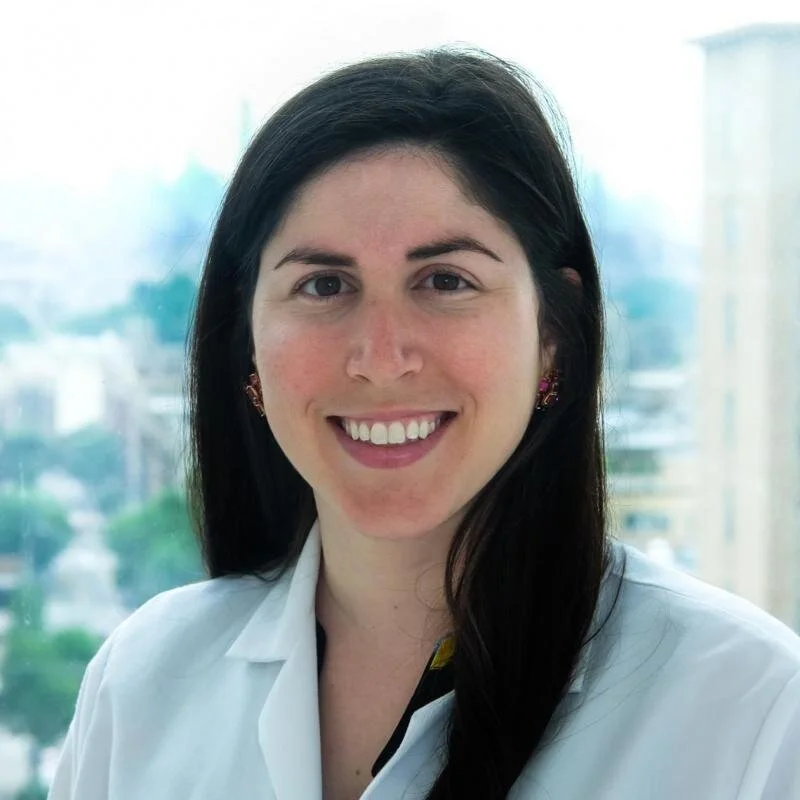
Ersilia DeFilippis
Doctoral Student, Medicine & Cardiology, Columbia University
Ersilia DeFilippis is a second year Postdoctoral Clinical Fellow in the Seymour, Paul and Gloria Milstein Division of Cardiology in the Columbia University Department of Medicine. She completed her undergraduate degree at Yale University and attended Weill Cornell Medicine for medical school. Ersilia’s residency was done at Brigham and Women’s Hospital.
Ersilia DeFilippis
Postdoctoral Clinical Fellow, Columbia University Department of Medicine, Cardiology

Ersilia DeFilippis is a second year Postdoctoral Clinical Fellow in the Seymour, Paul and Gloria Milstein Division of Cardiology in the Columbia University Department of Medicine. She completed her undergraduate degree at Yale University and attended Weill Cornell Medicine for medical school. Ersilia’s residency was done at Brigham and Women’s Hospital.
Working Group Affiliation
Women’s Heart Disease Awareness: Digital Intervention, Creating Change, Coordinator
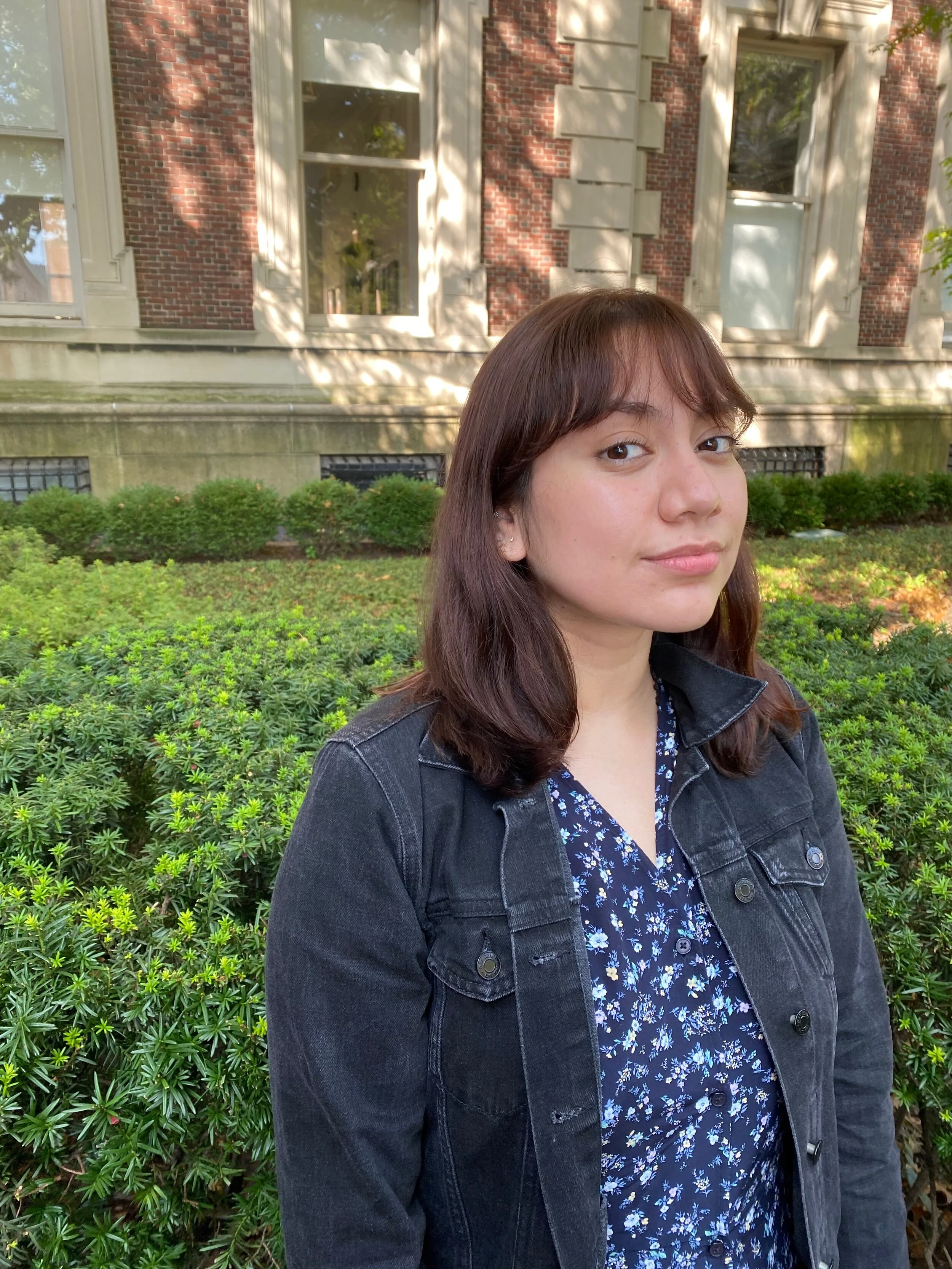
Julia Delgadillo
Doctoral Student, Film Studies, Columbia University
Julia Delgadillo is a second-year Film Studies MA student at Columbia University, focusing her thesis on Mexican horror films of the 1950s to 1970s, and their relationship to Mexican folklore and culture. This work is expanded upon from her undergraduate studies at the University of California, Berkeley, where her focus was manifestations of mental illnesses in horror films.
Julia Delgadillo
Film Studies MA Student, Columbia University
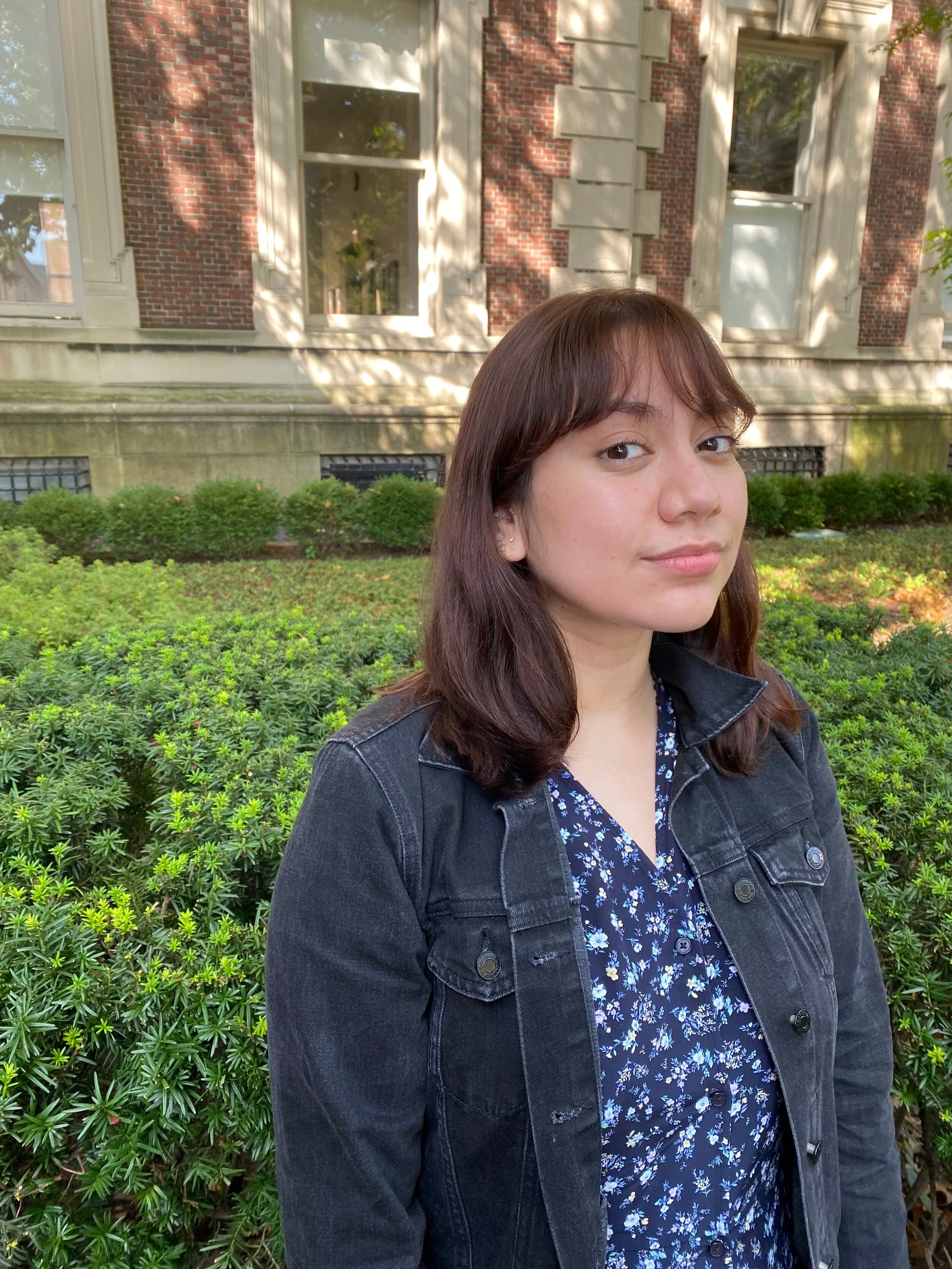
Julia Delgadillo is a second-year Film Studies MA student at Columbia University, focusing her thesis on Mexican horror films of the 1950s to 1970s, and their relationship to Mexican folklore and culture. This work is expanded upon from her undergraduate studies at the University of California, Berkeley, where her focus was manifestations of mental illnesses in horror films.
Working Group Affiliation
Environmental Justice, Belief Systems, and Aesthetic Experiences in Latin America and the Caribbean, Graduate Assistant

Matthew DeMaio
Graduate Administrative Fellow
Media Production and Marketing
Matthew DeMaio

Matthew DeMaio is a PhD candidate in Anthropology at the George Washington University in Washington, DC. His work mixes ethnographic, digital and archival methods to explore experiences of urban displacement and encampment across the Palestinian refugee diaspora. His ongoing dissertation project focuses specifically on the lives and experiences of the former residents of the Yarmouk Palestinian Refugee Camp in southern Damascus who have faced multiple rounds of movement as a result of the Syrian Civil War. In doing so, the project analyzes how attachments to, and conceptions of, place are fashioned and carried across iterations of displacement and how these accumulated attachments shape encounters with new places of refuge and manifestations of belonging.
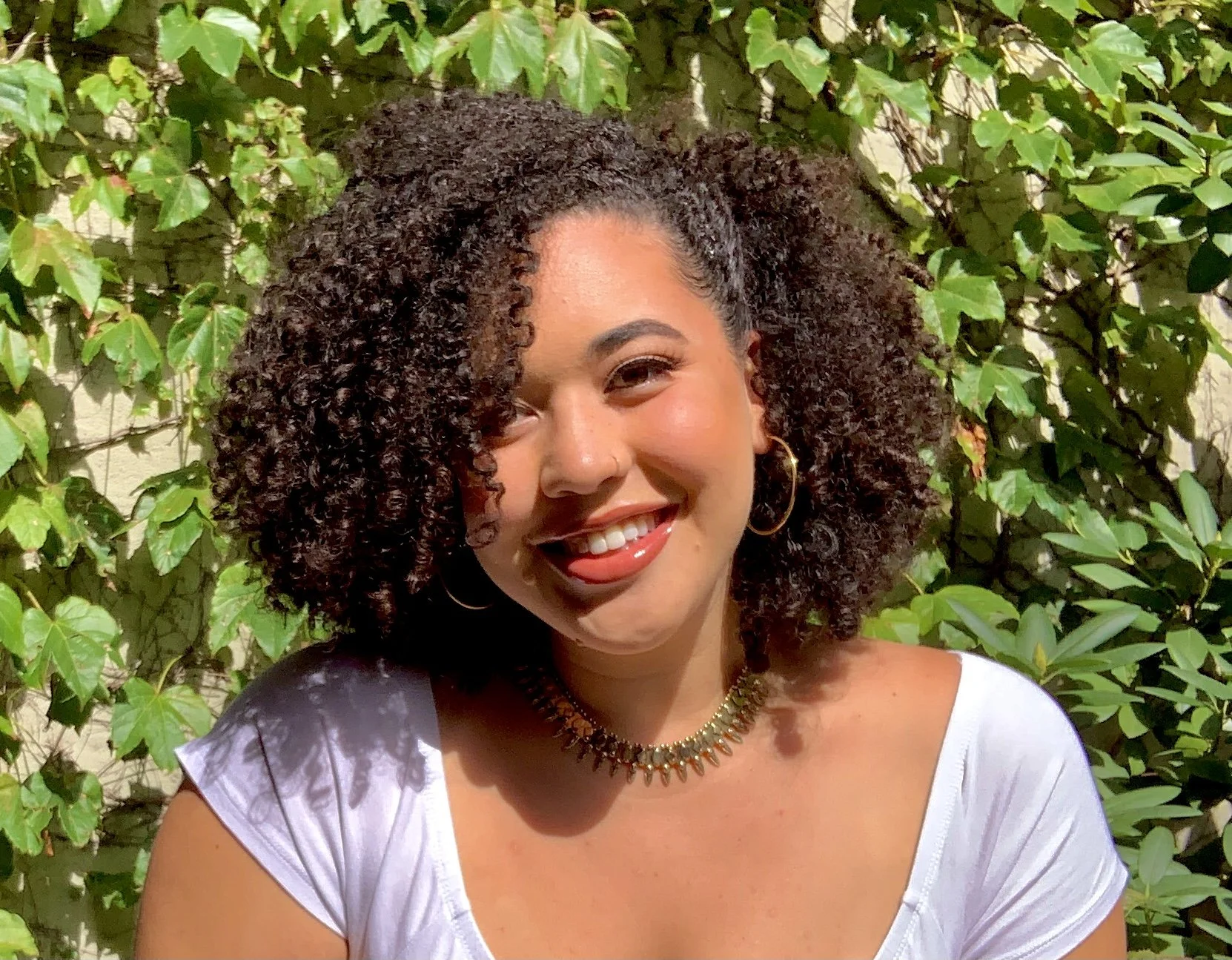
Lauren J. DeVaughn
DNP Candidate, Nurse Midwifery, Columbia University
Lauren is a DNP candidate in Nurse Midwifery at Columbia University. Her passion for improving Black maternal and infant outcomes both locally and globally is driving her to the field. She is a recent graduate from Columbia’s Master Direct Entry Program in Nursing, and is the current President of Columbia’s Black Student Nurses.
Lauren J. DeVaughn
DNP Candidate in Nurse Midwifery, Columbia University
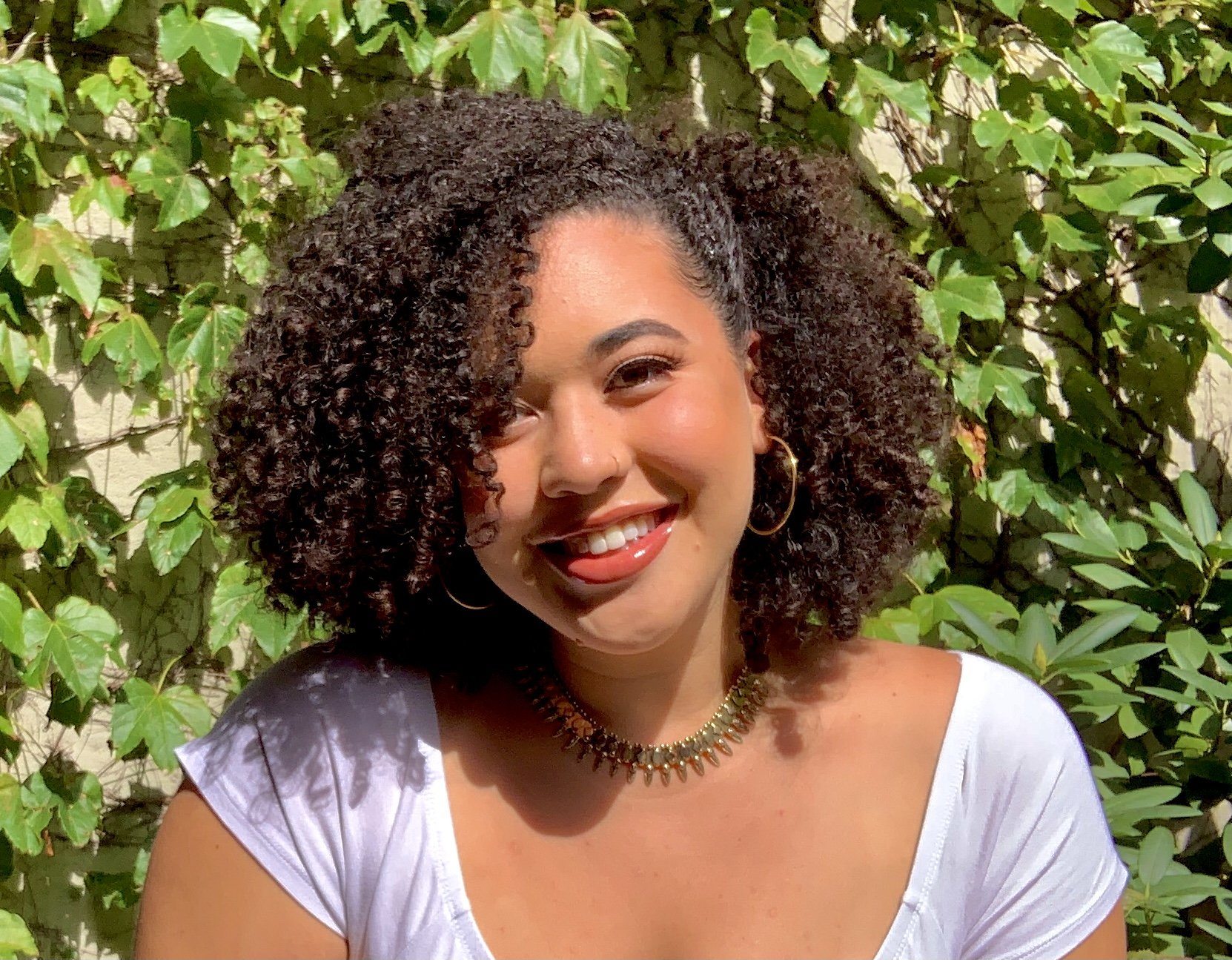
Lauren is a DNP candidate in Nurse Midwifery at Columbia University. Her passion for improving Black maternal and infant outcomes both locally and globally is driving her to the field. She is a recent graduate from Columbia’s Master Direct Entry Program in Nursing, and is the current President of Columbia’s Black Student Nurses. Lauren earned a BA in Sociology, minoring in African American Studies.
Working Group Affiliation
On the Frontline: Nursing Leadership in Pandemics, Graduate Assistant
Matthew Dias
Doctoral Student, Bioethics, Columbia University
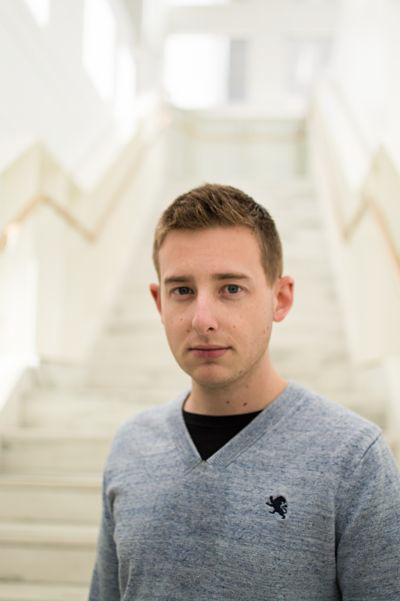
Matthew Dias is a researcher at the New York State Psychiatric Institute and graduate student in Columbia’s bioethics program. Matt’s scholarship focuses on clinical research ethics and advances in medicine that intersect law and public policy. He is actively involved in various healthcare innovation and precision medicine initiatives in New York City and beyond. To this end, Matt looks forward to sharing his distinct perspectives and insights with the Precision Medicine Project and its affiliates.
Matthew Dias
Graduate Student, Bioethics, Columbia University

Matthew Dias is a researcher at the New York State Psychiatric Institute and graduate student in Columbia’s bioethics program. Matt’s scholarship focuses on clinical research ethics and advances in medicine that intersect law and public policy. He is actively involved in various healthcare innovation and precision medicine initiatives in New York City and beyond. To this end, Matt looks forward to sharing his distinct perspectives and insights with the Precision Medicine Project and its affiliates.
Working Group Affiliation

Sarah Dugger
Graduate Student, Genetics and Development, Columbia University
Sarah Dugger is a PhD student in the Department of Genetics & Development, who is working in the laboratory of Dr. David Goldstein in the Institute for Genomic Medicine. Sarah is originally from Akron, Ohio and obtained her undergraduate degree in Biology and a Masters degree in Genetic Counseling from Case Western Reserve University. She was a practicing full time prenatal genetic counselor for four years at Miami Valley Hospital in Dayton, Ohio—an experience that sparked her interest in precision medicine research.
Sarah Dugger
Graduate Student, Genetics and Development, Columbia University

Sarah Dugger is a PhD student in the Department of Genetics & Development, who is working in the laboratory of Dr. David Goldstein in the Institute for Genomic Medicine. Sarah is originally from Akron, Ohio and obtained her undergraduate degree in Biology and a Masters degree in Genetic Counseling from Case Western Reserve University. She was a practicing full time prenatal genetic counselor for four years at Miami Valley Hospital in Dayton, Ohio—an experience that sparked her interest in precision medicine research. As a graduate student, she is now working to understand the underlying pathogenic mechanisms of a single patient’s severe, genetic form of epilepsy, with the long-term goal of identifying a potential treatment.
Working Group Affiliation

Fernando Ermiro
Doctoral Student, History, Fundação Getúlio Vargas
Fernando Ermiro is a resident of Rocinha. He is currently completing a Master's degree at Fundação Getúlio Vargas.
Fernando Ermiro
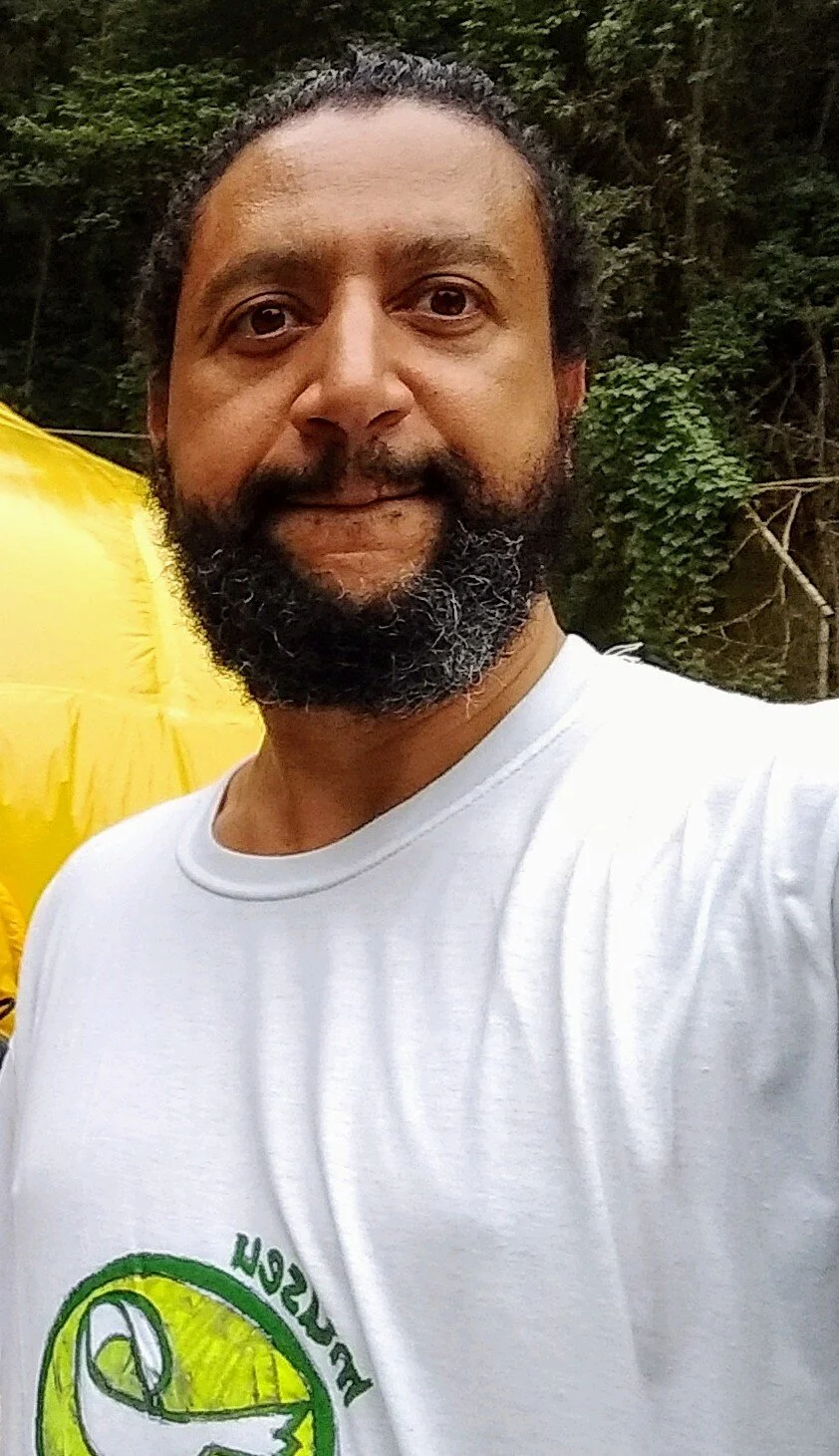
Fernando Ermiro is a resident of Rocinha. He is currently completing a Master's degree at Fundação Getúlio Vargas. He completed his undergraduate degree in History at the Pontifical Catholic University of Rio de Janeiro (PUC-Rio). Currently, he is the coordinator of the Sankofa Museum of Memory and History of Rocinha, and organizer of the book “Tales of Rocinha: Female Memory in Three Times.” He received the Creative Favela Award for his project Rocinha Histórica, in which he develops and expands knowledge about the history of Rocinha. The Sankofa Museum of Rocinha is a social movement that is formalized and composed of Rocinha residents and supporters since 2007 who act in the cause of the social memory of this centennial and iconic favela.
Working Group Affiliation
Basak Ertur
PhD Candidate, Political Science, Birbeck Law
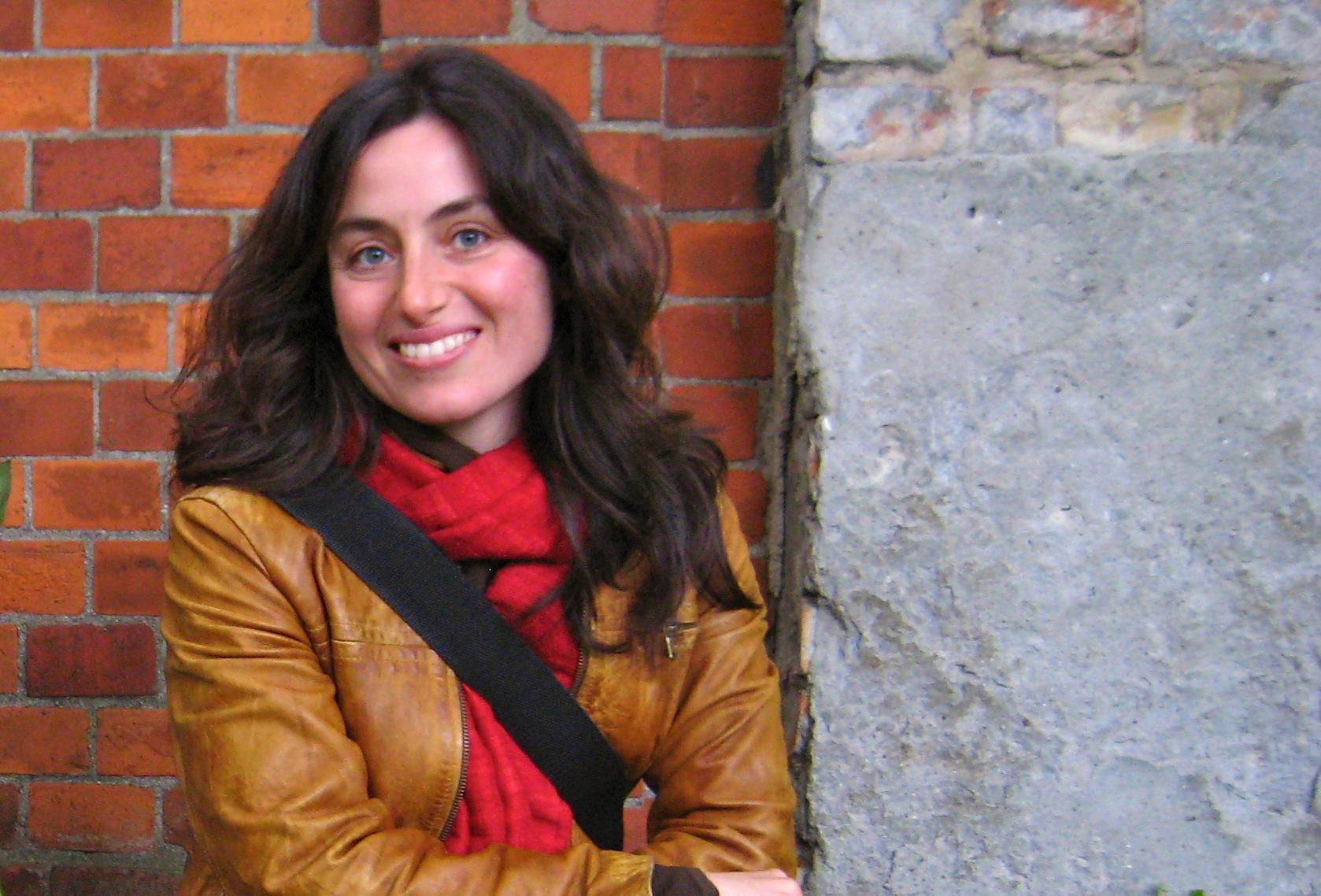
Basak Ertur is a PhD candidate and sessional lecturer at the School of Law, Birkbeck College. Her current research focuses on political trials, performativity, spectrality and sovereignty. She is the editor of Manual for Conspiracy (Sharjah Art Foundation, 2011) and co-editor of Waiting for Barbarians: A Tribute to Edward Said (Verso, 2008).
Basak Ertur
Başak Ertür is a Reader at the Centre for Research Architecture at Goldsmiths and a Research Fellow at Forensic Architecture. She is the author of Spectacles and Specters: A Performative Theory of Political Trials (2022) which was awarded the 2024 SLSA Socio-Legal Theory and History Prize. Her work is engaged with questions of legal violence, legal performativity, and more broadly with law's epistemologies and aesthetics. Her writing has appeared in Critical Times, Law & Critique, Theory & Event, Aut aut and across several edited volumes. Ertür's edited collections include Waiting for the Barbarians: A Tribute to Edward Said (2008), Manual for Conspiracy (2011), and Something Is Rotten in the State (2016), a special issue of Theory & Event. She has held a Leverhulme Research Fellowship (2023-24), was a CAPES/PRINT Visiting Professor at Pontifical Catholic University of Rio de Janeiro in 2022, and received the Association for the Study of Law Culture and the Humanities Julien Mezey Dissertation Award in 2016.

Yasmine Espert
Doctoral Student, Art History and Archaeology, Columbia University
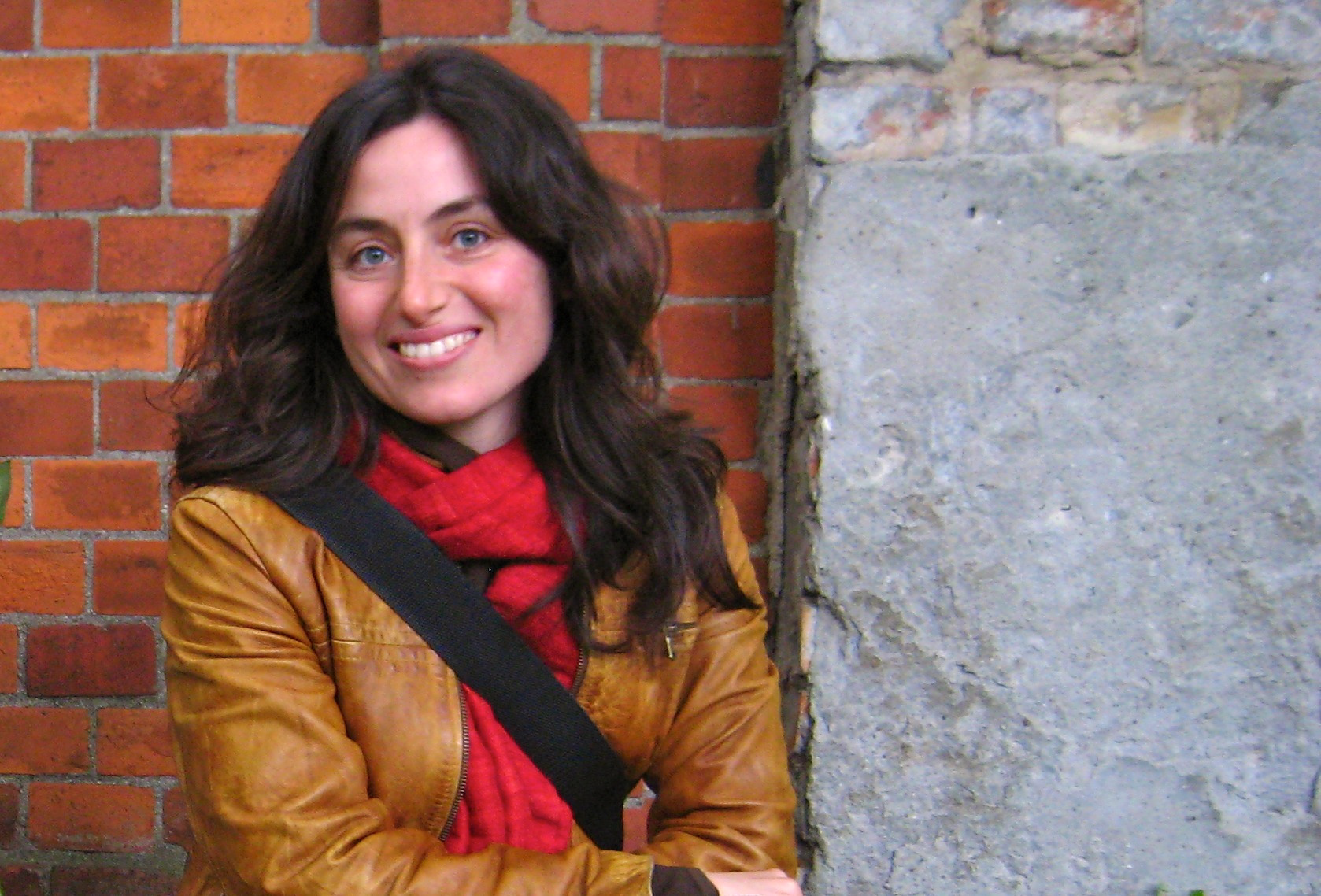
Yasmine Espert is an Art History doctoral candidate at Columbia University. Her research interests include the cinematic medium, the Caribbean, and diaspora. She is the Graduate Fellow for the Digital Black Atlantic Project, a working group supported by the Center for the Study of Social Difference at Columbia University. Yasmine is also an alumna of the Fulbright U.S. Student program.
Yasmine Espert
Doctoral Candidate, Department of Art History and Archaeology

Yasmine Espert is an Art History doctoral candidate at Columbia University. Her research interests include the cinematic medium, the Caribbean, and diaspora. She is the Graduate Fellow for the Digital Black Atlantic Project, a working group supported by the Center for the Study of Social Difference at Columbia University. Yasmine is also an alumna of the Fulbright U.S. Student program.
Working Group Affiliation
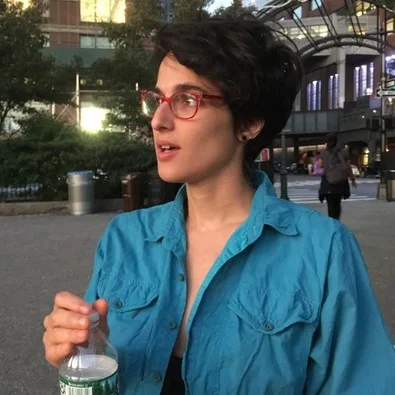
Maria Fantinato
PhD Candidate, Anthropology and Ethnomusicology, Columbia University
Maria Fantinato received her MA in Communication and Culture from the Federal University of Rio de Janeiro, with a thesis on the relationship between music, communication and aesthetics among local experimental musicians. As a PhD candidate at Columbia University she works at the intersection of sound studies, anthropology of the senses, Brazilian ethnomusicology and queer theories of the sensorial, focusing on the sonic as formative of the political.
Maria Fantinato
PhD Candidate in Anthropology and Ethnomusicology, Columbia University
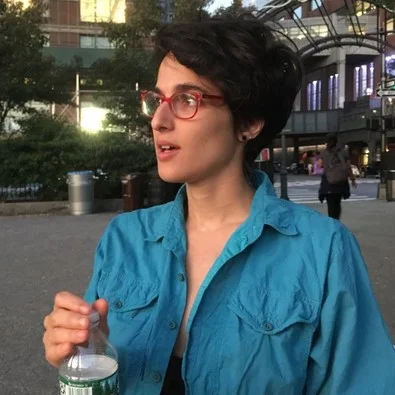
Maria Fantinato received her MA in Communication and Culture from the Federal University of Rio de Janeiro, with a thesis on the relationship between music, communication and aesthetics among local experimental musicians. As a PhD candidate at Columbia University she works at the intersection of sound studies, anthropology of the senses, Brazilian ethnomusicology and queer theories of the sensorial, focusing on the sonic as formative of the political. In her work, listening is a conceptual-political entry point to understand violent and transforming processes that take place in Amazonian territories in the name of “development”.
Working Group Affiliation
Environmental Justice, Belief Systems, and Aesthetic Experiences in Latin America and the Caribbean, Graduate Assistant
Chloé Samala Faux

Chloé Samala Faux
Chloé Samala Faux is a doctoral candidate in the Department of Anthropology. Her dissertation, “African Renaissance as Primal Scene: Fantasies of Death and Rebirth after Apartheid,” interrogates the historical and emergent dilemmas of black reproductivity in post-apartheid South Africa by way of black critical thought, political economy and the institutional and intellectual developments of anthropology and psychoanalysis. Remarking a homology between originary accumulation, the incest taboo, and Frantz Fanon’s elaboration Negro Myth, the manuscript turns ethnographic scrutiny to the specters of sexual violence, illegal abortion, and the occult that dominate contemporary thematizations of South Africa’s crises in social reproduction. By way of the conjoined and redoubling discourses of psychoanalysis and anthropology, she interrogates the psychosexual and sociopolitical (re)-structuring of the family, to understand both the failures of 'transition' in South Africa and the insufficiencies of the culturalism that animates much black radical criticism. Chloé is also affiliated with The Institutes for Comparative Literature and Society and the Study for Sexuality and Gender.
Working Group Affiliations:
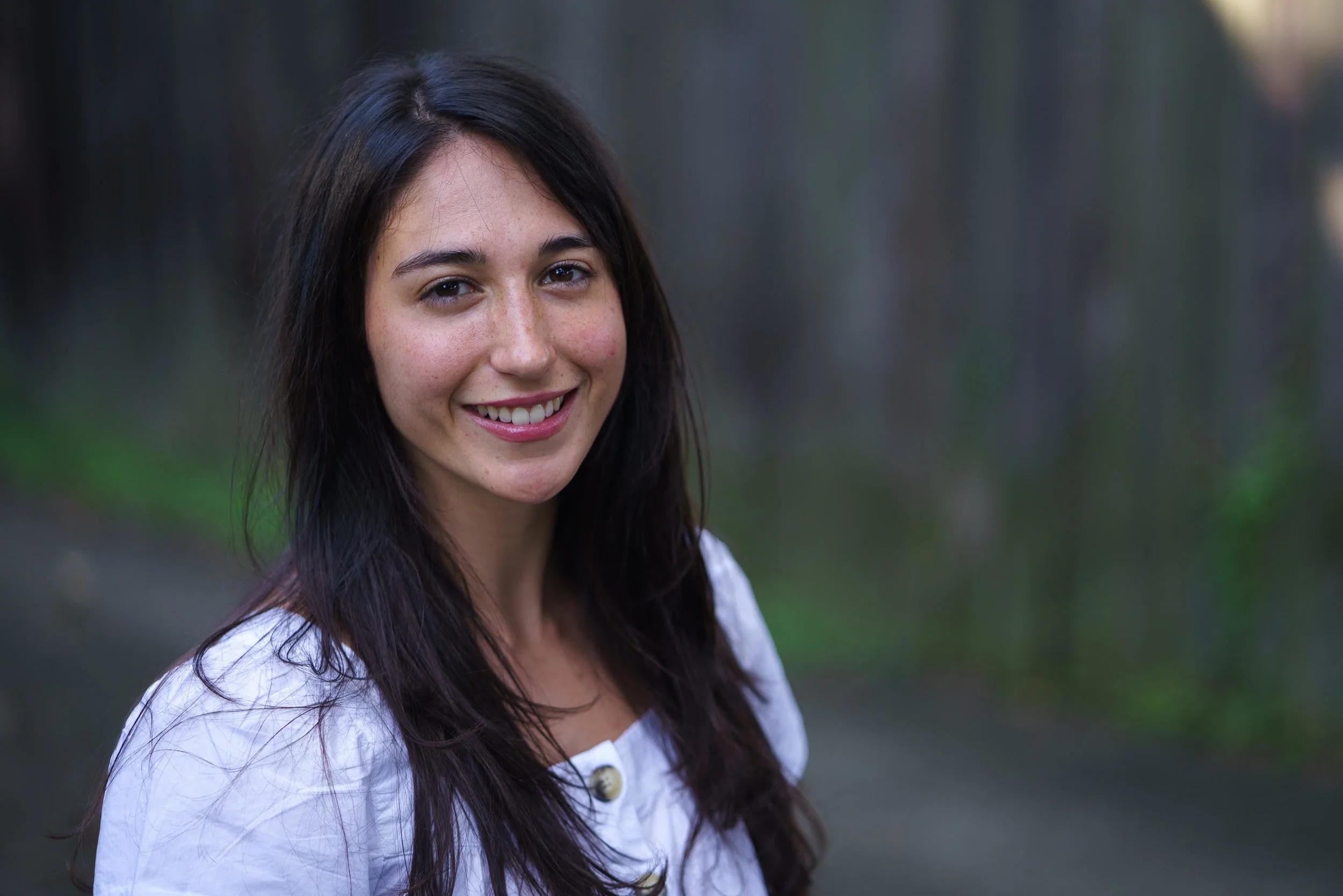
Lia Mary Farrell
Doctoral Student, Psychology, University of Pittsburgh
Lia attended the University of Pittsburgh and graduated with a degree in psychology.
Lia Mary Farrell
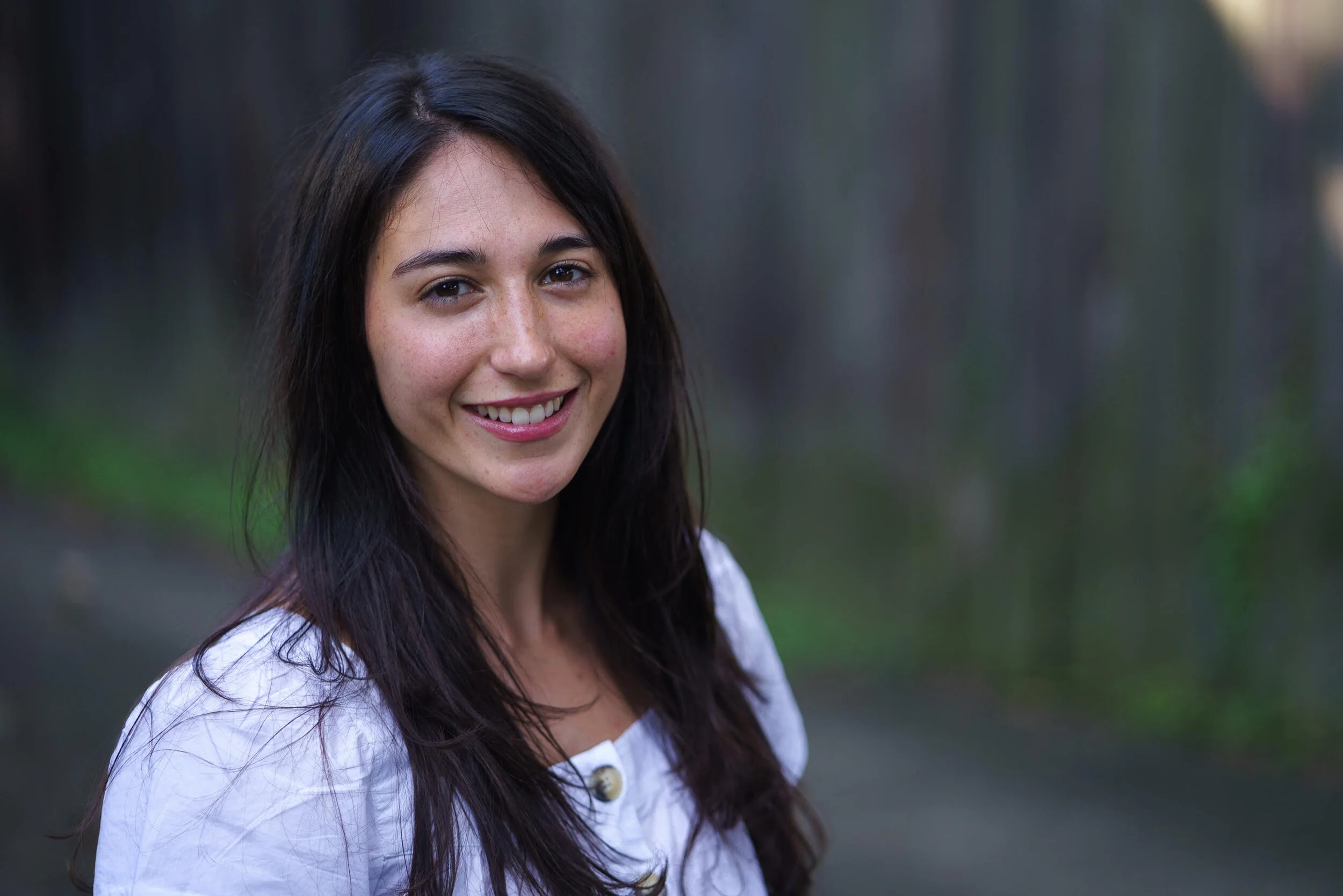
Lia attended the University of Pittsburgh and graduated with a degree in psychology. Afterward, she worked as a research coordinator in obstetric anesthesiology, looking at the effect of pain on postpartum depression. Before starting the post-bac program at Columbia, she traveled for a year, backpacking through Asia and working in a refugee camp in Greece.
Working Group Affiliation
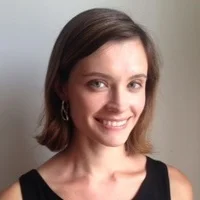
Susanna Ferguson
PhD Student, History, Columbia University
Susanna Ferguson is a PhD Student in the History Department at Columbia University, where she focuses on the history of the modern Middle East, particularly on questions of women and gender. She is also a certificate candidate at Columbia's Institute for Research on Women, Gender, and Sexuality (IRWAGS). Prior to beginning her doctoral work at Columbia, Susanna graduated magna cum laude from Yale University with a BA in History and received a Master's degree from NYU's Hagop Kevorkian Center for Near Eastern Studies.
Susanna Ferguson

Susanna Ferguson is a PhD Student in the History Department at Columbia University, where she focuses on the history of the modern Middle East, particularly on questions of women and gender. She is also a certificate candidate at Columbia's Institute for Research on Women, Gender, and Sexuality (IRWAGS). Prior to beginning her doctoral work at Columbia, Susanna graduated magna cum laude from Yale University with a BA in History and received a Master's degree from NYU's Hagop Kevorkian Center for Near Eastern Studies.
Susanna's MA thesis traced the circulation of human and women's rights discourse in Damascus, Syria, between 2009 and 2011. The deep attachments she found to the projects of human and women's rights in Syria raised questions about what other languages of justice might have historically shaped discussions about politics in general, and feminist politics in particular, in the region. Following this, Susanna's current research focuses on the concept of tarbiya in Arab thought from Egypt and the Levant in the late 19th and early 20th centuries as a way of tracing the history of one such alternative language.
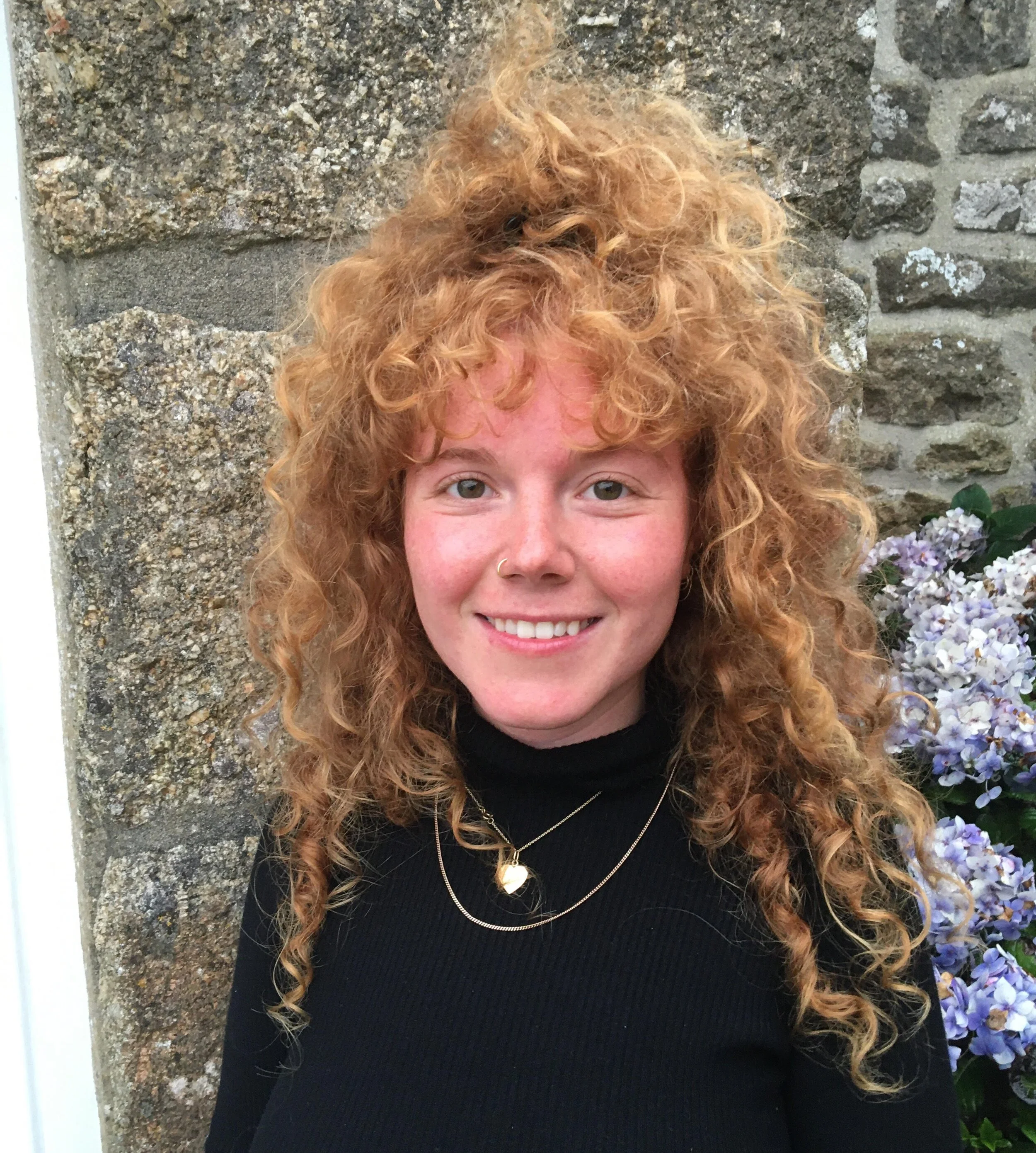
Mia Cecily Florin-Sefton
Ph.D. Candidate, English and Comparative Literature, Columbia University
Mia Florin-Sefton is a Ph.D. candidate and University Writing Instructor in the English & Comparative Literature Department at Columbia University, where she specializes in 20th and 21st century transatlantic anglophone literatures and culture; with a focus on how narratives of succession mediate and explicate the shifting relationship between biological and economic theories of heredity and inheritance. She is also currently at work on a project that looks at the history of sex glands and early history of hormone replacement therapy in the context of theories of racial degeneration and eugenics post-World War I.
Mia Cecily Florin-Sefton
Ph.D. candidate, English and Comparative Literature, Columbia University

Mia Florin-Sefton is a Ph.D. candidate and University Writing Instructor in the English & Comparative Literature Department at Columbia University, where she specializes in 20th and 21st century transatlantic anglophone literatures and culture; with a focus on how narratives of succession mediate and explicate the shifting relationship between biological and economic theories of heredity and inheritance. She is also currently at work on a project that looks at the history of sex glands and early history of hormone replacement therapy in the context of theories of racial degeneration and eugenics post-World War I. She is a contributing writer for the medical humanities journal: Synapsis and was previously the Graduate Fellow for Institute for Research on Women, Gender and Sexuality Studies at Columbia University.
Working Group Affiliations
Zip Code Memory Project: Practices of Justice and Repair, Social Engagement Project
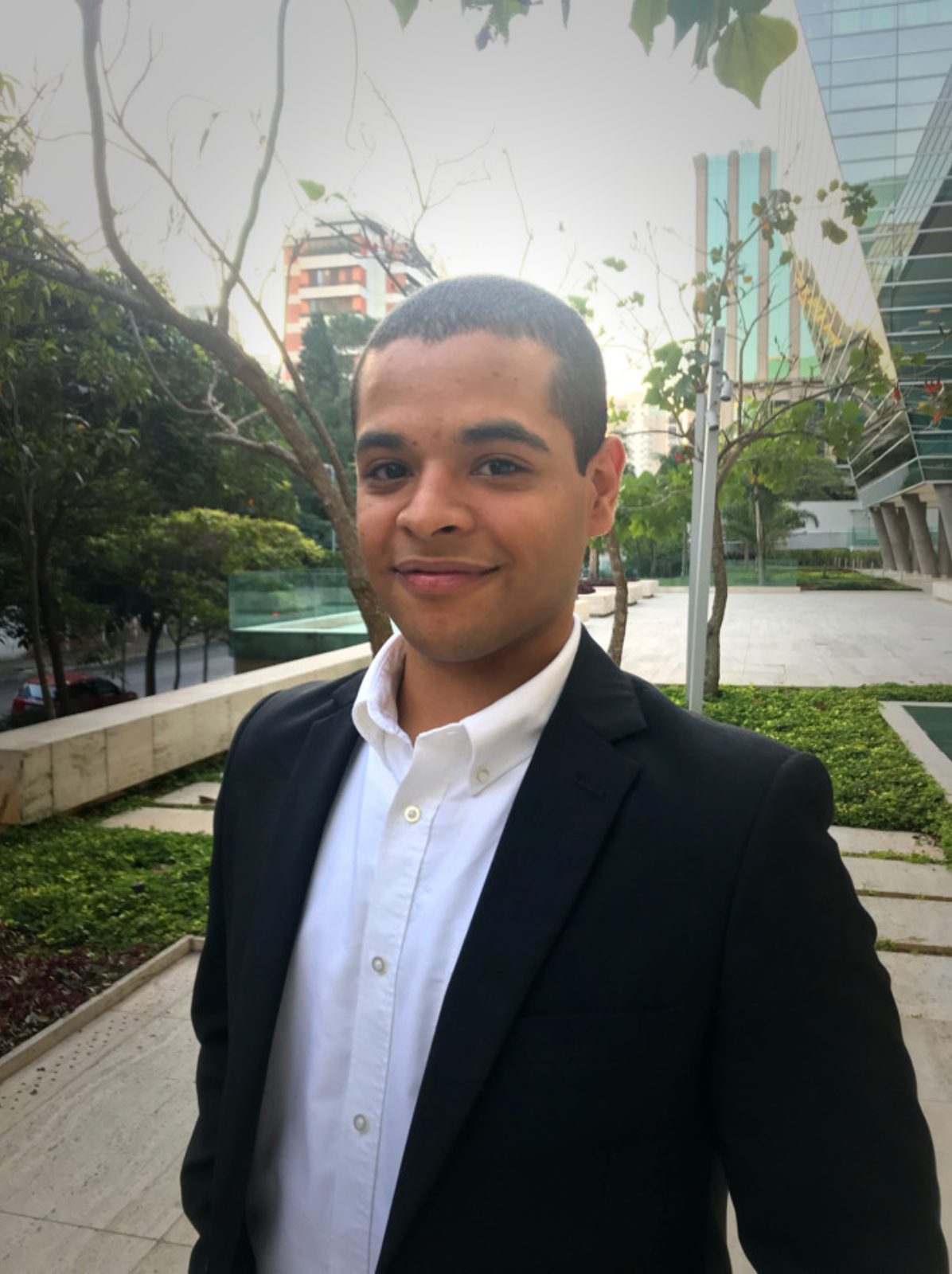
Gabriel Franco
Undergraduate Student, Latin American and Caribbean Studies & Political Science, Columbia College, Columbia University
Gabriel Franco is an undergraduate student at Columbia University in the fields of Latin American & Caribbean studies and political science. His areas of focus are Brazilian slavery and race studies and public security in Brazil, especially regarding drug policy and dynamics of urban violence as part of the "war on drugs" mentality.
Gabriel Franco
Undergraduate Student, Latin American and Caribbean Studies & Political Science, Columbia College, Columbia University
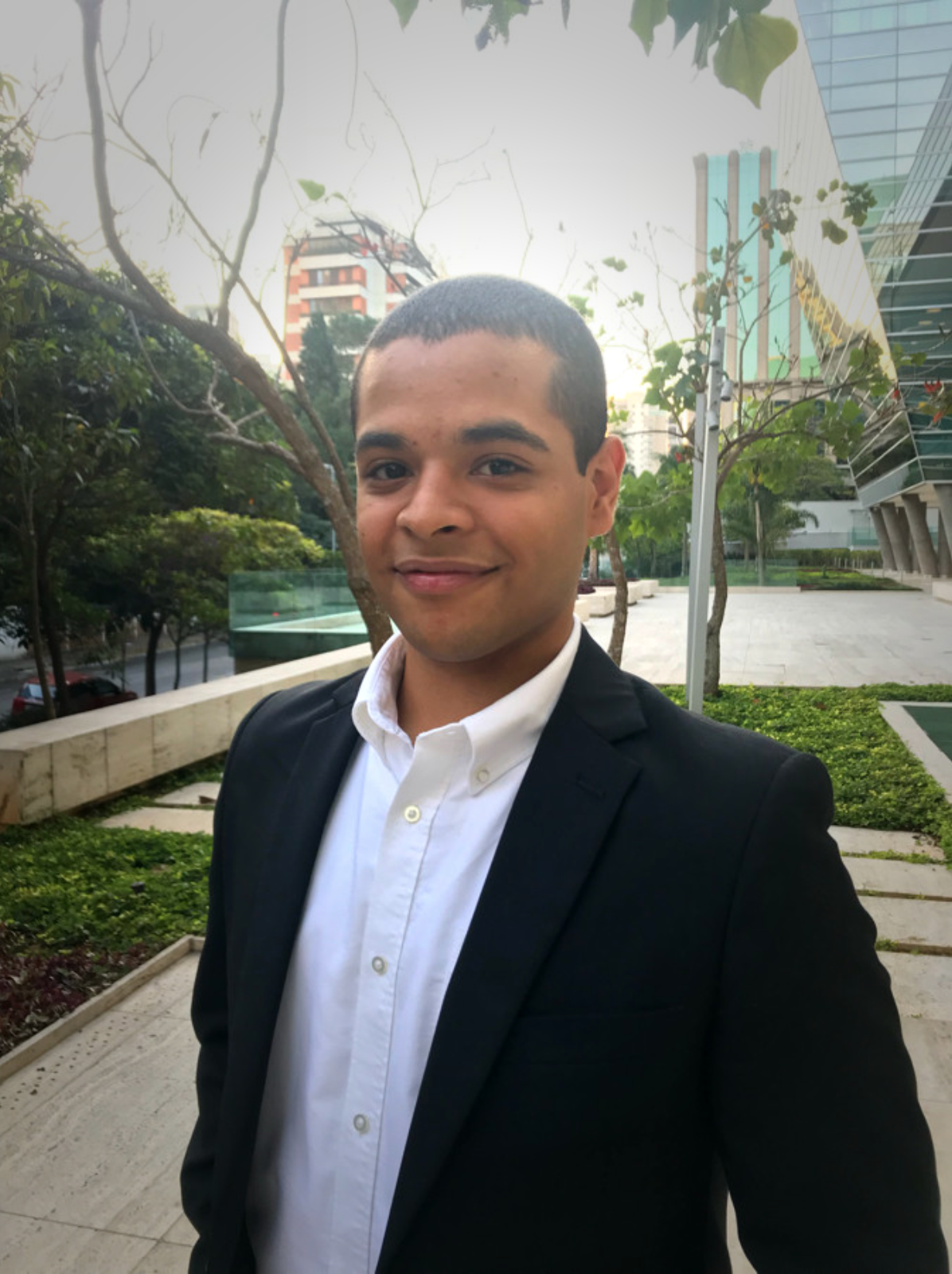
Gabriel Franco is an undergraduate student at Columbia University in the fields of Latin American & Caribbean studies and political science. His areas of focus are Brazilian slavery and race studies and public security in Brazil, especially regarding drug policy and dynamics of urban violence as part of the "war on drugs" mentality. Gabriel is an assistant at the Lemann Center for Brazilian Studies of the Institute of Latin American Studies (ILAS/Columbia). He is currently participating in an exchange program at PUC-Rio, where he is doing research on public security for his senior thesis and assisting other fellows of Geographies of Injustice with a project on oral history and music in favelas.
Working Group Affiliation
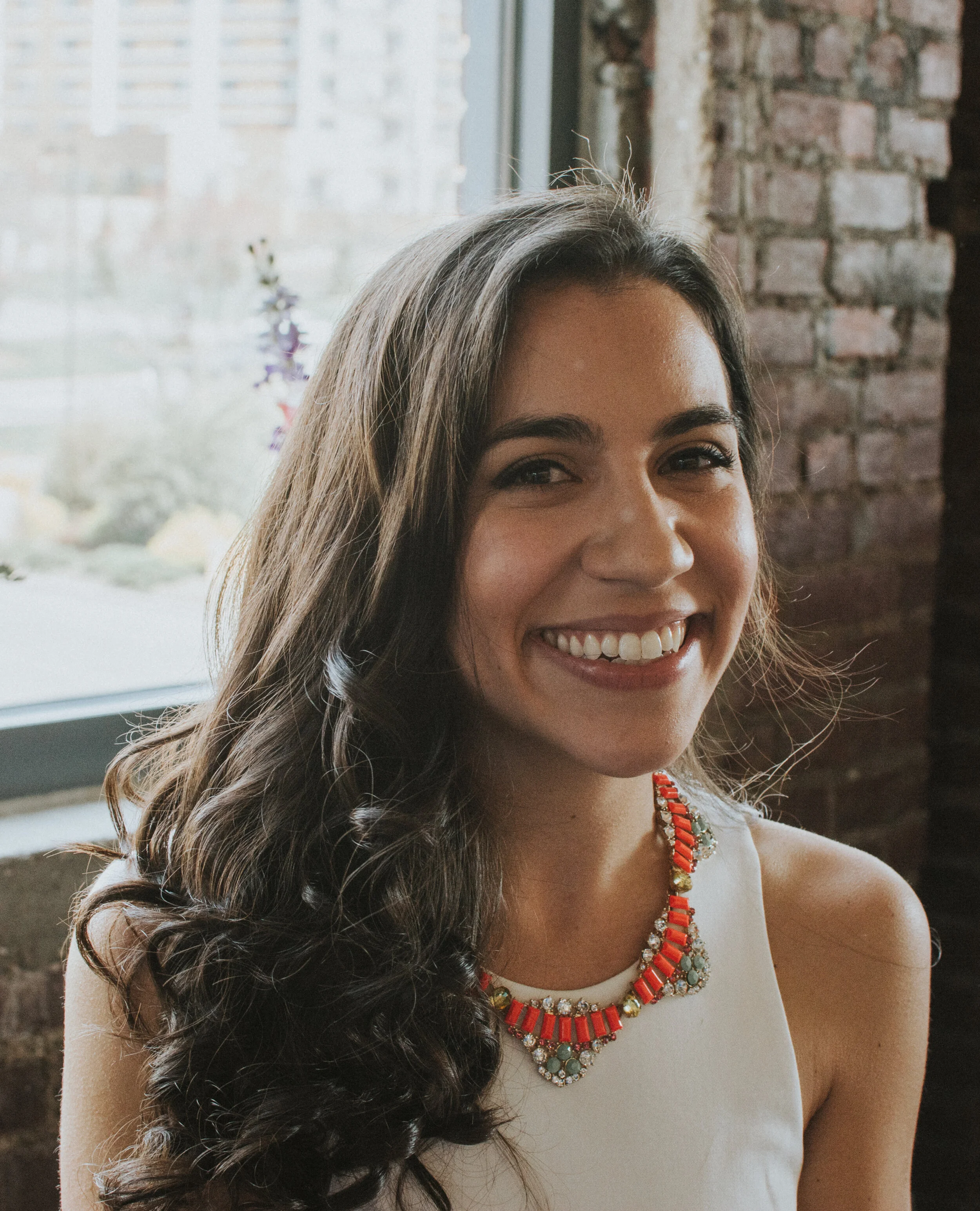
Diana Garofalo
PhD Student, Epidemiology, Mailman School of Public Health, Columbia University
Diana Garofalo is a doctoral student in Epidemiology, in the school of public health. Her background in biochemistry and genetics led her to be interested in using epidemiologic methods to understand underlying biological mechanisms in human disease, especially in rare diseases. She also briefly worked at a clinical genetic testing company that screened potential parents for recessive mutations linked to severe diseases. This experience deepened her interest in exploring the technical, ethical, and scientific challenges of using genomics in medicine, with specific concern about the potential worsening of disparities in health care.
Diana Garofalo
PhD Student, Epidemiology, Mailman School of Public Health, Columbia University
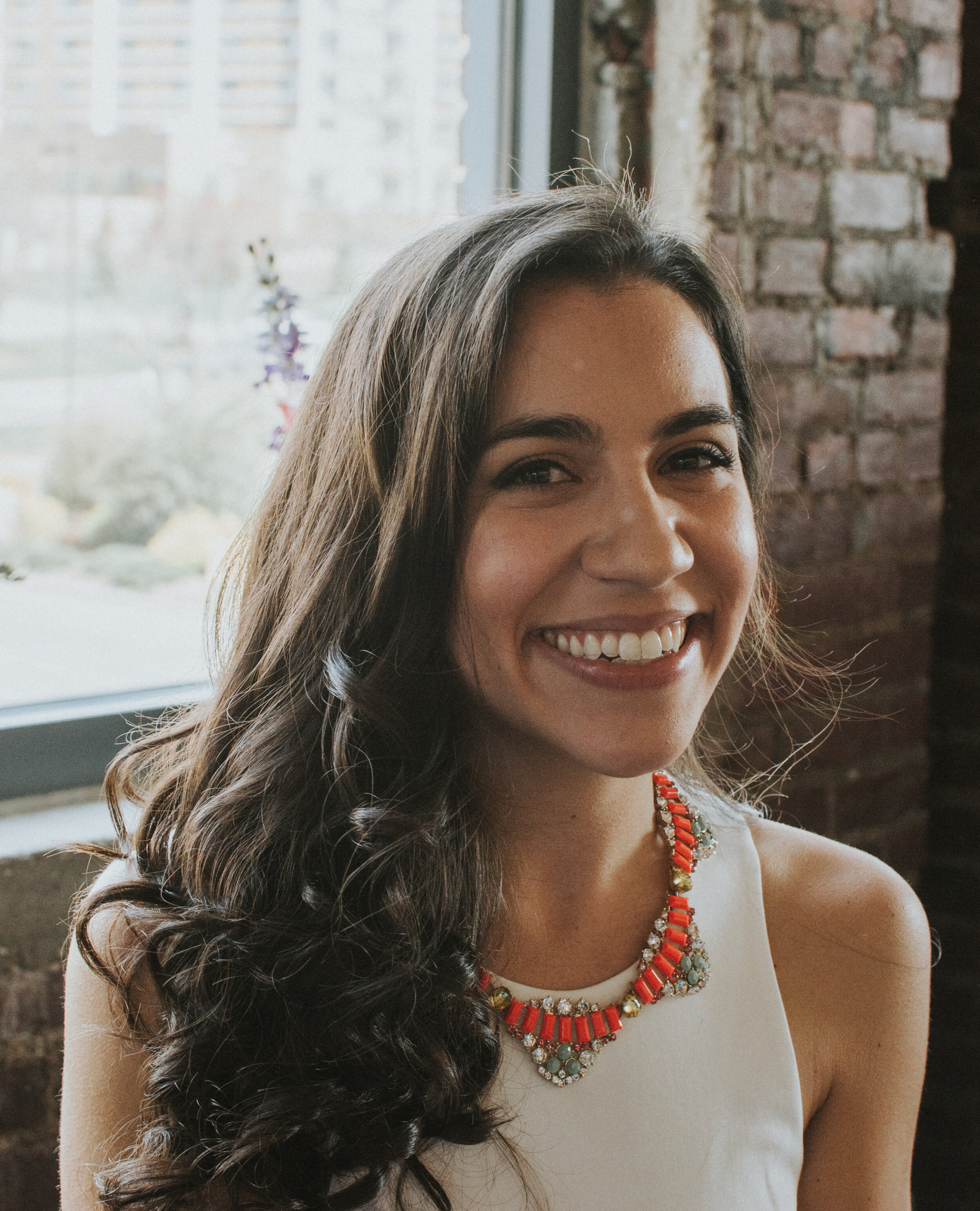
Diana Garofalo is a doctoral student in Epidemiology, in the school of public health. Her background in biochemistry and genetics led her to be interested in using epidemiologic methods to understand underlying biological mechanisms in human disease, especially in rare diseases. She also briefly worked at a clinical genetic testing company that screened potential parents for recessive mutations linked to severe diseases. This experience deepened her interest in exploring the technical, ethical, and scientific challenges of using genomics in medicine, with specific concern about the potential worsening of disparities in health care.
Working Group Affiliation
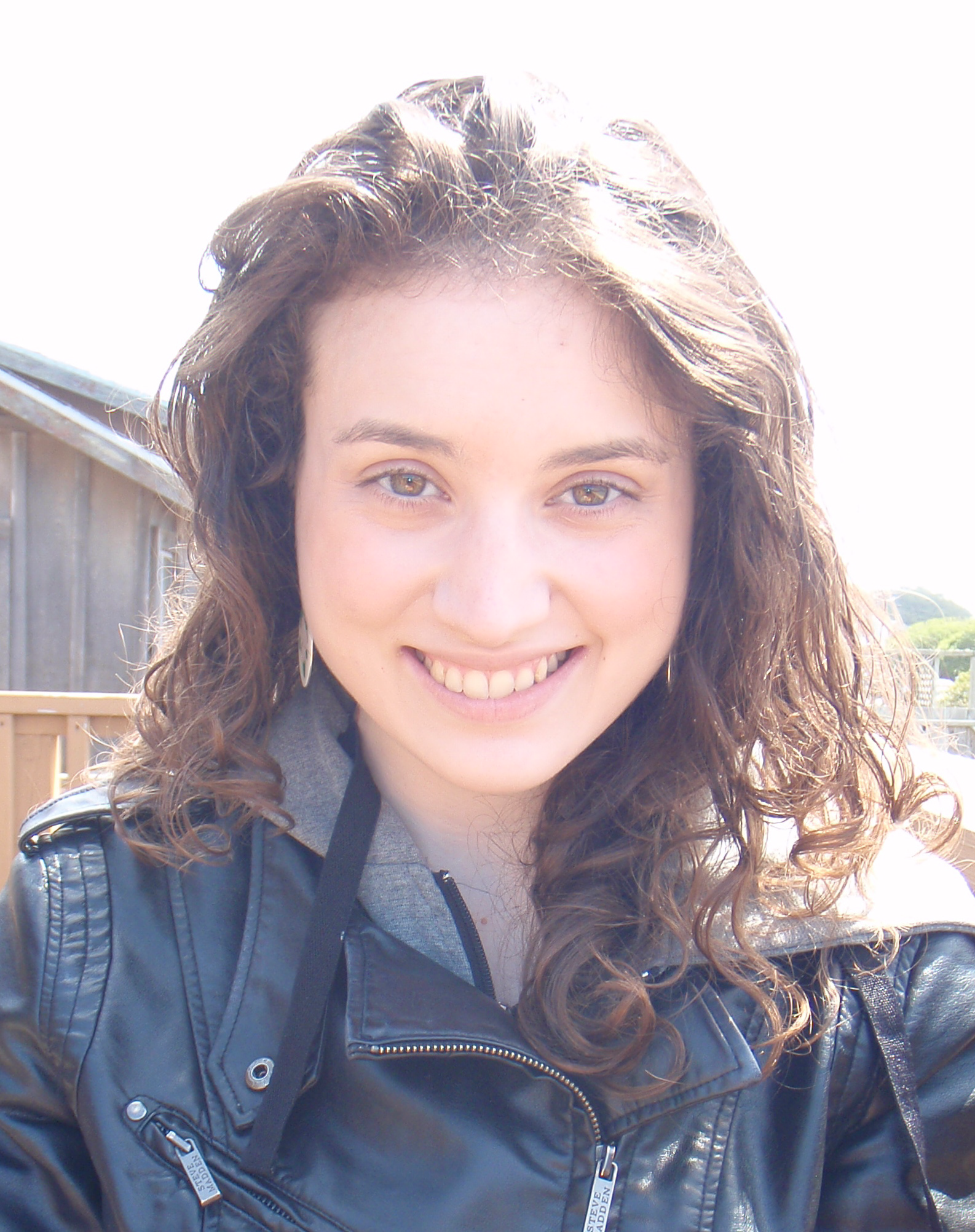
Nicole Gervasio
PhD Candidate, English and Comparative Literature, Columbia University
Nicole Gervasio is a Ph.D. candidate in the Department of English and Comparative Literature at Columbia University. Her dissertation is on the ethics of representing mass political violence in contemporary postcolonial literature. Her work focuses on intersections between queer, postcolonial, and feminist theory in relation to themes of survival, embodiment, and trauma in literatures of the Global South. She also has a B.A. in English and Growth & Structure of Cities from Bryn Mawr College and has been the recipient of Mellon Mays, Beinecke, and Javits Fellowships.
Nicole Gervasio

Nicole Gervasio is a Ph.D. candidate in the Department of English and Comparative Literature at Columbia University. Her dissertation is on the ethics of representing mass political violence in contemporary postcolonial literature. Her work focuses on intersections between queer, postcolonial, and feminist theory in relation to themes of survival, embodiment, and trauma in literatures of the Global South. She also has a B.A. in English and Growth & Structure of Cities from Bryn Mawr College and has been the recipient of Mellon Mays, Beinecke, and Javits Fellowships.
Working Group Affiliations