

Rachel Adams
Professor, Department of English and Comparative Literature, Columbia University
Rachel Adams is the director of the “Precision Medicine: Ethics, Politics and Culture.” She is Professor of English and American Studies at Columbia University, where she specializes in 19th- and 20th-century literatures of the United States and the Americas, media studies, theories of race, gender, and sexuality, medical humanities and disability studies.
Rachel Adams
Professor of English and Comparative Literature, Columbia University
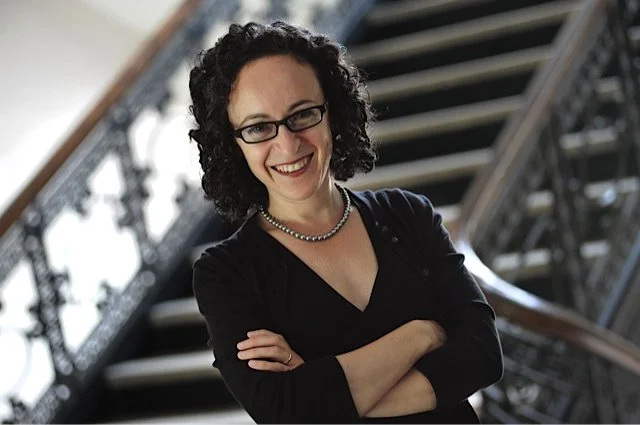
Rachel Adams is the director of the “Precision Medicine: Ethics, Politics and Culture.” She is Professor of English and American Studies at Columbia University, where she specializes in 19th- and 20th-century literatures of the United States and the Americas, media studies, theories of race, gender, and sexuality, medical humanities and disability studies. Her most recent book is Raising Henry: A Memoir of Motherhood, Disability, and Discovery, published by Yale University Press in 2013. She is the author of Continental Divides: Remapping the Cultures of North America (University of Chicago Press, 2009) and Sideshow U.S.A.: Freaks and the American Cultural Imagination (University of Chicago Press, 2001). She is co-editor (with David Savran) of The Masculinity Studies Reader (Blackwell Press, 2001) and (with Sarah Casteel) a special issue of Comparative American Literature on "Canada and the Americas." She is editor of a critical edition of Kate Chopin's The Awakening (Fine Publications, 2002). Her articles have appeared in journals such as American Literature, American Literary History, American Quarterly, Minnesota Review, Camera Obscura, GLQ, Signs, Yale Journal of Criticism and Twentieth-Century Literature. She has also written for the The New York Times, Salon, Chronicle of Higher Education, Gastronomica, and the Times of London and blogs for The Huffington Post. In 2010, she won the Lenfest Distinguished Faculty Award.
Working Group Affiliations
Precision Medicine: Ethics, Politics and Culture, Project Director
The Future of Disability Studies, Project Director
Olamide Adejumo
Doctoral Student, Narrative Medicine, Columbia University
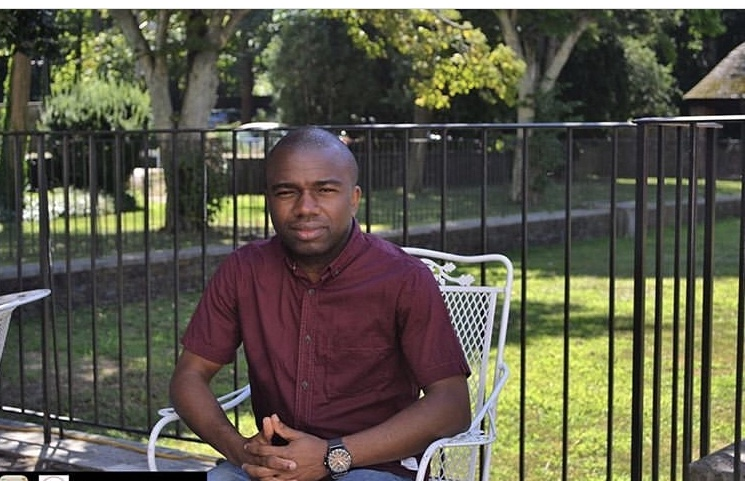
Olamide Adejumo is a student of narrative medicine at Columbia University. He is a graduate of medicine and surgery from Obafemi Awolowo College of Health Sciences in Nigeria passionate about narrative care practices in medicine. His interests includes clinical care and research in Narrative Medicine, Personalized Medicine, Medical Humanities and Genetic Technologies in Disability Care.
Graduate Student, Narrative Medicine, Columbia University

Olamide Adejumo is a student of narrative medicine at Columbia University. He is a graduate of medicine and surgery from Obafemi Awolowo College of Health Sciences in Nigeria passionate about narrative care practices in medicine. His passion for Medical Humanities dates back into medical school when he conducted a research with peers on the impact of religion and culture on diabetes prevention and care in Nigeria which ultimately lead to starting a non profit: The Nigeria Diabetes Online Community - a social peer support platform for people living with diabetes in Nigeria. He believes in culturally appropriation and all inclusive healthcare practice as a bridge to achieving universal medical care. His interests includes clinical care and research in Narrative Medicine, Personalized Medicine, Medical Humanities and Genetic Technologies in Disability Care.
Working Group Affiliation

Fatemeh Adlparvar
Doctoral Student, Mailman School of Public Health, Columbia University
Fatemeh Adlparvar is a recent graduate of the Narrative Medicine program. She will begin her graduate studies at the Mailman School of Public Health where she hopes to study the intersections of narrative medicine, social work, and public health. She received her B.A. from the University of California, Berkeley with a major in Environmental Science with an Education minor. She went on to complete her MSW at Columbia School of Social Work, with a minor in Law and a concentration in health, mental health, & disability.
Fatemeh Adlparvar
Graduate Student, Mailman School of Public Health, Columbia University

Fatemeh Adlparvar is a recent graduate of the Narrative Medicine program. She will begin her graduate studies at the Mailman School of Public Health where she hopes to study the intersections of narrative medicine, social work, and public health. She received her B.A. from the University of California, Berkeley with a major in Environmental Science with an Education minor. She went on to complete her MSW at Columbia School of Social Work, with a minor in Law and a concentration in health, mental health, & disability. She hopes to become a physician and work in a community health clinic in service of people who are homeless, living with serious mental health conditions, and substance abuse. Her work examines the impact of narrative medicine workshops on young adults in developing self-reflection, empathy, and attentive listening skills. She aspires to impact health care policy on a federal level with the goal of providing increased health and mental health care services to underserved communities. Fatemeh currently interns with the Bellevue Literary Review and serves as the School of Professional Studies Student Association (SPSSA) Secretary and Disability Chair.
Working Group Affiliation

Matthew Argame
Doctoral Student, Narrative Medicine, Columbia University
Matthew Argame is currently a graduate student in the Narrative Medicine program at Columbia University. Upon graduation, Matthew will continue on to medical school as an aspiring psychiatrist, advocating for the needs of vulnerable communities. Matthew hopes that his engagement with the Precision Medicine: Ethics, Politics, Culture program will produce interdisciplinary dialogue on improving patient care by addressing societal injustices and by bringing attention the unique needs of queer and disabled communities.
Matthew Argame
Graduate Student, Narrative Medicine, Columbia University

Matthew Argame is currently a graduate student in the Narrative Medicine program at Columbia University. Upon graduation, Matthew will continue on to medical school as an aspiring psychiatrist, advocating for the needs of vulnerable communities. While completing his undergraduate degree at California State University, Long Beach (CSULB), Matthew founded the first TEDx program at his university, with the vision of bringing various voices to a globally recognized stage. He also worked for Counseling and Psychological Services as a Peer Educator on Mental Health topics, conducted research through a National Institutes of Health funded program called BUILD (Building Infrastructure Leading to Diversity), and was recognized nationally as the Jed Foundation’s Student Voice of Mental Health Honoree. Matthew hopes that his engagement with the Precision Medicine: Ethics, Politics, Culture program will produce interdisciplinary dialogue on improving patient care by addressing societal injustices and by bringing attention the unique needs of queer and disabled communities.
Working Group Affiliation
Larry Au
PhD Student, Sociology, Columbia University
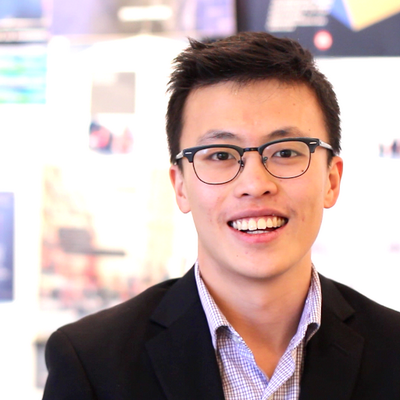
Larry Au is a Ph.D. candidate in sociology at Columbia University. He is broadly interested in science and technology studies, economic sociology, and political sociology. His dissertation examines the rise of precision medicine in China and the United States, focusing on the diffusion of the concept and its associated technologies, as well as the ways in which debates around ethical, legal, and social issues are constructed locally and globally. He is also interested in the recent controversies over human gene editing and the modernization of traditional medicines.
Larry Au
PhD Student, Sociology, Columbia University

Larry Au is a Ph.D. candidate in sociology at Columbia University. He is broadly interested in science and technology studies, economic sociology, and political sociology. His dissertation examines the rise of precision medicine in China and the United States, focusing on the diffusion of the concept and its associated technologies, as well as the ways in which debates around ethical, legal, and social issues are constructed locally and globally. He is also interested in the recent controversies over human gene editing and the modernization of traditional medicines.
Working Group Affiliation
Michael Awad
PhD Student, Counseling Psychology, Columbia University
Michael Awad is a completing his Ph.D. in counseling psychology at Teachers College, Columbia University. He earned dual master’s degrees in mental health counseling and professional counseling from Seton Hall University. He has experience working with diverse populations across the lifespan at every level of behavioral health care, including inpatient psychotherapy at Greystone Park Psychiatric Hospital, neuropsychological assessment at the Cognitive and Research Center of NJ, intensive outpatient psychotherapy at Overlook Medical Center, community mental health at the Dean Hope Center, behavioral medicine at Morristown Medical Center, addictions counseling at the NJ Department of Veterans Affairs, and integrated health care through the Health Resources and Services Administration Graduate Psychology Education Program.
Michael Awad
PhD Student, Teacher's College, Columbia University
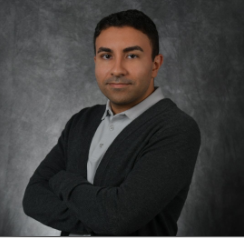
Michael Awad is a completing his Ph.D. in counseling psychology at Teachers College, Columbia University. He earned dual master’s degrees in mental health counseling and professional counseling from Seton Hall University. He has experience working with diverse populations across the lifespan at every level of behavioral health care, including inpatient psychotherapy at Greystone Park Psychiatric Hospital, neuropsychological assessment at the Cognitive and Research Center of NJ, intensive outpatient psychotherapy at Overlook Medical Center, community mental health at the Dean Hope Center, behavioral medicine at Morristown Medical Center, addictions counseling at the NJ Department of Veterans Affairs, and integrated health care through the Health Resources and Services Administration Graduate Psychology Education Program. He currently works as a school counselor at Prep for Prep, New York City’s oldest leadership and academic development program for students of color. Michael has done extensive advocacy work at the national level related to behavioral health equity as a two-time public policy fellow of the Substance Abuse and Mental Health Services Administration. His doctoral research focuses on cultural issues in psychology. Specific projects include validating culturally-sensitive assessment tools for understanding masculinity in multicultural populations, developing a strategic framework for disarming microaggressions as lab leader to Dr. Derald Wing Sue’s research team, and conducting participatory action evaluations with under-resourced community agencies employing effective behavioral health interventions not specified in the literature. He is currently developing and piloting a peer health program through the Raising Educational Achievement Coalition of Harlem at two secondary schools.
Working Group Affiliation

Olivia Balderes
Doctoral Student, Health Promotion, Research and Practice, Columbia University
Olivia Balderes is an MPH Candidate at Mailman in the department of Sociomedical Sciences with a focus on Health Promotion, Research and Practice. She is interested in applying her Intervention Design and Evaluation background to improve community involvement within Precision Medicine programs/studies, maximize efficiency and efficacy of return of genetic results in clinical settings, and explore the determinants of genetic and general health literacy.
Olivia Balderes
Graduate Student, Department of Sociomedical Sciences, Mailman School of Public Health, Columbia University
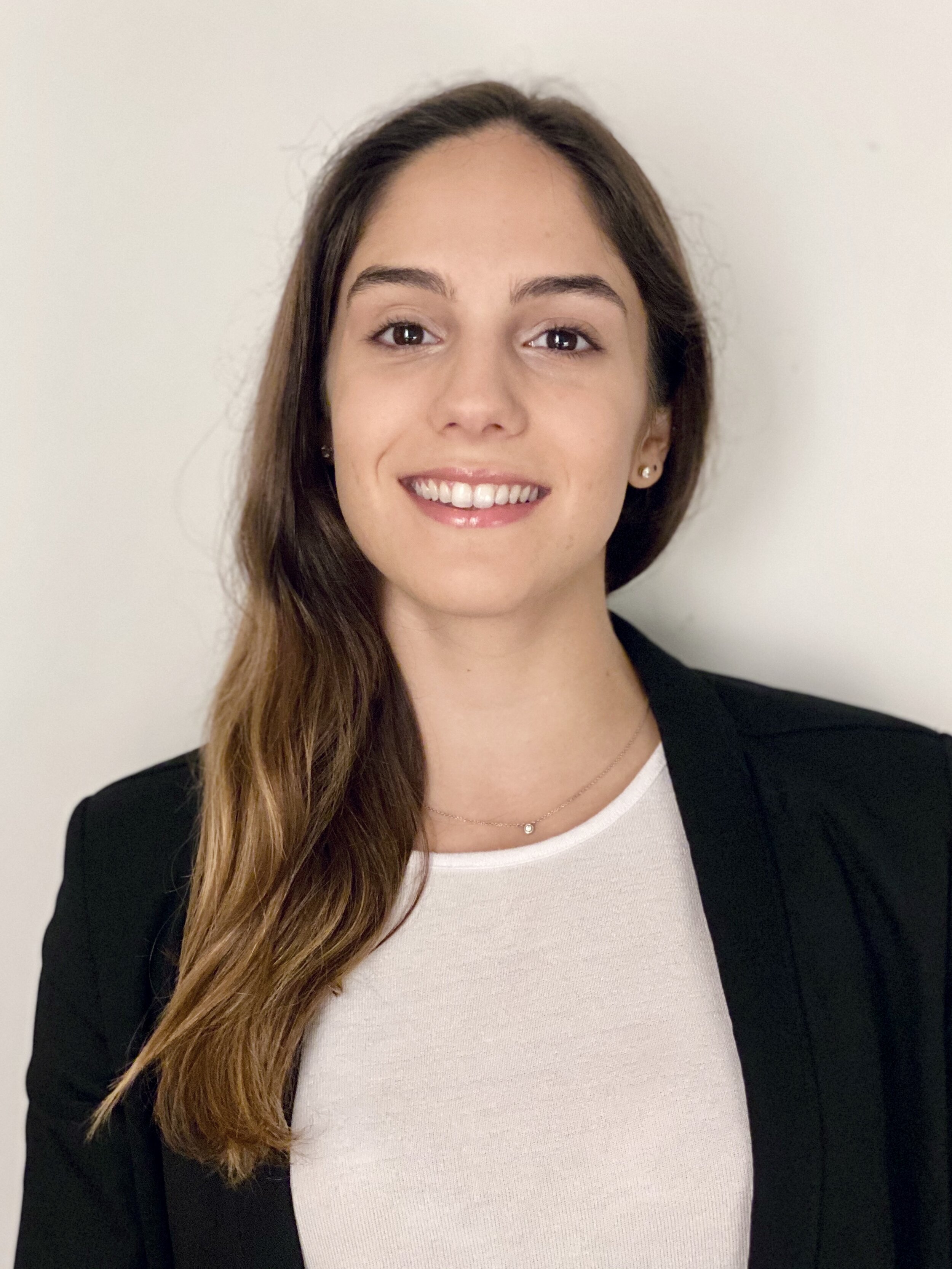
Olivia Balderes is an MPH Candidate at Mailman in the department of Sociomedical Sciences with a focus on Health Promotion, Research and Practice. She is a Washington Heights native, and received her BA from Barnard College in Creative Writing and Biological Sciences. Olivia currently works in the laboratory of Dr. Krzysztof Kiryluk as both a Clinical Research Coordinator on a number of large national precision medicine initiatives, and as the lab’s manager. She is interested in applying her Intervention Design and Evaluation background to improve community involvement within Precision Medicine programs/studies, maximize efficiency and efficacy of return of genetic results in clinical settings, and explore the determinants of genetic and general health literacy.
Working Group Affiliation

Kayleigh Barrett
Doctoral Student, Global Health, Columbia University
Kayleigh Barrett is a current MPH candidate in the Department of Sociomedical Sciences, working toward a certificate in Global Health. In the last three years, she worked as a Research Scientist at the University of Washington in the Division of Allergy and Infectious Disease and was involved in a structural genomics pipeline for an early structure-based drug design projects targeting a number of pathogens. Her current interests include research ethics, infectious disease, reproductive health and medical anthropology.
Kayleigh Barrett
Graduate Student, Department of Sociomedical Sciences, Mailman School of Public Health, Columbia University

Kayleigh Barrett is a current MPH candidate in the Department of Sociomedical Sciences, working toward a certificate in Global Health. She received her Bachelor’s degree in International Studies with an emphasis in global health and development at the University of Oregon. While studying abroad, her research focused on the power dynamics in research relationships and the ethical implications of the use of over-studied populations in student research. She is new to the east coast, hailing from the Pacific Northwest. In the last three years, she worked as a Research Scientist at the University of Washington in the Division of Allergy and Infectious Disease and was involved in a structural genomics pipeline for an early structure-based drug design projects targeting a number of pathogens. Her current interests include research ethics, infectious disease, reproductive health and medical anthropology. She is an avid reader and lover of all things coffee.
Working Group Affiliation

Veronica Belafi
PhD Student, English & Comparative Literature, Columbia University
Veronica Belafi is the graduate assistant for PRECISION MEDICINE: ETHICS, POLITICS AND CULTURE and a PhD candidate in English & Comparative Literature. Her academic interests stem from the history and philosophy of science and technology, including the medical humanities, modern and contemporary media poetics, ecocriticism, and the growing field of petrocultures.
Veronica Belafi
PhD Student, English & Comparative Literature, Columbia University
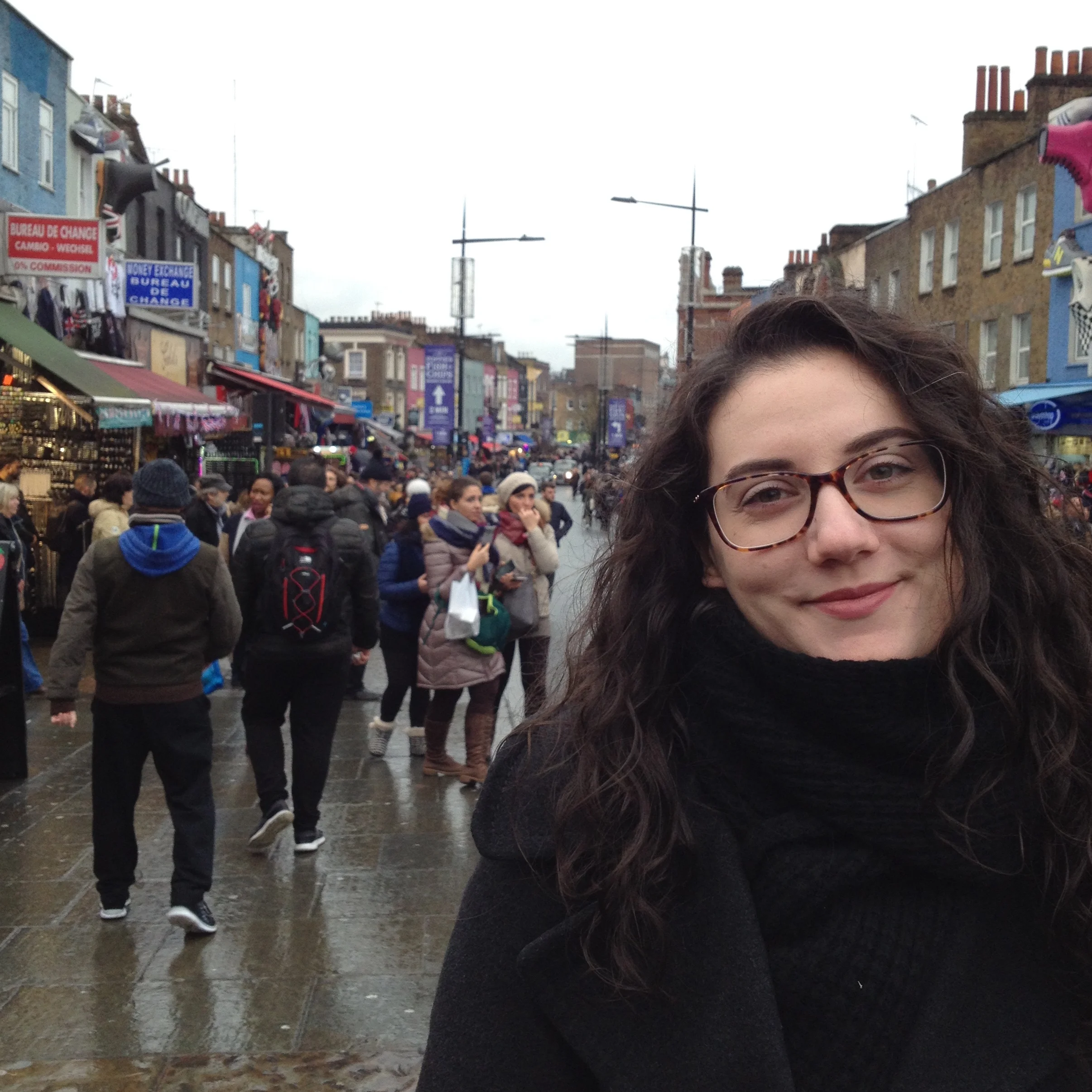
Veronica Belafi is the graduate assistant for PRECISION MEDICINE: ETHICS, POLITICS AND CULTURE and a PhD candidate in English & Comparative Literature. Her academic interests stem from the history and philosophy of science and technology, including the medical humanities, modern and contemporary media poetics, ecocriticism, and the growing field of petrocultures.
Working Group Affiliation
Liz Bowen
PhD Student, English and Comparative Literature, Columbia University
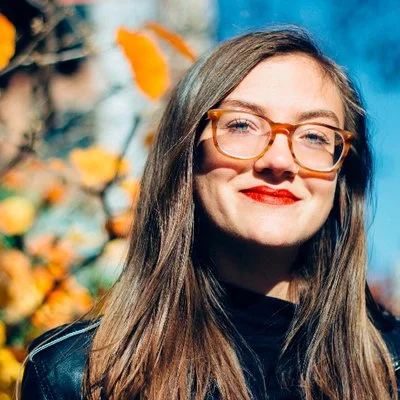
Liz Bowen is a Ph.D. candidate in English and comparative literature who works at the intersections of 20th and 21st century American literature, disability studies, and critical animal studies. Her dissertation, “Animal Abilities: Disability, Species Difference, and Aesthetic Innovation in the Long 20th Century,” traces the intertwined deployments of disability, animality, and cognitive otherness as sites for literary experimentation, from Faulkner to the Harlem Renaissance to contemporary poetics.
Liz Bowen
PhD Student, Department of English and Comparative Literature, Columbia University
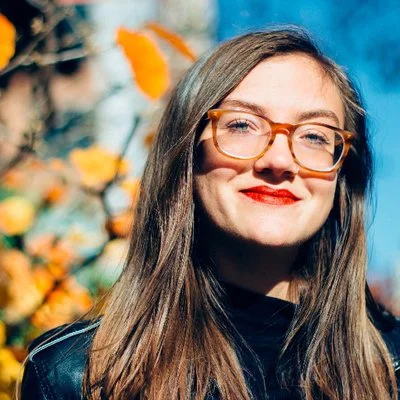
Liz Bowen is a Ph.D. candidate in English and comparative literature who works at the intersections of 20th and 21st century American literature, disability studies, and critical animal studies. Her dissertation, “Animal Abilities: Disability, Species Difference, and Aesthetic Innovation in the Long 20th Century,” traces the intertwined deployments of disability, animality, and cognitive otherness as sites for literary experimentation, from Faulkner to the Harlem Renaissance to contemporary poetics. She has published critical reviews in The Journal of Literary and Cultural Disability Studies and Humanimalia: A Journal of Human/Animal Interface Studies, and her essay “On Outcast Women, Dog Love, and Abjection between Species” will be included in the edited collection Animaladies, forthcoming from Bloomsbury. Liz has been the graduate organizer for Columbia’s University Seminar on Disability, Culture, and Society for the past three years, and she is also pursuing a certificate in feminist scholarship from the Institute for Research on Women, Gender, and Sexuality. She has been the instructor of record for both writing composition and literary studies courses, including an upper-level seminar of her own design called Animal Modernisms.
Liz is also a widely published poet and poetry critic. Her first full-length poetry collection, Sugarblood, was published by Metatron Press in 2017, and her chapbook Compassion Fountain is forthcoming from Hyacinth Girl Press in 2018. Her poems and essays have appeared in Boston Review, The Wanderer, Dream Pop Press, Cosmonauts Avenue, The Atlas Review, and elsewhere. She is also on the poetry staff at Anomaly magazine. For further publications, press, and CV, please visit her website at liz-bowen.com.
Working Group Affiliation

Christopher Cadham
Doctoral Student, Sociomedical Sciences, Columbia University
Christopher is a second year Master of Public Health student at Columbia University’s Mailman School of Public Health in the Department of Sociomedical Sciences. His certificate is in History, Ethics and Law. He received a Bachelor of Arts in Anthropology from McGill University in Montreal, Canada. His research interest is in using ethics to assess how policies in the fields of public health and medicine work to balance efficacy, efficiency, and effectiveness.
Christopher Cadham
Graduate Student, Sociomedical Sciences, Mailman School of Public Health, Columbia University

Christopher is a second year Master of Public Health student at Columbia University’s Mailman School of Public Health in the Department of Sociomedical Sciences. His certificate is in History, Ethics and Law. He received a Bachelor of Arts in Anthropology from McGill University in Montreal, Canada. His research interest is in using ethics to assess how policies in the fields of public health and medicine work to balance efficacy, efficiency, and effectiveness. His fascination with precision medicine stems from the anthropology of the body and the implications that precision medicine has on phenomenological experience. Essentially, how can the body be changed without the mind (or experience of the mind) be changed? His year of public health studies has raised further questions about the efficacy of precision medicine specifically with regard to notions of justice. The history of public health repeatedly shows public, rather than precision have been the most effective interventions for improving health outcomes. Public interventions in water, hygiene and sanitation, vaccination programs and robust health systems have and continue to prevent millions of deaths worldwide. Yet, the recent turn in the United States and other countries has been towards the individualized precision medicine. In addition to being an Associate Fellow of the Precision Medicine: Ethics, Politics, and Culture working group, Christopher is also a Philanthropy Fellow at the New York Community Trust in the Health and People with Special Needs, and the Environment portfolios. He has also interned at Columbia University’s Earth Institute as well as at the United Nations Joint Programme on HIV/AIDS.
Working Group Affiliation
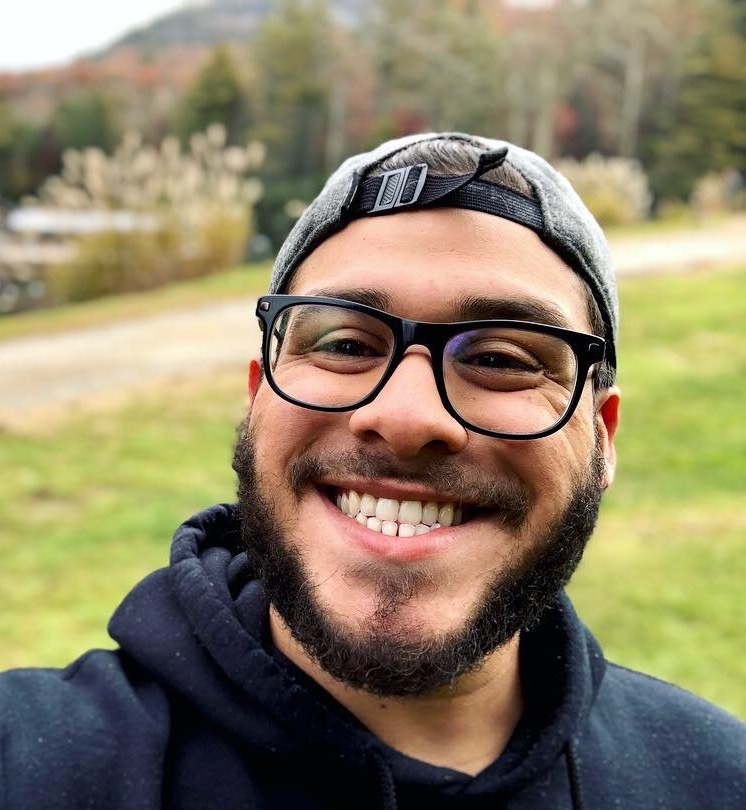
Christopher Cardona
PhD Student, Integrated Program in Cellular, Molecular, and Biomedical Studies, Columbia University
Christopher Cardona is a first year doctoral student in the integrated program in Cellular, Molecular, and Biomedical Studies. He is excited to learn about the multiple aspects of precision medicine and how we can begin incorporating these in scientific research. He is currently working on muscle invasive bladder cancer in mouse models and will be working on Alzheimer's next semester. Both labs use comprehensive and computational tools to identify important regulators of these processes.
Christopher Cardona
PhD Student, Integrated Program in Cellular, Molecular, and Biomedical Studies, Vagelos College of Physicians and Surgeons, Columbia University
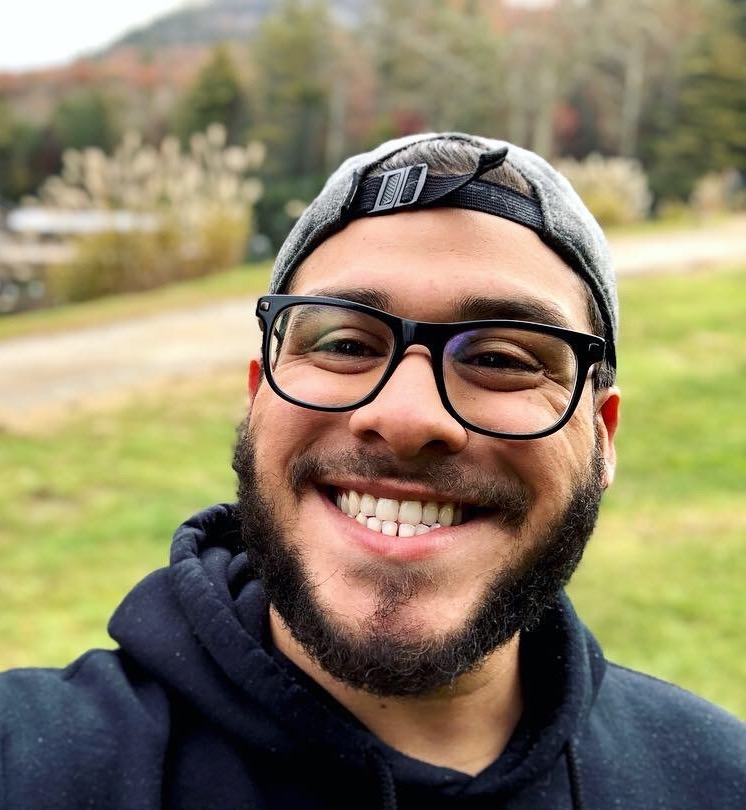
Christopher Cardona is a first year doctoral student in the integrated program in Cellular, Molecular, and Biomedical Studies. He is excited to learn about the multiple aspects of precision medicine and how we can begin incorporating these in scientific research. He is currently working on muscle invasive bladder cancer in mouse models and will be working on Alzheimer's next semester. Both labs use comprehensive and computational tools to identify important regulators of these processes.
Working Group Affiliation

Stephanie Chen
Graduate Student, Clinical Psychology, Teachers College, Columbia University
Stephanie Chen, B.A., is currently working at the Center for OCD and Related Disorders on studies relating to Obsessive-Compulsive Disorder (OCD) at New York State Psychiatric Institute (NYSPI). Stephanie graduated from Rutgers University with a degree in Psychology in 2012. Prior to joining the Anxiety Disorders Clinic at NYSPI, she coordinated a joint-project study on medication adherence at Mount Sinai Hospital and Columbia University. Stephanie’s research interest is finding the most effective treatments for anxiety disorders. After completing her M.A.
Stephanie Chen
Graduate Student, Clinical Psychology, Teachers College, Columbia University

Stephanie Chen, B.A., is currently working at the Center for OCD and Related Disorders on studies relating to Obsessive-Compulsive Disorder (OCD) at New York State Psychiatric Institute (NYSPI). Stephanie graduated from Rutgers University with a degree in Psychology in 2012. Prior to joining the Anxiety Disorders Clinic at NYSPI, she coordinated a joint-project study on medication adherence at Mount Sinai Hospital and Columbia University. Stephanie’s research interest is finding the most effective treatments for anxiety disorders. After completing her M.A. degree in Clinical Psychology at Teachers College, Columbia University, Stephanie hopes to pursue a Ph.D. in clinical psychology.
Working Group Affiliation

Neha Dagaonkar
Research Operations Manager, Institute for Genomic Medicine, Columbia University College of Physicians and Surgeons
After completing her MS in Biotechnology from the Indian Institute of Technology, Neha Dagaonkar worked as Scientist in pharmaceutical sector for several years before transitioning to Molecular Diagnostics. She has a penchant for global health policy with respect to Economics and Race and Ethnicity. She works as Volunteer for several organizations with focus on Health Policy and Genomics. She is an active blogger and policy advocate for Global health, International relations and Health Economics.
Neha Dagaonkar
Research Operations Manager, Genomics Analysis Facility, Institute for Genomic Medicine, Columbia University
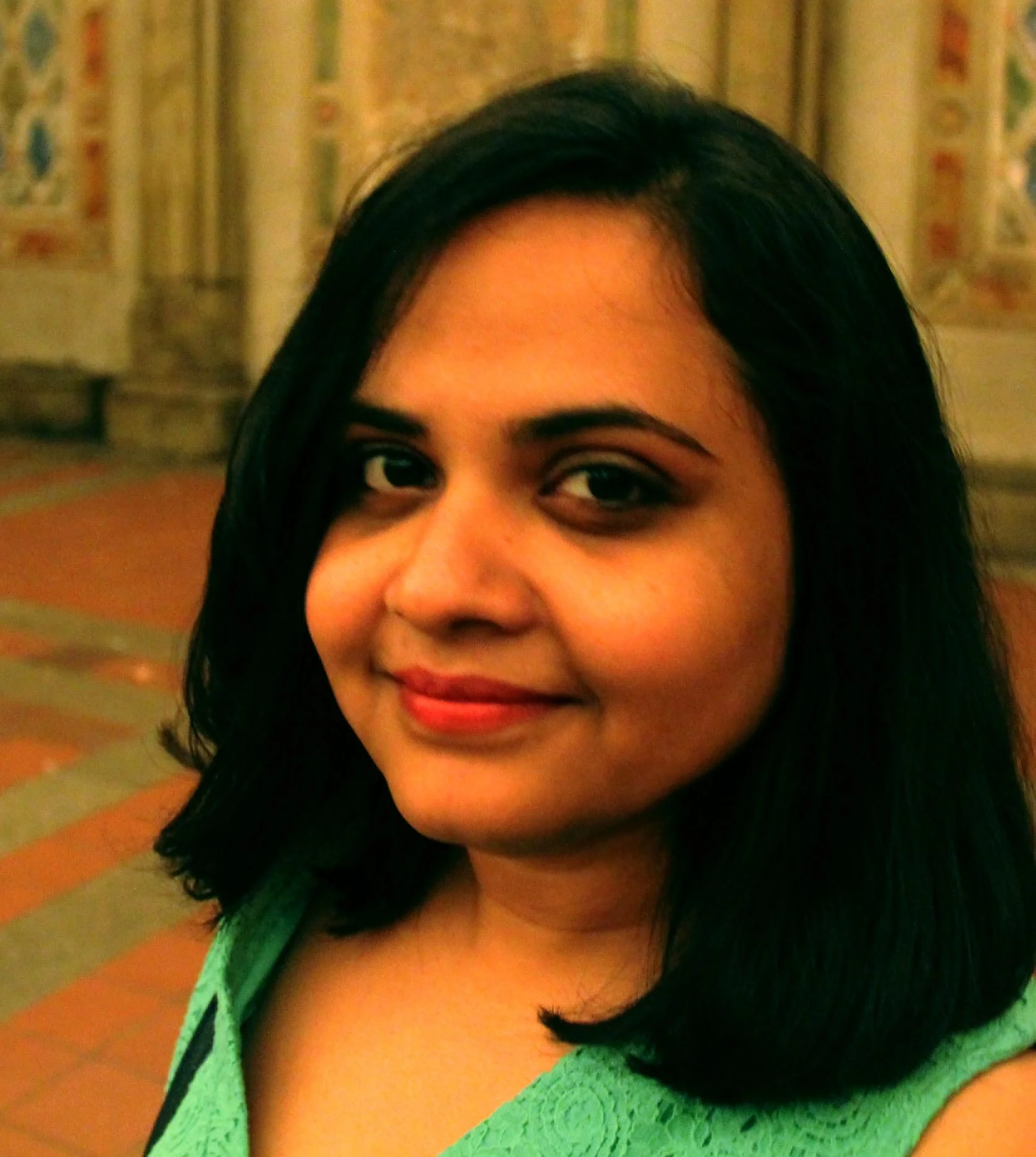
After completing her MS in Biotechnology from the Indian Institute of Technology, Neha Dagaonkar worked as Scientist in pharmaceutical sector for several years before transitioning to Molecular Diagnostics. She has a penchant for global health policy with respect to Economics and Race and Ethnicity. She works as Volunteer for several organizations with focus on Health Policy and Genomics. She is an active blogger and policy advocate for Global health, International relations and Health Economics.
Working Group Affiliation
Matthew Dias
Doctoral Student, Bioethics, Columbia University
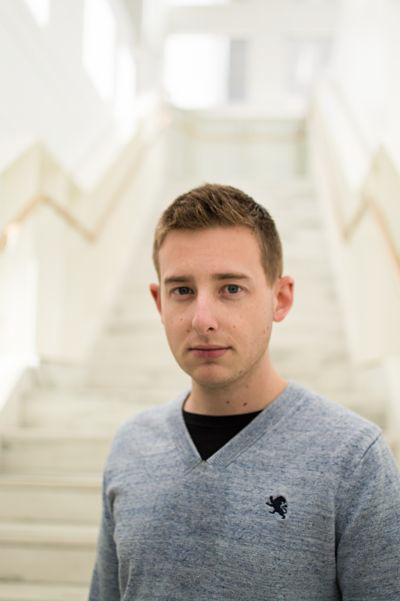
Matthew Dias is a researcher at the New York State Psychiatric Institute and graduate student in Columbia’s bioethics program. Matt’s scholarship focuses on clinical research ethics and advances in medicine that intersect law and public policy. He is actively involved in various healthcare innovation and precision medicine initiatives in New York City and beyond. To this end, Matt looks forward to sharing his distinct perspectives and insights with the Precision Medicine Project and its affiliates.
Matthew Dias
Graduate Student, Bioethics, Columbia University

Matthew Dias is a researcher at the New York State Psychiatric Institute and graduate student in Columbia’s bioethics program. Matt’s scholarship focuses on clinical research ethics and advances in medicine that intersect law and public policy. He is actively involved in various healthcare innovation and precision medicine initiatives in New York City and beyond. To this end, Matt looks forward to sharing his distinct perspectives and insights with the Precision Medicine Project and its affiliates.
Working Group Affiliation

Sarah Dugger
Graduate Student, Genetics and Development, Columbia University
Sarah Dugger is a PhD student in the Department of Genetics & Development, who is working in the laboratory of Dr. David Goldstein in the Institute for Genomic Medicine. Sarah is originally from Akron, Ohio and obtained her undergraduate degree in Biology and a Masters degree in Genetic Counseling from Case Western Reserve University. She was a practicing full time prenatal genetic counselor for four years at Miami Valley Hospital in Dayton, Ohio—an experience that sparked her interest in precision medicine research.
Sarah Dugger
Graduate Student, Genetics and Development, Columbia University

Sarah Dugger is a PhD student in the Department of Genetics & Development, who is working in the laboratory of Dr. David Goldstein in the Institute for Genomic Medicine. Sarah is originally from Akron, Ohio and obtained her undergraduate degree in Biology and a Masters degree in Genetic Counseling from Case Western Reserve University. She was a practicing full time prenatal genetic counselor for four years at Miami Valley Hospital in Dayton, Ohio—an experience that sparked her interest in precision medicine research. As a graduate student, she is now working to understand the underlying pathogenic mechanisms of a single patient’s severe, genetic form of epilepsy, with the long-term goal of identifying a potential treatment.
Working Group Affiliation

Katherine L. Ender
Assistant Professor, Pediatric Hematology, Oncology, and Stemcell Transplantation, Columbia University Medical Center
Dr. Katie Ender is a pediatric hematologist and assistant professor in the Division of Pediatric Hematology, Oncology, and Stem Cell Transplantation at Columbia University Medical Center. Her primary clinical expertise and research experience have focused on sickle cell disease. She has a Master’s of Science in Clinical Investigation from Northwestern University and is currently pursuing a Master’s of Science in Bioethics at Columbia University. Dr.
Katherine L. Ender
Assistant Professor, Pediatric Hematology, Oncology, and Stemcell Transplantation, Columbia University Medical Center
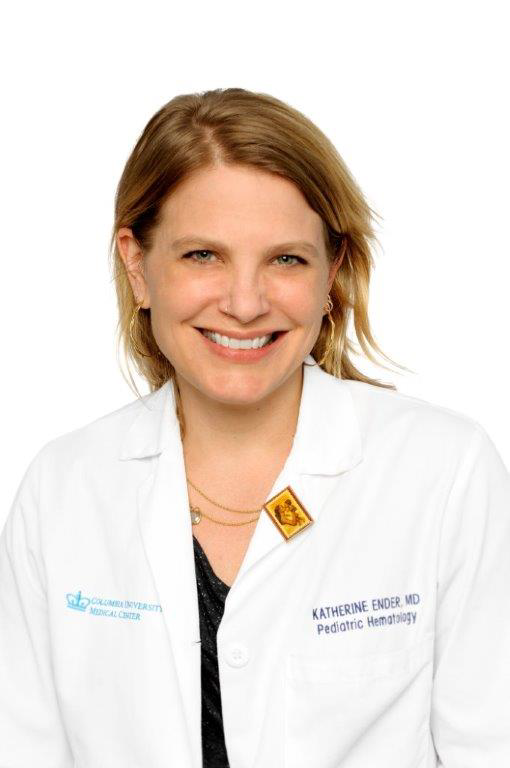
Dr. Katie Ender is a pediatric hematologist and assistant professor in the Division of Pediatric Hematology, Oncology, and Stem Cell Transplantation at Columbia University Medical Center. Her primary clinical expertise and research experience have focused on sickle cell disease. She has a Master’s of Science in Clinical Investigation from Northwestern University and is currently pursuing a Master’s of Science in Bioethics at Columbia University. Dr. Ender sees pediatric hematology patients at Columbia University Medical Center/Children’s Hospital of New York as well as at community affiliates Harlem and Lincoln Hospital Centers. In addition to teaching pediatric fellows and residents in the hospital and outpatient clinics, Dr. Ender is also faculty in the Foundations of Clinical Medicine course and Major Clinical Year Foundations program at Columbia University’s College of Physicians and Surgeons. She continues to collaborate with colleagues in clinical research that aims to improve the treatment of patients with sickle cell disease and is eager to begin contributing scholarly work in the field of Bioethics. She is a member of the Pediatrics Ethics Committee, the Program in Women & Children’s Bioethics Committee, and has just joined the Pediatric Clinical Ethics Consultation team. Dr. Ender is interested generally in the critical application of bioethical principles to medical care and policy and is especially excited to join the conversation about ethical considerations in the rapidly emerging field of Precision Medicine.
Working Group Affiliation
Gil Eyal
Professor, Department of Sociology, Columbia University
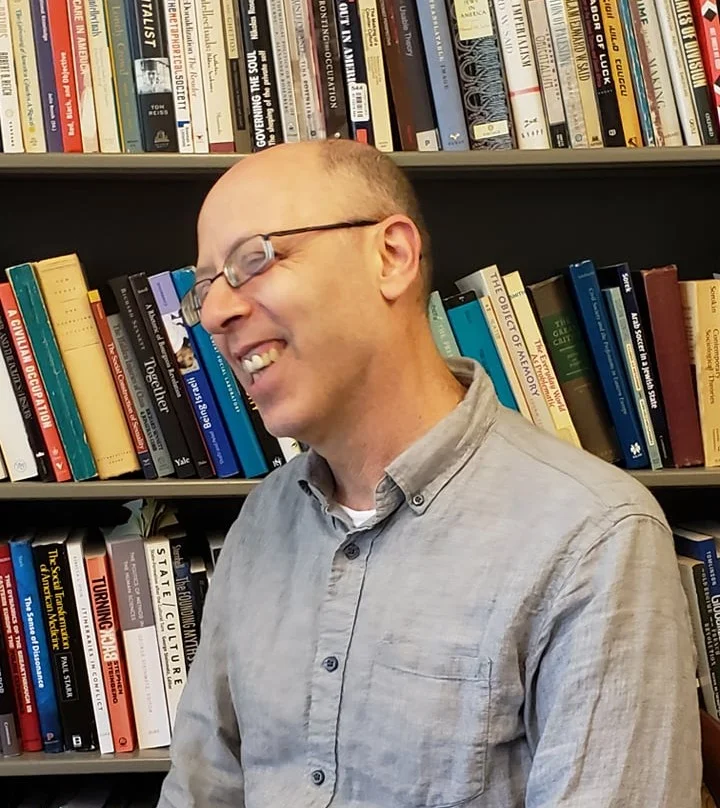
Gil Eyal is the director of the Precision Medicine: Ethics, Politics and Culture Project. He is a Professor of Sociology at Columbia University. Gil Eyal's work deals with sociology of expertise, intellectuals and knowledge, in particular as it relates to broader political processes and to the interstitial spaces between fields.
Gil Eyal
Professor, Department of Sociology, Columbia University
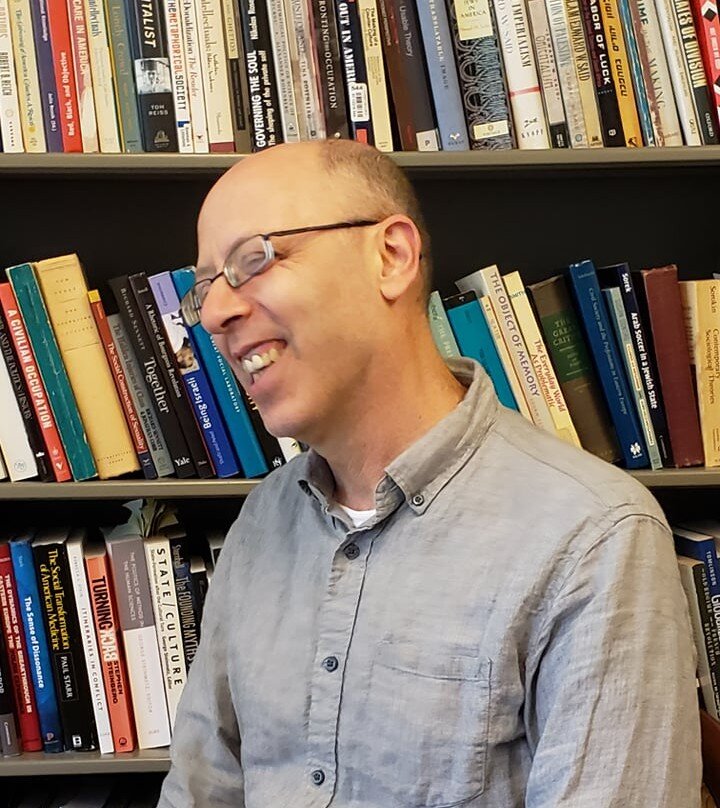
Gil Eyal is the director of the Precision Medicine: Ethics, Politics and Culture Project. He is a Professor of Sociology at Columbia University. Gil Eyal's work deals with sociology of expertise, intellectuals and knowledge, in particular as it relates to broader political processes and to the interstitial spaces between fields. In two early books he has dealt with the transition from socialism to capitalism in Eastern Europe, and the role played by intellectuals, technocrats and in particular economists in the process. (With Ivan Szelenyi and Eleanor Townsley) Making Capitalism without Capitalists. (London: Verso, 1998); The Origins of Post-Communist Elites: From the Prague Spring to the Breakup of Czechoslovakia. (Minneapolis: University of Minnesota Press, 2003). A later book dealt with expertise about Arab affairs and the role it plays in Israeli society, government and the military: The Disenchantment of the Orient. (Stanford: Stanford University Press, 2006). His latest book provides a sociological explanation for the current autism epidemic, and traces the blurring of boundaries between experts and laypeople that play a role in the dynamics leading to the epidemic. (With Brendan Hart, Emine Onculer, Neta Oren and Natasha Rossi) The Autism Matrix: The Social Origins of the Autism Epidemic. (Cambridge: Polity Press, 2010). The approach applied in this book is developed further in his recent article: "For a Sociology of Expertise: The Social Origins of the Autism Epidemic,” AJS Vol. 118, No. 4 (January 2013), pp. 863-907.
Working Group Affiliation
Precision Medicine: Ethics, Politics and Culture, Project Director

Diana Garofalo
PhD Student, Epidemiology, Mailman School of Public Health, Columbia University
Diana Garofalo is a doctoral student in Epidemiology, in the school of public health. Her background in biochemistry and genetics led her to be interested in using epidemiologic methods to understand underlying biological mechanisms in human disease, especially in rare diseases. She also briefly worked at a clinical genetic testing company that screened potential parents for recessive mutations linked to severe diseases. This experience deepened her interest in exploring the technical, ethical, and scientific challenges of using genomics in medicine, with specific concern about the potential worsening of disparities in health care.
Diana Garofalo
PhD Student, Epidemiology, Mailman School of Public Health, Columbia University

Diana Garofalo is a doctoral student in Epidemiology, in the school of public health. Her background in biochemistry and genetics led her to be interested in using epidemiologic methods to understand underlying biological mechanisms in human disease, especially in rare diseases. She also briefly worked at a clinical genetic testing company that screened potential parents for recessive mutations linked to severe diseases. This experience deepened her interest in exploring the technical, ethical, and scientific challenges of using genomics in medicine, with specific concern about the potential worsening of disparities in health care.
Working Group Affiliation

Danielle Goldman
Doctoral Student, Neuroscience and Behavior, Columbia University
Danielle Goldman is a current graduate student studying Bioethics at Columbia University with a focus on the intersection between neuroscience, genetics, and pediatric protections. She graduated with an undergraduate degree in Neuroscience and Behavior from Columbia University in 2016. Her interest in translational research was ignited when she was named an Intel (now: Regeneron) Science Talent Search finalist in 2012. Since then, she has only augmented and diversified her scientific curiosities.
Danielle Goldman
Graduate Student, Columbia University

Danielle Goldman is a current graduate student studying Bioethics at Columbia University with a focus on the intersection between neuroscience, genetics, and pediatric protections. She graduated with an undergraduate degree in Neuroscience and Behavior from Columbia University in 2016. Her interest in translational research was ignited when she was named an Intel (now: Regeneron) Science Talent Search finalist in 2012. Since then, she has only augmented and diversified her scientific curiosities. In addition to her graduate studies, she currently is a research associate in two laboratories at Columbia studying developmental trajectories of emotion regulation in youth, and prenatal biomarkers of neurodevelopmental risk. Danielle is ardently passionate about continuing her graduate studies in a PhD program that will allow her to integrate her interdisciplinary interests in neuroscience, genetics, bioethics, and developmental science.
Working Group Affiliation