

Alex Aleinikoff
Prof. Aleinikoff is University Professor and has served as Director of the Zolberg Institute since January 2017. He has written widely in the areas of immigration and refugee law and policy, transnational law, citizenship, race, and constitutional law.
Alex Aleinikoff
Prof. Aleinikoff is University Professor and has served as Director of the Zolberg Institute since January 2017. He has written widely in the areas of immigration and refugee law and policy, transnational law, citizenship, race, and constitutional law. His most recent book (co-authored with Leah Zamore) is The Arc of Protection: Reforming the International Refugee Regime. Previously, he held the position of United Nations Deputy High Commissioner for Refugees (2010-15) and was a professor at Georgetown University Law Center, where he also served as dean and Executive Vice President of Georgetown University. He received a J.D. from the Yale Law School and a B.A. from Swarthmore College and was inducted into the American Academy of Arts of Sciences in 2014.
Working Group: Refugee Cities
Susan Alshammari
A-B
Visiting Fellows
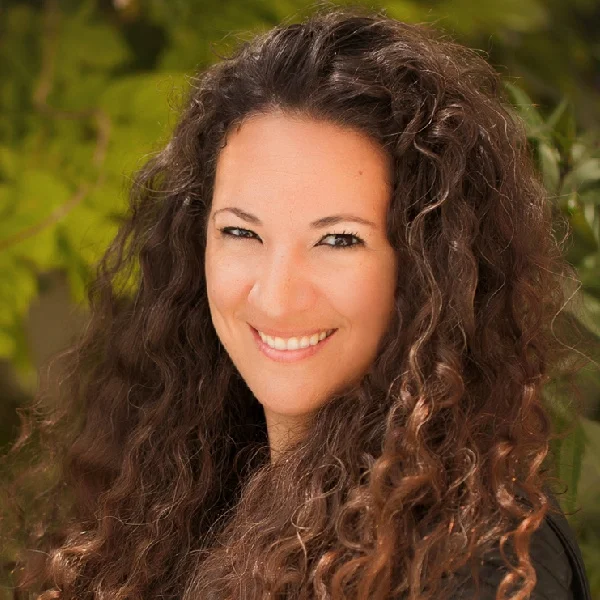
Fellow, Strategic Studies, University of Jordan
Sara Ababneh is Assistant Professor at the University of Jordan’s Center for Strategic Studies. She is the Refugee Studies Diploma and CSS Internship program coordinator, and she wrote her dissertation on female Islamists in Hamas in occupied Palestine and the Islamic Action Front in Jordan.
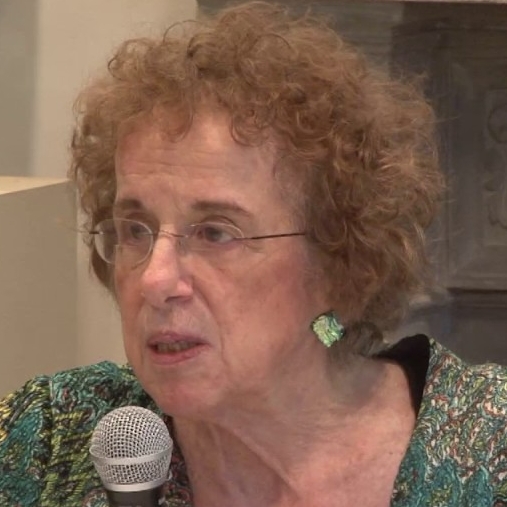
Fellow, Social Work, Hunter College
Mimi Abramovitz is Bertha Capen Reynolds Professor at the Silberman School of Social Work at Hunter College. She has published widely on issues related to women, poverty, human rights and the U.S Welfare State.
Fellow, Comparative Literature, Sabanci University
Hülya Adak is an Assistant Professor of Comparative Literature at Sabancı University. She has published essays on Ottoman-Turkish memoirs and biographies, national myths, gender and sexuality, and the Armenian deportations during World War I.
Fellow, International Studies and Diplomacy, SOAS University of London
Dr. Rebecca Adami, PhD is currently Research Associate at the Centre for International Studies and Diplomacy, SOAS University of London (School of Oriental and African Studies). Former Fulbright Scholar at the Department of Arts and Humanities, Teachers College as well as at the Institute for the Study of Human Rights, Columbia University.
Her post doc project titled “Women of the De

Fellow, Architecture, Academy of Architecture
Neera Adarkar is a practicing architect and a visiting faculty member in the Academy of Architecture, Rachana Sansad in Mumbai.Neera's concern in social, urban and gender issues has resulted in her associations with various civil society organizations in Mumbai.
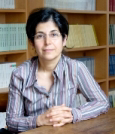
Fellow, Anthropology, Ecole des Hautes Etudes en Sciences Sociales
Fariba Adelkhah is Senior Research Fellow at Sciences Po in Paris. She received her Ph.D. in anthropology from Ecole des Hautes Etudes en Sciences Sociales (EHESS, 1989). An anthropologist, her main research interests focus on the relationships and interplay between social changes and political transformations throughout the second half of the 20th century in Iran.


Fellow, Social and Political Sciences, State Islamic University (UIN) Jakarta
Dina is an Endeavor Post-doctoral fellow at Melbourne Law School University of Melbourne. Dina earned her PhD also from the University of Melbourne writing a thesis on the work of Local Women’s NGOs in Reforming Islamic Law introduced in 1999 in the Province of Aceh. Dina’s research interests include women’s rights, women’s movement, Islamic education, international development, and legal reform in Muslim societies.
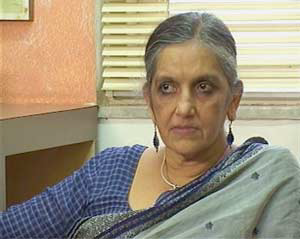
Fellow, Lawyer, MAJLIS
Flavia Agnes is a women's rights lawyer and writer and has been actively involved in the women's movement for the last two decades. She has written extensively on issues of domestic violence, feminist jurisprudence and minority rights. Her books are widely acclaimed and are popular among advocates, paralegal workers, law students and women who have been victims of domestic violence. Currently she co-ordinates the legal centre of MAJLIS and is also engaged in her doctoral research on Property Rights of Married Women with the National Law School of India.
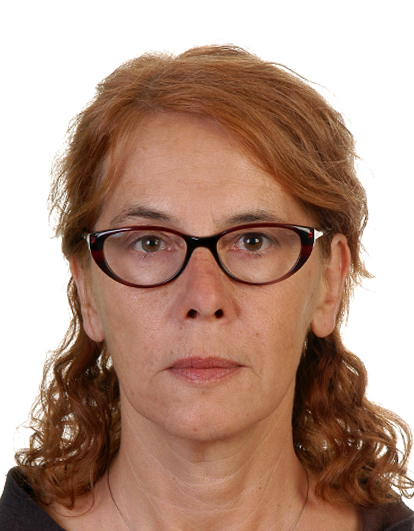
Fellow, Sociology, Boğaziçi University
Meltem Ahiska is Associate Professor in Sociology at Bogazici University, Istanbul. She has a PhD from the University of London.

Fellow, Anthropology, George Washington University
Dr. Attiya Ahmad is an Assistant Professor of Anthropology at the George Washington University (Washington DC, USA). Broadly conceived, her research focuses on the interrelation between gender, labour migration, diasporic formations, cosmopolitanism, and Islamic movements crosscutting the Arab Gulf States and South Asia. Dr.
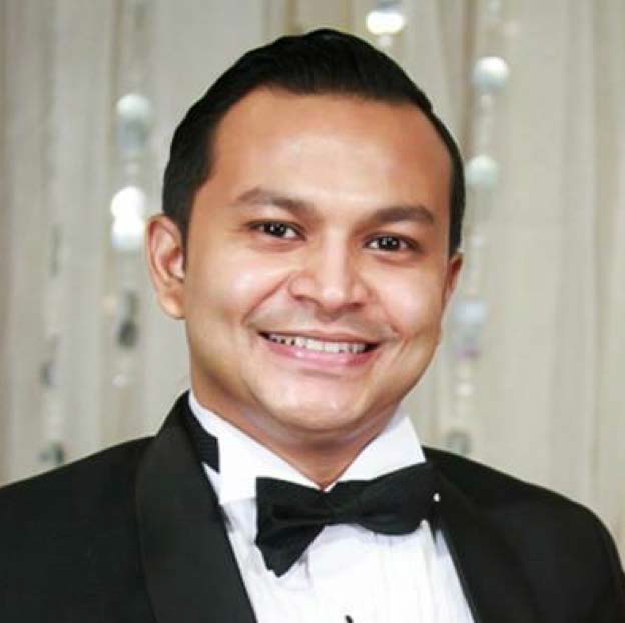
Fellow, Media and Journalism, Danish School of Media and Journalism in Denmark
Gazi Nafis Ahmed is an artist working with photography and video. Born in Dhaka, Bangladesh, he studied art and design at London Guildhall University, United Kingdom. He received his B.A. from Danish School of Media and Journalism in Denmark and his M.A. in fine arts photography from Istituto Europeo di Design Madrid in Spain, both on full scholarship. Ahmed was awarded at the international Pride Photo Award 2015 in Amsterdam for his series “Inner Face.”

Fellow, Gender Studies, SOAS University of London
Nadje Al-Ali is Professor of Gender Studies at the Centre for Gender Studies (CGS), SOAS University of London. She is currently chair of CGS and head of the Doctoral School at SOAS. Her main research interests revolve around feminist activism; transnational migration and diaspora moblization; war, conflict and peace; as well as art & cultural studies; mainly with reference to Iraq, Egypt, Turkey and the Kurdish political movement.

Fellow, Language and Communication, American University of Madaba
Wafa Al-Khadra is a university professor and experienced university administrator, currently serving as Dean of Faculty of Languages and Communication at the American University of Madaba.
Fellow, Economics, Mount Holyoke College
Nissreen Haram holds a B.A. in economics from Mount Holyoke College in Massachusetts and an M.A. in Islamic Studies from McGill University in Montreal. She has had a diverse career as a Trade Policy Advisor, Law Firm Director, Children’s Museum Director, and Artisan Cheese maker. She has also been member of the Yale Law School Middle East Seminar, and its organizing committee for more than 15 years. She is actively interested in Islamic legal and intellectual history, and contemporary approaches to religious reform.
Prof. Aleinikoff is University Professor and has served as Director of the Zolberg Institute since January 2017. He has written widely in the areas of immigration and refugee law and policy, transnational law, citizenship, race, and constitutional law.
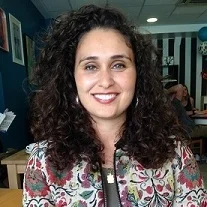
Fellow, Sociology, Rutgers
Zahra Ali is an Assistant Professor of Sociology at Rutgers, Newark. Her research explores women and gender issues in relation to Islam and the Middle East, as well as contemporary Muslim communities and Islamisms.
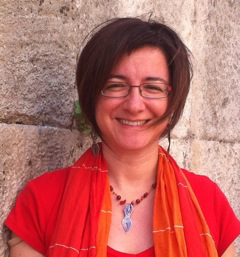
Fellow, Anthropology, Sabancı University
Ayşe Gül Altınay is the Director of SU Gender and Associate Professor of Anthropology teaching in the Gender Studies and Cultural Studies Programs at Sabancı University. Among the programs she coordinates at SU Gender are “Curious Steps: Gender and Memory Walks of Istanbul” and “Transformative Activism: Rethinking Gender and Politics.”
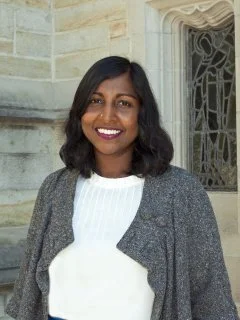
Fellow, Black Diasporic Art, Princeton University
I am an immigrant art historian, writer and curator. At Princeton University I hold the position of Assistant Professor of Black Diasporic Art with a joint appointment in the Departments of African American Studies and Art and Archaeology. I was born in Sri Lanka but later moved to Australia and New Zealand where I trained and worked as a Registered Nurse, a career that also took me to the United Kingdom and Ghana. After studying for a BA at the University of Western Australia I transitioned to a career in the humanities, completing my PhD in African American Studies and Art History at Yale University.

Fellow, Theater, Brooklyn College
Margaret Araneo-Reddy is a New York-based scholar and theatre artist. She is currently a doctoral candidate at the Graduate Center, City University of New York and an Instructor of Drama at New York University. Her current research focuses on the intersection of neuropsychology and popular performance in the late nineteenth and early twentieth centuries. Using a cultural model of disability, Margaret examines the ways the small forms of cabaret and vaudeville (in Paris and New York respectively) both represent and embody neurological diversity in performance.

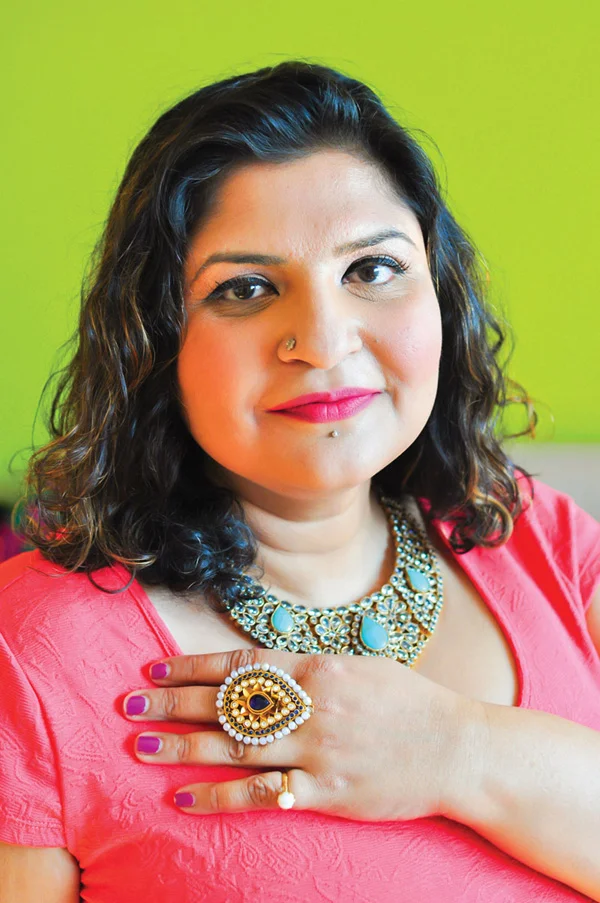
Fellow, Human Rights, International Youth Health and Rights at Advocates for Youth
Urooj Arshad is the Associate director of International Youth Health and Rights at Advocates for Youth. She manages a project of the International Division that builds the capacity of youth-driven organizations in Africa, Asia, Latin America, and the Caribbean to empower young people.

Fellow, Epidemiology and Population Health and Family and Social Medicine, Albert Einstein College of Medicine
Dr. Adrienne Asch is the Edward and Robin Milstein Professor of Bioethics and Director of the Center for Ethics at Yeshiva University, as well as Professor of Epidemiology and Population Health and Family and Social Medicine at the Albert Einstein College of Medicine. Dr. Asch provides overall leadership to the Center for Ethics. In addition, she teaches courses throughout the university on bioethics and professional ethics. She publishes widely in books and peer-reviewed journals and presents at conferences throughout the world on issues related to her teaching and research.

Fellow, Social Anthropology, Panteion University of Social and Political Sciences,
Athena Athanasiou teaches at the Department of Social Anthropology at Panteion University of Social and Political Sciences, in Athens, Greece. She has studied history, archaeology and philosophy at the Universities of Athens and Thessaloniki, Greece. She has received her Ph.D. in Social Anthropology from the New School for Social Research, in New York, and was a postdoctoral fellow at the Pembroke Center for Teaching and Research on Women, at Brown University, USA (2001-2002).
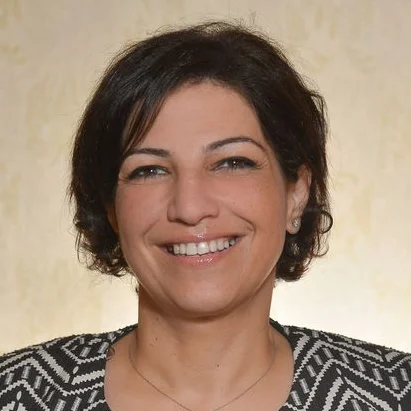
Fellow, Executive Director, Justice Center for Legal Aid in Jordan
Hadeel Aziz is the Executive Director of the Justice Center for Legal Aid in Jordan. In 2008, Hadeel pioneered free legal assistance in Jordan when she left a multi-million dollar USAID project on the rule of law to co-found the Justice Center for Legal Aid (JCLA).
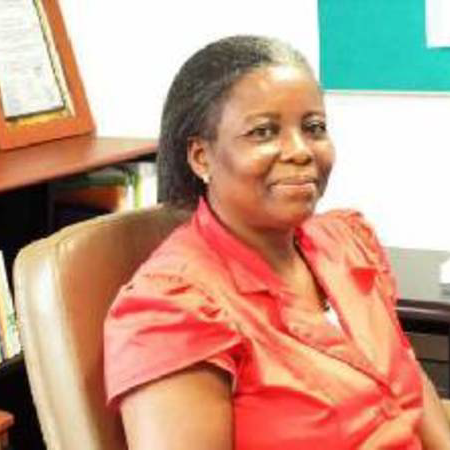
Fellow, Geography, University of Ghana
Delali Margaret Badasu is a Senior Research Fellow at the Regional Institute for Population Studies, University of Ghana. She specializes in demography, geography, and medical geography.

Fellow, Urban Studies, University of London
Kamal Badhey (she/her) is a photographer, artist-educator and independent curriculum designer of South Asian ancestry with an MA in Photography and Urban Cultures from Goldsmiths, University of London, and an MS in Museum Education from Bank Street College. She is a member of the Urban Photographers Association and South Asian Women’s Creative Collective. Her work intersects with diaspora, using photography, oral storytelling, and family history to stitch together stories. It follows the Telugu saying, ’Katha kanchiki, manam intiki’, ‘The story goes far far away, and now we are back in our homes’. Her project Portals and Passageways, exhibited internationally traces her jeweler ancestor and great great grandfather Annam Rathnaiah from unknown origins to a former British colonial bazaar in Secunderabad, India. Kamal brings two decades of experience collaborating with youth and adults in public schools, transitional housing, community centers, civic engagement, and universities. She was a Lewis Hine Documentary Fellow and a Claremont Documentary Fellow.
C-D
Visiting Fellows
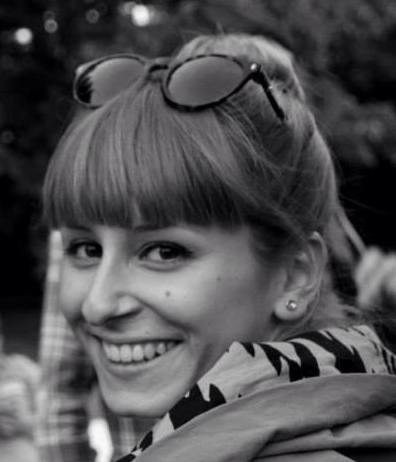
Fellow, Cultural Studies, Sabancı University
Dilara Çalışkan is currently working at Sabancı University’s Gender and Women’s Studies Forum. In 2014, she graduated from Sabancı University’s Cultural Studies Master Program with a thesis titled “Queer Mothers and Daughters: The Role of Queer Kinship in the Everyday Lives of Trans Sex Worker Women in Istanbul.” Since 2010, she has been involved with Istanbul’s LGBTI Solidarity Association, which particularly focuses on human rights violations based on sexual orientation and gender identity, opposes the criminalization of sex work, and supports its recognition as work.

Fellow, African American Studies and American Studies, Yale University
Hazel Carby is the Charles C. and Dorothea S. Dilley Professor of African American Studies, Professor of American Studies, and Director of the Initiative on Race Gender and Globalization at Yale University. Her books include Reconstructing Womanhood (OUP, 1987), Race Men (Harvard, 1998), and Cultures in Babylon (Verso, 1999).

Fellow, History and Literature, Harvard University
Todd Carmody is a Lecturer on History & Literature at Harvard University, where he teaches broadly in nineteenth- and twentieth-century American and African American literature and in disability studies. He previously held an ACLS New FacultyFellowship in UC Berkeley’s Department of English and a Sheila Biddle Ford Foundation Fellowship from Harvard’s W.E.B.

Fellow, English, Fordham University
Leonard Cassuto, a professor of English at Fordham University, has been teaching and writing about disability since Rosemarie Garland-Thomson lighted his path into the field more than fifteen years ago. His most recent piece is “Disability Studies 2.0,” which appeared in American Literary History in 2010.
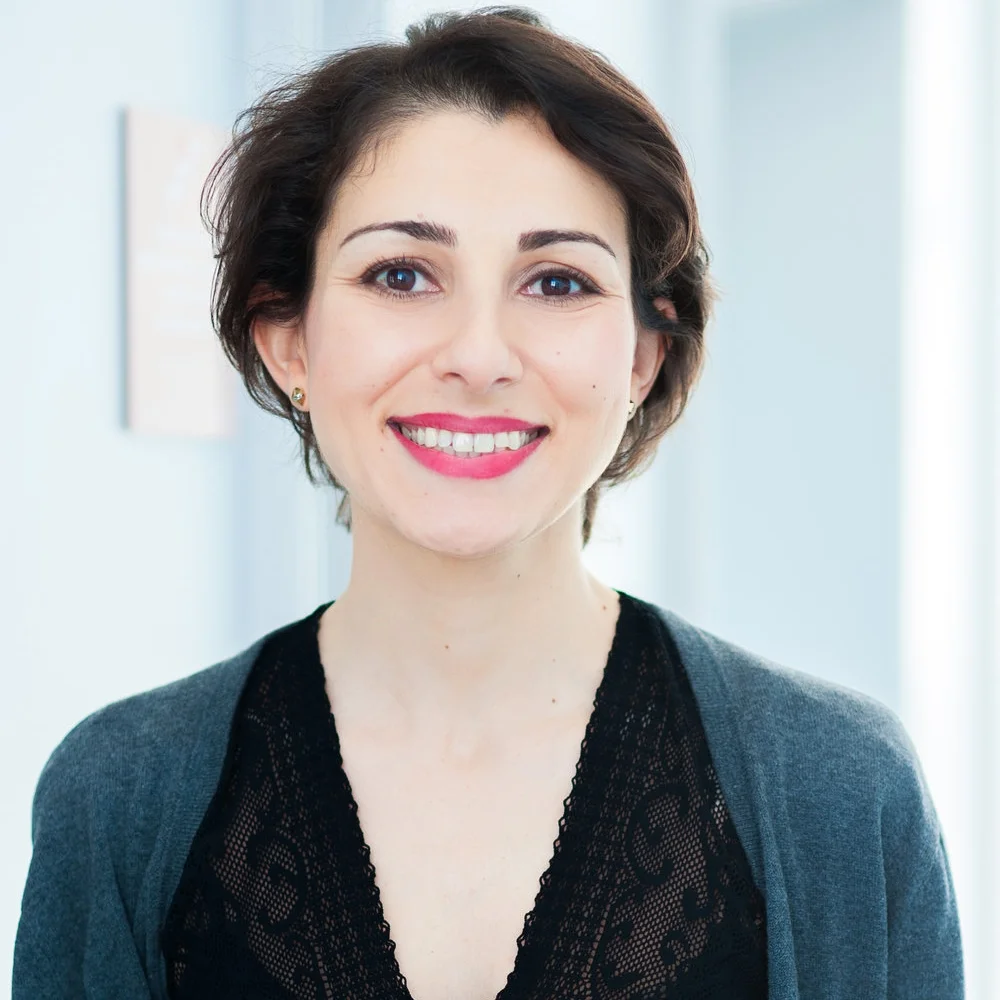
Fellow, Economics, London School of Economics
As Senior Program Manager at Columbia Global Centers | Istanbul, Rana Zincir Celal worked with Columbia University faculty to design and implement collaborative programs in Turkey.In Cyprus, she was involved in establishing the Home for Cooperation, producing art exhibitions on contested histories, developing educational materials on enforced disappearance with The Elders and the International Center for Transitional Justice, and advocating for a gender perspective in the peace process.

Fellow, Anthropology, Hunter College
Ruchi Chaturvedi received her Ph.D. in Anthropology from Columbia University in 2007. Ruchi’s research focuses on questions of political violence, popular politics and its contentious relationship with the ideology and institutions of liberal democracy. The lifeworlds of local level political workers of the Marxist Left and Hindu Right in Kerala, South India, their acts and experiences of violence, and the criminal courts where these workers have been tried have been Ruchi’s key ethnographic resources so far.

Fellow, Architecture, National University of Singapore.
Lilian Chee is an Associate Professor at the National University of Singapore. She is the author of Architecture and Affect: Precarious Spaces (2019) and co-editor of Asian Cinema and The Use of Space (2015). She conceptualized, researched and collaborated on the award-winning architectural essay film about single women occupants in Singapore’s public housing 03-FLATS (2014). Her work is situated at the intersections of architectural representation, gender, and affect in a contemporary interdisciplinary context.
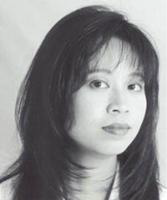
Fellow, English, Princeton
Anne Anlin Cheng is Professor of English and the Associate Chair in the Department of English and a core faculty in the Center for African American Studies at Princeton University. She specializes in race studies and psychoanalytic theory and works in twentieth-century American literature, with special focus on Asian American and African American literatures. She is the author of The Melancholy of Race: Assimilation, Psychoanalysis, and Hidden Grief (Oxford University Press), which explores the notion of racial grief at the intersection of culture, history, and law.

Fellow, English, Hunter College
Sarah Chinn teaches nineteenth century literature at Hunter College, CUNY. Her work primarily explores questions of race, embodiment, sexuality, and gender in U.S. literature and culture, particularly in the 19th century. She is the author of Technology and the Logic of American Racism: A Cultural History of the Body as Evidence (Continuum, 2000) and The Invention of Modern Adolescence: Children of Immigrants in Turn-of-the-Century America (Rutgers University Press, 2008).
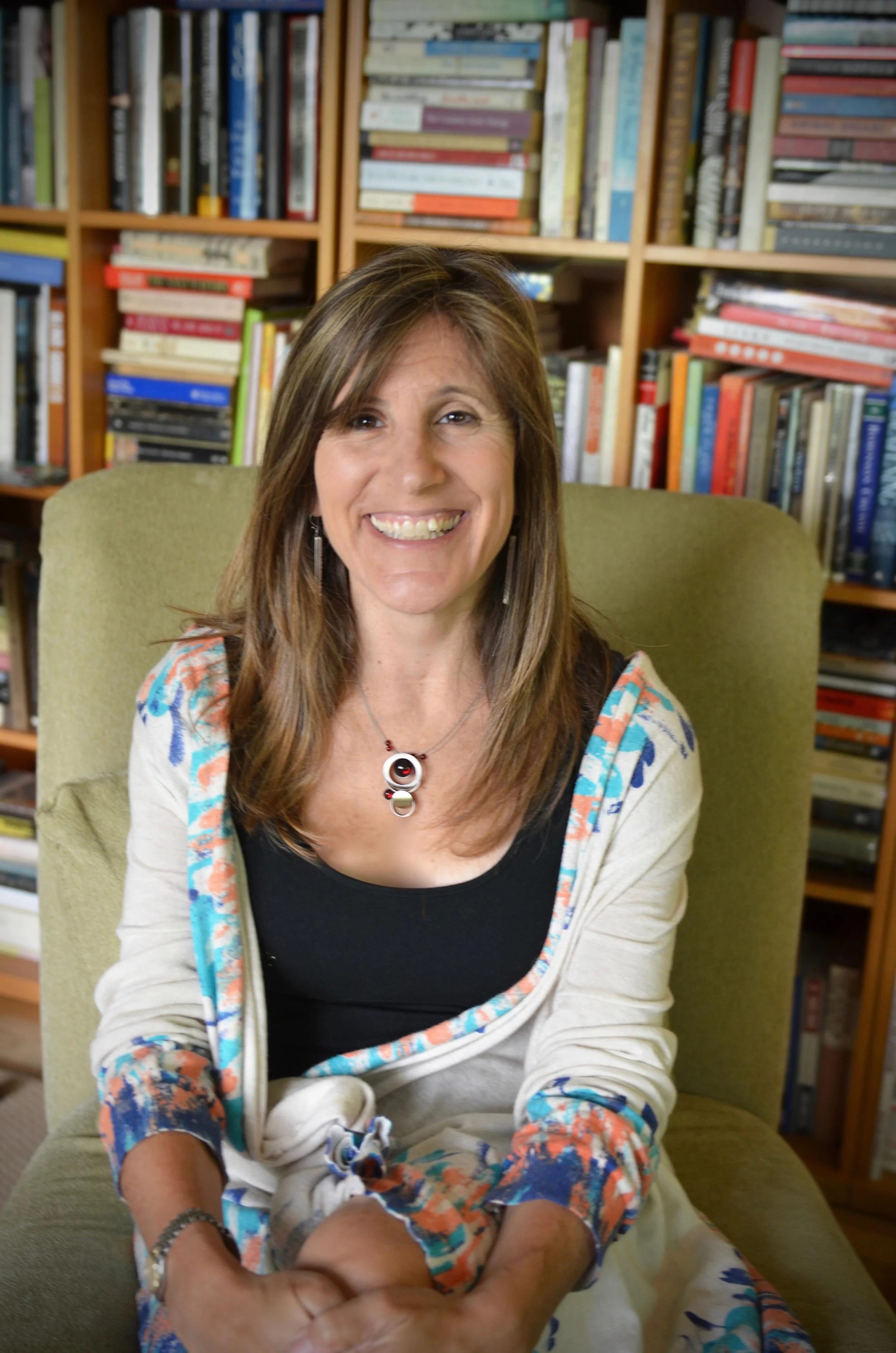
Fellow, Women, Gender, Sexuality Studies, University of Massachusetts Amherst
Laura Ciolkowski’s teaching and research interests include gender & sexuality studies, feminist pedagogies, social justice movements, literary and cultural theory, the literature and theory of mass incarceration, and sexual and gender-based violence.
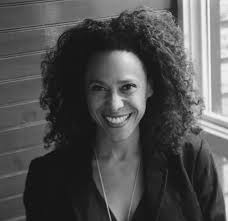
Fellow, Writing and New Media, MIT
Beth Coleman is Assistant Professor of Writing and New Media in the Program in Writing and Humanistic Studies and Comparative Media Studies. She is faculty director of the C3 game culture and mobile media initiative. Her fields of research interest include new media, contemporary aesthetics, electronic music, critical theory and literature, and race theory. Under the name M. Singe, she co-founded the SoundLab Cultural Alchemy project, established in 1995.
Fellow, Education, Hunter College, CUNY
David J. Connor is an Associate Professor in the School of Education of Hunter College, CUNY. He is the author of three books and numerous articles on disability and education. David's areas of interest include teacher education, learning disabilities, inclusive education, and social justice issues. For the last decade he has contributed to the development of the growing field of Disability Studies in Education.

Fellow, Inclusive Policies, Tata Institute of Social Sciences Centre
Qudsiya Contractor is an Assistant Professor at the Tata Institute of Social Sciences Centre for Study of Social Exclusion and Inclusive Policies, School of Research Methodology.
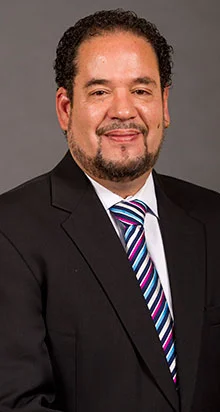
Fellow, History, Florida International University
Dr. Cornelius's research examines the development of “racial science” during the nineteenth century. Her book manuscript titled /'More Approximate to the Animal:' African American Men and Women’s Resistance to the Rise of Scientific Racism in Mid-Nineteenth Century America/ provides a gendered analysis of the ways in which African Americans - enslaved and free, lettered and illiterate - addressed scientific theories of racial differences.

Fellow, Disability Studies, Hofstra University
G. Thomas Couser retired in 2011 from Hofstra University, where he was a professor of English and founding director of the Disability Studies Program.

Fellow, African American Studies and Anthropology, Yale University.
Aimee Meredith Cox is an Associate Professor in the departments of African American Studies and Anthropology at Yale University. She is the editor of Gender: Space (MacMillan) and co-editor of a special issue of Public: A Journal of Imagining America on art and knowledge production in the academy. Cox’s first monograph, Shapeshifters: Black Girls and the Choreography of Citizenship (Duke 2015), won a 2016 Victor Turner Book Prize in Ethnographic Writing.
Fellow, Feminist, Gender, and Sexuality Studies, Wesleyan University
Christina Crosby has worked at Wesleyan University since 1982, where she is Professor of English and Feminist, Gender, and Sexuality Studies. Her subfields are Victorian studies and Feminist Studies. She has published The Ends of History: Victorians and the 'Woman Question' and essays and reviews in Victorian Studies, PMLA, College English, and elsewhere.
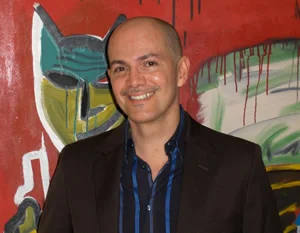

Fellow, Photography, School of Visual Arts
Jordan Corine Cruz (b. 1993) is a Puerto Rican interdisciplinary artist working in sculpture, installation, photography, video, and sound. Using traditional materials, imagery, and layered sound as cultural signifiers, Cruz creates interactive spaces and objects that focus on the intersections between self-identification, labor, gender, and displacement.
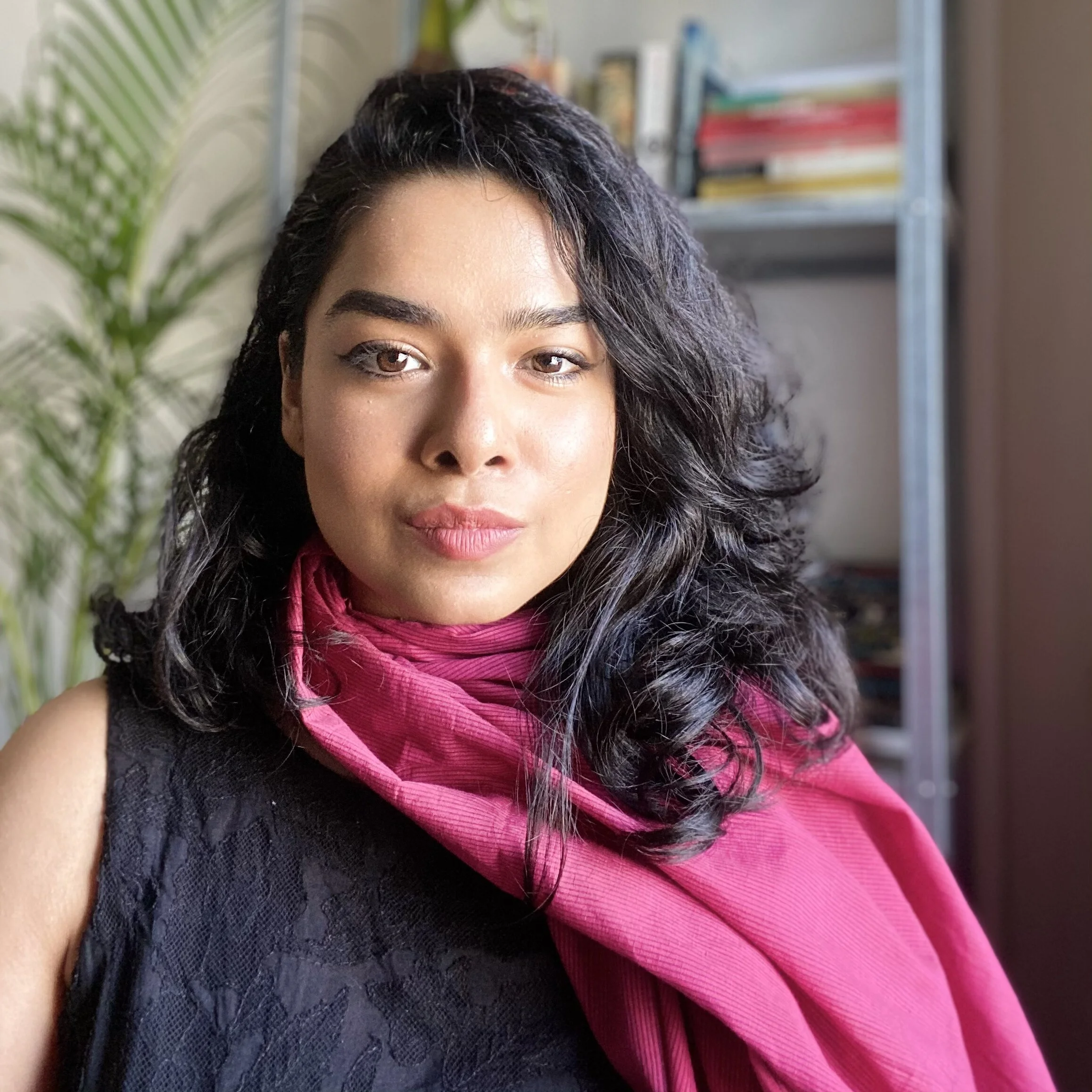

Fellow, Social Sciences, Rural University of Rio de Janeiro
Professor at the Três Rios Institute at the Federal Rural University of Rio de Janeiro. PhD in Social Sciences (PUC / Rio). Master in Social Sciences (PPCIS / UERJ). Post-doctorate by the Department of World Language and International Studies (Morgan State University / USA).
Fellow, Portuguese, Rutgers University
Daniel da Silva’s research specializes in gender, sexuality, race, performance and popular music in the Portuguese-speaking world. His forthcoming book, Trans Tessituras: Transatlantic and Transgender Luso-Afro-Brazilian Popular Music analyzes popular music iterations of transgender voices in Brazil, Portugal and Angola to show how they amplify and refigure the gendered conventions of Portuguese-language popular music genres by pulling at national and transatlantic histories of race, gender and sexuality.
Fellow, English, University of Illinois at Chicago
Lennard J. Davis is Professor in the English Department in the School of Arts and Sciences at the University of Illinois at Chicago, where he had also served as Head. In addition, he is Professor of Disability and Human Development in the School of Applied Health Sciences of the University of Illinois at Chicago, as well as Professor of Medical Education in the College of Medicine. He is also director of Project Biocultures a think-tank devoted to issues around the intersection of culture, medicine, disability, biotechnology, and the biosphere.

Fellow, Sustainability, Columbia University
Over 16 years of experience as project coordinator in Information and Communication Technologies (ICTs), Sustainability, Social Responsibility, Sociocultural and Socioenvironmental Education and research. Coordination of +50 long, medium and short term projects in the areas of human rights, social memory, community media, environment, preservation of material and immaterial cultural heritage, with wide experience in complex environments such as conflict zones, isolated communities and extreme poverty.

Fellow, Art Studies, Kulturakademie Tarabya
The artist is the granddaughter of Armenian immigrants to Argentina and was born in Buenos Aires in 1967. Since 1988 she has lived in Berlin. Her artistic work deals with issues related to the burden of national identity, memory, the role of minorities in the society and the potential of a space "in between". Her work uses a very heterogeneous language (installation, video, sound installation, rugs).
Fellow, Law History, Emory
Deborah Dinner is a legal historian whose scholarship examines the interaction between social movements, political culture, and legal change. Dinner’s research focuses in particular on how law responds to vulnerabilities that derive from familial and employment relationships, at home and at work. Her courses and curricular interests include Property, the Fourteenth Amendment, Family Law, Employment Discrimination, and Legal History.

Fellow, English, New York Institute of Technology
Elizabeth J. Donaldson is Associate Professor of English at New York Institute of Technology, where she teaches courses in American literature, writing, and medical humanities. She has published essays on mental illness in film, antipsychiatry in Lauren Slater’s memoirs, physiognomy and madness in Jane Eyre, teaching Melville online, and the poetry of Amy Lowell, among other subjects. She is a member of the editorial board of the Journal of Literary and Cultural Disabilities Studies and is co-editor (with Catherine J.

Fellow, Political and Social Philosophy, Vincennes/St. Denis Paris 8 University
Elsa Dorlin is Professor of political and social philosophy at the department of political science and involved in the department of women’s studies and gender and sexuality studies at Vincennes/St. Denis Paris 8 University (France). Dorlin specializes in feminist philosophy and theory and historical epistemology of sexuality. Dorlin’s research also focuses on critical theory and postcolonial studies.
E-F
Visiting Fellows
Fellow, Government and Economics, London School of Economics
Matias Echanove is co-founder of the urbz collective along with Rahul Srivastava and Geeta Mehta, which has offices in Mumbai, Geneva and Bogota. He has studied government and economics at the London School of Economics, urban planning at Columbia University, and urban information systems at the University of Tokyo.

Fellow, Photography, Boston University
Bikem Ekberzade is a photojournalist who focuses on forced migration in forgotten conflicts. She started her career as a videographer in United States, and soon continued her profession as a photojournalist in the U.S. and worldwide. She has worked for numerous international news outlets such as CNN International, Newsweek, Businessweek, Der Spiegel and The Christian Monitor.
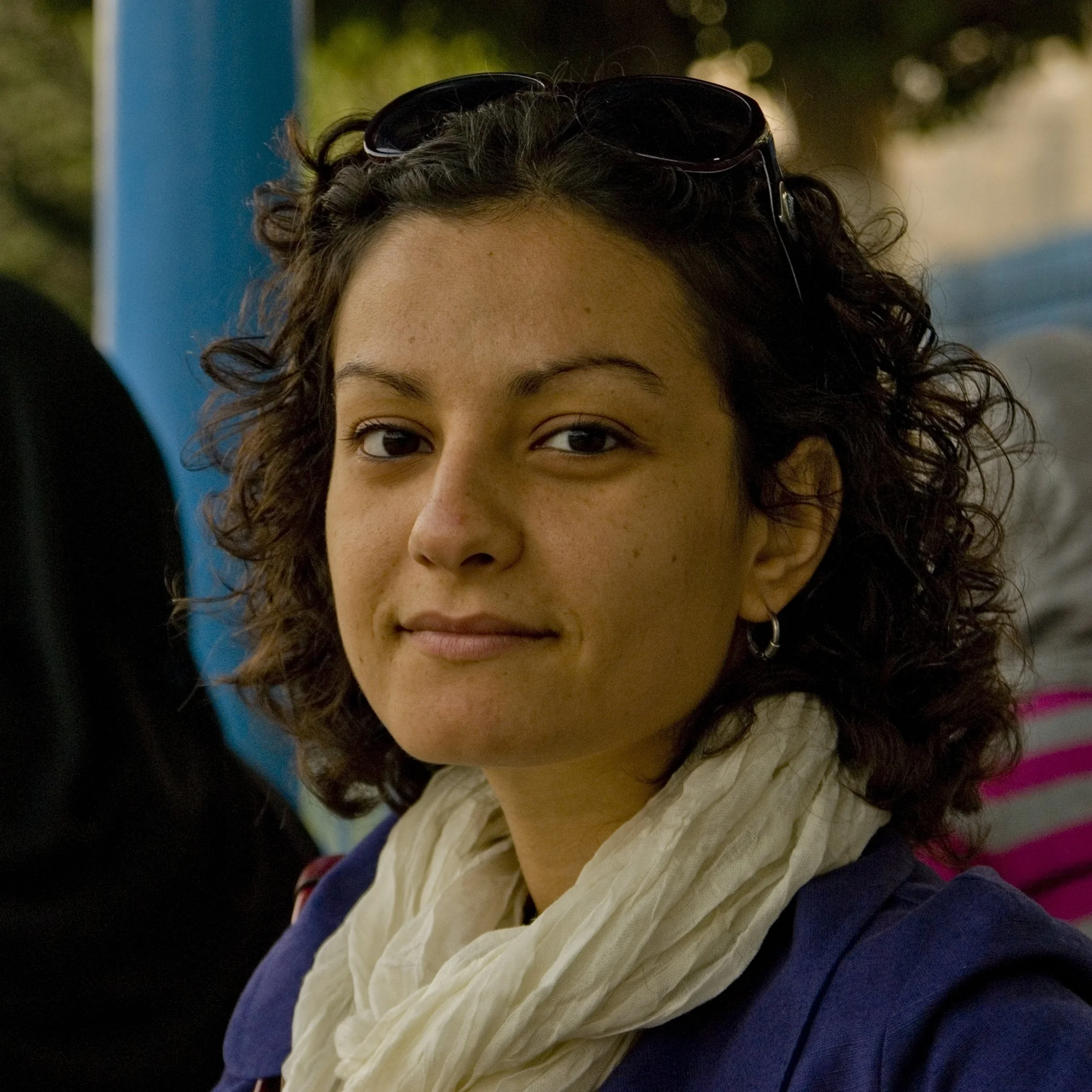
Fellow, Political Science, The American University, Cairo
Yasmin El-Rifae is a writer, researcher and cultural producer. She lives in New York and Cairo. Yasmin is a Middle East and North Africa research associate at the Committee to Protect Journalists. Previously, she worked in journalism and human rights in Egypt, focusing on the struggle against sexual harassment. She holds a B.A. in Political Science from The American University of Cairo and a graduate diploma in Law from the City University in London.
Fellow, Department of Social and Cultural Analysis, New York University
Julie Passanante Elman is a Visiting Assistant Professor in New York University's Program in Gender and Sexuality Studies within the interdisciplinary Department of Social and Cultural Analysis. While at NYU, Elman has developed the university's first-ever undergraduate course in disability studies and served as a member of the NYU Council for the Study of Disability. Elman received her Ph.D. in American Studies from The George Washington University in 2009. Her research focuses broadly on 20th century media and cultural history, American literature, queer theory and disability studies.
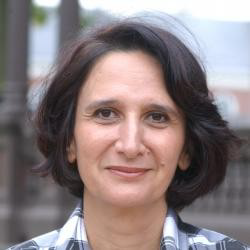
Fellow, English and Comparative Literature, Faculty of Arts, Cairo University
Dr. Elsadda is a leading scholar of women’s rights in Egypt and the Arab World, and a professor of English and Comparative Literature at Cairo University. With degrees from both Cairo University and the American University, she taught Comparative Arabic Studies at the University of Manchester from 2005 to 2011. In the past, she fought for changes in the country’s marriage laws and was member of the 50- committee for drafting the constitution in 2013. She is currently Chair of the Board of the Women and Memory Forum and Vice-President of the Egyptian Social Democratic Party.

Fellow. Philosophy and Political Science, Boğaziçi University
Pınar Ensari did her undergraduate study at Boğaziçi University and graduated from departments of Philosophy and Political Science and International Relations (double major program) in 2010. She finished her graduate study in the Cultural Studies MA program at Sabancı University in 2012 with a thesis titled “At the Crossroads of Eduation and Politics: Kurdish Women Studens in İstanbul”. Currently, she is working as a teaching assistant at Sabancı University, while also pursuing my studies in research areas such as ethnicity, gender, urban studies and anthropology of youth.
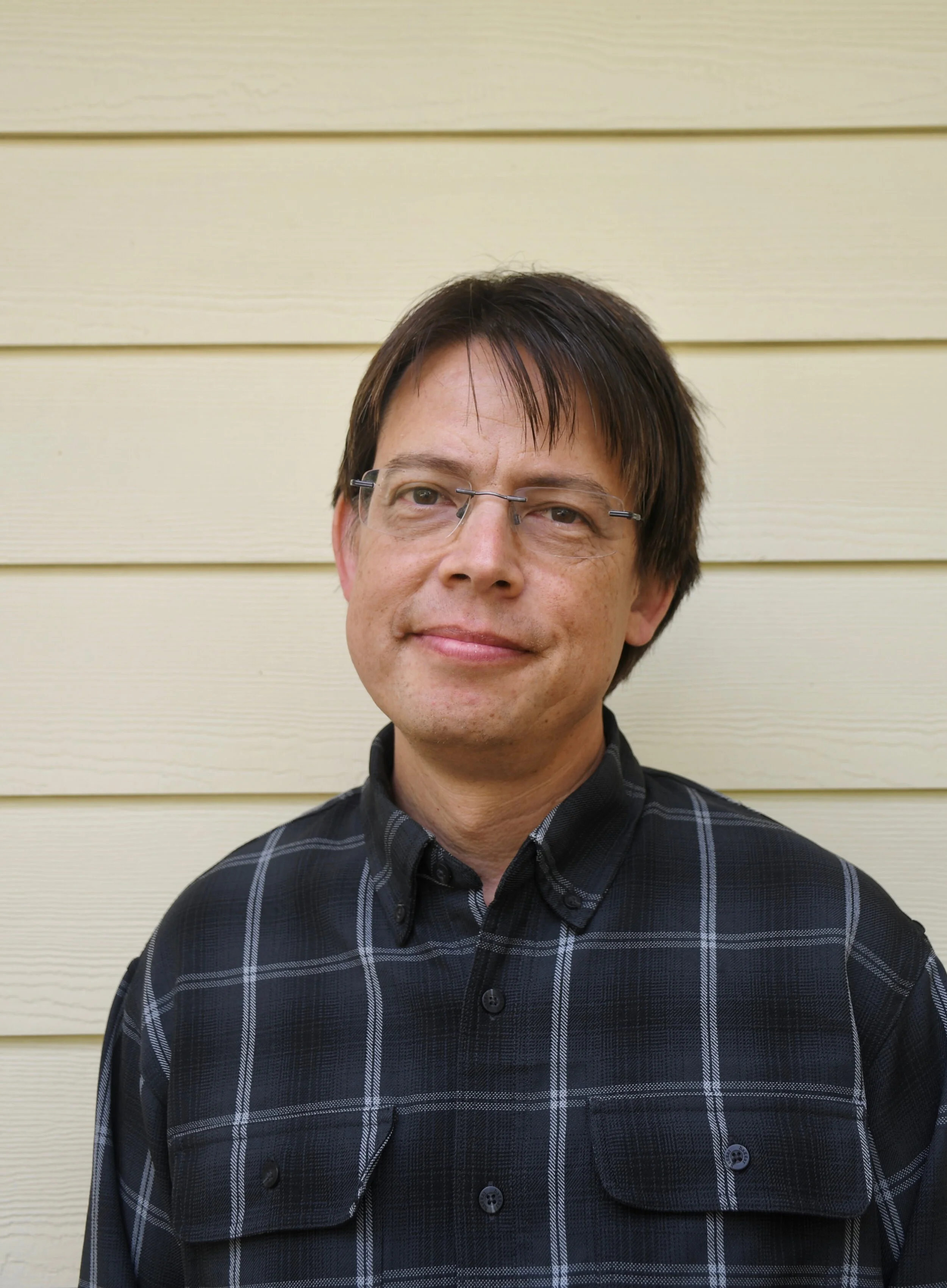
Fellow, Creative Nonfiction, Oregon State University
George Estreich's publications include a book of poems, Textbook Illustrations of the Human Body, which won the Gorsline Prize from Cloudbank Books; the Oregon Book Award-winning memoir The Shape of the Eye; and Fables and Futures: Biotechnology, Disability, and the Stories we Tell Ourselves, which NPR's Science Friday named a Best Science Book of 2019. Estreich has also published prose in The New York Times, Salon, The American Medical Association Journal of Ethics, Tin House, and McSweeney’s Internet Tendency.
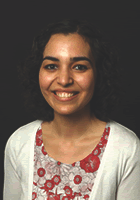
Fellow, Interculturalism, Migration and Minorities, Research Center, KULeuven
Nadia Fadil studied sociology and anthropology and works as an Assistant Professor at the Interculturalism, Migration and Minorities Research Center at KULeuven. Her research interests are situated at the intersection of religion, subjectivity, secular and liberal governmentality and multiculturalism, with Islam in Europe as specific empirical focus. A first thread of her work investigates the question of subjectivity, in which she looks at the ethical self-cultivation of pious and secular Muslims in Belgium.
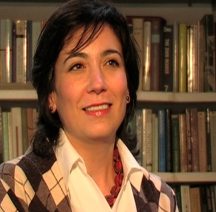
Fellow, Género y Cultura, Universidad de Chile.
Professor Soledad Falabella Luco is the director of ESE:O, a non-profit organization which promotes performative writing projects, and the teaching and practice of writing to empower learning communities with effective skills for local and global participation in knowledge production and circulation. She teaches feminist critical theory, performance and poetry at the Magíster en Género y Cultura, Universidad de Chile.

Fellow, Multimedia History, Harvard University
Seth Fein's work studies international and transnational histories, much of it focused on audiovisual culture in the Americas. It has moved from the page to the screen. In 2014-2015 he is a Fellow in Multimedia History at Harvard's Charles Warren Center, where he will develop Our Neighborhood, a documentary that examines Washington's intervention in Latin American television as cultural counterinsurgency against the Cuban Revolution across the 1960s; he has published an e


Fellow, Women, Gender, Sexuality, University of Virginia
Cori Field has been an adjunct faculty member in the Department of History and the Program in Women, Gender, and Sexuality at the University of Virginia since 2007. Her research focuses on the intersection of gender, race, and age in the nineteenth-century United States. She is currently co-editing a volume on the historical significance of chronological age for New York University Press.
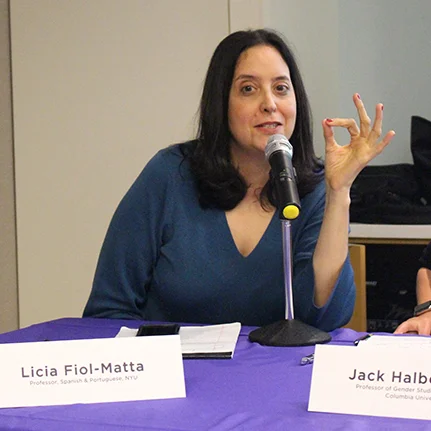
Fellow, Spanish and Portuguese, New York University
Licia Fiol-Matta is Professor of Spanish and Portuguese at New York University. She received an AB from Princeton University and a PhD from Yale University, both in Comparative Literature. Prior to joining NYU she taught at Barnard College and the City University of New York.
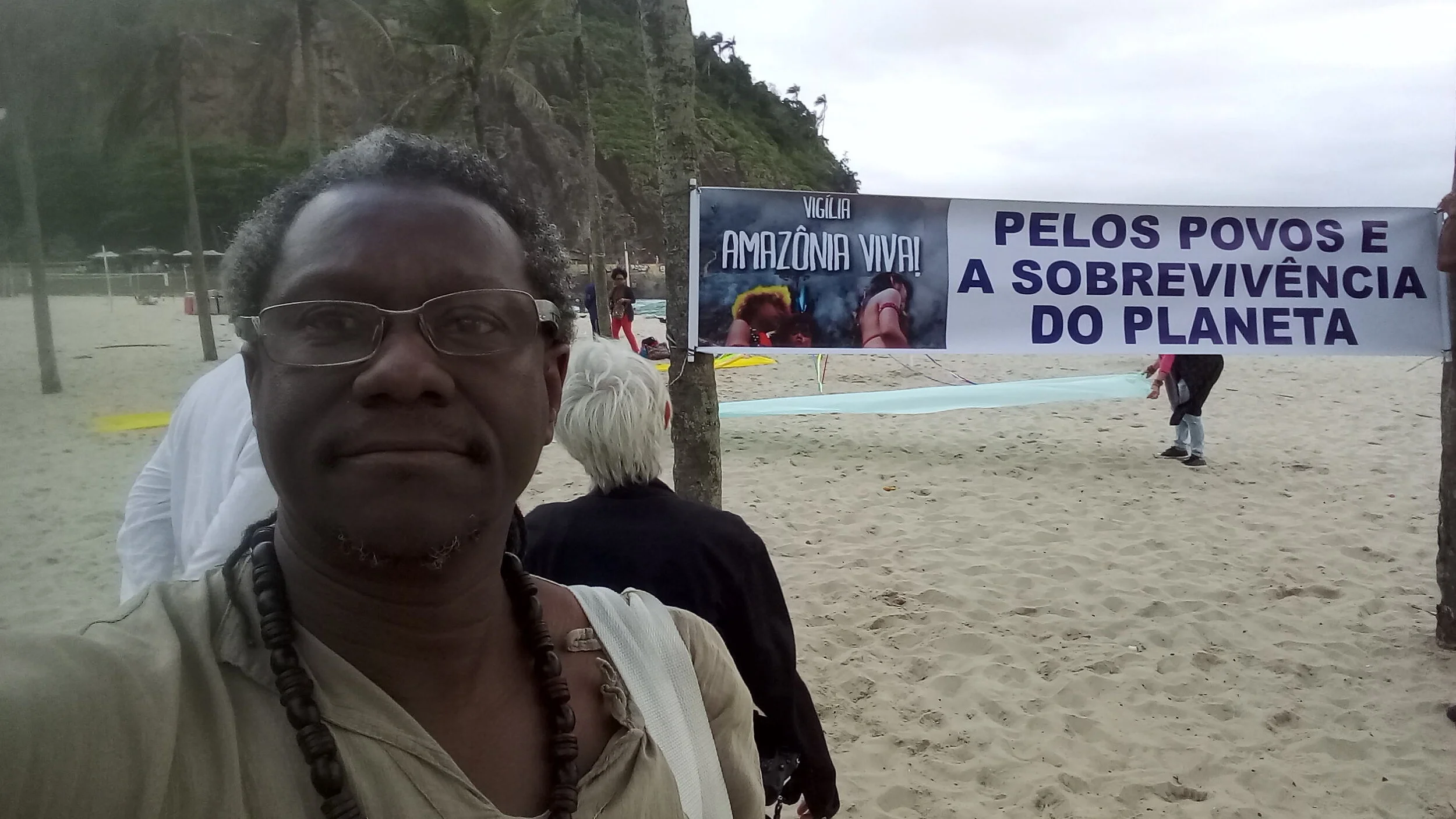
Fellow, Geographer, Social Action Padre Anchieta (ASPA)
Antonio Carlos Firmino is a founding member of the Sankofa Museum of Memory and History of Rocinha. He is a geographer, and coordinator of one of the oldest institutions of the Favela da Rocinha, the Social Action Padre Anchieta (ASPA).

Fellow, Spanish and Portuguese, Comparative Literature, New York University
Sibylle Fischer (Ph.D. Columbia) is Associate Professor of Spanish and Portuguese, Comparative Literature, NYU. Her work is situated at the intersections between literature, history, political philosophy, and aesthetics. She is the author of "Modernity Disavowed: Haiti and the Cultures of Slavery in the Age of Revolution" (Duke UP, 2004) and the editor of a new translation of "Cecilia Valdés" (Oxford UP, 2004). She has written numerous articles on Caribbean, Brazilian, and Spanish American literature from the colonial period to the 20th century.

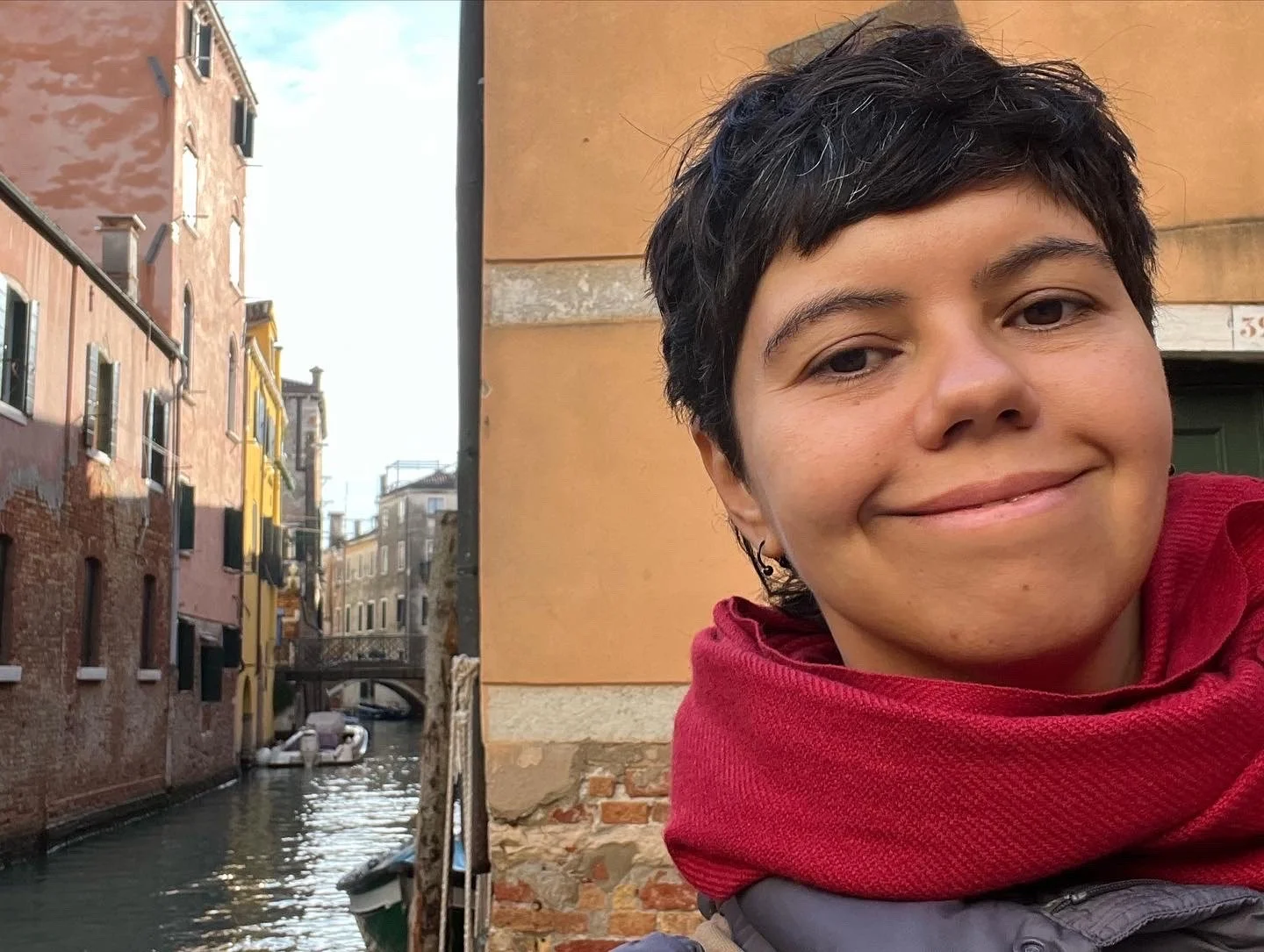
Isadora Lins França is Assistant Professor in the Department of Anthropology and researcher of the Pagu Center for Gender Studies, both at the University of Campinas, Unicamp (Brazil).
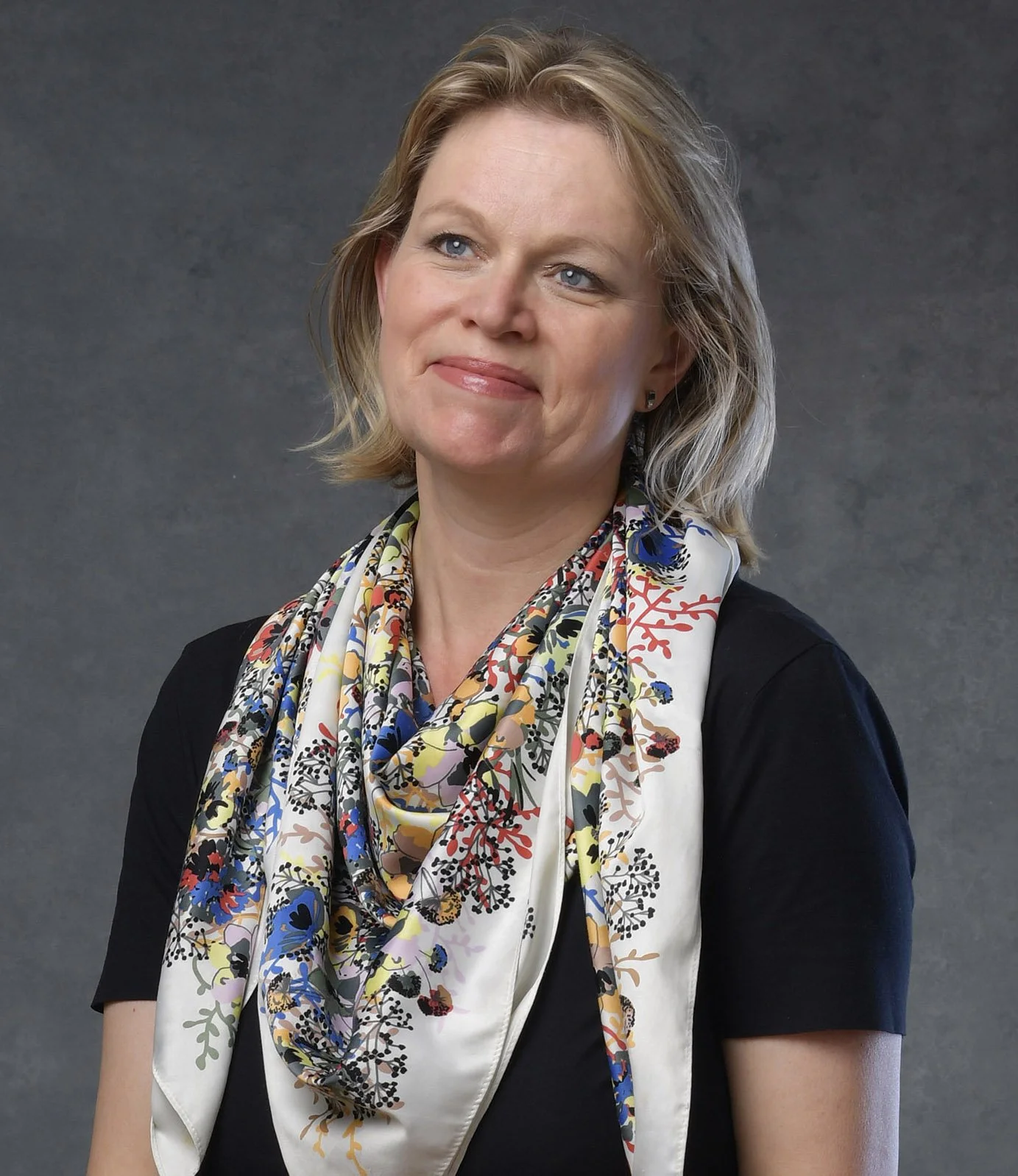
Fellow, Political Science, CUNY Graduate Center
Before coming to the Graduate Center, Prof. Piven taught at Boston University, Columbia University, New York University Law School, the Institute of Advanced Studies in Vienna, the University of Amsterdam, and the University of Bologna. She is past Vice-President of the American Political Science Association, has served as program co-chair of the annual political science meetings, and is a past president of the Society for the Study of Social Problems. She is currently President of the American Sociological Association.
G-H
Visiting Fellows

Fellow, Architectural History and Theory, University of Pennsylvania.
S. E Eisterer is an Assistant Professor of Architectural History and Theory at the University of Pennsylvania. Currently, she is working on two forthcoming book projects.
Fellow, Political Science & International Relations, Boğaziçi University
Zeynep Gambetti is Associate Professor of political theory at Boğazici University. She obtained her Ph. D. at the University of Paris VII in 1999. Her work focuses on collective agency, ethics, and public space. She has carried out extensive research on the transformation of the conflict between the Turkish state and the Kurdish movement, with particular emphasis on space as a vector of relationality.
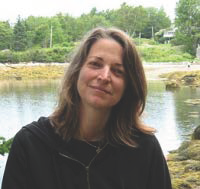
Fellow, Bioethics and Humanities, Upstate Medical University
Rebecca Garden, PhD, is Associate Professor in the Center for Bioethics and Humanities at Upstate Medical University in Syracuse, NY. She received her doctorate from Columbia University’s Department of English and Comparative Literature. She has published on empathy, the humanities, and medicine in New Literary History and the Journal for General Internal Medicine and on narrative, Deafness, and disability in Perspectives in Biology and Medicine, the Journal of Medical Humanities, Medical Humanities, and the Journal of Clinical Ethics.
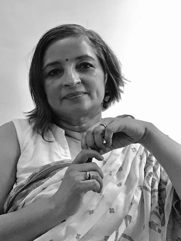
Fellow, Art Historian, California State University
Dr. Annapurna Garimella is a designer and an art historian. Her research focuses on late medieval Indic architecture and the history and practices of vernacular visual and built cultures in India after Independence.
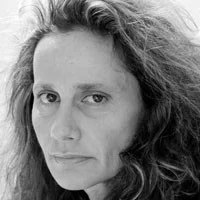
Fellow, International Policy, Stanford University
Amal Ghandour is Strategy Adviser to Ruwwad al Tanmeyah, a regional community development initiative, and Special Adviser to Columbia University Global Centers, Middle East. Ghandour’s career spans two decades in the fields of research and communication. An author (About This Man Called Ali) and a blogger (Thinking Fits), Ghandour holds an MS in International Policy from Stanford University and a BSFS from Georgetown University.
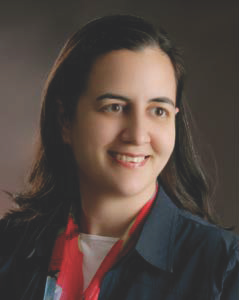
Fellow, Gender Social Fund, Jordon
Hala Ghosheh is a gender expert and development consultant, who was the Director of the five year Gender Social Fund in Jordan. She specializes in sustainable development work with focus on women and youth. Her experience includes working on policy, institutional and local community levels in several countries in the region. She has worked on program management, design, development and monitoring and evaluation, organizational gender reviews and conducting qualitative research to assess the status of women and youth in different contexts.

Fellow, Population and Research Institute, University of Nairobi
Wanjiru Gichuhi is a Senior Lecturer at the Population Studies and Research Institute of the University of Nairobi. A social demographer, her research focuses on population, health, rural/community and gender issues that have development and social policy implications. Specific interests include family dynamics, maternal/child survival, reproductive health, FP/HIV/AIDS, livelihood and food security issues.
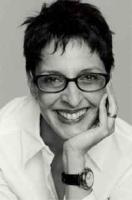
Fellow, Anthropology, New York University
Faye Ginsburg is David B. Kriser Professor of Anthropology at NYU where is is also Director of the Center for Media, Culture and History, Co-Director of the NYU Council for the Study of Disability, and Co-Director of the Center for Religion and Media. Prizewinning author/editor of four Her research focuses on movements for social transformation, from her early work on abortion activists, to her longstanding research on indigenous media, to her current work, with Rayna Rapp, on cultural innovation and learning disabilities.
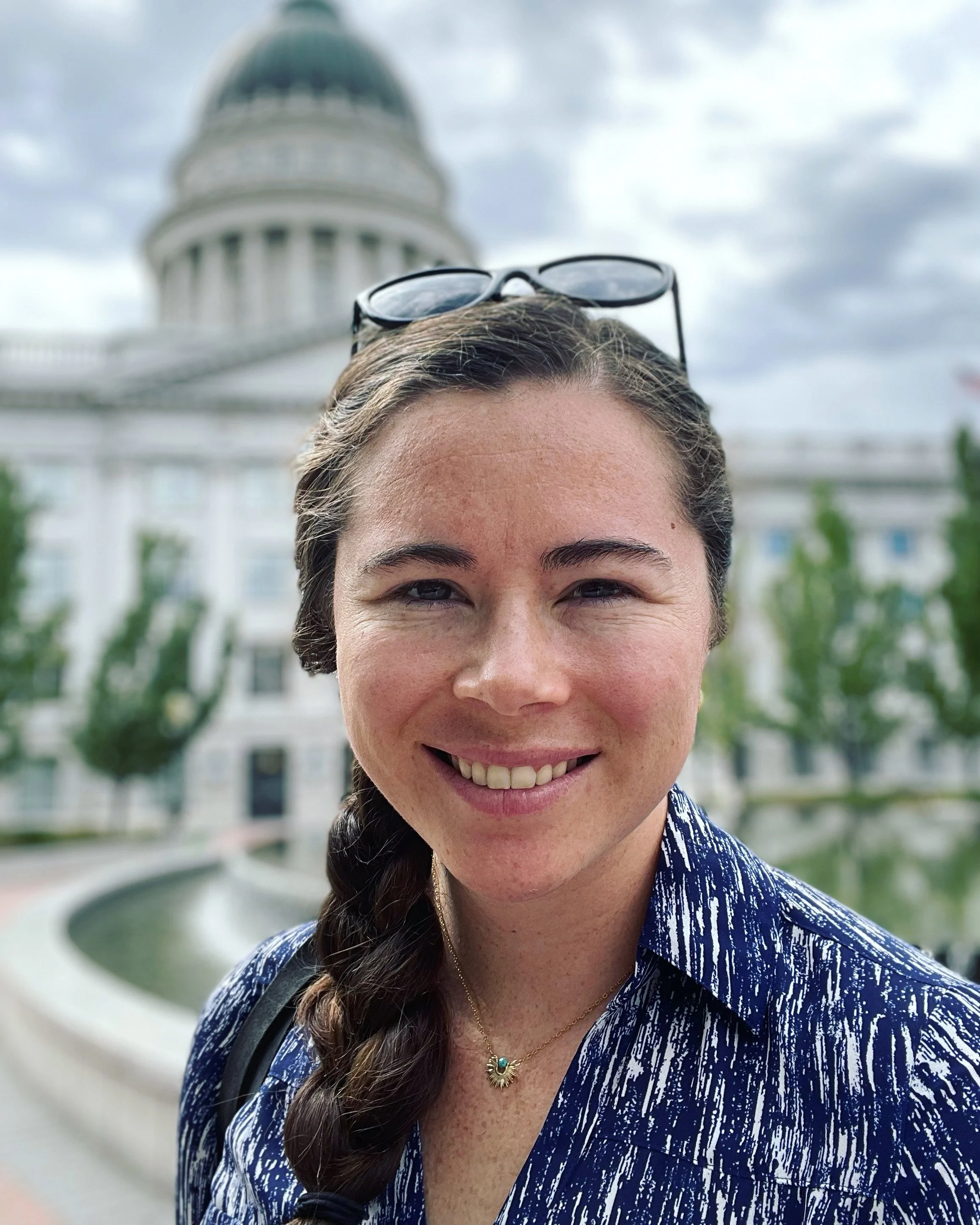
Fellow, Performance and Politics, New York University
Marcial Godoy-Anativia is a sociocultural anthropologist and the Associate Director of the Hemispheric Institute of Performance and Politics at New York University. He is co-editor, with Zeynep Gambetti, of Rhetorics of Insecurity: Belonging and Violence in the Neoliberal Era (NYU Press, forthcoming 2013). He is also Editor, with Jill Lane, of e-misférica, the Institute's trilingual online journal. From 2000-2007, he worked in the Program on Latin America and the Caribbean and the Program on International Collaboration at the Social Science Research Council.
Fellow, History and English, Universidad de Las Américas (UDLA)
Ximena Vanessa Goecke S. is a chilean-jewish historian and a teacher of History and English, candidate to the degree of Magister in Gender and Culture in the Faculty of Humanities at Universidad de Chile. She teaches some courses in the Faculty of Education at Universidad de las Américas (UDLA) and in the English as Foreign Language area at Universidad Católica.
She participates in the research nucleus in “Body and Emotion” of the Faculty of Social Sciences at Universidad de Chile, as a member of the research section in “Body, memory and violence”.

Fellow, Social and Cultural Analysis, New York University
Tao Leigh Goffe is Assistant Professor and Faculty Fellow of Social and Cultural Analysis at New York University. Goffe joined the NYU faculty in 2016, prior to which she held a postdoctoral fellowship at Princeton University and was a lecturer at Hunter College, CUNY.
Born in London and raised between the UK and US, she is an interdisciplinary scholar and cultural critic specializing in the literatures and vernaculars that emerge from histories of imperialism, migration, and globalization. She works at the intersections of Black Atlantic, Asian American, and Caribbean culture.
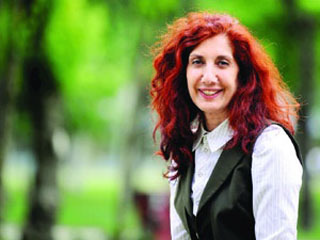
Fellow, Sociology, L'École des Hautes études en Sciences Sociales, Paris
Nilüfer Göle is Professor of Sociology at the Ecole des Hautes Etudes en Sciences Sociales (EHESS) in Paris. She works on Islamic visibility in European public spaces and the debates it engenders on religious and cultural difference. Her sociological approach aims to open up a new reading of modernity from a non-western perspective and a broader critique of Eurocentrism in the definitions of secular modernity. She is the author of Islam in Europe: The Lure of Fundamentalism and the Allure of Cosmopolitanism (2010) and The Forbidden Modern: Civilization and Veiling (1997).
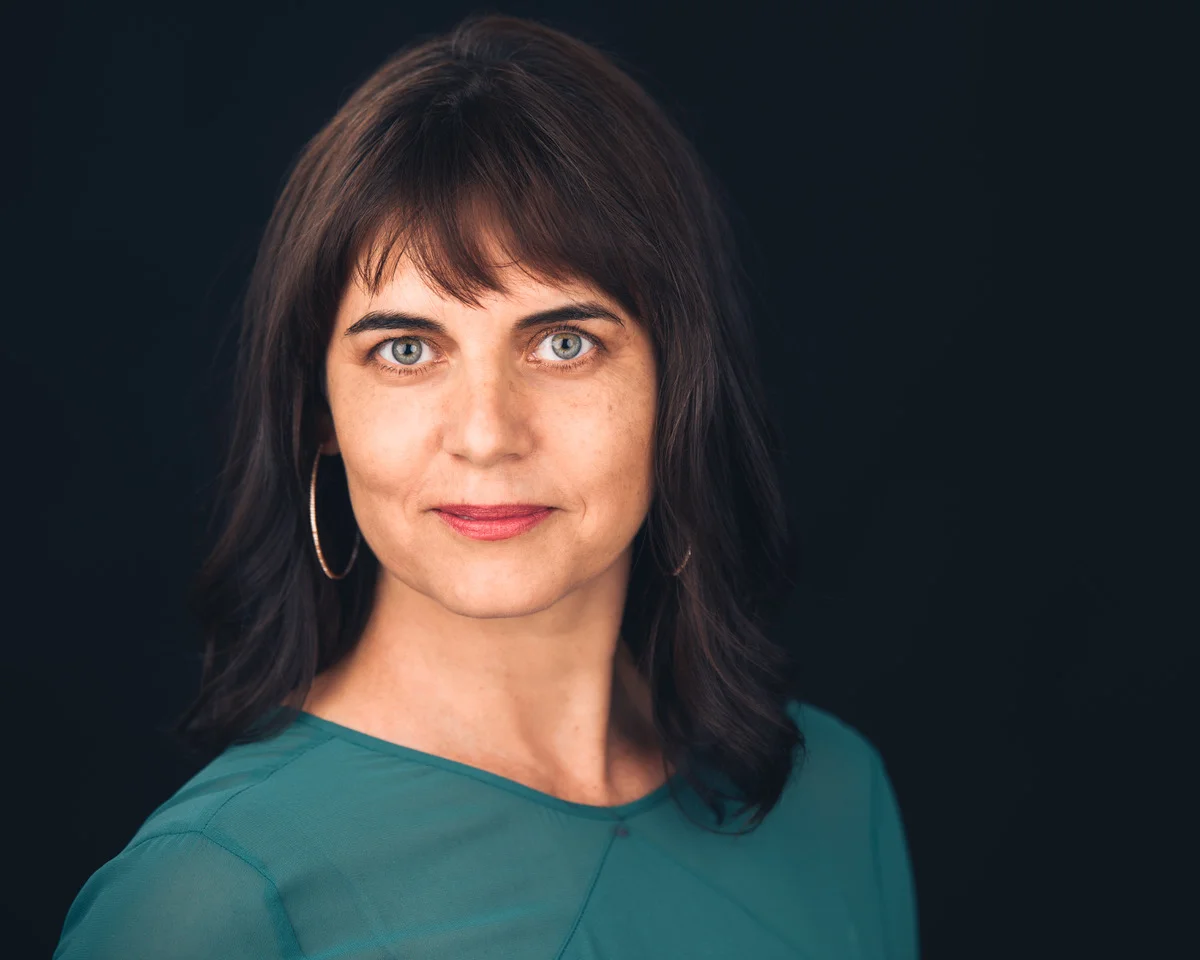
Fellow, Social Sciences and Cultural Studies at Pratt Institute
Macarena Gómez-Barris is author of Where Memory Dwells: Culture and State Violence in Chile (UC Press 2010), The Extractive Zone: Social Ecologies and Decolonial Perspectives (Duke University Press 2017), and Beyond the Pink Tide: Artistic and Political Undercurrents in the Americas (UC Press 2018). Her new book project is At the Sea’s Edge: On Coloniality and the Oceanic.
Fellow, Women’s Studies, Tata Institute of Social Sciences
Meena Gopal works at the Centre for Women's Studies, Tata Institute of Social Sciences, in Mumbai, India and is also a member of the autonomous feminist collective, Forum Against Oppression of Women, Bombay.
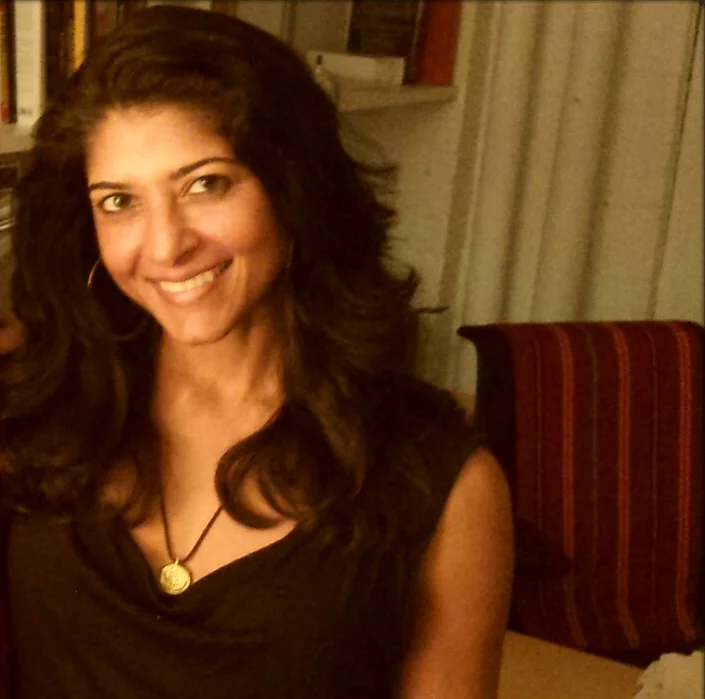
Fellow, Gender and Sexuality, New York University
Gayatri Gopinath is Associate Professor in the Department of Social and Cultural Analysis, and the Director of the Center for the Study of Gender and Sexuality at New York University. She works at the intersection of transnational feminist and queer studies, postcolonial studies, and diaspora studies, and is the author of Impossible Desires: Queer Diasporas and South Asian Public Cultures (Duke UP, 2005), and Unruly Visions: The Aesthetic Practices of Queer Diaspora (forthcoming from Duke UP in November 2018).
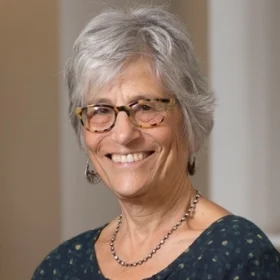
Fellow, History, New York University
Linda Gordon is a professor of history and a University Professor of the Humanities at New York University. Her early books focused on the historical roots of social policy issues, particularly as they concern gender and family issues. More recently, she has explored other ways of presenting history to a broad audience, publishing the microhistory The Great Arizona Orphan Abduction(Harvard University Press, 1999) and the biography Dorothea Lange: A Life beyond Limits (W.W. Norton, 2009), both of which won the Bancroft Prize. She is one of only three historians to have won this award twice.

Fellow, Performance Arts, Brooklyn College
Alo Gorozpe is an artist, curator and community organizer. Born in Mexico City, Alo has a bachelor in Architecture from Universidad Iberoamericana (México City) and an MFA in Performance Arts from Brooklyn College. Alo´s most recent artistic and curatorial work presents itself as a series of communal performances in public spaces.
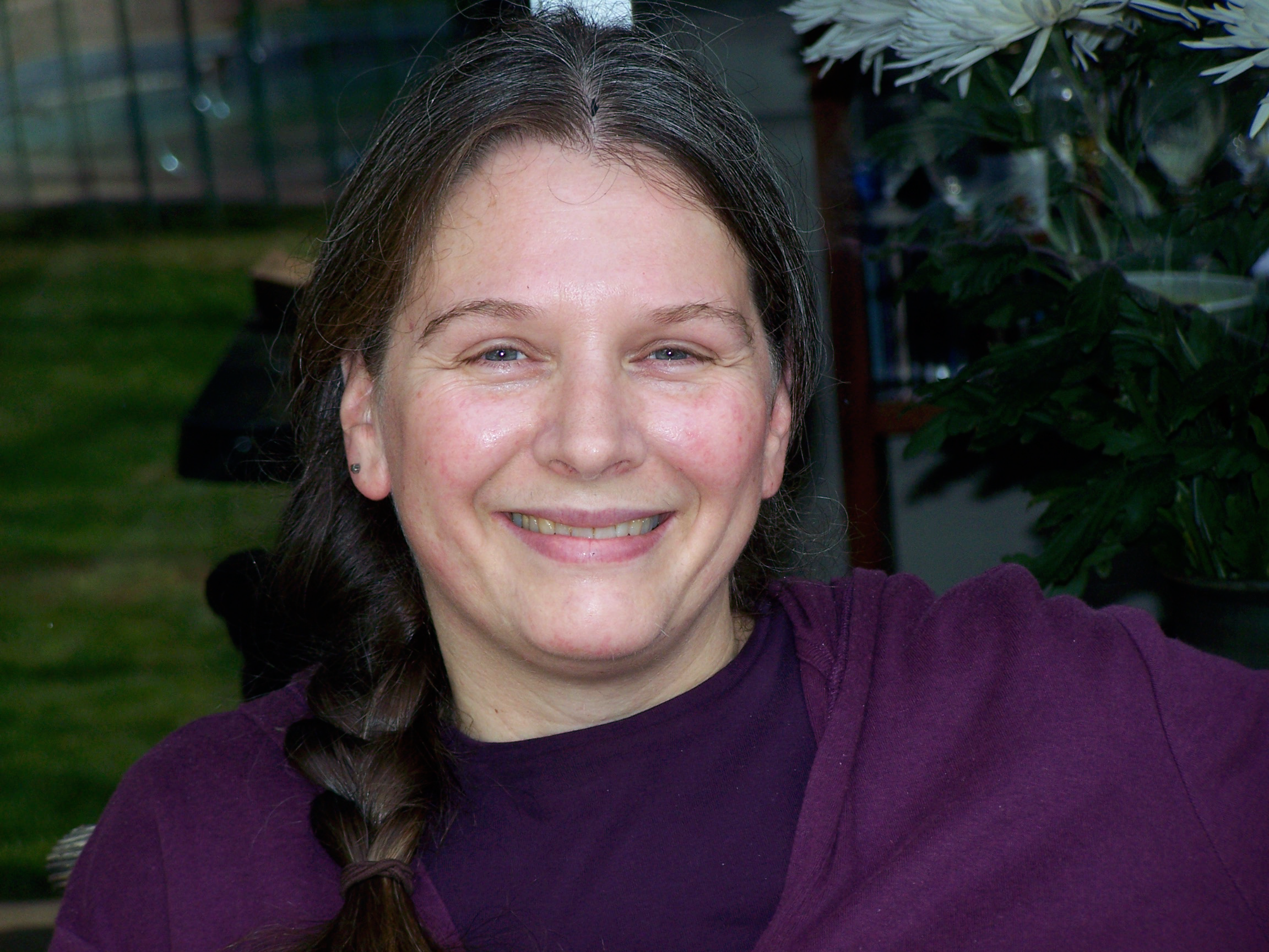
Fellow. Theater Scholar, Pontificia Universidad Católica de Chile
Milena Grass Kleiner, translator and theater scholar, is a professor at Pontificia Universidad Católica de Chile. She holds a master's degree in Latin American Studies from Universidad de Chile and a PhD in Literature from Pontificia Universidad Católica de Chile. She has published Spanish translations of English, American, and French plays, as well as books on Chilean history and theater studies. Her main fields of research have been theater and ritual, history, and memory in post-conflict contexts.

Fellow, Trauma Studies, New York University
Judith Greenberg's research and teaching interests focus on questions of memory and trauma Studies, especially through a feminist lens. She holds a degree in comparative literature and her courses are informed by psychoanalysis, film Studies, Holocaust Studies, and her years teaching in French departments.
Fellow, Africana and Puerto Rican/Latino Studies, Hunter College
Professor Gregg’s scholarly interests include Anglophone Caribbean literature, Caribbean women’s writing, Caribbean intellectual traditions, African American literature, and literature of the African Diaspora. Her publications include Jean Rhys’s Historical Imagination (1995) and Caribbean Women: An Anthology of Non-Fiction Writing (2005).
Her forthcoming book is "This Past that Waits for Me.” Anglophone Caribbean Women Writers and the Challenge of History.

Fellow, History, Cornell University
My research interests focus on West Africa and more specifically the social and cultural history of Ghana from the height of the Atlantic slave trade (in the 18th century) through the early colonial period (up to World War Two). Of particular interest to me are changes in gender and ethnic relations, African belief systems and the history of slavery.
The courses I teach reflect these research interests as well as my fascination with Africa's encounter with other worlds (the Americas, Europe, the Islamic world, the Indian Ocean world).
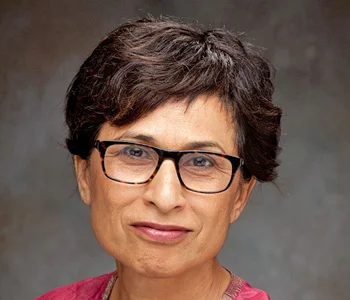
Fellow, Women's, Gender, and Sexuality Studies and American Studies, Yale University
Inderpal Grewal is Professor and Chair in the Program in Women’s, Gender, and Sexuality Studies at Yale University. She is also Professor in the Ethnicity, Race and Migration Studies Program, the South Asian Studies Council, and affiliate faculty in the American Studies Program. She is the author of Home and Harem: Nation, Gender, Empire and the Cultures of Travel(Duke University Press, 1996), Transnational America: Feminisms, Diasporas, Neoliberalisms (Duke University Press, 2005), and Saving the Security State: Exceptional Citizens in Twenty-First century America (Duke University Press, 2017).
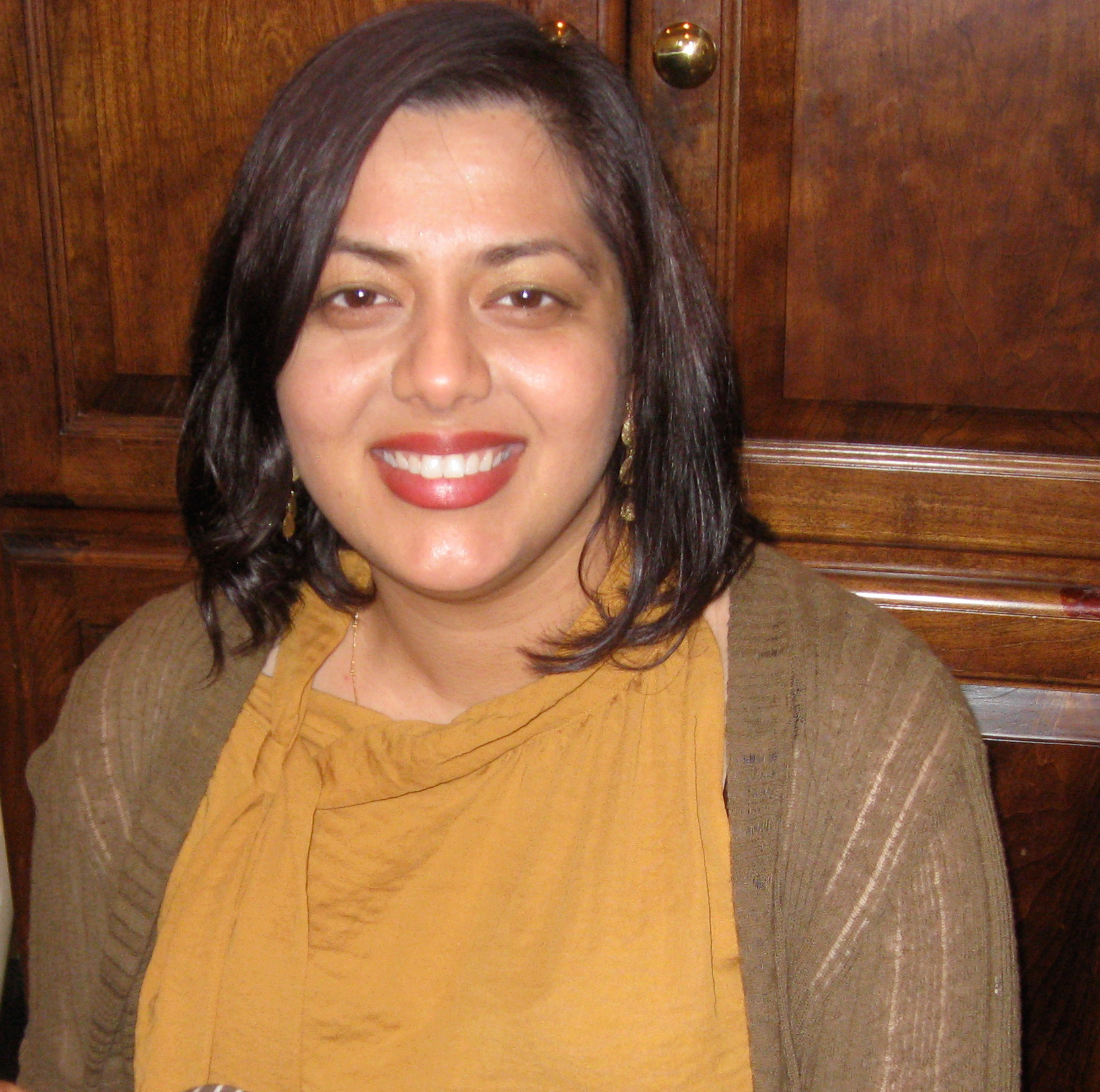
Fellow, American Studies and Religious Studies, Yale University
Zareena Grewal is a historical anthropologist and a documentary filmmaker whose research focuses on race, gender, religion, nationalism, and transnationalism across a wide spectrum of American Muslim communities. Her first book, Islam is a Foreign Country: American Muslims and the Global Crisis of Authority (NYU 2013), is an ethnography of transnational Muslim networks that link US mosques to Islamic movements in Syria, Jordan, and Egypt through debates about the reform of Islam.
Fellow, History, Cooper Union
Atina Grossmann teaches Modern German and European History, and Gender Studies. A graduate of the City College of New York (BA) and Rutgers University (Ph.D), she has held fellowships from the National Endowment for the Humanities, German Marshall Fund, American Council of Learned Societies, the Institute for Advanced Study in Princeton, and the American Academy in Berlin.
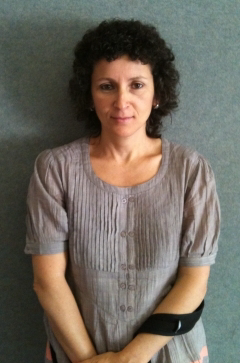
Fellow, Sociology, University of Paris 8 Vincennes-Saint-Denis
Nacira Guénif-Souilamas is Professor, University of Paris 8 Vincennes-Saint-Denis, Education Sciences Department.
She was formerly Associate Professor at the University of Paris Nord/13 and Co-Director of EXPERICE Research Center.
Guénif-Souilamas holds a Phd in Sociology from l’École des Hautes Études en Sciences Sociales in Paris and a HDR of Sciences Po Paris.
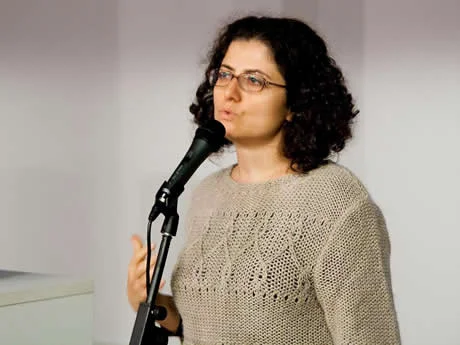
Fellow, Sociology, Middle East Technical University
Asena Günal is an expert on history, feminism and culture and the program coordinator of Depo, a culture and arts center in Tophane, Istanbul. Depo is a space for critical debate and cultural exchange in the city center of Istanbul and the first initiative in Turkey to focus on regional collaborations among Turkey and countries in the Caucasus, the Middle East and the Balkans
Günal obtained her undergraduate degree in International Relations and her M.A. in Sociology from the Middle East Technical University, and her PhD in the History of Modern Turkey program in the Atatürk Institute, Boğaziçi University. She previously worked as an editor in İletişim Publishing House between 1998 and 2005. She is editorial secretary of the journal Toplum ve Bilim.
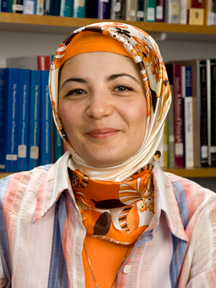
Fellow, Comparative Family Law and Islamic Law, Boston University School of Law
Dr. Havva G. Guney-Ruebenacker is a visiting post-doc researcher at Harvard Law School. Her dissertation is titled “An Islamic Legal Realist Critique of the Traditional Theory of Slavery, Marriage and Divorce in Islamic Law” and it focuses on traditional Islamic law and modern Islamic legal reforms in the area of slavery and family law with a comparative examination of modernization of American family law in the area of no-fault divorce and its economic consequences.
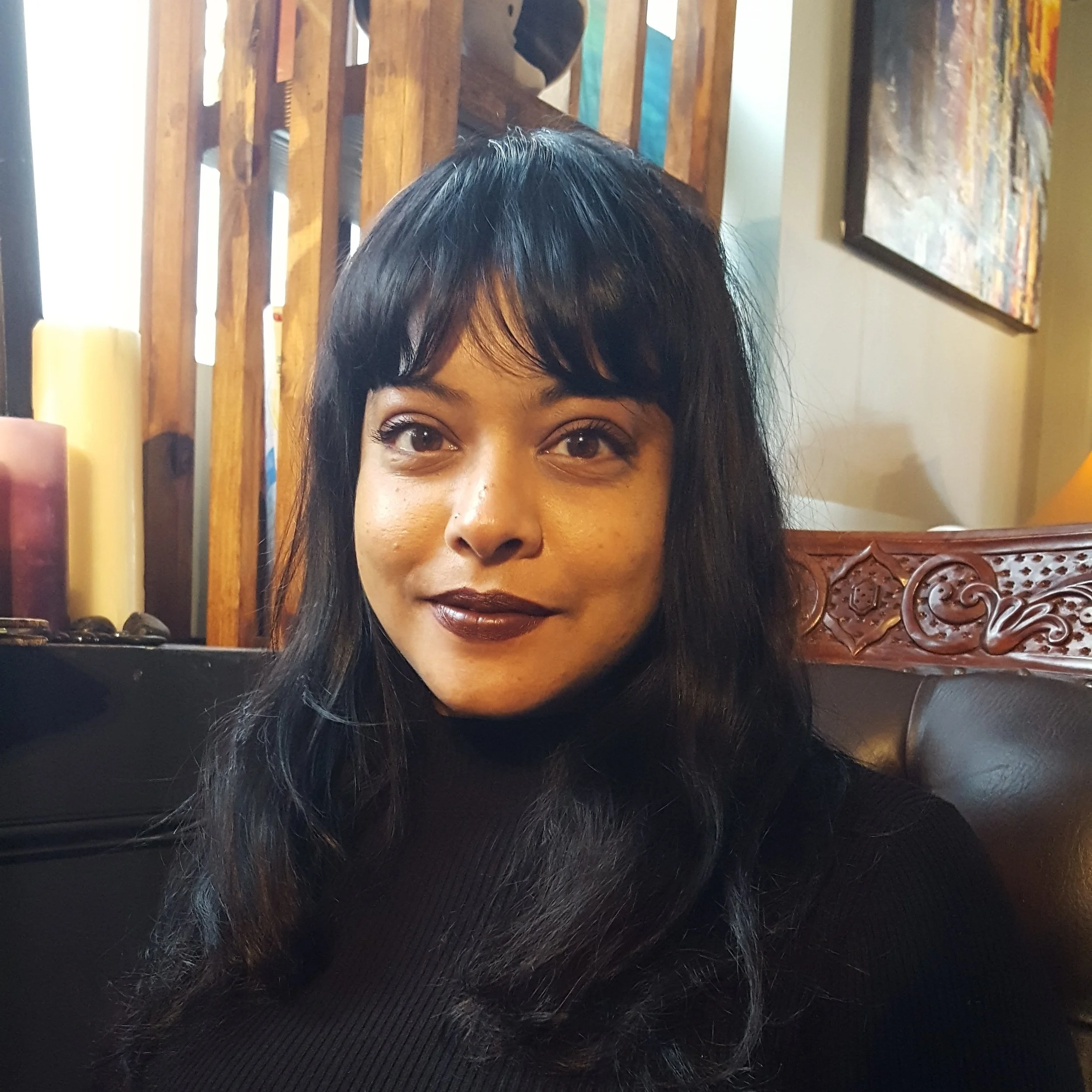
Fellow, South Asian Studies, Columbia University
Joymala Hajra divides her time between the Religion and the Global Framing of Gender Violence Project, where she is the Program Coordinator and The Institute for Religion, Culture, and Public Life, where she is the Manager of Design and Communication.
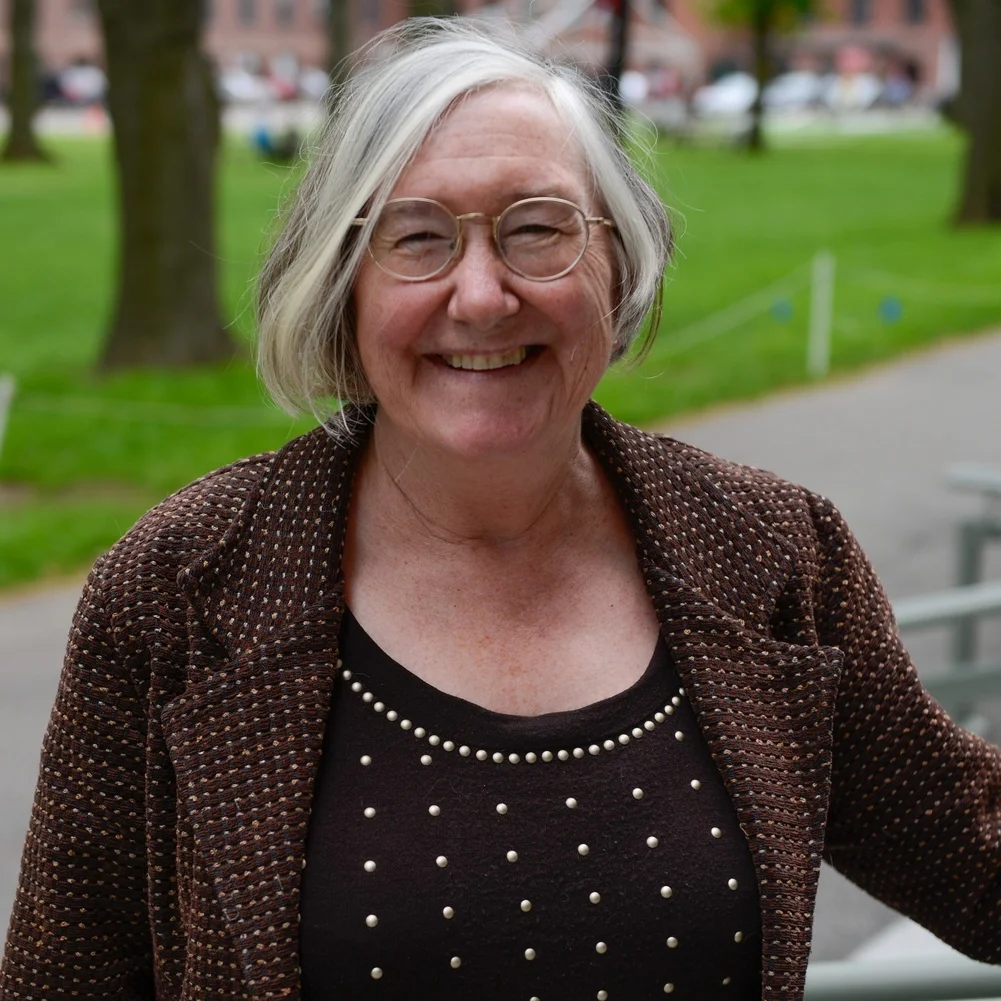
Fellow, Royall Professor of Law, Harvard Law School
Janet Halley is the Royall Professor of Law at Harvard Law School. She has a Ph.D. in English Literature from UCLA and a J.D. from Yale Law School. She has taught at Tel Aviv Buckmann School of Law and in the Law Department of the American University in Cairo. She is the author of Split Decisions: How and Why to Take a Break from Feminism (Princeton 2006), and Don’t: A Reader’s Guide to the Military’s Anti-Gay Policy (Duke 1999). With Wendy Brown, she coedited Left Legalism/Left Critique (Duke 2002), and with Andrew Parker she coedited After Sex?
I-L
Visiting Fellows

Fellow, Theater Art, Escuela De Teatro de la Universidad de Chile
Nació en Santiago, en 1980. Actriz, dramaturga y directora, es egresada de la Escuela de Teatro de la Universidad de Chile. Se suman a estos, sus estudios de Puesta en Escena y Analisis de Texto cursados en el HB Studio en Nueva York, Estados Unidos. Como actriz ha participado en el elenco de Las Troyanas de Rodrigo Pérez, Fuera de foco, dirigida por Cristián Marambio, Esa, escrita por Alejandro Moreno y Ciudadanos dirigida por Alexis Moreno.
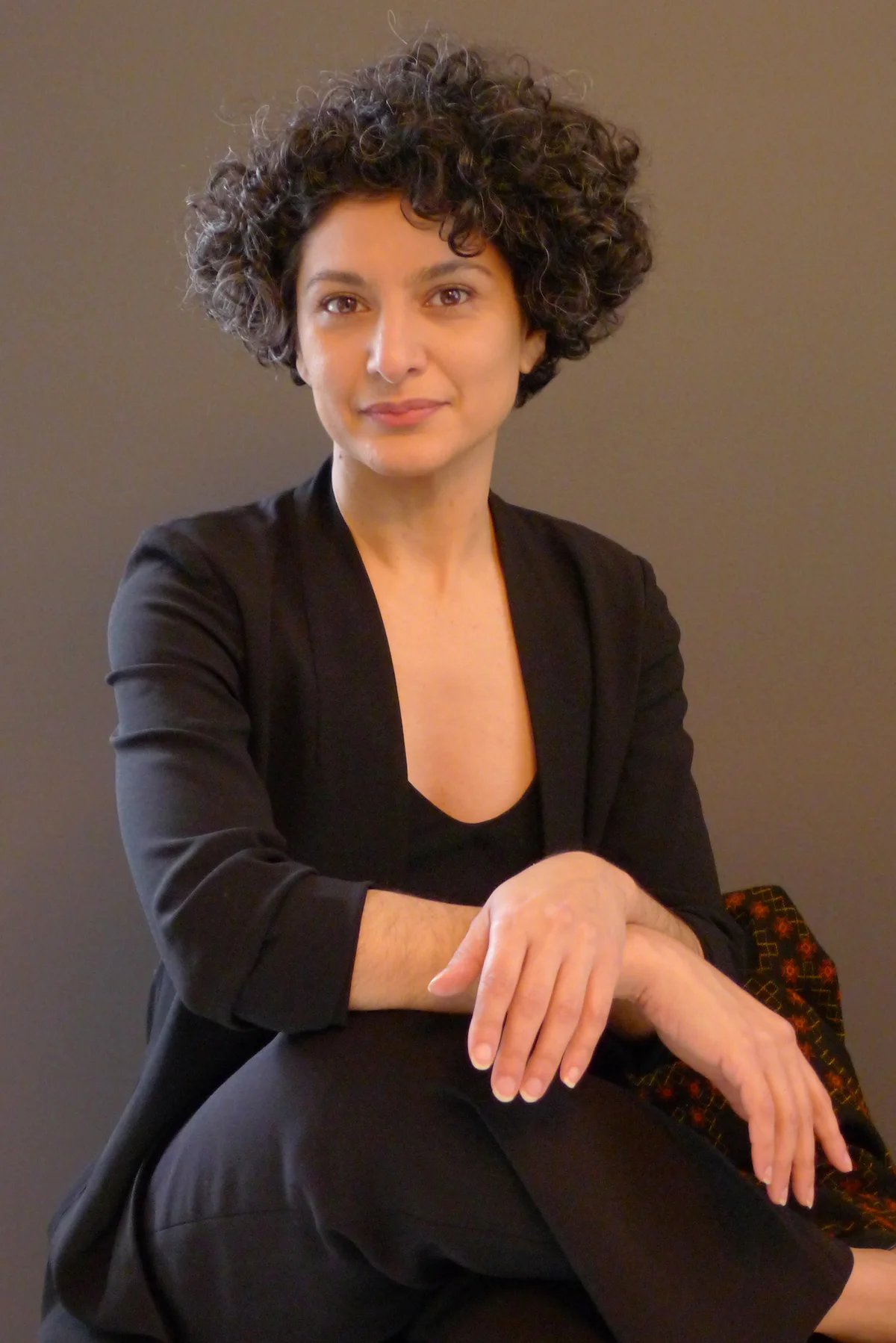
Kayhan Irani is an Emmy-award winning writer, a performer, and a Theater of the Oppressed trainer. She creates art to build community, offer spaces for healing, and to engage audiences in social justice issues.

Fellow, Comparative Literature, Sabanci University
Sibel Irzık is currently teaching comparative literature in Sabancı University. She is the author of Deconstruction and the Politics of Criticism (Garland, 1990) and the co-editor of Relocating the Fault Lines: Turkey Beyond the East-West Divide (South Atlantic Quarterly, 2003). Among her other publications are “Istanbul: The Black Book,” in The Novel, ed. Franco Moretti, Princeton U. P., 2006; “Orhan Pamuk's Snow: Re-imagining the Boundaries between East and West, Art and Politics,” in Europe and Its Boundaries, eds.
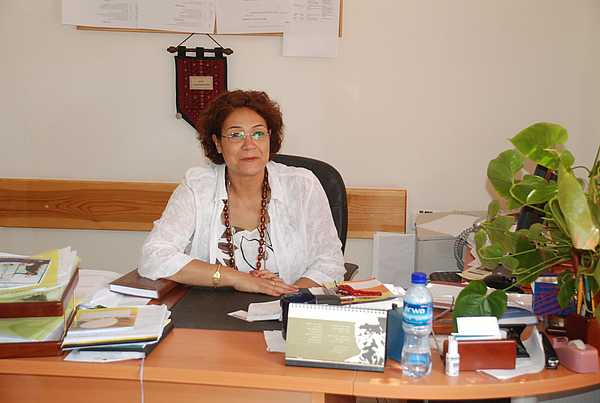
Fellow, Gender Issues and Politics, Qatar University
Islah Jad is a lecturer on gender issues and politics, International Affairs Department, Qatar University. She is the former director of the Women's Studies Institute at Birzeit University.

Fellow, French Philosophy, Australian National University
Fiona Jenkins is a senior lecturer in the School of Philosophy, RSSS, ANU. She teaches on contemporary French philosophy, on Nietzsche, on film, and on aspects of democratic theory. Following a DPhil at Oxford (with a thesis on Nietzsche, 'Becoming What We Are: On Realism, Revaluation and Self-Representation in Nietzsche's Philosophy') she spent two years teaching at Essex University, taking up a post-doc. at Sydney University in 1997 and moving to ANU in 2002. She has two children and is rediscovering the reasons for feminism.

Fellow, Musicology, Brooklyn College
Stephanie Jensen-Moulton, Assistant Professor of Musicology at Brooklyn College, has published articles on women in hip-hop, the 19th-century piano prodigy "Blind Tom" Wiggins, feminist pedagogy and other topics in American music. She has presented papers and lecture-recitals at numerous national and international conferences, including IASPM Rome and national meetings of the Society for American Music and the American Musicological Society. She received the Ph.D.
Fellow, Law, University of Michigan, Ann Arbor
Martha S. Jones is Associate Professor of History and Afroamerican Studies, and Visiting Professor of Law at the University of Michigan, Ann Arbor. Jones holds a Ph.D. in history from Columbia University (2001) and a J.D. from the CUNY School of Law (1987). She currently serves as a 2008 Visiting Scholar at the University of Pennsylvania Law School and the National Constitution Center.
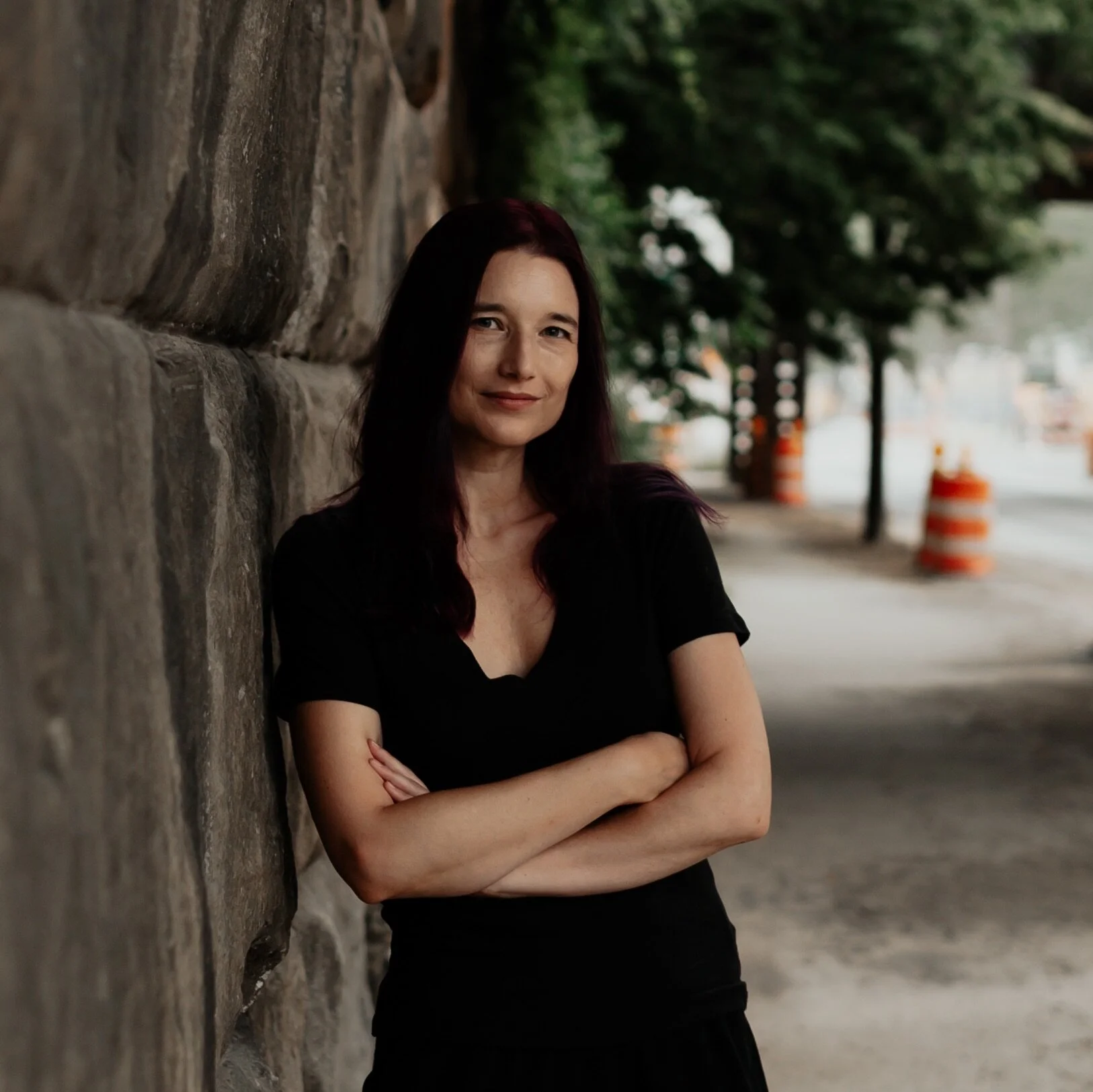
Fellow, Theatre, Universidad Católica de Chile
María Jose Contreras Lorenzini is a Chilean performance artist and scholar. She holds a Ph.D from Università di Bologna and is Associate Professor at the Theater School at Universidad Católica de Chile. She is currently a Visiting Scholar at the Hemispheric Institute of Performance and Politics at New York University. Using a wide range of formats, from massive public interventions to intimate actions of resistance, Contreras creatively explores the relation between the body and memory.

Fellow, English, City University of New York
Kelly Baker Josephs, Associate Professor of English, specializes in World Anglophone Literature with an emphasis on Caribbean Literature. She teaches courses in Anglophone Caribbean Literature, Postcolonial Literature and Theory, Literatures of the African Diaspora, and Gender Studies. Her book Disturbers of the Peace: Representations of Insanity in Anglophone Caribbean Literature (U of Virginia P, 2013), considers the ubiquity of madmen and madwomen in Caribbean literature between 1959 and 1980.
Fellow, Arts, Pontificia Universidad de Chile,
Andrés Kalawski studied acting and playwriting at Pontificia Universidad Católica de Chile, and received his Masters in Literature at Universidad de Chile. He is now working on his dissertation for a PhD in History, and is currently Associate Professor at Pontificia Universidad Católica de Chile.
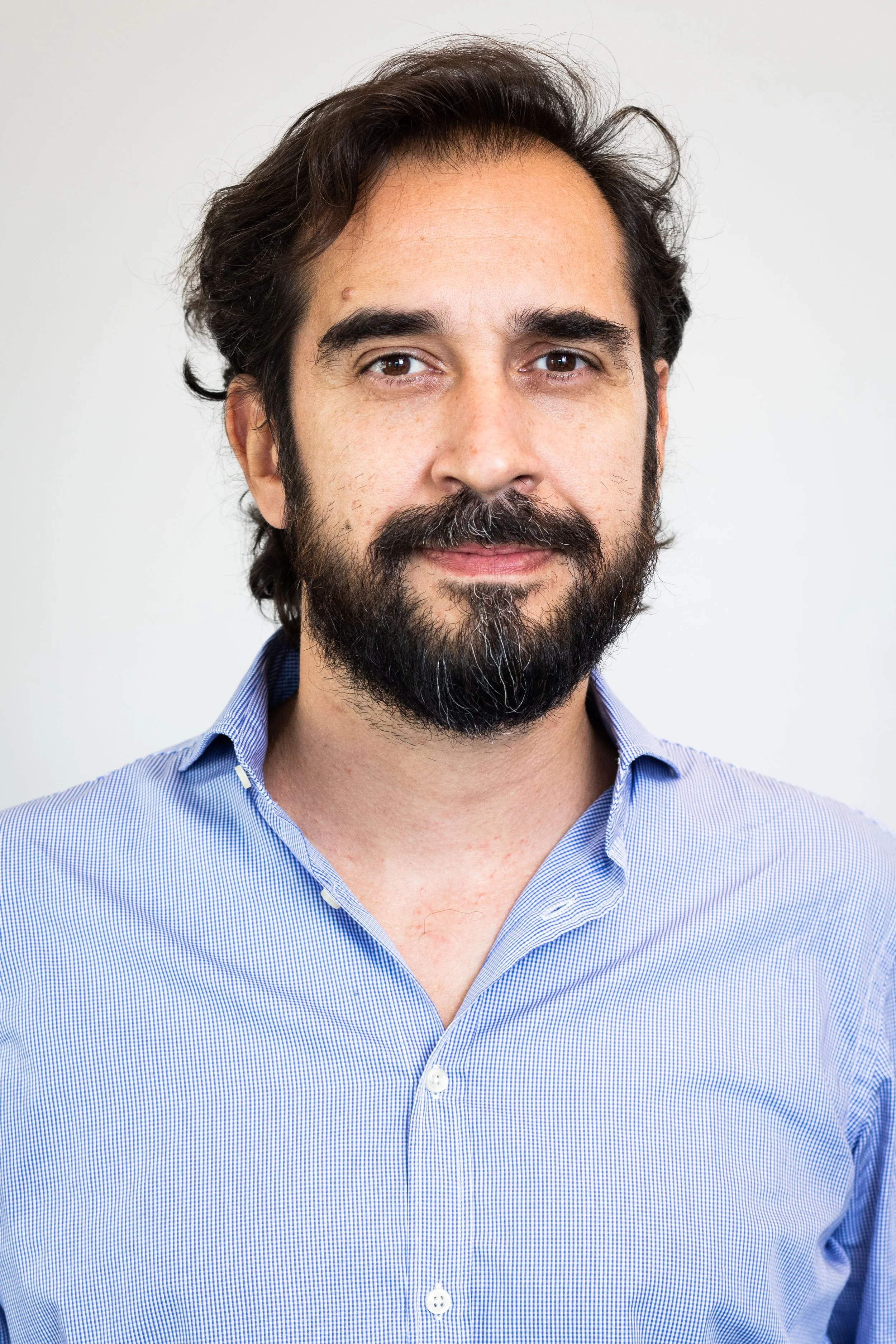
Assistant Professor, Department of Social Research, New School
Achilles Kallergis is an Assistant Professor at the New School for Social Research and the Director of the Cities and Migration Project at the Zolberg Institute on Migration and Mobility. His research focuses on urbanization, migration, and mobility in rapidly growing cities.

Fellow, Anthropology, Sabanci University
Banu Karaca (Ph.D. Cultural Anthropology, Graduate Center-CUNY) is a Visiting Scholar at Sabanci University's Faculty of Arts and Sciences. She is currently completing a manuscript, which examines how divergent claims regarding the civic, political and economic impact of art are mediated in the art worlds of Berlin and Istanbul.

Fellow, Biomedical Ethics, Stanford University
Katrina Karkazis is an anthropologist and bioethicist at the Center for Biomedical Ethics at Stanford University and a faculty affiliate in the Program for Feminist, Gender, and Sexuality Studies, also at Stanford.
Her recent work examines "gender verification" of elite female athletes. An article analyzing the latest policies was published in the American Journal of Bioethics.
Commentaries have appeared in the New York Times, The Guardian, New Scientist, and Discover.
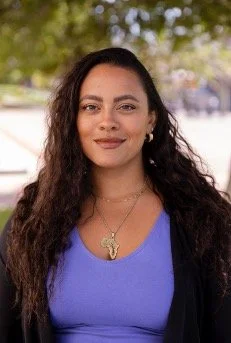

Fellow, History and Theory of Architecture, ETH Zurich
Hollyamber Kennedy is a Postdoctoral Fellow at the Institute for the History and Theory of Architecture (gta) at the ETH in Zurich, Switzerland. Her book manuscript, The World Island, explores colonial-era land policy and its influence on the sciences of settlement at the intersection of modern architecture, demographic reform, and rural modernization.

Fellow, English, University of Delaware
Stephanie Kerschbaum (B.A. The Ohio State University, M.A., Ph.D. University of Wisconsin-Madison) conducts research focused on diversity issues and the teaching of writing. She is an associate professor of English at the University of Delaware where she teaches writing, rhetoric, and composition theory in the University of Delaware Writing program and special topics courses. She is a Faculty Scholar affiliated with UD’s Center for the Study of Diversity. She also teaches undergraduate courses on diversity and higher education and teaches graduate seminars in composition theory and pedagogy.

Fellow, Feminist Studies, Barnard Center for Research on Women
Ynestra King is a feminist teacher, writer and oral historian. She is an ecofeminist theorist, and a founder of Women and Life on Earth and the feminist anti-militarist movement, as well as the Committee on Women, Population and Environment. Her current work is on disability narratives and body politics, focusing particularly on women and disability. She is also at work on a memoir tentatively entitled Falling. She was previously visiting Scholar at the Barnard Center for Research on Women.

Fellow, Philosophy, Stony Brook University, SUNY
Eva Feder Kittay is Distinguished Professor of Philosophy at Stony Brook University/SUNY. Among her most recent major publications are “On the Margins of Moral Personhood” (Ethics, October 2005) and Blackwell Studies in Feminist Philosophy (with Linda Alcoff, 2006) and Cognitive Disability and Its Challenge to Moral Philosophy (with Licia Carlson, Blackwell 2010).

Fellow, English Literature, Barnard College
Nancy Kricorian is the author of the novels Zabelle, Dreams of Bread and Fire, and All The Light There Was, which is set in the Armenian community of Paris during World War II. She is a widely published poet and essayist, whose work has appeared in The Antioch Review, Parnassus, In These Times, The Minnesota Review, Women’s Studies Quarterly, and other journals.

Fellow, Near Eastern Studies, Princeton University
Mirjam Künkler (Ph.D., Columbia University) is Assistant Professor in the Department for Near Eastern Studies at Princeton University, USA. She has published on religion-state relations and Islamic thought in 20th century Iran and Indonesia, and edited with Alfred Stepan, Indonesia, Islam and Democracy, Columbia University Press (2013), and with John Madeley and Shylashri Shankar, A Secular Age: Beyond the West, (2014).

Fellow, Hispanic Languages and Literature, Stony Brook University
Lena Burgos Lafuente (PhD NYU, 2011) is Assistant Professor of Latin American Literature in the Department of Hispanic Languages and Literature, Stony Brook University. She specializes in poetry, Latin American essay writing, sound studies, and transatlantic literary crossings in the first half of the twentieth century.
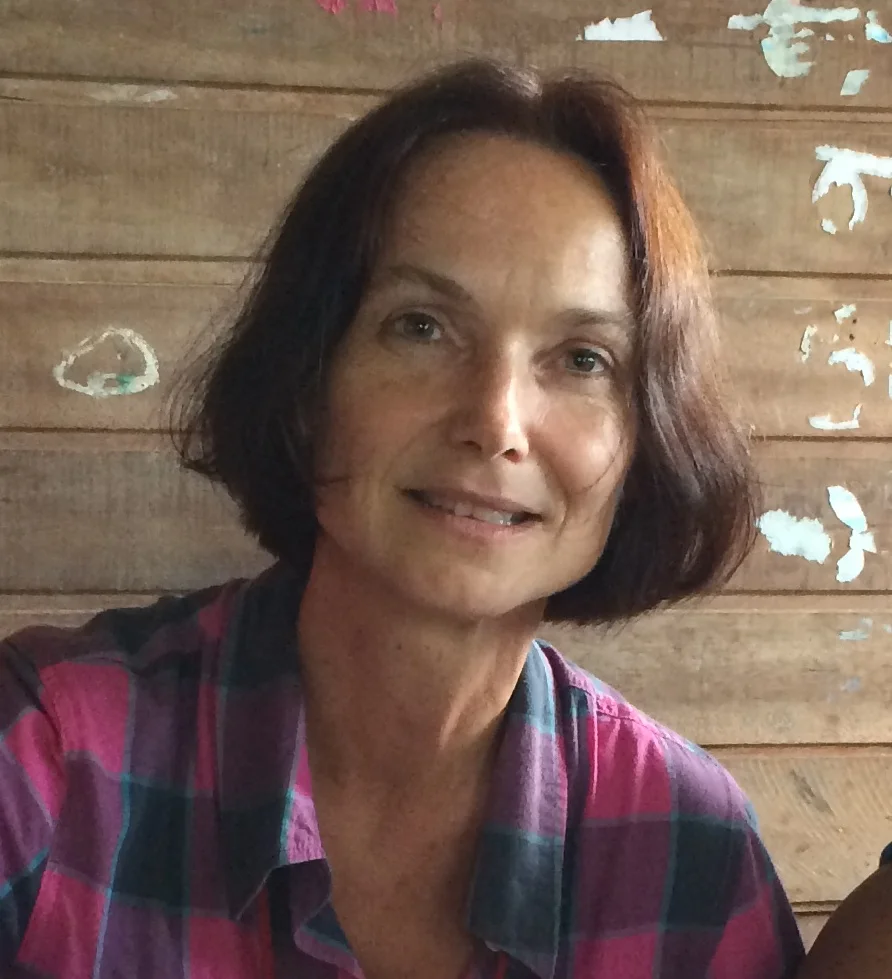
Fellow, Anthropology, Federal University of Rio de Janeiro
Els Lagrou is a Professor of social and cultural anthropology at the Federal University of Rio de Janeiro (Graduate Program of Sociology and Anthropology) and Researcher of the National Center of Research (CNPq). Her research interests include Amerindian Ethnology, its ontological, social and aesthetic regimes, as well as the Anthropology of expressive and agentive forms. She is the author of A fluidez da forma: arte, alteridade e agência em uma sociedade amazônica (The fluidity of form: art, alterity and agency in an Amazonian society) (Topbooks, 2007), Artes indígenas no Brasil (Indigenous arts in Brazil) (ComArte, 2009) and of the Catalogue, a show she curated at the National Museum of the Brazilian Indian No caminho da miçanga, um mundo que se faz de contas (On the bath of glass beads, o world made of beads (UNESCO/FUNAI, 2016).
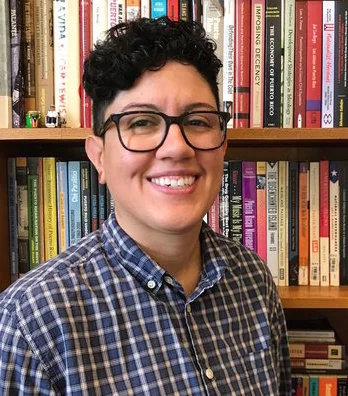
Fellow, Mexican American and Latina/o Studies, University of Texas at Austin
Marisol LeBrón is an Assistant Professor in the Department of Mexican American and Latina/o Studies at the University of Texas at Austin. An interdisciplinary scholar working across American Studies and Latinx Studies, her research focuses on social inequality, policing, violence, and protest movements in Puerto Rico and its diaspora.
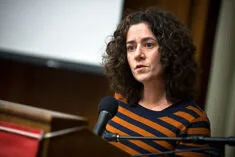
Fellow, Social and Cultural Analysis and History, New York University
Julie Livingston is a Silver Professor of Social and Cultural Analysis and History at New York University and a member of the Social Text Collective. Her work lies at the intersection of history, anthropology, and public health. Livingston is concerned with the human body as a moral condition and mode of consciousness; care as a social practice; taxonomy and the relationships that subvert or upend it; the relationship between species; African thought and political and moral imagination; and the environmental consequences of capitalism and economic growth.

Fellow, Modern Languages and Literatures, Loyola University Chicago
Bernardita Llanos M. is Professor of Spanish Language and Literature at Loyola University Chicago. She received her PhD in Hispanic and Luso-Brasilian Literatures and Linguistics from the University of Minnesota. In 1994 she published (Re)descubrimiento y (re)conquista de América en la ilustración española, which received a publication grant from the Program of Cultural Cooperation between Spain's Ministry of Culture and U.S. universities.
Fellow, Modern Islam, University of Oregon
Nadia Loan is a socio-cultural anthropologist whose research interests focus on Islam and modernity, gender, religion and media and textual traditions. She is currently teaching at the University of Oregon on modern Islam, gender in Muslim societies, and new media practices in South Asia. She received her PhD in anthropology from Columbia University in 2012.
Fellow, Law, School of Law, Birbeck
Dr Elena Loizidou, BA (Keele) LLM, PhD (Lancaster), Senior Lecturer in Law, joined the School of Law, Birbeck in January 2000. Dr Loizidou is the Programme Director & Admissions Tutor for the FT LLB (UCAS). Dr Loizidou's research interests include anarchism and political theory, theories of gender and sexuality and law and culture. Dr Loizidou is currently working on a monograph on anarchist practices and theory.
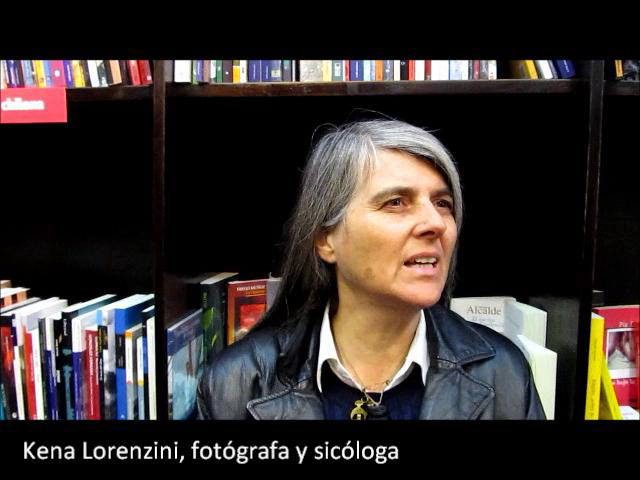
Fellow, Psychology, Academy of Christian Humanism University
María Eugenia Lorenzini nació en Talca. Sicóloga de profesión, desarrolló un importante trabajo como fotógrafa, formando parte de una generación que buscó retratar el rostro gris de Chile durante la dictadura militar. En esos años trabajó como reportera gráfica en el semanario Hoy y la revista Análisis, labor gracias a la cual reunió un importante archivo fotográfico que concentró en su libro Fragmento fotográfico, arte, narración y memoria. Chile 1980-1990.
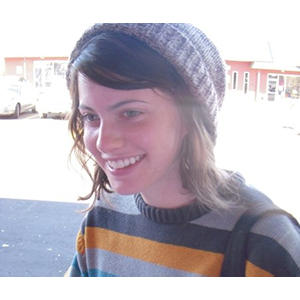
Fellow, International Relations and Women and Gender Studies, University of California
Amanda Lotspike graduated Phi Beta Kappa at the University of California, Davis with a B.A. in International Relations and Women and Gender Studies. With support from the U.S. State Department’s Gilman International Scholarship and the UC Davis President’s Fellowship, she carried out ethnographic research in Santiago, Chile in 2011, working to understand how community health promoters in popular sectors of Santiago push the ontological notions of the body within a neoliberal political economy. She is currently working as a Project Collaborator and Researcher for ESE:O.
M-N
Visiting Fellows


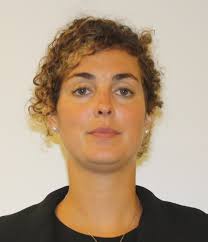
Fellow, Economics, The New School for Social Research
Clara Mattei is Assistant Professor of Economics at The New School for Social Research. She holds a PhD jointly from the Sant'Anna School of Advanced Studies (SSSUP) in Pisa, Italy, and Université de Strasbourg, Ecole Doctorale Augustine Cournot in Strasbourg, France, an MA in Philosophy from Pavia, and a BA in Philosophy from Cambridge University. Her research explores a comparative view of post-World War I monetary and fiscal policies and she brings broad interdisciplinary engagements to her work in the history of economic thought and methodology.
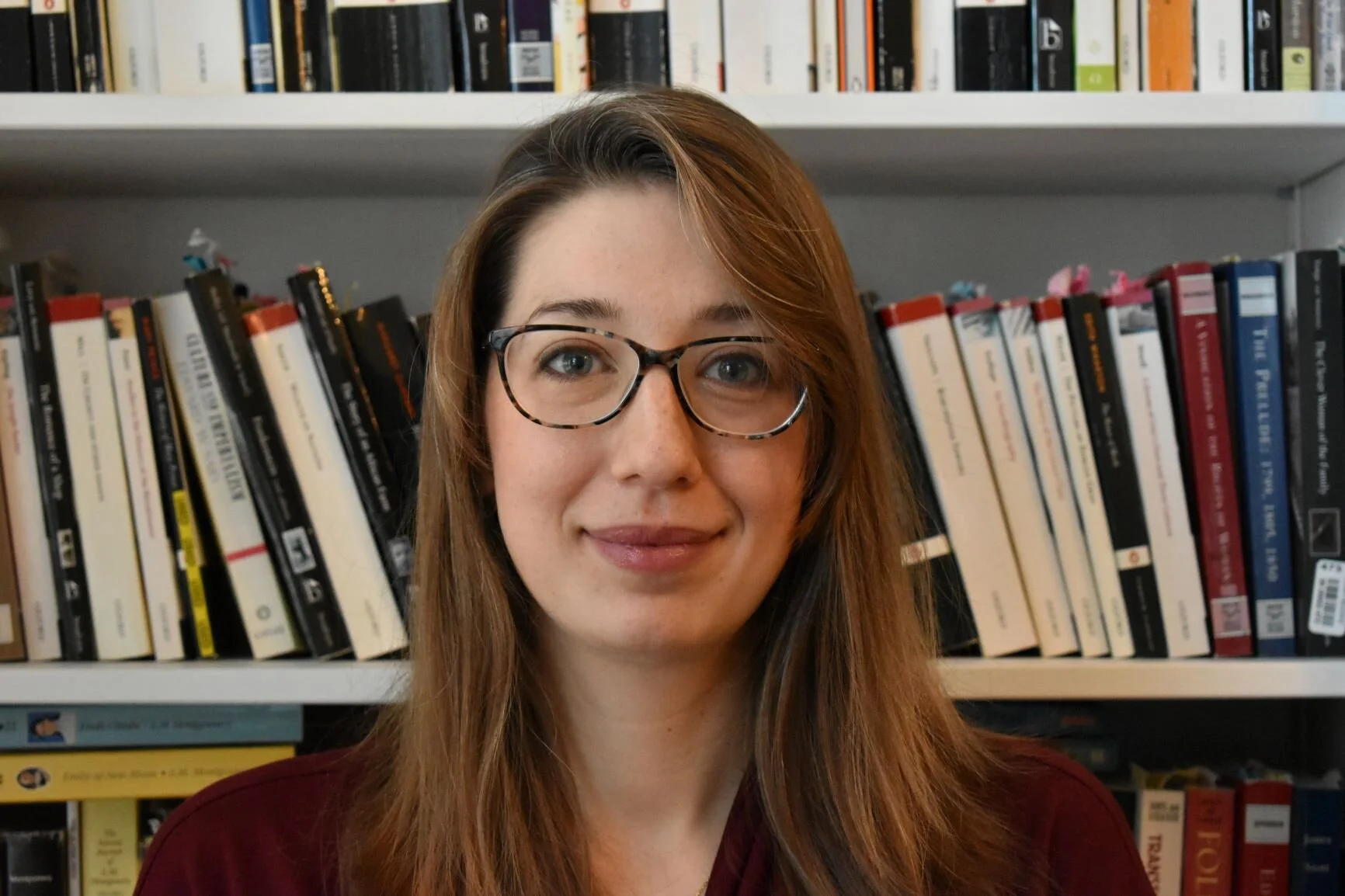
Fellow, English, PhD University of Toronto
Katherine Magyarody is an author of young adult fiction and an academic researcher. She is the recipient of a 2017 Robert J. Dau PEN Award for Emerging Writers and her debut novel, The Changeling of Fenlen Forest, was longlisted for the 2020 Sunburst Award for Excellence in Canadian Literature of the Fantastic. Her academic research centers on the representation of peer groups as a method of imperial cultural consolidation nineteenth-century children’s literature.
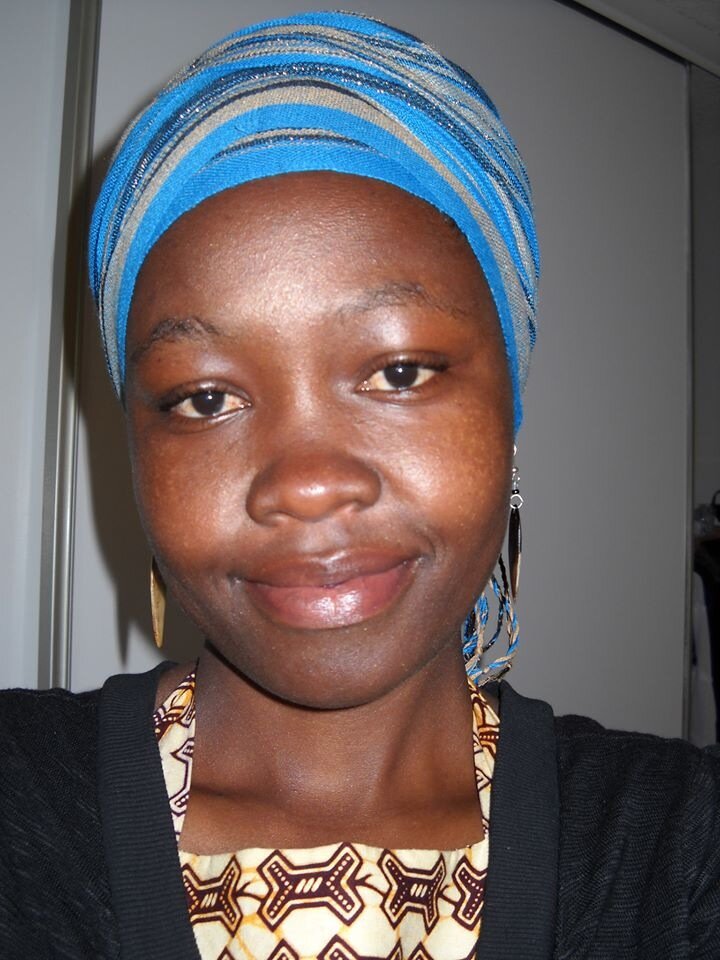
Fellow, African History, University of Memphis
Selina Makana is an Assistant Professor of African history at the University of Memphis. Her research and teaching focus on African women’s social history, gender and militarism, transnational feminisms, and African diaspora studies. Her current monograph uses oral interviews with former women combatants and archival records to probe the relationship between gender and militarism in contemporary Angola.
Fellow, History, University Federal Fluminense
Hebe Mattos is Professor of History at University Federal Fluminense (UFF) in Brazil. She was visiting Professor at Columbia University (Ruth Cardoso Chair, ILAS/Institute of Latin America Studies, 2013/2014), at Ecoles des Hautes Etudes en Sciences Sociales (2004) and at the University of Michigan (1996). She is the author or co-author of numerous books on Brazilian slavery and post-emancipation society, including Memórias do Cativeiro. Família, Trabalho e Cidadania no Pós-Abolição/ Memories of Captivity.
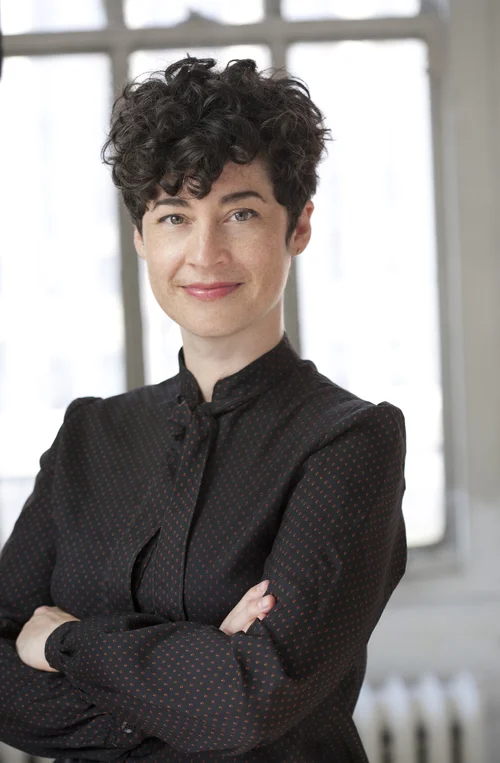
Fellow, Sociology, University of Connecticut
Laura Mauldin's research draws from the fields of medical sociology, science and technology studies (STS), and disability studies. She uses ethnographic methods to show how individual experiences are situated within institutional structures and a larger sociocultural context. All of her research is concerned with how science, technology, and medicine shape contemporary life and is based on the contention that disability – like race, class, or gender - is a political and social category. Her aim is to give voice to the experiences of individuals and families who utilize healthcare services and/or medical technologies in order to show the ambivalent qualities of technoscientific change, the politics of disability and illness, and to suggest what healthcare policies or issues need to be further researched or improved.

Fellow, Philosophy, Lehman College, City University of New York
Julie E. Maybee is an Associate Professor of Philosophy at Lehman College, City University of New York (CUNY). She is the Coordinator of the new Disability Studies Minor at Lehman, and is affiliated with the Masters in Disability Studies Program in the School of Professional Studies at CUNY along with the Department of African and African American Studies at Lehman.

Fellow, Modern German History, Technische Universität Berlin
Dr. Frank Mecklenburg is Director of Research and Chief Archivist at Leo Baeck Institute, a research library and archive that documents the history and culture of German-speaking Jewry, primarily in the 19th and 20th centuries, but also including documents dating back to the middle ages. LBI was founded in 1955 as a repository for the books, papers, photos and documents that were salvaged from Central Europe after World War II and donated to the Institute.
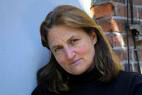
Fellow, Visual Education, Harvard University
Susan Meiselas received her B.A. from Sarah Lawrence College and her M.A. in visual education from Harvard University. She joined Magnum Photos in 1976. She is the author of three books: Carnival Strippers, Nicaragua, and Pandora's Box and editor of five collections: Learn to See, El Salvador: The Work of 30 Photographers, Chile from Within., Kurdistan: In the Shadow of History and Encounters with the Dani. She has co-directed two films: "Living at Risk" and "Pictures from a Revolution" with Richard P.
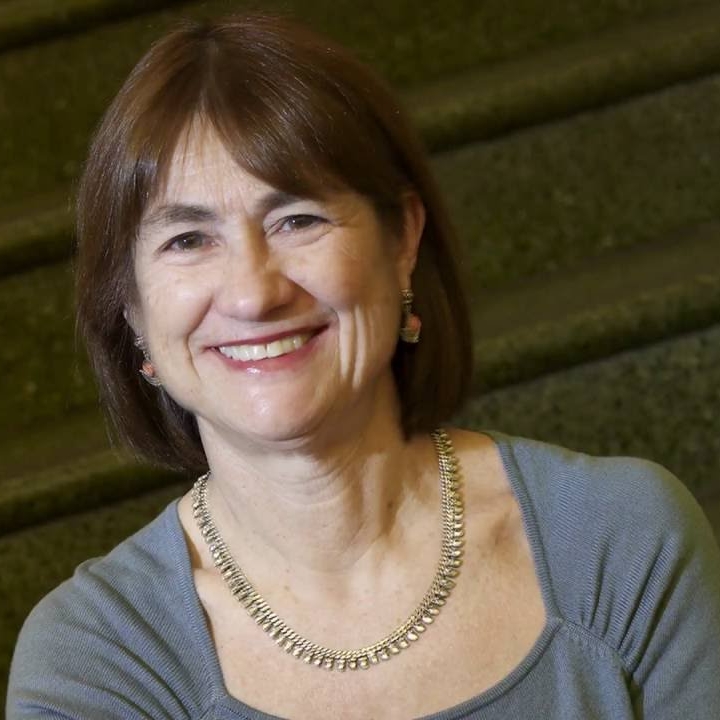
Fellow, Anthropology, New York University
Sally Engle Merry's recent books include Colonizing Hawai‘i (Princeton, 2000), Human Rights and Gender Violence (Chicago, 2006), Gender Violence: A Cultural Perspective (Blackwell, 2009) and The Practice of Human Rights, (co-edited with Mark Goodale; Cambridge, 2007). Her most recent book, The Seductions of Quantification: Measuring Human Rights, Gender Violence, and Sex Trafficking (Chicago: University of Chicago Press, 2016) examines indicators as a technology of knowledge used for human rights monitoring and global governance. She received the Hurst Prize for Colonizing Hawai‘i in 2002, the Kalven Prize for scholarly contributions to sociolegal scholarship in 2007, and theJ.I. Staley Prize for Human Rights and Gender Violence in 2010.
Fellow, Sociology, CUNY Graduate Center
Ruth Milkman is a sociologist of labor and labor movements who has written on a variety of topics involving work and organized labor in the United States, past and present. Her early research focused on the impact on U.S. women workers of economic crisis and war in the 1930s and 1940s. She went on to study the restructuring of the U.S. automobile industry and its impact on workers and their union in the 1980s and 1990s; in that period she also analyzed the labor practices of Japanese-owned factories in California. More recently she has written extensively about low-wage immigrant workers, analyzing their employment conditions as well as the dynamics of immigrant labor organizing. She co-authored a 2013 study of California’s paid family leave program, focusing on its impact on employers and workers.

Fellow, English, French and Comparative Literature, Graduate Center, CUNY
Nancy K. Miller is currently working on a project about the experience of girls and young women in the American 1950s, about private life and middlebrow culture; also a project on the nature of extreme experience and its recording in testimony and other documents. Continuing interests include questions of autobiography and memoir, feminist theory, women's writing, trauma and testimony.
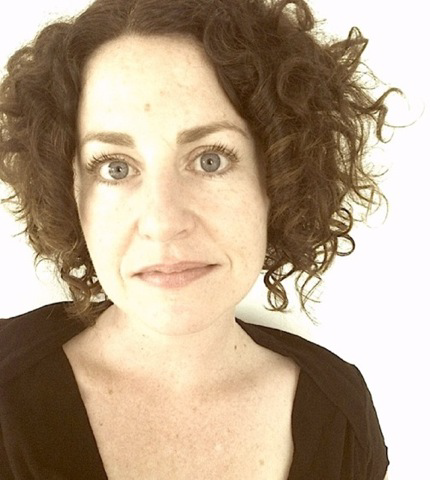
Fellow, Media, Culture, and Communication, New York University
Mara Mills is Assistant Professor of Media, Culture, and Communication at New York University. She received her Ph.D.

Fellow, English, Skidmore College
Susannah B. Mintz is associate professor of English at Skidmore College in Saratoga Springs, NY. She is the author of Threshold Poetics: Milton and Intersubjectivity (2003) and Unruly Bodies: Life Writing by Women with Disabilities (2007), and co-editor with Lisa Johnson of On the Literary Nonfiction of Nancy Mairs: A Critical Anthology (2011). Her current project is entitled Hurt and Pain: A Literary History.
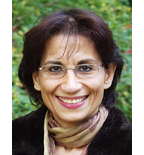
Fellow, Anthropology, SOAS, University of London (the School of Oriental and African Studies)
Ziba Mir-Hosseini is a legal anthropologist, specializing in Islamic law, gender and development. She has a BA in Sociology from Tehran University (1974) and a PhD in Social Anthropology from University of Cambridge (1980).
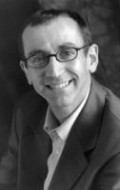
Fellow, Art and Art Education, New York University
Nicholas Mirzoeff is a visual culture theorist and professor in the Department of Media, Culture and Communication at New York University. He is best known for his work developing the field of visual culture and for his many books and his widely used textbook on the subject.
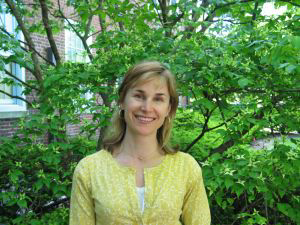
Fellow, History, Rutgers University
I am a political historian of the United States writing about women and gender, race, and the state.
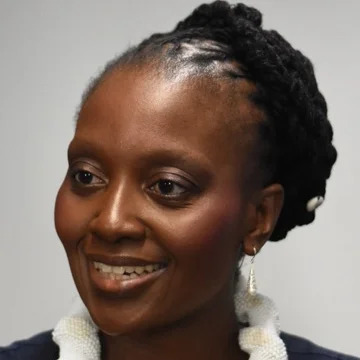
Fellow, Anthropology, Wits Institute for Social and Economic Research, University of the Witwatersrand, Johannesburg
Hlonipha Mokoena's main area of interest is South African intellectual history. One of the defining characteristics of South Africa is that it is a society that ostensibly lacks a collective history or shared philosophical and political traditions. The main objective of Professor Mokoena's teaching is to introduce students to the contested histories of South African political ideas and traditions. Some of the themes and topics examined in her courses include: othering discourses and the emergence of a Cape discourse; slavery, free labour and the history of paternalism; frontier violence and resistance to conquest; and the emergence of African and Afrikaner nationalisms. Professor Mokoena's current research is on Magema M. Fuze, author of the Abantu Abamnyama Lapa Bavela Ngakona (1922) / The Black People and Whence They Came (1979).
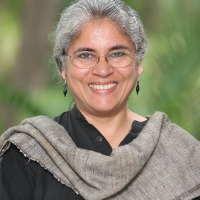
Fellow, Media and Cultural Studies, Tata Institute of Social Sciences
Dr. Anjali Monteiro is Professor and Dean, School of Media and Cultural Studies, Tata Institute of Social Sciences, Mumbai. She has a Masters degree in Economics and a Ph.D. in Sociology. She is involved in documentary production, media teaching and research. Jointly with K.P. Jayasankar, she has made over 35 documentary films. Their work has been screened extensively at film festivals all over the world and they have won twenty-two national and international awards.

Fellow, Anthropology and Sociology, University of Amsterdam
Annelies Moors studied Arabic at the University of Damascus and Arabic and anthropology at the University of Amsterdam. She holds the chair for contemporary Muslim societies at the department of sociology and anthropology at the University of Amsterdam. She is co-director of the research programme group ‘Globalizing Culture and the Quest for Belonging: Ethnographies of the Everyday’, and director of the research programme Muslim Cultural Politics at the AiSSR (Amsterdam Institute for Social Science Research).
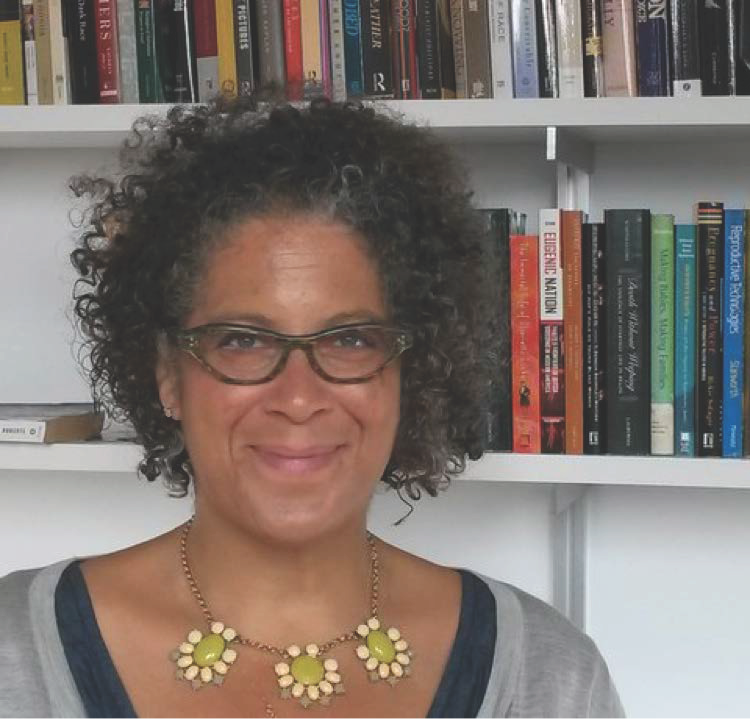
Fellow, Social and Cultural Analysis and History, NYU
Jennifer L. Morgan is professor of history and of social and cultural analysis at New York University. Her research examines the intersections of gender and race in colonial America, and she is author of Laboring Women: Gender and Reproduction in the Making of New World Slavery (2004). She is currently at work on a project that considers colonial numeracy, racism, and the rise of the transatlantic slave trade, tentatively entitled “Accounting for the Women in Slavery.”
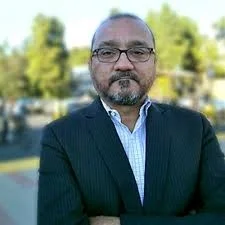
Fellow, Comparative Literature, UCLA
Aamir Mufti is interested in understanding a range of forms of inequality in the contemporary world and how they impede the possibilities for historically autonomous action by social collectivities in the South. His work also explores the possibilities of critical knowledge of these societies within the dominant practices of the modern humanistic disciplines. Mufti has a Ph.D. in literature from Columbia University and was trained in Anthropology at Columbia, the London School of Economics, and Hamilton College.

Fellow, International Relations, University of Tunis
Corinna Mullin is a Part-Time Faculty member at the New School and John Jay College, and was a Visiting Assistant Professor at the University of Tunis for five years. Her book manuscript, Tunisia and imperial security architectures: Race, class, empire and the (re)making of a global south security state, illuminates intersections between security, imperialism, and racial capitalism through insights from international relations and political economy, American Studies, and critical race, law, and decolonial theory.
Fellow, Linguistic Anthropology, CUNY Graduate Center
Sarah Muir's research is situated at the intersection of linguistic, political-economic, and historical anthropology and grounded in ethnographic fieldwork and archival research in Argentina. Thematically, her work examines the practical logics of economic investment, ethical evaluation, and political critique, with a particular focus on financial crisis and social class.
Fellow, History, Rutgers University
Donna Murch is an associate professor of history at Rutgers University and a former codirector of the Rutgers Center for Historical Analysis, where she directed the Black Atlantic seminar. Her teaching and research focus on postwar U.S. history, modern African American history, twentieth-century urban studies, and the political economy of drugs. She is the author of Living for the City: Migration, Education, and the Rise of the Black Panther Party in Oakland, California (2010), which won the Phillis Wheatley Book Award.

Fellow, American Studies, George Washington
Amber Jamila Musser is a Professor of American Studies at George Washington University and the author of Sensational Flesh: Race, Power, and Masochism (NYU, 2014) and Sensual Excess: Queer Femininity and Brown Jouissance (NYU Press, 2018). Musser has published widely on race, critical theory, queer femininities, sexuality, and queer of color critique.
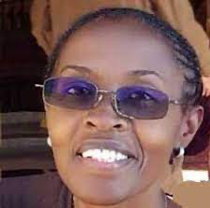
Fellow, Visual Arts, Technical University of Kenya
Lydia Waithira Muthuma is a Lecturer in Visual Arts at the Technical University of Kenya and the current chair of UNESCO’s national committee for memory of the world. Muthuma’s current research interests are the historiography of contemporary art in Eastern Africa and the conservation of public monuments as a tool for building collective identity in Nairobi. Through aesthetic critique, art history, and analysis of spatial politics and visual culture, her work examines the built environment in Kenya in order to ascertain who it belongs to and how this identity has been manifested.
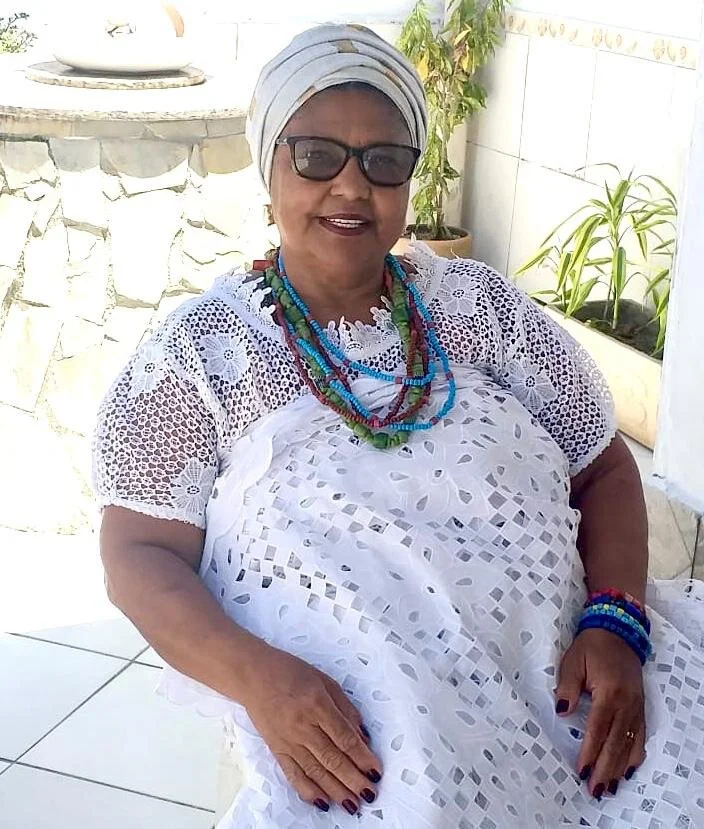
Fellow, Afro-Brazilian Women and Health, 1st World Summit of Afro-descendants in Honduras
Mãe Nilce de Iansã; Project Coordinator at Ilê Omolú e Oxum- Rio de Janeiro; Coordinator of the National Network of Afro-Brazilian Women and Health; Member of the International Committee of the Organization of the 1st World Summit of Afro-descendants in Honduras, 2011; Member of the Technical Committee of Health of the Black Population.
O-R
Visiting Fellows

Fellow, Literature, St. Paul’s University, Kenya,
Garnette Oluoch-Olunya is an adjunct Lecturer in Literature at St. Paul’s University, Kenya, a Strategic Consultant with the Godown Arts Centre in Nairobi, and holds a Ph.D. in English from the University of Glasgow, Scotland. She was Senior Lecturer and founding Director of the Center for Creative and Cultural Industries at the Technical University of Kenya, building on the GoDown’s collaborative work with Natverkstan Institute of Sweden, the British Council, and Goldsmiths, University of London, in partnerships that sought to link academic research with arts practice. She sits on the editorial board of Jahazi, a Journal of Culture, Arts & Performance, and is a Fellow of the Centre for Advanced Scholarship (Ubuntu Project), University of Pretoria, South Africa.
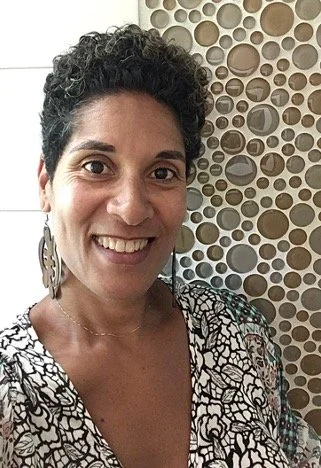
Aya Ouais is an abolitionist organizer and recent graduate of Columbia University with a B.A. in History, born and raised in Casablanca, Morocco. As a student, she specialized in the histories of anti-racist social movements in the United States.
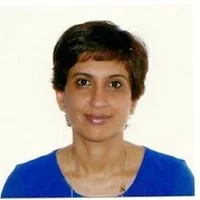
Fellow, Women and Gender Studies, Hunter College, CUNY.
Rupal Oza is an Associate Professor in the Department of Women and Gender Studies at Hunter College, CUNY. Her work focuses on political economic transformations in the global south, the geography of the right-wing politics, and the conjuncture between development and security. Her first book, The Making of Neoliberal India: Nationalism, Gender, and the Paradoxes of Globalization was published in 2006 by Routledge, New York and by Women Unlimited, India. She has several articles in peer-reviewed journals. She has written on special economic zones, the discourse of security, and Hindutva politics India. Her current project examines the relationship between sexual assault, caste, and land in Haryana, India. She is also working on a collaborative project that examines foreclosures and gentrification in New York City.
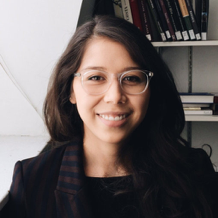
Fellow, History of Architecture and Urban Development, Cornell University
Ana Gisele Ozaki is a Ph.D. Candidate in History of Architecture and Urban Development at Cornell University, with specializations in Africana and Latin American studies. Her dissertation investigates the complex ways colonial ideologies of race have interfered with modern architectural understandings of climate in Brazil and its connections with Nigeria, Angola, and Mozambique

Fellow, Arts and Sciences, Sabanci University (Turkey)
Ayse Parla is on the Faculty of Arts and Sciences at Sabanci University (Turkey). She is the recipient of a TUBITAK research grant for a collaborative project on "Forms of organization among new migrants: A comparative analysis of Bulgarian Turks, Iraqi Turkmens and Moldavians in Turkey." (with Mine Eder and Didem Danis). Her recent publications include: "Irregular Workers or Ethnic Kin?
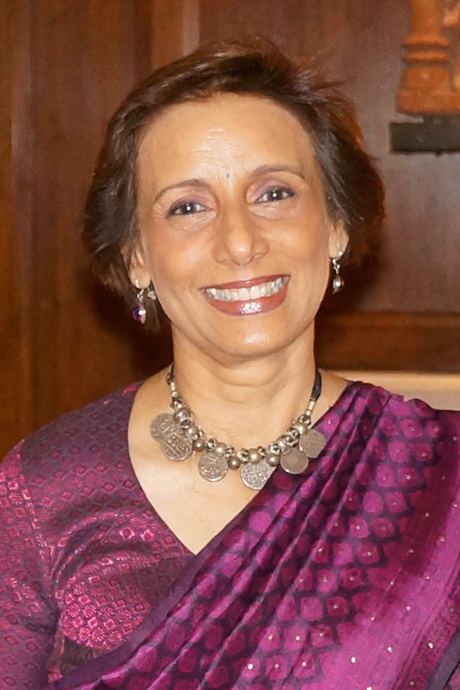
Fellow, Neonatologist, Tata Institute of Social Sciences
After a long and distinguished career as a faculty pediatrician/neonatologist in Chicago, and her time at HSPH, Dr. Anita Patil Deshmukh returned to her native India with a vision. The government of the state of Maharashtra had supported her education and, along with HPSH, given her the tools to become who she is today – medical doctor, advocate for populations without a voice, passionate believer in human dignity and the right to health – and Anita knew she wanted to give back to her country and community, and give others the opportunity to flourish.

Fellow, Architecture, University College, London
Barbara Penner is a Professor at the University College, London. She is author of Bathroom (2013) and Newlyweds on Tour: Honeymooning in Nineteenth-Century America (2009), and co-editor of Sexuality and Gender at Home: Experience, Politics, Transgression (2017), Forty Ways to Think about Architecture (2014), Ladies and Gents: Public Toilets and Gender (2009), and Gender Space Architecture (2000).
Fellow, Media and Cultural Studies, Tata Institute of Social Sciences
Shilpa Phadke is assistant professor at the Centre for Media and Cultural Studies at the Tata Institute of Social Sciences, Mumbai. She has been educated at St. Xavier’s College and SNDT University, Mumbai, and the University of Cambridge, UK.
Fellow, Urban Planning, Columbia University
Vidyadhar K. Phatak, after 37 years of experience in various sub-fields of urban planning and development in government agencies in Mumbai, retired from the service of Mumbai Metropolitan Region Development Authority as its Principal Chief, Town and Country Planning Division on February 29, 2004. His interests include - Urban and Shelter Sector Studies, City Development Strategy, Preparation and appraisal of projects for the Development Banks and Financing local governments and Structuring projects for Public-Private-Partnership.
Fellow, Anthropology, University of the Western Cape.
Associate Professor Suren Pillay is a Senior Researcher and Acting Director at the Center for Humanities Research. He holds a Phd (with Distinction) in Anthropology from Columbia University, and an MA (cum laude) in Development Studies from the University of the Western Cape. Between 2007 -2010 Suren was seconded to the Human Sciences Research Council of South Africa where he led research on the effects of violence and crime on citizenship in post-apartheid South Africa, and conducted research on migration and xenophobia.

Fellow, Sociology, Queens College and the CUNY Graduate Center
Victoria Pitts-Taylor is Professor of Sociology at Queens College and the Graduate Center of the City University of New York. At the Graduate Center, she is also Director of the Center for the Study of Women and Society and Coordinator of the Women’s Studies Doctoral Certificate Program. She is author of two books, In the Flesh: the Cultural Politics of Body Modification and Surgery Junkies: Wellness and Pathology in Cosmetic Culture, as well as Editor of The Cultural Encyclopedia of the Body.
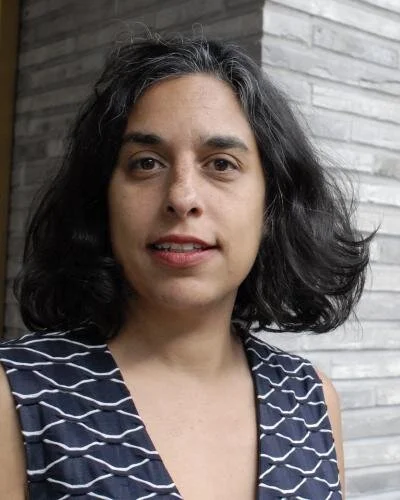
Fellow, English, New York University
Sonya Posmentier is an Associate Professor in the Department of English at New York University, where she teaches African American and Black Diasporic literature and culture, poetry and poetics, and environmental literature. Her first book Cultivation and Catastrophe: The Lyric Ecology of Modern Black Literature was published in 2017 by Johns Hopkins University Press, and is a recipient of the William Sanders Scarborough award from the Modern Language Association.
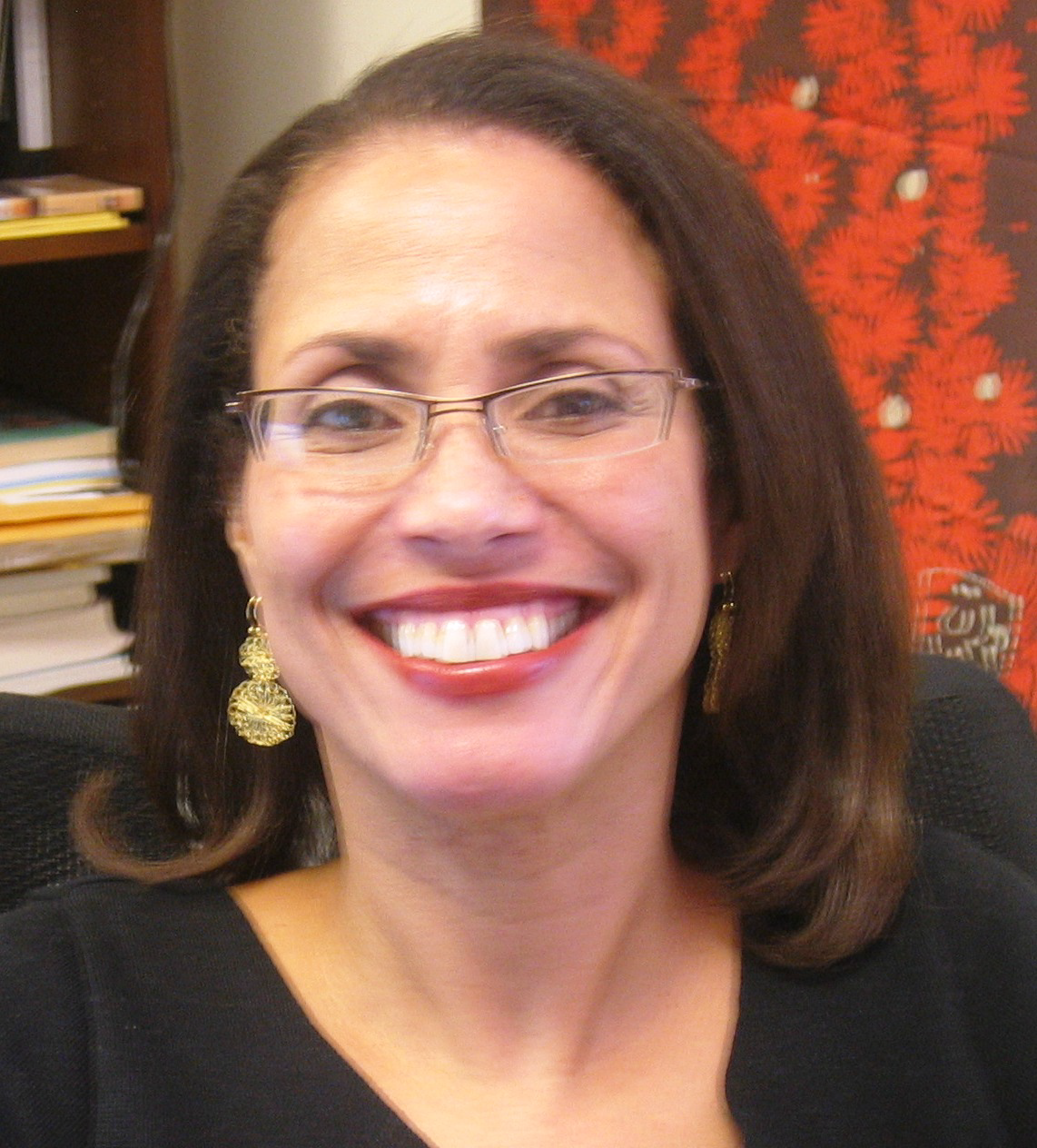
Fellow, History, University of Pennsylvania
Eve M. Troutt Powell teaches the history of the modern Middle East. As a cultural historian, she emphasizes the exploration of literature and film in her courses. She is the author of A Different Shade of Colonialism: Egypt, Great Britain and the Mastery of the Sudan (University of California, 2003) and the co-editor, with John Hunwick, of The African Diaspora in the Mediterranean Lands of Islam (Princeton Series on the Middle East, Markus Wiener Press, 2002).

Fellow, International Politics of the Middle East, University of Warwick, UK.
Nicola Pratt is Reader of the International Politics of the Middle East at the University of Warwick, UK. She has written on human rights, civil society and democratization in the Arab world, including Democracy and Authoritarianism in the Arab World (Lynne Rienner, 2007). More recently, she has written on issues of gender, war and security in the Middle East. She is co-author, with Nadje Al-Ali, of What Kind of Liberation? Women and the Occupation of Iraq (University of California Press, 2009), co-editor, also with Nadje Al-Ali, of Women and War in the Middle East (Zed Press, 2009) and co-editor with Sophie Richter-Devroe of a special issue of International Feminist Journal of Politics on ‘Critically Examining UNSCR 1325 on Women, Peace and Security’ (December 2011) as well as articles in International Studies Quarterly and Third World Quarterly, amongst others.

Fellow, Visual Audio, Instituto Arcos
Gonzalo Rabanal estudió Comunicación Audio Visual en el Instituto Arcos, periodo donde emprende la elaboración de un trabajo de obra que se proyecta de lo particular a lo colectivo, abriendo lugar a una multiplicidad expresiva. Ha sido reconocido el año 1989 con la beca Fundación Andes y el año 2010 con la beca Fundación Ford. Actualmente cursa como alumno de postgrado el Magíster en Artes Visuales en la pontificia universidad católica de chile.

Fellow, Gender and Sexuality Studies, Metropolitan Studies, NYU
Assistant Professor, Gender and Sexuality Studies, Metropolitan Studies; Assistant Professor of Social and Cultural Analysis , Africana Studies , American Studies ; Director, Metropolitan Studies Ph.D. 2007 (Anthropology), University of Chicago; M.A. 2002 (Anthropology), University of Chicago; B.A. 2000 (Africana Studies) Morris Brown College.
Areas of Research/Interest: Citizenship, Sovereignty, Risk, Liability, Urban Youth Culture, Diaspora, Postcolonialism
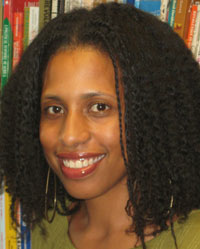
Fellow, History and Afro American and African Studies, University of Michigan
Sherie Randolph is assistant professor of History and Afro American and African Studies at the University of Michigan, Ann Arbor. The former Associate Director of the Women’s Research & Resource Center at Spelman College, Randolph received her Ph.D. from New York University in 19th- and 20th-century American history with concentrations in African Diaspora and women and gender history.

Fellow, Anthropology, New York University
Rayna Rapp (former Rayna R. Reiter) is a professor and associate chair of anthropology at New York University, specializing in gender and health; the politics of reproduction; science, technology, and genetics; and disability in the United States and Europe. She has contributed over 80 published works to the field of anthropology, independently, as a co-author, editor, and forward-writing, including Robbie Davis-Floyd and Carolyn Sargent's Childbirth and Authoritative Knowledge. Her 1999 book, Testing Women, Testing the Fetus: the Social Impact of Amniocentesis in America, received multiple awards upon release and has been praised for providing "invaluable insights into the first generation of women who had to decide whether or not to terminate their pregnancies on the basis of amniocentesis result".
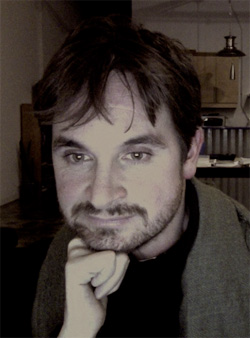
Fellow, History, University at Buffalo
Michael A. Rembis is the Director of the Center for Disability Studies and an Assistant Professor in the Department of History at the University at Buffalo (SUNY). He came to Buffalo from the University of Notre Dame, where he was a visiting scholar in the Department of American Studies and the Department of History. His work, which has appeared in many journals and edited collections, has won several awards, including the 2008 Irving K. Zola Award, awarded annually by the Society for Disability Studies to emerging scholars.
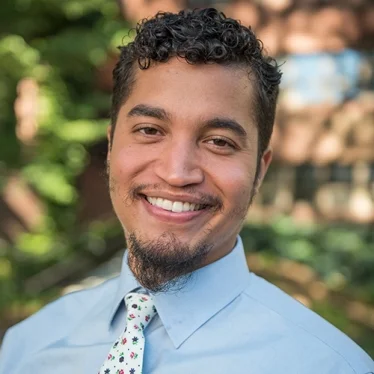
Fellow, Women’s, Gender, and Sexuality Studies, University of Cincinnati.
J.T. Roane is assistant professor of Women’s, Gender, and Sexuality Studies at the University of Cincinnati. He is also part of the University’s urban futures initiative. Roane is broadly concerned about matters of geography, sexuality, and religion in relation to Black communities. He is at work on a manuscript, Dark Agoras: Insurgent Black Social Life and the Politics of Place in Philadelphia, which historicizes multiple modes of insurgent spatial assemblage Black communities articulated in Philadelphia in the second half of the twentieth.
Fellow, Photographer, Columbia University
Huáscar Robles is an author and photographer from Caguas, Puerto Rico. He has written about the revitalization of Santurce, Puerto Rico through tax incentives and the impact of the economic crisis on the Island’s middle class.
Fellow, English, City University of New York
Julia Miele Rodas is assistant professor of English at the City University of New York (CUNY). She teaches writing at CUNY’s Bronx Community College and is on the faculty of the Master’s program in Disability Studies at the CUNY School of Professional Studies. Her writing has appeared in Victorian Literature & Culture, Dickens Studies Annual, the Victorian Review, the Journal of Literary & Cultural Disability Studies, Disability Studies Quarterly, the Explicator, and other venues.
Fellow, Social Policy and Practice, University of Pennsylvania
Akira Drake Rodriguez is an Assistant Professor at the University of Pennsylvania’s Weitzman School in the Department of City & Regional Planning. Her research examines the politics of urban planning, or the ways that disenfranchised groups re-appropriate their marginalized spaces in the city to gain access to and sustain urban political power.
Fellow, Economics, Brandeis University
Harilyn Rousso is a writer, painter, educator, social worker, psychotherapist and activist who has worked in the disability rights field, with a particular emphasis on issues of women and girls with disabilities, for more than twenty-five years. She is the founder of the Networking Project for Disabled Women and Girls of the YWCA/NYC, a unique mentoring program that has been replicated widely, and the President of Disabilities Unlimited Consulting Services, which provides education and training on disability equity issues.
S-S
Visiting Fellows

Fellow, Human Rights, Columbia University
Julie Stone Peters teaches and writes primarily on law and humanities and the history and theory of audiovisual media (cinema, theatre, and other performance and media cultures). Her books include Law as Performance: Theatricality, Spectatorship, and the Making of Law in Ancient, Medieval, and Early Modern Europe (2022), Theatre of the Book: Print, Text, and Performance in Europe 1480-1880 (2000), and Women's Rights, Human Rights: International Feminist Perspectives (co-edited, 1995). She has taught at Harvard, Stanford, and the Metropolitan Detention Center (Brooklyn), and was Founding Director of the Columbia College Human Rights Program.
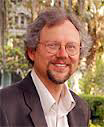
Fellow, History, University of Florida
Professor Jon Sensbach received his Ph.D. in 1991 in early American history from Duke University, his B.A. in 1980 from the University of Virginia. He joined the University of Florida Department of History in 1998 after teaching at the College of William and Mary and the University of Southern Mississippi. He teaches the Department’s foundation graduate course on early America and has recently taught a graduate seminar on the Black Atlantic as well as undergraduate courses on the Atlantic slave trade, colonial America, and the American Revolution.

Fellow, Urban Education, CUNY Graduate Center
Carla Shedd's work focuses on timely issues related to criminal justice; race, law and society; social inequality; and urban policy. Her current research centers on New York City’s juvenile justice system, specifically investigating how young people’s institutional experiences influence their placement on and movement along the carceral continuum. She is the author of Unequal City: Race, Schools, and Perceptions of Injustice (Russell Sage Foundation, 2015), which explores obstacles facing urban adolescents in Chicago; the book received the 2015 C. Wright Mills Award from the Society for the Study of Social Problems and the 2016 Distinguished Contribution to Scholarship Book Award Presented by the American Sociological Association’s Section on Race, Gender, and Class. Shedd has been published in the American Sociological Review and Sociological Methods & Research. Shedd’s current research examines the juvenile justice system in New York City, investigating how young people’s linked institutional experiences influence their placement on and movement along the carceral continuum.

Fellow, Politics and International Studies, The Open University
Leticia Sabsay is a Research Associate at the Department of Politics and International Studies at The Open University. Her appointment is part of the ‘Oecumene - Citizenship after Orientalism’ ERC project. Her areas of specialism encompass: critical social theory; feminist cultural and visual studies; and queer theory. Prior to taking on this role she studied sociology, and subsequently became Assistant Professor of Communications, at the University of Buenos Aires before leaving Argentina in 2002.

Fellow, Sexuality, Women's and Gender Studies, Amherst College
Sahar Sadjadi is a physician, anthropologist and assistant professor of Sexuality, Women’s and Gender studies at Amherst College. She is currently completing a book based on an ethnographic multi-sited study of the clinical practices around gender non-conforming children in the US and the revision of the psychiatric category, Gender Identity Disorder in Children.
Fellow, International Relations, Northwestern University
Maryam Saleh is an editor and reporter at The Intercept’s Washington, D.C. bureau, where she covers immigration, politics, and foreign policy. She is a graduate of Northwestern University’s Medill School of Journalism.
Fellow, Sociology and Women's and Gender Studies, Rutger's
How to understand the complicities and cross-fertilizations of the discursive regimes of war and terror and neoliberal globalization? What are the gendered spaces in which states and neoliberal economic forces interest to produce gendered subjectivities, desires and agency? How does this interplay of classed, racialized and gendered forces create marginalization and subordination but also spaces for participation and contention ?
Fellow, Human Rights, Egyptian Initiative for Personal Rights (EIPR)
Ms. Yara Sallam is the Transitional Justice officer at the Egyptian Initiative for Personal Rights (EIPR). Yara previously worked as the Women Human Rights Defenders Program director at Nazra for Feminist Studies (Egypt), a professional legal assistant at the African Commission on Human and Peoples’ Rights (ACHPR) in The Gambia, as a researcher on Freedom of Religion and Belief at EIPR, and as a research assistant at the Institute of Research for Development (IRD) focusing on women’s rights in Egypt. Yara earned two degrees of law (LL.B) – a Licence of Law from Cairo University in Egypt and Maîtrise of Commercial Law from Paris I University Pantheon Sorbonne in France in 2007. She has also been awarded a Master of Laws degree (LL.M.) in International Human Rights Law at the Law School of Notre Dame University, the United States of America (2010).
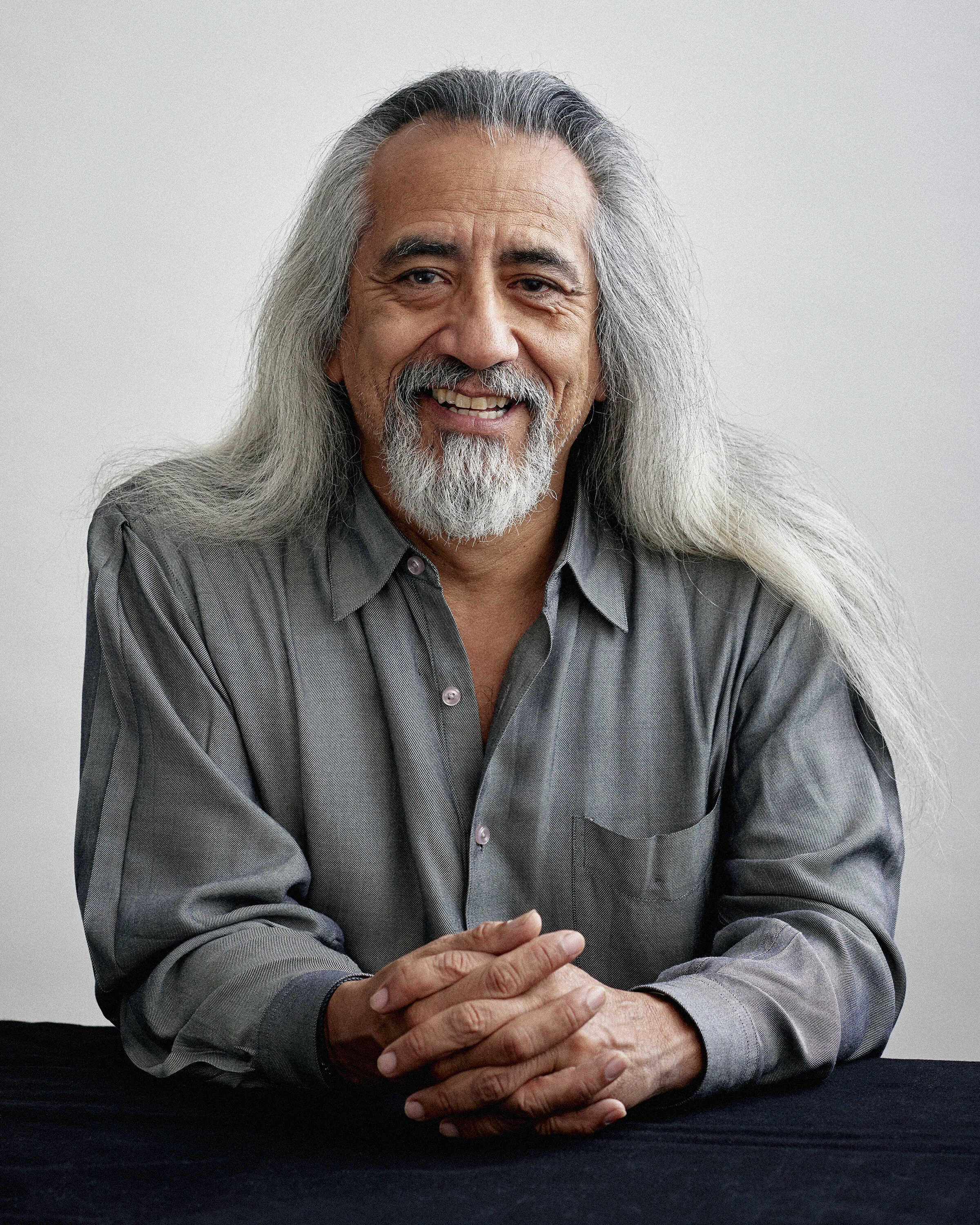
Fellow, Social Practice Artist, Abrons Arts Center
George Emilio Sanchez is a writer, performance artist and social activist living and working on the ancestral homelands of the Lenapehoking, or Land of the Lenape, today known as Fort Greene, Brooklyn, New York. Most recently he premiered XIV at Dixon Place in New York City in 2019. He recently was named the Keith Haring Fellow by the MacDowell in New Hampshire, and he is a Social Practice artist-in-residence at Abrons Arts Center in New York City.

Fellow, English, City University of New York
Rebecca Sanchez is an Assistant Professor of English at Fordham University and a member of the MLA’s Committee on Disability Issues in the Profession. Her research interests include transatlantic modernism, Deaf and disability studies and poetics. She is currently working on a book project entitled Deafening Modernism, which analyzes the impact of communicative norms on twentieth century writing.

Fellow, Cultural Studies, Doshi Women’s College of Arts
Abhay Sardesai has been the Editor of ART India, the premier art magazine of India, since November 2002. Under his editorship, the magazine has developed a Culture Studies-oriented approach and has become more inter-disciplinary in its theme-based explorations. He has been a Visiting Faculty in Aesthetics at the Department of English, University of Mumbai, and has also been the Chair of Humanities, Kamla Raheja Vidyanidhi Institute of Architecture, Mumbai. He teaches at the Smt. P. N. Doshi Women’s College of Arts and also at various other institutions like Jnanapravaha and TISS.
Fellow, History, University of Pennsylvania
Barbara D. Savage is Geraldine R. Segal Professor of American Social Thought and Professor of History at the University of Pennsylvania, where she has taught since 1995. She teaches graduate and undergraduate courses in twentieth century African American history; the history of American religious and social reform movements; and the history of the relationship between media and politics.
Fellow, Near Eastern Languages and Cultures, UCLA
Asma Sayeed is Assistant Professor of Islamic Studies at UCLA in the Department of Near Eastern Languages and Cultures. Her primary research interests are in early and classical Muslim social history, the intersections of law and social history, gender, and the history of Muslim education. Her book, Women and the Transmission of Religious Knowledge in Islam (Cambridge University Press) analyses Muslim women’s religious education, specifically their transmission of ḥadīth from the rise of Islam to the early Ottoman period.
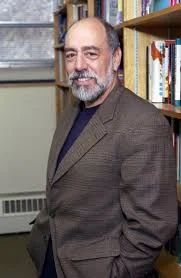
Fellow, Political Science, Hunter College, CUNY
Sanford Schram is a noted American political scientist and author. Schram is on the faculty in the Political Science Department at Hunter College, CUNY and in the Sociology Department at the CUNY Graduate Center where he teaches in the doctoral program in Political Science. He is also active as a Faculty Associate at the Roosevelt House Public Policy Institute (which is part of Hunter College).

Fellow, Disability Rights Clinic, Syracuse University College of Law
Michael Schwartz, a deaf lawyer, is an associate professor of law and has been the director of the Disability Rights Clinic in the Office of Clinical Legal Education at the Syracuse University College of Law since August 2004. Schwartz received his Bachelor of Arts degree in English from Brandeis University and a Master of Arts degree in Theater Arts from Northwestern University. He then joined the National Theater of the Deaf and toured the United States as D’Artagnan in Dumas’s The Three Musketeers.
Fellow, Women’s and Gender Studies, Rutgers University, New Brunswick
Kyla Schuller is Associate Professor of Women’s and Gender Studies at Rutgers University, New Brunswick and author of The Biopolitics of Feeling: Race, Sex, and Science in the Nineteenth Century (Durham, NC: Duke University Press, 2018).
Fellow, Religion and the Global Framing of Gender Violence, Columbia University
Samira Shackle is a freelance British journalist, writing mainly on politics, terrorism, and gender. Samira writes for The New Statesman, The Guardian, The Times, Vice, and many others. She has won multiple awards for her reporting and often sits on panels, generally discussing issues relating to international development, Islam, feminism, and terrorism. Samira has a B.A. in English Language and Literature from the University of Oxford.

Fellow, Law, Sindh Muslim Law College
Shagufta Shah is an anti-violence violence advocate and counselor at the Arab-American Family Support Center (AAFSC) of New York. She joined AAFSC in 2013 as a Disaster Case Manager then promoted as Program Manager for the same project, when AAFSC operated a program to help families recover in the wake of Hurricane Sandy.
Fellow, Islamic Studies and Gender Studies, University of Cape Town
Working at the intersection of Islamic Studies and Gender Studies, Dr Shaikh has an interest in Sufism and its implications for Islamic feminism and feminist theory. Her book Sufi Narratives of Intimacy: Ibn ʿArabī, Gender and Sexuality is published by the University of North Carolina Press (2012). Her other areas of research cover issues of gender violence; feminist approaches to hadith and Quran; contraception and abortion; theoretical debates on Islam and feminism; Engaged Sufism and empirical research on South African Muslim women.

Fellow, Public Welfare, Hebrew University of Jerusalem
Nadera Shalhoub-Kevorkian is a longtime anti-violence, native Palestinian feminist activist and scholar. She is the Lawrence D. Biele Chair in Law at the Faculty of Law-Institute of Criminology and the School of Social Work and Public Welfare at the Hebrew University of Jerusalem.
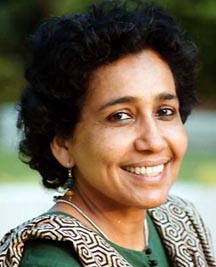
Fellow, English and Art and Design, University of Michigan
Kalpana Sharma is a Mumbai-based independent journalist, columnist and media consultant who writes for English language and Indian language publications in India. Until recently, she was Deputy Editor with The Hindu, one of India's leading English language dailies. Her special areas of interest are environmental and developmental issues and gender. She has written three books: Rediscovering Dharavi: Stories from Asia's Largest Slum (Penguin 2000), Whose News?
Fellow, Anthropology and Psychology, St. Xavier’s College, Mumbai University
Surabhi Sharma is a filmmaker. She studied film direction at the Film and Television Institute of India (FTII), Pune, and made her first film in 2001. She completed a BA in Anthropology and Psychology from St. Xavier’s College, Mumbai University. Her films have been screened and awarded at various international and national festivals. She has also directed and scripted fiction films and Science Programming for children. Beyond this Surabhi Sharma is a guest lecturer at the National Institute of Design and at the Centre for Media and Cultural Studies, Tata Institute of Social Science.
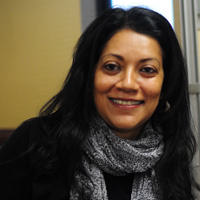
Fellow, Anthropology, BRAC University
Dina M. Siddiqi divides her time between New York and Dhaka, where she is Professor of Anthropology, BRAC University. Her publications, grounded in the study of Bangladesh, cover a broad spectrum: the global garment industry; gender justice and non-state dispute resolution systems, and the intersections of Islam, nationalism and feminist cultural politics. She is currently working on a book entitled Elusive Solidarities: “Muslim” Women and Transnational Feminism at Work. Siddiqi is on the editorial board of Routledge’s Women in Asia Publication Series, a member of the South Asia Council of the Association of Asian Studies (AAS), and on the Gender Advisory Council of the Lahore School of Management Sciences (LUMS). She is also part of the Advisory Council of the South Asian Network of Gender Activists and Trainers (SANGAT). She has extensive research experience with Bangladeshi human rights organizations, including Ain o Salish Kendra (ASK) and Bangladesh Legal and Services Trust (BLAST).

Fellow, English and Art and Design, University of Michigan
Tobin Siebers is V. L. Parrington Collegiate Professor, Professor of English and Art and Design at the University of Michigan. He has been a fellow of the Michigan Society of Fellows and the John Simon Memorial Guggenheim Foundation and a Visiting Scholar at the Ecole Polytechnique in Paris.

Fellow, Anthropology, City University of New York
Irina Carlota (Lotti) Silber received her PhD from NYU and is currently an Associate Professor of Anthropology at the City College of New York (CCNY) in the Department of Interdisciplinary Arts and Sciences, which is housed at the Center for Worker Education. She is also the Director of the MA Program in the Study of the Americas. She is the recipient of various dissertation fellowships (i.e.
Fellow, Economics, Hofstra University
Bertram Silverman is a professor of economics emeritus and former director of the Center for the Study of Labor and Democracy at Hosftra University. He has worked as a trade union economist and has organized and directed a joint university-trade union college degree program for working adults. Silverman has written about labor problems in the United States, Latin America, and Europe. He is editor of Man and Socialism in Cuba: The Great Debate and co-editor with Murray Yanowitch of The Worker in “Post-Industrial” Capitalism; Labor and Democracy in the Tran

Fellow, Sociology, Boğaziçi University
Simpreet Singh is an Indian activist who since quitting his career as a successful engineer, has worked relentlessly on exposing housing scams and corruption in the city of Mumbai, where slum-dwellers are being evicted, in many cases unfairly, to make way for upmarket developments.
Fellow, Sociology, Boğaziçi University
Professor of Sociology at Bogazici University. She received a Bachelor of Artsand PhD at the University College of London in 1976 and 1988 respectively. Dr. Sirman’s areas of interest include gender, family and kinship, postcolonial societies, interpretive methods.
Fellow, History, University of Michigan
Carroll Smith-Rosenberg is the Mary Frances Berry Collegiate Professor of History, Women's Studies and American Culture, University of Michigan, Emerita. The author of several books and more than 40 essays on American history and culture and women's history, she has twice received the Binkley-Stephenson Award for best article in the Journal of American History. Her most recent book is This Violent Empire: The Birth of an American National Identity (2010).
T-Z
Visiting Fellows

Fellow, Sociocultural Anthropology, UC Berkeley
Shahla Talebi is a scholar of religions, 2006 Newcombe Fellow, and Associate Professor at Arizona State University. A native of Iran, she lived in Tehran during the Iranian Revolution and the Iran-Iraq War.

Fellow, Anthropology and Education, Teachers College, Columbia University
Amina Tawasil's current research focus is on the intersection of women and Islamic education. With the support of the International and Transcultural Studies program at Teachers College, Columbia University, in the summer of 2008 she traveled to Tehran, Iran to conduct a two-month pilot study on the education of seminarian women in Iran, which became the main focus of her dissertation research.

Fellow, Performance and Politics, New York University
Diana Taylor is University Professor and Professor of Performance Studies and Spanish at NYU. She is the author of Theatre of Crisis: Drama and Politics in Latin America (1991), which won the Best Book Award given by New England Council on Latin American Studies and Honorable Mention in the Joe E. Callaway Prize for the Best Book on Drama; of Disappearing Acts: Spectacles of Gender and Nationalism in Argentina’s ‘Dirty War’, Duke U.P., 1997; and The Archive and the Repertoire: Performing Cultural Memory in the Americas (Duke U.P., 2003), which won the ATHE Research Award in Theatre Practice and Pedagogy and the Modern Language Association Katherine Singer Kovacs Prize for the best book in Latin American and Spanish Literatures and Culture (2004).
Fellow, Sculpture Studies, Hacettepe University Fine Arts
Aylin Tekiner (b. 1978, Nevsehir, Turkey) is a New York/Istanbul based artist and activist. She undertook her B.A. and M.A. at Hacettepe University Fine Arts, Sculpture Department in Ankara, Turkey. In 2008 she received her PhD at Ankara University, Institute of Educational Sciences, Cultural Fundamentals of Education Department. Her book "Ataturk Statues: Cult, Esthetics, and Politics" evolved from her PhD thesis and was published by Iletisim Yayinlari (Turkey) in 2010. Aylin has had solo shows and participated in the group exhibitions in Turkey and New York.
Professor, Anthropology, CUNY Graduate Center
Miriam Ticktin is Professor of Anthropology at the CUNY Graduate Center. Her research in the anthropology of medicine and science, law, and transnational and postcolonial feminist theory has focused in the broadest sense on what it means to make political claims in the name of a universal humanity: she has been interested in what these claims tell us about universalisms and difference, about who can be a political subject, on what basis people are included and excluded from communities, and how inequalities get instituted or perpetuated in this process.
Fellow, History, Dartmouth College
Zeynep Türkyılmaz received her Ph.D. from the Department of History at the University of California at Los Angeles (UCLA) in 2009. Her dissertation, "Anxieties of Conversion: Missionaries, State and Heterodox Communities in the Late Ottoman Empire," is based on intensive research conducted in Ottoman, British, and several American missionary archives. She was an Andrew W. Mellon Foundation Sawyer Seminar Postdoctoral at UNC-Chapel Hill between 2009-2010 and Europe in the Middle East/ The Middle East in Europe Seminar Postdoctoral Fellow at Wissenschaftskolleg zu Berlin between 2010-2011.

Fellow, English, Fordham University
Dennis Tyler is Assistant Professor of English at Fordham University. He has published work on African American literature, disability studies, and popular culture. He is the recipient of the 2015-16 Woodrow Wilson Career Enhancement Fellowship. His current book project, Disability of Color, examines how disablement as experience and as discourse has shaped the racial subjecthood of African Americans in the nineteenth and twentieth centuries.

Fellow, Philosophy, New School for Social Research
Elena Tzelepis has completed her Ph.D. in Philosophy at the New School for Social Research, New York. She works on social and political philosophy. She has taught at Columbia University and held visiting positions at the American University in Cairo and the University of Aegean, Greece.
Fellow, Web Radio, Instituto Moreira Salles
Luiz Fernando Vianna is a journalist. He has written for O Globo, Folha de S. Paulo and other venues. He is the author of books on popular music, and coordinates the Batuta Radio since 2013.
Fellow, Urban Studies, University of Amsterdam
Darshan Vigneswaran is currently an Assistant Professor at the Department of Political Science and Centre for Urban Studies , University of Amsterdam. He is also a Senior Researcher at the African Centre for Migration and Society, WITS University. In 2008, he was a British Academy Fellow at the International Migration Institute, University of Oxford where he continues to serve as the reviews editor on the working paper series.

Fellow, Filmmaker, British Council-Saregama India Screenwriting Workshop 2008
Paromita Vohra is a filmmaker, writer and curator whose work has focuses on urban life, popular culture, gender, politics and art. Her films have been widely screened in festivals, galleries and popular screening spaces, besides being included in university syllabi around the world.
Fellow, Law in Access to Justice, University of California, Berkeley Law
Robert D. and Leslie Kay Raven Professor of Law in Access to Justice, University of California, Berkeley Law
Fellow, Ethics, Yeshiva University
David Wasserman is Director of Research at the Center for Ethics at Yeshiva University. He oversees the research and scholarly activities of the Center with an emphasis on the philosophical aspects of bioethics, health care ethics, and disability studies. His current projects focus on prenatal selection and parental role-morality. He publishes widely on these and other topics. At Yeshiva University, Mr. Wasserman presents his research at faculty seminars and a variety of student events. He also presents his work at a wide range of national and international conferences.

Fellow, Women’s and Gender Studies, Yale University
Laura Wexler is co-Principal Investigator of the Women, Religion and Globalization project. She is the author of Tender Violence: Domestic Visions in an Age of U. S. Imperialism (University of North Carolina Press, 2000) and Pregnant Pictures (Routledge, 2000), co-authored with Sandra Matthews. Tender Violence was awarded the 2001 annual Joan Kelley Memorial Prize of the American Historical Association for the best book in women’s history and/or feminist theory.
Fellow, Sociology, Sarah Lawrence College
Sarah Wilcox is Professor of Sociology, Sarah Lawrence College. She specializes in medical sociology, the sociology of science and knowledge, gender and sexuality, and the mass media. Her current research focuses on embodiment and biological knowledge, particularly how lay and expert knowledge intersect and when and how biological ideas become salient in embodied experience, personal identities, and popular culture.

Fellow, Photography & Imaging, Tisch School of the Arts, NYU
Deb Willis has an affiliated appointment with the College of Arts and Sciences, Africana Studies. She was a 2005 Guggenheim Fellow and Fletcher Fellow, and a 2000 MacArthur Fellow, as well as the 1996 recipient of the Anonymous Was a Woman Foundation award. She has pursued a dual professional career as an art photographer and as one of the nation's leading historians of African American photography and curator of African American culture.
Fellow, Narrative Medicine Program, Columbia University
Penny Wolfson won a National Magazine Award in Feature Writing in 2001 for an essay in The Atlantic Monthly called “Moonrise,” which has since been anthologized in several collections, including Best American Essays. Her memoir, Moonrise: One Family, Genetic Identity and Muscular Dystrophy, was published by St. Martin’s Press in 2003.
Fellow, English, University of Pittsburgh
Autumn Womack received her PhD from Columbia University where her research focused on 19th and early twentieth century African American literary culture. At Columbia she developed a rich interest in archival practices, visual studies, black print culture, and social science.
Fellow, Philosophy, Long Island University, Brooklyn Campus
Sophia Isako Wong is an Associate Professor of Philosophy at the Brooklyn Campus of Long Island University in New York, NY, USA. She has published on duties of justice to persons with intellectual disabilities, comparisons between sexism and discrimination against people with intellectual disabilities, and how the availability of PGD (preimplantation genetic diagnosis) affects the reproductive autonomy of prospective parents. Her current research analyzes the work of children and adolescents who provide care to their siblings, parents and other family members.
Fellow, Political Science, Hassan II University in Casablanca, Morocco
Merieme Yafout is a professor and researcher in social sciences. She is the author of several articles on “Islamic feminism in Morocco”, “female ijtihad”, “the status of women in Moroccan political parties”, “Islamist movements in Morocco,” “elections in Morocco,” and “field research in Morocco.”
Fellow, Applied Social Sciences, Hong Kong Polytechnic University
Yan Hairong is an anthropologist in the Department of Applied Social Sciences, Hong Kong Polytechnic University. Her research interests are labour migration, rural-urban relations, and rural cooperatives in China, as well as Hong Konger/Mainlander relations and China/Africa links.
Fellow, Art & Public Policy, New York University
Hentyle Yapp is an assistant professor at New York University in the Department of Art & Public Policy. He is affiliated faculty with the Department of Performance Studies, Disability Council, and Asian/Pacific/American Institute. His research engages China, performance, disability, and queer theory.

Fellow, Navajo and American Indian History , University of New Mexico
Melanie Yazzie (Diné) is an Assistant Professor at University of New Mexico. She has published widely in scholarly platforms, and engages in extensive public intellectual and activist work on Native women’s rights, LGBTQ2 rights, environmental justice, policing and incarceration, and Indigenous housing justice, urban issues, and international solidarity.

Fellow, English, University of Ghana
Helen Yitah is Associate Professor and Head of the Department of English, University of Ghana. She is also founding Director of the University of Ghana-Carnegie Writing Centre, established through her initiative. She holds a BA and MPhil from the University of Ghana and a PhD from the University of South Carolina, Columbia. She has taught various courses on literature and writing at both universities.
Fellow, Diversity and Social Conflict, Humboldt University, Berlin
Gökçe Yurdakul is Georg Simmel Professor of Diversity and Social Conflict at the Humboldt University, Berlin Graduate School of Social Sciences.
She studied Sociology at the Bogazici University and Gender & Women’s Studies at the Middle East Technical University in Turkey. She has her PhD. from the University of Toronto, Department of Sociology where she received the Connaught Fellowship.

Fellow, Anthropology, Jindal School of Art & Architecture, Delhi.
Sarover Zaidi works at the intersections of critical theory, anthropology, art, architecture and material culture studies. She has extensively worked on religious architecture, and urbanism in the city of Bombay and currently co-runs a site on writing the city called Chiragh Dilli (https://chiraghdilli.wordpress.com).

Fellow, Writer, Columbia University
Rafia Zakaria is an author, editor and attorney. She has been a weekly columnist for DAWN, Pakistan’s largest and oldest English language daily since 2009. Her column is syndicated in newspapers all over the world through the Inter Press Service and is regularly republished in the Deccan Chronicle, The Wire India, Kathmandu Post, Sri Lanka Guardian, Korea Herald, New Straits Times and The Internazionale among others. She writes the “Alienated” column for The Baffler and has previously been a regular columnist for Al Jazeera America. She also writes regularly for Guardian Books and is a CNN Opinion contributor. Her recent New York Times Op-Ed “The Myth of Women’s Empowerment” was shared over 30K times on Facebook.

Fellow, Social Studies, The Hague
Dubravka Žarkov is Associate Professor of Gender, Conflict and Development at the International Institute of Social Studies, The Hague. Her fields of expertise are gender and its intersections with sexuality, ethnicity and religion; violent conflict, war and militarism, including gender based sexual violence and communalism, and visual and textual representations of war, violence, and soldiering. She also works on masculinity and sexual violence in wars against men. Among her publications are: Conflict, Peace, Security and Development: Theories and Methodologies (with Helen Hintjens, 2015); Narratives of Justice in and out of the Courtroom: Former Yugoslavia and Beyond (with Marlies Glasius, 2014); Gender, Violent Conflict, and Development (2008); The Body of War: Media, Ethnicity and Gender in the Break-up of Yugoslavia (2007); and The Postwar Moment: Militaries, Masculinities and International Peacekeeping, (with Cynthia Cockburn, 2002). One of her most recent articles is on faith and feminism.

Annette Mwansa Nkowane
Former Technical Officer of Nursing and Midwifery, World Health Organization (WHO) Headquarters, Geneva, Switzerland
Annette Mwansa Nkowane is a nurse and a midwife from Zambia. During the Ebola outbreak, Mwansa served as the Technical Officer of Nursing and Midwifery in the World Health Organization's Health Workforce Department in Geneva.
Annette Mwansa Nkowane
Former Technical Officer of Nursing and Midwifery, World Health Organization (WHO) Headquarters, Geneva, Switzerland

Annette Mwansa Nkowane is a nurse and a midwife from Zambia. During the Ebola outbreak, Mwansa served as the Technical Officer of Nursing and Midwifery in the World Health Organization's Health Workforce Department in Geneva. Previously, she worked with other WHO departments including Mental Health and Substance Use and Gender and Women's Health. Mwansa trained as a community health nurse before completing a masters in human resource development. Prior to her position at the WHO, Mwansa worked with International Federation of the Red Cross in the Health Department. As part of Columbia University's On the Frontlines project, Mwansa conducted interviews with Ebola nurses in Sierra Leone and Liberia in August 2019.
Working Group Affiliation