
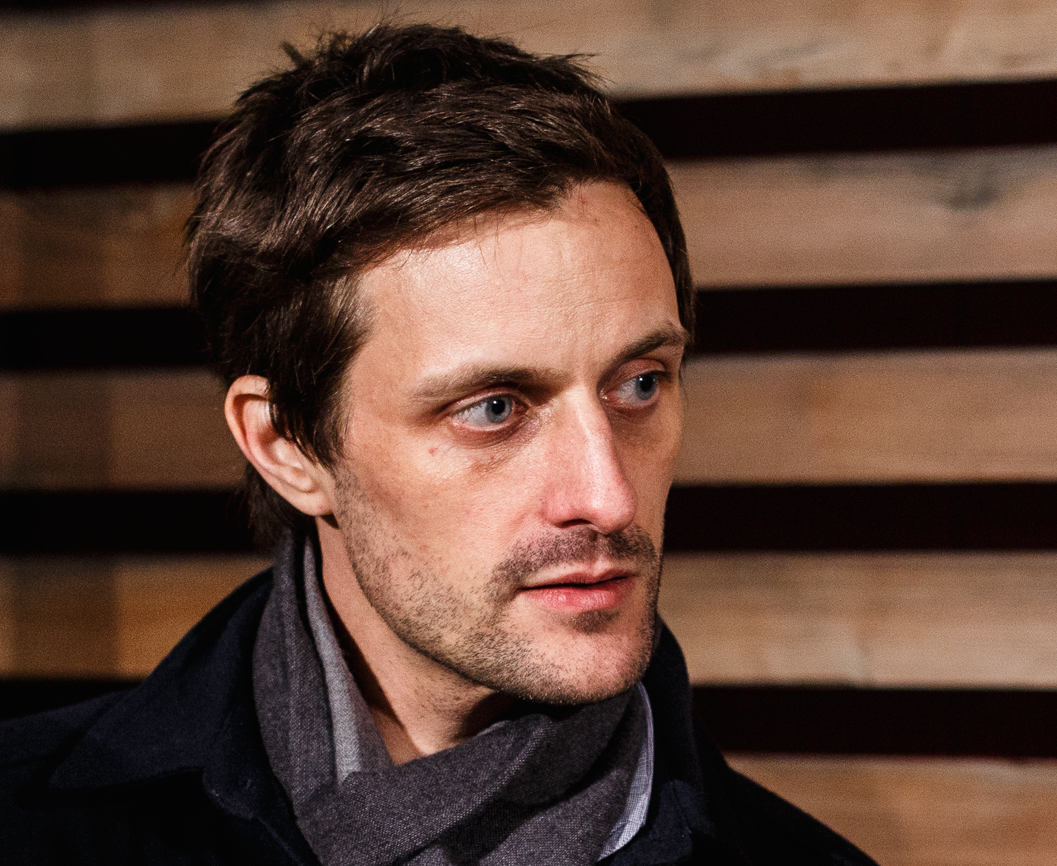
Matias Echanove
Fellow, Government and Economics, London School of Economics
Matias Echanove is co-founder of the urbz collective along with Rahul Srivastava and Geeta Mehta, which has offices in Mumbai, Geneva and Bogota. He has studied government and economics at the London School of Economics, urban planning at Columbia University, and urban information systems at the University of Tokyo.
Matias Echanove

Matias Echanove is co-founder of the urbz collective along with Rahul Srivastava and Geeta Mehta, which has offices in Mumbai, Geneva and Bogota. He has studied government and economics at the London School of Economics, urban planning at Columbia University, and urban information systems at the University of Tokyo.
His writings have been published by the Oxford University Press, New Village Press, The New York Times, The Ruby Press, Strelka, The Wall Street Journal, The Hindu, The Times of India, Time Out Mumbai, Art India and Indian Architect and Builder among others.
urbz is an experimental action and research collective specialized in participatory planning and design. It works with citizens, organizations and municipalities. urbz’s work has been exhibited at MoMA in New York, MAXXI in Rome, MAK in Vienna, Sao Paulo Cultural Center and Bhau Daji Lad City Museum in Mumbai.

Bikem Ekberzade
Fellow, Photography, Boston University
Bikem Ekberzade is a photojournalist who focuses on forced migration in forgotten conflicts. She started her career as a videographer in United States, and soon continued her profession as a photojournalist in the U.S. and worldwide. She has worked for numerous international news outlets such as CNN International, Newsweek, Businessweek, Der Spiegel and The Christian Monitor.
Bikem Ekberzade
Bikem Ekberzade is a photojournalist who focuses on forced migration in forgotten conflicts. She started her career as a videographer in United States, and soon continued her profession as a photojournalist in the U.S. and worldwide. She has worked for numerous international news outlets such as CNN International, Newsweek, Businessweek, Der Spiegel and The Christian Monitor.
She is interested in a combination of visual story telling and written documentation of witness accounts. She covered the Kosovo conflict, the refugee crises in Pakistan and post-9/11 intervention by the United States in Afghanistan. In 2003 she covered the Iraq conflict from across the border in southeastern Turkey, focusing on the human toll and the regional impact. The same year she started work on her first book, Illegal, which would take her 3 years to complete, and be published in Turkey in 2006. In 2005 she left for Darfur to cover the refugee crises in eastern Chad. West-end of the Border, her second book would be published in 2010, as an e-book of photography and free of charge.
In 2011 Ekberzade took a post with the United Nations in Iraq, and left to continue to pursue journalism a year later.
In an era of too much unreliable information, she still puts her faith in solid journalism based on facts and field work. Having witnessed the birth of the internet, she believes in the potential of global digital networks and likes to think of herself as a multimedia journalist.
She is based in and works out of Istanbul.

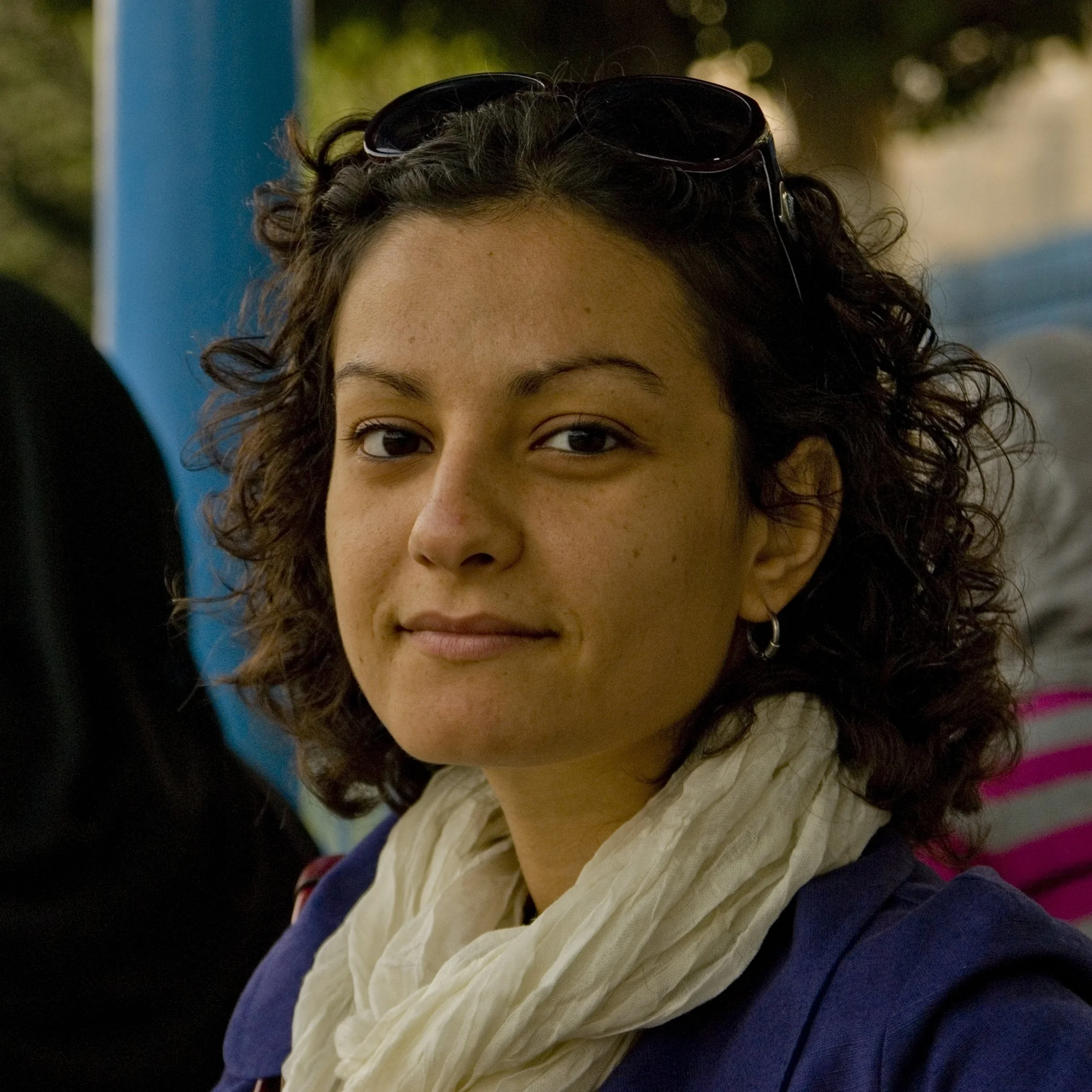
Yasmin El-Rifae
Fellow, Political Science, The American University, Cairo
Yasmin El-Rifae is a writer, researcher and cultural producer. She lives in New York and Cairo. Yasmin is a Middle East and North Africa research associate at the Committee to Protect Journalists. Previously, she worked in journalism and human rights in Egypt, focusing on the struggle against sexual harassment. She holds a B.A. in Political Science from The American University of Cairo and a graduate diploma in Law from the City University in London.
Yasmin El-Rifae
Media Fellow, Religion and the Global Framing of Gender Violence
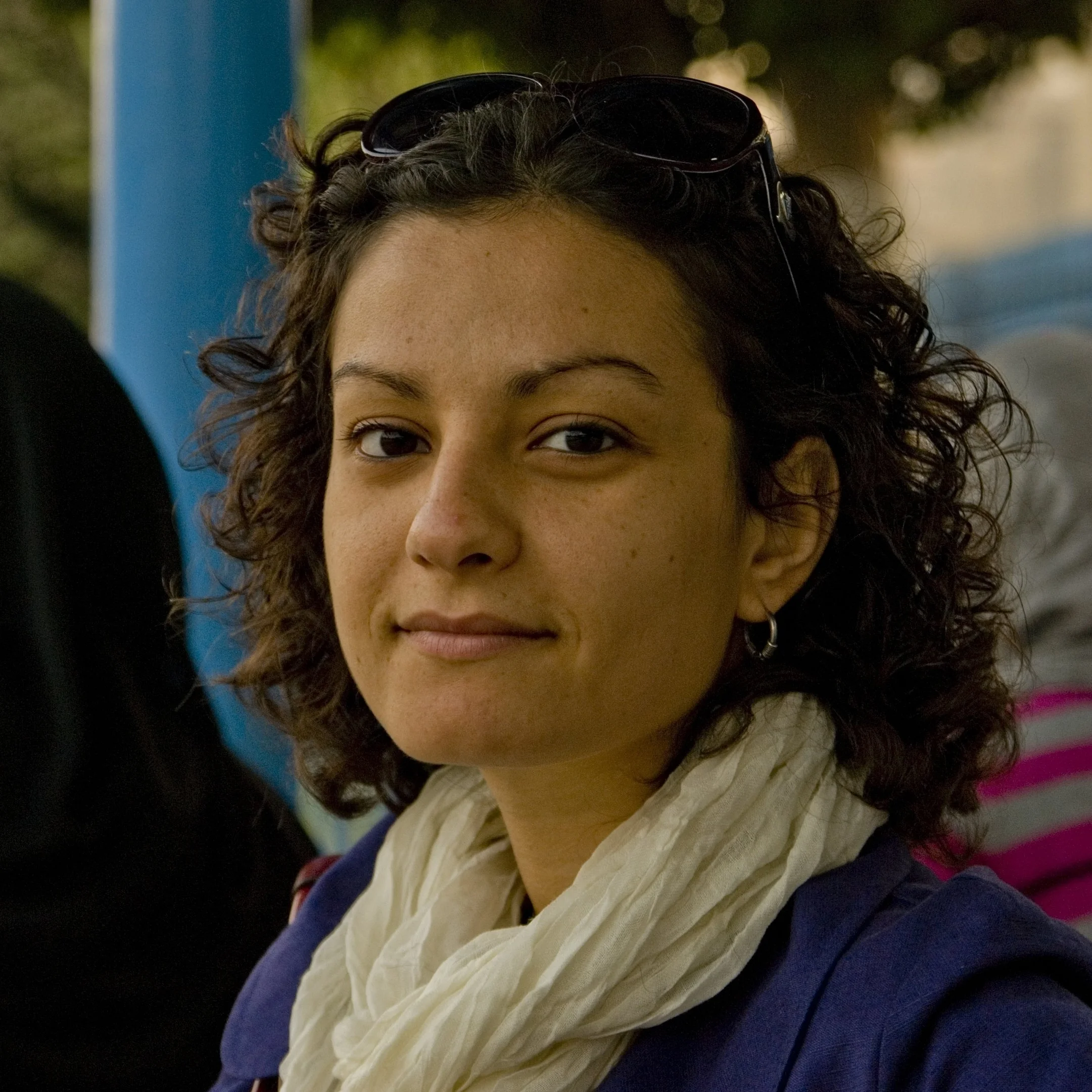
Yasmin El-Rifae is a writer, researcher and cultural producer. She lives in New York and Cairo. Yasmin is a Middle East and North Africa research associate at the Committee to Protect Journalists. Previously, she worked in journalism and human rights in Egypt, focusing on the struggle against sexual harassment. She holds a B.A. in Political Science from The American University of Cairo and a graduate diploma in Law from the City University in London.
Working Group Affiliation
Religion and the Global Reframing of Gender Violence, Media Fellow
Julie Passanante Elman
Fellow, Department of Social and Cultural Analysis, New York University
Julie Passanante Elman is a Visiting Assistant Professor in New York University's Program in Gender and Sexuality Studies within the interdisciplinary Department of Social and Cultural Analysis. While at NYU, Elman has developed the university's first-ever undergraduate course in disability studies and served as a member of the NYU Council for the Study of Disability. Elman received her Ph.D. in American Studies from The George Washington University in 2009. Her research focuses broadly on 20th century media and cultural history, American literature, queer theory and disability studies.
Julie Passanante Elman
Visiting Assistant Professor, Department of Social and Cultural Analysis, NYU
Julie Passanante Elman is a Visiting Assistant Professor in New York University's Program in Gender and Sexuality Studies within the interdisciplinary Department of Social and Cultural Analysis. While at NYU, Elman has developed the university's first-ever undergraduate course in disability studies and served as a member of the NYU Council for the Study of Disability. Elman received her Ph.D. in American Studies from The George Washington University in 2009. Her research focuses broadly on 20th century media and cultural history, American literature, queer theory and disability studies. Elman's current book project, Troubling Teen: Disability, Sexuality, and the Rehabilitation of American Youth is a cultural history of the "developing teenager" that reveals the centrality of rehabilitation in the establishment of American norms of self-regulating citizenship, embodiment, sexuality, and emotional maturity in the late 20th century. Her work has appeared in Television & New Media and is forthcoming in The Journal of Literary and Cultural Disability Studies and the Journal of Bioethical Inquiry. For additional information about her research and teaching, see www.juliepelman.com and her course blog Cripping the City, a forum for her students' work about accessibility issues in New York City.

Hoda Elsadda
Fellow, English and Comparative Literature, Faculty of Arts, Cairo University
Dr. Elsadda is a leading scholar of women’s rights in Egypt and the Arab World, and a professor of English and Comparative Literature at Cairo University. With degrees from both Cairo University and the American University, she taught Comparative Arabic Studies at the University of Manchester from 2005 to 2011. In the past, she fought for changes in the country’s marriage laws and was member of the 50- committee for drafting the constitution in 2013. She is currently Chair of the Board of the Women and Memory Forum and Vice-President of the Egyptian Social Democratic Party.
Hoda Elsadda
Professor of English and Comparative Literature, Faculty of Arts, Cairo University
Dr. Elsadda is a leading scholar of women’s rights in Egypt and the Arab World, and a professor of English and Comparative Literature at Cairo University. With degrees from both Cairo University and the American University, she taught Comparative Arabic Studies at the University of Manchester from 2005 to 2011. In the past, she fought for changes in the country’s marriage laws and was member of the 50- committee for drafting the constitution in 2013. She is currently Chair of the Board of the Women and Memory Forum and Vice-President of the Egyptian Social Democratic Party.

Pınar Ensari
Fellow. Philosophy and Political Science, Boğaziçi University
Pınar Ensari did her undergraduate study at Boğaziçi University and graduated from departments of Philosophy and Political Science and International Relations (double major program) in 2010. She finished her graduate study in the Cultural Studies MA program at Sabancı University in 2012 with a thesis titled “At the Crossroads of Eduation and Politics: Kurdish Women Studens in İstanbul”. Currently, she is working as a teaching assistant at Sabancı University, while also pursuing my studies in research areas such as ethnicity, gender, urban studies and anthropology of youth.
Pınar Ensari

Pınar Ensari did her undergraduate study at Boğaziçi University and graduated from departments of Philosophy and Political Science and International Relations (double major program) in 2010. She finished her graduate study in the Cultural Studies MA program at Sabancı University in 2012 with a thesis titled “At the Crossroads of Eduation and Politics: Kurdish Women Studens in İstanbul”. Currently, she is working as a teaching assistant at Sabancı University, while also pursuing my studies in research areas such as ethnicity, gender, urban studies and anthropology of youth.
Working Group Affiliation
George Estreich
Fellow, Creative Nonfiction, Oregon State University
George Estreich's publications include a book of poems, Textbook Illustrations of the Human Body, which won the Gorsline Prize from Cloudbank Books; the Oregon Book Award-winning memoir The Shape of the Eye; and Fables and Futures: Biotechnology, Disability, and the Stories we Tell Ourselves, which NPR's Science Friday named a Best Science Book of 2019. Estreich has also published prose in The New York Times, Salon, The American Medical Association Journal of Ethics, Tin House, and McSweeney’s Internet Tendency.
George Estreich

George Estreich's publications include a book of poems, Textbook Illustrations of the Human Body, which won the Gorsline Prize from Cloudbank Books; the Oregon Book Award-winning memoir The Shape of the Eye; and Fables and Futures: Biotechnology, Disability, and the Stories we Tell Ourselves, which NPR's Science Friday named a Best Science Book of 2019. Estreich has also published prose in The New York Times, Salon, The American Medical Association Journal of Ethics, Tin House, and McSweeney’s Internet Tendency. He lives in Corvallis, Oregon, with his family, where he teaches in Oregon State’s MFA program in Creative Nonfiction. More: georgeestreich.com
Working Group Affiliation
Nadia Fadil
Fellow, Interculturalism, Migration and Minorities, Research Center, KULeuven
Nadia Fadil studied sociology and anthropology and works as an Assistant Professor at the Interculturalism, Migration and Minorities Research Center at KULeuven. Her research interests are situated at the intersection of religion, subjectivity, secular and liberal governmentality and multiculturalism, with Islam in Europe as specific empirical focus. A first thread of her work investigates the question of subjectivity, in which she looks at the ethical self-cultivation of pious and secular Muslims in Belgium.
Nadia Fadil
Assistant Professor, Interculturalism, Migration and Minorities Research Center, KULeuven
Nadia Fadil studied sociology and anthropology and works as an Assistant Professor at the Interculturalism, Migration and Minorities Research Center at KULeuven. Her research interests are situated at the intersection of religion, subjectivity, secular and liberal governmentality and multiculturalism, with Islam in Europe as specific empirical focus. A first thread of her work investigates the question of subjectivity, in which she looks at the ethical self-cultivation of pious and secular Muslims in Belgium. A second thread of her work looks at the ways in which questions of multiculturalism and Islam impact upon the existing secular arrangements and she focuses more particularly on the debates on the funding of religious denominations.
Soledad Falabella Luco
Fellow, Género y Cultura, Universidad de Chile.
Professor Soledad Falabella Luco is the director of ESE:O, a non-profit organization which promotes performative writing projects, and the teaching and practice of writing to empower learning communities with effective skills for local and global participation in knowledge production and circulation. She teaches feminist critical theory, performance and poetry at the Magíster en Género y Cultura, Universidad de Chile.
Soledad Falabella Luco
Director, ESE:O

Professor Soledad Falabella Luco is the director of ESE:O, a non-profit organization which promotes performative writing projects, and the teaching and practice of writing to empower learning communities with effective skills for local and global participation in knowledge production and circulation. She teaches feminist critical theory, performance and poetry at the Magíster en Género y Cultura, Universidad de Chile. Dr. Falabella brings over fifteen years of experience in academia, and has taught and conducted research internationally. As an "academic and cultural activist" she is committed to developing creative ways to promote social change by combining pedagogy, research, activism, and the arts. Falabella holds a Ph.D. in Hispanic Literature and Languages from the University of California, Berkeley. Books: ¿Qué será de Chile en el Cielo? - Poema de Chile de Gabriela Mistral (LOM Santiago, Chile 2003), Hilando en la Memoria: Curriao, Huinao, Millapan, Manquepillan, Panchillo, Pinda, Rupailaf, the first anthology of Mapuche women poets and Hilando en la Memoria, Epu Rupa (Cuarto Propio, Santiago 2006 and 2009 resp.), Cantando la infancia, Chile y la tierra Americana Poetic Anthology of Gabriela Mistral for boys and girls from 4-6 years old (Santiago, Ministry de Education 2008).
Working Group Affiliation

Seth Fein
Fellow, Multimedia History, Harvard University
Seth Fein's work studies international and transnational histories, much of it focused on audiovisual culture in the Americas. It has moved from the page to the screen. In 2014-2015 he is a Fellow in Multimedia History at Harvard's Charles Warren Center, where he will develop Our Neighborhood, a documentary that examines Washington's intervention in Latin American television as cultural counterinsurgency against the Cuban Revolution across the 1960s; he has published an e
Seth Fein
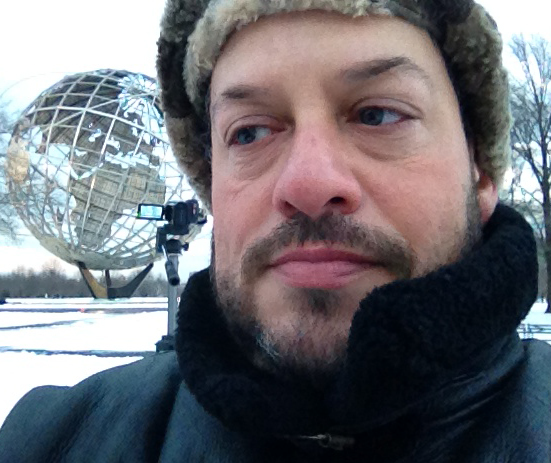
Seth Fein's work studies international and transnational histories, much of it focused on audiovisual culture in the Americas. It has moved from the page to the screen. In 2014-2015 he is a Fellow in Multimedia History at Harvard's Charles Warren Center, where he will develop Our Neighborhood, a documentary that examines Washington's intervention in Latin American television as cultural counterinsurgency against the Cuban Revolution across the 1960s; he has published an essay from this research – “Entre Nuestro Barrio y Un pueblo en vilo" – which also generated insights about the Bush administration's use of television in the Middle East. In 2014 he completed a video installation – outerspace innerborough unisphere@50 – which transhistoricizes the tension between international ideology and transnational sociality as evoked by this New York icon over the last half century. He currently is completing a documentary about innerborough radio-controlled car subculture in Brooklyn, the Bronx, and Queens.
Fein has written widely on crossborder film culture in the Americas. His book – Transnational Projections: The United States in the Golden Age of Mexican Cinema – will be published by Duke. His other publications include: "Producing the Cold War in Mexico: The Public Limits of Covert Communications" in In From the Cold: (2008); "Proyectando la relación especial: México-Estados Unidos durante la Guerra Fría" in ¿Somos especiales? (2006); "New Empire into Old: Making Mexican Newsreels the Cold War Way," Diplomatic History 28.5 (2004); “Culture across Borders in the Americas,” History Compass 1.1 (2003); and chapters in Culture and International History (2003), Fragments of a Golden Age (2001), Visible Nations (2000), Mexico's Cinema (1999), Close Encounters of Empire (1998), Horizontes del segundo siglo (1998), México-Estados Unidos, encuentros y desencuentros en el cine (1996); and articles in Studies in Latin American Popular Culture 17, Objeto Visual 7, Nuevo Texto Crítico 10.21, Film-Historia 4.2, Secuencia 34, Historia y grafía 4. Among the grants that have supported his research are awards from the American Council of Learned Societies and the National Endowment for the Humanities.
Fein was a professor US-World Relations (2002-2010) at Yale, where among his awards were the university's Graduate Mentor Prize, its Poorvu Prize for Interdisciplinary Undergraduate Instruction, and a McCredie Fellowship for Innovation in Instructional Technology. From 2011-2013 he was Graduate Director of Columbia's Institute of Latin American Studies and a visiting professor of history at Barnard, where his courses included Projecting American Empire on Film and the Idea of the Western Hemisphere.


Corinne Field
Fellow, Women, Gender, Sexuality, University of Virginia
Cori Field has been an adjunct faculty member in the Department of History and the Program in Women, Gender, and Sexuality at the University of Virginia since 2007. Her research focuses on the intersection of gender, race, and age in the nineteenth-century United States. She is currently co-editing a volume on the historical significance of chronological age for New York University Press.
Corinne Field
Lecturer, Corcoran Department of History and Women, Gender, Sexuality Program, University of Virginia
Cori Field has been an adjunct faculty member in the Department of History and the Program in Women, Gender, and Sexuality at the University of Virginia since 2007. Her research focuses on the intersection of gender, race, and age in the nineteenth-century United States. She is currently co-editing a volume on the historical significance of chronological age for New York University Press. Her monograph, The Struggle for Equal Adulthood: Gender, Race, Age, and the Fight for Citizenship in Antebellum America, will be published by University of North Carolina Press in 2014. Her next project explores the history of generational conflict within Anglo-American feminism from the 1870s to the 1930s, focusing in particular on the deep connections between age prejudice and racial prejudice in arguments for women’s empowerment.
She has recently been a fellow at the Virginia Foundation for the Humanities and the Institute for Advanced Studies in Culture at the University of Virginia. Field received her Ph.D. in American history from Columbia University in 2008 and her B.A. from Stanford in 1997. Before entering graduate school, she worked as a Production Assistant at WGBH TV in Boston. Cori is an alumni trustee at Phillips Academy Andover, where she has served on the Strategic Planning Task Force, and is on the Board of the Institute for Recruitment of Teachers.
FIELDS AND SPECIALTIES
U.S. gender and race; childhood and adulthood
Ph.D. Columbia University 2008
B.A. Stanford University 1987
PUBLICATIONS
The Struggle for Equal Adulthood: Gender, Race, and the Fight for Citizenship in Antebellum America, forthcoming University of North Carolina Press, Gender and American Culture Series, 2014.
Co-editing with Nicholas Syrett, Chronological Age in American History, a collection of essays that will explore how age mattered in the development of citizenship, work, education, and culture. Under Contract at New York University Press.
“Frances E. W. Harper and the Politics of Intellectual Maturity,” in Black Women’s Intellectual and Cultural History, edited by Farah Griffin, Mia Bay, Martha Jones, and Barbara Savage. University of North Carolina Press, forthcoming 2015.
“‘Made Women of When They are Mere Children’: Mary Wollstonecraft’s Critique of Eighteenth-Century Girlhood,” Journal of the History of Childhood and Youth (Spring 2011): 197-222.
“‘Are Women . . . All Minors?’: Woman’s Rights and the Politics of Aging in the Antebellum United States,” Journal of Women’s History (Winter 2001): 113-137.
“Elizabeth Cady Stanton and the Gendered Politics of Aging,” Iris: A Journal About Women (Spring 2001): 28-31.
BOOK REVIEWS
Alison Parker, Articulating Rights: Nineteenth-Century American Women on Race, Reform, and the State (DeKalb: Northern Illinois University Press, 2010) in The Journal of the Civil War Era(forthcoming September 2012).
Cynthia Eller, Gentlemen and Amazons: The Myth of Matriarchal Prehistory, 1861-1900 (Berkeley: University of California Press, 2011) in The Women’s Review of Books (forthcoming).
James Schmidt, Industrial Violence and the Legal Origins of Child Labor (New York: Cambridge University Press, 2010) in The Journal of the History of Childhood and Youth (Spring 2012): 323-27.
WORK IN PROGRESS
Currently researching a monograph that will explore the history of generational conflict within Anglo-American feminism from the 1870s to the 1930s, focusing in particular on the deep connections between age prejudice and racial prejudice in arguments for women's empowerment.
TEACHING EXPERIENCE
University of Virginia, Adjunct Faculty, Department of History, 2010-present
University of Virginia, Adjunct Faculty, Studies in Women and Gender, 2007-2009
Columbia University, Preceptor, Contemporary Civilization, 1996-1997
COURSES TAUGHT
Coming of Age in America: A History of Youth
History of Women in America, 1600-1865
History of Women in America, 1865-Present
Gender and Race in US History
Women’s Rights in America From the Revolution to the Right to Vote
Feminism in America, 1910-Present
Contemporary Civilization
FELLOWSHIPS AND AWARDS
Fellow in Residence, Virginia Foundation for the Humanities, Fall 2010-Spring 2011
Fellow, Institute for Advanced Studies in Culture, University of Virginia, Spring 2010
Fellow, Virginia Foundation for the Humanities, Fall 2009
Finalist, 2009 Organization of American Historians’ Lerner-Scott Dissertation Prize
Nominated by the Columbia University Graduate School of Arts and Sciences for the 2010 ACLS New Faculty Fellowship
Nominated by the Department of History, Columbia University, for the 2009 Bancroft Dissertation Prize
Letter of Teaching Recognition, The Lantern Society, University of Virginia, 2009
Radcliffe Dissertation Grant, Schlesinger Library, 1996-1997

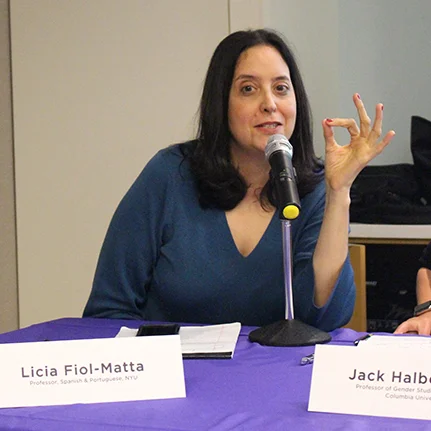
Licia Fiol-Matta
Fellow, Spanish and Portuguese, New York University
Licia Fiol-Matta is Professor of Spanish and Portuguese at New York University. She received an AB from Princeton University and a PhD from Yale University, both in Comparative Literature. Prior to joining NYU she taught at Barnard College and the City University of New York.
Licia Fiol-Matta
Professor of Spanish and Portuguese, New York University

Licia Fiol-Matta is Professor of Spanish and Portuguese at New York University. She received an AB from Princeton University and a PhD from Yale University, both in Comparative Literature. Prior to joining NYU she taught at Barnard College and the City University of New York. She is the author of A Queer Mother for the Nation: The State and Gabriela Mistral (Minnesota) and The Great Woman Singer: Gender and Voice in Puerto Rican Music (Duke). Fiol-Matta is co-editor of the series New Directions in Latino American Cultures (Palgrave) and The Puerto Rico Reader: History, Culture, Politics (under contract, Duke). She is the recipient of grants from the Ford Foundation, the American Association of University Women, and the National Endowment for the Humanities. The Great Woman Singer was awarded the 2018 Frank Bonilla Award for Best Book in Puerto Rican Studies. Fiol-Matta writes on Latin American cultural studies, women's and gender studies, and music.
Working Group Affiliation
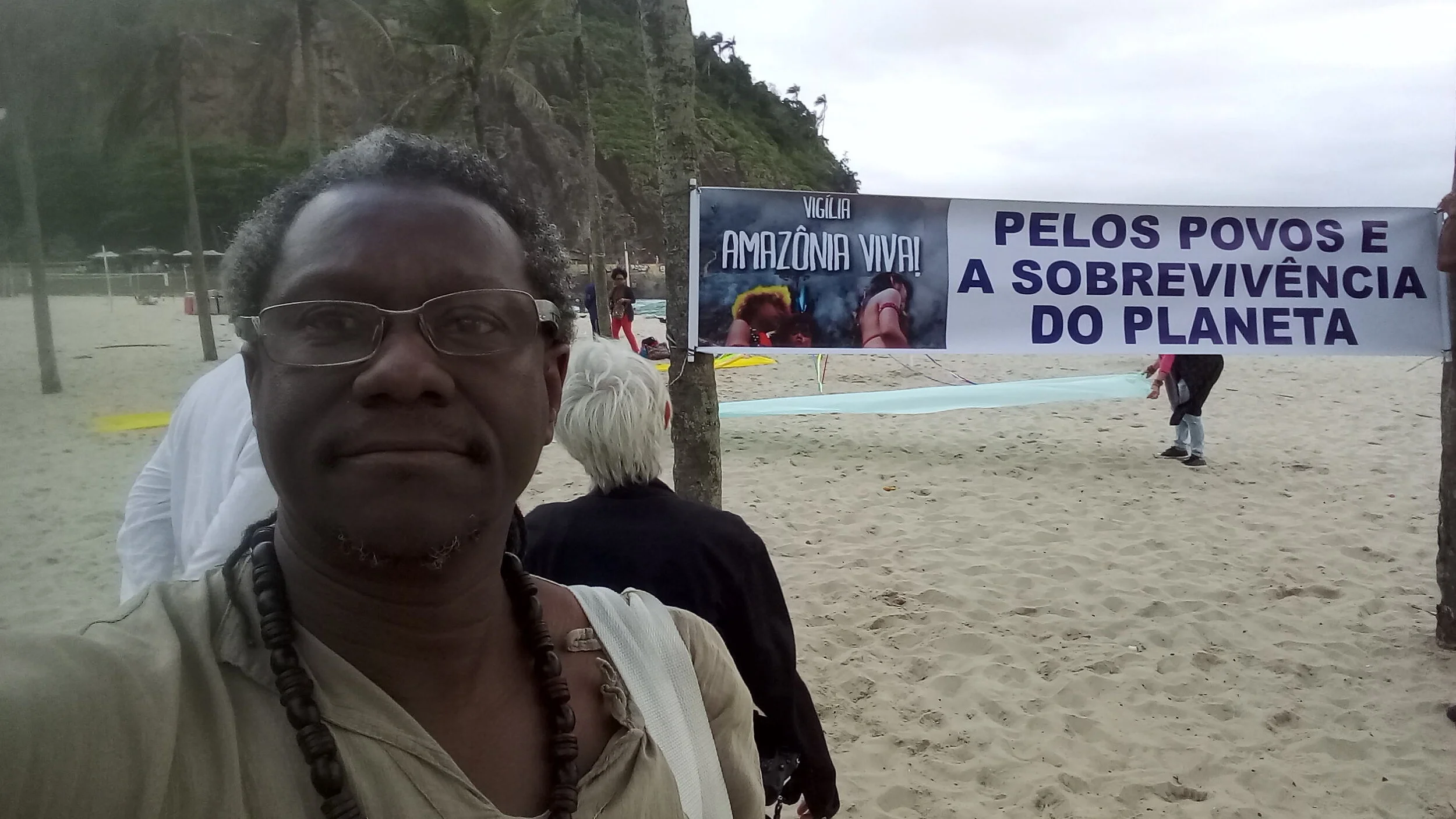
Antonio Carlos Firmino
Fellow, Geographer, Social Action Padre Anchieta (ASPA)
Antonio Carlos Firmino is a founding member of the Sankofa Museum of Memory and History of Rocinha. He is a geographer, and coordinator of one of the oldest institutions of the Favela da Rocinha, the Social Action Padre Anchieta (ASPA).
Antonio Carlos Firmino
Geographer, Social Action Padre Anchieta (ASPA)
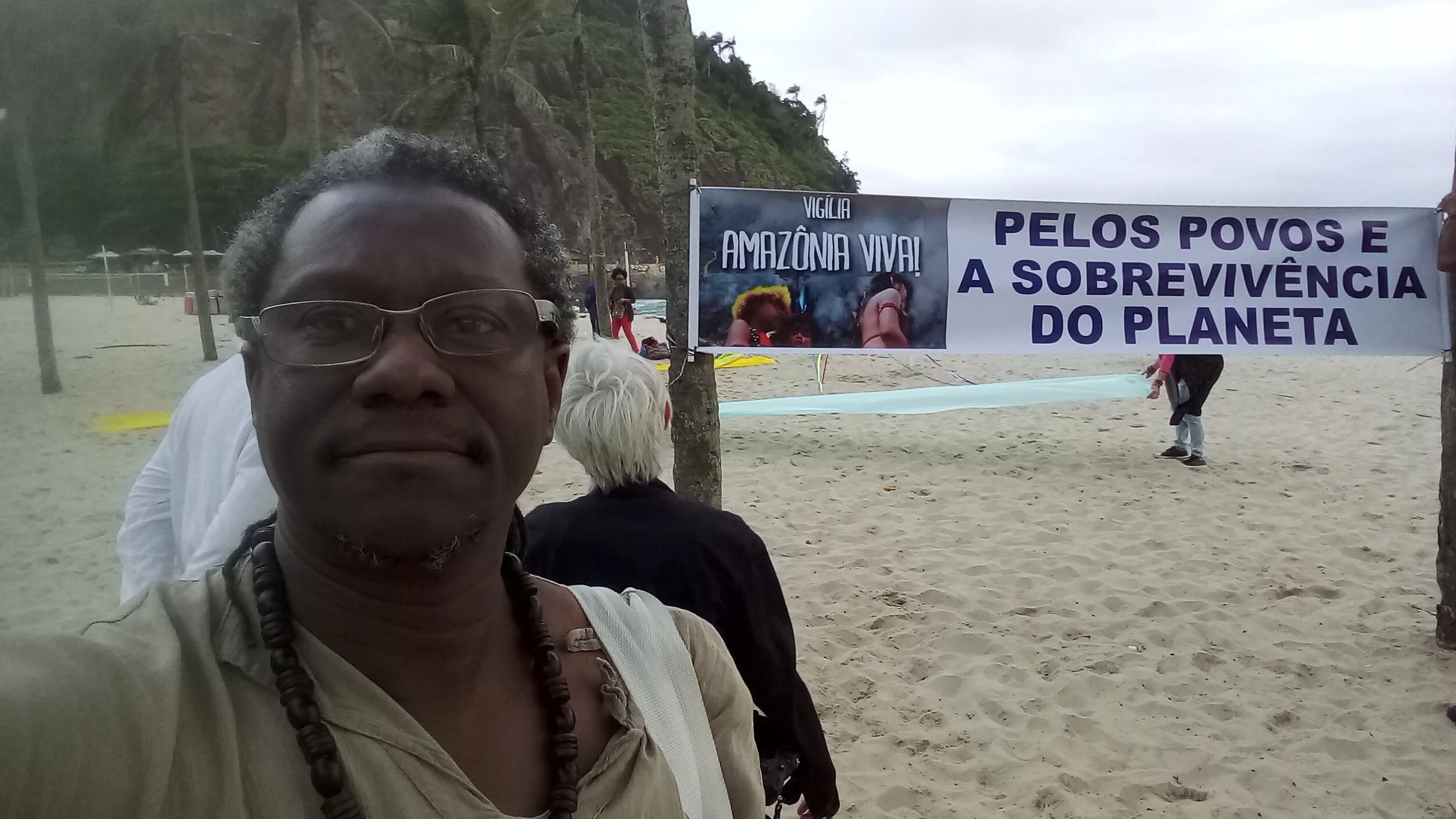
Antonio Carlos Firmino is a founding member of the Sankofa Museum of Memory and History of Rocinha. He is a geographer, and coordinator of one of the oldest institutions of the Favela da Rocinha, the Social Action Padre Anchieta (ASPA). For over 12 years, he has coordinated the Point of Culture Center of Culture and Playful Education of Rocinha (International Center for Study and Research on Childhood-CIESPI / PUC-Rio), acted as TUXAÚA (articulated by the Rio de Janeiro State Points of Culture Forum), and participated in the Rocinha sem Fronteiras and Rocinha Resiste collectives. He is a member of the Social Museology Network of the State of Rio de Janeiro.
Working Group Affiliation

Sibylle Fischer
Fellow, Spanish and Portuguese, Comparative Literature, New York University
Sibylle Fischer (Ph.D. Columbia) is Associate Professor of Spanish and Portuguese, Comparative Literature, NYU. Her work is situated at the intersections between literature, history, political philosophy, and aesthetics. She is the author of "Modernity Disavowed: Haiti and the Cultures of Slavery in the Age of Revolution" (Duke UP, 2004) and the editor of a new translation of "Cecilia Valdés" (Oxford UP, 2004). She has written numerous articles on Caribbean, Brazilian, and Spanish American literature from the colonial period to the 20th century.
Sibylle Fischer
Associate Professor of Spanish and Portuguese, Comparative Literature, NYU
Ph.D. 1995 (Comparative Literature/Spanish and Portuguese), Columbia University; M.A. 1987 (Latin American Studies, Philosophy, German Literature), Freie Universität Berlin
Areas of Research/Interest: Caribbean literature and culture; Spanish American Independence; the Haitian Revolution; culture and politics in the nineteenth century; the history of political thought.
External Affiliations: Modern Language Association, Latin American Studies Association, Caribbean Philosophical Association Fellowships/Honors 2006 Bryce Wood Award of the Latin American Studies Association for Outstanding book on Latin America in the Humanities and Social Sciences for Modernity Disavowed: Haiti and the Cultures of Slavery in the Age of Revolution; 2006 Katherine Singer Kovacs Award from the Modern Language Association for Outstanding book on Iberian and Latin American literatures and cultures for Modernity Disavowed; 2005 Frantz Fanon Award of the Caribbean Philosophical Association for Modernity Disavowed
Publications: Modernity Disavowed: Haiti and the Cultures of Slavery in the Age of Revolution (Forthcoming Duke University Press 2004)
Cirilo Villaverde, Cecilia Valdés or El Angel Hill. Trans. Helen Lane. Introduction and notes. Oxford University Press (forthcoming Oxford UP).

Melissa Fisher
New York
Melissa Fisher
Visiting Scholar, New York University Institute for Public Knowledge
New York
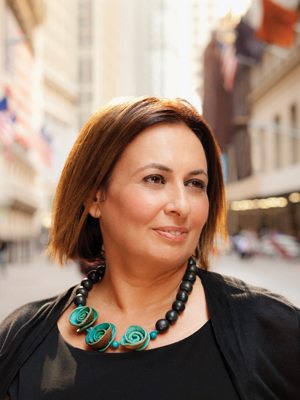
Melissa Fisher, a cultural anthropologist, is a Visiting Scholar at New York University’s Institute for Public Knowledge and a Principal Research Fellow at the Conference Board. She is also an adjunct professor in International and Public Affairs at Columbia University. Her first book, a co-edited volume, Frontiers of Capital: Ethnographic Reflections on the New Economy (Duke University Press, 2006), explored the social and cultural landscape of business. Wall Street Women (Duke Press, 2012), her second book, examines the first generation of women in finance (1956-2010). Her current book project is on the future of work in the wake of social movements (such as Me Too and Black Lives Matter) as well as crises such as the Covid-19 pandemic.
Melissa has given numerous key notes talks nationally and internationally. Her book on Wall Street women received over 25 reviews in academic journals. In addition, her research has been profiled by The Wall Street Journal, Business Week, CNBC, NPR and the BBC. Her writings have appeared in publications such as Bloomberg and Bill Moyer’s Group Think. She appeared in the 2014 PBS documentary Makers: Women in Business. She also played an advisory role in the first female financial thriller film, Equity, a 2016 Sony Classic Pictures release. She is currently a US Delegate to the Women’s 20 that advises the G20 on gender issues.
Prior to joining the faculty at Columbia, Melissa was the Laurits Andersen Professor in Business and Organizational Anthropology at the University of Copenhagen. She has also been a faculty member in the Department of Social and Cultural Analysis at NYU and the Department of Anthropology at Georgetown University. She earned her Ph.D. and M.A. in Anthropology at Columbia University and her B.A. in English at Barnard College.
Working Group Affiliation
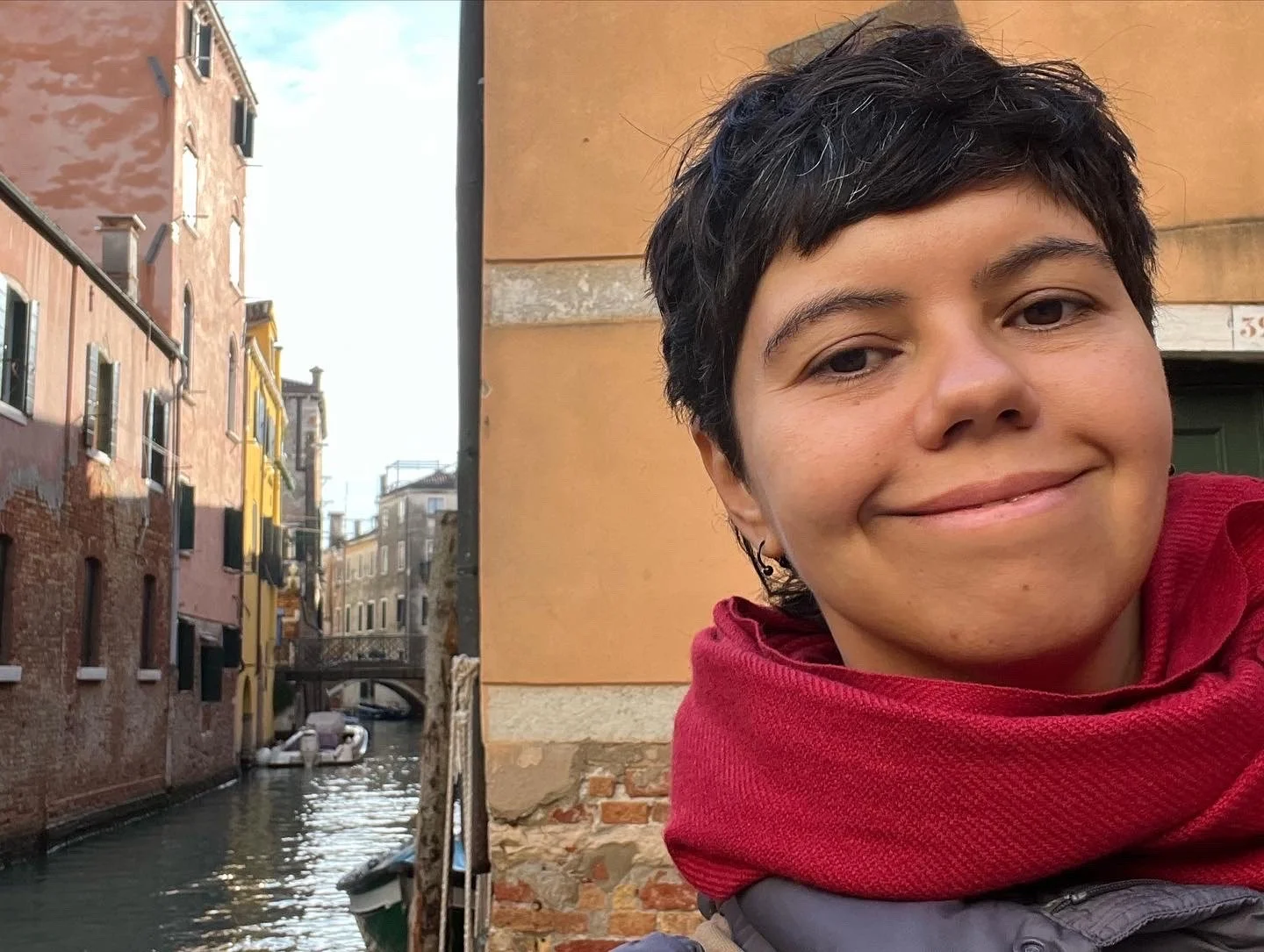
Isadora Lins França
Isadora Lins França is Assistant Professor in the Department of Anthropology and researcher of the Pagu Center for Gender Studies, both at the University of Campinas, Unicamp (Brazil).
Isadora Lins França
Isadora Lins França is Assistant Professor in the Department of Anthropology and researcher of the Pagu Center for Gender Studies, both at the University of Campinas, Unicamp (Brazil). She is currently a fellow of the Summer Program in Social Sciences from the Institute for Advanced Studies (IAS), at Princeton, and visiting scholar in the Department of Latin American and Iberian Studies (LAIC) at Columbia University in the City of New York.
Isadora França has been working with gender and sexuality in the last decades, dedicating herself tothe articulation between differences and inequalities in the production of categories and subjects. In the last ten years, she has been working with mobilities, gender and sexuality, conducting fieldwork in Brazil, Spain and United States with queer migrants and refugees.
Working Group: Refugee Cities
Anette Freytag
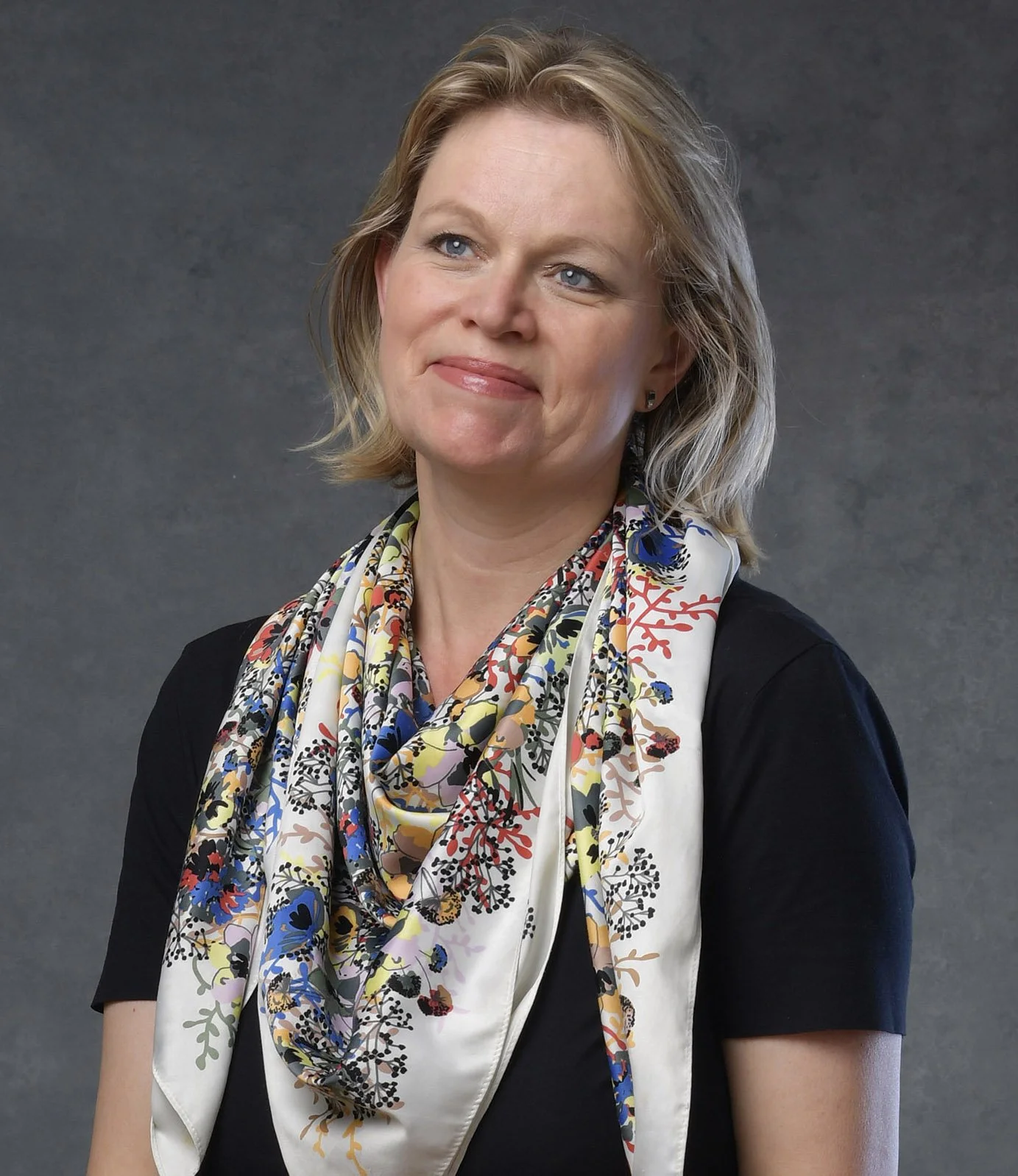
Anette Freytag is a Professor of Landscape Architecture (History, Theory and Design) at Rutgers University and an award-winning scholar, educator, and critic. Her research focuses on designed landscapes from the 19th century to the contemporary practice with a particular emphasis on topology, phenomenology and walking. In her latest book The Landscapes of Dieter Kienast (Zurich: gta Verlag 2021) she shows how this Swiss landscape architect renewed the aesthetics for designing with nature in the city through his love for spontaneous vegetation and his doctorate in phytosociology. After the environmental movement of the 1970s and 1980s, Kienast reoriented the profession of landscape architecture with form driven designs while reinforcing plant knowledge. Anette Freytag’s books have been honored with a J. B. Jackson Book Prize, a European Garden Book Award, a DAM Architectural Book Award and many more. Before joining Rutgers University, Anette has taught at ETH Zurich, the University of Basel and the University of Innsbruck. In 2019, co-founded the AIR Collaborative (Arts Integration Research Collaborative) which prioritizes creative placemaking to foster spatial justice through projects that seek safe access to nature for all.
Frances Fox Piven
Fellow, Political Science, CUNY Graduate Center
Before coming to the Graduate Center, Prof. Piven taught at Boston University, Columbia University, New York University Law School, the Institute of Advanced Studies in Vienna, the University of Amsterdam, and the University of Bologna. She is past Vice-President of the American Political Science Association, has served as program co-chair of the annual political science meetings, and is a past president of the Society for the Study of Social Problems. She is currently President of the American Sociological Association.
Frances Fox Piven
Distinguished Professor of Political Science at the CUNY Graduate Center

Before coming to the Graduate Center, Prof. Piven taught at Boston University, Columbia University, New York University Law School, the Institute of Advanced Studies in Vienna, the University of Amsterdam, and the University of Bologna. She is past Vice-President of the American Political Science Association, has served as program co-chair of the annual political science meetings, and is a past president of the Society for the Study of Social Problems. She is currently President of the American Sociological Association. She is the recipient of numerous awards, including the President's Award of the American Public Health Association, and the American Sociological Association's Career Award for the Practice of Sociology, as well as their award for the Public Understanding of Sociology. Her books deal with the development of the welfare state, political movements, urban political, and electoral politics. Among them are REGULATING THE POOR (winner of the C. Wright Mills Award in 1972, and updated in 1993); POOR PEOPLE'S MOVEMENTS (1977); THE NEW CLASS WAR (1982; UPDATED 1985); WHY AMERICANS DON'T VOTE (1988); THE MEAN SEASON (1987); LABOR PARTIES IN POSTINDUSTRIAL SOCIETIES (1992); THE BREAKING OF THE AMERICAN SOCIAL COMPACT (1997); WHY AMERICANS STILL DON'T VOTE (2000); and THE WAR AT HOME (2004); Challenging Authority: How Ordinary People Change America (2006).
Working Group Affiliation