
Jackie Orr

Jackie Orr is Associate Professor Emeritus in the Sociology Department at Syracuse University.
Working Group Affiliation:
Garnette Oluoch-Olunya
Fellow, Literature, St. Paul’s University, Kenya,
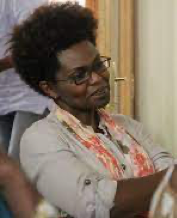
Garnette Oluoch-Olunya is an adjunct Lecturer in Literature at St. Paul’s University, Kenya, a Strategic Consultant with the Godown Arts Centre in Nairobi, and holds a Ph.D. in English from the University of Glasgow, Scotland. She was Senior Lecturer and founding Director of the Center for Creative and Cultural Industries at the Technical University of Kenya, building on the GoDown’s collaborative work with Natverkstan Institute of Sweden, the British Council, and Goldsmiths, University of London, in partnerships that sought to link academic research with arts practice. She sits on the editorial board of Jahazi, a Journal of Culture, Arts & Performance, and is a Fellow of the Centre for Advanced Scholarship (Ubuntu Project), University of Pretoria, South Africa.
Garnette Oluoch-Olunya
Adjunct Lecturer, Literature, St. Paul’s University, Kenya,
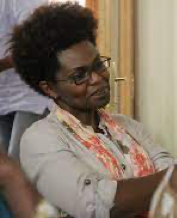
Garnette Oluoch-Olunya is an adjunct Lecturer in Literature at St. Paul’s University, Kenya, a Strategic Consultant with the Godown Arts Centre in Nairobi, and holds a PhD in English from the University of Glasgow, Scotland. She was Senior Lecturer and founding Director of the Center for Creative and Cultural Industries at the Technical University of Kenya, building on the GoDown’s collaborative work with Natverkstan Institute of Sweden, the British Council, and Goldsmiths, University of London, in partnerships that sought to link academic research with arts practice. She sits on the editorial board of Jahazi, a Journal of Culture, Arts & Performance, and is a Fellow of the Centre for Advanced Scholarship (Ubuntu Project), University of Pretoria, South Africa.
Working Group Affiliation
Insurgent Domesticities, Co-Director
Nana Osei-Kofi
Nana Osei-Kofi
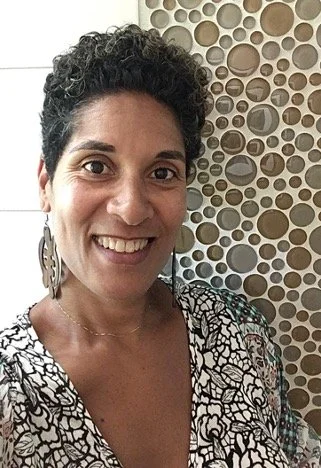
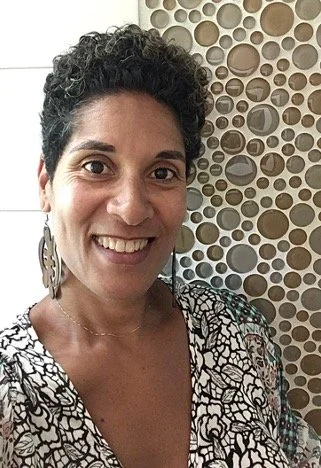
Nana Osei-Kofi is Professor of Women, Gender, & Sexuality Studies at Oregon State University. A critical feminist scholar, her current research centers on the experiences and conditions faced by people of African descent in Europe generally and Sweden specifically. Osei-Kofi has published a wide range of articles and book chapters on the AfroSwedish condition and has a forthcoming single-authored book titled Identity and Kinship: AfroSwedish Places of Belonging. Osei-Kofi is also the editor of a forthcoming special issue of Meridians that will be available in early May 2023, and that highlights scholarship on European BIPOC Feminisms and Queer of Color Critiques.
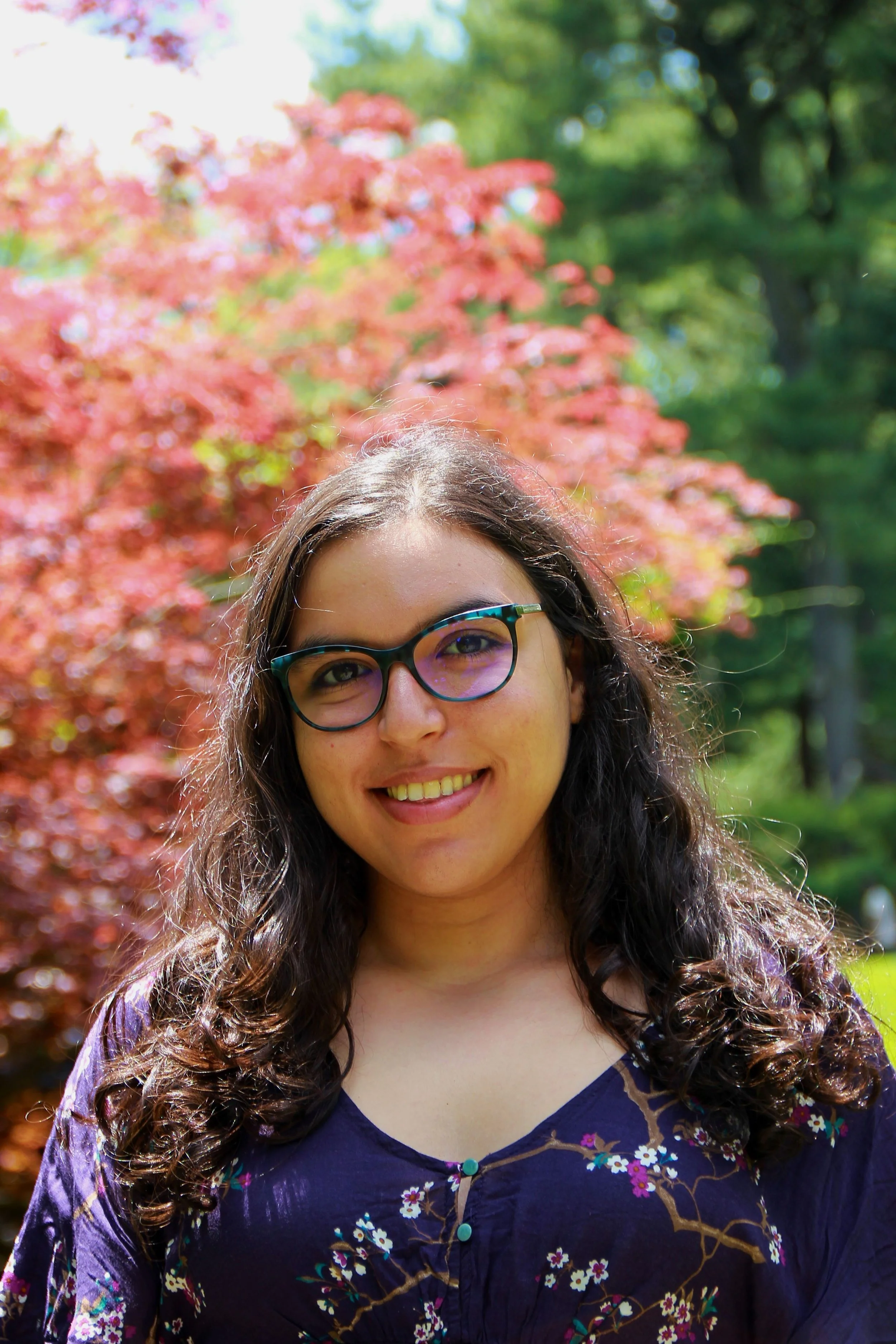
Aya Ouais
Aya Ouais is an abolitionist organizer and recent graduate of Columbia University with a B.A. in History, born and raised in Casablanca, Morocco. As a student, she specialized in the histories of anti-racist social movements in the United States.
Aya Ouais
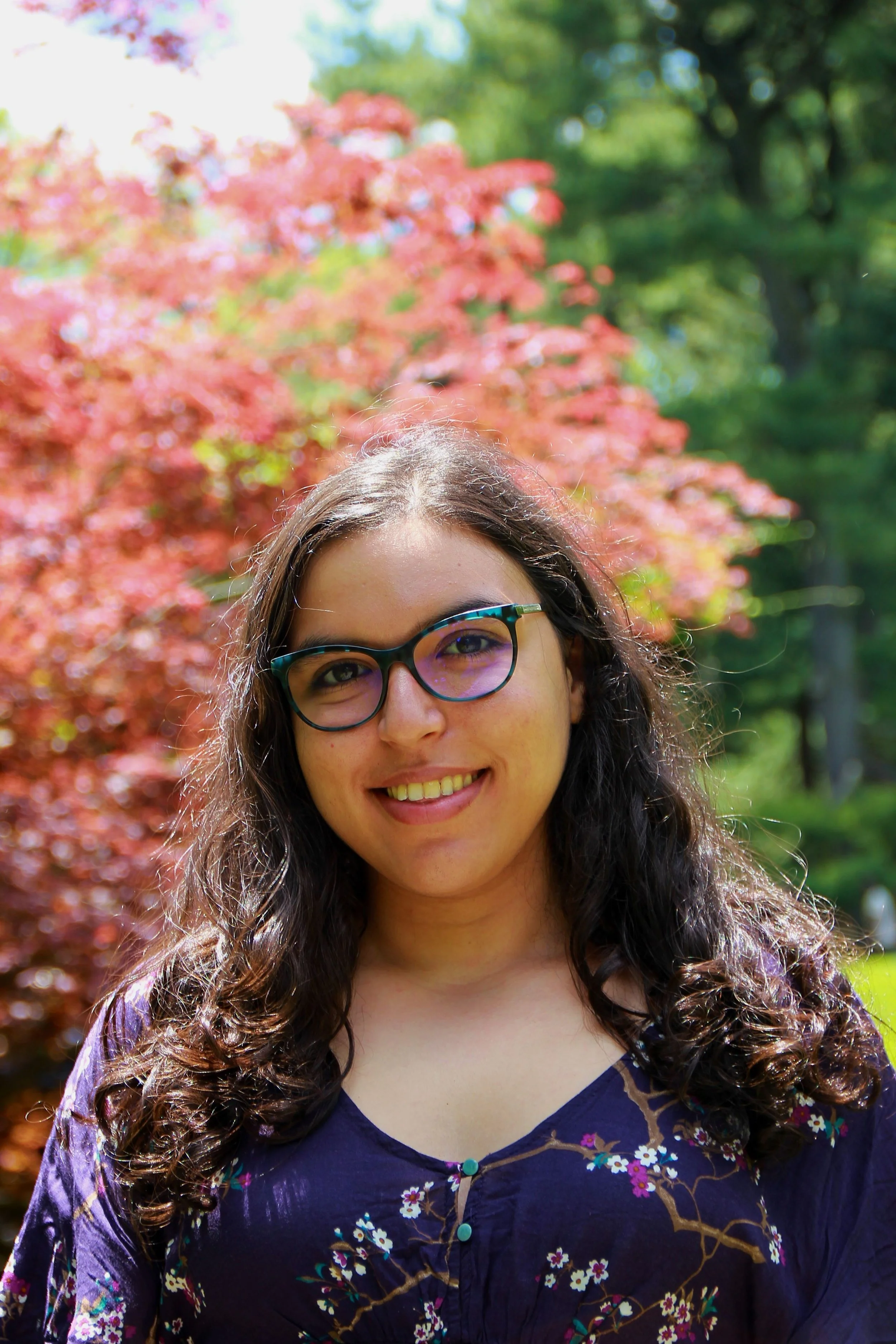
Aya Ouais is an abolitionist organizer and recent graduate of Columbia University with a B.A. in History, born and raised in Casablanca, Morocco. As a student, she specialized in the histories of anti-racist social movements in the United States. Her experience in New York City organizing has allowed her to learn the possibilities of using research to collaborate with and uplift the voices of working class organizers. Currently, Aya is a Research Assistant at the Racial Capitalism Working Group.
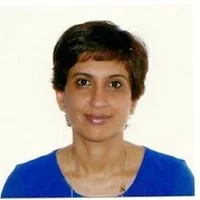
Rupal Oza
Fellow, Women and Gender Studies, Hunter College, CUNY.
Rupal Oza is an Associate Professor in the Department of Women and Gender Studies at Hunter College, CUNY. Her work focuses on political economic transformations in the global south, the geography of the right-wing politics, and the conjuncture between development and security. Her first book, The Making of Neoliberal India: Nationalism, Gender, and the Paradoxes of Globalization was published in 2006 by Routledge, New York and by Women Unlimited, India. She has several articles in peer-reviewed journals. She has written on special economic zones, the discourse of security, and Hindutva politics India. Her current project examines the relationship between sexual assault, caste, and land in Haryana, India. She is also working on a collaborative project that examines foreclosures and gentrification in New York City.
Rupal Oza
Associate Professor, Department of Women and Gender Studies, Hunter College, CUNY.
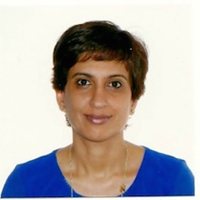
Rupal Oza is an Associate Professor in the Department of Women and Gender Studies at Hunter College, CUNY. Her work focuses on political economic transformations in the global south, the geography of the right-wing politics, and the conjuncture between development and security. Her first book, The Making of Neoliberal India: Nationalism, Gender, and the Paradoxes of Globalization was published in 2006 by Routledge, New York and by Women Unlimited, India. She has several articles in peer-reviewed journals. She has written on special economic zones, the discourse of security, and Hindutva politics India. Her current project examines the relationship between sexual assault, caste, and land in Haryana, India. She is also working on a collaborative project that examines foreclosures and gentrification in New York City.
Working Group Affiliation

Ana Gisele Ozaki
Fellow, History of Architecture and Urban Development, Cornell University
Ana Gisele Ozaki is a Ph.D. Candidate in History of Architecture and Urban Development at Cornell University, with specializations in Africana and Latin American studies. Her dissertation investigates the complex ways colonial ideologies of race have interfered with modern architectural understandings of climate in Brazil and its connections with Nigeria, Angola, and Mozambique
Ana Gisele Ozaki
Ph.D. Candidate, Architecture and Urban Development, Cornell University

Ana G. Ozaki is a Ph.D. Candidate in History of Architecture and Urban Development at Cornell University, with specializations in Africana and Latin American studies. Her dissertation investigates the complex ways colonial ideologies of race have interfered with modern architectural understandings of climate in Brazil and its connections with Nigeria, Angola, and Mozambique. Through feminist and postcolonial theory, her research investigates how domestic architecture has worked to accommodate white settlers and tame local "climates" in its environmental and socio-political conceptions while elucidating the cross-cultural and South-to-South exchanges between tropicalized sites, subjects, and practices. She has worked as a writer, researcher, architect, and public educator.
Working Group Affiliation
Insurgent Domesticities, Co-Director

Ayse Parla
Fellow, Arts and Sciences, Sabanci University (Turkey)
Ayse Parla is on the Faculty of Arts and Sciences at Sabanci University (Turkey). She is the recipient of a TUBITAK research grant for a collaborative project on "Forms of organization among new migrants: A comparative analysis of Bulgarian Turks, Iraqi Turkmens and Moldavians in Turkey." (with Mine Eder and Didem Danis). Her recent publications include: "Irregular Workers or Ethnic Kin?
Ayse Parla
Sabanci University (Turkey)
Ayse Parla is on the Faculty of Arts and Sciences at Sabanci University (Turkey). She is the recipient of a TUBITAK research grant for a collaborative project on "Forms of organization among new migrants: A comparative analysis of Bulgarian Turks, Iraqi Turkmens and Moldavians in Turkey." (with Mine Eder and Didem Danis). Her recent publications include: "Irregular Workers or Ethnic Kin? Post nineties labor migration from Bulgaria to Turkey." International Migration 45(3), 2007; “Longing, Belonging and Locations of Homeland among Turkish Immigrants from Bulgaria.” Journal of Southeast European and Black Sea Studies 6(4): 543-557, 2006; and "Marking Time along the Bulgarian-Turkish Border." Ethnography 4(4), 2003.

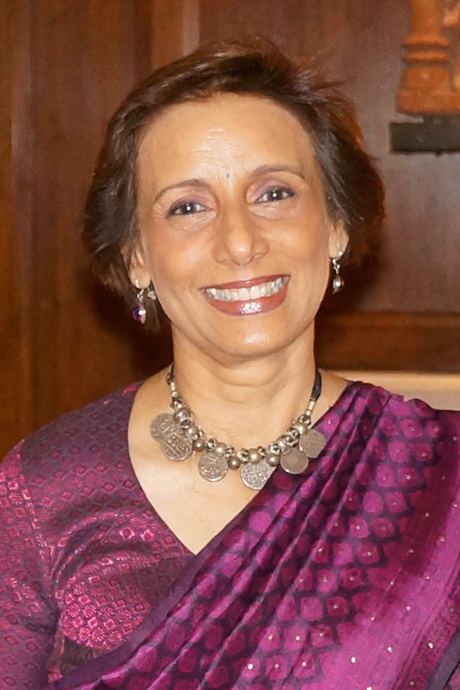
Anita Patil-Deshmukh
Fellow, Neonatologist, Tata Institute of Social Sciences
After a long and distinguished career as a faculty pediatrician/neonatologist in Chicago, and her time at HSPH, Dr. Anita Patil Deshmukh returned to her native India with a vision. The government of the state of Maharashtra had supported her education and, along with HPSH, given her the tools to become who she is today – medical doctor, advocate for populations without a voice, passionate believer in human dignity and the right to health – and Anita knew she wanted to give back to her country and community, and give others the opportunity to flourish.
Anita Patil-Deshmukh
Assistant Professor, Tata Institute of Social Sciences
After a long and distinguished career as a faculty pediatrician/neonatologist in Chicago, and her time at HSPH, Dr. Anita Patil Deshmukh returned to her native India with a vision. The government of the state of Maharashtra had supported her education and, along with HPSH, given her the tools to become who she is today – medical doctor, advocate for populations without a voice, passionate believer in human dignity and the right to health – and Anita knew she wanted to give back to her country and community, and give others the opportunity to flourish.
In 2009, she joined Partners for Urban Knowledge, Action and Research (PUKAR), an independent research collective started by Professor Arjun Appadurai that conducts multi-sectoral, cross disciplinary research on issues related to Urban poor. PUKAR has focused on Kaula Bandar, a slum community of more than 10,000 people who, despite being located in India’s financial epicenter, have health outcomes as poor as those in the country’s rural and tribal districts. In collaboration with HSPH and New York University, Dr. Patil Deshmukh and the PUKAR team have developed a unique and highly innovative community-based participatory research (CBPR) model, in which youth from slum communities, called “barefoot researchers,” serve critical roles in informing study design, and even doing data collection. She accompanies the barefoot researchers as a mentor and as a student, teaching and modeling research methods while gaining insights that help inform a relevant and meaningful research agenda. This and other PUKAR projects have democratized the research process, one of the core objectives of the collective, and she and the PUKAR team have used the data collected to bring direct health interventions to Kaula Bandar. Their advocacy has resulted in the establishment of regular government health camps there, and the placement of a new municipal water supply to the community, the first time the slum will have legal water access in its 50 years of existence.
Dr. Patil Deshmukh’s deep and abiding care and respect for those who have not yet been afforded the opportunity to achieve their dreams, whether it be clean water for their children to drink, a better understanding of their community and the world around them or a chance to work for an organization that respects and even integrates their unique experiences and vision in its mission.
Throughout her twenty years of work with marginalized families on the south side of Chicago as a neonatologist, and as director of PUKAR in Mumbai, Dr. Patil Deshmukh connects with patients and community members with humility and respect while simultaneously recognizing broad patterns in the creation and persistence of poverty, and her emotional, financial and intellectual investment into PUKAR staff and researchers as well as the Mumbai community in which they work is truly inspiring.
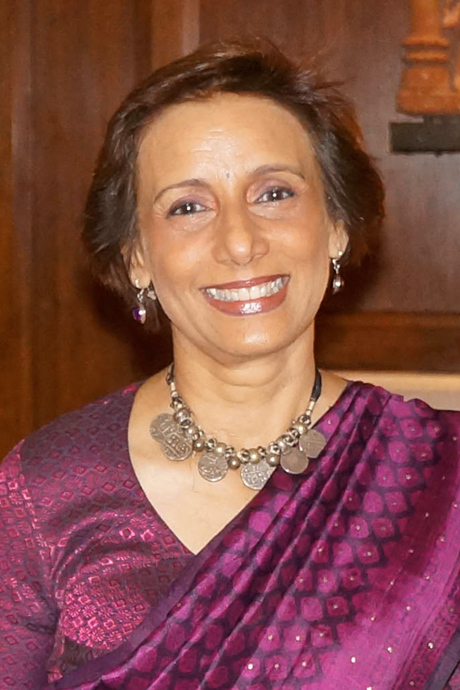

Barbara Penner
Fellow, Architecture, University College, London
Barbara Penner is a Professor at the University College, London. She is author of Bathroom (2013) and Newlyweds on Tour: Honeymooning in Nineteenth-Century America (2009), and co-editor of Sexuality and Gender at Home: Experience, Politics, Transgression (2017), Forty Ways to Think about Architecture (2014), Ladies and Gents: Public Toilets and Gender (2009), and Gender Space Architecture (2000).
Barbara Penner
Professor, Architecture, University College London

Barbara Penner is a Professor at the University College, London. She is author of Bathroom (2013) and Newlyweds on Tour: Honeymooning in Nineteenth-Century America (2009), and co-editor of Sexuality and Gender at Home: Experience, Politics, Transgression (2017), Forty Ways to Think about Architecture (2014), Ladies and Gents: Public Toilets and Gender (2009), and Gender Space Architecture (2000). Her work explores commercial architecture (hotels/department stores), tourist destinations (honeymoon resorts), and domestic spaces, technologies, and infrastructure (bathrooms/kitchens). Informed by interdisciplinary feminist theory, she investigates how everyday spaces enable the formation of social and cultural identities and promote social inclusion or its opposite.
Working Group Affiliation
Insurgent Domesticities, Co-Director
Shilpa Phadke
Fellow, Media and Cultural Studies, Tata Institute of Social Sciences
Shilpa Phadke is assistant professor at the Centre for Media and Cultural Studies at the Tata Institute of Social Sciences, Mumbai. She has been educated at St. Xavier’s College and SNDT University, Mumbai, and the University of Cambridge, UK.
Shilpa Phadke
Assistant Professor, Tata Institute of Social Sciences
Affiliation: Centre for the Study of Contemporary Culture, School of Media and Cultural Studies, Urban Aspirations Project: TISS PUKAR Max Plank Institute Initiative
Qualification: M.A. (SNDT), M.Phil. (Cambridge, U.K.), Ph.D. (TISS)
Areas of Interest: Gender and the politics of space, the middle classes, sexuality and the body, feminist politics among young women, reproductive subjectivities and pedagogic practices
Teaching: Centre for Media and Cultural Studies: Cultural Studies: An Introduction, Basic Course, Semester I, 3 credits.
Gender, Media and Culture, Optional Course, Semester III, 2 credits.
Gender, Space and Culture, Optional Course, Semester IV, 2 credits.
Vidyadhar K. Phatak
Fellow, Urban Planning, Columbia University
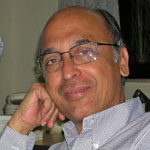
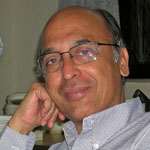
Vidyadhar K. Phatak, after 37 years of experience in various sub-fields of urban planning and development in government agencies in Mumbai, retired from the service of Mumbai Metropolitan Region Development Authority as its Principal Chief, Town and Country Planning Division on February 29, 2004. His interests include - Urban and Shelter Sector Studies, City Development Strategy, Preparation and appraisal of projects for the Development Banks and Financing local governments and Structuring projects for Public-Private-Partnership.
Vidyadhar K. Phatak
Vidyadhar K. Phatak, after 37 years of experience in various sub-fields of urban planning and development in government agencies in Mumbai,retired from the service of Mumbai Metropolitan Region Development Authority as its Principal Chief, Town and Country Planning Division on February 29, 2004. His interests include - Urban and Shelter Sector Studies, City Development Strategy, Preparation and appraisal of projects for the Development Banks and Financing local governments and Structuring projects for Public-Private-Partnership.
He was associated with various sub-project specific EA studies of MUTP, “PM10 Reduction Strategy for Mumbai” and developing computer based project accounting system. During the last two years of this period he has also been on the Board of Directors of the Mumbai Railway Vikas Corporation (MRVC) as Director (Infrastructure and Commercial Development). In that capacity he has initiated a study of development of air rights on the suburban railway stations in Mumbai.
Suren Pillay
Fellow, Anthropology, University of the Western Cape.
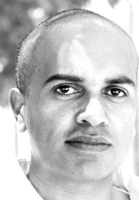
Associate Professor Suren Pillay is a Senior Researcher and Acting Director at the Center for Humanities Research. He holds a Phd (with Distinction) in Anthropology from Columbia University, and an MA (cum laude) in Development Studies from the University of the Western Cape. Between 2007 -2010 Suren was seconded to the Human Sciences Research Council of South Africa where he led research on the effects of violence and crime on citizenship in post-apartheid South Africa, and conducted research on migration and xenophobia.
Suren Pillay
Professor of Sociology, Queens College and the CUNY Graduate Center
Associate Professor Suren Pillay is a Senior Researcher and Acting Director at the Center for Humanities Research. He holds a Phd (with Distinction) in Anthropology from Columbia University, and an MA (cum laude) in Development Studies from the University of the Western Cape. Between 2007 -2010 Suren was seconded to the Human Sciences Research Council of South Africa where he led research on the effects of violence and crime on citizenship in post-apartheid South Africa, and conducted research on migration and xenophobia. Prior to that he was a Senior Lecturer in Political Studies at the University of the Western Cape. His current research focuses on the constitution and reconstitution of the ‘Political’ and Justice in Africa; and the politics of knowledge production in postcolonial societies. His most recent publications include the co-edited volume with Chandra Sriram , Peace vs Justice? The Dilemma of Transitional Justice in Africa (James Currey/UKZN: 2010), which was recognized by the American publishing association with an award for “Choice Outstanding Academic Title for 2010”. His most recent journal article “Crime Community and the Governance of Violence in post-Apartheid South Africa”, Politikon, 2009, was highlighted by the African Studies Association (USA) as one of the ‘ten most downloaded articles in African Studies’ in 2009-2010. He is currently working on a book manuscript provisionally titled The Partisan’s Violence. Suren is also an editor of Social Dynamics, and a frequent contributor to the press.


Victoria Pitts-Taylor
Fellow, Sociology, Queens College and the CUNY Graduate Center
Victoria Pitts-Taylor is Professor of Sociology at Queens College and the Graduate Center of the City University of New York. At the Graduate Center, she is also Director of the Center for the Study of Women and Society and Coordinator of the Women’s Studies Doctoral Certificate Program. She is author of two books, In the Flesh: the Cultural Politics of Body Modification and Surgery Junkies: Wellness and Pathology in Cosmetic Culture, as well as Editor of The Cultural Encyclopedia of the Body.
Victoria Pitts-Taylor
Professor of Sociology, Queens College and the CUNY Graduate Center
Victoria Pitts-Taylor is Professor of Sociology at Queens College and the Graduate Center of the City University of New York. At the Graduate Center, she is also Director of the Center for the Study of Women and Society and Coordinator of the Women’s Studies Doctoral Certificate Program. She is author of two books, In the Flesh: the Cultural Politics of Body Modification and Surgery Junkies: Wellness and Pathology in Cosmetic Culture, as well as Editor of The Cultural Encyclopedia of the Body. She is currently the Chair of the Section on the Body and Embodiment of the American Sociological Association. Her current projects include a book for the Routledge Series Intergrating Science and Culture, on brain science in everyday life.

Sonya Posmentier
Fellow, English, New York University
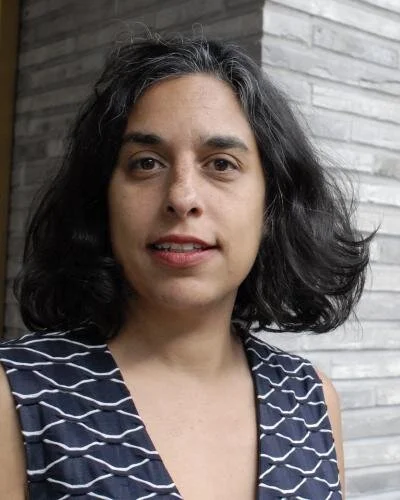
Sonya Posmentier is an Associate Professor in the Department of English at New York University, where she teaches African American and Black Diasporic literature and culture, poetry and poetics, and environmental literature. Her first book Cultivation and Catastrophe: The Lyric Ecology of Modern Black Literature was published in 2017 by Johns Hopkins University Press, and is a recipient of the William Sanders Scarborough award from the Modern Language Association.
Sonya Posmentier
Associate Professor of English, New York University
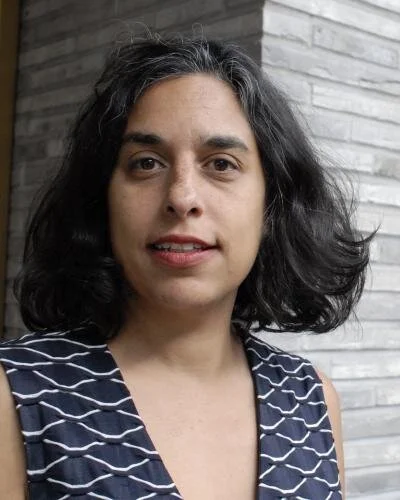
Sonya Posmentier is an Associate Professor in the Department of English at New York University, where she teaches African American and Black Diasporic literature and culture, poetry and poetics, and environmental literature. Her first book Cultivation and Catastrophe: The Lyric Ecology of Modern Black Literature was published in 2017 by Johns Hopkins University Press, and is a recipient of the William Sanders Scarborough award from the Modern Language Association. Her essays and articles have appeared in The New York Times Book Review, American Literature, American Literary History, Public Books, and elsewhere, and she has published poems in Grey, Seneca Review, and Perihelion.
Working Group Affiliation
Eve Powell
Fellow, History, University of Pennsylvania
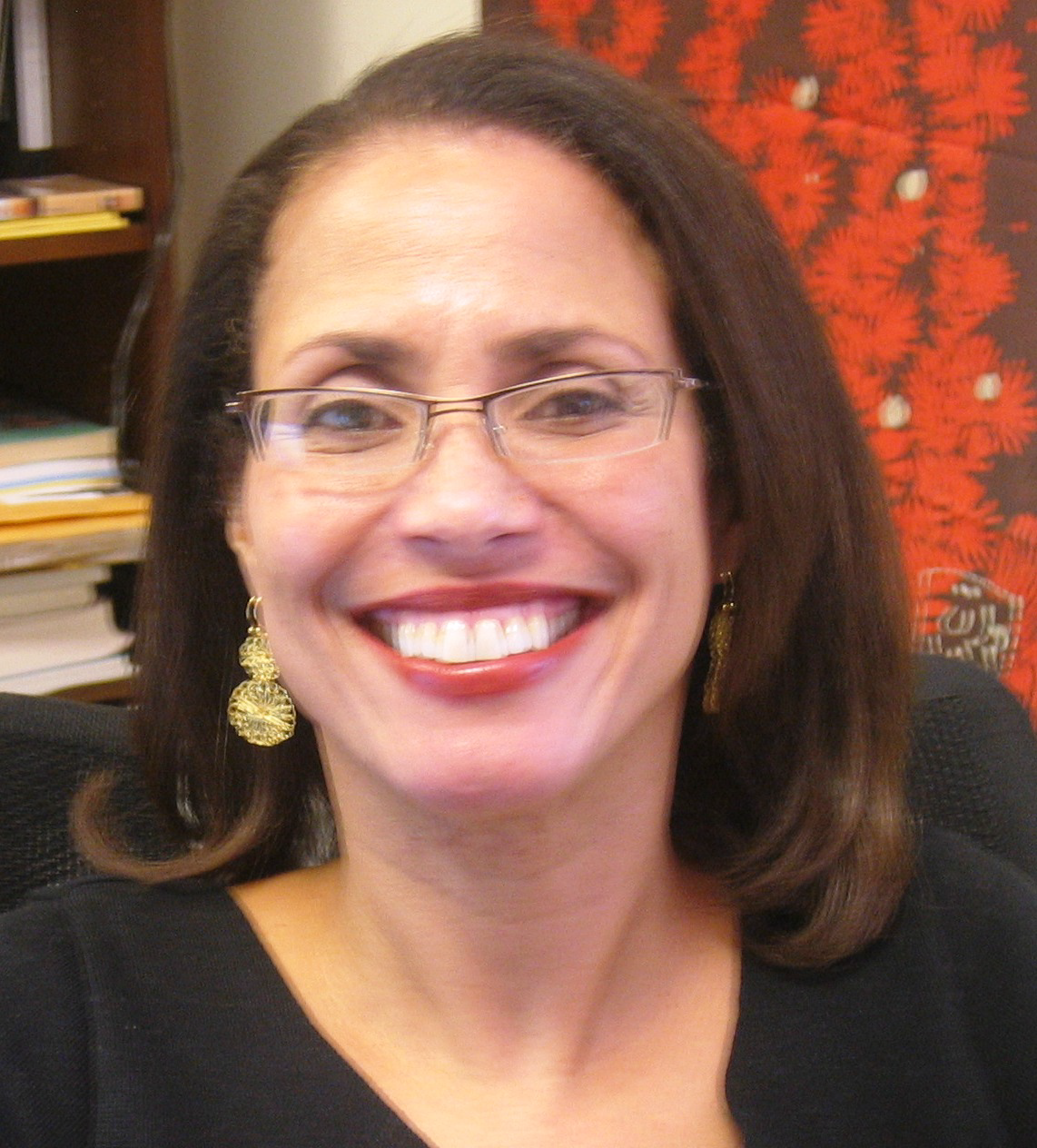
Eve M. Troutt Powell teaches the history of the modern Middle East. As a cultural historian, she emphasizes the exploration of literature and film in her courses. She is the author of A Different Shade of Colonialism: Egypt, Great Britain and the Mastery of the Sudan (University of California, 2003) and the co-editor, with John Hunwick, of The African Diaspora in the Mediterranean Lands of Islam (Princeton Series on the Middle East, Markus Wiener Press, 2002).
Eve Powell
Professor of History, University of Pennsylvania
Eve M. Troutt Powell teaches the history of the modern Middle East. As a cultural historian, she emphasizes the exploration of literature and film in her courses. She is the author of A Different Shade of Colonialism: Egypt, Great Britain and the Mastery of the Sudan (University of California, 2003) and the co-editor, with John Hunwick, of The African Diaspora in the Mediterranean Lands of Islam (Princeton Series on the Middle East, Markus Wiener Press, 2002). She has also written a number of articles on the history of African slavery in the Nile valley, and on Saint Josephine Bakhita, a former Sudanese slave canonized in 2000.
Troutt Powell received her B.A, M.A., and Ph.D. from Harvard University. Prior to coming to Penn, she taught for ten years at The University of Georgia. She has received fellowships from the American Research Center in Egypt and the Social Science Research Council, and has been a fellow at the Institute for Advanced Study in Princeton and at the Radcliffe Institute for Advanced Study. In 2003 she was named a MacArthur Foundation Fellow.
Troutt Powell is now working on a book about the memory of slavery in the Nile valley, which examines how slaves and slaveholders wrote, sang or talked about the experience of servitude and its meaning in their societies. Both her research and her teaching explore the relationship between Africa and the Middle East, and thus connect her closely to Africana Studies and African Studies at Penn.


Nicola Pratt
Fellow, International Politics of the Middle East, University of Warwick, UK.
Nicola Pratt is Reader of the International Politics of the Middle East at the University of Warwick, UK. She has written on human rights, civil society and democratization in the Arab world, including Democracy and Authoritarianism in the Arab World (Lynne Rienner, 2007). More recently, she has written on issues of gender, war and security in the Middle East. She is co-author, with Nadje Al-Ali, of What Kind of Liberation? Women and the Occupation of Iraq (University of California Press, 2009), co-editor, also with Nadje Al-Ali, of Women and War in the Middle East (Zed Press, 2009) and co-editor with Sophie Richter-Devroe of a special issue of International Feminist Journal of Politics on ‘Critically Examining UNSCR 1325 on Women, Peace and Security’ (December 2011) as well as articles in International Studies Quarterly and Third World Quarterly, amongst others.
Nicola Pratt
Reader of the International Politics of the Middle East, University of Warwick, UK.
Nicola Pratt is Reader of the International Politics of the Middle East at the University of Warwick, UK. She has written on human rights, civil society and democratization in the Arab world, including Democracy and Authoritarianism in the Arab World (Lynne Rienner, 2007). More recently, she has written on issues of gender, war and security in the Middle East. She is co-author, with Nadje Al-Ali, of What Kind of Liberation? Women and the Occupation of Iraq (University of California Press, 2009), co-editor, also with Nadje Al-Ali, of Women and War in the Middle East (Zed Press, 2009) and co-editor with Sophie Richter-Devroe of a special issue of International Feminist Journal of Politics on ‘Critically Examining UNSCR 1325 on Women, Peace and Security’ (December 2011) as well as articles in International Studies Quarterly and Third World Quarterly, amongst others. She is joint leader of the ‘Reconceptualising Gender’ research network between Warwick and Birzeit University (Palestine). She currently holds a British Academy mid-career fellowship for a project entitled, ‘Middle East Women: The Personal and the Geopolitical’.


Gonzalo Rabanal
Fellow, Visual Audio, Instituto Arcos
Gonzalo Rabanal estudió Comunicación Audio Visual en el Instituto Arcos, periodo donde emprende la elaboración de un trabajo de obra que se proyecta de lo particular a lo colectivo, abriendo lugar a una multiplicidad expresiva. Ha sido reconocido el año 1989 con la beca Fundación Andes y el año 2010 con la beca Fundación Ford. Actualmente cursa como alumno de postgrado el Magíster en Artes Visuales en la pontificia universidad católica de chile.
Gonzalo Rabanal
Performer
Gonzalo Rabanal estudió Comunicación Audio Visual en el Instituto Arcos, periodo donde emprende la elaboración de un trabajo de obra que se proyecta de lo particular a lo colectivo, abriendo lugar a una multiplicidad expresiva. Ha sido reconocido el año 1989 con la beca Fundación Andes y el año 2010 con la beca Fundación Ford. Actualmente cursa como alumno de postgrado el Magíster en Artes Visuales en la pontificia universidad católica de chile.

Michael Ralph
Fellow, Gender and Sexuality Studies, Metropolitan Studies, NYU
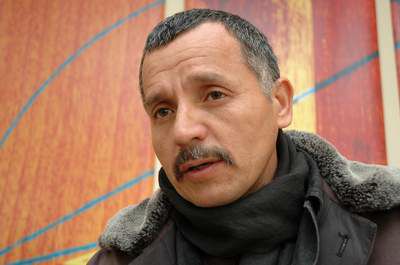
Assistant Professor, Gender and Sexuality Studies, Metropolitan Studies; Assistant Professor of Social and Cultural Analysis , Africana Studies , American Studies ; Director, Metropolitan Studies Ph.D. 2007 (Anthropology), University of Chicago; M.A. 2002 (Anthropology), University of Chicago; B.A. 2000 (Africana Studies) Morris Brown College.
Areas of Research/Interest: Citizenship, Sovereignty, Risk, Liability, Urban Youth Culture, Diaspora, Postcolonialism
Michael Ralph
Assistant Professor, Gender and Sexuality Studies, Metropolitan Studies, NYU
Assistant Professor, Gender and Sexuality Studies, Metropolitan Studies; Assistant Professor of Social and Cultural Analysis , Africana Studies , American Studies ; Director, Metropolitan Studies Ph.D. 2007 (Anthropology), University of Chicago; M.A. 2002 (Anthropology), University of Chicago; B.A. 2000 (Africana Studies) Morris Brown College.
Areas of Research/Interest: Citizenship, Sovereignty, Risk, Liability, Urban Youth Culture, Diaspora, Postcolonialism
Select Publications: Manuscripts Forensics of Capital: Risk and Liability, Citizenship and Sovereignty, in Senegal (Forthcoming).
Benjamin Eastman, Michael Ralph, and Sean Brown, eds. 2008. America’s Game(s): A Critical Anthropology of Sport. London: Routledge.
Articles: Michael Ralph, ed. 2011. 'The Security of Justice.' Introduction to "Law & Order, Crime & Capital in the 19th-21st century U.S." Special issue of Souls.
Michael Ralph. 2009. 'Barack Obama is (not) who you think he is.' The Sixties: A Journal of History, Politics, and Culture. 2(2): 76-77.
Michael Ralph. 2009. ‘Commodity.’ Social Text 100 27(3): 78-84.
Michael Ralph. 2009. ‘Diaspora.’ Social Text 100 27(3): 94-101.
Michael Ralph. 2009. ‘Hip hop.’ Social Text 100 27(3): 141-146.
Michael Ralph. 2009. 'Barack Obama is (not) who you think he is.' The Sixties: A Journal of History, Politics, and Culture. 2(2): 76-77.
Michael Ralph. 2009. “Thief’s Theme.” South Atlantic Quarterly 108(8): 541-562.
Michael Ralph. 2009. “‘It’s hard out here for a pimp…with…a whole lot of bitches jumpin’ ship’: Navigating black politics in the wake of Katrina.” Public Culture 21(2): 341-374.
Michael Ralph. 2008. “Killing time.” Social Text 26(4): 1-29.
Michael Ralph. 2007. ‘“Crimes of History”: Senegalese Soccer and the Forensics of Slavery.’ Souls 9(3): 193-222.
Michael Ralph. 2007. ‘Prototype: In Search of the Perfect Senegalese Basketball Physique.’ The International Journal of the History of Sport 24(2): 311-316.
Michael Ralph. 2007. ‘Epilogue: It was all a dream.’ The International Journal of the History of Sport 24(2): 238-263.
Michael Ralph. 2006. ‘“Flirt[ing] with death but “still alive”: The sexual dimensions of surplus time in hip hop fantasy.’ Cultural Dynamics 18(1): 61-88.
Michael Ralph. 2006. ‘“Le Sénégal qui Gagne”: Soccer and the Stakes of Neoliberalism in a Postcolonial Port.’ Soccer and Society 7(2-3): 300-317.
Michael Ralph. 2005. ‘Oppressive Impressions, Architectural Expressions: The poetics of French colonial (ad)vantage, regarding Africa.’ In African Urban Spaces in Historical Perspective. Steve Salm and Toyin Falola, eds. Univ. of Rochester Press, pp. 22-48.
Michael Ralph. 2005. Review of Wilson J. Moses’ Afrotopia, Transforming Anthropology 13(2): 166-68.

Sherie Randolph
Fellow, History and Afro American and African Studies, University of Michigan
Sherie Randolph is assistant professor of History and Afro American and African Studies at the University of Michigan, Ann Arbor. The former Associate Director of the Women’s Research & Resource Center at Spelman College, Randolph received her Ph.D. from New York University in 19th- and 20th-century American history with concentrations in African Diaspora and women and gender history.
Sherie Randolph
Assistant Professor of History and Afro American and African Studies, University of Michigan
Sherie Randolph is assistant professor of History and Afro American and African Studies at the University of Michigan, Ann Arbor. The former Associate Director of the Women’s Research & Resource Center at Spelman College, Randolph received her Ph.D. from New York University in 19th- and 20th-century American history with concentrations in African Diaspora and women and gender history. She has received several grants and fellowships for her work, most recently being awarded fellowships from the Schomburg Center for Research in Black Culture and Rutgers University’s Institute for Research on Women and the Center for Race and Ethnicity. Randolph’s principal teaching and research interests focus on the historical intersections of race, gender, class and empire in the United States. She is currently revising a book manuscript titledBlack Feminist Radical: Florynce “Flo” Kennedy.

Rayna Rapp
Fellow, Anthropology, New York University
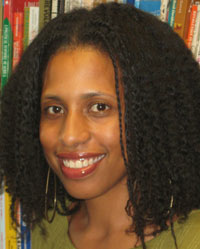
Rayna Rapp (former Rayna R. Reiter) is a professor and associate chair of anthropology at New York University, specializing in gender and health; the politics of reproduction; science, technology, and genetics; and disability in the United States and Europe. She has contributed over 80 published works to the field of anthropology, independently, as a co-author, editor, and forward-writing, including Robbie Davis-Floyd and Carolyn Sargent's Childbirth and Authoritative Knowledge. Her 1999 book, Testing Women, Testing the Fetus: the Social Impact of Amniocentesis in America, received multiple awards upon release and has been praised for providing "invaluable insights into the first generation of women who had to decide whether or not to terminate their pregnancies on the basis of amniocentesis result".
Rayna Rapp

Anthropology, New York University
Rayna Rapp (former Rayna R. Reiter) is a professor and associate chair of anthropology at New York University, specializing in gender and health; the politics of reproduction; science, technology, and genetics; and disability in the United States and Europe. She has contributed over 80 published works to the field of anthropology, independently, as a co-author, editor, and forward-writing, including Robbie Davis-Floyd and Carolyn Sargent's Childbirth and Authoritative Knowledge. Her 1999 book, Testing Women, Testing the Fetus: the Social Impact of Amniocentesis in America, received multiple awards upon release and has been praised for providing "invaluable insights into the first generation of women who had to decide whether or not to terminate their pregnancies on the basis of amniocentesis result". She co-authored many articles with Faye Ginsburg, including Enabling Disability: Rewriting Kinship, Reimagining Citizenship, a topic the pair has continued to research.
Working Group Affiliation