
Anthony Acciavatti
Anthony Acciavatti (Yale University) is the Diana Balmori Assistant Professor at Yale School of Architecture. He works at the intersection of architecture, landscape, and the history of science and technology. He is interested in experimental forms of scholarship, pedagogy, and design afforded by humanistic inquiry. His most recent book, Ganges Water Machine: Designing New India’s Ancient River (Applied Research); Design, 2015), is the first comprehensive mapping and environmental history of the Ganges River Basin in over half a century. He spent a decade hiking, driving, and boating across the Ganges to map it and to understand the historical conflicts over water for drinking, agriculture, and industry. Combining fieldwork with archival research, the book is an atlas of the enterprise to transform the Ganges into the most hyper-engineered landscape in the world. In 2016, the book was awarded the John Brinckerhoff Jackson Book Prize by the Foundation for Landscape Studies.

Faith Adiele

Professor Adiele teaches in the creative writing programs at California College of the Arts (San Francisco, Calif., USA) and Stonecoast Low-Residency MFA Program (Portland, Maine, USA). Her writing classes focus on decolonial travel writing and hybrid (multiracial/multigenre) memoir; her literature courses specialize in contemporary African literature, the literature of intersectional passing, and international Young Adult (YA) literature and film.
Her memoir Meeting Faith, an account of becoming Thailand’s first Black Buddhist Nun (Norton 2004), received the PEN Open Book Award and is widely taught in American universities. She is also writer of My Journey Home, a PBS documentary about finding her family in Nigeria, author of The Nigerian-Nordic Girl’s Guide to Lady Problems, a tri-cultural digital chapbook about black women and fibroids, and co-editor of Coming of Age Around the World: A Multicultural Anthology.
Professor Adiele founded the USA’s first writing workshop for travelers of color through the Voices of Our Nations Arts Foundation, writes a weekly travel column for Detour: Best Stories in Black Travel, which appears in the Miami Herald, and is senior editor of Decolonising Travel in UK-based journal Panorama: The Journal of Travel, Place, and Nature. She also hosts an African Book Club at San Francisco’s Museum of the African Diaspora and produces Africana content for the Calm meditation app.
She is currently at work on the USA’s first decolonial travel craft book (forthcoming from Columbia University Press) and several hybrid chapbooks about her Nigerian-Nordic-American heritage (forthcoming from Texas Review Press).

Benjamin Conisbee Baer
Fellow, Comparative Literature, Princeton University
Benjamin Conisbee Baer is an Associate Professor of Comparative Literature, Princeton University. His research interests include: Marxism, deconstruction, postcolonial literature and theory, translation problems, and subaltern predicaments.
Benjamin Conisbee Baer
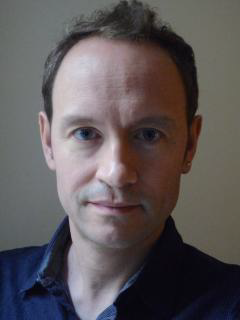
Benjamin Conisbee Baer's research interests include: Marxism, deconstruction, postcolonial literature and theory, translation problems, subaltern predicaments. His teaching, research, and writing focus on problems of representation, language, idiom, and translation; the politics of culture and cultural politics; historical and contemporary modes and situations of subalternity; differentiated patterns of modern imperialism and colonialism; Marxism in an international framework. The parts of the world he works on are generally pockets of South Asia, Europe, the Caribbean and Africa; mainly focusing on modern and contemporary conjunctures. He also teaches Marxist theory, deconstruction, and postcolonial theory. Baer's current book is a series of overlapping case studies that takes on board the complex cultural politics of indigeneity and vanguardism in the interwar period. It examines literary and political problems in instances as diverse as the Harlem Renaissance, the Mexican Revolution, the Gandhian uprisings in India, the fringes of fascism in Europe, and the colonial French Caribbean. New research is on the history of the working class Internationals and efforts toward epistemic change outside Europe. Ongoing group interdisciplinary projects include: Radiating Globality (prehistories of so-called globalization in Senegambia and French India); Rethinking South Asian Studies/Himalayan Regionalism (Kolkata-Kathmandu-Kunming); academic consultancy on Documenting the Mother Tongues of Africa (large consortial multimedia/digital project).
Working Group Affiliation
The Rural-Urban Interface: Gender and Poverty in Ghana and Kenya, Statistics and Stories
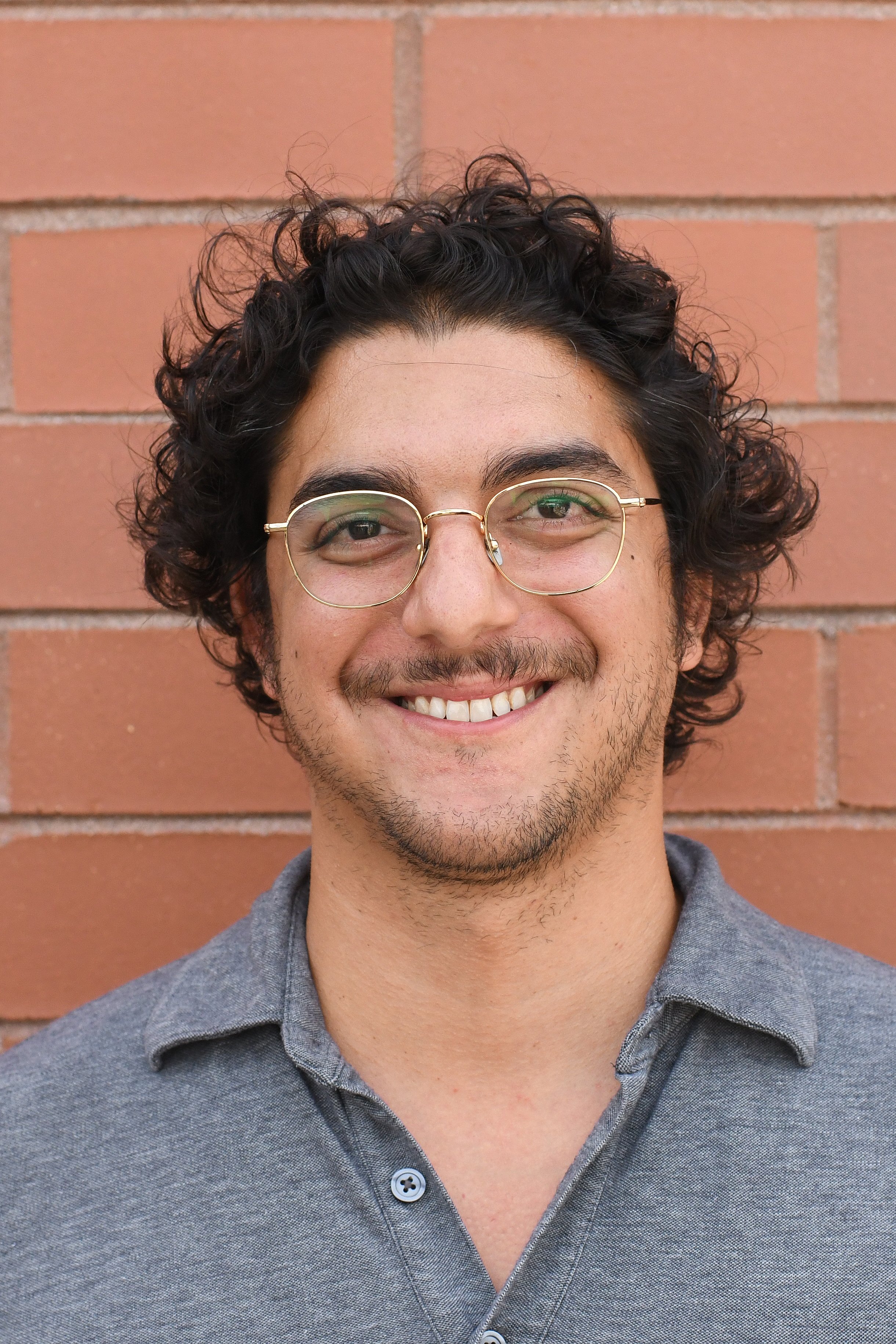
A. George Bajalia
A. George Bajalia is Assistant Professor of Anthropology at Wesleyan University. His work is concerned with borderlands, primarily in the Western Mediterranean region.
A. George Bajalia
A. George Bajalia is Assistant Professor of Anthropology at Wesleyan University. His work is concerned with borderlands, primarily in the Western Mediterranean region. His current book project, Waiting at the Border: Language, Labor, and Infrastructure in the Strait of Gibraltar, dwells on the political, social, and cultural forms that emerge during time spent waiting among cross-border workers and West and Central African immigrants living and working around the Moroccan-Spanish borderlands.
His work argues that lives lived while waiting, whether in the city of Tangier among im/migrants or in the commodity warehouses that abut the land border between the Spanish enclave of Ceuta and the Moroccan coast, form consequential habits that sediment into social life and become fields for potential political claims grounded in communal sentiments. As both an intellectual and political project, he is interested in exploring the consequences of these communal sentiments across the many borders of the Strait of Gibraltar and how these sentiments cannot be solely contained within the categories typically associated with border-crossing, categories such as “migrant,” “refugee,” and “asylum-seeker.”
Bajalia has held research fellowships from the Mellon Foundation-CAORC, Fulbright-Hays, Fulbright-IIE, and the American Institute for Maghrib Studies. He is the co-founder and co-director of the Youmein Festival, an annual 48-hour contemporary art and performance festival and residency in Tangier, Morocco. Bajalia received his Ph.D. from the Department of Anthropology at Columbia University.
Working Group: Refugee Cities
Michael J. Balick
Michael J. Balick (New York Botanical Garden and Columbia University) Vice President for Botanical Science, Director and Philecology Senior Curator Institute of Economic Botany, The New York Botanical Garden. For more than four decades, Dr. Balick has studied the relationship between plants and people, working with traditional cultures in tropical, subtropical, and desert environments. He is a specialist in the field known as ethnobotany, working with indigenous cultures in many parts of the world to document their plant knowledge, understand the environmental effects of their traditional management systems, and develop sustainable utilization systems-while ensuring that the benefits of such work are always shared with local communities. Dr. Balick has also conducted research in New York City, studying traditional healing practices in ethnic communities of the urban environment. He is the author or editor of 30 books and monographs.
Judith Butler
Judith Butler is Maxine Elliot Professor of Comparative Literature, Departments of Rhetoric and Comparative Literature, at the University of California, Berkeley. She is the author of Gender Trouble: Feminism and the Subversion of Identity and Bodies That Matter: On the Discursive Limits of "Sex" (Routledge, 1993), among many others.
Judith Butler
Judith Butler is Maxine Elliot Professor of Comparative Literature, Departments of Rhetoric and Comparative Literature, at the University of California, Berkeley. She received her Ph.D. in Philosophy from Yale University in 1984 on the French Reception of Hegel. Judith Butler is the author of Subjects of Desire: Hegelian Reflections in Twentieth-Century France (Columbia University Press, 1987), Gender Trouble: Feminism and the Subversion of Identity (Routledge, 1990), Bodies That Matter: On the Discursive Limits of "Sex" (Routledge, 1993), The Psychic Life of Power: Theories of Subjection (Stanford University Press, 1997), Excitable Speech (Routledge, 1997), Antigone's Claim: Kinship Between Life and Death (Columbia University Press, 2000), Precarious Life: Powers of Violence and Mourning (2004); Undoing Gender (2004), Who Sings the Nation-State?: Language, Politics, Belonging (with Gayatri Spivak in 2008), Frames of War: When Is Life Grievable? (2009), and Is Critique Secular? (co-written with Talal Asad, Wendy Brown, and Saba Mahmood, 2009). Her most recent book is Parting Ways: Jewishness and the Critique of Zionism (2012). She is also active in gender and sexual politics and human rights, anti-war politics, and Jewish Voice for Peace. She is presently the recipient of the Andrew Mellon Award for Distinguished Academic Achievement in the Humanities and is the 2012 receipient of the Adorno Prize in Germany.
Judith Byfield
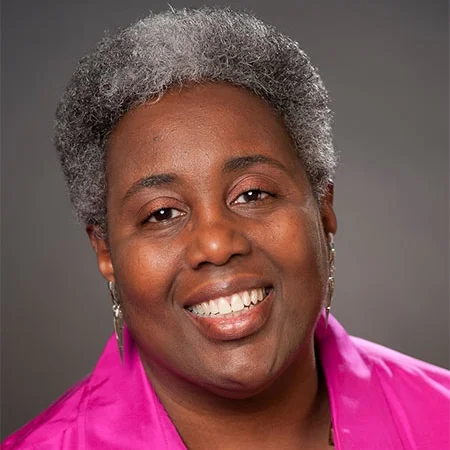
Judith Byfield is an Associate Professor of History at Cornell University. Her first book, The Bluest Hands: A Social and Economic History of Women Indigo Dyers in Western Nigeria, examined the transformation of indigo dyeing and textile production in Abeokuta, a town famous for its indigo dyed cloth, adire.
Judith Byfield
Judith Byfield is an Associate Professor of History at Cornell University. Her research interests began with a very strong interest in African art and literature and gradually added the colonial state, nationalism, women's history, and the African Diaspora, specifically the Anglophone Caribbean. Most of her research and writing thus far has focused on women's social and economic history in colonial Nigeria. Her first book, The Bluest Hands: A Social and Economic History of Women Indigo Dyers in Western Nigeria, brought many of her interests together in an examination of the transformation of indigo dyeing and textile production in Abeokuta, a town famous for its indigo dyed cloth, adire. It illuminated the ways in which the colonial state transformed women's economic life as well as the ways women navigated the new economic landscape and pressed the colonial state to protect their livelihoods.
Her current research, The Great Upheaval: Women, Taxes and Nationalist Politics in Nigeria, 1945-1951 (2017, forthcoming), explores a women's tax revolt in Abeokuta after WW II, and follows the projection of this political episode unto the national stage as the organization that led the tax revolt grew into a national women's organization that tried to shape the nationalist movement.
Her courses reflect the full range of my interests. They include lecture courses on Caribbean history, Africa After 1800, Popular Culture in Africa as well as seminars on a range of topics, including Nationalism and Decolonization; Marriage and Divorce; and Cloth, Dress and Identity.
Alexandra Cornelius-Diallo
Fellow, History, Florida International University
Dr. Cornelius's research examines the development of “racial science” during the nineteenth century. Her book manuscript titled /'More Approximate to the Animal:' African American Men and Women’s Resistance to the Rise of Scientific Racism in Mid-Nineteenth Century America/ provides a gendered analysis of the ways in which African Americans - enslaved and free, lettered and illiterate - addressed scientific theories of racial differences.
Instructor, Department of History, Florida International University
Dr. Cornelius's research examines the development of “racial science” during the nineteenth century. Her book manuscript titled /'More Approximate to the Animal:' African American Men and Women’s Resistance to the Rise of Scientific Racism in Mid-Nineteenth Century America/ provides a gendered analysis of the ways in which African Americans - enslaved and free, lettered and illiterate - addressed scientific theories of racial differences. Cornelius argues that a gendered analysis of the development of scientific racial discourse illuminates the ways in which the scientific constructions of human differences served racist, sexist, and imperialist political agendas.
Previous studies of racial science during the nineteenth century have ignored the centrality of scientific efforts to construct the black female body as a laboring body, one bereft of “motherly” instincts. Upon publication of the manuscript, Cornelius's next research project will focus on scientific constructions of black motherhood as they informed social policy makers between the mid nineteenth to late twentieth centuries.
Although it is clear that science historically has been misused, Cornelius encourages students to move beyond a simple vilification of science. Instead, they are challenged to consider the ways practitioners may use medicinal and scientific knowledge as a tool of resistance.

Benjamin Mier-Cruz
Benjamin Mier-Cruz

Benjamin Mier-Cruz is an assistant professor of Scandinavian Studies and Gender and Women’s Studies at the University of Wisconsin-Madison. Their research examines Nordic writers and filmmakers of color and intersectional representations of gender, sexuality, and race. Their research also explores transgender cinema and the figure of the vampire in literature and film. Their current book project studies constructions of subjecthood and self-representation by filmmakers of color in Swedish documentary cinema and visual culture.
Licia Fiol-Matta
Fellow, Spanish and Portuguese, New York University
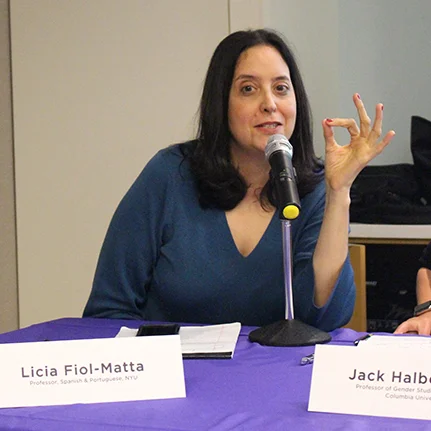
Licia Fiol-Matta is Professor of Spanish and Portuguese at New York University. She received an AB from Princeton University and a PhD from Yale University, both in Comparative Literature. Prior to joining NYU she taught at Barnard College and the City University of New York.
Licia Fiol-Matta
Professor of Spanish and Portuguese, New York University

Licia Fiol-Matta is Professor of Spanish and Portuguese at New York University. She received an AB from Princeton University and a PhD from Yale University, both in Comparative Literature. Prior to joining NYU she taught at Barnard College and the City University of New York. She is the author of A Queer Mother for the Nation: The State and Gabriela Mistral (Minnesota) and The Great Woman Singer: Gender and Voice in Puerto Rican Music (Duke). Fiol-Matta is co-editor of the series New Directions in Latino American Cultures (Palgrave) and The Puerto Rico Reader: History, Culture, Politics (under contract, Duke). She is the recipient of grants from the Ford Foundation, the American Association of University Women, and the National Endowment for the Humanities. The Great Woman Singer was awarded the 2018 Frank Bonilla Award for Best Book in Puerto Rican Studies. Fiol-Matta writes on Latin American cultural studies, women's and gender studies, and music.
Working Group Affiliation
Isadora Lins França
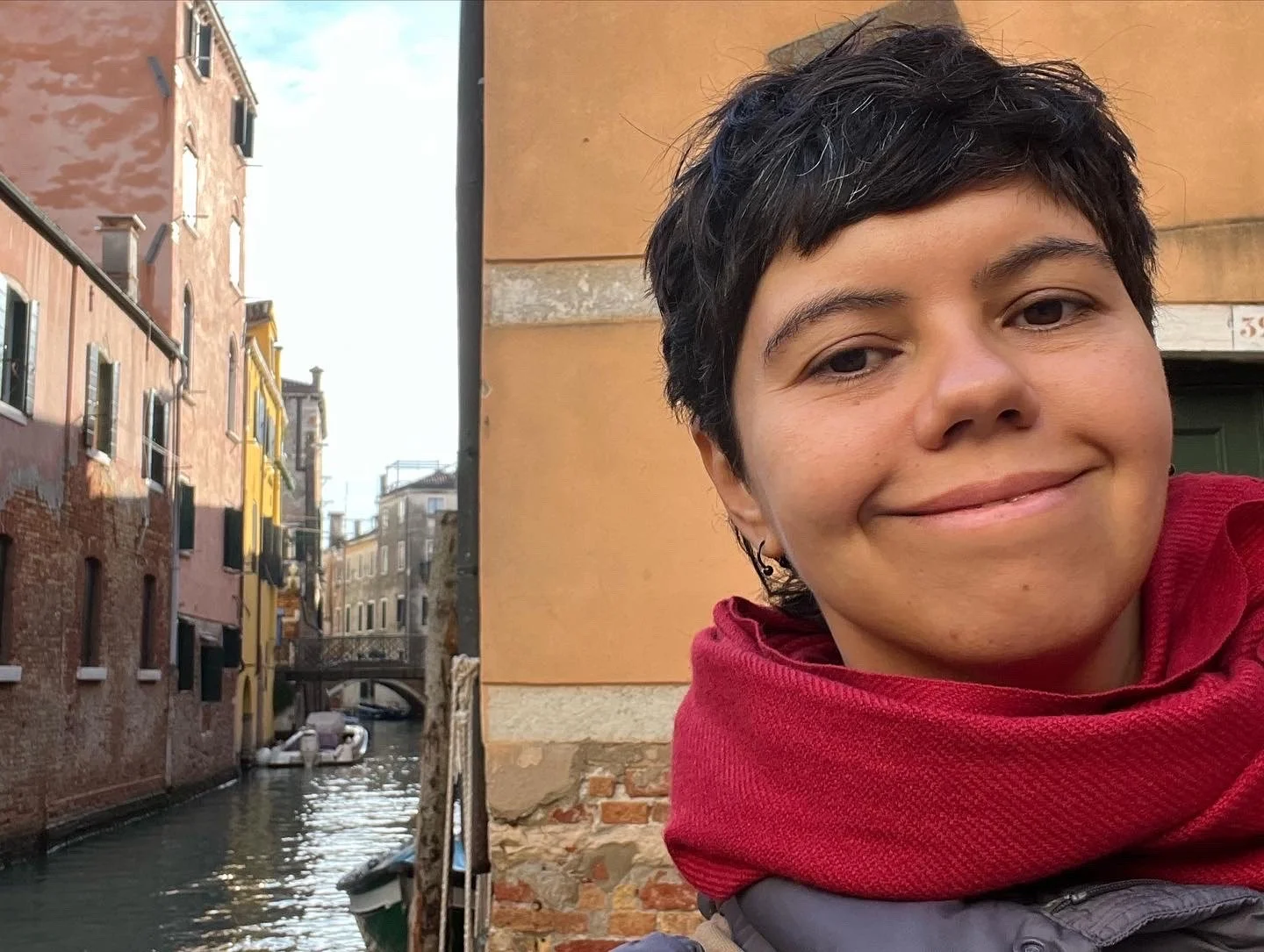
Isadora Lins França is Assistant Professor in the Department of Anthropology and researcher of the Pagu Center for Gender Studies, both at the University of Campinas, Unicamp (Brazil).
Isadora Lins França
Isadora Lins França is Assistant Professor in the Department of Anthropology and researcher of the Pagu Center for Gender Studies, both at the University of Campinas, Unicamp (Brazil). She is currently a fellow of the Summer Program in Social Sciences from the Institute for Advanced Studies (IAS), at Princeton, and visiting scholar in the Department of Latin American and Iberian Studies (LAIC) at Columbia University in the City of New York.
Isadora França has been working with gender and sexuality in the last decades, dedicating herself tothe articulation between differences and inequalities in the production of categories and subjects. In the last ten years, she has been working with mobilities, gender and sexuality, conducting fieldwork in Brazil, Spain and United States with queer migrants and refugees.
Working Group: Refugee Cities
Anette Freytag
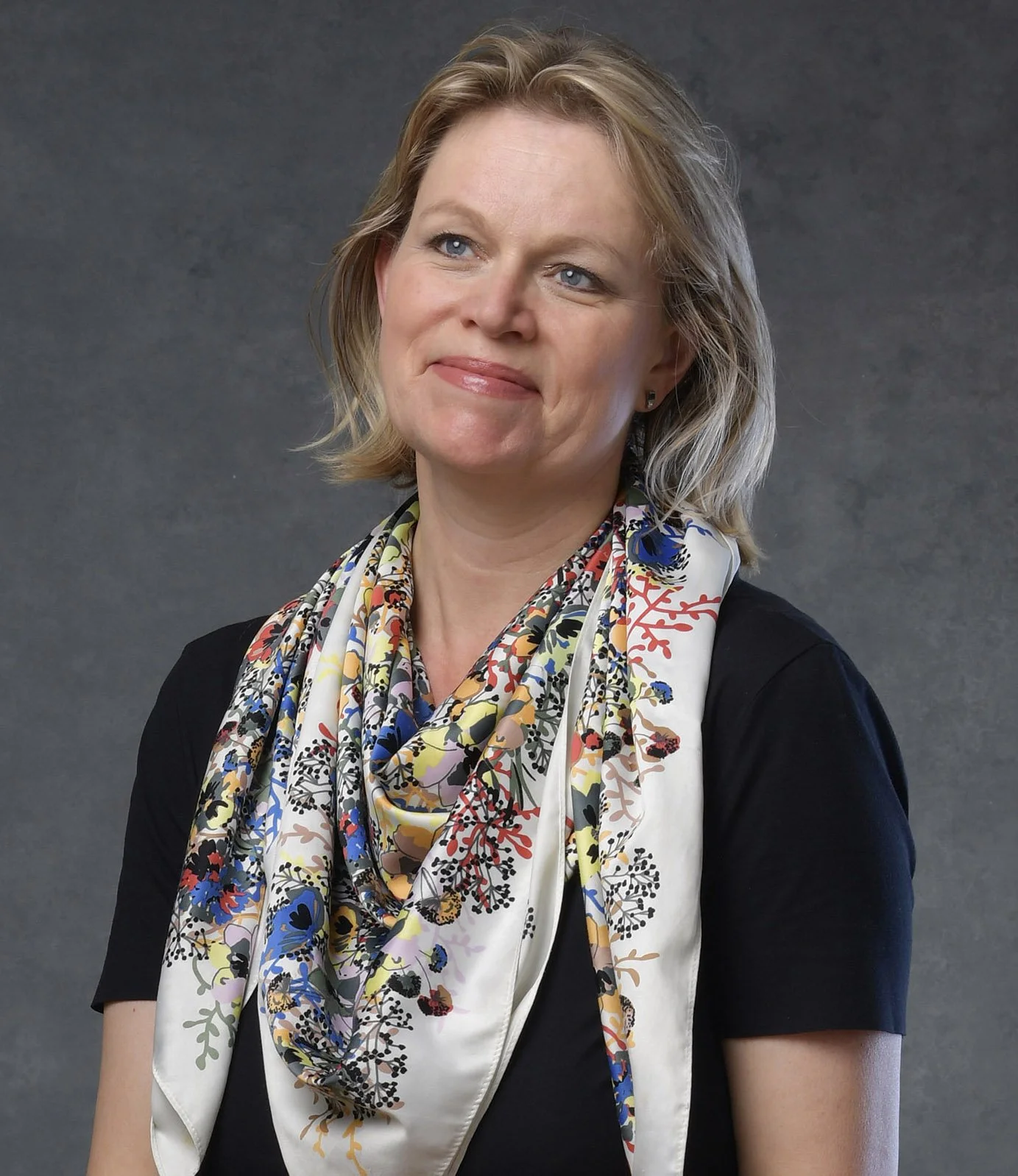
Anette Freytag is a Professor of Landscape Architecture (History, Theory and Design) at Rutgers University and an award-winning scholar, educator, and critic. Her research focuses on designed landscapes from the 19th century to the contemporary practice with a particular emphasis on topology, phenomenology and walking. In her latest book The Landscapes of Dieter Kienast (Zurich: gta Verlag 2021) she shows how this Swiss landscape architect renewed the aesthetics for designing with nature in the city through his love for spontaneous vegetation and his doctorate in phytosociology. After the environmental movement of the 1970s and 1980s, Kienast reoriented the profession of landscape architecture with form driven designs while reinforcing plant knowledge. Anette Freytag’s books have been honored with a J. B. Jackson Book Prize, a European Garden Book Award, a DAM Architectural Book Award and many more. Before joining Rutgers University, Anette has taught at ETH Zurich, the University of Basel and the University of Innsbruck. In 2019, co-founded the AIR Collaborative (Arts Integration Research Collaborative) which prioritizes creative placemaking to foster spatial justice through projects that seek safe access to nature for all.
Frances S. Hasso
Director, International Comparative Studies Program and Associate Professor in Women's Studies and Sociology, Duke University
Frances S. Hasso is Director of International Comparative Studies and Associate Professor in Women's Studies at Duke. She holds a secondary appointment in the Department of Sociology. She joined the Duke faculty in 2010 after 10 years as a faculty member at Oberlin College. Her recent monograph is titled, Consuming Desires: Family Crisis and the State in the Middle East (Stanford University Press, 2011). She is co-editing with Zakia Salime (Rutgers) a book project titled, "Geographies of Gender in the Arab Revolutions."
Frances S. Hasso
Director, International Comparative Studies Program and Associate Professor in Women's Studies and Sociology, Duke University
Frances S. Hasso is Director of International Comparative Studies and Associate Professor in Women's Studies at Duke. She holds a secondary appointment in the Department of Sociology. She joined the Duke faculty in 2010 after 10 years as a faculty member at Oberlin College. Her recent monograph is titled, Consuming Desires: Family Crisis and the State in the Middle East (Stanford University Press, 2011). She is co-editing with Zakia Salime (Rutgers) a book project titled, "Geographies of Gender in the Arab Revolutions." She is using a sabbatical in 2013-14 to work on a second ongoing research project, “‘Civil’ and ‘Space’ as Fields of Meaning and Practice in Post-Revolutionary Egypt.” She is co-editing the Journal of Middle East Women's Studies beginning in mid-2014 with miriam cooke and Banu Gökarıksel. Her scholarship has focused on the intersections between transnational dynamics, states, social movements, and individual subjectivities and identities, especially in the Arab world.
Achilles Kallergis
Assistant Professor, Department of Social Research, New School
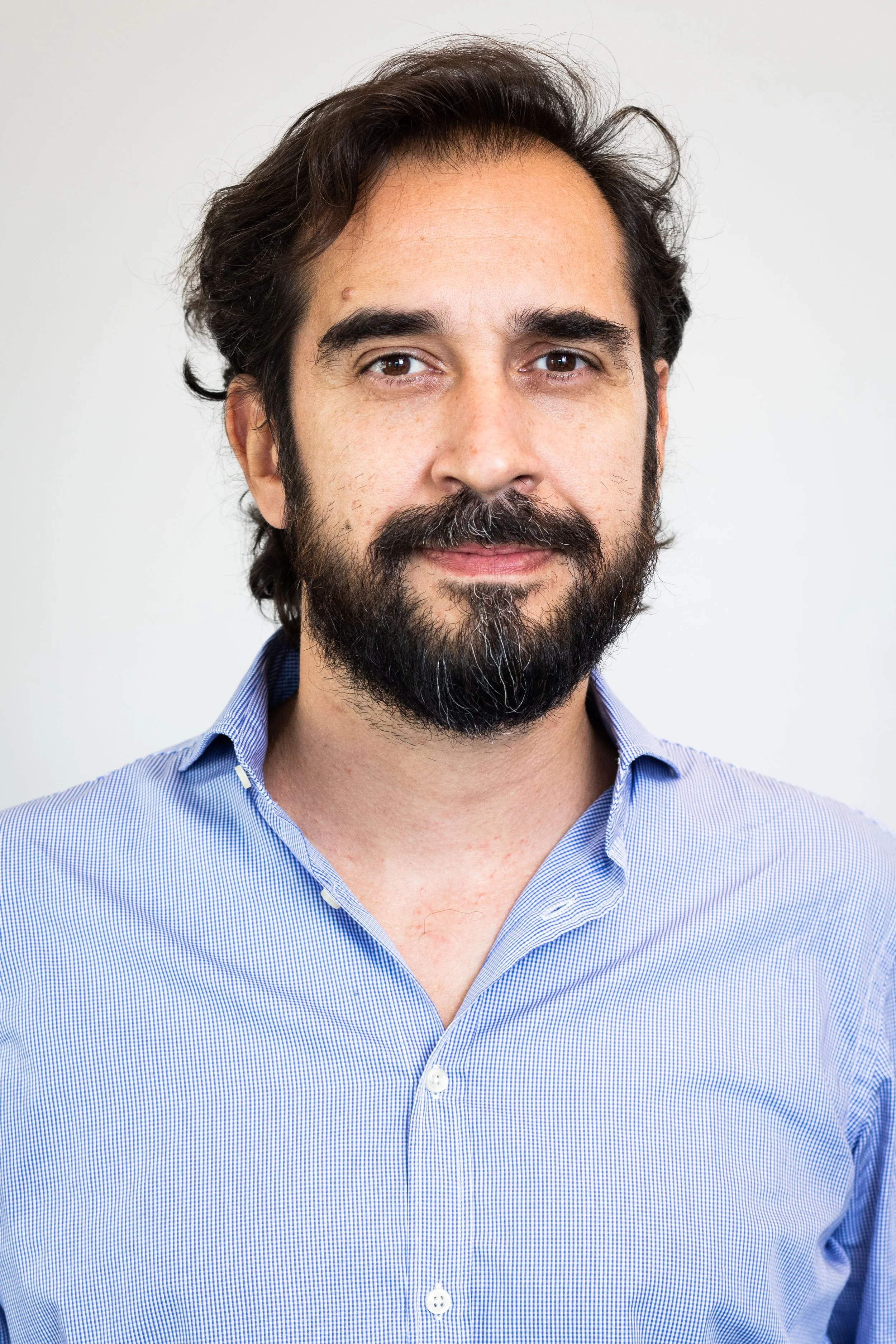
Achilles Kallergis is an Assistant Professor at the New School for Social Research and the Director of the Cities and Migration Project at the Zolberg Institute on Migration and Mobility. His research focuses on urbanization, migration, and mobility in rapidly growing cities.
Achilles Kallergis
Achilles Kallergis is an Assistant Professor at the New School for Social Research and the Director of the Cities and Migration Project at the Zolberg Institute on Migration and Mobility. His research focuses on urbanization, migration, and mobility in rapidly growing cities. Specifically, it explores environmental mobility and how locally-generated data can provide new evidence on mobility patterns and contribute to improving living conditions in low-income destination areas through better provision of housing and services. In his research, he has collaborated with transnational community networks Slum/Shack Dwellers International and the Asian Coalition for Housing Rights. At Zolberg, he directs the research program on cities and migration and coordinates the Research Platform on Cities and Human Mobility.
Previously he was a Research Scholar at the Marron Institute of Urban Management at New York University. He has taught at New York University at the New School. His work has been published in academic journals and edited books. He holds a PhD in Urban Policy and an M.A. in International Affairs from the New School University, and an M.A. in Political Science from the University of Lausanne.
Working Group: Refugee Cities
Jasmine Kelekay
Jasmine Kelekay
Jasmine Kelekay is a Postdoctoral Scholar in the Department of African American Studies and African Diaspora Studies at the University of California, Berkeley. Her work examines the ways in which ideas about Blackness are both circulated globally and shaped by local contexts, histories, and material conditions, with a focus on the Nordic context. Situated at the intersection of African diaspora studies, sociology, critical criminology, and cultural studies, Kelekay employs interdisciplinary methods informed by Black/Afrofeminist, critical race, and postcolonial theories. Her current book project investigates the racialized politics of crime control in the Swedish welfare state by examining how Black communities in Sweden are targeted by, experience, navigate, and resist racialized policing. Grounded in community-engaged Black feminist ethnography, Kelekay illustrates how Afro-Swedish communities are criminalized through intersecting logics of antiblackness, Islamophobia, and anti-immigrant racism, revealing how Blackness is policed at the intersections of the various modalities through which it is lived. Her work has been published in journals including Annual Review of Sociology, City & Community, Social Currents, and Open Cultural Studies. Forthcoming works include the co-authored article Letter Writing as Counter Archiving: An Afro-Nordic Feminist Care Practice," to be published in Meridians.
Kelekay earned her Ph.D. from the University of California, Santa Barbara in Sociology with a designated emphasis in Black Studies. She is also an affiliated scholar at the Center for Multidisciplinary Research on Racism (CEMFOR) at Uppsala University. As an Afro-Finland-Swedish scholar, Kelekay is publicly engaged in both Sweden and Finland, where she also continues to work with community organizations and activists.
Kerwin Kaye
Kerwin Kaye is an Associate Professor of Feminist, Gender & Sexuality Studies at Wesleyan University. He is the author of Enforcing Freedom: Drug Courts, Therapeutic Communities, and the Intimacies of the State (Columbia University Press, 2019). He has also written on the history and politics of male sex work.
Working Group:
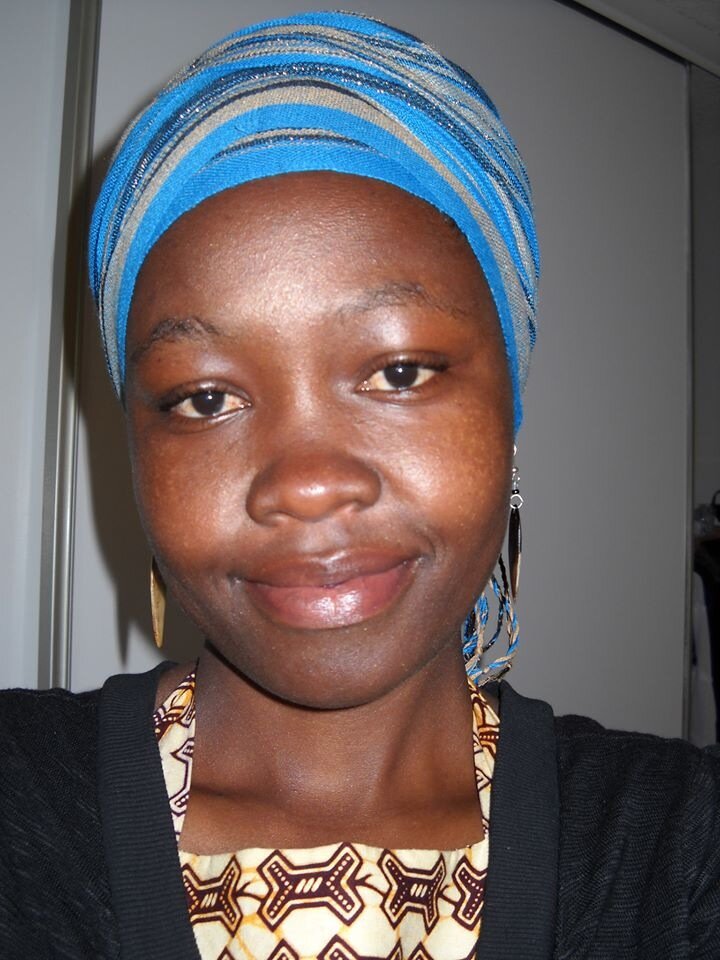
Selina Makana
Fellow, African History, University of Memphis
Selina Makana is an Assistant Professor of African history at the University of Memphis. Her research and teaching focus on African women’s social history, gender and militarism, transnational feminisms, and African diaspora studies. Her current monograph uses oral interviews with former women combatants and archival records to probe the relationship between gender and militarism in contemporary Angola.
Selina Makana
Assistant Professor of African History, University of Memphis

Selina Makana is an Assistant Professor of African history at the University of Memphis. Her research and teaching focus on African women’s social history, gender and militarism, transnational feminisms, and African diaspora studies. Her current monograph uses oral interviews with former women combatants and archival records to probe the relationship between gender and militarism in contemporary Angola. This research explores how nationalist projects and armed insurgent organizations utilize gender—in particular ideas of masculinities and femininities —to consolidate power and perpetuate violence. In 2017-2020, she was a Postdoctoral Research Scholar at the Institute for Research on Women, Gender, and Sexuality and a lecturer in the Department of Middle Eastern, South Asian, and African Studies at Columbia University. She holds a Ph.D. in African Diaspora Studies and a Graduate Certificate in Gender and Women’s Studies from the University of California-Berkeley. Makana has been a Fulbright Fellow at Stanford University. Her recent publications have appeared in Meridians: Feminism, Race, and Transnationalism, Gender & History, and The Oxford Encyclopedia of African Women’s History. Selina Makana is a member of the African Feminist Initiative and serves on the editorial advisory board of Feminist Africa.
Working Group Affiliation
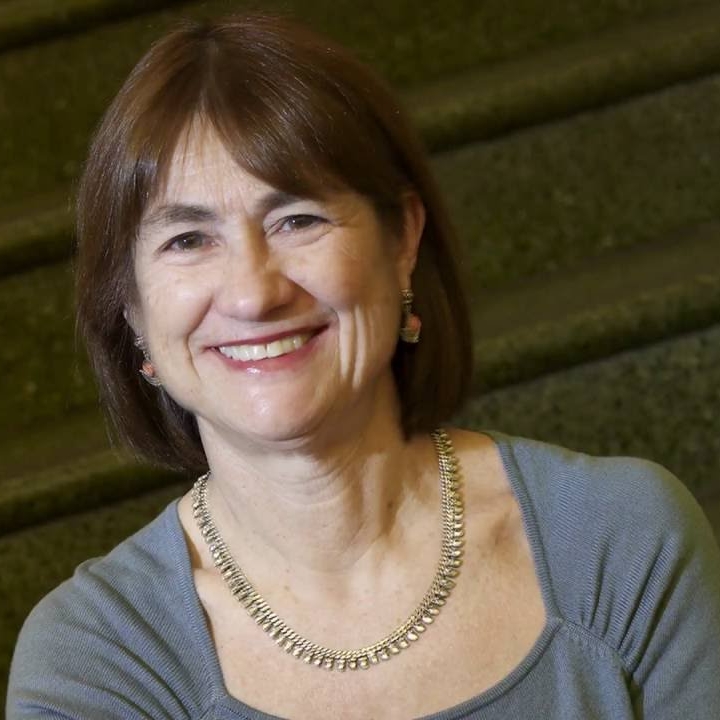
Sally Engle Merry
Fellow, Anthropology, New York University
Sally Engle Merry's recent books include Colonizing Hawai‘i (Princeton, 2000), Human Rights and Gender Violence (Chicago, 2006), Gender Violence: A Cultural Perspective (Blackwell, 2009) and The Practice of Human Rights, (co-edited with Mark Goodale; Cambridge, 2007). Her most recent book, The Seductions of Quantification: Measuring Human Rights, Gender Violence, and Sex Trafficking (Chicago: University of Chicago Press, 2016) examines indicators as a technology of knowledge used for human rights monitoring and global governance. She received the Hurst Prize for Colonizing Hawai‘i in 2002, the Kalven Prize for scholarly contributions to sociolegal scholarship in 2007, and theJ.I. Staley Prize for Human Rights and Gender Violence in 2010.
Sally Engle Merry
Silver Professor of Anthropology, New York University

Sally Engle Merry is Silver Professor of Anthropology at New York University. She is also a Faculty Director of the Center for Human Rights and Global Justice at the New York University School of Law, and past president of the American Ethnological Society. Her recent books include Colonizing Hawai‘i (Princeton, 2000), Human Rights and Gender Violence (Chicago, 2006), Gender Violence: A Cultural Perspective (Blackwell, 2009) and The Practice of Human Rights, (co-edited with Mark Goodale; Cambridge, 2007). Her most recent book, The Seductions of Quantification: Measuring Human Rights, Gender Violence, and Sex Trafficking (Chicago: University of Chicago Press, 2016) examines indicators as a technology of knowledge used for human rights monitoring and global governance. She has co-edited two books on quantification, The Quiet Power of Indicators, with Kevin Davis and Benedict Kingsbury (Cambridge University Press, 2015) and A World of Indicators, with Richard Rottenburg, Song-Joon Park, and Johanna Mugler (Cambridge University Press 2015), 2015. She is the author or editor of fifteen books and special journal issues. She received the Hurst Prize for Colonizing Hawai‘i in 2002, the Kalven Prize for scholarly contributions to sociolegal scholarship in 2007, and theJ.I. Staley Prize for Human Rights and Gender Violence in 2010. In 2013 she received an honorary degree from McGill School of Law and was the focus of an Author Colloquium at the Center for Interdisciplinary Research (ZIF) at the University of Bielefeld, Germany. She is an Honorary Professor at Australian National University.
Working Group Affiliations
Aamir Mufti
Fellow, Comparative Literature, UCLA
Aamir Mufti is interested in understanding a range of forms of inequality in the contemporary world and how they impede the possibilities for historically autonomous action by social collectivities in the South. His work also explores the possibilities of critical knowledge of these societies within the dominant practices of the modern humanistic disciplines. Mufti has a Ph.D. in literature from Columbia University and was trained in Anthropology at Columbia, the London School of Economics, and Hamilton College.
Aamir Mufti
Professor of Comparative Literature, UCLA

Aamir Mufti is interested in understanding a range of forms of inequality in the contemporary world and how they impede the possibilities for historically autonomous action by social collectivities in the South. His work also explores the possibilities of critical knowledge of these societies within the dominant practices of the modern humanistic disciplines. Mufti has a Ph.D. in literature from Columbia University and was trained in Anthropology at Columbia, the London School of Economics, and Hamilton College. His publications include the books Forget English! Orientalisms and World Literatures (2016, Harvard University Press) and Enlightenment in the Colony: The Jewish Question and the Crisis of Postcolonial Culture (2007, Princeton University Press).
Working Group Affiliation
Sarah Muir
Fellow, Linguistic Anthropology, CUNY Graduate Center
Sarah Muir's research is situated at the intersection of linguistic, political-economic, and historical anthropology and grounded in ethnographic fieldwork and archival research in Argentina. Thematically, her work examines the practical logics of economic investment, ethical evaluation, and political critique, with a particular focus on financial crisis and social class.
Sarah Muir
Assistant Professor and Deputy Chair, Department of Anthropology, Gender Studies, and International Studies, City College, CUNY
Affiliated Faculty, Linguistic Anthropology, CUNY Graduate Center
Sarah Muir (Ph.D., University of Chicago 2011) is Assistant Professor at The City of University of New York. At The City College of New York, she teaches in the Department of Anthropology, Gender Studies, and International Studies and directs the International Studies Program. She also teaches linguistic anthropology in the Anthropology Program at The Graduate Center. Her research is situated at the intersection of linguistic, political-economic, and historical anthropology and examines the practical logics of economic investment, ethical evaluation, and political critique. Her first book, Routine Crisis: An Ethnography of Disillusion (University of Chicago Press, 2021), traces the lived consequences of Argentina's history of repeated financial crises. She is currently researching a new book project, Accounting for Kith and Kin: Financial Ethics and the Space-Time of Obligation, which interrogates the social life of economic numbers in Argentina. Her work has appeared in journals such as Annual Review of Anthropology, Cultural Anthropology, Comparative Studies in Society and History, Current Anthropology, Dialogues in Human Geography, City and Society, Journal of Cultural Economy, Journal of the Royal Anthropological Institute, and Review of the Italian Academic Association of Cultural Anthropologists. Formerly a Distinguished Scholar at the Advanced Research Collaborative (CUNY Graduate Center) and the Co-Director of the Unpayable Debt Working Group (Center for the Study of Social Difference, Columbia University), she has also helped curate and author works of public scholarship such as the "Global Debt Syllabus" and the "Caribbean Debt Syllabus."
Working Group Affiliation
Unpayable Debt: Capital, Violence, and the New Global Economy, Project Director