

Bürge Abiral
Doctoral Student, Cultural Studies, Sabanci University
Bürge Abiral is a PhD candidate in Anthropology at Johns Hopkins University. She received her BA from Williams College and her MA in Cultural Studies from Sabancı University, Turkey. Her research interests include human- environment relations, climate change, agriculture, political violence, and gender and sexuality. Her translation of Toward an Anthropology of Women (ed.
Bürge Abiral
PhD Student, Johns Hopkins University

Bürge Abiral is a PhD candidate in Anthropology at Johns Hopkins University. She received her BA from Williams College and her MA in Cultural Studies from Sabancı University, Turkey. Her research interests include human- environment relations, climate change, agriculture, political violence, and gender and sexuality. Her translation of Toward an Anthropology of Women (ed. Rayna Reiter, 1975) was published in Turkish in 2015. She was a member of the organizing committee of Gendered Memories of War and Political Violence Young Researchers Conference, which was held in Sabancı University in April 2014.
Working Group Affiliation
Hülya Adak
Fellow, Comparative Literature, Sabanci University
Hülya Adak is an Assistant Professor of Comparative Literature at Sabancı University. She has published essays on Ottoman-Turkish memoirs and biographies, national myths, gender and sexuality, and the Armenian deportations during World War I.
Hülya Adak
Hülya Adak is an Assistant Professor of Comparative Literature at Sabancı University. She has published essays on Ottoman-Turkish memoirs and biographies, national myths, gender and sexuality, and the Armenian deportations during World War I in leading journals such as the South Atlantic Quarterly, PMLA, Biography, and New Perspectives on Turkey. Her most notable publications include “National Myths and Self-Na(rra)tions: Mustafa Kemal’s Nutuk and Halide Edib’s Memoirs and The Turkish Ordeal” and “Exiles at Home: Questions for Turkish and Global Literary Studies.” She is the co-author of so ist das, meine schöne… (Orlanda Verlag), a feminist book with monologues based on interviews exploring women’s sexuality, and the co-editor of the forthcoming anthology Modern Turkish Cultural History through Auto/biographies (Unions Verlag). She is currently writing a book on archival memory of World War I and collective mourning in Ottoman-Turkish autobiographical narratives and literature.
Working Group Affiliation
Meltem Ahıska
Fellow, Sociology, Boğaziçi University
Meltem Ahiska is Associate Professor in Sociology at Bogazici University, Istanbul. She has a PhD from the University of London.
Meltem Ahıska
Professor of Sociology, Boğaziçi University
Areas of Interest: Orientalism, social memory, gender
Education:
Ph.D., Goldsmiths College (2000)
B.A., Boğaziçi University (1980)
Selected Publications:
“Occidentalism and Registers of Truth: Politics of Archives in Turkey”, New Perspectives on Turkey, 34, 2006, Special Issue on Social Memory, eds. M.Ahıska, B.Kırlı.
"Aradığınız Kişiye Şu An Ulaşılamıyor": Türkiye'de Hayat Tarzı Temsilleri, 1980-2005 (with Zafer Yenal ), Osmanlı Bankası Arşiv ve Araştırma Merkezi, Istanbul, 2006.
“Hayal Edilemeyen Toplum: Türkiye’de “Çevresiz Merkez” ve Garbiyatçılık", Toplum ve Bilim, 105, 2006.
Hikayemi Dinler Misin? Tanıklıklarla Türkiye’de İnsan Hakları ve Sivil Toplum (edited with Zafer Yenal), Tarih Vakfı Yayınları, Istanbul, 2004
Biography:
Meltem Ahıska is Professor of Sociology at Boğaziçi University. She has written and edited a number of books among which Occidentalism in Turkey: Questions of Modernity and National Identity in Turkish Radio Broadcasting (2010) is the most recent. Her articles and essays on Occidentalism, social memory, national identity, and gender have appeared in various journals and edited volumes. She has been in the editorial collectives of Akıntıya Karşı, Zemin, Defter, Pazartesi journals. She is a member of the editorial board of the e-journal Red Thread.
Working Group Affiliation
Ayşe Gül Altınay
Fellow, Anthropology, Sabancı University
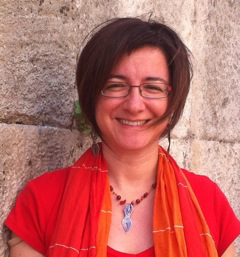
Ayşe Gül Altınay is the Director of SU Gender and Associate Professor of Anthropology teaching in the Gender Studies and Cultural Studies Programs at Sabancı University. Among the programs she coordinates at SU Gender are “Curious Steps: Gender and Memory Walks of Istanbul” and “Transformative Activism: Rethinking Gender and Politics.”
Ayşe Gül Altınay
Professor of Anthropology, Sabancı University
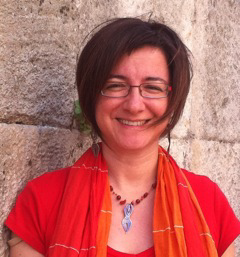
Ayşe Gül Altınay is the Director of SU Gender and Associate Professor of Anthropology teaching in the Gender Studies and Cultural Studies Programs at Sabancı University. Among the programs she coordinates at SU Gender are “Curious Steps: Gender and Memory Walks of Istanbul” and “Transformative Activism: Rethinking Gender and Politics.” She has published widely on militarism, memory, violence, gender and sexuality. Her books include Gendered Wars, Gendered Memories: Feminist Conversations on War, Genocide and Political Violence (co-edited with Andrea Petö, 2016); The Grandchildren: The Hidden Legacy of “Lost” Armenians in Turkey (with Fethiye Çetin, trans. Maureen Freely, 2014), and The Myth of the Military-Nation: Militarism, Gender and Education in Turkey (2004). Since 2013, she has been a part of the Women Mobilizing Memory Working Group of Women Creating Change and is one of the co-editors of Women Mobilizing Memory (forthcoming, Columbia University Press, 2019).
Working Group Affiliation
Constanza Ambiado Cortes
Historian, Universidad de Chile
Historian, Universidad de Chile
Working Group Affiliation
Dilara Çalışkan
Fellow, Cultural Studies, Sabancı University
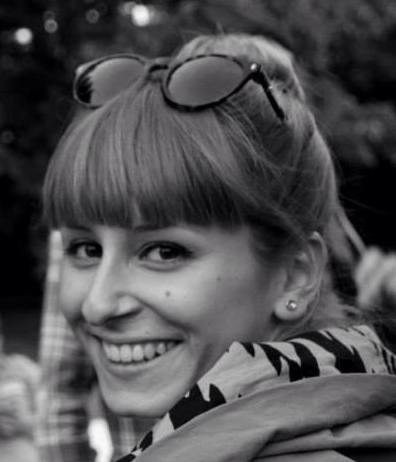
Dilara Çalışkan is currently working at Sabancı University’s Gender and Women’s Studies Forum. In 2014, she graduated from Sabancı University’s Cultural Studies Master Program with a thesis titled “Queer Mothers and Daughters: The Role of Queer Kinship in the Everyday Lives of Trans Sex Worker Women in Istanbul.” Since 2010, she has been involved with Istanbul’s LGBTI Solidarity Association, which particularly focuses on human rights violations based on sexual orientation and gender identity, opposes the criminalization of sex work, and supports its recognition as work.
Dilara Çalışkan
Cultural Studies, Sabancı University
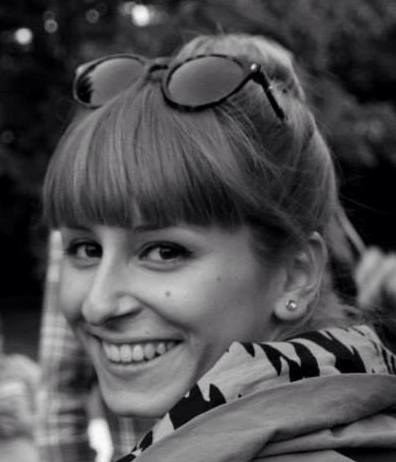
Dilara Çalışkan is currently working at Sabancı University’s Gender and Women’s Studies Forum. In 2014, she graduated from Sabancı University’s Cultural Studies Master Program with a thesis titled “Queer Mothers and Daughters: The Role of Queer Kinship in the Everyday Lives of Trans Sex Worker Women in Istanbul.” Since 2010, she has been involved with Istanbul’s LGBTI Solidarity Association, which particularly focuses on human rights violations based on sexual orientation and gender identity, opposes the criminalization of sex work, and supports its recognition as work.
Working Group Affiliation
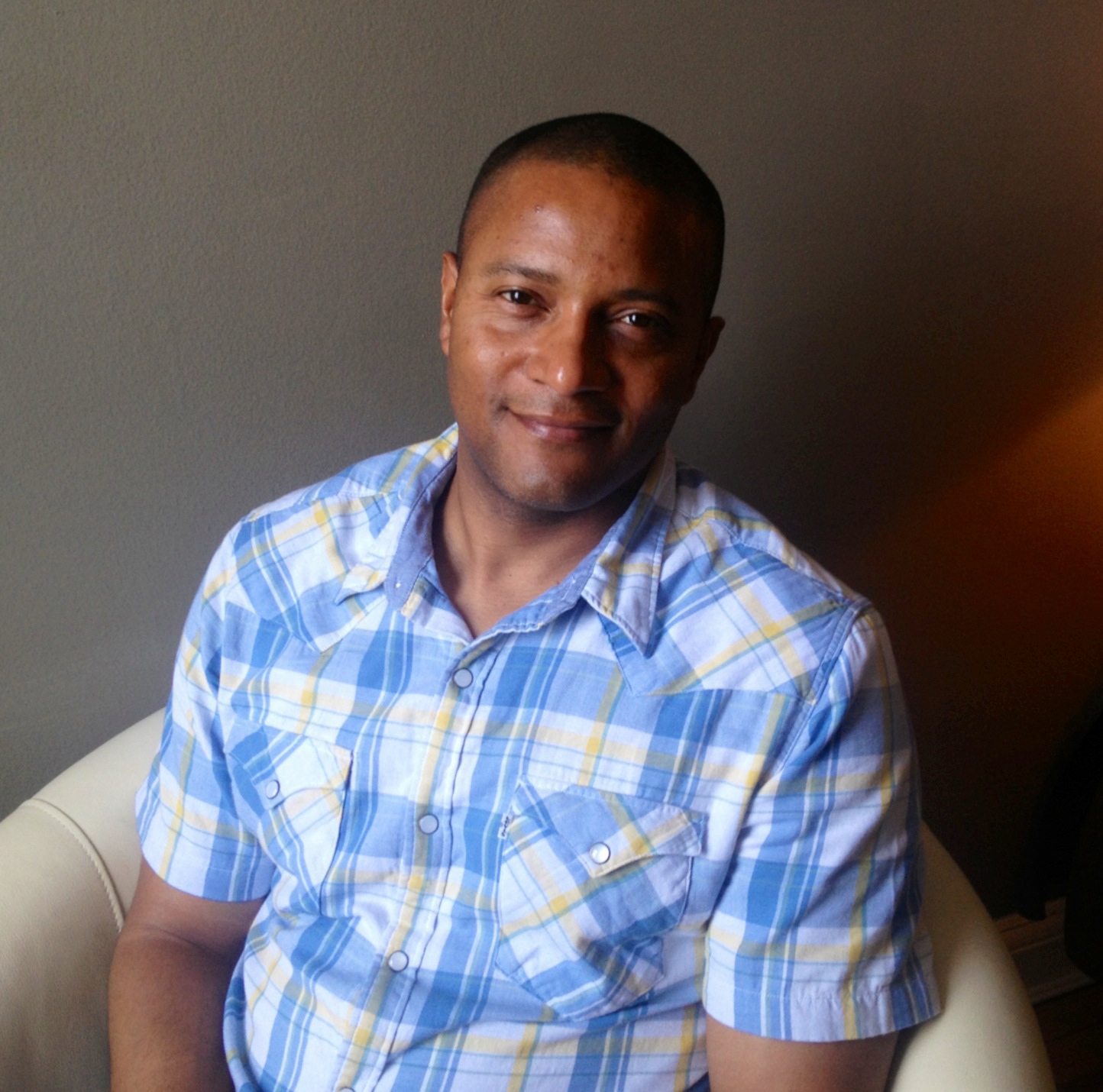
Henry Castillo
Doctoral Student, Cultural Studies, New York University
Henry Castillo is a doctoral student in the Department of Performance Studies at New York University. He holds a B.A. in Applied Linguistics (Honors) from the University of California--Los Angeles and an M.A. in Performance Studies form New York University. His research interests include race and ethnicity; women, gender, and sexuality; memory and "Intangible Cultural Heritage" in the Americas; Blackness in Latin America; and Afro-Colombian "heritage" practices and performance.
Henry Castillo
Cultural Studies, NYU
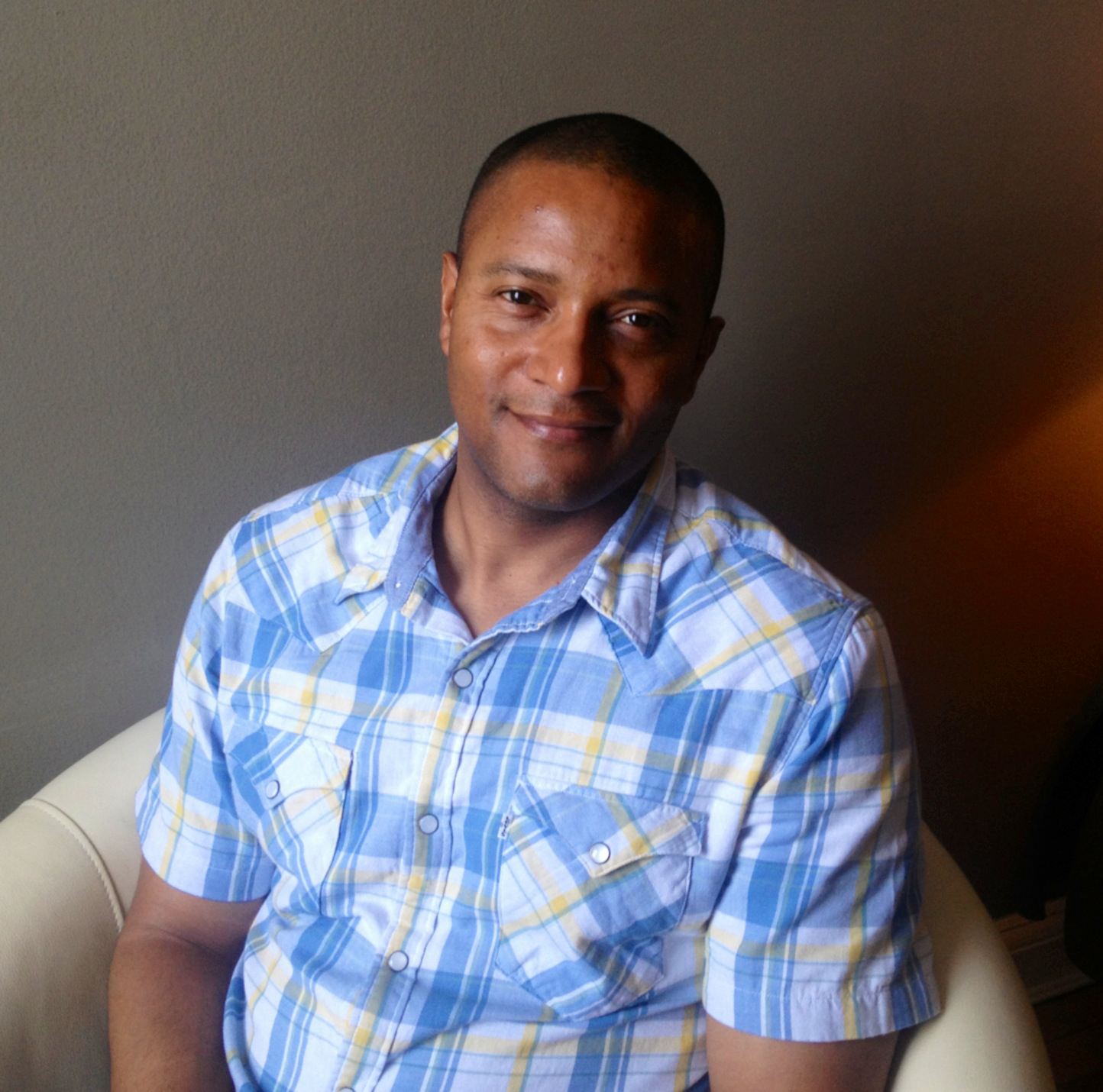
Henry Castillo is a doctoral student in the Department of Performance Studies at New York University. He holds a B.A. in Applied Linguistics (Honors) fromt he University of California--Los Angeles and an M.A. in Performance Studies form New York University. His research interests include race and ethnicitiy; women, gender, and sexuality; memory and "Intangible Cultural Heritage" in the Americas; Blackness in Latin America; and Afro-Colombian "heritage" practices and performance. Outside academia, he is an actor and former member of the Colombian avant-garde theatre group Teatro Experimental de Cali and was led by the late Maestro Enrique Buenaventura. Henry also collaborates with the Hemispheric Institute of Performance and Politics as Editorial Assistant of digital books.
Working Group Affiliation
Andrea Crow
PhD Student
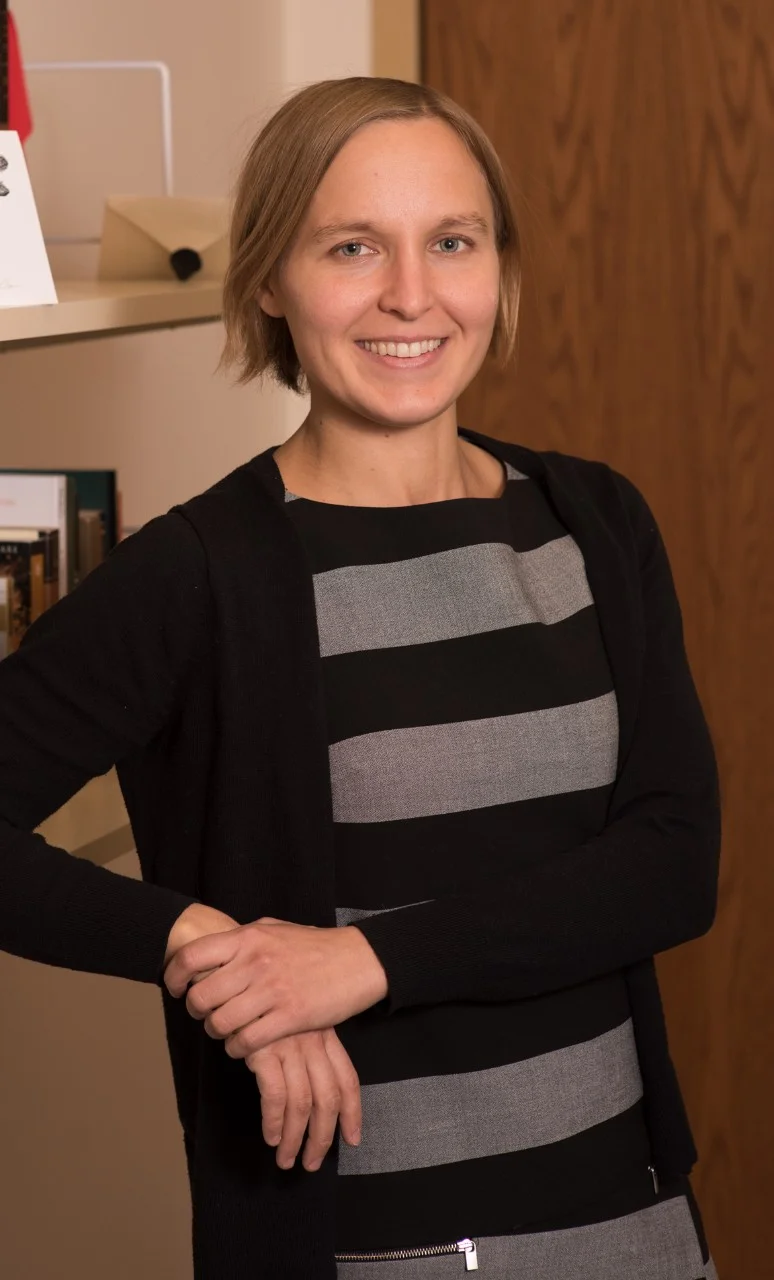
Andrea Crow is a PhD student at Columbia in the department of English and Comparative literature. Her research focuses on seventeenth-century literature and food politics as well as on academic labor and the future of the university. Her work has been published in Early Modern Women and Shakespeare Quarterly, and she has been the recipient of a grant-in-aid from the Folger Shakespeare Library to pursue her research. Andrea received a B.A. in English with a minor in Latin from Gonzaga University and an M.A.
Andrea Crow
Assistant Professor, Boston College
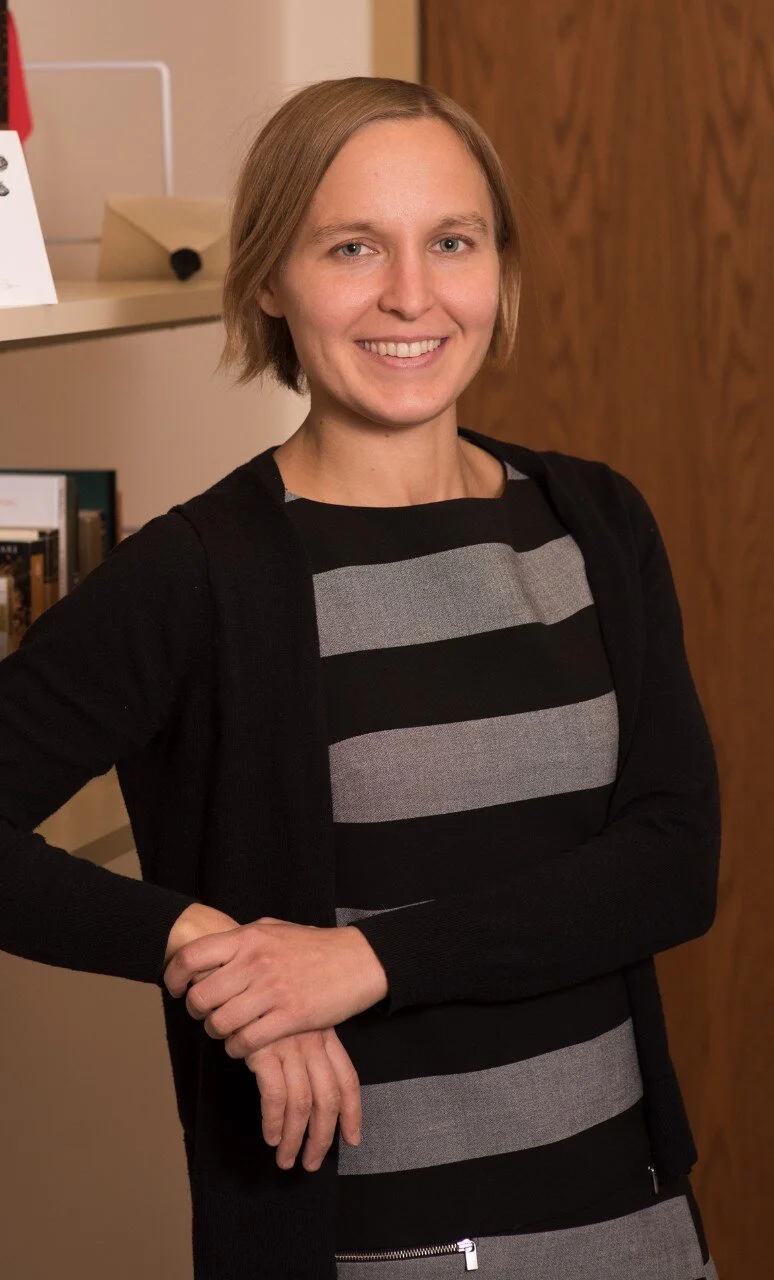
Andrea Crow specializes in early modern English poetry and drama. She is currently working on a book project on diet and food scarcity in seventeenth-century Anglophone literature. Her research interests include food history, gender and sexuality studies, the intersection of England and the Arab world, and academic labor and the future of the university. Her work has appeared or is forthcoming in Christianity and Literature, Early Modern Women, Shakespeare Quarterly, and SEL Studies in English Literature 1500-1900.
Working Group Affiliation
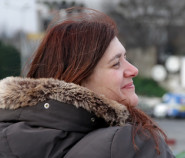
Silvina Der-Meguerditchian
Fellow, Art Studies, Kulturakademie Tarabya
The artist is the granddaughter of Armenian immigrants to Argentina and was born in Buenos Aires in 1967. Since 1988 she has lived in Berlin. Her artistic work deals with issues related to the burden of national identity, memory, the role of minorities in the society and the potential of a space "in between". Her work uses a very heterogeneous language (installation, video, sound installation, rugs).
Silvina Der-Meguerditchian
Artist

Portrait by Hervé Thouroude
The artist is the granddaughter of Armenian immigrants to Argentina, since 1988 she lives in Berlin.
Her artistic work deals with issues related to the burden of national identity, the role of minorities in society and the potential of a space "in between." Der-Meguerditchian is interested in the impact of migration on the urban texture and its consequences. Reconstruction of the past and the building of archives are a red thread in her artistic research. Her work is multidisciplinary and uses different medias. Since 2010 she has been the Artistic Director of Houshamadyan, a project to reconstruct Ottoman Armenian town and village life. In 2014/15 she was awarded a fellowship at the Kulturakademie Tarabya, a residency program of the German Foreign Ministry and the Goethe Institute in Istanbul. Further, she participated in "Armenity,” the Pavilion awarded with the Golden Lion at the 56th Venice Biennial for the best national participation. Her work has been shown in many exhibitions around the world, including, among others, Germany, Argentina, the US and Turkey. Her last initiated and coordinated collective project "Grandchildren, new geographies of belonging" (DEPO Cultural Center- Istanbul) was supported by the Goethe Institut and the German Foreign Ministry in 2015. In 2018 she participated in Hello World Revising a Collection, a critical inquiry into the collection of the Nationalgalerie and its predominantly Western focus at the Hamburger Bahnhof in Berlin. Since 2014 she has worked with Women Mobilizing Memory. She is represented by Kalfayan Galleries in Athens.
Working Group Affiliation

Pınar Ensari
Fellow. Philosophy and Political Science, Boğaziçi University
Pınar Ensari did her undergraduate study at Boğaziçi University and graduated from departments of Philosophy and Political Science and International Relations (double major program) in 2010. She finished her graduate study in the Cultural Studies MA program at Sabancı University in 2012 with a thesis titled “At the Crossroads of Eduation and Politics: Kurdish Women Studens in İstanbul”. Currently, she is working as a teaching assistant at Sabancı University, while also pursuing my studies in research areas such as ethnicity, gender, urban studies and anthropology of youth.
Pınar Ensari

Pınar Ensari did her undergraduate study at Boğaziçi University and graduated from departments of Philosophy and Political Science and International Relations (double major program) in 2010. She finished her graduate study in the Cultural Studies MA program at Sabancı University in 2012 with a thesis titled “At the Crossroads of Eduation and Politics: Kurdish Women Studens in İstanbul”. Currently, she is working as a teaching assistant at Sabancı University, while also pursuing my studies in research areas such as ethnicity, gender, urban studies and anthropology of youth.
Working Group Affiliation
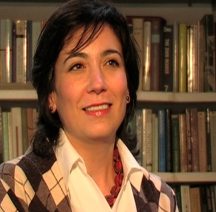
Soledad Falabella Luco
Fellow, Género y Cultura, Universidad de Chile.
Professor Soledad Falabella Luco is the director of ESE:O, a non-profit organization which promotes performative writing projects, and the teaching and practice of writing to empower learning communities with effective skills for local and global participation in knowledge production and circulation. She teaches feminist critical theory, performance and poetry at the Magíster en Género y Cultura, Universidad de Chile.
Soledad Falabella Luco
Director, ESE:O

Professor Soledad Falabella Luco is the director of ESE:O, a non-profit organization which promotes performative writing projects, and the teaching and practice of writing to empower learning communities with effective skills for local and global participation in knowledge production and circulation. She teaches feminist critical theory, performance and poetry at the Magíster en Género y Cultura, Universidad de Chile. Dr. Falabella brings over fifteen years of experience in academia, and has taught and conducted research internationally. As an "academic and cultural activist" she is committed to developing creative ways to promote social change by combining pedagogy, research, activism, and the arts. Falabella holds a Ph.D. in Hispanic Literature and Languages from the University of California, Berkeley. Books: ¿Qué será de Chile en el Cielo? - Poema de Chile de Gabriela Mistral (LOM Santiago, Chile 2003), Hilando en la Memoria: Curriao, Huinao, Millapan, Manquepillan, Panchillo, Pinda, Rupailaf, the first anthology of Mapuche women poets and Hilando en la Memoria, Epu Rupa (Cuarto Propio, Santiago 2006 and 2009 resp.), Cantando la infancia, Chile y la tierra Americana Poetic Anthology of Gabriela Mistral for boys and girls from 4-6 years old (Santiago, Ministry de Education 2008).
Working Group Affiliation
Zeynep Gambetti
Fellow, Political Science & International Relations, Boğaziçi University
Zeynep Gambetti is Associate Professor of political theory at Boğazici University. She obtained her Ph. D. at the University of Paris VII in 1999. Her work focuses on collective agency, ethics, and public space. She has carried out extensive research on the transformation of the conflict between the Turkish state and the Kurdish movement, with particular emphasis on space as a vector of relationality.
Zeynep Gambetti
Associate Professor, Political Science & International Relations, Boğaziçi University

Zeynep Gambetti is Associate Professor of political theory at Boğazici University. She obtained her Ph. D. at the University of Paris VII in 1999. Her work focuses on collective agency, ethics, and public space. She has carried out extensive research on the transformation of the conflict between the Turkish state and the Kurdish movement, with particular emphasis on space as a vector of relationality. She collaborated with Joost Jongerden to edit the special issue of The Journal of Balkan and Near Eastern Studies on the spatial dimensions of the Kurdish question in Turkey. She has also published several theoretical articles and book chapters on Hannah Arendt’s political thought and subjectivity, in particular, “The Agent Is the Void! From the Subjected Subject to the Subject of Action,” Rethinking Marxism (2005) and “Conflict, ‘commun-ication’ and the role of collective action in the formation of public spheres” in Seteney Shami (ed), Publics, Politics and Participation: Locating the Public Sphere in the Middle East and North Africa (SSRC Publications, 2009). She is the co-editor of Rhetorics of Insecurity: Belonging and Violence in the Neoliberal Era (New York University Press, 2013), and of The Kurdish issue in Turkey: A Spatial Perspective, London/New York, Routledge, 2015. Among her forthcoming publications are Judith Butler, Zeynep Gambetti, and Leticia Sabsay (eds), Vulnerability in Resistance: Politics, Feminism, Theory, Durham, NC., Duke University Press, 2016.
Working Group Affiliation

Nicole Gervasio
PhD Candidate, English and Comparative Literature, Columbia University
Nicole Gervasio is a Ph.D. candidate in the Department of English and Comparative Literature at Columbia University. Her dissertation is on the ethics of representing mass political violence in contemporary postcolonial literature. Her work focuses on intersections between queer, postcolonial, and feminist theory in relation to themes of survival, embodiment, and trauma in literatures of the Global South. She also has a B.A. in English and Growth & Structure of Cities from Bryn Mawr College and has been the recipient of Mellon Mays, Beinecke, and Javits Fellowships.
Nicole Gervasio

Nicole Gervasio is a Ph.D. candidate in the Department of English and Comparative Literature at Columbia University. Her dissertation is on the ethics of representing mass political violence in contemporary postcolonial literature. Her work focuses on intersections between queer, postcolonial, and feminist theory in relation to themes of survival, embodiment, and trauma in literatures of the Global South. She also has a B.A. in English and Growth & Structure of Cities from Bryn Mawr College and has been the recipient of Mellon Mays, Beinecke, and Javits Fellowships.
Working Group Affiliations
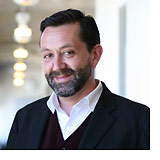
Marcial Godoy-Anativia
Fellow, Performance and Politics, New York University
Marcial Godoy-Anativia is a sociocultural anthropologist and the Associate Director of the Hemispheric Institute of Performance and Politics at New York University. He is co-editor, with Zeynep Gambetti, of Rhetorics of Insecurity: Belonging and Violence in the Neoliberal Era (NYU Press, forthcoming 2013). He is also Editor, with Jill Lane, of e-misférica, the Institute's trilingual online journal. From 2000-2007, he worked in the Program on Latin America and the Caribbean and the Program on International Collaboration at the Social Science Research Council.
Marcial Godoy-Anativia
Associate Director, Hemispheric Institute of Performance and Politics, New York University

Marcial Godoy-Anativia is a sociocultural anthropologist and the Associate Director of the Hemispheric Institute of Performance and Politics at New York University. He is co-editor, with Zeynep Gambetti, of Rhetorics of Insecurity: Belonging and Violence in the Neoliberal Era (NYU Press, forthcoming 2013). He is also Editor, with Jill Lane, of e-misférica, the Institute's trilingual online journal. From 2000-2007, he worked in the Program on Latin America and the Caribbean and the Program on International Collaboration at the Social Science Research Council. His publications include “Between the Hammer and the Anvil: Middle East Studies in the Aftermath of 9/11,” (with Seteney Shami), “We Are Living in a Time of Pillage: A Conversation with Carlos Monsiváis” and Ciudades Translocales: Espacios, flujo, representación—Perspectivas desde las Américas, co-edited with Rossana Reguillo. He serves on the Board of Directors of the North American Congress on Latin America (NACLA) and on the Editorial Committee of NACLA: Report on the Americas.
Working Group Affiliation
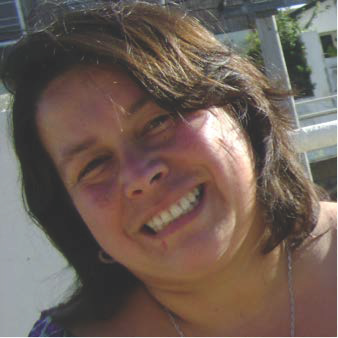
Ximena Goecke
Fellow, History and English, Universidad de Las Américas (UDLA)
Ximena Vanessa Goecke S. is a chilean-jewish historian and a teacher of History and English, candidate to the degree of Magister in Gender and Culture in the Faculty of Humanities at Universidad de Chile. She teaches some courses in the Faculty of Education at Universidad de las Américas (UDLA) and in the English as Foreign Language area at Universidad Católica.
She participates in the research nucleus in “Body and Emotion” of the Faculty of Social Sciences at Universidad de Chile, as a member of the research section in “Body, memory and violence”.
Ximena Goecke
Universidad de Chile
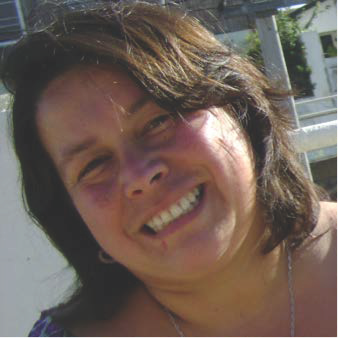
Ximena Vanessa Goecke S. is a chilean-jewish historian and a teacher of History and English, candidate to the degree of Magister in Gender and Culture in the Faculty of Humanities at Universidad de Chile. She teaches some courses in the Faculty of Education at Universidad de las Américas (UDLA) and in the English as Foreign Language area at Universidad Católica.
She participates in the research nucleus in “Body and Emotion” of the Faculty of Social Sciences at Universidad de Chile, as a member of the research section in “Body, memory and violence”.
Ms Goecke is interested in the study of generational memories and diaspora as a result of political violence and intolerance. In previous works she has written about the Latin American experiences during the Dictatorships of the second half of the XXth century.
She has written some articles already regarding to the memory of the Shoah in the Chilean Jewish Community, the memoralization of the Shoah in Chile (through monuments) and on the autobiographies written by survivors who migrated to Chile.
Currently, she is writing her thesis based on the study of the testimonies of Shoah survivors that migrated to Chile between Kristallnacht and the end of the IIWW from a gendered point of view. This is the first consistant research ever made on this topic and with these sources in Chile, and she is interested in continue developing this research venue in her future PhD studies.
Since 2012, she is a volunteer for the educational projects of “Memoria Viva” Foundation, leading its educational projects.
Last year she attended as a Fellow to the Curt and Else Silberman Summer Seminar at USHMM (Washington) and presented Foundation’s projects and experiences in a Seminar in Shoah Education in Buenos Aires Argentina, organized by Anne Frank’s House and ITF. She was also a 2013 Fellow in the program “Bridges to History” study trip to New York and Poland organized by the Auschwitz Jewish Center.
Working Group Affiliation
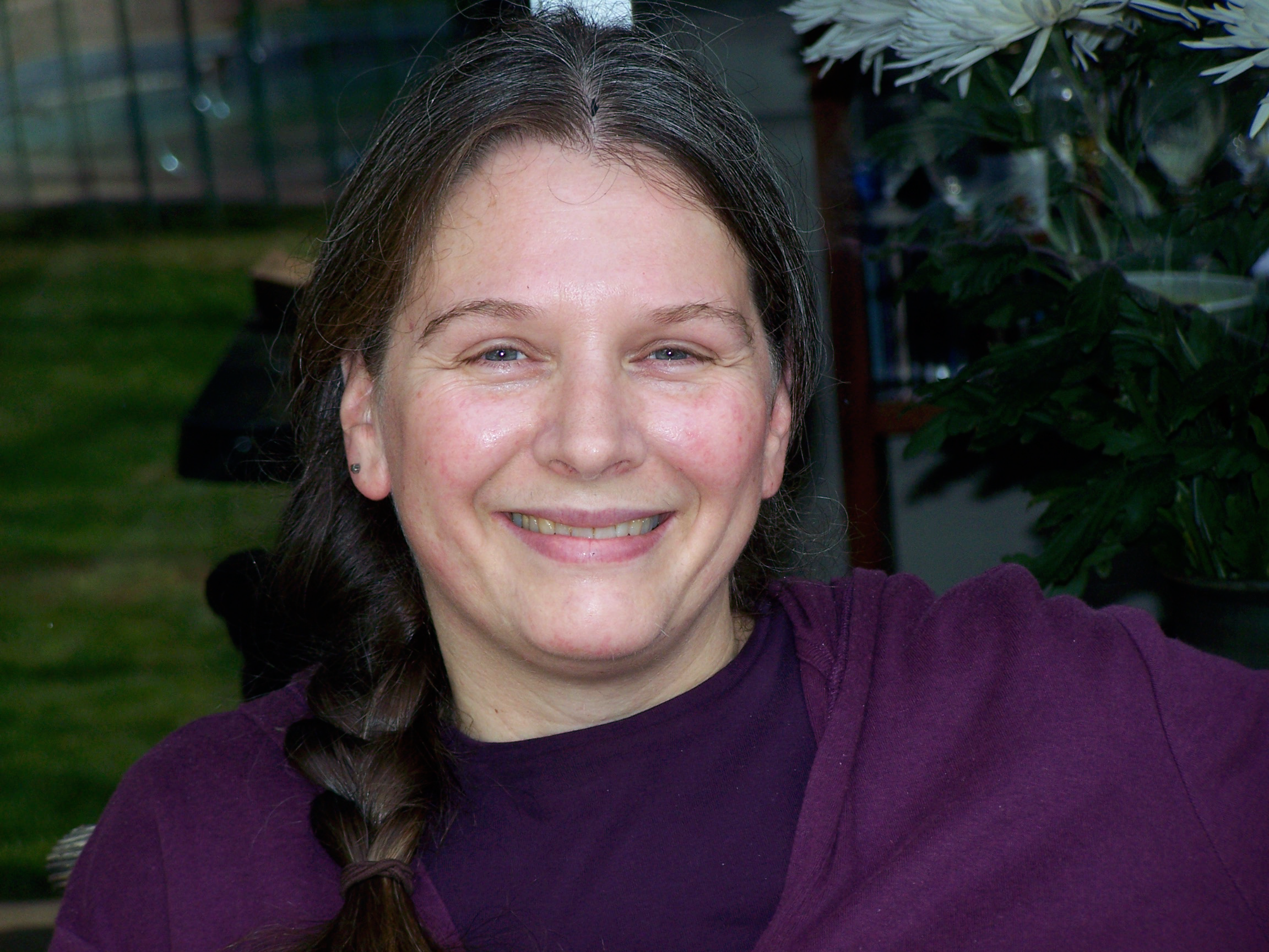
Milena Grass
Fellow. Theater Scholar, Pontificia Universidad Católica de Chile
Milena Grass Kleiner, translator and theater scholar, is a professor at Pontificia Universidad Católica de Chile. She holds a master's degree in Latin American Studies from Universidad de Chile and a PhD in Literature from Pontificia Universidad Católica de Chile. She has published Spanish translations of English, American, and French plays, as well as books on Chilean history and theater studies. Her main fields of research have been theater and ritual, history, and memory in post-conflict contexts.
Milena Grass
Milena Grass Kleiner, translator and theater scholar, is a professor at Pontificia Universidad Católica de Chile. She holds a master's degree in Latin American Studies from Universidad de Chile and a PhD in Literature from Pontificia Universidad Católica de Chile. She has published Spanish translations of English, American, and French plays, as well as books on Chilean history and theater studies. Her main fields of research have been theater and ritual, history, and memory in post-conflict contexts. Her longstanding work on practice and research methodologies can be found in the book La investigación de los procesos teatrales: Manuel de uso (Santiago: Frontera Sur/Ediciones Apuntes, 2011). From 1996 to 2004 she was the manager of Teatro UC, the professional theater of the Pontificia Universidad Católica de Chile, created in 1943. Since the year 2008, she has been the director of the drama school at the Pontificia Universidad Católica de Chile.
Working Group Affiliation
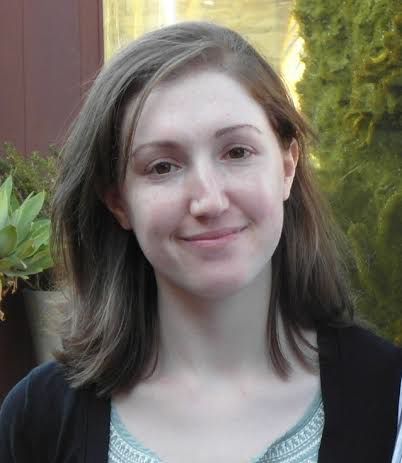
Alyssa Greene
PhD Student, Germanic Languages, Columbia University
Alyssa Greene is a Ph.D. student in the Department of Germanic Languages and the Institute for Comparative Literature and Society at Columbia University. She studies twentieth-century German and Austrian literature, with a particular emphasis on the post-Second World War era. Her research interests include memory discourses in the postwar period; migration (especially in the German-Turkish context); feminist and postcolonial criticism; the figure of the child and depictions of childhood in Cold War and post-Cold War narratives of authoritarian states.
Alyssa Greene
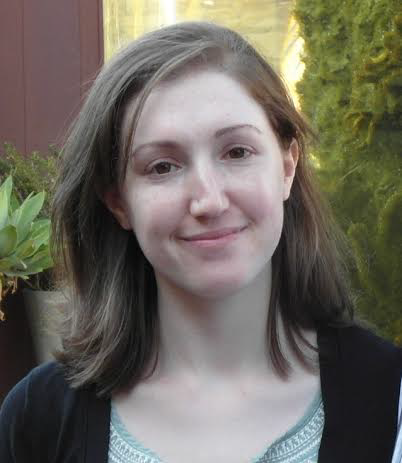
Alyssa Greene is a Ph.D. student in the Department of Germanic Languages and the Institute for Comparative Literature and Society at Columbia University. She studies twentieth-century German and Austrian literature, with a particular emphasis on the post-Second World War era. Her research interests include memory discourses in the postwar period; migration (especially in the German-Turkish context); feminist and postcolonial criticism; the figure of the child and depictions of childhood in Cold War and post-Cold War narratives of authoritarian states.
Working Group Affiliation
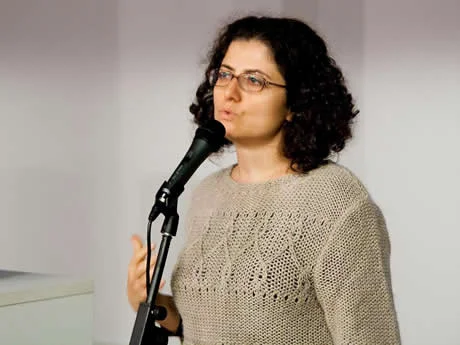
ASENA GÜNAL
Fellow, Sociology, Middle East Technical University
Asena Günal is an expert on history, feminism and culture and the program coordinator of Depo, a culture and arts center in Tophane, Istanbul. Depo is a space for critical debate and cultural exchange in the city center of Istanbul and the first initiative in Turkey to focus on regional collaborations among Turkey and countries in the Caucasus, the Middle East and the Balkans
Günal obtained her undergraduate degree in International Relations and her M.A. in Sociology from the Middle East Technical University, and her PhD in the History of Modern Turkey program in the Atatürk Institute, Boğaziçi University. She previously worked as an editor in İletişim Publishing House between 1998 and 2005. She is editorial secretary of the journal Toplum ve Bilim.
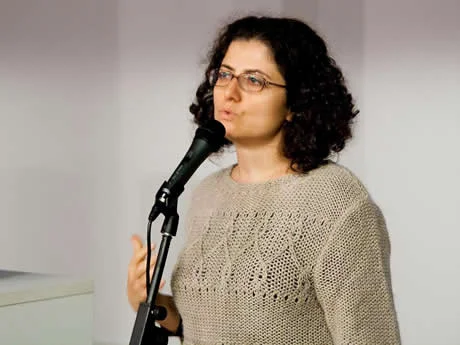
Asena Gunal
Program Coordinator, Depo Istanbul
Asena Günal is an expert on history, feminism and culture and the program coordinator of Depo, a culture and arts center in Tophane, Istanbul. Depo is a space for critical debate and cultural exchange in the city center of Istanbul and the first initiative in Turkey to focus on regional collaborations among Turkey and countries in the Caucasus, the Middle East and the Balkans
Günal obtained her undergraduate degree in International Relations and her M.A. in Sociology from the Middle East Technical University, and her PhD in the History of Modern Turkey program in the Atatürk Institute, Boğaziçi University. She previously worked as an editor in İletişim Publishing House between 1998 and 2005. She is editorial secretary of the journal Toplum ve Bilim.
Working Group Affiliation
Mariana Hausdorf
Actress, Historian, Teacher, Postgraduate Student PhD in Latin American Studies, Universidad de Chile
Mariana Hausdorf Andrade holds a Licenciate in Acting, Pontificia Universidad Católica de Chile 2011; Licenciate in History, Pontificia Universidad Católica de Chile, 2012; and a qualification in secondary education teaching specializing in History, Pontificia Universidad Católica de Chile, 2012.
Mariana Hausdorf
Actress, Historian, Teacher, Postgraduate Student PhD in Latin American Studies, Universidad de Chile

Mariana Hausdorf Andrade holds a Licenciate in Acting, Pontificia Universidad Católica de Chile 2011; Licenciate in History, Pontificia Universidad Católica de Chile, 2012; and a qualification in secondary education teaching specializing in History, Pontificia Universidad Católica de Chile, 2012. She is a researcher on the Project: “Dramturgization of Audiovisual Vestiges of the Chilean Theatre History;” coordinator of the Project: “Andrés Kalawski Isla,” funded by the Pontificia Universidad Católica Drama School, 2012; co-researcher on the Project: “The Archives and the Voices: Memory and Dramaturgy of the Chilean Dictatorship;” coordinator of the project: “Francisco Albornoz,” funded by the Pontificia Universidad Católica Drama School. Her lecture “An Itinerary Through Villa Grimaldi: The Presence of Material Remains in Memory” was given at the IFTR Annual Conference in Santiago, Chile, 2012. She is also assisting on the Project: “Intermediality and Aesthetics of Memory: Detained Disappeared in the Chilean Theater after the Military Dictatorship” (Head researcher: Milena Grass; funded by the Vice- Rectory for Academic Affairs at the Pontificia Universidad de Chile, 2011). Mariana’s performances include acting in Cuando reinaron los hermosos with the company La susodicha (2011-2012)
Working Group Affiliation
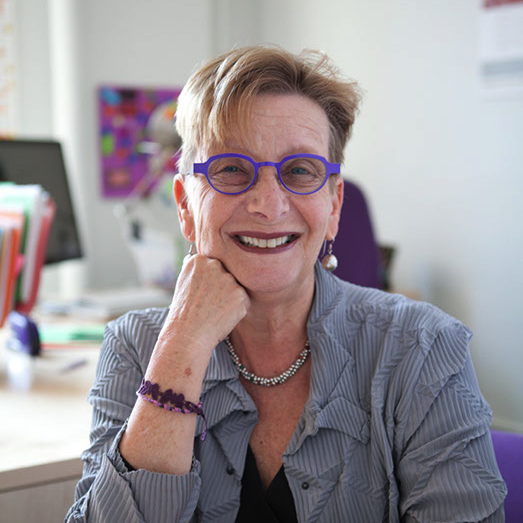
Marianne Hirsch
William Peterfield Trent Professor of English and Comparative Literature and Professor of Women's, Gender, and Sexuality Studies, Columbia University
Marianne Hirsch, former Director of Columbia University's Center for the study of Social Difference is a fellow of the American Academy of Arts and Sciences and a former President of the Modern Language Association of America. She was born in Romania, and educated at Brown University where she received her BA/MA and Ph.D. degrees. Hirsch’s work combines feminist theory with memory studies, particularly the transmission of memories of violence across generations.
Marianne Hirsch
Professor of English and Comparative Literature and Professor of Women's, Gender, and Sexuality Studies
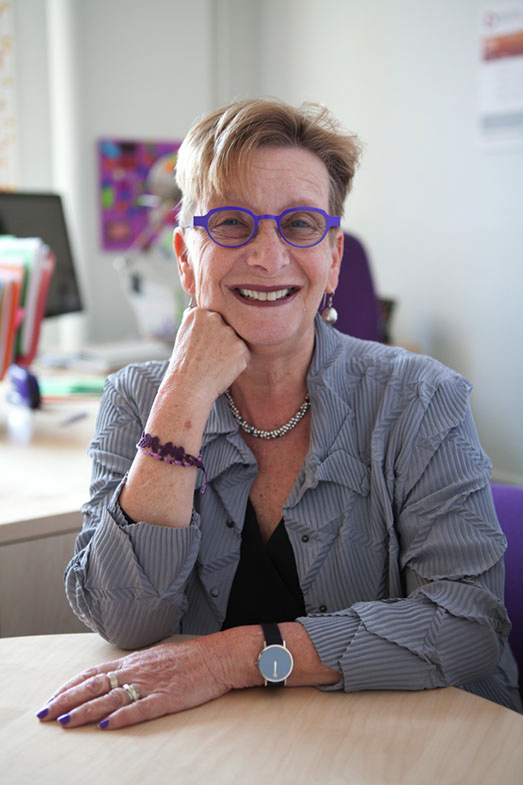
Marianne Hirsch is William Peterfield Trent Professor of English and Comparative Literature at Columbia University and Professor in the Center for the Study of Sexuality. She is a member of the American Academy of Arts and Sciences and a former President of the Modern Language Association of America. She was born in Romania, and educated at Brown University where she received her BA/MA and Ph.D. degrees.
Hirsch’s work combines feminist theory with memory studies, particularly the transmission of memories of violence across generations. Her recent books include School Photos in Liquid Time: Reframing Difference, co-authored with Leo Spitzer (University of Washington Press, 2020), and the co-edited volumes Imagining Everyday Life: Engagements with Vernacular Photography (Steidl, 2020) and Women Mobilizing Memory (Columbia University Press, 2019). Earlier publications include The Generation of Postmemory: Writing and Visual Culture After the Holocaust (Columbia University Press, 2012), Ghosts of Home: The Afterlife of Czernowitz in Jewish Memory, co-authored with Leo Spitzer (University of California Press, 2010), Family Frames: Photography, Narrative, and Postmemory (1997), and The Familial Gaze (ed.1999). With Leo Spitzer, Hirsch recently curated "School Photos and Their Afterlives,” an exhibit at the Hood Museum of Art, Dartmouth College.
Hirsch is the former editor of PMLA and the recipient of fellowships from the Guggenheim Foundation, the ACLS, the Mary Ingraham Bunting Institute, the National Humanities Center, and the Bellagio and Bogliasco Foundations. She is one of the founders of Columbia’s Center for the Study of Social Difference, and its global initiative “Women Creating Change.”
Along with a group of local scholars, artists and activists, Hirsch is currently co-directing the Zip Code Memory Project, an initiative that seeks to find art and community-based ways to repair the devastating losses resulting from the Coronavirus pandemic while also acknowledging its radically differential effects on Upper New York City neighborhoods.
Working Group Affiliations
Engendering the Archive, Project Director
Reframing Gendered Violence, Project Director
Women Mobilizing Memory, Project Director
Zip Code Memory Project: Practices of Justice and Repair, Social Engagement Project, Project Director