
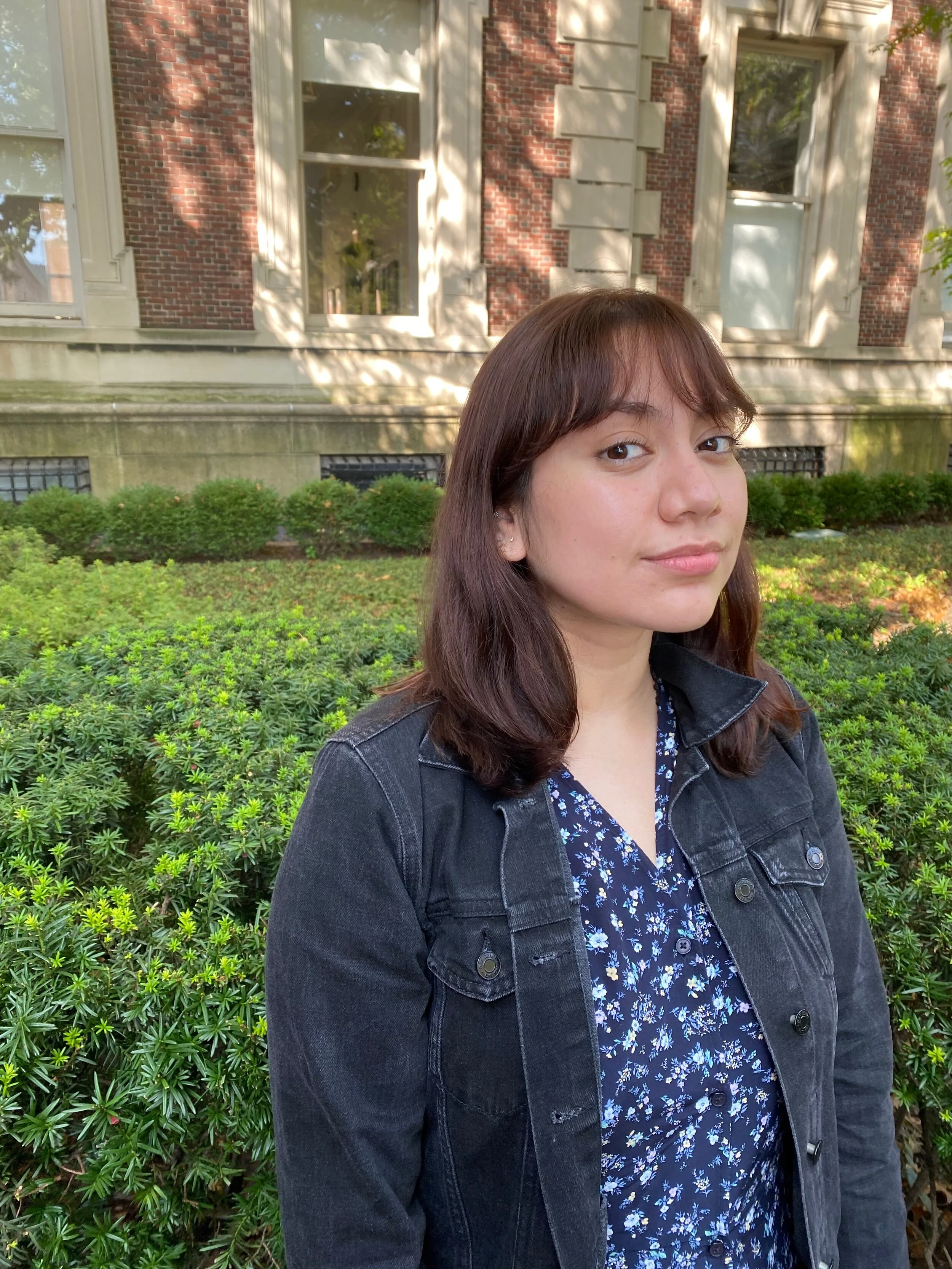
Julia Delgadillo
Doctoral Student, Film Studies, Columbia University
Julia Delgadillo is a second-year Film Studies MA student at Columbia University, focusing her thesis on Mexican horror films of the 1950s to 1970s, and their relationship to Mexican folklore and culture. This work is expanded upon from her undergraduate studies at the University of California, Berkeley, where her focus was manifestations of mental illnesses in horror films.
Julia Delgadillo
Film Studies MA Student, Columbia University
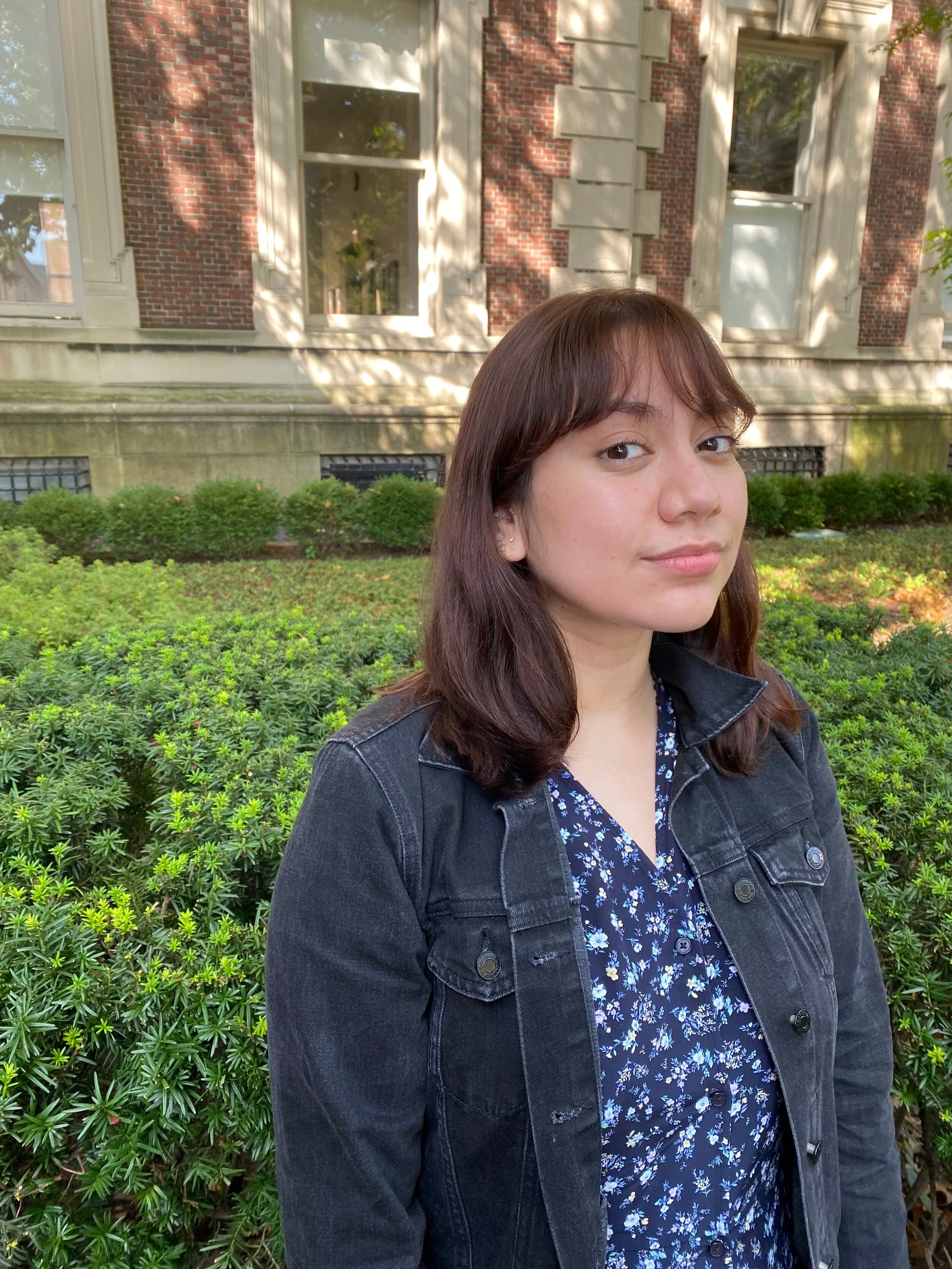
Julia Delgadillo is a second-year Film Studies MA student at Columbia University, focusing her thesis on Mexican horror films of the 1950s to 1970s, and their relationship to Mexican folklore and culture. This work is expanded upon from her undergraduate studies at the University of California, Berkeley, where her focus was manifestations of mental illnesses in horror films.
Working Group Affiliation
Environmental Justice, Belief Systems, and Aesthetic Experiences in Latin America and the Caribbean, Graduate Assistant

Matthew DeMaio
Graduate Administrative Fellow
Media Production and Marketing
Matthew DeMaio

Matthew DeMaio is a PhD candidate in Anthropology at the George Washington University in Washington, DC. His work mixes ethnographic, digital and archival methods to explore experiences of urban displacement and encampment across the Palestinian refugee diaspora. His ongoing dissertation project focuses specifically on the lives and experiences of the former residents of the Yarmouk Palestinian Refugee Camp in southern Damascus who have faced multiple rounds of movement as a result of the Syrian Civil War. In doing so, the project analyzes how attachments to, and conceptions of, place are fashioned and carried across iterations of displacement and how these accumulated attachments shape encounters with new places of refuge and manifestations of belonging.
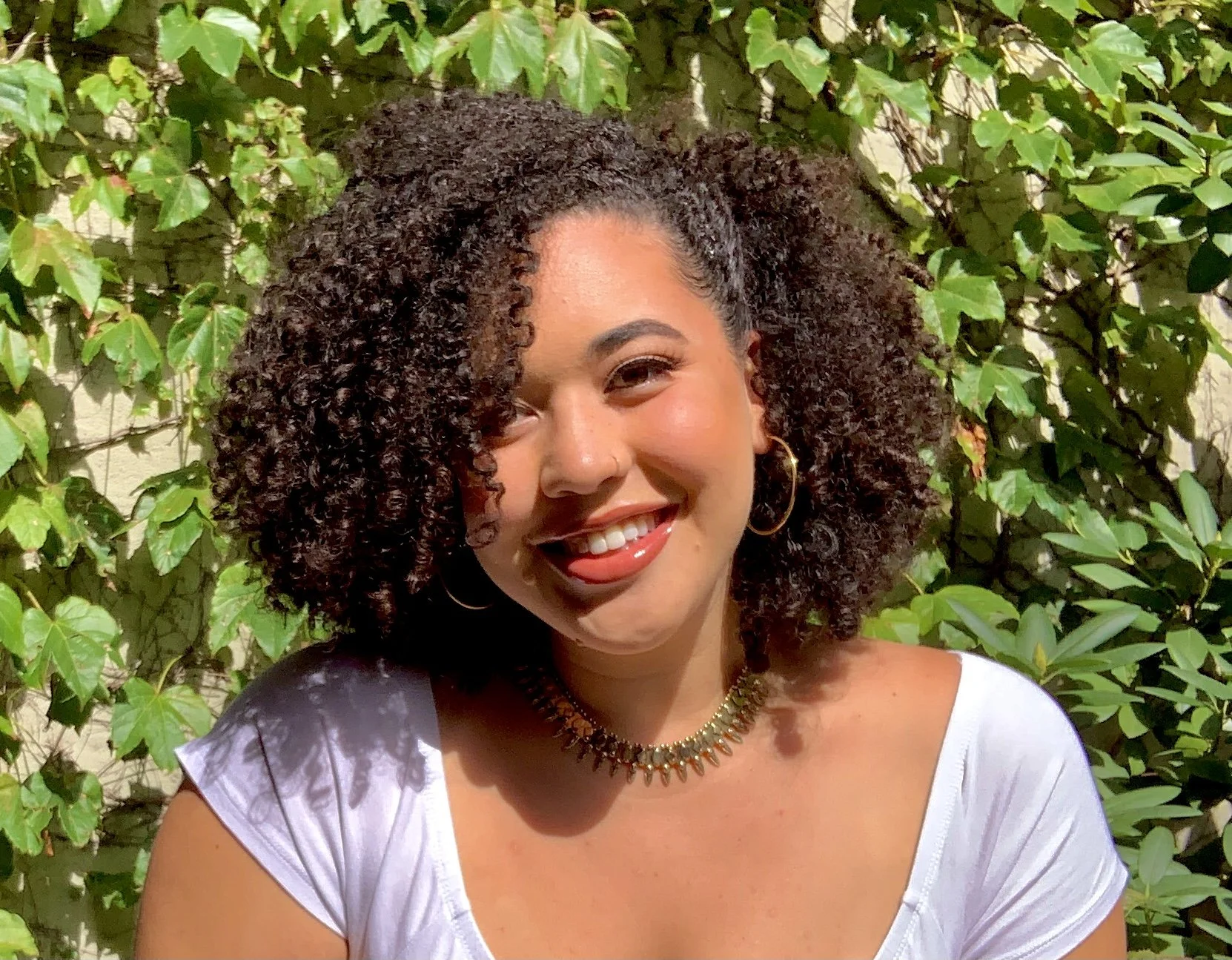
Lauren J. DeVaughn
DNP Candidate, Nurse Midwifery, Columbia University
Lauren is a DNP candidate in Nurse Midwifery at Columbia University. Her passion for improving Black maternal and infant outcomes both locally and globally is driving her to the field. She is a recent graduate from Columbia’s Master Direct Entry Program in Nursing, and is the current President of Columbia’s Black Student Nurses.
Lauren J. DeVaughn
DNP Candidate in Nurse Midwifery, Columbia University
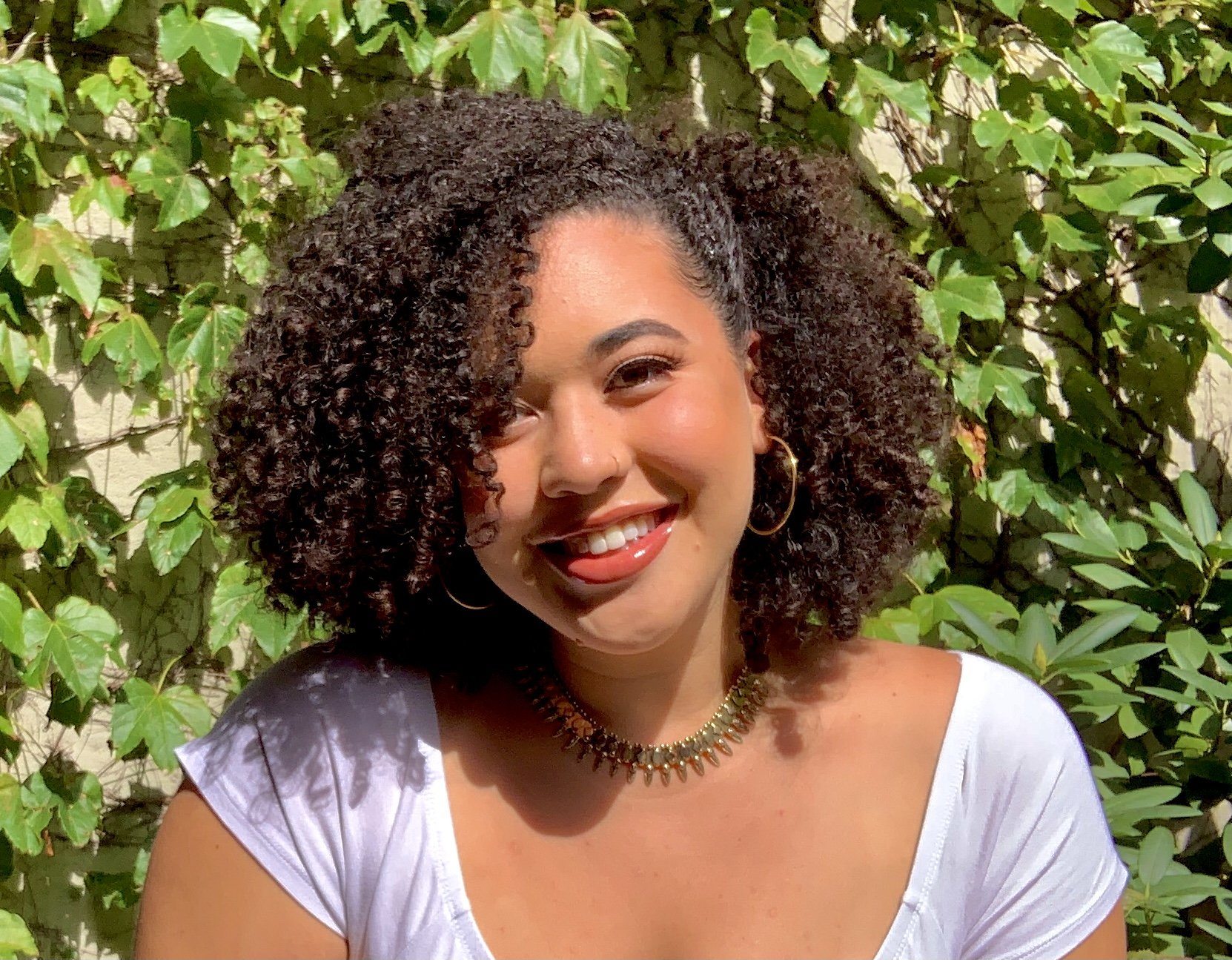
Lauren is a DNP candidate in Nurse Midwifery at Columbia University. Her passion for improving Black maternal and infant outcomes both locally and globally is driving her to the field. She is a recent graduate from Columbia’s Master Direct Entry Program in Nursing, and is the current President of Columbia’s Black Student Nurses. Lauren earned a BA in Sociology, minoring in African American Studies.
Working Group Affiliation
On the Frontline: Nursing Leadership in Pandemics, Graduate Assistant

Oda-Kange Midtvåge Diallo
Oda-Kange Midtvåge Diallo
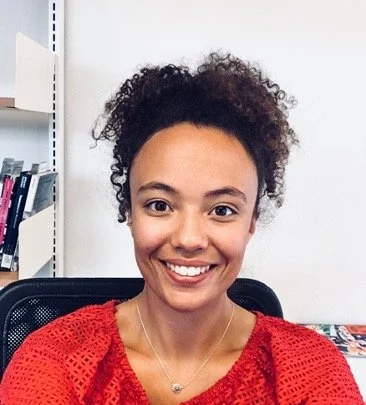
Oda-Kange Midtvåge Diallo (she/her) is a Fulani, Norwegian and Danish, black feminist ethnographer. Oda-Kange is currently finishing her PhD in Gender Studies at NTNU in Trondheim, Norway. Her research focuses on conceptualizations of blackness, community building and black study among African-Norwegian youth. Her work is grounded in black-queer-feminist liberatory approaches to learning. Recent publications include a chapter in the anthology “Rasisme: forskningen, fenomenet, erfaringene” (Universitetsforlaget, 2022) and two articles with a zine published in Teaching Anthropology Journal on “Decolonizing the Anthropological Classroom” (2021), co-authored with Nico Miskow Friborg.
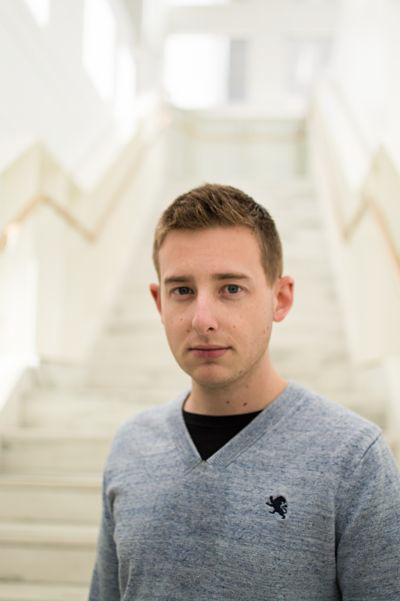
Matthew Dias
Doctoral Student, Bioethics, Columbia University
Matthew Dias is a researcher at the New York State Psychiatric Institute and graduate student in Columbia’s bioethics program. Matt’s scholarship focuses on clinical research ethics and advances in medicine that intersect law and public policy. He is actively involved in various healthcare innovation and precision medicine initiatives in New York City and beyond. To this end, Matt looks forward to sharing his distinct perspectives and insights with the Precision Medicine Project and its affiliates.
Matthew Dias
Graduate Student, Bioethics, Columbia University

Matthew Dias is a researcher at the New York State Psychiatric Institute and graduate student in Columbia’s bioethics program. Matt’s scholarship focuses on clinical research ethics and advances in medicine that intersect law and public policy. He is actively involved in various healthcare innovation and precision medicine initiatives in New York City and beyond. To this end, Matt looks forward to sharing his distinct perspectives and insights with the Precision Medicine Project and its affiliates.
Working Group Affiliation

Sarah Dugger
Graduate Student, Genetics and Development, Columbia University
Sarah Dugger is a PhD student in the Department of Genetics & Development, who is working in the laboratory of Dr. David Goldstein in the Institute for Genomic Medicine. Sarah is originally from Akron, Ohio and obtained her undergraduate degree in Biology and a Masters degree in Genetic Counseling from Case Western Reserve University. She was a practicing full time prenatal genetic counselor for four years at Miami Valley Hospital in Dayton, Ohio—an experience that sparked her interest in precision medicine research.
Sarah Dugger
Graduate Student, Genetics and Development, Columbia University

Sarah Dugger is a PhD student in the Department of Genetics & Development, who is working in the laboratory of Dr. David Goldstein in the Institute for Genomic Medicine. Sarah is originally from Akron, Ohio and obtained her undergraduate degree in Biology and a Masters degree in Genetic Counseling from Case Western Reserve University. She was a practicing full time prenatal genetic counselor for four years at Miami Valley Hospital in Dayton, Ohio—an experience that sparked her interest in precision medicine research. As a graduate student, she is now working to understand the underlying pathogenic mechanisms of a single patient’s severe, genetic form of epilepsy, with the long-term goal of identifying a potential treatment.
Working Group Affiliation

Fernando Ermiro
Doctoral Student, History, Fundação Getúlio Vargas
Fernando Ermiro is a resident of Rocinha. He is currently completing a Master's degree at Fundação Getúlio Vargas.
Fernando Ermiro
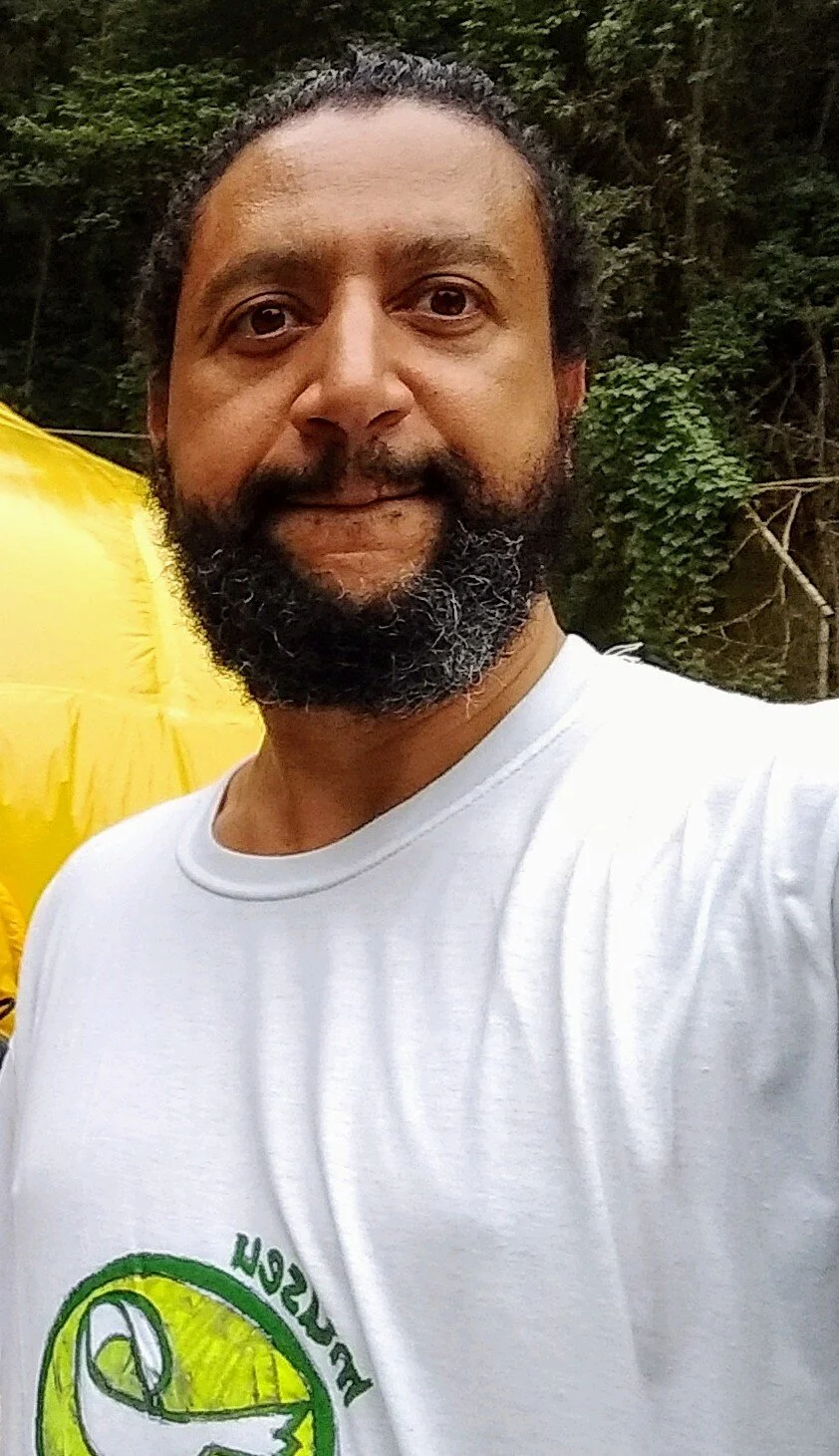
Fernando Ermiro is a resident of Rocinha. He is currently completing a Master's degree at Fundação Getúlio Vargas. He completed his undergraduate degree in History at the Pontifical Catholic University of Rio de Janeiro (PUC-Rio). Currently, he is the coordinator of the Sankofa Museum of Memory and History of Rocinha, and organizer of the book “Tales of Rocinha: Female Memory in Three Times.” He received the Creative Favela Award for his project Rocinha Histórica, in which he develops and expands knowledge about the history of Rocinha. The Sankofa Museum of Rocinha is a social movement that is formalized and composed of Rocinha residents and supporters since 2007 who act in the cause of the social memory of this centennial and iconic favela.
Working Group Affiliation
Basak Ertur
PhD Candidate, Political Science, Birbeck Law
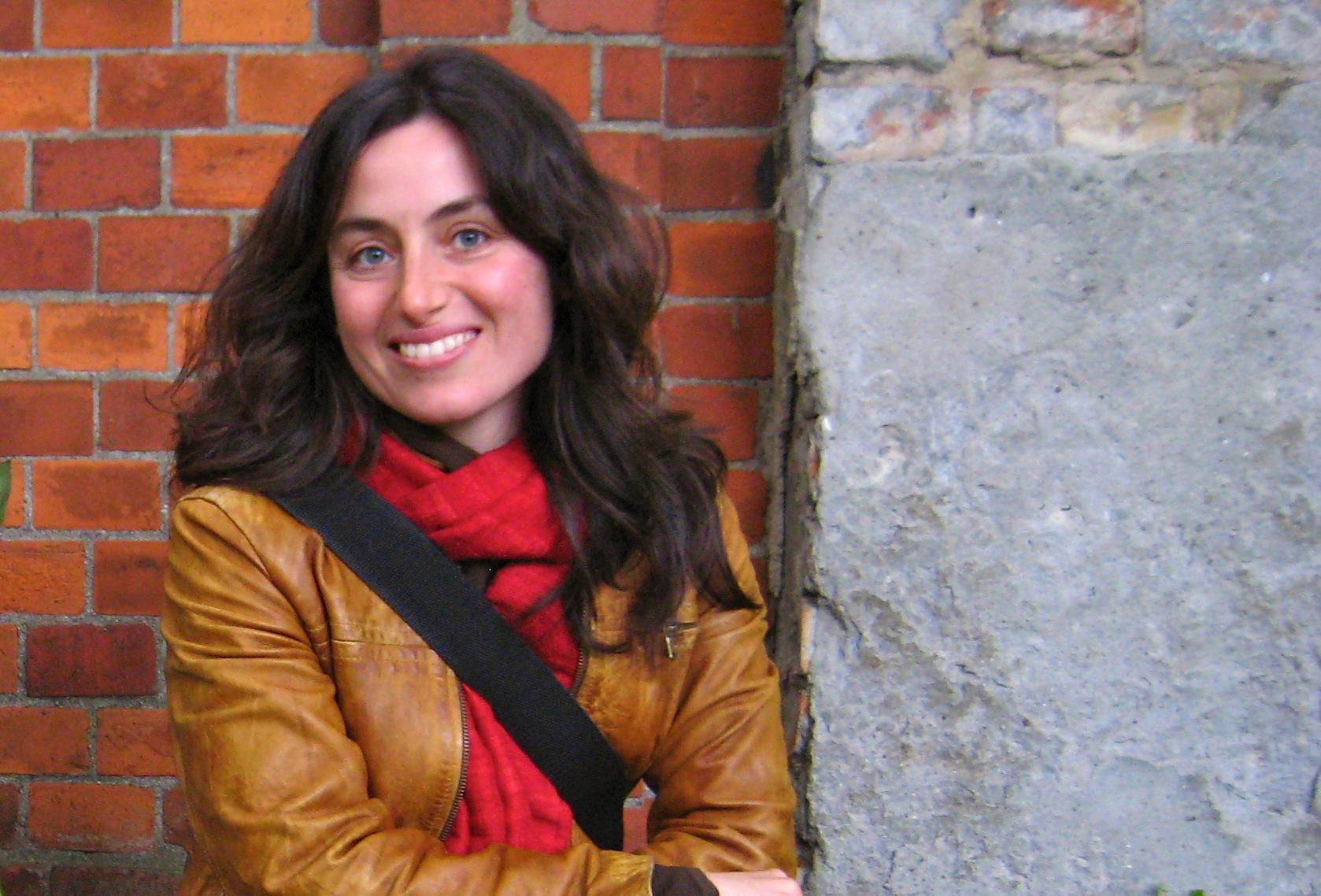
Basak Ertur is a PhD candidate and sessional lecturer at the School of Law, Birkbeck College. Her current research focuses on political trials, performativity, spectrality and sovereignty. She is the editor of Manual for Conspiracy (Sharjah Art Foundation, 2011) and co-editor of Waiting for Barbarians: A Tribute to Edward Said (Verso, 2008).
Basak Ertur
Başak Ertür is a Reader at the Centre for Research Architecture at Goldsmiths and a Research Fellow at Forensic Architecture. She is the author of Spectacles and Specters: A Performative Theory of Political Trials (2022) which was awarded the 2024 SLSA Socio-Legal Theory and History Prize. Her work is engaged with questions of legal violence, legal performativity, and more broadly with law's epistemologies and aesthetics. Her writing has appeared in Critical Times, Law & Critique, Theory & Event, Aut aut and across several edited volumes. Ertür's edited collections include Waiting for the Barbarians: A Tribute to Edward Said (2008), Manual for Conspiracy (2011), and Something Is Rotten in the State (2016), a special issue of Theory & Event. She has held a Leverhulme Research Fellowship (2023-24), was a CAPES/PRINT Visiting Professor at Pontifical Catholic University of Rio de Janeiro in 2022, and received the Association for the Study of Law Culture and the Humanities Julien Mezey Dissertation Award in 2016.
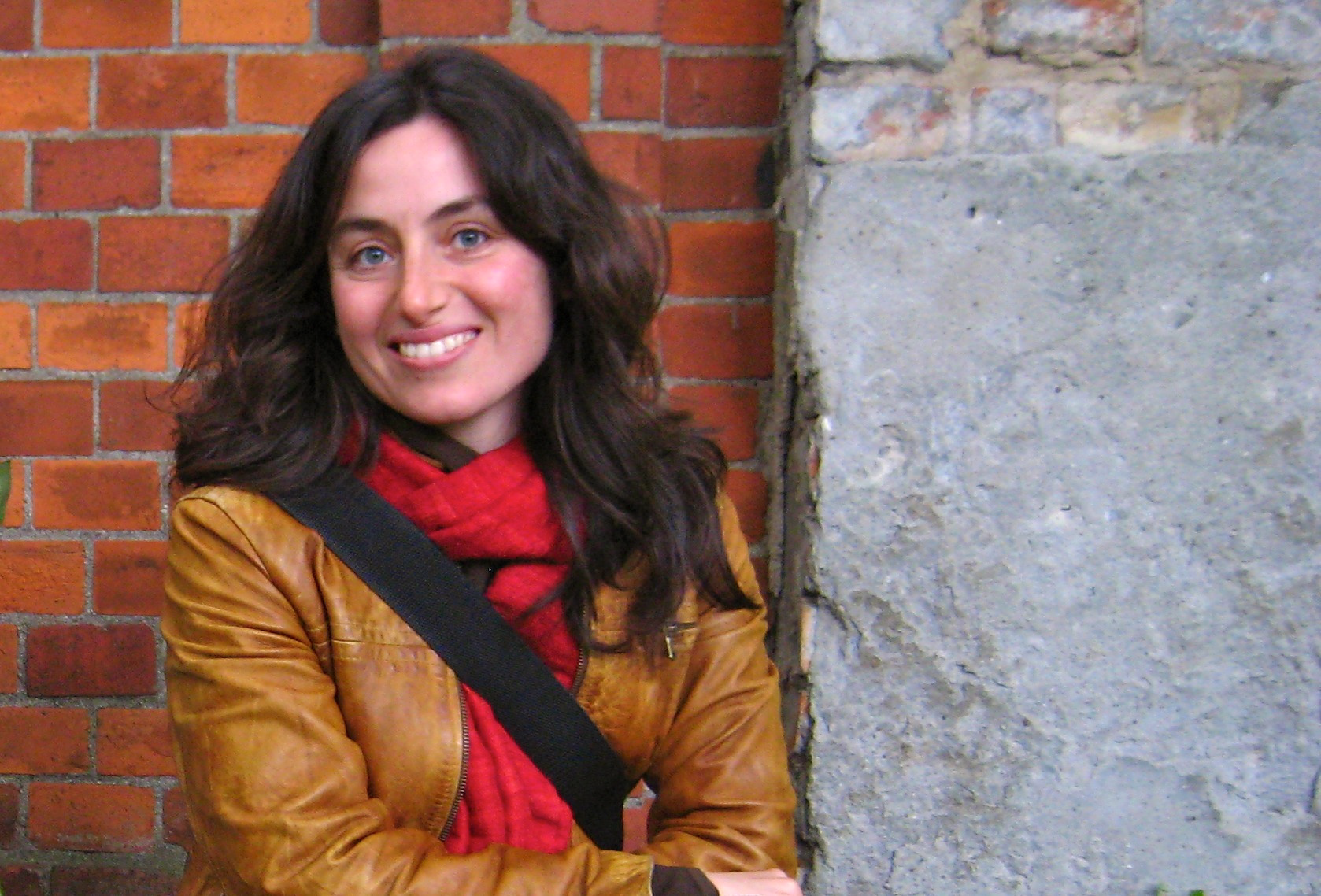

Yasmine Espert
Doctoral Student, Art History and Archaeology, Columbia University
Yasmine Espert is an Art History doctoral candidate at Columbia University. Her research interests include the cinematic medium, the Caribbean, and diaspora. She is the Graduate Fellow for the Digital Black Atlantic Project, a working group supported by the Center for the Study of Social Difference at Columbia University. Yasmine is also an alumna of the Fulbright U.S. Student program.
Yasmine Espert
Doctoral Candidate, Department of Art History and Archaeology

Yasmine Espert is an Art History doctoral candidate at Columbia University. Her research interests include the cinematic medium, the Caribbean, and diaspora. She is the Graduate Fellow for the Digital Black Atlantic Project, a working group supported by the Center for the Study of Social Difference at Columbia University. Yasmine is also an alumna of the Fulbright U.S. Student program.
Working Group Affiliation
Chloé Samala Faux

Chloé Samala Faux
Chloé Samala Faux is a doctoral candidate in the Department of Anthropology. Her dissertation, “African Renaissance as Primal Scene: Fantasies of Death and Rebirth after Apartheid,” interrogates the historical and emergent dilemmas of black reproductivity in post-apartheid South Africa by way of black critical thought, political economy and the institutional and intellectual developments of anthropology and psychoanalysis. Remarking a homology between originary accumulation, the incest taboo, and Frantz Fanon’s elaboration Negro Myth, the manuscript turns ethnographic scrutiny to the specters of sexual violence, illegal abortion, and the occult that dominate contemporary thematizations of South Africa’s crises in social reproduction. By way of the conjoined and redoubling discourses of psychoanalysis and anthropology, she interrogates the psychosexual and sociopolitical (re)-structuring of the family, to understand both the failures of 'transition' in South Africa and the insufficiencies of the culturalism that animates much black radical criticism. Chloé is also affiliated with The Institutes for Comparative Literature and Society and the Study for Sexuality and Gender.
Working Group Affiliations:
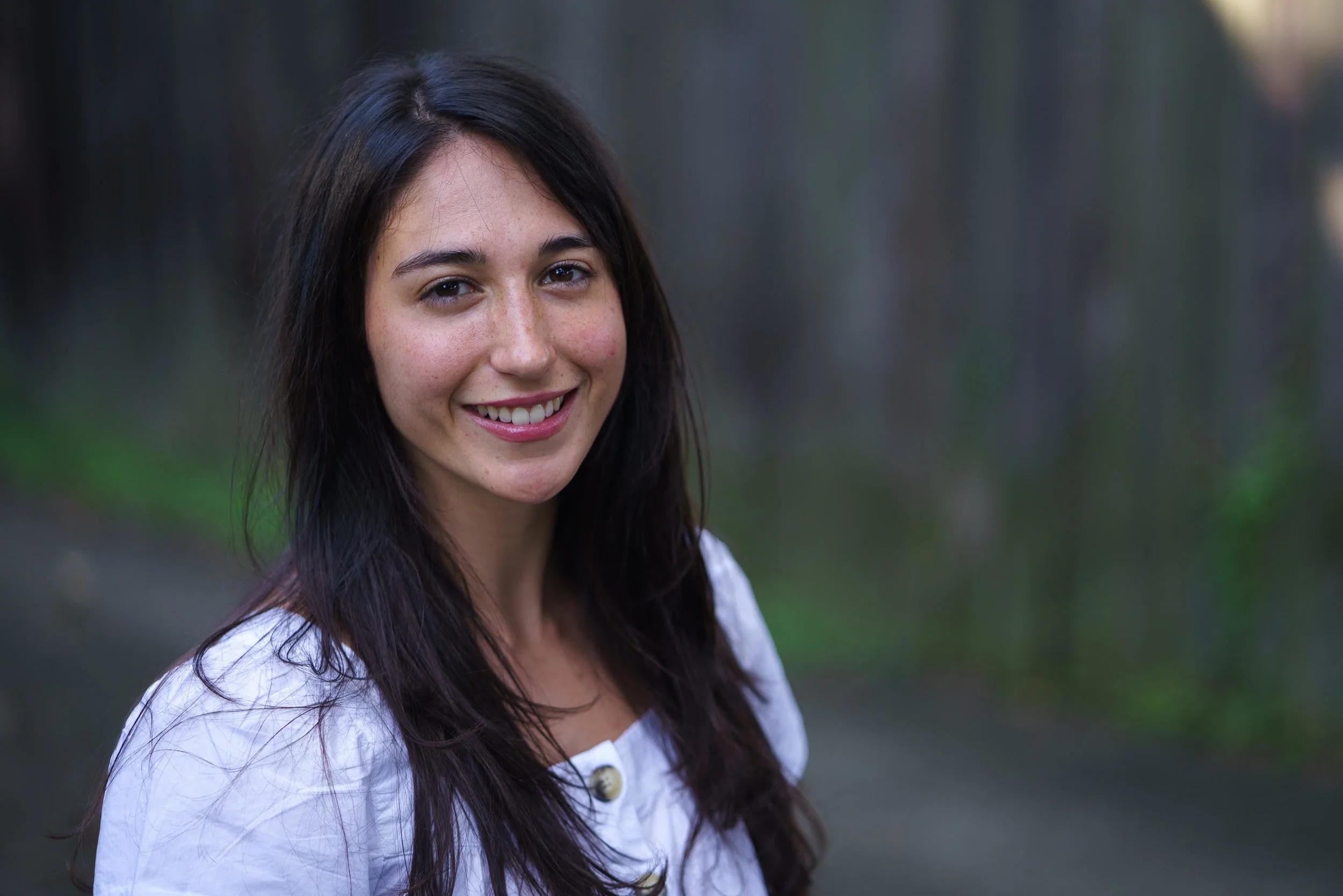
Lia Mary Farrell
Doctoral Student, Psychology, University of Pittsburgh
Lia attended the University of Pittsburgh and graduated with a degree in psychology.
Lia Mary Farrell
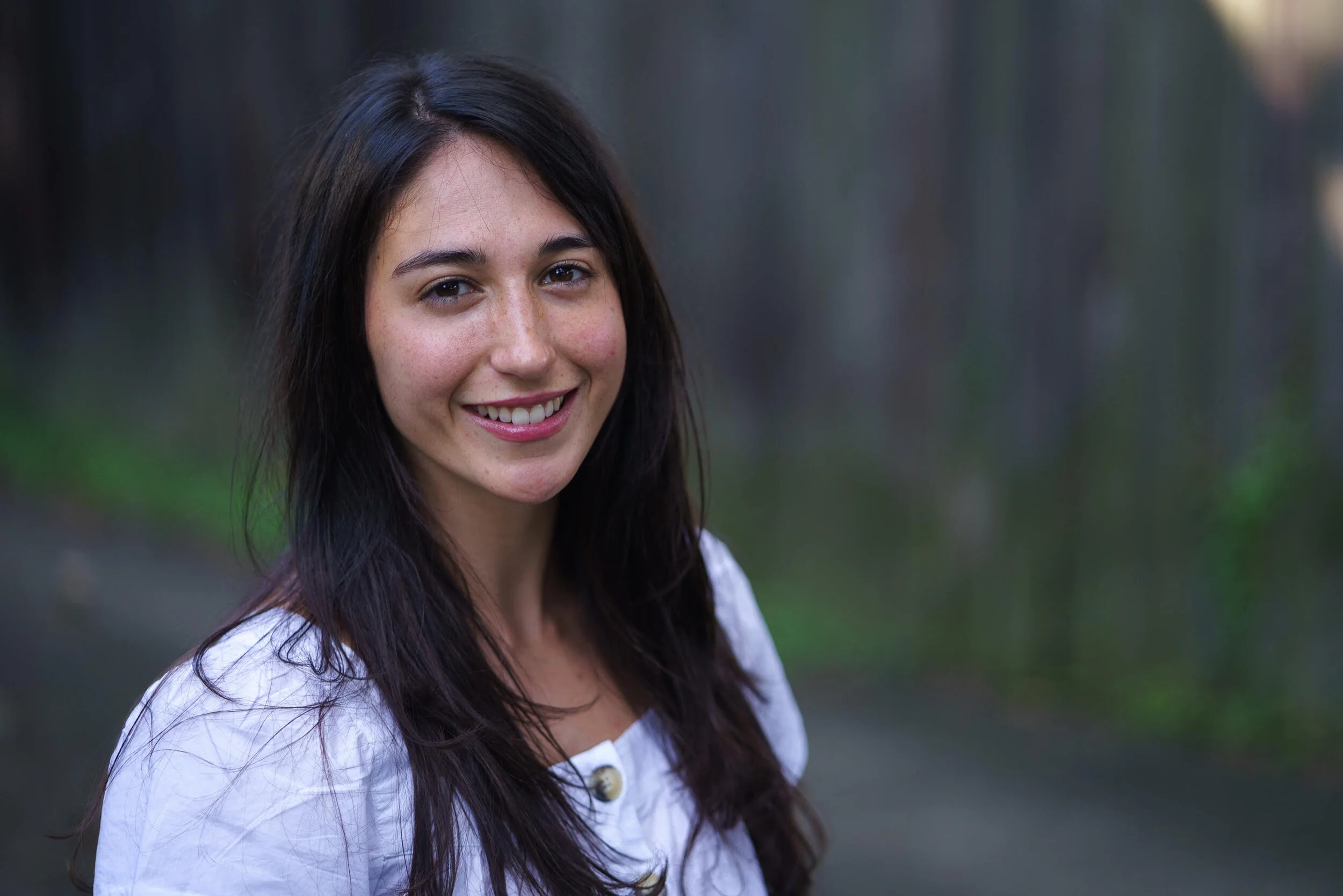
Lia attended the University of Pittsburgh and graduated with a degree in psychology. Afterward, she worked as a research coordinator in obstetric anesthesiology, looking at the effect of pain on postpartum depression. Before starting the post-bac program at Columbia, she traveled for a year, backpacking through Asia and working in a refugee camp in Greece.
Working Group Affiliation

Susanna Ferguson
PhD Student, History, Columbia University
Susanna Ferguson is a PhD Student in the History Department at Columbia University, where she focuses on the history of the modern Middle East, particularly on questions of women and gender. She is also a certificate candidate at Columbia's Institute for Research on Women, Gender, and Sexuality (IRWAGS). Prior to beginning her doctoral work at Columbia, Susanna graduated magna cum laude from Yale University with a BA in History and received a Master's degree from NYU's Hagop Kevorkian Center for Near Eastern Studies.
Susanna Ferguson

Susanna Ferguson is a PhD Student in the History Department at Columbia University, where she focuses on the history of the modern Middle East, particularly on questions of women and gender. She is also a certificate candidate at Columbia's Institute for Research on Women, Gender, and Sexuality (IRWAGS). Prior to beginning her doctoral work at Columbia, Susanna graduated magna cum laude from Yale University with a BA in History and received a Master's degree from NYU's Hagop Kevorkian Center for Near Eastern Studies.
Susanna's MA thesis traced the circulation of human and women's rights discourse in Damascus, Syria, between 2009 and 2011. The deep attachments she found to the projects of human and women's rights in Syria raised questions about what other languages of justice might have historically shaped discussions about politics in general, and feminist politics in particular, in the region. Following this, Susanna's current research focuses on the concept of tarbiya in Arab thought from Egypt and the Levant in the late 19th and early 20th centuries as a way of tracing the history of one such alternative language.
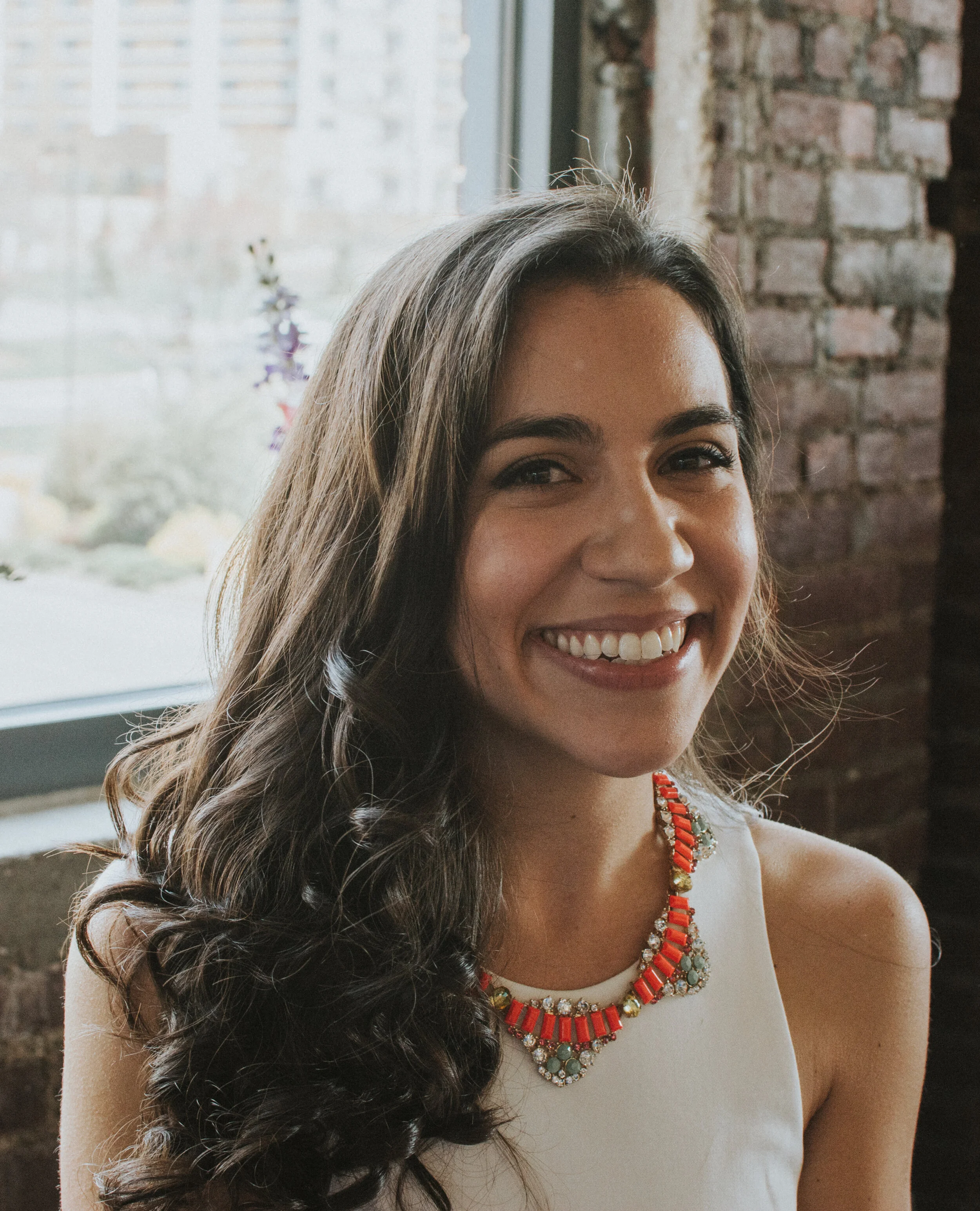
Diana Garofalo
PhD Student, Epidemiology, Mailman School of Public Health, Columbia University
Diana Garofalo is a doctoral student in Epidemiology, in the school of public health. Her background in biochemistry and genetics led her to be interested in using epidemiologic methods to understand underlying biological mechanisms in human disease, especially in rare diseases. She also briefly worked at a clinical genetic testing company that screened potential parents for recessive mutations linked to severe diseases. This experience deepened her interest in exploring the technical, ethical, and scientific challenges of using genomics in medicine, with specific concern about the potential worsening of disparities in health care.
Diana Garofalo
PhD Student, Epidemiology, Mailman School of Public Health, Columbia University
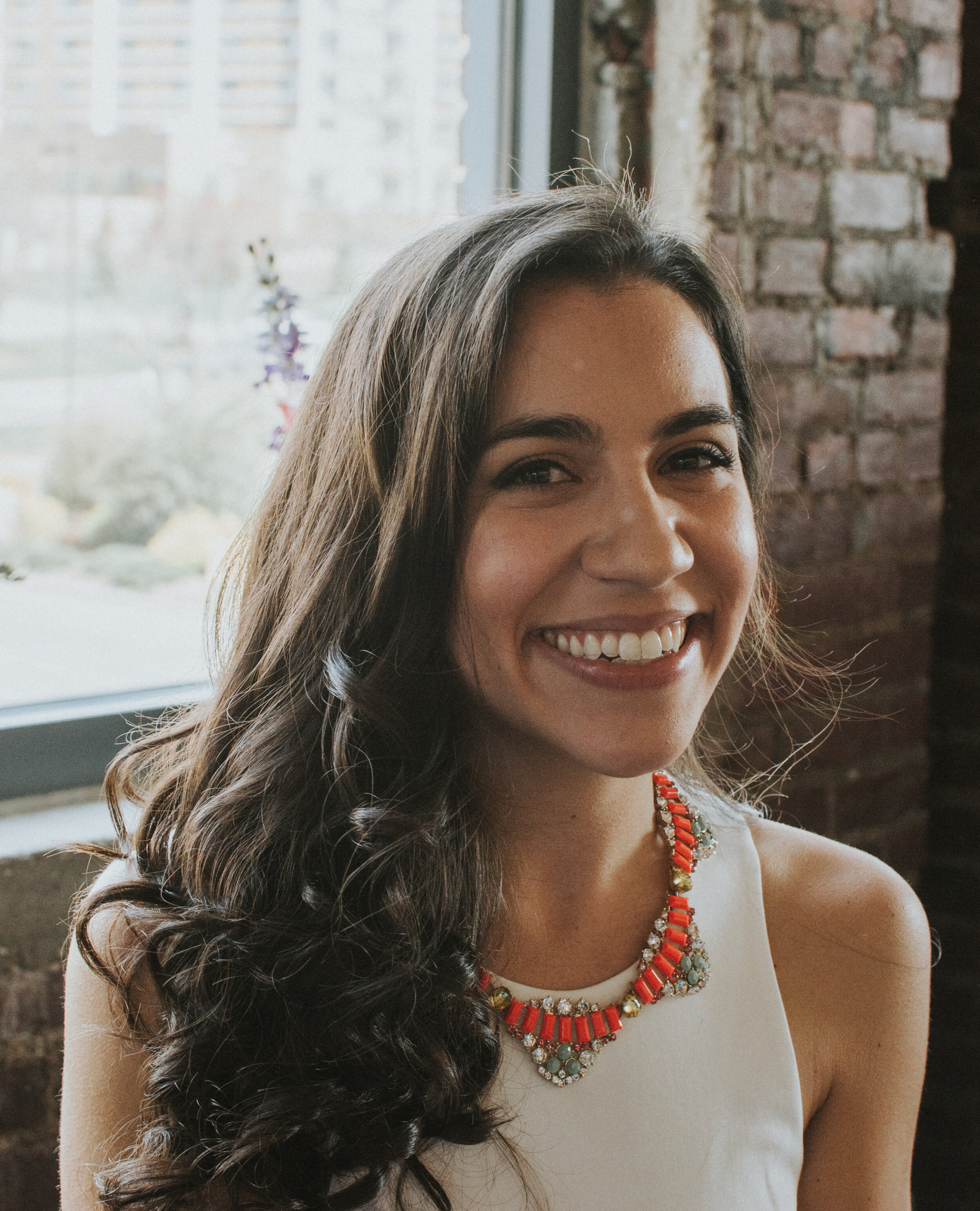
Diana Garofalo is a doctoral student in Epidemiology, in the school of public health. Her background in biochemistry and genetics led her to be interested in using epidemiologic methods to understand underlying biological mechanisms in human disease, especially in rare diseases. She also briefly worked at a clinical genetic testing company that screened potential parents for recessive mutations linked to severe diseases. This experience deepened her interest in exploring the technical, ethical, and scientific challenges of using genomics in medicine, with specific concern about the potential worsening of disparities in health care.
Working Group Affiliation

Nicole Gervasio
PhD Candidate, English and Comparative Literature, Columbia University
Nicole Gervasio is a Ph.D. candidate in the Department of English and Comparative Literature at Columbia University. Her dissertation is on the ethics of representing mass political violence in contemporary postcolonial literature. Her work focuses on intersections between queer, postcolonial, and feminist theory in relation to themes of survival, embodiment, and trauma in literatures of the Global South. She also has a B.A. in English and Growth & Structure of Cities from Bryn Mawr College and has been the recipient of Mellon Mays, Beinecke, and Javits Fellowships.
Nicole Gervasio

Nicole Gervasio is a Ph.D. candidate in the Department of English and Comparative Literature at Columbia University. Her dissertation is on the ethics of representing mass political violence in contemporary postcolonial literature. Her work focuses on intersections between queer, postcolonial, and feminist theory in relation to themes of survival, embodiment, and trauma in literatures of the Global South. She also has a B.A. in English and Growth & Structure of Cities from Bryn Mawr College and has been the recipient of Mellon Mays, Beinecke, and Javits Fellowships.
Working Group Affiliations

Danielle Goldman
Doctoral Student, Neuroscience and Behavior, Columbia University
Danielle Goldman is a current graduate student studying Bioethics at Columbia University with a focus on the intersection between neuroscience, genetics, and pediatric protections. She graduated with an undergraduate degree in Neuroscience and Behavior from Columbia University in 2016. Her interest in translational research was ignited when she was named an Intel (now: Regeneron) Science Talent Search finalist in 2012. Since then, she has only augmented and diversified her scientific curiosities.
Danielle Goldman
Graduate Student, Columbia University

Danielle Goldman is a current graduate student studying Bioethics at Columbia University with a focus on the intersection between neuroscience, genetics, and pediatric protections. She graduated with an undergraduate degree in Neuroscience and Behavior from Columbia University in 2016. Her interest in translational research was ignited when she was named an Intel (now: Regeneron) Science Talent Search finalist in 2012. Since then, she has only augmented and diversified her scientific curiosities. In addition to her graduate studies, she currently is a research associate in two laboratories at Columbia studying developmental trajectories of emotion regulation in youth, and prenatal biomarkers of neurodevelopmental risk. Danielle is ardently passionate about continuing her graduate studies in a PhD program that will allow her to integrate her interdisciplinary interests in neuroscience, genetics, bioethics, and developmental science.
Working Group Affiliation
Sandra Aguilar Gomez
PhD Student, School of International and Public Affairs, Columbia University
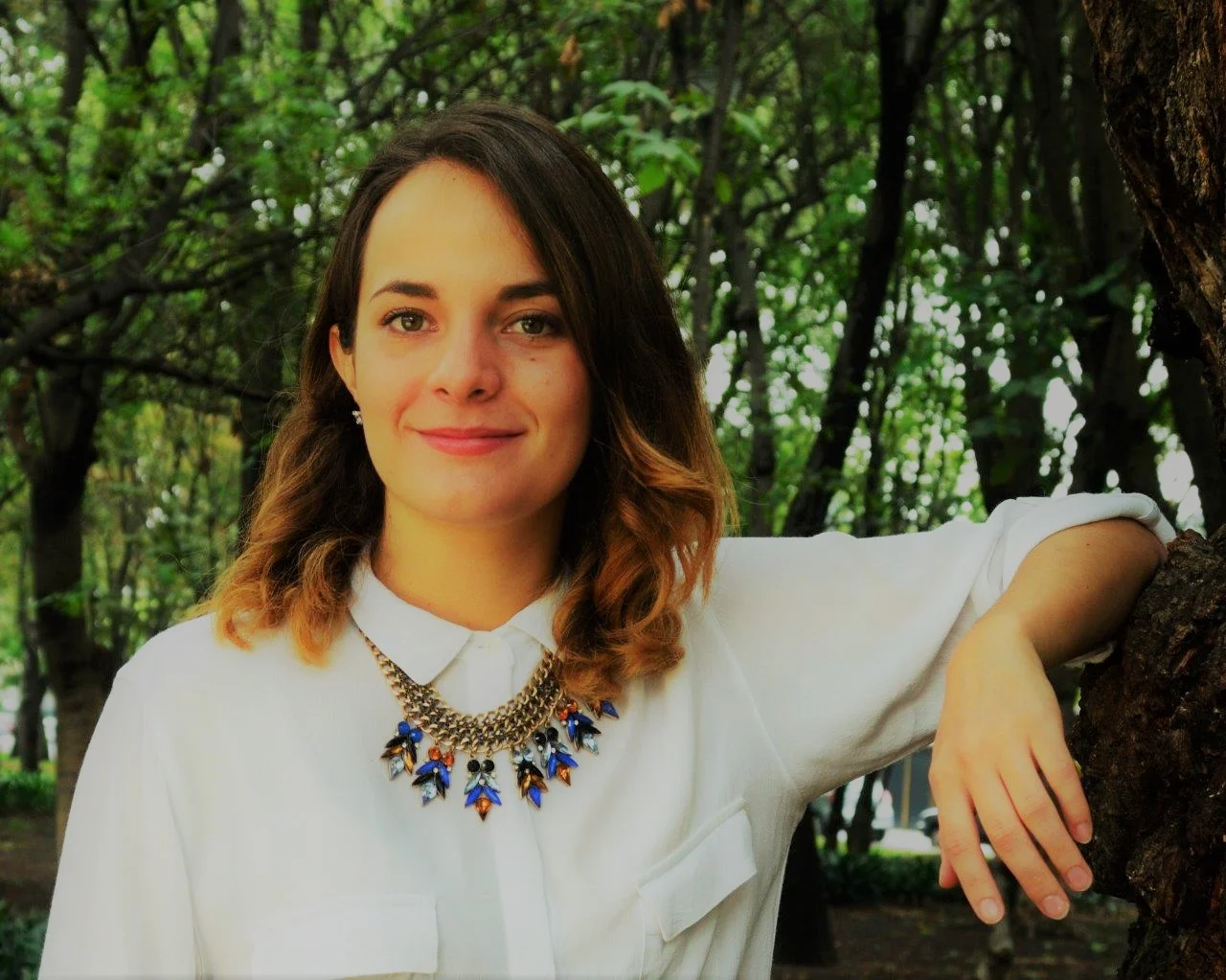
Sandra Aguilar Gomez is a third year student in the Sustainable Development PhD program in Columbia University, where she was awarded the Wu Fellowship for her research in health, wellbeing and public policy. Her main research interests lie in the fields of health, climate change, and development economics. She holds a Master in Applied Economics from Instituto Tecnológico Autónomo de México (ITAM), as well as a degree in Economics from the same university.
Sandra Aguilar Gomez
PhD Student, School of International and Public Affairs, Columbia University
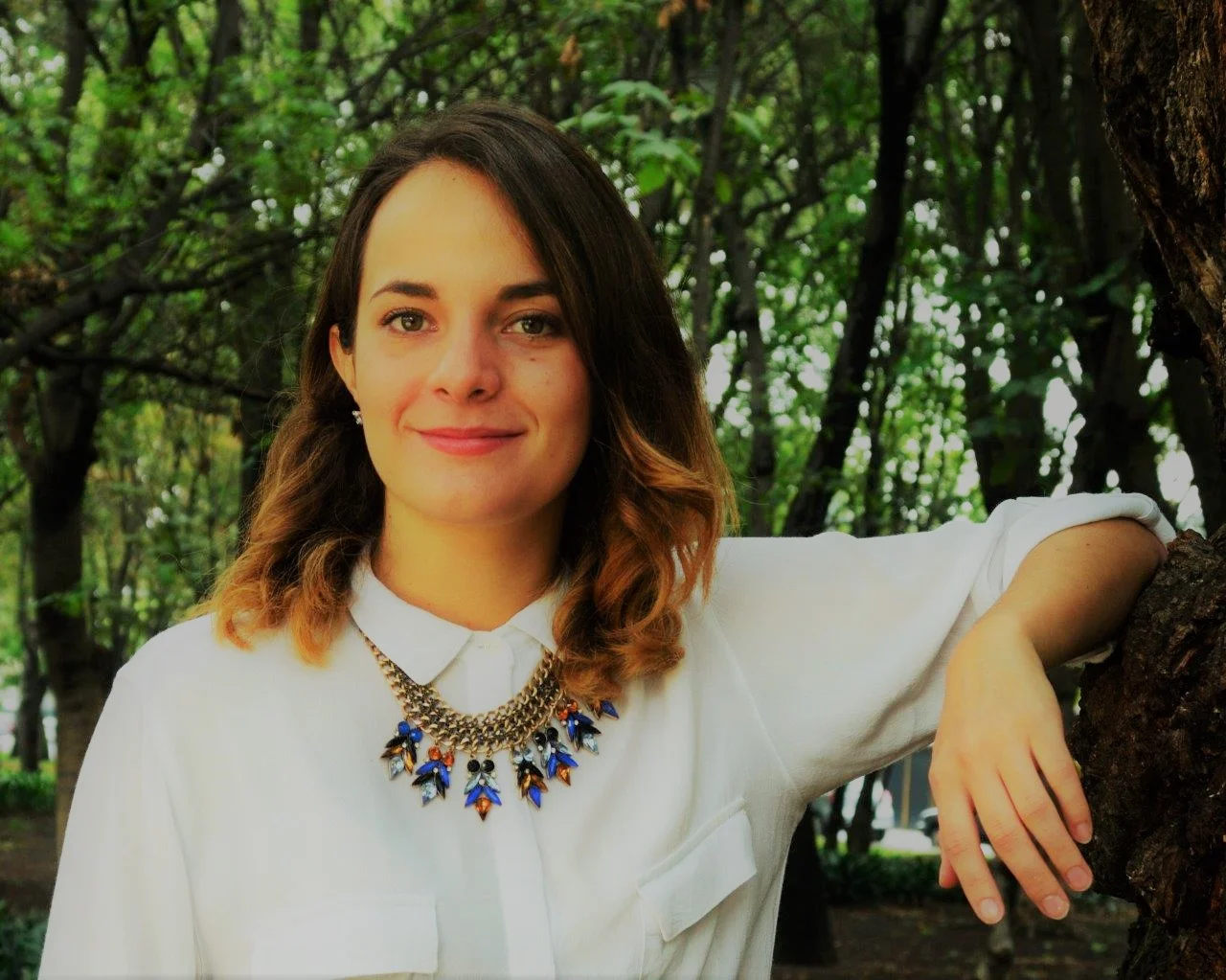
Sandra Aguilar Gomez is a third year student in the Sustainable Development PhD program in Columbia University, where she was awarded the Wu Fellowship for her research in health, wellbeing and public policy. Her main research interests lie in the fields of health, climate change, and development economics. She holds a Master in Applied Economics from Instituto Tecnológico Autónomo de México (ITAM), as well as a degree in Economics from the same university. Sandra currently studies gender disparities in the context of natural resource shocks (particularly, the California Gold Rush), as well as women’s reproductive health in developing countries (Mexico and Tanzania). She is interested in behavioral responses to environmental change and their impact on gender and socioeconomic inequality. She teaches Gender Economics in Mexico, where she has participated in several panels on women’s rights, economic history and politics. She also contributes to the Economics and Society section in Nexos, a cultural and political magazine based in Mexico City, and to Foco Economico, a Latin American academic economics blog.
Working Group Affiliation

Marianne González Le Saux
PhD Student, History, University of Chile
Marianne González Le Saux is a second year student in the History doctoral program, and her research is centered on the cultural and social history of the law in Latin America. She is a lawyer from the University of Chile. She has been awarded the Fulbright Scholarship, and she is funded by CONICYT, Chile, and Columbia's Richard Hofstadter Fellowship.
Marianne González Le Saux
PhD Student, History
Marianne González Le Saux is a second year student in the History doctoral program, and her research is centered on the cultural and social history of the law in Latin America. She is a lawyer from the University of Chile. She has been awarded the Fulbright Scholarship, and she is funded by CONICYT, Chile, and Columbia's Richard Hofstadter Fellowship.
Before coming to Columbia, she worked for several years in the Human Rights Center at the University of Chile, teaching and researching on topics related to transitional justice, democracy and Human Rights in Latin America. She also studied the history of the Chilean middle class in the 19th century and its relationship with the public education system, and her research has been published in the book “De empresarios a empleados: clase media y Estado docente en Chile en el siglo XIX” (Santiago, Chile, LOM Ediciones, 2011). She also has several other publications in the areas of history, law, and political philosophy.
Currently, her research is focused on the history of legal aid systems and other mechanisms of access to justice in Chile in the 20th century, and how they defined the relationship of the popular classes with the state in the areas of family, labor, and criminal law.

Alyssa Greene
PhD Student, Germanic Languages, Columbia University
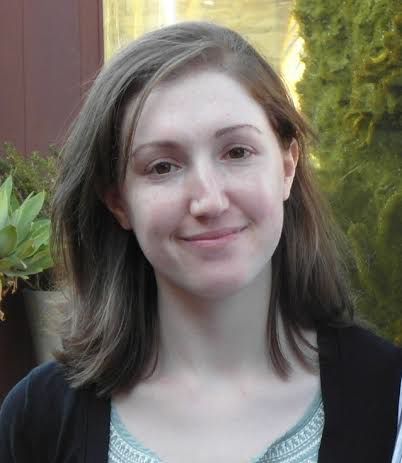
Alyssa Greene is a Ph.D. student in the Department of Germanic Languages and the Institute for Comparative Literature and Society at Columbia University. She studies twentieth-century German and Austrian literature, with a particular emphasis on the post-Second World War era. Her research interests include memory discourses in the postwar period; migration (especially in the German-Turkish context); feminist and postcolonial criticism; the figure of the child and depictions of childhood in Cold War and post-Cold War narratives of authoritarian states.
Alyssa Greene
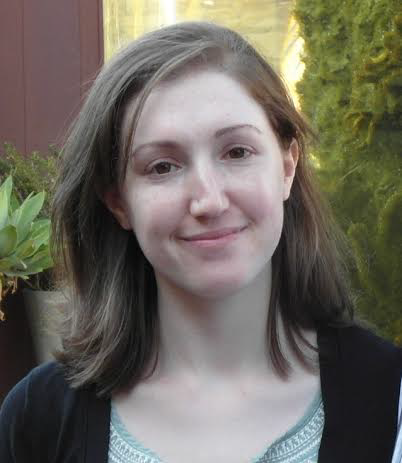
Alyssa Greene is a Ph.D. student in the Department of Germanic Languages and the Institute for Comparative Literature and Society at Columbia University. She studies twentieth-century German and Austrian literature, with a particular emphasis on the post-Second World War era. Her research interests include memory discourses in the postwar period; migration (especially in the German-Turkish context); feminist and postcolonial criticism; the figure of the child and depictions of childhood in Cold War and post-Cold War narratives of authoritarian states.
Working Group Affiliation
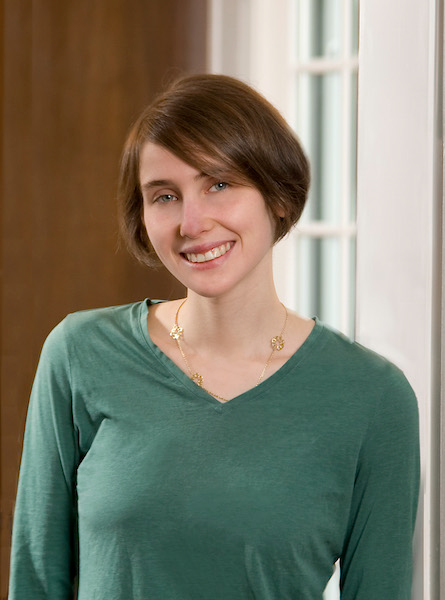
Emily Groopman
Doctoral Student, Human Evolutionary Biology, Columbia University College of Physicians and Surgeons
Emily Groopman is a third year MD/PhD student at Columbia University College of Physicians and Surgeons. She was born and raised in Brookline, MA, and graduated magna cum laude with Highest Honors in Human Evolutionary Biology from Harvard College. Her PhD research, in the lab of Dr. Ali Gharavi, applies genomic methods to discover variants predisposing individuals to different forms of chronic kidney disease, in order to deliver personalized diagnoses and treatment. Her interests include bioethics, medical humanism, and integrating cultural differences into the delivery of care.
Emily Groopman
Graduate Student, Columbia University College of Physicians and Surgeons

Emily Groopman is a fourth year MD/PhD student at Columbia University College of Physicians and Surgeons. She was born and raised in Brookline, MA, and graduated magna cum laude with Highest Honors in Human Evolutionary Biology from Harvard College. Her PhD research, in the lab of Dr. Ali Gharavi, applies genomic sequencing technologies for genetic diagnosis and discovery for individuals with chronic kidney disease. Her interests include personalized medicine, bioethics, medical humanism, and integrating cultural differences into the delivery of care.
Working Group Affiliation
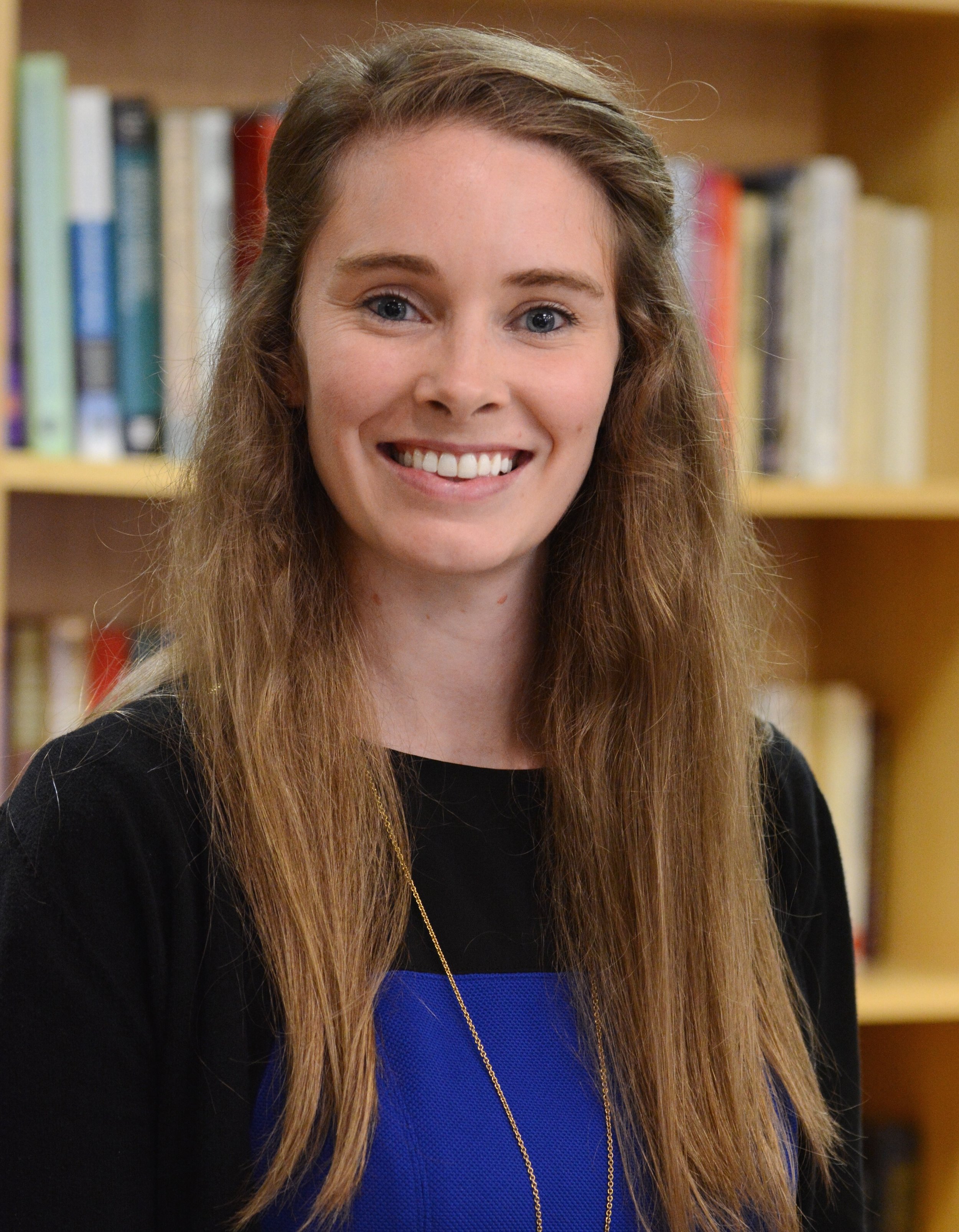
Caitlin Gruer
Doctoral Student, Adolescent Transitions and Environment, Columbia University
Caitlin Gruer, MPH, is a Senior Project Coordinator at Columbia University’s Mailman School of Public Health, where she supports the Gender, Adolescent Transitions and Environment (GATE) Program, based in the Department of Sociomedical Sciences. Prior to joining Columbia, she worked at Plan International USA leading initiatives related to menstrual hygiene management (MHM), water, sanitation and hygiene (WASH), and integrated WASH and nutrition.
Caitlin Gruer
Gender, Adolescent Transitions and Environment (GATE) Program Senior Project Coordinator, Mailman School of Public Health, Columbia University
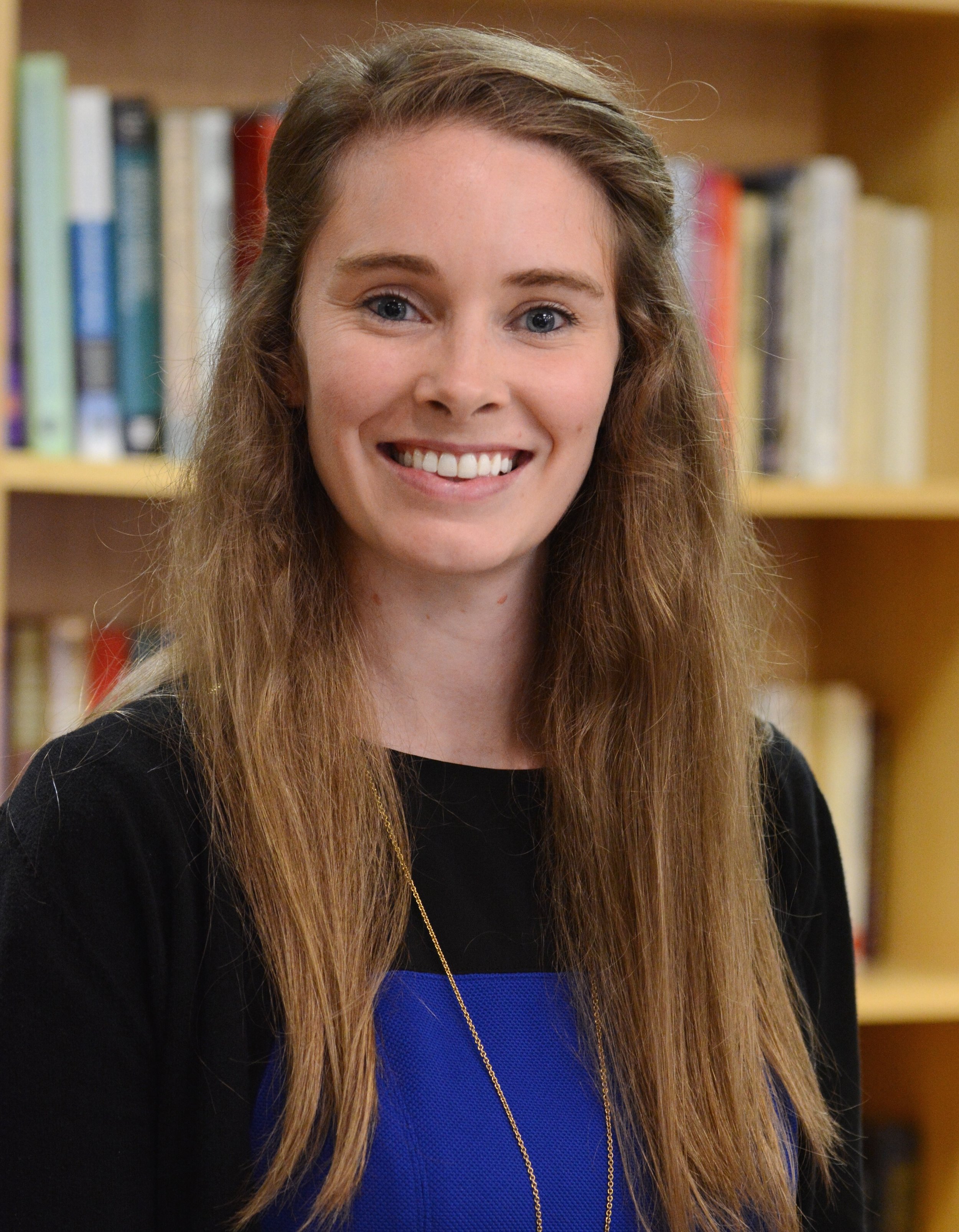
Caitlin Gruer, MPH, is a Senior Project Coordinator at Columbia University’s Mailman School of Public Health, where she supports the Gender, Adolescent Transitions and Environment (GATE) Program, based in the Department of Sociomedical Sciences. Prior to joining Columbia, she worked at Plan International USA leading initiatives related to menstrual hygiene management (MHM), water, sanitation and hygiene (WASH), and integrated WASH and nutrition. Her particular areas of focus are MHM, sustainable WASH programming, and equitable access to sanitation, particularly for women and girls.
Working Group Affiliation