

Abosede George
Abosede George is the Tow Associate Professor of History at Barnard College and Columbia University in New York. She teaches courses in urban history, the history of childhood and youth in Africa, and the study of women, gender, and sexuality in African History.
Abosede George
Abosede George is the Tow Associate Professor of History at Barnard College and Columbia University in New York. She teaches courses in urban history, the history of childhood and youth in Africa, and the study of women, gender, and sexuality in African History. Her book, Making Modern Girls: A History of Girlhood, Labor, and Social Development was published in 2014 by Ohio University Press and received the Aidoo-Snyder Book Prize in 2015 from the Women's Caucus of the African Studies Association, as well as Honorable Mention from the New York African Studies Association. She is currently at work on The Ekopolitan Project, a digital forum dedicated to historical research on migrant communities in nineteenth- and twentieth century Lagos, West Africa.
Working Group: (formerly) Refugee Cities and Insurgent Domesticities
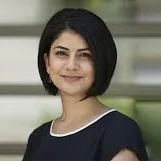
Turkuler Isiksel
Assistant Professor, Department of the Core Curriculum, Columbia University
Turkuler Isiksel (Ph.D., Yale) works in contemporary political theory and is particularly interested in political institutions beyond the nation-state. Professor Isiksel combines the perspectives of normative theory, legal analysis, and institutionalist political science in her research. She is particularly interested in how descriptive and normative categories tailored to the nation-state apply to institutions that wield political power beyond that context.Professor Isiksel is currently at work on a book manuscript that evaluates the extent to which constitutionalism, as a normative and empirical concept, can be adapted to supranational institutions.
Turkuler Isiksel
James P. Shenton Assistant Professor of the Core Curriculum, Columbia University
Turkuler Isiksel (Ph.D., Yale) works in contemporary political theory and is particularly interested in political institutions beyond the nation-state. Professor Isiksel combines the perspectives of normative theory, legal analysis, and institutionalist political science in her research. She is particularly interested in how descriptive and normative categories tailored to the nation-state apply to institutions that wield political power beyond that context. Other research interests include Enlightenment political philosophy, especially the evolution of ideas about commerce and international politics in the eighteenth century, as well as theories of sovereignty, citizenship, human rights, constitutional theory, and Turkey-E.U. relations.
Professor Isiksel is currently at work on a book manuscript that evaluates the extent to which constitutionalism, as a normative and empirical concept, can be adapted to supranational institutions. Her book will address this question in the light of the European Union's legal order, arguing that the economically driven process of European integration has brought into being a qualitatively distinct form of constitutional practice.

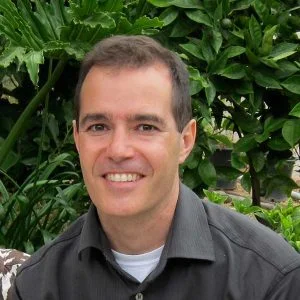
Karl Jacoby
Professor, Department of American History, Columbia University
Karl Jacoby has devoted his career to understanding the ways in which the making of the United States intertwined with the unmaking of a variety of other societies—from Native American nations to the communities of northern Mexico—and the ecologies upon which they rested. His scholarship is distinguished by its close attention to questions of narrative and storytelling, in-depth micro-historical approach, and border-crossing nature.
Karl Jacoby
Allan Nevins Professor of American History and Co-Director of the Center for the Study of Race and Ethnicity, Columbia University
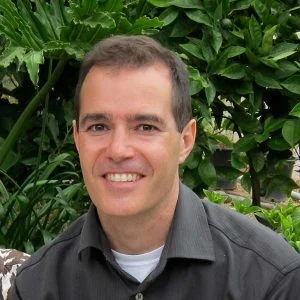
Karl Jacoby has devoted his career to understanding the ways in which the making of the United States intertwined with the unmaking of a variety of other societies—from Native American nations to the communities of northern Mexico—and the ecologies upon which they rested. His scholarship is distinguished by its close attention to questions of narrative and storytelling, in-depth micro-historical approach, and border-crossing nature. Professor Jacoby’s published work straddles multiple boundaries—not only the geographic divisions between East and West, and Mexico and the United States, but also the methodological divides between labor history and environmental history, genocide studies and Native American history, and borderlands history and African-American history.
Professor Jacoby received his A.B. in 1987 from Brown University and his Ph.D. in American history in 1997 from Yale University. After a year as a visiting assistant professor at Oberlin College, he returned to Brown as an assistant professor of history in 1999 and was named full professor in 2009. In the fall of 2012, he moved to Columbia University, where he currently serves as a professor in the Department of History and in the Center for the Study of Ethnicity and Race.He is the author of three books, Crimes Against Nature: Squatters, Poachers, Thieves, and the Hidden History of American Conservation (University of California Press, 2003) Shadows at Dawn: A Borderlands Massacre and the Violence of History (Penguin Press, 2008), and The Strange Career of William Ellis: The Texas Slave Who Became a Mexican Millionaire (W.W. Norton, 2016) as well as numerous essays and reviews.
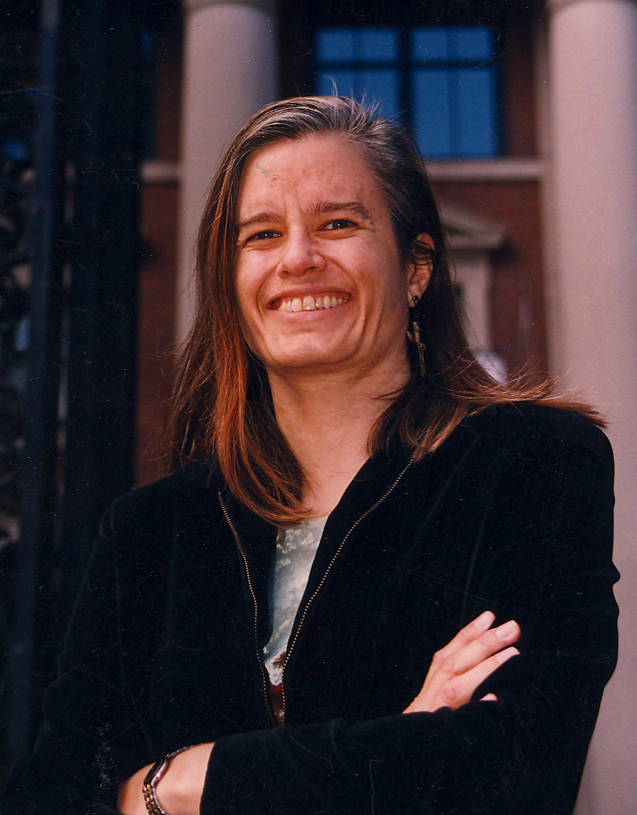
Janet R. Jakobsen
Professor, Department of Women's Gender and Sexuality Studies, Barnard College
Janet R. Jakobsen is Claire Tow Professor and Chair of Women's Gender and Sexuality Studies at Barnard College, Columbia University. She served fifteen years as Director of the Barnard Center for Research on Women (BCRW), and she has also served as Dean for Faculty Diversity and Development.
Janet R. Jakobsen
Ann Whitney Olin Professor of Women's Gender and Sexuality Studies and Director, Center for Research on Women, Barnard College

Janet R. Jakobsen is Claire Tow Professor and Chair of Women's Gender and Sexuality Studies at Barnard College, Columbia University. She served fifteen years as Director of the Barnard Center for Research on Women (BCRW), and she has also served as Dean for Faculty Diversity and Development. As Director of BCRW, Professor Jakobsen founded the webjournal, Scholar & Feminist Online, along with the New Feminist Solutions series of activist research projects with community-based organizations, such as Queers for Economic Justice and the National Domestic Workers Alliance. She is the author of many books, including Working Alliances and the Politics of Difference: Diversity and Feminist Ethics and with Ann Pellegrini, Love the Sin: Sexual Regulation and the Limits of Religious Tolerance. Her current book project is: “Why Sex?: Religion, Secularism and Possibilities for Justice.” She has held fellowships from the American Association of University Women, the Center for the Humanities at Wesleyan University, and the Center for the Study of Values in Public Life at Harvard Divinity School. She has taught as a Visiting Professor at Wesleyan University and Harvard University.
Working Group Affiliations

Wilmot James
Senior Research Scholar at the Institute for Social and Economic Research and Policy (ISERP), College of Arts and Sciences, Columbia University
Wilmot James is a Senior Research Scholar at the Institute for Social and Economic Research and Policy (ISERP), College of Arts and Sciences, Columbia University. An academic by background with a Ph.D. from the University of Wisconsin at Madison, he was previously a Member of Parliament (South Africa) and opposition spokesperson on health. Wilmot is the author and/or editor of 17 books that include the policy-oriented Vital Signs: Health Security in South Africa (2020), a set of essays on the public understanding of science titled Nature’s Gifts: Why we are the way we are (2010), a coedited book Biotechnology and Health: South Africa’s aspirations in health-related biotechnology (2007) and a co-edited collection of Nelson Mandela’s presidential speeches Nelson Mandela In His Own Words (2003), the latter having the distinction of containing forwards by Bill Clinton and Kofi Annan and given to the late Nelson Mandela on his 85th birthday.
Wilmot James
Senior Research Scholar at the Institute for Social and Economic Research and Policy (ISERP), College of Arts and Sciences, Columbia University
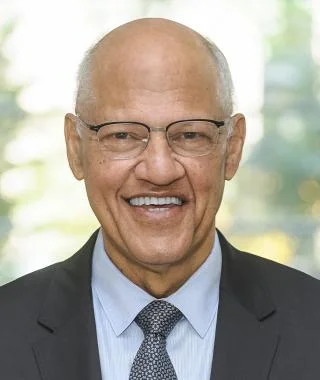
Wilmot James is a Senior Research Scholar at the Institute for Social and Economic Research and Policy (ISERP), College of Arts and Sciences, Columbia University. An academic by background with a Ph.D. from the University of Wisconsin at Madison, he was previously a Member of Parliament (South Africa) and opposition spokesperson on health. Wilmot is the author and/or editor of 17 books that include the policy-oriented Vital Signs: Health Security in South Africa (2020), a set of essays on the public understanding of science titled Nature’s Gifts: Why we are the way we are (2010), a coedited book Biotechnology and Health: South Africa’s aspirations in health-related biotechnology (2007) and a co-edited collection of Nelson Mandela’s presidential speeches Nelson Mandela In His Own Words (2003), the latter having the distinction of containing forwards by Bill Clinton and Kofi Annan and given to the late Nelson Mandela on his 85th birthday. Dr. James served on the Board of Trustees of the Ford Foundation between 1996-2008. He has teaching experience from the University of the Western Cape and University of Cape Town and post-doctoral and visiting professorial experience from Yale University, Indiana University, Edinburgh University and the California Institute of Technology. At Columbia University, he teaches a (spring) course on Pandemics, Ethics and Governance at the School for Professional Studies, conducts research on children’s health security with Drs. Larry Stanberry and Philip LaRussa in the Department of Pediatrics, Vagelos College of Physicians and Surgeons, and convenes high-level meetings on planetary and catastrophic risks. Wilmot serves as a senior consultant in biosecurity to the Washington DC based Nuclear Threat Initiative.
Working Group Affiliation
On the Frontlines: Nursing Leadership in Pandemics, Project Coordinator

Kellie Jones
Associate Professor, Department of Art History and Archaeology, Columbia University
Art historian Dr. Kellie Jones teaches in the Department of Art History and Archaeology as well as the Institute for Research in African American Studies at Columbia University. Her research interests include African American and African Diaspora artists, Latino/a and Latin American Artists, and issues in contemporary art and museum theory. Dr. Jones’s writings have appeared in numerous exhibition catalogues and journals, and her book EyeMinded: Living and Writing Contemporary Art (2011, Duke) was named one of the top art books of 2011 by Publishers Weekly.
Kellie Jones
Associate Professor of Art History and Archaeology and Institute for Research in African American Studies , Columbia University

Art historian Dr. Kellie Jones teaches in the Department of Art History and Archaeology as well as the Institute for Research in African American Studies at Columbia University. Her research interests include African American and African Diaspora artists, Latino/a and Latin American Artists, and issues in contemporary art and museum theory. Dr. Jones’s writings have appeared in numerous exhibition catalogues and the journals NKA, Artforum, Flash Art, Atlantica, and Third Text among others. Current book projects include, Taming the Freeway and Other Acts of Urban HIP-notism: African American Artists in Los Angeles in the 1960s and 1970s. Her book EyeMinded: Living and Writing Contemporary Art (2011, Duke) was named one of the top art books of 2011 by Publishers Weekly.
Dr. Jones has also worked as a curator for over two decades and has more than twenty-five major national and international exhibitions to her credit. She has organized shows for the Johannesburg Biennale (1997) and São Paulo Bienal (1989), the latter of which, featuring the work of Martin Puryear, won the grand prize for best individual exhibition. Her most recent exhibition was “Energy/Experimentation: Black Artists and Abstraction, 1964-1980” at The Studio Museum in Harlem (April-July 2006). Her exhibition “Now Dig This! Art and Black Los Angeles, 1960-1980,” (2011) at the Hammer Museum, Los Angeles, was named the best thematic show nationally by the International Association of Art Critics (AICA). She was the co-curator of “Witness: Art and Civil Rights in the 1960s” at the Brooklyn Museum which was named one the best exhibitions of 2014 by Artforum.
Dr. Jones was named an Alphonse Fletcher, Sr. Fellow in 2008 for her lifetime of writing on visual art. The fellowship commemorates the landmark Brown v. Board of Education ruling of 1954 which struck down legal segregation; it recognizes candidates whose work honors and furthers the spirit of the statute. In 2005 she was the inaugural recipient of the David C. Driskell Award in African American Art and Art History from the High Museum of Art, Atlanta and a Scholar-in-Residence, at the Rockefeller Foundation’s Study and Conference Center in Bellagio, Italy.
Working Group Affiliation
Rebecca Jordan-Young
Professor, Department of Women’s, Gender, and Sexuality Studies, Barnard College
Rebecca Jordan-Young is Professor and Chair of Women’s, Gender, and Sexuality Studies at Barnard College, Columbia University. A sociomedical scientist, Jordan-Young explores reciprocal relations between biomedical sciences and social hierarchies of gender, sexuality, race, and class.

Rebecca Jordan-Young is Professor and Chair of Women’s, Gender, and Sexuality Studies at Barnard College, Columbia University. A sociomedical scientist, Jordan-Young explores reciprocal relations between biomedical sciences and social hierarchies of gender, sexuality, race, and class.
Working Group Affiliation
Recovery, Project Co-Director

Manu Karuka
Assistant Professor, Department of American Studies, Barnard College
Manu Karuka is the author of Empire's Tracks: Indigenous Nations, Chinese Workers, and the Transcontinental Railroad (University of California Press, 2019). He is a co-editor, with Juliana Hu Pegues and Alyosha Goldstein, of “On Colonial Unknowing,” a special issue of Theory & Event, and with Vivek Bald, Miabi Chatterji, and Sujani Reddy, he is a co-editor of The Sun Never Sets: South Asian Migrants in an Age of U.S. Power (NYU Press, 2013).
Manu Karuka
Assistant Professor of American Studies, Barnard College
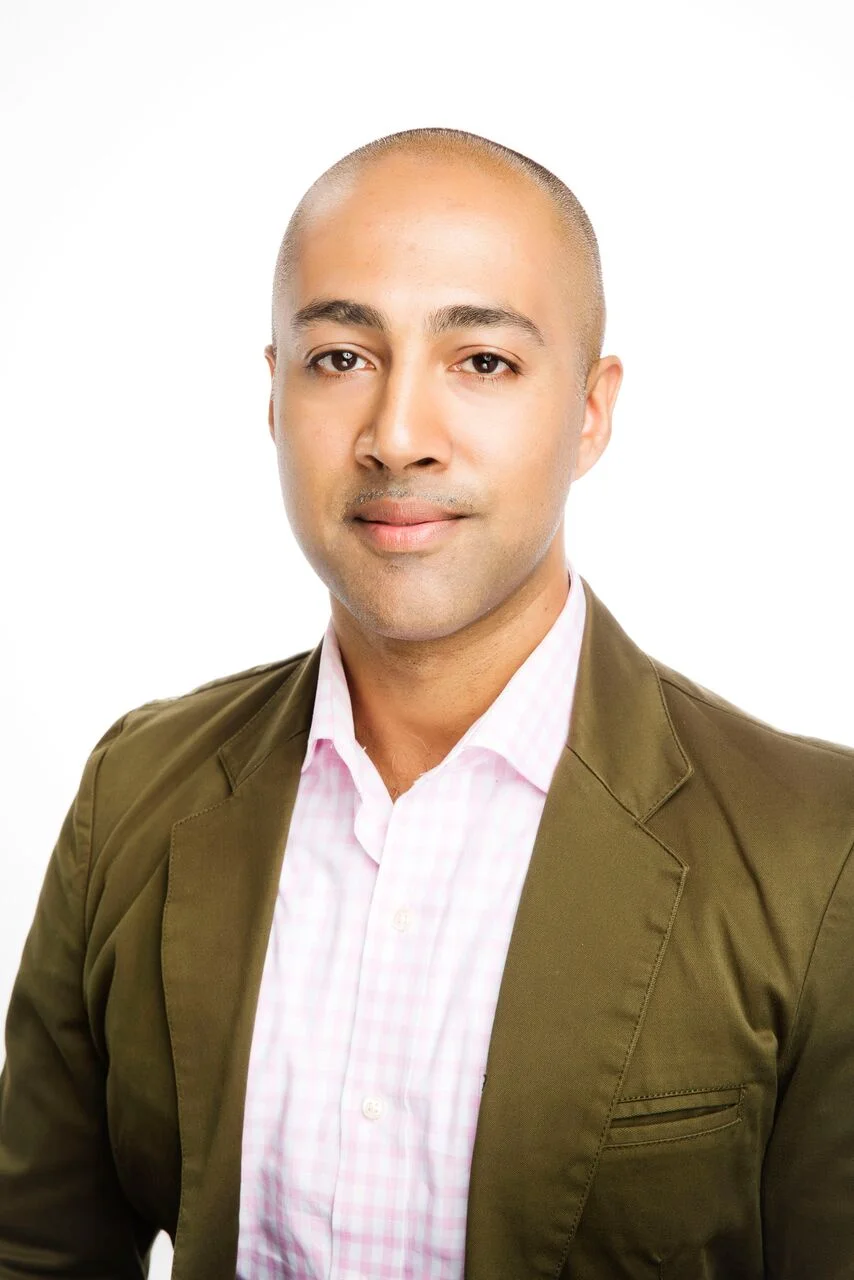
Manu Karuka is the author of Empire's Tracks: Indigenous Nations, Chinese Workers, and the Transcontinental Railroad (University of California Press, 2019). He is a co-editor, with Juliana Hu Pegues and Alyosha Goldstein, of “On Colonial Unknowing,” a special issue of Theory & Event, and with Vivek Bald, Miabi Chatterji, and Sujani Reddy, he is a co-editor of The Sun Never Sets: South Asian Migrants in an Age of U.S. Power (NYU Press, 2013). His work appears in Critical Ethnic Studies, J19, Settler Colonial Studies, The Settler Complex: Recuperating Binarism in Colonial Studies (UCLA American Indians Studies Center, 2016, edited by Patrick Wolfe), and Formations of United States Colonialism (Duke University Press, 2014, edited by Alyosha Goldstein). He is an assistant professor of American Studies at Barnard College.
Working Group Affiliation
Racial Capitalism, Project Director

Jennie Kassanoff
Associate Professor, Department of English, Barnard College
Jennie A. Kassanoff is the author of Edith Wharton and the Politics of Race (Cambridge, 2004). Her research focuses on post-Civil War American culture. She is currently at work on a book about voting, race and gender in American culture, the working title of which is Voter Writes. Her essays have appeared in various books and journals, including American Literature, American Literary History and PMLA. She teaches courses in nineteenth- and early twentieth-century American literature and culture and has earned both of Barnard's major teaching awards: the Teaching Excellence Award in 2003 and the Emily Gregory Award in 2011.
Jennie Kassanoff
Associate Professor of English and Director of the American Studies Program, Barnard College
Jennie A. Kassanoff is the author of Edith Wharton and the Politics of Race (Cambridge, 2004). Her research focuses on post-Civil War American culture. She is currently at work on a book about voting, race and gender in American culture, the working title of which is Voter Writes. Her essays have appeared in various books and journals, including American Literature, American Literary History and PMLA.
She teaches courses in nineteenth- and early twentieth-century American literature and culture, including "American Literature, 1871-1945," "American Fiction," and "Write to Vote." She has earned both of Barnard's major teaching awards: the Teaching Excellence Award in 2003 and the Emily Gregory Award in 2011.


Purvaja Kavattur
Fellow, Human Rights, Columbia University
Purvaja Kavattur is a staff associate at the Institute for the Study of Human Rights at Columbia University. She currently is working on a review of menstrual health policies in Senegal, Kenya, India, and the United States.
Purvaja Kavattur
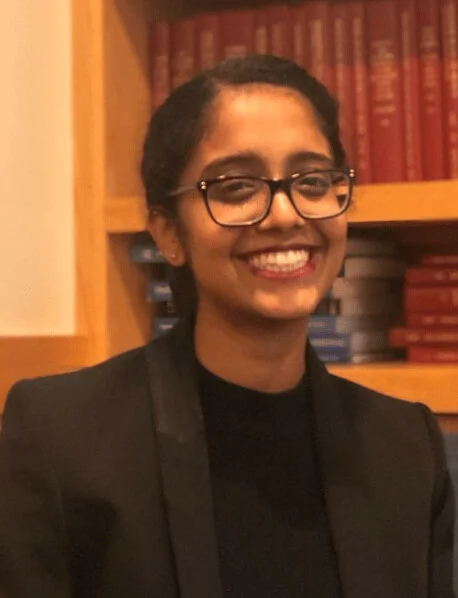
Associate, Institute for the Study of Human Rights, Columbia University
Purvaja Kavattur is a staff associate at the Institute for the Study of Human Rights at Columbia University. She currently is working on a review of menstrual health policies in Senegal, Kenya, India, and the United States.
Her past work has been in evaluating Title X funded programs in Boston, sexuality education policies in Massachusetts, and maternal and child health interventions in Ethiopia and Tanzania. She is interested in exploring anti-colonial approaches to global health, as well as the intersections between population control, gender and sexuality. Her research has looked at the abortion experiences of transmasculine youth in the United States, as well as the influence that scientific literature plays in U.S. abortion jurisprudence.
She has a MSc in Global Health and Population from the Harvard T.H. Chan School of Public Health, and a BSc (Hons) in Social Policy and Economics from the London School of Economics and Political Science. Outside of academia, she works as a visual artist and has 5 years of grassroots feminist organizing experience spanning the UK and US.
Working Group Affiliation
Alice Kessler-Harris
Professor, Department of American History, Columbia University
Alice Kessler-Harris, R. Gordon Hoxie Professor of American History. She is also Professor in the Institute for Research on Women and Gender. Dr. Kessler-Harris specializes in the history of American labor and the comparative and interdisciplinary exploration of women and gender. She received her B. A. from Goucher College (1961) and her Ph.D. from Rutgers (1968). Her most recent published works include: In Pursuit of Equity: Women, Men and the Quest for Economic Citizenship in Twentieth Century America (2001) and A Difficult Woman: The Challening Life and Times of Lillian Hellman (2012).
Alice Kessler-Harris
R. Gordon Hoxie Professor of American History Emerita, Columbia University

Alice Kessler-Harris is the R. Gordon Hoxie Professor of American History and a Professor in the Institute for Research on Women, Gender, and Sexuality. Dr. Kessler-Harris specializes in the history of American labor and the comparative and interdisciplinary exploration of women and gender. She received her B. A. from Goucher College (1961) and her Ph.D. from Rutgers (1968).
Her published works include: In Pursuit of Equity: Women, Men and the Quest for Economic Citizenship in Twentieth Century America (2001); Out to Work: A History of Wage-Earning Women in the United States (1982); A Woman's Wage: Historical Meanings and Social Consequences (1990); and Women Have Always Worked: A Historical Overview (1981). She is co-editor of Protecting Women: Labor Legislation in Europe, Australia, and the United States, 1880-1920 (1995) and U.S. History as Women's History (1995). Some of Kessler-Harris' essays in women's labor history are collected in Gendering Labor History (2007). Her most recent book is A Difficult Woman: The Challening Life and Times of Lillian Hellman (2012).
Working Group Affiliation
Social Justice After the Welfare State, Project Director

Brian Larkin
Professor, Department of Anthropology, Barnard College and Columbia University
Brian Larkin is Professor of Anthropology at Barnard College and Columbia University and the author of Signal and Noise: Media Infrastructure and Urban Culture in Nigeria (Duke University Press, 2008). With Lila Abu-Lughod and Faye Ginsburg he co-edited Media Worlds: Anthropology on New Terrain (University of California Press, 2000). His research examines the introduction of media technologies in Nigeria – cinema, radio, digital media - and the religious, political, and cultural changes they bring about.
Brian Larkin
Professor of Anthropology, Barnard College and Columbia University

Brian Larkin is Professor of Anthropology at Barnard College and Columbia University and the author of Signal and Noise: Media Infrastructure and Urban Culture in Nigeria (Duke University Press, 2008). With Lila Abu-Lughod and Faye Ginsburg he co-edited Media Worlds: Anthropology on New Terrain (University of California Press, 2000). His research examines the introduction of media technologies in Nigeria – cinema, radio, digital media - and the religious, political, and cultural changes they bring about. He has published widely on issues of technology and breakdown, piracy and intellectual property, the global circulation of cultural forms, infrastructure and urban space, sound studies, and Nigerian film (Nollywood). Larkin is completing the manuscript "Secular Machines: Media and the Materiality of Islamic Revival," which analyzes the role media plays in the rise of new Islamic movements in Nigeria and explores theoretical questions about technology and religion. With Stefan Andriopoulos he co-directs the Center for Comparative Media at Columbia University. He is a board member of the Institute for African Studies and the Buell Center for American Architecture at Columbia University and a member of the Committee in Global Thought.
Working Group Affiliation
The Rural-Urban Interface: Gender and Poverty in Ghana and Kenya, Statistics and Stories
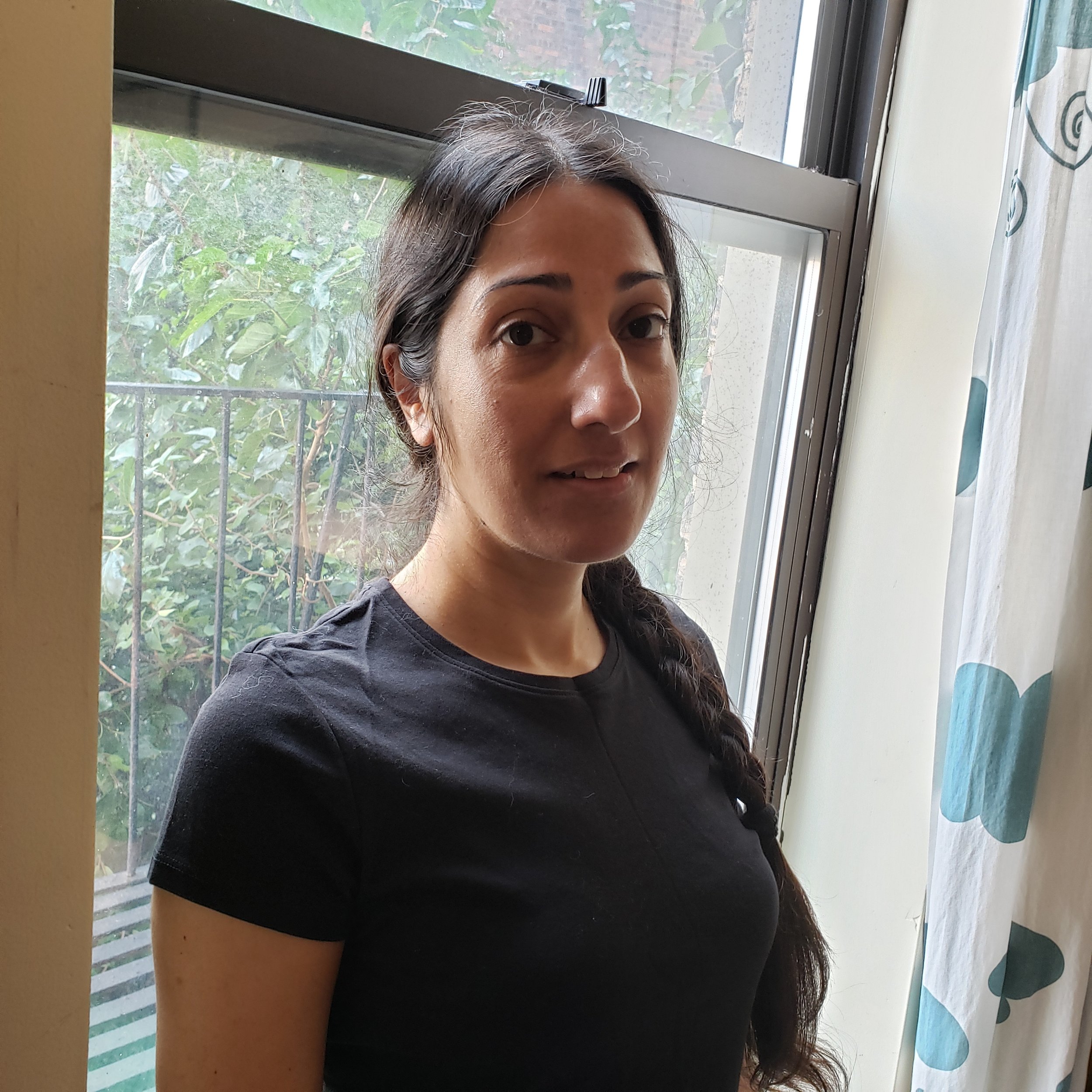
Nadia Latif
Nadia Latif
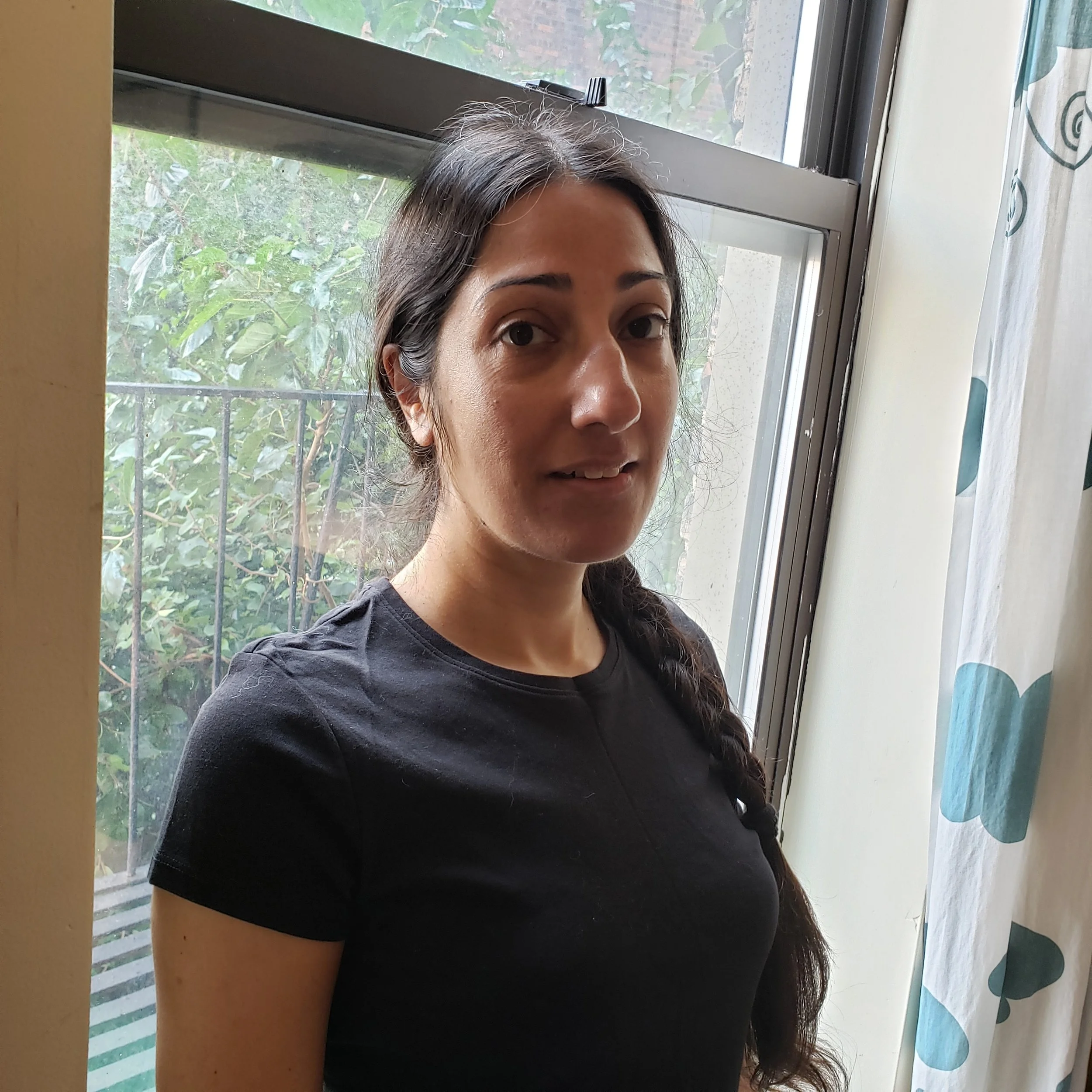
Nadia Latif is a Lecturer in Anthropology at Columbia University. Her research and teaching focuses on questions around forced migration and human rights. She has published in the fields of urban anthropology, forced migration, gender and conflict, law and development, and the history of anthropology. Her current research focuses on the emergence of local political economies in long-term refugee camps and the ways in which these are shaped by war and the provision of humanitarian aid, as well as by labour migration and migrant remittances. She conducts long-term fieldwork in Burj al-Barajneh camp in Lebanon.

Elizabeth Leake
Professor, Department of Italian, Columbia University
Elizabeth Leake's research interests include Twentieth Century narrative and theatre, psychoanalytic, ideological, and disability studies in Italian literature, fascist Italy, Italian cinema, and early Danish cinema. She is a recipient of the Modern Language Association Aldo and Jeanne Scaglione Publication Award for a Manuscript in Italian Literary Studies for her book The Reinvention of Ignazio Silone (2003). Her latest book, After Words: Suicide and Authorship in Twentieth Century Italy, was published in February 2011.
Elizabeth Leake
Professor, Acting Chair, and Director of Graduate Studies, Department of Italian, Columbia University
Elizabeth Leake's research interests include Twentieth Century narrative and theatre, psychoanalytic, ideological, and disability studies in Italian literature, fascist Italy, Italian cinema, and early Danish cinema. She is a recipient of the Modern Language Association Aldo and Jeanne Scaglione Publication Award for a Manuscript in Italian Literary Studies for her book The Reinvention of Ignazio Silone (2003) and The National Endowment for the Humanities Fellowship for College Teachers and Independent Scholars 2001. Her latest book, After Words: Suicide and Authorship in Twentieth Century Italy, was published in February 2011. Her current research project is a comparative study of representations of cognitive disability among American, Danish, and Italian poets; she is also co-authoring a book on Italian confino.


Ana Paulina Lee
Associate Professor, Department of Latin American and Iberian Cultures, Columbia University
Ana Paulina Lee is Associate Professor of Latin American and Iberian Cultures at Columbia University. She is the author of Mandarin Brazil: Race, Representation, and Memory (Stanford University Press).
Ana Paulina Lee
Ana Paulina Lee is Associate Professor of Latin American and Iberian Cultures at Columbia University. She is the author of Mandarin Brazil: Race, Representation, and Memory (Stanford University Press).
Ana Paulina Lee's research and teaching focus on the intersection of cultural studies and political philosophy, race relations and hemispheric American histories of slavery and immigration, Asian and African diasporic cultures in the Americas, performance and memory studies. Prior to joining the department of Latin American and Iberian Cultures, Lee was a Mellon Postdoctoral Fellow at the Stone Center for Latin American Studies at Tulane University in New Orleans, Louisiana. She received a PhD in Comparative Literature from the University of Southern California, and holds an MA in Hispanic Literatures and Cultures from New York University in Madrid, Spain, a Pós-Graduação Lato Sensu em Cultura e Arte Barroca from the Federal University of Ouro Preto, Brazil, and a BA in English Literature and Global Studies from SUNY Binghamton. Professor Lee has been a Fulbright Researcher in Lisbon, Portugal, and the recipient of the Fundação Luso-Americana Fellowship and Cultural Ambassador Award from the Ministry of Education and Sport of Spain.
Working Group Affiliations
Geographies of Injustice: Gender and the City, Project Director
Books Edited:
Mandarin Brazil: Race, Representation, and Memory Stanford University Press, 2018
Nancy Lesko
Professor, Department of Education, Teachers College
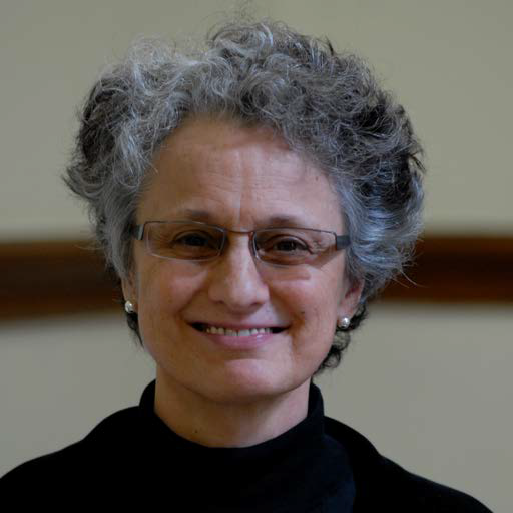
Nancy Lesko's interests center around curriculum theory and history, conceptions of children and youth in theory and practice, gender issues in education, and citizenship education in times of war. Her recent publications include "Denaturalizing adolescence: The politics of contemporary representations" (Youth & Society); "Past, present, and future conceptions of adolescence" (Educational Theory); "The leaky needs' of school-aged mothers: An examination of US programs and policies" (Curriculum Inquiry); Act Your Age: A Cultural Construction of Adolescence (Routledge Press); Masculinities at School (Sage Press); Reducing the Risk: Schools as Communities of Support (Falmer Press).
Nancy Lesko
Maxine Greene Professor of Education, Teachers College, Columbia University
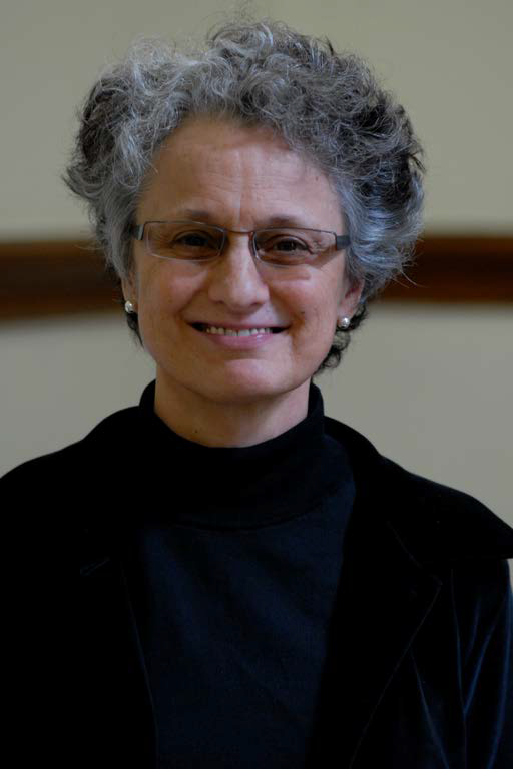
Nancy Lesko's interests center around curriculum theory and history, conceptions of children and youth in theory and practice, gender issues in education, and citizenship education in times of war. Her recent publications include "Denaturalizing adolescence: The politics of contemporary representations" (Youth & Society); "Past, present, and future conceptions of adolescence" (Educational Theory); "The leaky needs' of school-aged mothers: An examination of US programs and policies" (Curriculum Inquiry); Act Your Age: A Cultural Construction of Adolescence (Routledge Press); Masculinities at School (Sage Press); Reducing the Risk: Schools as Communities of Support (Falmer Press).
Working Group Affiliation
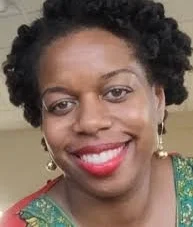
Natasha Lightfoot
Assistant Professor, Department of History, Columbia University
Natasha Lightfoot teaches Caribbean, Atlantic World, and African Diaspora History focusing on the subjects of slavery and emancipation, and black identities, politics, and cultures. She received her B.A. in History from Yale University and her M.A. and Ph.D. in History from New York University. She has received fellowships from the Yale Gilder-Lehrman Center for the Study of Slavery, Emancipation & Resistance, the American Antiquarian Society, and the Ford Foundation. She has published articles in the CLR James Journal and Slavery & Abolition. Her forthcoming book, Troubling Freedom: Antigua and the Aftermath of British Emancipation, 1831-1858 focuses on black working people’s struggles and everyday forms of liberation in Antigua after slavery’s end.
Natasha Lightfoot
Assistant Professor of History
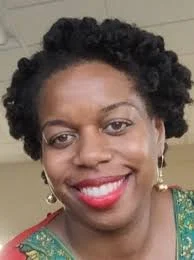
Natasha Lightfoot teaches Caribbean, Atlantic World, and African Diaspora History focusing on the subjects of slavery and emancipation, and black identities, politics, and cultures. She received her B.A. in History from Yale University and her M.A. and Ph.D. in History from New York University. She has received fellowships from the Yale Gilder-Lehrman Center for the Study of Slavery, Emancipation & Resistance, the American Antiquarian Society, and the Ford Foundation. She has published articles in the CLR James Journal and Slavery & Abolition. Her forthcoming book, Troubling Freedom: Antigua and the Aftermath of British Emancipation, 1831-1858 focuses on black working people’s struggles and everyday forms of liberation in Antigua after slavery’s end.
Working Group Affiliation
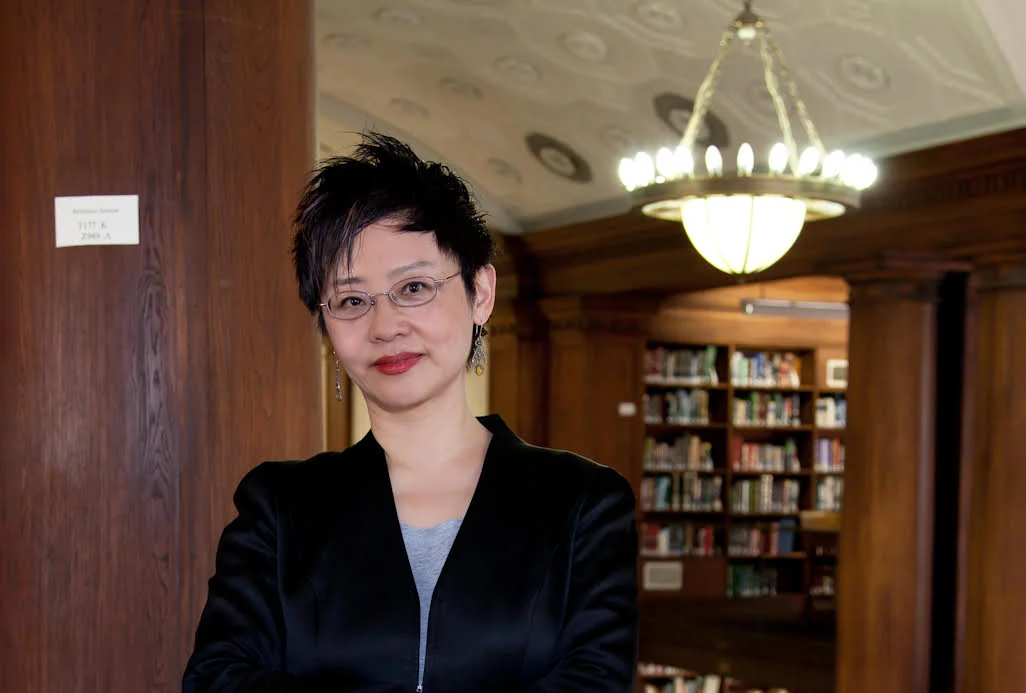
Lydia H. Liu
Professor, Department in the Humanities, Columbia University
Lydia H. Liu is a theorist of media and translation, a scholar of comparative literature, and a bilingual writer in Chinese and English. She is the Wun Tsun Tam Professor in the Humanities and the Director of the Institute for Comparative Literature and Society at Columbia University.
Lydia H. Liu
Wun Tsun Tam Professor in the Humanities, Columbia University
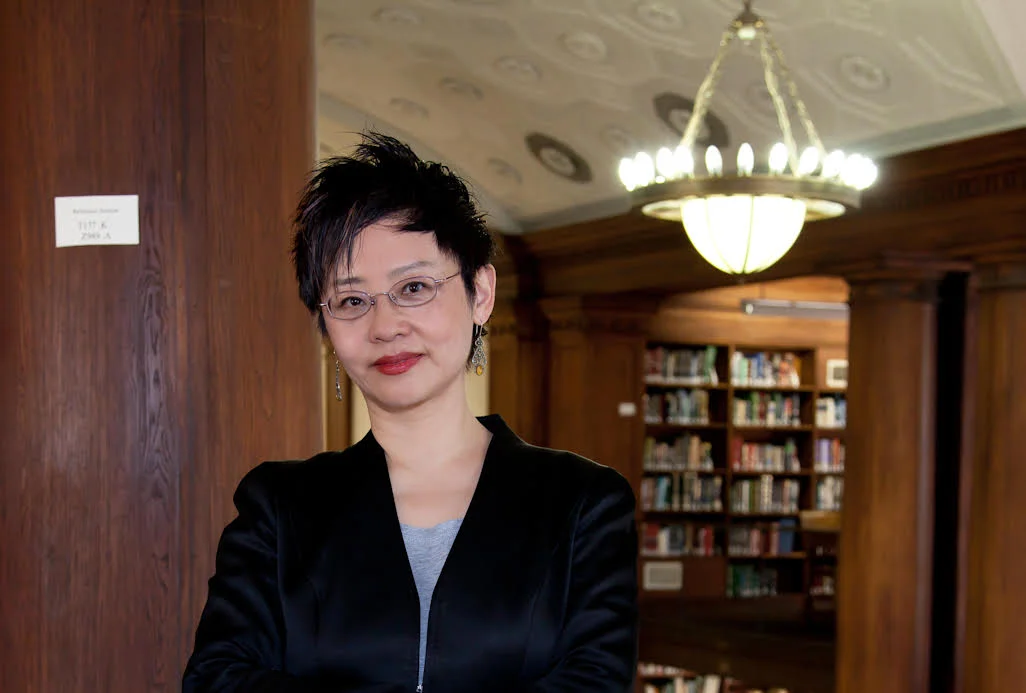
Lydia H. Liu is a theorist of media and translation, a scholar of comparative literature, and a bilingual writer in Chinese and English. She is the Wun Tsun Tam Professor in the Humanities and the Director of the Institute for Comparative Literature and Society at Columbia University. Her publications include The Freudian Robot: Digital Media and the Future of the Unconscious (2010), The Clash of Empires: The Invention of China in Modern World Making (2004), Translingual Practice: Literature, National Culture, and Translated Modernity (1995) and more recently, The Birth of Chinese Feminism: Essential Texts in Transnational Theory (2013), a book she coedited and co-translated with Rebecca Karl and Dorothy Ko.
Working Group Affiliation
Bandung Humanisms, Project Director

Claudio Lomnitz
Professor, Department of of Anthropology, CSER and Latino/a Studies, Columbia University
Professor Claudio Lomnitz works on the history, politics and culture of Latin America, and particularly of Mexico. His first book, Evolución de una sociedad rural (Mexico City, 1982) was a study of politics and cultural change in Tepoztlán, Mexico. Following the publication of this book, he developed an interest in conceptualizing the nation-state as a kind of cultural region, a theme that culminated in Exits from the Labyrinth: Culture and Ideology in Mexican National Space (California, 1992). In that work, he concentrated on the social work of intellectuals, a theme that he developed in various works on the history of public culture in Mexico.
Claudio Lomnitz
Professor of Anthropology, CSER and Latino/a Studies, Columbia University

Professor Claudio Lomnitz works on the history, politics and culture of Latin America, and particularly of Mexico. He has a PhD from Stanford in 1987, and his first book, Evolución de una sociedad rural (Mexico City, 1982) was a study of politics and cultural change in Tepoztlán, Mexico. Following the publication of this book, he developed an interest in conceptualizing the nation-state as a kind of cultural region, a theme that culminated in Exits from the Labyrinth: Culture and Ideology in Mexican National Space (California, 1992). In that work, he concentrated on the social work of intellectuals, a theme that he developed in various works on the history of public culture in Mexico, including Modernidad Indiana (Mexico City, 1999) and Deep Mexico, Silent Mexico: An Anthropology of Nationalism (Minnesota, 2001). About a decade ago he began working on the historical anthropology of crisis and published Death and the Idea of Mexico (Zone Books, 2005), a political and cultural history of death in Mexico from the 16th to the 21st centuries. His most recent book, The Return of Comrade Ricardo Flores Magón (Zone Books, 2014), is about exile, ideology and revolution.
Professor Lomnitz also writes in non-academic genres, including a a bi-weekly column in the Mexico City newspaper La Jornada. He has also written an historical play on intellectuals and power in collaboration with his brother, Alberto Lomnitz, that won Mexico’s National Drama Award in 2010. They are currently working on a play on the fantasies of military power, based on Prof. Lomnitz's recent historical research.
Working Group Affiliation
Borders and Boundaries, Project Director
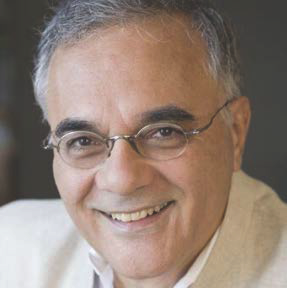
Mahmood Mamdani
Professor, Department of Government MESAAS, International Affairs, and Anthropology, Columbia University
Mahmood Mamdani specializes in the study of African history and politics. His works explore the intersection between politics and culture, a comparative study of colonialism since 1452, the history of civil war and genocide in Africa, the Cold War and the War on Terror, and the history and theory of human rights. He has received numerous awards and recognitions, including being listed as one of the 'Top 20 Public Intellectuals' by Foreign Policy (US) and Prospect (UK) magazine in 2008. His most recent books include Saviors and Survivors: Darfur, Politics, and the War on Terror (2009); Good Muslim, Bad Muslim: America, the Cold War and the Roots of Terror (2004).
Mahmood Mamdani
Herbert Lehman Professor of Government MESAAS, International Affairs, and Anthropology, Columbia University
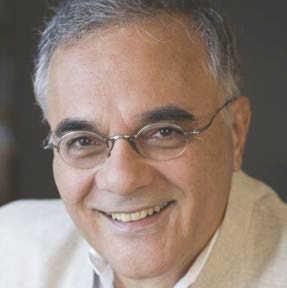
Mahmood Mamdani received his Ph.D. from Harvard University in 1974 and specializes in the study of African history and politics. His works explore the intersection between politics and culture, a comparative study of colonialism since 1452, the history of civil war and genocide in Africa, the Cold War and the War on Terror, and the history and theory of human rights. Prior to joining the Columbia faculty, Mamdani was a professor at the University of Dar-es-Salaam in Tanzania (1973-79), Makerere University in Uganda (1980-1993), and the University of Cape Town (1996-1999). He has received numerous awards and recognitions, including being listed as one of the 'Top 20 Public Intellectuals' by Foreign Policy (US) and Prospect (UK) magazine in 2008. From 1998 to 2002 he served as President of CODESRIA (Council for the Development of Social Research in Africa). His essays have appeared in the New Left Review and the London Review of Books, among other journals. Mamdani teaches courses on: major debates in the study of Africa; the modern state and the colonial subject; the Cold War and the Third World; the theory, history, and practice of human rights; and civil wars and the state in Africa. His books include Saviors and Survivors: Darfur, Politics, and the War on Terror (2009); Good Muslim, Bad Muslim: America, the Cold War and the Roots of Terror (2004); When Victims Become Killers: Colonialism, Nativism and Genocide in Rwanda (2001); Citizen and Subject: Contemporary Africa and the Legacy of Late Colonialism (1996), which was awarded the Herskovitz Prize of the African Studies Association; Politics and Class Formation in Uganda (1976); From Citizen to Refugee (1973); and The Myth of Population Control: Family, Class and Caste in an Indian Village (1972).
Working Group Affiliation