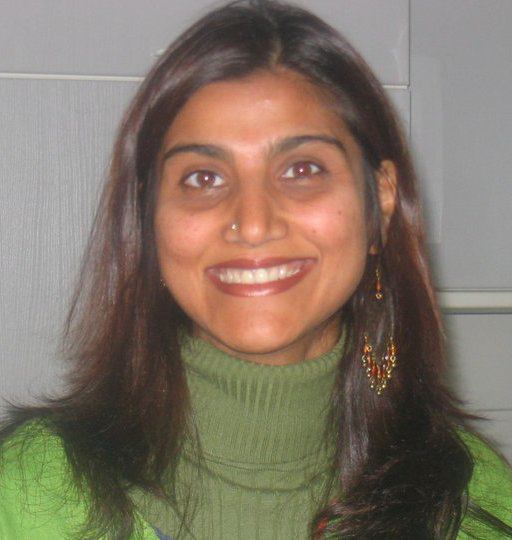
Julie Stone Peters
Fellow, Human Rights, Columbia University
Julie Stone Peters teaches and writes primarily on law and humanities and the history and theory of audiovisual media (cinema, theatre, and other performance and media cultures). Her books include Law as Performance: Theatricality, Spectatorship, and the Making of Law in Ancient, Medieval, and Early Modern Europe (2022), Theatre of the Book: Print, Text, and Performance in Europe 1480-1880 (2000), and Women's Rights, Human Rights: International Feminist Perspectives (co-edited, 1995). She has taught at Harvard, Stanford, and the Metropolitan Detention Center (Brooklyn), and was Founding Director of the Columbia College Human Rights Program.

Julie Stone Peters teaches and writes primarily on law and humanities and the history and theory of audiovisual media (cinema, theatre, and other performance and media cultures).
Her books include Law as Performance: Theatricality, Spectatorship, and the Making of Law in Ancient, Medieval, and Early Modern Europe (Oxford Univ. Press 2022), Theatre of the Book: Print, Text, and Performance in Europe 1480-1880 (Oxford Univ. Press 2000), and Women's Rights, Human Rights: International Feminist Perspectives (co-edited, 1995).
She has taught at Harvard, Stanford, and the Metropolitan Detention Center (Brooklyn), and was Founding Director of the Columbia College Human Rights Program. She is currently working on a book on the ethics and politics of law as media spectacle (policing, trials, and punishment).
Jon S. Sensbach
Fellow, History, University of Florida
Professor Jon Sensbach received his Ph.D. in 1991 in early American history from Duke University, his B.A. in 1980 from the University of Virginia. He joined the University of Florida Department of History in 1998 after teaching at the College of William and Mary and the University of Southern Mississippi. He teaches the Department’s foundation graduate course on early America and has recently taught a graduate seminar on the Black Atlantic as well as undergraduate courses on the Atlantic slave trade, colonial America, and the American Revolution.
Jon S. Sensbach
Professor of History, University of Florida
Professor Jon Sensbach received his Ph.D. in 1991 in early American history from Duke University, his B.A. in 1980 from the University of Virginia. He joined the University of Florida Department of History in 1998 after teaching at the College of William and Mary and the University of Southern Mississippi. He teaches the Department’s foundation graduate course on early America and has recently taught a graduate seminar on the Black Atlantic as well as undergraduate courses on the Atlantic slave trade, colonial America, and the American Revolution. Professor Sensbach has been an NEH Fellow at the National Humanities Center and an NEH Postdoctoral Fellow at the Omohundro Institute for Early American History and Culture. His most recent book is Rebecca’s Revival: Creating Black Christianity in the Atlantic World (Harvard, 2005), and he is also the author of A Separate Canaan: The Making of an Afro-Moravian World in North Carolina, 1763-1840 (North Carolina 1998). He is at work on a study of religious awakenings in the early South and Atlantic world.
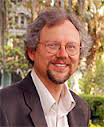

Carla Shedd
Fellow, Urban Education, CUNY Graduate Center
Carla Shedd's work focuses on timely issues related to criminal justice; race, law and society; social inequality; and urban policy. Her current research centers on New York City’s juvenile justice system, specifically investigating how young people’s institutional experiences influence their placement on and movement along the carceral continuum. She is the author of Unequal City: Race, Schools, and Perceptions of Injustice (Russell Sage Foundation, 2015), which explores obstacles facing urban adolescents in Chicago; the book received the 2015 C. Wright Mills Award from the Society for the Study of Social Problems and the 2016 Distinguished Contribution to Scholarship Book Award Presented by the American Sociological Association’s Section on Race, Gender, and Class. Shedd has been published in the American Sociological Review and Sociological Methods & Research. Shedd’s current research examines the juvenile justice system in New York City, investigating how young people’s linked institutional experiences influence their placement on and movement along the carceral continuum.
Carla Shedd
Associate Professor, Urban Education, CUNY Graduate Center
Carla Shedd's work focuses on timely issues related to criminal justice; race, law and society; social inequality; and urban policy. Her current research centers on New York City’s juvenile justice system, specifically investigating how young people’s institutional experiences influence their placement on and movement along the carceral continuum. She is the author of Unequal City: Race, Schools, and Perceptions of Injustice (Russell Sage Foundation, 2015), which explores obstacles facing urban adolescents in Chicago; the book received the 2015 C. Wright Mills Award from the Society for the Study of Social Problems and the 2016 Distinguished Contribution to Scholarship Book Award Presented by the American Sociological Association’s Section on Race, Gender, and Class. Shedd has been published in the American Sociological Review and Sociological Methods & Research. Shedd’s current research examines the juvenile justice system in New York City, investigating how young people’s linked institutional experiences influence their placement on and movement along the carceral continuum.
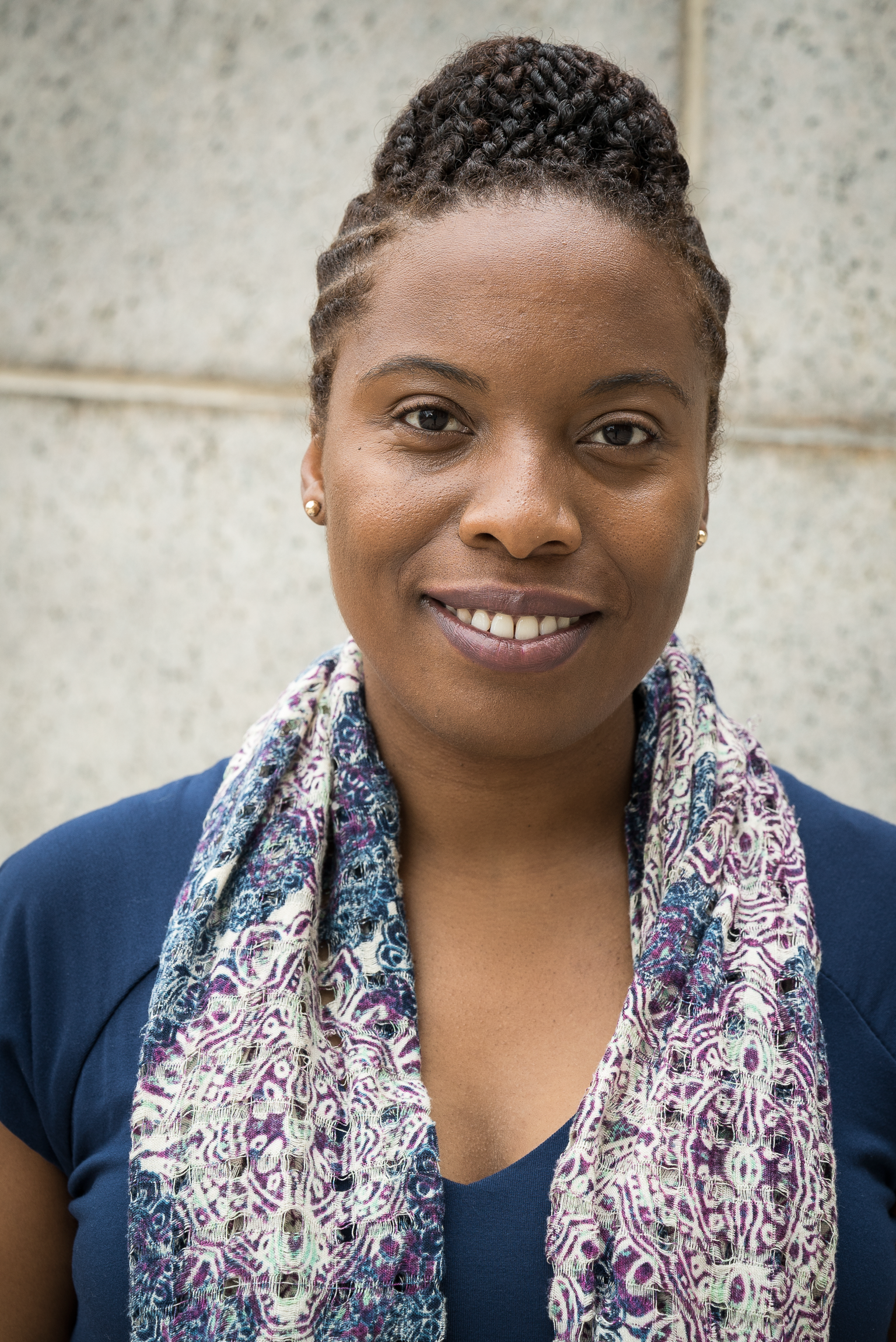

Leticia Sabsay
Fellow, Politics and International Studies, The Open University
Leticia Sabsay is a Research Associate at the Department of Politics and International Studies at The Open University. Her appointment is part of the ‘Oecumene - Citizenship after Orientalism’ ERC project. Her areas of specialism encompass: critical social theory; feminist cultural and visual studies; and queer theory. Prior to taking on this role she studied sociology, and subsequently became Assistant Professor of Communications, at the University of Buenos Aires before leaving Argentina in 2002.
Leticia Sabsay
Department of Politics and International Studies, The Open University
Leticia Sabsay is a Research Associate at the Department of Politics and International Studies at The Open University. Her appointment is part of the ‘Oecumene - Citizenship after Orientalism’ ERC project. Her areas of specialism encompass: critical social theory; feminist cultural and visual studies; and queer theory. Prior to taking on this role she studied sociology, and subsequently became Assistant Professor of Communications, at the University of Buenos Aires before leaving Argentina in 2002. Since then, she has continued to collaborate with this University as a faculty member of the Gino Germani Research Institute in the Faculty of Social Sciences.


Sahar Sadjadi
Fellow, Sexuality, Women's and Gender Studies, Amherst College
Sahar Sadjadi is a physician, anthropologist and assistant professor of Sexuality, Women’s and Gender studies at Amherst College. She is currently completing a book based on an ethnographic multi-sited study of the clinical practices around gender non-conforming children in the US and the revision of the psychiatric category, Gender Identity Disorder in Children.
Sahar Sadjadi
Sexuality, Women's and Gender Studies, Amherst College
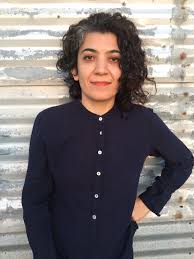
Sahar Sadjadi is a physician, anthropologist and assistant professor of Sexuality, Women’s and Gender studies at Amherst College. She is currently completing a book based on an ethnographic multi-sited study of the clinical practices around gender non-conforming children in the US and the revision of the psychiatric category, Gender Identity Disorder in Children.
She studied medicine at Tehran University of Medical Sciences and received her PhD in medical anthropology at Columbia University. She conducted an ethnographic multi-sited study of the clinical practices around gender non-conforming children and the revision of the psychiatric category, Gender Identity Disorder in Children. Her research has been funded by the Wenner-Gren Foundation and National Science Foundation. During the 2012-13 academic year, Dr. Sadjadi was a Mellon Postdoctoral Fellow at the Committee for Interdisciplinary Science Studies, The Graduate Center, City University of New York. She joined Amherst College faculty in 2013 for the position of Gender, Science and Technology. She is currently writing about the medical interventions that suppress or delay puberty in children.
Working Group Affiliation
Maryam Saleh
Fellow, International Relations, Northwestern University
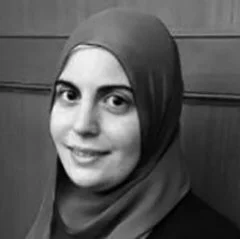
Maryam Saleh is an editor and reporter at The Intercept’s Washington, D.C. bureau, where she covers immigration, politics, and foreign policy. She is a graduate of Northwestern University’s Medill School of Journalism.
Maryam Saleh
Editor and Reporter, The Intercept
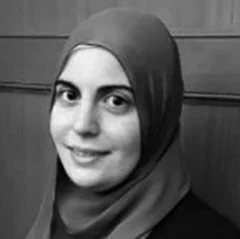
Maryam Saleh is an editor and reporter at The Intercept’s Washington, D.C. bureau, where she covers immigration, politics, and foreign policy. She is a graduate of Northwestern University’s Medill School of Journalism. She is also a lawyer with experience working on immigration and civil rights issues. Maryam has most recently been published by U.S. News & World Report, PRI, UPI and McClatchy DC. She has written about the Syrian conflict for Syria Deeply and The Majalla, and has written op-eds for The Tampa Bay Times and The National. She has reported for radio as well, including co-producing an episode of Florida Matters for WUSF, Tampa Bay’s NPR affiliate.
Working Group Affiliation
Zakia Salime
Fellow, Sociology and Women's and Gender Studies, Rutger's
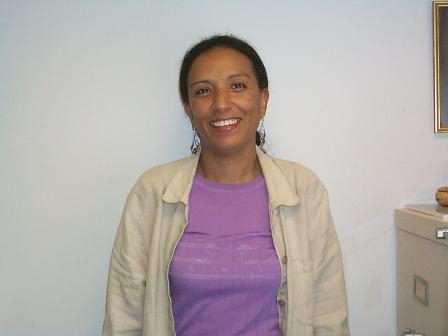
How to understand the complicities and cross-fertilizations of the discursive regimes of war and terror and neoliberal globalization? What are the gendered spaces in which states and neoliberal economic forces interest to produce gendered subjectivities, desires and agency? How does this interplay of classed, racialized and gendered forces create marginalization and subordination but also spaces for participation and contention ?
Zakia Salime
Associate Professor in Sociology and Women's and Gender Studies, Rutger's
How to understand the complicities and cross-fertilizations of the discursive regimes of war and terror and neoliberal globalization? What are the gendered spaces in which states and neoliberal economic forces interest to produce gendered subjectivities, desires and agency? How does this interplay of classed, racialized and gendered forces create marginalization and subordination but also spaces for participation and contention ? How has the mobilization of the discourse of gender equality, religious identity, and citizenship rights shaped movements and state transitions in North Africa and the Middle East?
These questions locate Salime’s research and teaching at the zones of frictions and tensions between universalist regimes and racialized categories of development, democratization and rights, and their gendered configurations.
Salime’s book: Between Feminism and Islam: Human Rights and Sharia Law in Morocco (Minnesota, 2011) illustrates this interplay of global regimes of rights and local alternatives, by looking at the interactions among the feminist and the Islamist women’s movements. The book shows how these interactions have transformed the state gender policies, the public discourse about women’s rights and the movements themselves. Salime ethnographic analysis illustrates the importance of certain ‘movement movements’ as entry for understanding continuities and ruptures in these movements’ strategies, discourse and forms of organization. Locating her analysis at the intersection of feminist and Islamist politics, Salime shows how these negotiations of rights and democratic participation has led to the feminization of the Islamist movement one the one hand, and the Islamization of the feminist movement on the other. Her book shows how these movements’ endeavor to influence the state legislation of women’s rights, their transnational forums, and their effective use of the media and political alliances, have led to some of the most spectacular forms of protest by women in North Africa and the Middle East.
Between Feminism and Islam critically re-assesses fissures in liberal feminist theory, which has primarily looked at Muslim women as objects of a discourse of liberation rather than as agents negotiating global policies and building alternative understandings of rights. Salime is currently working on a second book manuscript on urban youth movements of cultural expression and the gendered spaces in the context of revolutionary Middle East.

Yara Sallam
Fellow, Human Rights, Egyptian Initiative for Personal Rights (EIPR)
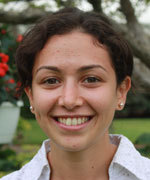
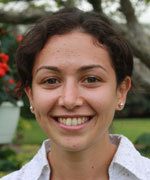
Ms. Yara Sallam is the Transitional Justice officer at the Egyptian Initiative for Personal Rights (EIPR). Yara previously worked as the Women Human Rights Defenders Program director at Nazra for Feminist Studies (Egypt), a professional legal assistant at the African Commission on Human and Peoples’ Rights (ACHPR) in The Gambia, as a researcher on Freedom of Religion and Belief at EIPR, and as a research assistant at the Institute of Research for Development (IRD) focusing on women’s rights in Egypt. Yara earned two degrees of law (LL.B) – a Licence of Law from Cairo University in Egypt and Maîtrise of Commercial Law from Paris I University Pantheon Sorbonne in France in 2007. She has also been awarded a Master of Laws degree (LL.M.) in International Human Rights Law at the Law School of Notre Dame University, the United States of America (2010).
Yara Sallam
Transitional Justice Officer, Egyptian Initiative for Personal Rights (EIPR)
Ms. Yara Sallam is the Transitional Justice officer at the Egyptian Initiative for Personal Rights (EIPR). Yara previously worked as the Women Human Rights Defenders Program director at Nazra for Feminist Studies (Egypt), a professional legal assistant at the African Commission on Human and Peoples’ Rights (ACHPR) in The Gambia, as a researcher on Freedom of Religion and Belief at EIPR, and as a research assistant at the Institute of Research for Development (IRD) focusing on women’s rights in Egypt. Yara earned two degrees of law (LL.B) – a Licence of Law from Cairo University in Egypt and Maîtrise of Commercial Law from Paris I University Pantheon Sorbonne in France in 2007. She has also been awarded a Master of Laws degree (LL.M.) in International Human Rights Law at the Law School of Notre Dame University, the United States of America (2010).
George Emilio Sanchez
Fellow, Social Practice Artist, Abrons Arts Center
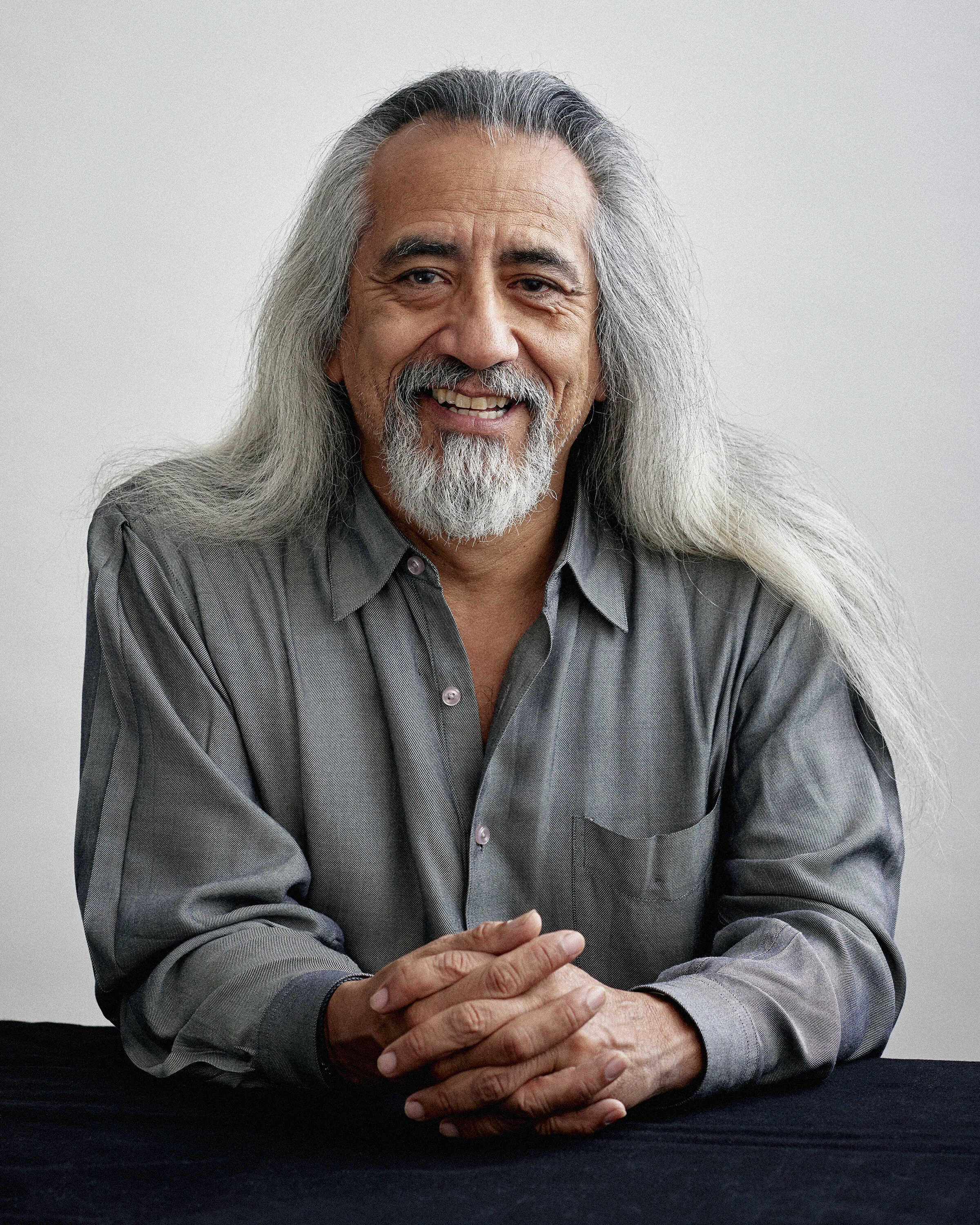
George Emilio Sanchez is a writer, performance artist and social activist living and working on the ancestral homelands of the Lenapehoking, or Land of the Lenape, today known as Fort Greene, Brooklyn, New York. Most recently he premiered XIV at Dixon Place in New York City in 2019. He recently was named the Keith Haring Fellow by the MacDowell in New Hampshire, and he is a Social Practice artist-in-residence at Abrons Arts Center in New York City.
George Emilio Sanchez
Performance Artist and Activist
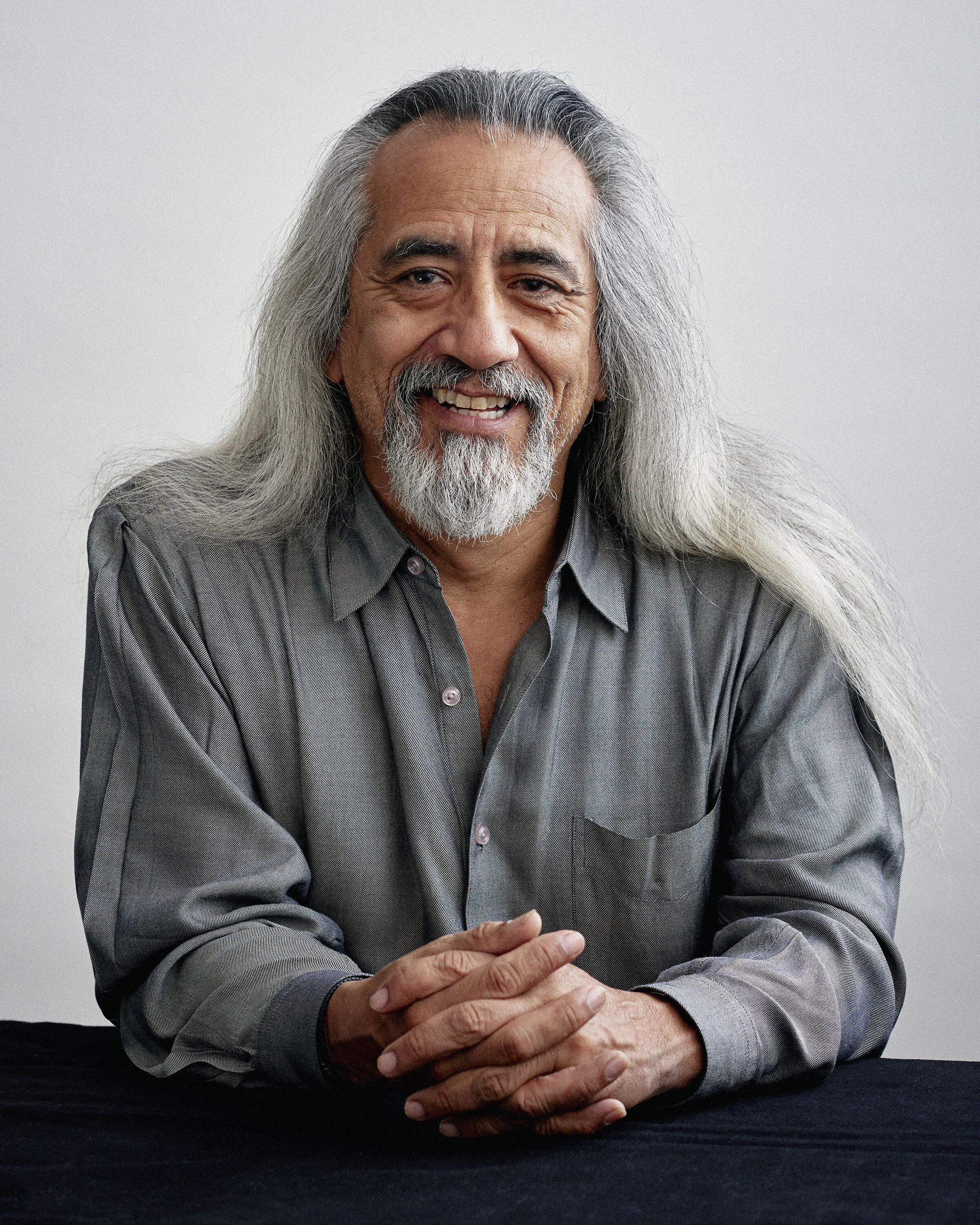
George Emilio Sanchez is a writer, performance artist and social activist living and working on the ancestral homelands of the Lenapehoking, or Land of the Lenape, today known as Fort Greene, Brooklyn, New York. Most recently he premiered XIV at Dixon Place in New York City in 2019. He recently was named the Keith Haring Fellow by the MacDowell in New Hampshire, and he is a Social Practice artist-in-residence at Abrons Arts Center in New York City. He teaches at the City University of New York’s College of Staten Island and is the Performance Director for Emergenyc, a program that explores the intersection between arts and activism. Following the premiere of his latest work In the Court of the Conqueror at Abrons Arts Center in March 2022, the piece will be presented at Su Teatro in Denver, Co. and the Hopkins Center for the Arts at Dartmouth College.
Working Group Affiliations
Zip Code Memory Project: Practices of Justice and Repair, Social Engagement Project

Rebecca Sanchez
Fellow, English, City University of New York
Rebecca Sanchez is an Assistant Professor of English at Fordham University and a member of the MLA’s Committee on Disability Issues in the Profession. Her research interests include transatlantic modernism, Deaf and disability studies and poetics. She is currently working on a book project entitled Deafening Modernism, which analyzes the impact of communicative norms on twentieth century writing.
Rebecca Sanchez
Assistant Professor of English, City University of New York

Rebecca Sanchez is an Assistant Professor of English at Fordham University and a member of the MLA’s Committee on Disability Issues in the Profession. Her research interests include transatlantic modernism, Deaf and disability studies and poetics. She is currently working on a book project entitled Deafening Modernism, which analyzes the impact of communicative norms on twentieth century writing.
Working Group Affiliation
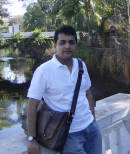
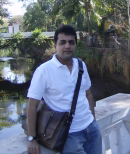
Abhay Sardesai
Fellow, Cultural Studies, Doshi Women’s College of Arts
Abhay Sardesai has been the Editor of ART India, the premier art magazine of India, since November 2002. Under his editorship, the magazine has developed a Culture Studies-oriented approach and has become more inter-disciplinary in its theme-based explorations. He has been a Visiting Faculty in Aesthetics at the Department of English, University of Mumbai, and has also been the Chair of Humanities, Kamla Raheja Vidyanidhi Institute of Architecture, Mumbai. He teaches at the Smt. P. N. Doshi Women’s College of Arts and also at various other institutions like Jnanapravaha and TISS.
Abhay Sardesai
Smt. P. N. Doshi Women’s College of Arts
Abhay Sardesai has been the Editor of ART India, the premier art magazine of India, since November 2002. Under his editorship, the magazine has developed a Culture Studies-oriented approach and has become more inter-disciplinary in its theme-based explorations. He has been a Visiting Faculty in Aesthetics at the Department of English, University of Mumbai, and has also been the Chair of Humanities, Kamla Raheja Vidyanidhi Institute of Architecture, Mumbai. He teaches at the Smt. P. N. Doshi Women’s College of Arts and also at various other institutions like Jnanapravaha and TISS. He writes in English and translates from Marathi, Konkani and Gujarati. An associate of the research collective PUKAR, he was the Director of the Writing Across the City project which explored the inter-relationships between literatures and literary cultures in the city of Mumbai. He has written widely on Art and Literature and read from his work at various places including the University of Princeton, University of Cambridge, Mumbai University, S.N.D.T. University, Sarai and NGMA.
Barbara D. Savage
Fellow, History, University of Pennsylvania
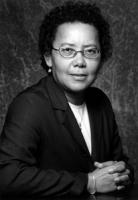
Barbara D. Savage is Geraldine R. Segal Professor of American Social Thought and Professor of History at the University of Pennsylvania, where she has taught since 1995. She teaches graduate and undergraduate courses in twentieth century African American history; the history of American religious and social reform movements; and the history of the relationship between media and politics.
Barbara D. Savage
Geraldine R. Segal Professor of American Social Thought and Professor of History, University of Pennsylvania

Toward an Intellectual History of Black Women
Barbara D. Savage is Geraldine R. Segal Professor of American Social Thought and Professor of History at the University of Pennsylvania, where she has taught since 1995. She teaches graduate and undergraduate courses in twentieth century African American history; the history of American religious and social reform movements; and the history of the relationship between media and politics.
She is the author of Broadcasting Freedom: Radio, War, and the Politics of Race, 1938-1948 (University of North Carolina Press, 1999) which won the Herbert Hoover Presidential Library Award for the best book in American history in the period 1916-1966. In addition, she is co-editor of Women and Religion in the African Diaspora (Johns Hopkins University Press, 2006), a collection of new work from scholars associated with a three-year Ford Funded project coordinated with Professor R. Marie Griffith at Princeton University.
Her most recent book, Your Spirits Walk Beside Us: The Politics of Black Religion (Harvard University Press, 2008), is an historical examination of debates about the public responsibility of black churches and the role of religion in racial leadership. Savage has published several articles related to that project, including "Biblical and Historical Imperatives: Toward a History of Ideas about the Political Role of Black Churches," in African Americans and the Bible: Sacred Texts and Social Textures, ed., Vincent Wimbush (New York: Continuum Press, 2000) and "W. E. B. Du Bois and 'the Negro Church,'" Annals of the American Academy of Political and Social Science (March, 2000).
She was awarded a Postdoctoral Fellowship by the Smithsonian Institution for work on her first book. She also has received fellowship awards for work on her current project from: the Radcliffe Institute for Advanced Studies, Harvard University; the Princeton University Center for the Study of Religion; and the Scholars-in-Residence Program at the Schomburg Center on Black Culture.
Savage received her doctorate in history from Yale in 1995, and also holds a law degree from Georgetown University and an undergraduate degree from the University of Virginia. Prior to entering graduate school, she worked in Washington, DC, as a Congressional staff member and as a member of the staff of the Children's Defense Fund. During graduate school, she served as Director of Federal Relations, Office of the General Counsel at Yale University.
At Penn, among other University commitments, she served as a member of the recent Presidential Search Committee. She also is a faculty member for the National Endowment for the Humanities College and University Teachers' Institute on the Civil Rights Movement, held during the summers at Harvard University's W. E. B. Du Bois Institute.
Working Group Affiliation
Toward an Intellectual History of Black Women, Project Director
Lena Sawyer
Lena Sawyer

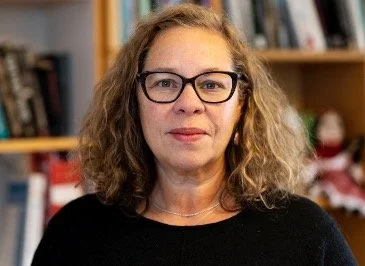
Lena Sawyer is a cultural anthropologist who teaches in the Department of Social Work at Gothenburg University, Sweden. I am interested in exploring creative and revolutionary pedagogies, methodologies, and collective knowledge-making practices. During the last few years, I have worked collaboratively on exploratory Arts-Based projects. For example one project with Nana Osei-Kofi, engaged the coloniality of Swedish public commemoration (a performance paper and video installation around the statue The Iron Well in Gothenburg). Another, together with the writing group Kollektiv Omsorg, co-created practices of black feminist care through letter writing.
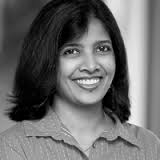
Asma Sayeed
Fellow, Near Eastern Languages and Cultures, UCLA
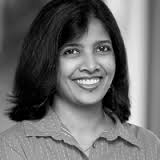
Asma Sayeed is Assistant Professor of Islamic Studies at UCLA in the Department of Near Eastern Languages and Cultures. Her primary research interests are in early and classical Muslim social history, the intersections of law and social history, gender, and the history of Muslim education. Her book, Women and the Transmission of Religious Knowledge in Islam (Cambridge University Press) analyses Muslim women’s religious education, specifically their transmission of ḥadīth from the rise of Islam to the early Ottoman period.
Asma Sayeed
Assistant Professor of Islamic Studies, Department of Near Eastern Languages and Cultures, UCLA
Asma Sayeed is Assistant Professor of Islamic Studies at UCLA in the Department of Near Eastern Languages and Cultures. Her primary research interests are in early and classical Muslim social history, the intersections of law and social history, gender, and the history of Muslim education. Her book, Women and the Transmission of Religious Knowledge in Islam (Cambridge University Press) analyses Muslim women’s religious education, specifically their transmission of ḥadīth from the rise of Islam to the early Ottoman period. She received her PhD from the Department of Near Eastern Studies at Princeton University. She was previously Assistant Professor in the Department of Religious Studies at Lafayette College (Easton, PA), where she taught courses in Islam and World Religions. She has published on topics related to Muslim women and their religious participation in journals such as Studia Islamica and Islamic Law and Society and has contributed a number of encyclopedia articles on women’s history in early and classical Islam. She recently undertook archival research in Syria on Muslim women’s education in the Ayyubid and Mamluk periods under the auspices of a Fulbright fellowship.
Sanford Schram
Fellow, Political Science, Hunter College, CUNY
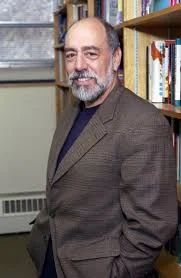
Sanford Schram is a noted American political scientist and author. Schram is on the faculty in the Political Science Department at Hunter College, CUNY and in the Sociology Department at the CUNY Graduate Center where he teaches in the doctoral program in Political Science. He is also active as a Faculty Associate at the Roosevelt House Public Policy Institute (which is part of Hunter College).
Sanford Schram
Political Science, Hunter College, CUNY

Sanford Schram is a noted American political scientist and author. Schram is on the faculty in the Political Science Department at Hunter College, CUNY and in the Sociology Department at the CUNY Graduate Center where he teaches in the doctoral program in Political Science. He is also active as a Faculty Associate at the Roosevelt House Public Policy Institute (which is part of Hunter College).
Schram has written six books and has co-authored, co-edited or been editor of nine others. Two of his books, the solely authored Words of Welfare (Minnesota, 1995) and Disciplining the Poor (Chicago, 2011)--co-authored with Joe Soss and Richard Fording--both received the American Political Science Association’s Michael Harrington Award for books dedicated to promoting social change. Disciplining the Poor has also received multiple other awards including in 2012 the Oliver Cromwell Cox Award from the American Sociological Association for the best book for combating racism.
In 2012, Schram received the Charles McCoy Career Achievement Award from the American Political Science Association (New Political Science Section) which is given each year to "a progressive political scientist who has had a long successful career as a writer, teacher, and activist." His work has appeared in the American Political Science Review, the American Journal of Political Science, the American Sociological Review, the American Journal of Sociology, and other academic journals, as well as The Washington Post and other mass media publications.
Previously, he taught social theory and social policy in the Graduate School of Social Work and Social Research at Bryn Mawr College. Schram is currently completing a book with Richard Fording entitled Hard White: Trump and the Alt-Right.
Working Group Affiliation

Michael Schwartz
Fellow, Disability Rights Clinic, Syracuse University College of Law
Michael Schwartz, a deaf lawyer, is an associate professor of law and has been the director of the Disability Rights Clinic in the Office of Clinical Legal Education at the Syracuse University College of Law since August 2004. Schwartz received his Bachelor of Arts degree in English from Brandeis University and a Master of Arts degree in Theater Arts from Northwestern University. He then joined the National Theater of the Deaf and toured the United States as D’Artagnan in Dumas’s The Three Musketeers.
Michael Schwartz
Associate Professor of Law and Director, Disability Rights Clinic, Syracuse University College of Law
Michael Schwartz, a deaf lawyer, is an associate professor of law and has been the director of the Disability Rights Clinic in the Office of Clinical Legal Education at the Syracuse University College of Law since August 2004. Schwartz received his Bachelor of Arts degree in English from Brandeis University and a Master of Arts degree in Theater Arts from Northwestern University. He then joined the National Theater of the Deaf and toured the United States as D’Artagnan in Dumas’s The Three Musketeers. When his tour ended, Schwartz enrolled in New York University School of Law where he obtained his JD degree and joined the New York State Bar. His first legal position was a judicial clerkship in the chambers of Federal District Judge Vincent L. Broderick of the United States District Court for the Southern District of New York. After his clerkship, Schwartz joined the Manhattan District Attorney’s Office as an Assistant District Attorney in the Office’s Appeals Bureau and served seven and one-half years. He then became a Trial Attorney in the Employment Litigation Section of the Civil Rights Division of the United States Department of Justice in Washington, D.C. Shortly thereafter he got married and relocated to New York City to practice law on his own for three years. During this time he was admitted to the Bars of the States of New Jersey and Connecticut. Schwartz then joined the Civil Rights Bureau of the New York State Department of Law as an Assistant Attorney General and successfully litigated the Office’s first Americans with Disabilities Act case, which established the right of a State Attorney General to bring an action under the ADA on behalf of the state’s residents with disabilities. Schwartz then left the Department of Law, obtained his LL.M degree from Columbia University School of Law, and joined the faculty at the Rochester Institute of Technology in Rochester, New York for the next four years. Schwartz then joined the law faculty at Syracuse University in 2004 and received his Ph.D. degree in Education with a concentration in Disability Studies from Syracuse University in May 2006.

Kyla Schuller
Fellow, Women’s and Gender Studies, Rutgers University, New Brunswick
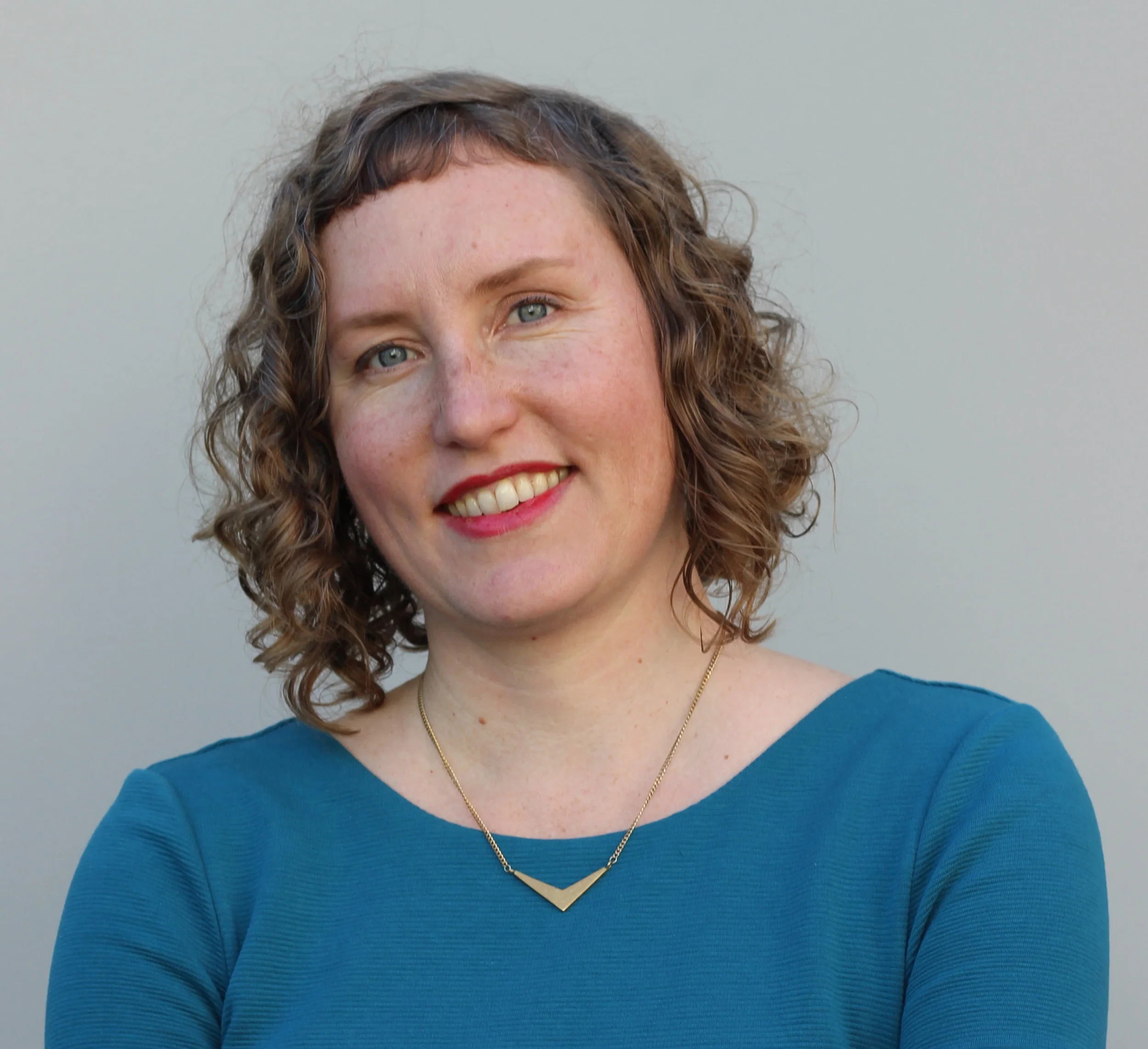
Kyla Schuller is Associate Professor of Women’s and Gender Studies at Rutgers University, New Brunswick and author of The Biopolitics of Feeling: Race, Sex, and Science in the Nineteenth Century (Durham, NC: Duke University Press, 2018).
Associate Professor, Women’s and Gender Studies, Rutgers University, New Brunswick

Kyla Schuller is Associate Professor of Women’s and Gender Studies at Rutgers University, New Brunswick and author of The Biopolitics of Feeling: Race, Sex, and Science in the Nineteenth Century (Durham, NC: Duke University Press, 2018). Her work at the intersections of feminist science studies and multiethnic cultural studies has been supported by the ACLS and Stanford Humanities Center and has appeared in American Quarterly, GLQ, Configurations, and other venues.
Working Group Affiliation
Samira Shackle
Fellow, Religion and the Global Framing of Gender Violence, Columbia University
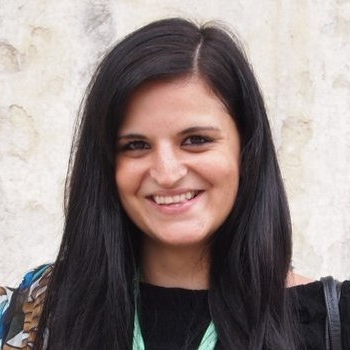
Samira Shackle is a freelance British journalist, writing mainly on politics, terrorism, and gender. Samira writes for The New Statesman, The Guardian, The Times, Vice, and many others. She has won multiple awards for her reporting and often sits on panels, generally discussing issues relating to international development, Islam, feminism, and terrorism. Samira has a B.A. in English Language and Literature from the University of Oxford.
Media Fellow, Religion and the Global Framing of Gender Violence

Samira Shackle is a freelance British journalist, writing mainly on politics, terrorism, and gender. Samira writes for The New Statesman, The Guardian, The Times, Vice, and many others. She has won multiple awards for her reporting and often sits on panels, generally discussing issues relating to international development, Islam, feminism, and terrorism. Samira has a B.A. in English Language and Literature from the University of Oxford.
Working Group Affiliation
Religion and the Global Reframing of Gender Violence, Media Fellow

Shagufta Shah
Fellow, Law, Sindh Muslim Law College
Shagufta Shah is an anti-violence violence advocate and counselor at the Arab-American Family Support Center (AAFSC) of New York. She joined AAFSC in 2013 as a Disaster Case Manager then promoted as Program Manager for the same project, when AAFSC operated a program to help families recover in the wake of Hurricane Sandy.
Shagufta Shah
Advocate and Counselor, Arab-American Family Support Center (AAFSC) of New York
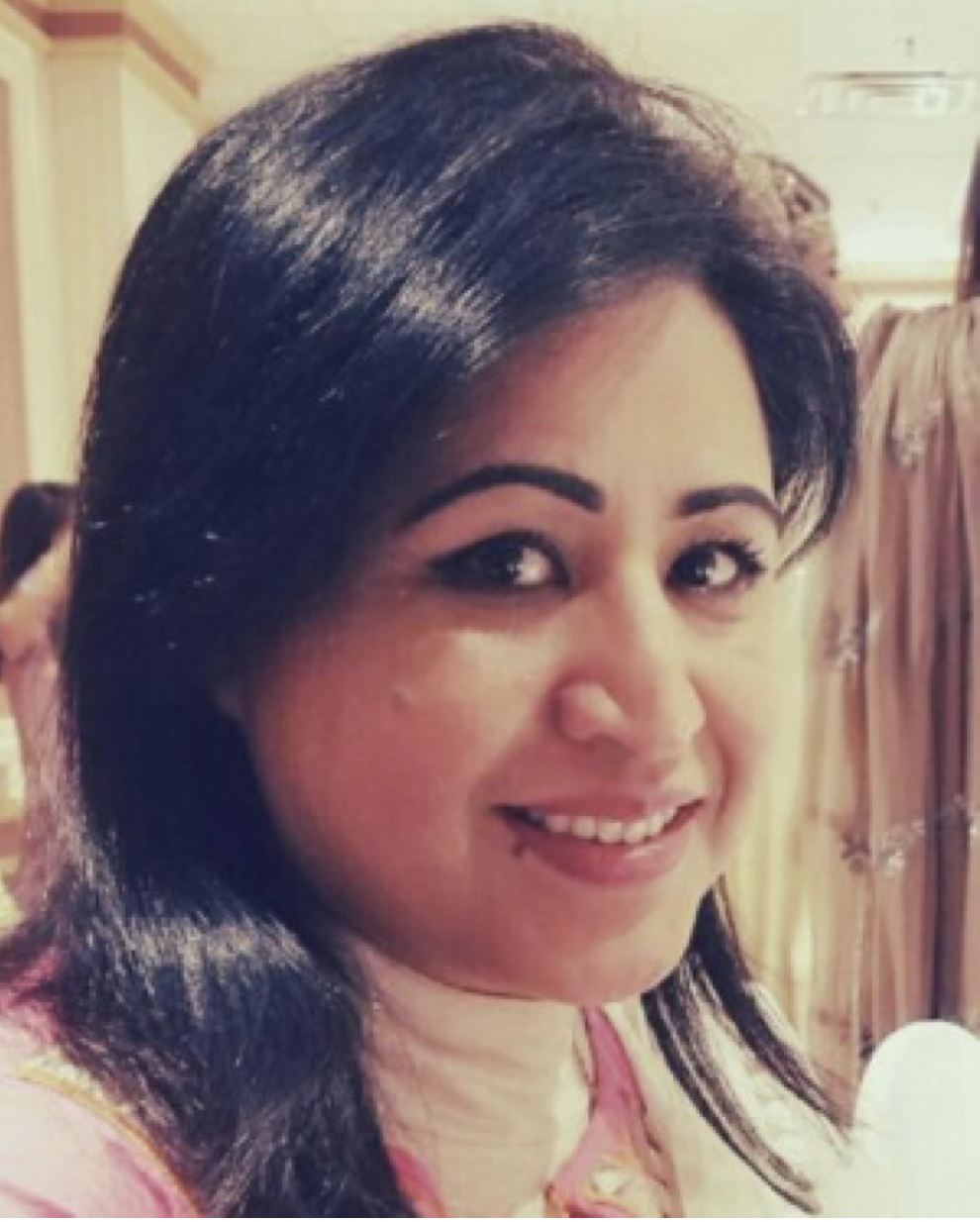
Shagufta Shah is an anti-violence violence advocate and counselor at the Arab-American Family Support Center (AAFSC) of New York. She joined AAFSC in 2013 as a Disaster Case Manager then promoted as Program Manager for the same project, when AAFSC operated a program to help families recover in the wake of Hurricane Sandy. She then took on the role of Advocate and Cultural Counselor in August 2015, providing culturally and linguistically competent services for victims of domestic violence in the form of crisis intervention, counseling, leading empowerment support groups, and community outreach and education. Prior to this, she served as a Manager in charge of Community Mobilization component for the International Rescue Committee health program and Deputy Director for Administration and Coordination for ERRA (Earthquake Reconstruction & Rehabilitation Authority) where she contributed at different levels in addition to working directly with the community. Ms. Shah has a Master of Laws (LLM) degree with a concentration in Human Rights, Criminology, and Islamic Law and her Bachelor of Laws degree from Sindh Muslim Law College, and MA "Coexistence and Conflict Management" from Brandies University. She also holds a Master of Arts degree in Education and a BA degree in social work from Karachi University.
Working Group Affiliation
Sa'diyya Shaikh
Fellow, Islamic Studies and Gender Studies, University of Cape Town
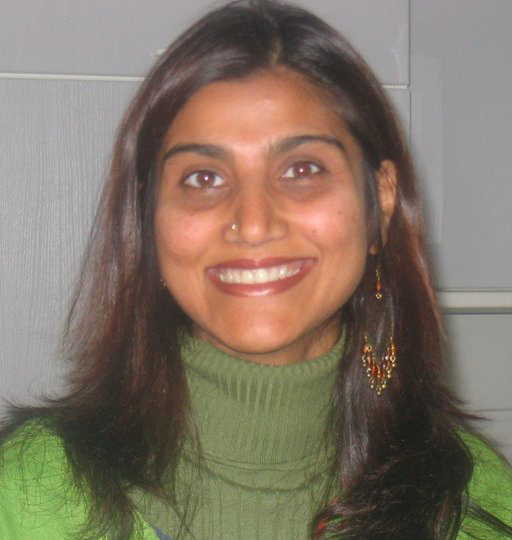
Working at the intersection of Islamic Studies and Gender Studies, Dr Shaikh has an interest in Sufism and its implications for Islamic feminism and feminist theory. Her book Sufi Narratives of Intimacy: Ibn ʿArabī, Gender and Sexuality is published by the University of North Carolina Press (2012). Her other areas of research cover issues of gender violence; feminist approaches to hadith and Quran; contraception and abortion; theoretical debates on Islam and feminism; Engaged Sufism and empirical research on South African Muslim women.
Senior Lecturer, University of Cape Town
Working at the intersection of Islamic Studies and Gender Studies, Dr Shaikh has an interest in Sufism and its implications for Islamic feminism and feminist theory. Her book Sufi Narratives of Intimacy: Ibn ʿArabī, Gender and Sexuality is published by the University of North Carolina Press (2012). Her other areas of research cover issues of gender violence; feminist approaches to hadith and Quran; contraception and abortion; theoretical debates on Islam and feminism; Engaged Sufism and empirical research on South African Muslim women.