

Nicki Berger
Doctoral Student, Oral History, Columbia University
Nicki Pombier Berger is an oral historian, educator, and interdisciplinary artist.
Nicki is on the faculty at The New School College of Performing Arts, where she teaches in the Drama BFA program. In collaboration with playwright Suli Holum, she is currently working as dramaturg on THE BAKKEN, an investigation of the Bakken shale, a rock formation roughly 350 million years old sitting deep below the surface of North Dakota.
Nicki Berger
Oral History Masters of Arts Program, Columbia University
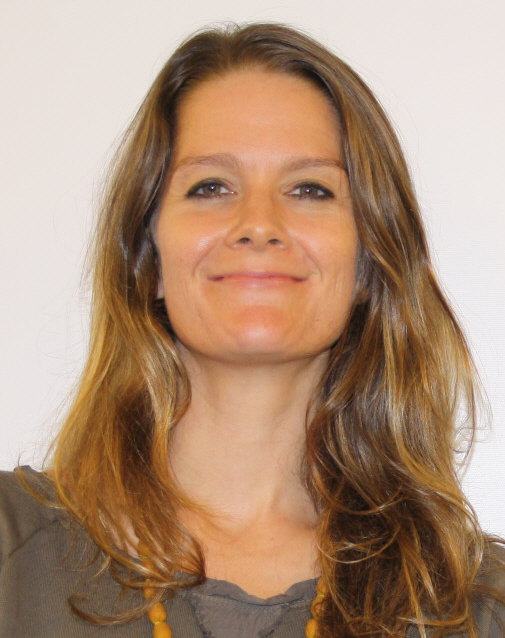
Nicki Pombier Berger is an oral historian, educator, and interdisciplinary artist.
Nicki is on the faculty at The New School College of Performing Arts, where she teaches in the Drama BFA program. In collaboration with playwright Suli Holum, she is currently working as dramaturg on THE BAKKEN, an investigation of the Bakken shale, a rock formation roughly 350 million years old sitting deep below the surface of North Dakota.
She is the Founding Editor of Underwater New York, an arts project of work inspired by the waterways of New York City. As an oral historian, Nicki has created and curated multimedia exhibits online and in public spaces, and designed and produced educational and experimental films. Presently, she is an Artist Resident for DISCOVERING SELINSGROVE, a public history pilot, using an arts- and oral history-based approach to document first-person experiences of institutionalization, run by The Institute on Disabilities at Temple University and funded by the Pew Center for Arts and Heritage. From 2014-2015, she worked on A Fierce Kind of Love, The Institute on Disabilities at Temple’s multifaceted arts-based project on the intellectual disability rights movement in Pennsylvania, for which Nicki co-curated content for a multimedia exhibit online and in the rotunda of the Pennsylvania State Capitol and Philadelphia’s City Hall (Here. Stories from Selinsgrove Center and KenCrest Services).
In 2015, she produced An Accidental Documentary, an experimental film drawing on personal and archival oral histories to teach a history of intellectual disability. From 2013-2104, she designed and produced the TILL Living Legacy Project, an educational film designed to engage human services staff in rethinking the complexity and humanity of people with intellectual disabilities, which won the 2015 Innovation Award from the Massachusetts Council of Human Service Providers. In 2013, she produced an online multimedia collection of stories from self-advocates with Down syndrome, “Nothing About Us Without Us.” From 2010-2013, she led several community engagement efforts at the national nonprofit organization, StoryCorps. From 2015-2017, she was a Research Fellow on the Robert Rauschenberg Oral History Project.
Nicki has a Master of Arts in Oral History from Columbia University (2013), a Master of Fine Arts in Writing from Sarah Lawrence College (2009), and a Bachelor of Science in the Foreign Service from Georgetown University (2001).
Working Group Affiliation
Liz Bowen
PhD Student, English and Comparative Literature, Columbia University
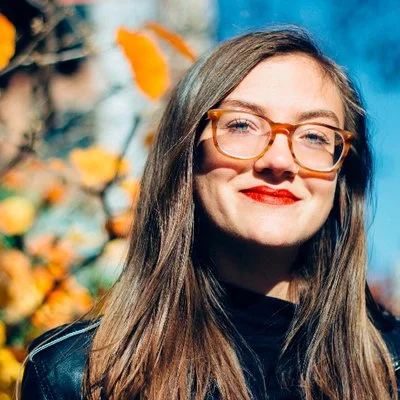
Liz Bowen is a Ph.D. candidate in English and comparative literature who works at the intersections of 20th and 21st century American literature, disability studies, and critical animal studies. Her dissertation, “Animal Abilities: Disability, Species Difference, and Aesthetic Innovation in the Long 20th Century,” traces the intertwined deployments of disability, animality, and cognitive otherness as sites for literary experimentation, from Faulkner to the Harlem Renaissance to contemporary poetics.
Liz Bowen
PhD Student, Department of English and Comparative Literature, Columbia University
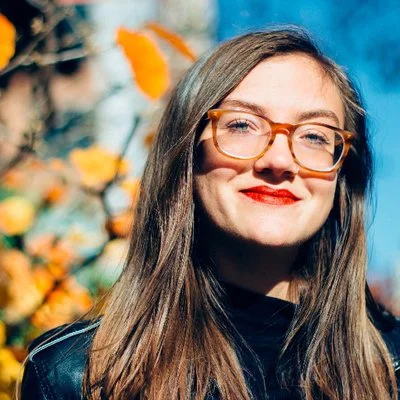
Liz Bowen is a Ph.D. candidate in English and comparative literature who works at the intersections of 20th and 21st century American literature, disability studies, and critical animal studies. Her dissertation, “Animal Abilities: Disability, Species Difference, and Aesthetic Innovation in the Long 20th Century,” traces the intertwined deployments of disability, animality, and cognitive otherness as sites for literary experimentation, from Faulkner to the Harlem Renaissance to contemporary poetics. She has published critical reviews in The Journal of Literary and Cultural Disability Studies and Humanimalia: A Journal of Human/Animal Interface Studies, and her essay “On Outcast Women, Dog Love, and Abjection between Species” will be included in the edited collection Animaladies, forthcoming from Bloomsbury. Liz has been the graduate organizer for Columbia’s University Seminar on Disability, Culture, and Society for the past three years, and she is also pursuing a certificate in feminist scholarship from the Institute for Research on Women, Gender, and Sexuality. She has been the instructor of record for both writing composition and literary studies courses, including an upper-level seminar of her own design called Animal Modernisms.
Liz is also a widely published poet and poetry critic. Her first full-length poetry collection, Sugarblood, was published by Metatron Press in 2017, and her chapbook Compassion Fountain is forthcoming from Hyacinth Girl Press in 2018. Her poems and essays have appeared in Boston Review, The Wanderer, Dream Pop Press, Cosmonauts Avenue, The Atlas Review, and elsewhere. She is also on the poetry staff at Anomaly magazine. For further publications, press, and CV, please visit her website at liz-bowen.com.
Working Group Affiliation

Christopher Cadham
Doctoral Student, Sociomedical Sciences, Columbia University
Christopher is a second year Master of Public Health student at Columbia University’s Mailman School of Public Health in the Department of Sociomedical Sciences. His certificate is in History, Ethics and Law. He received a Bachelor of Arts in Anthropology from McGill University in Montreal, Canada. His research interest is in using ethics to assess how policies in the fields of public health and medicine work to balance efficacy, efficiency, and effectiveness.
Christopher Cadham
Graduate Student, Sociomedical Sciences, Mailman School of Public Health, Columbia University

Christopher is a second year Master of Public Health student at Columbia University’s Mailman School of Public Health in the Department of Sociomedical Sciences. His certificate is in History, Ethics and Law. He received a Bachelor of Arts in Anthropology from McGill University in Montreal, Canada. His research interest is in using ethics to assess how policies in the fields of public health and medicine work to balance efficacy, efficiency, and effectiveness. His fascination with precision medicine stems from the anthropology of the body and the implications that precision medicine has on phenomenological experience. Essentially, how can the body be changed without the mind (or experience of the mind) be changed? His year of public health studies has raised further questions about the efficacy of precision medicine specifically with regard to notions of justice. The history of public health repeatedly shows public, rather than precision have been the most effective interventions for improving health outcomes. Public interventions in water, hygiene and sanitation, vaccination programs and robust health systems have and continue to prevent millions of deaths worldwide. Yet, the recent turn in the United States and other countries has been towards the individualized precision medicine. In addition to being an Associate Fellow of the Precision Medicine: Ethics, Politics, and Culture working group, Christopher is also a Philanthropy Fellow at the New York Community Trust in the Health and People with Special Needs, and the Environment portfolios. He has also interned at Columbia University’s Earth Institute as well as at the United Nations Joint Programme on HIV/AIDS.
Working Group Affiliation
Christopher Cardona
PhD Student, Integrated Program in Cellular, Molecular, and Biomedical Studies, Columbia University
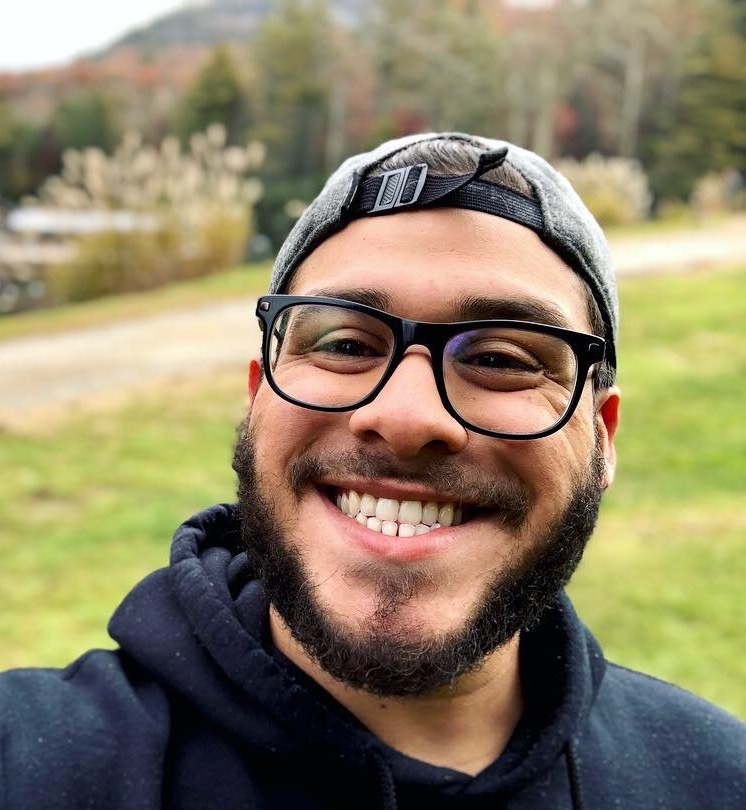
Christopher Cardona is a first year doctoral student in the integrated program in Cellular, Molecular, and Biomedical Studies. He is excited to learn about the multiple aspects of precision medicine and how we can begin incorporating these in scientific research. He is currently working on muscle invasive bladder cancer in mouse models and will be working on Alzheimer's next semester. Both labs use comprehensive and computational tools to identify important regulators of these processes.
Christopher Cardona
PhD Student, Integrated Program in Cellular, Molecular, and Biomedical Studies, Vagelos College of Physicians and Surgeons, Columbia University
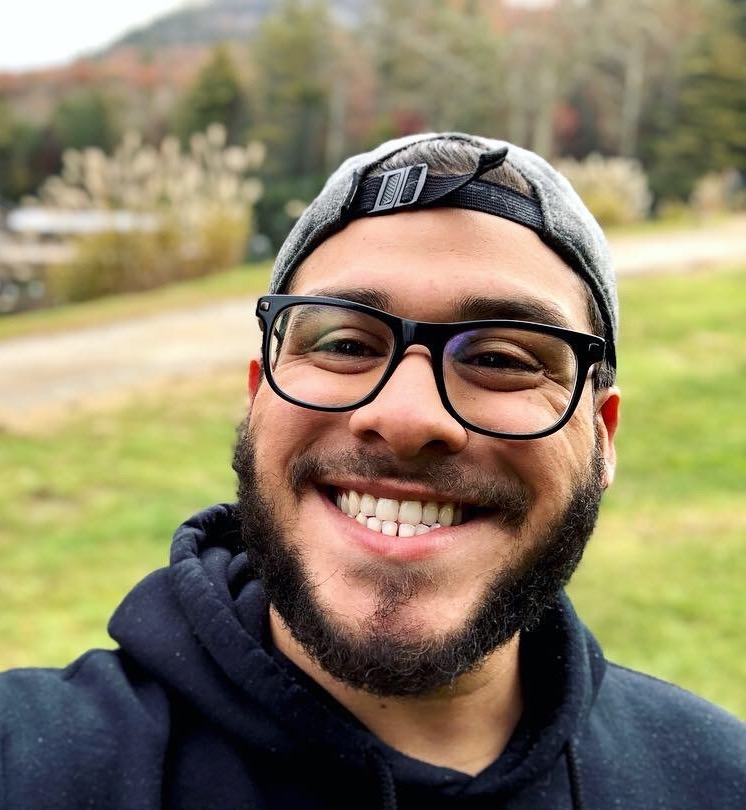
Christopher Cardona is a first year doctoral student in the integrated program in Cellular, Molecular, and Biomedical Studies. He is excited to learn about the multiple aspects of precision medicine and how we can begin incorporating these in scientific research. He is currently working on muscle invasive bladder cancer in mouse models and will be working on Alzheimer's next semester. Both labs use comprehensive and computational tools to identify important regulators of these processes.
Working Group Affiliation
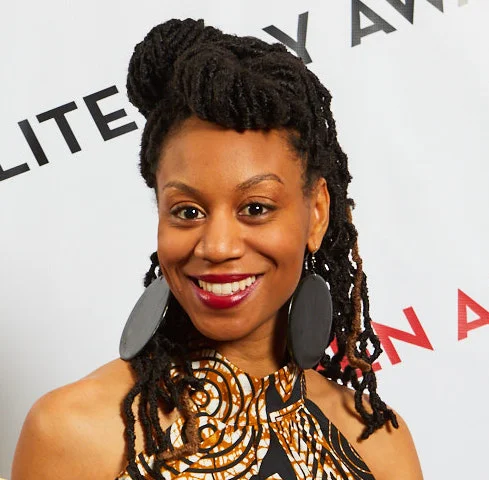
Noni Carter
PhD Candidate, French and Romance Philology, Columbia University
Noni Carter is a historical and speculative fiction author. She has published work in RSA Journal, Kweli Journal (forthcoming August 2019), and is the author of the YA historical fiction novel, Good Fortune (Simon & Schuster, 2010), winner of the Parent’s Choice Gold award. She is a 2016 graduate of Voices of Our Nation and the recipient of the 2019 PEN/Phyllis Naylor Working Writer Fellowship for her work-in-progress novel Womb Talk.
Noni Carter
PhD Candidate, Department of French and Romance Philology, Columbia University
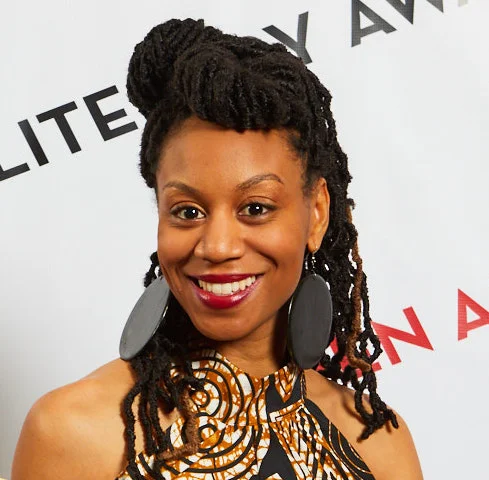
Noni Carter is a historical and speculative fiction author. She has published work in RSA Journal, Kweli Journal (forthcoming August 2019), and is the author of the YA historical fiction novel, Good Fortune (Simon & Schuster, 2010), winner of the Parent’s Choice Gold award. She is a 2016 graduate of Voices of Our Nation and the recipient of the 2019 PEN/Phyllis Naylor Working Writer Fellowship for her work-in-progress novel Womb Talk.
Noni is currently finishing a PhD in French and Francophone studies with a focus on memory, gender, and slavery in the literary traditions of the Black diaspora, specifically the French Caribbean. She works as editorial assistant with Small Axe Journal and as rapporteur for Columbia’s Cultural Memory Seminar. She served as a 2018-2019 grad fellow for the Institute on Women, Gender, and Sexuality. She has a forthcoming essay in volume 2 of theComparative Literary History of Modern Slavery book project.
Working Group Affiliation
Transnational Black Feminisms
Zip Code Memory Project: Practices of Justice and Repair, Social Engagement Project
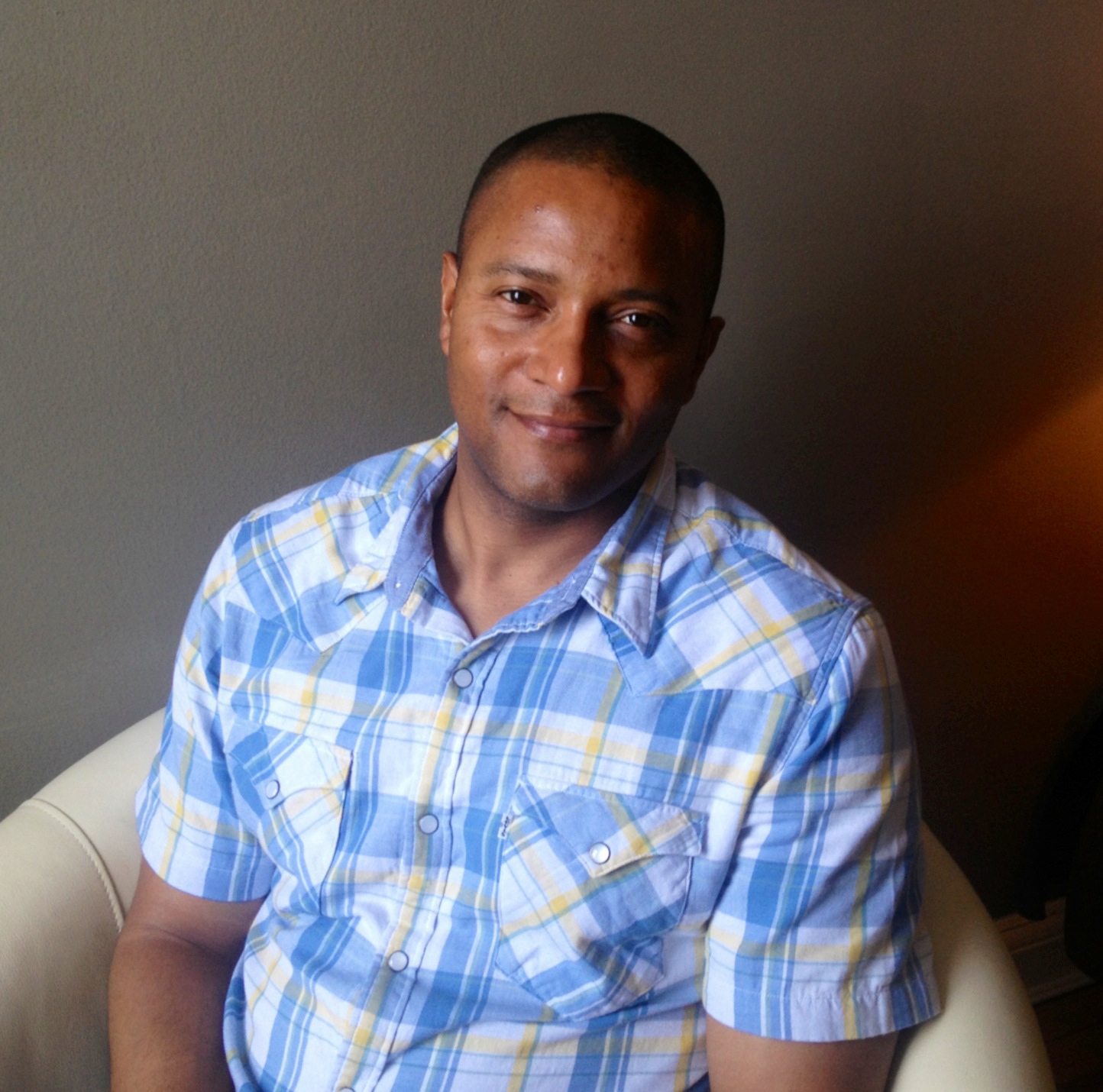
Henry Castillo
Doctoral Student, Cultural Studies, New York University
Henry Castillo is a doctoral student in the Department of Performance Studies at New York University. He holds a B.A. in Applied Linguistics (Honors) from the University of California--Los Angeles and an M.A. in Performance Studies form New York University. His research interests include race and ethnicity; women, gender, and sexuality; memory and "Intangible Cultural Heritage" in the Americas; Blackness in Latin America; and Afro-Colombian "heritage" practices and performance.
Henry Castillo
Cultural Studies, NYU
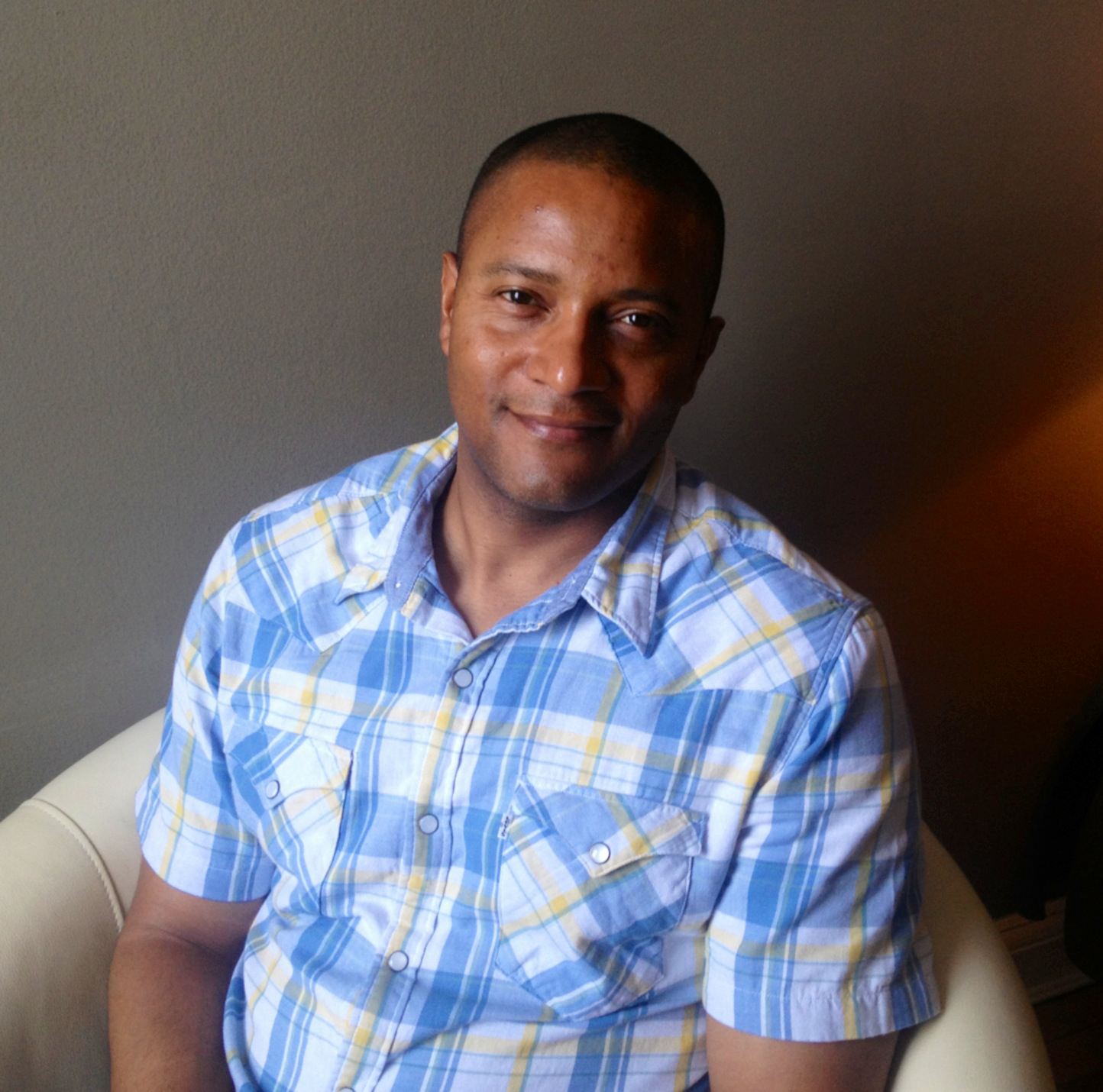
Henry Castillo is a doctoral student in the Department of Performance Studies at New York University. He holds a B.A. in Applied Linguistics (Honors) fromt he University of California--Los Angeles and an M.A. in Performance Studies form New York University. His research interests include race and ethnicitiy; women, gender, and sexuality; memory and "Intangible Cultural Heritage" in the Americas; Blackness in Latin America; and Afro-Colombian "heritage" practices and performance. Outside academia, he is an actor and former member of the Colombian avant-garde theatre group Teatro Experimental de Cali and was led by the late Maestro Enrique Buenaventura. Henry also collaborates with the Hemispheric Institute of Performance and Politics as Editorial Assistant of digital books.
Working Group Affiliation

Luca A Castro Figari
Doctoral Student, Performance and Cultural Theorist, Columbia University
Luca A Castro Figari is a performance and cultural theorist, organizer, survivor and healer, and multimedia artist specializing in behavioral, ideological, and intimacy control structures. They've received awards in poetry and creative writing, perform and play-write professionally, are recording their first album, publish film and social criticism, and were Peruvian National Champion in Tae-Kwon-Do.
Luca A Castro Figari
Masters Student in Performance Studies, New York University
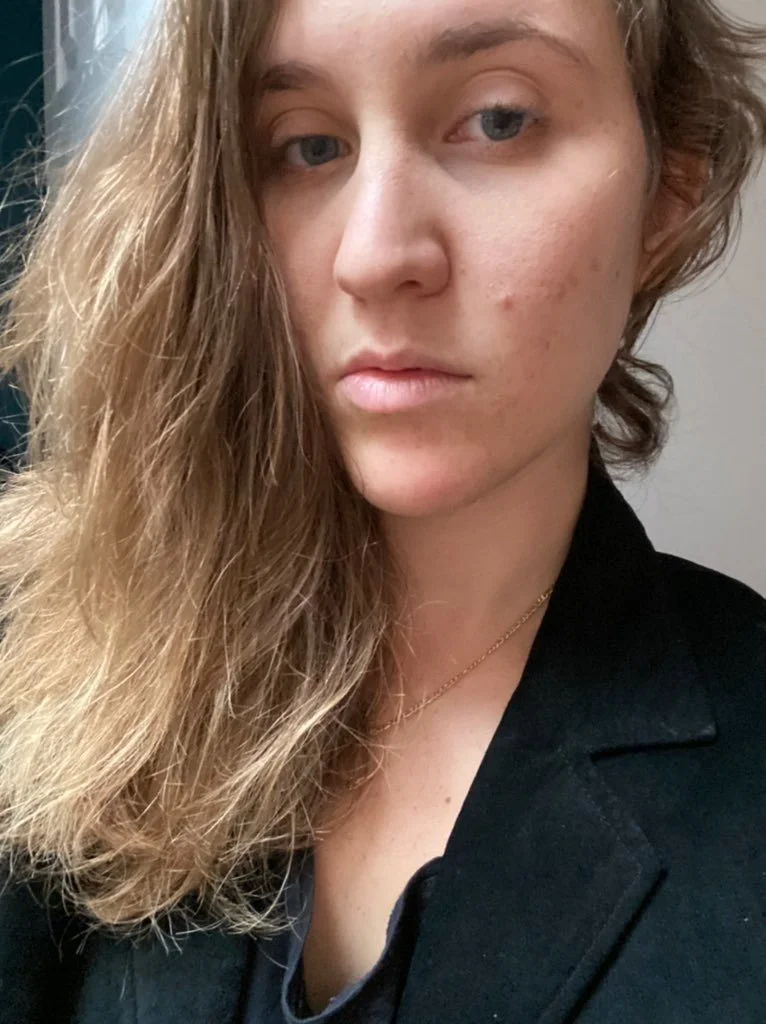
Luca A Castro Figari is a performance and cultural theorist, organizer, survivor and healer, and multimedia artist specializing in behavioral, ideological, and intimacy control structures. They've received awards in poetry and creative writing, perform and play-write professionally, are recording their first album, publish film and social criticism, and were Peruvian National Champion in Tae-Kwon-Do. Zadie Smith personally selected them for her months-long master class, making them the only participant who doesn't speak English as their first language, and they're currently working with the Red Cross on a play. They've received scholarships to study in Paris, New York, Abu Dhabi, and to share their work in London. They're completing a Masters in Performance Studies at New York University.
Social Engagement Project Affiliation
Sohini Chattopadhyay
Sohini Chattopadhyay is a PhD Candidate in the History Department at Columbia University. Her dissertation focuses on the science of managing mass death in colonial cities, with a particular interest in Bombay and Calcutta among other cities in the early twentieth century.
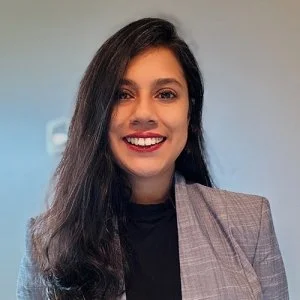
I am a historian of South Asia. My research spans from colonialism to its aftermath, with particular interests in the comparative studies of urban history, labor histories, and the history of science and technology.
My current book project studies the intersections between Science and Technology Studies and South Asian history through the history of the crematorium, as the object transformed working class death rites and community histories in Bombay and Calcutta (present day Mumbai and Kolkata). I argue for the need to study the disjunctive and regionally varied colonial histories of science and technology in British India, and I demonstrate that the regional variations were necessary (and often strategic) outcomes of colonial science's engagement with labor, caste, and community hierarchies.
Drawing from my interest in bodies and technologies, my second book project focuses on the business and social histories of sanitary napkins in colonial to Cold War era South Asia.
Working Group Affiliation
Geographies of Injustice: Gender and the City, Graduate Assistant

Stephanie Chen
Graduate Student, Clinical Psychology, Teachers College, Columbia University
Stephanie Chen, B.A., is currently working at the Center for OCD and Related Disorders on studies relating to Obsessive-Compulsive Disorder (OCD) at New York State Psychiatric Institute (NYSPI). Stephanie graduated from Rutgers University with a degree in Psychology in 2012. Prior to joining the Anxiety Disorders Clinic at NYSPI, she coordinated a joint-project study on medication adherence at Mount Sinai Hospital and Columbia University. Stephanie’s research interest is finding the most effective treatments for anxiety disorders. After completing her M.A.
Stephanie Chen
Graduate Student, Clinical Psychology, Teachers College, Columbia University

Stephanie Chen, B.A., is currently working at the Center for OCD and Related Disorders on studies relating to Obsessive-Compulsive Disorder (OCD) at New York State Psychiatric Institute (NYSPI). Stephanie graduated from Rutgers University with a degree in Psychology in 2012. Prior to joining the Anxiety Disorders Clinic at NYSPI, she coordinated a joint-project study on medication adherence at Mount Sinai Hospital and Columbia University. Stephanie’s research interest is finding the most effective treatments for anxiety disorders. After completing her M.A. degree in Clinical Psychology at Teachers College, Columbia University, Stephanie hopes to pursue a Ph.D. in clinical psychology.
Working Group Affiliation
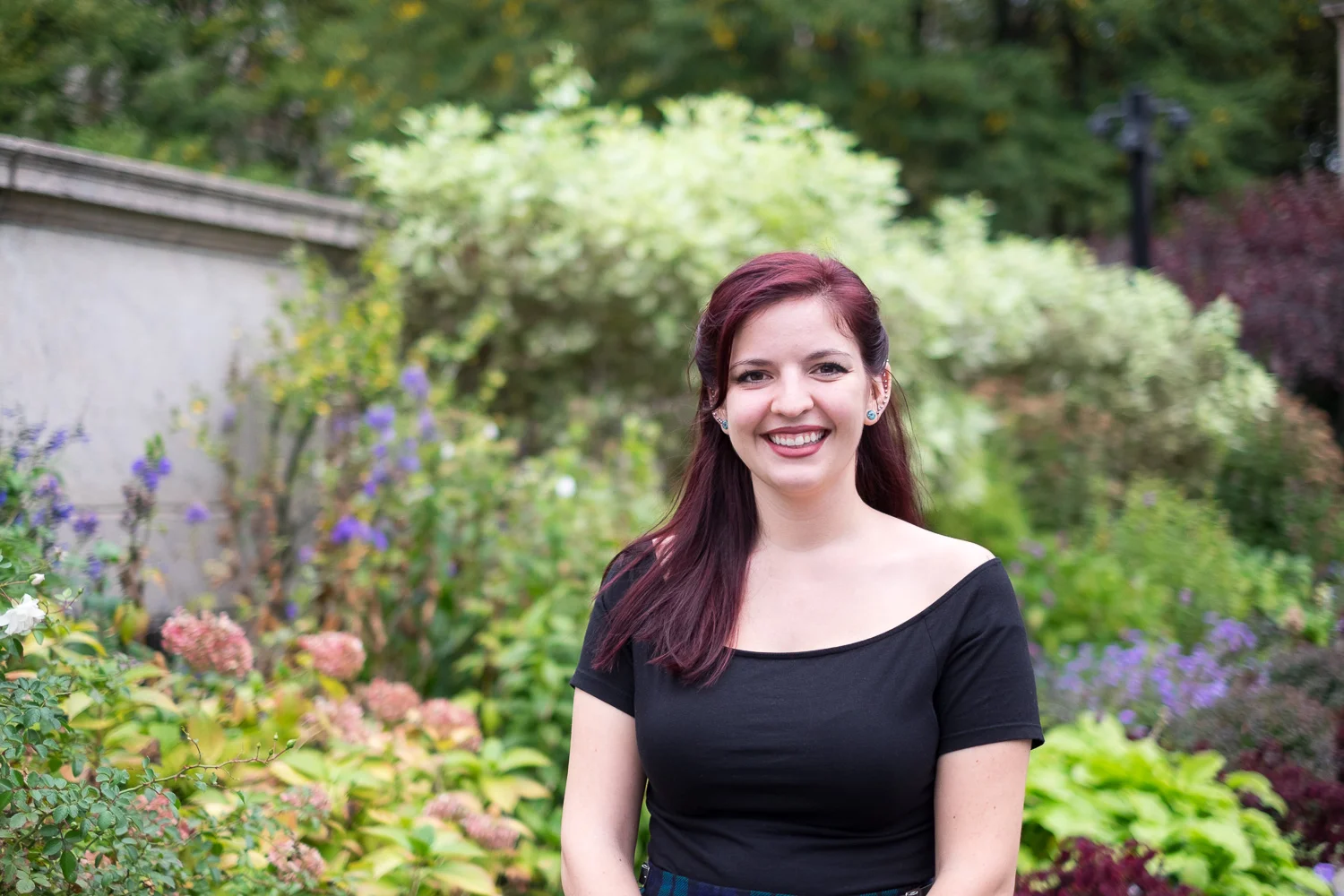
Michelle Chouinard
Human Rights and Humanitarian Policy Concentration Coordinator, School of International and Public Affairs, Columbia University
Michelle Chouinard is the New York Regional Representative for the coalition organization Human Rights Educators (HRE) USA. Prior to joining SIPA, she served as the Education Program Coordinator for the Institute for the Study of Human Rights.
Michelle Chouinard
Human Rights and Humanitarian Policy Concentration Coordinator, School of International and Public Affairs, Columbia University
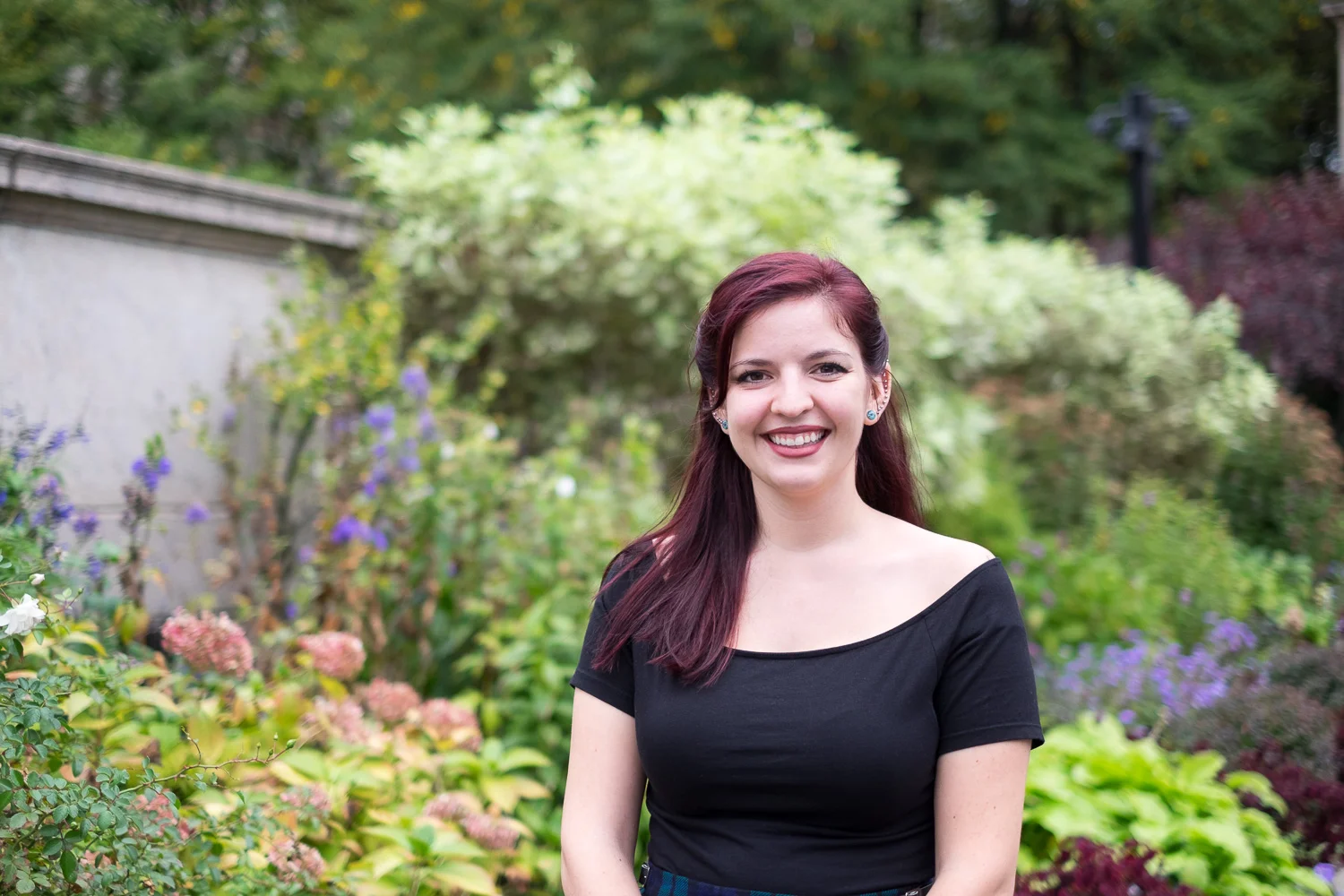
Michelle Chouinard is the Human Rights and Humanitarian Policy Concentration Coordinator at Columbia University’s School of International and Public Affairs (SIPA). She is also the New York Regional Representative for the coalition organization Human Rights Educators (HRE) USA. Prior to joining SIPA, Michelle served as the Education Program Coordinator for the Institute for the Study of Human Rights. Michelle received her MA degree in Human Rights Studies at Columbia University with a specialization in localization efforts of international human rights law in the United States. She holds a BA in anthropology and gender studies from the University of Massachusetts Boston.
Working Group Affiliation
Menstrual Health and Gender Justice, Coordinator

Katherine Cohn
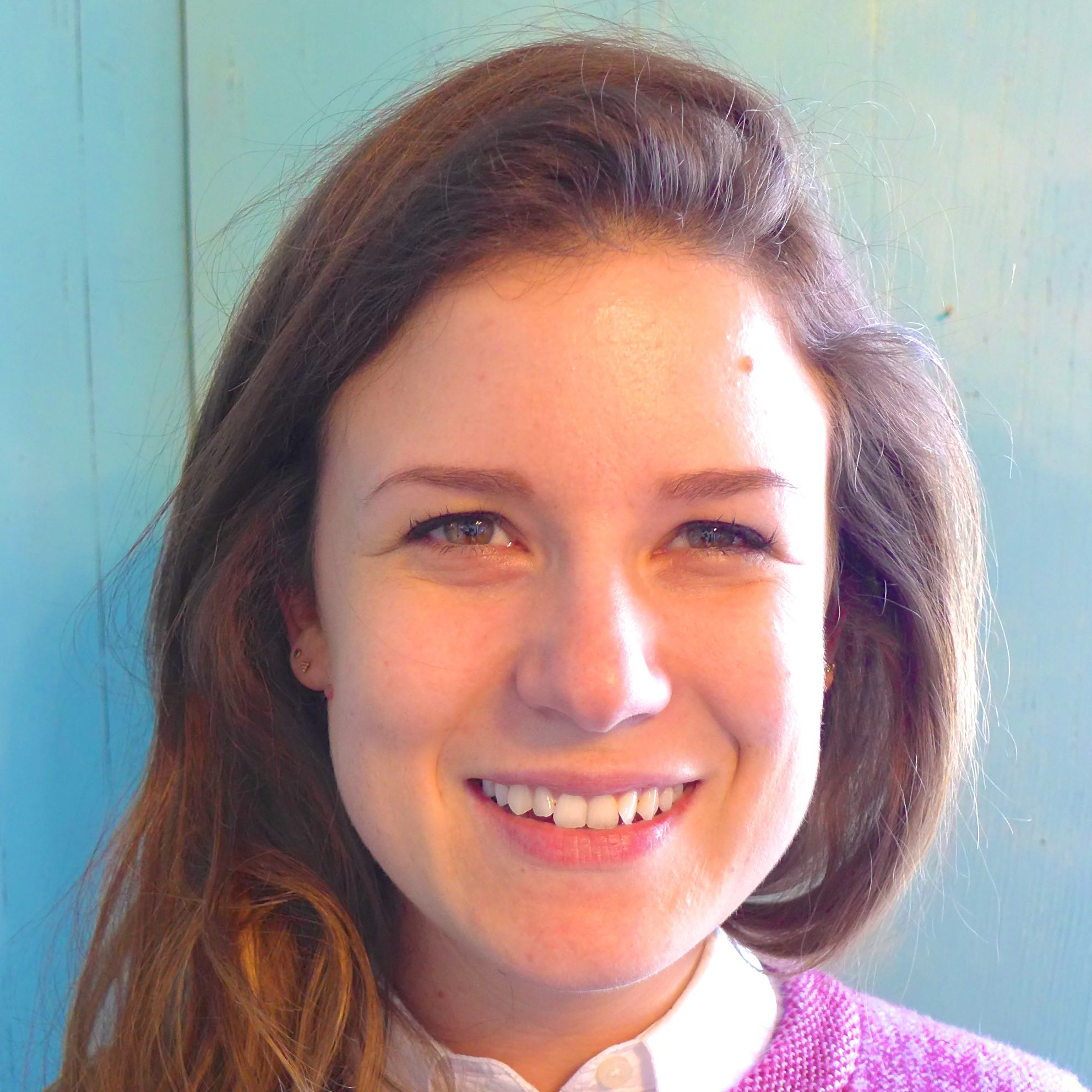
Katherine Cohn is a Master's student in Art History and Archaeology at Columbia University in the MODA Program.
Katherine Cohn
Katherine Cohn is a Master's student in Art History and Archaeology at Columbia University in the MODA Program.
César Colón-Montijo
Graduate Student, Music, Columbia University
César Colón-Montijo is a journalist and doctoral candidate in ethnomusicology at Columbia University. He obtained a Master's in anthropology and audiovisual communication from the University of Barcelona, Spain in 2005, and previously completed a B. A. in communications at the University of Puerto Rico, Río Piedras Campus in 2003. César is the editor of the Cocinando Suave: Ensayos de Salsa en Puerto Rico (2015), a landmark collection of scholarly, historical, and journalistic essays, poems, and photo-essays about the histories of salsa.
César Colón-Montijo
Graduate Student, Music, Columbia University
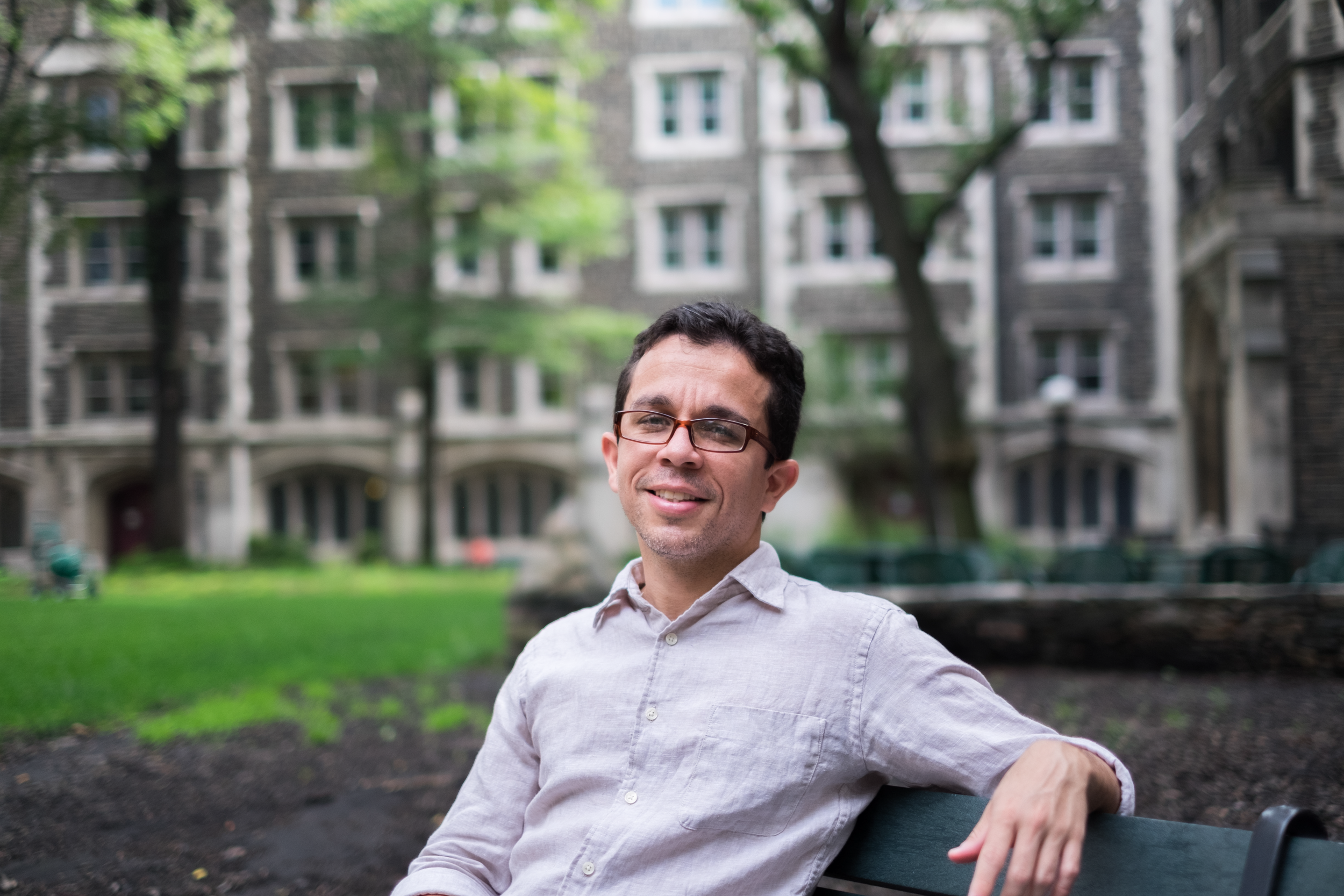
César Colón-Montijo is a journalist and doctoral candidate in ethnomusicology at Columbia University. He obtained a Master's in anthropology and audiovisual communication from the University of Barcelona, Spain in 2005, and previously completed a B. A. in communications at the University of Puerto Rico, Río Piedras Campus in 2003. César is the editor of the Cocinando Suave: Ensayos de Salsa en Puerto Rico (2015), a landmark collection of scholarly, historical, and journalistic essays, poems, and photo-essays about the histories of salsa. He recently published Viaje a La Casita: Notas de Plena en el Rincón Criollo (2016), an ethnographic chronicle based on his research about Puerto Rican music and culture in the South Bronx. His doctoral dissertation studies the music and legacy of Afro-Puerto Rican salsa singer Ismael ‘Maelo’ Rivera (1931-1987). Through ethnographic research conducted in Venezuela, Panamá, Puerto Rico, and New York since 2006, César studies the politico theological specters haunting Maelo’s oeuvre and the ways in which his music serves as a medium for the articulation of affective relations amongst his fans, peers, friends, and family in these geographies.
Working Group Affiliation
Unpayable Debt: Capital, Violence, and the New Global Economy
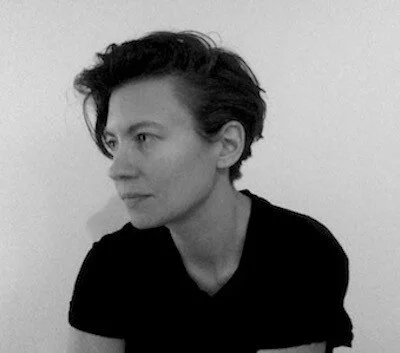
M Constantine
Ph.D. candidate, Anthropology, Columbia University.
M. Constantine is a Ph.D. candidate in Anthropology at Columbia University. She is a writer and editor and has produced publications and projects with a number of art and architecture organizations including Slavs and Tatars, the Whitney Museum of American Art, and Cornell University Department of Architecture. Her dissertation focuses on collectivity and the politics of knowledge in contemporary art, analyzing the interface where the political imaginaries and pragmatic concerns of critical collectives meet the institutional and discursive structures of the art world in which they circulate.
M Constantine
Ph.D. Candidate, Anthropology, Columbia University.

M Constantine is a Ph.D. candidate in Anthropology at Columbia University. She is a writer and editor and has produced publications and projects with a number of art and architecture organizations including Slavs and Tatars, the Whitney Museum of American Art, and Cornell University Department of Architecture. Her dissertation focuses on collectivity and the politics of knowledge in contemporary art, analyzing the interface where the political imaginaries and pragmatic concerns of critical collectives meet the institutional and discursive structures of the art world in which they circulate. Her research explores how aesthetic concepts and practices shape the transformation of lives, intimacies, and social power.
Working Group Affiliation
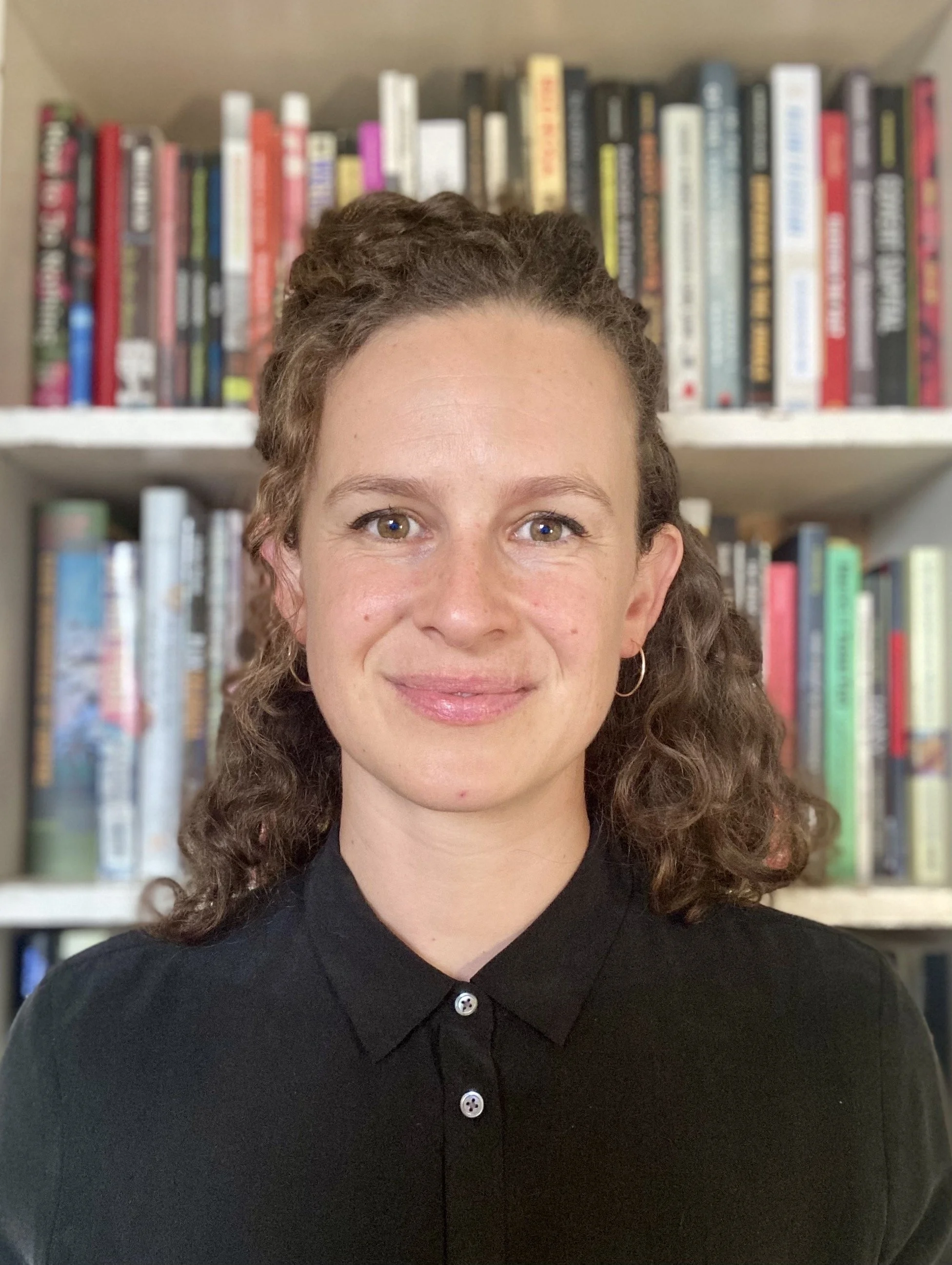
Emma Shaw Crane
Emma Shaw Crane is a Postdoctoral Fellow in the Society of Fellows at Columbia University, where she is affiliated with the Center for the Study of Race and Ethnicity and the Department of Anthropology. She received her PhD in American Studies from New York University in 2021.
Emma Shaw Crane
Emma Shaw Crane is a Postdoctoral Fellow in the Society of Fellows at Columbia University, where she is affiliated with the Center for the Study of Race and Ethnicity and the Department of Anthropology. She received her PhD in American Studies from New York University in 2021. Emma is a scholar of race, urban space, and U.S. empire in the Americas. Her in-progress book manuscript explores the routinization of counterinsurgent war in a peripheral suburb of Miami, Florida, and possibilities for refuge, remediation, and repair in the wake of war. She researches and writes with a coalition of community organizers fighting the intersection of carceral and environmental violence in South Florida.
Working Group: Refugee Cities
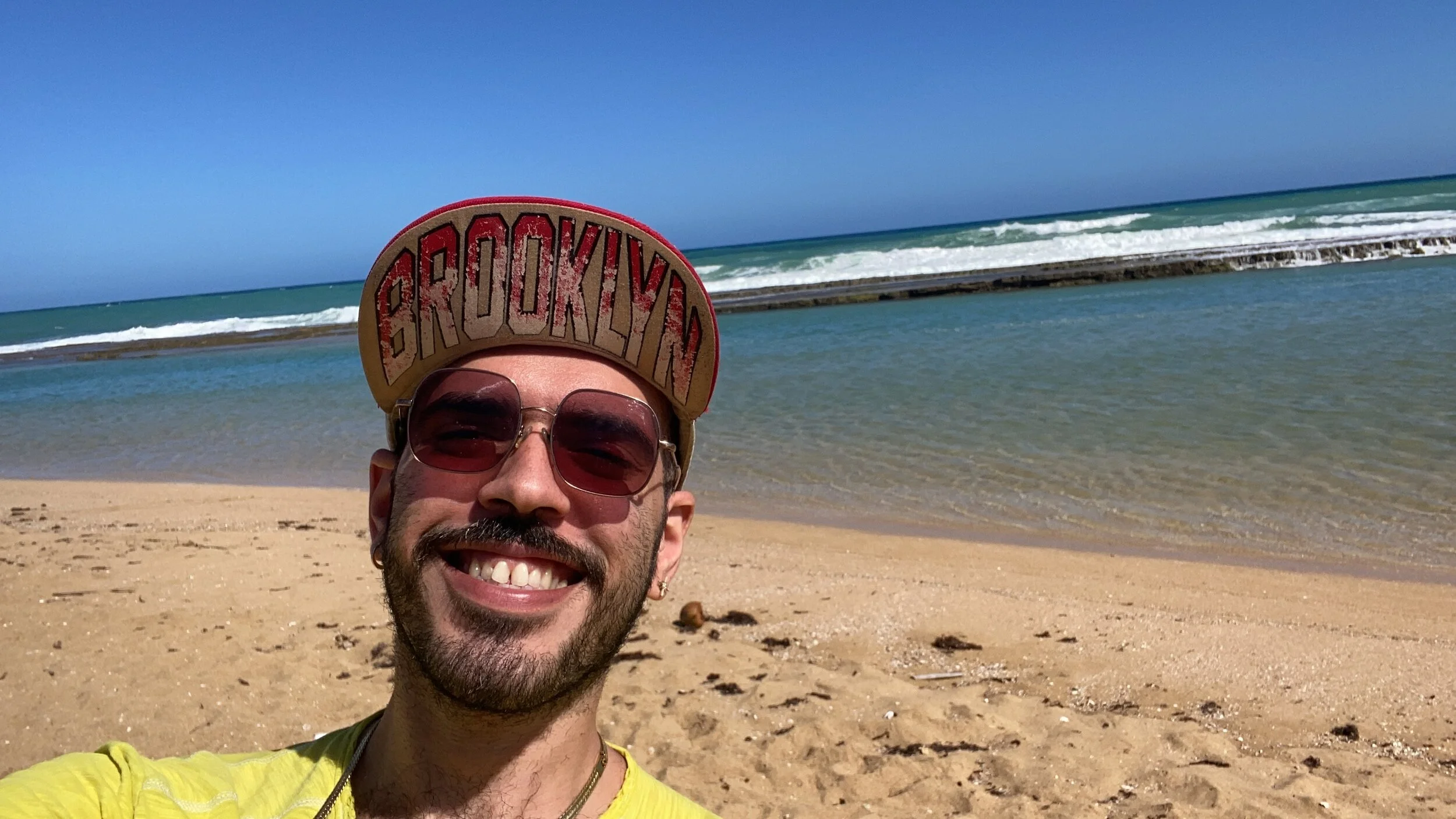
Gabriel Carle
Ph.D. candidate, Spanish and Portuguese Languages and Literatures, NYU
Gabriel Carle (San Juan, 1993) completed a B.A. in Escritura Creativa at Universidad de Puerto Rico, Río Piedras, and an M.F.A. in Creative Writing in Spanish at New York University. Their creative and academic research interests center on issues of Queerness, Indigeneity, and Blackness in Caribbean literature and activism.
Gabriel Carle
Ph.D. candidate, Spanish and Portuguese Languages and Literatures, NYU
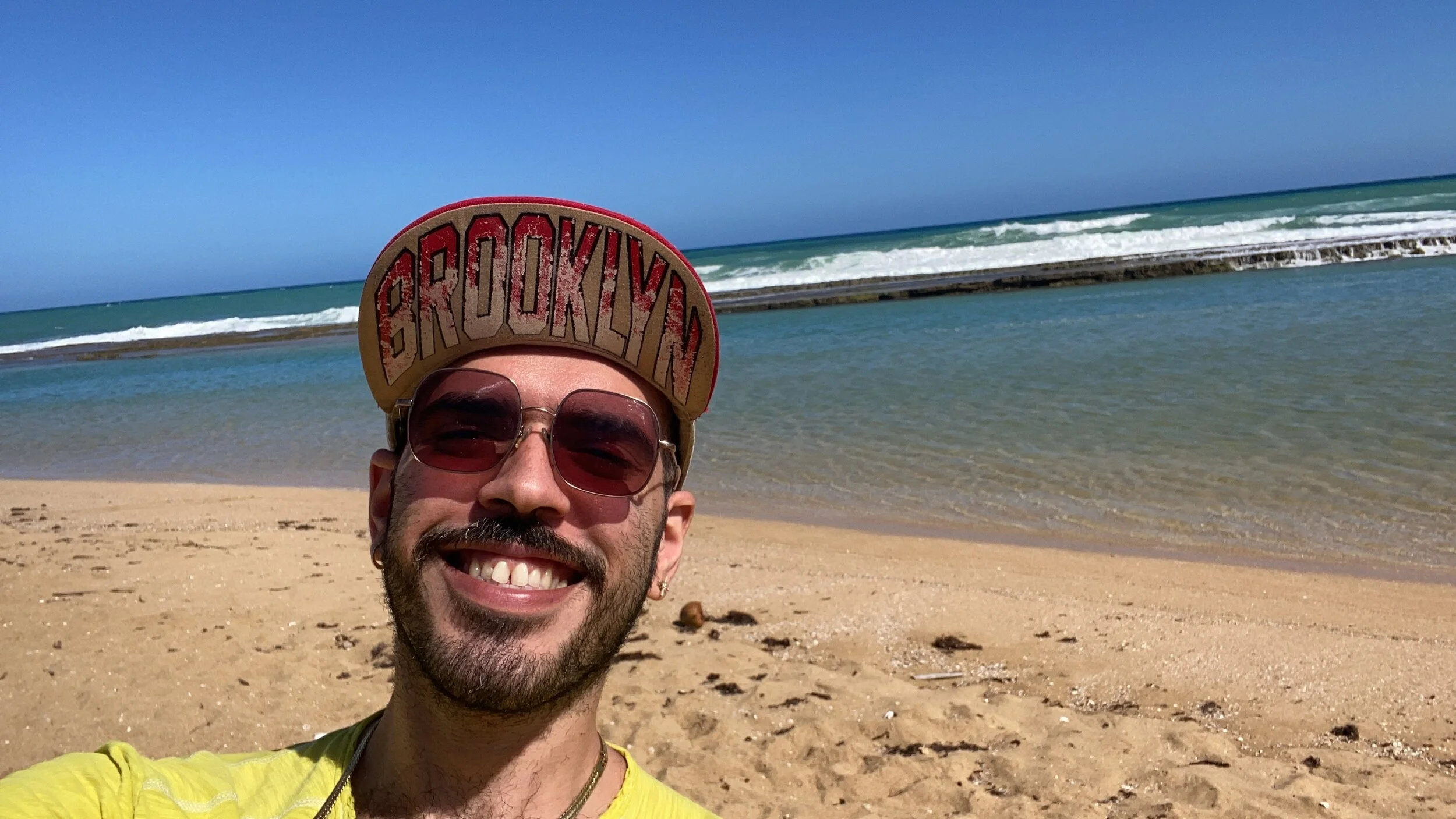
Gabriel Carle (San Juan, 1993) completed a B.A. in Escritura Creativa at Universidad de Puerto Rico, Río Piedras, and an M.F.A. in Creative Writing in Spanish at New York University. Their creative and academic research interests center on issues of Queerness, Indigeneity, and Blackness in Caribbean literature and activism. They have won literary prizes at UPR-RP and University of Houston. In 2018, they published their first short story collection, Mala leche. They are currently pursuing a Ph.D. in Spanish and Portuguese Languages and Literatures at NYU.
Working Group Affiliations
Zip Code Memory Project: Practices of Justice and Repair, Social Engagement Project
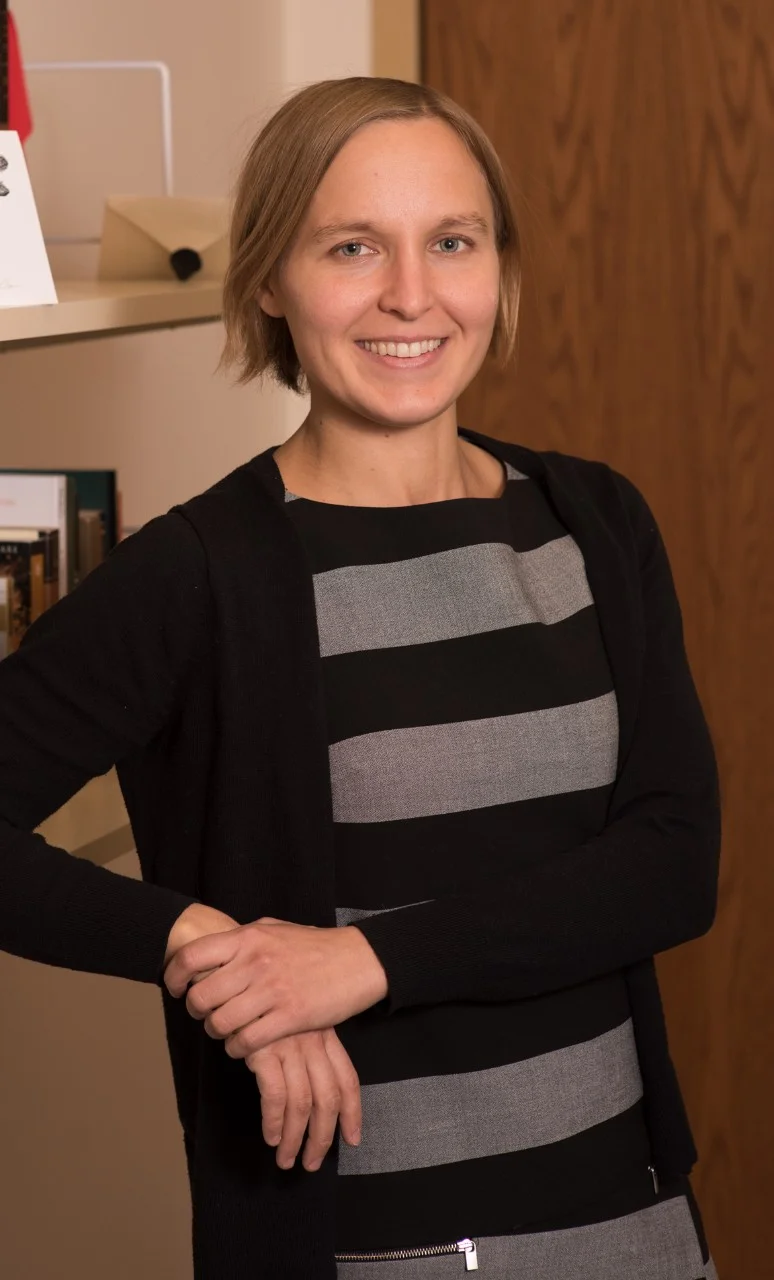
Andrea Crow
PhD Student
Andrea Crow is a PhD student at Columbia in the department of English and Comparative literature. Her research focuses on seventeenth-century literature and food politics as well as on academic labor and the future of the university. Her work has been published in Early Modern Women and Shakespeare Quarterly, and she has been the recipient of a grant-in-aid from the Folger Shakespeare Library to pursue her research. Andrea received a B.A. in English with a minor in Latin from Gonzaga University and an M.A.
Andrea Crow
Assistant Professor, Boston College
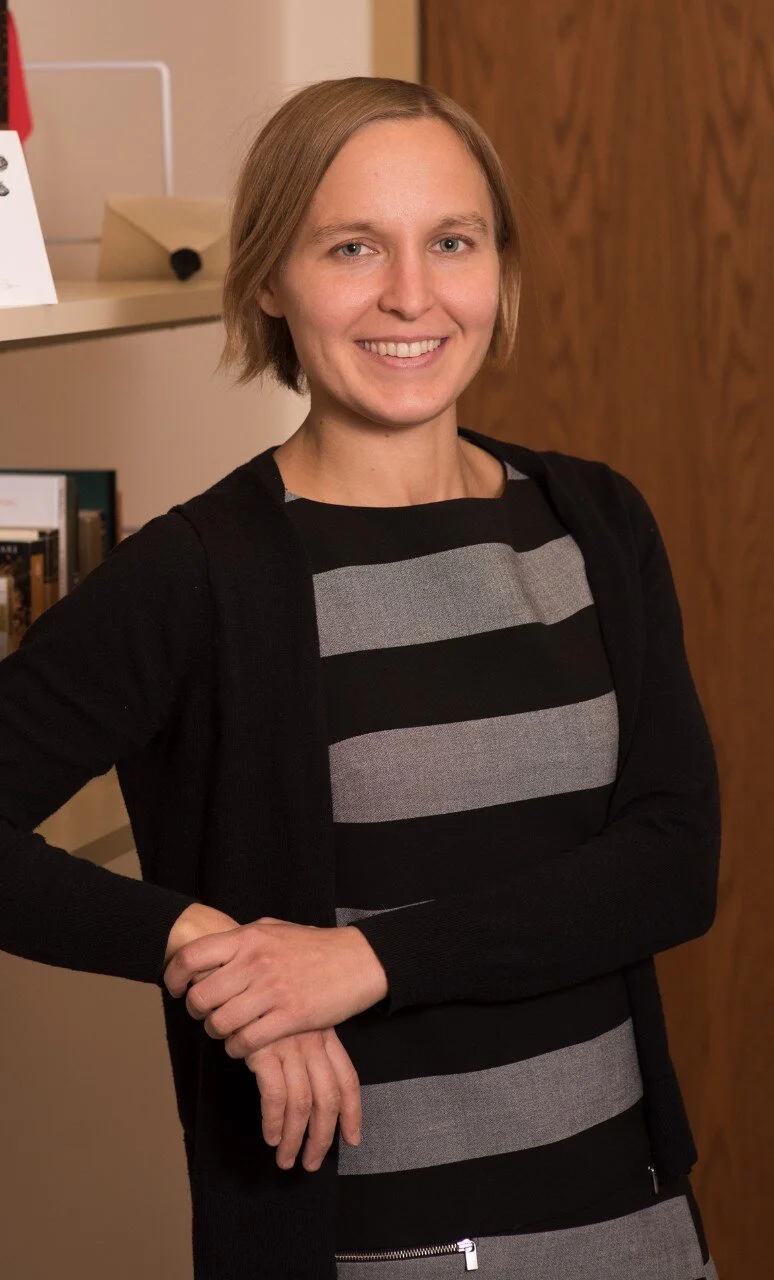
Andrea Crow specializes in early modern English poetry and drama. She is currently working on a book project on diet and food scarcity in seventeenth-century Anglophone literature. Her research interests include food history, gender and sexuality studies, the intersection of England and the Arab world, and academic labor and the future of the university. Her work has appeared or is forthcoming in Christianity and Literature, Early Modern Women, Shakespeare Quarterly, and SEL Studies in English Literature 1500-1900.
Working Group Affiliation
Nijah Cunningham
Doctoral candidate, Department of English and Comparative Literature
Nijah Cunningham is a doctoral candidate in the Department of English and Comparative Literature at Columbia University and the editorial assistant for Small Axe. He is currently working on a dissertation that focuses on the interplay between literature, performance, and the question of a black aesthetic that emerges out of the 1960s moment and across three African diasporic nodes in Senegal, Jamaica, and the United States.
Nijah Cunningham
Doctoral candidate, Department of English and Comparative Literature
Nijah Cunningham is a doctoral candidate in the Department of English and Comparative Literature at Columbia University and the editorial assistant for Small Axe. He is currently working on a dissertation that focuses on the interplay between literature, performance, and the question of a black aesthetic that emerges out of the 1960s moment and across three African diasporic nodes in Senegal, Jamaica, and the United States.
Working Group Affiliation
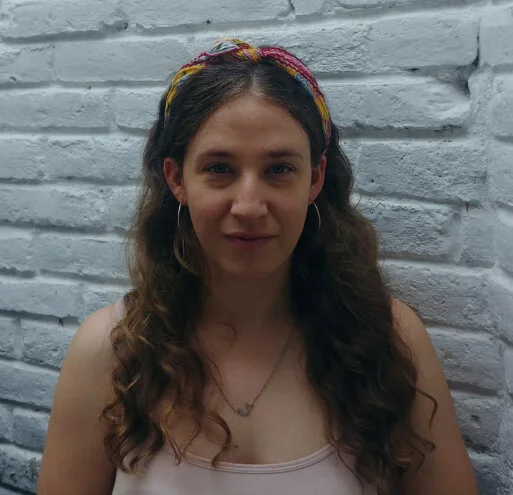
Bárbara Pérez Curiel
Ph.D. student, Department of Spanish and Portuguese, New York University
Bárbara Pérez Curiel is a Ph.D. student at New York University's Department of Spanish and Portuguese. She holds a Master's degree in Modern Languages (Spanish) from the University of Oxford and a Bachelor's degree in Modern Languages (German) from the National Autonomous University of Mexico (UNAM).
Bárbara Pérez Curiel
Ph.D. student, Department of Spanish and Portuguese, New York University

Bárbara Pérez Curiel is a Ph.D. student at New York University's Department of Spanish and Portuguese. She holds a Master's degree in Modern Languages (Spanish) from the University of Oxford and a Bachelor's degree in Modern Languages (German) from the National Autonomous University of Mexico (UNAM). Her current research interests revolve around contemporary Mexican and Central American literature, cinema, and journalism. In the last five years, she has worked as an editor, journalist, and translator for Mexican and international media outlets and publishing houses.
Working Group Affiliations
Zip Code Memory Project: Practices of Justice and Repair, Social Engagement Project

Lindsey Dayton
PhD Student, History, Lawrence College
Lindsey Dayton is a second-year PhD student in the field of U.S. History, focusing on African American, gender, and labor history in the 20th century. She received a BA in liberal arts and an MA in women’s history from Sarah Lawrence College in Bronxville, NY. Her MA thesis, “From Heavy Iron Blues to I Pay my Union Dues,” explored black women laundry workers’ successful efforts to organize a union in New York City during the Great Depression.
Lindsey Dayton
PhD Student, History

Lindsey Dayton is a second-year PhD student in the field of U.S. History, focusing on African American, gender, and labor history in the 20th century. She received a BA in liberal arts and an MA in women’s history from Sarah Lawrence College in Bronxville, NY. Her MA thesis, “From Heavy Iron Blues to I Pay my Union Dues,” explored black women laundry workers’ successful efforts to organize a union in New York City during the Great Depression. After completing her master’s degree she worked in the hospitality industry in Chicago and was active in organizing hotel, restaurant, and food service workers there and in New York. Research interests include the dynamics of race, gender, and sexuality in the organizing of black women in the urban north; the history of the radical left and leftist coalitions; and the impact of migration and immigration on black protest politics around issues of labor. She is currently researching domestic worker organizing in Manhattan and Brooklyn during the Great Depression.
Working Group Affiliation
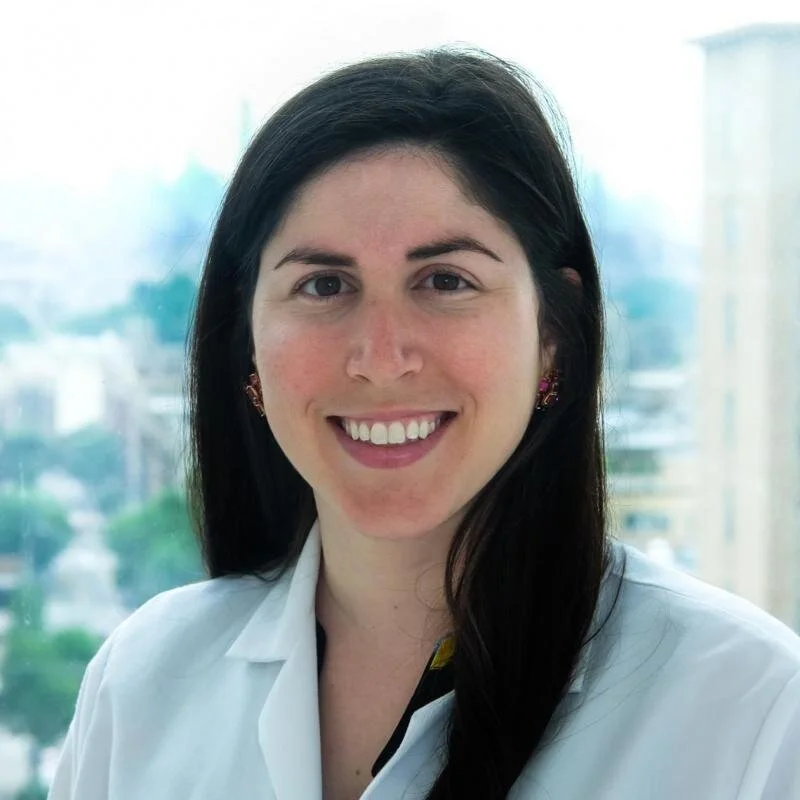
Ersilia DeFilippis
Doctoral Student, Medicine & Cardiology, Columbia University
Ersilia DeFilippis is a second year Postdoctoral Clinical Fellow in the Seymour, Paul and Gloria Milstein Division of Cardiology in the Columbia University Department of Medicine. She completed her undergraduate degree at Yale University and attended Weill Cornell Medicine for medical school. Ersilia’s residency was done at Brigham and Women’s Hospital.
Ersilia DeFilippis
Postdoctoral Clinical Fellow, Columbia University Department of Medicine, Cardiology

Ersilia DeFilippis is a second year Postdoctoral Clinical Fellow in the Seymour, Paul and Gloria Milstein Division of Cardiology in the Columbia University Department of Medicine. She completed her undergraduate degree at Yale University and attended Weill Cornell Medicine for medical school. Ersilia’s residency was done at Brigham and Women’s Hospital.
Working Group Affiliation
Women’s Heart Disease Awareness: Digital Intervention, Creating Change, Coordinator