
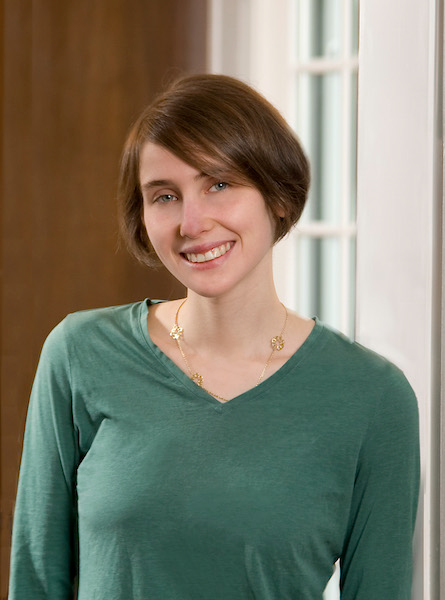
Emily Groopman
Doctoral Student, Human Evolutionary Biology, Columbia University College of Physicians and Surgeons
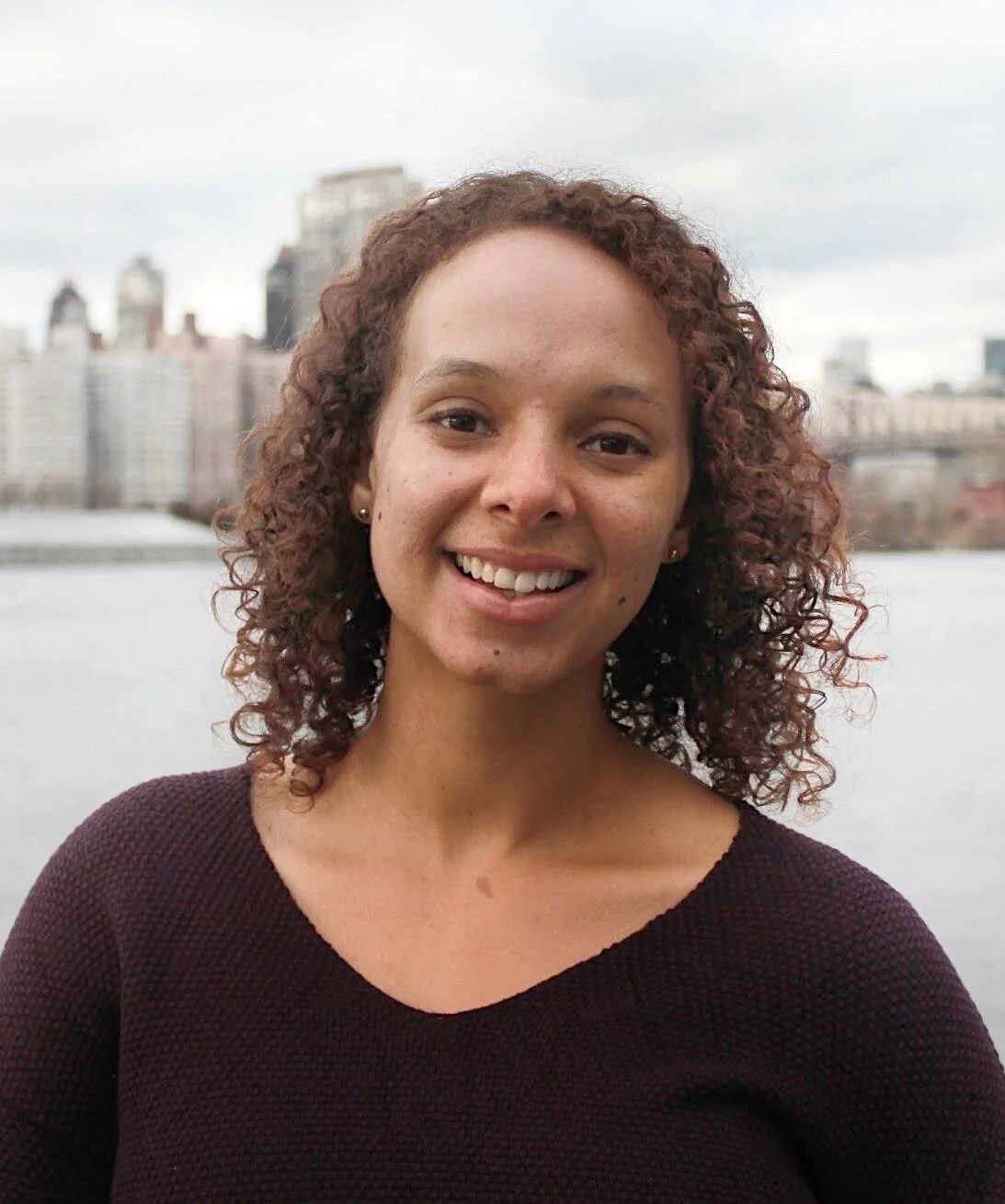
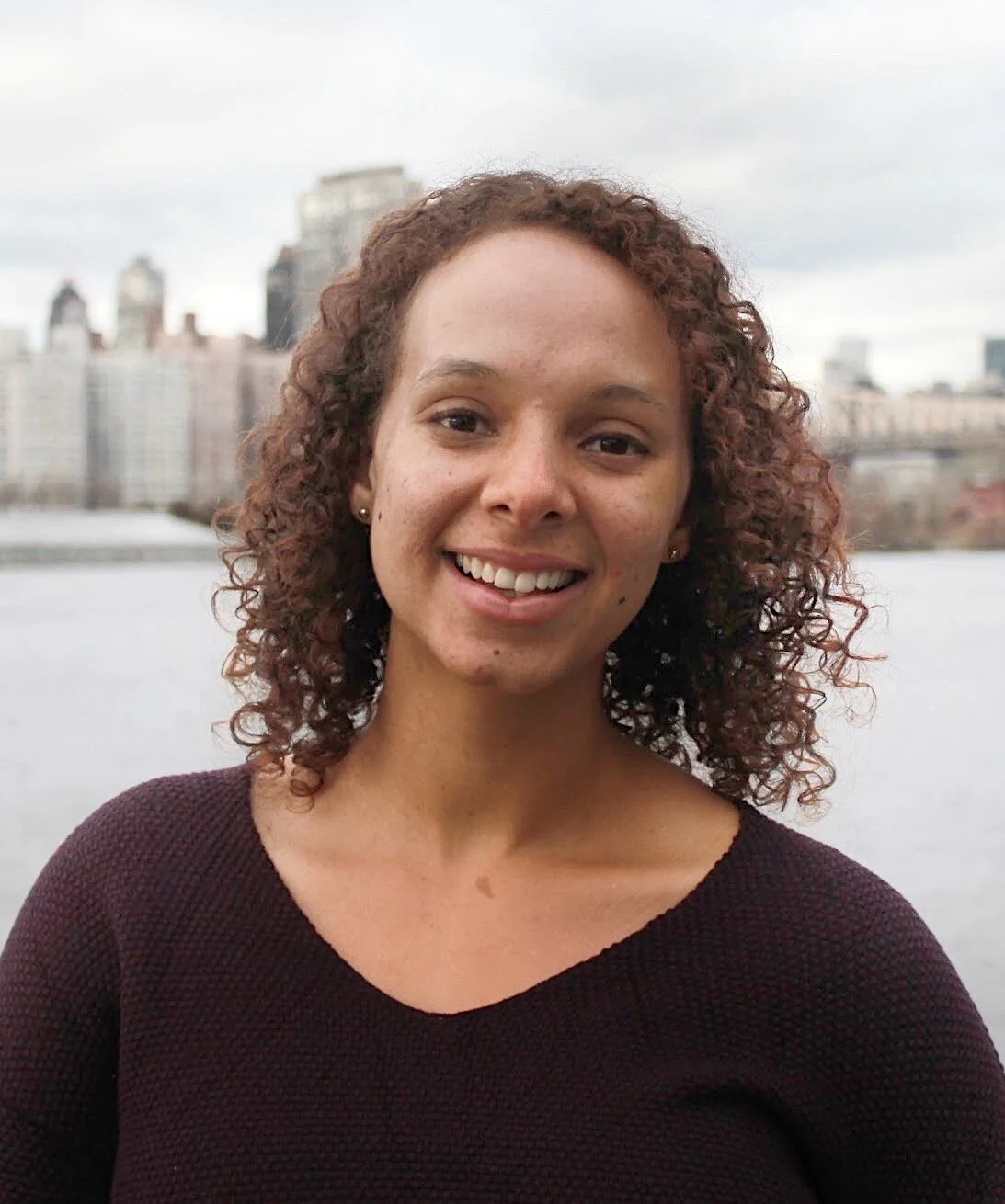
Emily Groopman is a third year MD/PhD student at Columbia University College of Physicians and Surgeons. She was born and raised in Brookline, MA, and graduated magna cum laude with Highest Honors in Human Evolutionary Biology from Harvard College. Her PhD research, in the lab of Dr. Ali Gharavi, applies genomic methods to discover variants predisposing individuals to different forms of chronic kidney disease, in order to deliver personalized diagnoses and treatment. Her interests include bioethics, medical humanism, and integrating cultural differences into the delivery of care.
Emily Groopman
Graduate Student, Columbia University College of Physicians and Surgeons

Emily Groopman is a fourth year MD/PhD student at Columbia University College of Physicians and Surgeons. She was born and raised in Brookline, MA, and graduated magna cum laude with Highest Honors in Human Evolutionary Biology from Harvard College. Her PhD research, in the lab of Dr. Ali Gharavi, applies genomic sequencing technologies for genetic diagnosis and discovery for individuals with chronic kidney disease. Her interests include personalized medicine, bioethics, medical humanism, and integrating cultural differences into the delivery of care.
Working Group Affiliation

Jenny Gumer
Doctoral Student, Bioethics, Columbia University
Jenny Gumer is an attorney practicing in the litigation department of Gibson Dunn and Crutcher, Los Angeles. As a member of the firm's FDA, Healthcare and Life Sciences practices groups, she advises pharmaceutical and medical device companies on regulatory compliance as well as represents them in large scale litigations. Jenny is also a student in Columbia University's Masters in Bioethics program which she will complete in Spring 2017.
Jenny Gumer
Graduate Student, Bioethics, Columbia University

Jenny Gumer is an attorney practicing in the litigation department of Gibson Dunn and Crutcher, Los Angeles. As a member of the firm's FDA, Healthcare and Life Sciences practices groups, she advises pharmaceutical and medical device companies on regulatory compliance as well as represents them in large scale litigations. Jenny is also a student in Columbia University's Masters in Bioethics program which she will complete in Spring 2017. Prior to joining Gibson Dunn, Jenny received her Juris Doctorate from New York University, School of Law and her Bachelors in Science in Biology/Genetics from the University of California, San Diego where she was elected to Phi Beta Kappa.
Working Group Affiliation
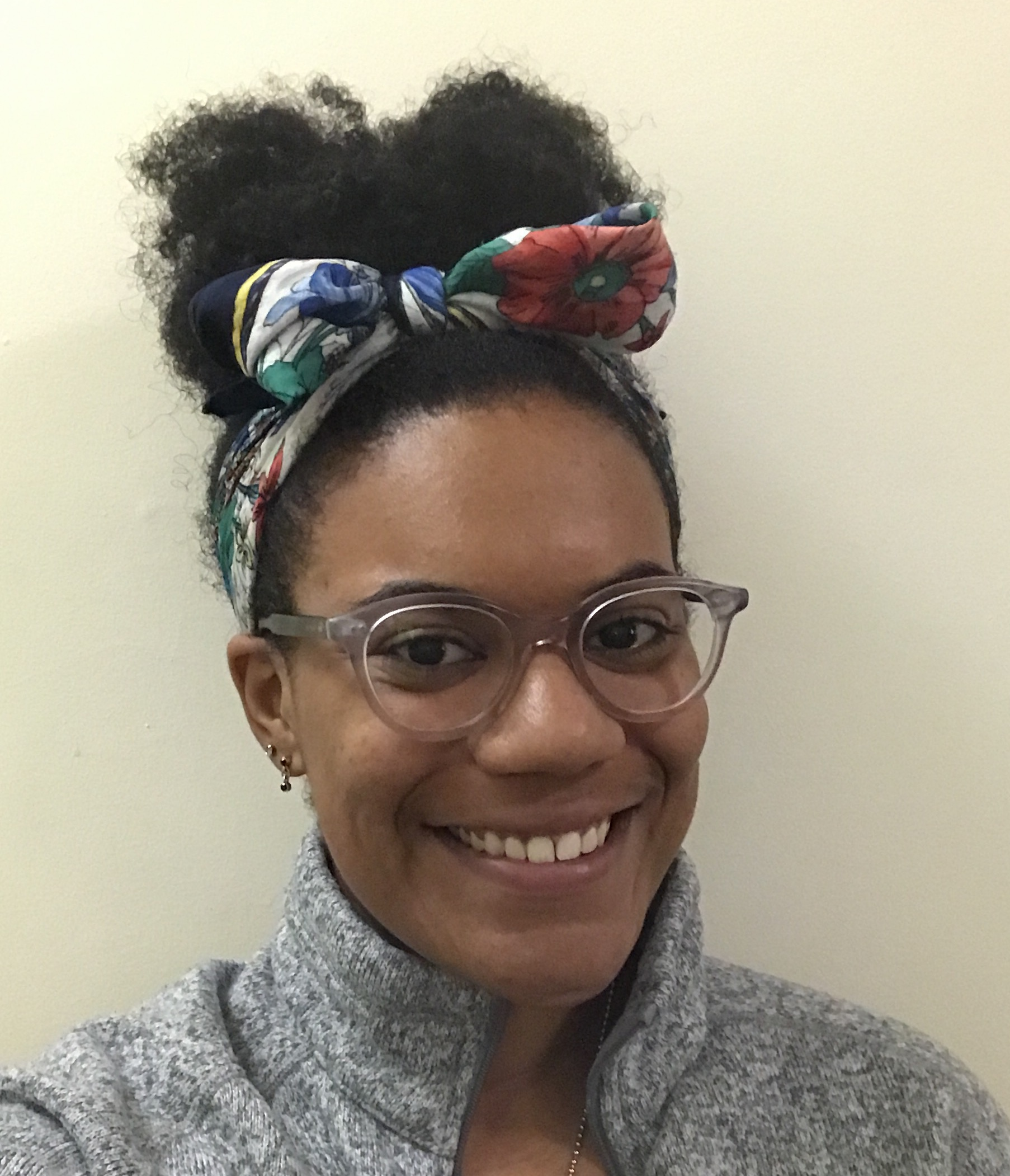
Sarah Harvin
Graduate Student, Narrative Medicine, Columbia University
Sarah Harvin hails from the state of Michigan, where she completed her bachelor's degree in psychology at Hope College. Sarah moved to NYC in the summer of 2018 to pursue a Master of Science in Narrative Medicine. She was attracted to the Narrative Medicine program because she recognized a unique opportunity to combine her interest in having difficult conversations surrounding racial inequalities in health care with her pursuit of a career in medicine.
Sarah Harvin
Graduate Student, Narrative Medicine, Columbia University
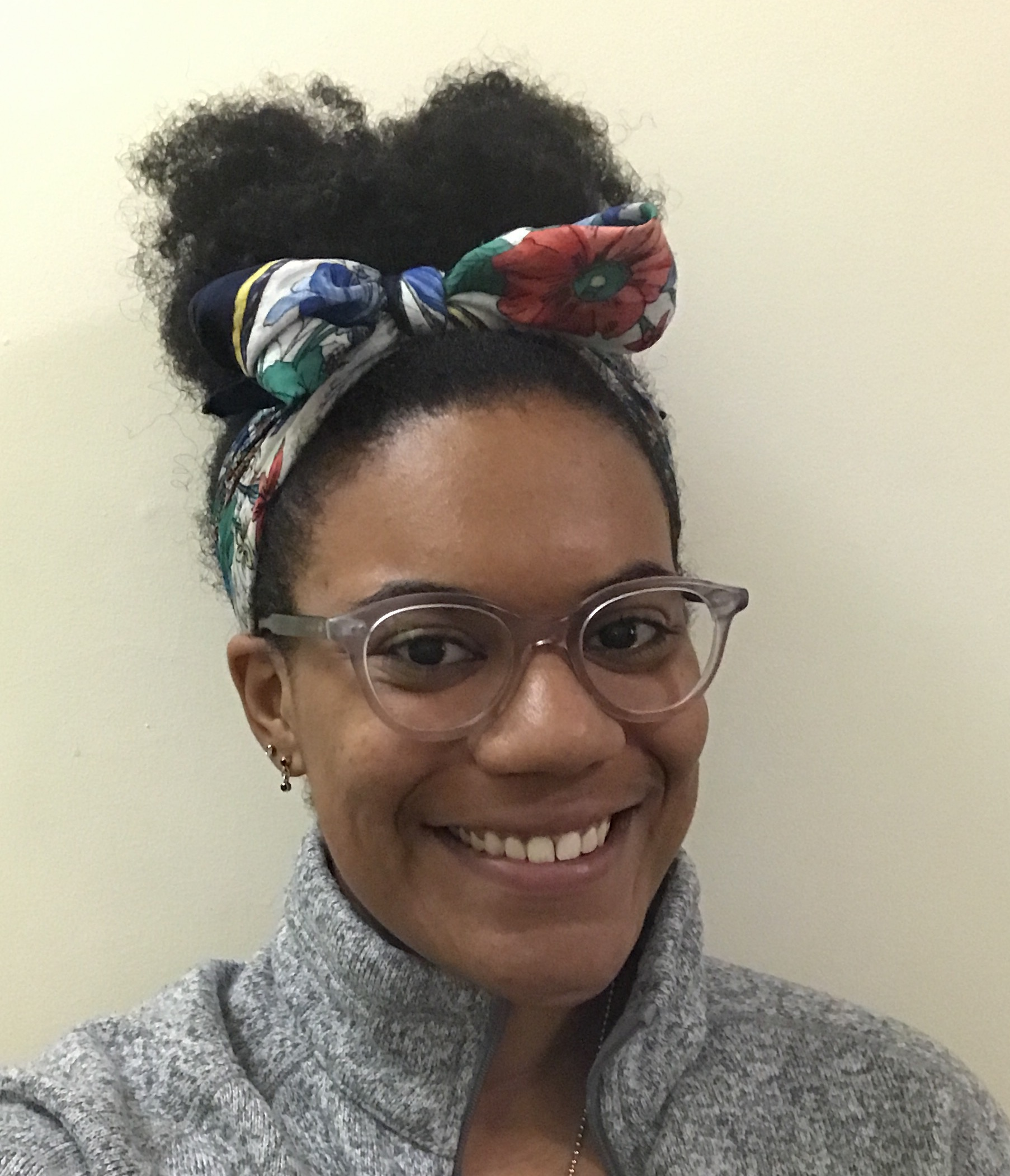
Sarah Harvin hails from the state of Michigan, where she completed her bachelor's degree in psychology at Hope College. Sarah moved to NYC in the summer of 2018 to pursue a Master of Science in Narrative Medicine. She was attracted to the Narrative Medicine program because she recognized a unique opportunity to combine her interest in having difficult conversations surrounding racial inequalities in health care with her pursuit of a career in medicine. When she isn't reading or sailing, Sarah loves to explore NYC in search of the best cup of coffee.
Working Group Affiliation

Kristina Hosi
Graduate Student, Columbia University
Kristina Hosi is second year MS in Bioethics student at Columbia University, where she serves on the SPS Student Government. She has a B.A. from the University of Virginia in Biology. Her current academic interests lie in reproductive ethics, specifically the intersection of medical and scientific reproductive technology advancements and their social implications for women. She hopes to expand the conversation of health, healthcare, and ethics into the present news and global dialogue. Outside of academia, she is a co-founder and copy-writer for FEME, a female-centric information site on women, womanhood, and sex. She also enjoys cooking with friends and exploring to find the city's hidden gems.
Kristina Hosi
Graduate Student, Columbia University

Kristina Hosi is second year MS in Bioethics student at Columbia University, where she serves on the SPS Student Government. She has a B.A. from the University of Virginia in Biology. Her current academic interests lie in reproductive ethics, specifically the intersection of medical and scientific reproductive technology advancements and their social implications for women. She hopes to expand the conversation of health, healthcare, and ethics into the present news and global dialogue. Outside of academia, she is a co-founder and copy-writer for FEME, a female-centric information site on women, womanhood, and sex. She also enjoys cooking with friends and exploring to find the city's hidden gems.
Working Group Affiliation

Enajite Igho
Graduate Student, Narrative Medicine, Columbia University
Enajite Igho is an Nigerian American from across the river in New Jersey. She graduated from the University of Virginia with a Cognitive Science degree with a Neuroscience concentration and a Bioethics minor. She is currently pursuing a Masters in Narrative Medicine here at Columbia, and capturing storytelling as a form of healing as well as how this “teller and listener” relationship can impact the clinical encounter. She is passionate about creating space for marginalized voices to share their stories.
Enajite Igho
Graduate Student, Narrative Medicine, Columbia University

Enajite Igho is an Nigerian American from across the river in New Jersey. She graduated from the University of Virginia with a Cognitive Science degree with a Neuroscience concentration and a Bioethics minor. She is currently pursuing a Masters in Narrative Medicine here at Columbia, and capturing storytelling as a form of healing as well as how this “teller and listener” relationship can impact the clinical encounter. She is passionate about creating space for marginalized voices to share their stories. Aside from academics she is a poet that loves to travel and spend time with friends and family.
Working Group Affiliation

Yoshiko Iwai
Graduate Student, Creative Nonfiction & Narrative Medicine, Columbia University
Yoshiko Iwai is a second-year master’s student working towards her MFA in Creative Nonfiction and MS in Narrative Medicine. She is from Kobe, Japan, and graduated from the University of Michigan with a BFA in Dance and BS in honors Neuroscience where she conducted research on Parkinson’s Disease. Currently, she is writing her MFA thesis — an essay collection exploring the vernacular around pain and mortality, drawing on memoir, research, and phenomenology. Yoshiko is also a Chair’s Fellow for the Graduate Writing Program and teaches creative writing at a correctional center in New York. In the future, she hopes to integrate narrative medicine and creative writing into medical education.
Yoshiko Iwai
Graduate Student, Creative Nonfiction & Narrative Medicine, Columbia University

Yoshiko Iwai is a second-year master’s student working towards her MFA in Creative Nonfiction and MS in Narrative Medicine. She is from Kobe, Japan, and graduated from the University of Michigan with a BFA in Dance and BS in honors Neuroscience where she conducted research on Parkinson’s Disease. Currently, she is writing her MFA thesis — an essay collection exploring the vernacular around pain and mortality, drawing on memoir, research, and phenomenology. Yoshiko is also a Chair’s Fellow for the Graduate Writing Program and teaches creative writing at a correctional center in New York. In the future, she hopes to integrate narrative medicine and creative writing into medical education.
Working Group Affiliation
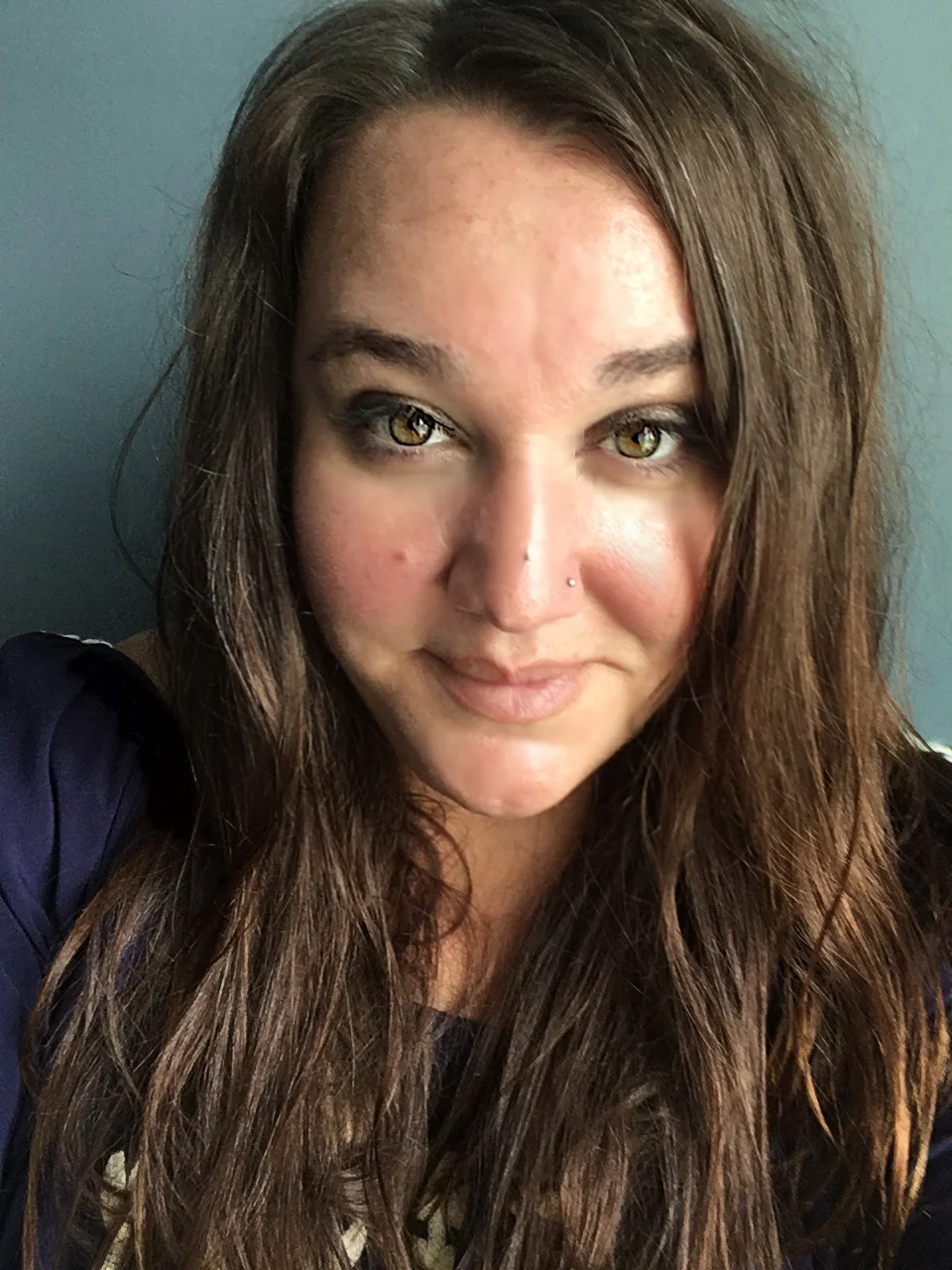
Courtni Jeffers
Doctoral Student, Narrative Medicine, Columbia University
Courtni Jeffers is currently a graduate student in the Narrative Medicine Program at Columbia University. Prior to her time at Columbia she earned a bachelor’s degree in Medical Humanities and a bachelor’s degree in Biology at IUPUI in Indianapolis, Indiana. After completing her M.S. in Narrative Medicine, Courtni hopes to pursue osteopathic medicine with a specialty in hospice care. She is passionate about writing and hopes to use the art of storytelling to facilitate honest and healing conversations about the end of life, with her hospice patients and their families.
Courtni Jeffers
Graduate Student, Columbia University

Courtni Jeffers is currently a graduate student in the Narrative Medicine Program at Columbia University. Prior to her time at Columbia she earned a bachelor’s degree in Medical Humanities and a bachelor’s degree in Biology at IUPUI in Indianapolis, Indiana. After completing her M.S. in Narrative Medicine, Courtni hopes to pursue osteopathic medicine with a specialty in hospice care. She is passionate about writing and hopes to use the art of storytelling to facilitate honest and healing conversations about the end of life, with her hospice patients and their families.
Working Group Affiliation
Sunny Jones
Graduate Student, Systems Biology, Columbia University
Sunny Jones is a graduate student in the Systems Biology department working with Dr. Andrea Califano. Her research involves developing algorithms for analyzing cancer genomics data with the goal of better understanding their biology as well matching patients to highly specific treatments as based on their genetics. She has previous research experience in nutrient metabolism and is currently working in conjunction with a startup to build a platform for providing optimal meals and dietary suggestions to cancer patients and survivors. In her free time she enjoys rock climbing, biking and exploring New York City.
Sunny Jones
Graduate Student, Systems Biology, Columbia University
Sunny Jones is a graduate student in the Systems Biology department working with Dr. Andrea Califano. Her research involves developing algorithms for analyzing cancer genomics data with the goal of better understanding their biology as well matching patients to highly specific treatments as based on their genetics. She has previous research experience in nutrient metabolism and is currently working in conjunction with a startup to build a platform for providing optimal meals and dietary suggestions to cancer patients and survivors. In her free time she enjoys rock climbing, biking and exploring New York City.
Working Group Affiliation
Guneet Kaur
Graduate Student, Narrative Medicine, Columbia University
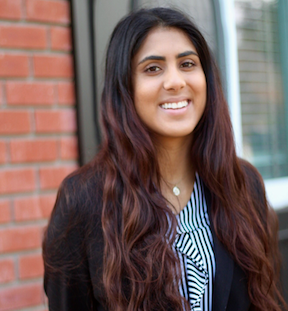
Guneet Kaur is originally from the Bay Area, CA and graduated from Scripps College earlier this year with a degree in Biology and Feminist, Gender, and Sexuality Studies with a concentration in race. She is currently pursuing her Masters in Narrative Medicine here at Columbia University, looking at the intersections of bioethics, social justice, and clinical practice, with an emphasis on the use of patient narrative as a means of healing. She is passionate about the intersections of social justice and medicine in caring for underserved communities- particularly conversations around chronic condition management, mental health, and reproductive health.
Guneet Kaur
Graduate Student, Narrative Medicine, Columbia University
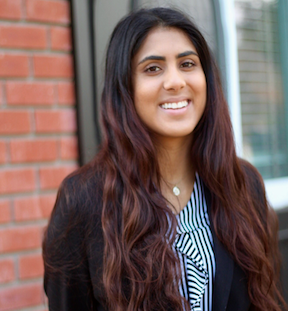
Guneet Kaur is originally from the Bay Area, CA and graduated from Scripps College earlier this year with a degree in Biology and Feminist, Gender, and Sexuality Studies with a concentration in race. She is currently pursuing her Masters in Narrative Medicine here at Columbia University, looking at the intersections of bioethics, social justice, and clinical practice, with an emphasis on the use of patient narrative as a means of healing.She is passionate about the intersections of social justice and medicine in caring for underserved communities- particularly conversations around chronic condition management, mental health, and reproductive health. In her free time, you can find her lifting weights, writing poetry, and rooting for the Warriors with her family.
Working Group Affiliation
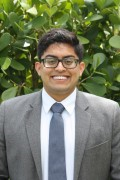
Dhaval Khamar
Doctoral Student, Bioethics, Columbia University
Dhaval Khamar is a graduate student in Columbia’s bioethics program and previously attended the University of Central Florida, earning a B.S. in Biology and a B.A. in Religion and Cultural Studies both with honors. His areas of interest in bioethics are end of life ethics, access to medical innovation, and health policy ethics. Dhaval has also contributed to health policy efforts in New York as an intern at the New York State Task Force on Life and the Law.
Dhaval Khamar
Graduate Student, Columbia University
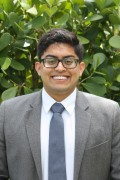
Dhaval Khamar is a graduate student in Columbia’s bioethics program and previously attended the University of Central Florida, earning a B.S. in Biology and a B.A. in Religion and Cultural Studies both with honors. His areas of interest in bioethics are end of life ethics, access to medical innovation, and health policy ethics. Dhaval has also contributed to health policy efforts in New York as an intern at the New York State Task Force on Life and the Law.
Working Group Affiliation

Sarah Kleinstein
Doctoral Student, Molecular Genetics and Microbiology, Duke University
Sarah Kleinstein is a Ph.D. candidate in the Department of Molecular Genetics and Microbiology at Duke University, currently studying under Dr. David Goldstein in the Institute for Genomic Medicine at Columbia University. Her primary research focus is determining the genetic underpinnings behind differential responses to infectious diseases, such as HIV-1, HSV-2, HCV, and HBV. Kleinstein also holds a BS in Biochemistry and an MS in Genetic Epidemiology (both from the University of Washington, Seattle).
Sarah Kleinstein
Graduate Student, Molecular Genetics and Microbiology, Duke University
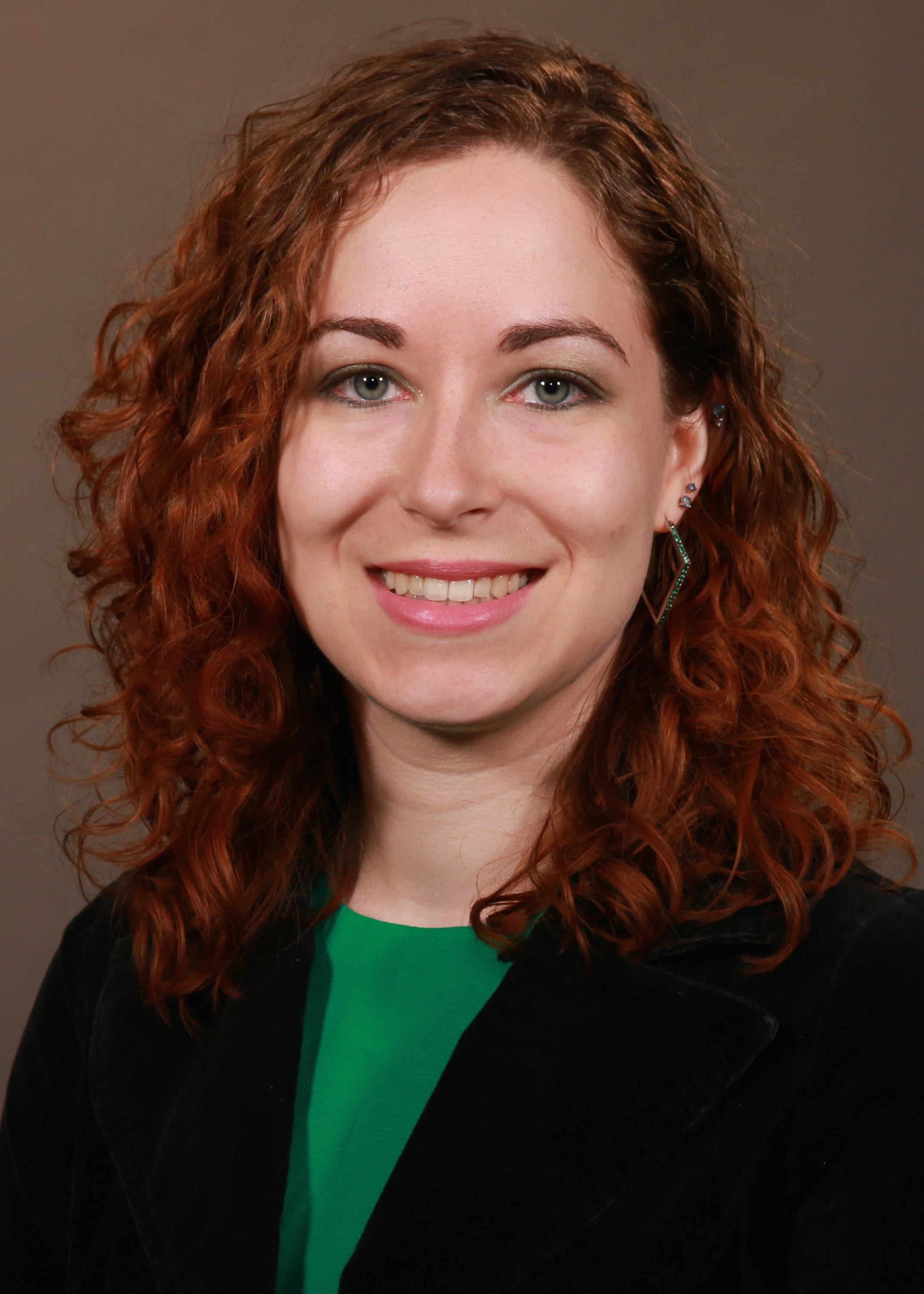
Sarah Kleinstein is a Ph.D. candidate in the Department of Molecular Genetics and Microbiology at Duke University, currently studying under Dr. David Goldstein in the Institute for Genomic Medicine at Columbia University. Her primary research focus is determining the genetic underpinnings behind differential responses to infectious diseases, such as HIV-1, HSV-2, HCV, and HBV. Kleinstein also holds a BS in Biochemistry and an MS in Genetic Epidemiology (both from the University of Washington, Seattle). Her undergraduate research involved elucidating causal mutations related to the Muscular Dystrophy phenotypes observed in mutant Drosophila melanogaster. Her MS research investigated genetic susceptibility to colorectal neoplasia and genetic interactions with nonsteroidal anti-inflammatory drug use in the lipoxygenase pathway at the Fred Hutchinson Cancer Research Center. After finishing her MS, Sarah completed a one year Centers for Disease Control and Prevention and Association of Public Health Laboratories joint fellowship in Emerging Infectious Diseases. During her fellowship, she worked at the California Department of Public Health Microbial Diseases Laboratory, characterizing emerging multi-drug resistance in a Salmonella Typhimurium outbreak and validating a new cpn60 gene target for broad range sequence-based bacterial identification.
Working Group Affiliation
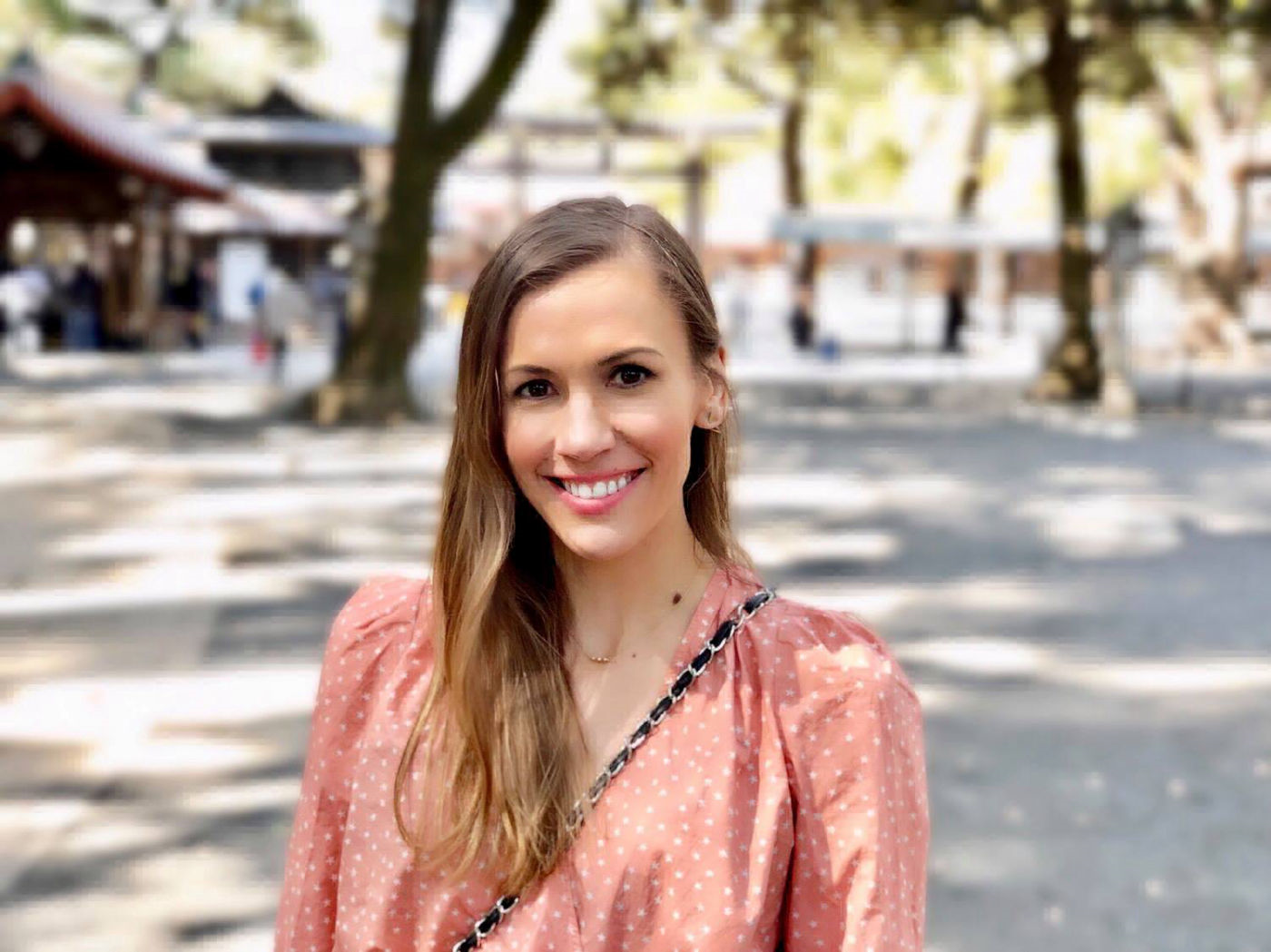
Julia Knox
Doctoral Student, Narrative Medicine, Columbia University
Julia Knox is a researcher at the Columbia Mailman School of Public Health, and an M.S. Candidate in Narrative Medicine in the Columbia Department of Medical Humanities and Ethics. She is interested in the methods by which data takes narrative form in our society. The focus of her research includes exposure to environmental mixtures, maternal/paternal-child health, and transgenerational epigenetics.
Julia Knox
Researcher, Mailman School of Public Health, Columbia University
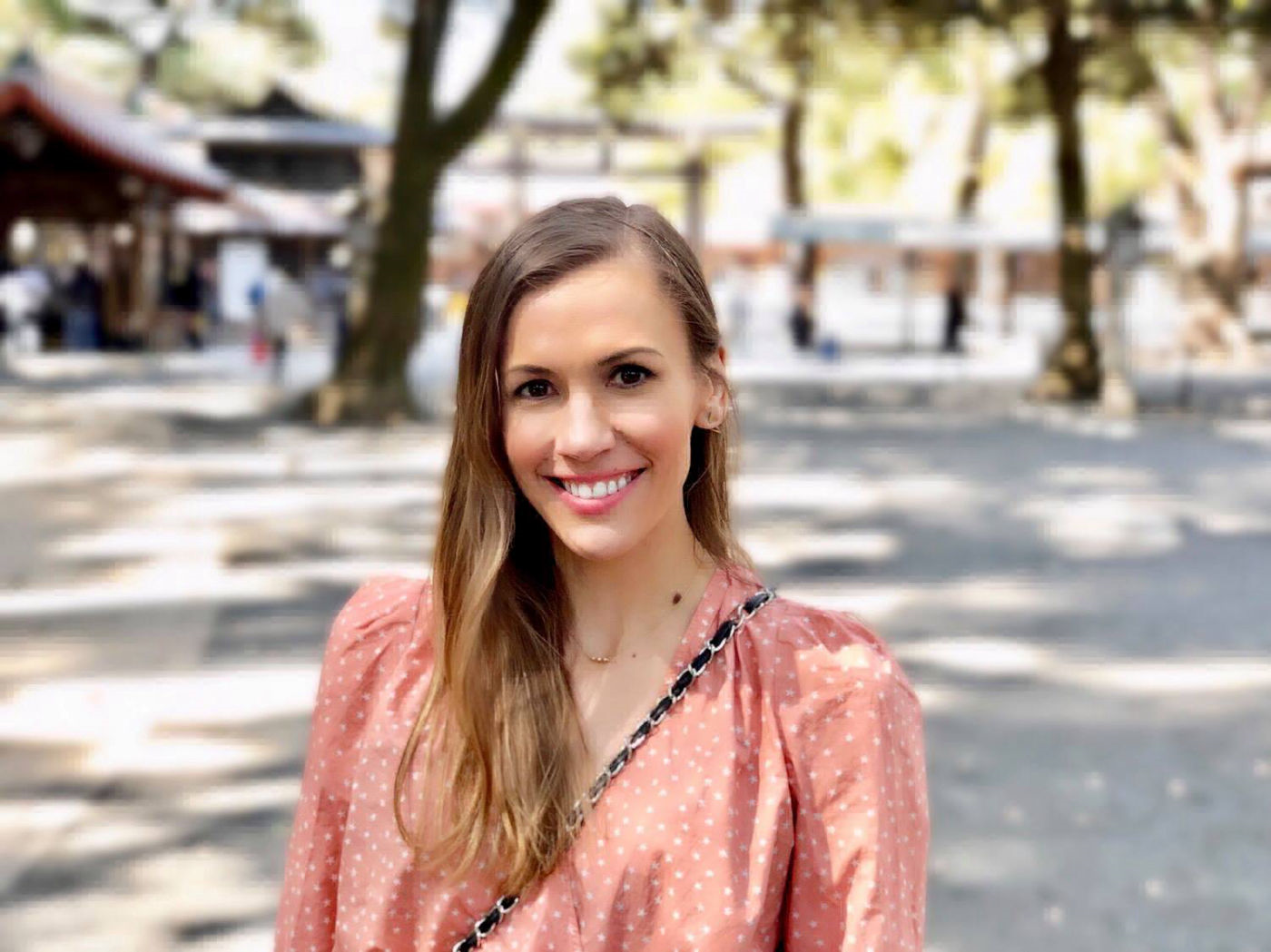
Julia Knox is a researcher at the Columbia Mailman School of Public Health, and an M.S. Candidate in Narrative Medicine in the Columbia Department of Medical Humanities and Ethics. She is interested in the methods by which data takes narrative form in our society. The focus of her research includes exposure to environmental mixtures, maternal/paternal-child health, and transgenerational epigenetics. An AmeriCorps alumna who earned her Master’s of Public Health in 2016, she is dedicated to mentorship and sustainable community investments. She is passionate about making space in academic science for people with disadvantaged backgrounds, and hopes that will reflect in a more comprehensive set of research interests in genomics, and eventually, in a better world. A former resident of the Harvard Innovation Lab, she also enjoys coding and robotics.
Working Group Affiliation
Kathleen Kraus
Doctoral Student, Sociomedical Sciences, Mailman School of Public Health, Columbia University
Kathleen Kraus is a second year Master of Public Health student at Columbia Mailman School of Public Health in the Department of Sociomedical Sciences. Her academic focus includes chronic disease prevention and health policy. Prior to attending Mailman, Kathleen worked as an Associate at Voz Advisors (formerly MK&A), a patient advocacy relations consultancy to the pharmaceutical industry.
Kathleen Kraus
Graduate Student, Department of Sociomedical Sciences, Mailman School of Public Health, Columbia University
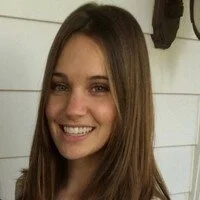
Kathleen Kraus is a second year Master of Public Health student at Columbia Mailman School of Public Health in the Department of Sociomedical Sciences. Her academic focus includes chronic disease prevention and health policy. Prior to attending Mailman, Kathleen worked as an Associate at Voz Advisors (formerly MK&A), a patient advocacy relations consultancy to the pharmaceutical industry. In this role, she observed both the promise and limitations of precision medicine for oncology patients. From this work, she became interested in studying the ethical considerations of precision medicine from a population health perspective, with a special interest in oncology. Kathleen holds a BA in Organizational Studies from the University of Michigan.
Working Group Affiliation
Daniel Krizay
PhD Student, Genetics & Development, Columbia University
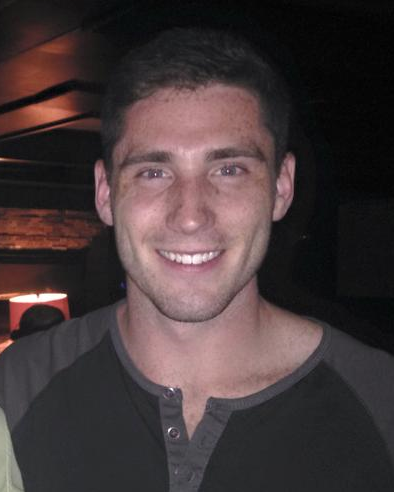
Daniel Krizay is a PhD student in the department of Genetics & Development, who is currently a researcher in the lab of Dr. David Goldstein in the Institute for Genomic Medicine. Daniel is originally from Centreville, Virginia and attended Northeastern University where he received his B.S. degree in Biochemistry. Before moving to New York City for graduate school, Daniel worked full-time for nearly two years in Boston as a researcher in fields ranging from antibiotic characterization to Spinal Muscular Atrophy research.
Daniel Krizay
PhD Student, Columbia University

Daniel Krizay is a PhD student in the department of Genetics & Development, who is currently a researcher in the lab of Dr. David Goldstein in the Institute for Genomic Medicine. Daniel is originally from Centreville, Virginia and attended Northeastern University where he received his B.S. degree in Biochemistry. Before moving to New York City for graduate school, Daniel worked full-time for nearly two years in Boston as a researcher in fields ranging from antibiotic characterization to Spinal Muscular Atrophy research. As a graduate student, Daniel’s research focuses on the modelling and characterization of genetic causes of neurological conditions. In particular, he is researching Dravet Syndrome, a rare genetic epileptic encephalopathy, with the long-term goal of identifying novel therapeutic options for those suffering from this disease.
Working Group Affiliation

Irina Kulichenkova
Doctoral Student, Narrative Medicine, Columbia University
Hippocrates said, “Wherever the art of medicine is loved – there is also a love of humanity.” This quote explains her own reflections and values in life. She loves humanity, and she chose to devote her life to science and medicine because she wants to make a difference in patients’ lives, alleviate patients’ suffering, and positively influence the healthcare system of the United States and worldwide. Presently, she is a graduate student in the Program of Narrative Medicine at Columbia University.
Irina Kulichenkova
Graduate Student, Narrative Medicine, Columbia University

Hippocrates said, “Wherever the art of medicine is loved – there is also a love of humanity.” This quote explains her own reflections and values in life. She loves humanity, and she chose to devote her life to science and medicine because she wants to make a difference in patients’ lives, alleviate patients’ suffering, and positively influence the healthcare system of the United States and worldwide. Her academic career equipped her with a variety of valuable skills that she will crossover and use while being a part of the Precision Medicine: Ethics, Politics, and Culture 2019-2020 project. She believes in the value of precision medicine and how ethics, politics, and culture play pivotal roles. Presently, she is a graduate student in the Program of Narrative Medicine at Columbia University. She curates and organizes the annual fine art exhibition at Columbia University Irving Medical Center. In May of 2018, she graduated with a Master of Arts in Biotechnology from GSAS, Columbia University. And she holds a Bachelor of Science in Biology from Long Island University. As a scientist, curiosity is part of her nature. Her art skills and interest in the humanities always help her reveal new horizons and expand her creative ideas. The masterpieces by great artists, such as Leonardo da Vinci, Pablo Picasso, Claude Monet, Cezanne and the philosophical literature by Plato, Descartes, Maurice Merleau-Ponty and Søren Kierkegaard, to name a few, are her inspiration to create new concepts that she blends with science and medicine. She is enamored with the way Leonardo da Vinci and the Nobel Prize winner Eric Kandel interweave art with diverse disciplines. Their use of form, style, method of writing and painting, color, placement, process, beauty, and imagination are pure genius.
Working Group Affiliation
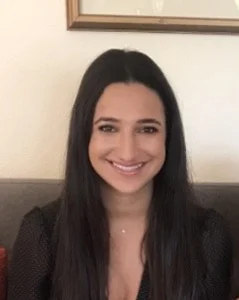
Delilah Leibowitz
Doctoral Student, Narrative Medicine, Columbia University
Delilah Leibowitz is currently a graduate student studying Narrative Medicine at Columbia University. She graduated magna cum laude from the University of Southern California in 2019. She holds a B.A. in Health and the Human Sciences, with an emphasis in Internal Health. Delilah participated in several research labs throughout her undergraduate studies, ranging from studying fluoresced vasculature pathways of Zebrafish embryos to her work in understanding the relationship between blood proteins and cognitive function.
Delilah Leibowitz
Graduate Student, Narrative Medicine, Columbia University

Delilah Leibowitz is currently a graduate student studying Narrative Medicine at Columbia University. She graduated magna cum laude from the University of Southern California in 2019. She holds a B.A. in Health and the Human Sciences, with an emphasis in Internal Health. Delilah participated in several research labs throughout her undergraduate studies, ranging from studying fluoresced vasculature pathways of Zebrafish embryos to her work in understanding the relationship between blood proteins and cognitive function. She is an avid runner and enjoys reading in her spare time. Delilah aspires to become a healthcare practitioner.
Working Group Affiliation
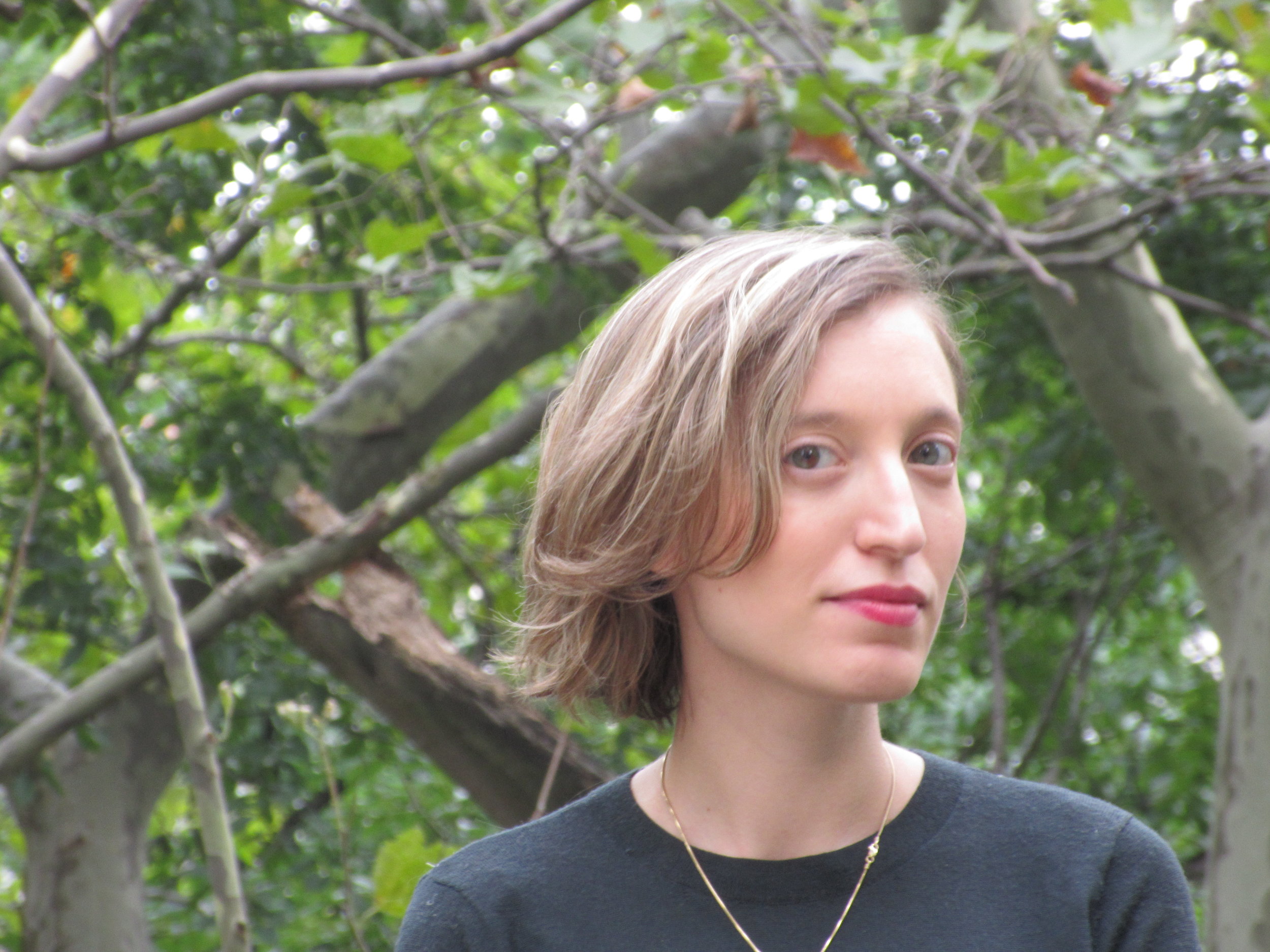
Moran Levy
PhD Student, Sociology, Columbia University
Moran Levy is a Doctoral Candidate at the Department of Sociology at Columbia University and a fellow with the working group on Precision Medicine: Ethics, Politics and Culture. Moran’s research focuses on classification of patients and diseases. She examines the role of social institutions in shaping biomedical classification as well the social consequences of diagnostic practices.
Moran Levy
PhD Student, Columbia University
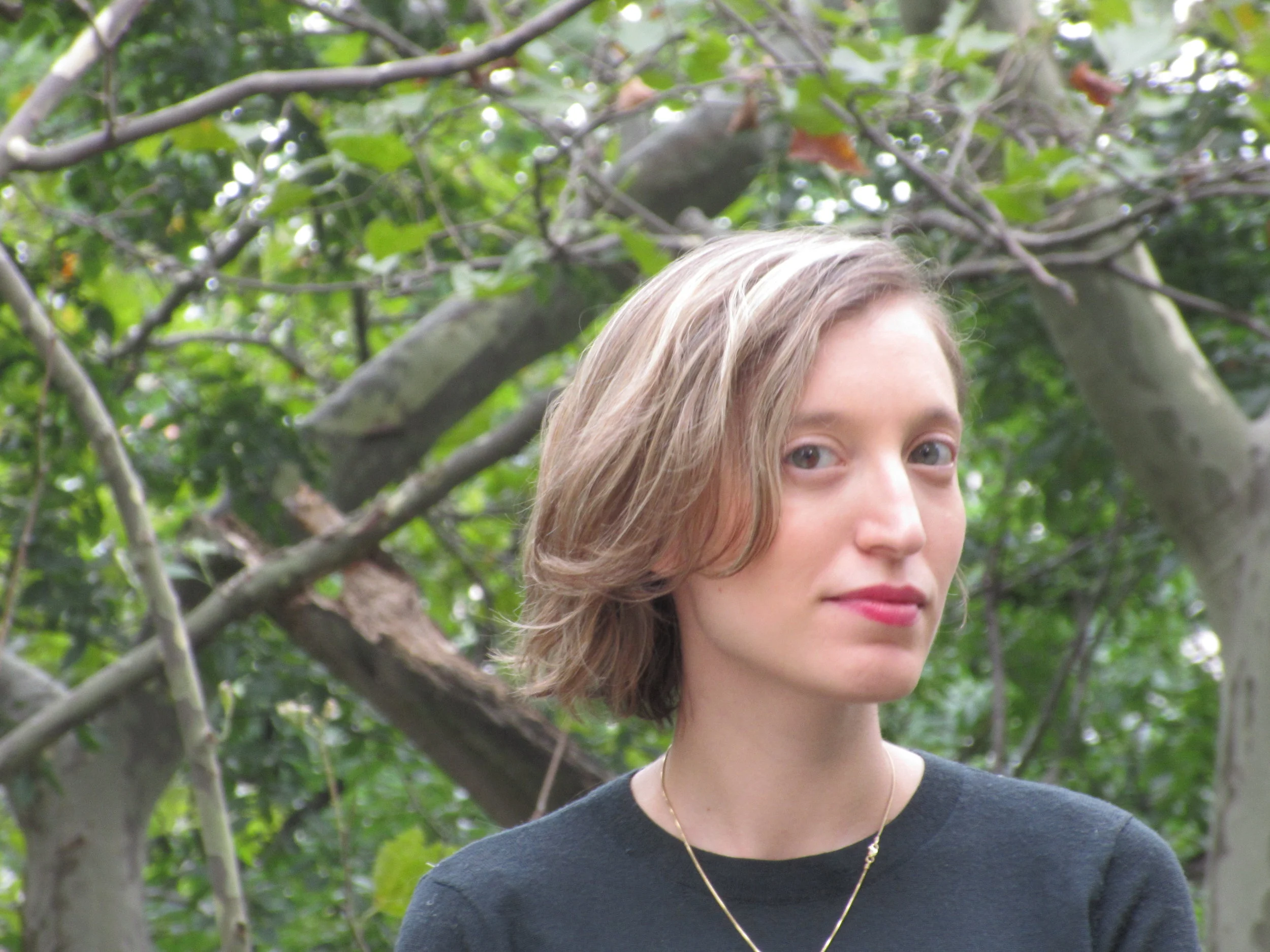
Moran Levy is a Doctoral Candidate at the Department of Sociology at Columbia University and a fellow with the working group on Precision Medicine: Ethics, Politics and Culture.
Moran’s research focuses on classification of patients and diseases. She examines the role of social institutions in shaping biomedical classification as well the social consequences of diagnostic practices. Her dissertation focuses on cancer clinical trials conducted between 1950-1990 and explores how cancer diagnoses changed as different groups of experts brought into research and into healthcare new, and often conflicting approaches to classifications. She then investigates the implication of such transformation for patients and their effect on health inequalities. As part of the Precision Medicine group, Moran examines these questions in the context of cancer genetics. The introduction of genetics into cancer medicine creates new, increasingly narrow, cancer diagnoses. Moran’s research aims to explore the social consequences of the splitting up of diagnoses; how do new genetic classification map onto and interact with existing social and clinical categories? How might the specification of diagnoses affect patient mobilization and the inclusion/exclusion of patients from diverse social groups in cancer research?
Working Group Affiliation
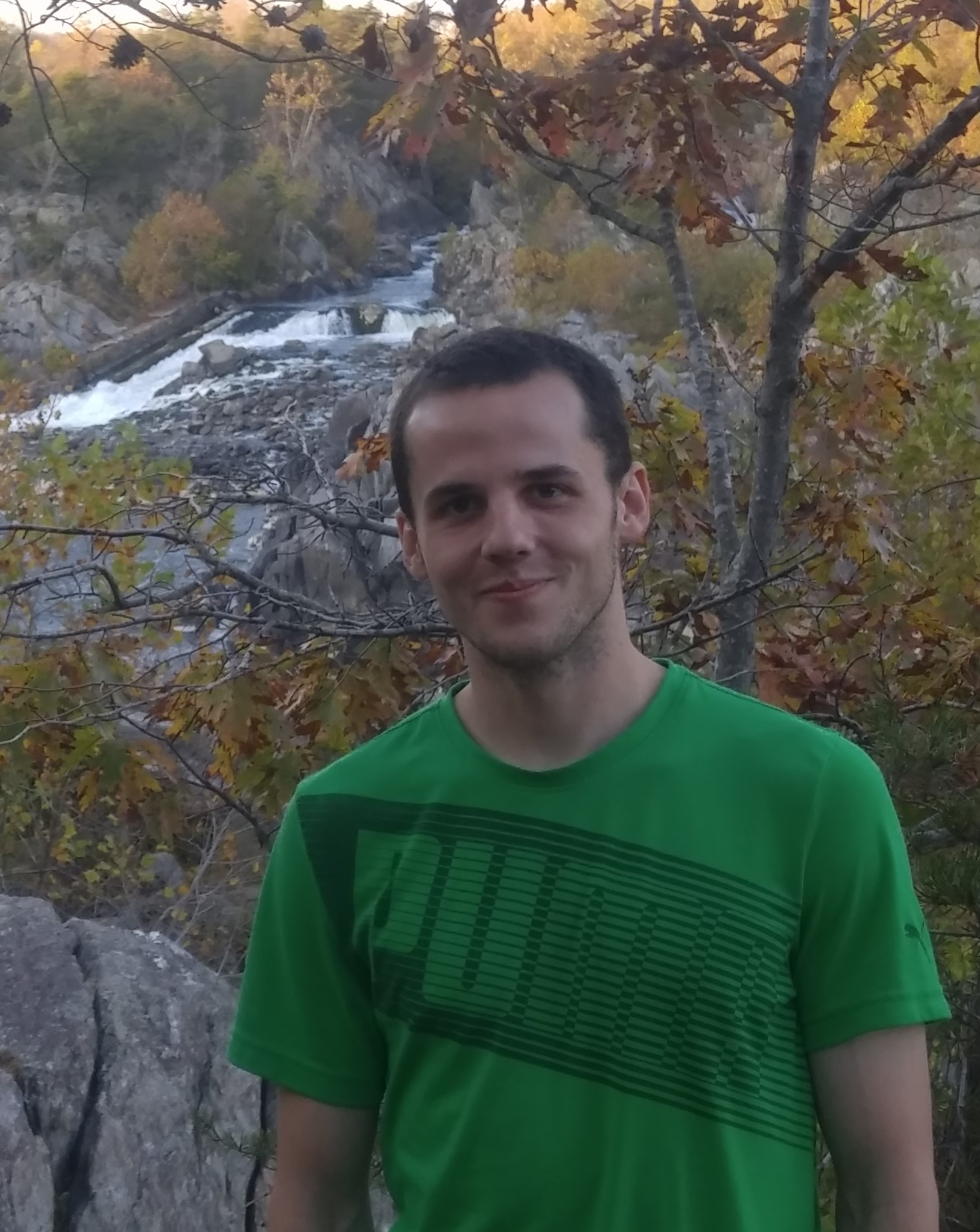
Aaron Limoges
PhD Student, Biological Sciences, Columbia University
Aaron Limoges is a PhD student in the Department of Biological Sciences. His doctoral research is performed at the New York State Psychiatric Institute, where he studies cell- and circuit-level mechanisms through which stress affects cognition and mood. As a neuroscientist, Aaron wants to find new ways to merge biological and behavioral data.
Aaron Limoges
PhD Student, Department of Biological Sciences, Columbia University
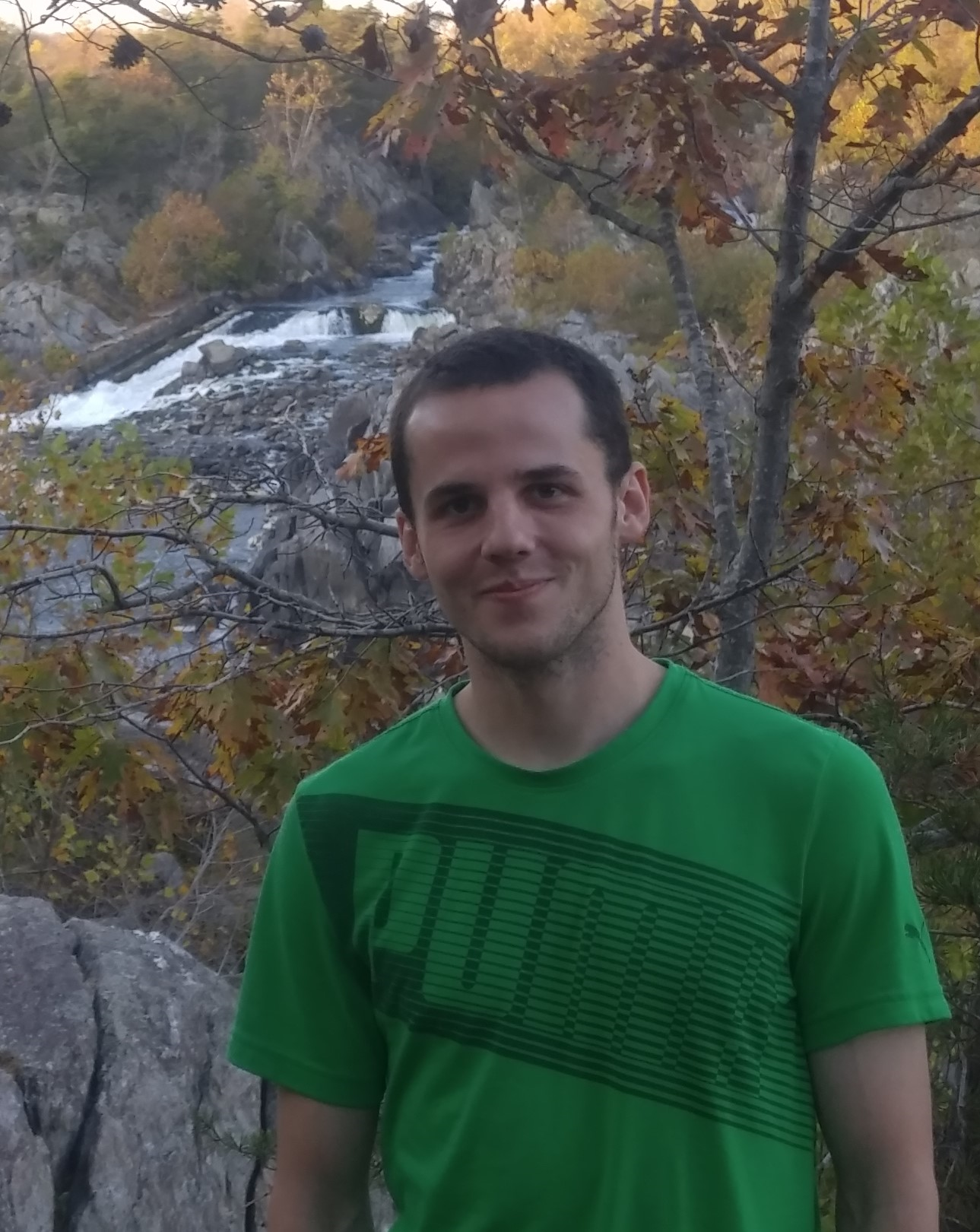
Aaron Limoges is a PhD student in the Department of Biological Sciences. His doctoral research is performed at the New York State Psychiatric Institute, where he studies cell- and circuit-level mechanisms through which stress affects cognition and mood. As a neuroscientist, Aaron wants to find new ways to merge biological and behavioral data. While he believes that statistical modeling can help diagnose patients and predict their responsiveness to certain treatments, building accurate models requires an abundance of patient information, and Aaron therefore hopes to help scientists, regulators, and the public work together so that rights to privacy are respected. Before coming to Columbia, Aaron earned his B.S. in Psychology from Kansas State University and was a Post-Baccalaureate Fellow at the National Institutes of Health.
Working Group Affiliation

Penelope Lusk
Doctoral Student, Narrative Medicine, Columbia University
Penelope Lusk is a graduate student in the Narrative Medicine program at Columbia University. She holds a BA in English Literature from Bowdoin College. Born and raised in Brooklyn, New York, she currently she works as a Project Associate for the Program for Medical Education Innovations and Research at New York University. In the future, she hopes to continue working at the crossroads of medical education and the health humanities.
Penelope Lusk
Graduate Student, Narrative Medicine, Columbia University

Penelope Lusk is a graduate student in the Narrative Medicine program at Columbia University. She holds a BA in English Literature from Bowdoin College. Born and raised in Brooklyn, New York, she currently she works as a Project Associate for the Program for Medical Education Innovations and Research at New York University. In the future, she hopes to continue working at the crossroads of medical education and the health humanities.
Working Group Affiliation
Amar Mandavia
Doctoral Student, Clinical Psychology, Columbia University
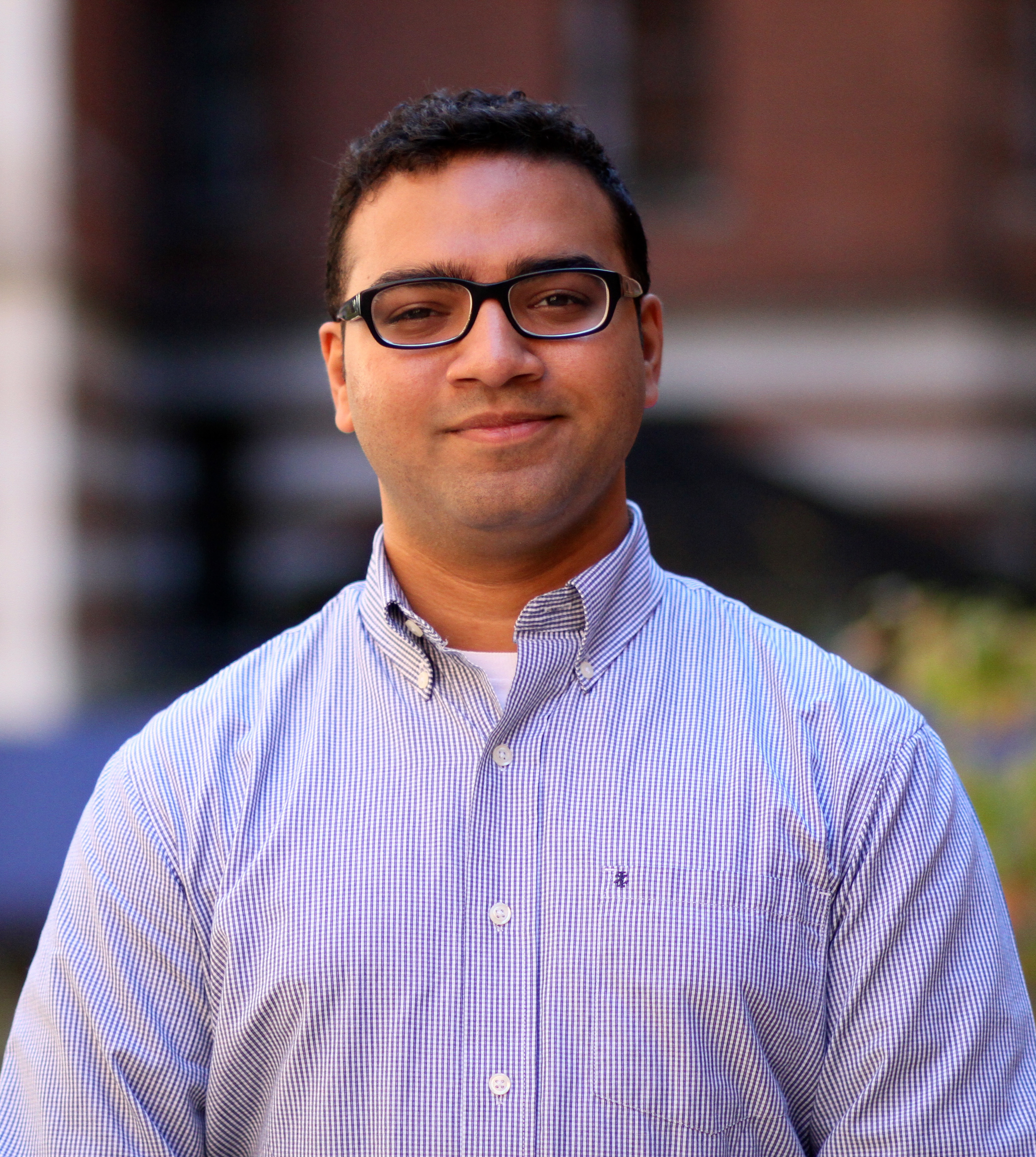
Amar Mandavia is currently a second-year doctoral student pursuing clinical psychology at Teachers College, Columbia University from where he also holds a master’s degree in clinical psychology. In his current involvement with ELSI, Amar is assisting in a systematic review to identify genetic markers and subsequent variations among different racial and ethnicity groups to inform PMI research efforts. His master’s thesis focused on analyzing longitudinal epidemiological data to identify prospective psychosocial factors that impact transition to and recovery from homelessness among adults in the US.
Amar Mandavia
Graduate Student, Teachers College, Columbia University

Amar Mandavia is currently a second-year doctoral student pursuing clinical psychology at Teachers College, Columbia University from where he also holds a master’s degree in clinical psychology. In his current involvement with ELSI, Amar is assisting in a systematic review to identify genetic markers and subsequent variations among different racial and ethnicity groups to inform PMI research efforts. His master’s thesis focused on analyzing longitudinal epidemiological data to identify prospective psychosocial factors that impact transition to and recovery from homelessness among adults in the US. His current research examines the impact of the social environment and community participation among couples who were previously homeless and its impact upon their risk recurrent homelessness.
Working Group Affiliation