
Rubén Cruz-Malavé
Fellow, Spanish and Portuguese, New York University
Director, Creative Writing Program, Professor, Department of Spanish and Portuguese, New York University
Aastha D
Aastha D.
Working Group: Insurgent Domesticities
Managing Editor
Working Group: Insurgent Domesticities
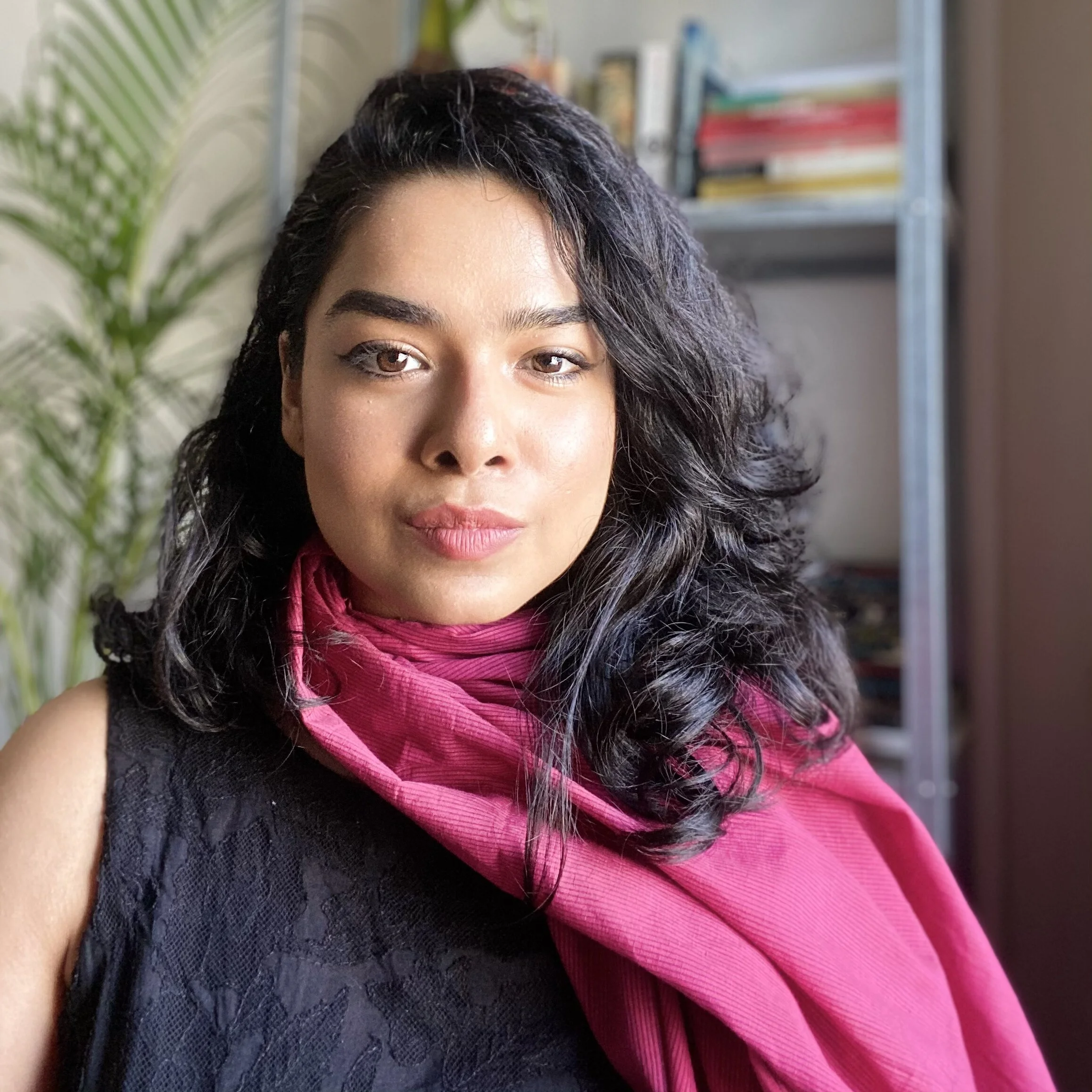
Aastha D (she/they) is an independent scholar, essayist, designer and educator. She has a background in architecture, with a masters from Columbia University, New York. As the Founding Editor of Proseterity, a literary publication, they work with thinkers and writers (especially those kept in the margins) who pose new ‘what if?’s to disrupt the status quo, forging an alternative present and future.
Aastha’s writings on design and culture are informed by their anti-caste, anti-racism, feminist politics, and appear in Tribune Magazine, Metropolis New York, STIRworld, Disegno etc. In the recent past, she has held editorial positions at publications in New York and Mumbai, edited books, curated exhibitions and events.
As an educator Aastha teaches critical thinking, creative writing, research methodology with a focus on ‘disrupting the episteme’ as it is known.

Camila Daniel
Fellow, Social Sciences, Rural University of Rio de Janeiro
Professor at the Três Rios Institute at the Federal Rural University of Rio de Janeiro. PhD in Social Sciences (PUC / Rio). Master in Social Sciences (PPCIS / UERJ). Post-doctorate by the Department of World Language and International Studies (Morgan State University / USA).
Camila Daniel
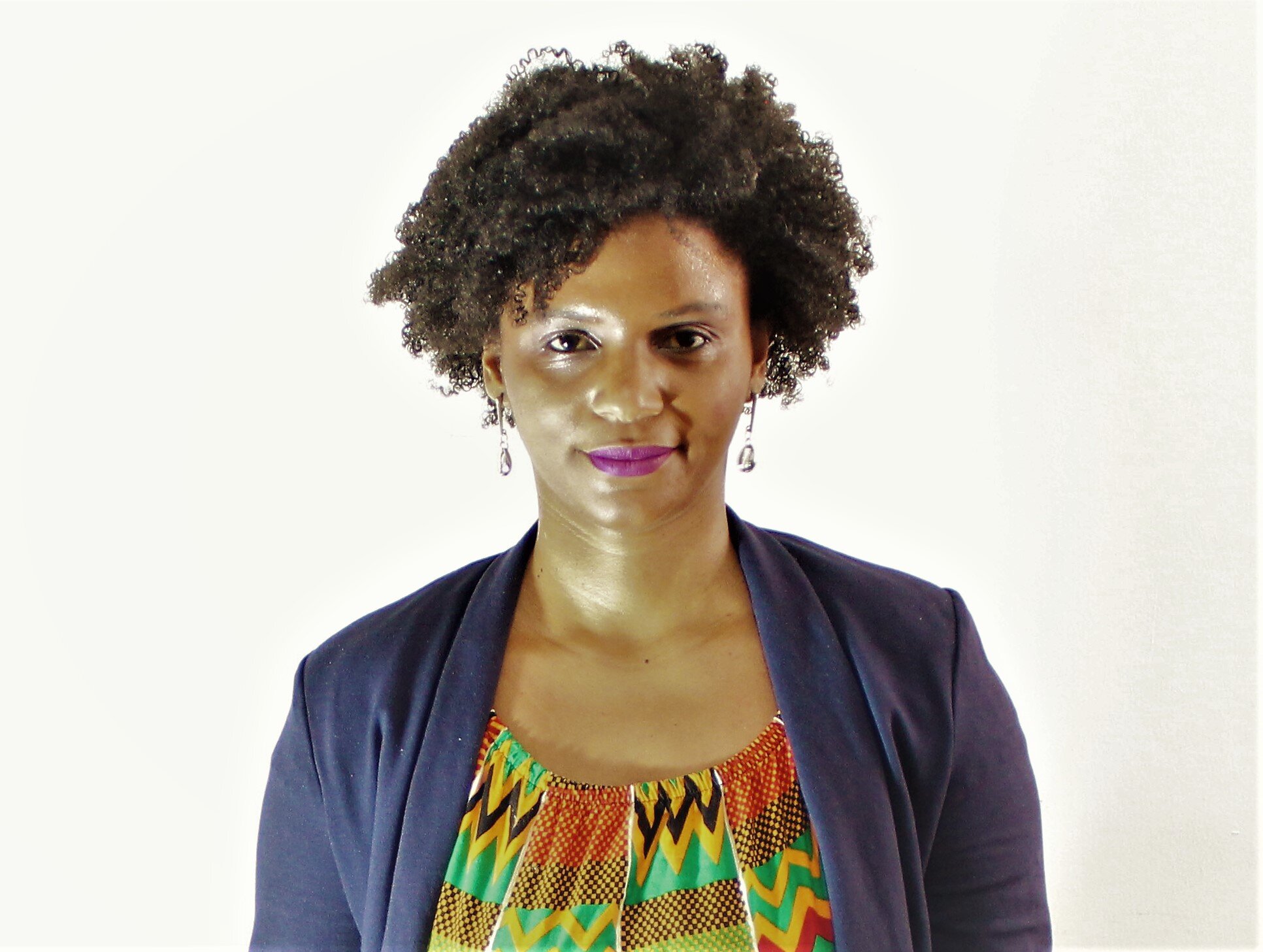
Professor at the Três Rios Institute at the Federal Rural University of Rio de Janeiro. PhD in Social Sciences (PUC / Rio). Master in Social Sciences (PPCIS / UERJ). Post-doctorate by the Department of World Language and International Studies (Morgan State University / USA). Visiting Researcher at the Fulbright Foundation at New York University in 2019. Professor Daniel works as an activist researcher in the field of migratory studies and ethnic-racial relations in Latin America and the United States.
Working Group Affiliation
Daniel Da Silva
Fellow, Portuguese, Rutgers University
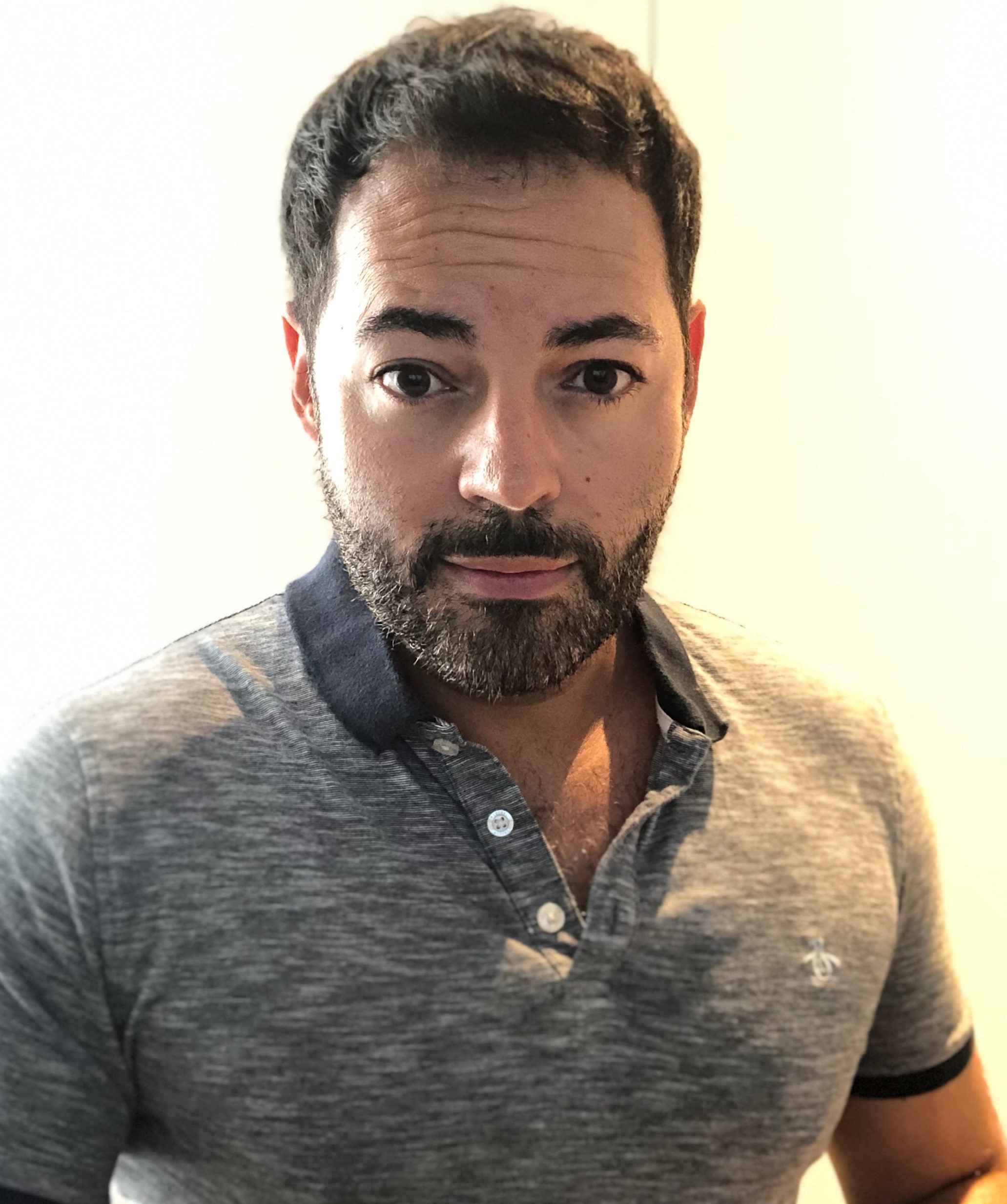
Daniel da Silva’s research specializes in gender, sexuality, race, performance and popular music in the Portuguese-speaking world. His forthcoming book, Trans Tessituras: Transatlantic and Transgender Luso-Afro-Brazilian Popular Music analyzes popular music iterations of transgender voices in Brazil, Portugal and Angola to show how they amplify and refigure the gendered conventions of Portuguese-language popular music genres by pulling at national and transatlantic histories of race, gender and sexuality.
Daniel Da Silva
Assistant Professor, Portuguese, Rutgers University – New Brunswick
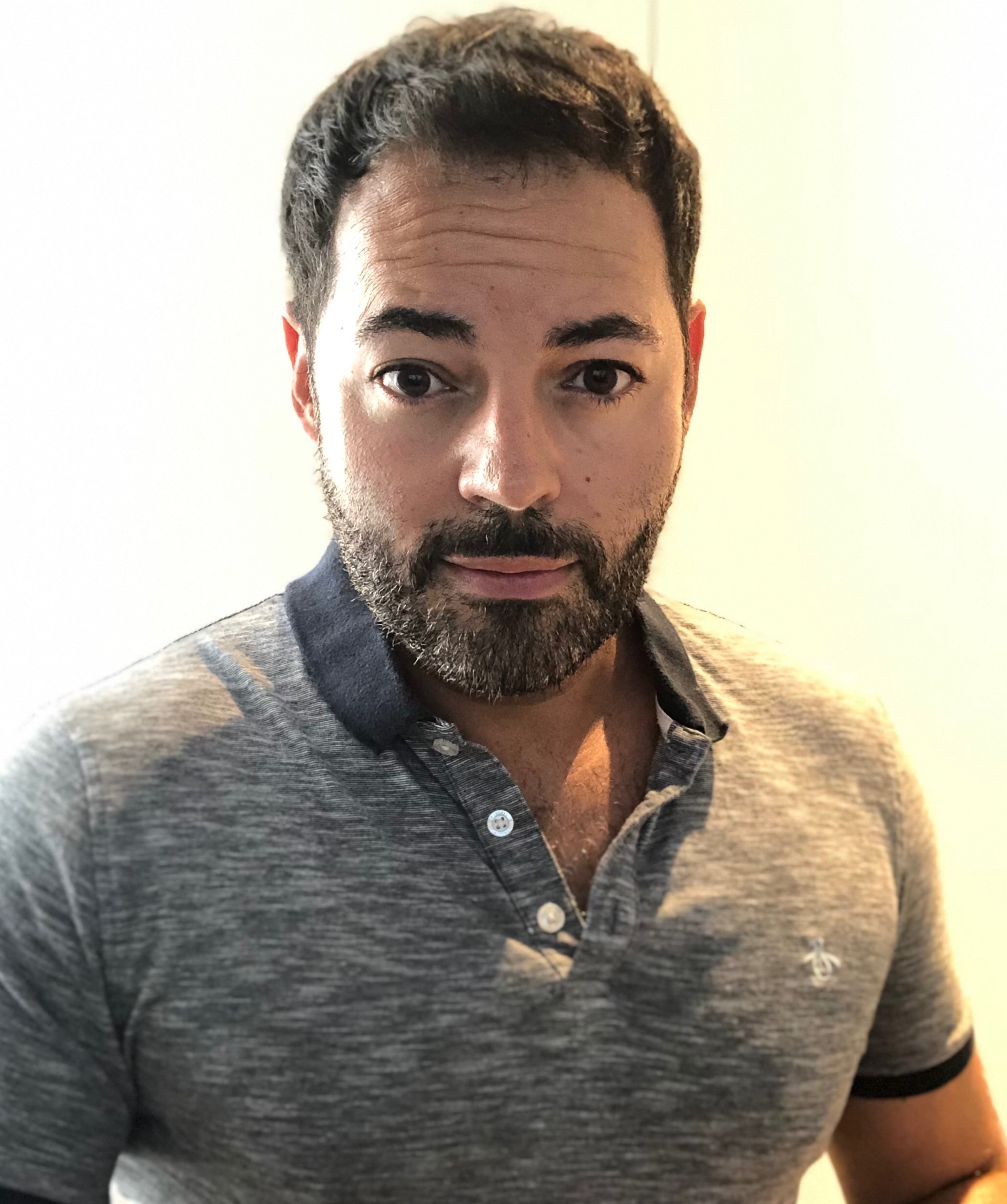
Daniel da Silva’s research specializes in gender, sexuality, race, performance and popular music in the Portuguese-speaking world. His forthcoming book, Trans Tessituras: Transatlantic and Transgender Luso-Afro-Brazilian Popular Music analyzes popular music iterations of transgender voices in Brazil, Portugal and Angola to show how they amplify and refigure the gendered conventions of Portuguese-language popular music genres by pulling at national and transatlantic histories of race, gender and sexuality. A second manuscript, Favela Feminism, will show how feminism in Brazil is connected to the histories, work and desires of black, Afro-Brazilian cis, trans, and gender-nonconforming women through favela cultural practices. He received his Ph.D. in Latin American and Iberian Cultures from Columbia University in 2019, as well as a Certificate in Feminist Scholarship from the Institute of Research on Women, Gender and Sexuality in 2016. Coming to Rutgers University – New Brunswick is a homecoming of sorts, after receiving a B.A. in History with a minor in Lusophone World Cultures at Rutgers University – Newark in 2012. Da Silva’s interests in music, Lusophone cultures, and queer performance were cultivated through his youth growing up in Newark, NJ’s Ironbound neighborhood, as a performer of music, and during a decade working in New York’s music industry scenes. These experiences continue to inform his interest in popular gay, trans, queer and feminist performance.
SELECT PUBLICATIONS
2018
“Unbearable Fadistas: António Variações and Fado as Queer Praxis.” Journal of Lusophone Studies 3.1(2018): pp. 124-147.
2019
“Black Mothers and Black Boats: Queer, Indigenous and Afro-Brazilian Intersections in Ney Matogrosso’s ‘Mãe Preta (Barco Negro).’” Journal of Lusophone Studies 4.1(2019): pp. 208-229.
“Transgender Voices: Anhoni’s Vanishing Woods, Bodies and Breath,” Out & About Blog, Institute for Research on Women, Gender, and Sexuality, May 8.http://irwgs.columbia.edu/out-and-about-transgender-voices-of-vanishing-woods-bodies-and-breath/
Working Group Affiliation
Queer Aqui, Project Director

Lennard Davis
Fellow, English, University of Illinois at Chicago
Lennard J. Davis is Professor in the English Department in the School of Arts and Sciences at the University of Illinois at Chicago, where he had also served as Head. In addition, he is Professor of Disability and Human Development in the School of Applied Health Sciences of the University of Illinois at Chicago, as well as Professor of Medical Education in the College of Medicine. He is also director of Project Biocultures a think-tank devoted to issues around the intersection of culture, medicine, disability, biotechnology, and the biosphere.
Lennard Davis
Distinguished Professor of English; Professor of Disability and Human Development, School of Applied Health Sciences, University of Illinois at Chicago; Professor of Medical Education, University of Illinois College of Medicine
Lennard J. Davis is Professor in the English Department in the School of Arts and Sciences at the University of Illinois at Chicago, where he had also served as Head. In addition, he is Professor of Disability and Human Development in the School of Applied Health Sciences of the University of Illinois at Chicago, as well as Professor of Medical Education in the College of Medicine. He is also director of Project Biocultures a think-tank devoted to issues around the intersection of culture, medicine, disability, biotechnology, and the biosphere. Davis is the author of two works on the novel–Factual Fictions: The Origins of the English Novel (Columbia U. Press, 1983, rpt. University of Pennsylvania Press, 1996) and Resisting Novels: Fiction and Ideology (Routledge, 1987, rpt. University of Pennsylvania Press, 2001) and co-editor of Left Politics and the Literary Profession. His works on disability include Enforcing Normalcy: Disability, Deafness, and the Body (Verso, 1995), which won the 1996 Gustavus Myers Center for the Study of Human Rights’ annual award for the best scholarship on the subject of intolerance in North America, and The Disability Studies Reader (Routledge, 1996). His memoir My Sense of Silence (University of Illinois Press, 2000), was chosen Editor’s Choice Book for the Chicago Tribune, selected for the National Book Award for 2000, and nominated for the Book Critics Circle Award for 2000. He has appeared on National Public Radio’s Fresh Air to discuss the memoir, which describes his childhood in a Deaf family. Davis has also edited his parents’ correspondence Shall I Say a Kiss: The Courtship Letters of a Deaf Couple, 1936-38 (Gallaudet University Press, 1999). Davis is a co-founder of the Modern Language Association’s Committee on Disability Issues in the Profession, and he is on the board of several academic journals.
Having written widely for newspapers and magazines, Davis is also the author of a novel entitled The Sonnets (State University of New York Press, March 2001). A collection of his essays entitled Bending Over Backwards: Disability, Dismodernism, and Other Difficult Positions was published by New York University Press in August 2002. He was awarded a Guggenheim Fellowship in 2002-2003 for Obsession: A History (University of Chicago Press, 2008). His book Go Ask Your Father: One Man's Obsession to Find Himself, His Origins, and the Meaning of Life Through Genetic Testing will be published in 2009 by Random House. He has written numerous articles in The Nation, The New York Times, The Chicago Tribune, The Chronicle of Higher Education and other print media. Davis has also been a commentator on National Public Radio’s All Things Considered, and appeared on Morning Edition, This American Life, Odyssey, The Leonard Lopate Show and other NPR affiliates. His current interests include disability-related issues; literary and cultural theory; genetics, race, identity; and biocultural issues.


Ana Luiza de Abreu Claudio
Fellow, Sustainability, Columbia University
Over 16 years of experience as project coordinator in Information and Communication Technologies (ICTs), Sustainability, Social Responsibility, Sociocultural and Socioenvironmental Education and research. Coordination of +50 long, medium and short term projects in the areas of human rights, social memory, community media, environment, preservation of material and immaterial cultural heritage, with wide experience in complex environments such as conflict zones, isolated communities and extreme poverty.
Ana Luiza de Abreu Claudio
Project Coordinator: Geographies of Injustice: Gender and the City

Ana Luiza de Abreu Claudio holds a BA in Journalism from the Federal University of Viçosa (UFV), and an MA in Social Sciences from the Federal Rural University of Rio de Janeiro (UFRRJ). Her research focuses on visual arts and social memory from under-represented territories, especially favelas and indigenous communities, with an emphasis on photography. From a broader perspective, she aims to work with the Latin American feminist visual arts scene and their connections with activism and the geopolitical imagination.
Before Columbia, Ana Luiza worked for 16 years as an art curator, researcher in visual arts and as a project coordinator and teacher in photography. Ana Luiza has wide experience in complex environments such as conflict zones, isolated communities, and extreme poverty territories. Throughout her career she developed a variety of projects across Brazil and abroad, including several initiatives in the Amazon rainforest, the Cerrado region, Rio’s favelas, the US, Europe, and the Middle East.
Ana Luiza has undertaken efforts in the visual arts, digital humanities, preservation of material and immaterial cultural heritage, community and popular media, socio-environmental programs, and communications projects with indigenous groups. Ana Luiza has accomplished such work in the domain of public institutions and non-governmental organizations but has also developed partnerships in the private sector.
Before joining Columbia University in the Fall of 2022, Ana Luiza worked for 8 years as the coordinator of the Social Action department of the Moreira Salles Institute (IMS), Brazil’s most influential cultural institution. Ana is a PhD student in Latin American and Iberian Cultures at Columbia University.
Working Group Affiliation

Silvina Der-Meguerditchian
Fellow, Art Studies, Kulturakademie Tarabya
The artist is the granddaughter of Armenian immigrants to Argentina and was born in Buenos Aires in 1967. Since 1988 she has lived in Berlin. Her artistic work deals with issues related to the burden of national identity, memory, the role of minorities in the society and the potential of a space "in between". Her work uses a very heterogeneous language (installation, video, sound installation, rugs).
Silvina Der-Meguerditchian
Artist

Portrait by Hervé Thouroude
The artist is the granddaughter of Armenian immigrants to Argentina, since 1988 she lives in Berlin.
Her artistic work deals with issues related to the burden of national identity, the role of minorities in society and the potential of a space "in between." Der-Meguerditchian is interested in the impact of migration on the urban texture and its consequences. Reconstruction of the past and the building of archives are a red thread in her artistic research. Her work is multidisciplinary and uses different medias. Since 2010 she has been the Artistic Director of Houshamadyan, a project to reconstruct Ottoman Armenian town and village life. In 2014/15 she was awarded a fellowship at the Kulturakademie Tarabya, a residency program of the German Foreign Ministry and the Goethe Institute in Istanbul. Further, she participated in "Armenity,” the Pavilion awarded with the Golden Lion at the 56th Venice Biennial for the best national participation. Her work has been shown in many exhibitions around the world, including, among others, Germany, Argentina, the US and Turkey. Her last initiated and coordinated collective project "Grandchildren, new geographies of belonging" (DEPO Cultural Center- Istanbul) was supported by the Goethe Institut and the German Foreign Ministry in 2015. In 2018 she participated in Hello World Revising a Collection, a critical inquiry into the collection of the Nationalgalerie and its predominantly Western focus at the Hamburger Bahnhof in Berlin. Since 2014 she has worked with Women Mobilizing Memory. She is represented by Kalfayan Galleries in Athens.
Working Group Affiliation
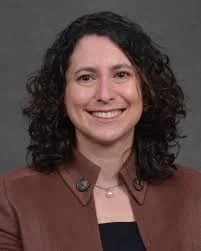
Deborah Dinner
Fellow, Law History, Emory
Deborah Dinner is a legal historian whose scholarship examines the interaction between social movements, political culture, and legal change. Dinner’s research focuses in particular on how law responds to vulnerabilities that derive from familial and employment relationships, at home and at work. Her courses and curricular interests include Property, the Fourteenth Amendment, Family Law, Employment Discrimination, and Legal History.
Deborah Dinner
Professor of Law, Emory University School of Law
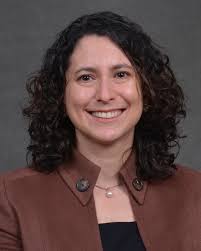
Deborah Dinner is a legal historian whose scholarship examines the interaction between social movements, political culture, and legal change. Dinner’s research focuses in particular on how law responds to vulnerabilities that derive from familial and employment relationships, at home and at work. Her courses and curricular interests include Property, the Fourteenth Amendment, Family Law, Employment Discrimination, and Legal History.
Dinner’s book-in-progress Contested Labor: Gender and the Law in Neoliberal America(forthcoming Cambridge University Press)examines debates about the meaning of sex equality in the late twentieth century. The book argues that neoliberal ideology, the rise of the New Right, and the transition from an industrial to a service economy foreclosed feminists’ efforts to achieve greater state protection for workers and caregivers, even as women made significant strides toward equal employment opportunity. Dinner’s most recent article “Beyond ‘Best Practices’: Employment Discrimination in the Neoliberal Era,” published in the Indiana Law Journal, shows that the rise of antidiscrimination ideals in the late twentieth century was intertwined with the deregulation of labor and with cutbacks in the welfare state. Her article “The Divorce Bargain: The Fathers’ Rights Movement and Family Inequalities” offers the first legal history of the fathers’ rights movement and analyzes its consequences for class-differentiated experiences of fatherhood. The article was selected for presentation at the 2014 Yale/Stanford/Harvard Junior Faculty Forum and was published by Virginia Law Review in 2016. Dinner has published several other articles on the legal history of gender, work, and the welfare state in the Washington University Law Review, Harvard Civil Rights-Civil Liberties Law Review, Yale Journal of Law & Feminism, and Law & History Review.
Dinner joined Emory in 2015, after serving as an associate professor at Washington University in St. Louis School of Law. Dinner earned her JD and PhD in history at Yale. Following law school, she clerked for Judge Karen Nelson Moore of the US Court of Appeals for the Sixth Circuit and served as the Raoul Berger–Mark DeWolfe Howe Legal History Fellow at Harvard University and the Samuel I. Golieb Fellow in Legal History at New York University School of Law.
Working Group Affiliation

Elizabeth J. Donaldson
Fellow, English, New York Institute of Technology
Elizabeth J. Donaldson is Associate Professor of English at New York Institute of Technology, where she teaches courses in American literature, writing, and medical humanities. She has published essays on mental illness in film, antipsychiatry in Lauren Slater’s memoirs, physiognomy and madness in Jane Eyre, teaching Melville online, and the poetry of Amy Lowell, among other subjects. She is a member of the editorial board of the Journal of Literary and Cultural Disabilities Studies and is co-editor (with Catherine J.
Elizabeth J. Donaldson
Associate Professor of English, New York Institute of Technology

Elizabeth J. Donaldson is Associate Professor of English at New York Institute of Technology, where she teaches courses in American literature, writing, and medical humanities. She has published essays on mental illness in film, antipsychiatry in Lauren Slater’s memoirs, physiognomy and madness in Jane Eyre, teaching Melville online, and the poetry of Amy Lowell, among other subjects. She is a member of the editorial board of the Journal of Literary and Cultural Disabilities Studies and is co-editor (with Catherine J. Prendergast) of a recent special issue, “Emotion and Disability.” Her current research project focuses on schizophrenia and psychotomimesis: the imitation and representation of psychosis in medicine and literature.
Working Group Affiliation

Elsa Dorlin
Fellow, Political and Social Philosophy, Vincennes/St. Denis Paris 8 University
Elsa Dorlin is Professor of political and social philosophy at the department of political science and involved in the department of women’s studies and gender and sexuality studies at Vincennes/St. Denis Paris 8 University (France). Dorlin specializes in feminist philosophy and theory and historical epistemology of sexuality. Dorlin’s research also focuses on critical theory and postcolonial studies.
Elsa Dorlin
Professor of Political and Social Philosophy, Vincennes/St. Denis Paris 8 University (France)
Elsa Dorlin is Professor of political and social philosophy at the department of political science and involved in the department of women’s studies and gender and sexuality studies at Vincennes/St. Denis Paris 8 University (France). Dorlin specializes in feminist philosophy and theory and historical epistemology of sexuality. Dorlin’s research also focuses on critical theory and postcolonial studies. She is the author of several books and articles in French, including La Matrice de la Race: Généalogie sexuelle et coloniale de la nation française (Paris, La Découverte, 2006), Sexe, genre et sexualité (Paris, PUF, 2008), and the editor of Black Feminism: Anthologie du féminisme africain américain 1975-2000 (Paris, L’Harmatta, 2007) and Sexe, race, classe: Pour une épistémologie de la domination (Paris, Puf, 2009). Her last book Defenseless: Violence, Body and Subjectivity will be available next September.

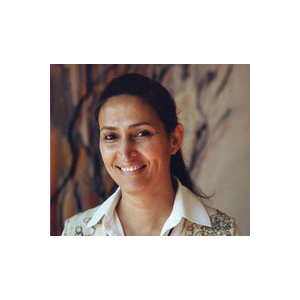
Samar Dudin
Fellow, Theatre Arts, Santa Clara University in California
Samar Dudin is the Regional Director and Head of Programs for Ruwwad Al Tanmeya, a not for profit community & youth empowerment organization. She develops creative community and youth educational experiences and organizes community led campaigns which focus on social change through grass roots leadership development. Samar is an independent theatre director and educator since 1993. In 2006 she founded Takween Open Spaces for Enlightenment & Creativity initiative in Amman, Jordan which focuses on creating experiential learning contexts to engage youth and children in exploring pluralism and diversity as the means and meaning for a better world. She has been a fellow of the Leadership program of the International Women's Forum (IWF) since 2003.
Samar Dudin
Regional Director and Head of Programs, Ruwwad Al Tanmeya
Samar Dudin is the Regional Director and Head of Programs for Ruwwad Al Tanmeya, a not for profit community & youth empowerment organization. She develops creative community and youth educational experiences and organizes community led campaigns which focus on social change through grass roots leadership development. Samar is an independent theatre director and educator since 1993. In 2006 she founded Takween Open Spaces for Enlightenment & Creativity initiative in Amman, Jordan which focuses on creating experiential learning contexts to engage youth and children in exploring pluralism and diversity as the means and meaning for a better world. She has been a fellow of the Leadership program of the International Women's Forum (IWF) since 2003. She was selected as an Ashoka Fellow for her Takween citizenship initiative on Youth Identity & Cultural diversity in Amman in 2009, An Aspen Leadership fellow and moderator since 2010. She sits on the Advisory Committee for the Arab Education Forum, a foundingboard member of Al Ballad Theatre, a founding member of Mujtama3i for Arab Community organizers and a committed volunteer trainer on women's leadership with IWF–Jordan's chapter since 2005. She is a graduate of Santa Clara University in California and holds a Bachelor degree in theatre arts.
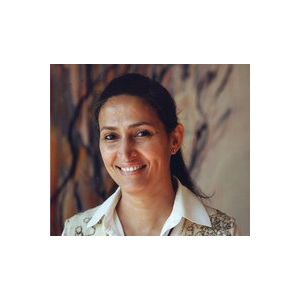
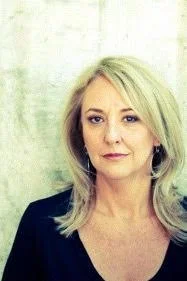
Lisa Duggan
Journalist, Activist, Professor, Social & Cultural Analysis, New York University
Lisa Duggan is a journalist, activist, and Professor of Social & Cultural Analysis at New York University. She is author of Sapphic Slashers: Sex, Sensationalism and American Modernity and Twilight of Equality? Neoliberalism, Cultural Politics and the Attack on Democracy, co-author with Nan Hunter of Sex Wars: Sexual Dissent and Political Culture, and co-editor with Lauren Berlant of Our Monica, Ourselves: The Clinton Affair and National Interest.
Lisa Duggan
Journalist, Activist, Professor, Social & Cultural Analysis, New York University

Lisa Duggan is a journalist, activist, and Professor of Social & Cultural Analysis at New York University. She is author of Sapphic Slashers: Sex, Sensationalism and American Modernity and Twilight of Equality? Neoliberalism, Cultural Politics and the Attack on Democracy, co-author with Nan Hunter of Sex Wars: Sexual Dissent and Political Culture, and co-editor with Lauren Berlant of Our Monica, Ourselves: The Clinton Affair and National Interest. Her new book Mean Girl: Ayn Rand and Neoliberal Greed is forthcoming this spring in the series she is co-editing with Curtis Marez for University of California Press, American Studies Now. She was president of the American Studies Association during 2014-2015.
Working Group Affiliation
Natanya Duncan
Assistant Professor of History and Geography, Morgan State University
Dr. Natanya Duncan received her PhD from the University of Florida in 2009. Her areas of research include a focus on the development of Black Nationalist practices prevalent amongst female members of the Universal Negro Improvement Association and subsequent derivative groups which she has termed as an “Efficient Womanhood.” Using this framework, which she asserts refers to the “blending of nationalist and gendered concerns without the sacrificing of one for the other amongst African American women during the long freedom struggle,” Dr.
Natanya Duncan
Assistant Professor of History and Geography, Morgan State University
Dr. Natanya Duncan received her PhD from the University of Florida in 2009. Her areas of research include a focus on the development of Black Nationalist practices prevalent amongst female members of the Universal Negro Improvement Association and subsequent derivative groups which she has termed as an “Efficient Womanhood.” Using this framework, which she asserts refers to the “blending of nationalist and gendered concerns without the sacrificing of one for the other amongst African American women during the long freedom struggle,” Dr. Duncan is presently revising her dissertation into a manuscript entitled, Crossing Waters, Fighting Tides: The `Efficient Womanhood’ of the Universal Negro Improvement Association 1919-1930. As a recipient of a Post Doctoral Fellowship at the John Hope Franklin Humanities Institute at Duke University, Natanya Duncan used the time to start her second full length book project which will focus on the life work of Queen Mother Audley More. Presently, she is an Assistant Professor at Morgan State University.
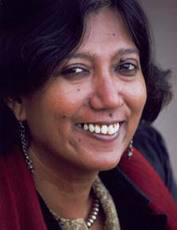
Madhusree Dutta
Madhusree Dutta Madhusree is a filmmaker; also a curator, pedagogue, researcher, producer and activist. Though visual culture is the key to her works, multi-disciplinary initiatives and multi-layered representations frame her myriad engagements. Filmmaking, theatre, visual arts, literature, media products; students’ movement, feminist movement, movement against communalism, movement for democratisation of art practices; cultural literacy, art pedagogy, interfaces between genres, movements and disciplines form the path of Madhusree’s personal journey.
Madhusree Dutta
Madhusree is a filmmaker; also a curator, pedagogue, researcher, producer and activist. Though visual culture is the key to her works, multi-disciplinary initiatives and multi-layered representations frame her myriad engagements. Filmmaking, theatre, visual arts, literature, media products; students’ movement, feminist movement, movement against communalism, movement for democratisation of art practices; cultural literacy, art pedagogy, interfaces between genres, movements and disciplines form the path of Madhusree’s personal journey. Madhushree is the founder and executive director of Majlis, a centre for rights discourse and multicultural art initiatives in Mumbai, India. Retrospectives of Madhusree’s works were held in NGBK art gallery, Berlin in 2001; International women’s film festival, Trivandrum in 2005, Feminnale, Koln in 2006, Madurai Short Film Festival in 2007 and Persistent Resistance Film Festival, New Delhi in 2008. An alumni of Jadavpur University, Kolkata and National School of Drama, New Delhi Madhushree currently lives in Mumbai.
Aditi Surie von Czechowski
Junior Research Fellow, Churchill College
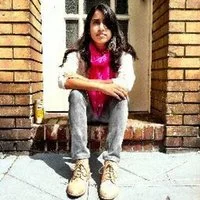
Aditi Surie Von Czechowski is Junior Research Fellow at Churchill College, Cambridge. She recently received her PhD from the Department of Middle East, South Asian, and African Studies at Columbia University. Her work focuses on the intersection of humanitarianism and human rights and theories of the human.
Aditi Surie von Czechowski
Junior Research Fellow, Churchill College
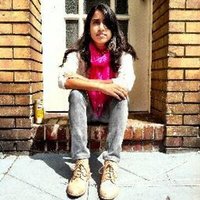
Aditi Surie Von Czechowski is Junior Research Fellow at Churchill College, Cambridge. She received her PhD from the Department of Middle East, South Asian, and African Studies at Columbia University. Her work focuses on the intersection of the anthropology of development and humanitarianism, human rights, and black feminist theory. From 2013-15, she conducted research on humanitarian aid and gender-based violence in Tanzania. Her article “Humanitarianism: Histories, Erasures, Repetitions” was published in the Journal of Comparative Studies of South Asia, Africa, and the Middle East and her article “Together in the Flesh” (2019) appeared in Cultural Anthropology’s forum “Theorizing the Contemporary Fieldsights.” She is the author of “Commoditising Architecture” in Johannesburg Workshop in Theory and Criticism (2013), among other earlier articles and she is currently working on a book entitled “Being Human”: Humanitarian Confinement, Refugee Bodies, and Human Rights.
Working Group Affiliation