

Nadera Shalhoub-Kevorkian
Fellow, Public Welfare, Hebrew University of Jerusalem
Nadera Shalhoub-Kevorkian is a longtime anti-violence, native Palestinian feminist activist and scholar. She is the Lawrence D. Biele Chair in Law at the Faculty of Law-Institute of Criminology and the School of Social Work and Public Welfare at the Hebrew University of Jerusalem.
Lawrence D. Biele Chair in Law, Faculty of Law-Institute of Criminology and the School of Social Work and Public Welfare, Hebrew University of Jerusalem
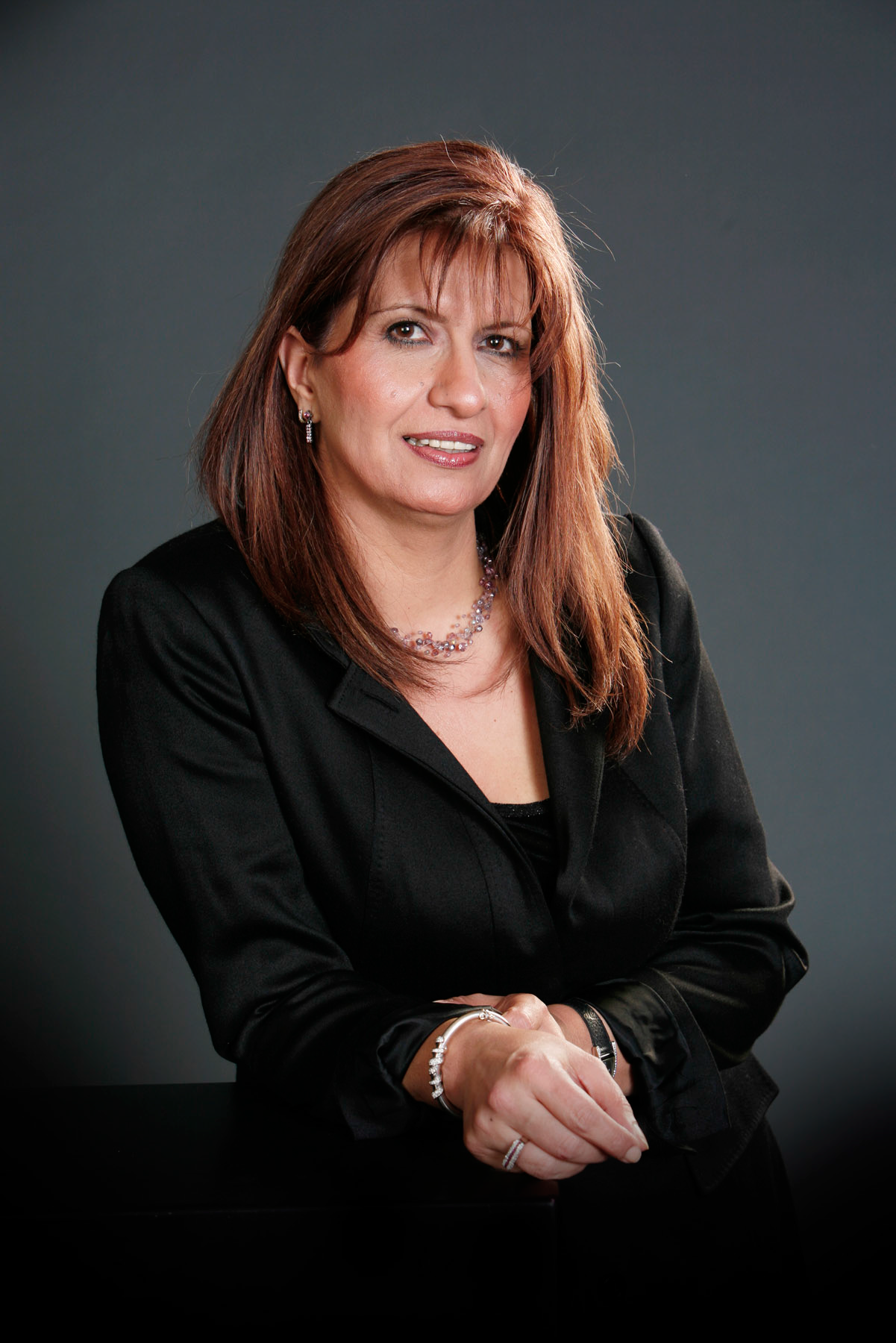
Nadera Shalhoub-Kevorkian is a longtime anti-violence, Palestinian feminist activist and scholar. She is the Lawrence D. Biele Chair in Law at the Faculty of Law-Institute of Criminology and the School of Social Work and Public Welfare at the Hebrew University of Jerusalem. Shalhoub-Kevorkian is also the director of the Gender Studies Program at Mada al-Carmel, the Arab Center for Applied Social Research in Haifa. Her research focuses on femicide and other forms of gendered violence, crimes of abuse of power in settler colonial contexts, surveillance, securitization, and trauma in militarized and colonized zones. Her most recent book, Security Theology, Surveillance and the Politics of Fear was published by Cambridge University Press in 2015. As a resident of the old city of Jerusalem, Shalhoub-Kevorkian engages in direct actions and critical dialogue to end the inscription of power over Palestinian children’s lives, spaces of death, and women’s birthing bodies and lives.
Working Group Affiliation
Religion and the Global Reframing of Gender Violence, Project Director
Kalpana Sharma
Fellow, English and Art and Design, University of Michigan
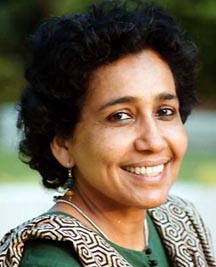
Kalpana Sharma is a Mumbai-based independent journalist, columnist and media consultant who writes for English language and Indian language publications in India. Until recently, she was Deputy Editor with The Hindu, one of India's leading English language dailies. Her special areas of interest are environmental and developmental issues and gender. She has written three books: Rediscovering Dharavi: Stories from Asia's Largest Slum (Penguin 2000), Whose News?
V. L. Parrington Collegiate Professor, Professor of English and Art and Design, University of Michigan
Kalpana Sharma is a Mumbai-based independent journalist, columnist and media consultant who writes for English language and Indian language publications in India. Until recently, she was Deputy Editor with The Hindu, one of India's leading English language dailies. Her special areas of interest are environmental and developmental issues and gender. She has written three books: Rediscovering Dharavi: Stories from Asia's Largest Slum (Penguin 2000), Whose News? The Media and Women's Issues (Sage 1994, 2006) and Terror Counter-Terror: Women Speak Out (Kali for Women, 2003), both co-edited with Ammu Joseph.
Surabhi Sharma
Fellow, Anthropology and Psychology, St. Xavier’s College, Mumbai University
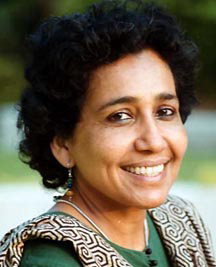
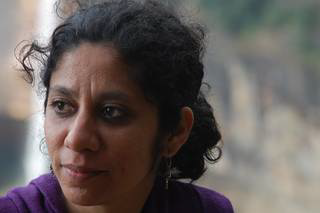
Surabhi Sharma is a filmmaker. She studied film direction at the Film and Television Institute of India (FTII), Pune, and made her first film in 2001. She completed a BA in Anthropology and Psychology from St. Xavier’s College, Mumbai University. Her films have been screened and awarded at various international and national festivals. She has also directed and scripted fiction films and Science Programming for children. Beyond this Surabhi Sharma is a guest lecturer at the National Institute of Design and at the Centre for Media and Cultural Studies, Tata Institute of Social Science.
V. L. Parrington Collegiate Professor, Professor of English and Art and Design, University of Michigan
Surabhi Sharma is a filmmaker. She studied film direction at the Film and Television Institute of India (FTII), Pune, and made her first film in 2001. She completed a BA in Anthropology and Psychology from St. Xavier’s College, Mumbai University. Her films have been screened and awarded at various international and national festivals. She has also directed and scripted fiction films and Science Programming for children. Beyond this Surabhi Sharma is a guest lecturer at the National Institute of Design and at the Centre for Media and Cultural Studies, Tata Institute of Social Science.
Filmography: Jari Mari: Of Cloth and Other Stories is a feature length documentary film that seeks to understand the process of ‘informalisation’ of Mumbai’s work force, and focuses on the lives and work of women in the extensive but largely invisible garment industry. The film won awards at Film South Asia, Nepal; Karachi Film Festival, Pakistan; and The Festival of Three Continents, Argentina. It was screened at the New Asian Currents, Yamagata and was a part of the Travelling Film South Asia package.
Aamakaar (The Turtle people) (2003) is the story of a fishing village community’s struggle to retain control over its local natural resources. The film was awarded the first Ramsar- Medwet Award at Eco-Cinema, Greece and was awarded at the Indian Documentary Producer’s Association.
Above the Din of Sewing Machines (2004) portrays the lives of women in Bangalore’s garment industry. This film was funded by Oxfam-India and was used extensively by European and American campaigns against sweatshop production of branded garments.
Jahaji Music: India in the Caribbean (2007). This was the opening film at SIGNS, Kerala. It was also screened at the Singapore International Film Festival. This film has been screened extensively at American, Canadian and European Universities. Pregnancy, Prescriptions and Protocol. (2008) documents a remarkable community health programme run by a hospital in a tribal area in south Gujarat, India.
Notes from a Global City (2009) tracks the work of a precarious but significant trade union set up by garment workers in Bangalore city. The film is being used extensively by European and American campaigns against sweatshop production of branded garments.
Bidesia in Bambai (Work in progress).

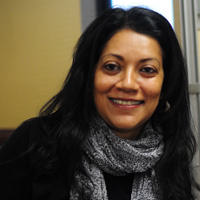
Dina M. Siddiqi
Fellow, Anthropology, BRAC University
Dina M. Siddiqi divides her time between New York and Dhaka, where she is Professor of Anthropology, BRAC University. Her publications, grounded in the study of Bangladesh, cover a broad spectrum: the global garment industry; gender justice and non-state dispute resolution systems, and the intersections of Islam, nationalism and feminist cultural politics. She is currently working on a book entitled Elusive Solidarities: “Muslim” Women and Transnational Feminism at Work. Siddiqi is on the editorial board of Routledge’s Women in Asia Publication Series, a member of the South Asia Council of the Association of Asian Studies (AAS), and on the Gender Advisory Council of the Lahore School of Management Sciences (LUMS). She is also part of the Advisory Council of the South Asian Network of Gender Activists and Trainers (SANGAT). She has extensive research experience with Bangladeshi human rights organizations, including Ain o Salish Kendra (ASK) and Bangladesh Legal and Services Trust (BLAST).
Professor of Anthropology, BRAC University

Dina M. Siddiqi is Associate Professor in Liberal Studies at New York University. She has also been a Visiting Professor of Anthropology at BRAC University since 2013. She serves on the editorial board of Routledge’s Women in Asia Publication Series; and is Chair of the South Asia Council (SAC), the Association of Asian Studies (AAS). She is on the Advisory Committees of the Saida Waheed Gender Initiative, Lahore University of Management Sciences (LUMS); the Political Conflict, Gender and Peoples' Rights Project (Berkeley and Columbia University) and the South Asian Feminist Network (SANGAT). Siddiqi’s research and publications cover a range of issues grounded in the study of the politics of gender, sexuality and Islam in Bangladesh. She is the author of “Secularism Quests, National Others: Revisiting Bangladesh’s Constituent Assembly Debates” in Asian Affairs: Journal of the Royal Society for Asian Affairs (2015), "Scandals of Seduction and the Seductions of Scandal" in Comparative Studies of South Asia, Africa and the Middle East (2015), “Starving for Justice: Bangladeshi Garment Workers in a ‘Post-Rana Plaza’ World” in International Labor and Working Class History (2015), and “Solidarity, Sexuality and Saving Muslim Women in Neoliberal Times”in Women’s Studies Quarterly (2014).
Working Group Affiliation

Tobin Siebers
Fellow, English and Art and Design, University of Michigan
Tobin Siebers is V. L. Parrington Collegiate Professor, Professor of English and Art and Design at the University of Michigan. He has been a fellow of the Michigan Society of Fellows and the John Simon Memorial Guggenheim Foundation and a Visiting Scholar at the Ecole Polytechnique in Paris.
V. L. Parrington Collegiate Professor, Professor of English and Art and Design, University of Michigan
Tobin Siebers is V. L. Parrington Collegiate Professor, Professor of English and Art and Design at the University of Michigan. He has been a fellow of the Michigan Society of Fellows and the John Simon Memorial Guggenheim Foundation and a Visiting Scholar at the Ecole Polytechnique in Paris. His major publications include The Mirror of Medusa (California 1983), The Romantic Fantastic (Cornell 1984), The Ethics of Criticism (Cornell 1988), Morals and Stories (Columbia 1992), Cold War Criticism and the Politics of Skepticism (Oxford 1993), The Subject and Other Subjects: On Ethical, Aesthetic, and Political Identity (Michigan 1998), Among Men (Nebraska 1999), Disability Theory (Michigan 2008), Zerbrochene Schönheit (Transcript 2008) and Disability Aesthetics (Michigan, 2010). He is also the editor of Religion and the Authority of the Past (Michigan 1993), Heterotopia: Postmodern Utopia and the Body Politic (Michigan 1994), and The Body Aesthetic: From Fine Art to Body Modification (Michigan 2000). His recent work on disability studies has been published in American Literary History, Cultural Critique, Literature and Medicine, Journal for Cultural and Religious Theory, Michigan Quarterly Review, PMLA, and the MLA volume on disability studies. He is currently at work on a project on the visual representation of female mental disability.
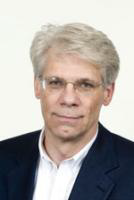

Irina Carlota Silber
Fellow, Anthropology, City University of New York
Irina Carlota (Lotti) Silber received her PhD from NYU and is currently an Associate Professor of Anthropology at the City College of New York (CCNY) in the Department of Interdisciplinary Arts and Sciences, which is housed at the Center for Worker Education. She is also the Director of the MA Program in the Study of the Americas. She is the recipient of various dissertation fellowships (i.e.
Associate Professor of Anthropology, City University of New York

Irina Carlota (Lotti) Silber received her PhD from NYU and is currently an Associate Professor of Anthropology at the City College of New York (CCNY) in the Department of Interdisciplinary Arts and Sciences, which is housed at the Center for Worker Education. She is also the Director of the MA Program in the Study of the Americas. She is the recipient of various dissertation fellowships (i.e. Fulbright Hays, IAF, OAS, Charlotte Newcombe) and postdoctoral fellowships (Rockefeller Fellow at the Virginia Foundation for the Humanities, Rutgers Center for Historical Analysis, Rockefeller Fellow at Berkeley –declined) and has most recently received several CUNY wide grants. Lotti has published her work in Gender & History, Women’s Studies Quarterly, and in peer reviewed volumes published by Duke University Press, Rutgers University Press, University of Pittsburgh Press, and PAIDOS (Argentina). Her book, Everyday Revolutionaries: Gender, Violence and Disillusionment in Postwar El Salvador is recently published by Rutgers University Press in their Genocide, Political Violence, and Human Rights Series. She currently has two projects underway, one that continues her long interest in the entanglements of war and displacement through a comparative study of Central American migration in Europe, and a second project entitled The Texture of Illness which explores childhood genetic difference.
Working Group Affiliation
Bertram Silverman
Fellow, Economics, Hofstra University
Bertram Silverman is a professor of economics emeritus and former director of the Center for the Study of Labor and Democracy at Hosftra University. He has worked as a trade union economist and has organized and directed a joint university-trade union college degree program for working adults. Silverman has written about labor problems in the United States, Latin America, and Europe. He is editor of Man and Socialism in Cuba: The Great Debate and co-editor with Murray Yanowitch of The Worker in “Post-Industrial” Capitalism; Labor and Democracy in the Tran
Emiritus Professor of Economics, Hofstra University
Bertram Silverman is a professor of economics emeritus and former director of the Center for the Study of Labor and Democracy at Hosftra University. He has worked as a trade union economist and has organized and directed a joint university-trade union college degree program for working adults. Silverman has written about labor problems in the United States, Latin America, and Europe. He is editor of Man and Socialism in Cuba: The Great Debate and co-editor with Murray Yanowitch of The Worker in “Post-Industrial” Capitalism; Labor and Democracy in the Transition to a Market System; and Double Shift: Transforming Work in Post-Socialist and Post-Industrial Societies.
Working Group Affiliation

Simpreet Singh
Fellow, Sociology, Boğaziçi University
Simpreet Singh is an Indian activist who since quitting his career as a successful engineer, has worked relentlessly on exposing housing scams and corruption in the city of Mumbai, where slum-dwellers are being evicted, in many cases unfairly, to make way for upmarket developments.
Professor of Sociology, Boğaziçi University
Simpreet Singh is an Indian activist who since quitting his career as a successful engineer, has worked relentlessly on exposing housing scams and corruption in the city of Mumbai, where slum-dwellers are being evicted, in many cases unfairly, to make way for upmarket developments.
Simpreet is fighting to stop these land grabs, by using India's Right To Information laws. As part of his work with the Ghar Bachao Ghar Banao (GBGB) Movement, he persistently investigates alleged scams involving public land and environment violations. Simpreet is employed at the Tata Institute of Social Sciences (TISS) and he is a member of the National Alliance of the Peoples Movement (NAPM). He is also currently pursuing a Phd on Mumbai's slums.
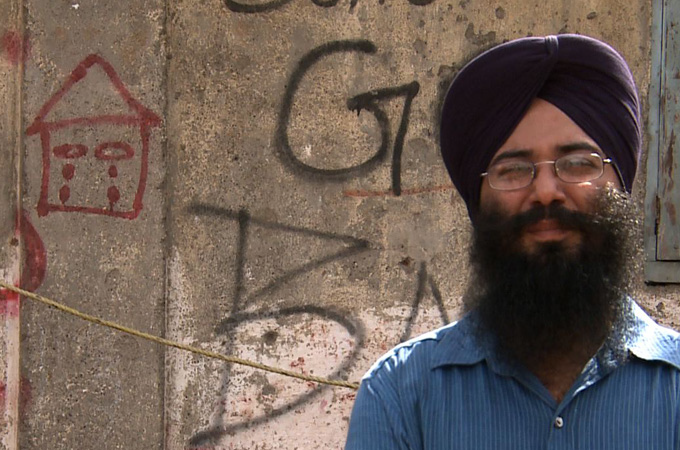

Nükhet Sirman
Fellow, Sociology, Boğaziçi University
Professor of Sociology at Bogazici University. She received a Bachelor of Artsand PhD at the University College of London in 1976 and 1988 respectively. Dr. Sirman’s areas of interest include gender, family and kinship, postcolonial societies, interpretive methods.
Professor of Sociology, Boğaziçi University
Professor of Sociology at Bogazici University. She received a Bachelor of Artsand PhD at the University College of London in 1976 and 1988 respectively. Dr. Sirman’s areas of interest include gender, family and kinship, postcolonial societies, interpretive methods.

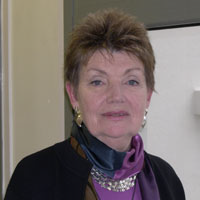
Carroll Smith-Rosenberg
Fellow, History, University of Michigan
Carroll Smith-Rosenberg is the Mary Frances Berry Collegiate Professor of History, Women's Studies and American Culture, University of Michigan, Emerita. The author of several books and more than 40 essays on American history and culture and women's history, she has twice received the Binkley-Stephenson Award for best article in the Journal of American History. Her most recent book is This Violent Empire: The Birth of an American National Identity (2010).
Professor Emeritus of History, University of Michigan
Carroll Smith-Rosenberg is the Mary Frances Berry Collegiate Professor of History, Women's Studies and American Culture, University of Michigan, Emerita. The author of several books and more than 40 essays on American history and culture and women's history, she has twice received the Binkley-Stephenson Award for best article in the Journal of American History. Her most recent book is This Violent Empire: The Birth of an American National Identity (2010).
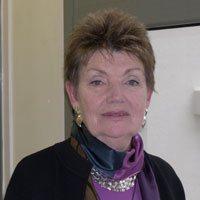
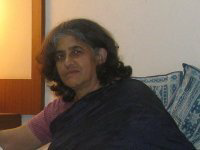
Wandana Sonalkar
Fellow, Economics, Dr. Babasaheb Ambedkar Marathwada University
She is Professor in Advanced Centre for Women's Studies, School of Development Studies at the Tata Institute of Social Sciences and Director of Tarabai Shinde Women's Studies Center. She was a graduate in Mathematics, Economics at the University of Cambridge and recieved a Ph.D. in the Department of Economics at Dr. Babasaheb Ambedkar Marathwada University.
Wandana Sonalkar
Professor, Dr. B. Ambedkar Marathwada University
She is Professor in Advanced Centre for Women's Studies, School of Development Studies at the Tata Institute of Social Sciences and Director of Tarabai Shinde Women's Studies Center. She was a graduate in Mathematics, Economics at the University of Cambridge and recieved a Ph.D. in the Department of Economics at Dr. Babasaheb Ambedkar Marathwada University.
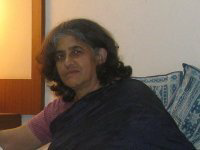

Maboula Soumahoro
Associate Professor, English Department, Université François-Rabelais-Tours, France
Dr. Soumahoro is an Associate Professor in the English Department at the Université François-Rabelais-Tours, France. She has been a visiting lecturer in Africana Studies at Barnard College and at the Institute for Research in African American Studies (IRAAS) at Columbia University (New York). She received her PhD magna cum laude from the English Department of the Université de Tours Francois-Rabelais (France). She has also been a Visiting Scholar in the History Department and the Institute for Research in African American Studies (IRAAS) at Columbia University.
Maboula Soumahoro
Visiting Professor of Oral History, Columbia
Dr. Soumahoro is an Associate Professor in the English Department at the Université François-Rabelais-Tours, France. She has been a visiting lecturer in Africana Studies at Barnard College and at the Institute for Research in African American Studies (IRAAS) at Columbia University (New York). She received her PhD magna cum laude from the English Department of the Université de Tours Francois-Rabelais (France). She has also been a Visiting Scholar in the History Department and the Institute for Research in African American Studies (IRAAS) at Columbia University. She has lectured and delivered papers in the United States, the Caribbean, and Europe.
Her current forthcoming projects include Black Peoples, Black Gods, a comparative historical analysis of the emergence of Rastafari and the Nation of Islam; Constructing Black France: A Transatlantic Dialogue, a collection of essays from the conference of the same title that she organized at Columbia University in April 2009; and an essay on “Maryse Condé’s Segu in Black Women’s Intellectual History,” edited by Farah Griffin, Barbara Savage, Mia Bay, and Martha Jones.

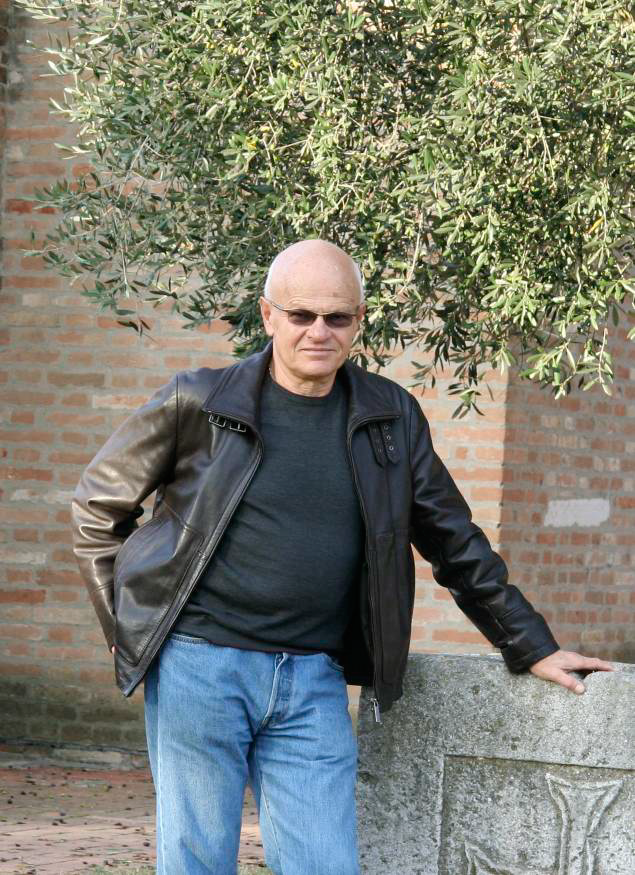
Leo Spitzer
Visiting Professor of Oral History, Columbia
Leo Spitzer is the Vernon Professor of History Emeritus at Dartmouth College.
Leo Spitzer
Visiting Professor of Oral History, Columbia

Leo Spitzer is the Vernon Professor of History Emeritus at Dartmouth College. The recipient of numerous fellowships, including a John Simon Guggenheim Foundation and a National Humanities Center award, he writes on photography, testimony, and Jewish refugee memory and its transmission. His most recent book, co-authored with Marianne Hirsch, is Ghosts of Home: The Afterlife of Czernowitz in Jewish Memory. He is also the author of Hotel Bolivia: The Culture of Memory in a Refuge from Nazism; Lives in Between: Assimilation and Marginality in Austria, Brazil and West Africa; The Creoles of Sierra Leone: Responses to Colonialism; and co-editor, with Mieke Bal and Jonathan Crewe, of Acts of Memory: Cultural Recall in the Present. He is currently working on The Americanization of Poldi, a memoir about Jewish refugee immigration in New York in the decade of the 1950s and, with Marianne Hirsch, on a book of essays on school photos.
Working Group Affiliations
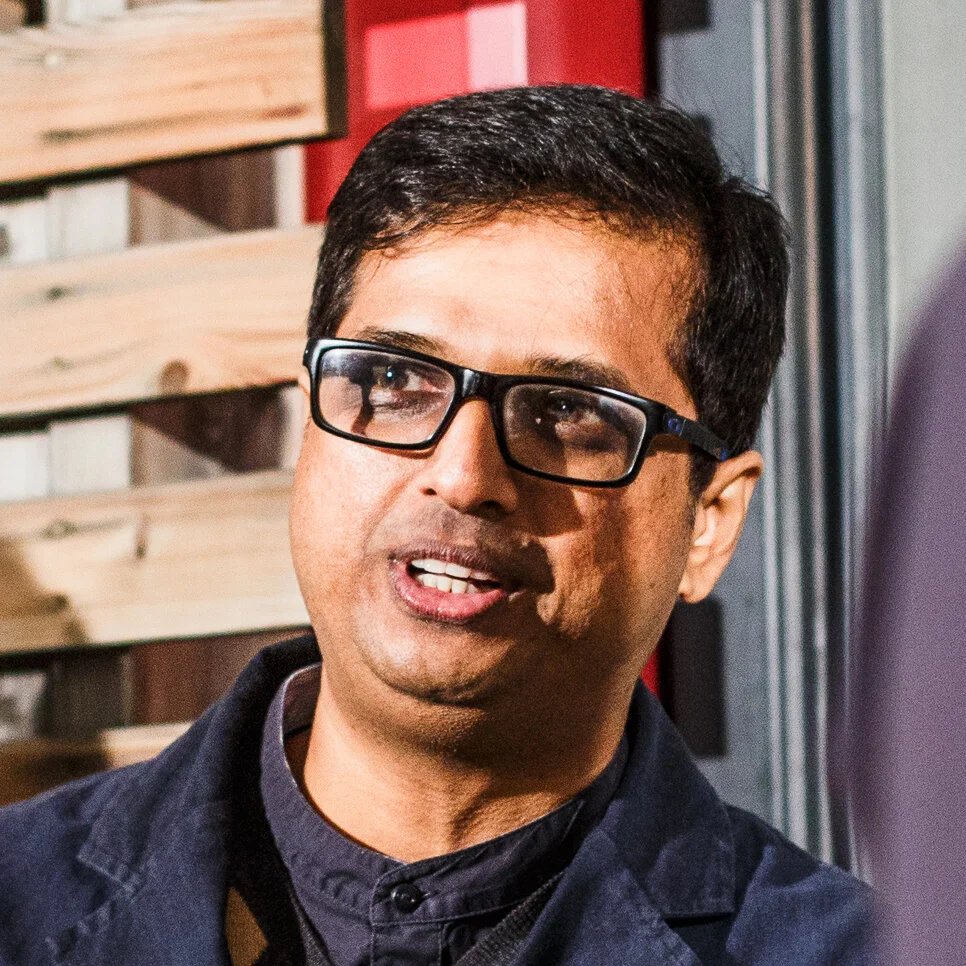
Rahul Srivastava
Rahul Srivastava is co-founder of the urbz collective along with Matias Echanove and Geeta Mehta, which has offices in Mumbai, Geneva and Bogota. He has studied Sociology and Social Anthropology at St. Xavier's College - Mumbai, Jawaharlal Nehru University - New Delhi, and Cambridge University - U.K.
Rahul Srivastava
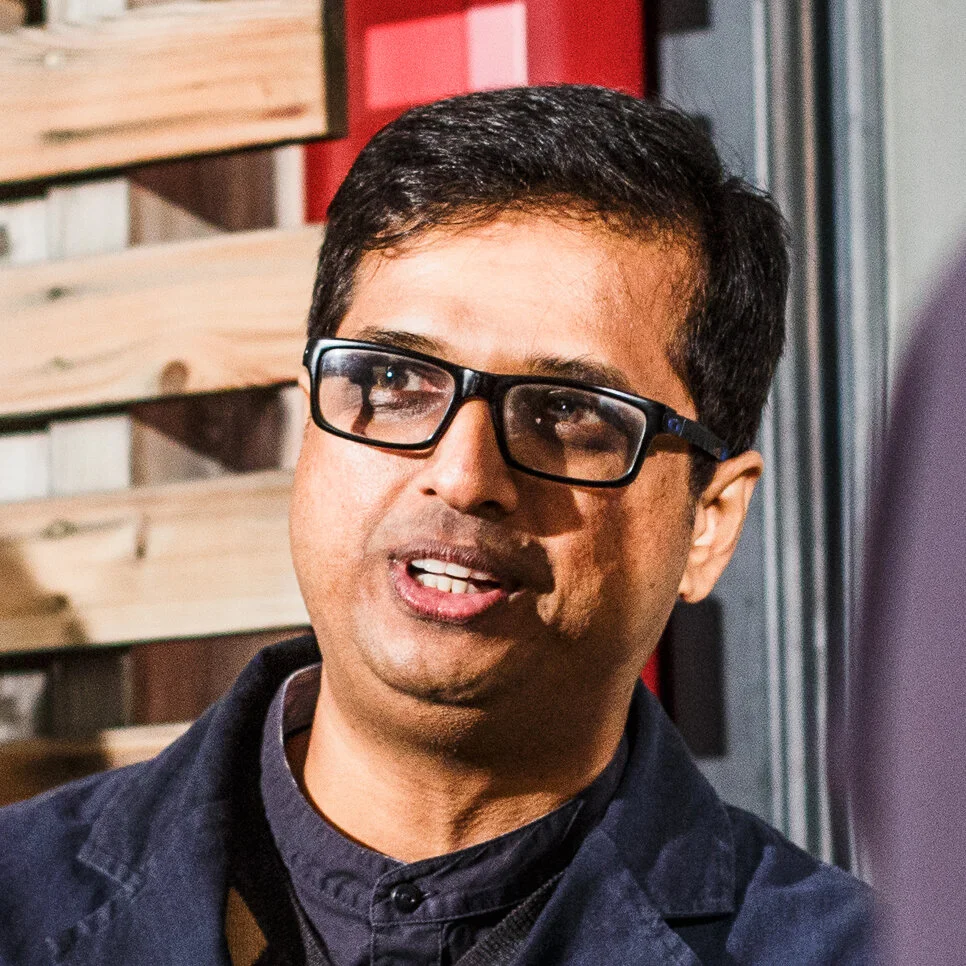
Rahul Srivastava is co-founder of the urbz collective along with Matias Echanove and Geeta Mehta, which has offices in Mumbai, Geneva and Bogota. He has studied Sociology and Social Anthropology at St. Xavier's College - Mumbai, Jawaharlal Nehru University - New Delhi, and Cambridge University - U.K.
Rahul taught at Wilson College in Mumbai for seven years and was the first Director of PUKAR, Partners for Urban Knowledge, Action and Research, Mumbai. He has written extensively in academic and mainstream publications.
urbz is an experimental action and research collective specialized in participatory planning and design. It works with citizens, organizations and municipalities. urbz’s work has been exhibited at MoMA in New York, MAXXI in Rome, MAK in Vienna, Sao Paulo Cultural Center and Bhau Daji Lad City Museum in Mumbai.
Working Group Affiliation
Iulia Statica
Lecturer in Urban Design at the School of Architecture, University of Sheffield, UK
Iulia Statica is a Lecturer in Urban Design at the School of Architecture at the University of Sheffield, UK. Between 2019-21 she was the Marie Curie Research Fellow at The Bartlett School of Architecture, University College London.
Iulia Statica
Lecturer in Urban Design at the School of Architecture, University of Sheffield, UK

Iulia Statica is a Lecturer in Urban Design at the School of Architecture at the University of Sheffield, UK. Between 2019-21 she was the Marie Curie Research Fellow at The Bartlett School of Architecture, University College London. Her research interests focus on the relationship between gender and domesticity in the development and transformation of housing infrastructures and urban landscapes in Eastern Europe and Latin America. She employs documentary film as an integral aspect of both research and practice; her documentary — My Socialist Home — will be premiered in her forthcoming exhibition Archiving the Home: Gender and Domesticity in Postsocialist Bucharest in London. Statica completed her PhD at the Department of Architecture at the University of Rome La Sapienza in 2016, and was awarded the Fellowship in Architecture at the Romanian Academy in Rome (2012-14). Between 2018 and 2019 she was a Visiting Scholar at the Mario Einaudi Center for International Studies, Latin American Studies Program, at Cornell University. She is the author of Urban Phantasmagorias: Domesticity, Production and the Politics of Modernity in Communist Bucharest (Routledge, forthcoming 2022).
Working Group Affiliation
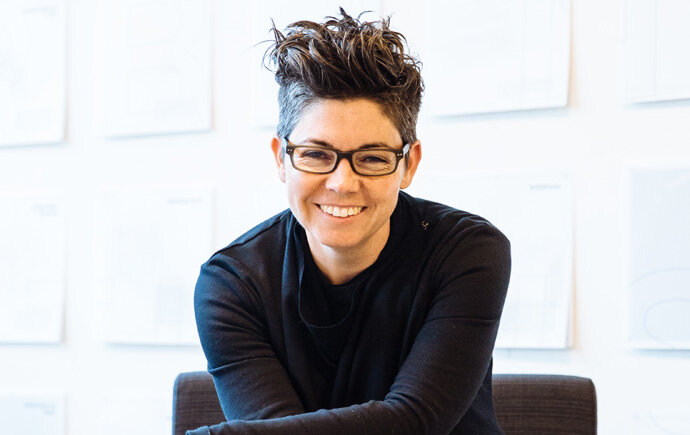
Naomi Stead
Professor, Art, Design and Architecture, Monash University
Naomi Stead is a Professor at Monash University. She was a co-founder of Parlour, an activist group advocating for greater gender equity in architecture, co-author of Parlour Guides to Equitable Practice, and co-curator of the exhibition Portraits of Practice: At Work in Architecture.
Naomi Stead
Professor, Art, Design and Architecture, Monash University

Naomi Stead is a Professor at Monash University. She was a co-founder of Parlour, an activist group advocating for greater gender equity in architecture, co-author of Parlour Guides to Equitable Practice, and co-curator of the exhibition Portraits of Practice: At Work in Architecture. She is co-editor of Speaking of Buildings: Oral History in Architectural Research (2019) and editor of Semi-Detached: Writing, Representation and Criticism in Architecture (2012). She has served as editor of Architectural Theory Review and Culture Unbound: Journal of Current Cultural Research. She writes in architectural humanities and cultural studies of architecture, considering its production, reproduction, mediation and reception, gender equity in architecture, and oral history as a disruptive method in its research.
Working Group Affiliation
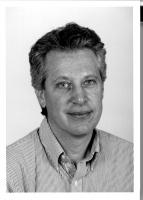
Joseph Straus
Distinguished Professor of Music, CUNY Graduate Center
Joseph Straus is Distinguished Professor of Music at the Graduate Center of the City University of New York. He is the author of numerous books and articles on topics in twentieth-century music, including Twelve-Tone Music in America (2009), Introduction to Post-Tonal Theory (3rd ed., 2004), Stravinsky's Late Music (2001), The Music of Ruth Crawford Seeger (1995), and Remaking the Past: Musical Modernism and the Influence of the Tonal Tradition (1990).
Joseph Straus
Distinguished Professor of Music, CUNY Graduate Center
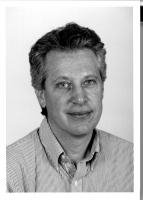
Joseph Straus is Distinguished Professor of Music at the Graduate Center of the City University of New York. He is the author of numerous books and articles on topics in twentieth-century music, including Twelve-Tone Music in America (2009), Introduction to Post-Tonal Theory (3rd ed., 2004), Stravinsky's Late Music (2001), The Music of Ruth Crawford Seeger (1995), and Remaking the Past: Musical Modernism and the Influence of the Tonal Tradition (1990). His most recent publications, including Extraordinary Measures: Disability in Music (Oxford University Press, 2011), are among the first to bring to music the insights of Disability Studies. He is a former President of the Society for Music Theory.
Working Group Affiliation
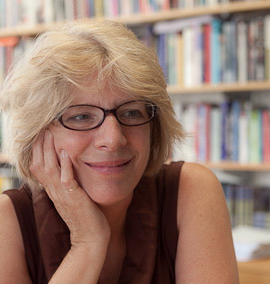
Marita Sturken
Professor and Chair, Department of Media, Culture, and Communication and Co-Director of the Visual Culture Program, NYU
Marita Sturken is Professor in the Department of Media, Culture, and Communication at New York University, where she teaches courses in visual culture, cultural memory, and consumerism.
Marita Sturken
Professor and Chair, Department of Media, Culture, and Communication and Co-Director of the Visual Culture Program, NYU
Marita Sturken is Professor in the Department of Media, Culture, and Communication at New York University, where she teaches courses in visual culture, cultural memory, and consumerism. She is the author of Tangled Memories: The Vietnam War, the AIDS Epidemic, and the Politics of Remembering (University of California Press, 1997), and Practices of Looking: An Introduction to Visual Culture (with Lisa Cartwright, Oxford University Press, second edition 2009), and Tourists of History: Memory, Kitsch, and Consumerism From Oklahoma City to Ground Zero (Duke University Press, 2007).
Working Group Affiliation

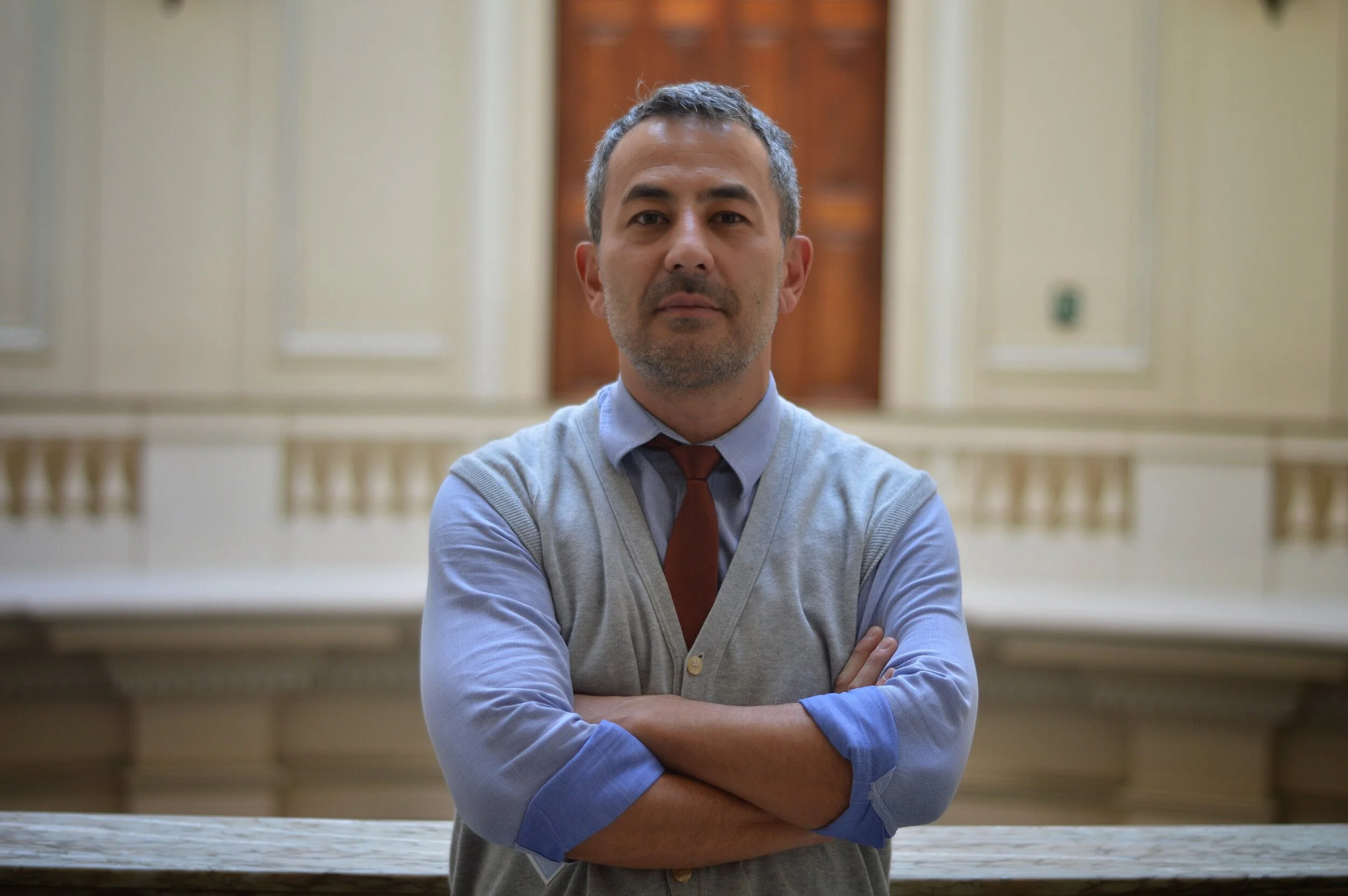
Sergio Suiama
Public Prosecutor, Office of Cultural Heritage in Rio de Janeiro, Brazil
Sergio Suiama is a Federal Prosecutor in Brazil and a Columbia Law LL.M. alumnus (class of 2009-2010). Also, he holds a master in World Heritage and Cultural Projects for the Development from University of Turin. Graduated from University of Sao Paulo Law School, he has worked in the Brazilian prosecution service since 2002, and at the Office of Cultural Heritage and Environment in Rio de Janeiro since 2014. Currently, he serves as well as the Ombudsperson for Human Rights in the State and coordinates the Working Group on LGBTQ’s rights at the Office of the Federal Ombudsman.
Sergio Gardenghi Suiama
Public Prosecutor, Office of Cultural Heritage in Rio de Janeiro, Brazil
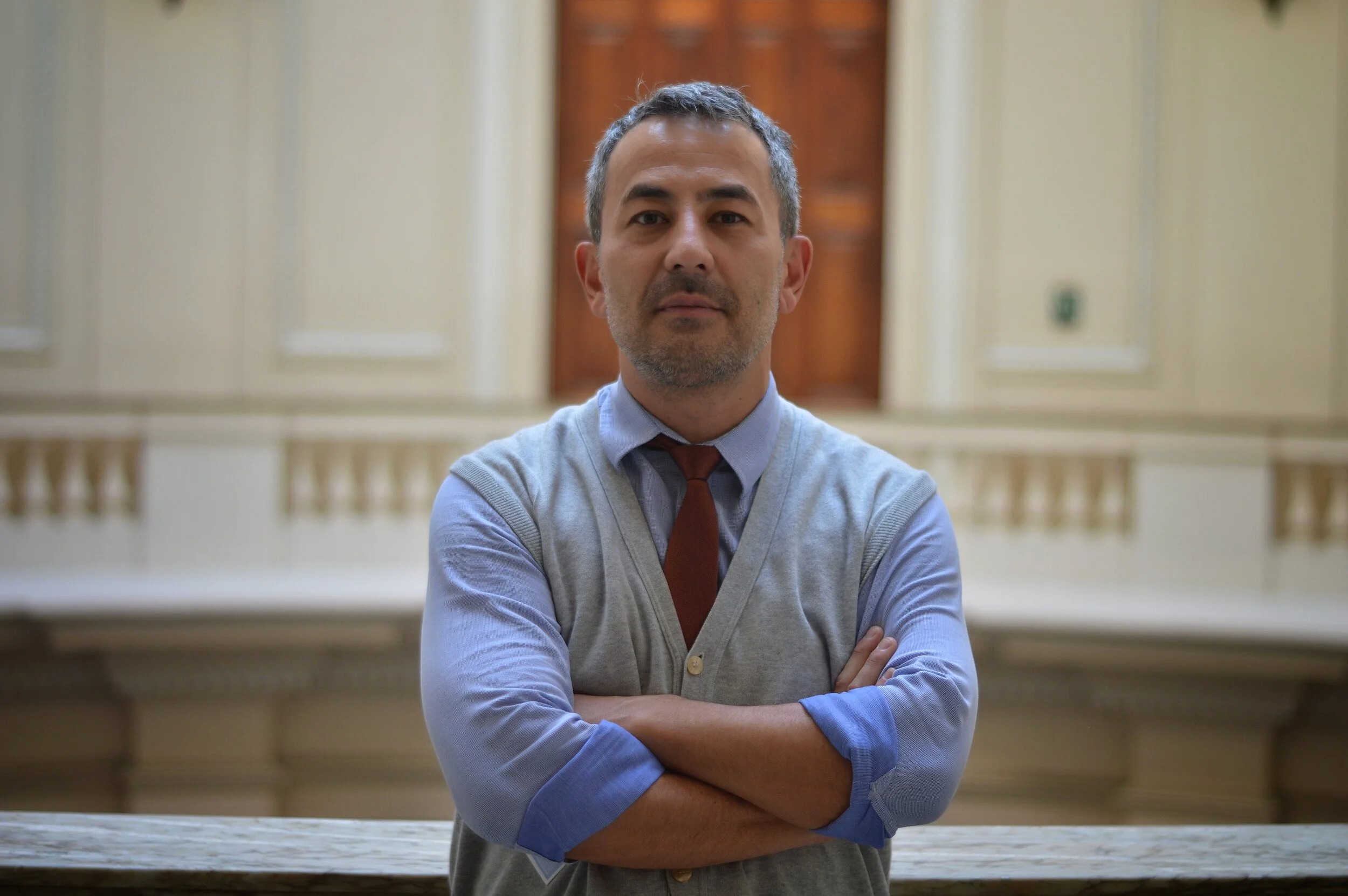
Sergio Suiama is a Federal Prosecutor in Brazil and a Columbia Law LL.M. alumnus (class of 2009-2010). Also, he holds a master in World Heritage and Cultural Projects for the Development from University of Turin.
Graduated from University of Sao Paulo Law School, he has worked in the Brazilian prosecution service since 2002, and at the Office of Cultural Heritage and Environment in Rio de Janeiro since 2014. Currently, he serves as well as the Ombudsperson for Human Rights in the State and coordinates the Working Group on LGBTQ’s rights at the Office of the Federal Ombudsman.
As a senior legal professional, he has for more than 20 years litigated, written and lectured on topics such as racial equality, transitional justice, cultural rights, freedom of expression and rights of LGBTQ.
For his work in investigating and prosecuting perpetrators of crimes against humanity committed during the last Brazilian dictatorship he received in 2014 the Special Achievement Award from the International Association of Prosecutors, and the Chico Mendes Medal from Grupo Tortura Nunca Mais (Brazil).

Mayssoun Sukarieh
Lecturer in Anthropology and Development Studies
Mayssoun Sukarieh is co-convener of the MA degree in Political Economy of the Middle East. She received her PhD from the University of California, Berkeley, and a MA and BA from the American University of Beirut. Since then she has lectured in anthropology and development studies in universities around the Arab region (American University of Beirut; American University of Cairo) and the United States (Columbia & Brown Universities). Her research interests focus on youth, education, development and social movements in the Arab region, with a particular interest in studying the political, economic, cultural and social structures and processes that tie the region in complex and contradictory ways to the larger global political economy. Her first book, Youth Rising? The Politics of Youth in the Global Economy (co-authored with Stuart Tannock) was published earlier this year by Routledge's Critical Youth Studies series. In 2015, she was also appointed as a Fellow of the Wissenschaftszentrum Berlin für Sozialforschung.
Mayssoun Sukarieh
Lecturer in Anthropology and Development Studies

Mayssoun Sukarieh is co-convener of the MA degree in Political Economy of the Middle East. She received her PhD from the University of California, Berkeley, and a MA and BA from the American University of Beirut. Since then she has lectured in anthropology and development studies in universities around the Arab region (American University of Beirut; American University of Cairo) and the United States (Columbia & Brown Universities). Her research interests focus on youth, education, development and social movements in the Arab region, with a particular interest in studying the political, economic, cultural and social structures and processes that tie the region in complex and contradictory ways to the larger global political economy. Her first book, Youth Rising? The Politics of Youth in the Global Economy (co-authored with Stuart Tannock) was published earlier this year by Routledge's Critical Youth Studies series. In 2015, she was also appointed as a Fellow of the Wissenschaftszentrum Berlin für Sozialforschung.
Working Group Affiliation