
"The Invisible Labor of Women's Studies": Paige West and Lila Abu-Lughod Featured in the Atlantic Magazine
Paige West, Professor of Anthropology at Barnard and Columbia and director of CSSD's project on Pacific Climate Circuits and Lila Abu-Lughod, Professor of Anthropology and Women’s and Gender Studies at Columbia and director of CSSD's project on Gender, Religion, and Law in Muslim Societies, were featured in the recent Atlantic article "The Invisible Labor of Women's Studies."

The article, on the problem of poorly resourced Women's Studies departments, investigates how many elite universities continue to assign women's studies and gender studies departments second-class status. Many times these interdisciplinary departments receive much less funding than traditional departments and have no salaried positions. Often the programs are not covered by contracts or grants so run the risk of termination.
Read the article here.
Gayatri Spivak Discusses Violence and the Marginalized in New York Times Interview
Gayatri Chakravorty Spivak, co-director of the CSSD project "The Rural Urban Interface: Gender and Poverty in Ghana and Kenya" and University Professor in the Humanities at Columbia University, was recently interviewed by the New York Times for an article on the nature of violence among marginalized people."When one group designates another as lesser, they are saying the 'inferior' group cannot think in a 'reasonable' way," said Spivak. "The oppressed, for their part, have been left with only one possible identity, which is one of violence. That becomes their politics and it appropriates their intellect," she said.
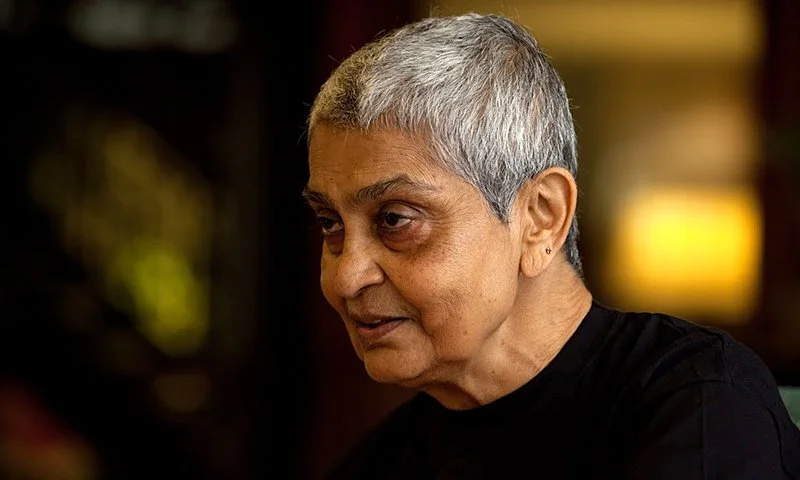
Dominating groups see the violence of the marginalized as "unreasonable" and demonize it, claimed Spivak, while state-legitimized violence is deemed "reasonable" as it flourishes among globalized systems of capitalism, legality, and philanthropy.
Read the whole article here.
Frances Negrón-Muntaner Directs Video Series on Aging Former Inmates Reentering Society
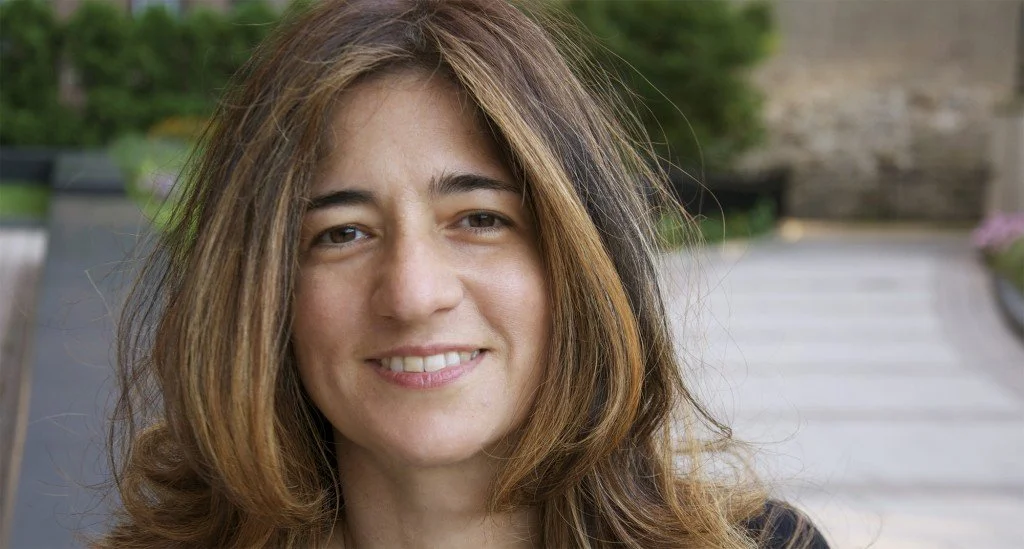
Frances Negrón-Muntaner, Associate Professor of English and Comparative Literature and co-director of the CSSD project "Unpayable Debt: Capital, Violence, and the New Global Economy," recently directed the video “Life Outside: Rosalie Comes Home,” the first in a series documenting formerly incarcerated people over the age of 60 who are released from prison after having served lengthy sentences.
The film and the series are a collaboration between the Center for Justice and the Media and Idea Lab at the Center for the Study of Ethnicity and Race. "Life Outside" tells the story of Rosalie Cutting, who at 71 rejoins society after being incarcerated for 27 years.

Rosalie Cutting, from “Life Outside: Rosalie Comes Home”
Negrón-Muntaner, director of the Lab and of the series, said that “Through these stories, we aim to amplify the voices of formerly incarcerated people as part of a larger dialogue about the necessity of shifting from a punitive to a transformative paradigm of justice."
Katherine Pratt Ewing Awarded Grant by American Council of Learned Societies for Sufi/Salafi Research
Katherine Pratt Ewing, Professor of Religion, Columbia University, and co-director of CSSD's project "Gender, Religion and Law in Muslim Societies," was awarded a grant by the American Council of Learned Societies (ACLS) for her project on "Sufis, Salafis, and the Public Square."
The grant is funded by the Luce Foundation and is part of ACLS' inaugural Program in Religion, Journalism & International Affairs, aimed at pursuing programming that connects scholarship on religion to journalism training and practice.
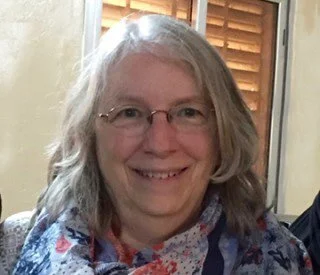
Ewing's project, which examines the relationships between authoritarian regimes and Salafist movements in countries where Sufism is being crowded out, will produce a database of oral histories of Sunni Muslims and government representatives.
Marianne Hirsch Elected to American Academy of Arts and Sciences
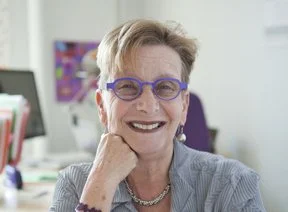
Marianne Hirsch, co-director of CSSD's Women Mobilizing Memory project and Professor of English and Comparative Literature and of Women's, Gender, and Sexuality Studies at Columbia University, was elected a 2016 member of the American Academy of Arts and Sciences.
The American Academy serves the nation as a champion of scholarship, civil dialogue, and useful knowledge. As one of the country's oldest learned societies and independent policy research centers, the Academy convenes leaders from the academic, business, and government sectors to respond to the challenges facing the nation and the world.
Jean Howard Awarded Honorary Doctorate from Brown University
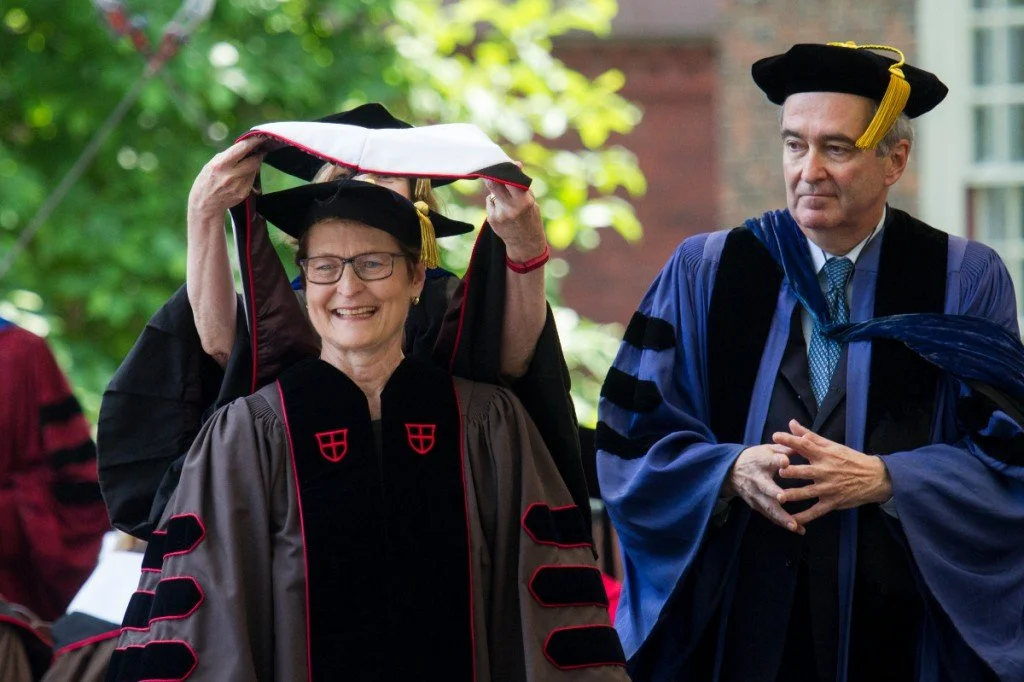
Photo courtesy of Nick Dentamaro/Brown University.
Jean Howard, George Delacorte Professor in the Humanities at Columbia University, co-director of CSSD's Women Mobilizing Memory working group, and former director of CSSD, was awarded an honorary doctorate by Brown University.
A teacher, scholar, and Shakespeare expert, Howard received her B.A. from Brown and served as a member of Brown's Board of Trustees from 1974 to 1981, leading the Committee on the Status of Women, and was chair of the Advisory Council on Diversity. She currently chairs the Associate Council of the Pembroke Center for Teaching and Research on Women, also at Brown.
CSSD Fellow Susan Meiselas Receives Honorary Doctorate from Columbia

Documentary photographer Susan Meiselas and member of CSSD working group Women Mobilizing Memory recently received an honorary Doctorate of Humane Letters from Columbia University.
At Columbia's dinner honoring the degree recipients, Meiselas said that the collaborative work of the group not only furthered interaction between the New York campus and the Columbia Global Centers in Istanbul and Santiago but also acted as a form of intervention.
Meiselas' important documentary work on human rights abuses in Chile and among Kurdish populations in Turkey inspired exhibits that Women Mobilizing Memory produced in Istanbul and New York, according to project co-director Marianne Hirsch.
Meiselas' attention to documenting individual stories as well as systemic injustice provides a powerful model for the group's use of the arts as a feminist means of mobilizing memories of violence in the interest of social justice, said Hirsch.
CSSD Funds New Working Group Addressing the Politics of Unpayable Debt and Its Effect on Social Mobilization
CSSD has awarded a two-year grant for $35,000 to an interdisciplinary faculty group that is developing a comparative research and public engagement project examining the emergence and impact of massive debt on vulnerable polities and populations.

Convening in the fall of 2016, Unpayable Debt: Capital, Violence, and the New Global Economy raises critical questions about the role of debt in contemporary capitalism; the relationship between debt, migration, and violence; and the emergence of new political and cultural identities, particularly among subordinated groups. The project's members, which include scholars, filmmakers, and journalists, examine the politics of information asymmetry—a lack of data and conceptual tools—and how this might undermine social mobilization in impoverished communities, peoples, and countries.
The interdisciplinary group will compare recent and landmark cases such as Puerto Rico, Argentina, Greece, Spain, and U.S. cities like Detroit as well as other spaces that have been historically affected by debt. The project will also develop a web platform to disseminate existing information, facilitate public engagement, and increase discussion about the politics of debt.
The project’s directors are Christina Duffy Ponsa, George Welwood Murray Professor of Legal History, Columbia Law School and Frances Negrón Muntaner, Professor of English and Comparative Literature and Director, Center for the Study of Ethnicity and Race, Columbia University.
Laura Ciolkowski Teaches Literature Humanities at Women's Prison
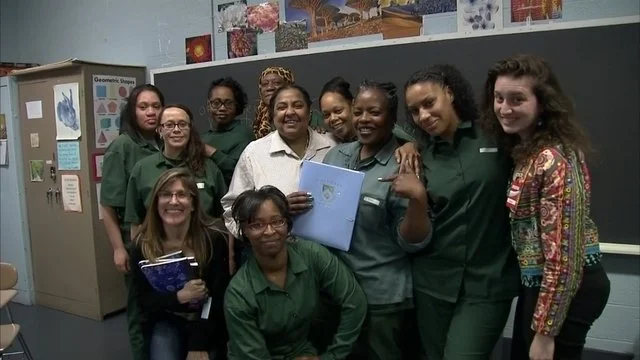
Laura Ciolkowski, CSSD Associate Director and Adjunct Associate Professor of English and Comparative Literature, Columbia University, was recently featured in a Reuters story about the literature humanities course she teaches at the Taconic Correctional Facility, a medium security women's prison in Bedford Hills, New York.
The course is offered through Columbia University's Justice-in-Education Initiative at the Center for Justice. The Justice-in-Education Initiative strives not only to make higher education available to a population that has been effectively excluded from it, but also to contribute to the growing movement to end mass incarceration.
Rachel Adams Talks to Al Jazeera about Arthur Miller's Treatment of his Disabled Son
Rachel Adams, CSSD director and Professor of English and American Studies at Columbia University, appeared on Al Jazeera to discuss American playwright Arthur Miller, who institutionalized and never publicly acknowledged his son Daniel, who has Down Syndrome.
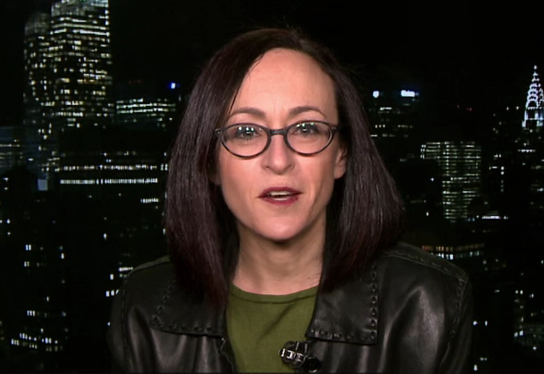
Adams, who also directs CSSD's Future of Disability Studies working group, said: "There is an irony that Miller was lionized for standing up for those who had been victimized and at the same time refusing to speak up on behalf of his son and people with disabilities like him."
Adams also discusses the changing norms around raising children with disabilities in a family environment. Read the article here.
Caribbean Digital II Surveys the Past and Future of Diasporic Communications
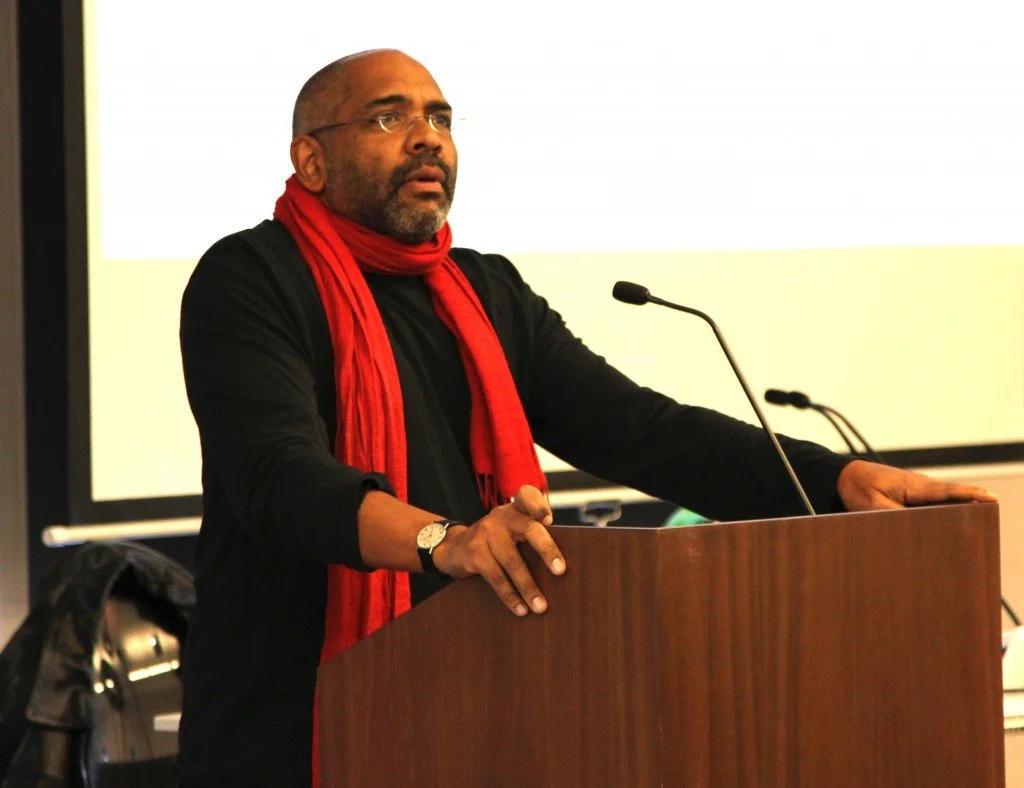
“The Caribbean is preparing the future,” said David Scott, Professor of Anthropology, Columbia University, as he introduced the second installment of “The Caribbean Digital,” a conference organized by CSSD’s Digital Black Atlantic working group.
Focused on “Histories, Cartographies, Narratives,” the daylong event on the Columbia campus began with Scott’s recollection of a conversation with the Cuban intellectual Roberto Fernandez Retamar about the promising nature of fieldwork centered on communications within and about the Caribbean region. “He didn’t say ‘our future’ or ‘its future’—he said ‘the future,’” clarified Scott.
Presenters proceeded to consider how Caribbean communication networks were global and experimental long before the advent of the Internet and other technologies. Participants also explained how the region poses unique challenges and opportunities for the digital era.
For the “Histories” panel Vincent Brown, Professor of History, African, and African American Studies, Harvard University, presented his interactive website documenting the research amassed in Richard S. Dunn’s A Tale of Two Plantations: Slave Life and Labor in Jamaica and Virginia. Tracking the lives of more than 400 enslaved individuals—an unprecedented trove of genealogical information—the website foregoes the format of the family tree in favor of visualizations that emphasize belonging and connection across generations and between plantations. Brown ultimately offered a critique of the family tree as a technology first designed to track royal blood and organize patriarchal patterns of inheriting property. Recognizing these limits, Brown advocated for experimentation with new ways to represent the bonds between people who were property and whose families were regularly disrupted by early death and sudden sale.
Laurent Dubois, Professor of History, Duke University and Mary C. Lingold, English doctoral candidate, Duke University, also emphasized the interpretive innovation required to “read” even a single historical document: in this case, Hans Sloane’s transcription of three songs for banjo and percussion performed by Africans in Jamaica in 1688. Though much information is missing in the musical notation, Dubois and Lingold have carefully reconstructed and recorded versions of what these songs might have sounded like, bringing to life the sensory world of late seventeenth-century plantation society. Dubois and Lingold argued against the common misconception that digital humanities projects always aim to “do more, faster;” their project instead promotes the time-honored practice of close reading, deepened by new tools.
For the panel on “Cartographies,” Alex Gil, Affiliate Faculty, English and Comparative Literature, Columbia University and Kaiama Glover, Associate Professor of French, Barnard College, continued the theme of collaboration in both method and material.
The pair’s joint project-in-progress, “In the Same Boats,” will eventually track the overlapping trajectories of African diasporic intellectuals as they crisscross the Atlantic. Originally inspired by the travels of Rene Depestre to Cuba, Haiti, and Czechoslovakia, Professor Glover conceived of a multimedia platform that would allow her to visualize his intersections in space and time with other migratory artists like Langston Hughes, Josephine Baker, and Alejo Carpentier. Too often, these connections are obscured by the academy’s departmental model, which segregates French, Spanish, English, and Portuguese departments from one another.
Gil and Glover acknowledged that they have a long way to go in realizing their vision, but emphasized the importance of sharing the experimental process behind digital projects. Gil steered the conversation towards the audience and the longevity of digital projects. Building sites using “minimal computing” makes data available even where Internet service is unreliable and helps sites remain flexible as technologies change. Digital projects have the potential to model democratic ethics for scholarly work, even as they demand new skills and more—not less—labor than analog investigations.
The final panel, “Narratives,” consisted of a conversation between the Caribbean artists Robert Antoni and Oonya Kempadoo, moderated by Kelly Baker Josephs, Professor of English, York College/CUNY. Antoni’s project is a digital companion to his most recent novel, As Flies to Whatless Boys, supplementing the traditionally fixed space of the text with dreamlike video sequences. Kempadoo’s project, Naniki, exists wholly online, utilizing the multi-dimensionality of the digital space to form a speculative narrative that raises questions about Caribbean sustainability.
The diverse projects highlighted by the conference prove that digitization—and the quantitative data analysis that makes it possible—does not have to mean scholarship without affect, or history without politics. Learning to use new tools actually gives us the space to ask how the tools we use always condition the knowledge we produce and the stories we tell.
Contributed by Carina del Valle Schorske
Josef Sorett Publishes HuffPost Piece on Black Churches and Social Activism
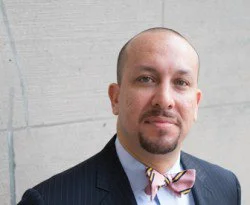
Josef Sorett, member of CSSD's Executive Committee, Assistant Professor of Religion and African-American Studies and Associate Director of the Institute for Religion, Culture, and Public Life, Columbia University, just published a blog entry in HuffPost Black Voices called "Faith in a New Black Future."
Sorett writes stirringly about the rich, prophetic tradition of black churches, something that figures significantly in the activism of the Black Lives Matter movement.
Even though Christian communities in general are frequently tainted by a history of gender exclusion and anti-LGBTQ rhetoric, various black clergy have provided valuable leadership within the current BLM movement that features many black women and queer-identified individuals at its forefront.
While black churches display all the "fundamental constraints and possibilities that define the human condition," Sorett describes their prophetic quality as a "mode of cultural critique and social engagement and, more significantly, a means for imagining and energizing new possible futures."
Read the full post here.
Premilla Nadasen Publishes Article on the Clinton Administration's Criminalization and Racialization of the Poor
Premilla Nadasen, project co-director for CSSD's working group Social Justice After the Welfare State and Visiting Associate Professor of History at Barnard College, recently published an article in Jacobin Magazine explaining how the Clinton Administration simultaneously criminalized and racialized poverty by enacting two extremely detrimental policies.

President Bill Clinton's "systematic overhaul of federal policy...led to the criminalization of the welfare poor," writes Nadasen, citing the 1994 Violent Crime Control and Law Enforcement Act, which allocated billions of dollars for prison construction and intensified police surveillance.
Similarly, the 1996 welfare reform act reduced welfare rolls by drawing on stereotypes of black women and families being bound to a culture of poverty, charges Nadasen.
"In an era of market worship, those who couldn’t demonstrate self-reliance or independence were identified not only as unworthy of assistance, but as a potential threat to the core institutions of American society," concludes Nadasen.
Read the full article here.
Rachel Adams Publishes Huffington Post Article on Disability Literacy for Children
Rachel Adams, CSSD director, director of the "Future of Disabilities Studies" working group, and Columbia English and American Studies professor, recently published an article in Huffington Post about building disability literacy in children.
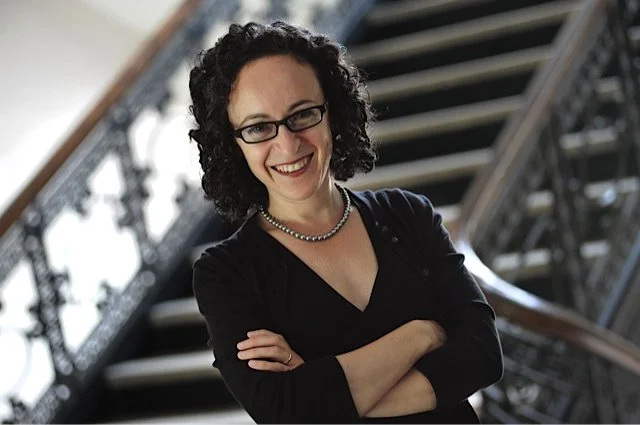
"Literacy means not just knowledge, but fluency and comfort with those whose bodies and minds are different from the norm," writes Adams, who also says that "disability literacy will be essential to the educational and work environments of the future."
Adams goes on to list eleven everyday activities with children that are useful for promoting understanding, comfort, and respect toward people with disabilities.
Read the article here.
Marianne Hirsch on "Democracy Now" Defends Turkish Academics
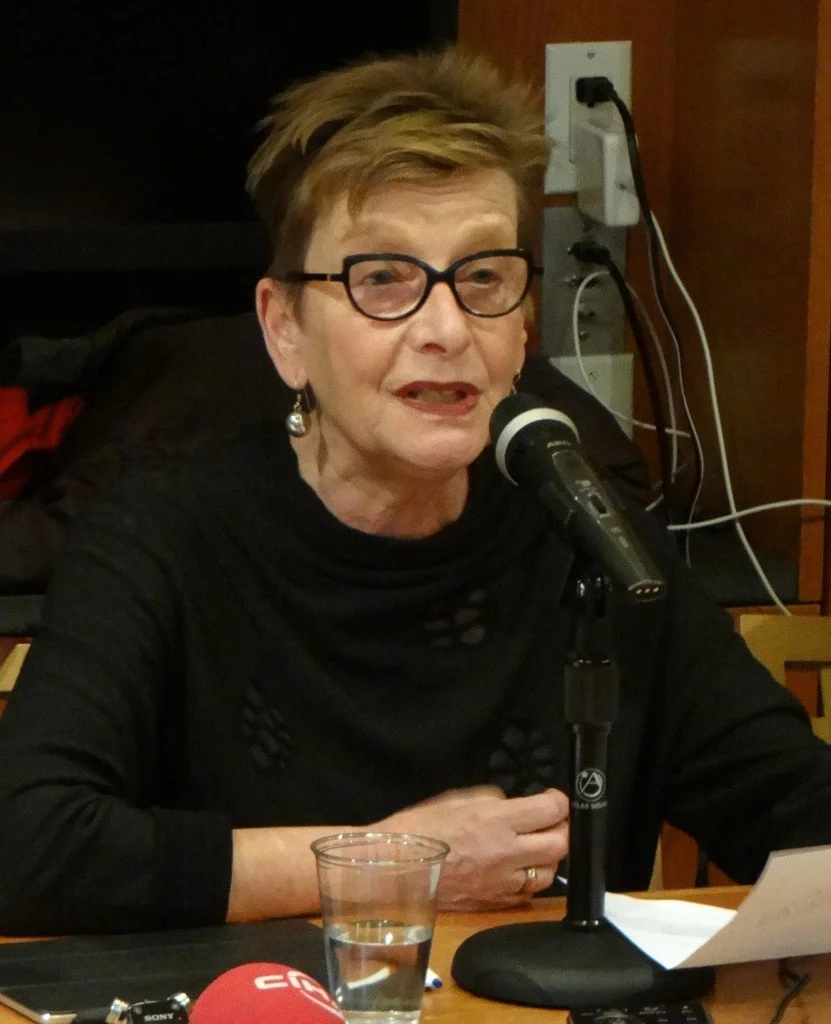
Photo by Daniel Loick.
Democracy Now broadcast a clip of Marianne Hirsch, CSSD member and Columbia Professor of English and Comparative Literature, speaking on January 29, 2016, at New York University about state and university actions against academics in Turkey.
Representatives from Amnesty International, Scholars at Risk, the Research Institute on Turkey, GIT-North America, Turkish and other U.S. academics and activists spoke out at the Hagop Kevorkian Center for Near Eastern Studies against the investigation, detention, and firing of scholars who initiated a petition asking the government to end curfews in the Kurdish regions of Turkey. View the clip at 8:37 here and the article here.
"The international outcry against these state and university actions against academics in Turkey, the multiple petitions that have been signed by thousands of academics around the world, and have spawned numerous solidarity actions such as this one, attest to the gravity of these (official) acts," said Hirsch in the clip.
"I am here to express my shock and dismay at this attack on academic freedom and freedom of expression," said Hirsch. "Signing a petition is a basic right to free speech and needs to be protected by our universities and our governments, and so must the freedom to demand peace at times of conflict. These are fundamental rights that are at the cornerstone of liberal education and free academic inquiry," she said.
The press conference was also covered by Turkish daily Zaman and the website Cihan.
Days earlier, CSSD also signed on to a petition drafted by Scholars at Risk calling on the Turkish government to stop all threats against the signatories of petitions who are exercising their basic rights of free speech.
Premilla Nadasen's "Household Workers Unite" Draws Positive Reviews in Feminist, Trade, Mainstream Press

Strong reviews from feminist, trade, and mainstream press for Premilla Nadasen's Household Workers Unite: The Untold Story of African American Women Who Built a Movement. Nadasen is Associate Professor of History at Barnard College and co-director of CSSD's working group on Social Justice After the Welfare State.
Deesha Philyaw in Bitch Magazine wrote that Household Workers Unite is the story of "the help" helping themselves while Kirkus Reviews claimed, "Valuable for its recovery of a largely neglected piece of labor history, particularly one in which race, class, immigration, and gender intersect, this work may prove most useful as a how-to guide for those looking to effect change in the landscape of the new economy."
In The American Prospect, Rachel Cohen wrote that "Nadasen’s book is a powerful reminder that 20th century activism, led by some truly incredible women, has helped to make our present-day victories possible."
Ms. Magazine's Michelle Chen wrote that "Nadasen’s account comes at a particularly relevant moment. Domestic-worker activism is experiencing a renaissance today, as housekeepers, nannies and other care workers campaign for labor protections like overtime pay and paid sick leave."
Sara Catterall wrote in Shelf Awareness that "Nadasen overturns the popular image of African American domestic workers in the mid-20th century as passive caretakers and victims. Instead, she shows that they redefined domestic work as a profession deserving decent pay, proper training and respect, and built influential local and national labor organizations. Household Workers Unite adds a significant contribution to the history and ongoing discussions of labor organization, feminism and civil rights."
Purchase the book here.
Lila Abu-Lughod Publishes Forum on "The Politics of Feminist Politics"
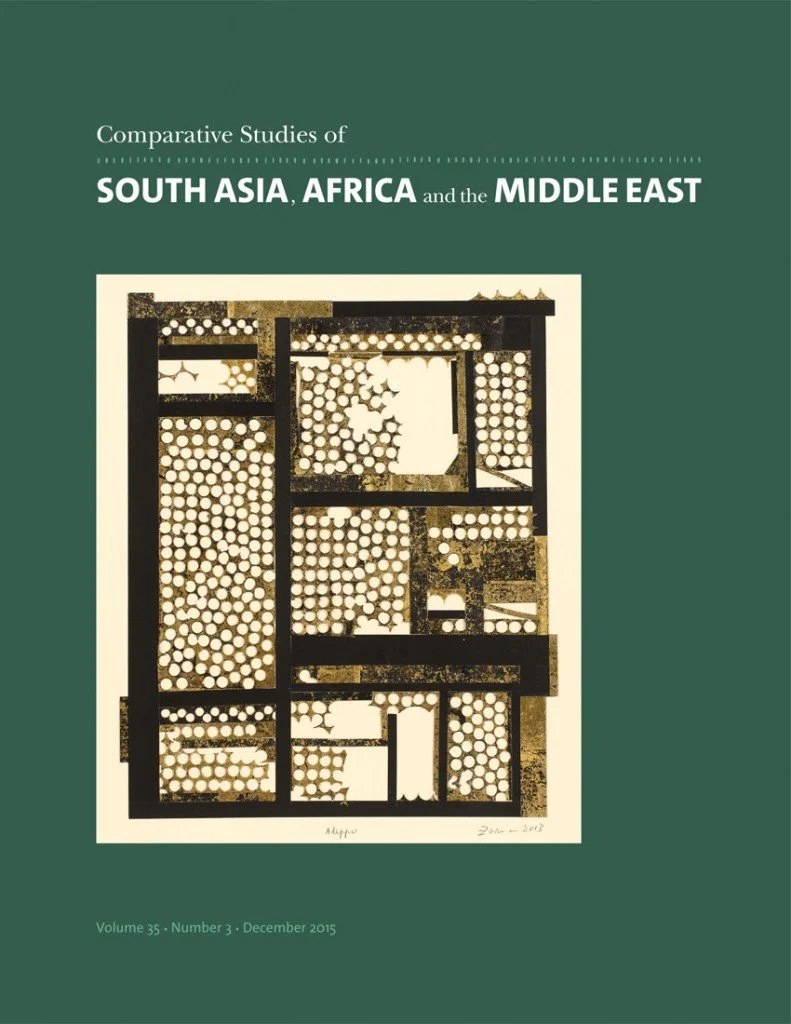
Lila Abu-Lughod, project director of CSSD's Gender, Religion and Law in Muslim Societies working group and Joseph L. Buttenwieser Professor of Social Science at Columbia University, recently edited a special forum called "The Politics of Feminist Politics" for the journal Comparative Studies of South Asia, Africa and the Middle East.
The special section brings together the work of feminist scholars of the Middle East and South Asia to highlight the silences and exclusions that mark the transregional imaginative geographies of both “feminism” and “Islam.” The essays use careful analysis of the languages of justice, forms of social and political life, and embodied realities of particular places and times to call into question some of the generalized claims of liberal feminist discourse.
These works track the everyday languages and institutions of governance, policing, and morality by investigating diverse fields such as legal cases, histories of education, dynamics of marriage, arts of linguistic transformation, politics of religious argument, legitimations of state power, and political economies of labor and housing.
Read the issue here.
CSSD Condemns Turkish Government's Censure of Scholars
The Center for the Study of Social Difference joined over 25 international higher education organizations in signing a joint public letter addressed to Turkish government officials registering concern over the official treatment of academics.

Over 1,100 scholars in the Turkish higher education and research sector have been subjected to arrests, investigations, interrogations, suspensions and termination of positions, according to the letter, after signing a public statement urging Turkish authorities to renew a peace process with members of the embattled Kurdish Workers’ Party (PKK) in the southeastern area of the country.
The Turkish scholars were investigated by prosecutors and accused of terrorist propaganda after they signed the petition, which demanded an end to fighting between government forces and the PKK. Eighteen scholars were placed under arrest and have since been released but others were suspended or forced to resign from their positions at Turkish higher education institutions.
The joint letter states that recent events “suggest a serious and widespread effort to retaliate against scholars for the nonviolent, public expression of their views on matters of professional and public concern—conduct expressly protected by internationally recognized standards of academic freedom, freedom of expression and freedom of association as articulated in, among others, the Universal Declaration of Human Rights and the International Covenant on Civil and Political Rights, to which Turkey is a signatory.”
The signatories encourage Turkish officials to end any pending legal, administrative or professional actions undertaken against the scholars concerned and to renew publicly their commitment to internationally recognized principles of academic freedom and expression. The letter and its signatories can be viewed here.
“Where they are a part of a widespread pattern, such incidents have a profoundly chilling effect on academic freedom, undermine democratic society generally, and represent a grave threat to higher education and scholarly inquiry,” said Marianne Hirsch, member of the Center for the Study of Social Difference and Professor of English and Comparative Literature at Columbia University. “The world outcry against these Turkish government actions represents an effort to protect the freedom to sign petitions and to demand peace,” she said.
Hirsch will be speaking at a joint press conference with “Academics for Peace and Academic Freedom in Turkey” on Friday, January 29th, 1 p.m. at the Hagop Kevorkian Center for Near Eastern Studies, New York University. Speakers also include T. Kumar, International Advocacy Director for Amnesty International USA.
"Difference of Caste" Workshop Convenes in New Delhi
The working group Gender and the Global Slum convened a closed workshop December 21-22, 2015 at the India International Centre in New Delhi on "The Difference of Caste."
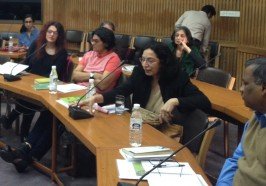
The workshop served as preparation for the forthcoming publication of a volume of the same title concerning the intersections of caste, gender, sex, and social difference, to be edited by Anupama Rao and published by Women Unlimited.
The Difference of Caste will extend and elaborate on issues that were first addressed in a reader entitled Gender and Caste: Issues in Indian Feminism, that was published by Zed in 2003. Gender and Caste asked scholars to recognize caste’s centrality to the production of the gendered subject, and feminism’s complicity in producing a limited, or partial subject of feminism.
The workshop was supported by funds from the Institute for Comparative Literature and Society, and the Center for the Study of Social Difference. Read more about the workshop here.
Gayatri Chakravorty Spivak Translates New Edition of Derrida's "Of Grammatology"
Gayatri Chakravorty Spivak, director of CSSD's working group on "The Rural-Urban Interface: Gender and Poverty in Ghana and Kenya, Statistics and Stories" and Columbia University Professor in the Humanities, retranslated the recently published fortieth anniversary edition of Jacques Derrida's Of Grammatology, the seminal text on deconstruction.
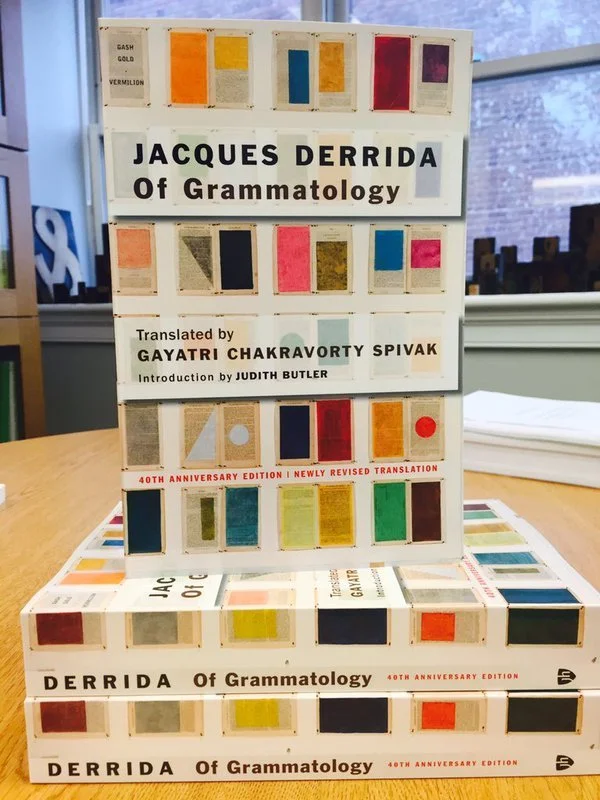
The new translation boasts a greater awareness of Derrida's legacy and also includes a new afterword by Spivak and an introduction by Judith Butler, former director of the CSSD working group on Rethinking Vulnerability and Resistance: Feminism and Social Change and Hannah Arendt Chair at the European Graduate School.
At the time of the book's original publication, Dennis Donoghue wrote in the New Republic, "There is cause for rejoicing in the translation of De la grammatologie."
Purchase the book here.