
Laura Ciolkowski Discusses Rape Culture and "Locker Room Talk" on WFUV Podcast "Issues Tank"
Laura Ciolkowski, Associate Director of the Center for the Study of Social Difference and Adjunct Associate Professor of English and Comparative Literature at Columbia University, was interviewed on the WFUV podcast "Issues Tank" on the subject of rape culture and "locker room talk."
Following the outcry over then-presidential hopeful Donald Trump's reference to past sexually predatory and misogynist comments as "locker room talk," the podcast episode featured interviews with male and female athletes on what conversations really happen in locker rooms and discussion with Ciolkowski about "gendered language" in general.
Ciolkowski said the current conversation about "locker room talk" needs to focus less on inherent gender differences between men and women in relation to language -- she repudiates the popular model of "men are from Mars, women are from Venus" -- and more about social power dynamics.
"When we talk about gendered language we should be talking about status and power" rather than some sort of "hard-wired" male and female difference, said Ciolkowski. Gendered language always expresses differences in status rather than simply biology or Nature, she said.
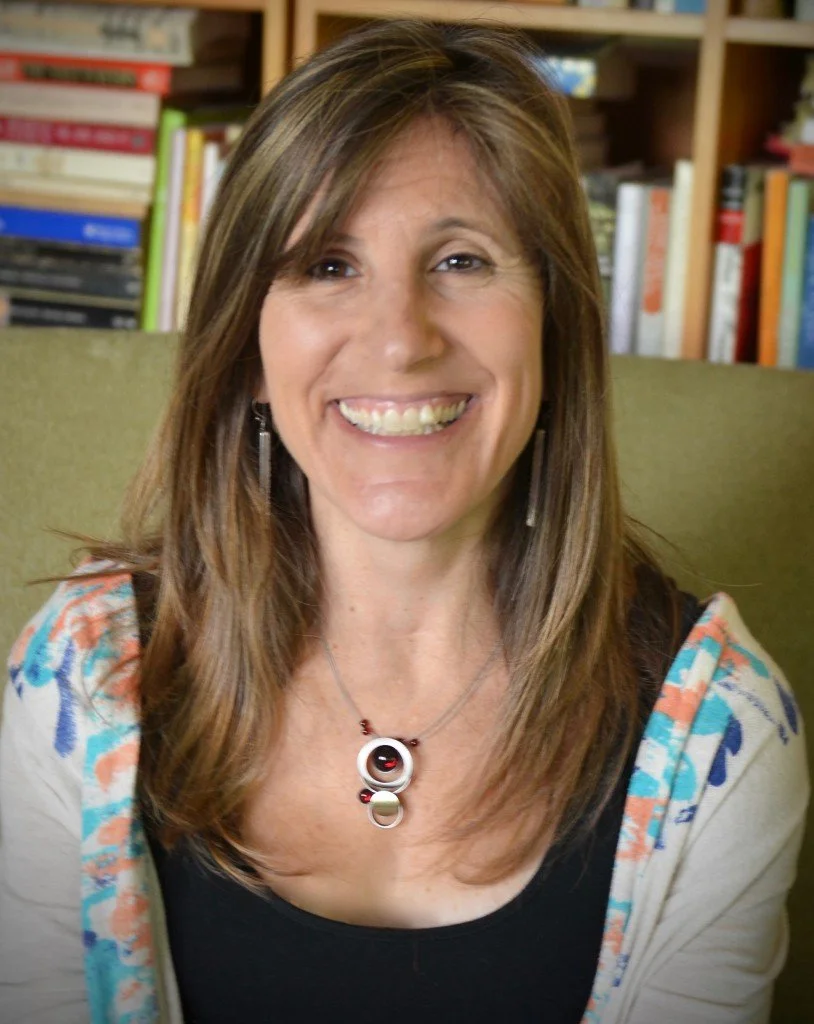
Such differences in status often work in the service of rape culture, which Ciolkowski defines as the trivializing and normalizing of sexual violence (“boys will be boys,” “locker room talk”) and the objectification and devaluation of women. Ciolkowski believes that the increased frequency of discussions about “locker room talk” in the news cycle and the popular media means "We are forced to see and think about in a much more nuanced way what work this language is doing" and are being given even more opportunities to "push back against it."
Hear the full podcast here.
DISCUSSION: Framing Religion and Gender Violence—Beyond the Muslim Question
“Why and when is religion invoked in global responses to gendered violence? What roles are attributed to religion? What categories of the religious become seen as credible in anti-violence work?""Who pays the price and who benefits from the ways that religion is used to frame global understandings of gender violence?” asked Lila Abu-Lughod, Joseph L. Buttenwieser Professor of Social Science, Columbia University and CSSD project director, as she opened a November panel on “Religion and the Global Framing of Gender Violence: Beyond the Muslim Question.”
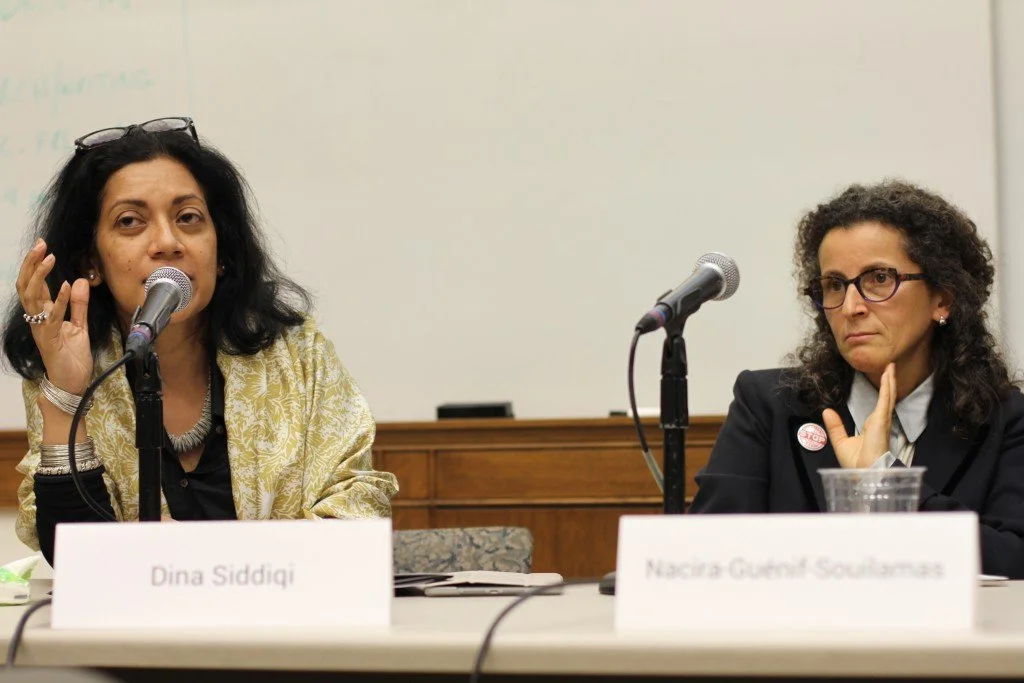
The second in a series of events for the CSSD’s Reframing Gendered Violence project, the panel extended the discussions of an earlier talk in October, thanks to support from the Dean of the Humanities, the Columbia Global Centers, and the Henry Luce Foundation.
Introducing the two speakers, Abu-Lughod complimented their shared ability to bridge the divide between scholarship and activism.
Dina Siddiqi, Professor of Anthropology, BRAC University, presenting on “Child Marriage and the Feminist Imagination,” attested to the struggle feminists in the developing world face as they grapple with forces competing with any commitments to local contexts and concerns.
“How do progressive feminists in a place like Bangladesh—deeply transnational yet geopolitically marginal—negotiate the complexities of neoliberal donor and corporate agendas, developmentalist state imperatives, geopolitical securitization frames, and calls to global feminist unity?” said Siddiqi. “What kind of agency is possible when feminism itself has been governmentalized?” she challenged her listeners.
Nacira Guénif-Souilamas, Professor of Education Sciences, University of Paris 8 Vincennes-Saint-Denis, approached the question of religion and gender violence through the problem of foundational inequality in French and European polities.
“The skin color fiction, the sexual deviance of Arab youths, or the gendering of the ‘other’ religion, are objectifications of normative rules that limit the social possibilities of equal rights,” said Guénif-Souilamas. In such instances, social life is defined as a realm of equality because it is always already racially indexed,” she asserted as she presented on “Restrained Equality: A Sexualized and Gendered Color line.”
The event concluded with a lively Q & A that featured questions on topics ranging from the future of neoliberalism to laïcite and the banning of the veil in French schools to the framing of critical feminism.
Photos from this event are available here.
Video from the November 3rd event is available here and video from the October 13th event here.
Contributed by Liza McIntosh
Aditya Bharadwaj Discusses Cultivated Cures: Ethnographic Encounters with Contentious Stem Cell Regenerations in India
In October, the CSSD working group Precision Medicine: Ethics, Politics and Culture hosted Aditya Bharadwaj, Professor of Anthropology and Sociology of Development at the Graduate Institute, Geneva, who presented his work on “Cultivated Cures: Ethnographic Encounters with Contentious Stem Cell Regenerations in India.”

Bharadwaj’s research generated a provocative discussion on the diaspora of stem-cell research and its ecological detriments in India, leading the discussants to explore caveats of cure, disease and illness from the perspective of communities that reside in the fringes of Indian society.
Bharadwaj questioned his own position as a scholar-researcher who investigates and gives voice to the rural and largely invisible people of India. He also questioned the dogmas of Western models of scientific research and the ethical dilemmas that govern their approaches to the study of human suffering as experienced by marginalized groups.
Bharadwaj opened his talk by posing alternative conceptualizations of illness and health. Health, generally considered to be a normative or neutral state, was redefined as a dormant state without evident disease or illness. Health and disease co-exist within the body and a paradigm shift is required to understand the state of good health as not a mere absence of disease, but rather a dormancy of disease, according to Bharadwaj. In a nutshell, “health exists in the moments when disease sleeps and is cast aside when disease awakens.”
Bharadwaj emphasized that the prevalence of problems like underdevelopment, malnutrition, and disease in many developing countries, including India, are a direct result of pressures created by a corporatist intelligentsia and market-driven socio-ecological changes that degrade living environments. The global hegemony of Queen Victoria’s Britain was central to this process, neglecting the social justice concerns and ecological sanity of indigenous people, he claimed.
The group discussed the need to redefine and decontextualize “justice” while researching the indigenous diaspora. The guidelines of scientific and behavioral research into fringe cultures, including clinical trials, are defined by teaching professionals from elite institutions in developed countries, leading to incorrectly assumed prophylaxes and etiologies of illness, the group agreed.
The group discussed the possibility of creating a middle ground within an eco-politics strategy that might be more inclusive of indigenous cultures and benefit affected communities more directly. Due to India’s lack of evidence-based baseline and needs-assessment indicators, investment projections for stem cell research remain ambiguous.
The group also discussed how health care and social markets function differently from business markets. Bharadwaj explained that efforts to develop and incorporate indigenous methods of “cultivated cures” and treatment should be prioritized and valued, in order to balance the impact of more modern models of care that are standardized in the developed world.
In response, many in the group questioned the science behind this model. Coming from the tradition of Western science, some defended the need for peer-reviewed articles and government oversight. Without this structure, some cautioned, clinics in developing communities may be able to dabble in pseudoscience and peddle “cures” to desperate patients without power or choice.
Contributed by Srishti Sardana & Christopher Cadham
Laura Ciolkowski's Rape Culture Syllabus in Public Books
Laura Ciolkowski, Associate Director of the Center for the Study of Social Difference and Adjunct Associate Professor of English and Comparative Literature at Columbia University, published her Rape Culture Syllabus in the October 15th issue of Public Books.
Rape culture, the trivializing of sexual violence and the tendency to blame victims while exonerating or excusing assailants, also refers to the racial disparities in arrests and sentencing of accused rapists, according to the piece. Published in the wake of the public furor that arose in connection to the sexually predatory and misogynist comments of then-presidential hopeful Donald Trump, the Rape Culture Syllabus has been circulating widely on social media and republished on a range of sites, including Melissa Harris-Perry's Anna Julia Cooper Center and Feminist Wire.

Photograph: Florida supporters of Donald Trump, 2016. By mollyesque / Instagram
"The syllabus was indeed one of our most viewed and shared articles of the past few months. It circulated widely on Facebook and Twitter, and generated lots of appreciative comments," said Liz Maynes-Aminzade, Digital Director at Public Books.
The thirteen-week syllabus covers subjects as far-reaching as the history of gender-based violence in the United States and the politics of rape, to toxic masculinity and racial and state violence. "What would the conversation around sexual assault, police bias, and the legal system look like if investigators, police officers, and judges read deeply into the literature on sexuality, racial justice, violence, and power?" wrote Ciolkowski.
Read the full rape culture syllabus here.
Katherine Franke Writes about #BlackLivesMatter and the Question of Palestinian Genocide
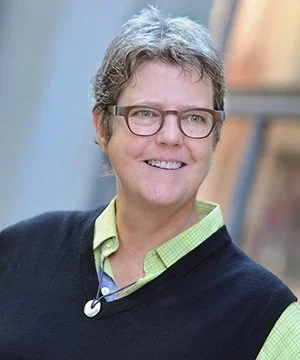
Katherine Franke, CSSD Faculty Fellow and Professor of Law and Director, Center for the Study of Law and Culture, Columbia Law School, blogged on The Nakba Files about #BlackLivesMatter and the question of genocide in Palestine.
According to Franke, the Movement for Black Lives has criticized the U.S. government for providing military aid to Israel, saying "The U.S. justifies and advances the global war on terror via its alliance with Israel and is complicit in the genocide taking place against the Palestinian people.”
In response, critics accused authors of the statement and its supporters of antisemitism in connection to their use of the word "genocide" with respect to Israel.
Franke explained that the term “genocide” has particular relevance in this context: “Genocide can be applied to the destruction of a people or a national group as a viable group, and that can be both with their being driven from a land or the rendering of their language no longer legal, or just the destruction of their national identity.”
Read the full post here.
James Tabery Traces History of The Human Genome Project with CSSD's Precision Medicine Working Group
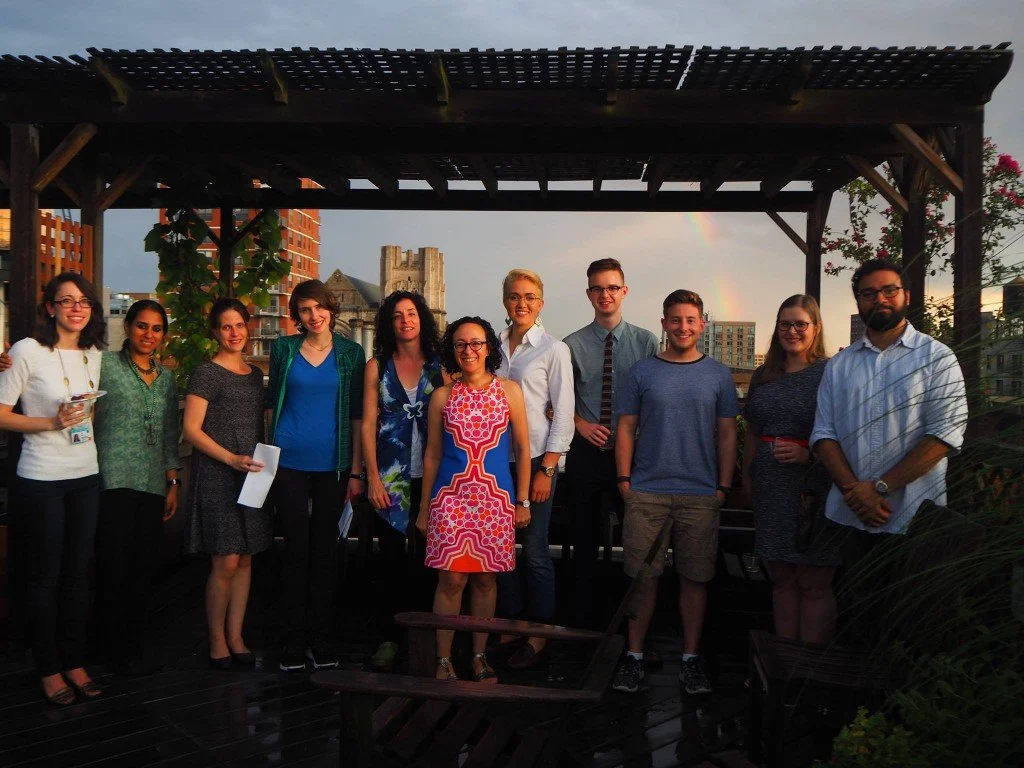
On September 15, the Precision Medicine: Ethics, Politics, and Culture working group kicked off its first semester with a talk by James Tabery, Professor of Philosophy and Medicine at the University of Utah.
Tabery’s talk on “Collins’ Cohort: The Path from The Human Genome Project to the Precision Medicine Initiative” provided historical perspective on the Precision Medicine Initiative (PMI) announced by President Obama in his 2015 State of the Union address, a plan to recruit a cohort of 1,000,000 or more American volunteers to provide biological, environmental, and health information over an extended period of time.
At the time, Tabery explained, the proposal made headlines because of its ambitious scope and exciting medical promise. The idea, however, was not a new one. As the Human Genome Project was wrapping up in 2003, the director of the National Human Genome Research Institute sought to set the NIH off on another bold genetic initiative—to create a large, longitudinal, national cohort that would allow for examining the genetic and environmental contributions to health and disease. The path from that initial idea in 2003 to the public announcement at the State of the Union address in 2015 was marked by technological advances, logistical challenges, ethical dilemmas, and political hurdles. That historical legacy also reveals a great deal about what we can expect (and not expect) from the Precision Medicine Initiative.
Tabery reviewed the history of successes and failures among previous initiatives such as the American Family Study, The American Genes-Environment Study, and the Genes, Environment, and Health Initiative. With the 2015 State of the Union address, he explained, the dream of Frances Collin, director of the NIH, was realized. The PMI would seek to enroll 1 million people in a cohort reflecting the diversity of the US population, with the goal of creating personalized clinical care based on genes, environment, and lifestyle. It would aim to provide personalized, clinical care for both rare and common disorders, as well as learning about what makes people healthy.
Some of the worries about PMI are unfounded, according to Tabery. Although many worry that the PMI is moving too fast, history tells us that it is the product of over a decade of thought. And although some also worry that the PMI will fail in its goal to recruit a million subjects, Tabery claims that Collins will deliver.
A more serious concern regards what it would mean for the PMI to succeed. Since the PMI is really concerned with genetic, there is a lot of talk about the environmental factors that cause disease but little attention to specifics. Since other countries are already doing these kinds of studies, some ask why the United States should replicate their work? And finally, Tabery wondered whether the sample collected will really be representative.
Tabery closed by reminding his audience that the PMI is a work-in-progress. Given that Columbia is one of the enrollment centers, this is an exciting time to be thinking about the questions raised and to witness, on the ground, how they are addressed.
Photo above is of members of the Precision Medicine: Ethics, Politics, and Culture working group.
CSSD Co-sponsors Dissent Issue Launch Concerning the Feminist Movement's Response to Trump Presidency

Dissent magazine’s editors and contributors are gathering Tuesday, November 22, 6:30 p.m. at The New School for an issue launch focused on the challenges feminists will face under a Trump presidency, and how feminist movements can fight back.
One contributor to the discussion is Premilla Nadasen, Associate Professor of History at Barnard College and co-director of CSSD's working group on Social Justice After the Welfare State.
Others speaking are Dawn Foster, Ann Snitow, and Sarah Leonard. Dawn Foster is a London-based writer on politics, social affairs, and economics, and the author of Lean Out (Repeater, 2016). Ann Snitow, a co-founder of the Network of East-West Women, is a professor of Literature and was the Director of Gender Studies from 2006 to 2012 at The New School. Her most recent book is The Feminism of Uncertainty: A Gender Diary (Duke University Press, 2015). Sarah Leonard is a senior editor at the Nation and co-editor of The Future We Want: Radical Ideas for a New Century (Macmillan, 2016). She is a contributing editor to Dissent and the New Inquiry.
A flyer for the event says "A virulent misogynist is now president of the United States. He has bragged about sexually assaulting women, threatened to repeal abortion rights, and will refuse to protect transgender individuals from discrimination. His proposals to ban immigrants, reject refugees he deems “terrorists,” and cut federal climate spending will have serious consequences for everyone, especially women. And if he follows through on his promise to "bomb the shit" out of countries he deems his enemies, women abroad will suffer too."
The event is co-sponsored by Heilbroner Center for Capitalism Studies, The New School; CSSD; and the Institute for Research on Women, Gender and Sexuality, Columbia University.
See the Facebook event page here.
DISCUSSION: Is Gender Violence Governable? A Panel on International Feminist Regulation
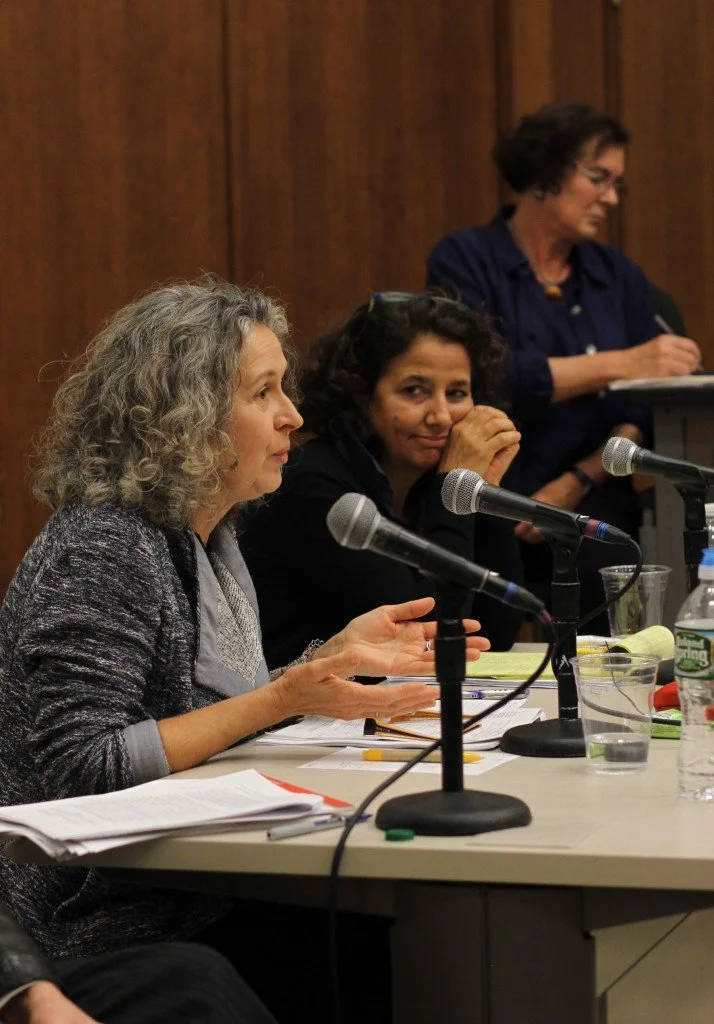
“Over the last few decades Violence Against Women (VAW) and, increasingly, Gender Based Violence (GBV), have come to prominence as sites for activism,” explained Lila Abu-Lughod, Joseph L. Buttenwieser Professor of Social Science and Co-Director of the CSSD project on “Religion and the Global Framing of Gender Violence.”
In her introductory remarks to “Is Gender Violence Governable? A Panel on International Feminist Regulation,” Abu-Lughod asked “ How can we engage critically with the terms, assumptions, funding streams, policies, and politics that have underwritten this unprecedented outpouring of attention? What is left out when problems both in war and in peace are framed in particular ways that become a kind of common sense? And whose interests are served by such framings?”
The event at Columbia University offered compelling responses to many of Abu-Lughod’s questions. Inaugurating a two-year initiative on Reframing Gendered Violence headed up by the Women Creating Change project at the Center for the Study of Social Difference, the discussion was co-sponsored by the Dean of the Humanities, the Columbia Global Centers, and the Henry Luce Foundation.
Dubravka Žarkov, Professor of Gender, Conflict & Development at the International Institute of Social Studies at The Hague, opened with a paper entitled “Feminist Politics, War Rapes, and Global Governance.” “What is ‘gender,’ and what does it mean in relation to wars and armed conflicts?” Žarkov asked audience members as a lead-in to her critique of Western feminism’s vexed treatment of war crimes and gendered violence.
Tracing the historical elevation of war rape to the position of ultimate violence against women, Žarkov worried that UN resolutions such as 1325 (2000) have enabled the resurgence of colonialist narratives about victims and savages. “Can we really claim that all this injustice is perpetuated against our will?” she challenged her listeners.
Rema Hammami, Professor of Anthropology at Birzeit University, discussed related themes in fieldwork conducted in the West Bank and Gaza Strip. Like Žarkov, Hammami interrogated the effects of UN Resolution 1325. In Palestine, she explained, the resolution encouraged practices of data collection and statistical analysis that disproportionately revealed forms of violence enacted against women, while obscuring the more pervasive violence of settler colonialism.
Janet Halley, Royall Professor of Law at Harvard University opened a Q & A sesssion by highlighting Žarkov’s and Hammami’s shared insistence on bringing feminist critical capacities to bear on the relatively new involvement of feminists in systems of international law and governance. She fielded insightful questions on topics ranging from methods of data collection to the misleading packaging of gender equality initiatives as projects on Violence Against Women.
The conversation continues on Thursday, November 3, with presentations by Professors Dina Siddiqi and Nacira Guénif-Souilamas on “Framing Religion and Gender Violence: Beyond the Muslim Question.”
See photos from the discussion here.
Contributed by Liza McIntosh
Frances Negrón-Muntaner on CBS Sunday Morning Discussing "Latinos and the Vote"
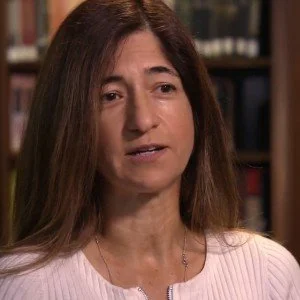
Frances Negrón-Muntaner, Professor of English and Comparative Literature, Center for the Study of Ethnicity and Race and director of the CSSD project on Unpayable Debt: Capital, Violence, and the New Global Economy, appeared on a CBS Sunday Morning program about "Latinos and the Vote."
In discussing the current presidential election and the debates over immigration, Negrón-Muntaner said that there is a sense that Latinos have come to the United States mainly as recent immigrants but in fact, “Latinos began their life as part of the United States, when the United States crossed over to Latin America in search of territory."
Watch the whole interview and program here.
China and Africa at a Crossroads: Revisiting the Legacy of Bandung Humanisms
CSSD's Bandung Humanisms working group presents a panel discussion on "China and Africa at a Crossroads: Revisiting the Legacy of Bandung Humanisms" on October 24, 2016, from 1-5:30 p.m. at the Heyman Center Common Room, Columbia University.

Distinguished scholars Rebecca Karl, Associate Professor of History, NYU ; Jamie Monson, Director, African Studies, Michigan State University; Stephanie Rupp, Asssitant Professor of Anthropology, CUNY-Lehman; Barry Sautman, Professor, Division of Social Sciences, Hong Kong University of Science & Technology; Hairong Yan, Anthropologist, Department of Applied Social Sciences, Hong Kong Polytechnic University; and Duncan Yoon, Assistant Professor of English, University of Alabama will be in conversation with Howard French, Associate Professor of Journalism at Columbia; Stathis Gourgouris, Professor of Comparative Literature, ICLS; Lydia H. Liu, Wun Tsun Tam Professor in the Humanities and Director, Institute for Comparative Literature and Society; Mahmood Mamdani, Herbert Lehman Professor of Government, MESAAS
This workshop will examine the unfolding historical relationship between China and Africa, as part of an ongoing working group devoted to the study of the Legacy of Bandung Humanisms. The Bandung Humanisms working group is interested in the vast, disaggregated landscape of creative elaboration and political, social, and cultural thinking, including current constellations that would be unthinkable without the Bandung legacy.
The Bandung Humanisms working group is interested in the vast, disaggregated landscape of creative elaboration and political, social, and cultural thinking, including current constellations that would be unthinkable without the Bandung legacy. The project endeavors to show that since its inception, the Afro-Asian People’s Solidarity Organization and the Non-Aligned Movement have cited the humanism and self-determination of Bandung.
Rachel Adams Publishes Article about Japanese Massacre and Ambivalence Toward People With Disabilities
Rachel Adams, CSSD Director, Professor of English and American Studies at Columbia University, and director of the CSSD project on Precision Medicine: Ethics, Politics and Culture, recently published an article in the Independent on the universal ambivalence toward people with disabilities.
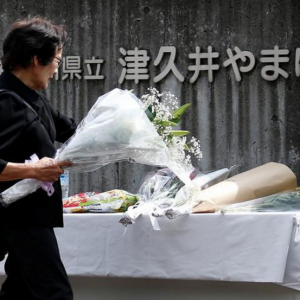
Citing the largely unacknowledged July stabbing deaths of 19 people in a home for the disabled outside of Tokyo, Adams writes that "The practice of warehousing people with disabilities sends a message that they are less than human."
According to Adams, while people with disabilities gain more rights and are increasingly more visible, they continue to face prejudice, social isolation, and violence. Stigmatization leads to institutionalization, but "In truth, disability is an aspect of ordinary experience that touches all people and all families at some point in the cycle of life," writes Adams.
Read the full article here.
Josef Sorett Interviewed about "Spirit in the Dark: A Religious History of Racial Aesthetics"
Josef Sorett, Associate Professor of Religion and African-American Studies at Columbia University and former CSSD executive committee member, was featured in an interview on the African American Intellectual History Society blog.

Sorett's recently published book Spirit in the Dark: A Religious History of Racial Aesthetics offers an account of the ways in which religion, especially Afro-Protestantism, remained pivotal to the ideas and aspirations of African American literature across much of the twentieth century.
The interview claims that Sorett's book "reveals religion to be an essential ingredient, albeit one that was always questioned and contested, in the forging of an African American literary tradition."
Read the interview here.
Alice Kessler-Harris Receives American Historical Association Award
Alice Kessler-Harris, R. Gordon Hoxie Professor of American History Emerita of American History at Columbia University and director of the CSSD project on "Social Justice After the Welfare State," recently received an American Historical Association Award for Scholarly Distinction to senior historians for lifetime achievement.
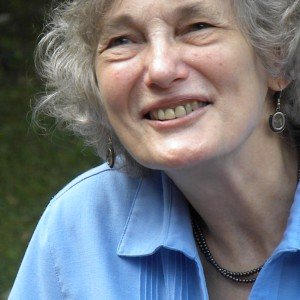
Kessler-Harris specializes in the history of American labor and the comparative and interdisciplinary exploration of women and gender.
Reframing Gendered Violence Group Holds "Is Gender Violence Governable? A Panel on International Feminist Regulation" on October 13th
On Thursday, October 13th, CSSD presents "Is Gender Violence Governable?: A Panel on International Feminist Regulation" at 4:15 p.m. in 203 Butler Library. This is the first event in a two-year series called Reframing Gendered Violence, which is part of the Women Creating Change initiative supported by the Dean of the Humanities and the Columbia Global Centers. Reframing Gendered Violence is also linked to the project on Religion and the Global Reframing of Gender Violence, which is supported by the Henry Luce Foundation.
Dubravka Zarkov, Associate Professor of Gender, Conflict and Development at the International Institute of Social Studies, The Hague, will present on "Feminist Politics, War Rapes, and Global Governance" and Rema Hammami, Associate Professor of Women’s Studies at Birzeit University, Birzeit, OPT, will present on "Follow the Numbers: Global Governmentality and the Domestic Violence Agenda." Janet Halley, Royall Professor of Law at Harvard Law School, will serve as discussant.

Reframing Gendered Violence is an international collaboration between scholars, artists and activists that aims to recast the way violence against women (VAW) and gender-based violence (GBV) are currently discussed in a wide range of fields, both academic and policy-oriented, including human rights, public health, journalism, law, feminist studies, literature, sociology, religious studies, anthropology, and history.
The second event in the series, “Framing Religion and Gender Violence: Beyond the Muslim Question,” takes place on November 3rd, also at 203 Butler Library. Further events this year include “Refugees and Gender Violence: Vulnerability and Resistance” and “Refugees and Gender Violence: Media and the Arts” and “Reframing Gendered Violence: Indigenous Women’s Voices” in the following academic year.
See the Facebook page for this event here.
Precision Medicine Working Group Presents Aditya Bharadwaj, October 13, on "Cultivated Cures: Ethnographic Encounters with Contentious Stem Cell Regenerations in India"
CSSD's Precision Medicine working group presents Aditya Bharadwaj, Research Professor, The Graduate Institute, Geneva, on "Cultivated Cures: Ethics, Politics, and Culture Ethnographic Encounters with Contentious Stem Cell Regenerations in India" on October 13th, 2016 from 5-7 p.m. at 754 Schermerhorn Extension.
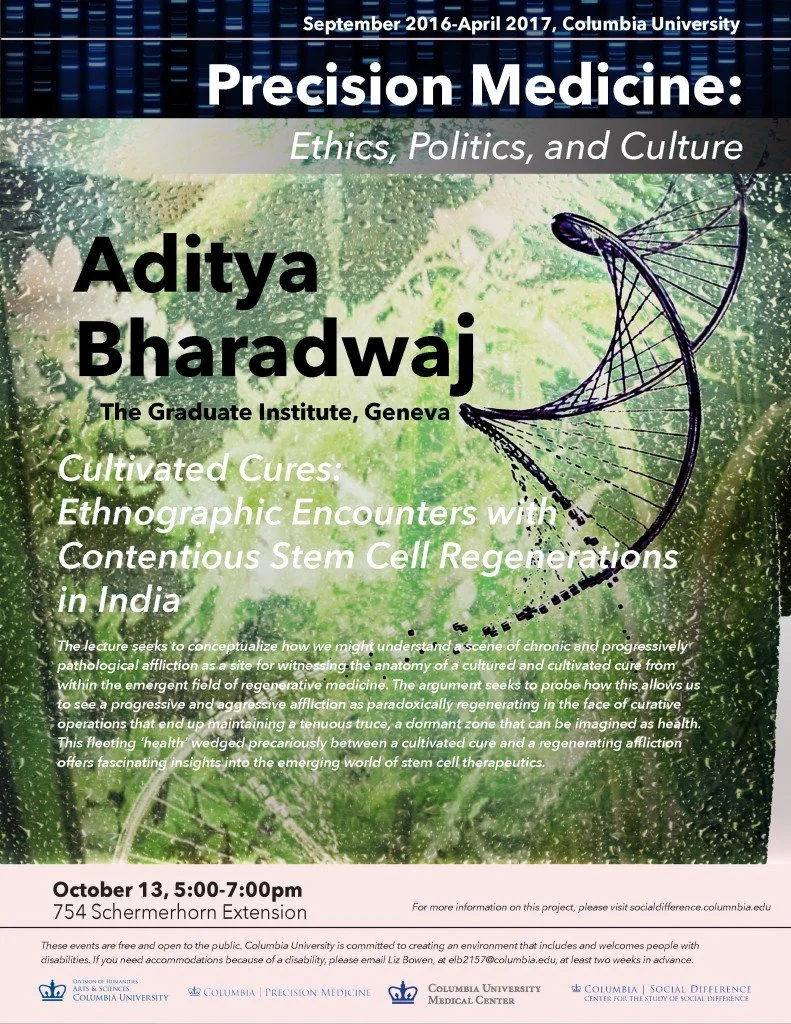
The lecture seeks to conceptualize how we might understand a scene of chronic and progressively pathological affliction as a site for witnessing the anatomy of a cultured and cultivated cure from within the emergent field of regenerative medicine. The argument seeks to probe how this allows us to see a progressive and aggressive affliction as paradoxically regenerating in the face of curative operations that end up maintaining a tenuous truce, a dormant zone that can be imagined as health. This fleeting ‘health’ wedged precariously between a cultivated cure and a regenerating affliction offers fascinating insights into the emerging world of stem cell therapeutics.
The event is free and open to the public. Columbia University is committed to creating an environment that includes and welcomes people with disabilities. If you need accommodations because of a disability, please email Liz Bowen, at elb2157@columbia.edu, at least two weeks in advance.
Rachel Adams Directs New CSSD Group Addressing the Ethical, Cultural, Political, and Historical Questions Around Precision Medicine
CSSD is initiating a broad-based exploration of questions raised by precision medicine—an emerging approach for disease treatment and prevention that takes into account individual variability in genes, environment, and lifestyle for each person—in such fields as law, ethics, social sciences, and the humanities.
Precision Medicine: Ethics, Politics and Culture will be the first project of its kind to bring faculty from the humanities, social sciences, law, and medicine into dialogue with leading scholars from the United States and abroad to discuss how humanistic questions might enhance the understanding of the ethical, social, legal, and political implications of precision medicine research. A series of workshops and lectures will explore the mutual benefits to humanists, social scientists, researchers, and clinicians of serious interdisciplinary engagement with this emerging medical field.
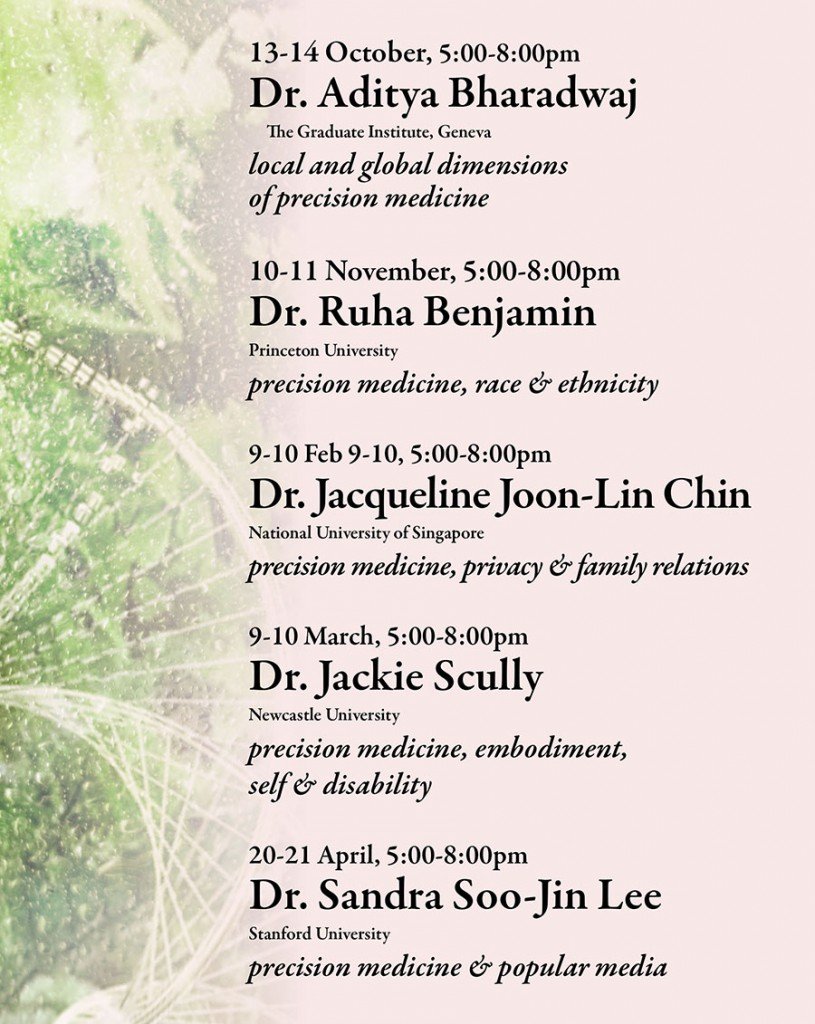
The next event, on Thursday, October 13, 2016, from 5-8 p.m. at 754 Schermerhorn Extension, is a discussion with Dr. Aditya Bharadawaj, Professor of Anthropology and the Sociology of Development at the Graduate Institute, Geneva, on "Local and Global Dimensions of Precision Medicine."
Rachel Adams, CSSD Director and Professor of English and Comparative Literature, Columbia University will direct the project with support from Columbia’s Humanities Initiative.
Topics the project plans to address include how the use of genetic information changes understandings of self, agency, health, embodiment and ability; how precision medicine might intersect with the movement for patients’ and disability rights; historical perspectives that may illuminate the development of precision medicine in the present; how cross-cultural understandings of medicine, health, and ability might contribute to Euro-American approaches to precision medicine; how precision medicine might change the ways care is given and received; how precision medicine is understood by popular media; and the benefits and drawbacks of a “big data” approach to research and treatment.
CSSD’s project is part of Columbia’s larger overall Precision Medicine Initiative, which aims to establish the university as the center for scholarship relating to precision medicine and society. In 2014 Columbia University President Lee C. Bollinger announced a University-wide initiative to address the vast potential for the diagnosis, treatment, and prevention of disease based on the genomic and other data that precision medicine provides.
Lila Abu-Lughod Directs New Project on "Religion and the Global Framing of Gender Violence"
CSSD is housing a new three-year initiative on "Religion and the Global Framing of Gender Violence," to be co-directed by Professor Lila Abu-Lughod (Institute for Research on Women, Gender, and Sexuality/Anthropology). Launched with a grant from the Henry Luce Foundation, this project will bring together an international community of scholars, experts, journalists, and activists to study the role of religion in naming, framing, and governing gendered violence, with a special focus on the Middle East and South Asia.
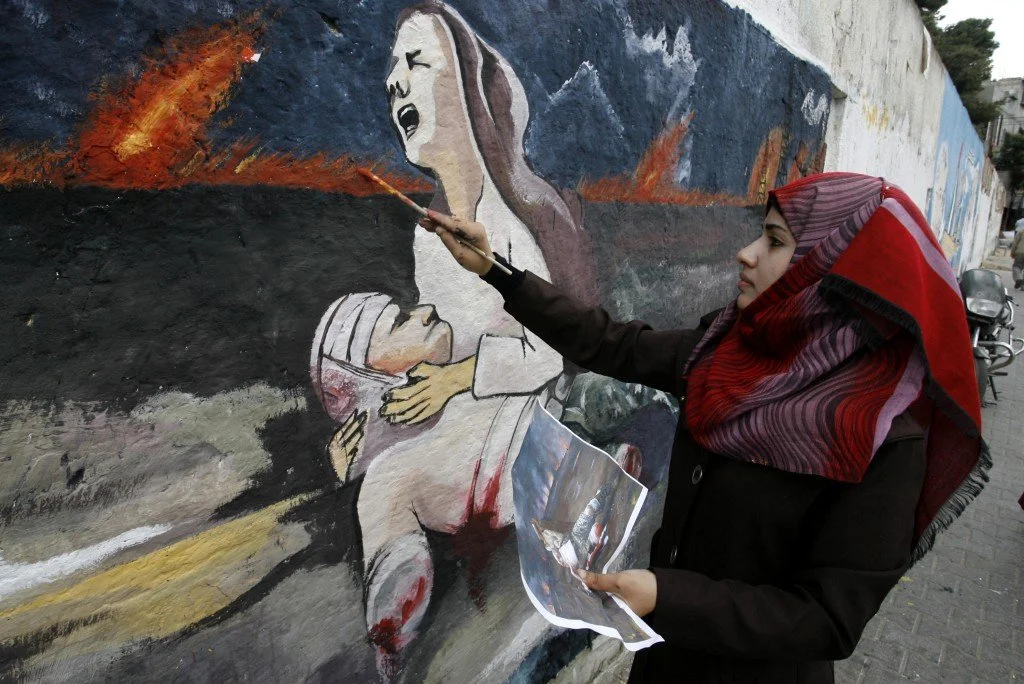
Over the past couple of decades, concerns about violence against women (VAW)––and the more expansive “gender-based violence” (GBV)–– have become prominent and highly visible in a range of local, national, and global agendas. By embedding gender violence in a complex matrix of international norms, legal sanctions, and humanitarian aid, the anti-VAW movement has achieved a powerful international “common sense” measure for defining and attending to violence against women in developing countries, particularly during conflict situations. The adverse effect has been to detach victims from their full contexts when determining what counts as VAW and how it should be addressed.
“A concern for women in war too often prioritizes their rape over their death,” explains project co-director Nadera Shalhoub-Kevorkian, who also serves as the Director of the Gender Studies Program at Mada Al-Carmel – Arab Center for Applied Research in Haifa. “This narrowing of VAW to attacks on women’s bodily integrity excludes economic, political and structural forms of violence, thereby leaving women’s calls for safe homes, safe public spaces, and stable governments unheeded.”
Abu-Lughod notes that religious traditions and institutions are regularly linked to VAW (whether as explanations or solutions) through media representations, by national governments, and in international governance and yet there is very little examination of the terms under which those linkages occur.
“The most infamous example of the conflation of religion and VAW for geo-political ends was the Bush II administration’s use of Afghani women’s suffering at the hands of the Taliban as a part of its casus belli with Afghanistan,” explains Rema Hammami, another co-director of the project, who is based at the Institute of Women’s Studies at Birzeit University in Palestine. “Yet, the VAW agenda also operates in less dramatic ways. In the Palestinian context, the global VAW agenda has become one measure that global institutions are using to assess the Palestinian leadership’s ethical capacity for statehood.”
The CSSD initiative opens a critical global conversation on religion and gender violence, with the conviction that more nuanced analyses could lead to more effective ways to meet women’s and men’s actual needs and circumstances in different national contexts.
Janet Jakobsen, a Barnard College co-director of the research group adds, “We will work with journalists and writers to transform some of the ‘common sense’ stories about VAW/GBV.” A fellowship competition for journalists who report on global issues related to gender violence will open in October.
“It is urgent that feminist scholars and practitioners in diverse global locations learn from each other not just about strategies or policies for decreasing violence, but also about the ways that framing problems in certain ways may cloud the very diagnoses that are so essential to treating human suffering,” says Abu-Lughod.
The initiative will launch this fall with two public panels featuring feminist scholars from Bangladesh, France, Palestine, and the Netherlands speaking on two themes: “Is Violence Against Women Governable?” (October 13) and “Beyond the Muslim Question” (November 3).
CSSD Releases 2015-16 Annual Report
The Center for the Study of Social Difference recently released its annual report for 2015-16. The report announced the successful conclusion of The Future of Disabilities Studies project, The Digital Black Atlantic project, and Women Mobilizing Memory. Four new projects—Precision Medicine: Ethics, Culture, and Politics; Unpayable Debt: Capital, Violence, and the New Global Economy; Religion and the Global Framing of Gender Violence; and Reframing Gendered Violence—were established.
The report announces that projects secured funds from the Luce Foundation, the National Science Foundation, the Columbia University Humanities Initiative, and the Columbia Center for Science and Society.
View the report here.
JUST PUBLISHED: "Vulnerability in Resistance" Edited by Judith Butler and CSSD Project Members Zeynep Gambetti and Leticia Sabsay
The volume Vulnerability in Resistance, which grew out of the workshop "Rethinking Vulnerability and Resistance: Feminism and Social Change" that took place at Columbia's Global Center in Istanbul in 2013, has been published by Duke University Press. The introduction to the volume is available here, free of charge.
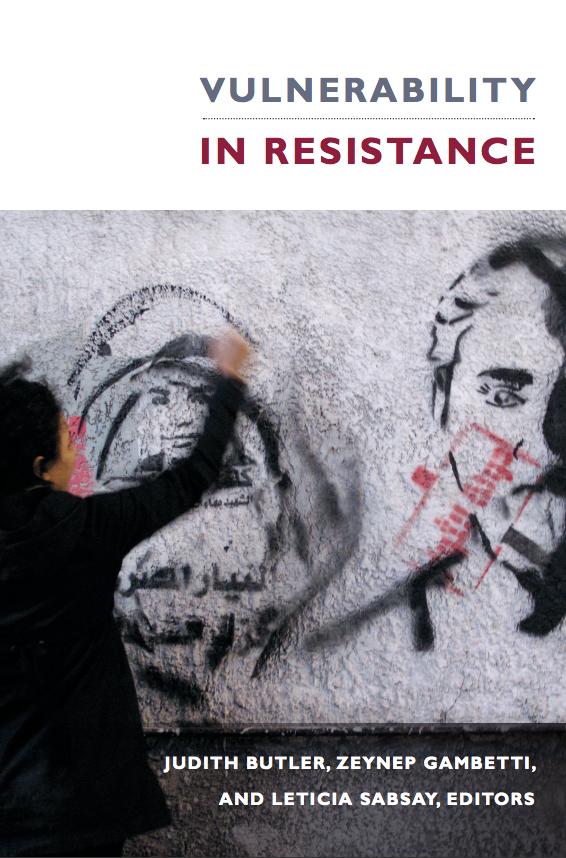
The book was edited by Judith Butler, Maxine Elliot Professor of Comparative Literature and Critical Theory at the University of California, Berkeley; Zeynep Gambetti, Associate Professor of Political Theory in the Department of Political Science and International Relations at Bogaziçi University; and Leticia Sabsay, Assistant Professor in the Gender Institute at the London School of Economics and Political Science. It contains contributions from Meltem Ahiska, Athena Athanasiou, Sarah Bracke, Judith Butler, Elsa Dorlin, Basak Ertür, Zeynep Gambetti, Rema Hammami, Marianne Hirsch, Elena Loizidou, Leticia Sabsay, Nükhet Sirman, and Elena Tzelepis.
In the introduction, the editors write that vulnerability and resistance have often been seen as opposites, with the assumption that vulnerability requires protection and the strengthening of paternalistic power at the expense of collective resistance. The book examines political movements in Turkey, Palestine, France, and the former Yugoslavia, articulating an understanding of the role of vulnerability in practices of resistance. The essays offer a feminist account of political agency and consider how vulnerability is constructed, invoked, and mobilized within neoliberal discourse, the politics of war, and resistance to authority, in LGBTQI struggles, and in the resistance to occupation and colonial violence.
Frances Negrón-Muntaner Appears on HBO's "Habla y Vota"
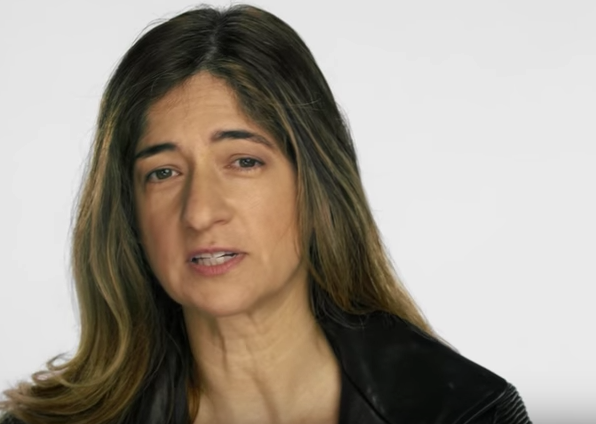
Frances Negrón-Muntaner, Professor of English and Comparative Literature, Center for the Study of Ethnicity and Race and Project Director for CSSD's project on "Unpayable Debt: Capital, Violence, and the New Global Economy" recently appeared on an episode of HBO Latino's "Habla y Vota" discussing Latinos' influence on U.S. politics.
Negrón-Muntaner said that while voting is important, Latinos also influence American politics with their imagination and creativity, two things necessary for affecting change.
Watch the full episode here.