

Brandi T. Summers
Brandi T. Summers, PhD is Associate Professor of African American and African Diaspora Studies and Director of Graduate Studies at Columbia University. Her research examines the relationship between and function of race, space, urban infrastructure, and architecture. Her first book, Black in Place: The Spatial Aesthetics of Race in a Post-Chocolate City (UNC Press, 2019), explores how competing notions of blackness organize efforts to structure economic relations and develop land in gentrifying Washington DC. Her forthcoming book, Oakland Afterlives: How Black Cities Survive Their Unmaking (University of California Press, 2027), traces the systematic destruction and persistent resistance of Black Oakland across six decades of "Black urbicide," the intentional killing of Black urban space. Through the concept of the "spectral city," Summers examines how Black Oakland exists simultaneously as a disappearing demographic reality and an omnipresent cultural force, haunting the landscape even as displacement accelerates.
Dr. Summers was Principal Investigator of the Mellon Foundation-supported Archive of Urban Futures (2022-2024), in collaboration with the Oakland, California-based housing justice organization, Moms 4 Housing. Alongside Dr. Nathan D.B. Connolly (Johns Hopkins University), Dr. Summers is co-director of the Black Archipelago working group, supported by the Center for the Study of Social Difference (CSSD) and the Institute for Social and Economic Research and Policy (ISERP) at Columbia University.
Dr. Summers is a Contributing Writer for Places Journal and has published several articles and essays that analyze the relationship between race, power, aesthetics, and urbanization that appear in both scholarly and popular publications, including New York Times, The Boston Globe, and Antipode.
Working Group Affiliations
Director of Black Archipelago and the Crisis of Place


Anooradha Iyer Siddiqi
Assistant Professor, Department of Architecture, Columbia University
Anooradha Iyer Siddiqi is an Assistant Professor of Architecture at Barnard College, Columbia University, and co-editor of “Feminist Architectural Histories of Migration” (2020) and Spatial Violence (2016). Her book manuscript Architecture of Migration: The Dadaab Refugee Camps and Humanitarian Settlement analyzes the history, visual rhetoric, and spatial politics of the Dadaab refugee camps in Northeastern Kenya.
Assistant Professor, Architecture, Barnard College

Anooradha Iyer Siddiqi is an art and architectural historian specializing in histories of modernity, migration, and settlement. She is an Associate Professor at Barnard College, Columbia University, and her writing and teaching builds on yearslong research in Africa, Asia, and Europe for two scholarly monographs, Architecture of Migration (Duke University Press) and Ecologies of the Past. These two projects inform her research on histories of architecture, craft, settlement, and land, experiences of migration and territorial partition, and knowledge of the past through architectural practice, pedagogy, and discourse on the African continent and South Asian subcontinent. For more, please see https://www.anooradhaiyersiddiqi.net/.
Insurgent Domesticities, Co-Director
Black Archipelago, Working Group Member
Geographies of Injustice, Working Group Member
Edited Books
Architecture of Migration: The Dadaab Refugee Camps and Humanitarian Settlement (Duke University Press, Theory in Forms) available open access
Minnette De Silva: Intersections (Mack Books)

Rae Silver
Professor, Department of Neuroscience and Psychology , Barnard College
Rae Silver is the Helene L. and Mark N. Kaplan Professor of Natural & Physical Sciences and the head of the Silver Neurobiology Laboratory. Since 1976, Professor Silver has been a member of Barnard’s faculty and has taught courses in Quantitative Reasoning, Neuroscience and Psychology. The National Science Foundation, the National Institutes of Mental Health, and National Institute of Neurological Disorders and Stroke, Air Force Office of Scientific Research, and the Office of Naval Research, are among the organizations that have supported her research.
Natural & Physical Sciences and head of the Silver Neurobiology Laboratory, Barnard College

Rae Silver is the Helene L. and Mark N. Kaplan Professor of Natural & Physical Sciences and the head of the Silver Neurobiology Laboratory. Since 1976, Professor Silver has been a member of Barnard’s faculty and has taught courses in Quantitative Reasoning, Neuroscience and Psychology. The National Science Foundation, the National Institutes of Mental Health, and National Institute of Neurological Disorders and Stroke, Air Force Office of Scientific Research, and the Office of Naval Research, are among the organizations that have supported her research.
Over the course of her career, Professor Silver has held many positions on committees in services to the educational community, the scientific and research community, and the Barnard and Columbia communities. Currently, she is a US Representative and serves as Vice-chair on the Council of Scientists for the Human Frontiers Science Program and a member of the National Academy of Sciences Institute of Medicine Forum on Neuroscience. Her work as Senior Advisor at the National Science Foundation helped to create a series of workshops to examine opportunities for the next decade in making advances in Neuroscience through the joint efforts of biologists, chemists, educators, mathematicians, physicists, psychologists and statisticians. She served as co-chair of the NASA committee that prioritized biological research for the International Space Station. She is a fellow to the American Academy of Arts and Sciences.
Her two research areas focus on sleep-wake cycles and their neural bases, and on immune – nervous system interactions in the brain.
Working Group Affiliation

Audra Simpson
Associate Professor, Department of Anthropology, Columbia University
Audra Simpson is Associate Professor of Anthropology at Columbia University. She is the author of Mohawk Interruptus: Political Life Across the Borders of Settler States (Duke University Press, 2014), winner of the Native American and Indigenous Studies Association’s Best First Book in Native American and Indigenous Studies Prize, the Laura Romero Prize from the American Studies Association as well as the Sharon Stephens Prize from the American Ethnological Society (2015). She is co-editor of Theorizing Native Studies (Duke University Press, 2014). She has articles in Cultural Anthropology, American Quarterly, Junctures, Law and Contemporary Problems and Wicazo Sa Review. In 2010 she won Columbia University’s School for General Studies “Excellence in Teaching Award.” She is a Kahnawake Mohawk.
Associate Professor, Anthropology, Columbia University

Audra Simpson is Associate Professor of Anthropology at Columbia University. She is the author of Mohawk Interruptus: Political Life Across the Borders of Settler States (Duke University Press, 2014), winner of the Native American and Indigenous Studies Association’s Best First Book in Native American and Indigenous Studies Prize, the Laura Romero Prize from the American Studies Association as well as the Sharon Stephens Prize from the American Ethnological Society (2015). She is co-editor of Theorizing Native Studies (Duke University Press, 2014). She has articles in Cultural Anthropology, American Quarterly, Junctures, Law and Contemporary Problems and Wicazo Sa Review. In 2010 she won Columbia University’s School for General Studies “Excellence in Teaching Award.” She is a Kahnawake Mohawk.
Working Group Affiliations
Pacific Climate Circuits: Moving Beyond Science, Technology, Engineering, and Economics

Kavita Sivaramakrishnan
Associate Professor, Department of Sociomedical Sciences, Columbia University.
Kavita Sivaramakrishnan is an Associate Professor of Sociomedical Sciences at Columbia University. She is the author of As the World Ages: Rethinking a Demographic Crisis (2018), on the global politics of aging. She is a public health historian of South Asia with a focus on the politics of health, medicine, and science in the global South. Her research has focused on the politics of ‘indigenous’ Ayurvedic medicine and its reconfiguring in a late colonial context in North India and social histories of epidemics and the role played by experts and scientific evidence.
Associate Professor, Sociomedical Sciences, Columbia University

Kavita Sivaramakrishnan is an Associate Professor of Sociomedical Sciences at Columbia University. She is the author of As the World Ages: Rethinking a Demographic Crisis (2018), on the global politics of aging. She is a public health historian of South Asia with a focus on the politics of health, medicine and science in the global South. Her research has focused on the politics of ‘indigenous’ Ayurvedic medicine and its reconfiguring in a late colonial context in North India (through claims and representations based on language and religion), and social histories of epidemics and the role played by experts and scientific evidence (including the plague and its national and regional politics). She is developing a book project on the history of consumption and disease risks.
Working Group Affiliation

Joseph Slaughter
Associate Professor, Department of English and Comparative Literature, Columbia University
Joseph Slaughter teaches and publishes in the fields of postcolonial literature and theory, African, Caribbean, and Latin American literatures, postcolonialism, narrative theory, human rights, and 20th-century ethnic and third world literatures. His many publications include articles in Human Rights Quarterly, Research in African Literatures, The Journal of Human Rights, Politics and Culture, and Tulsa Studies in Women's Literature. His essay, “Enabling Fictions and Novel Subjects: The Bildungsroman and International Human Rights Law," appeared in a special issue on human rights of PMLA (October 2006) and was honored as one of the two best articles published in the journal in 2006-7.
Associate Professor, English and Comparative Literature, Columbia University
Joseph Slaughter teaches and publishes in the fields of postcolonial literature and theory, African, Caribbean, and Latin American literatures, postcolonialism, narrative theory, human rights, and 20th-century ethnic and third world literatures. His many publications include articles in Human Rights Quarterly, Research in African Literatures, The Journal of Human Rights, Politics and Culture, and Tulsa Studies in Women's Literature. His essay, “Enabling Fictions and Novel Subjects: The Bildungsroman and International Human Rights Law," appeared in a special issue on human rights of PMLA (October 2006) and was honored as one of the two best articles published in the journal in 2006-7.
Selected book chapters appear in Humanitarianism and Suffering, African Writers and Their Readers, Emerging Perspectives on Chinua Achebe, Modernism and Copyright, and Women, Gender, and Human Rights. Slaughter is a founding co-editor of Humanity: An International Journal of Human Rights, Humanitarianism, and Development; he has co-edited a special issue on "Human Rights and Literary Form" of Comparative Literature Studies. His book, Human Rights, Inc.: The World Novel, Narrative Form, and International Law (Fordham UP, 2007), which explores the cooperative narrative logics of international human rights law and the Bildungsroman, was awarded the 2008 René Wellek prize for comparative literature and cultural theory.
He is currently working on two book manuscripts, “Pathetic Fallacies: Essays on Human Rights, Humanitarianism, and the Humanities” and "New Word Orders: Plagiarism, Postcolonialism, and the Globalization of the Novel," which considers the role of plagiarism (and other piratical textual practices) in the circulation and development of the novel form.

Darby Minow Smith

Darby Minow Smith (Adjunct Assistant Professor in Undergraduate Studies in Creative Writing) teaches nonfiction writing, writes for science magazines, and mentors young journalists on climate stories. Together with Lynnette Widder, she tested a 6-week seminar and workshop on Writing Cultural Landscapes. Prior to Columbia, she was the long-time senior editor of the environmental magazine Grist, where she managed a National Magazine Award-nominated project on civic engagement.
Working Group: Seeds of Diaspora
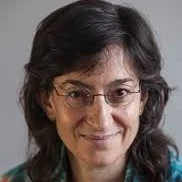
Alisa Solomon
Associate Professor, Department of Journalism, Columbia Journalism School
Alisa Solomon directs the Arts & Culture concentration in the M.A. program at the Journalism School. She came to Columbia in 2005 after nearly 20 years as a professor of English/Journalism at Baruch College-CUNY and as a professor in the Ph.D. programs in Theater and in English at the CUNY Graduate Center. In addition to contributing occasionally to The Nation, The Forward, The New York Times, and other publications, she was on staff at The Village Voice for 21 years, where she was a regular theater critic and cultural and political reporter, winning awards for stories on reproductive rights, electoral politics, women's sports, and immigration policy. Solomon's book, Re-Dressing the Canon: Essays on Theater and Gender, won the George Jean Nathan Award for Dramatic Criticism.
Associate Professor of Journalism, Columbia Journalism School
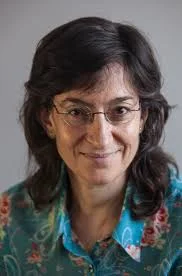
Alisa Solomon directs the Arts & Culture concentration in the M.A. program at the Journalism School. She came to Columbia in 2005 after nearly 20 years as a professor of English/Journalism at Baruch College-CUNY and as a professor in the Ph.D. programs in Theater and in English at the CUNY Graduate Center. In addition to contributing occasionally to The Nation, The Forward, The New York Times, and other publications, she was on staff at The Village Voice for 21 years, where she was a regular theater critic and cultural and political reporter, winning awards for stories on reproductive rights, electoral politics, women's sports, and immigration policy. For radio, she has contributed theater commentaries to WNYC and has served for more than a decade as a contributor to the weekly program "Beyond the Pale: Radical Jewish Culture and Politics" (WBAI). Solomon's book, Re-Dressing the Canon: Essays on Theater and Gender, won the George Jean Nathan Award for Dramatic Criticism. She is the editor of three anthologies: Wrestling with Zion: Progressive Jewish-American Responses to the Israeli-Palestinian Conflict (with Tony Kushner); "Theater and Social Change" (Theater, 31:3); and The Queerest Art: Essays on Lesbian and Gay Theater (with Framji Minwalla). Most recently, she edited and wrote the Introduction to The Reverend Billy Project: From Rehearsal Hall to Super Mall with the Church of Life After Shopping, by Bill Talen and Savitri D. Solomon holds a doctorate in Dramaturgy and Dramatic Criticism from Yale. Her book, Wonder of Wonders: A Cultural History of Fiddler on the Roof, was published by Metropolitan Books/Holt in 2013.
Working Group Affiliations
Marisa Solomon
Assistant Professor, Department of Women’s, Gender and Sexuality Studies, Barnard College
Marisa Solomon is an Assistant Professor of Women’s, Gender and Sexuality Studies at Barnard College, where she is affiliated with The Earth Institute. Her work draws upon Black feminist Marxism, queer of color critique, feminist intersectional science studies, and standpoint epistemologies to explore how scales of racial and ecological injury are linked from the body, to the neighborhood, to the region, to the Black Atlantic.
Marisa Solomon
Assistant Professor of Women’s, Gender and Sexuality Studies, Barnard College
Marisa Solomon is an Assistant Professor of Women’s, Gender and Sexuality Studies at Barnard College, where she is affiliated with The Earth Institute. Her work draws upon Black feminist Marxism, queer of color critique, feminist intersectional science studies, and standpoint epistemologies to explore how scales of racial and ecological injury are linked from the body, to the neighborhood, to the region, to the Black Atlantic. Broadly, Solomon’s work tracks how embodiment in an anti-Black world contours how, when, and for whom constitutions of matter matter. Her book project, tentatively titled, Mapping Trash Talk: Black Environments and Feminist Cartographies of Black Thought ethnographically situates what it means to “know” waste in the daily refusals of those overburdened by its emplacement and signification. Exploring the Black grammars, aesthetics, and gendered politics that challenge easy definitions of waste and degradation, Mapping Trash Talk locates Black ecopolitical praxis in the fugitivity of disposability. She has published on the materiality of waste and anti-Black histories of urban planning and gentrification in the Journal of International Labor and Working-Class History.
Working Group Affiliation
Black Atlantic Ecologies, Project Director

Marni Sommer
Associate Professor, Department of Sociomedical Sciences, Mailman School of Public Health, Columbia University
Marni Sommer, DrPH, MSN, RN, has worked in global health and development on issues ranging from improving access to essential medicines to humanitarian relief in conflict settings. Dr. Sommer's particular areas of expertise include conducting participatory research with adolescents, understanding and promoting healthy transitions to adulthood, the intersection of public health and education, gender and sexual health, and the implementation and evaluation of adolescent-focused interventions.
Marni Sommer
Associate Professor of Sociomedical Sciences, Mailman School of Public Health, Columbia University

Marni Sommer, DrPH, MSN, RN, has worked in global health and development on issues ranging from improving access to essential medicines to humanitarian relief in conflict settings. Dr. Sommer's particular areas of expertise include conducting participatory research with adolescents, understanding and promoting healthy transitions to adulthood, the intersection of public health and education, gender and sexual health, and the implementation and evaluation of adolescent-focused interventions. Her doctoral research explored girls' experiences of menstruation, puberty and schooling in Tanzania, and the ways in which the onset of puberty might be disrupting girls' academic performance and healthy transition to adulthood. Dr. Sommer's current research focuses on the intersections of gender, health and education for girls and boys transitioning into adulthood in Sub-Saharan Africa and Southeast Asia.
Working Group Affiliation
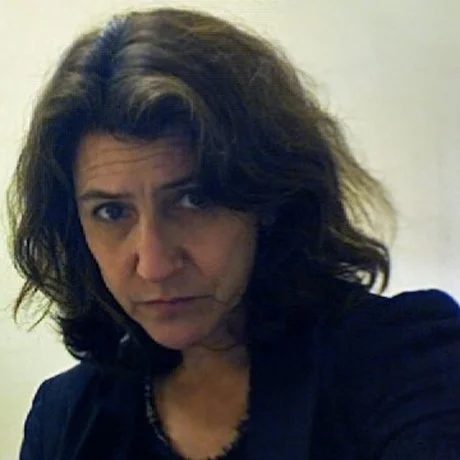
Maura Spiegel
Associate Professor, Department of English, Columbia University and Barnard College
Maura Spiegel has a joint appointment at Columbia University and Barnard College, where she teaches literature, film and American Studies, and she is Associate director of the Program for Narrative Medicine at Columbia College of Physicians and Surgeons, she teaches film to second-year medical students, as well as graduate students in the Master of Science Program in Narrative Medicine at Columbia. She recently ran a writing workshop for the staff of the NYU/Bellevue Program for Survivor’s of Torture. She is the co-author of The Grim Reader: Writings on Death, Dying and Living on (Anchor/Doubleday).
Maura Spiegel
Associate Professor of English, Columbia University and Barnard College
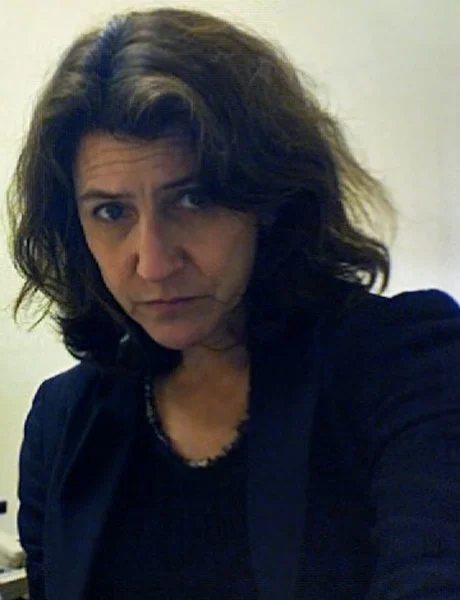
Maura Spiegel has a joint appointment at Columbia University and Barnard College, where she teaches literature, film and American Studies, and she is Associate director of the Program for Narrative Medicine at Columbia College of Physicians and Surgeons, she teaches film to second-year medical students, as well as graduate students in the Master of Science Program in Narrative Medicine at Columbia. She recently ran a writing workshop for the staff of the NYU/Bellevue Program for Survivor’s of Torture. She is the co-author of The Grim Reader: Writings on Death, Dying and Living on (Anchor/Doubleday); she has recently edited new editions of Upton Sinclair’s The Jungle and Edgar Rice Burroughs’ Tarzan of the Apes for the Barnes & Noble Classics Series. She co-edited the journal Literature and Medicine for seven years, has written for The New York Times, and has published essays on many topics. She is currently writing a book about the films of Sidney Lumet.

Gayatri Chakravorty Spivak
Professor, Department of Comparative Literature, Columbia University
Gayatri Chakravorty Spivak is University Professor and Founder of the Institute for Comparative Literature and Society at Columbia University. She was educated at the University of Calcutta, and came to Cornell University in 1961 to finish doctoral work.
Gayatri Chakravorty Spivak
University Professor, Columbia Unversity
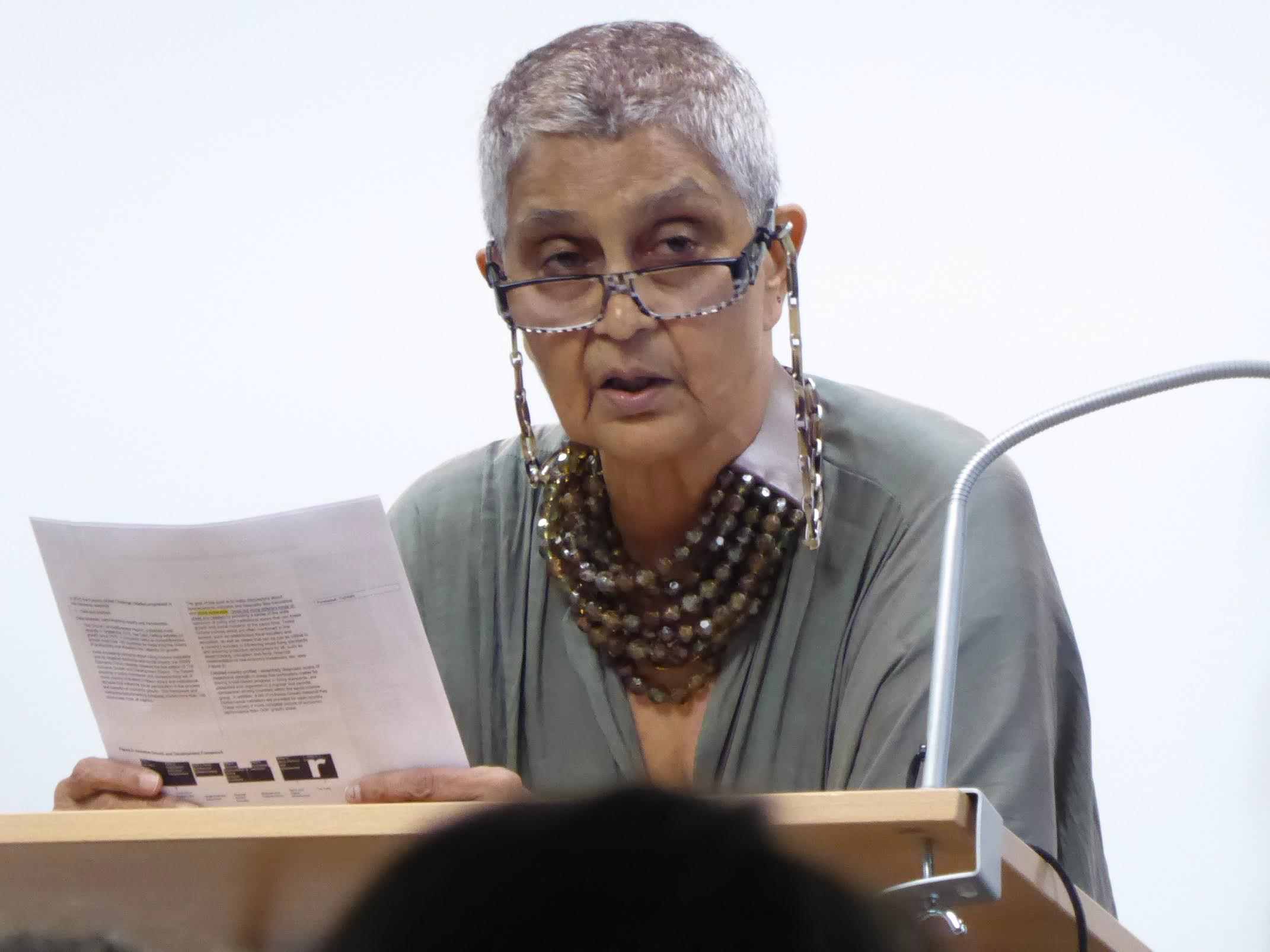
Gayatri Chakravorty Spivak is University Professor and Founder of the Institute for Comparative Literature and Society at Columbia University. She was educated at the University of Calcutta, and came to Cornell University in 1961 to finish doctoral work. Her books are Myself Must I Remake (1974), In Other Worlds (1987), The Post-Colonial Critic (1988), Outside in the Teaching Machine (1993), A Critique of Postcolonial Reason (1999), Death of a Discipline (2003), Other Asias (2008), An Aesthetic Education in the Era of Globalization (2012), and Readings (2014). She has translated Jacques Derrida's Of Grammatology (1976) and Mahasweta Devi's Imaginary Maps (1994), Breast Stories (1997), Old Women (1999), and Chotti Munda and his Arrow (2002). She has received honorary doctorates from the Universities of Toronto, London, Rovira I Virgili, Rabindra Bharati, San Martín, St. Andrews, Vincennes à Saint-Denis, Yale, Ghana-Legon, Presidency University, and Oberlin College. She won the Kyoto Prize (2012), and the Padma Bhushan (2013). She is active in the International Women's Movement, the struggle for ecological justice, and rural education. Her influence has been felt in art and architecture, law and political science, in curatorial practices. She works for humanities education as the best lasting weapon to combat contemporary disaster.
Working Group Affiliation
The Rural-Urban Interface: Gender and Poverty in Ghana and Kenya, Statistics and Stories, Project Director
Elsa Stamatopoulou
Adjunct Professor, Department of Ethnicity and Race and Anthropology, Columbia University
Elsa Stamatopoulou is the Director of the Indigenous Peoples' Rights Program at the Institute for the Study of Human Rights at Columbia University. Born in Athens, Greece, Stamatopoulou has devoted 21 years of her UN work to human rights, in addition to several years exclusively focusing on Indigenous Peoples rights. Most recently, she directed the work program of the Secretariat of the UN Permanent Forum on Indigenous Issues (UNPFII) as its first Chief from its inception in 2003 to 2010. She supervised the production of the first ever State of the World’s Indigenous Peoples publication of the United Nations (2010).
Elsa Stamatopoulou
Adjunct Professor, Center for the Study of Ethnicity and Race & Department of Anthropology
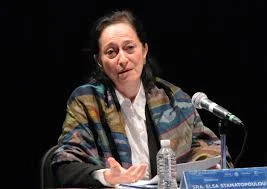
Elsa Stamatopoulou is the Director of the Indigenous Peoples' Rights Program at the Institute for the Study of Human Rights at Columbia University. Born in Athens, Greece, Stamatopoulou has devoted 21 years of her UN work to human rights, in addition to several years exclusively focusing on Indigenous Peoples rights. Most recently, she directed the work program of the Secretariat of the UN Permanent Forum on Indigenous Issues (UNPFII) as its first Chief from its inception in 2003 to 2010. She also promoted the integration, at international and national levels, of UN policies on indigenous peoples’ issues in the areas of economic and social development, environment, health, human rights, education and culture. She supervised the production of the first ever State of the World’s Indigenous Peoples publication of the United Nations (2010).
She has written extensively on a variety of human rights themes. Her book Cultural Rights in International Law (2007) is a classic on the topic. She has also co-edited The Universal Declaration of Human Rights: 50 Years and Beyond (1998) and Indigenous Peoples’ Access to Justice, Including Truth and Reconciliation Processes (2014). She has been teaching at Columbia University since 2011 and she obtained her J.D. from the University of Athens Law School and entered the Athens Bar Association. She has a Masters in the Administration of Criminal Justice from Northeastern University and a PhD. in Political Science and International Law from the Graduate Institute of International Studies, University of Geneva.
Rhiannon Stephens
Associate Professor, Department of History, Columbia University
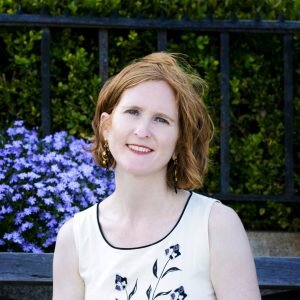
Rhiannon Stephens is an Associate Professor of History at Columbia University. She is the author of A History of African Motherhood: The Case of Uganda, 700-1900 (2013), which traces the social institution and ideology of motherhood across over a millennium of Ugandan political, economic and social change, and co-editor of Doing Conceptual History in Africa (2018), which critically examines what it means to write conceptual history on the continent.
Rhiannon Stephens
Associate Professor, History, Columbia University

Rhiannon Stephens is an Associate Professor of History at Columbia University. She is the author of A History of African Motherhood: The Case of Uganda, 700-1900 (2013), which traces the social institution and ideology of motherhood across over a millennium of Ugandan political, economic and social change, and co-editor of Doing Conceptual History in Africa (2018), which critically examines what it means to write conceptual history on the continent. She specializes in the history of precolonial and early colonial East Africa from the late first millennium CE through the twentieth century. She is currently working a history of poverty and wealth as economic and social concepts in eastern Uganda over the past two thousand years.
Working Group Affiliation

Sarah Stillman
Professor, Department of Journalism, Columbia University
Sarah Stillman is a staff writer at The New Yorker magazine and has written on topics ranging from asset forfeiture abuse to the return of debtors prisons, and from Mexico's drug cartels to Bangladesh's garment factories. Her coverage of human trafficking on U.S. military bases in Iraq and Afghanistan won the National Magazine Award, the Michael Kelly Award for the “fearless pursuit and expression of truth,” and the Hillman Prize for Magazine Journalism, among other prizes. Her current work focuses on the toll of Trump-era immigration enforcement: the human face of ICE raids, family detention, and asylum-seekers' expedited removals, including the gendered impacts of these policies. She is a 2016 MacArthur Fellow.
Sarah Stillman
Project Director, Global Migration Project, Columbia Journalism School
Sarah Stillman is a staff writer at The New Yorker magazine and has written on topics ranging from asset forfeiture abuse to the return of debtors prisons, and from Mexico's drug cartels to Bangladesh's garment factories. Her coverage of human trafficking on U.S. military bases in Iraq and Afghanistan won the National Magazine Award, the Michael Kelly Award for the “fearless pursuit and expression of truth,” and the Hillman Prize for Magazine Journalism, among other prizes. Her current work focuses on the toll of Trump-era immigration enforcement: the human face of ICE raids, family detention, and asylum-seekers' expedited removals, including the gendered impacts of these policies. She is a 2016 MacArthur Fellow.


Neferti X. M. Tadiar
Professor of Women's, Gender, and Sexuality Studies
Neferti X. M. Tadiar is Professor of Women's, Gender & Sexuality Studies at Barnard College and Director of the Center for the Study of Race and Ethnicity at Columbia University. She is the author of Things Fall Away: Philippine Historical Experience and the Makings of Globalization (2009) and Fantasy-Production: Sexual Economies and Other Philippine Consequences for the New World Order (2004), and co-editor with Angela Y. Davis of Beyond the Frame: Women of Color and Visual Representation (2005).
Neferti X. M. Tadiar
Professor, Women's, Gender, and Sexuality Studies, Barnard College

Neferti X. M. Tadiar is Professor of Women's, Gender & Sexuality Studies at Barnard College and Director of the Center for the Study of Race and Ethnicity at Columbia University. She is the author of Things Fall Away: Philippine Historical Experience and the Makings of Globalization (2009) and Fantasy-Production: Sexual Economies and Other Philippine Consequences for the New World Order (2004), and co-editor with Angela Y. Davis of Beyond the Frame: Women of Color and Visual Representation (2005). Her work examines the role of cultural practice and social imagination in the production of wealth, power, marginality, and liberatory movements in the context of global relations. She was co-director of the CSSD working group, “Gender & the Global Slum.”
Working Group Affiliations
Gender and the Global Slum, Project Director
Insurgent Domesticites, Co-Director
Pacific Climate Circuits: Moving Beyond Science, Technology, Engineering, and Economics
Edited Books
Things Fall Away: Philippine Historical Experience and the Makings of Globalization Duke University Press, 2009
Fantasy-Production: Sexual Economies and Other Philippine Consequences for the New World Order
John Hopkins University Press, 2004
Beyond the Frame: Women of Color and Visual Representation James Madison University Press, 2005
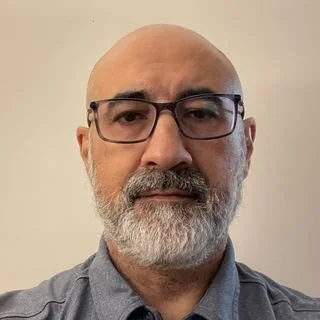
Kian Tajbakhsh
Kian Tajbakhsh
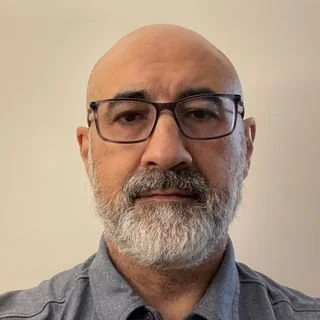
Kian Tajbakhsh (Ph.D. Columbia 1993) is a Senior Advisor at Columbia Global. In this role, Dr. Tajbakhsh works on university-wide initiatives focused on global migration and is the Coordinator of the Committee on Forced Migration. He is also a Fellow and professor of International Relations with Columbia’s Committee on Global Thought where since 2017 he has taught the core course in the Global Thought MA program “Globalization and the Problems of World Order.” From 2016-2018 he was Visiting Professor of Urban Planning at Columbia. His book Creating Local Democracy In Iran: State-Building and the Politics of Decentralization was published by Cambridge University Press in 2022.

Dennis Yi Tenen
Associate Professor of English and Comparative Literature, Columbia University
His teaching and research happen at the intersection of people, texts, and technologies. Tenen received his doctorate in Comparative Literature at Harvard University under the advisement of Professors Elaine Scarry and William Todd. A co-founder of Columbia’s Group for Experimental Methods in the Humanities, he is the author of Plain Text: The Poetics of Computation(Stanford University Press, 2017).
Dennis Yi Tenen
Associate Professor of English and Comparative Literature, Columbia University

Dennis Yi Tenen is an associate professor of English and Comparative Literature at Columbia University. His teaching and research happen at the intersection of people, texts, and technologies. Tenen received his doctorate in Comparative Literature at Harvard University under the advisement of Professors Elaine Scarry and William Todd. A co-founder of Columbia’s Group for Experimental Methods in the Humanities, he is the author of Plain Text: The Poetics of Computation(Stanford University Press, 2017). His recent work appears on the pages of Modern Philology, New Literary History, Amodern, boundary2, Computational Culture, and Modernism/modernity on topics that include literary theory, the sociology of literature, media history, and computational narratology. His next book concerns the creative limits of artificial intelligence.
Working Group Affiliation
Data Algorithms and Social Justice, Project Director
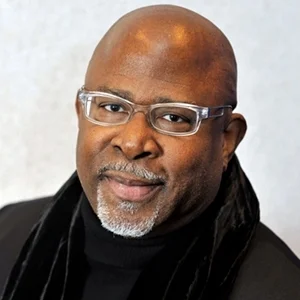
Kendall Thomas
Nash Professor of Law, Columbia Law School
Kendall Thomas is the Nash Professor of Law and co-founder and Director of the Center for the Study of Law and Culture. His teaching and research interests include U.S. and comparative constitutional law, human rights, legal philosophy, feminist legal theory, Critical Race Theory and Law and Sexuality. A past Visiting Professor at Stanford Law School, and Visiting Professor in American Studies and Afro-American Studies at Princeton University, Thomas has taught or lectured in France, The Netherlands, England, The Czech Republic, Germany, Haiti and South Africa. His writings have appeared in several academic journals and volumes of collected essays.
Kendall Thomas
Nash Professor of Law, Columbia Law School

Kendall Thomas is the Nash Professor of Law and co-founder and Director of the Center for the Study of Law and Culture. His teaching and research interests include U.S. and comparative constitutional law, human rights, legal philosophy, feminist legal theory, Critical Race Theory and Law and Sexuality. A past Visiting Professor at Stanford Law School, and Visiting Professor in American Studies and Afro-American Studies at Princeton University, Thomas has taught or lectured in France, The Netherlands, England, The Czech Republic, Germany, Haiti and South Africa. His writings have appeared in several academic journals and volumes of collected essays. He is a co-editor of Critical Race Theory: The Key Writings that Founded the Movement (The New Press, 1996) and What's Left of Theory? (Routledge Press, 2000). Thomas was an inaugural recipient of the Berlin Prize Fellowship of the American Academy in Berlin, Germany and a member of the Special Committee of the American Center in Paris, France. He is a founding member of the Majority Action Caucus of the AIDS Coalition to Unleash Power (ACT UP), Sex Panic! and the AIDS Prevention Action League.
Working Group Affiliations
Reframing Gendered Violence, Project Director

Lilith Todd
Lilith Todd is a Ph.D. candidate in Columbia's Department of English and Comparative Literature, where she is studying 17th- and 18th-century British and Transatlantic literature. Broadly, her research interests include representations of domesticity, maternity, and bodily sensations, the histories of nursing, sex work, and surrogacy, and the various flows of water, bodily fluids, products, and poetic beats.
Lilith Todd

Lilith Todd is a Ph.D. candidate in Columbia's Department of English and Comparative Literature, where she is studying 17th- and 18th-century British and Transatlantic literature. Broadly, her research interests include representations of domesticity, maternity, and bodily sensations, the histories of nursing, sex work, and surrogacy, and the various flows of water, bodily fluids, products, and poetic beats. She has an article forthcoming from The Eighteenth-Century: Theory and Interpretation on the nurse, washerwoman, and poet Mary Collier and her work with bodily fluids. Before coming to Columbia, she received her B.A. in English (with honors) and in History from Brown University.
Working Group Affiliation