

Sheri Berman
Professor, Department of Political Science, Barnard College
Sheri E. Berman is professor of political science. Her main interests are European politics and political history, democracy and democratization, globalization, and the history of the left. Her two books, The Social Democratic Moment; Ideas and Politics in the Making of Interwar Europe and The Primacy of Politics: Social Democracy and the Making of Europe's Twentieth Century have examined the role played by social democracy in determining political outcomes in 20th-century Europe. Her book Democracy and Dictatorship in Europe: From Ancien Regime to the Present Day is forthcoming from Oxford University Press.
Sheri Berman
Professor of Political Science, Barnard College

Sheri E. Berman is professor of political science. Her main interests are European politics and political history, democracy and democratization, globalization, and the history of the left. Her two books, The Social Democratic Moment; Ideas and Politics in the Making of Interwar Europe and The Primacy of Politics: Social Democracy and the Making of Europe's Twentieth Century have examined the role played by social democracy in determining political outcomes in 20th-century Europe. Her book Democracy and Dictatorship in Europe: From Ancien Regime to the Present Day is forthcoming from Oxford University Press.
Working Group Affiliation
Elizabeth Bernstein
Associate Professor, Department of Women’s, Gender, and Sexuality Studies and Sociology, Barnard College
With Janet Jakobsen, Elizabeth Bernstein is currently serves as co-director of the Barnard Center for Research on Women’s project on Gender, Justice, and Neoliberal Transformations, a comparative and synthetic interdisciplinary project comprising researchers from ten countries. She is the author of Temporarily Yours: Intimacy, Authenticity, and the Commerce of Sex (University of Chicago Press, 2007).
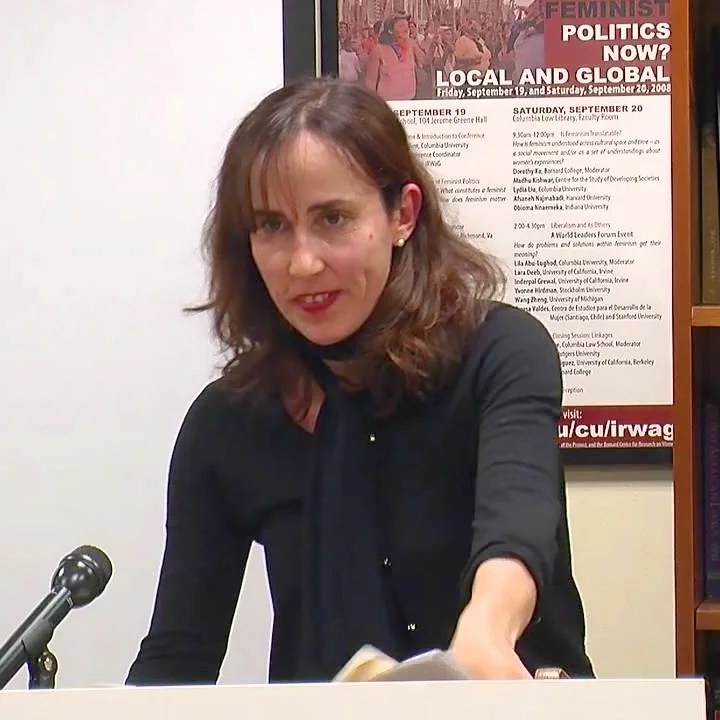
Elizabeth Bernstein is an interdisciplinary feminist scholar trained in qualitative sociology and ethnographic methods. Her research and teaching focus on the political economy of the body, gender, and sexuality. She is the author of the award-winning books Brokered Subjects: Sex, Trafficking, and the Politics of Freedom (University of Chicago Press, 2018) and Temporarily Yours: Intimacy, Authenticity, and the Commerce of Sex (University of Chicago Press, 2007), and co-editor of the volumes Paradoxes of Neoliberalism: Sex, Gender, and Possibilities for Justice (Routledge: 2021) and Regulating Sex: The Politics of Intimacy and Identity (Routledge 2004). She is currently conducting research for a new book project entitled Imagining Immunity: Precarious Bodies and the Governance of Gendered Dis-ease, an auto-ethnographic account and intersectional analysis of the immunological metaphors that guide common conceptions of bodily risk and suffering, as well as the biopolitical interventions designed to address conditions ranging from allergies to autoimmune disorders to infectious disease.
Edited Books
Paradoxes of Neoliberalism: Sex, Gender, and Possibilities for Justice Co-Edited with Janet R Jakobsen Routledge: 2021
Brokered Subjects: Sex, Trafficking, and the Politics of Freedom University of Chicago Press, 2018
Temporarily Yours: Intimacy, Authenticity, and the Commerce of Sex University of Chicago Press, 2007.
Regulating Sex: The Politics of Intimacy and Identity Co-Edited with Laurie Schaffner Routledge 2004
Hiba Bou Akar
Assistant Professor, Department of Urban Planning, Columbia University
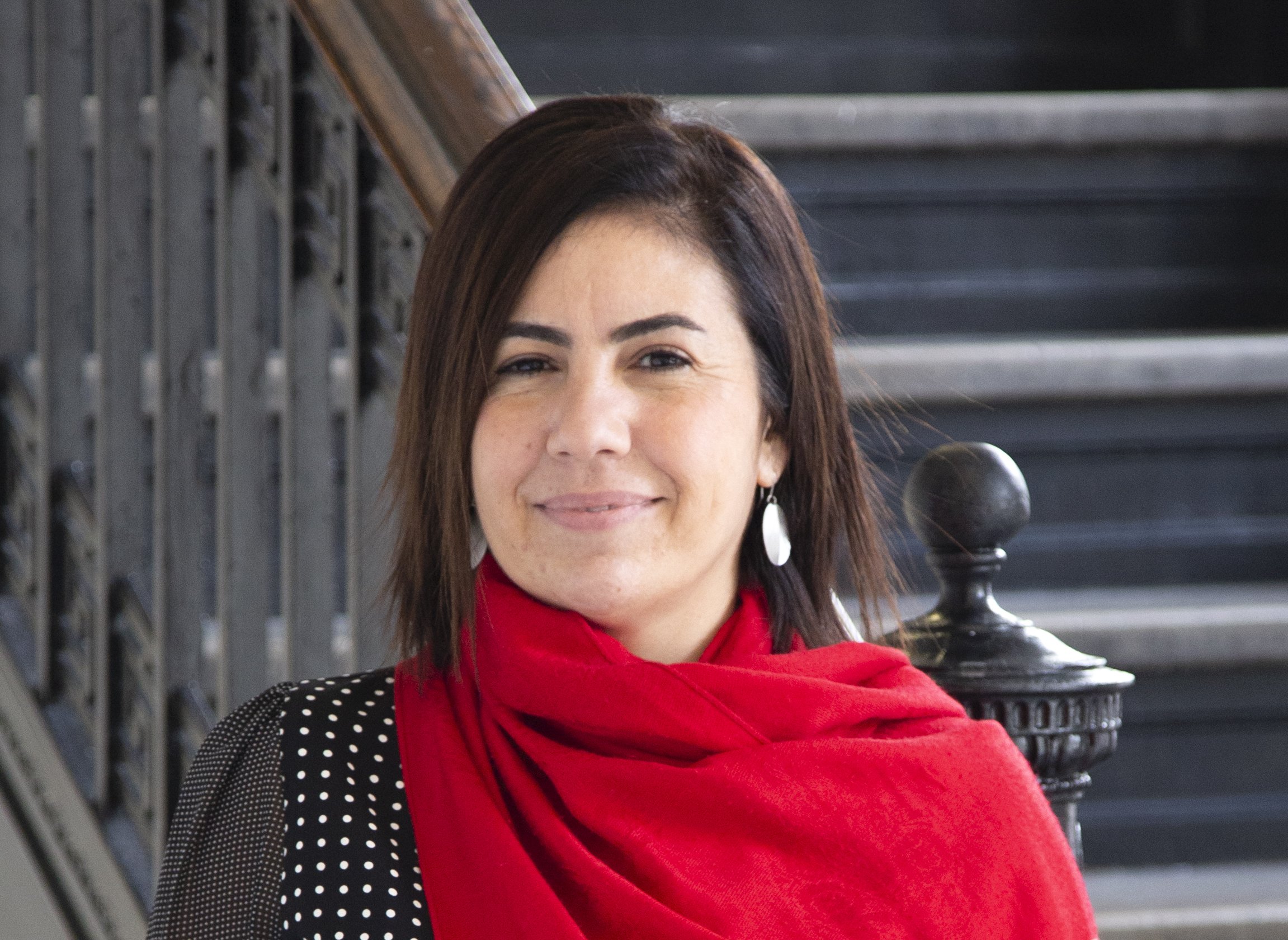
Hiba Bou Akar is an Assistant Professor in the Urban Planning program at Columbia GSAPP. Her research focuses on planning in conflict and post-conflict cities, the question of urban violence, and the role of religious political organizations in the making of cities.
Hiba Bou Akar
Assistant Professor, Urban Planning, GSAPP Columbia University
Hiba Bou Akar is an Assistant Professor in the Urban Planning program at Columbia GSAPP. Her research focuses on planning in conflict and post-conflict cities, the question of urban violence, and the role of religious political organizations in the making of cities. Bou Akar’s award-winning book, For the War Yet to Come: Planning Beirut’s Frontiers (2018), examines how Beirut’s post-civil war peripheries have been transformed through multiple planning exercises into contested frontiers that are mired in new forms of conflict. Her first co-edited book, Narrating Beirut from its Borderlines (2011), incorporated ethnographic and archival research with art installations, architectural research, graphic design, and photography to explore Beirut’s segregated geographies. Currently, Bou Akar is working on a new project entitled “Sedimentary Urbanization” examining the temporalities of displacement and refugee-ness. Bou Akar is also the founder and director of the Post-Conflict Cities Lab at Columbia University. The lab focuses on the studies of post-conflict urban planning and aims to develop methodological, empirical, and theoretical approaches to planning in contested spaces.
Working Group Affiliation
Insurgent Domesticities
Refugee Cities
Jordan T. Camp
Visiting Scholar in the Charles Warren Center for Studies in American History at Harvard University
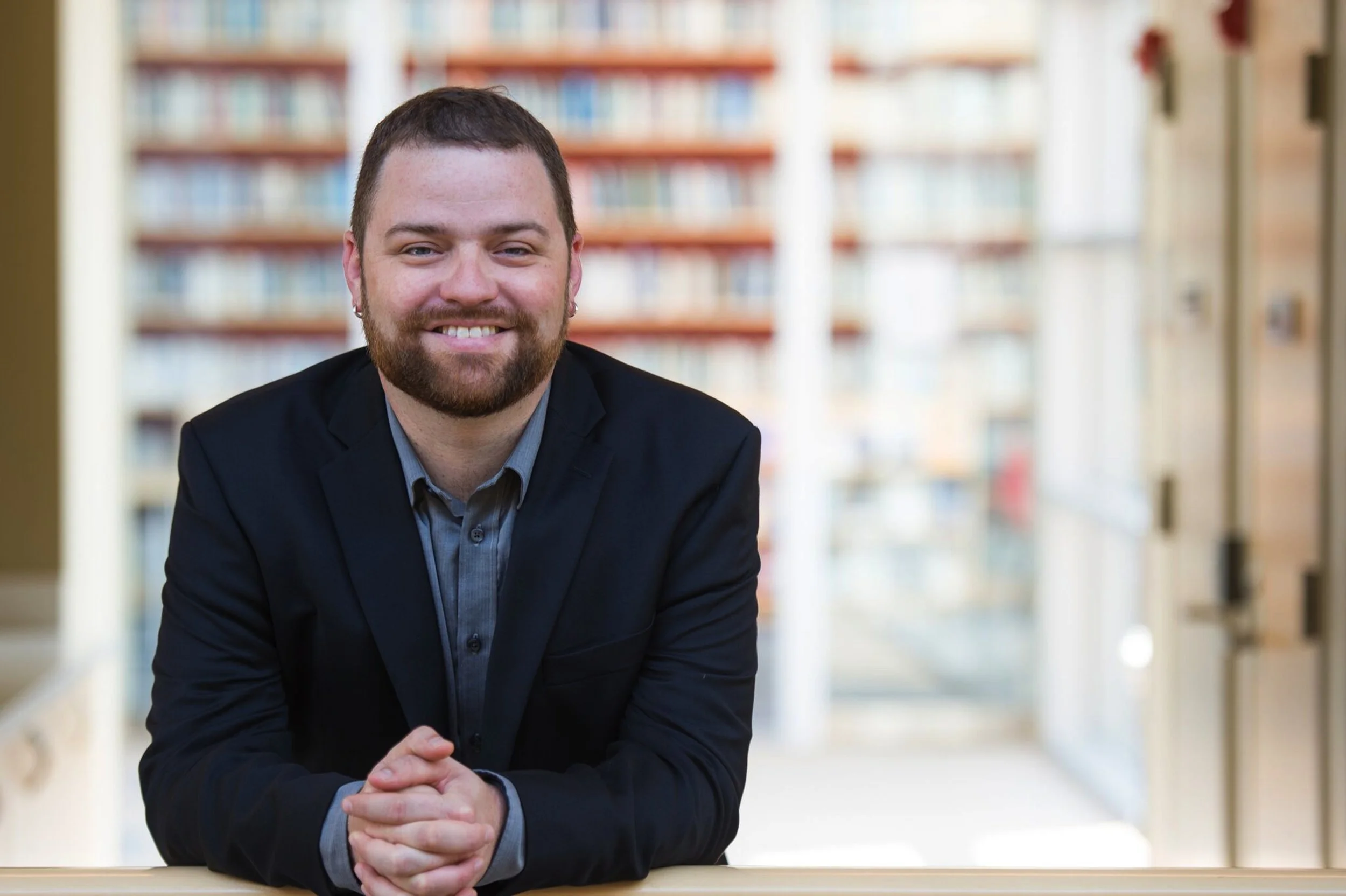
Jordan T. Camp is the author of Incarcerating the Crisis: Freedom Struggles and the Rise of the Neoliberal State (University of California Press, 2016), co-editor (with Christina Heatherton) of Policing the Planet: Why the Policing Crisis Led to Black Lives Matter (Verso, 2016), and co-editor (with Laura Pulido) of the late Clyde Woods’ Development Drowned and Reborn: The Blues and Bourbon Restorations in Post-Katrina New Orleans (University of Georgia Press, 2017).
Jordan T. Camp
Visiting Scholar in the Charles Warren Center for Studies in American History at Harvard University
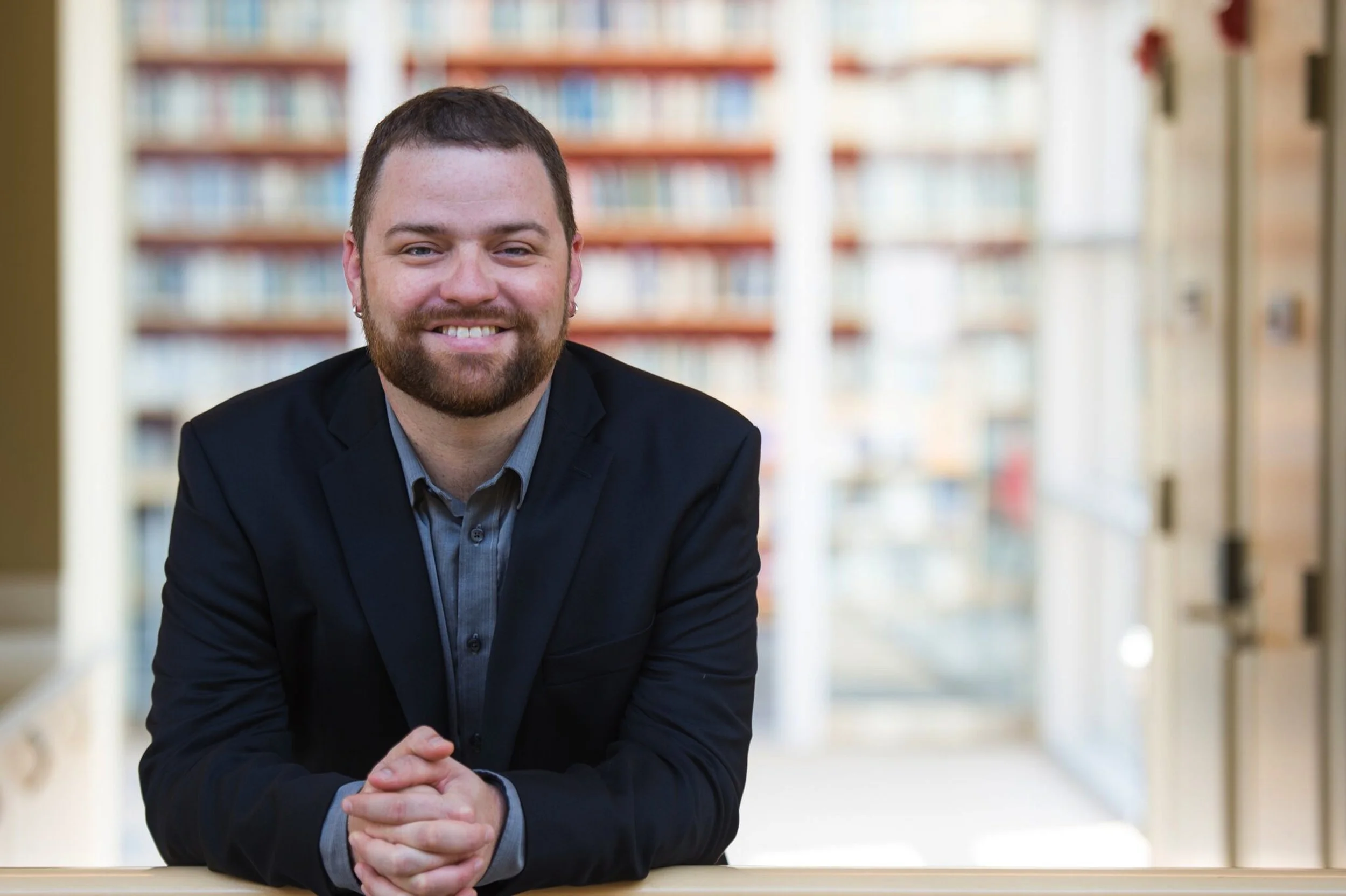
Jordan T. Camp is the author of Incarcerating the Crisis: Freedom Struggles and the Rise of the Neoliberal State (University of California Press, 2016), co-editor (with Christina Heatherton) of Policing the Planet: Why the Policing Crisis Led to Black Lives Matter (Verso, 2016), and co-editor (with Laura Pulido) of the late Clyde Woods’ Development Drowned and Reborn: The Blues and Bourbon Restorations in Post-Katrina New Orleans (University of Georgia Press, 2017). His work also appears or is forthcoming in American Quarterly, Eurozine, Jacobin, Kalfou: A Journal of Comparative and Relational Ethnic Studies, Ord & Bild, Race & Class, and Social Justice, as well as edited volumes including: In the Wake of Hurricane Katrina (Johns Hopkins University Press, 2010), Race, Empire, and the Crisis of the Subprime (Johns Hopkins University Press, 2013), and Futures of Black Radicalism (Verso, 2017).
Working Group Affiliation
Racial Capitalism, Project Director

Tina Campt
Professor, Department of Women’s, Gender and Sexuality Studies, Barnard College
Tina Campt's work theorizes gender, memory and racial formation among African Diasporic communities in Europe and Germany in particular. She is the author of Other Germans: Black Germans and the Politics of Race, Gender and Memory in the Third Reich (2004), which examines the mutual constitution of racial and gendered formations among German Blacks in the Third Reich. Her new project, Imaging Black Europe: Archive, Photography and the African Diaspora, studies how Black Britons and Black Germans used photography as an expressive cultural practice to create forms of identification and community in the first half of the twentieth century in Germany and the UK.
Tina Campt
Professor of Women’s, Gender and Sexuality Studies and Director of the Africana Studies Program, Barnard College

Tina Campt joined the Barnard faculty in 2010, prior to which she held faculty positions at Duke University, the University of California-Santa Cruz and the Technical University of Berlin. An interdisciplinary scholar by necessity, her work theorizes gender, memory and racial formation among African Diasporic communities in Europe and Germany in particular. In addition to article publications in New German Critique, Radical History Review, Meridians and Callaloo, she is the author of Other Germans: Black Germans and the Politics of Race, Gender and Memory in the Third Reich (2004), which examines the mutual constitution of racial and gendered formations among German Blacks in the Third Reich. She is co-editor with Michelle M. Wright of a special issue of Callaloo (2003) on the Black German experience, and together with Paul Gilroy, she co-edited the volume Der Black Atlantik (2004), a collection of essays emerging out of their work as guest curators of the multimedia cultural project “The Black Atlantic: Traveling Cultures, Counter-History and Networked Identities” at the House of World Cultures in Berlin. Her new project, Imaging Black Europe: Archive, Photography and the African Diaspora, is a study of how two different Black European communities - Black Britons and Black Germans - used photography as an expressive cultural practice to create forms of identification and community in the first half of the twentieth century in Germany and the UK. Together with Deborah Thomas, she is co-convener of the scholarly and curricular project “Diasporic Hegemonies: Gendering the Diaspora and Racing the Transnational.” In addition to her published writing, Campt holds advisory positions as a Corresponding Editor for Feminist Review, on the Board of Editors of the Journal of Women's History, and the Editorial Advisory Board of Duke University Press.
Working Group Affiliation
Engendering the Archive, Project Director
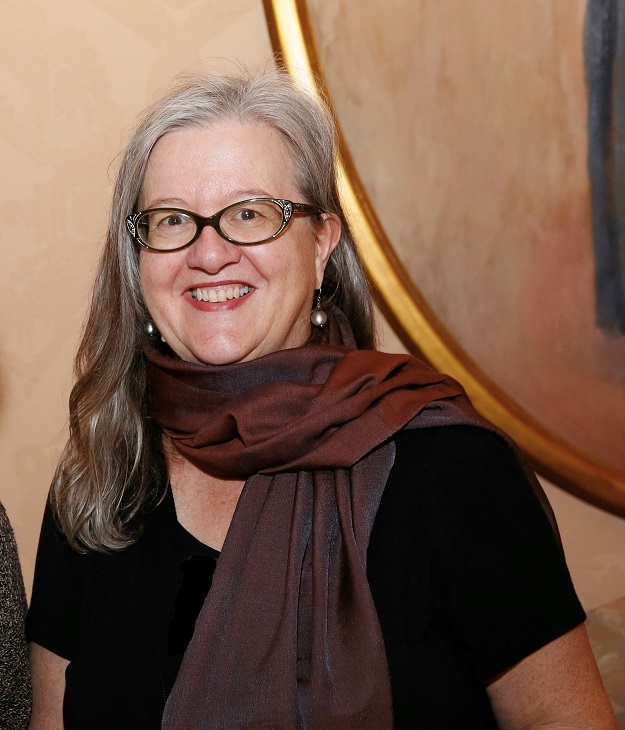
Elizabeth Castelli
Professor, Department of Religion, Barnard College
Elizabeth A. Castelli is a cultural historian of late ancient Christianity and a translator. She is the author of Martyrdom and Memory: Early Christian Culture Making and Imitating Paul: A Discourse of Power; co-author, as a member of the Bible and Culture Collective, of The Postmodern Bible; and editor of Women, Gender, Religion: A Reader; Interventions: Activists and Academics Respond to Violence (with Janet Jakobsen); Reimagining Christian Origins (with Hal Taussig); and special issues of the Journal of the History of Sexuality, differences: A Journal of Feminist Cultural Studies, and Scholar and Feminist Online.
Elizabeth Castelli
Professor of Religion and Director of the Barnard Center for Research on Women, Barnard College
Elizabeth A. Castelli is Professor of Religion and Director of the Barnard Center for Research on Women at Barnard College. She is a cultural historian of late ancient Christianity and a translator. She is the author of Martyrdom and Memory: Early Christian Culture Making and Imitating Paul: A Discourse of Power; co-author, as a member of the Bible and Culture Collective, of The Postmodern Bible; and editor of Women, Gender, Religion: A Reader; Interventions: Activists and Academics Respond to Violence (with Janet Jakobsen); Reimagining Christian Origins (with Hal Taussig); and special issues of the Journal of the History of Sexuality, differences: A Journal of Feminist Cultural Studies, and Scholar and Feminist Online. She is the translator of the authorized English translation of Pier Paolo Pasolini's Saint Paul. She is on the board of the Brooklyn Institute for Social Research and the advisory board of the Center for Religion and Media at NYU. She is a collective member and volunteer at Word Up Community Bookshop/Libreria Comunitaria, a volunteer-run and multi-lingual community bookshop and arts space in Washington Heights.
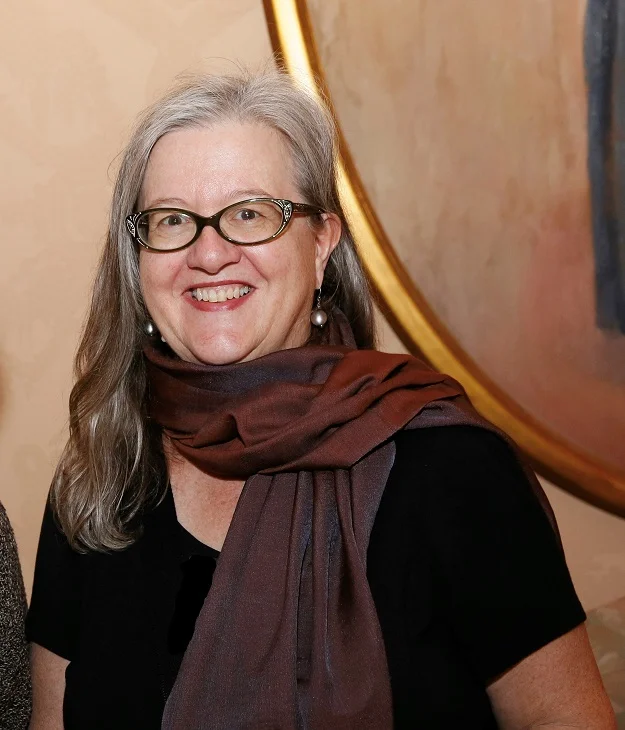

Rita Charon
Professor, Department of Clinical Medicine, Columbia University College of Physicians and Surgeons
Rita Charon is Professor of Clinical Medicine and Director of the Program in Narrative Medicine at the Columbia University College of Physicians and Surgeons. A general internist with a primary care practice in Presbyterian Hospital, Dr. Charon took a Ph.D. in English when she realized how central is telling and listening to stories to the work of doctors and patients. She directs the Narrative Medicine curriculum for Columbia's medical school and teaches literature, narrative ethics, and life-telling, both in the medical center and Columbia's Department of English.
Rita Charon
Professor of Clinical Medicine and Director of the Program in Narrative Medicine, Columbia University College of Physicians and Surgeons
The Future of Disability Studies
Rita Charon is Professor of Clinical Medicine and Director of the Program in Narrative Medicine at the Columbia University College of Physicians and Surgeons. A general internist with a primary care practice in Presbyterian Hospital, Dr. Charon took a Ph.D. in English when she realized how central is telling and listening to stories to the work of doctors and patients. She directs the Narrative Medicine curriculum for Columbia's medical school and teaches literature, narrative ethics, and life-telling, both in the medical center and Columbia's Department of English. Her literary scholarship focuses on the novels and tales of Henry James. Her research projects center on the outcomes of training health care professionals in narrative competence and the development of narrative clinical routines to increase the capacity for clinical recognition in medical practice.
She is currently Principal Investigator on an NIH project to enhance the teaching of social science and behavioral science in medical schools. Her work in narrative medicine has been recognized by the Association of American Medical Colleges, the American College of Physicians, the Society for Health and Human Values, the American Academy on Healthcare Communication, and the Society of General Internal Medicine. She is the recipient of a Rockefeller Foundation Bellagio Residence and a John Simon Guggenheim Fellowship. She has published and lectured extensively on the ways in which narrative training helps to increase empathy and reflection in health professionals and students. She is author of Narrative Medicine: Honoring the Stories of Illness and co-editor of Psychoanalysis and Narrative Medicine and Stories Matter: The Role of Narrative in Medical Ethics.
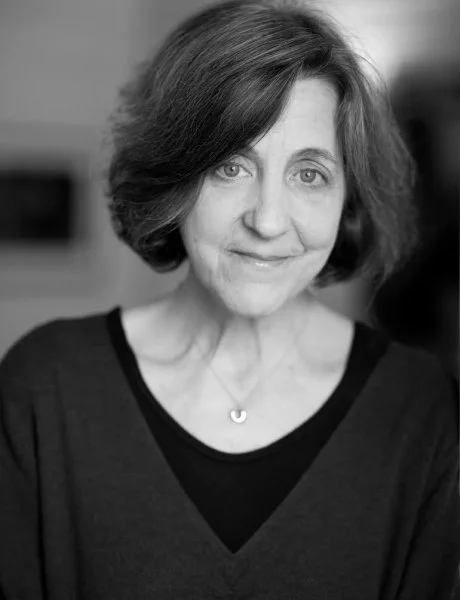
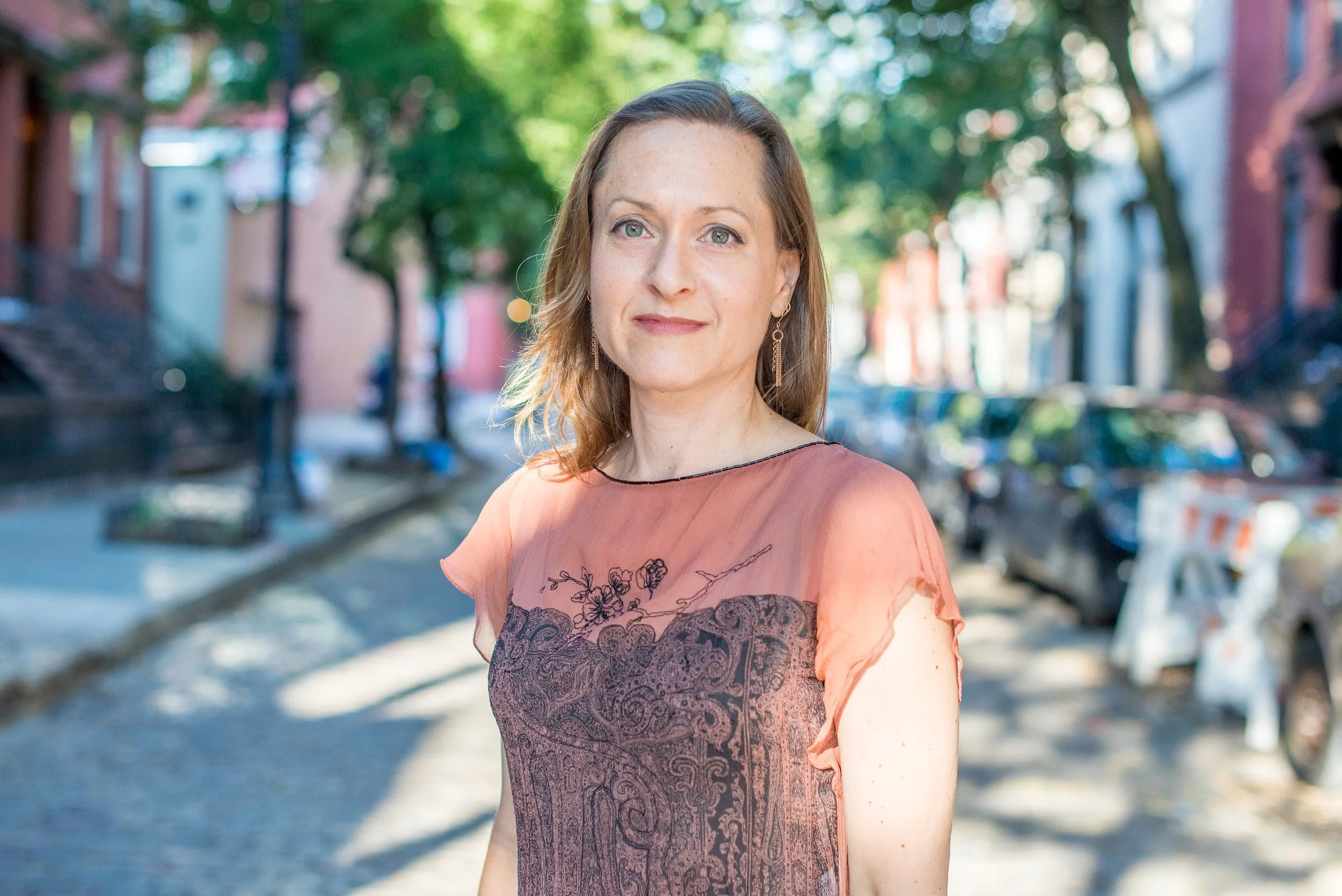
Amy Chazkel
Professor, Department of History, Columbia University
Amy Chazkel, Bernard Hirschhorn Associate Professor of Urban Studies, is a historian of Brazil with broad interests in the urban humanities, law and society, crime and justice, policing, slavery, abolition, and post-abolition societies in the Atlantic world. In her own research and writing, she has principally explored the urban and legal history of post-colonial Brazil.
Amy Chazkel
Amy Chazkel, Bernard Hirschhorn Associate Professor of Urban Studies, is a historian of Brazil with broad interests in the urban humanities, law and society, crime and justice, policing, slavery, abolition, and post-abolition societies in the Atlantic world. In her own research and writing, she has principally explored the urban and legal history of post-colonial Brazil.
She is the author of Laws of Chance: Brazil’s Clandestine Lottery and the Making of Modern Public Life in Brazil (Duke University Press, 2011), a study of petty crime, urban culture, and the historical roots of the informal sector in nineteenth- and twentieth-century Brazil, and a translated and adapted version of that book, Leis da sorte: A construção da vida pública urbana(Editora da Unicamp, 2015) and is co-editor of The Rio Reader: History, Culture, Politics (Duke University Press, 2016), an anthology of primary sources on the history of Rio de Janeiro.
Over the past eighteen years, she has pursued her interest in the cultural and social context of the law both in her scholarship and as a volunteer researcher and Portuguese-English interpreter with US-based law clinics and human rights organizations. Her work in progress includes a book project, supported by the American Council of Learned Societies, the National Endowment of the Humanities, and the American Philosophical Society, that explores the social, cultural, and legal history of the urban nighttime, focusing on Rio de Janeiro during the long nineteenth century.
Working Group: Refugee Cities
Edited Books
Laws of Chance: Brazil’s Clandestine Lottery and the Making of Modern Public Life in Brazil Duke University Press, 2011.
Leis da sorte: A construção da vida pública urbana Editora da Unicamp, 2015.
The Rio Reader: History, Culture, Politics Co-Edited with Knauss, Paulo, and Daryle Williams. Duke University Press, 2016
Anelise Chen

Anelise Chen (Assistant Professor of Fiction in the School of Arts) recently served as Director of Undergraduate Studies in Creative Writing. Her books include the experimental novel So Many Olympic Exertions, a VCU Cabell Award Finalist, and her forthcoming hybrid memoir is an investigation into metaphors of shell-making. She is a “5 under 35” National Book Foundation honoree, and has received a Junior Faculty Provost Grant, a Hettleman Grant, and fellowships from Akademie Schloss Solitude in Stuttgart, Blue Mountain Center, and the Asian American Writers’ Workshop.
Working Group
Yvette Christiansë
Professor, Department of English and Africana Studies, Barnard College
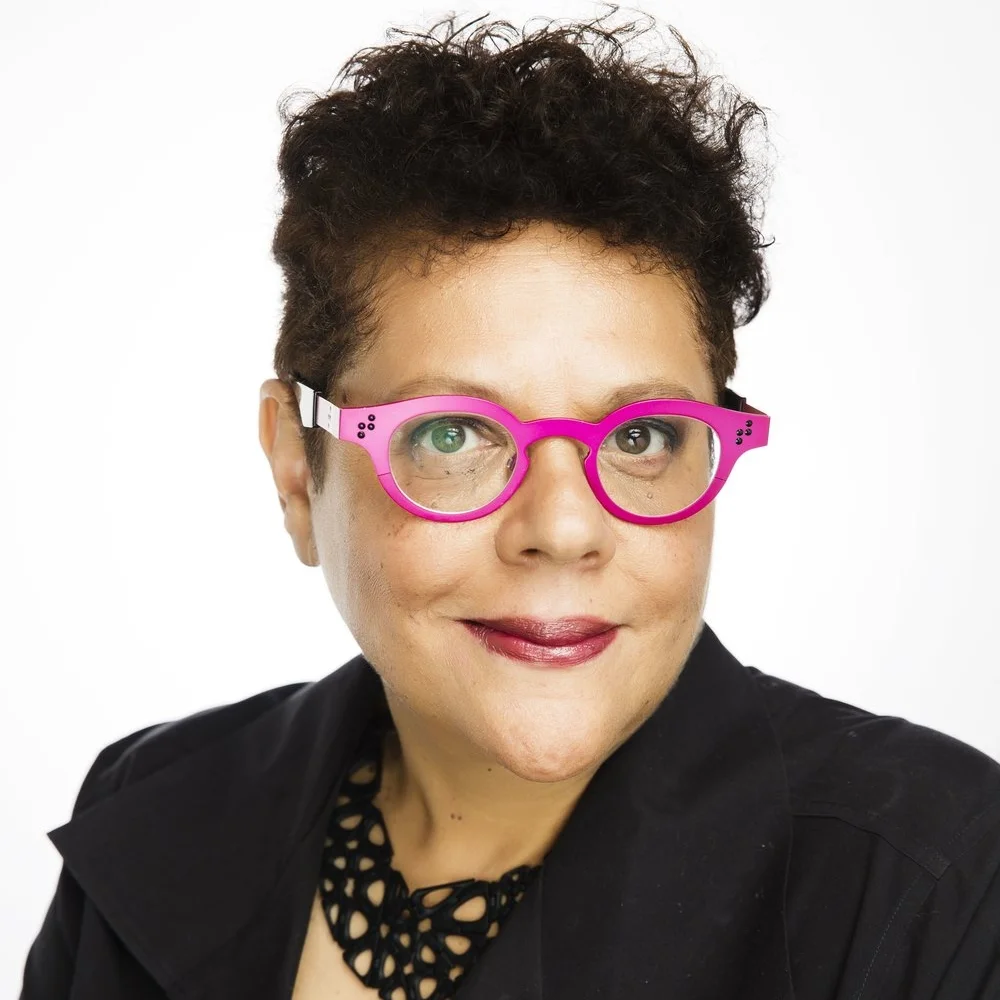
Yvette Christiansë is a South African-born poet, novelist, and scholar. She is the author of two books of poetry: Imprendehora (2009) and Castaway (1999). Her novel Unconfessed (2006) was a finalist for the Hemingway/PEN Prize for first fiction and received a 2007 ForeWord Magazine BEA Award. Her poetry has been published in the U.S., South Africa, Australia, Canada, France and Italy. She teaches poetry and prose of former English colonies (with an emphasis on South Africa, the Caribbean and Australia), narratives of African Diaspora, 20th Century African American Literatures, poetics and creative writing.
Yvette Christiansë
Professor of English and Africana Studies, Barnard College
Yvette Christiansë is a South African-born poet, novelist, and scholar. She is the author of two books of poetry: Imprendehora (published in South Africa by Kwela Books/Snail Press 2009) and Castaway (Duke University Press, 1999). Imprendehora was a finalist for the Via Afrika Herman Charles Bosman Prize in 2010 and Castaway was a finalist in the 2001 PEN International Poetry Prize. Her novel Unconfessed (Other Press, 2006; Kwela Books, 2007; Querido, 2007) was a finalist for the Hemingway/PEN Prize for first fiction and received a 2007 ForeWord Magazine BEA Award. It was also shortlisted for the University of Johannesburg Prize and the International IMPAC Dublin Literary Award in 2008, and nominated for the Ama Ata Aidoo Prize 2010. Her poetry has been published in the U.S., South Africa, Australia, Canada, France and Italy. She is also the recipient of The Harri Jones Memorial Prize for poetry (Australia).
Christiansë teaches poetry and prose of former English colonies (with an emphasis on South Africa, the Caribbean and Australia), narratives of African Diaspora, 20th Century African American Literatures, poetics and creative writing. Her research interests include the nexus between theories of race and gender, class and postcoloniality. She has been a Distinguished Visiting Fellow at Duke University's John Hope Franklin Center and a Visiting Professor at Princeton University's Center for Creative and Performing Arts. She has also been a National Research Council Fellow at the University of Witwatersrand and a visiting writer at the University of Cape Town. Her manuscript on Toni Morrison's poetics and is forthcoming from Fordham University Press. She is currently writing a book on representations of Liberated Africans or Recaptives between 1807 and 1886.

Mary Marshall Clark
Senior Research Scientist, INCITE (Interdisciplinary Center for Innovative Theory and Empirics), Director, Columbia Center for Oral History Research
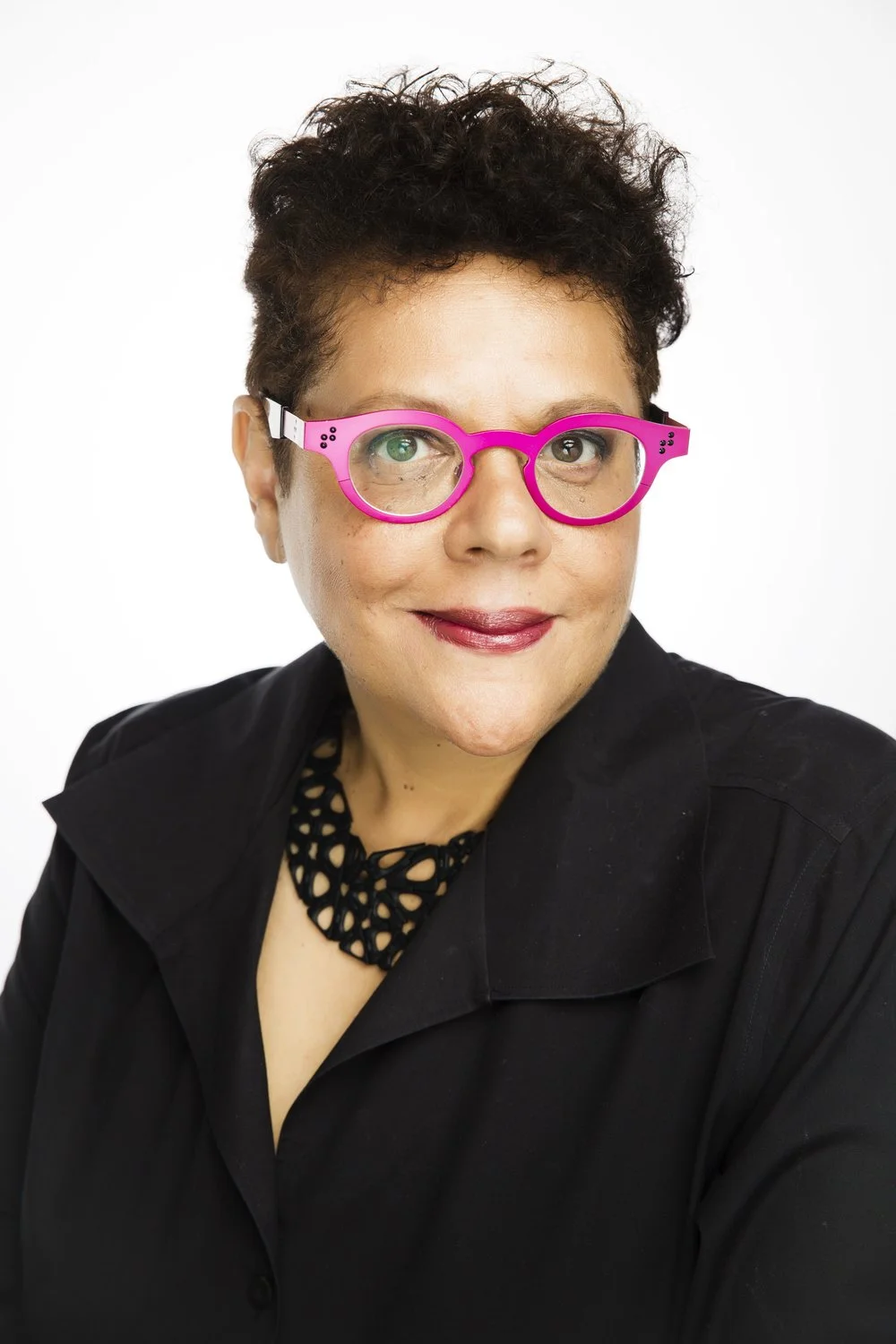
In addition to being the Director of the Columbia University Center for Oral History Research in INCITE, Mary Marshall is the co-founding director of Columbia’s Oral History Master of Arts (OHMA) degree program (with Peter Bearman) created in 2008-09, the first oral history master’s program in the United States. Mary Marshall has been involved in the oral history movement since 1991, and was president of the United States Oral History Association from 2001-2002.
Mary Marshall Clark
Senior Research Scientist, INCITE (Interdisciplinary Center for Innovative Theory and Empirics), Director, Columbia Center for Oral History Research.
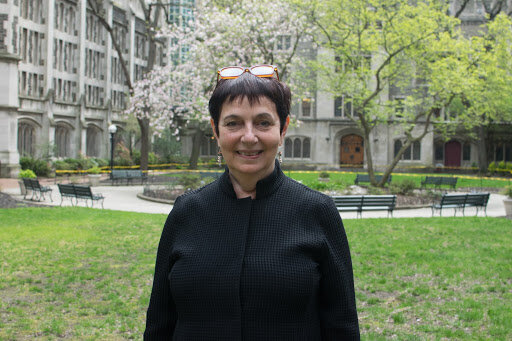
In addition to being the Director of the Columbia University Center for Oral History Research in INCITE, Mary Marshall is the co-founding director of Columbia’s Oral History Master of Arts (OHMA) degree program (with Peter Bearman) created in 2008-09, the first oral history master’s program in the United States. Mary Marshall has been involved in the oral history movement since 1991, and was president of the United States Oral History Association from 2001-2002. She was the co-principal investigator (with Peter Bearman) of The September 11, 2001 Oral History Narrative and Memory Project, a longitudinal oral history project through which over 1,000 hours of interviews were taken with eye-witnesses, immigrants and others who suffered in the aftermath of the events. She also directed related projects on the aftermath of September 11th in New York City. Mary Marshall has directed projects on the Carnegie Corporation, the Atlantic Philanthropies, the Council on Foreign Relations, and the Japanese Internment on the East Coast. She founded the Guantanamo Rule of Law Oral History Project in 2009, through which over 350 hours of oral history was collected with advocacy and constitutional lawyers, lawmakers, judges, representatives from the department of state, former prisoners and psychologists who protested the American Psychological Association’s involvement in torture. Mary Marshall was president of the national Oral History Association in 2001-2002, and participated in the founding of the International Oral History Association. Mary Marshall has conducted life history interviews with lead figures in the media, human rights, African American history, South Africa history and recorded women’s achievements in journalism, politics and the arts. Mary Marshall directs Columbia University’s biannual Summer Institute in Oral History, which in 2013 focused on indigenous oral history. She writes on issues of memory, the mass media, trauma, and ethics in oral history. Mary Marshall is an editor of After the Fall: New Yorkers Remember September 11, 2001 and the Years that Followed, published by The New Press in September, 2011. She is a co-author of the human rights publication Documenting and Interpreting Conflict through Oral History: A Working Guide, co-produced by Columbia University and TAARII, the American Institute for Research in Iraq. She is editor of the Columbia University Press Oral History Series, announced in 2019. Currently, Mary Marshall is a co-principal investigator and interviewer on the Obama Presidency Oral History Project and is the director of the Human Rights Campaign Oral History Project, tracing the history of the Human Rights Campaign in advocating for the rights of LGBTQ people in the United States.
Working Group Affiliations
On the Frontlines: Nursing Leadership in Pandemics
The Rural-Urban Interface: Gender and Poverty in Ghana and Kenya, Statistics and Stories

Sarah Cole
Professor, Department of English and Comparative Literature, Columbia University
Ph.D., University of California, Berkeley (1997); B.A., Williams College (1989). Sarah Cole specializes in British literature of the 19th and 20th centuries, with an emphasis on the modernist period. Areas of interest include war; violence, sexuality and the body; history and memory; imperialism; and Irish literature of the modernist period.
Sarah Cole
Professor of English and Comparative Literature, Department Chair, Columbia University
Ph.D., University of California, Berkeley (1997); B.A., Williams College (1989). Sarah Cole specializes in British literature of the 19th and 20th centuries, with an emphasis on the modernist period. Areas of interest include war; violence, sexuality and the body; history and memory; imperialism; and Irish literature of the modernist period. She is the author of two books, most recently At the Violet Hour: Modernism and Violence in England and Ireland (Oxford University Press, 2012) and Modernism, Male Friendship, and the First World War (Cambridge University Press, 2003). She has published articles in ELH, Modern Fiction Studies, Modernism/Modernity, and PMLA, and has written essays for a variety of edited collections. Sarah Cole is the recipient of a 2014 Guggeinheim Fellowship for a book project entitled "The Wells Era."

Trevor Corson
Department of English, Columbia University
Trevor Corson is the author of two books, including the worldwide popular-science bestseller The Secret Life of Lobsters. His work has been anthologized in The Best American Science Writing and he was managing editor of the literary magazine Transition when it won three consecutive Alternative Press Awards for International Reporting. He has written for The Atlantic, The New York Times, and many other publications.
Trevor Corson
Department of English, Columbia University
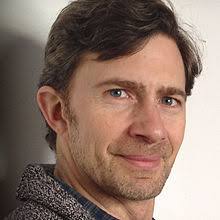
Trevor Corson is the author of two books, including the worldwide popular-science bestseller The Secret Life of Lobsters. His work has been anthologized in The Best American Science Writing and he was managing editor of the literary magazine Transition when it won three consecutive Alternative Press Awards for International Reporting. He has written for The Atlantic, The New York Times, and many other publications.
Trevor began his career in writing as an editorial assistant at The Atlantic, and went on to serve for three years as the managing editor of the literary journal Transition, published by Henry Louis Gates, Jr. and Kwame Anthony Appiah at the W.E.B. Du Bois Institute in the Department of African and African American Studies at Harvard University. During Trevor’s tenure at Transition the journal won three consecutive Alternative Press Awards for International Reporting and was nominated for a National Magazine Award in General Excellence. An essay Trevor wrote for Transition on the science and spirituality of brain death and organ transplantation, titled “The Telltale Heart,” was named a Notable Essay of the Year by Best American Essays.
Trevor teaches writing at Columbia University in New York City, where he co-directs the American Studies course track in the undergraduate writing program in the Department of English, and where he is an adjunct professor in the graduate program in creative writing in the School of the Arts. In the past he has been a lecturer in the graduate program in science journalism at Boston University, a visiting writer in the M.F.A. program at the University of Memphis, a lecturer at The New School, and a faculty member at Brooklyn Friends School. He has taught writing workshops at the Key West Literary Seminar and the Nieman Conference on Narrative Journalism at Harvard University.
Working Group Affiliation
Julie Crawford
Professor, Department of English and Comparative Literature, Columbia University
Julie Crawford is Mark van Doren Professor of Humanities in the Department of English and Comparative Literature at Columbia University. She has published widely on authors ranging from William Shakespeare and Philip Sidney to Anne Clifford and Mary Wroth, and on topics ranging from the history of reading to the history of sexuality. She is the author of a book about cheap print and the English reformation entitled Marvelous Protestantism (Johns Hopkins UP, 2005), and Mediatrix: Women, Politics and Literary Production in Early Modern England (Oxford UP, 2014).

Julie Crawford is Mark van Doren Professor of Humanities in the Department of English and Comparative Literature at Columbia University. She has published widely on authors ranging from William Shakespeare and Philip Sidney to Anne Clifford and Mary Wroth, and on topics ranging from the history of reading to the history of sexuality. She is the author of a book about cheap print and the English reformation entitled Marvelous Protestantism (Johns Hopkins UP, 2005), and Mediatrix: Women, Politics and Literary Production in Early Modern England (Oxford UP, 2014). She is currently writing a book entitled “Margaret Cavendish’s Political Career.”

Neha Dagaonkar
Research Operations Manager, Institute for Genomic Medicine, Columbia University College of Physicians and Surgeons
After completing her MS in Biotechnology from the Indian Institute of Technology, Neha Dagaonkar worked as Scientist in pharmaceutical sector for several years before transitioning to Molecular Diagnostics. She has a penchant for global health policy with respect to Economics and Race and Ethnicity. She works as Volunteer for several organizations with focus on Health Policy and Genomics. She is an active blogger and policy advocate for Global health, International relations and Health Economics.
Neha Dagaonkar
Research Operations Manager, Genomics Analysis Facility, Institute for Genomic Medicine, Columbia University
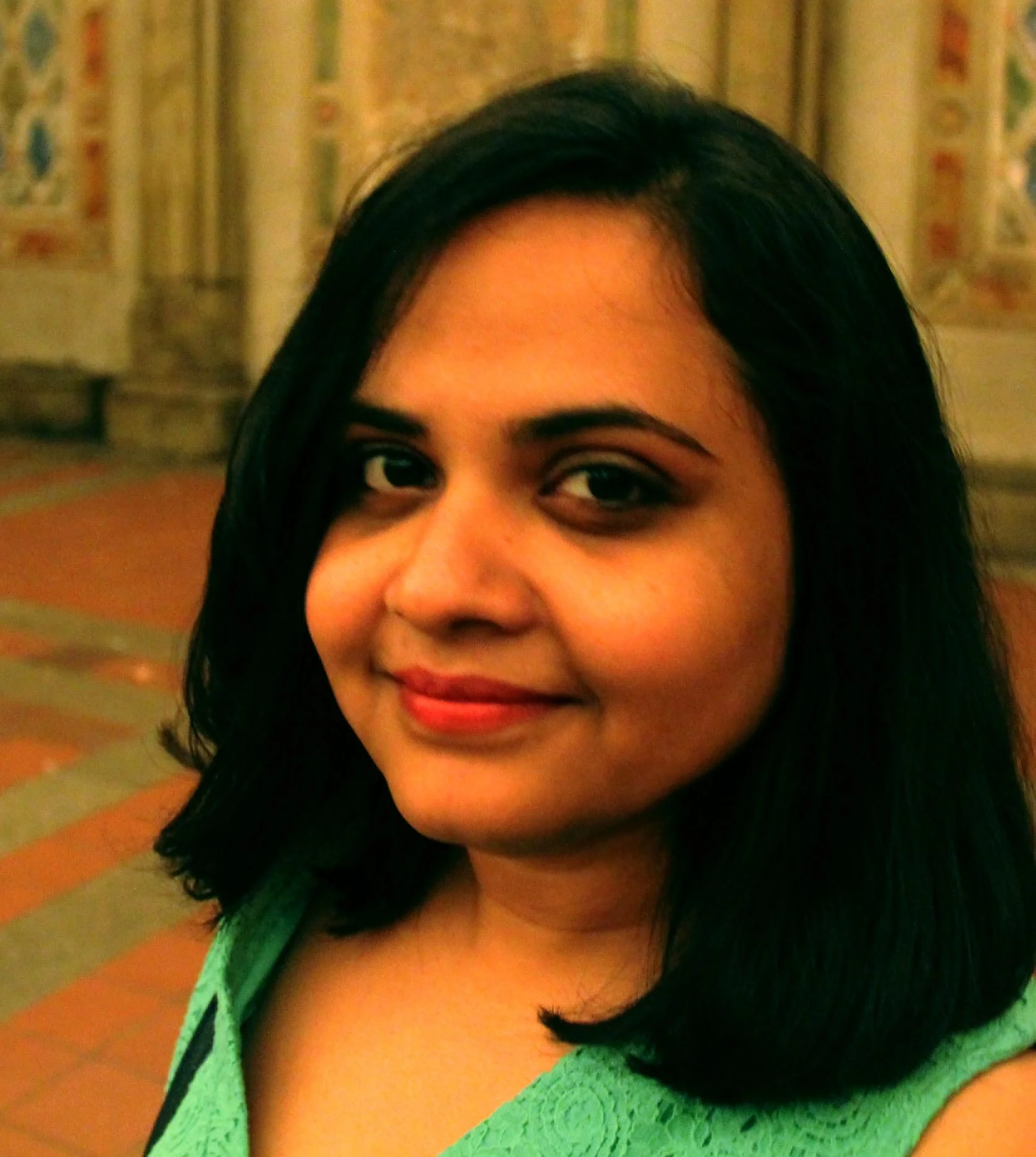
After completing her MS in Biotechnology from the Indian Institute of Technology, Neha Dagaonkar worked as Scientist in pharmaceutical sector for several years before transitioning to Molecular Diagnostics. She has a penchant for global health policy with respect to Economics and Race and Ethnicity. She works as Volunteer for several organizations with focus on Health Policy and Genomics. She is an active blogger and policy advocate for Global health, International relations and Health Economics.
Working Group Affiliation
Patricia Dailey
Associate Professor of English and Comparative Literature, Columbia University
Former Director of the Institute for Research on Women, Gender, and Sexuality (IRWGS), Patricia Dailey is a co-founder of the Junior Faculty Advisory Board, the ASSC, and the University Seminar on Affect Studies.
Patricia Dailey
Associate Professor of English and Comparative Literature, Columbia University
Former Director of the Institute for Research on Women, Gender, and Sexuality (IRWGS), Patricia Dailey is a co-founder of the Junior Faculty Advisory Board, the ASSC, and the University Seminar on Affect Studies. Her book, Promised Bodies (Columbia University Press, 2013) focuses on embodiment in thirteenth-century women’s mysticism. She is currently writing a book, Responsive Subjects: Affect and Anglo-Saxon Literature.
Sayantani Dasgupta
Assistant Professor of Clinical Pediatrics and Faculty, Program in Narrative Medicine, Columbia University; Faculty, Health Advocacy Graduate Program and Fiction Writing Program, Sarah Lawrence College
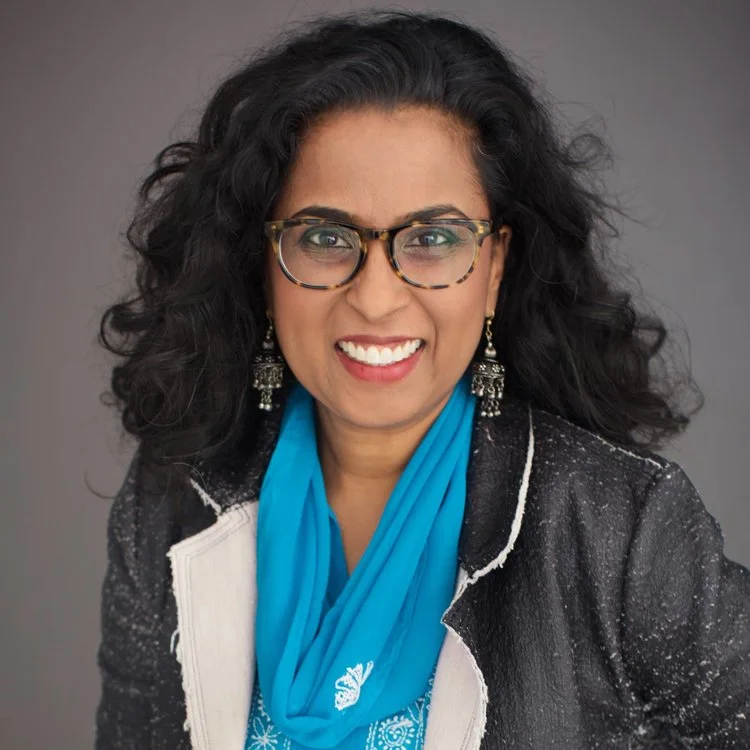
Sayantani DasGupta, MD MPH is the Co-Author of "The Demon Slayers and Other Stories: Bengali Folktales," author of "Her Own Medicine: A Woman's Journey from Student to Doctor," and co-editor of an award winning collection of women's illness narratives, "Stories of Illness and Healing: Women Write their Bodies." She teaches courses on illness and disability narratives and narrative, health and social justice and is co-chair of the Columbia University Seminar on Narrative, Health and Social Justice.
Sayantani Dasgupta
Assistant Professor of Clinical Pediatrics and Faculty, Program in Narrative Medicine, Columbia University; Faculty, Health Advocacy Graduate Program and Fiction Writing Program, Sarah Lawrence College

Sayantani DasGupta, MD MPH is the Co-Author of "The Demon Slayers and Other Stories: Bengali Folktales," author of "Her Own Medicine: A Woman's Journey from Student to Doctor," and co-editor of an award winning collection of women's illness narratives, "Stories of Illness and Healing: Women Write their Bodies." She teaches courses on illness and disability narratives and narrative, health and social justice and is co-chair of the Columbia University Seminar on Narrative, Health and Social Justice.
Working Group Affiliations
Souleymane Bachir Diagne
Professor of French and Philosophy, Columbia University
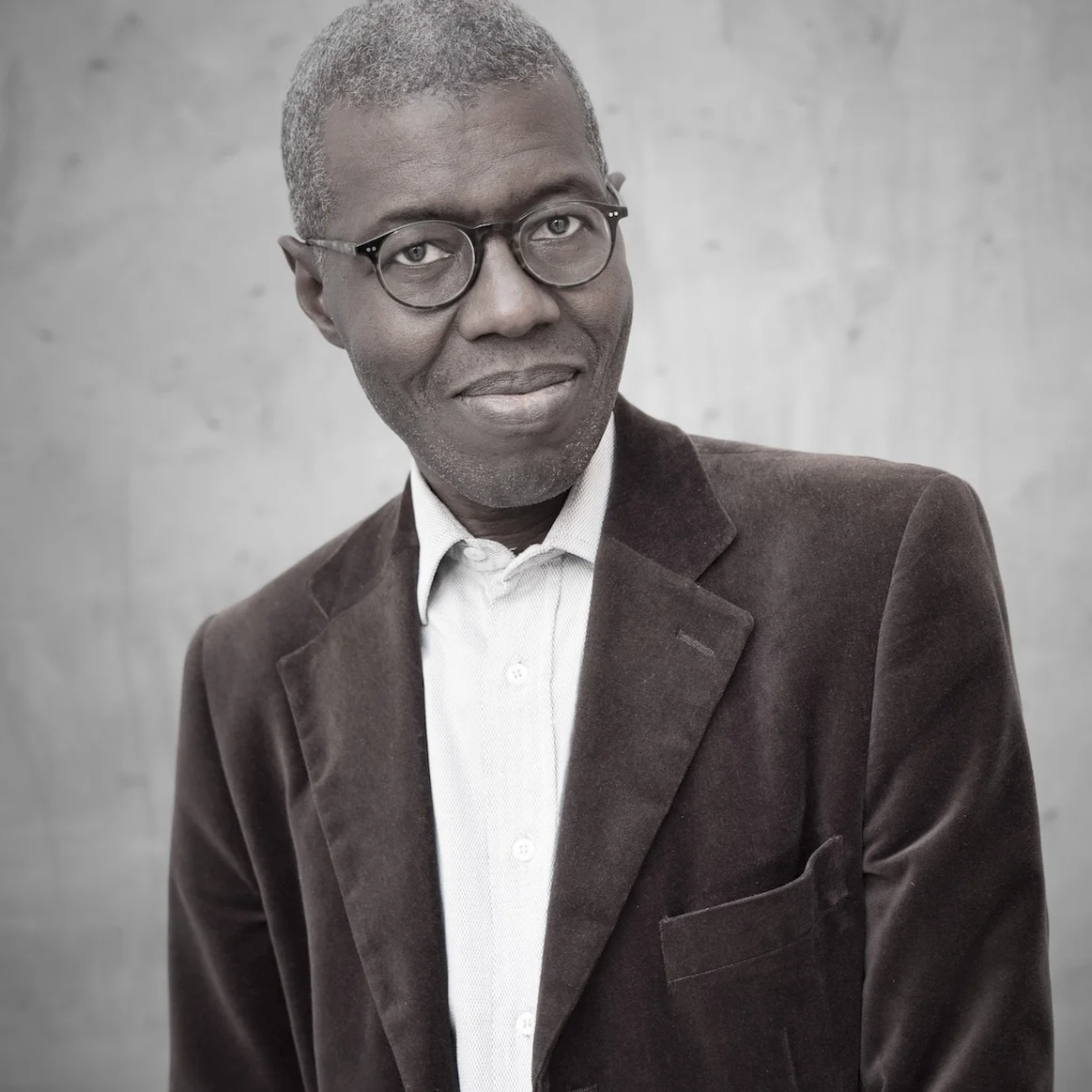
Souleymane Bachir Diagne specializes in history of philosophy, Islamic philosophy, African philosophy and literature, and received his academic training in France. An alumnus of the École Normale Supérieure, he holds an agrégation in Philosophy (1978) and he took his Doctorat d’État in philosophy at the Sorbonne (1988) where he also took his BA (1977). Before joining Columbia University in 2008 he taught philosophy for many years at Cheikh Anta Diop University, Dakar (Senegal) and at Northwestern University.
Souleymane Bachir Diagne
Professor of French and Philosophy, Columbia University
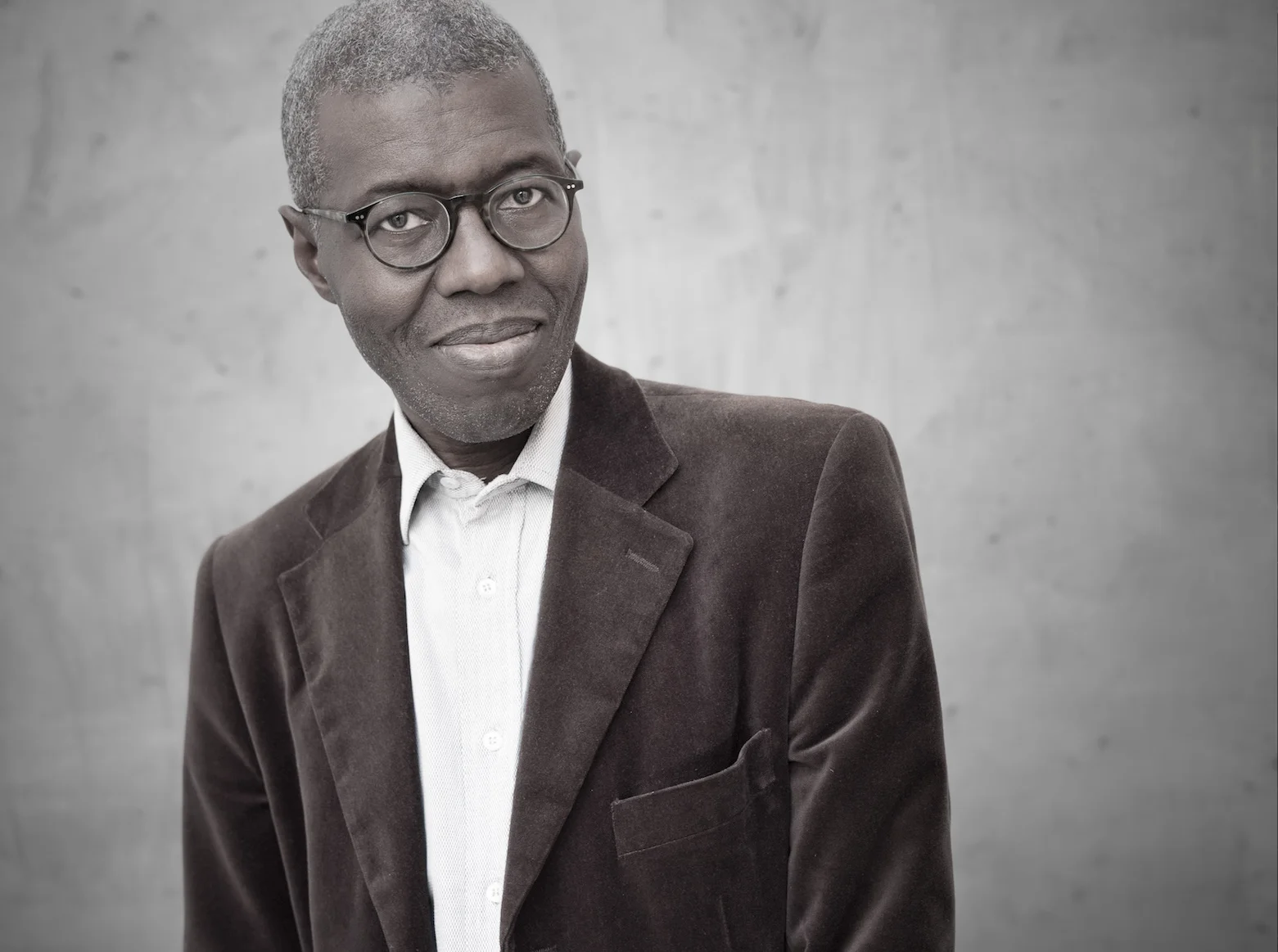
Souleymane Bachir Diagne specializes in history of philosophy, Islamic philosophy, African philosophy and literature, and received his academic training in France. An alumnus of the École Normale Supérieure, he holds an agrégation in Philosophy (1978) and he took his Doctorat d’État in philosophy at the Sorbonne (1988) where he also took his BA (1977). Before joining Columbia University in 2008 he taught philosophy for many years at Cheikh Anta Diop University, Dakar (Senegal) and at Northwestern University. His field of research includes history of logic, history of philosophy, Islamic philosophy, African philosophy and literature. His book Bergson postcolonial. L’élan vital dans la pensée de Senghor et de Mohamed Iqbal, Paris, Editions du CNRS, 2011) was awarded the Dagnan-Bouveret prize by the French Academy of Moral and Political Sciences for 2011 and on that same year he received the Edouard Glissant Prize for his work. Souleymane Bachir Diagne’s current teaching interests include history of early modern philosophy, philosophy and Sufism in the Islamic world, African philosophy and literature, twentieth century French philosophy.
Working Group Affiliation

Mamadou Diouf
Director, Institute for African Studies, Columbia University
Mamadou Diouf is the Leitner Family Professor of African Studies and the Director of Columbia University's Institute for African Studies. He holds a Ph.D. from the University of Paris-Sorbonne. His research interests include urban, political, social and intellectual history in colonial and postcolonial Africa. Recent publications include: Tolerance, Democracy, and Sufis in Senegal (ed. 2013), New Perspectives on Islam in Senegal: Conversion, Migration, Wealth, and Power (with Mara A. Leichtman, 2009); Histoires et Identités dans la Caraïbe: Trajectoires Plurielles (with Ulbe Bosma, 2004); and La Construction de l’Etat au Sénégal (with M. C. Diop & D. Cruise O’Brien, 2002).
Mamadou Diouf
Director, Institute for African Studies, Columbia University
Mamadou Diouf is the Leitner Family Professor of African Studies and the Director of Columbia University's Institute for African Studies. He holds a Ph.D. from the University of Paris-Sorbonne. He was Head of the Research, Information, and Documentation Department of the Council for the Development of Social Science Research in Africa (CODESRIA) and faculty member of the History Department of Cheikh Anta Diop University in Dakar, Senegal. His research interests include urban, political, social and intellectual history in colonial and postcolonial Africa. Publications include: Tolerance, Democracy, and Sufis in Senegal (ed. 2013); New Perspectives on Islam in Senegal: Conversion, Migration, Wealth, and Power (with Mara A. Leichtman, 2009); La Construction de l’Etat au Sénégal (with M. C. Diop & D. Cruise O’Brien, 2002); Histoire du Sénégal: Le Modèle Islamo-Wolof et ses Périphéries (2001); Histoires et Identités dans la Caraïbe: Trajectoires Plurielles (with Ulbe Bosma, 2004); Les Jeunes, Hantise de l’espace public dans les sociétés du sud? (with R. Collignon, 2001); Les figures du politique : Des pouvoirs hérités aux pouvoirs élus (with M. C. Diop, 1999); L'Historiographie indienne en débat. Sur le nationalisme, le colonialisme et les sociétés postcoloniales (ed., 1999); Academic Freedom and Social Responsibility of the Intellectuals in Africa (with Mahmood Mamdani, 1994); Le Sénégal sous Abdou Diouf (with M.C. Diop, 1990); and La Kajoor au XIXe siècle : Pouvoir Ceddo et Conquête Coloniale (1990).
Working Group Affiliations
The Rural-Urban Interface: Gender and Poverty in Ghana and Kenya, Statistics and Stories

Jennifer Dohrn
Associate Professor of Nursing and Assistant Dean of Global Initiatives, Nursing at Columbia University Irving Medical Center
Jennifer Dohrn is the director of the Office of Global Initiatives and an assistant professor at Columbia Nursing where she teaches community health. She oversees collaboration with Columbia Global Centers and leads the Columbia Nursing WHO Collaborative Health Center for Advanced Practice Nursing. Dohrn has worked as a nurse educator and nurse midwife for more than two decades.
Jennifer Dohrn
Associate Professor of Nursing and Assistant Dean of Global Initiatives, Nursing at Columbia University Irving Medical Center

Jennifer Dohrn is the director of the Office of Global Initiatives and an assistant professor at Columbia Nursing where she teaches community health. She oversees collaboration with Columbia Global Centers and leads the Columbia Nursing WHO Collaborative Health Center for Advanced Practice Nursing. Dohrn has worked as a nurse educator and nurse midwife for more than two decades. She previously served as the program director of the Nurse Midwifery program at Columbia Nursing and as project director for the ICAP Nurse Capacity Building Program/Nursing Education Partnership Initiative Coordinating Center at Mailman School of Public Health. For more than a decade at ICAP, she worked to improve the infrastructure for nurses and nurse midwives in 12 Sub Saharan African countries. She continues to contribute to the ICAP program and works at a community health center in the Bronx. She received MS and DNP degrees from Columbia Nursing.
Working Group Affiliation
On the Frontlines: Nursing Leadership in Pandemics, Project Director