
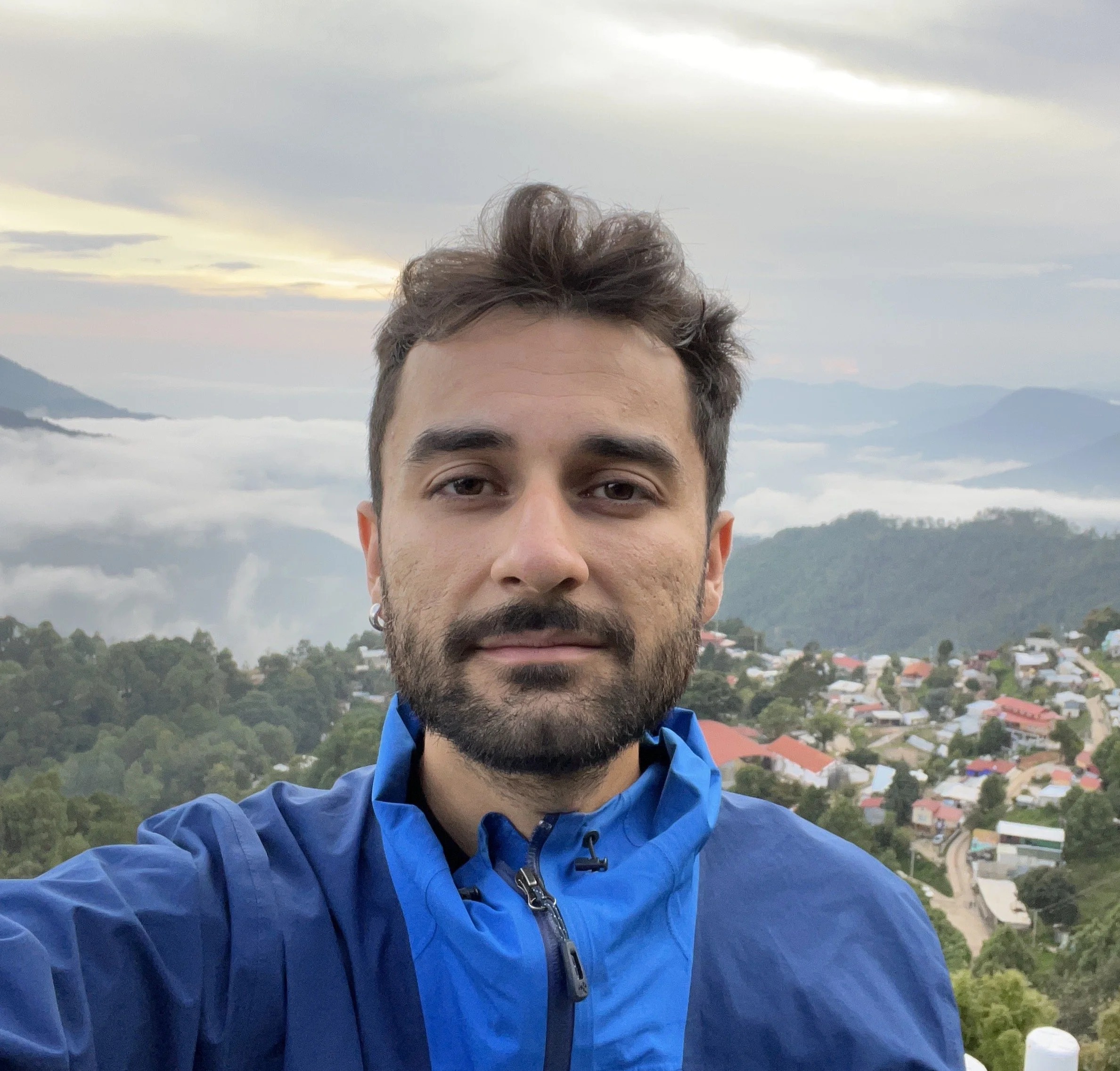
Jorge A. Rodríguez Solórzano
Doctoral Student, Sociocultural Anthropology, Columbia University
Jorge Rodríguez Solórzano is a writer, translator, and doctoral candidate in Sociocultural Anthropology at Columbia University. His current research examines how Indigenous Mixtec and Tlapanec communities in the state of Guerrero, Mexico, create alternative practices of jurisdiction to mitigate resource extraction and insecurity in their territories. His research has been supported by the Institute of Latin American Studies (ILAS) and the Department of Anthropology at Columbia University. He is the Graduate Coordinator for the “Refugee Cities: Urban Dimensions of Forced Displacement” Working Group, sponsored by the Columbia Center for the Study of Social Difference.
Jorge A. Rodríguez Solórzano
Jorge Rodríguez Solórzano is a writer, translator, and doctoral candidate in Sociocultural Anthropology at Columbia University. His current research examines how Indigenous Mixtec and Tlapanec communities in the state of Guerrero, Mexico, create alternative practices of jurisdiction to mitigate resource extraction and insecurity in their territories. His research has been supported by the Institute of Latin American Studies (ILAS) and the Department of Anthropology at Columbia University. He is the Graduate Coordinator for the “Refugee Cities: Urban Dimensions of Forced Displacement” Working Group, sponsored by the Columbia Center for the Study of Social Difference.
Jorge’s published translations have appeared on Angelaki: Journal of the Theoretical Humanities, LIFTA Volumes: Futures of Palestine, and Khabar Keslan. Jorge’s creative work has been published in oral.pub and rivulet.net. His work has shown at the London-in-Motion Film Festival and appeared in curated web volumes with artist Jumairy.
He received an MA with Distinction in Migration and Diaspora Studies from SOAS, University of London, and holds a BA in French Literature from Reed College. In 2020, Jorge was named a Columbia University Provost Diversity Fellow.
Working Group: Refugee Cities
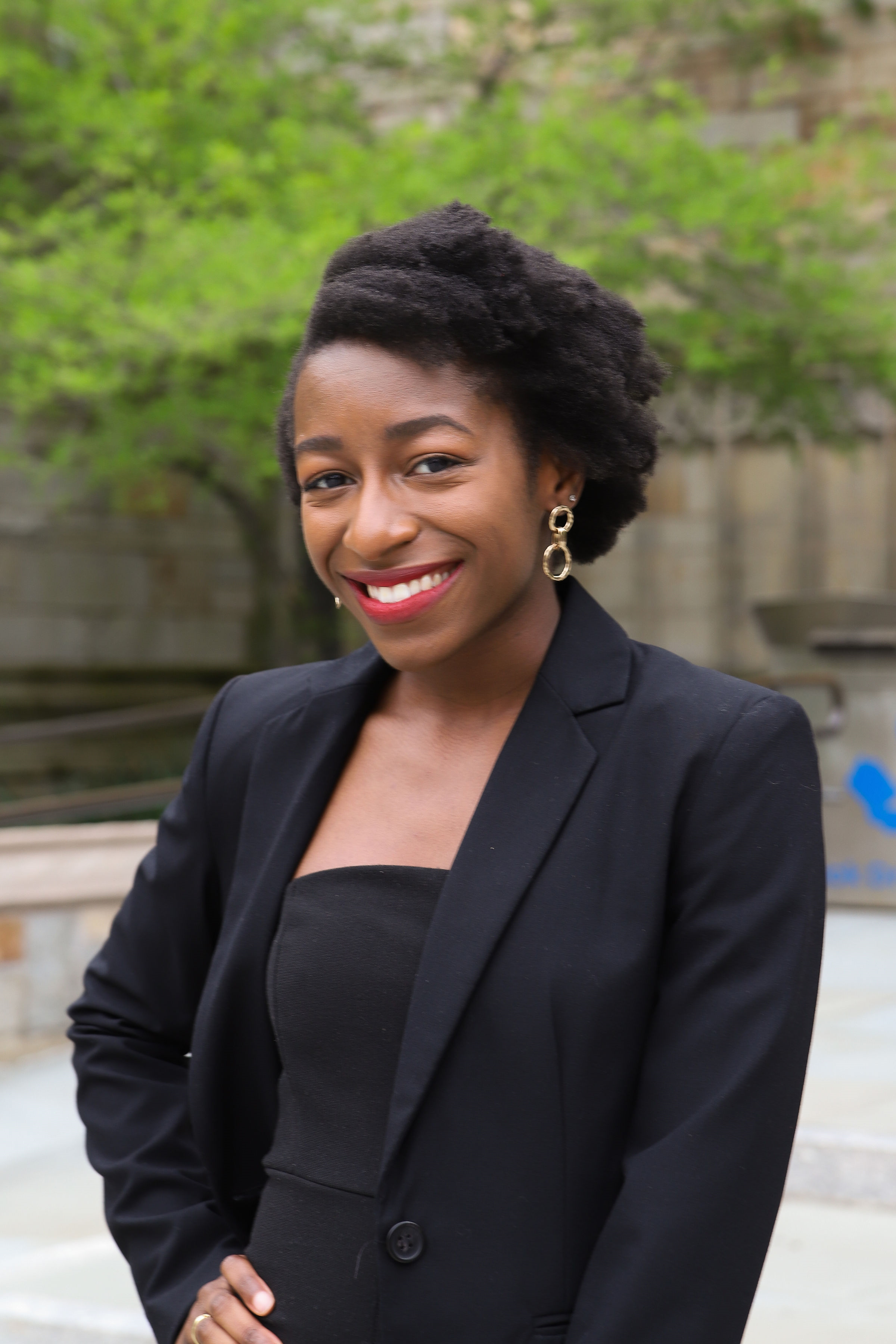
Oluwatomisin Sontan
Graduate Student, Narrative Medicine, Columbia University
Oluwatomisin Sontan is a first-year student in the Narrative Medicine Program at Columbia University. She graduated with a bachelor's degree from Yale in Literature & Comparative Cultures and concentrated her studies in bioethics and medical humanities. She hopes to use storytelling to bridge the gap between legal, medical, and philosophical understandings to promote health justice, health equity, and ethics in the biomedical space.
Oluwatomisin Sontan
Graduate Student, Narrative Medicine, Columbia University
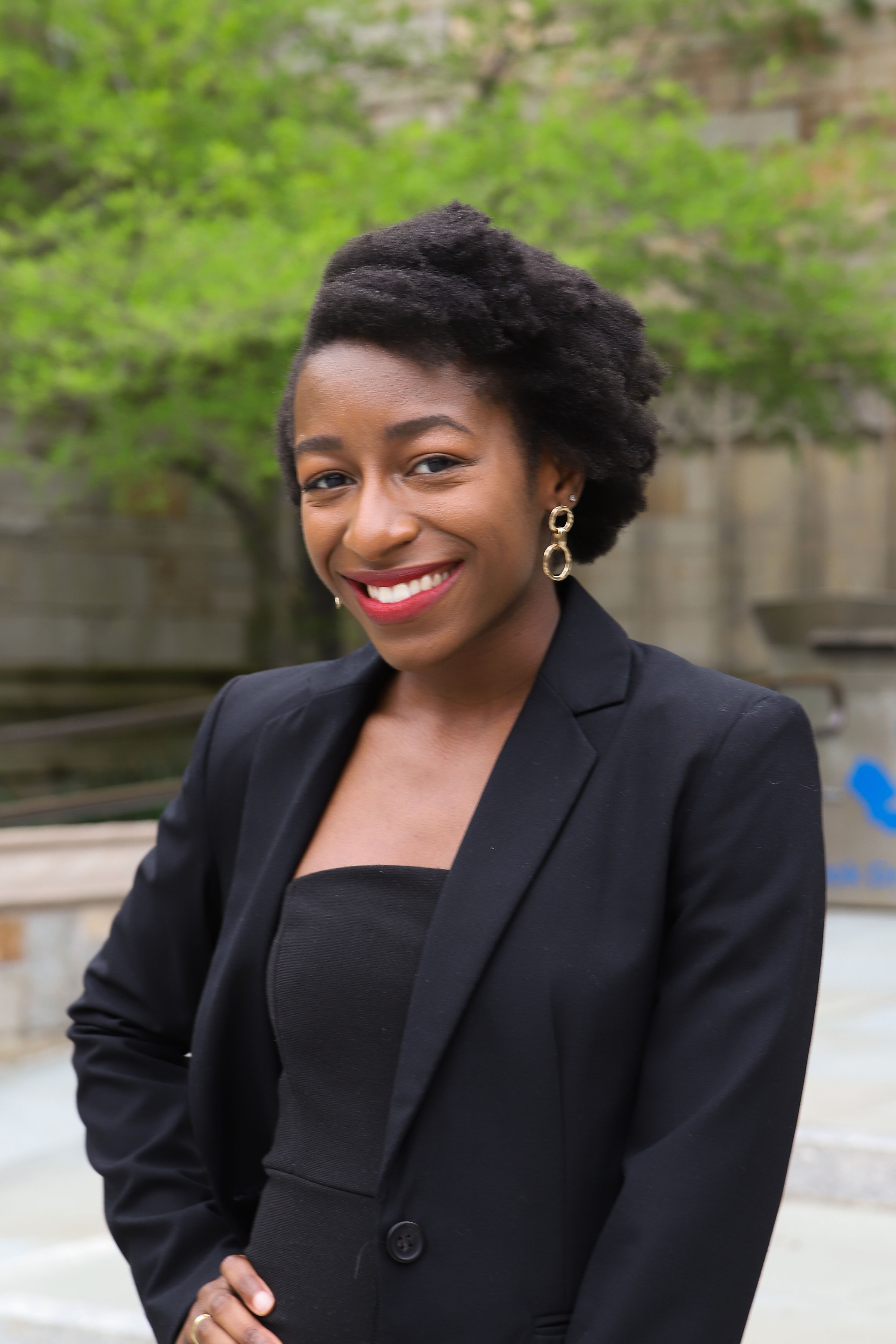
Oluwatomisin Sontan is a first-year student in the Narrative Medicine Program at Columbia University. She graduated with a bachelor's degree from Yale in Literature & Comparative Cultures and concentrated her studies in bioethics and medical humanities. She hopes to use storytelling to bridge the gap between legal, medical, and philosophical understandings to promote health justice, health equity, and ethics in the biomedical space.
Working Group Affiliation

Isabela Souza
Isabela Souza is a PhD student in Geography at the Fluminense Federal University (UFF), and holds a Masters in Urban and Regional Planning from the Federal University of Rio de Janeiro (UFRJ), a MBA in Project Management from Brazilian Institute of Capital Market (IBMEC - RJ) and a bachelor degree in Tourism from the Federal University of Rio de Janeiro (UNIRIO).
Isabela Souza
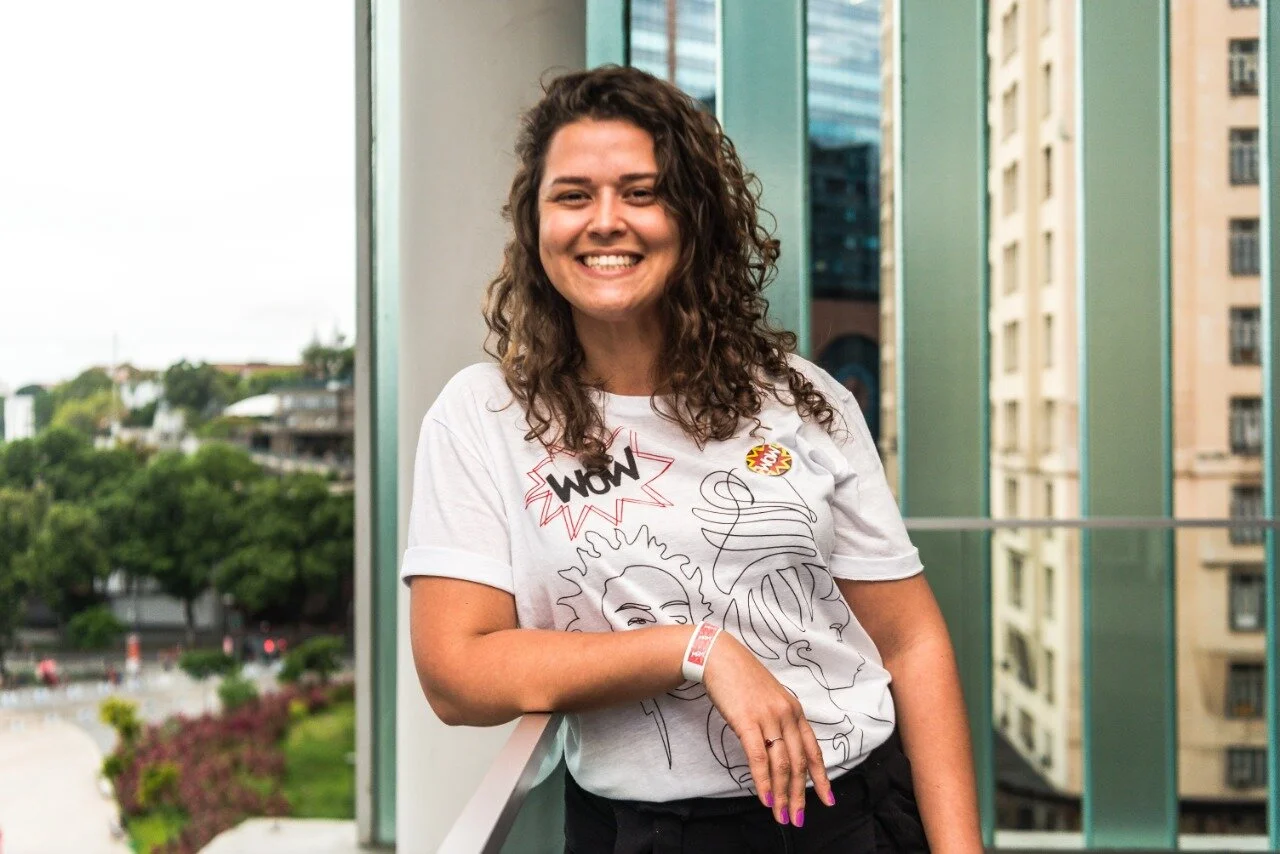
Isabela Souza is a PhD student in Geography at the Fluminense Federal University (UFF), and holds a Masters in Urban and Regional Planning from the Federal University of Rio de Janeiro (UFRJ), a MBA in Project Management from Brazilian Institute of Capital Market (IBMEC - RJ) and a bachelor degree in Tourism from the Federal University of Rio de Janeiro (UNIRIO). Isabela was born and raised in Maré, and since 2011 has been part of OSCIP Observatório de Favelas do Rio de Janeiro. Her interests span debates about the city, the people in it, and art and culture as means to construct more egalitarian society.
Working Group Affiliation
Natalia Romano Spica
Graduate Student, Columbia University
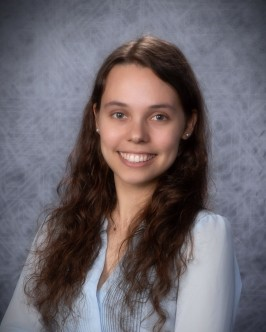
Natalia Romano Spica is a graduate student in the Narrative Medicine Program at Columbia University, where she also earned her B.A., double majoring in Biology and Medicine, Literature and Society. Born in the US and raised between Europe and the US, she has had the opportunity to explore life sciences and clinical research alongside her studies in the Classics, the Arts and the Humanities. She plans to continue her lifelong journey of bridging the sciences and the humanities as a physician.
Natalia Romano Spica
Graduate Student, Columbia University
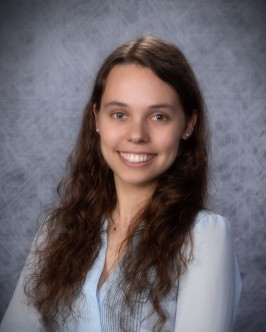
Natalia Romano Spica is a graduate student in the Narrative Medicine Program at Columbia University, where she also earned her B.A., double majoring in Biology and Medicine, Literature and Society. Born in the US and raised between Europe and the US, she has had the opportunity to explore life sciences and clinical research alongside her studies in the Classics, the Arts and the Humanities. She plans to continue her lifelong journey of bridging the sciences and the humanities as a physician.
Working Group Affiliation

Destiny Spruill
Graduate Research Assistant, Saltzman Institute of War and Peace Studies, Columbia University
Destiny Spruill
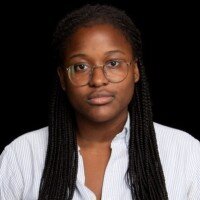
Graduate Research Assistant, Saltzman Institute of War and Peace Studies, Columbia University
Working Group Affiliation
Harini Sridhar
Graduate Student, Narrative Medicine, Columbia University
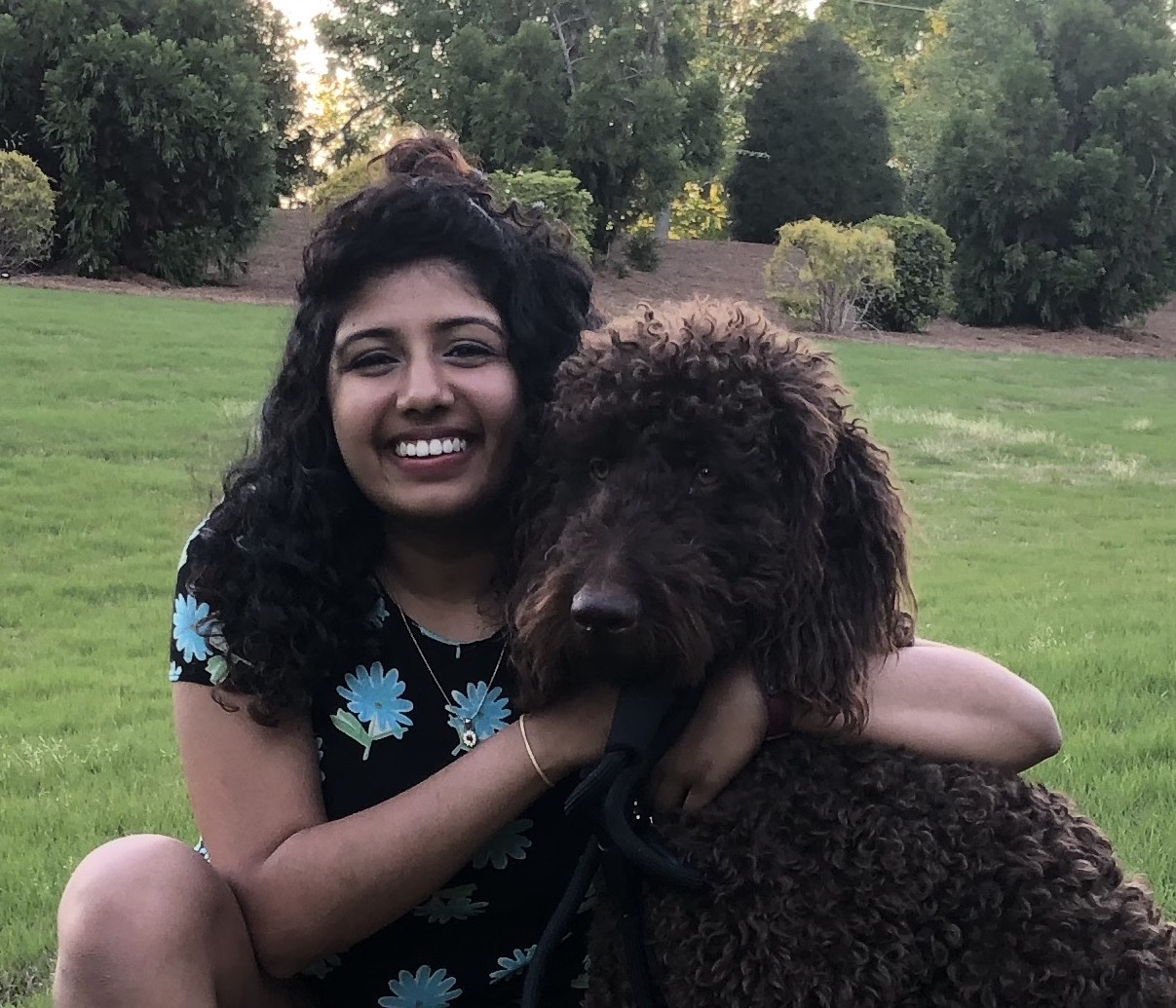
Harini Sridhar is a graduate student of Narrative Medicine at Columbia University. She previously earned her Bachelor's in Biology, focused in Genomics, at Duke University. Harini is classically trained in Bharathanatyam, an age-old dance of India. Through movement, she has shared stories on stage exploring themes of community, environmental health, gender identity, and disability. The parallels she has drawn between the art of dance and the art of medicine has enlightened and reinforced her academic interests in the intersection of dance, mental health, and women's health.
Harini Sridhar
Graduate Student, Narrative Medicine, Columbia University
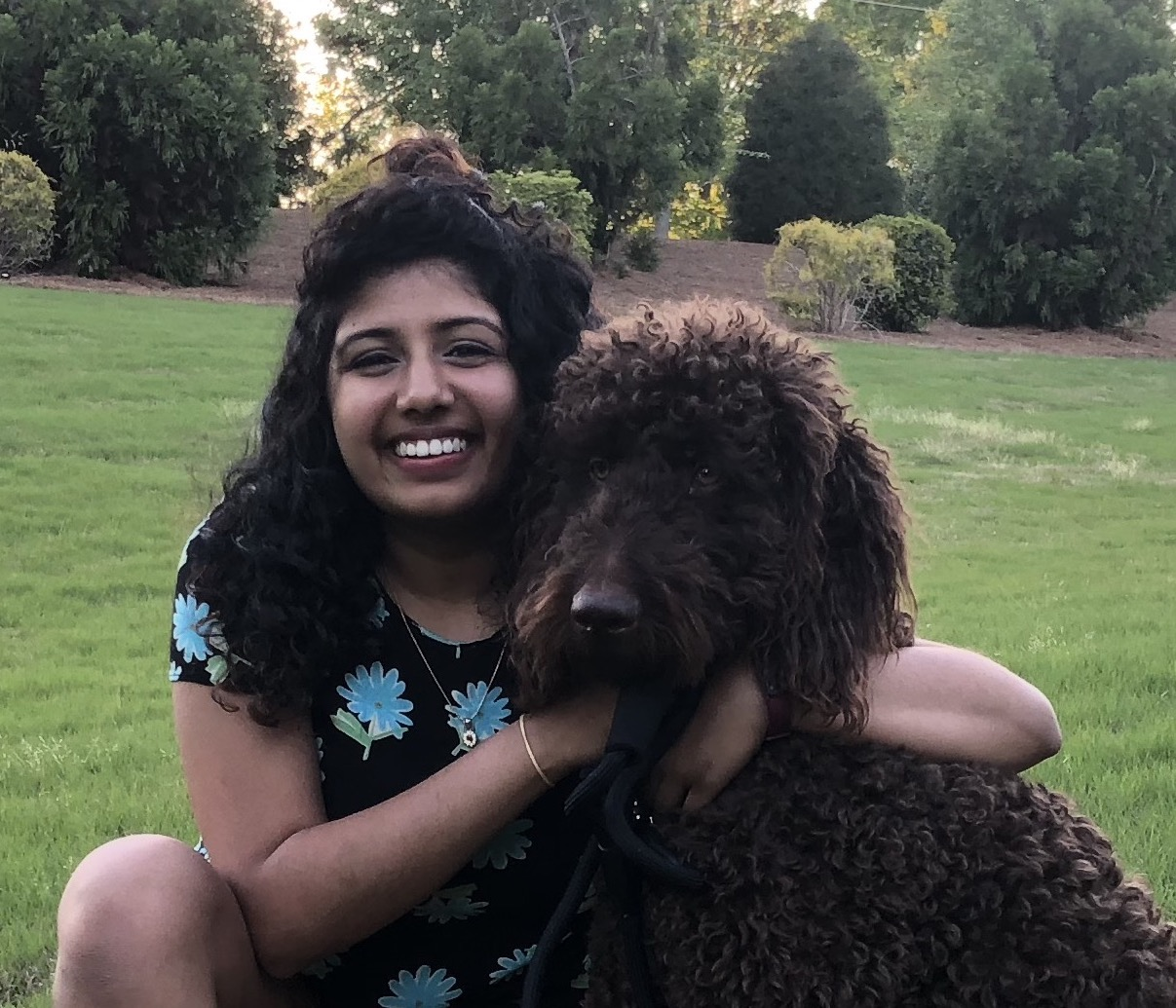
Harini Sridhar is a graduate student of Narrative Medicine at Columbia University. She previously earned her Bachelor's in Biology, focused in Genomics, at Duke University. Harini is classically trained in Bharathanatyam, an age-old dance of India. Through movement, she has shared stories on stage exploring themes of community, environmental health, gender identity, and disability. The parallels she has drawn between the art of dance and the art of medicine has enlightened and reinforced her academic interests in the intersection of dance, mental health, and women's health.
Working Group Affiliation
Didier M. Sylvain
Doctoral Candidate, Ethnomusicology, Columbia University
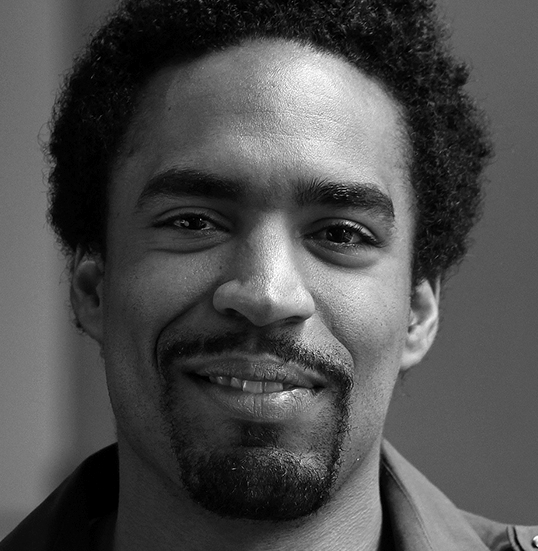
Didier Michel is a sound artist and PhD student in Ethnomusicology. His work focuses on the spiritual or phenomenological dimensions of “black” engagement with sound technology among Afrofuturist-identified music-makers and listeners in Haiti and the United States.Doctoral Candidate, Ethnomusicology, Columbia University
Didier Michel is a sound artist and PhD student in Ethnomusicology. His work focuses on the spiritual or phenomenological dimensions of “black” engagement with sound technology among Afrofuturist-identified music-makers and listeners in Haiti and the United States.
Didier M. Sylvain
Doctoral Candidate, Ethnomusicology, Columbia University
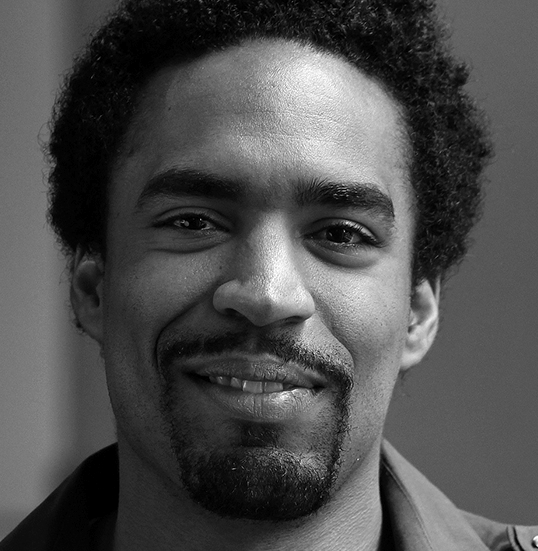
Didier Michel is a sound artist and PhD student in Ethnomusicology. His work focuses on the spiritual or phenomenological dimensions of “black” engagement with sound technology among Afrofuturist-identified music-makers and listeners in Haiti and the United States. He engages with dialogs on Afrofuturism and the speculative arts; ritual healing, self-transformation and embodiment; human-machine interaction and improvisation; histories and aesthetics of sound and media; and the relation between the virtual and the everyday.
In addition to his graduate pursuits, Didier serves as Editor-in-Chief of the peer-reviewed music journal, Current Musicology, where he is publishing a special issue on Race, Sound, and Technology (Spring 2017), featuring an interdisciplinary group of scholars writing on the mediations of racial formation in society. In Spring 2015 he collaborated with the Institute of Religion, Culture, and Public Life to organize “Tomorrow is the Question: Afrofuturism, Sound and Spirit”—a symposium of artists and scholars exploring what an “Afro-future” might sound like and mean today. Beyond Columbia, Didier’s professional career has centered on facilitation and the art of listening to elicit creative leadership in organizations and people across creative, entrepreneurial, philanthropic, and business communities.
Working Group Affiliation