
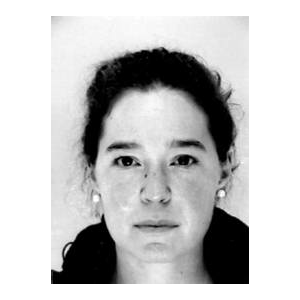
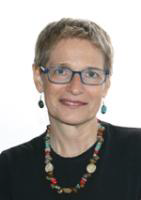
Lisa Bjorkman
Lisa Björkman received her PhD in political science from the New School for Social Research in New York City in 2011. Her research explores the politics of water access in the Indian city of Mumbai, with a particular focus on the infrastructural effects of the city’s rapidly-changing built environment, and on emergent forms of political subjectivity and political possibility. She is presently based in Mumbai, where she is studying the role of political spectacle and ethno-religious discourse in municipal election campaigning.
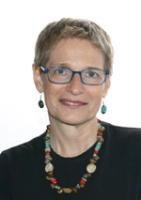
Lisa Bjorkman
Lisa Björkman received her PhD in political science from the New School for Social Research in New York City in 2011. Her research explores the politics of water access in the Indian city of Mumbai, with a particular focus on the infrastructural effects of the city’s rapidly-changing built environment, and on emergent forms of political subjectivity and political possibility. She is presently based in Mumbai, where she is studying the role of political spectacle and ethno-religious discourse in municipal election campaigning.
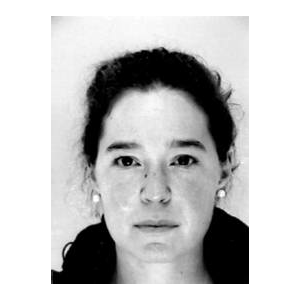
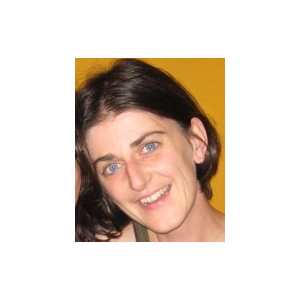
Sarah Bracke
Sarah Bracke is Assistant Professor of Sociology of Religion and Culture at the Faculty of Social Sciences at the KULeuven. She studied sociology at the Catholic University of Leuven and holds a PhD in Women’s Studies from Utrecht University (2004, Women Resisting Secularisation in an Age of Globalisation. Four Case-studies in a European Context), was a Marie Curie fellow at the University of California Santa Cruz and Utrecht University (2006-2008), and is currently a fellow at the Centre for Humanities at Utrecht University.
Sarah Bracke
Sarah Bracke is Assistant Professor of Sociology of Religion and Culture at the Faculty of Social Sciences at the KULeuven. She studied sociology at the Catholic University of Leuven and holds a PhD in Women’s Studies from Utrecht University (2004, Women Resisting Secularisation in an Age of Globalisation. Four Case-studies in a European Context), was a Marie Curie fellow at the University of California Santa Cruz and Utrecht University (2006-2008), and is currently a fellow at the Centre for Humanities at Utrecht University. Her work is situated at the intersection of feminist theory, critical theory and post-colonial theory; it explores questions of modernity, religion and secular – in particular transformations of the secular – in relation to notions of subjectivity, agency and gender.
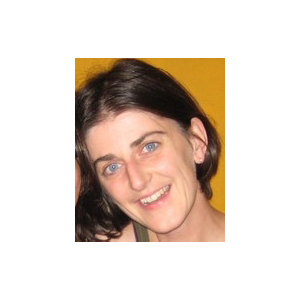

Judith Greenberg
Fellow, Trauma Studies, New York University
Judith Greenberg's research and teaching interests focus on questions of memory and trauma Studies, especially through a feminist lens. She holds a degree in comparative literature and her courses are informed by psychoanalysis, film Studies, Holocaust Studies, and her years teaching in French departments.
Judith Greenberg
New York University
Judith Greenberg's research and teaching interests focus on questions of memory and trauma Studies, especially through a feminist lens. She holds a degree in comparative literature and her courses are informed by psychoanalysis, film Studies, Holocaust Studies, and her years teaching in French departments. She is the editor of Trauma at Home: After 9/11 and author of a variety of chapters and articles related to trauma and its representations, including "Trauma and Transmission: Echoes of the Missing in Dora Bruder" (Studies in 20th and 21st Century Literature), "Surviving Charlotte Delbo's Auschwitz and After: How to Arrive and Depart," (in the MLA publication Teaching the Representation of the Holocaust), "Paths of Resistance: French Women Working from the Inside," (in Experience and Expression: Women, Nazis and the Holocaust) and "The Trauma of Echo and the Echo of Trauma," (in American Imago). She has also taught and written about Virginia Woolf, including publications in Woolf Studies Annual and Virginia Woolf: Turning the Centuries. Greenberg received Gallatin's Jewish Studies grant in 2007 for a manuscript on which she is currently working, Cypora's Shadow, which takes a cousin's memoir written in a Polish ghetto during the final days before the ghetto's liquidation and then explores the trans-generational transmission of trauma, particularly from mothers to daughters.

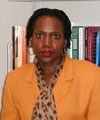
Veronica Gregg
Fellow, Africana and Puerto Rican/Latino Studies, Hunter College
Professor Gregg’s scholarly interests include Anglophone Caribbean literature, Caribbean women’s writing, Caribbean intellectual traditions, African American literature, and literature of the African Diaspora. Her publications include Jean Rhys’s Historical Imagination (1995) and Caribbean Women: An Anthology of Non-Fiction Writing (2005).
Her forthcoming book is "This Past that Waits for Me.” Anglophone Caribbean Women Writers and the Challenge of History.
Veronica Gregg
Department of Africana and Puerto Rican/Latino Studies, Hunter College
Professor Gregg’s scholarly interests include Anglophone Caribbean literature, Caribbean women’s writing, Caribbean intellectual traditions, African American literature, and literature of the African Diaspora. Her publications include Jean Rhys’s Historical Imagination (1995) and Caribbean Women: An Anthology of Non-Fiction Writing (2005).
Her forthcoming book is "This Past that Waits for Me.” Anglophone Caribbean Women Writers and the Challenge of History.


Sandra Greene
Fellow, History, Cornell University
My research interests focus on West Africa and more specifically the social and cultural history of Ghana from the height of the Atlantic slave trade (in the 18th century) through the early colonial period (up to World War Two). Of particular interest to me are changes in gender and ethnic relations, African belief systems and the history of slavery.
The courses I teach reflect these research interests as well as my fascination with Africa's encounter with other worlds (the Americas, Europe, the Islamic world, the Indian Ocean world).
Sandra Greene
Professor of History, Cornell University
My research interests focus on West Africa and more specifically the social and cultural history of Ghana from the height of the Atlantic slave trade (in the 18th century) through the early colonial period (up to World War Two). Of particular interest to me are changes in gender and ethnic relations, African belief systems and the history of slavery.
The courses I teach reflect these research interests as well as my fascination with Africa's encounter with other worlds (the Americas, Europe, the Islamic world, the Indian Ocean world).

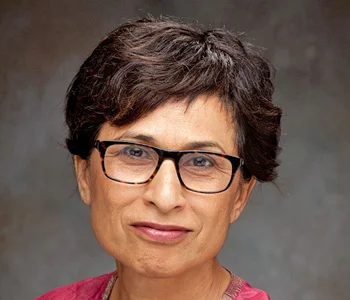
Inderpal Grewal
Fellow, Women's, Gender, and Sexuality Studies and American Studies, Yale University
Inderpal Grewal is Professor and Chair in the Program in Women’s, Gender, and Sexuality Studies at Yale University. She is also Professor in the Ethnicity, Race and Migration Studies Program, the South Asian Studies Council, and affiliate faculty in the American Studies Program. She is the author of Home and Harem: Nation, Gender, Empire and the Cultures of Travel(Duke University Press, 1996), Transnational America: Feminisms, Diasporas, Neoliberalisms (Duke University Press, 2005), and Saving the Security State: Exceptional Citizens in Twenty-First century America (Duke University Press, 2017).
Inderpal Grewal
Department of Women's, Gender, and Sexuality Studies and American Studies, Yale University
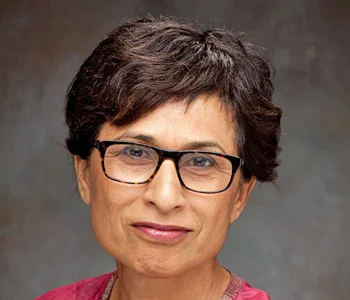
Inderpal Grewal is Professor and Chair in the Program in Women’s, Gender, and Sexuality Studies at Yale University. She is also Professor in the Ethnicity, Race and Migration Studies Program, the South Asian Studies Council, and affiliate faculty in the American Studies Program. She is the author of Home and Harem: Nation, Gender, Empire and the Cultures of Travel (Duke University Press, 1996), Transnational America: Feminisms, Diasporas, Neoliberalisms (Duke University Press, 2005), and Saving the Security State: Exceptional Citizens and Twenty-first century America (Duke University Press in 2017). With Caren Kaplan, she has written and edited Gender in a Transnational World: Introduction to Women’s Studies (Mc-Graw Hill 2001, 2005) and Scattered Hegemonies: Postmodernity and Transnational: Feminist Practices (University of Minnesota Press, 1994). With Victoria Bernal, she has edited Theorizing NGO’s: States, Feminism and Neoliberalism (Duke University Press, 2014).
Her ongoing projects include essays on violence and counterinsurgency in India, and a book project on masculinity and bureaucracy in postcolonial India.
Working Group Affiliations
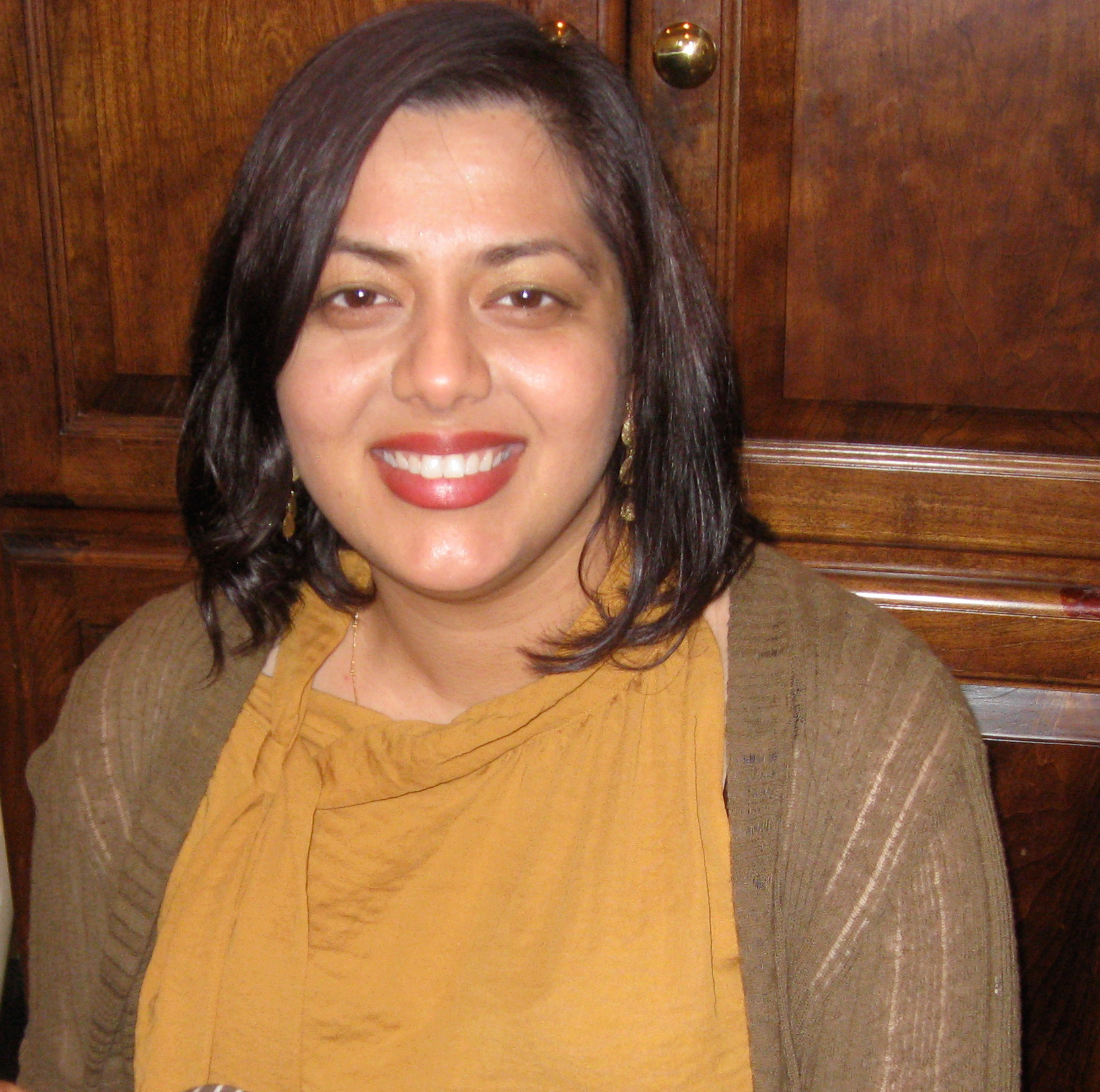
Zareena Grewal
Fellow, American Studies and Religious Studies, Yale University
Zareena Grewal is a historical anthropologist and a documentary filmmaker whose research focuses on race, gender, religion, nationalism, and transnationalism across a wide spectrum of American Muslim communities. Her first book, Islam is a Foreign Country: American Muslims and the Global Crisis of Authority (NYU 2013), is an ethnography of transnational Muslim networks that link US mosques to Islamic movements in Syria, Jordan, and Egypt through debates about the reform of Islam.
Zareena Grewal
Assistant Professor of American Studies and Religious Studies, Yale University
Zareena Grewal is a historical anthropologist and a documentary filmmaker whose research focuses on race, gender, religion, nationalism, and transnationalism across a wide spectrum of American Muslim communities. Her first book, Islam is a Foreign Country: American Muslims and the Global Crisis of Authority (NYU 2013), is an ethnography of transnational Muslim networks that link US mosques to Islamic movements in Syria, Jordan, and Egypt through debates about the reform of Islam. Her first film, By the Dawn’s Early Light: Chris Jackson’s Journey to Islam (Cinema Guild 2004), examines the racialization of Islam and the scrutiny of American Muslims’ patriotism long before September 11,, 2001. Her new project combines ethnographic and cultural studies analyses with historical research on the range of meanings the Quran has had for Americans in relation to national debates about religious tolerance. She was a Fulbright Fellow in Egypt (2002-3) and she received the Fulbright's prestigious Islamic Civilization Grant.
Atina Grossman
Fellow, History, Cooper Union
Atina Grossmann teaches Modern German and European History, and Gender Studies. A graduate of the City College of New York (BA) and Rutgers University (Ph.D), she has held fellowships from the National Endowment for the Humanities, German Marshall Fund, American Council of Learned Societies, the Institute for Advanced Study in Princeton, and the American Academy in Berlin.
Atina Grossman
Professor of History, Cooper Union
Atina Grossmann teaches Modern German and European History, and Gender Studies. A graduate of the City College of New York (BA) and Rutgers University (Ph.D), she has held fellowships from the National Endowment for the Humanities, German Marshall Fund, American Council of Learned Societies, the Institute for Advanced Study in Princeton, and the American Academy in Berlin. Her publications include Reforming Sex: The German Movement for Birth Control and Abortion Reform, 1920-1950 (1995,97), Crimes of War: Guilt and Denial in the Twentieth Century (co-editor with Bartov and Nolan, 2001), and When Biology Became Destiny: Women in Weimar and Nazi Germany (co-editor with Renate Bridenthal and Marion Kaplan, 1984). Her most recent book is Jews, Germans, and Allies: Close Encounters in Occupied Germany, 1945-1949 (Princeton University Press, 2007)
Nacira Guénif-Souilamas
Fellow, Sociology, University of Paris 8 Vincennes-Saint-Denis
Nacira Guénif-Souilamas is Professor, University of Paris 8 Vincennes-Saint-Denis, Education Sciences Department.
She was formerly Associate Professor at the University of Paris Nord/13 and Co-Director of EXPERICE Research Center.
Guénif-Souilamas holds a Phd in Sociology from l’École des Hautes Études en Sciences Sociales in Paris and a HDR of Sciences Po Paris.
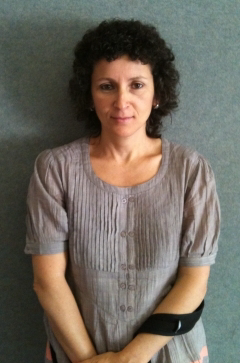
Nacira Guénif-Souilamas
Professor, University of Paris 8 Vincennes-Saint-Denis, Education Sciences Department

Nacira Guénif-Souilamas is Professor, University of Paris 8 Vincennes-Saint-Denis, Education Sciences Department.
She was formerly Associate Professor at the University of Paris Nord/13 and Co-Director of EXPERICE Research Center.
Guénif-Souilamas holds a Phd in Sociology from l’École des Hautes Études en Sciences Sociales in Paris and a HDR of Sciences Po Paris.
In 2009, she was a Fulbright fellow at Wellesley College (Sociology) and Columbia University (ICLS, Department of Middle East and Asian Languages and Cultures & Department of Religion) and a Visiting Professor at the Institute of French Studies in NYU.
Her Phd dissertation was awarded « Le prix le Monde de la recherche universitaire » published as Des beurettes aux descendantes d’immigrants nord-africains (2000), paperback edition Des beurettes in 2003), translated in Arabic in 2004. She has co-authored with Éric Macé Les féministes et le garçon arabe, L’Aube (2004, paperback edition in 2006) and edited La république mise à nu par son immigration, La Fabrique (2006). Since 2004, her contributions appeared in : Le foulard islamique en questions; La fracture coloniale; Qui a peur de la télévision en couleurs ?; Les féminismes en questions, éléments pour une cartographie ; La situation postcoloniale; La reconnaissance à l’épreuve; Histoire politique des luttes de l’immigration (post)coloniale; La fracture postcoloniale; Israeli-Paslestinian Conflict in the Francophone World; Ruptures postcoloniales ; L’individu aujourd’hui ; Frenchness and the African Diaspora : Identity and Uprising in Contemporary France ; Migration und Menschenrechte in Europa ; Dictionnaire du racisme et des discriminations ; Dictionnaire de la jeunesse et de l’adolescence ; Minorités visibles en politique ; Penser à gauche ; La France une et multiculturelle. Her articles appeared in: La Revue Européenne des Migration Internationales ; French Politics, Culture and Society ; Contemporary French Civilization (ed) ; Cosmopolitiques (ed) ; Yale French Studies; Mouvements ; European Early Childhood Education Research Journal; The Salon. Chapters will appear in : Gendering the Divide : Religion, the Secular, and the Politics of Sexual Difference; What’s Queer about Europe ?
She contributes to public debates on migrations, minorities and discriminations, ethnic and racial visibility, gender, sexism and racism. She is a member of the TERRA network and the vice-president of the Islamic Cultural Center in Barbès, a longstanding Arab and Black quarter of Paris.
Working Group Affiliation
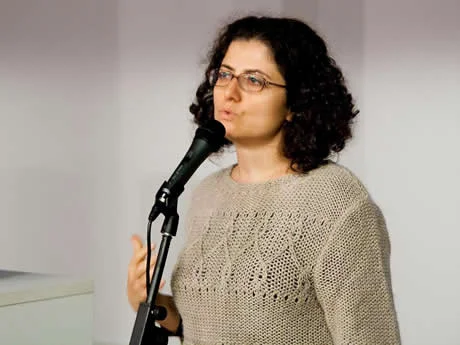
ASENA GÜNAL
Fellow, Sociology, Middle East Technical University
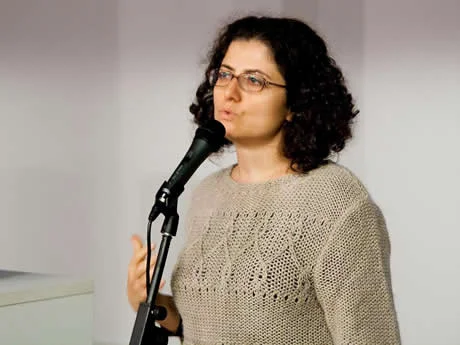
Asena Günal is an expert on history, feminism and culture and the program coordinator of Depo, a culture and arts center in Tophane, Istanbul. Depo is a space for critical debate and cultural exchange in the city center of Istanbul and the first initiative in Turkey to focus on regional collaborations among Turkey and countries in the Caucasus, the Middle East and the Balkans
Günal obtained her undergraduate degree in International Relations and her M.A. in Sociology from the Middle East Technical University, and her PhD in the History of Modern Turkey program in the Atatürk Institute, Boğaziçi University. She previously worked as an editor in İletişim Publishing House between 1998 and 2005. She is editorial secretary of the journal Toplum ve Bilim.
Asena Gunal
Program Coordinator, Depo Istanbul
Asena Günal is an expert on history, feminism and culture and the program coordinator of Depo, a culture and arts center in Tophane, Istanbul. Depo is a space for critical debate and cultural exchange in the city center of Istanbul and the first initiative in Turkey to focus on regional collaborations among Turkey and countries in the Caucasus, the Middle East and the Balkans
Günal obtained her undergraduate degree in International Relations and her M.A. in Sociology from the Middle East Technical University, and her PhD in the History of Modern Turkey program in the Atatürk Institute, Boğaziçi University. She previously worked as an editor in İletişim Publishing House between 1998 and 2005. She is editorial secretary of the journal Toplum ve Bilim.
Working Group Affiliation
Havva Guney-Ruebenacker
Fellow, Comparative Family Law and Islamic Law, Boston University School of Law
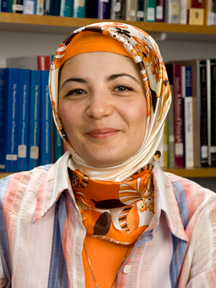
Dr. Havva G. Guney-Ruebenacker is a visiting post-doc researcher at Harvard Law School. Her dissertation is titled “An Islamic Legal Realist Critique of the Traditional Theory of Slavery, Marriage and Divorce in Islamic Law” and it focuses on traditional Islamic law and modern Islamic legal reforms in the area of slavery and family law with a comparative examination of modernization of American family law in the area of no-fault divorce and its economic consequences.
Havva Guney-Ruebenacker
Dr. Havva G. Guney-Ruebenacker is a visiting post-doc researcher at Harvard Law School. Her dissertation is titled “An Islamic Legal Realist Critique of the Traditional Theory of Slavery, Marriage and Divorce in Islamic Law” and it focuses on traditional Islamic law and modern Islamic legal reforms in the area of slavery and family law with a comparative examination of modernization of American family law in the area of no-fault divorce and its economic consequences. In particular, her work examines the ways in which the institution of slavery influenced the structure and content of traditional Islamic legal theory of marriage and divorce, develops a new theory of Islamic Legal Realism that challenges the historical legitimacy of both slavery and women's inequality in traditional Islamic law, and advances a concrete reform proposal for divorce and post-divorce economic rights of women in Islamic law. She studied both major schools of Islamic law (Sunni and Shiite) at a Qur'anic studies school in Mecca, Saudi Arabia, and received a BA in Law from the University of Tehran. As a Visiting Assistant Professor, she taught Comparative Family Law and Islamic law at Boston University School of Law and was a teaching fellow at Harvard for classes in American constitutional history and Comparative Family Law. Dr. Guney-Ruebenacker holds S.J.D and LL.M degrees from Harvard and also an LL.M in European Union law and European legal history from University of Cambridge. She was a researcher at the European Court of Human Rights and the International Commission of Jurists in Geneva, and was a graduate fellow at the Oxford Center for Islamic Studies, Islamic Legal Studies Program at Harvard Law School and Edmond J. Safra Center for Ethics at Harvard. She is fluent in Turkish, Arabic and Farsi.

Joymala Hajra
Fellow, South Asian Studies, Columbia University
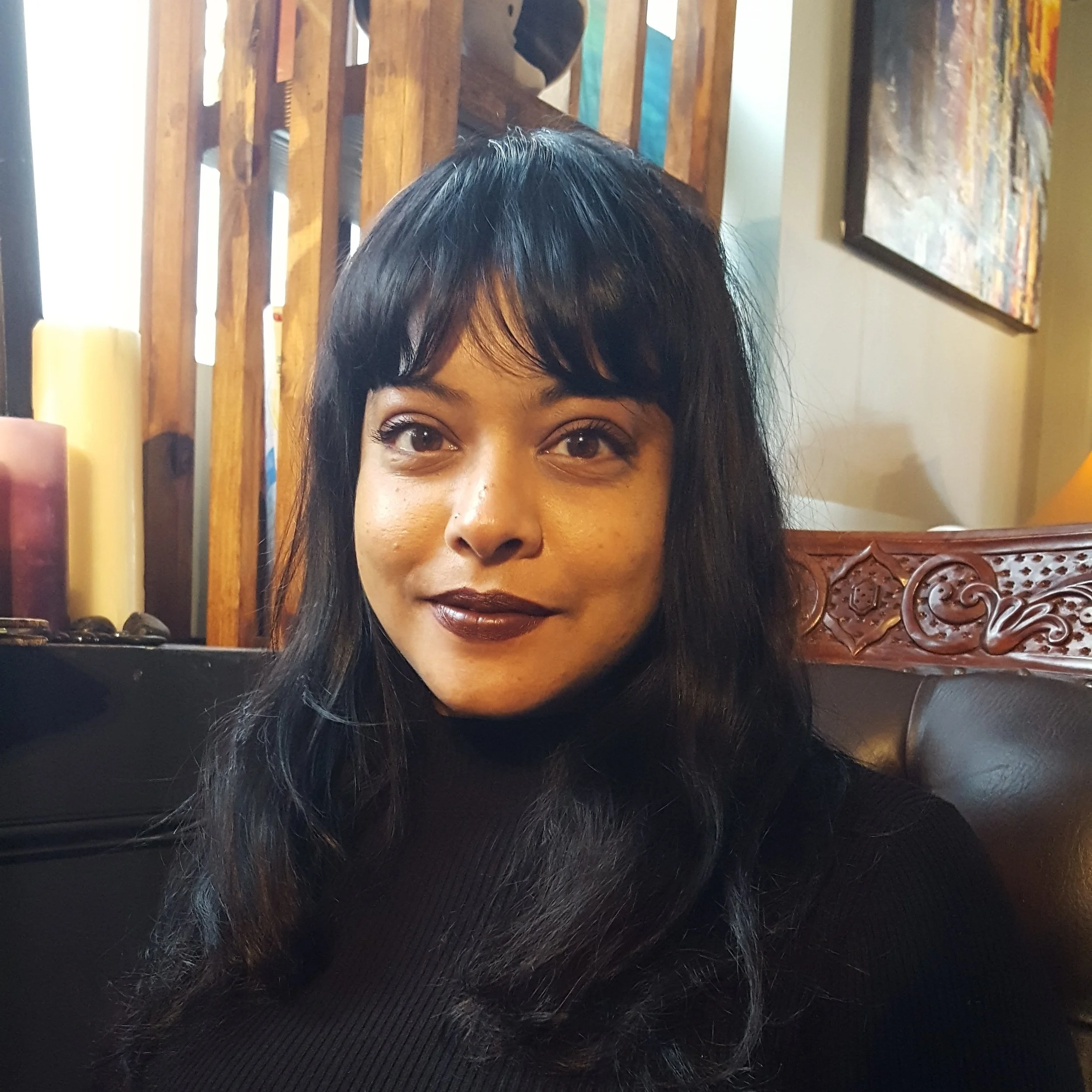
Joymala Hajra divides her time between the Religion and the Global Framing of Gender Violence Project, where she is the Program Coordinator and The Institute for Religion, Culture, and Public Life, where she is the Manager of Design and Communication.
Joymala Hajra
Joymala Hajra divides her time between the Religion and the Global Framing of Gender Violence Project, where she is the Program Coordinator and The Institute for Religion, Culture, and Public Life, where she is the Manager of Design and Communication. Joymala is an experienced researcher with a focus in critical gender and human rights studies. Alongside her career as a professional designer, she has been devoted to social justice through work with various arts and development organizations in the US and Bangladesh. Joymala holds a B.F.A. from The Fashion Institute of Technology and an M.A in South Asian Studies from Columbia University.
Working Group Affiliation
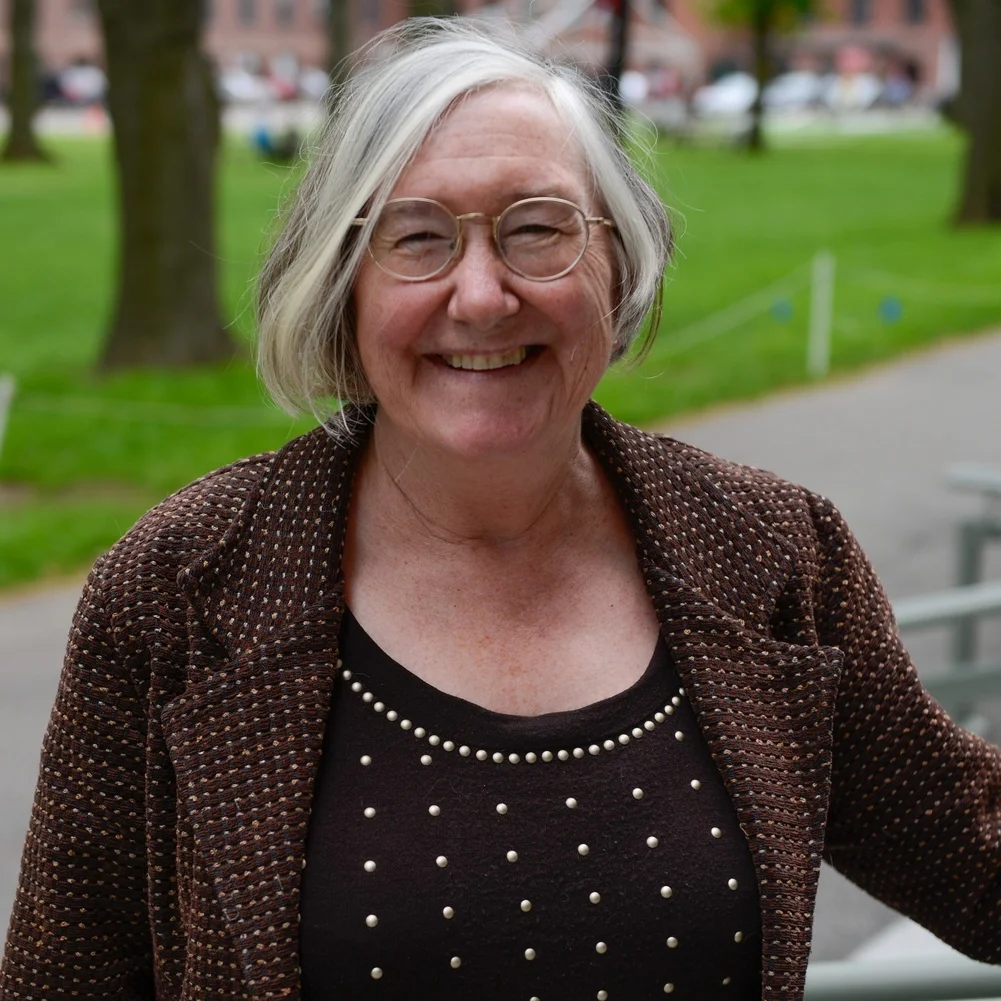
Janet Halley
Fellow, Royall Professor of Law, Harvard Law School
Janet Halley is the Royall Professor of Law at Harvard Law School. She has a Ph.D. in English Literature from UCLA and a J.D. from Yale Law School. She has taught at Tel Aviv Buckmann School of Law and in the Law Department of the American University in Cairo. She is the author of Split Decisions: How and Why to Take a Break from Feminism (Princeton 2006), and Don’t: A Reader’s Guide to the Military’s Anti-Gay Policy (Duke 1999). With Wendy Brown, she coedited Left Legalism/Left Critique (Duke 2002), and with Andrew Parker she coedited After Sex?
Janet Halley
Royall Professor of Law, Harvard Law School
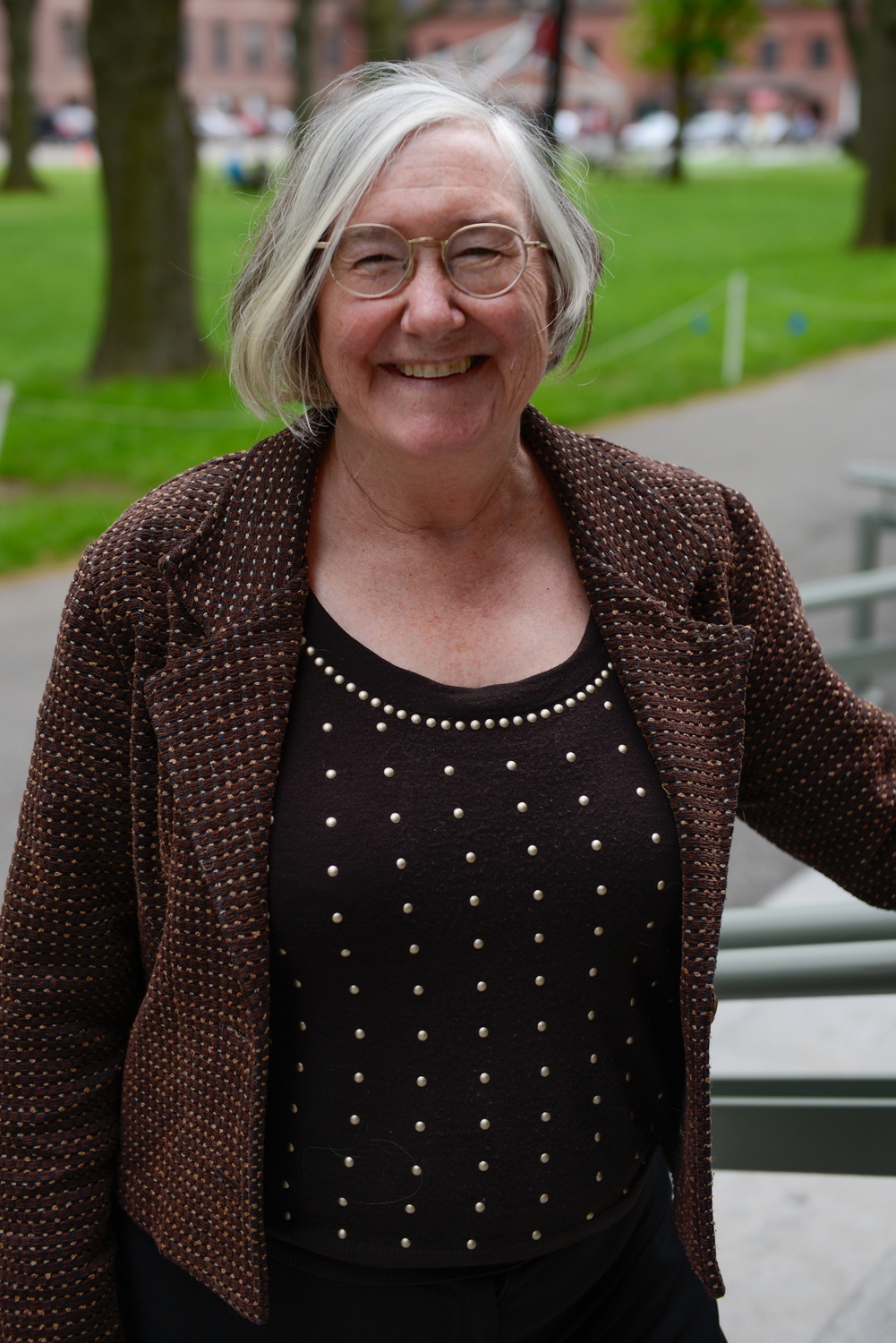
Janet Halley is the Royall Professor of Law at Harvard Law School. She has a Ph.D. in English Literature from UCLA and a J.D. from Yale Law School. She has taught at Tel Aviv Buckmann School of Law and in the Law Department of the American University in Cairo. She is the author of Split Decisions: How and Why to Take a Break from Feminism (Princeton 2006), and Don’t: A Reader’s Guide to the Military’s Anti-Gay Policy (Duke 1999). With Wendy Brown, she coedited Left Legalism/Left Critique (Duke 2002), and with Andrew Parker she coedited After Sex? New Writing Since Queer Theory (Duke 2011). She is the editor of a collection of essays entitled “Critical Directions in Comparative Family Law” in the American Journal of Comparative Law, and the author of “What is Family Law?: A Genealogy,” published last year in the Yale Journal of Law and the Humanities. Her current book projects are The Family/Market Distinction: A Genealogy and Critique and Rape in Armed Conflict: Assessing the Feminist Vision and its Law. She is co-director of the Trafficking Roundtable and of the Up Against Family Law Exceptionalism Conference, an international collaboration dedicated to studying the role of the family and family law in colonization, decolonization and contemporary globalization. She was recently awarded the Career Achievement Award for Law and the Humanities by the Association for the Study of Law, Culture and the Humanities. She teaches Family Law, Gender and the Family in Transnational Legal Orders, Gender in Postcolonial Legal Orders, Trafficking and Labor Migration, and courses on the intersections of legal theory with social theory.
Working Group Affiliation
Rema Hammami
Fellow, Anthropology, Birzeit University
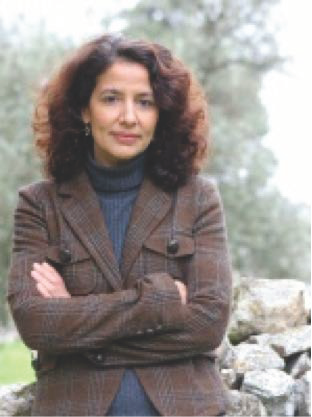
Rema Hammami is Associate Professor of Anthropology at the Institute of Women’s Studies, Birzeit University where she founded the graduate program in Gender and Development in 1998, the first graduate program in gender studies in the region.
Rema Hammami
Associate Professor of Anthropology, Birzeit University
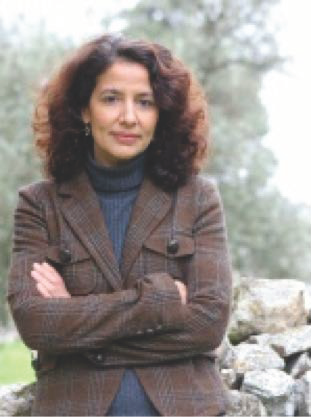
Rema Hammami is Associate Professor of Anthropology at the Institute of Women’s Studies, Birzeit University where she founded the graduate program in Gender and Development in 1998, the first graduate program in gender studies in the region. Her publications cover issues of development, politics, spatialities and gender in the context of Palestine. She serves on the editorial boards of the Arab Studies Journal, Jerusalem Quarterly File, Middle East Reports, Development and Change, and American Ethnologist. Founder and former chair of the Birzeit University Right to Education Campaign and founder and former director of the Women’s Affairs Centre in Gaza, she is active on issues of academic freedom and gender justice in and for Palestine. Recent publications include: “On (not) Suffering at the Checkpoint; Palestinian Narrative Strategies of Surviving Israel’s Carceral Geography”Borderlands Journal (14:1, 2015) and: “Precarious Politics: The Activism of ‘Bodies that Count’ (aligning with those that don’t) in Palestine’s Colonial Frontier” in. Judith Butler, Zeynep Gambetti, and Leticia Sabsay (eds), Rethinking Vulnerability: Towards a Feminist Theory of Resistance and Agency, Durham, NC. Duke University Press, (forthcoming 2016). Her current research focuses on the interface between liberal peace building/ neo-humanitarian intervention and the logics of Israeli military occupation and colonization of the West Bank and Gaza with a particular emphasis on how the aid industry deploys gender in its techniques across Palestine’s fragmented geo-political projects and spaces. Selected as a Carnegie Centennial Scholar at Columbia University in 2014, she was also previously awarded the Prince Claus Chair in Equity and Development at the ISS (the Hague) for 2005 and currently serves on the jury of their awards for culture and development.
Working Group Affiliation
Religion and the Global Reframing of Gender Violence, Project Director
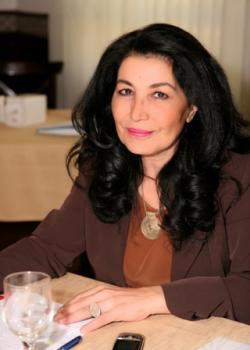
Nabila Hamza
President, Foundation for the Future
Mrs. Nabila Hamza is the President of the Foundation for the Future, (FFF) an independent, international nonprofit organizationsupporting the civil society initiatives in their efforts to promote democracy and human rights in the MENA region. Prior to her work at the Foundation for the Future, Mrs. Hamza served as the Executive Director of the Center of Arab Women for Training and Research (CAWTAR). She has worked as an Expert in the Arab League for 10 years, in addition to having fulfilled numerous consulting missions in the region.
Nabila Hamza
President, Foundation for the Future
Mrs. Nabila Hamza is the President of the Foundation for the Future, (FFF) an independent, international nonprofit organizationsupporting the civil society initiatives in their efforts to promote democracy and human rights in the MENA region. Prior to her work at the Foundation for the Future, Mrs. Hamza served as the Executive Director of the Center of Arab Women for Training and Research (CAWTAR). She has worked as an Expert in the Arab League for 10 years, in addition to having fulfilled numerous consulting missions in the region. She also has a broad experience in project management and program coordination. She has contributed in the UNDP the Human Development Report (1994).She is a founding member in many Tunisian women NGOs and is member of various international boards and scientific committees in African and Arab countries. Mrs. Hamza has many publications on social development, poverty, globalization, civil societyand gender issues.
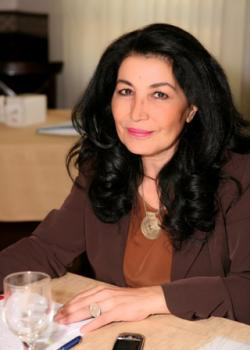
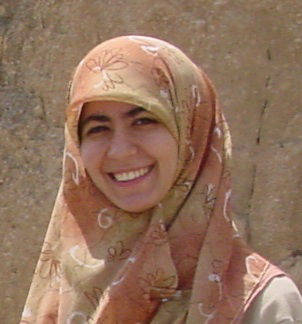
Mona Hassan
Assistant Professor of Islamic Studies and History, Duke University
Mona Hassan is Assistant Professor of Islamic Studies and History at Duke University and obtained her Ph.D. from Princeton University in 2009. She specializes in global and comparative Islamic history, focusing on the intersections of culture, religion, politics, and gender.
Mona Hassan
Assistant Professor of Islamic Studies and History, Duke University
Mona Hassan is Assistant Professor of Islamic Studies and History at Duke University and obtained her Ph.D. from Princeton University in 2009. She specializes in global and comparative Islamic history, focusing on the intersections of culture, religion, politics, and gender. One of her major projects investigates the shifting socio-political and cultural contexts in which Muslim female jurisprudential scholarship has been formed and articulated from the seventh century to the present across multiple regions. Her work on Female Muslim Jurists reconstructs the lives and networks of several significant female jurists, assesses what shaped their emergence in very different temporal and cultural contexts as legal scholars, and explores the contours of their scholarship. Her research in this vein on the modern Republic of Turkey reinterprets how the history of Turkish secularism continues to affect the spatial mapping and contestation of its gendered religious domains.
Mona Hassan also recently received fellowships from both the American Council of Learned Societies (ACLS) and the Social Science Research Council (SSRC) to complete her first book, Longing for the Lost Caliphate, which explores Muslim engagement and entanglement with the notion of an Islamic caliphate following two poignant moments of symbolic loss: the Mongol destruction of the Abbasid caliphate in 1258 and the Turkish nationalist abolition of the Ottoman caliphate in 1924. It examines what Muslims across Afro-Eurasia imagined to be lost with the disappearance of the Abbasid and Ottoman caliphates and how they attempted to recapture that perceived loss, and in doing so redefined the caliphate for their times, under shifting circumstances. Vivid cultural memories of the caliphate created a shared sense of community among disparate peoples at the same time as they gave rise to differing and competing visions of the community’s past, present, and future.
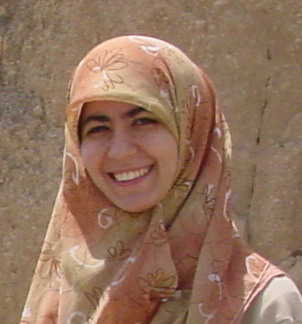
Mariana Hausdorf
Actress, Historian, Teacher, Postgraduate Student PhD in Latin American Studies, Universidad de Chile
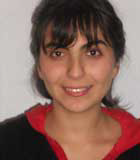
Mariana Hausdorf Andrade holds a Licenciate in Acting, Pontificia Universidad Católica de Chile 2011; Licenciate in History, Pontificia Universidad Católica de Chile, 2012; and a qualification in secondary education teaching specializing in History, Pontificia Universidad Católica de Chile, 2012.
Mariana Hausdorf
Actress, Historian, Teacher, Postgraduate Student PhD in Latin American Studies, Universidad de Chile

Mariana Hausdorf Andrade holds a Licenciate in Acting, Pontificia Universidad Católica de Chile 2011; Licenciate in History, Pontificia Universidad Católica de Chile, 2012; and a qualification in secondary education teaching specializing in History, Pontificia Universidad Católica de Chile, 2012. She is a researcher on the Project: “Dramturgization of Audiovisual Vestiges of the Chilean Theatre History;” coordinator of the Project: “Andrés Kalawski Isla,” funded by the Pontificia Universidad Católica Drama School, 2012; co-researcher on the Project: “The Archives and the Voices: Memory and Dramaturgy of the Chilean Dictatorship;” coordinator of the project: “Francisco Albornoz,” funded by the Pontificia Universidad Católica Drama School. Her lecture “An Itinerary Through Villa Grimaldi: The Presence of Material Remains in Memory” was given at the IFTR Annual Conference in Santiago, Chile, 2012. She is also assisting on the Project: “Intermediality and Aesthetics of Memory: Detained Disappeared in the Chilean Theater after the Military Dictatorship” (Head researcher: Milena Grass; funded by the Vice- Rectory for Academic Affairs at the Pontificia Universidad de Chile, 2011). Mariana’s performances include acting in Cuando reinaron los hermosos with the company La susodicha (2011-2012)
Working Group Affiliation
Samia Henni
Assistant Professor of History and Architecture, Cornell University
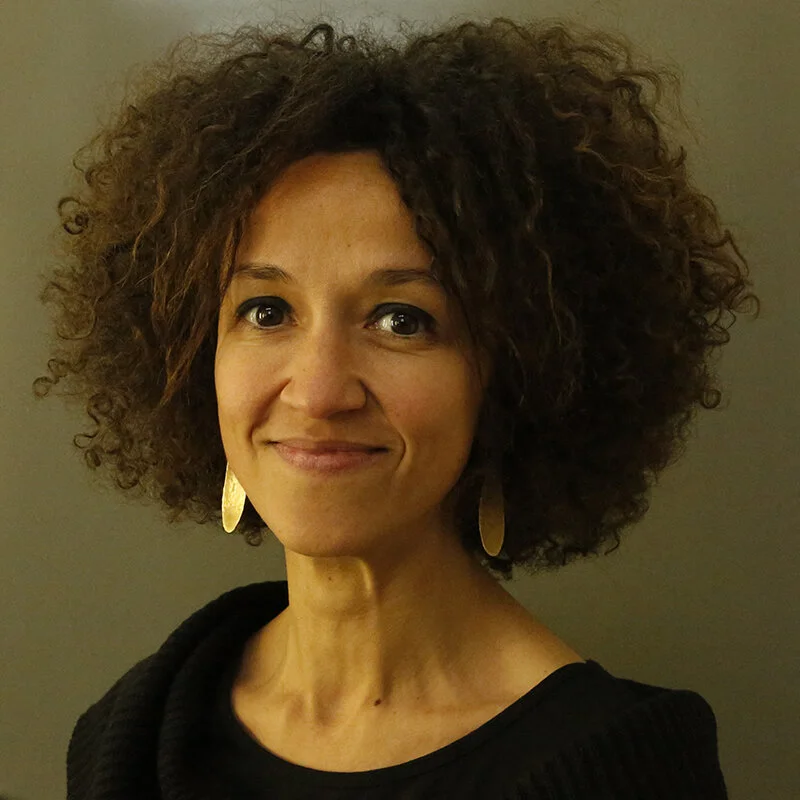
Samia Henni is an Assistant Professor at Cornell University. Her teaching and research examine the history and theory of the built environments in relation to colonialism, displacement, gender, Islam, and wars from the first European colonization to the present. She is the author of the award-winning Architecture of Counterrevolution: The French Army in Northern Algeria (2017), the editor of War Zones (2018), and the curator of Discreet Violence: Architecture and the French War in Algeria (2017-19).
Samia Henni
Assistant Professor of History and Architecture, Cornell University
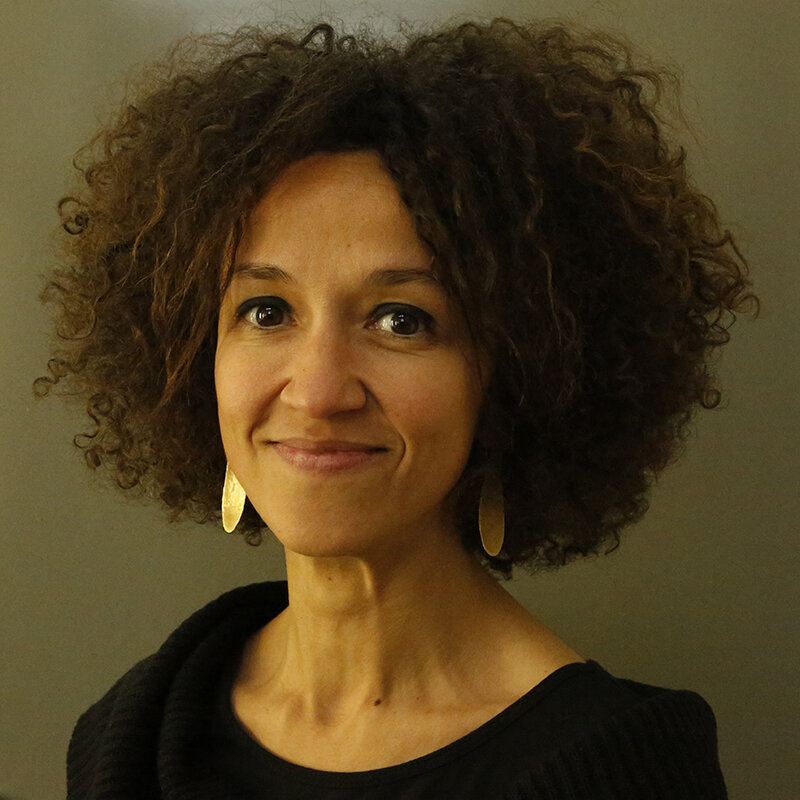
Samia Henni is an Assistant Professor at Cornell University. She is the author of the award-winning Architecture of Counterrevolution: The French Army in Northern Algeria (2017), the editor of War Zones (2018), and the curator of Discreet Violence: Architecture and the French War in Algeria (2017-19). She is working on a book provisionally titled Colonial Toxicity: The French Army in the Sahara. Her teaching and research examine the history and theory of the built environments in relation to colonialism, displacement, gender, Islam, and wars from the first European colonization to the present.
Working Group Affiliation
Leila Hilal
Director of the Middle East Task Force, New America Foundation
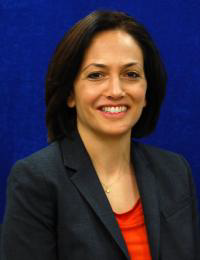
Leila Hilal is Director of the Middle East Task Force at the New America Foundation. She focuses on Syria, the Israeli-Palestinian conflict and issues related to U.S. foreign policy, community-based change, constitution-making, and transitional justice in the broader Middle East and North Africa. Prior to joining New America Hilal served as Senior Policy Adviser to the Commissioner-General of the Palestinian refugee agency (UNRWA) and as a legal adviser to Palestinian negotiators from 2002-2008. She has led numerous research missions on human rights and post-conflict scenario building and transitional justice in the Middle East, including for Chatham House, the International Center for Transitional Justice and the Euro-Med Human Rights Network for Human Rights.
Leila Hilal
Director of the Middle East Task Force, New America Foundation
Leila Hilal is Director of the Middle East Task Force at the New America Foundation. She focuses on Syria, the Israeli-Palestinian conflict and issues related to U.S. foreign policy, community-based change, constitution-making, and transitional justice in the broader Middle East and North Africa. Prior to joining New America Hilal served as Senior Policy Adviser to the Commissioner-General of the Palestinian refugee agency (UNRWA) and as a legal adviser to Palestinian negotiators from 2002-2008. She has led numerous research missions on human rights and post-conflict scenario building and transitional justice in the Middle East, including for Chatham House, the International Center for Transitional Justice and the Euro-Med Human Rights Network for Human Rights. Hilal clerked for Justice Yvonne Mokgoro at the South African Constitutional Court in 2000. She received her J.D. from the State University of New York at Buffalo Law School and her LL.M. from Harvard Law School.
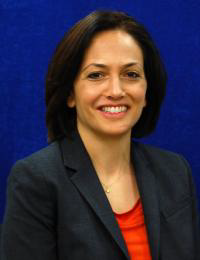

Maggie Hoffman
Director, Project DOCC
Maggie Hoffman is co-founder and the director of Project DOCC - Delivery of Chronic Care. In this unique medical education program, parents of children with special health care needs (CSHCN) and family caregivers of adults with chronic conditions teach doctors and other health professionals about living with illness and disability in their communities. Project DOCC’s pediatric program is in 28 academic medical centers across the United States and in Australia. Maggie is a founder and member of the New York Self-Determination Coalition (nyselfd).
Maggie Hoffman
Director, Project DOCC
Maggie Hoffman is co-founder and the director of Project DOCC - Delivery of Chronic Care. In this unique medical education program, parents of children with special health care needs (CSHCN) and family caregivers of adults with chronic conditions teach doctors and other health professionals about living with illness and disability in their communities. Project DOCC’s pediatric program is in 28 academic medical centers across the United States and in Australia. Maggie is a founder and member of the New York Self-Determination Coalition (nyselfd). NYSELFD promotes self-determined lives for individuals with developmental disabilities. Maggie co-founded the Long Island Network for Families of Children with Special Health Care Needs, a coalition of medical and education professionals, parents, and representatives from government agencies addressing gaps in services for families on Long Island. She founded New Survivors, a peer support group for parents of children with special needs. Maggie coordinated special projects for the Developmental Disabilities Institute, Huntington, New York, such as resource fairs and parent-to-parent connections. In Minnesota at the ARC of Olmsted County, Maggie led parent support groups and facilitated transitions home from neonatal intensive care units (NICUs). She spent 6 years as the family-centered care specialist (for Pediatrics and Geriatrics) at the North Shore-Long Island Jewish Health System.
