
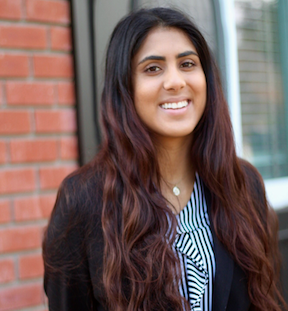
Guneet Kaur
Graduate Student, Narrative Medicine, Columbia University
Guneet Kaur is originally from the Bay Area, CA and graduated from Scripps College earlier this year with a degree in Biology and Feminist, Gender, and Sexuality Studies with a concentration in race. She is currently pursuing her Masters in Narrative Medicine here at Columbia University, looking at the intersections of bioethics, social justice, and clinical practice, with an emphasis on the use of patient narrative as a means of healing. She is passionate about the intersections of social justice and medicine in caring for underserved communities- particularly conversations around chronic condition management, mental health, and reproductive health.
Guneet Kaur
Graduate Student, Narrative Medicine, Columbia University
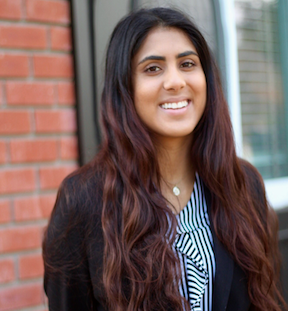
Guneet Kaur is originally from the Bay Area, CA and graduated from Scripps College earlier this year with a degree in Biology and Feminist, Gender, and Sexuality Studies with a concentration in race. She is currently pursuing her Masters in Narrative Medicine here at Columbia University, looking at the intersections of bioethics, social justice, and clinical practice, with an emphasis on the use of patient narrative as a means of healing.She is passionate about the intersections of social justice and medicine in caring for underserved communities- particularly conversations around chronic condition management, mental health, and reproductive health. In her free time, you can find her lifting weights, writing poetry, and rooting for the Warriors with her family.
Working Group Affiliation

Robin J. Kemper
Doctoral Student, Narrative Medicine, Columbia University
Robin J. Kemper is currently studying for her M.S. in Narrative Medicine at Columbia University. Hoping professionally to write and teach on disability-related matters, Robin has twice taught a Narrative Medicine seminar to Columbia University postbaccalaureate premedical students and undergraduate premedical students. She is also a Curriculum Committee Representative in the Narrative Medicine program. Robin earned her J.D. at Yale Law School and her B.A. in English at Yale University.
Robin J. Kemper
Robin J. Kemper is currently studying for her M.S. in Narrative Medicine at Columbia University. Hoping professionally to write and teach on disability-related matters, Robin has twice taught a Narrative Medicine seminar to Columbia University postbaccalaureate premedical students and undergraduate premedical students. She is also a Curriculum Committee Representative in the Narrative Medicine program. Robin earned her J.D. at Yale Law School and her B.A. in English at Yale University.

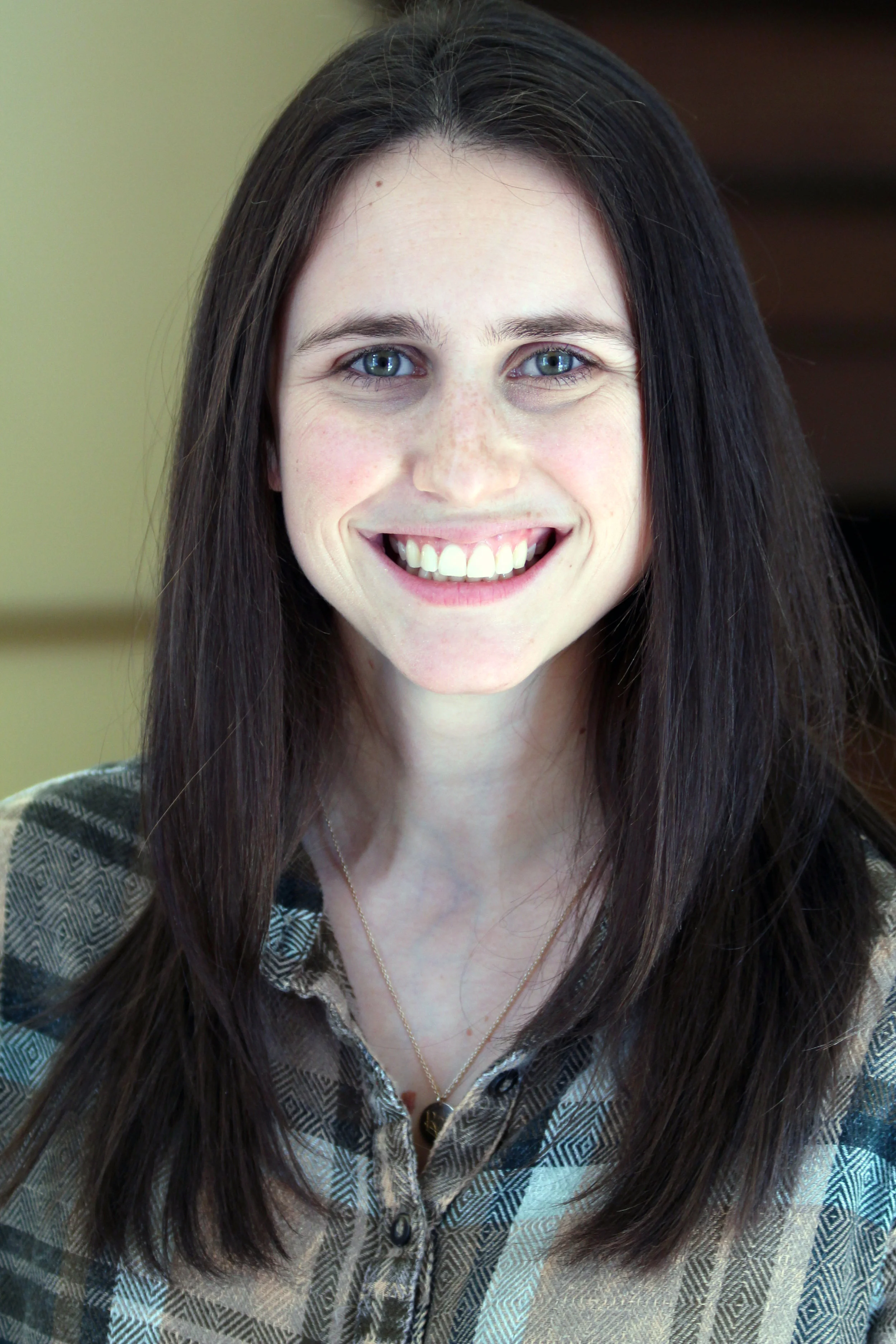
Corinne Kentor
Phd Candidate, Anthropology & Education, Teachers College, Columbia University
Corinne Kentor is a Ph.D student in Anthropology & Education at Teachers College, Columbia University. Her research focuses on the intersection of immigration and higher education policy. Her dissertation explores the educational experiences of older and younger siblings in mixed status families, with a specific focus on the institutional policies that shape their respective trajectories after high school.
Corinne Kentor
Phd Candidate, Anthropology & Education, Teachers College, Columbia University
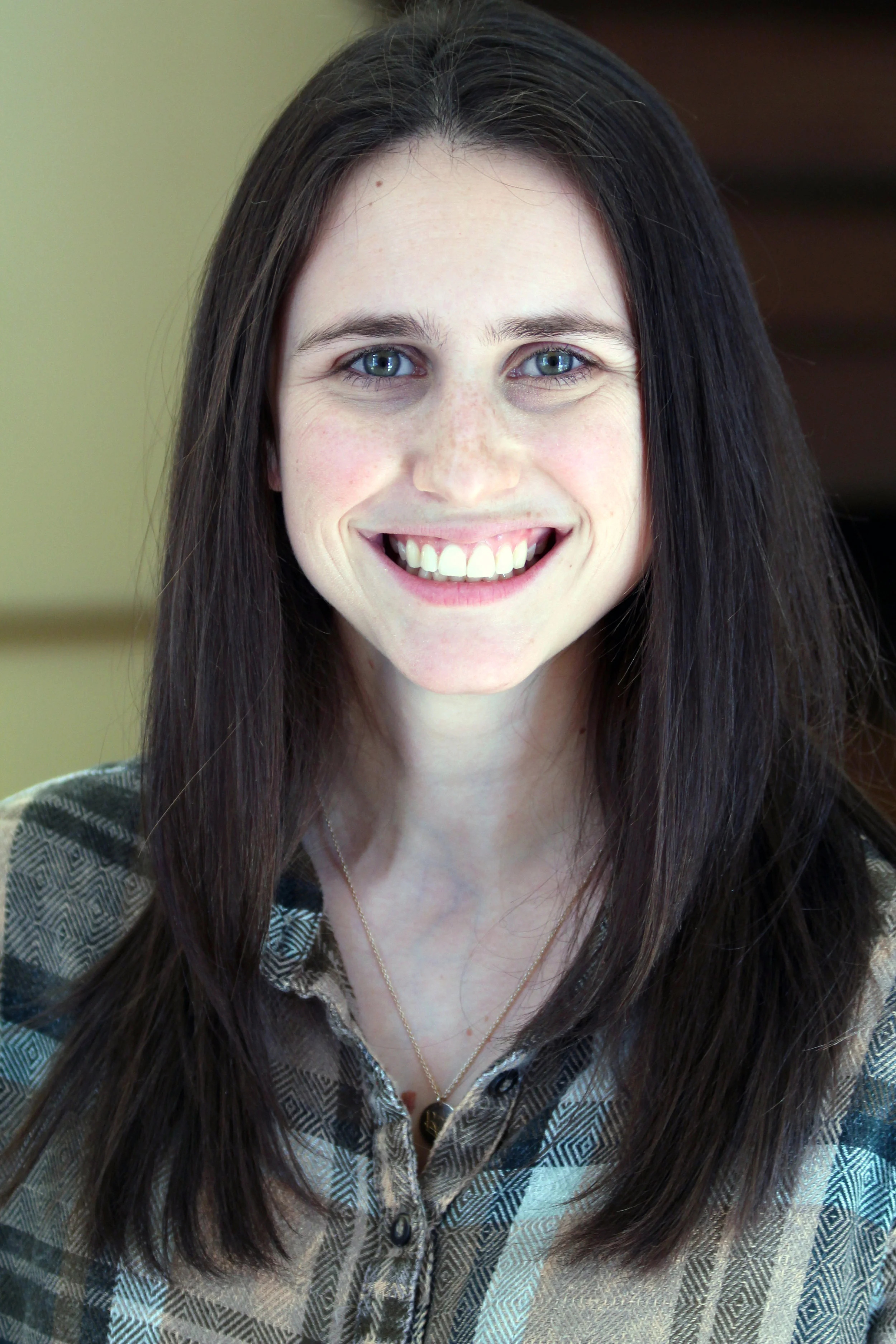
Corinne Kentor is a Ph.D student in Anthropology & Education at Teachers College, Columbia University. Her research focuses on the intersection of immigration and higher education policy. Her dissertation explores the educational experiences of older and younger siblings in mixed status families, with a specific focus on the institutional policies that shape their respective trajectories after high school. Corinne graduated with honors from Yale University, where she earned a B.A. in English and a certificate in Education Studies. In 2018, she was named a National Science Foundation Graduate Research Fellow. That same year, she joined the research and evaluation staff at the City University of New York Office of Research, Evaluation & Program Support.
Working Group Affiliation
Migrant Personhood and Rights: Crises of Recognition, Graduate Coordinator
Dhaval Khamar
Doctoral Student, Bioethics, Columbia University
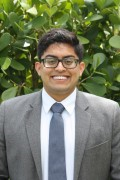
Dhaval Khamar is a graduate student in Columbia’s bioethics program and previously attended the University of Central Florida, earning a B.S. in Biology and a B.A. in Religion and Cultural Studies both with honors. His areas of interest in bioethics are end of life ethics, access to medical innovation, and health policy ethics. Dhaval has also contributed to health policy efforts in New York as an intern at the New York State Task Force on Life and the Law.
Dhaval Khamar
Graduate Student, Columbia University
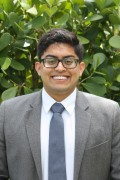
Dhaval Khamar is a graduate student in Columbia’s bioethics program and previously attended the University of Central Florida, earning a B.S. in Biology and a B.A. in Religion and Cultural Studies both with honors. His areas of interest in bioethics are end of life ethics, access to medical innovation, and health policy ethics. Dhaval has also contributed to health policy efforts in New York as an intern at the New York State Task Force on Life and the Law.
Working Group Affiliation

Shenila Khoja-Moolji
Doctoral Student, Gender, Sexuality, and Women’s Studies, University of Pennsylvania
Shenila Khoji-Moolji received her doctorate in Education and additional certification in Feminist Theory from Columbia University in 2016. Her research interests include examining discourses on gender and education, and their entanglement with practices of power. Dr. Khoja-Moolji’s work problematizes the centering of girls’ education and empowerment as a solution to societal problems, especially in relation to Muslim-majority nations.
Shenila Khoja-Moolji
DCC Postdoctoral Fellow, Gender, Sexuality, and Women’s Studies, University of Pennsylvania

Shenila Khoji-Moolji received her doctorate in Education and additional certification in Feminist Theory from Columbia University in 2016. Her research interests include examining discourses on gender and education, and their entanglement with practices of power. Dr. Khoja-Moolji’s work problematizes the centering of girls’ education and empowerment as a solution to societal problems, especially in relation to Muslim-majority nations. Specifically, she interrogates universalistic notions of girlhood, empowerment, and rights embedded in past and present calls for women’s and girls’ education, and in doing so highlights the raced, gendered, and religioned configurations of citizenship that emerge in and through humanitarian discourses. Dr. Khoja-Moolji has written extensively about the convergence on the figure of the girl in transnational development regimes. She also investigates education policy discourses as they relate to immigrants in the United States and teacher development in the global South. Her work has appeared in Signs: Journal of Women in Culture and Society, International Journal of Qualitative Studies in Education, Comparative Studies of South Asia, Africa and the Middle East, Compare: A Journal of Comparative and International Education, Discourse: Studies in the Cultural Politics of Education, Feminist Teacher, Gender and Education, Girlhood Studies, and Journal of Diaspora, Indigenous, and Minority Education, and in several book chapters. She also pursues an active public scholarship agenda, with opinion pieces and essays appearing in The New York Times, The Washington Post, and The Huffington Post. At Penn, Dr. Khoja-Moolji plans to complete her book manuscript, tentatively entitled Gender, Education, and Governmentality: The Making of Educated Female Muslim Subjects in Colonial India and Postcolonial Pakistan (1857-2015).
Working Group Affiliations

Sarah Kleinstein
Doctoral Student, Molecular Genetics and Microbiology, Duke University
Sarah Kleinstein is a Ph.D. candidate in the Department of Molecular Genetics and Microbiology at Duke University, currently studying under Dr. David Goldstein in the Institute for Genomic Medicine at Columbia University. Her primary research focus is determining the genetic underpinnings behind differential responses to infectious diseases, such as HIV-1, HSV-2, HCV, and HBV. Kleinstein also holds a BS in Biochemistry and an MS in Genetic Epidemiology (both from the University of Washington, Seattle).
Sarah Kleinstein
Graduate Student, Molecular Genetics and Microbiology, Duke University
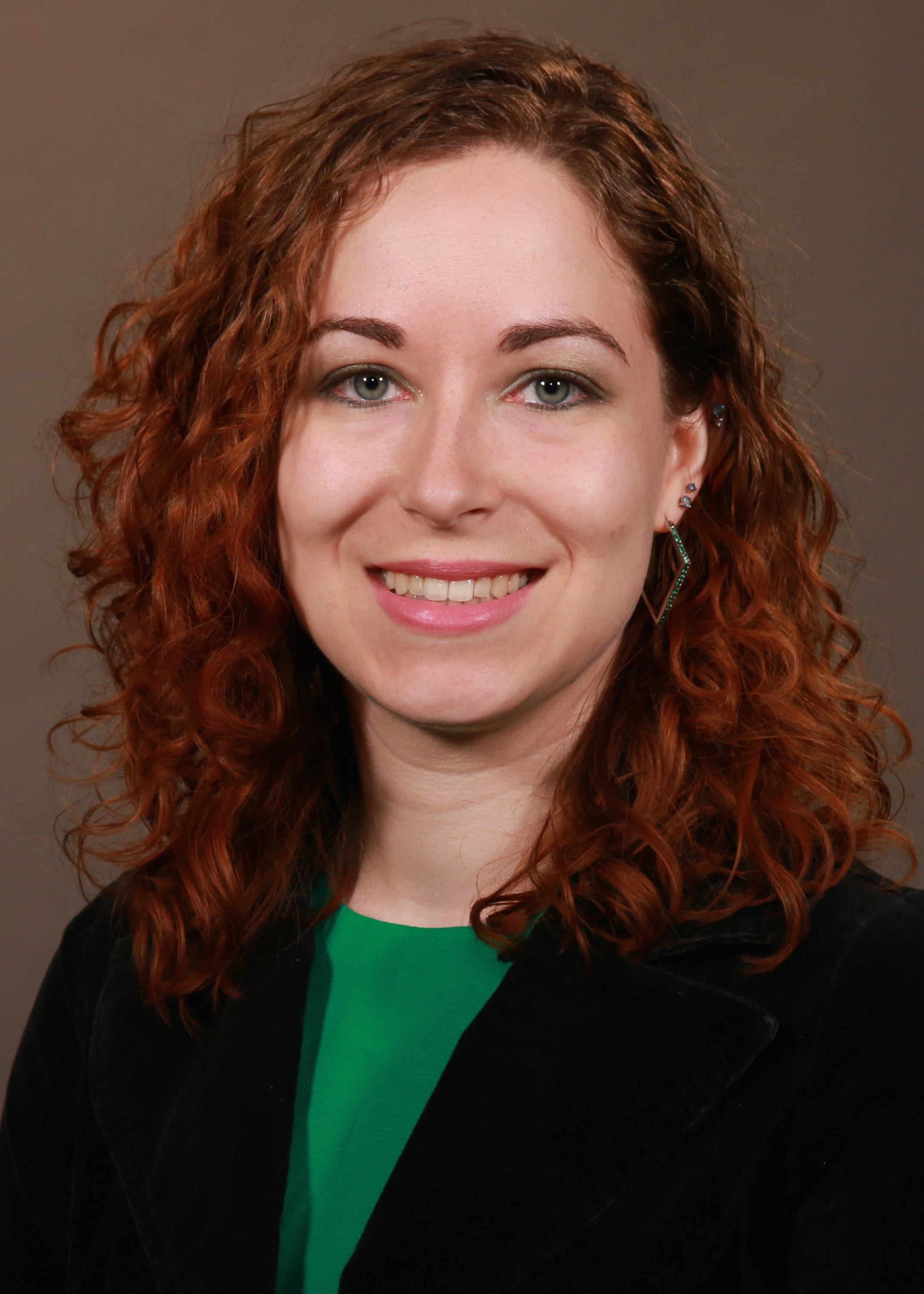
Sarah Kleinstein is a Ph.D. candidate in the Department of Molecular Genetics and Microbiology at Duke University, currently studying under Dr. David Goldstein in the Institute for Genomic Medicine at Columbia University. Her primary research focus is determining the genetic underpinnings behind differential responses to infectious diseases, such as HIV-1, HSV-2, HCV, and HBV. Kleinstein also holds a BS in Biochemistry and an MS in Genetic Epidemiology (both from the University of Washington, Seattle). Her undergraduate research involved elucidating causal mutations related to the Muscular Dystrophy phenotypes observed in mutant Drosophila melanogaster. Her MS research investigated genetic susceptibility to colorectal neoplasia and genetic interactions with nonsteroidal anti-inflammatory drug use in the lipoxygenase pathway at the Fred Hutchinson Cancer Research Center. After finishing her MS, Sarah completed a one year Centers for Disease Control and Prevention and Association of Public Health Laboratories joint fellowship in Emerging Infectious Diseases. During her fellowship, she worked at the California Department of Public Health Microbial Diseases Laboratory, characterizing emerging multi-drug resistance in a Salmonella Typhimurium outbreak and validating a new cpn60 gene target for broad range sequence-based bacterial identification.
Working Group Affiliation
Julia Knox
Doctoral Student, Narrative Medicine, Columbia University
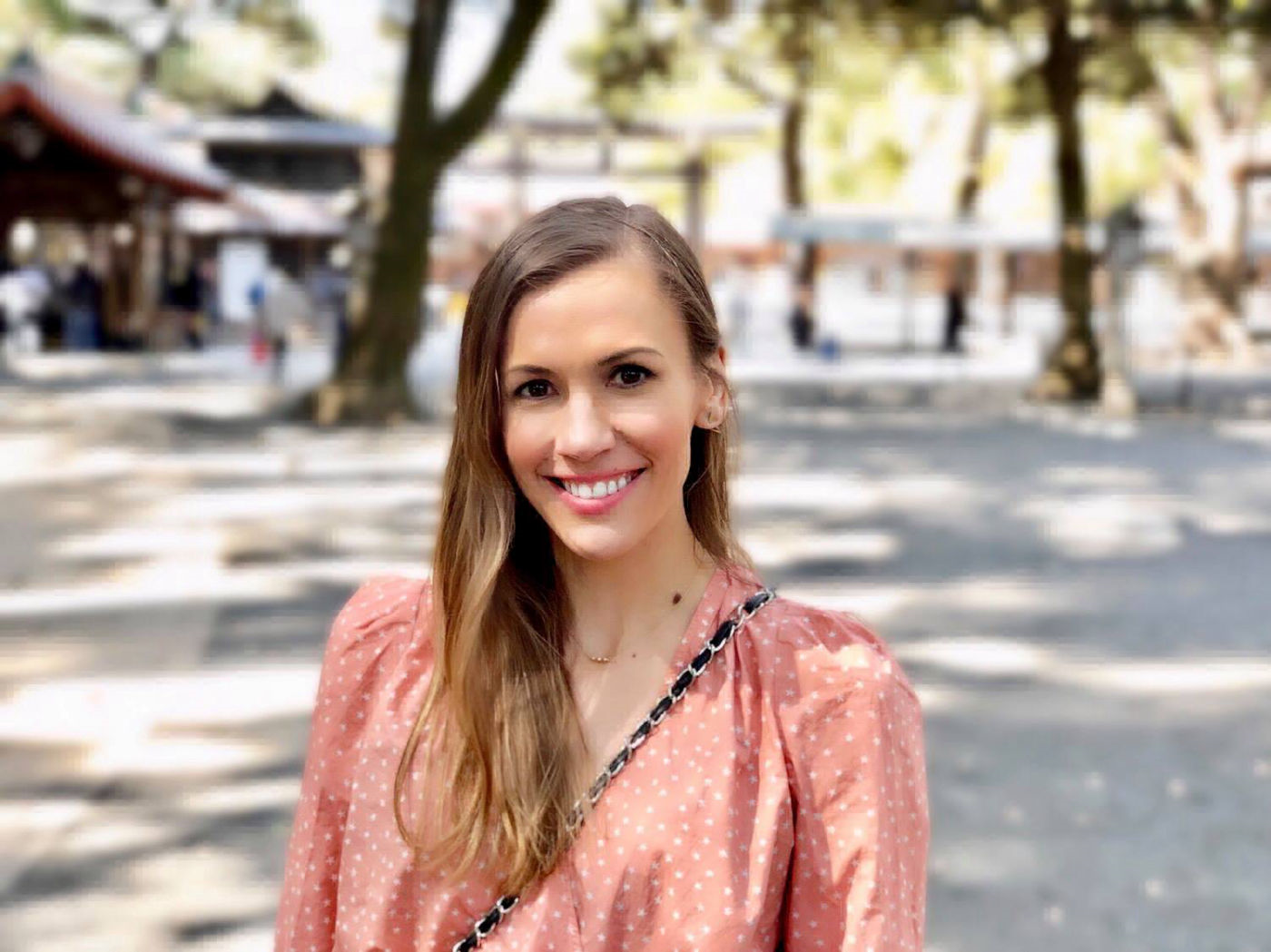
Julia Knox is a researcher at the Columbia Mailman School of Public Health, and an M.S. Candidate in Narrative Medicine in the Columbia Department of Medical Humanities and Ethics. She is interested in the methods by which data takes narrative form in our society. The focus of her research includes exposure to environmental mixtures, maternal/paternal-child health, and transgenerational epigenetics.
Julia Knox
Researcher, Mailman School of Public Health, Columbia University
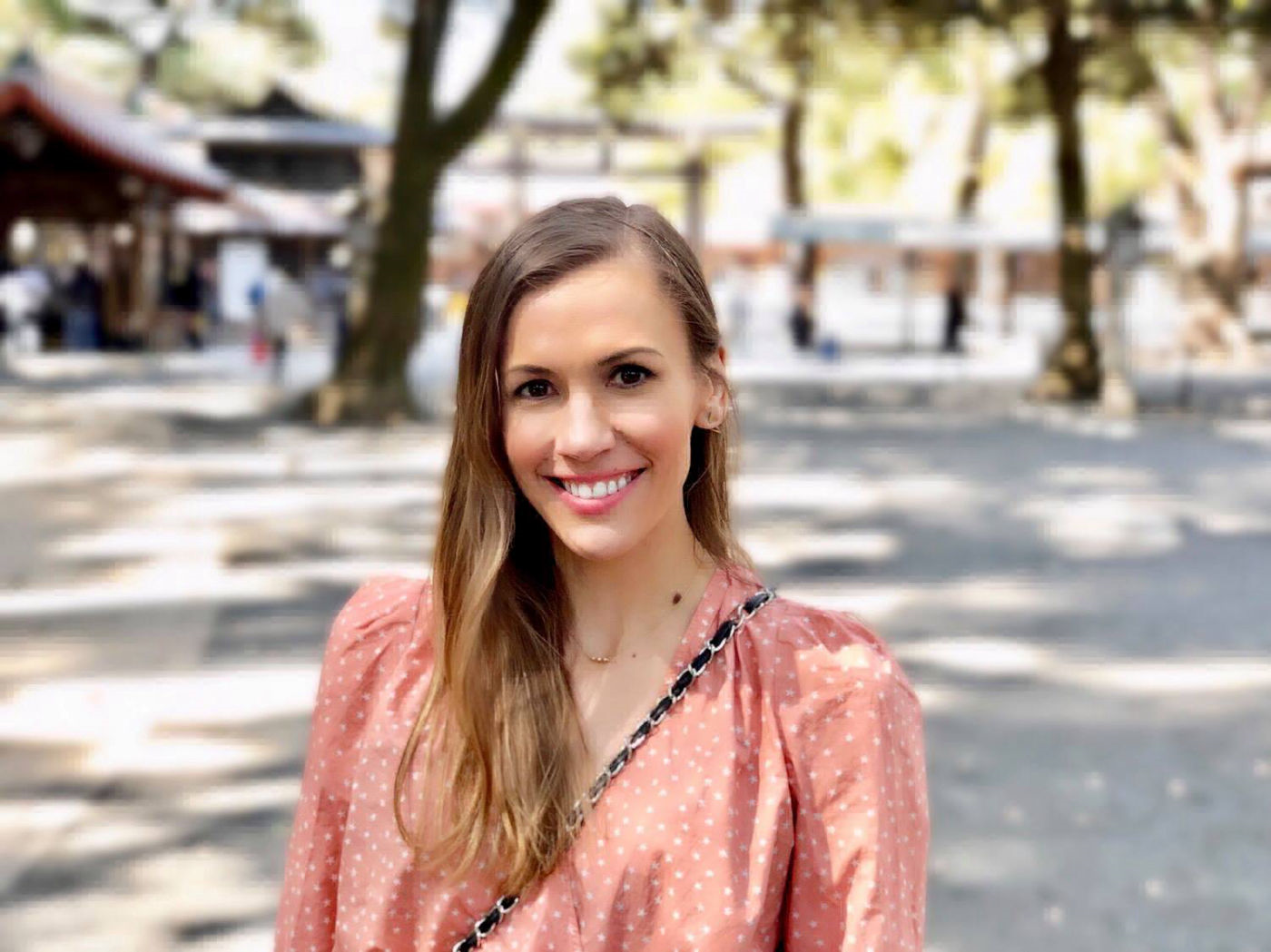
Julia Knox is a researcher at the Columbia Mailman School of Public Health, and an M.S. Candidate in Narrative Medicine in the Columbia Department of Medical Humanities and Ethics. She is interested in the methods by which data takes narrative form in our society. The focus of her research includes exposure to environmental mixtures, maternal/paternal-child health, and transgenerational epigenetics. An AmeriCorps alumna who earned her Master’s of Public Health in 2016, she is dedicated to mentorship and sustainable community investments. She is passionate about making space in academic science for people with disadvantaged backgrounds, and hopes that will reflect in a more comprehensive set of research interests in genomics, and eventually, in a better world. A former resident of the Harvard Innovation Lab, she also enjoys coding and robotics.
Working Group Affiliation
Nancy Ko
Ph.D. student, History, Columbia University
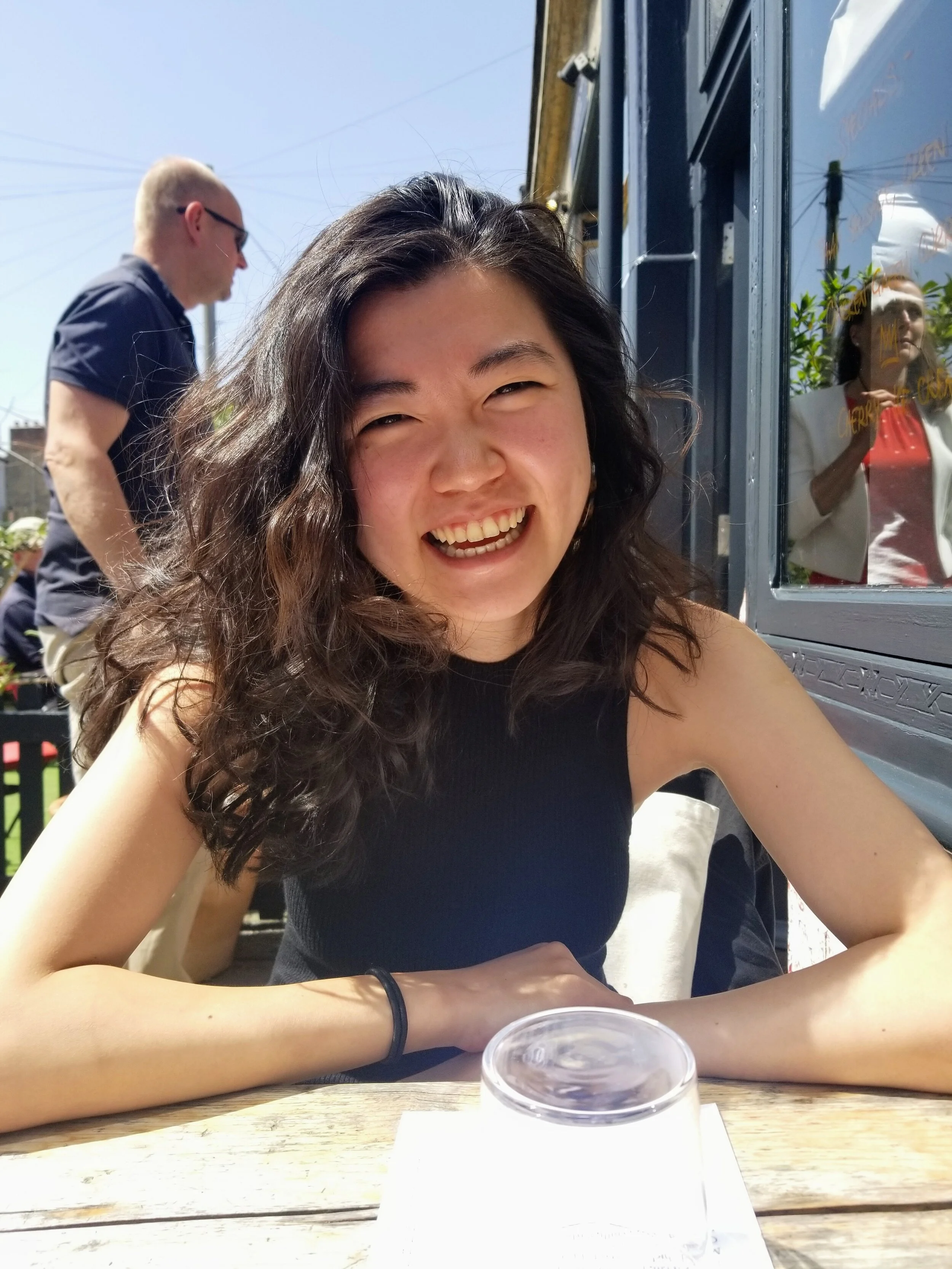
Nancy Ko is a scholar of race, capital, and migration working at the intersection of Jewish and Middle East Studies. A Ph.D. student in the Department of History at Columbia University, her present research traces the consequences of the emergence of Sephardic identity politics in the global Middle East. Nancy holds an MPhil at the University of Oxford, where she was a Rhodes Scholar, and a B.A. from Harvard University, where she was a founding organizer of the Open Hillel movement.
Nancy Ko
Ph.D. student, History, Columbia University
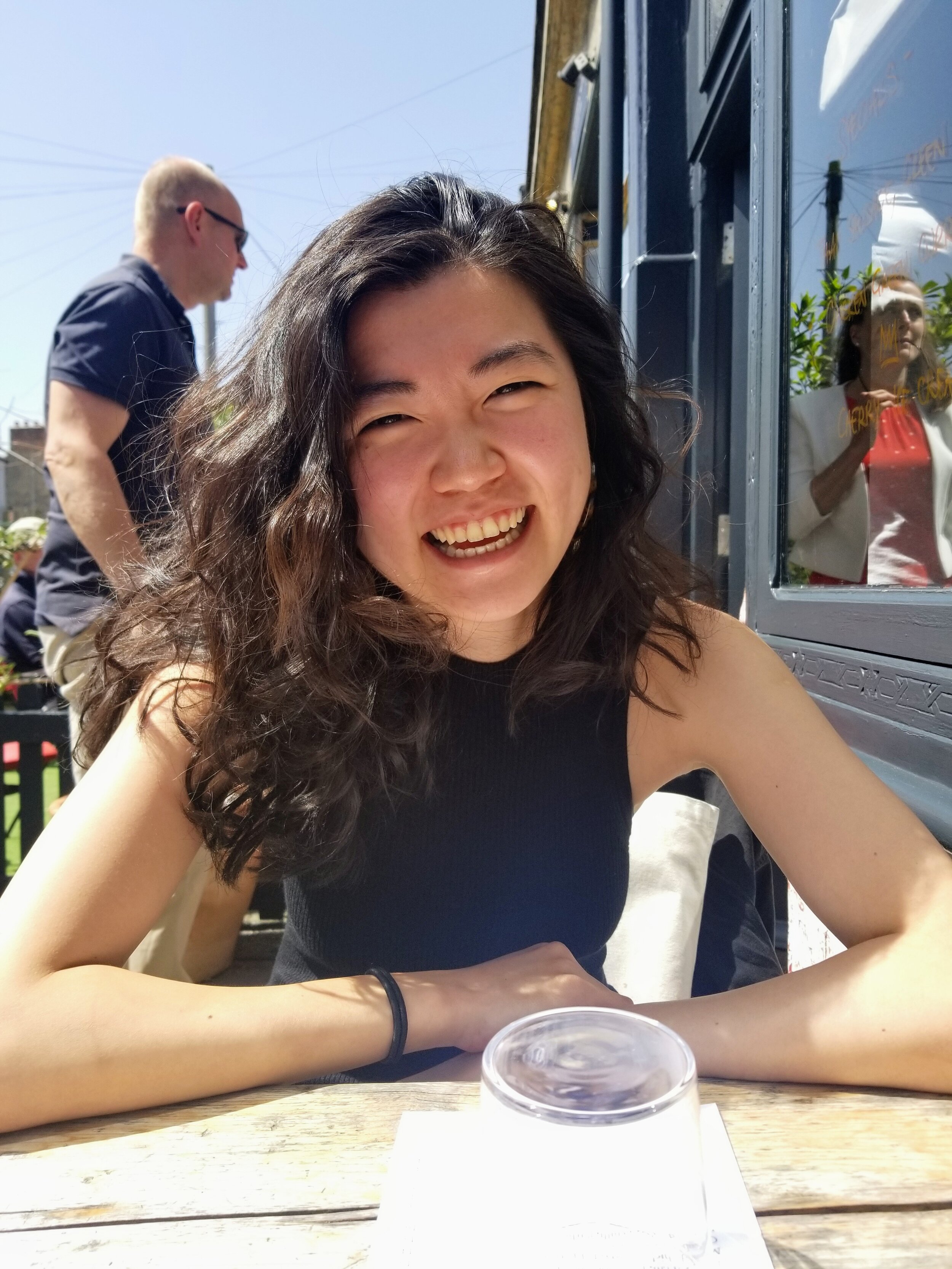
Nancy Ko is a scholar of race, capital, and migration working at the intersection of Jewish and Middle East Studies. A Ph.D. student in the Department of History at Columbia University, her present research traces the consequences of the emergence of Sephardic identity politics in the global Middle East. Nancy holds an MPhil at the University of Oxford, where she was a Rhodes Scholar, and a B.A. from Harvard University, where she was a founding organizer of the Open Hillel movement. She now teaches topics in history and philosophy at Columbia and Harvard, and proudly organizes with Student Workers of Columbia. Nancy is a recipient of the Paul & Daisy Soros Fellowship for New Americans. She can be heard in conversation with recent authors in History and Critical Theory over at the New Books Network.
Working Group Affiliations
Zip Code Memory Project: Practices of Justice and Repair, Social Engagement Project
Leah Kogen-Elimeliah
Doctoral Student, English, City College of New York
Leah Kogen-Elimeliah is a poet, essayist, short story and nonfiction writer from Moscow, currently living in New York City. She is an MFA candidate at City College of New York, is the Founder and Director of WordShedNYC Reading Series and an Editorial Associate for Fiction literary magazine.
Leah Kogen-Elimeliah
MFA candidate, City College of New York

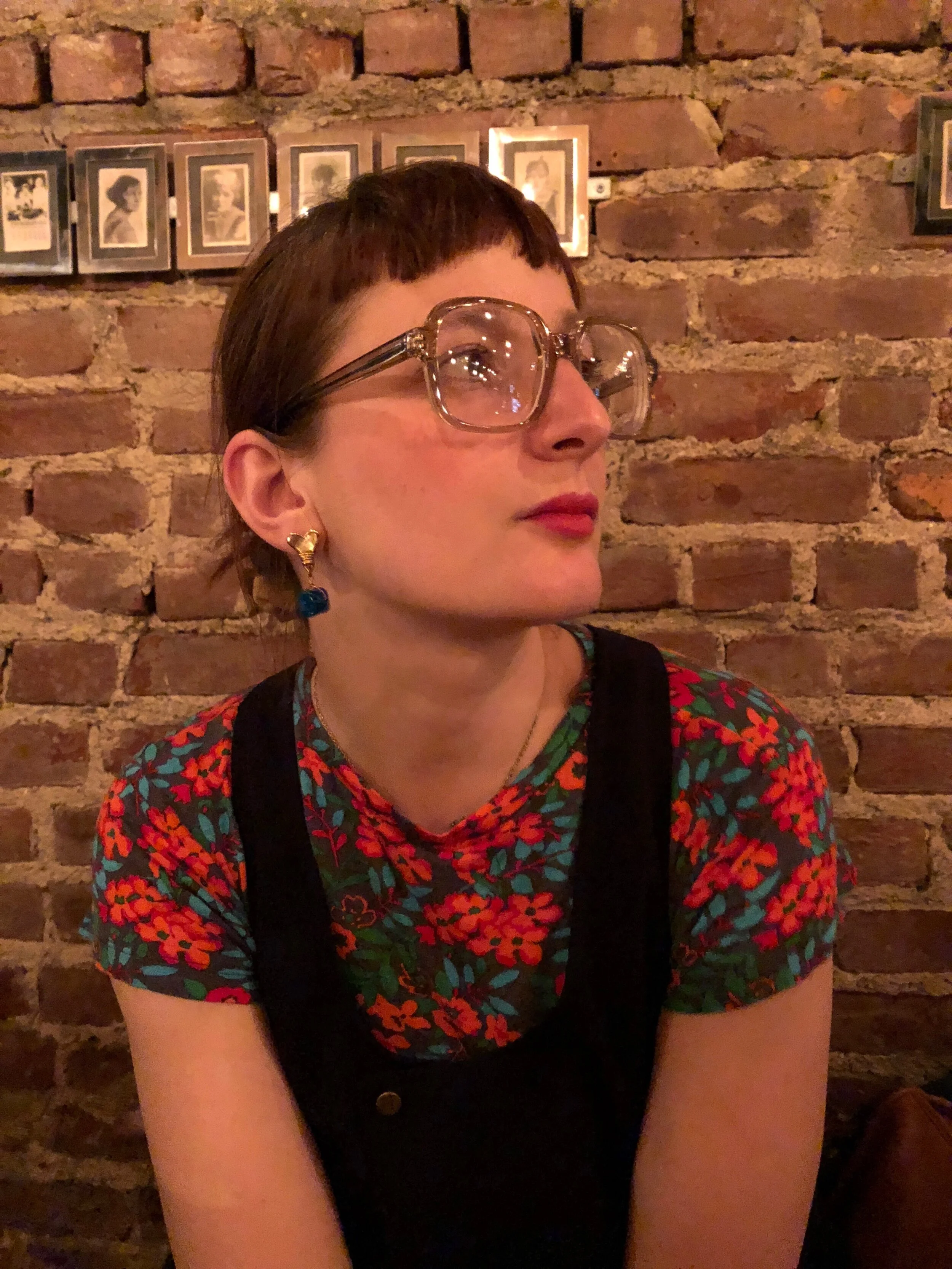
Leah Kogen-Elimeliah is a poet, essayist, short story and nonfiction writer from Moscow, currently living in New York City. She is an MFA candidate at City College of New York, is the Founder and Director of WordShedNYC Reading Series and an Editorial Associate for Fiction literary magazine. Leah has collaborated on various art/poetry projects with Benjamin Briones Ballet Company, independent choreographers and dancers as well as videographers experimenting with multimedia and poetry. She's had her work featured on The Red Stage organized by Creative Time, The NYC Poetry Festival and The Higher Ground Arts Festival. Her writing focuses on immigration, identity, language, sexuality and culture. Leah lives in Manhattan with her husband and their children.
Working Group Affiliations
Zip Code Memory Project: Practices of Justice and Repair, Social Engagement Project
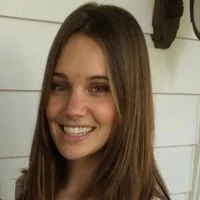
Kathleen Kraus
Doctoral Student, Sociomedical Sciences, Mailman School of Public Health, Columbia University
Kathleen Kraus is a second year Master of Public Health student at Columbia Mailman School of Public Health in the Department of Sociomedical Sciences. Her academic focus includes chronic disease prevention and health policy. Prior to attending Mailman, Kathleen worked as an Associate at Voz Advisors (formerly MK&A), a patient advocacy relations consultancy to the pharmaceutical industry.
Kathleen Kraus
Graduate Student, Department of Sociomedical Sciences, Mailman School of Public Health, Columbia University
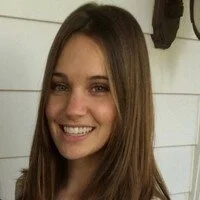
Kathleen Kraus is a second year Master of Public Health student at Columbia Mailman School of Public Health in the Department of Sociomedical Sciences. Her academic focus includes chronic disease prevention and health policy. Prior to attending Mailman, Kathleen worked as an Associate at Voz Advisors (formerly MK&A), a patient advocacy relations consultancy to the pharmaceutical industry. In this role, she observed both the promise and limitations of precision medicine for oncology patients. From this work, she became interested in studying the ethical considerations of precision medicine from a population health perspective, with a special interest in oncology. Kathleen holds a BA in Organizational Studies from the University of Michigan.
Working Group Affiliation

Anna Krauthamer
Ph.D. Candidate, English & Comparative Literature, Columbia University
Anna Krauthamer is a Ph.D. candidate in Columbia's English & Comparative Literature department, where she studies and writes about contemporary novels, theories of literary character, and disability. She is currently beginning a dissertation project focused on character typologies in contemporary fiction.
Anna Krauthamer
Ph.D. Candidate, English & Comparative Literature, Columbia University

Anna Krauthamer is a Ph.D. candidate in Columbia's English & Comparative Literature department, where she studies and writes about contemporary novels, theories of literary character, and disability. She is currently beginning a dissertation project focused on character typologies in contemporary fiction. Prior to beginning her graduate studies, she worked in publishing at a literary agency and later as the assistant director of Columbia's Center for Critical Thought. Her writing has appeared in Avidly and The LA Review of Books, and is forthcoming at several other venues.
Working Group Affiliation
Motherhood and Technology, Graduate Assistant
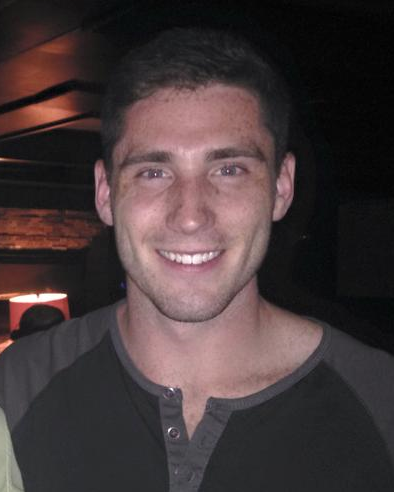
Daniel Krizay
PhD Student, Genetics & Development, Columbia University
Daniel Krizay is a PhD student in the department of Genetics & Development, who is currently a researcher in the lab of Dr. David Goldstein in the Institute for Genomic Medicine. Daniel is originally from Centreville, Virginia and attended Northeastern University where he received his B.S. degree in Biochemistry. Before moving to New York City for graduate school, Daniel worked full-time for nearly two years in Boston as a researcher in fields ranging from antibiotic characterization to Spinal Muscular Atrophy research.
Daniel Krizay
PhD Student, Columbia University

Daniel Krizay is a PhD student in the department of Genetics & Development, who is currently a researcher in the lab of Dr. David Goldstein in the Institute for Genomic Medicine. Daniel is originally from Centreville, Virginia and attended Northeastern University where he received his B.S. degree in Biochemistry. Before moving to New York City for graduate school, Daniel worked full-time for nearly two years in Boston as a researcher in fields ranging from antibiotic characterization to Spinal Muscular Atrophy research. As a graduate student, Daniel’s research focuses on the modelling and characterization of genetic causes of neurological conditions. In particular, he is researching Dravet Syndrome, a rare genetic epileptic encephalopathy, with the long-term goal of identifying novel therapeutic options for those suffering from this disease.
Working Group Affiliation

Irina Kulichenkova
Doctoral Student, Narrative Medicine, Columbia University
Hippocrates said, “Wherever the art of medicine is loved – there is also a love of humanity.” This quote explains her own reflections and values in life. She loves humanity, and she chose to devote her life to science and medicine because she wants to make a difference in patients’ lives, alleviate patients’ suffering, and positively influence the healthcare system of the United States and worldwide. Presently, she is a graduate student in the Program of Narrative Medicine at Columbia University.
Irina Kulichenkova
Graduate Student, Narrative Medicine, Columbia University

Hippocrates said, “Wherever the art of medicine is loved – there is also a love of humanity.” This quote explains her own reflections and values in life. She loves humanity, and she chose to devote her life to science and medicine because she wants to make a difference in patients’ lives, alleviate patients’ suffering, and positively influence the healthcare system of the United States and worldwide. Her academic career equipped her with a variety of valuable skills that she will crossover and use while being a part of the Precision Medicine: Ethics, Politics, and Culture 2019-2020 project. She believes in the value of precision medicine and how ethics, politics, and culture play pivotal roles. Presently, she is a graduate student in the Program of Narrative Medicine at Columbia University. She curates and organizes the annual fine art exhibition at Columbia University Irving Medical Center. In May of 2018, she graduated with a Master of Arts in Biotechnology from GSAS, Columbia University. And she holds a Bachelor of Science in Biology from Long Island University. As a scientist, curiosity is part of her nature. Her art skills and interest in the humanities always help her reveal new horizons and expand her creative ideas. The masterpieces by great artists, such as Leonardo da Vinci, Pablo Picasso, Claude Monet, Cezanne and the philosophical literature by Plato, Descartes, Maurice Merleau-Ponty and Søren Kierkegaard, to name a few, are her inspiration to create new concepts that she blends with science and medicine. She is enamored with the way Leonardo da Vinci and the Nobel Prize winner Eric Kandel interweave art with diverse disciplines. Their use of form, style, method of writing and painting, color, placement, process, beauty, and imagination are pure genius.
Working Group Affiliation

Aya Labanieh
Ph.D. Candidate, English and Comparative Literature, Columbia University
Aya Labanieh is a Ph.D. candidate in the English and Comparative Literature Department, where she works on imperial conspiracies and their conspiracy-theory afterlives in 20th and 21st century Middle Eastern literature and politics. Her broader interests include conspiratorial thinking within a global digital context, and how conspiracy theories function as alternate histories, heretical discourses, popular critiques, epistemic injuries, and modern enchantments.
Aya Labanieh
Ph.D. candidate, English and Comparative Literature, Columbia University

Aya Labanieh is a Ph.D. candidate in the English and Comparative Literature Department, where she works on imperial conspiracies and their conspiracy-theory afterlives in 20th and 21st century Middle Eastern literature and politics. Her broader interests include conspiratorial thinking within a global digital context, and how conspiracy theories function as alternate histories, heretical discourses, popular critiques, epistemic injuries, and modern enchantments. Aya is an instructor of record for writing composition at Columbia University, a Public Humanities Fellow with the Heyman Center's ZIP Code Memory Project, a Lead Teaching Fellow with the Center for Teaching and Learning, and the Assistant Editor at the Journal of Arabic Literature. Her writing has appeared in the MOSF Journal of Science Fiction, Politics/Letters quarterly, and Aeon magazine. Before coming to Columbia, she received three B.A. degrees (with honors) in Comparative Literature, Philosophy, and French Literature from the University of California, Irvine.
Working Group Affiliations
Zip Code Memory Project: Practices of Justice and Repair, Social Engagement Project

Delilah Leibowitz
Doctoral Student, Narrative Medicine, Columbia University
Delilah Leibowitz is currently a graduate student studying Narrative Medicine at Columbia University. She graduated magna cum laude from the University of Southern California in 2019. She holds a B.A. in Health and the Human Sciences, with an emphasis in Internal Health. Delilah participated in several research labs throughout her undergraduate studies, ranging from studying fluoresced vasculature pathways of Zebrafish embryos to her work in understanding the relationship between blood proteins and cognitive function.
Delilah Leibowitz
Graduate Student, Narrative Medicine, Columbia University

Delilah Leibowitz is currently a graduate student studying Narrative Medicine at Columbia University. She graduated magna cum laude from the University of Southern California in 2019. She holds a B.A. in Health and the Human Sciences, with an emphasis in Internal Health. Delilah participated in several research labs throughout her undergraduate studies, ranging from studying fluoresced vasculature pathways of Zebrafish embryos to her work in understanding the relationship between blood proteins and cognitive function. She is an avid runner and enjoys reading in her spare time. Delilah aspires to become a healthcare practitioner.
Working Group Affiliation
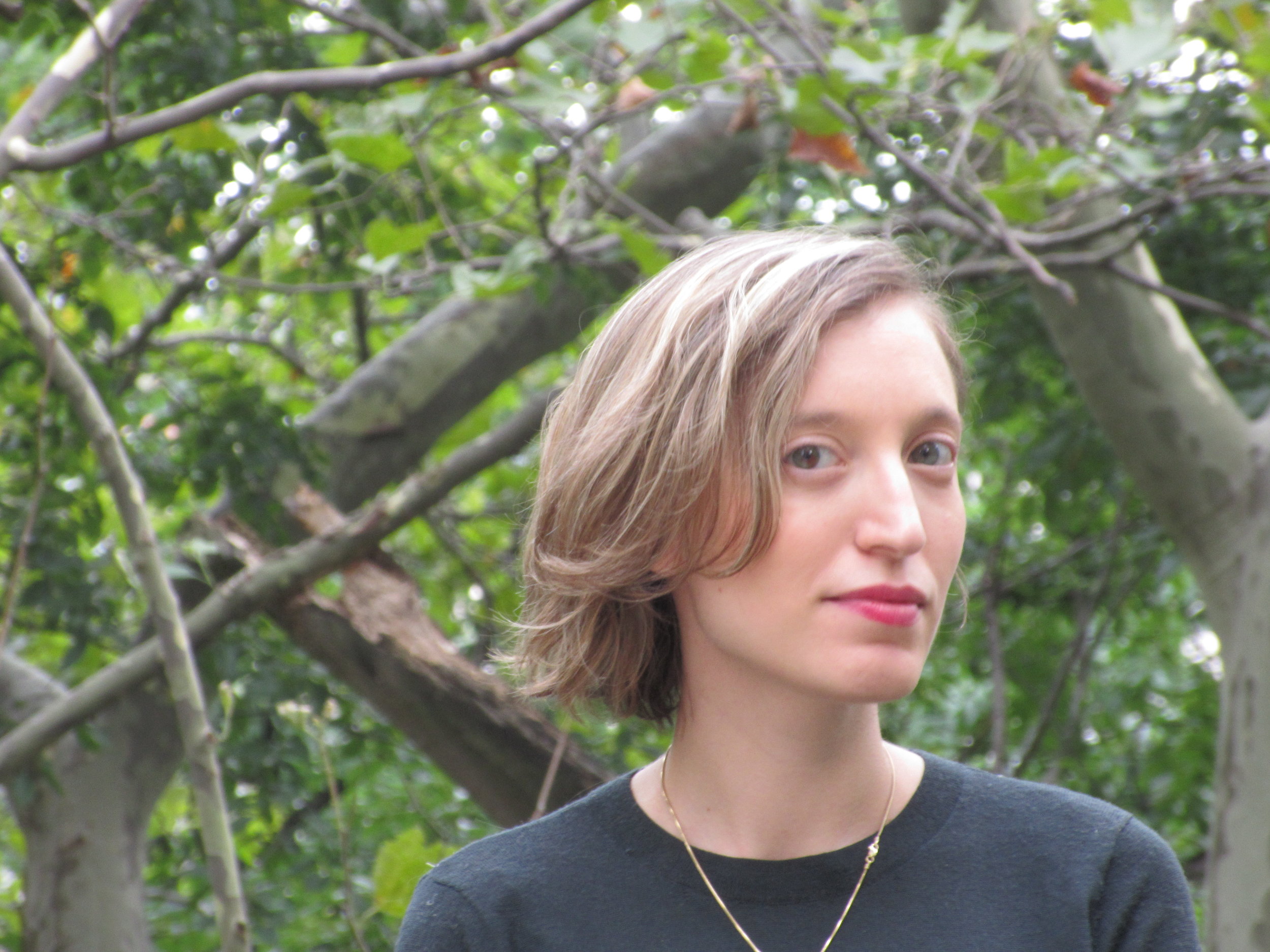
Moran Levy
PhD Student, Sociology, Columbia University
Moran Levy is a Doctoral Candidate at the Department of Sociology at Columbia University and a fellow with the working group on Precision Medicine: Ethics, Politics and Culture. Moran’s research focuses on classification of patients and diseases. She examines the role of social institutions in shaping biomedical classification as well the social consequences of diagnostic practices.
Moran Levy
PhD Student, Columbia University
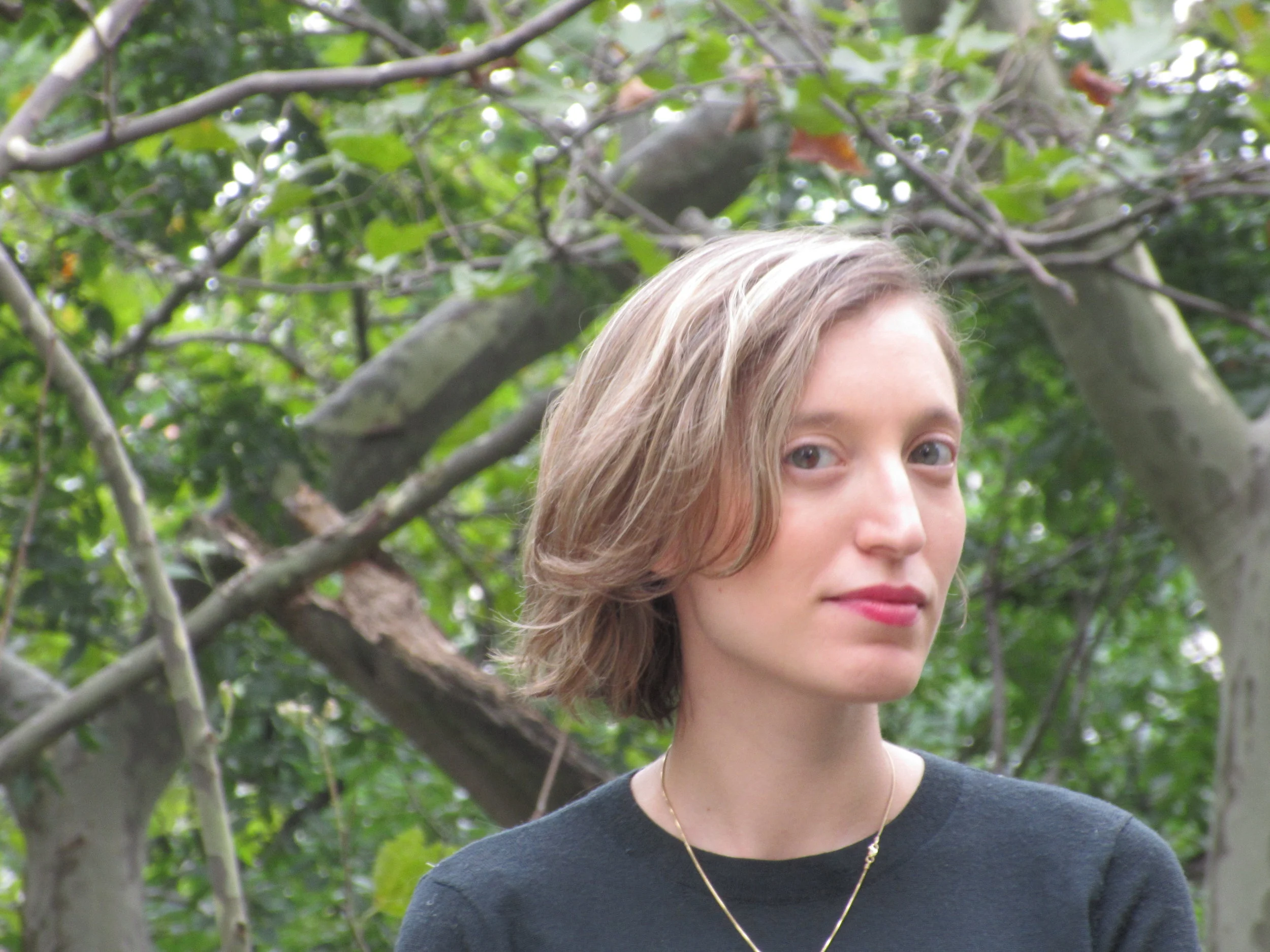
Moran Levy is a Doctoral Candidate at the Department of Sociology at Columbia University and a fellow with the working group on Precision Medicine: Ethics, Politics and Culture.
Moran’s research focuses on classification of patients and diseases. She examines the role of social institutions in shaping biomedical classification as well the social consequences of diagnostic practices. Her dissertation focuses on cancer clinical trials conducted between 1950-1990 and explores how cancer diagnoses changed as different groups of experts brought into research and into healthcare new, and often conflicting approaches to classifications. She then investigates the implication of such transformation for patients and their effect on health inequalities. As part of the Precision Medicine group, Moran examines these questions in the context of cancer genetics. The introduction of genetics into cancer medicine creates new, increasingly narrow, cancer diagnoses. Moran’s research aims to explore the social consequences of the splitting up of diagnoses; how do new genetic classification map onto and interact with existing social and clinical categories? How might the specification of diagnoses affect patient mobilization and the inclusion/exclusion of patients from diverse social groups in cancer research?
Working Group Affiliation
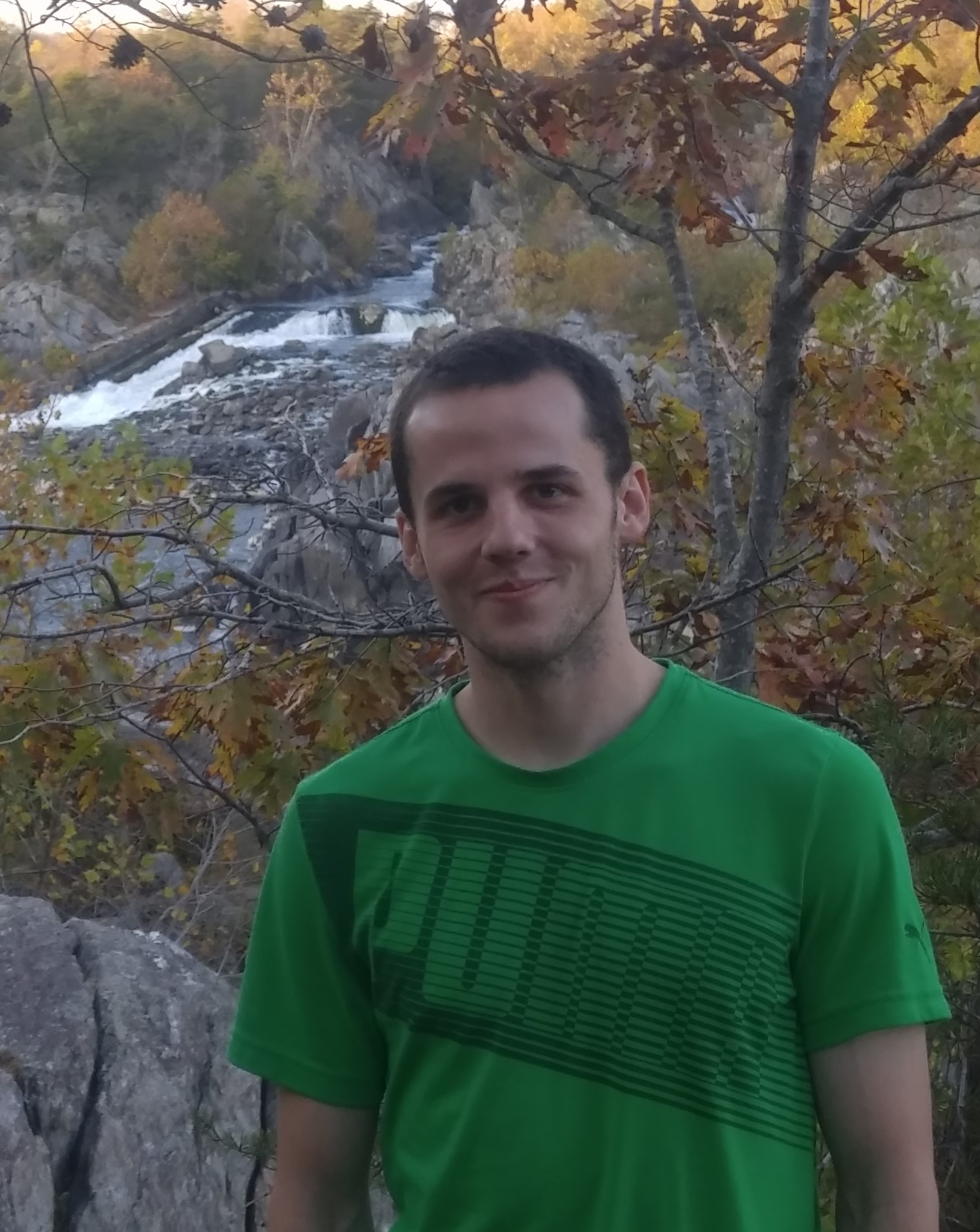
Aaron Limoges
PhD Student, Biological Sciences, Columbia University
Aaron Limoges is a PhD student in the Department of Biological Sciences. His doctoral research is performed at the New York State Psychiatric Institute, where he studies cell- and circuit-level mechanisms through which stress affects cognition and mood. As a neuroscientist, Aaron wants to find new ways to merge biological and behavioral data.
Aaron Limoges
PhD Student, Department of Biological Sciences, Columbia University
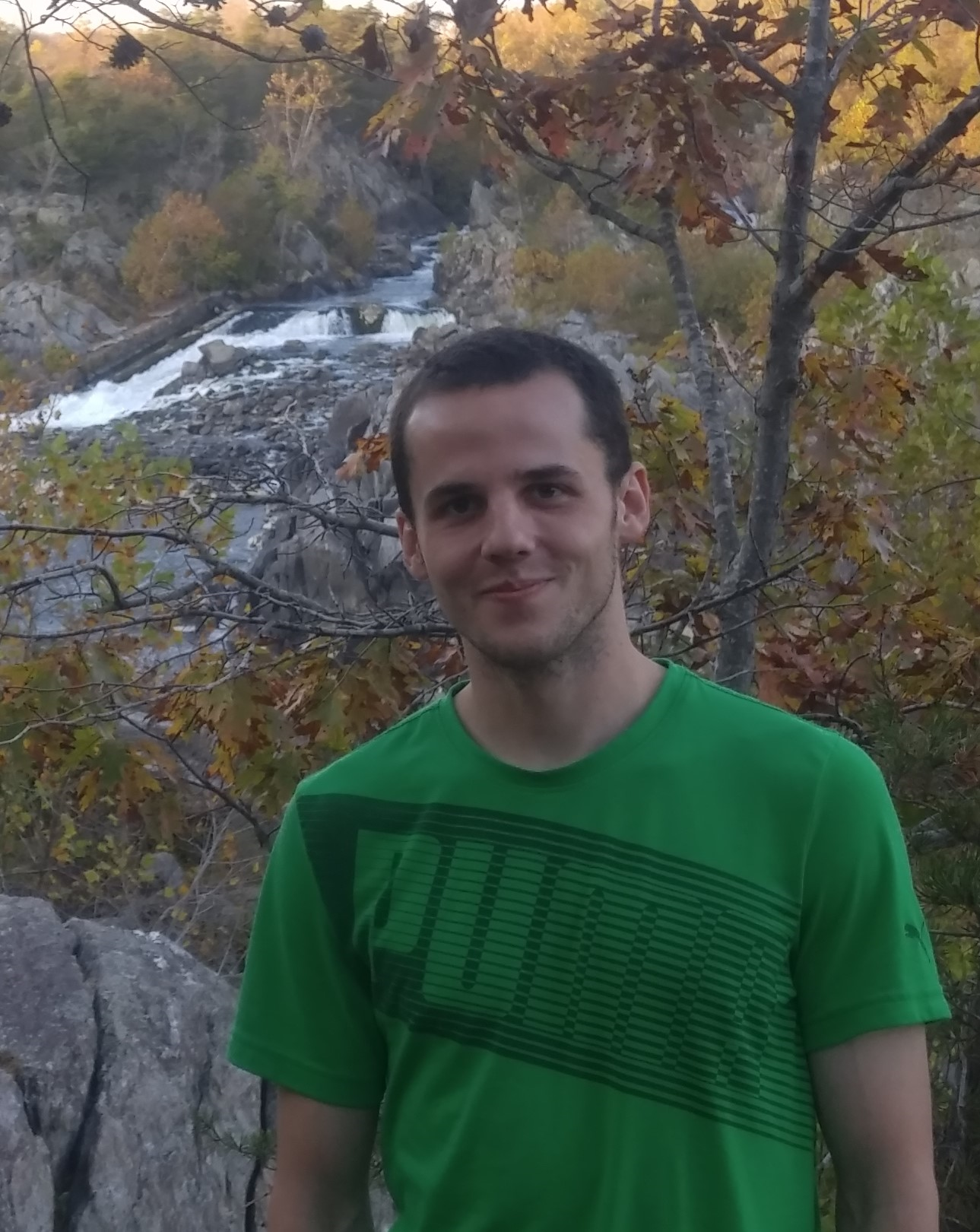
Aaron Limoges is a PhD student in the Department of Biological Sciences. His doctoral research is performed at the New York State Psychiatric Institute, where he studies cell- and circuit-level mechanisms through which stress affects cognition and mood. As a neuroscientist, Aaron wants to find new ways to merge biological and behavioral data. While he believes that statistical modeling can help diagnose patients and predict their responsiveness to certain treatments, building accurate models requires an abundance of patient information, and Aaron therefore hopes to help scientists, regulators, and the public work together so that rights to privacy are respected. Before coming to Columbia, Aaron earned his B.S. in Psychology from Kansas State University and was a Post-Baccalaureate Fellow at the National Institutes of Health.
Working Group Affiliation

Penelope Lusk
Doctoral Student, Narrative Medicine, Columbia University
Penelope Lusk is a graduate student in the Narrative Medicine program at Columbia University. She holds a BA in English Literature from Bowdoin College. Born and raised in Brooklyn, New York, she currently she works as a Project Associate for the Program for Medical Education Innovations and Research at New York University. In the future, she hopes to continue working at the crossroads of medical education and the health humanities.
Penelope Lusk
Graduate Student, Narrative Medicine, Columbia University

Penelope Lusk is a graduate student in the Narrative Medicine program at Columbia University. She holds a BA in English Literature from Bowdoin College. Born and raised in Brooklyn, New York, she currently she works as a Project Associate for the Program for Medical Education Innovations and Research at New York University. In the future, she hopes to continue working at the crossroads of medical education and the health humanities.
Working Group Affiliation

Trisha Maharaj
Doctoral Student, Graduate School of Arts and Sciences, Columbia University
Trisha Maharaj is a MA candidate in the Human Rights Studies program at Columbia University. Her research focuses on cultural and religious practices related to menstruation and women’s experiences and attitudes in the Hindu diaspora of Trinidad.
Trisha Maharaj
Graduate Student, Graduate School of Arts and Sciences, Columbia University

Trisha Maharaj is a MA candidate in the Human Rights Studies program at Columbia University. Her research focuses on cultural and religious practices related to menstruation and women’s experiences and attitudes in the Hindu diaspora of Trinidad. She holds a B.A. from American University in International Studies with a focus on International Politics and a regional focus in Africa.
Working Group Affiliation
Larry Madowo
Doctoral Student, Journalism, Columbia University
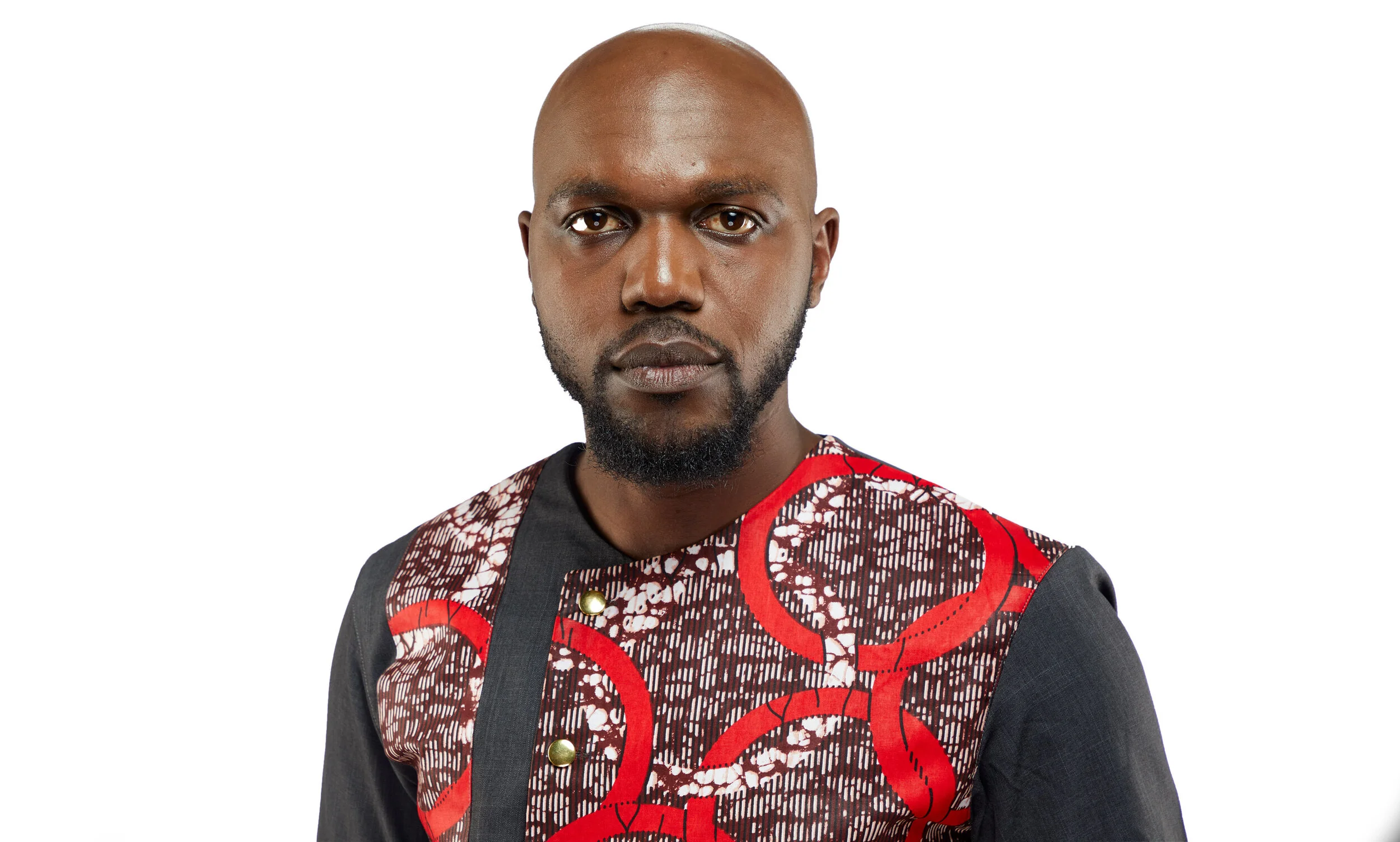
Larry Madowo is a Knight-Bagehot Fellow in Economics and Business Journalism at Columbia University. He is also a candidate for an M.A. in Business and Economics at Columbia Journalism School. Before taking up the fellowship in New York City, he was the BBC Africa Business Editor. Larry launched 6 syndicated BBC TV shows in English, Swahili and French and led the broadcaster’s coverage of business in Africa.
Larry Madowo
Graduate Student, School of Journalism, Columbia University

Larry Madowo is a Knight-Bagehot Fellow in Economics and Business Journalism at Columbia University. He is also a candidate for an M.A. in Business and Economics at Columbia Journalism School. Before taking up the fellowship in New York City, he was the BBC Africa Business Editor. Larry launched 6 syndicated BBC TV shows in English, Swahili and French and led the broadcaster’s coverage of business in Africa. He was named among the 100 Most Influential Africans by NewAfrican magazine. He has reported from more than 40 countries and interviewed some of the world’s most prominent business, political and cultural leaders. He is an international correspondent, speaker and writer who has previously worked in Nairobi, London and Johannesburg. His work has been featured on numerous global outlets including CNN International, the Washington Post, Al Jazeera English, France 24, ABC News Australia and RTÉ Ireland. Larry has presented his own radio and television shows and spoken at conferences around the world. He is also a pioneering digital journalist with an audience of nearly 4 million followers on social media.
Working Group Affiliation
Racial Capitalism, Media Fellow (2020)