
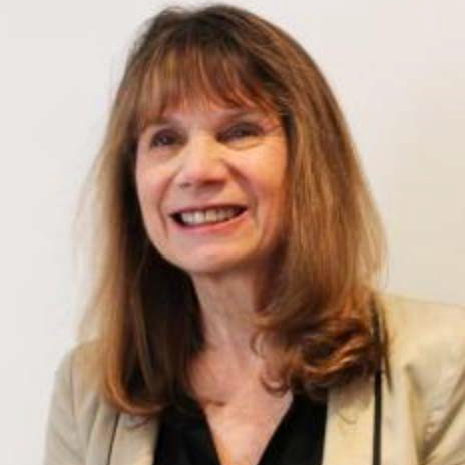
Mary McLeod
Professor, Department of Architecture, Graduate School of Architecture, Planning, and Preservation, Columbia University
Mary McLeod teaches architecture history and theory, and occasionally studio. Her research and publications have focused on the history of the modern movement and on contemporary architecture theory, examining issues concerning the connections between architecture and ideology. She is co-editor of Architecture, Criticism, Ideology and Architecture Reproduction, and is the editor of and contributor to the book Charlotte Perriand: An Art of Living (Abrams, 2003). She also initiated and helped curate the exhibition Charlotte Perriand: Interior Equipment, held at the Urban Center in New York.
Mary McLeod
Professor of Architecture, Graduate School of Architecture, Planning, and Preservation, Columbia University

Mary McLeod teaches architecture history and theory, and occasionally studio. She has also taught at Harvard University, University of Kentucky, University of Miami and the Institute for Architecture and Urban Studies. Her research and publications have focused on the history of the modern movement and on contemporary architecture theory, examining issues concerning the connections between architecture and ideology.
McLeod is co-editor of Architecture, Criticism, Ideology and Architecture Reproduction, and is the editor of and contributor to the book Charlotte Perriand: An Art of Living (Abrams, 2003). She also initiated and helped curate the exhibition Charlotte Perriand: Interior Equipment, held at the Urban Center in New York. Her articles have appeared in Assemblage, Oppositions, Art Journal, AA Files, JSAH, Casabella, Art Journal, Harvard Design Magazine and Lotus as well as other journals and anthologies, such as The Sex of Architecture, Architecture in Fashion, Architecture of the Everyday, Architecture and Feminism, The Pragmatist Imagination, The State of Architecture, Fragments: Architecture and the Unfinished, Architecture Theory since 1968, Oppositions Reader, Le Parole dell'Architettura, and Modern Women: Women Artists at The Museum of Modern Art. She has received numerous fellowships and awards, including a Fulbright Fellowship, NEH award, and grants from New York Council of the Arts and the Graham Foundation.
Working Group Affiliation
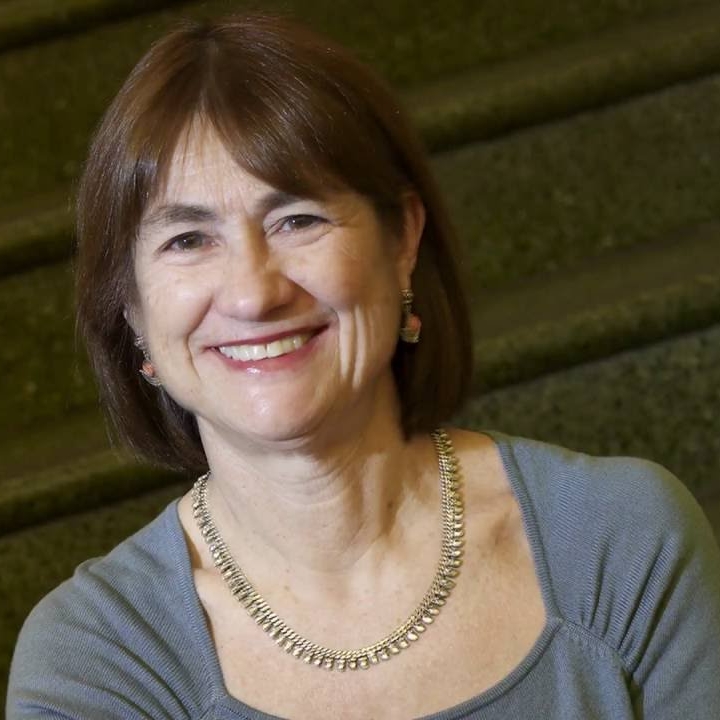
Sally Engle Merry
Fellow, Anthropology, New York University
Sally Engle Merry's recent books include Colonizing Hawai‘i (Princeton, 2000), Human Rights and Gender Violence (Chicago, 2006), Gender Violence: A Cultural Perspective (Blackwell, 2009) and The Practice of Human Rights, (co-edited with Mark Goodale; Cambridge, 2007). Her most recent book, The Seductions of Quantification: Measuring Human Rights, Gender Violence, and Sex Trafficking (Chicago: University of Chicago Press, 2016) examines indicators as a technology of knowledge used for human rights monitoring and global governance. She received the Hurst Prize for Colonizing Hawai‘i in 2002, the Kalven Prize for scholarly contributions to sociolegal scholarship in 2007, and theJ.I. Staley Prize for Human Rights and Gender Violence in 2010.
Sally Engle Merry
Silver Professor of Anthropology, New York University

Sally Engle Merry is Silver Professor of Anthropology at New York University. She is also a Faculty Director of the Center for Human Rights and Global Justice at the New York University School of Law, and past president of the American Ethnological Society. Her recent books include Colonizing Hawai‘i (Princeton, 2000), Human Rights and Gender Violence (Chicago, 2006), Gender Violence: A Cultural Perspective (Blackwell, 2009) and The Practice of Human Rights, (co-edited with Mark Goodale; Cambridge, 2007). Her most recent book, The Seductions of Quantification: Measuring Human Rights, Gender Violence, and Sex Trafficking (Chicago: University of Chicago Press, 2016) examines indicators as a technology of knowledge used for human rights monitoring and global governance. She has co-edited two books on quantification, The Quiet Power of Indicators, with Kevin Davis and Benedict Kingsbury (Cambridge University Press, 2015) and A World of Indicators, with Richard Rottenburg, Song-Joon Park, and Johanna Mugler (Cambridge University Press 2015), 2015. She is the author or editor of fifteen books and special journal issues. She received the Hurst Prize for Colonizing Hawai‘i in 2002, the Kalven Prize for scholarly contributions to sociolegal scholarship in 2007, and theJ.I. Staley Prize for Human Rights and Gender Violence in 2010. In 2013 she received an honorary degree from McGill School of Law and was the focus of an Author Colloquium at the Center for Interdisciplinary Research (ZIF) at the University of Bielefeld, Germany. She is an Honorary Professor at Australian National University.
Working Group Affiliations
Dipali Mukhopadhyay
Assistant Professor, Department of International Politics, School of International and Public Affairs
Dipali Mukhopadhyay is a faculty affiliate of the Saltzman Institute of War and Peace Studies. She recently published the book Warlords, Strongman Governors and State Building in Afghanistan (Cambridge, 2014). Prior to joining SIPA and Saltzman, Mukhopadhyay spent 2011 as a post-doctoral fellow at Princeton University. She has been conducting research in Afghanistan since 2007 and made her first trip to the country for a project with the Aga Khan Development Network in 2004. She also conducted research along the Turkey-Syria border in 2013 and 2014.
Dipali Mukhopadhyay
Assistant Professor, School of International and Public Affairs, Columbia University
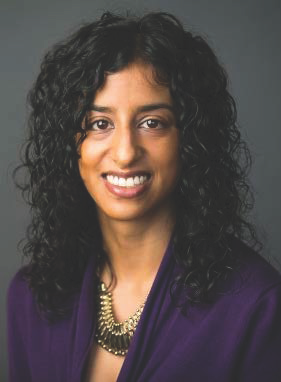
Dipali Mukhopadhyay is a faculty affiliate of the Saltzman Institute of War and Peace Studies. She recently published the book Warlords, Strongman Governors and State Building in Afghanistan (Cambridge, 2014). Prior to joining SIPA and Saltzman, Mukhopadhyay spent 2011 as a post-doctoral fellow at Princeton University. She has been conducting research in Afghanistan since 2007 and made her first trip to the country for a project with the Aga Khan Development Network in 2004. She also conducted research along the Turkey-Syria border in 2013 and 2014. Mukhopadhyay’s research has been funded by the Carnegie Corporation, the Eisenhower Institute, the Smith Richardson Foundation, the U.S. Institute of Peace, Harvard Law School, and the U.S. Department of Education. Her writings have been published in academic books and journals as well as by the Carnegie Endowment for International Peace, Foreign Policy, U.S. News & World Report, and the Washington Post's Monkey Cage Blog. She is a term member at the Council on Foreign Relations.
Working Group Affiliation
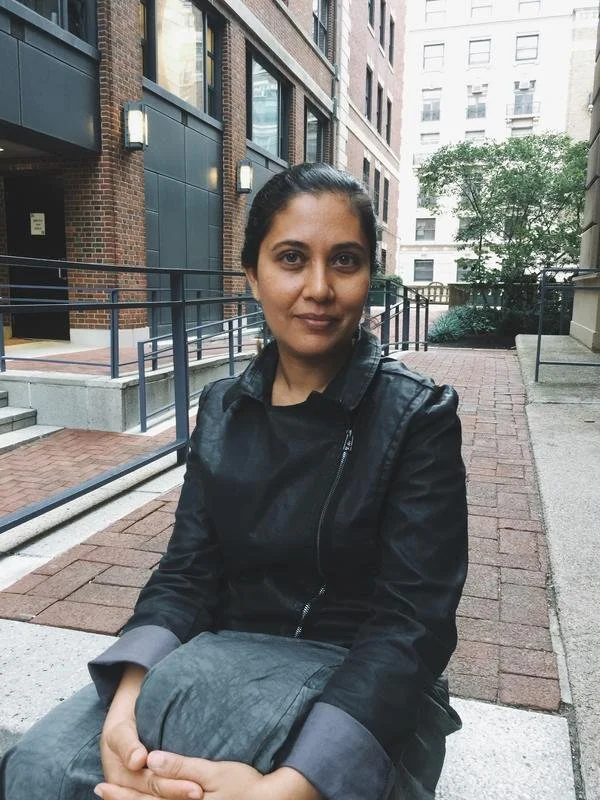
Anupama Rao
Associate Professor, Department of History, Columbia University
Anupama Rao has research and teaching interests in the history of anti-colonialism; caste and race; historical anthropology, social theory and intellectual history, and comparative urbanism. She is Senior Editor, Comparative Studies in South Asia, Africa and the Middle East. She has served as President, Society for the Advancement of South Asian History (American Historical Association), and on the South Asia Council of the Association for Asian Studies. Her work has been supported by fellowships at the Center for Advanced Study in the Behavioral Sciences (Stanford) and the National Humanities Center (North Carolina), and by grants for the American Institute for Indian Studies, and the National Endowment for the Humanities.
Anupama Rao
Associate Professor, History and Associate Director, Institute for Comparative Literature and Society
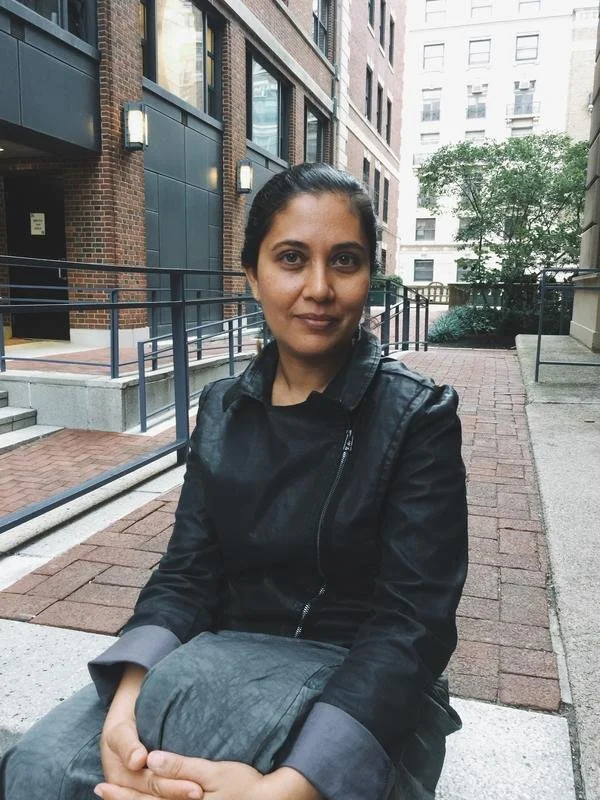
Anupama Rao, Associate Professor, History, Barnard College, is the author of The Caste Question: Dalits and the Politics of Modern India (U California Press, 2009), and numerous essays on colonialism and humanitarianism, and on non-Western histories of gender and sexuality. She has been a Fellow-in-Residence at the National Humanities Center; at the Center for Advanced Study in the Behavioral Sciences (Stanford); and at REWORK (Humboldt University, Berlin). Rao is co-convenor of “Subaltern Urbanism,” which is supported by Columbia’s Center for the Study of Social Difference, and was supported by a faculty grant from the Heyman Center for the Humanities. From 2014 to 2015, she was co-convenor of the project Asian Spatialities, supported by the Mellon Foundation and the International Institute of Asian Studies (Leiden). Rao is currently working on a book on the political thought of B. R. Ambedkar; and on a project titled Dalit Bombay, which explores the relationship between caste, political culture, and everyday life in colonial and postcolonial Bombay. Rao is currently Senior Editor, Comparative Studies in South Asia, Africa, and the Middle East, and Associate Director, Institute for Comparative Literature and Society.
Working Group Affiliations
Gender and the Global Slum, Project Director
Geographies of Injustice: Gender and the City, Project Director
Liberalism’s Others, Project Director
Reframing Gendered Violence, Project Director
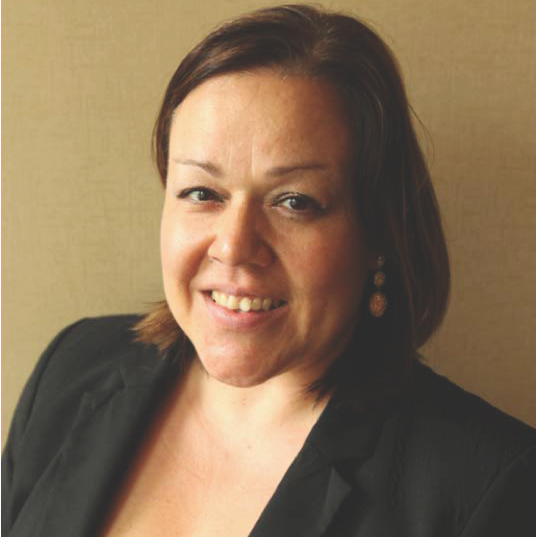
Audra Simpson
Associate Professor, Department of Anthropology, Columbia University
Audra Simpson is Associate Professor of Anthropology at Columbia University. She is the author of Mohawk Interruptus: Political Life Across the Borders of Settler States (Duke University Press, 2014), winner of the Native American and Indigenous Studies Association’s Best First Book in Native American and Indigenous Studies Prize, the Laura Romero Prize from the American Studies Association as well as the Sharon Stephens Prize from the American Ethnological Society (2015). She is co-editor of Theorizing Native Studies (Duke University Press, 2014). She has articles in Cultural Anthropology, American Quarterly, Junctures, Law and Contemporary Problems and Wicazo Sa Review. In 2010 she won Columbia University’s School for General Studies “Excellence in Teaching Award.” She is a Kahnawake Mohawk.
Associate Professor, Anthropology, Columbia University
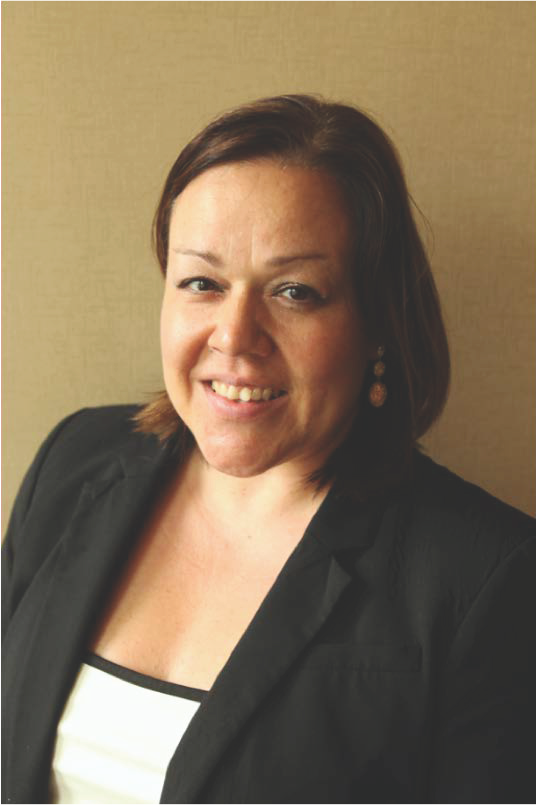
Audra Simpson is Associate Professor of Anthropology at Columbia University. She is the author of Mohawk Interruptus: Political Life Across the Borders of Settler States (Duke University Press, 2014), winner of the Native American and Indigenous Studies Association’s Best First Book in Native American and Indigenous Studies Prize, the Laura Romero Prize from the American Studies Association as well as the Sharon Stephens Prize from the American Ethnological Society (2015). She is co-editor of Theorizing Native Studies (Duke University Press, 2014). She has articles in Cultural Anthropology, American Quarterly, Junctures, Law and Contemporary Problems and Wicazo Sa Review. In 2010 she won Columbia University’s School for General Studies “Excellence in Teaching Award.” She is a Kahnawake Mohawk.
Working Group Affiliations
Pacific Climate Circuits: Moving Beyond Science, Technology, Engineering, and Economics
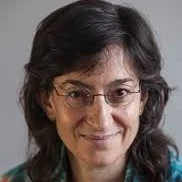
Alisa Solomon
Associate Professor, Department of Journalism, Columbia Journalism School
Alisa Solomon directs the Arts & Culture concentration in the M.A. program at the Journalism School. She came to Columbia in 2005 after nearly 20 years as a professor of English/Journalism at Baruch College-CUNY and as a professor in the Ph.D. programs in Theater and in English at the CUNY Graduate Center. In addition to contributing occasionally to The Nation, The Forward, The New York Times, and other publications, she was on staff at The Village Voice for 21 years, where she was a regular theater critic and cultural and political reporter, winning awards for stories on reproductive rights, electoral politics, women's sports, and immigration policy. Solomon's book, Re-Dressing the Canon: Essays on Theater and Gender, won the George Jean Nathan Award for Dramatic Criticism.
Associate Professor of Journalism, Columbia Journalism School
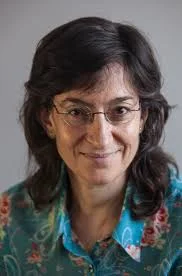
Alisa Solomon directs the Arts & Culture concentration in the M.A. program at the Journalism School. She came to Columbia in 2005 after nearly 20 years as a professor of English/Journalism at Baruch College-CUNY and as a professor in the Ph.D. programs in Theater and in English at the CUNY Graduate Center. In addition to contributing occasionally to The Nation, The Forward, The New York Times, and other publications, she was on staff at The Village Voice for 21 years, where she was a regular theater critic and cultural and political reporter, winning awards for stories on reproductive rights, electoral politics, women's sports, and immigration policy. For radio, she has contributed theater commentaries to WNYC and has served for more than a decade as a contributor to the weekly program "Beyond the Pale: Radical Jewish Culture and Politics" (WBAI). Solomon's book, Re-Dressing the Canon: Essays on Theater and Gender, won the George Jean Nathan Award for Dramatic Criticism. She is the editor of three anthologies: Wrestling with Zion: Progressive Jewish-American Responses to the Israeli-Palestinian Conflict (with Tony Kushner); "Theater and Social Change" (Theater, 31:3); and The Queerest Art: Essays on Lesbian and Gay Theater (with Framji Minwalla). Most recently, she edited and wrote the Introduction to The Reverend Billy Project: From Rehearsal Hall to Super Mall with the Church of Life After Shopping, by Bill Talen and Savitri D. Solomon holds a doctorate in Dramaturgy and Dramatic Criticism from Yale. Her book, Wonder of Wonders: A Cultural History of Fiddler on the Roof, was published by Metropolitan Books/Holt in 2013.
Working Group Affiliations
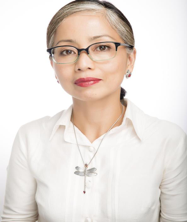
Neferti X. M. Tadiar
Professor of Women's, Gender, and Sexuality Studies
Neferti X. M. Tadiar is Professor of Women's, Gender & Sexuality Studies at Barnard College and Director of the Center for the Study of Race and Ethnicity at Columbia University. She is the author of Things Fall Away: Philippine Historical Experience and the Makings of Globalization (2009) and Fantasy-Production: Sexual Economies and Other Philippine Consequences for the New World Order (2004), and co-editor with Angela Y. Davis of Beyond the Frame: Women of Color and Visual Representation (2005).
Neferti X. M. Tadiar
Professor, Women's, Gender, and Sexuality Studies, Barnard College
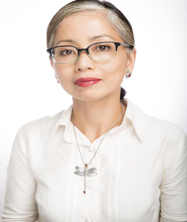
Neferti X. M. Tadiar is Professor of Women's, Gender & Sexuality Studies at Barnard College and Director of the Center for the Study of Race and Ethnicity at Columbia University. She is the author of Things Fall Away: Philippine Historical Experience and the Makings of Globalization (2009) and Fantasy-Production: Sexual Economies and Other Philippine Consequences for the New World Order (2004), and co-editor with Angela Y. Davis of Beyond the Frame: Women of Color and Visual Representation (2005). Her work examines the role of cultural practice and social imagination in the production of wealth, power, marginality, and liberatory movements in the context of global relations. She was co-director of the CSSD working group, “Gender & the Global Slum.”
Working Group Affiliations
Gender and the Global Slum, Project Director
Insurgent Domesticites, Co-Director
Pacific Climate Circuits: Moving Beyond Science, Technology, Engineering, and Economics
Edited Books
Things Fall Away: Philippine Historical Experience and the Makings of Globalization Duke University Press, 2009
Fantasy-Production: Sexual Economies and Other Philippine Consequences for the New World Order
John Hopkins University Press, 2004
Beyond the Frame: Women of Color and Visual Representation James Madison University Press, 2005
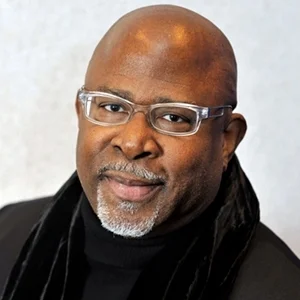
Kendall Thomas
Nash Professor of Law, Columbia Law School
Kendall Thomas is the Nash Professor of Law and co-founder and Director of the Center for the Study of Law and Culture. His teaching and research interests include U.S. and comparative constitutional law, human rights, legal philosophy, feminist legal theory, Critical Race Theory and Law and Sexuality. A past Visiting Professor at Stanford Law School, and Visiting Professor in American Studies and Afro-American Studies at Princeton University, Thomas has taught or lectured in France, The Netherlands, England, The Czech Republic, Germany, Haiti and South Africa. His writings have appeared in several academic journals and volumes of collected essays.
Kendall Thomas
Nash Professor of Law, Columbia Law School

Kendall Thomas is the Nash Professor of Law and co-founder and Director of the Center for the Study of Law and Culture. His teaching and research interests include U.S. and comparative constitutional law, human rights, legal philosophy, feminist legal theory, Critical Race Theory and Law and Sexuality. A past Visiting Professor at Stanford Law School, and Visiting Professor in American Studies and Afro-American Studies at Princeton University, Thomas has taught or lectured in France, The Netherlands, England, The Czech Republic, Germany, Haiti and South Africa. His writings have appeared in several academic journals and volumes of collected essays. He is a co-editor of Critical Race Theory: The Key Writings that Founded the Movement (The New Press, 1996) and What's Left of Theory? (Routledge Press, 2000). Thomas was an inaugural recipient of the Berlin Prize Fellowship of the American Academy in Berlin, Germany and a member of the Special Committee of the American Center in Paris, France. He is a founding member of the Majority Action Caucus of the AIDS Coalition to Unleash Power (ACT UP), Sex Panic! and the AIDS Prevention Action League.
Working Group Affiliations
Reframing Gendered Violence, Project Director

Anja Tolonen
Assistant Professor of Economics, Barnard College
Anja Tolonen is an Assistant Professor of Economics at Barnard College, Columbia University. She works on economic development and gender. One strand focuses on health and gender, including menstruation and school absenteeism, stigma around menstruation, and household health investment and knowledge.
Anja Tolonen
Assistant Professor of Economics, Barnard College

Anja Tolonen is an Assistant Professor of Economics at Barnard College, Columbia University. She works on economic development and gender. One strand focuses on health and gender, including menstruation and school absenteeism, stigma around menstruation, and household health investment and knowledge. Another strand focuses on the local welfare effects of natural resource extraction in Africa, including effects on women’s employment, gender norms, health and criminality. Her research methods include quasi-experimental analysis and randomized control trials, and she often uses large datasets. She has peer-reviewed publications in World Development, The Economic Journal and Ambio. At Barnard, she teaches Empirical Development Economics and Econometrics. She is an affiliated faculty at the Center for Development Economics and Policy at Columbia University. Prof. Tolonen is an external research member at Oxford Center for Analysis of Resource Rich Economies (University of Oxford), and UNESCO and The World Bank has funded her research. She received her Ph.D. in Economics from University of Gothenburg in 2015 and has been a visiting researcher at University of Oxford and University of California at Berkeley. During the academic year 2017-2018 she will be on an academic sabbatical at Princeton University (fall 2017) and New York University (spring 2018).
Working Group Affiliations

Carole S. Vance
Mailman School of Public Health and Department of Anthropology, Columbia University
Carole S. Vance, PhD, works on integrating sexuality with human rights frameworks and rights-based health interventions. She has written widely on sexuality, science, gender, and policy; policy controversies about sexual expression and imagery; and sexuality theory and research methods. For the past ten years, she has directed a program on sexuality, gender, health and human rights, which advances policy-relevant scholarship and facilitates exchange between researchers and advocates on sexual health and rights issues.
Carole S. Vance
Mailman School of Public Health and Department of Anthropology, Columbia University

Carole S. Vance, PhD, works on integrating sexuality with human rights frameworks and rights-based health interventions. She has written widely on sexuality, science, gender, and policy; policy controversies about sexual expression and imagery; and sexuality theory and research methods. For the past ten years, she has directed a program on sexuality, gender, health and human rights, which advances policy-relevant scholarship and facilitates exchange between researchers and advocates on sexual health and rights issues.
Dr. Vance has extensive experience in training students from developing countries, particularly on research methods in sexuality, and the practical application of sexuality research in a range of cultural, national, and policy contexts. Dr. Vance currently is involved in research on trafficking into forced prostitution, also known as sex trafficking, with particular focus on the ways in which ethnographic research can inform policy, as well as health and rights interventions. Dr. Vance edited the landmark collection, Pleasure and Danger: Exploring Female Sexuality, and is completing the edited volume, Ethnography and Policy: What Do We Know about Trafficking?, with publication in 2007. In 2005, Dr. Vance received the David R. Kessler Award for lifetime contributions to studies of sexuality.
Working Group Affiliations

Paige West
Claire Tow Professor of Anthropology, Barnard College and Columbia University
Paige West, former Director of Columbia University's Center for the Study of Social Difference, joined the faculty at Barnard College and Columbia University in 2001, the year after earning her Ph.D. in cultural and environmental anthropology at Rutgers University. She is currently The Claire Tow Professor, an endowed chair in Anthropology. Dr. West has worked in Papua New Guinea since 1996 and has conducted over 90 months of field-based research in the country.
Paige West
Claire Tow Professor of Anthropology, Barnard College and Columbia University
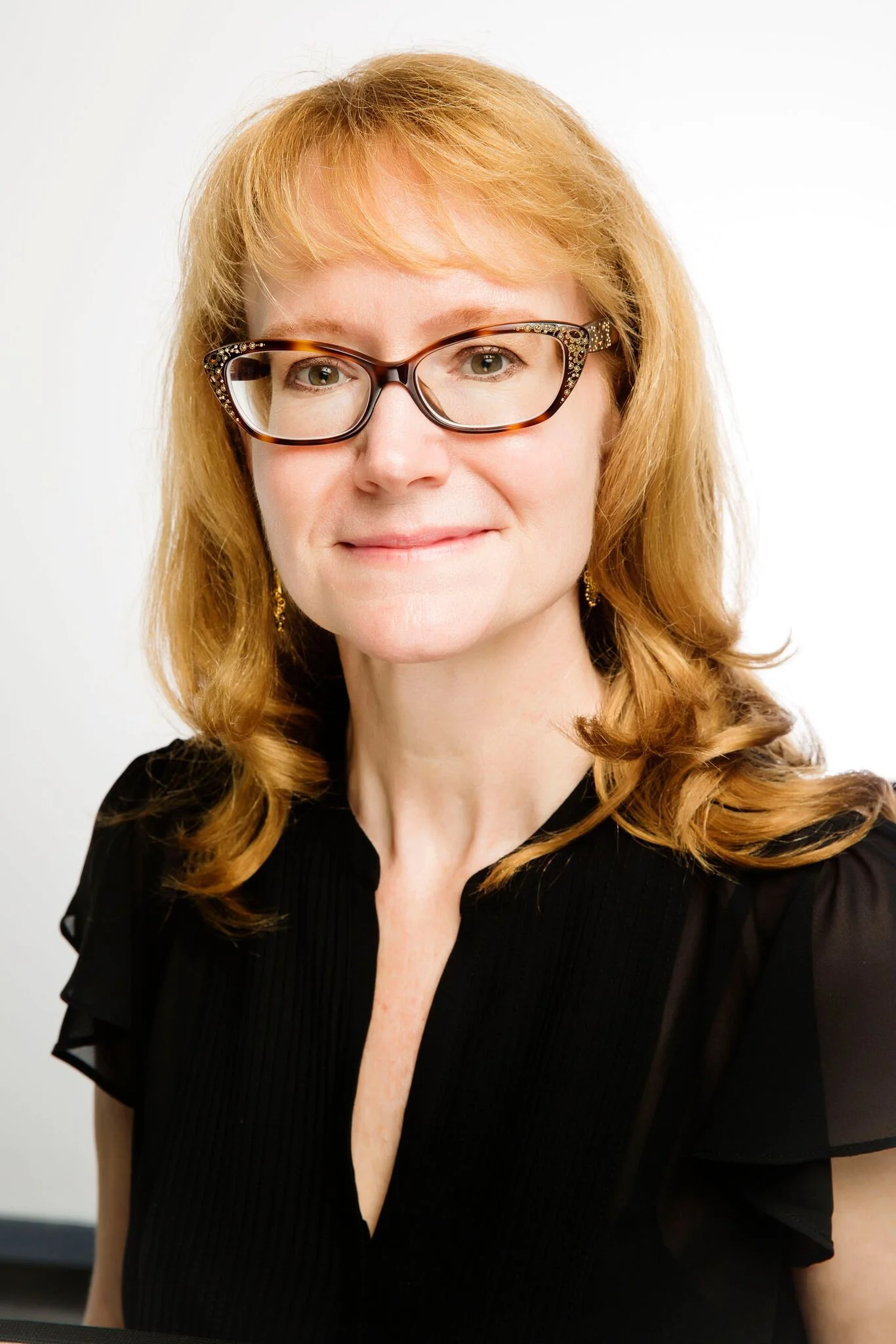
Paige West, former Director of Columbia University's Center for the Study of Social Difference, joined the faculty at Barnard College and Columbia University in 2001, the year after earning her Ph.D. in cultural and environmental anthropology at Rutgers University. She is currently The Claire Tow Professor, an endowed chair in Anthropology. Dr. West has worked in Papua New Guinea since 1996 and has conducted over 90 months of field-based research in the country.
Dr. West’s broad scholarly interest is the relationship between societies and their environments. More specifically, she has written about the linkages between environmental conservation and international development, the material and symbolic ways in which the natural world is understood and produced, the aesthetics and poetics of human social relations with nature, and the creation of commodities and practices of consumption.
Dr. West is the author of three books and the editor of five more. She has also published many scholarly papers. In 2008 Dr. West founded the journal Environment and Society: Advances in Research. She currently serves as the journal’s editor. Dr. West’s most recent book, Dispossession and the Environment, is the winner of the 2017 Columbia University Press Distinguished Book Award.
In 2002 Dr. West received the American Anthropological Association’s Anthropology and Environment Junior Scholar award for her work, in 2004 she received the American Association of University Women Junior Faculty Fellowship and the American Council of Learned Societies Faculty Fellowship, in 2006 she received the Rockefeller Foundation's Bellagio Fellowship, and in 2007 she was named a Fellow by the Association of Social Anthropology in Oceania. In 2012 she became the Chair of the Ecology and Culture University Seminar at Columbia. Recently, she has served as the chair of the Association of Social Anthropology in Oceania and is the past president of the Anthropology and Environment Society of the American Anthropological Association. In 2013 she delivered the Leonard Hastings Schoff Memorial Lectures at Columbia University. In 2015 she became the co-director of the Pacific Climate Circuits project at the Center for the Study of Social Difference at Columbia University. In 2016 she was named a Distinguished Scholar by the National Social Environmental Synthesis Center and an advisor to the National Center for Ecological Analysis and Synthesis (NCEAS) Science for Nature and People Initiative (SNaP). Finally, in 2017 and 2018 Dr. West served as a Phi Beta Kappa distinguished national lecturer.
In addition to her academic work, Dr. West is the co-founder, and a board member, of the PNG Institute of Biological Research, a small NGO dedicated to building academic opportunities for research in Papua New Guinea by Papua New Guineans. Dr. West is also the co-founder of the Roviana Solwara Skul, a school in Papua New Guinea dedicated to teaching at the nexus of indigenous knowledge and western scientific knowledge.
Working Group Affiliations
Pacific Climate Circuits: Moving Beyond Science, Technology, Engineering, and Economics, Project Director
Reframing Gendered Violence, Project Director
Book Publications
Dispossession and the Environment: Rhetoric and Inequality in Papua New Guinea, Columbia University Press, 2016. Winner of the 2017 Columbia University Press Distinguished Book Award.
From Modern Production to Imagined Primitive: The Social Life of Coffee from Papua New Guinea, Duke University Press, 2012. Runner up for the 2013 Julian Steward Award from the American Anthropological Association.
Conservation is our Government Now: The Politics of Ecology in Papua New Guinea, Duke University Press, 2012.
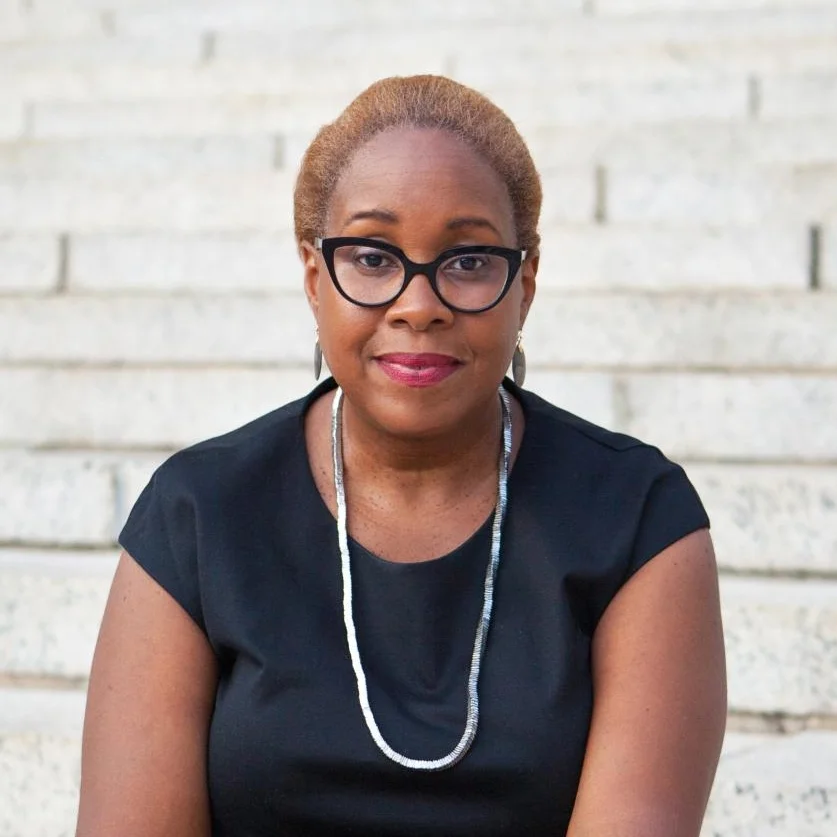
Mabel O. Wilson
Nancy and George Rupp Professor in Architecture, Columbia University
Mabel O. Wilson, is the Nancy and George E. Rupp Professor in Architecture and also a professor in African American and African Diaspora Studies at Columbia University. She also serves as the Director of the Institute for Research in African American Studies and co-directs Global Africa Lab. With her practice Studio&, she is a collaborator in the architectural team that recently completed the Memorial to Enslaved African American Laborers at the University of Virginia.
Mabel O. Wilson
Nancy and George Rupp Professor in Architecture, Columbia University
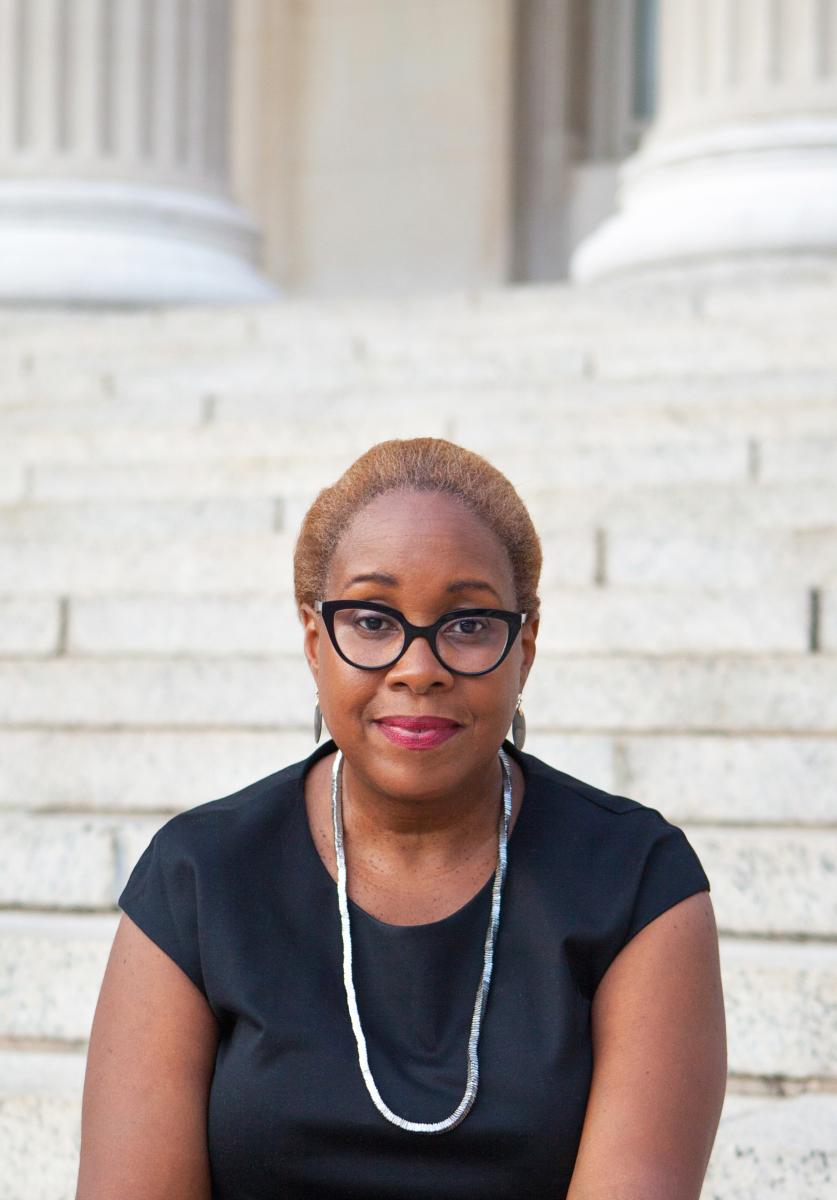
Mabel O. Wilson, is the Nancy and George E. Rupp Professor in Architecture and also a professor in African American and African Diaspora Studies at Columbia University. She also serves as the Director of the Institute for Research in African American Studies and co-directs Global Africa Lab. With her practice Studio&, she is a collaborator in the architectural team that recently completed the Memorial to Enslaved African American Laborers at the University of Virginia. She’s a founding member of Who Builds Your Architecture? (WBYA?) a collective that advocates for fair labor practices on building sites worldwide. She has authored Begin with the Past: Building the National Museum of African American History and Culture (2017) and Negro Building: African Americans in the World of Fairs and Museums (2012). She co-edited with Irene Cheng and Charles Davis Race and Modern Architecture: From the Enlightenment to Today (2020). , With Sean Anderson she is co-curator of the exhibition Reconstructions: Architecture and Blackness in America (2021) at the Museum of Modern Art in New York City.
Working Group Affiliations
Edited Books
Begin with the Past: Building the National Museum of African American History and Culture Smithsonian Books, 2017
Negro Building: African Americans in the World of Fairs and Museums University of California Press, 2012
Modern Architecture: From the Enlightenment to Today Co-Edited with Irene Cheng and Charles Davis University of Pittsburgh Press, 2020

Daniella Wurst
Doctoral Candidate, Latin American and Iberian Cultures, Columbia University
Daniella Wurst is a Doctoral Candidate in the Department of Latin American and Iberian Cultures at Columbia University. She is a graduate member at the Institute for Research on Women, Gender and Sexuality and a Teaching Scholar at the Graduate School of Arts and Sciences at Columbia University.
Daniella Wurst
Doctoral Candidate, Latin American and Iberian Cultures, Columbia University

Daniella Wurst is a Doctoral Candidate in the Department of Latin American and Iberian Cultures at Columbia University. She is a graduate member at the Institute for Research on Women, Gender and Sexuality and a Teaching Scholar at the Graduate School of Arts and Sciences at Columbia University. Since 2016, she has been a part of the Reframing Gendered Violence working group, as well as a member and part of the organizing team of the Cultural Memory University Seminar at Columbia University. Her dissertation analyzes photography, documentary theatre, and literature of the post-generation focusing on the tensions present in Cultural Memory Practices in Argentina, Chile, and Peru.
Working Group Affiliation